Inspired by a close friend, my personal Bible reading and study for this year is taking the form of focusing intently on a short passage of Scripture each week. The plan is that each day, I’ll do something different with the passage: select it, read through it (many, many times), read it aloud, pray about it, write it out, read it in the original Greek or Hebrew, read the interpretations of various commentaries, and, importantly (and through all of the other steps), memorize it.
I am interested to see how it goes.
The first passage I selected was Romans 6.1-5, which is, in some ways, controversial and misunderstood. That’s too bad, because I think it is one of the most beautiful and theologically profound passages penned by Paul in the New Testament. Basically, it focuses on the new life we have in Christ, how baptism functions as the line of departure between the old life and the new, and how, in the act of baptism, we re-enact the death, burial, and resurrection of Christ.
One key idea in the passage is the idea of being “dead to sin.”
I love the words written below by my former professor, Jimmy Allen, in his Survey of Romans (p.66):
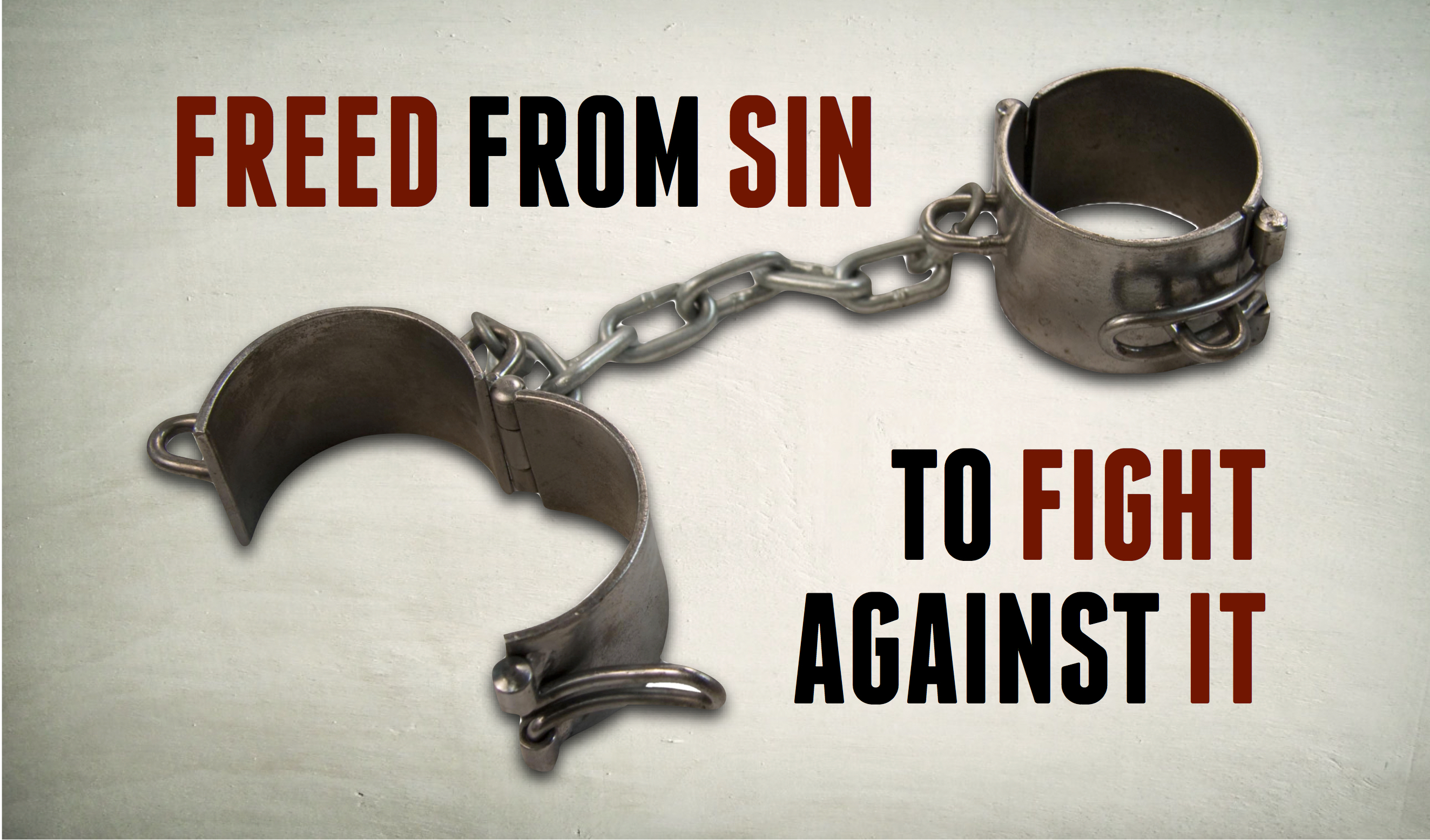
“Death to sin does not mean sinlessness. It means that sin no longer rules in the life of a Christian. However, sin’s dominion can re-establish itself and that is why Paul warned the brethren…God’s people have been freed from sin to fight against it. If they fail to fight, they will be conquered again.”
This brings a lot of clarity to the idea of being “dead to sin.” It’s not that we have no sin in our lives; it’s not that sin has no pull over us. Sin no longer dominates us; it no longer has dominion. As slaves are powerless to fight oppression, so are we powerless to fight against sin as long as we are enslaved by it. Once we are set free from sin through Christ at baptism, our efforts to fight against sin are empowered and thus, much more effective.







