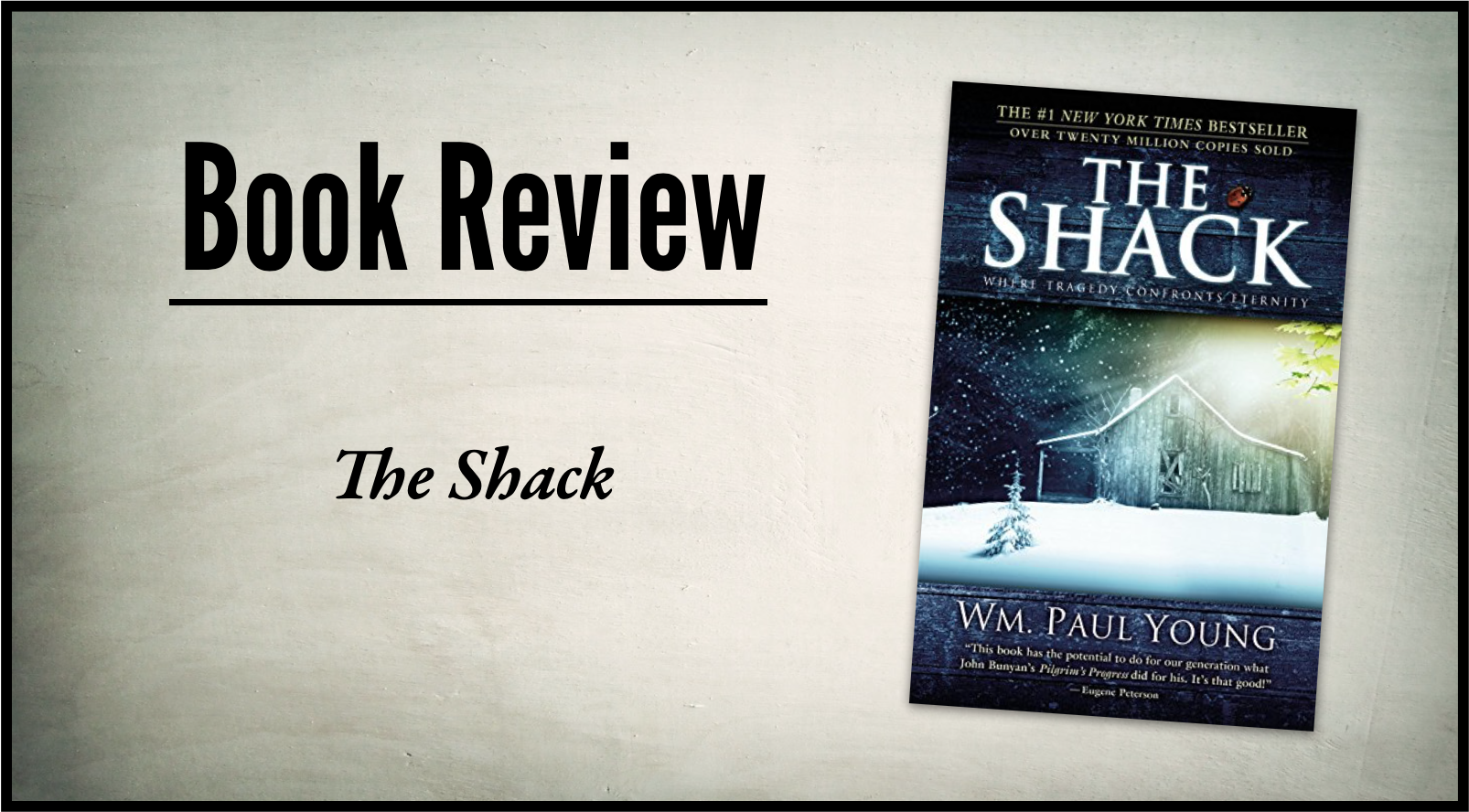
A decade ago or so, The Shack was a best-selling book. Millions of people read it, and many, many of those who did had strong opinions about it. For some, it was a wonder-working book, which offered healing for times of grief. For others, it was nothing short of heresy, portraying theologically dangerous ideas about the nature of God and salvation.
Fast forward ten years, and not much has changed: The Shack is now a blockbuster film, but the response to it has been largely the same: amazing or blasphemous. I have had people ask what I think about the story, and I have witnessed some of the discussion, and while I won’t try to convince you to love or hate The Shack, I would like to offer a third perspective.
My Story
I read The Shack for the first time in 2009, and when I did, I wasn’t impressed. There were some good elements to the story, and I found a few quotations that I liked, but I thought the book had major theological problems which were a big hang-up for me. If you’re interested, you can read a review I wrote back in 2009.
In the fall of 2014, I took a grad school class called Providence and Suffering, and The Shack was one of the texts that we were required to read for the class. Honestly, I was disappointed, because I had read the book before and largely dismissed it, and wasn’t thrilled to be reading it again. But I did read it again, and was surprised at what I found: the theological problems were still there, but they didn’t capture my focus in the same way. Instead, I read a powerful story of sin and suffering, and a God who loves us in spite of those things even when it feels like He doesn’t.
What changed between 2009 and 2014? It wasn’t that a new edition of the book came out that ironed out the theological difficulties; the text was the same. What changed was me.
When I read the book the first time, I was a 25 year-old minister who pretty much had it all figured out. In a lot of ways, I hadn’t experienced a whole lot in life, and I certainly hadn’t experienced any significant suffering. I “knew what the Bible taught,” was bothered by some of the finer theological points of the book, and basically, wrote it off.
When I read the book the second time, I was a 31-year old minister who had learned a lot in the intervening 5 1/2 years, and most of all, had learned that I absolutely did not have it all figured out. My wife and I had suffered through the heartbreak of miscarriage, and had been absolutely devastated by our beloved daughter’s diagnosis of a severe genetic condition that would greatly affect her life. I had learned much, much more about the Bible than I knew previously, and while my theological convictions remained (and, in fact, were deeper in many ways), I read the book in a completely different light. This time, I saw The Shack as an insightful and touching parable about suffering, and how God loves us in the midst of it.
Two Practical Considerations
Really, you can feel however you want to about The Shack, but here are some thoughts to consider:
The Shack is a parable; it is not a systematic theology. Parables are meant to make a point, but they are not meant to be pressed in their details. Even parables of Jesus can convey theologically inaccurate ideas if they are pressed in ways that they are not intended. If you go to The Shack looking for rigorous exposition of biblical theology, you are looking in the wrong place. That doesn’t mean The Shack is theologically perfect (it’s certainly not), but that’s also not its purpose.
Maybe The Shack is not for you. People are different, and that means that different things “speak” to different people differently (I wanted to see how many times I could use the word “different” in a sentence). If you are hung up on the theology, that’s fine; don’t read the book or watch the movie. But for some people, I think The Shack can be a powerful reminder that God cares for them deeply, even (especially?) in their suffering. I don’t think The Shack was for me the first time I read it; it was the second time.
So, those are my thoughts. Ultimately, I think there are a lot of more pressing issues for Christians to get riled up about than the orthodoxy of what is, in my opinion, a therapeutic parable. For my part, having read the book twice, I don’t feel a great need to see the movie (and honestly, am not eager about the emotional burden that I know will accompany my watching it), but I’ll probably catch it on Netflix in a couple years.