The online journal of Luke Dockery

Category: Quotations (Page 13 of 17)

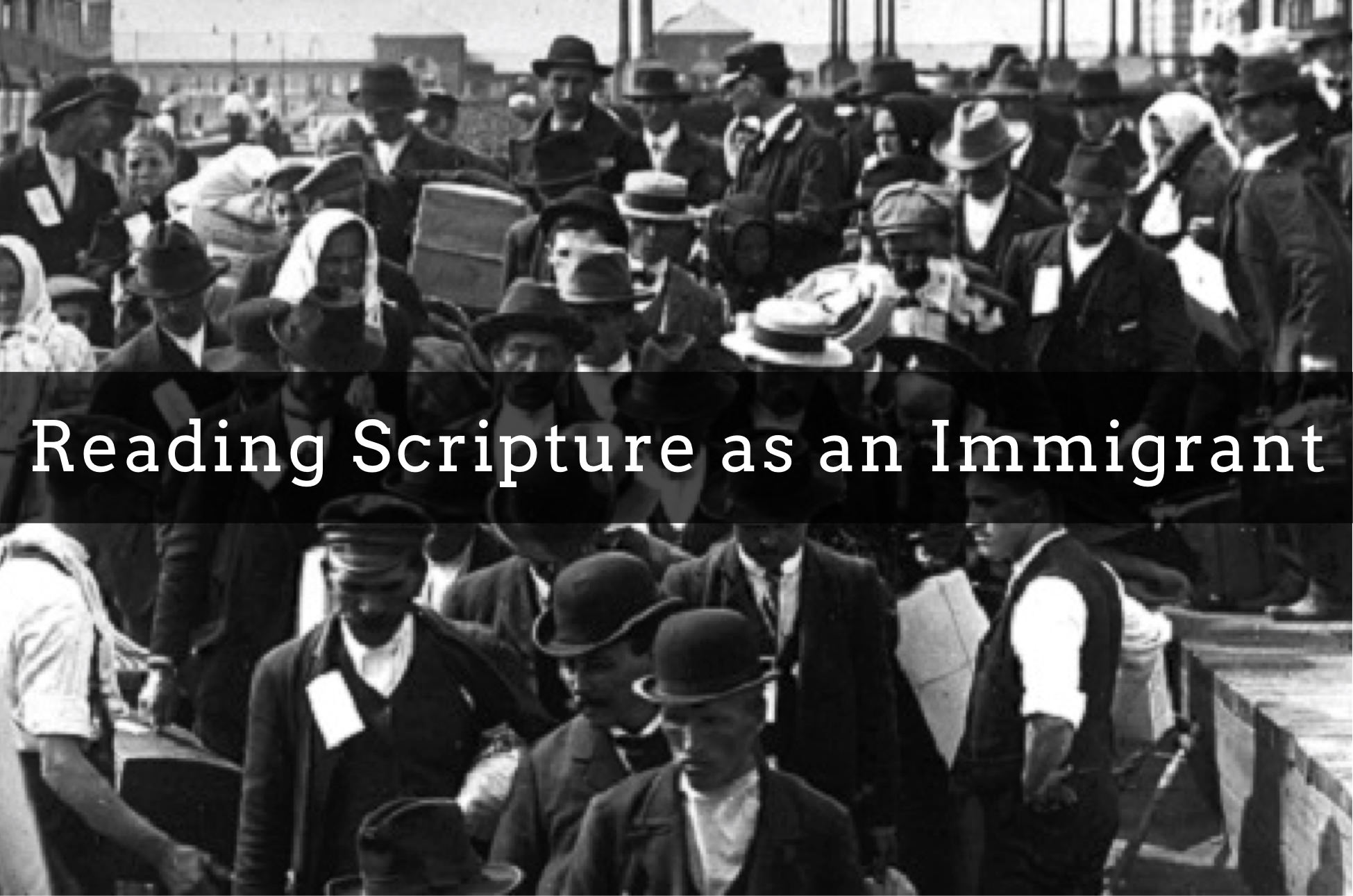
Reading Scripture as an Immigrant

One final perspective from Steeped in the Holy on Bible reading (p. 32-33):

“The third approach to Scripture—and the one that I believe is most useful for preachers—is that of the immigrant. When we come to a new country as an immigrant, we expect things to be different. We may have to learn a new language, or at least new vocabulary; there are different social expectations and cultural mores. To fit in, to belong, we have to adopt new clothing, accents, lifestyles. We never lose the culture of our homeland, but the longer we stay, the more aware we are of the differences. And as an immigrant, we invest in our new country; we develop relationships. We come to call it home.

When we approach Scripture as immigrants, we come expecting to inhabit this new world. We explore it as insiders, learning the culture and language not as observers but as practitioners. We are necessarily invested in it, with head and heart and soul. It is not enough to have technical skill or academic disciplines: Immigration demands our participation and commitment as people, practitioners, of faith. With such an approach, we cannot help but live what we preach. We live it from the inside. And in this living the text from the inside, in being immigrants and becoming resident, we find that Scripture itself challenges us. It demands certain beliefs, certain actions, certain faith of us. We cannot approach it this way and remain unchanged. And, if we are lucky, we fall in love—not just with our new home, but with the God who inhabits it.”

I appreciated these words and the description of this perspective compared to that of the tourist and scientist.
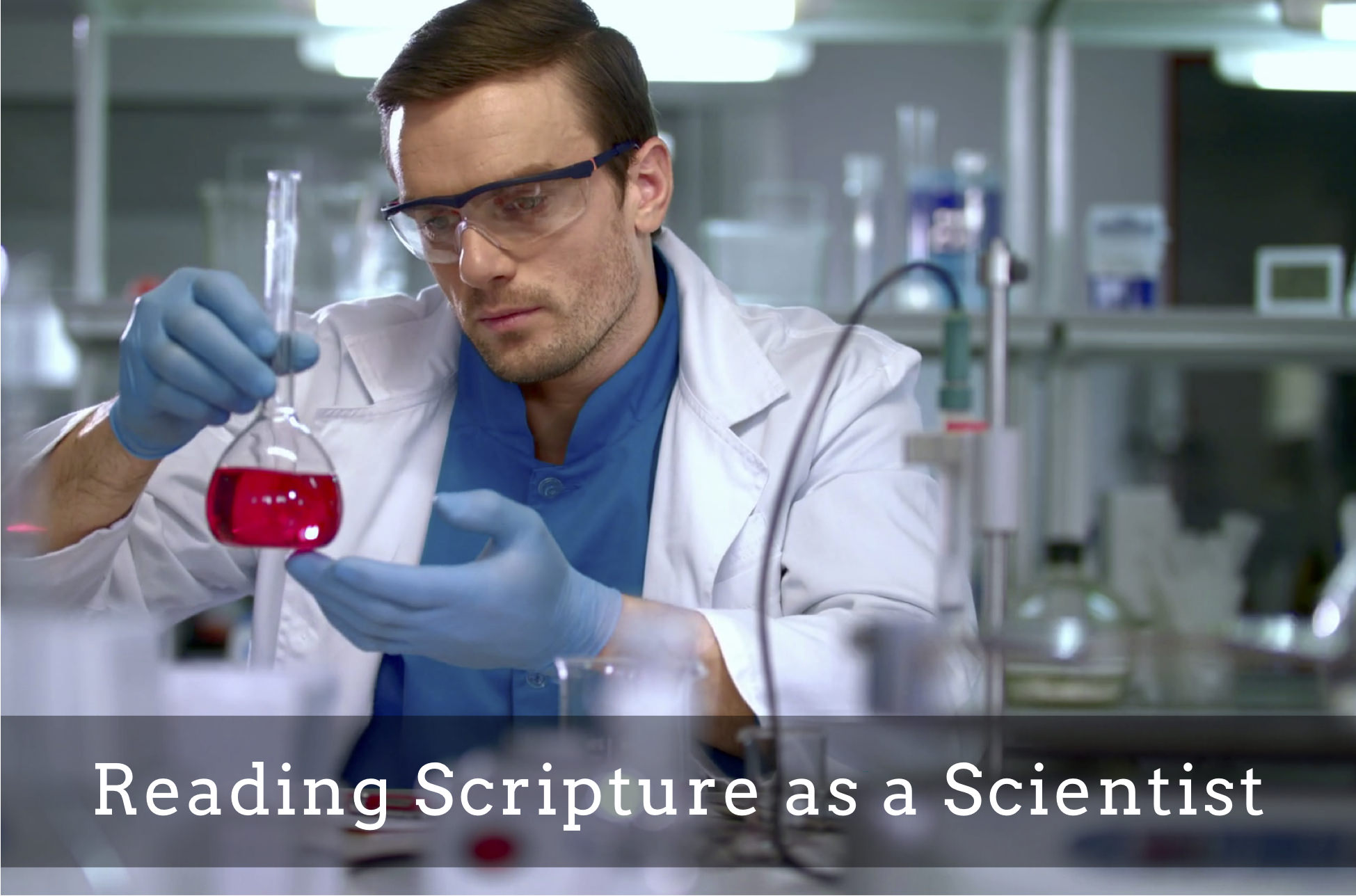

Reading Scripture as a Scientist


More good stuff from Steeped in the Holy (p. 32):

“The second approach to Scripture, beloved of academicians, is that of the scientist. When we approach a country or culture with the primary intention of studying it objectively, we focus not on the tourist attractions, but on the minutiae of daily life. We observe, catalog, define, dissect, and analyze, frequently relying on the input of our professional peers. We are curious, fascinated by uniqueness, looking for patterns and connections to our own cultures. We plan to write papers and books, to share the knowledge we have uncovered, and to return home as ‘experts.’

When we approach Scripture as a scientist, we focus on knowledge, putting the details together as a coherent whole. We explore the historical context, social structures, reliability of texts, issues of translation, and links with other texts. We turn to concordances, commentaries, and theologians for expert advice, and at the end of it all make a claim about what the text ‘means.’ The experience is, to a large extent, objective, and while faith may bring insight, it may just as easily be thought to cloud our interpretation. Our stance is that of a disinterested observer.”

A good word, especially for theology students (like me) and similar types.

Reading Scripture as a Tourist

From Steeped in the Holy: Preaching as Spiritual Practice by Raewynne J. Whiteley (p. 31-32):

“The easiest way to approach this world of Scripture is as a tourist. When we arrive in a new country as a tourist, we usually want to visit the famous sights: the major monuments, great museums, natural wonders. We take photographs of key places, we learn enough of the language to deal with our basic needs, but mostly we rely on guidebooks and interpreters. We steer clear of discomfort, and, on returning home, relive our memories through photographs and reminiscences; we temporarily gain new perspectives, but they are soon overcome by ordinary everyday living.

When we approach Scripture as a tourist, we do exactly the same thing. We work our way down the list of must-see sites, the popular and the well-known. We take snapshots of our favorite Bible verses, and quickly move on from anything that makes us uncomfortable. We learn just enough of the language to deal with the basics—Christ, prophet, miracle—and leave the rest to the experts to worry about. And we return home, excitedly talking about what we have seen, but the excitement soon wears off and we go back to life as it had always been.”

A good perspective, I think.

A Problem in Our Preaching

From David Buttrick in A Captive Voice: The Liberation of Preaching:

“But the truth is that most of our pulpits, Protestant and Catholic alike, have read scripture but then preached a psychological personalism for the past four decades, with sin as psychological dysfunction and salvation as inward good feeling.”

Is it any wonder that a distorted message leads to distorted disciples?

Martin Luther King Jr. and Jackie Robinson

Last week I wrote about Jackie Robinson’s integration of Major League Baseball in 1947 and mentioned that, after Martin Luther King Jr., Robinson was the most important figure in the American Civil Rights movement.
Today, while reading an article (which I recommend, by the way) about Jackie’s widow, Rachel Robinson, I came upon this quotation about Robinson from Dr. King:

“Back in the days when integration wasn’t fashionable, he underwent the trauma and humiliation and the loneliness which comes with being a pilgrim walking the lonesome byways toward the high road of freedom. He was a sit-inner before the sit-ins, a freedom rider before the Freedom Rides.”

For more information regarding Robinson’s pioneering efforts in the field of Civil Rights, see this interesting blog post I came across.
Jackie Robinson and Martin Luther King Jr. receiving honorary
Doctor of Laws degrees from Howard University in 1957.
« Older posts Newer posts »

© 2026 The Doc File

Theme by Anders Noren — Up ↑







