The online journal of Luke Dockery

Category: Bible Study (Page 23 of 40)

Scripture As Story: The Big Picture

Introduction

In this series, we are looking at Scripture as Story. Ultimately, we are going to look at various ways in which the biblical authors use literary techniques to reveal truth about God, but before we get into that, in this post, we want to look at the grand, overarching story that the Bible is telling, the “Big Picture” if you will.

Before we launch into that, I think it’s worth spending a little bit of time discussing why it is important for us to know and understand the Big Picture of the Bible.

First, have you ever had someone ask you what you believe, or what Christianity or the Bible is about, and you’re not really sure where to begin? Well, knowing the Big Picture of Scripture gives you a perfect answer: you can tell the story of God as Scripture tells it, and you can share your faith with confidence.

Second, have you ever studied a story or a book of the Bible in detail, but aren’t sure how it fits into the big picture? This is something I have noticed a lot in teaching teenagers: they might be able to talk about Joseph’s coat of many colors, Saul of Tarsus being struck down by a bright light, Daniel in the lions’ den, or all sorts of things about Jesus, but they’re not really sure how everything fits together. And, honestly, I think that is true of a lot of us. One of the advantages of knowing the Big Picture of the Bible is that it provides a framework upon which we can hang all of the details that we learn about various sections of Scripture.

Finally, have you ever struggled with the question, “What does God want for my life? How do I fit into God’s plan?” Perhaps the most important thing about knowing the Big Picture of the Bible is that it helps us to see how our own individual stories fit into God’s universal Story.

Now that we have talked about why the Big Picture is important, let’s launch into the Story itself. We will look at the story in six difference chapters.[1]

Creation

The story, of course, starts at the beginning:

In the beginning God created the heavens and the earth. The earth was formless and void and darkness was over the surface of the deep and the Spirit of God was moving over the surface of the waters. Then God said, “Let there be light” and there was light. God saw that the light was good and God separated light from darkness. God called the light day and the darkness he called night. And there was evening and morning, one day.

(Genesis 1.1-5)

God’s Story begins with His creation of all that is: everything we see and experience. He raised up the mountains, dug the valleys, and filled the seas. He set the stars in the sky, and placed the planets in their orbits.

He filled the waters and sky with fish and birds and brought forth vegetation on the earth. He created animals to walk upon the earth. His crowning point of creation was humanity: God breathed His Spirit into our flesh and made us in His likeness: “In the image of God, he created him. Male and female he created them” (Genesis 1.27). 

Over and over again, as God creates one thing and then another, God declared it to be good. There was order and harmony, interdependence and diversity. And there was glory: “The heavens declare the glory of God and the firmament shows his handiwork” (Psalm 19.1).

God blessed His creation and wanted it to flourish. He wanted humans to rule over and take care of creation. He wanted the heavens and earth to continue to declare His glory. He wanted to dwell with His creation in an intimate, relational way. 

Curse

But something tragic happened to ruin this goal. The Apostle Paul describes it in this way:

Therefore just as through one man sin entered into the world, and death through sin, and so death spread to all men, because all sinned.

(Romans 5.12)

Here Paul refers to a story that happened long before his time, but is a story we know well. In fact, it occurs very early in the Bible, immediately after the story of Creation.

God placed the first humans, Adam and Eve, in the garden of Eden. 

In that garden, there was a tree of knowledge of good and evil. God explicitly commanded them to not eat of that tree. For Adam and Eve, the tree represented much more than fruit: it was the choice to either live dependent on God, trusting fully in Him, or independent of Him, relying upon themselves to figure out what life was about. The tree represented freedom—or so they thought. 

Under the influence of the deceiving serpent, Eve took the fruit and ate of it, and shared it with her husband. Through this act of disobedience, Adam and Eve asserted their independence, telling God that they didn’t need Him. They could figure out life on their own and make their own decisions.

Immediately problems arose. Adam and Eve felt separation from God and they literally tried to hide from Him. They felt separation from one another and they blamed each other. They felt separation from the goodness God bestowed upon them in creation and they felt shame and tried to cover their nakedness. They felt separation from creation as the ground became cursed. The good world God had created broke.

Things just got worse and worse. Cain, Adam and Eve’s son, committed the first murder, killing his own brother. Death spread to the human race. The curse of sin escalated to the point that every inclination of the heart became full of evil all the time, the Bible says. All that God had made good was beginning to unravel.

How can this be fixed? What can be done to mend what is breaking? What can help creation declare God’s glory again?

Israel

The next chapter of the story begins in Genesis 12:

Now the Lord said to Abram, “Go forth from your country and from your relatives and from your father’s house to the land which I will show you; and I will make you into a great nation, and I will bless you, I will make your name great and you will be a blessing. I will bless those who bless you and the one who curses you I will curse. And in you all the families of the earth will be blessed.”

(Genesis 12.1-3)

God began fixing his broken world by calling a man named Abraham. He called Abraham to go to a different land so He could make him into a great nation. The purpose of this was not to make Abraham great, but for all the earth to be blessed and restored through Abraham.

Abraham’s son was Isaac, Isaac had Jacob, Jacob had 12 sons, and these sons turned into the twelve tribes of Israel. They would also become enslaved in Egypt, but God, through His mighty power, rescued them. No longer was it a small family, but a people: Israel. God took Israel to Sinai and made a covenant with them, teaching them how to live through the giving of His law.

God told them, “You are to be a kingdom of priests and a holy nation” (Exodus 19.6). Again, as with Abraham, God’s blessing of Israel was never about Israel: they were to be a light to the nations. Through them, God was going to fill the earth with His glory. Blessing and redemption were supposed to come. Israel was supposed to be good news for the world, but most of the time, it wasn’t.

This becomes painfully apparent almost immediately, as Israel struggles to keep their covenant. By the time Moses comes down from the mountain with the Ten Commandments, the people are already breaking them, worshiping an idol, a golden calf. God is angry, but He is also patient, and doesn’t give up on them. Instead, He tries to teach them by sending them leaders, prophets, and judges. He gives them land, a king (reluctantly), a city, and a temple. He heaps blessing upon them.

But the people keep straying from God’s covenant. They worship idols. They neglect and oppress the poor. They put their trust in military might and foreign nations rather than God. They don’t act as a kingdom of priests or a holy nation: instead of being a light to the nations, they are a part of the darkness.

Finally, God says, “Enough!” He sends Israel people into exile. He brings judgement upon His own people. They lose their land, their temple, their capital, and their king. 

But even in the midst of despair and devastation, God makes a promise. Someday…God would bring a new covenant. Someday…He would send a new King who would lead the people in the right way. Someday…He would give his people a new heart and spirit. God would use them to be a light to the world. But how was this going to happen? 

Jesus

And this is where a Story which has largely been sad to this point, suddenly takes a good turn. The Gospel of John describes it this way:

In the beginning was the Word and the Word was with God and the Word was God. He was with God in the beginning. All things were made through Him and without Him nothing was made that has been made. In Him was life and that life was the light of men…The Word became flesh and dwelt among us, and we have seen His glory, the glory as of the one and only coming down from the Father, full of grace and truth.

(John 1.1-4, 14)

In a small town, while no one was watching, God broke into our world in the form of a tiny baby named Jesus, who was also called the Christ. He grew up in Nazareth and began His ministry in Galilee. He launched His ministry when He read a passage from Isaiah 61, which talks about the Spirit anointing Him to preach good news to the poor, recovery of sight to the blind, release for the captives, freedom for the oppressed, and to proclaim the year of the Lord’s favor (Luke 4.18-19).

After reading that, he said, “Today this is fulfilled in your hearing” (Luke 4.21). What Jesus means is that now is the time when God was going to restore His people and begin the process of fulfilling the promise to Abraham of bringing blessing and healing to a broken world.

A new King was here! And this is better than the kings that Israel had before; this was good news. This new king went about teaching, preaching, and healing. He taught about what it looks like when God is King: it means loving God with all of your heart, soul, mind, and strength. It means loving your neighbor as yourself. 

He told people how to live as citizens of His kingdom. He talked abut repentance, and called people to deny themselves and take up their cross and follow Him. He said if you want to be great, you have to become a servant. He introduced a new way of life, one of love, faithfulness, and mercy. 

And He healed. He showed that the brokenness of our world, the curse of sin, was not a permanent condition—it was being reversed, undone. The lame began to walk, the poor were blessed, the lepers were cleansed, and the dead were raised. 

Then, Jesus suffered. He took the sin and brokenness of the world upon Himself by being beaten, ridiculed, and eventually dying on a cross. In that act, the guilt and power of sin began to be broken. 

Three days later, God raised Jesus by His power from the dead declaring Him Lord over the world. Jesus appeared to disciples proving that He was alive and He sent them to be witnesses of this new life and to invite others to partake of it.

What a wonderful chapter this is, but it ends with Jesus ascending back to heaven to be with His Father. What would happen next? Who would carry on the work of Jesus?

Church

We get the answer to those questions at the beginning of the Book of Acts:

When the day of Pentecost had come, they were all together in one place. And suddenly there came from heaven, a noise like a violent rushing wind, and it filled the whole house where they were sitting. And there appeared to them tongues as of fire distributing themselves and they rested on each one of them. And they were all filled with the Holy Spirit and began to speak with other tongues, as the Spirit was giving them utterance.

(Acts 2.1-4)

The Holy Spirit was poured out on the apostles of Jesus. It empowered them to be the witnesses Christ had called them to be of His life, death, and resurrection. Peter preached that in his first sermon and it convicted the listeners. They cried out, “What shall we do?”

Peter replied, “Repent and be baptized everyone of you in the name of Jesus and your sins will be forgiven and you will receive the gift of the Holy Spirit” (Acts 2.38). Three thousand people responded and were baptized, and with this, what we call the church was born. 

But really, God was simply fulfilling what He had promised long before: Israel was being restored. God’s people were receiving a new covenant in Christ Jesus. A new heart and spirit were being given to them. Now, they were empowered by the Spirit of God to fulfill what God promised to Abraham: to be a blessing to the rest of the world.

Now, being a part of God’s people (Israel) was no longer based on ethnic background, but rather, on relationship with Jesus. It did not matter whether you were Jew or Gentile, slave or free, male or female. All were now welcomed in Christ Jesus. Also, God’s people were not simply passive lights revealing a different way to live; they were actively sent throughout the world to proclaim the good news about Christ. So this is exactly what they did: Paul, Barnabas, Timothy, Titus and many others traveled all over the Roman Empire declaring the good news of what God was doing.

They carried on this great work, emboldened by God’s Spirit, and energized by a promise that infused their teaching and preaching, which brings us to the last chapter.

New Creation

That promise is described beautifully in John’s Revelation:

Then I saw a new heaven and a new earth; for the first heaven and the first earth passed away and there is no longer any sea. And I saw the holy city, new Jerusalem coming down out of heaven from God, made ready as a bride adorned for her husband. And I heard a loud voice from the throne, saying, “Behold the tabernacle of God is among men, and He will dwell among them and they shall be His people and God Himself will be among them. And He will wipe away every tear from their eyes; and there will no longer be any death; there will no longer be any mourning, or crying, or pain; the first things have passed away.” And He who sits on the throne said, “Behold I am making all things new.”

(Revelation 21.1-5)

The promise was that Someday, God was going to fully finish what He had started through Jesus. Jesus is going to come back and this time, He won’t be rejected. He won’t be killed.

This time, every knee will bow and every tongue will confess Jesus Christ as Lord. All that is evil, all that is rebellious, and all that is broken will be removed. Those that do not want the healing and forgiveness found in Christ will receive that wish, and be separated from God. 

God will make all things new. The curse of sin will no longer be present and God will be with His creation completely. All of creation—or in the words of John, the new heaven and new earth—will fully declare God’s glory. We will live with Him and serve Him forever.

Conclusion

This is the Story, the Big Picture of Scripture. It is what Christians believe. It is a story of good news (gospel) that we have to offer to the world. A story that Jesus is Lord, and that through His death and resurrection and the pouring out of the Holy Spirit, God is putting our broken world back together again.

There are numerous problems in our world that cause untold heartache—racial strife, political turmoil, poverty, crime, immorality, and more. But the Story of Scripture is that there is an answer to these and all other problems, and His name is Jesus. Through His death and resurrection, sin is broken.

This also gives us an answer to the question regarding the purpose of our own lives. Knowing the Big Picture of the Bible helps us to see how we connect our story to The Story, by joining in God’s Mission. First, we do this by responding in the same way that Peter’s audience did in the Book of Acts: we receive the good news of what Jesus has done, is doing, and will do into our own lives by repenting of sin and being baptized. And then, we let Jesus begin to put our broken lives back together by the power of the Spirit. Second, we are to join with Jesus and His people to be a light to the nations and bring the message of the healing of Jesus to rest of the broken world.

This is the Story that Scripture tells, the Big Picture of the Bible. It is the Story that changes everything.


[1]These chapter divisions and much of the content that follows comes from Steve Cloer, “What Is The Gospel?” in Gospel: Good News For A Desperate World, ed. Luke Dockery (Fayetteville, AR: Deeper Youth Ministry, 2017), 10-19. This essay was the manuscript version of a presentation that Steve made at the 2016 Deeper Youth Conference, and again, what follows relies heavily upon his outstanding work.

If you are a fan of alliteration, you could alternatively call these chapters Creation, Curse, Covenant, Christ, Church, and (New) Creation. I prefer “Israel” and “Jesus” over “Covenant” and “Christ” for reasons that are probably not worth going into here.

Scripture As Story

One of the significant developments in the field of biblical studies over the last few decades that I have witnessed becoming increasingly widespread (especially on a popular level) over the last several years is a narrative approach to Scripture: reading the Bible as literature, and specifically, as literature that is telling a grand, overarching story about who God is and what He is doing in the world.

For some, hearing about the Bible being literature or story immediately sets off warning alarms in your head, because sometimes we hear the words “literature” and “story” and assume that they refer to things that are not true, and if we apply those words to Scripture, doesn’t that negate or diminish the truth of it?

Well, no.

Certainly I want to affirm that the Bible is true, and we want to read it in ways that reinforce our confidence in its truth and reliability, but it’s worth pointing out that stories can be true. In fact, we talk about “true stories” all the time. Sometimes we’ll tell someone a story and maybe there’s a bit in there that is hard to believe, and so we say, “True story!” to reassure our listeners that what we are telling them really happened. Sometimes we go to the movies and before the film begins it might say, “Based on a true story,” which means that they have taken Hollywood liberties and added some details and twists to make it more exciting, but it’s based on something that actually happened.

Well, with Scripture, what we have is not based on a true story; it is the true story! It’s the truest story of all! But it’s still revealed to us as a story, and we read it more accurately and more faithfully if we read it as a story.

And that’s what I want to do in this series. For several posts, I want to look at Scripture As Story. We will look at the grand, overarching story that the Bible is telling, and we will also look at various ways in which the biblical authors use literary techniques to reveal truth about God, and how we can read the Bible better and more faithfully if we understand and look for these techniques.

I hope you will join in and follow these posts. For me, coming to appreciate the literary nature of Scripture and the story that the Bible is telling has deepened my respect for and interest in the biblical text, my wonder at the nature of inspiration, and my own sense of mission and purpose in God’s world. In short, it has helped my faith to grow.[1]

It is my hope that this series will, in a small way, help others similarly.

Other posts in this series:


[1]There are a ton of resources out there now on a literary approach to Scripture. A few that I will highlight include The Art of Biblical History by V. Philips Long, which was very influential to me personally, and The Art of Biblical Narrative by Robert Alter, which was kind of a game-changer in the field. Also, The Bible Project Podcast has done some good work on this as well, including “Setting in Biblical Narrative,” (March 25, 2018), and “Design Patterns,” parts 1-4 (April 2-23, 2018).

Pardon, Not Acquittal: Jesus and the Woman Caught in Adultery

Introduction

One of my favorite stories in Scripture is found in our modern Bibles in John 8, and is generally referred to as something like “Jesus and the Woman Caught in Adultery.” I love this story because it is a good example of how Jesus was so different from what people expected, and how He always did the right thing in any given situation.

Maybe you are like me: there are so many times in life when I find myself in a situation where I simply do not know what to do. Maybe I don’t know how to answer a certain question, or respond to a problem that someone is having, or face a crisis in my own life. I want to do the right thing, I want to do the thing that honors God, but sometimes, in the moment, it can be hard to have the wisdom to know what that thing is.

But not with Jesus. He often had people intentionally trying to put Him in impossible situations, but He would always know the right thing to do or say.

And that is certainly the case in this story.

Does This Story Belong In the Bible?

Before we launch into examining the story itself, we first need to answer the question, “Does this belong in the Bible?” And that might seem like a crazy question at first, because, after all, it is in our Bibles, so surely it belongs there…right?

We don’t have the original editions of the Bible. Instead, what we have are thousands and thousands of handwritten copies called manuscripts. We have fragments that date back to the early second century, but the best comprehensive manuscripts we have that contain most or all of the New Testament date back to the fourth and fifth centuries.

Compared to other ancient works, this is incredible. There are some ancient works of famous philosophers or poets of which we may only have a handful of copies, but there are thousands and thousands of biblical manuscripts. There are a lot of differences between the different manuscripts because they were copied down by hand, but since there are so many copies, we can compare them and with a very high degree of accuracy, determine what the original text said.

The study of these manuscripts is called textual criticism, and the earlier manuscripts are better, because they are closer to the original copies of the books of the New Testament, and thus give us a more accurate picture of what the original documents said.

The vast majority of differences between manuscripts are differences in things like spelling (basically the modern equivalent of a typo) where it is still very obvious what is supposed to be said. There are only a handful of places in the New Testament where there is a whole verse or verses that we are not sure about, and even in those, there is no point of doctrine that is compromised either way. So the biblical text that we have is very reliable.

But the story of the Woman Caught in Adultery, found in John 7.53-8.11, is one of those instances where different manuscripts disagree with one another. In most modern Bibles, John 7.53-8.11 will be included in brackets with a note next to it that says something like, “the earliest manuscripts do not include John 7.53-8.11.” What’s going on here?

The problem is that the earliest and best manuscripts we have do not put this story after John 7.52. Some do not contain the story at all, other manuscripts place it after John 21.25, one manuscript puts it after John 7.36, and some actually put it in the Gospel of Luke, after 21.38 (keep that in mind). So in this case, textual criticism tells us that this story about Jesus and the woman caught in adultery was almost certainly not originally at the end of John 7 and beginning of John 8.

But just because we don’t think this story is in the right place doesn’t mean that it isn’t a true story. It seems authentic; it certainly seems in keeping with the character of Jesus as we read in other places. It is referred to in other writings outside of the New Testament, so we know that it was a very early story, known in the second century.[1]

Some have suggested that this was preserved as a true story about Jesus, but wasn’t attached to a specific gospel, so different scribes who copied the manuscripts by hand added it at different places.

I think there is pretty good evidence that it was originally written by Luke. If you remember, earlier I mentioned that this story is included in some manuscripts of Luke, after Luke 21.38 (and if you look, it actually fits quite well there). But also, the theme, vocabulary, and style of writing in this story are more common to the books of Luke-Acts than they are the rest of John.[2] Luke’s gospel reflects a special interest on women, as this story obviously does, and there are various words and expressions used in this story that don’t appear elsewhere in John, but appear multiple times in Luke-Acts.[3]

But if Luke wrote this, why is it not in the earliest and most comprehensive manuscripts?

Well, Luke tells us at the beginning of his gospel (Luke 1.1-3) that he compiled his account of the life of Jesus based on the testimony of eyewitness accounts and that he took what he had collected and wrote it down. Luke would have compiled notes that he later collected and collated into a full text, sort of like if you can imagine having a folder with all of these stories of miracles and teachings of Jesus that you take and then compile together on one scroll.

This particular story fits in very well after Luke 21.38 (where it is in some manuscripts) but this point in Luke’s Gospel is also right before his telling of the betrayal, death, and resurrection of Jesus—the central elements of the Jesus story.

Luke’s Gospel in its current form is just about the right size for a typical ancient scroll, so it’s possible that Luke removed this story from his Gospel simply for the practical reason that he saw that he was running out of writing room, and he wanted to make sure that he covered the most important stuff.[4]

The story of Jesus and the Woman caught in adultery was still preserved as important and authentic, and was apparently widespread, which is how it got added to so many manuscripts in different places. None of this should make us uncomfortable or worried about the accuracy of our Bibles, but it should remind us that while the Bible is inspired by God, it is also a human product that God uses to reveal Himself to us.

The True Colors of the Pharisees

So while this story doesn’t really fit in the Gospel of John, I feel very confident that it is authentic, and that it fits in our Bibles. Let’s examine it more closely:

Early in the morning he came again to the temple. All the people came to him, and he sat down and taught them.

The scribes and the Pharisees brought a woman who had been caught in adultery, and placing her in the midst they said to him, “Teacher, this woman has been caught in the act of adultery. Now in the Law Moses commanded us to stone such women. So what do you say?”

This they said to test him, that they might have some charge to bring against him.

Here the Pharisees, the supposed keepers of the Law, slip up and show themselves to be less concerned with the integrity of the Law than they are in trapping Jesus in a difficult situation. You see, the Law of Moses did require that a woman caught in adultery be put to death, but it also required the same punishment for the man (Leviticus 20.10; Deuteronomy 22.22). Since the woman was “caught in the act of adultery,” the Pharisees clearly knew who the other guilty party was, and by not bringing him forward for punishment, showed that they weren’t too concerned with what the Law said.

Furthermore, despite what the Law said, “there is little evidence that it was carried out very often in first-century Palestine, especially in urban areas.”[5] Part of the reason for this is that the Jews were under Roman authority, and didn’t have the legal authority to execute people on their own (we see this again in the execution of Jesus).

So the Pharisees likely had no intention of executing the woman and weren’t really concerned about the Law of Moses. Instead, they were trying to trap Jesus between a rock and a hard place, forcing Him to either disregard the Law of Moses, or be the one who pronounced the woman’s death sentence (and thus, likely cause problems for him with the Roman authorities).

Jesus has been placed in a hard situation; out of nowhere, He is surrounded by an angry mob, asking Him to perform some on-the-spot biblical interpretation with massive implications. What is the right thing to do? How will He respond?

Writing on the Ground

Jesus bent down and wrote with his finger on the ground. And as they continued to ask him, he stood up and said to them, “Let him who is without sin among you be the first to throw a stone at her.” And once more he bent down and wrote on the ground.

Twice in this passage, it specifically mentions Jesus stooping down to write with His finger on the ground. It’s an interesting detail that is included, and helps the scene come to life for the reader. It is also one of the little characteristics of this story that make it seem genuine. Seeing that Jesus wrote on the ground but not necessarily knowing what it is that He wrote—this is the sort of detail that an eyewitness would remember and share.

Scholars and commentators have pounced on this little detail over the years and offered various interpretations of it:

  • Some have suggested that Jesus was writing out the 10 Commandments.
  • Some have argued that this was a direct reference to Jeremiah 17.13, where those who forsake God are “written in the dust”, and that Jesus is making a specific judgment against the Pharisees.
  • Some have proposed that the words Jesus writes are actually the specific sins of the scribes and Pharisees who have brought the adulterous woman before Him.

All of these suggestions (and others have been made as well) are interesting and, I guess, possible, but ultimately, we aren’t told what it is that Jesus writes on the ground. Personally, I’ve always been inclined to think that perhaps Jesus didn’t write anything of consequence on the ground at all, but just the act itself and the pause it produced helped to diffuse the energy and volatility of the situation and made the Pharisees more prepared to hear and respond to what Jesus says.

Sometimes when we find ourselves in a difficult situation, or perhaps when someone says something to us that just sets us off and makes our blood boil, the most important thing that we can do is to do nothing right then. Instead, the wise course of action is to take a deep breath and slow our heart rate before we respond (if we respond at all!).

Jesus says that He who is without sin is to cast the first stone. This is a reference to Deuteronomy 13.9 and 17.7—it is the witnesses of the crime who must be the first to throw the stones, and they cannot have been participants in the crime itself.[6]

So Jesus puts it back on those who were trying to trap Him: which of the woman’s accusers felt confident enough in their own sinlessness that they would take up the stone and begin the execution?

Pardon vs. Acquittal

But none of them do.

But when they heard it, they went away one by one, beginning with the older ones, and Jesus was left alone with the woman standing before him.

Jesus stood up and said to her, “Woman, where are they? Has no one condemned you?”

She said, “No one, Lord.”And Jesus said, “Neither do I condemn you; go, and from now on sin no more.”

The story of Jesus and the Woman caught in Adultery ends on a high note, as Jesus’ response to the Pharisees leaves them speechless. Seemingly, He awakens their consciences, and in shame, the slink away, realizing that they are in no place to pronounce judgment upon the woman.

“Woman, where are they? Has no one condemned you?”

“No one, Lord.”

“Neither do I condemn you; go, and from now on sin no more.”

Of course, Jesus is the One who is without sin, and is the One who actually has the right and authority to pronounce judgment. But He doesn’t condemn her. In fact, this is in keeping with the reason Jesus came into the world:

“For God did not send his Son into the world to condemn the world, but in order that the world might be saved through him.”

(John 3.17)

Jesus came on a rescue mission to seek and save those who were lost.

And what Jesus says here is incredibly important—Jesus pardons the woman, but He doesn’t say that her sin doesn’t matter or that it isn’t a big deal. Instead, He specifically addresses the sin—by telling her to “sin no more,” He indicates that He knew that she was indeed guilty of adultery and that she needed to change her life.

Which leads to an important idea that is central to the Gospel—Jesus offers us pardon, not acquittal:

  • If someone is acquitted of a crime, then they are declared to be “not guilty.” No punishment is due that person, because no sentence of guilt was passed.
  • If someone is pardoned of a crime, then they have been found guilty, but the punishment for the crime is taken away.

This is a central element to the gospel of Jesus Christ. Jesus doesn’t come to us and say, “Your sin is not a big deal; no crime has been committed, you are innocent.” Instead, He says, “Your sin is significant; it must be paid for, but you don’t have to pay the price.”

Our sin is such a big deal that Jesus paid the price for it on the cross; because of that sacrifice, pardon can be offered to the adulterous woman, and to the rest of us as well. And when we receive that pardon for our sins and appreciate it, we should be motivated, as Jesus told the woman, to go and sin no more.

Conclusion

The story of the woman caught in adultery is an interesting one. It presents textual problems, and we may be unsure of exactly where it fits in Scripture. But what a powerful story it is, and what important lessons it teaches us.

It teaches us about the nature of Jesus’ enemies. They were less interested in keeping God’s word than they were in trying to entrap Him. And in a similar way, we may find ourselves at times in difficult situations not because other people are trying to do the right thing, but because they are actively trying to cause problems for us.

This passage also teaches us something about how to respond to difficult situations. Jesus, the wisest of all men, doesn’t explode or react impulsively. Instead, He takes His time and calmly responds, diffusing the situation while applying biblical truth with clarity and grace.

And perhaps most of all, it shows us something about the kind of judge that Jesus, the Judge of all the World, is: He is looking to save, not to condemn. I think many people have an idea of God where He is distant and removed, watching us closely and just waiting for us to mess up so He can zap us. But this is not the picture of God that the Bible repeatedly offers. God is merciful and gracious, slow to anger, and abounding in steadfast love and faithfulness. God does not wink at sin or pretend that it doesn’t matter, but He is eager to pardon it, and He paid the price for it, Himself.

Each of us stands guilty in the sense that we have been convicted of sin in our lives. That is unquestionable. So the only real question is, have we received the pardon that God offers?


[1]Frank Pack, The Gospel According to John, Part I, The Living Word Commentary (Austin, TX: Sweet Publishing, 1975), 136.

[2]Ibid., 136; D. A. Carson, The Gospel According to John, The Pillar New Testament Commentary Series (Grand Rapids: Eerdmans, 1991), 334; http://www.tektonics.org/af/adulterypericope.php

[3]“Mount of Olives”, “scribes and Pharisees,” “eldest,” “accusers,” “early,” “all of the people”

[4] http://www.tektonics.org/af/adulterypericope.php

[5]Carson, 335.

[6]Ibid., 336.

My Favorite Bible Reading Methods

It’s the start of a new year, which is generally the time that many people begin their goal of reading through the Bible in a year. This is, of course, a worthwhile goal, but it is one I have mixed feelings about in the sense that frequently, people get behind in their reading plans and because they feel like they can’t catch up, give up instead. This is wrong-headed, I think, since the real point of Bible reading plans is to cultivate the regular practice of reading Scripture rather than finishing the whole Bible in 365 days.

At the same time, reading through the entire Bible is a very worthwhile goal, and it always amazes me when I hear of people who have been Christians for years and years but have never read the Bible from cover to cover (if you are reading this and fit into that category, I am not trying to make you feel guilty or ashamed, just keep reading). Simply put, if you don’t read the entire Bible, you tend to miss out on some important and recurring ideas.

For the last several years I have read through the Bible using different plans and methods, and for those who might be interested in reading through the Bible in 2018 (it’s not too late to start!), I thought it might be helpful to share of the different methods that I have enjoyed and what I liked about them:

  • The Daily Bible: This Bible attempts to place the books of the Bible in chronological order, and divides it into 365 readings to make it easy to know exactly how much you need to read per day. It also includes helpful introductory material to each book.
  • The Message: This is a simple “method”—I just read through the Message one year. This is not a common translation for me, which meant that I was constantly reading passages in new language, which led to new reflections and new insights. I’m sure some editions now come with Bible reading plans, or you can simply divide the 1189 chapters in the Bible (or the total page numbers in the edition you are using) into 365 portions.
  • ESV Journaling Bible: The ESV is the primary translation I use, and I really liked being able to write a lot of notes and reflections as I read through in the journaling space. Also, I really liked the reading plan that came along with it, which included a daily selection from the Old Testament, the New Testament, and the Psalms.
  • The Listener’s Bible: Two years ago, I did my Bible “reading” in the car by listening to audio CDs that were recorded by Max McLean. Not only did this allow me to make the most of time in which I was otherwise unproductive, it also allowed me to hear Scripture instead of read it, which is the same way that the original audiences would have been exposed to it. Bonus feature: your road rage tends to decrease when you drive around listening to God’s word.
  • ReadScripture App: Last year, I used the Bible Project’s free ReadScripture app on my iPhone (also available on Android), and absolutely loved it. Having everything on your phone is incredibly handy, the Bible Project videos that introduce each biblical book are incredible, and the emphasis on the Bible as one unified story that points to Jesus is very helpful.
  • Bibliotheca: This year, I am using Bibliotheca for my Bible reading. This approach is novel for a couple of reasons. First, everything about Bibliotheca has been carefully designed to enhance the reading experience: from removing the verse and chapter numbers, to the craftsmanship of the books themselves, to even the specially-designed font. Second, Bibliotheca uses an updated version of the incredibly literal American Standard Version. So far, I have not loved the stilted style of this translation, but the novelty of it and some of the word choices it uses has caught my attention several times and has helped me to see things in a new light (similar to what I said about the Message above, except from the opposite perspective).
  • Whole Books at a Time: This process is described here and is my tentative plan for next year. This is not truly a daily Bible reading plan, as you basically set aside one large block of time per week to read entire books in one sitting, but I can certainly see great potential value in reading the individual books as unified wholes.

If you are currently trying to read through the Bible this year, I applaud you on your goal, and maybe one of these methods will be helpful to you. But remember, more important than completing the entire Bible in an arbitrary amount of time is establishing the practice of regularly spending time in God’s word and seeking the transformation that comes from doing so.

Reading in 2017

I have enjoyed seeing several people post lists of the books that they read in 2017, or their top books from the past year. As someone who likes to read and keep track of what I read, it is fun to see what other people are reading as well.
Here is my list from 2017:

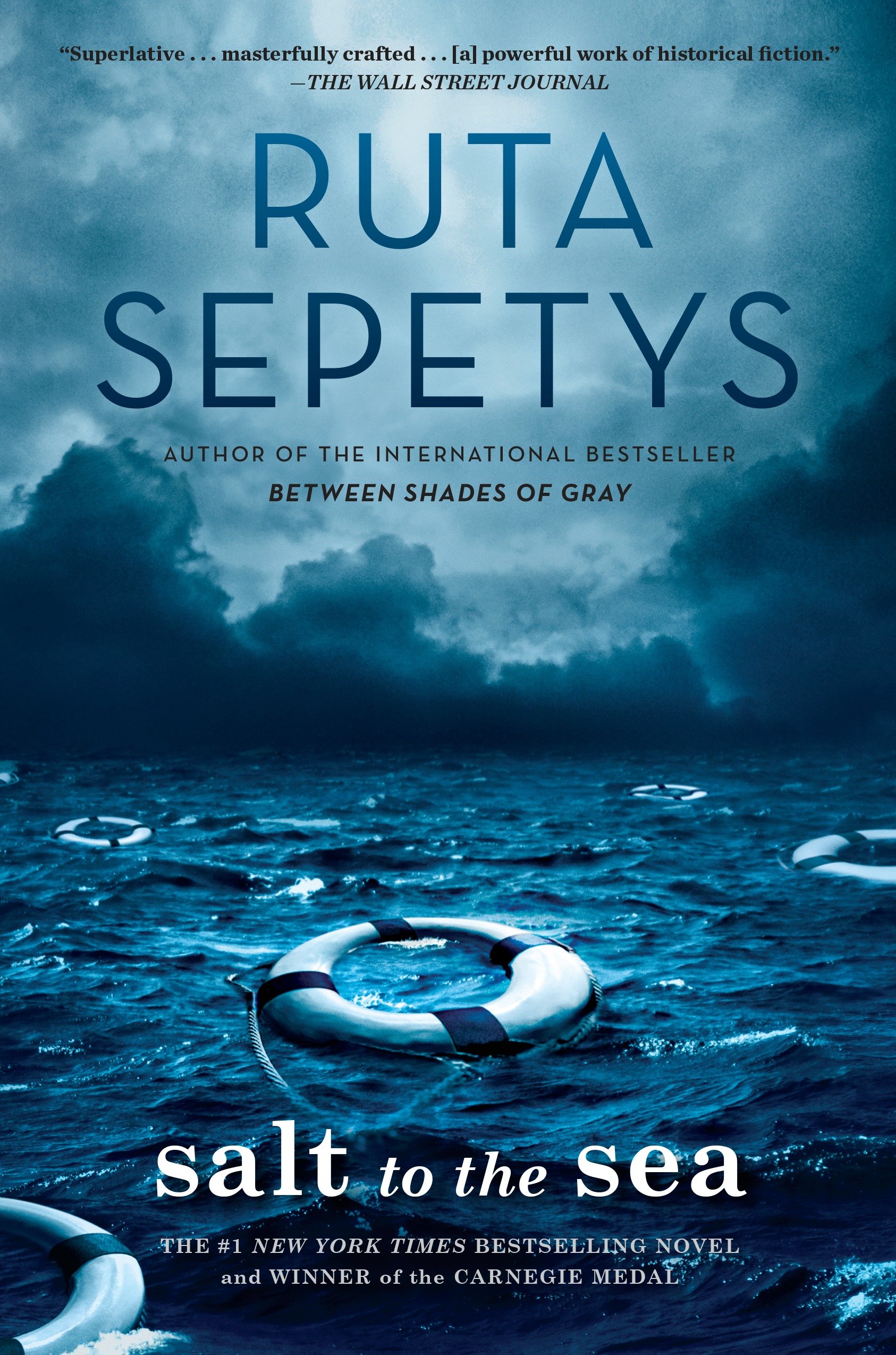
  1. Salt to the Sea, by Ruta Supetys
  2. Jonah: God’s Scandalous Mercy, by Kevin J. Youngblood
  3. Wild in the Hollow: On Chasing Desire & Finding the Broken Way Home, by Amber C. Haines
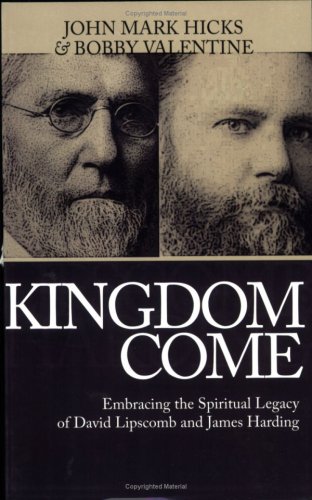
  4. Kingdom Come: Embracing the Spiritual Legacy of David Lipscomb and James Harding, by John Mark Hicks and Bobby Valentine
  5. City of Thieves, by David Benioff
  6. The Case for Easter: A Journalist Investigates the Evidence for the Resurrection, by Lee Strobel
  7. Digging Deeper Into the Word: The Relevance of Archaeology to Christian Apologetics, by Dale W. Manor
  8. Paul, by Edgar J. Goodspeed
  9. Babe: The Legend Comes to Life, by Robert W. Creamer
  10. Truth Speaks to Power: The Countercultural Nature of Scripture, by Walter Brueggemann
  11. The Need For College Ministry: Awakening the Church to One of the Most Receptive Mission Fields in the World, by Neil Reynolds
  12. The Phantom Tollbooth, by Norton Juster
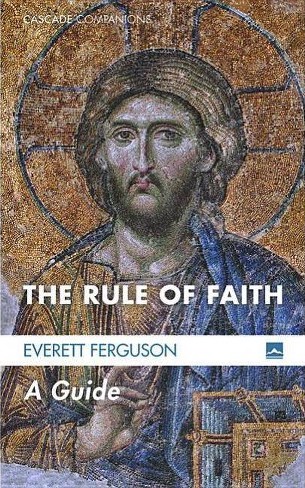
  13. The Rule of Faith: A Guide, by Everett Ferguson
  14. Hear Me Out, by Philip Jenkins, et. al
  15. All The Light We Cannot See, by Anthony Doerr
  16. The Teammates: A Portrait of a Friendship, by David Halberstam
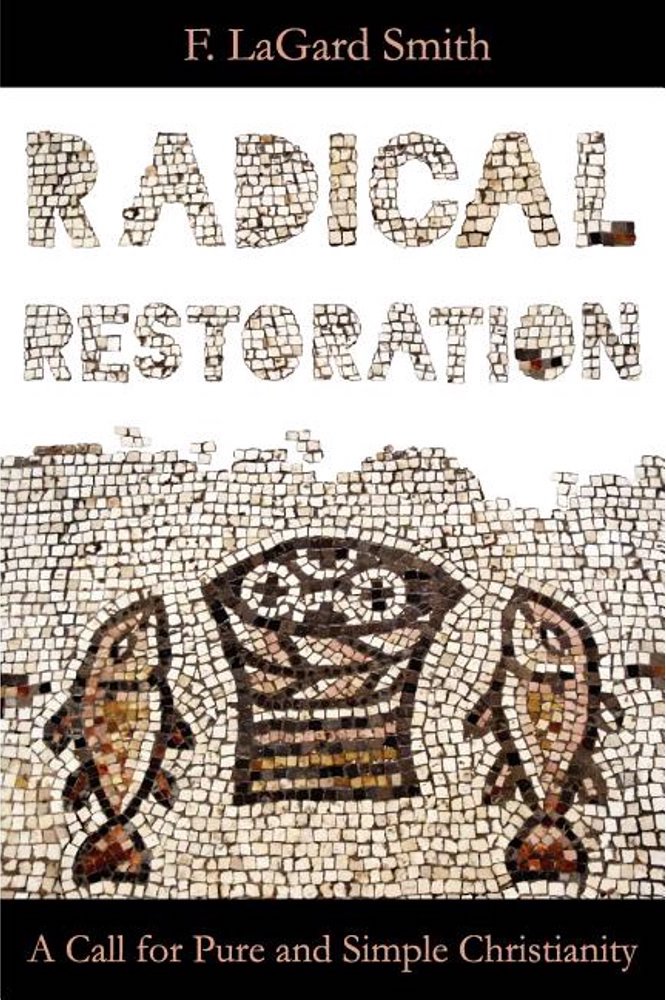
  17. Radical Restoration: A Call for Pure and Simple Christianity, by F. LaGard Smith
  18. Murder at Fenway Park, by Troy Soos
  19. Little League Confidential, by Bill Geist
  20. The Big Four, by Agatha Christie
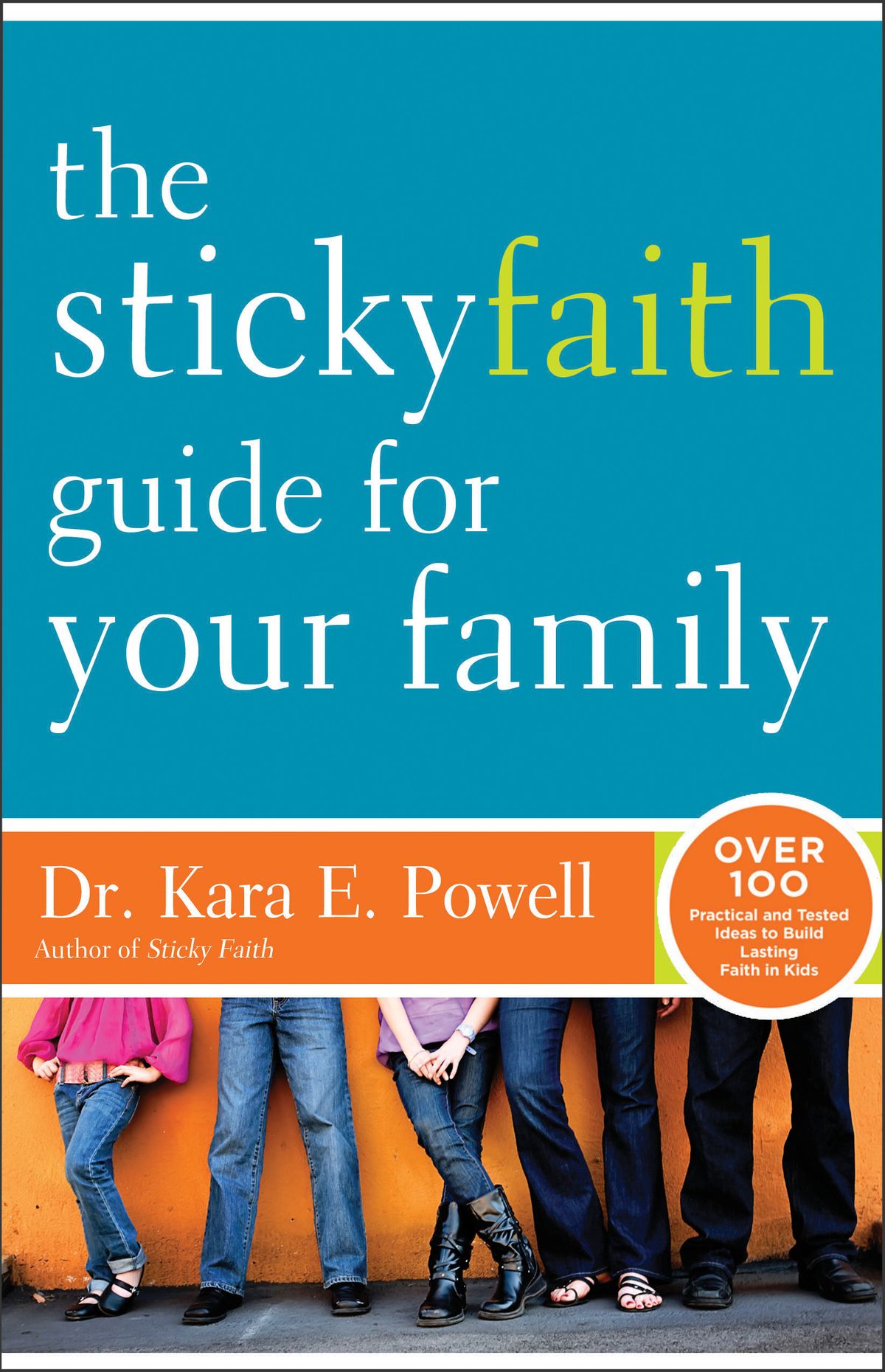
  21. The Sticky Faith Guide for your Family, by Kara Powell
  22. Velvet Elvis: Repainting the Christian Faith, by Rob Bell
  23. A Biblical Pattern for Church Growth: A Study of Ephesians 4.1-16, by Earl Lavender
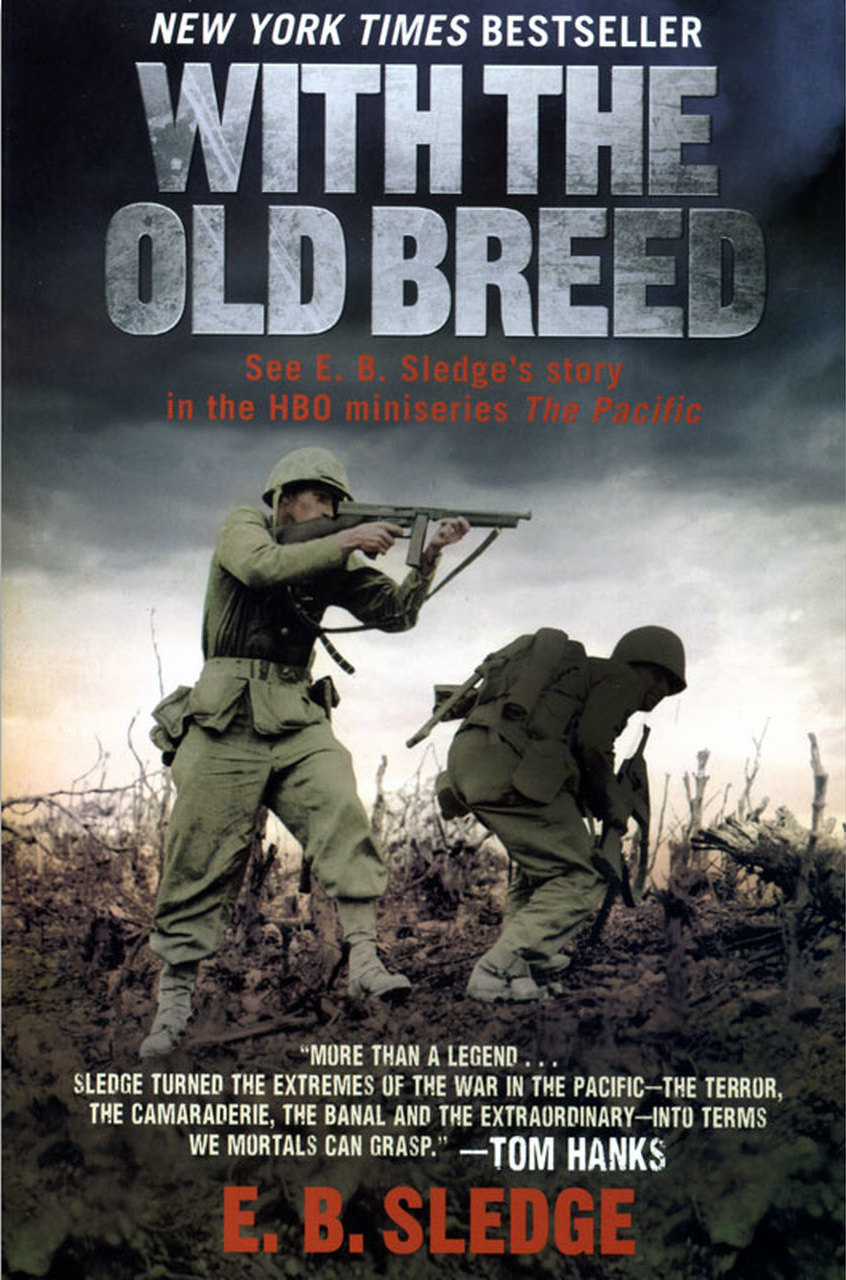
  24. With the Old Breed, by E. B. Sledge
  25. Ballplayer, by Chipper Jones with Carroll Rogers Walton
  26. Hillbilly Elegy, by J.D. Vance
  27. Lead Small: Five Big Ideas Every Small Group Leader Needs to Know, by Reggie Joiner and Tom Shefchunas
  28. The Didache
  29. First Apology, by Justin Martyr
  30. Against Heresies, by Irenaeus*
  31. Prescription Against Heretics, by Tertullian
  32. The Stone-Campbell Movement, by Leroy Garrett
  33. On First Principles, by Origen*
  34. Oration in Praise of the Emperor Constantine, by Eusebius
  35. Conference 1, by St. John Cassian
  36. The Rule of St. Benedict
  37. The Trinitarian Controversy, ed. by William G. Rusch*
  38. Ten Tips To Preaching To Students, by Frank Gil
  39. Confessions, by Augustine*
  40. The Distraction Slayer, by Michael Hyatt
  41. The Christological Controversy, ed. by Richard A. Norris, Jr.*
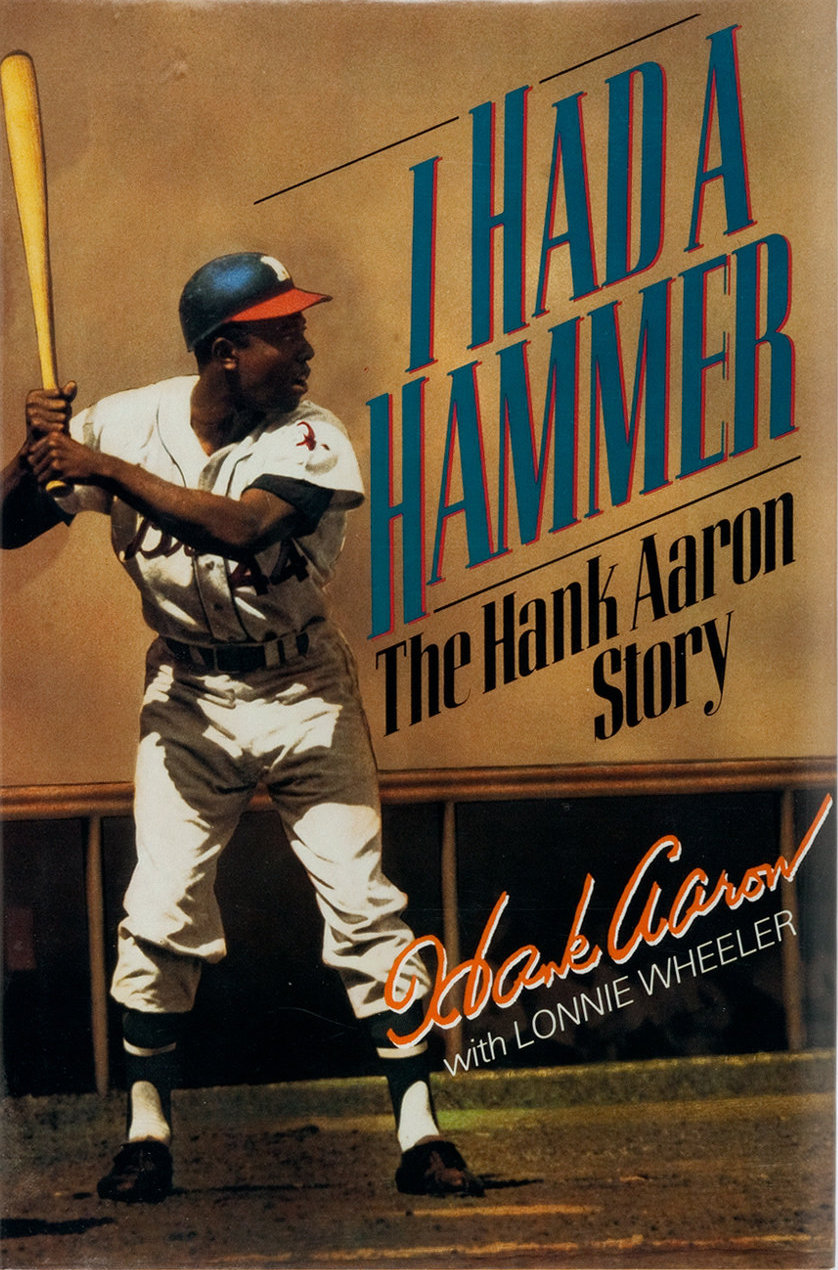
  42. I Had a Hammer: The Hank Aaron Story, by Hank Aaron with Lonnie Wheeler
  43. Proslogion, by Anselm of Canterbury
  44. Why God Became Man, by Anselm of Canterbury
  45. Gorky Park, by Martin Cruz Smith
  46. The Bridge of Sighs, by Olen Steinhauer
  47. Harry Potter and the Sorcerer’s Stone, by J.K. Rowling
  48. Youth Ministry in a Post-Christian World: A Hopeful Wake-Up Call, by Brock Morgan
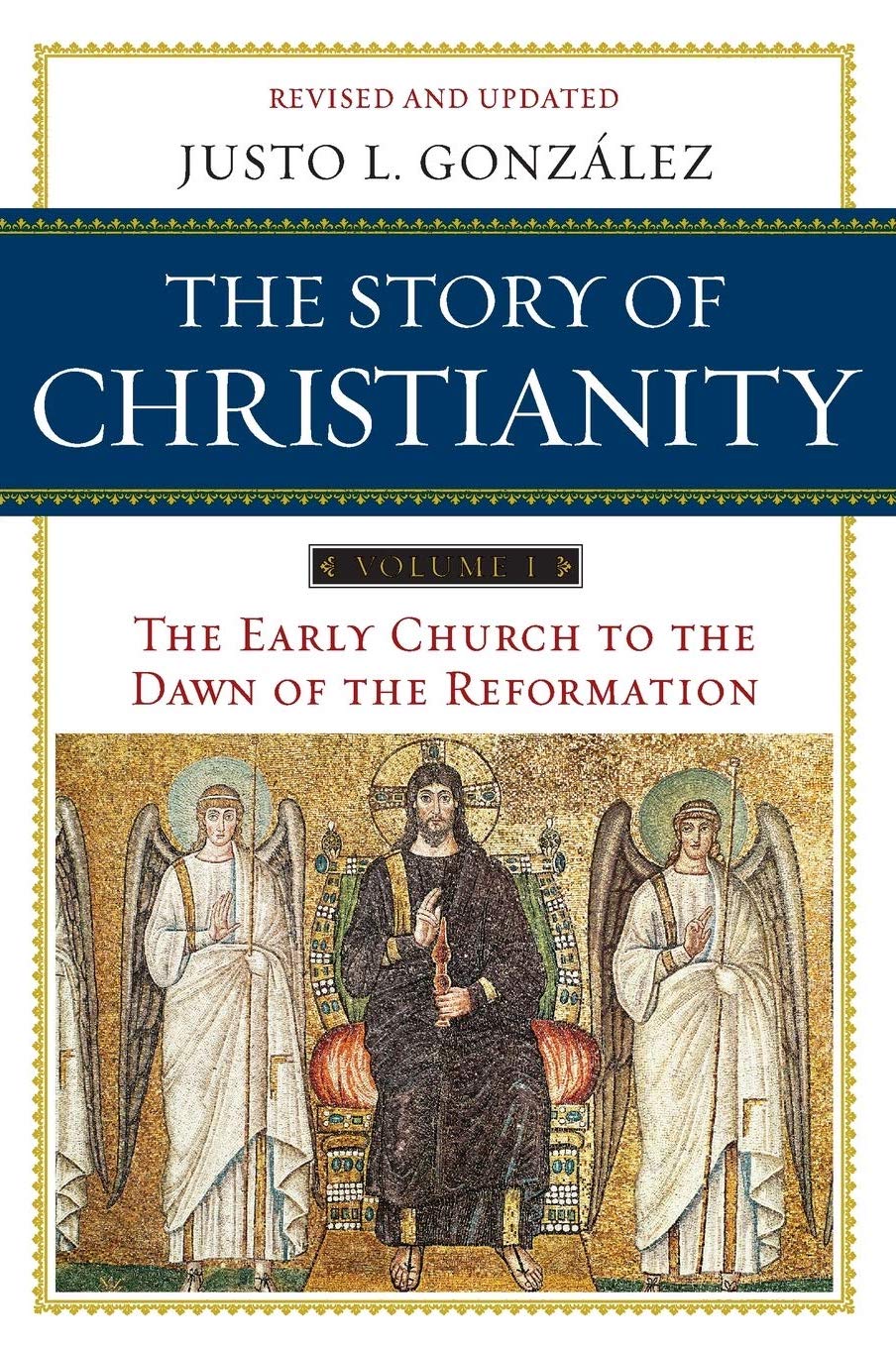
  49. The Story of Christianity, Volume 1: The Early Church to the Dawn of the Reformation, by Justo L. González
  50. Harry Potter and the Chamber of Secrets, by J.K. Rowling
  51. Advent: Seasonal Readings, by N.T. Wright
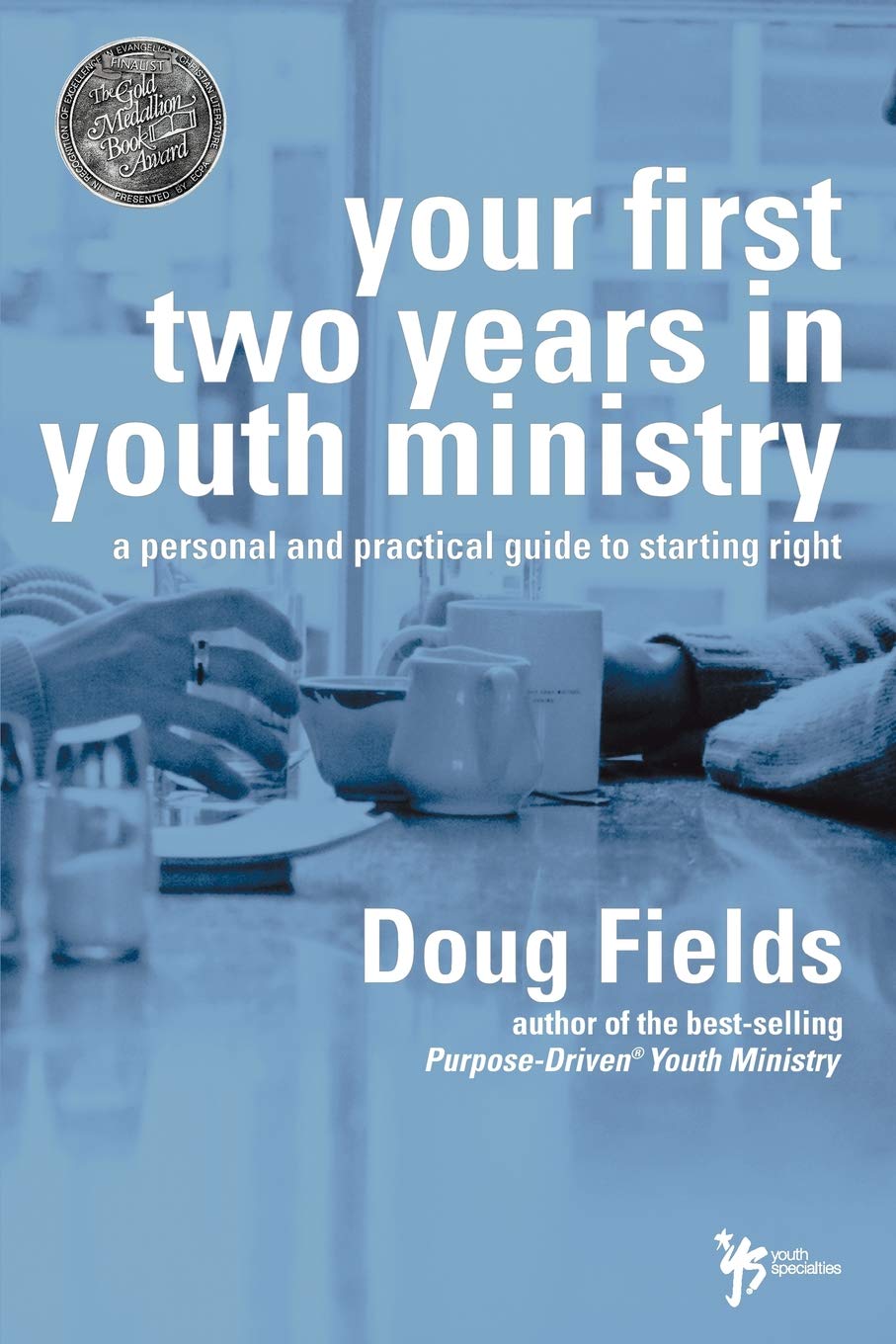
  52. Your First Two Years in Youth Ministry, by Doug Fields

A few major observations before I talk about a couple of specific books:

  • My reading total increased from 51 books in 2016 to 52 books in 2017. And this included a couple of very large volumes of 700-800 pages.
  • I really enjoyed my reading in 2016, and felt that 2017 was a little bit of a step down. My Top 10 books for the year are highlighted in bold above, but there are several in the list above that did not make that cut that I still enjoyed.
  • My reading was a little more varied this year, which probably reflects that I wasn’t in grad school until August, and thus had more free time to read what I wanted.

Regarding my Top 10 books for the year, here are some brief thoughts on those (presented in order of when I read them, not ranked 1-10):

Salt to the Sea, by Ruta Sepetys: This is a novel, set in the closing days of WWII, with the interesting narrative device of four different characters who alternate as narrators with different perspectives and individual stories that converge into the main plot of  he book. The characters are interesting, the story is compelling, and the short chapters made it a compelling read that was hard to put down.

Kingdom Come: Embracing the Spiritual Legacy of David Lipscomb and James Harding, by John Mark Hicks and Bobby Valentine: Maybe this is cheating because this was actually a re-read for me, but Kingdom Come was still one of my favorite books of the year. As regular readers of this blog are aware, I am a bit of a Restoration Movement history buff, and this book does a great job of telling the stories of two second generation Restoration leaders, and suggesting ways in which embracing some of their ideas can be beneficial to Churches of Christ moving forward.

The Rule of Faith: A Guide, by Everett Ferguson: This is a short book, but somewhat dense, and it provides a series of excerpts from early church fathers in which they describe the “rule of faith”—the basic content of Christian belief that had been received from the apostles. This was not a formalized creed that would later be required for catechumens or accompany baptism, but was simply the basic contours of Christian orthodoxy that had been handed down from one generation to the next. This is a fascinating read especially for those who (like me) believe that Christian unity is important, that unity must be based on at least some certain common beliefs, and that those beliefs should be present in the early, historical manifestations of Christianity.

Radical Restoration: A Call for Pure and Simple Christianity, by F. LaGard Smith: Smith is always worth reading to me, because he is such a keen and original thinker. This book is especially intended for those who see the value in attempting to emulate the practices of the early church, and boldly confronts a lot of current practices that would be very foreign to the biblical worldview. I actually wrote about this book a bit earlier in the year, and described it as an “endearing combination of brilliant insights and prolonged axe-grinding,” which I still think is the best description I can give it.

The Sticky Faith Guide for Your Family, by Kara Powell: I have written about Sticky Faith (the “parent” of this book) many times over the years, and this is a worthy companion to the original volume. Based on the same research, it is slightly different in emphasis: if Sticky Faith is 2/3 theory and commentary and 1/3 practical ideas, The Sticky Faith Guide for Your Family is the reverse. Simply put, it is filled with ideas of practical steps you can take at home with your kid to build a faith that will “stick” with them throughout their lives.

With the Old Breed, by E. B. Sledge: This is a WWII memoir that focuses specifically on the Pacific Theatre. The battle accounts are a punch in the gut, but Sledge provides thoughtful reflection throughout as he wrestles with the horrors of war while maintaining the necessity of it, at times.

Hillbilly Elegy, by J.D. Vance: This book has been criticized in some quarters, and perhaps rightly so in that at times it paints with too broad a brush, and perhaps make claims that can’t truly be justified based on the anecdotal evidence of one family. At the same time, the story is remarkably poignant, and undoubtedly unveils important truths about certain swaths of American society. As the descendant of Ozark hillbillies, the story certainly resonated with me.

I Had a Hammer: The Hank Aaron Story, by Hank Aaron with Lonnie Wheeler: I tend to like baseball biographies and have read several over the years, but this was one of the better ones. From Aaron’s unflinching evaluations of his teammates, to his discussion of his transformation into a true home run hitter, to his singleminded focus on race, I found this to be a book filled with new and fascinating information. In particular, despite being a baseball history buff and a lifelong Braves fan, I had never realized the degree to which Aaron considered himself a race man, with the specific task of carrying on the legacy of Jackie Robinson.

The Story of Christianity, Volume 1: The Early Church to the Dawn of the Reformation, by Justo L. González:  I took a church history course as part of my grad school program this past fall, and this was one of the texts we used. You can probably find something to quibble with in any text that covers 1500 years, but on the whole I thought this provided an excellent overview and was an enjoyable read. I am a nerd, but I still don’t generally sit around reading textbooks. Nevertheless, this one was so good that I even went back and read chapters that weren’t assigned. If you are looking for a thorough and solid overview of church history, I highly recommend this book.

Your First Two Years in Youth Ministry, by Doug Fields: This is a youth ministry classic, and shame on me for reading it after being a youth minister for a decade! I was still able to learn new things from it, but boy, I wish I would have read it back when I started. This is simply a must-read for any new youth minister (or foolish veteran like myself who missed it early on!).

So, that was my reading for 2017. For comparison’s sake if you are interested, you can see my reading lists from previous years:

I have already laid out the first 15 or so books that I am hoping to read in 2018, and after I (knock on wood) graduate in May, I should have more control over how I choose to spend my reading time. I am looking forward to that.

What are some of the best books you read this past year?

*Books that I did not read in their entirety, but read significant portions of.

« Older posts Newer posts »

© 2026 The Doc File

Theme by Anders Noren — Up ↑