 A quirk of my personality is that I like to keep track of certain things in my life, and for several years, one of those things is the list of books that I read each year. Somewhat surprising to me, people actually seem to enjoy reading the list of what I read, so I have been sharing that for several years.
Here was my reading list for 2016:
- A Slaughtered Lamb: Revelation and the Apocalyptic Response to Evil and Suffering, by Gregory Stevenson
- Scribbles and Sketches, No. 2, by Ruby Tobey
- Dogmatics in Outline, by Karl Barth*
- Fables Don’t Leave Footprints: Following a Trail of Archaeological Discoveries from Genesis to Jesus, by Jan Sessions
- The Book of Revelation, by Chris Koelle (Illustrator), Mark Arey (Trans), and Philemon Sevastiades (Trans.)
- A Missional Church: Assessing and Developing a Missional Culture in an Established Church, by Matthew Morine
- Just As I Am: Married, Divorced, and Remarried, by Wayne Dunaway
- Sustainable Youth Ministry: Why Most Youth Ministry Doesn’t Last And What Your Church Can Do About It, by Mark DeVries
- God of the Possible: A Biblical Introduction to the Open View of God, by Gregory A. Boyd
- Food & Faith: A Theology of Eating, by Norman Wirzba*
- The Nature of Doctrine: Religion and Theology in a Postliberal Age, by George A. Lindbeck*
- Pentecostal Theology and the Christian Spiritual Tradition, by Simon Chan*
- Four Views on the Historical Adam, by Denis O. Lamoureux, John H. Walton, C. John Collins, and William D. Barrick
- Change of Heart: Seven Money Truths to Help Teens from the Inside Out, by Joey Sparks
- #NoFilter, by Scott Utter
- Dead Wake: the Last Crossing of the Lusitania, by Erik Larson
- Learning the Art of Helping: Building Blocks and Techniques, by Mark E. Young
- Grace for the Afflicted: A Clinical and Biblical Perspective on Mental Illness, by Matthew S. Stanford
- Competency-Based Counseling: Building on Client Strengths, by Frank Thomas and Jack Cockburn
- The Practice of the Presence of God with Spiritual Maxims, by Brother Lawrence
- Where Is God When It Hurts? by Philip Yancey
- The Bombay Boomerang, by Franklin W. Dixon
- The 60 Second Scholar: 100 Insights that Illumine the Bible, by Michael S. Heiser
- Essay on Negro Slavery, by James O’Kelley
- Firestorm: Preventing and Overcoming Church Conflicts, by Ron Susek
- Preaching the Sermon on the Mount: The World It Imagines, edited by David Fleer and Dave Bland
- Discover Your Conflict Management Style, by Speed B. Leas
- Congregational Leadership in Anxious Times: Being Calm and Courageous No Matter What, by Peter L. Steinke
- The Gospel of Matthew, Volume 1, by William Barclay*
- The Anatomy of Peace: Resolving the Heart of Conflict, by the Arbinger Institute
- Guiding People Through Conflict, by Ken Sande and Ted Kober
- Building Conflict Competent Teams, by Craig E. Runde and Tim A. Flanagan*
- Living Jesus: Doing What Jesus Says in the Sermon on the Mount, by Randy Harris
- Why I Value the Bible, by Kerry Holton
- The Beatitudes: Jesus’ Formula for Happiness, by Rubel Shelly
- Managing Church Conflict, by Hugh F. Halverstadt*
- 11 Youth Ministry Hacks So You Can Spend More Time on What Matters Most, by Kindred Youth Ministry
- The Listeners’ Bible ESV, read by Max McLean
- Don’t Quit on a Monday, by Jeff and Dale Jenkins
- How to Read the Bible For All It’s Worth, by Kerry Holton
- Christian Counter-Culture: The Message of the Sermon on the Mount, by John R.W. Stott
- Centered in God: The Trinity and Christian Spirituality, by Mark E. Powell
- Coming Clean: A Story of Faith, by Seth Haines
- Paul: Jewish Law and Early Christianity, edited by Margaret Warker
- Paper Covers Rock, by Jenny Hubbard
- A Christmas Carol, by Charles Dickens
- The Story, by Biblica
- Embracing Creation: God’s Forgotten Mission, by John Mark Hicks, Bobby Valentine, and Mark Wilson
- The Castle Corona, by Sharon Creech
- The Big Field, by Mike Lupica
- Advent and Christmas, by Thomas Merton
A few major observations before I talk about a couple of specific books:
- My reading total increased slightly from 2015, when I read 48 books. I actually think I read less total, however, because I did not do as much reading of articles or long commentaries. Still, I did a lot of writing and editing this past year on various projects, and I know that cut into my reading time somewhat.
- Looking back, I think there were more books that I read this past year that I really enjoyed than in 2015. My Top 10 books for the year are highlighted in bold above, but there are several in the list above that did not make that cut that I still enjoyed.
Of those Top 10 books, I would like to highlight a few (Note: I previously reviewed Centered in God, and hope to review 2-3 others in the near future):
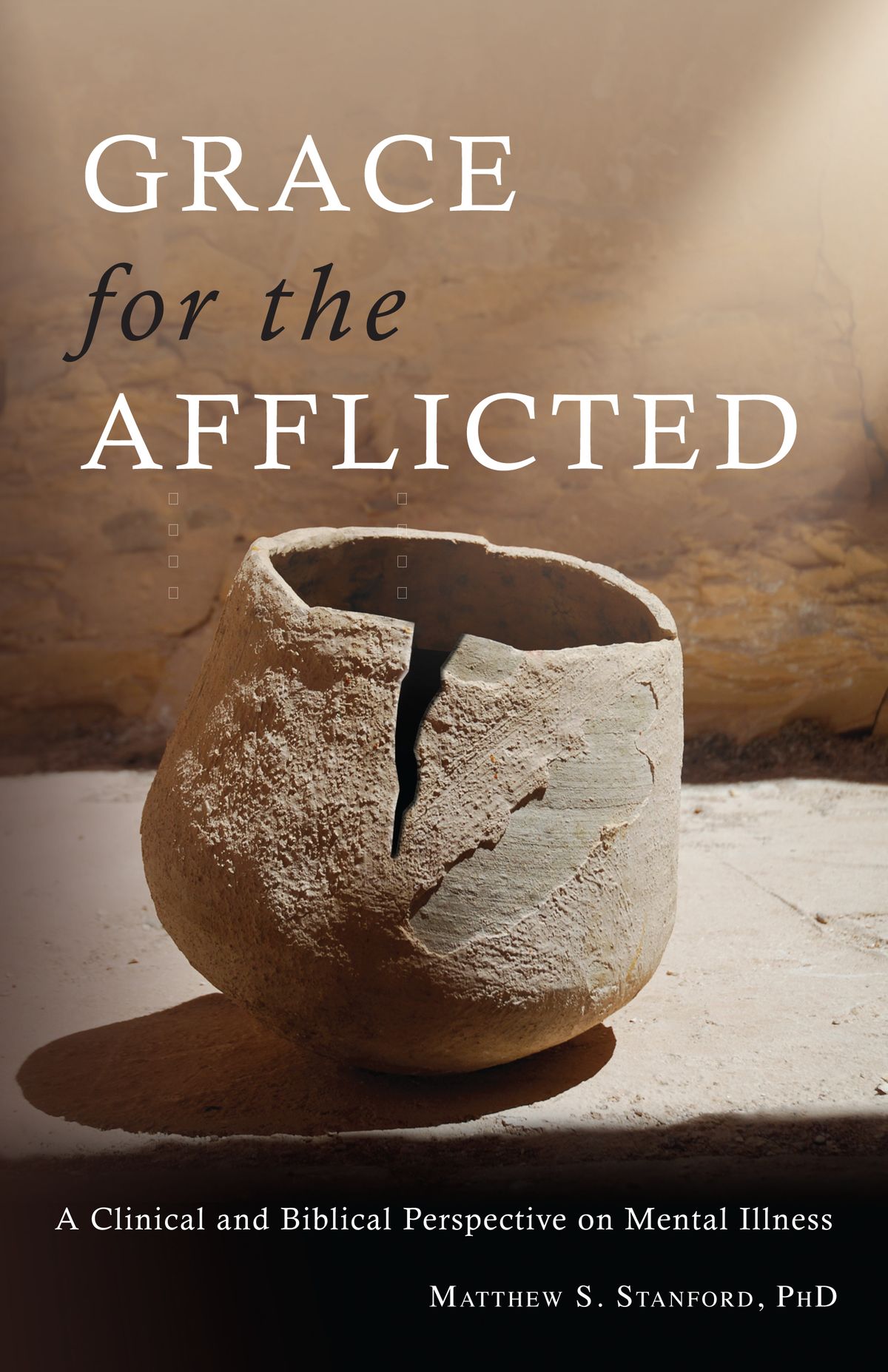
Grace for the Afflicted: A Clinical and Biblical Perspective on Mental Illness, by Matthew S. Stanford: I read this book for a counseling class, and it might have been the best book I read all year. It helped me consider mental illness from a more biblical and theological perspective, and also discussed various mental illnesses clinically as well. I really think this is a book that all Christians should read, as mental illness of various types is prevalent in our society and thus in the church as well, and traditionally, we have not done well showing grace and compassion to those who suffer from these illnesses that we generally struggle to see or understand.
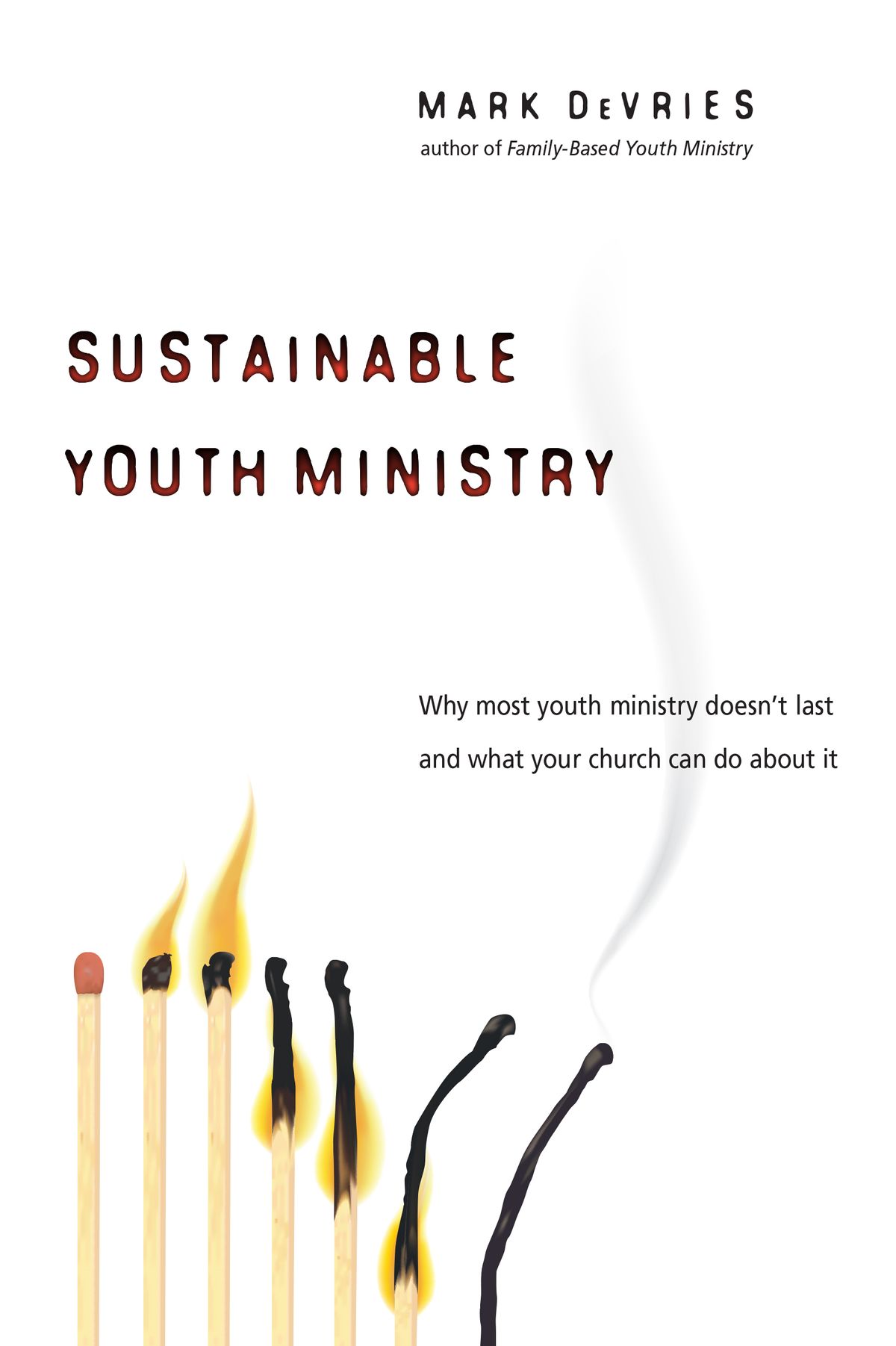
Sustainable Youth Ministry, by Mark DeVries: I have been a youth minister for over a decade now, and I have tried to become a student of youth ministry in an effort become more effective at helping young people develop lifelong faith. With that in mind, I have read quite a few books on youth ministry over the years. Mark DeVries became one of my favorite Youth Ministry thinkers with his Family-Based Youth Ministry, but it is possible that I enjoyed Sustainable Youth Ministry even more. The basic idea of the book is simple: youth ministries should not be built upon the foundation of a specific person (the youth minister), but should rather be constructed in such a way that they are able to survive for the long term and not be dependent on one person. There is a lot in this book to digest and I am still determining how best to implement some of the ideas, but the key principle is outstanding.
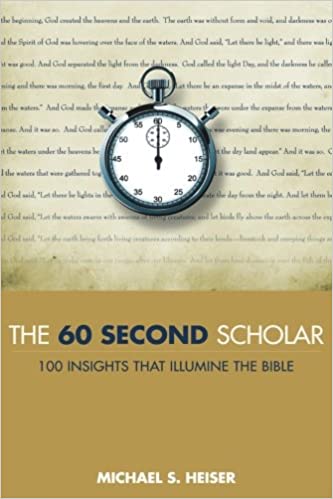
The 60 Second Scholar: 100 Insights that Illumine the Bible, by Michael S. Heiser: I am not a huge fan of the title of this book, because it makes it sound shallow or not serious. It is not, however, as the material that Heiser presents represents solid biblical and theological scholarship. Honestly, I felt like much of what has taken me years of college and graduate school courses to learn was condensed in this one, very readable, volume.
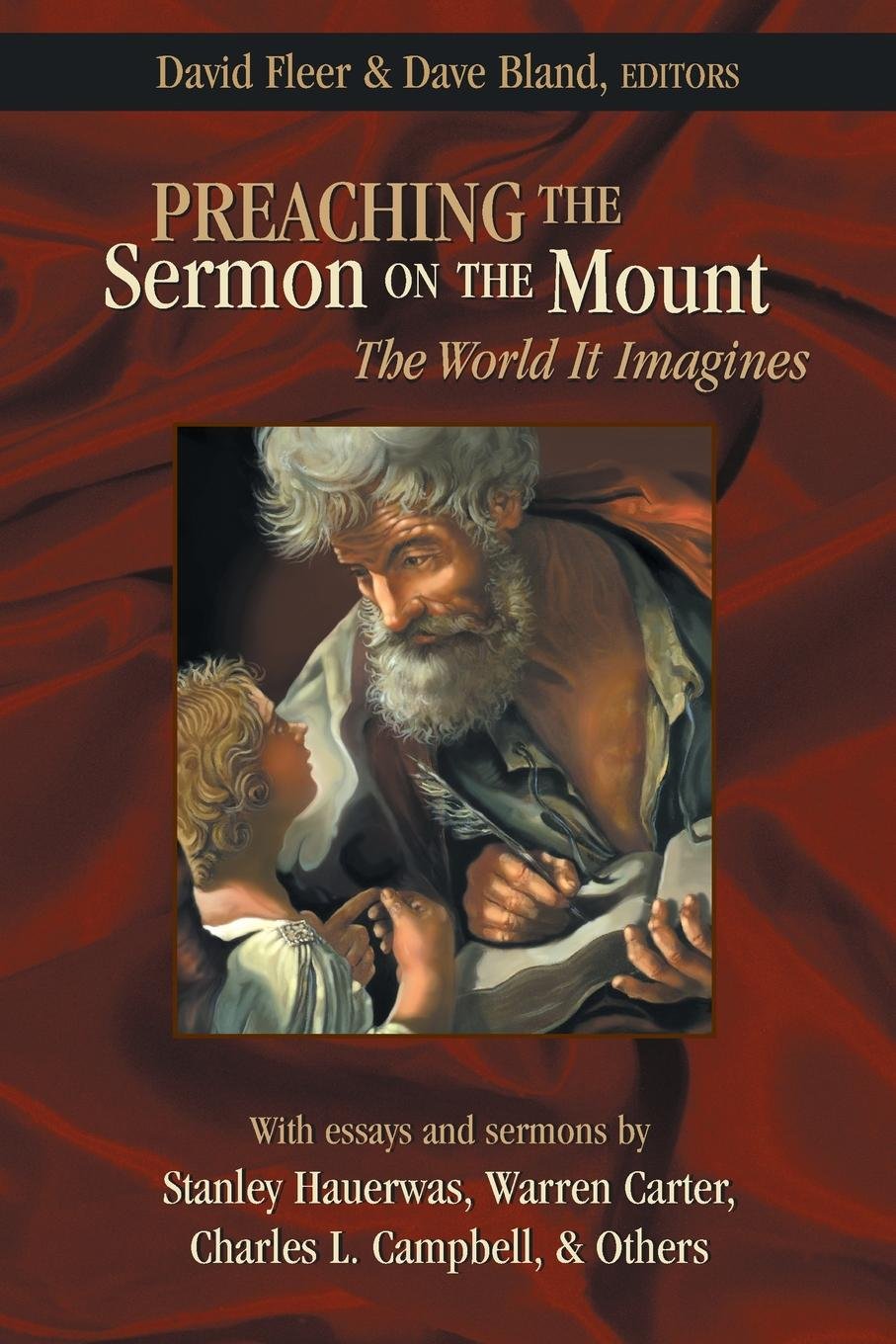
I did a lot of study on the Sermon on the Mount this year, and read several books and commentaries as a part of that study. Preaching the Sermon on the Mount: The World It Imagines, edited by David Fleer and Dave Bland, was a good read that presented some excellent background information, and some challenging sermons based on the Sermon.
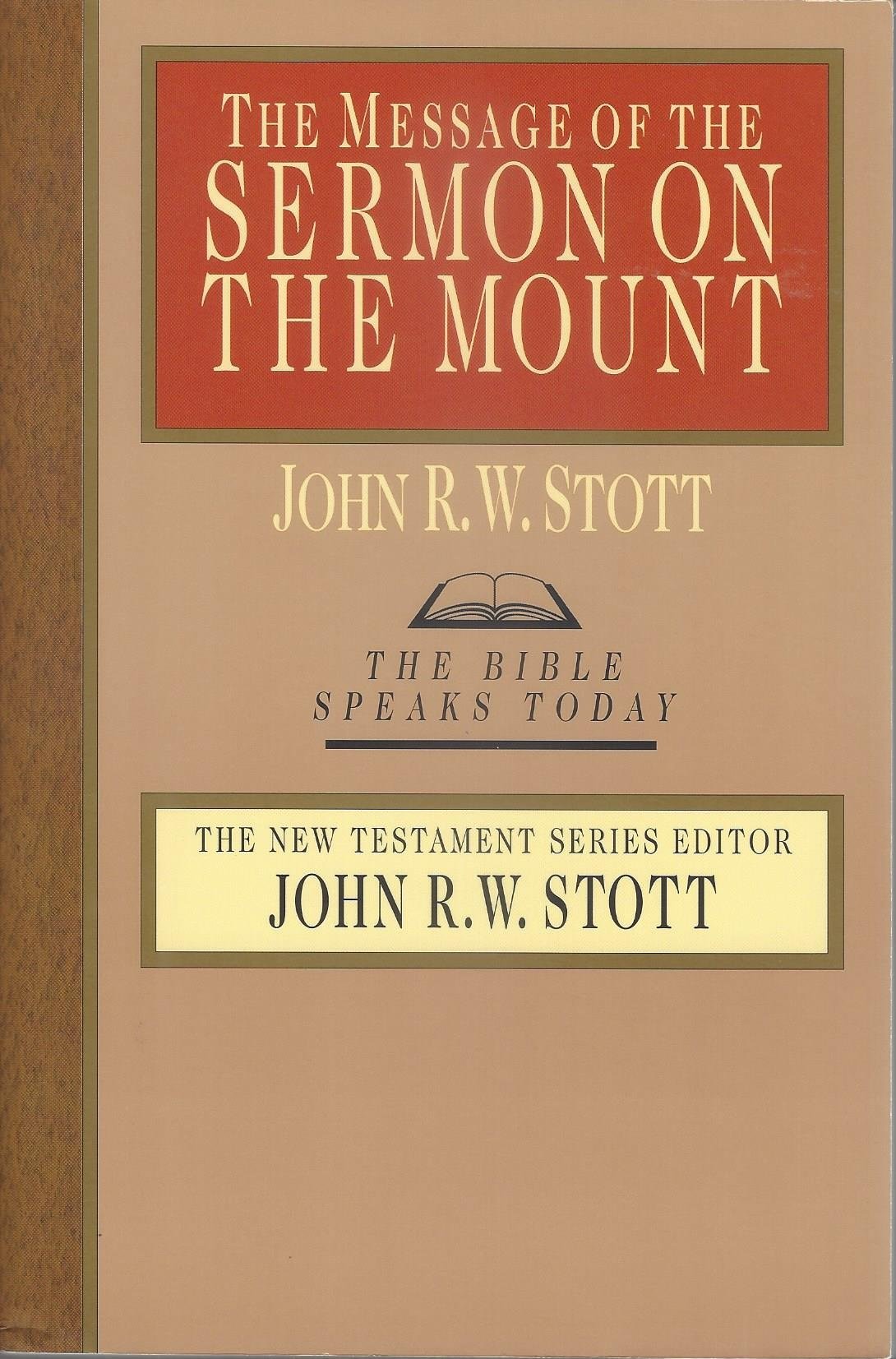
But easily the best resource I read was Christian Counter-Culture: The Message of the Sermon on the Mount, by John R.W. Stott. Stott writes with penetrating insight and a gentle spirit, and with rare exceptions, I thought his interpretations of the SOTM were dead on (the book pictured and linked to above is a different edition than what I read).
So, that was my reading for 2016. For comparison’s sake if you are interested, you can see my reading lists from previous years:
I have a ton of books I have accumulated over the last few years that I am anxious to read, and for the first half of the year I do not have any graduate courses so I am hopeful that I will actually get to read some of them! I am looking forward to reading a diversity of works, and in particular, I am hoping to read more fiction this year.
What are some of the best books you read this past year?
*Books that I did not read in their entirety, but read significant portions of.








0 Comments
3 Pingbacks