
It’s that time of year again, when people talk about their reading from the previous year and the best books they read. As someone who (a) tries to thoughtfully reflect on things and (b) obsessively keeps lists of things, I always enjoy reading lists from other people and sharing my own.
Here is my own list from 2018:
- Harry Potter and the Prisoner of Azkaban, by J.K. Rowling
- Beneath a Scarlet Sky, by Mark Sullivan
- Simply Christian: Why Christianity Makes Sense, by N.T. Wright
- Martin Luther: Selections from his Writings, edited by John Dillenberger*
- The Marburg Colloquy, edited by Hermann Sasse
- The Knowledge of God the Creator (from Institutes of the Christian Religion), by John Calvin
- The Necessity of Reforming the Church, by John Calvin
- The Spiritual Exercises of Saint Ignatius, translated by Anthony Mottola*
- The Racovian Catechism*
- Harry Potter and the Goblet of Fire, by J.K. Rowling
- The Reasonableness of Christianity, by John Locke
- A Discourse of Miracles, by John Locke
- Proposals to Correct Conditions in the Church in Pia Desideria, by Philip Jacob Spener
- Decision Points, by George W. Bush
- Divorce, by John R.W. Stott
- Afro-American Religious History: A Documentary Witness, edited by Milton C. Sernett*
- Woman in the Pulpit, by Frances Willard*
- Harry Potter and the Order of the Phoenix, by J.K. Rowling
- Jesus: A Study of the Life of Christ, by Shane Robinson
- The Five Books of Moses & The Former Prophets, by Bibliotheca
- The Making of George Washington, by William H. Wilbur
- Creating a Lead Small Culture: Make Your Church a Place Where Kids Belong, by Reggie Joiner, Kristen Ivy, and Elle Campbell
- Harry Potter and the Half-Blood Prince, by J.K. Rowling
- The Unseen Realm: Recovering the Supernatural Worldview of the Bible, by Michael S. Heiser
- Harry Potter and the Deathly Hallows, by J.K. Rowling
- The Story of Christianity, Volume 2: The Reformation to the Present Day, by Justo L. Gonzalez
- The Faith of the Presidents, by Anne Schraff
- Misreading Scripture with Western Eyes: Removing Cultural Blinders to Better Understand the Bible, by E. Randolph Richards and Brandon J. O’Brien
- The Forsaken: An American Tragedy in Stalin’s Russia, by Tim Tzouliadis
- The Latter Prophets, by Bibliotheca
- Reclaiming Hope: Lessons Learned in the Obama White House About the Future of Faith in America, by Michael Wear
- Havana Bay, by Martin Cruz Smith
- To Kill a Mockingbird, by Harper Lee
- Go Set a Watchman, by Harper Lee
- A New Heaven and a New Earth: Reclaiming Biblical Eschatology, by J. Richard Middleton
- The Holy Spirit and Revolutionary Grace: God’s Antidotes for Division within the Churches of Christ, by Jay Guin
- Montmorency: Thief, Liar, Gentleman?, by Eleanor Updale
- The Perilous Road, by William O. Steele
- History and Background of the Institutional Controversy, by Steve Wolfgang
- Crispin: the Cross of Lead, by Avi
- The Ghost Hollow Mystery, by Page Carter
- Letters To The Church, by Francis Chan
- The Writings, by Bibliotheca
- Significant Others: Understanding Our Non-Christian Neighbors, by Monte Cox
- Alexander Campbell, Apostle of Truth, by William Blake
- The Tech-Wise Family: Everyday Steps for Putting Technology in Its Proper Place, by Andy Crouch
- The Great Divorce, by C.S. Lewis
- How To Be A Perfect Christian: Your Comprehensive Guide To Flawless Spiritual Living, by The Babylon Bee
- Priceless, by Jeremy Myers
- The Apocrypha, by Bibliotheca
- The New Testament, by Bibliotheca
- A Call to Conscience: The Landmark Speeches of Dr. Martin Luther King, Jr., edited by Clayborne Carson and Kris Shepard
- Discovering Our Roots: The Ancestry of Churches of Christ, by C. Leonard Allen and Richard T. Hughes
- Traces of the Kingdom, by Keith Sisman
A few observations before I talk about my favorite books of the year:
- My reading total increased from 52 books in 2017 to 54 books in 2017. And this included a couple of very large volumes of 650-800 pages. I see other people who read 100 books or more a year, but at this stage of my life, it seems that somewhere in the neighborhood of 50 is my limit.
- I enjoyed my reading in 2018 more than in 2017.
- There were two big disappointments in my reading this past year. The first was the Bibliotheca series, which I used to do my daily Bible reading in 2018. There was a lot of fanfare about this translation when it came out, and indeed, it has many admirable qualities: an elegant typeface, beautiful binding, and a page layout that should lend itself to readability. However, the translation itself was wooden and awkward, and I simply did not enjoy it at all. Also, Traces of the Kingdom was a book that I had looked forward to for a few years, but I really struggled with it. Although the author puts you in touch with some extraordinarily rare primary sources that are hundreds of years old, the writing is poor, and much of the logic and argumentation is stretched. It was a disappointment.
Regarding my Top 10 books for the year, here are some brief thoughts on those (presented in order of when I read them, not ranked 1-10):
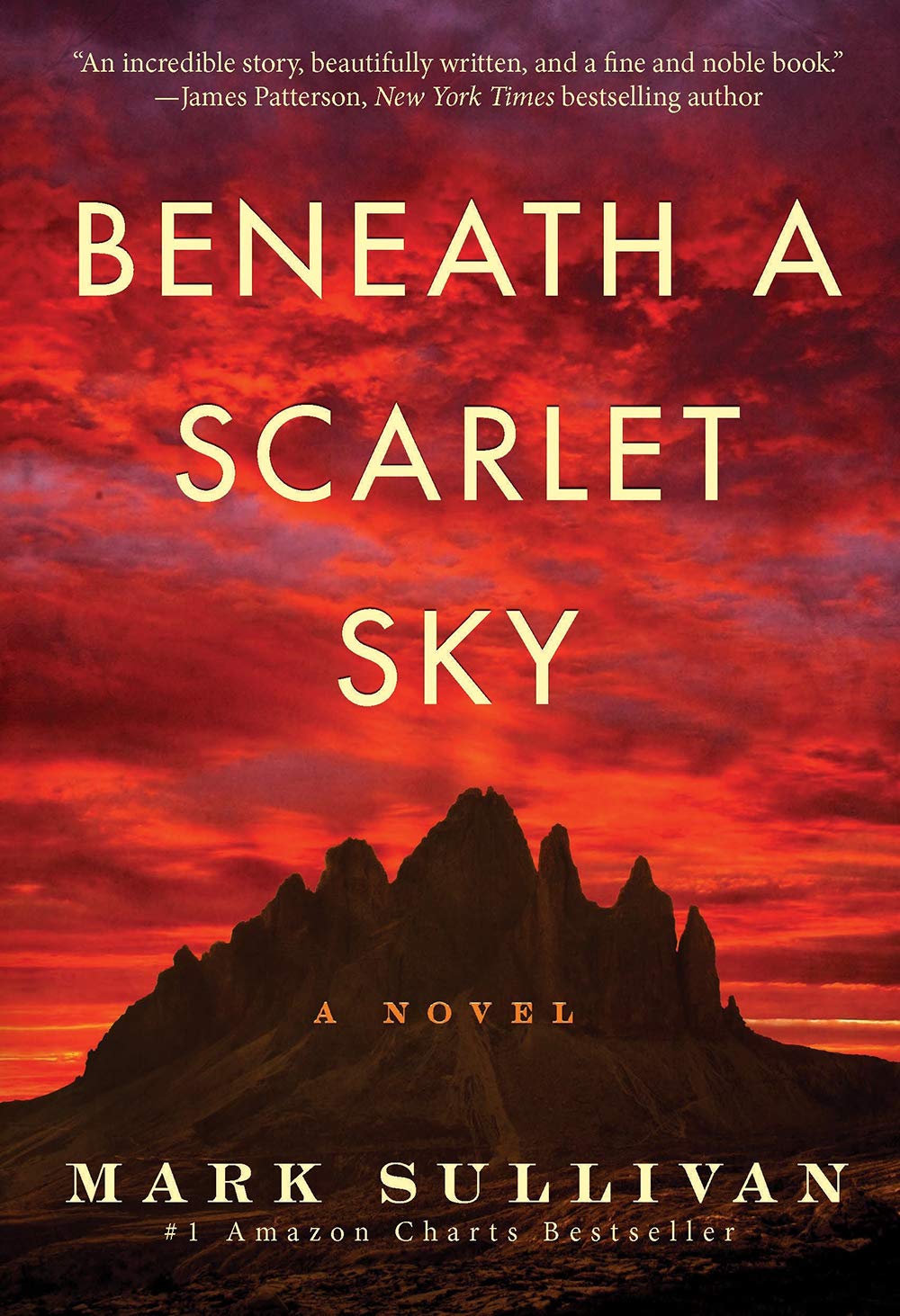
Beneath a Scarlet Sky, by Mark Sullivan: This is a novel, based on a true story, set in WWII Italy. It is a gripping tale of a teenage boy seeking to navigate the warring factions of Nazis, Mussolini’s Fascists, Allied forces, resistance fighters, partisans, and the Catholic church. It is a gripping tale and compelling read. Fans of All The Light We Cannot See will appreciate this book, which is better.
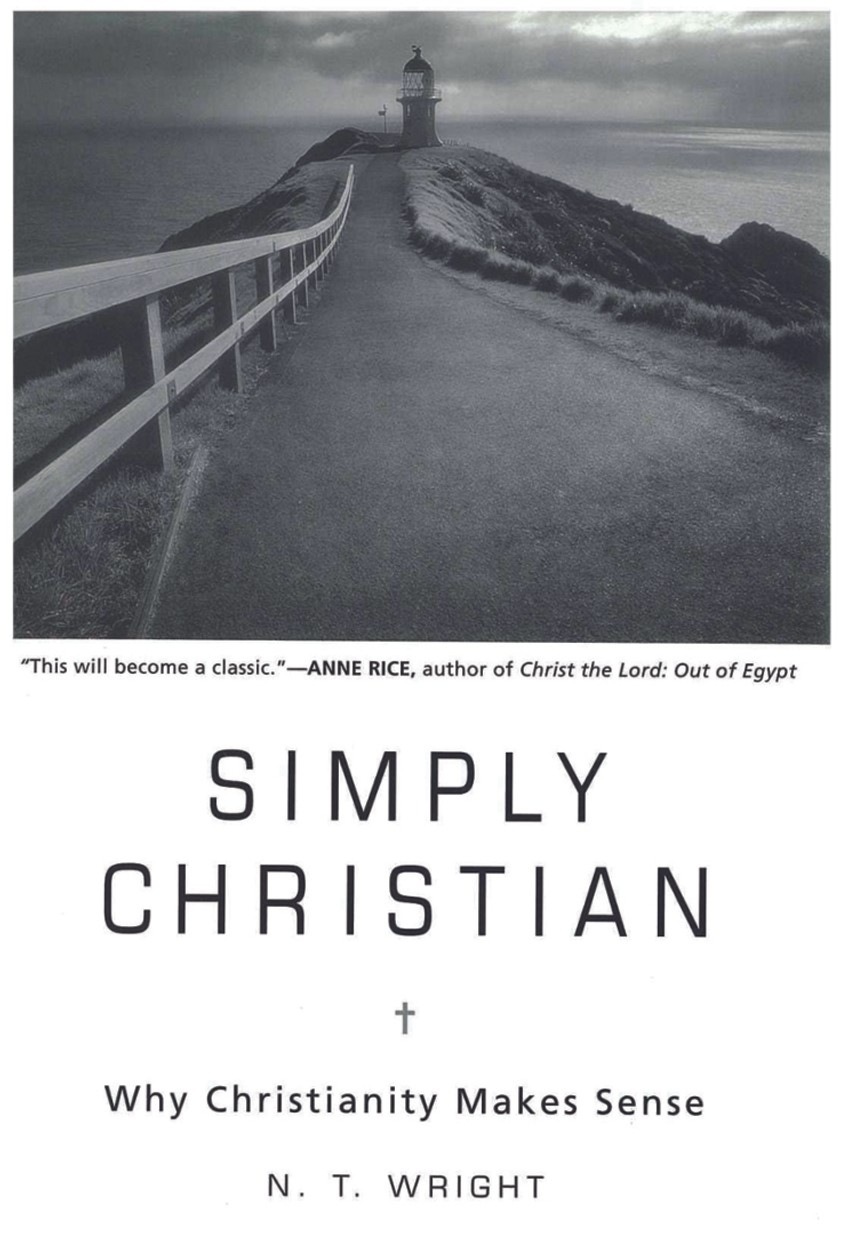
Simply Christian: Why Christianity Makes Sense, by N.T. Wright: N.T. Wright is the preeminent living Christian thinker, and this is his basic presentation of the Christian faith (it has been called the Mere Christianity for modern times). In my opinion, nothing that Wright writes is truly “simple,” so, despite his intentions, I can’t say that this is the easiest read for the average Christian, but it is a great book.
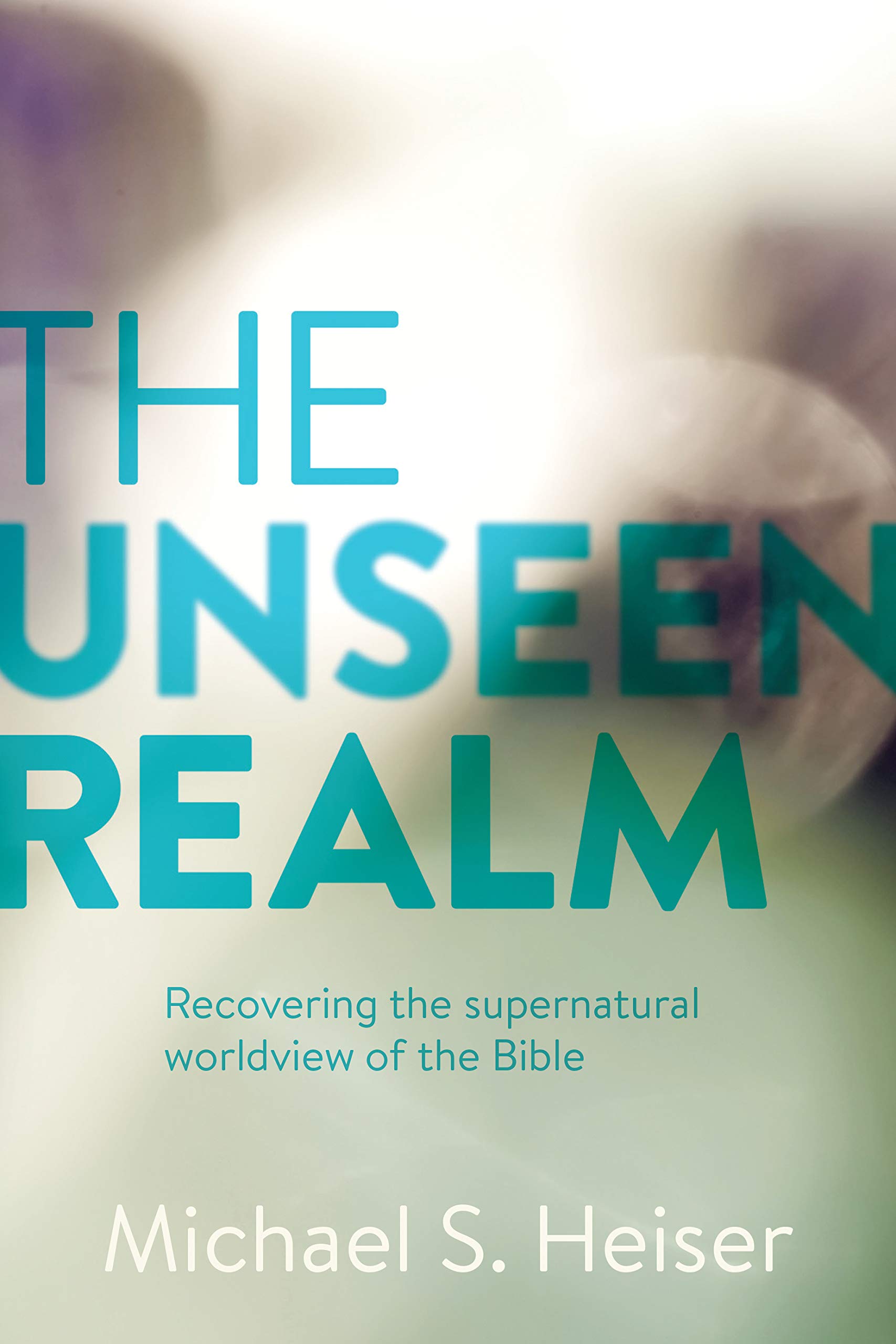
The Unseen Realm: Recovering the Supernatural Worldview of the Bible, by Michael S. Heiser: Heiser makes the basic claim that modern believers do not read/hear the Bible in the way that ancient believers did, who believed in a robust array of spiritual beings who operate “unseen” and greatly influence the lives that we experience. This becomes the prevailing paradigm for how he interprets Scripture, and especially if you are not familiar with the biblical motif of the Divine Council, much of what he says will shock you. Ultimately, I think Heiser draws some conclusions that are not warranted, but on the whole, I think he makes a very compelling case. This book has been somewhat of a game-changer for me.
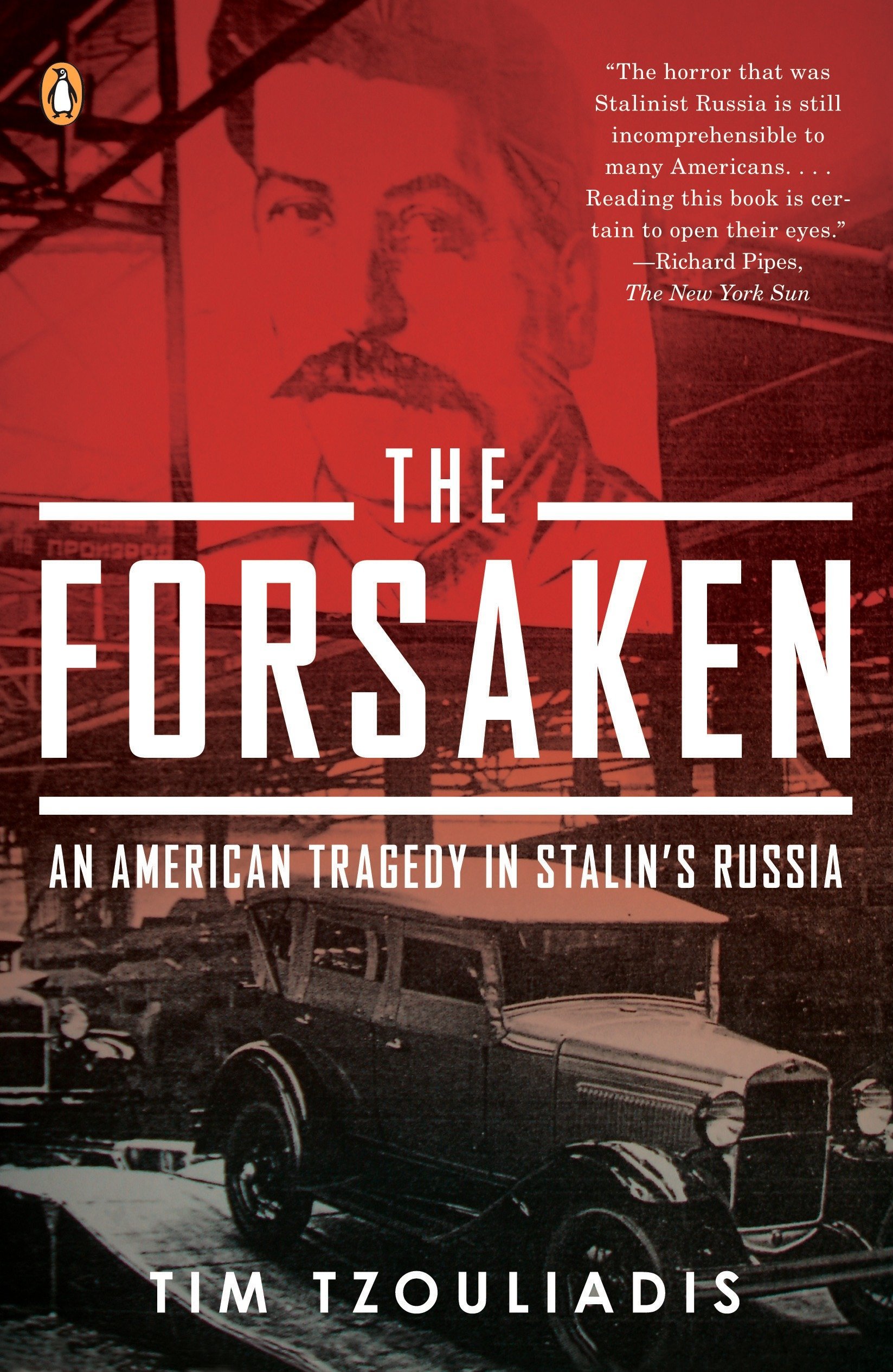
The Forsaken: An American Tragedy in Stalin’s Russia, by Tim Tzouliadis: During the Great Depression, thousands of down-on-their-luck Americans were lured to Stalinist Russia with the promise of work and prosperity available to all in the Communist Utopia. Within a few short years, they (along with millions of others) would be killed in the Stalinist purges and, adding to the tragedy, they were largely abandoned by the US government. Not to get too political in a brief book review, but in an era when I increasingly witness many people (especially those generally around my age or younger) pay lip service to the idea that socialism and even communism are benign or even preferable politico-economic systems, this was an important read for me. When it came to murdering people, Stalin made Hitler look like an amateur, and I don’t say that lightly.
A New Heaven and a New Earth: Reclaiming Biblical Eschatology, by J. Richard Middleton: Middleton argues that the Biblical text teaches that God will redeem and restore His creation and will dwell with His people for eternity on a New Heaven and New Earth. This is not some form of premillennialism, but neither is it the popular notion of the Christian hope being getting to escape from this earth and “go to heaven when we die.” This interpretation will be challenging for some, but I am convinced that this perspective is fundamentally correct, and Middleton’s treatment of it is excellent.
Letters To The Church, by Francis Chan: This was a convicting read for me. Chan is a Restorationist’s Restorationist, and this book basically encourages Christians to thoughtfully return to the model of the church as described in the pages of Scripture. Simply put, there are some basic ways of “doing church” that really need to be evaluated and, quite possibly, jettisoned. This book left me uneasy in a good way.
Significant Others: Understanding Our Non-Christian Neighbors, by Monte Cox: Dr. Cox was one of my favorite teachers at Harding, and this book is basically a written version of his “Living World Religions” class (one of my favorite classes). It is a helpful overview of various world religions, and would make an excellent resource for a Bible class.
The Tech-Wise Family: Everyday Steps for Putting Technology in Its Proper Place, by Andy Crouch: Technolgy is increasingly present in our lives, and for all of its positive benefits, there are negative side effects as well. Crouch offers some helpful (and at times, extreme) perspective on how families should treat technology and strive to create home environments that cultivate wisdom and courage.
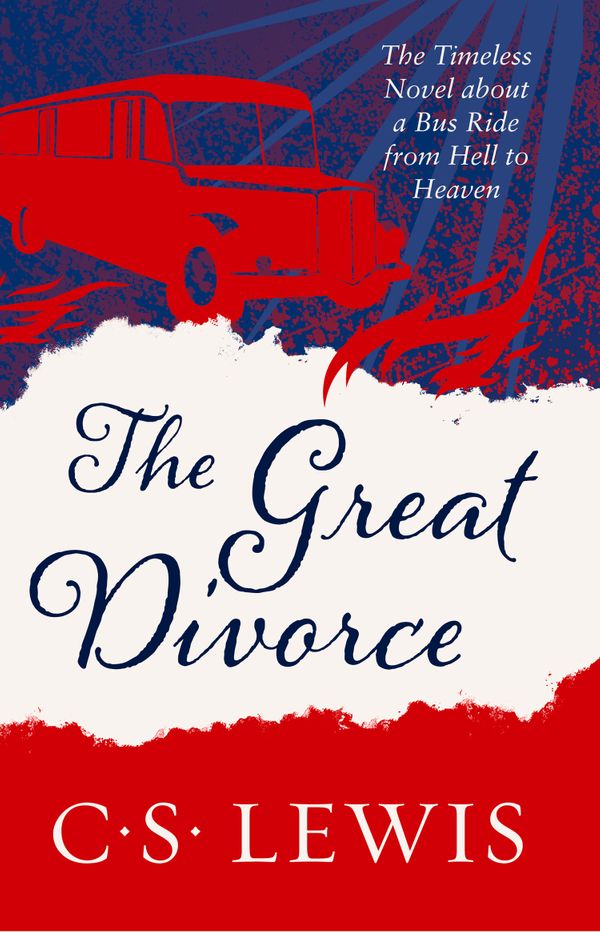
The Great Divorce, by C.S. Lewis: I’m not sure that I have ever read something by Lewis that I didn’t like, but this is one of my favorites. Lewis’ allegorical take on hell is, in my opinion, both brilliant and helpful.
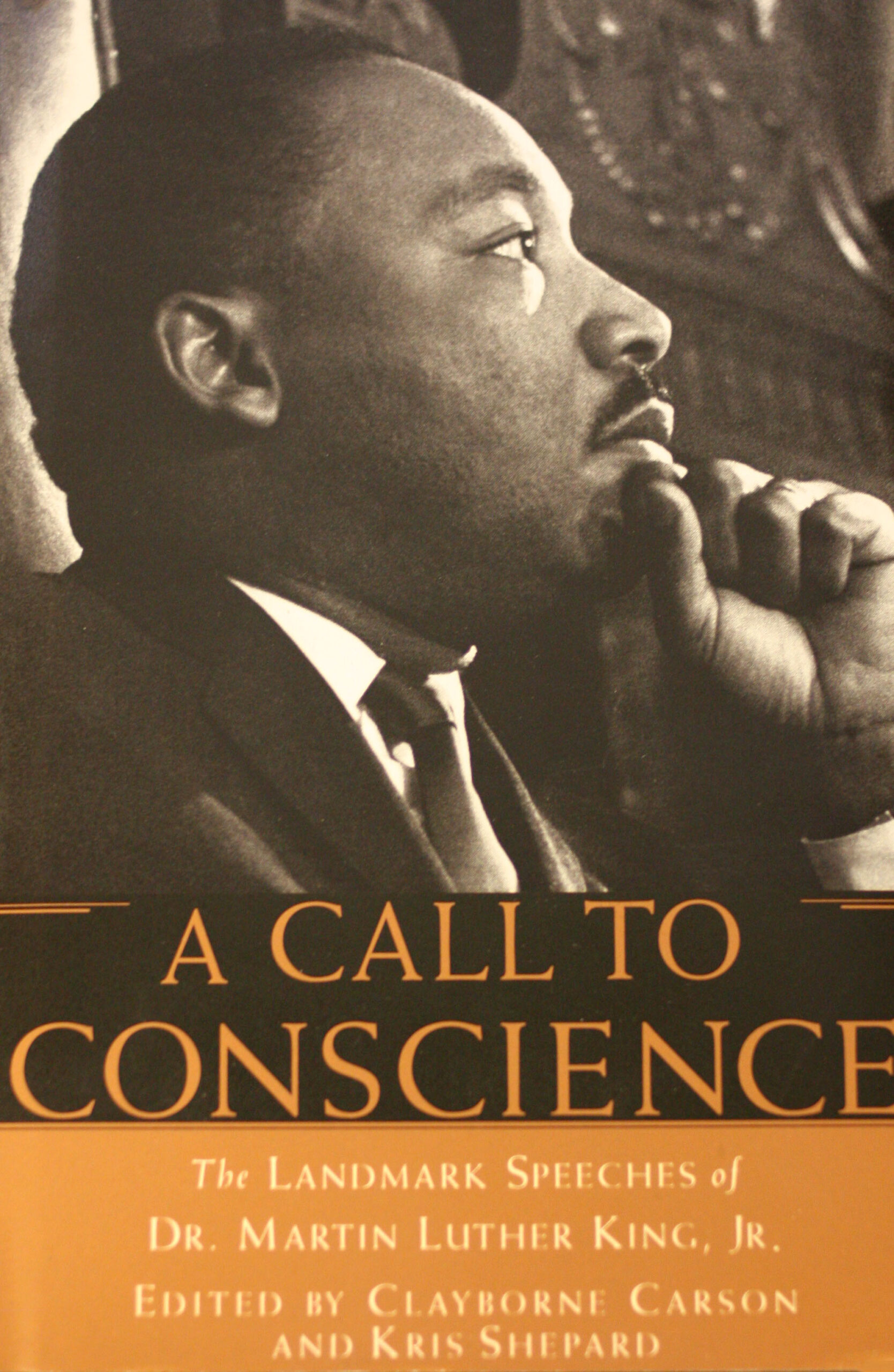
A Call to Conscience: The Landmark Speeches of Dr. Martin Luther King, Jr., edited by Clayborne Carson and Kris Shepard: I had really not read/heard much from Dr. King before, other than his “I Have a Dream” speech or snippets of quotations from other sources, and that was a mistake, because King’s speeches evidence not only beautiful eloquence, but also profound theological insight. I plan to do additional reading from (and on) Dr. King in the future.
That was my reading for 2018. For comparison’s sake if you are interested, you can see my reading lists from previous years:
As always, I have a bunch of books lined out to read in 2019, and am already in the midst of two good ones right now.
What are some of the best books you read this past year?
*Books that I did not read in their entirety, but read significant portions of.








Iam not much of a reader. I love to read out loud to other people, and I love to be read to, but I don’t usually like to just sit down and read a book for fun. But the week between Christmas and New Year I checked out 3 books. I read two of them in 4 days, and really enjoyed them. 1. The Lies We Bury, by Allen Eskens. A murder mystery built around a self realization story of tge narrator. 2. The Ocean at the End of the Lane, by Neil Gaiman. A semi-supernatural story about a 7 year old boy and a friend he makes over a spring break in the English countryside. Neil Gaiman is kind of quirky, and I LOVE QUIRKY!
The third book I checked out is A Man Called Ove, by Fredrick Backman. I’ve seen it on the shelves for a couple of years, but haven’t read it yet. It’s going much more slowly than the other two. I started it a couple days ago and I’m only on about page 40. It’s good, so far, just a little more dry than the others were. Hopefully I wont give up.
Apologies for the typeo’s. I thought I got them all until I reread my post. Typing on a phone is not easy with fat fingers.
Katie,
Good for you!
I think there are a lot of benefits to reading, especially if reading more means that we do less mindless consumption of TV, etc. That was the case for me—when I first started reading in earnest about 10 years ago (and keeping track), I found it a much more productive use of my time than surfing channels on TV. This is a big part of the reason that we were ultimately able to get rid of satellite TV, and there’s no telling how much we have saved over the years from that!
Loved Chan’s book, lots of challenging thoughts. Read it through in one day, got started and could not stop. His idea of church is about as pure as it gets.
Keith,
Yes, it’s a compelling read. Chan goes further than most of us are willing to in his efforts to be biblical. I liked how unsettling it was.
Luke, I always look forward to this particular post and find it interesting to see what you’ve been reading throughout the year. I too maintain a list of books read in a given year, although it’s not quite as impressive as yours it’s still fun to review at the end of the year. We should all be proud of our reading accomplishments and have a good reading plan for the coming year! I’m adding a book from your top ten selection to my reading list for 2019. Thanks again for this post!
Marion,
Thanks for your comment. I’m glad to hear that you keep track of your reading as well. I find it to be a helpful part of my reflection on the previous year.
Thanks for the book reviews Luke. Beneath a Scarlet Sky sounds great. On your list , the making of George Washington and the Faith of the Presidents sounds promising also.