The online journal of Luke Dockery

Category: Technology (Page 1 of 15)

Book Review: The Anxious Generation

Jonathan Haidt is one of several scholars I have benefited from over the last few years who do not write from a faith perspective but end up saying many things that resonate well with a Christian worldview.[1] I first encountered Haidt when I read and enjoyed The Righteous Mind after a friend recommended it to me in 2020, and The Coddling of the American Mind was one of my favorite reads in 2021. Ever since then, I have paid attention anytime I see an article shared by Haidt, and I was so convicted by his article in The Atlantic on the damage caused by social media to teen girls that I discontinued our youth group Instagram account.

The Anxious Generation: How the Great Rewiring of Childhood is Causing an Epidemic of Mental Illness was published in 2024 and made an immediate splash, but I was slow to read it myself because I was already familiar with a lot of Haidt’s work, had heard multiple presentations on this book in particular, and there were a lot of other books on my to-read list. So, I have been slowly working my way through The Anxious Generation this year and finished it earlier this week. In short, Haidt’s work is a tour de force, and I think it is essential reading for anyone living today who has any significant interaction with or influence over kids and teens.

The current generation of teens and young adults—Generation Z—is widely known to be the most mentally unwell of all generations with off-the-charts instances of anxiety, depression, and other mental health issues. Haidt’s basic contention in the book is that two factors, the decline of a “play-based childhood” (kids running around their neighborhoods exploring, creating games and entire worlds with friends and returning home for meal times or when it gets dark) coupled with the rise of a “phone-based childhood” (kids staying indoors and staring at screens especially on their smartphones and spending hours and hours on social media platforms) have led to the devastating mental health outcomes that we see in members of Gen Z. Haidt’s book has some three major strengths that I want to highlight.

First, Haidt does an excellent job laying out his case. He sets the landscape by identifying the mental health epidemic facing Gen Z, then offers his background narrative of how we got here. He then interacts with tons of research that indicates how a phone-based childhood disrupts child development in four key ways: (1) sleep deprivation, (2) social deprivation, (3) attention fragmentation, and (4) addiction.

Second, Haidt offers actionable advice regarding what we can do about this crisis. It is common for authors to spend the vast majority of their books describing a problem and then to offer a few pages of how we can respond to the problem at the very end. Haidt, however, offers a substantial Part 4, “Collective Action for Healthier Childhood” with dozens of ideas and examples of tangible things that governments and tech companies, schools, and parents can do now to address this problem and turn the tide of the mental health crisis. These suggestions fall into four foundational reforms: (1) No smartphones before high school, (2) No social media before age 16, (3) Phone-free schools, and (4) Far more unsupervised play and childhood independence.

Third, the book is written in such a way that it is really easy to come away with the main thrust of his arguments without getting lost in the weeds. The book is 300 pages long with another 40 pages of footnotes. To me that’s very manageable and I thought it was an enjoyable read, but I realize that is not the case for everyone. Never fear! At the end of each chapter, Haidt has an “In Sum” section where he offers a bulleted list of the main ideas of the chapter. This means that you could spend half an hour reading the summary sections at the end of each chapter and come away with a really solid understanding of his argumentation in the book—this is a great feature!

The book is so well done; I don’t think there are any major weaknesses. Haidt can come across a little strong at times (especially in the sense that his explanation is the explanation for the mental health epidemic), but he works hard to establish his claims, feels passionately about them, and honestly acknowledges places where his conclusions aren’t yet supported by rigorous research or where others disagree. Additionally, as I mentioned above, Haidt writes from a secular perspective and as part of that, he taps heavily into evolution as the explanation for how kids are naturally supposed to develop and how a phone-based childhood disrupts that. This can be frustrating at times, especially when he says things about how evolution designs certain characteristics, but ultimately, I was still able to appreciate the point he was making and attribute the element of human nature in question to the design work of a Creator, whether brought about through evolution or some other process.

Normally I like to share quotations, but there are simple too many noteworthy observations in the book to include here; I have highlights on almost every page. The Anxious Generation will definitely make my Top-10 list for 2025; I highly recommend it.


[1] See also Tom Holland, Jordan Peterson, and Louise Perry.

2024 Blog Review

I think reflection is a healthy practice, and I like to end each year by looking back and reviewing my year of blogging here at The Doc File (Here are some previous reviews from 2023, 2022, 2021, 2020, 2019, 2018, 2016, 2015, and 2012).

Overview

This past year—especially the first three-fourths of it—was extremely busy for me, and that negatively impacted how often I was able to write in this space. I will end the year with 19 posts, which is the fewest since 2019, when I wrote only 17 times. A goal for the new year is to prioritize writing more than I did last year.

Top Posts

By traffic totals, here are my most-read posts during 2024 (posts in bold were actually written this year):

  1. A New Heaven & A New Earth Series, April 29, 2020
  2. Reading in 2023, January 9, 2024
  3. A New Heaven & A New Earth: What the Bible Teaches about Eternity, April 9, 2020
  4. 2024 Harding University Lectureship Recap, December 19, 2024
  5. Jesus, Christmas, and Hanukkah, December 18, 2015
  6. Ranking Walt Disney World Parks, March 22, 2024
  7. A Great Week of Youth Ministry, March 2, 2024
  8. Politics from a Christian Perspective: Introduction, October 20, 2020
  9. A New Heaven & A New Earth Part 5: “Problem” Texts—John 14.1-3, May 8, 2020
  10. A New Heaven & A New Earth Part 6: The Redemption of All Things, May 14, 2020

Four of the top posts from 2023 were actually written this year, and it is always good to see new content get some traction:

  • I have developed certain traditions of posts that I write each year, and these have developed somewhat of a following over time. Reading in 2023 reviewed the books I read over the previous year, along with my favorites for 2023 (the 2024 version of this post is right around the corner!). I also review Harding’s Lectureship each year, and this year’s post got some traction, most likely because it discussed some controversy.
  • At the end of 2023, my family got to take an awesome trip to Disney World in Florida, and Ranking Walt Disney World Parks was a fun post that helped me to relive some of those memories and preserve my definitive rankings of the different parks.
  • A Great Week of Youth Ministry was one of my favorite posts to write, as it helped me reflect upon and process a particularly full and meaningful week of youth ministry and bask in the blessings of this wonderful vocation to which I have been called.

At the same time, part of the reason for preserving over 15 years of posts on this site is for people to be able to go back and read things they missed, and I am always gratified when older posts are read by new people. The series I wrote in 2020 on renewed eschatology continues to get a lot of views (taking four of the top ten spots), as does my post on Jesus, Christmas, and Hanukkah. Additionally, during this year’s election season, I reshared my series on Politics from a Christian Perspective, which garnered a decent amount of attention.

Blog Series

I didn’t do as much with ongoing Blog Series in 2024, but I did continue to contribute to Scripture Reflections. I added six more posts to this ongoing series over the past year:

This brings the series to a total to 26 posts. I plan to continue adding to this indefinitely, and suspect that it will eventually turn into a book project.


So, that was The Doc File in 2024! As mentioned above, it was a somewhat modest year for my blog, and I hope to write more here in 2025, and to make some adjustments to my regular schedule to help with that. This has become a formative spiritual discipline for me to process my thoughts here over the years, and so I want to intentionally support that practice. As always, I am thankful for your readership and support!

Lord’s Supper Meditations

The Lord’s Supper is a central act of Christian worship, calling to mind the redemptive death of Christ on the cross, and also anticipating His return, when believers will feast with Him again. One of my favorite things about the worship of Churches of Christ is that the Lord’s Supper is observed weekly, which was a practice of the early church.

While it is good to observe the Lord’s Supper regularly, doing so with such frequency can also make it formulaic, and many congregations employ the practice of having a short reading from Scripture or biblical message to help focus the minds of those who are about to partake.

On the Free Resources page of this site, I have now added a series of Lord’s Supper Meditations that I have offered in the past. Feel free to use these in your setting (whether publicly or privately) if they can be helpful to you. I hope to add more to this list as time goes on:

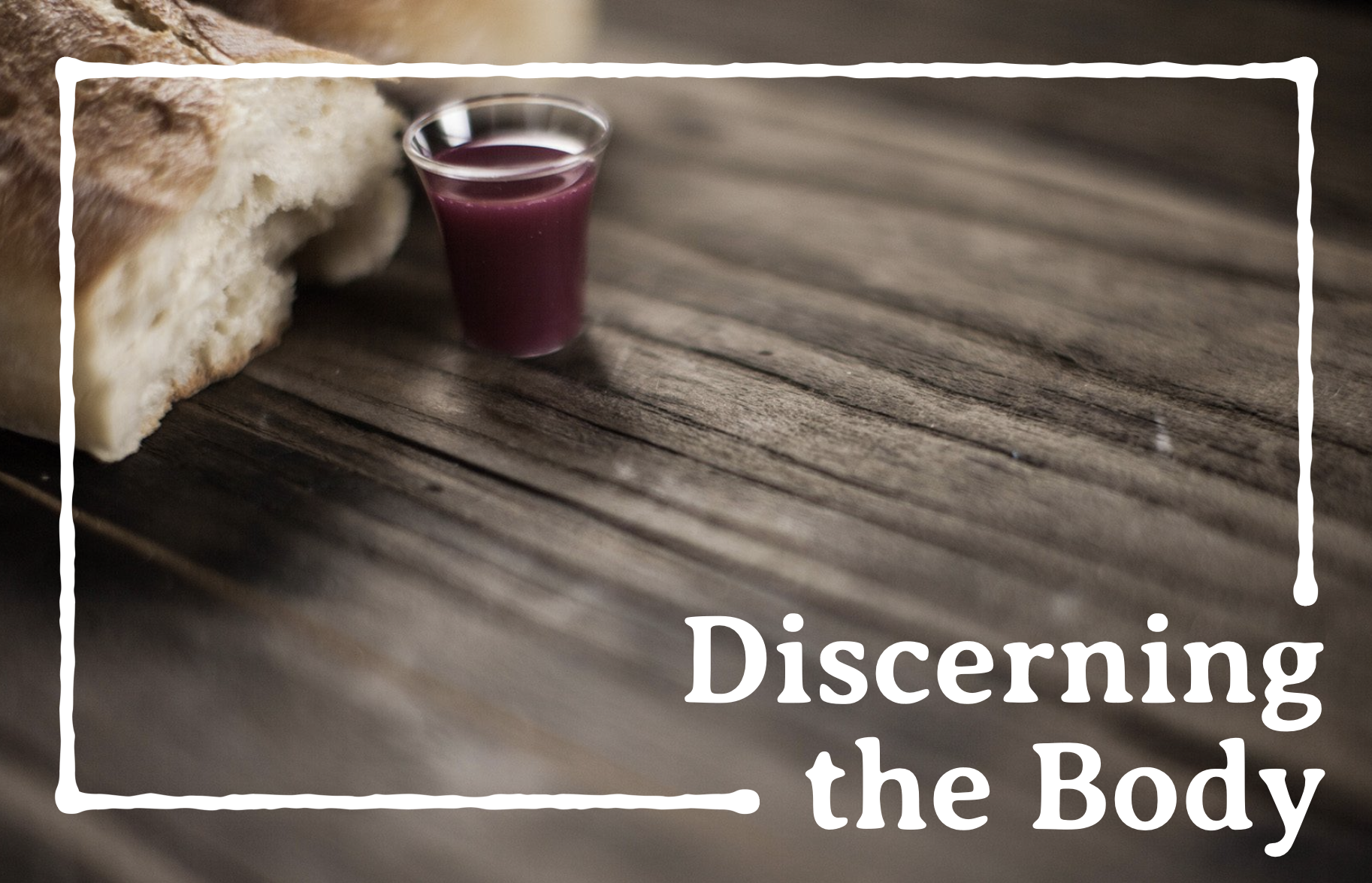
Discerning the Body (PDF): In 1 Corinthians 11, Paul seeks to correct the selfish way in which some of the Christians in Corinth are observing the Lord’s Supper by reminding them of its vertical and horizontal dimensions.


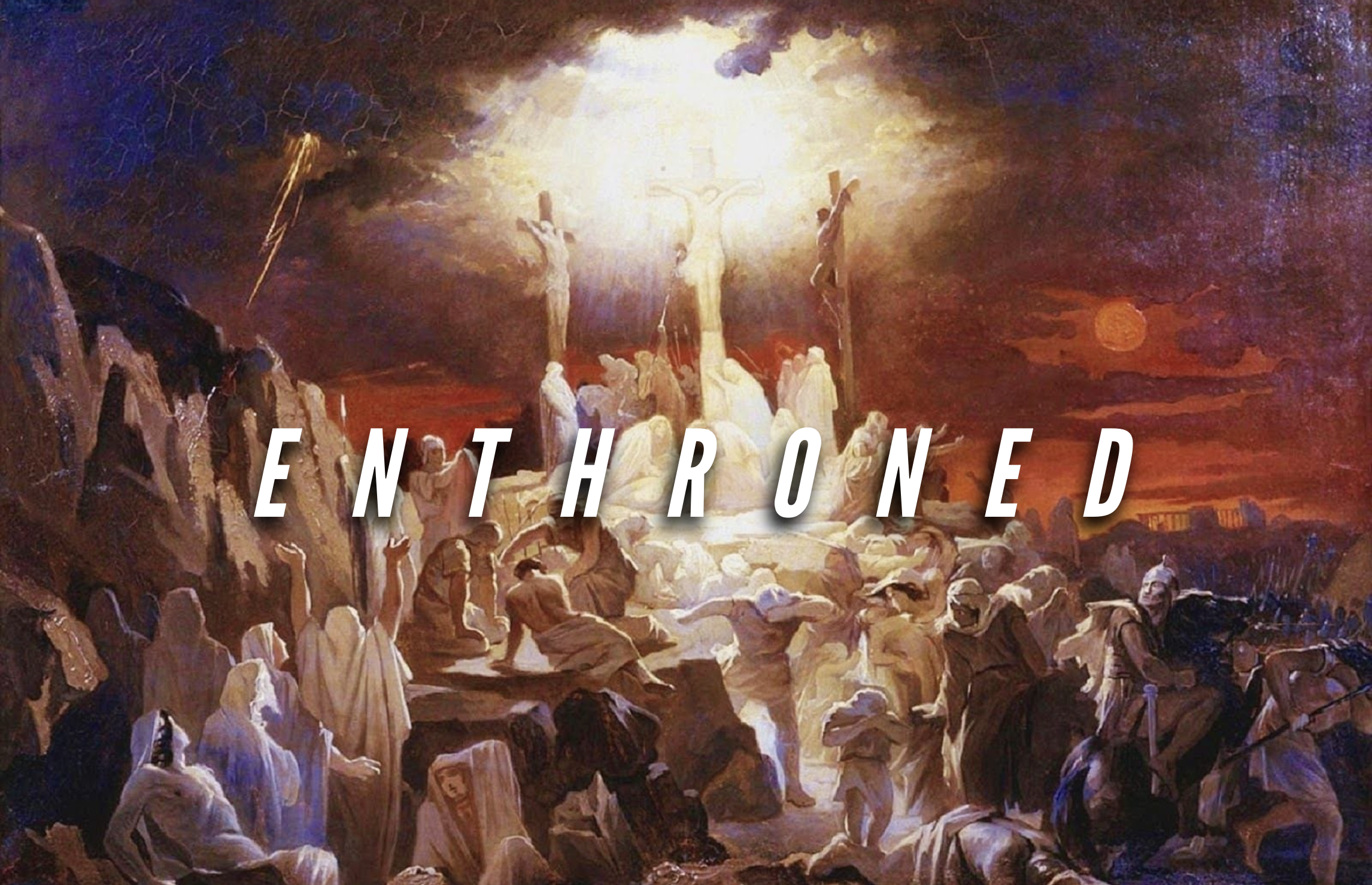
Enthroned (PDF): The crucifixion of Jesus was a subversive exaltation. The enthronement of the King of the Jews casts doubt upon the ways in which the world elevates and seeks to accumulate power.


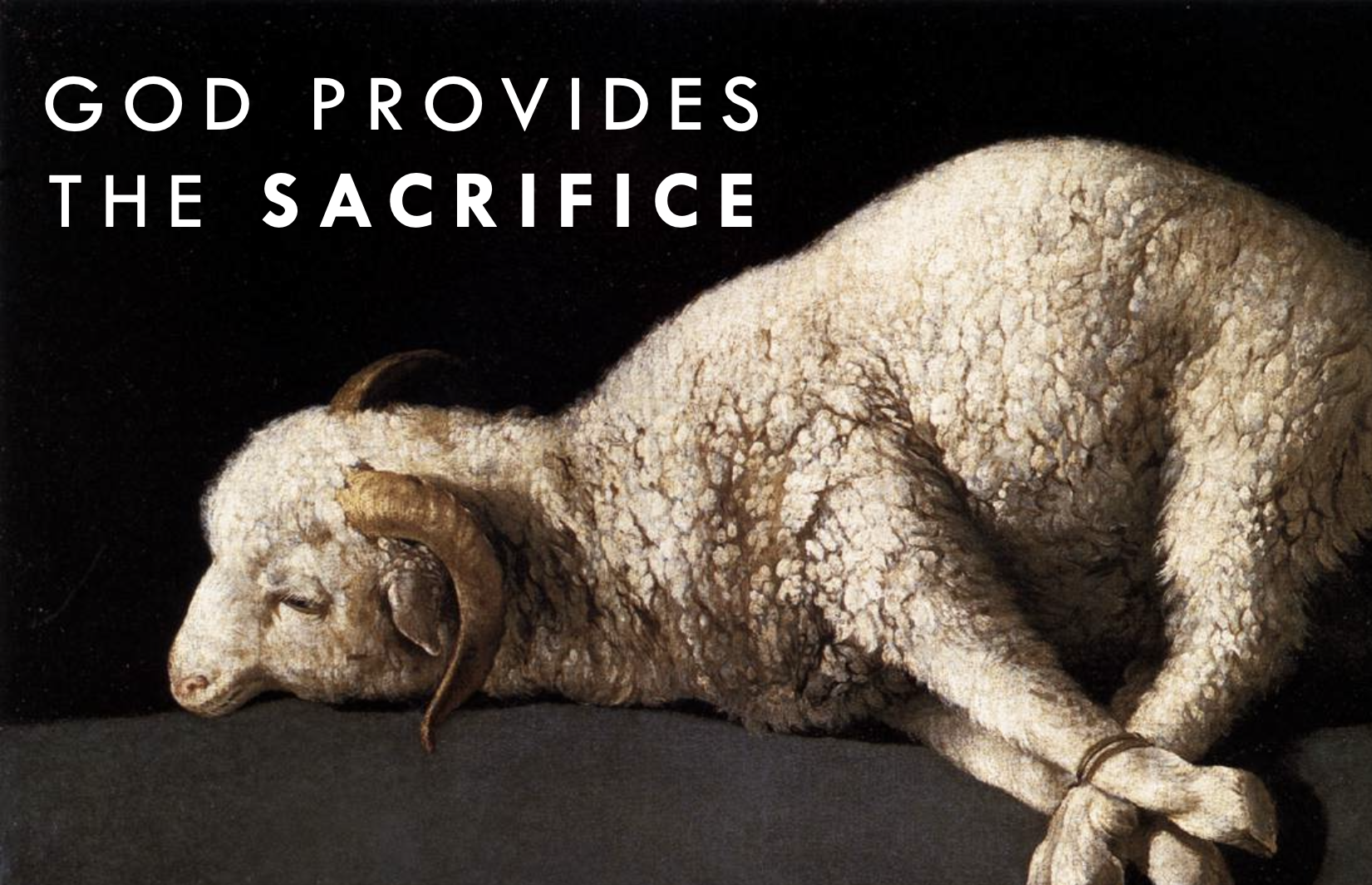
God Provides the Sacrifice (PDF): The Binding of Isaac in Genesis 22 foreshadows another sort of offering, on another sort of altar. In both instances, it is God who provides the sacrifice, but the Son is not always spared.


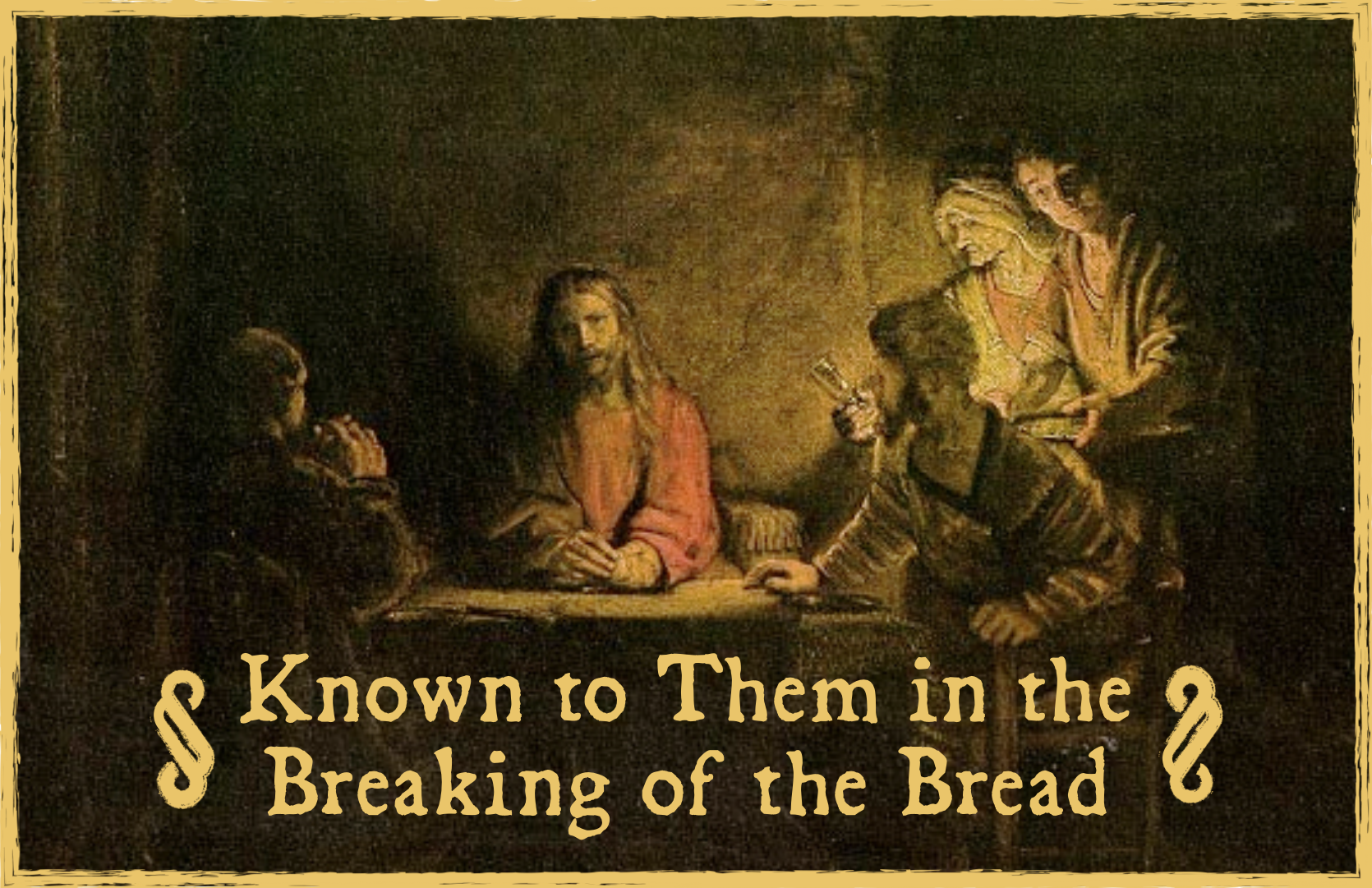
Known to Them in the Breaking of the Bread (PDF): For the disciples that Jesus met on the road to Emmaus following His resurrection, it was at the table that Jesus was made known to them. It is the same for us.


Reconciliation through the Cross (PDF): In a bitterly-divided world, the observance of the Lord’s Supper can seem impractical and disconnected. Really, though, nothing could be more needed or relevant.

2023 Blog Review

I like to end the year by looking back and reviewing my year of blogging here at The Doc File (Here are some previous reviews from 2022, 2021, 2020, 2019, 2018, 2016, 2015, and 2012).

Overview

There were a lot of topics that I intended to write about in 2023, but time got away from me and I wrote less than I hoped. Nevertheless, I wrote 30 posts this past year, which is more than I managed in 2022 (20) or 2021 (28). Baby steps in the right direction still count as progress, I guess.

Top Posts

By traffic totals, here are my most-read posts during 2023:

  1. Jesus, Christmas, and Hanukkah, December 18, 2015
  2. Raising Up Ministers: Six Unhelpful Trends in Churches of Christ, March 2, 2023
  3. A New Heaven & A New Earth Series, April 29, 2020
  4. A New Heaven & A New Earth: What the Bible Teaches about Eternity, April 9, 2020
  5. Youth Ministry & Gen Z,, May 16, 2023
  6. Reading in 2022, January 3, 2023
  7. Church Is Good for Your Kids, August 23, 2023
  8. Reading and Walking in 2022, January 6, 2023
  9. Forty., August 2, 2023
  10. A New Heaven & A New Earth Part 2: Distractions, April 16, 2020

Six of the top posts from 2023 were actually written this year, and it is always good to see new content get some traction:

  • Raising Up Ministers: Six Unhelpful Trends in Churches of Christ reflected on the minister shortage within Churches of Christ. This topic has been written about and discussed a lot (too much?), but one aspect of the conversation that I hadn’t seen emphasized as much was the raising up of young people to go into ministry. I am confident that we are not doing this as well as we once did, and I offered several reasons for why that is.
  • Youth Ministry & Gen Z looked at some research from the Barna Group that describes characteristics of Gen Z students (the generational cohort that is currently present in our youth groups). The basic premise here is that the better we understand these students, the better we can minister to them. Broadly speaking, Gen Z students have several challenging characteristics that clash with Christianity, but they also resonate with Christianity in important ways.
  • I have developed certain traditions of posts that I write each year, and these have developed somewhat of a following over time. Reading in 2022 and Reading and Walking in 2022 were both popular (the 2023 versions are right around the corner!).
  • Church Is Good for Your Kids is a brief post that reflected on research that indicates that, well, church is good for your kids! As one author states, “There is a growing body of evidence that regular religious practice is measurably good for the health, happiness, and pro-social behavior of our kids.”[1]
  • Forty. I had a milestone birthday in 2023, which naturally prompted me to some reflection.

At the same time, part of the reason for preserving over 15 years of posts on this site is for people to be able to go back and read things they missed, and I am always gratified when older posts are read by new people. The series I wrote in 2020 on renewed eschatology continues to get a lot of views, but I was blown away by the response to Jesus, Christmas, and Hanukkah. This is a post I actually wrote about eight years ago, but I shared it again this year and it got a surprising amount of attention.

Blog Series

In 2023, I completed one series and contributed multiple times to another, ongoing one:

The Beatitudes: Kingdom Character: This nine-part series was a close look at the Beatitudes in the Sermon on the Mount, which is Jesus’s description of what it looks like to be a citizen in His kingdom.

Studying the Sermon on the Mount in detail was transformative for me several years ago, and it is always beneficial for me to come back and reflect on Jesus’s teaching here. This series was not very popular and didn’t have a wide readership. This was disappointing to me, but I think is also reflective of the time in which we live: living according to the Sermon on the Mount isn’t very exciting for most people.

Scripture Reflections: I added five more posts to this ongoing series in 2023 (The Poor You Always Have with You, Three Gardens, Known to Them in the Breaking of the Bread, “Your Labor Is Not in Vain”, and “He Remembers that We Are Dust”) bringing the total to 20 posts. I plan to continue adding to this indefinitely.


So, that was The Doc File in 2023! It is my plan to continue writing in this space in 2024 (hopefully more often, but I never know what the new year will bring). It has become a formative spiritual discipline for me to process my thoughts here over the years, and as many readers have told me, it is helpful to you too! I am honored and humbled by those sorts of comments, and am thankful for your readership and support!


[1] Rebecca McLaughlin, 10 Questions Every Teen Should Ask (and Answer) about Christianity (Wheaton, IL: Crossway, 2021), 14.

The Doc File Updates

I haven’t been able to write as much in this space over the last few weeks as I’d like to (summer youth ministry grind), but I have been working to update content here on The Doc File in other, less obvious, ways:

  • There is now a Books page in the navigation bar at the top of the site, where you easily read short descriptions of the books I have written in one place, along with links to purchase them.
  • If you are a podcast person, there is also an Interviews page where you can listen to some guest appearances I have made on several podcasts, talking about biblical interpretation, youth ministry, and other projects.
  • I’ve also updated the Free Resources page with several Lord’s Supper meditations that can be used for leading the congregation in preparation for taking communion, or for private reflection. I hope to add more of these as time goes on.

As always, thanks for your reading and support!

« Older posts

© 2026 The Doc File

Theme by Anders Noren — Up ↑