The online journal of Luke Dockery

Category: Christianity (Page 21 of 64)

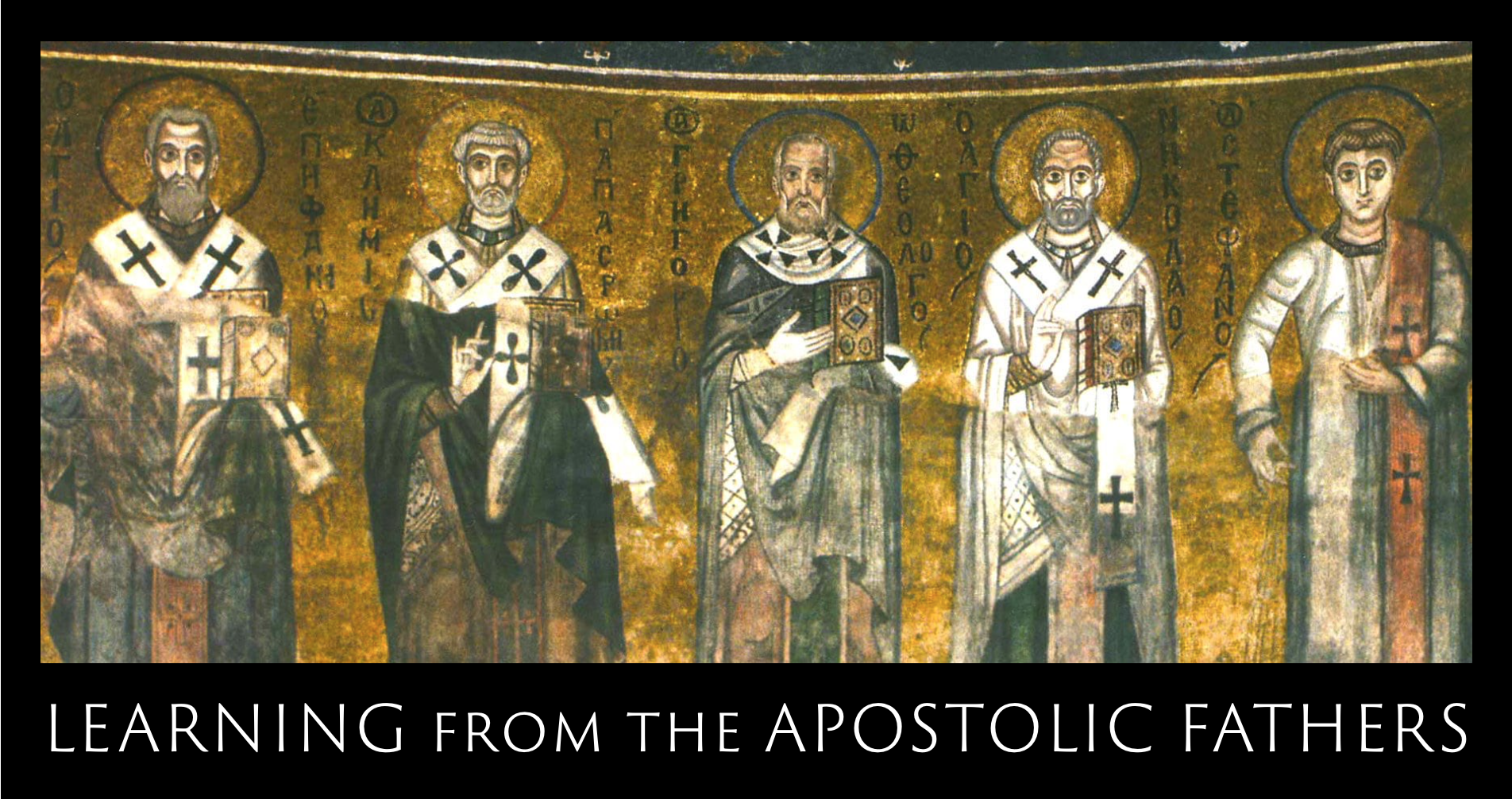
Learning from the Apostolic Fathers: Clement

I have long been interested in church history, and especially the history of the early church, but despite this, I have not done a good job of immersing myself in early Christian writings outside of the New Testament. To work towards remedying this deficiency, I began reading The Apostolic Fathers in English late last year as part of my daily devotional reading. Generally speaking, the term “Apostolic Fathers” refers to early Christian theologians from the 1st and 2nd centuries AD, some of whom would have known some of the apostles personally and sought to pass on their teachings. More specifically, “Apostolic Fathers” is frequently used in reference to Clement of Rome, Ignatius of Antioch, and Polycarp of Smyrna.

While these writings are not part of the Christian canon, I have still found them to be interesting and insightful, and I wanted to share some reflections from a few of them in a short series of posts. Today, I want to focus on 1 Clement.


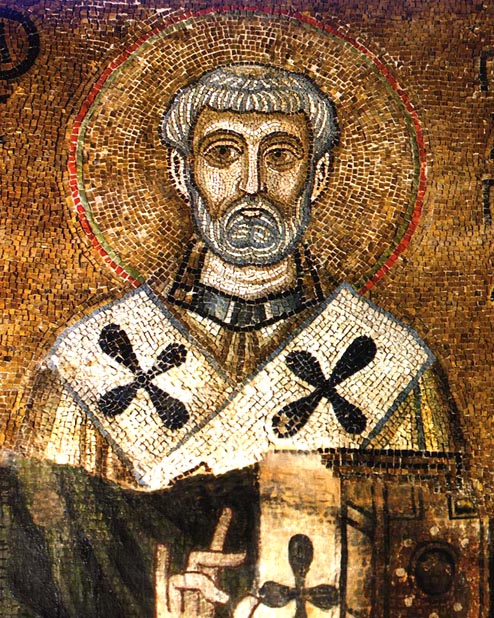
Clement of Rome and 1 Clement

The letter known as 1 Clement is written on behalf of the church at Rome to their fellow believers in Corinth.[1] It is believed to have been written at roughly the same time that John wrote the Book of Revelation, but while the latter has a very negative portrayal of the Roman government, the perspective of 1 Clement is more positive. As Michael Holmes states:

“…The elements of peace, harmony, and order that are so important to the author (or authors) of this letter reflect some of the fundamental values of Roman society. Thus it provides important evidence of the diverse and creative ways in which Christians sought to come to terms with the Greco-Roman culture and society within which the church was so rapidly expanding.”[2]

Clement of Rome

First Clement is unified in style rather than disjointed, which suggests one author rather than a composite work, and well-attested ancient tradition identifies this author as Clement (despite Clement not being named in the text itself). The exact identify of “Clement” is harder to discern, however. Catholic Church tradition identifies him as the third bishop of Rome after Peter, but the “office of monarchical bishop, in the sense intended by this later tradition, does not appear to have existed in Rome at this time.”[3] More likely, church leadership consisted of a group of presbyters or bishops, of whom Clement was likely a leading figure. It was probably written during the last two decades of the first century.

The intended recipient of the letter is the church at Corinth. This group of Christians had received repeated correspondence from Paul in previous decades, and the spiritual problems of that church (and divisiveness in particular) clearly persisted after his death. In the days of Clement, some of the younger men in the church at Corinth had apparently deposed the leadership of the congregation, and the church at Rome was so distressed by this turn of events that they produced this letter and dispatched mediators in an effort to restore unity and order to this fractured church.[4]

Themes and Insights from 1 Clement

Close Dependence on Scripture: As I read 1 Clement, I was struck by the degree to which the author relied on Scripture, and the Hebrew Bible in particular, to make his argument. Clement gives ancient examples of both jealousy and good behavior from the Book of Genesis, and warns the Corinthians about the former while admonishing them to follow the latter. Although he references New Testament texts less, Clement is still closely connected to the apostolic era, and invokes Jesus, Peter, and Paul as examples to follow.

Orthodox Theology: I was also interested to see 1 Clement’s affirmation of key Christian doctrines that, although taught in the New Testament, are sometimes dismissed by critical scholars as later theological developments that early Christians wouldn’t have recognized. Clement is an early, extrabiblical witness to the doctrine of resurrection:

“Let us consider, dear friends, how the Master continually points out to us the coming resurrection of which he made the Lord Jesus Christ the first fruit when he raised him from the dead.”

(1 Clement 24.1)

He also reflects Trinitarian language and thinking:

“Do we not have one God and one Christ and one Spirit of grace that was poured out upon us?”

(1 Clement 46.6)

Finally, although this is a less controversial idea in the history of Christian theology and interpretation, Clement heavily emphasizes the doctrine of unity. Indeed, the whole letter represents an urging for the Corinthian Christians to give up their schisms, submit to their rightly established leadership, and be united in Christ.

A Marvelous Prayer: I was struck by a beautiful prayer near the end of 1 Clement, and wanted to share a section of it:

“You alone are the benefactor of spirits and the God of all flesh, looking into the depths, scanning the works of humans; the helper of those who are in peril, the savior of those who are in despair; the creator and guardian of every spirit. You multiply the nations upon the earth, and from among all of them you have chosen those who love you through Jesus Christ your beloved servant, through whom you instructed us, sanctified us, honored us.

We ask you, Master, to be our helper and protector. Save those among us who are in distress; have mercy on the humble; raise up the fallen; show yourself to those in need; heal the sick turn back those of your people who wander; feed the hungry; ransom our prisoners; raise up the weak; comfort the discouraged. Let all the nations know that you are the only God, that Jesus Christ is your servant, and that we are your people and the sheep of your pasture.

For you through your works have revealed the everlasting structure of the world. You, Lord, created the earth. You are faithful throughout all generations, righteous in your judgments, marvelous in strength and majesty, wise in creating and prudent in establishing what exists, good in all that is observed and faithful to those who trust in you, merciful and copassionate: forgive us our sins and our injustices, our transgressions and our shortcomings.”

(1 Clement 59.3-60.1)

Concluding Thoughts

To compare it to New Testament writings, 1 Clement is a very long letter (about 50% longer than Paul’s longest letter, 1 Corinthians), and Clement is painstakingly deliberate about the way in which he constructs his argument and structures his plea to the Corinthian Christians. Perhaps this is because, unlike Paul, he cannot rely upon apostolic authority and instead has to build the weight of authority from lengthy biblical examples.

This means that 1 Clement not a fast-paced read, but it is absolutely worthwhile. The extended use of Scripture as the foundation for Christian behavior and practice is exemplary, and the drumbeat emphasis on the importance of love and unity within the Christian community is need in every time and place. First Clement is an edifying early-Christian writing that all Christians would do well to read, reflect upon, and appreciate.


[1] Michael W. Holmes, ed., The Apostolic Fathers in English (Grand Rapids: Baker Academic, 2006): 36-38, is the source of the background information that follows.

[2] Holmes, 36.

[3] Ibid., 37.

[4] Ibid.

Reading in 2020

Regular readers of The Doc File know that I keep track of what I read each year, and that I enjoy chronicling that here on the blog and offering some reflections about my favorite reads from the previous year. As we all know, 2020 was a strange and challenging year, and I was reminded of what a blessing books are! Reading brought a lot of peace to my life in a hectic time.

Without further ado, here is my list from 2020:

  1. North Boulevard Church of Christ 2020 Vision: Final Reflections, by David Young
  2. David and Goliath: Underdogs, Misfits, and the Art of Battling Giants, by Malcolm Gladwell
  3. Swallowed Up, by J.L. Gerhardt
  4. Between the World and Me, by Ta-Nehisi Coates
  5. Under Occupation, by Alan Furst
  6. Who Moved My Pulpit? Leading Change In The Church, by Thom Ranier
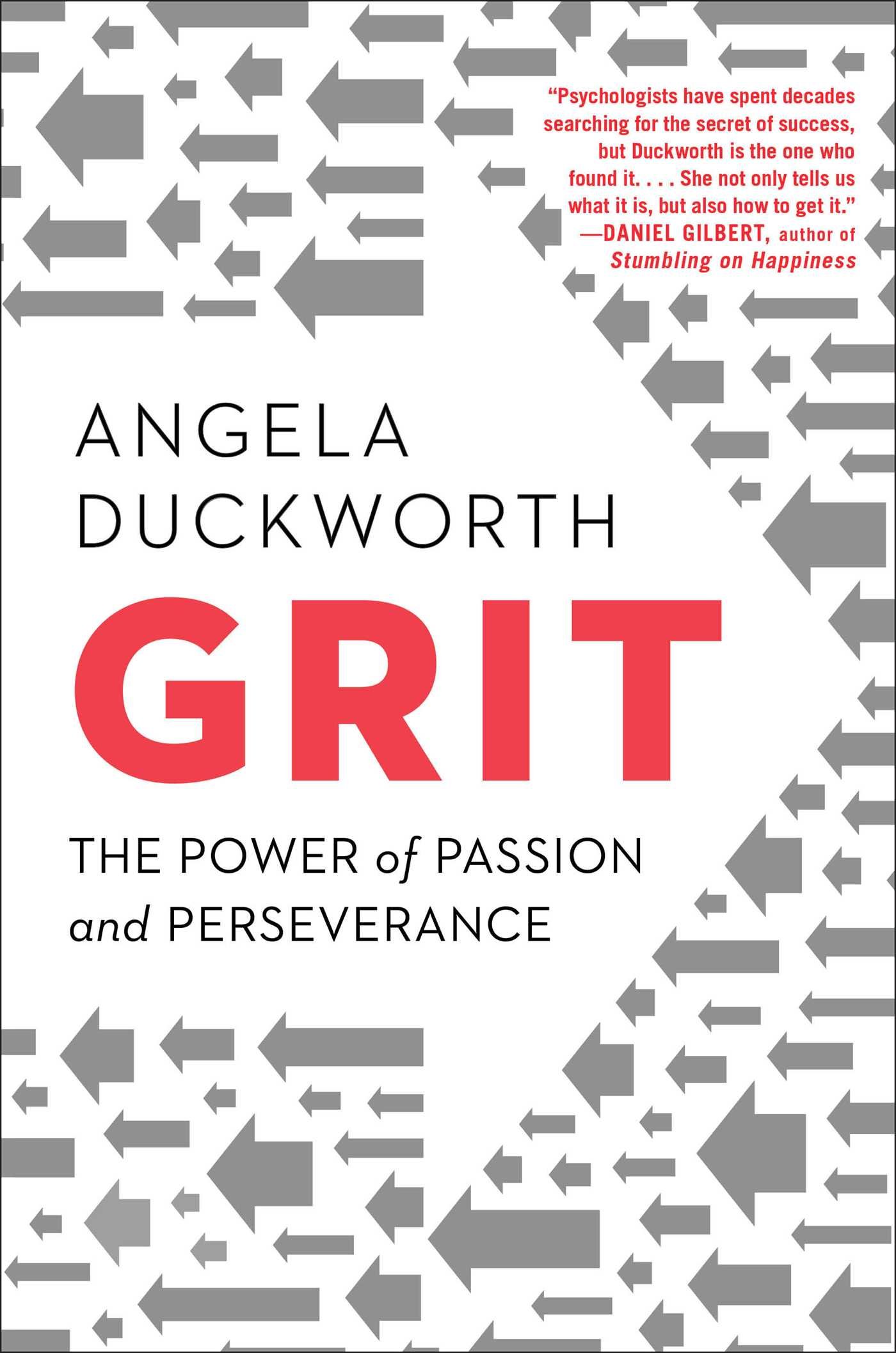
  7. Grit: The Power of Passion and Perseverance, by Angela Duckworth
  8. The Sticky Faith Guide For Your Family, by Kara Powell
  9. 12 Rules For Life: An Antidote to Chaos, by Jordan B. Peterson
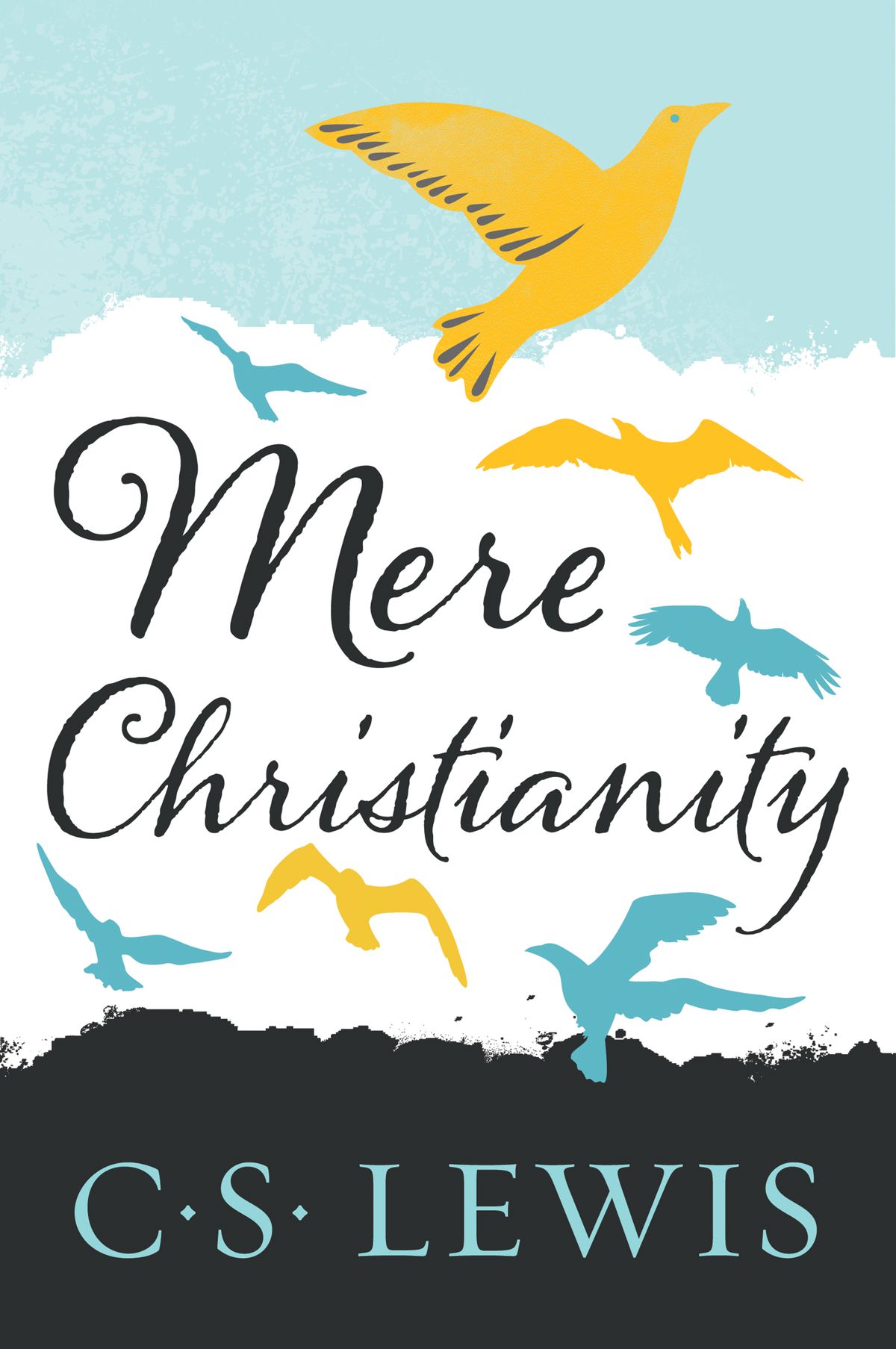
  10. Mere Christianity, by C.S. Lewis
  11. The Swiss Family Robinson, by Johann David Wyss
  12. A Third Testament, by Malcolm Muggeridge
  13. Silence, by Shūsaku Endō
  14. Talking to Strangers: What We Should Know About The People We Don’t Know, by Malcolm Gladwell
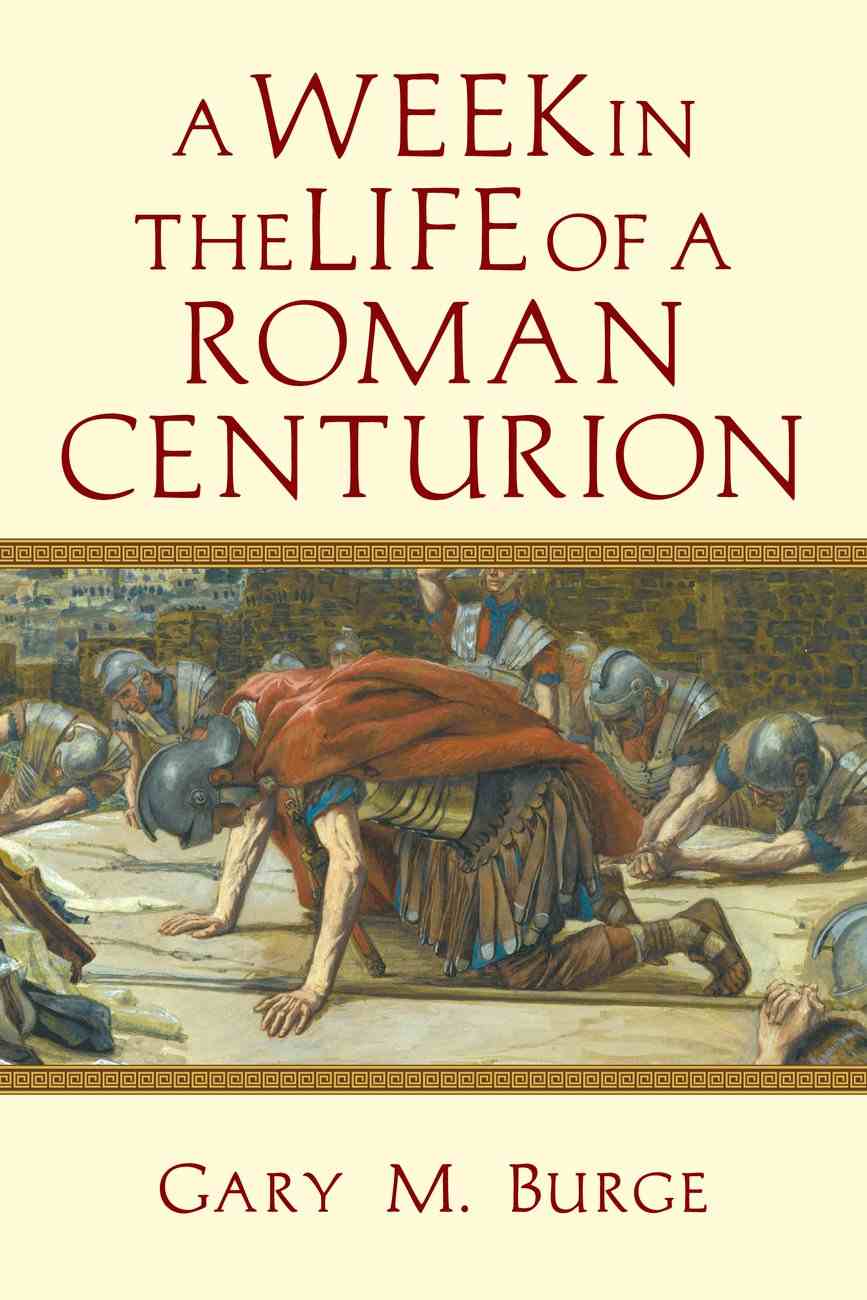
  15. A Week in the Life of a Roman Centurion, by Gary M. Burge
  16. The Lion, The Witch and the Wardrobe, by C.S. Lewis
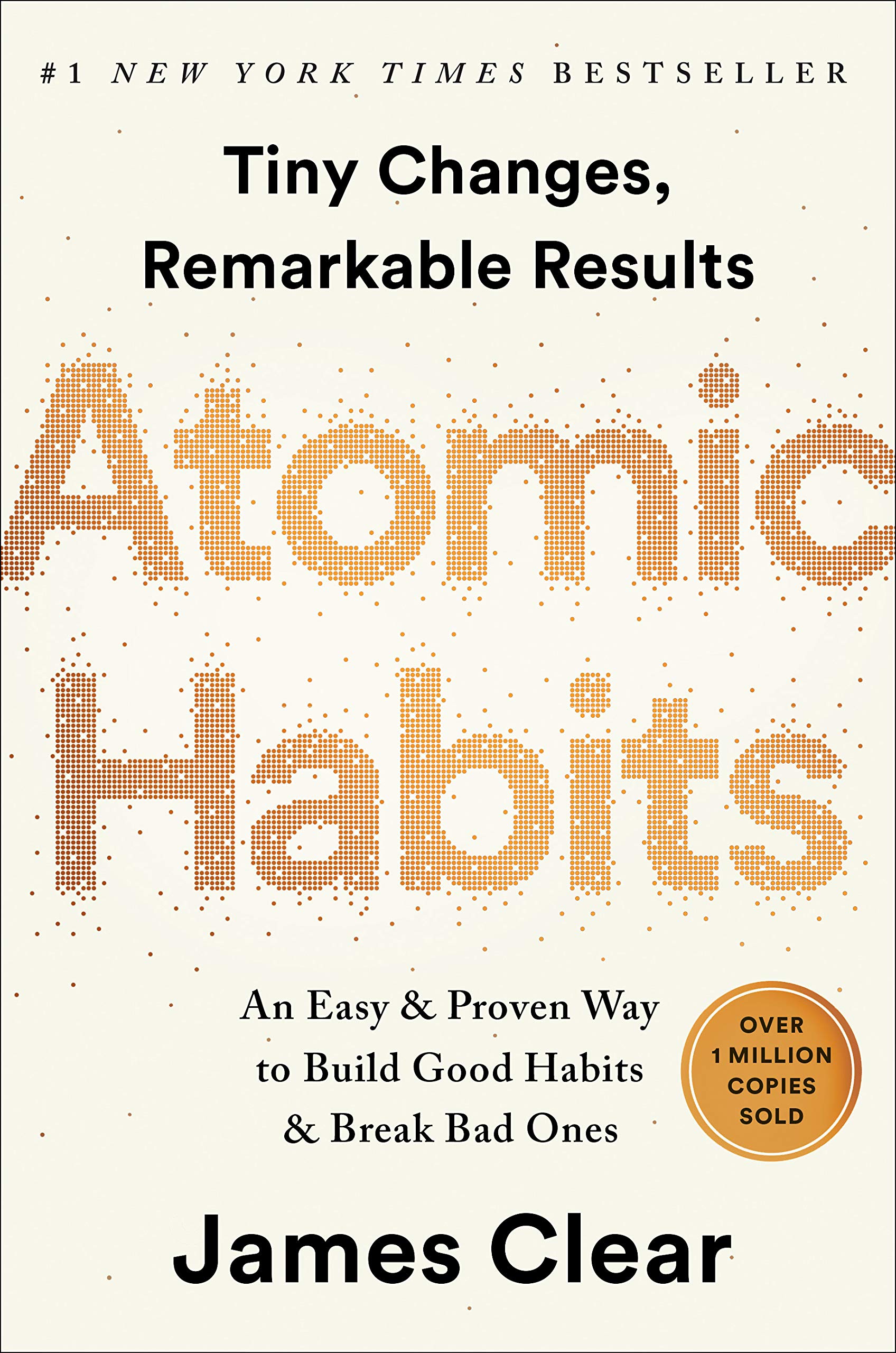
  17. Atomic Habits: An Easy & Proved Way to Build Good Habits & Break Bad Ones, by James Clear
  18. Prince Caspian, by C.S. Lewis
  19. The Voyage of the Dawn Treader, by C.S. Lewis
  20. Harry Potter and the Sorcerer’s Stone, by J.K. Rowling
  21. The Silver Chair, by C.S. Lewis
  22. Images of America: Searcy, by Carolyn Boyles and Patsy Pipkin
  23. T.R.I.A.L.S. A Journey from Anxiety to Peace, by Chase Turner
  24. Alexander Hamilton: Revolutionary, by Martha Brockenbrough
  25. The Horse and His Boy, by C.S. Lewis
  26. Gone Girl, by Gillian Flynn
  27. The Magician’s Nephew, by C.S. Lewis
  28. Star Wars Aftermath, by Chuck Wendig
  29. The Last Battle, by C.S. Lewis
  30. Star Wars: Bloodline, by Claudia Gray
  31. Star Wars Aftermath: Life Debt, by Chuck Wendig
  32. Sinners in the Hands of a Loving God: The Scandalous Truth of the Very Good News, by Brian Zahnd
  33. Star Wars Aftermath: Empire’s End, by Chuck Wendig
  34. The Great Alone, by Kristin Hannah
  35. Jackaby, by William Ritter
  36. A Wrinkle In Time, by Madeline L’Engle
  37. So You Want to Talk about Race, by Ijeoma Oluo
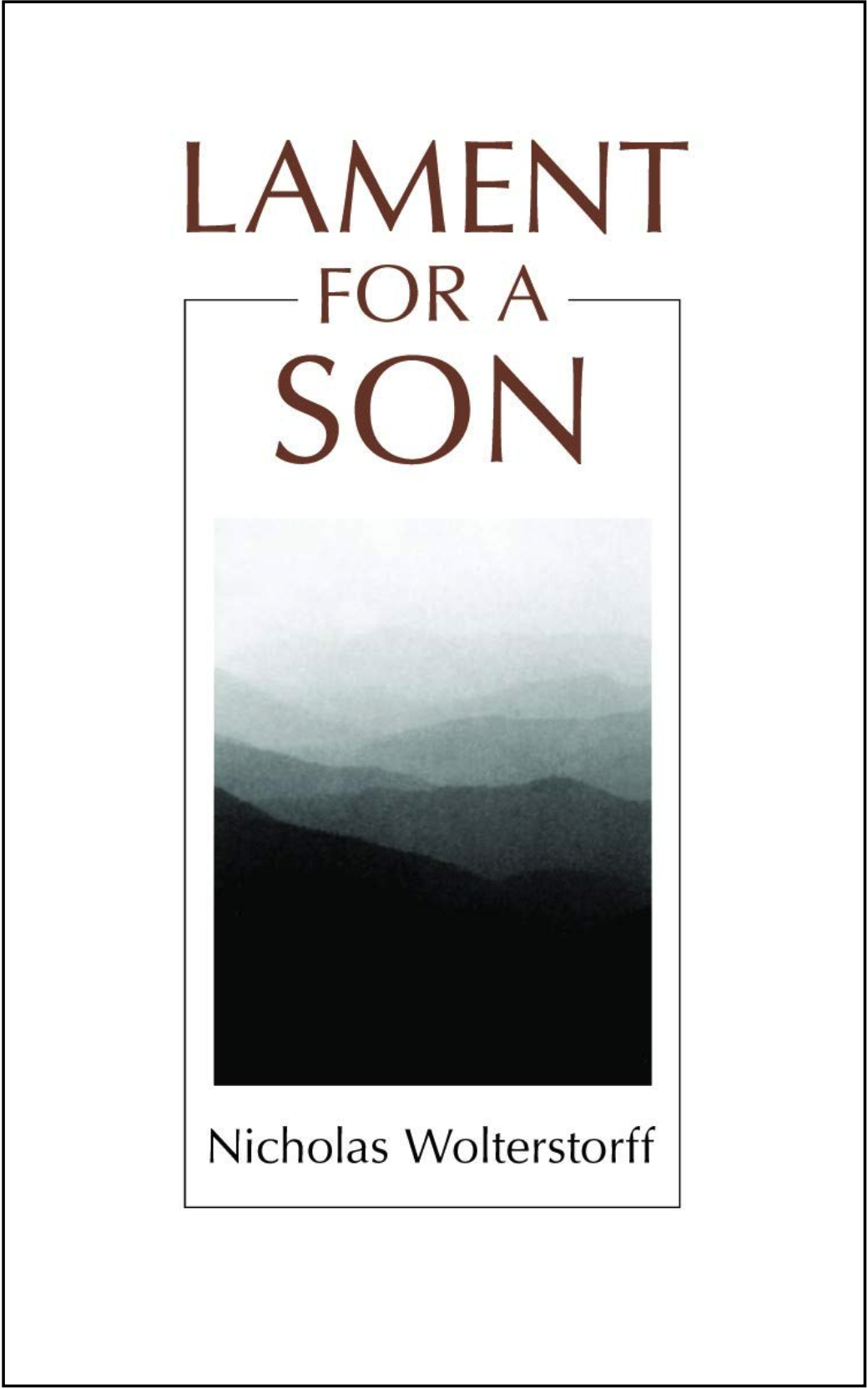
  38. Lament For A Son, by Nicholas Wolterstorff
  39. Understanding Gender Dysphoria: Navigating Transgender Issues in a Changing Culture, by Mark A. Yarhouse
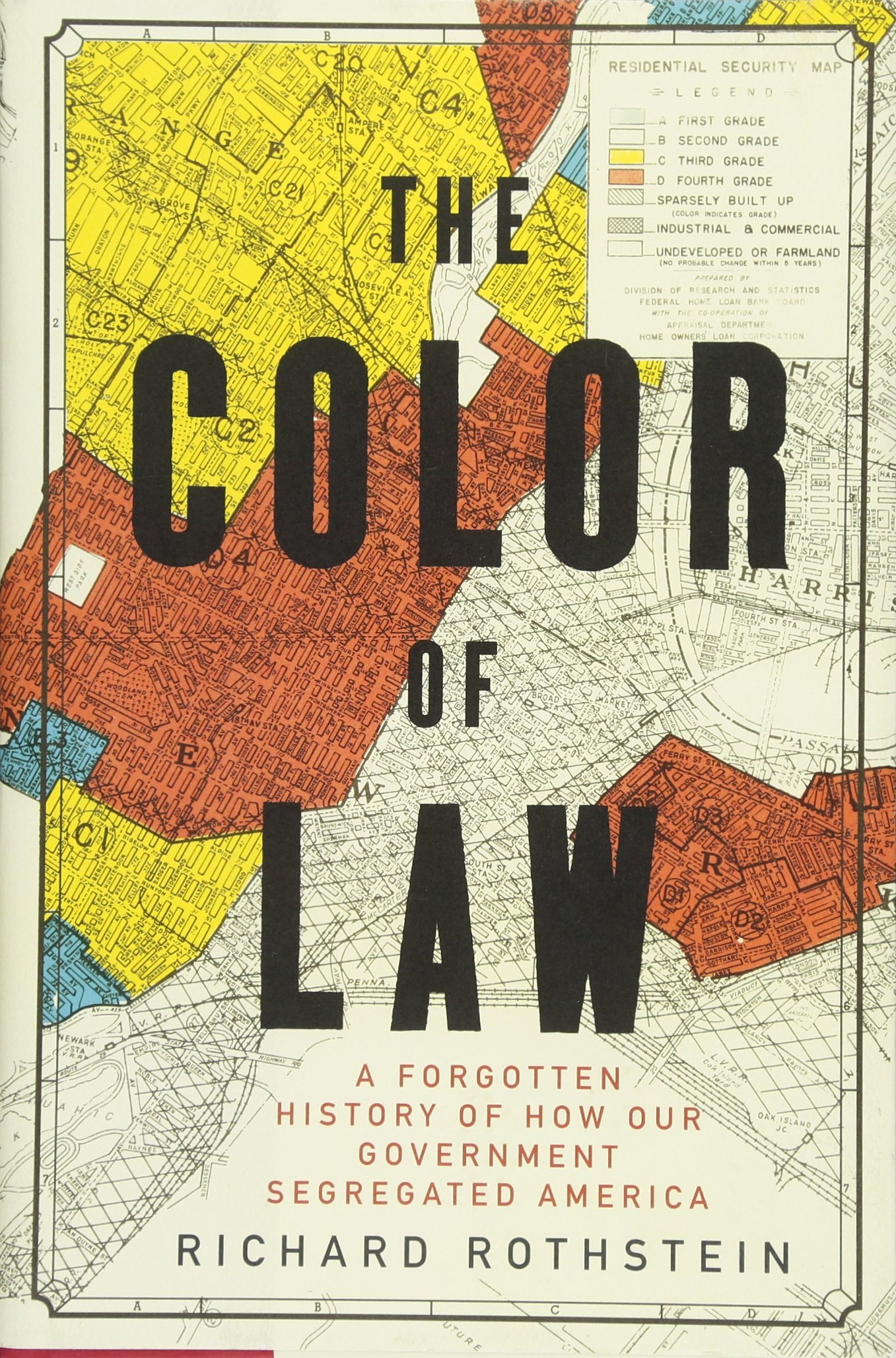
  40. The Color of Law: A Forgotten History of How Our Government Segregated America, by Richard Rothstein
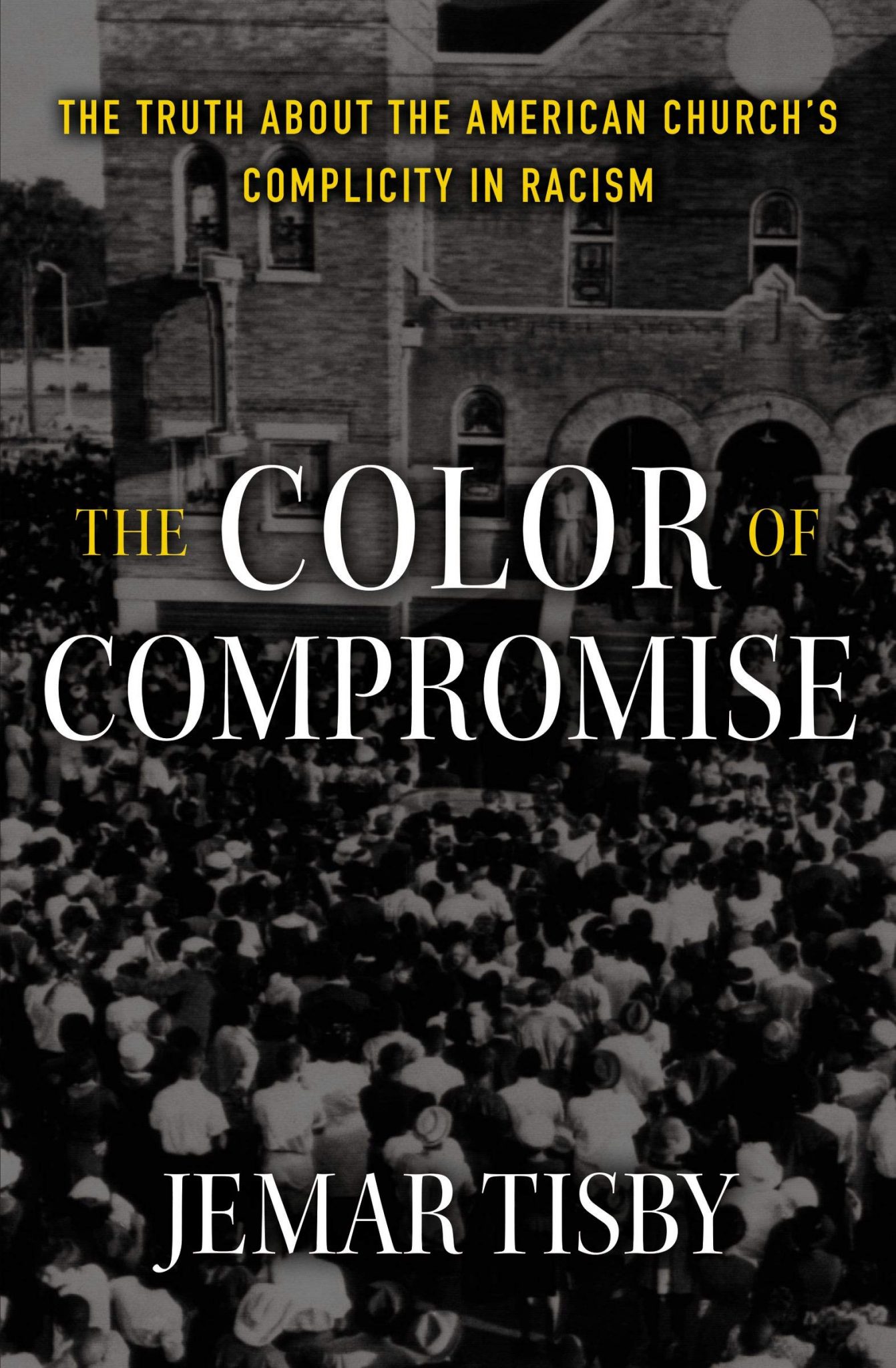
  41. The Color of Compromise: The Truth About the American Church’s Complicity in Racism, by Jemar Tisby
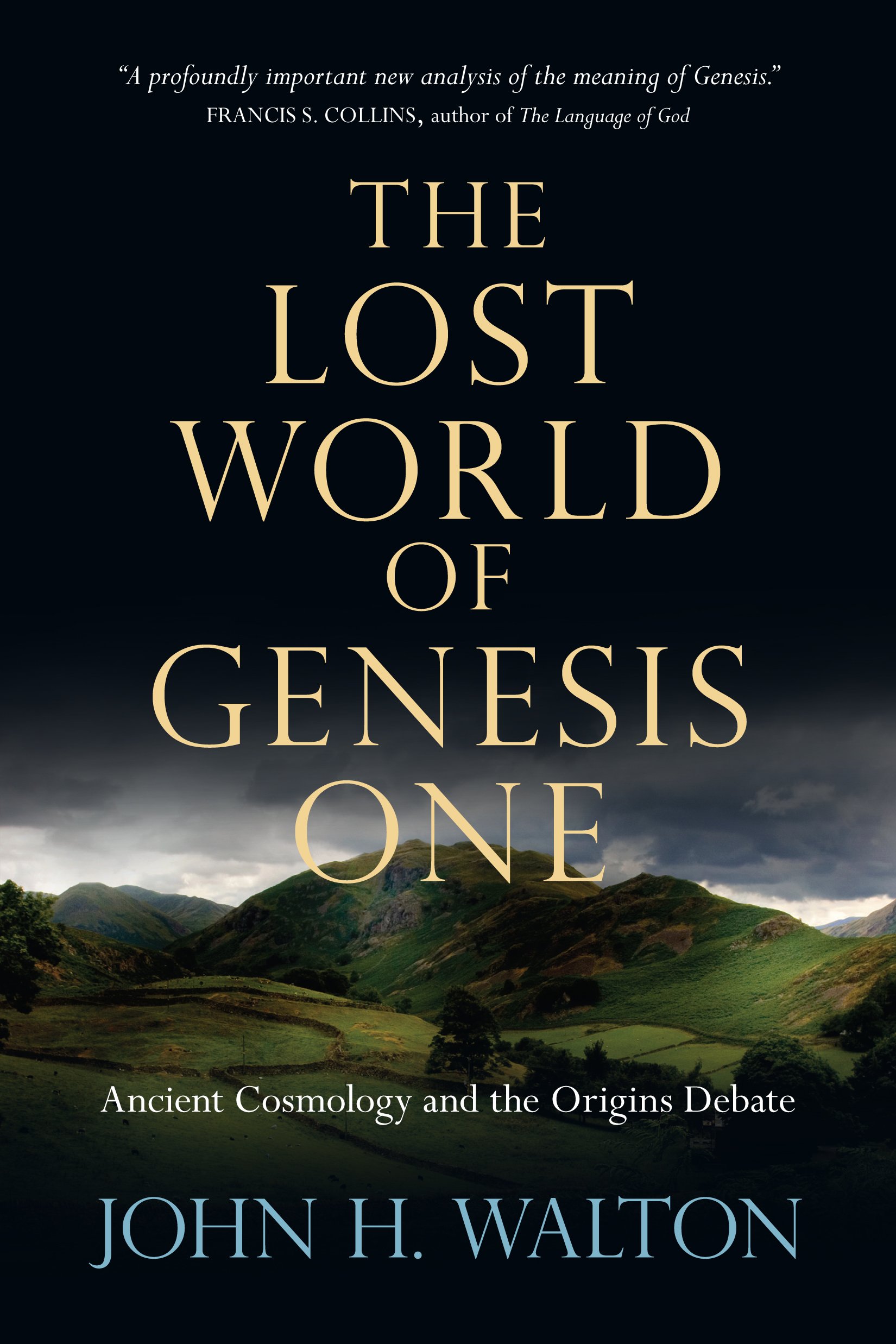
  42. The Lost World of Genesis One: Ancient Cosmology and the Origins Debate, by John H. Walton
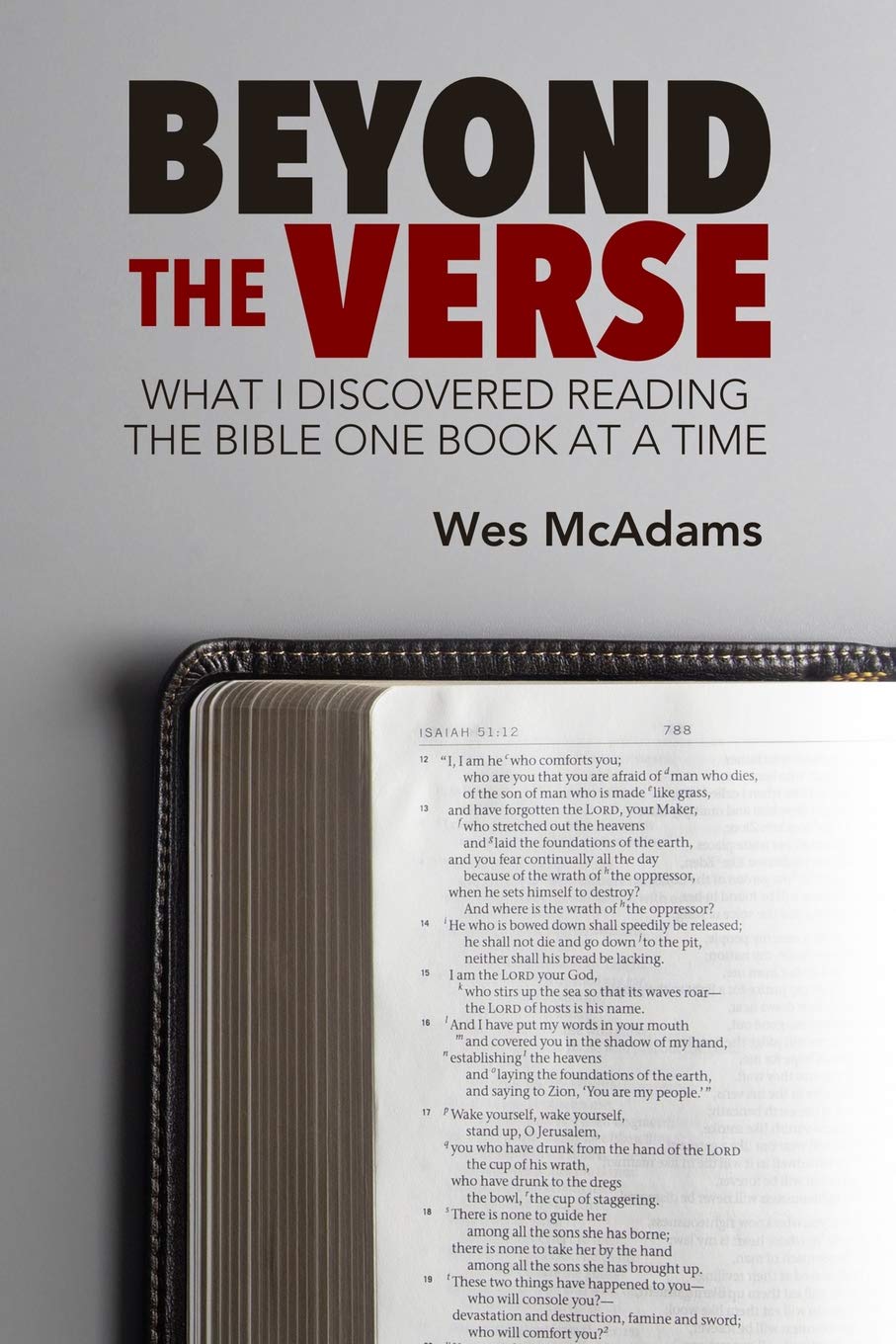
  43. Beyond The Verse: What I Discovered Reading the Bible One Book at a Time, by Wes McAdams
  44. Star Wars: Thrawn, by Timothy Zahn
  45. The End of Youth Ministry?, by Andrew Root
  46. Thrawn: Alliances, by Timothy Zahn
  47. Thrawn: Treason, by Timothy Zahn
  48. Searching For Sunday: Loving, Leaving, and Finding the Church, by Rachel Held Evans
  49. God And The Pandemic: A Christian Reflection on the Coronavirus and its Aftermath, by N.T. Wright
  50. Seeing Jesus from the East: A Fresh Look at History’s Most Influential Figure, by Ravi Zacharias and Abdu Murray
  51. The Righteous Mind: Why Good People Are Divided By Politics and Religion, by Jonathan Haidt
  52. Adoptive Youth Ministry: Integrating Emerging Generations into the Family of Faith, edited by Chap Clark
  53. The Family Upstairs, by Lisa Jewell
  54. How To Think: A Survival Guide for a World at Odds, by Alan Jacobs
  55. Race & Justice, by Tim Keller
  56. Race Against Time: A Reporter Reopens the Unsolved Murder Cases of the Civil Rights Era, by Jerry Mitchell
  57. Dominion: How the Christian Revolution Remade the World, by Tom Holland
  58. The Ragged Edge of Night, by Olivia Hawker
  59. Where The Crawdads Sing, by Delia Owens
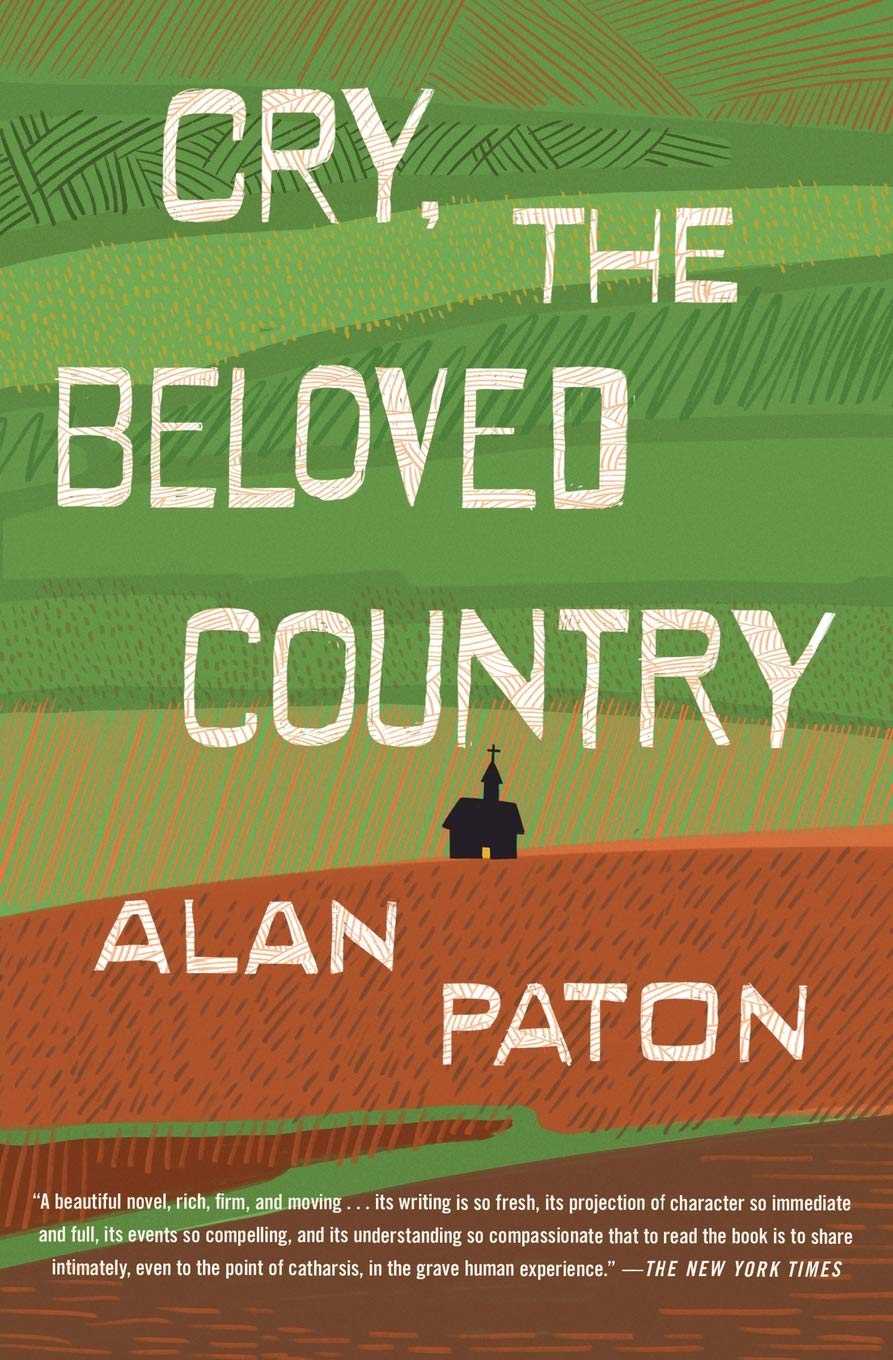
  60. Cry, the Beloved Country, by Alan Paton
  61. King Jesus and the Beauty of Obedience-Based Discipleship, by David Young
  62. The Risen Spear, by Scott Biddle
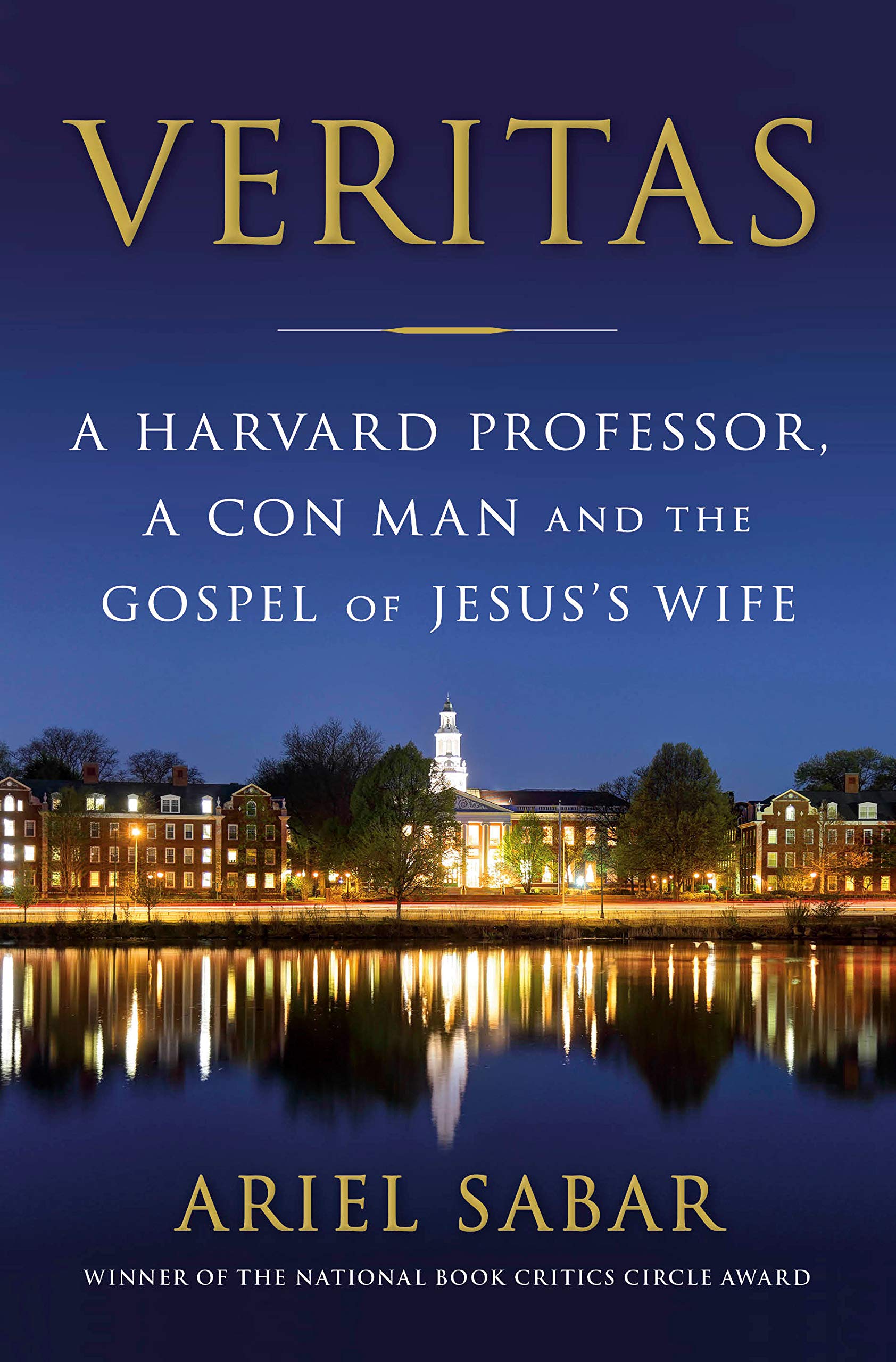
  63. Veritas: A Harvard Professor, A Con Man, and the Gospel of Jesus’s Wife, by Ariel Sabar
  64. McCord’s New Testament Translation of the Everlasting Gospel
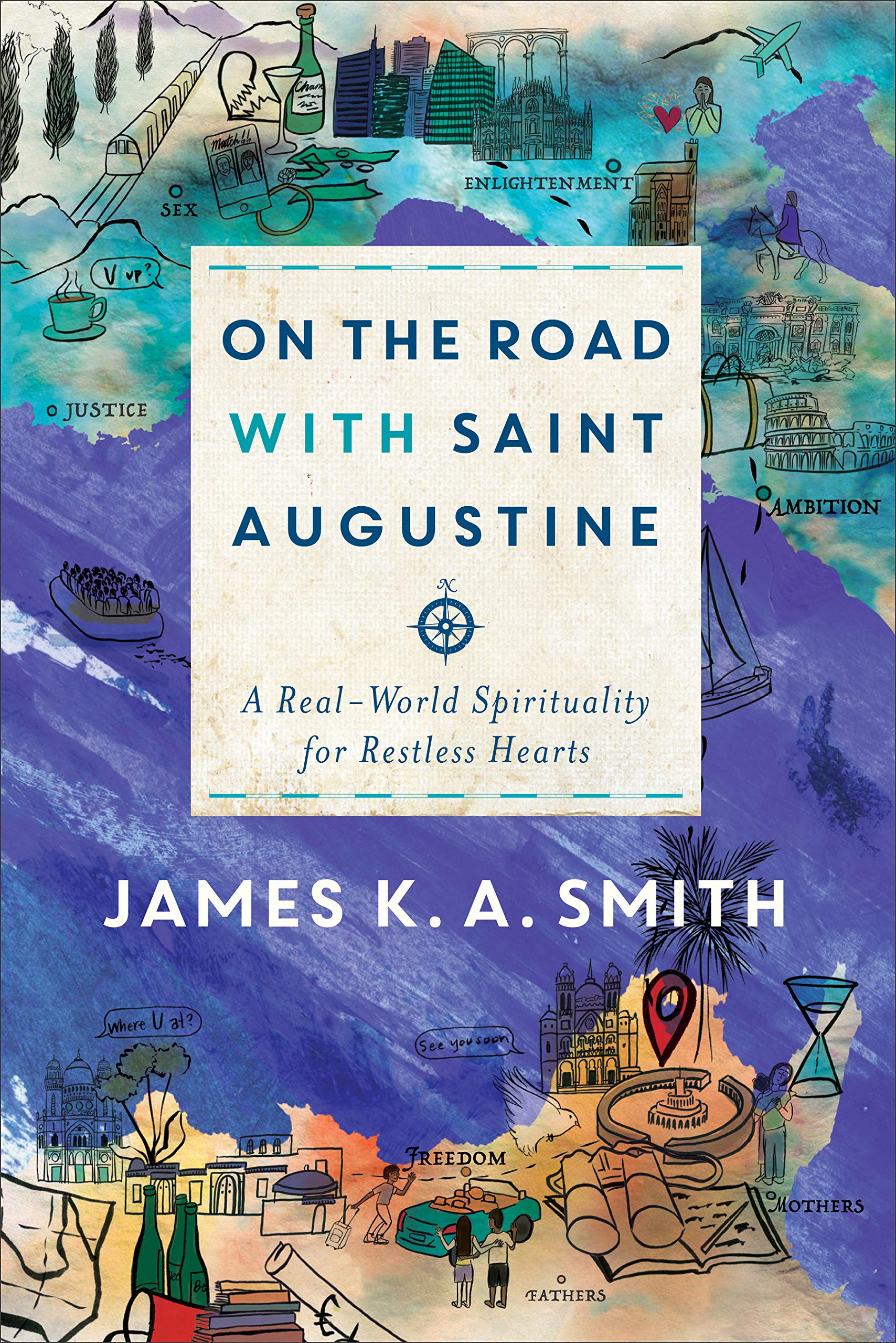
  65. On the Road with Saint Augustine: A Real-World Spirituality for Restless Hearts, by James K. A. Smith

A few observations before I talk about my favorite books of the year:

  • My reading total increased from 52 books in 2019 to 65 in 2020. My 2020 total represents a personal record for books read in a year. This is largely related to the life rhythms brought about by COVID-19: especially during the early days of lockdown (but extending beyond), I did a lot of walking around my neighborhood, and frequently listened to audiobooks while doing that. My reading decreased somewhat as the year went on.
  • I read a lot of fiction this year. This is partially because there were more fiction audiobooks available at my local library than, say, theology books, and partially because 2020 was a year where I was seeking distraction from circumstances and looking to “travel” through reading.
  • In addition to reading more this year, I read so many really good books. It was a great year of reading.
  • I fully expect my reading totals to decrease significantly next year. In addition to circumstances related to COVID hopefully improving over time, I am planning to start working through some long and dense books on theology and biblical studies (I am really excited about this, in case you were curious about how much of a nerd I am).

I normally share my Top 10 books for the year, but I was having a hard time narrowing it down to just 10 this year. This was stressing me out until I remembered that I make the rules around here, so I just decided to do a Top 15 list instead. Before I do so, I wanted to offer some brief thoughts on a few books that didn’t make my Top 15, but I still wanted to comment on.

  • Two great books that didn’t make my Top 15 because they had previously been Top 10 choices from previous years were The Sticky Faith Guide For Your Family, by Kara Powell (2017) and 12 Rules For Life: An Antidote to Chaos, by Jordan B. Peterson (2019).
  • The Righteous Mind: Why Good People Are Divided By Politics and Religion, by Jonathan Haidt: This is a good book that is a really important read for our times, I believe. It is not one of my top books of the year because it delves heavily into evolutionary biology and moral psychology, which are not areas of great interest for me, and I frequently got bogged down in those parts. But I found some really good ideas to take away from this book.
  • The Risen Spear, by Scott Biddle: Scott is one of my youth group dads, and I was delighted to learn that he has authored a series of fantasy books for children. The Risen Spear was a short read with a compact, exciting story, and vaguely reminded me of the Narnia books in some ways (which is high praise from me!). I look forward to reading the next books in the series.

I want to take a moment to highlight Race & Justice by Tim Keller. Technically, this is a series of articles rather than a book, but they are so long that combined they essentially represent a book-length treatment on the subject. I read and listened to a lot about race in 2020 (books, articles, podcasts, etc.), and this is, without question, the best biblical theology I have read related to race, racism, and justice.

I decided that Keller’s Race & Justice series was bookish enough to include in my list above, but since it wasn’t technically a book, I left it out of my Top 15. But that is in no way to diminish how good the material is (I bet it comes out as a book sometime in the future).


Regarding my Top 15 books for the year, here are some brief thoughts on those (presented in order of when I read them, not ranked 1-15):

Grit: The Power of Passion and Perseverance, by Angela Duckworth: I read this book back in February, which now seems about eight years ago, so I confess that I don’t remember it as well as I’d like to. Duckworth shares a lot of research and examples to flesh out her thesis, which is basically given by the title of the book. In short, the characteristic that best predicts success is not intelligence or personality or a host of other things, but grit, which Duckworth defines as a combination of passion and perseverance. In other words, a major part of being successful in life is finding something you really care about and sticking with it, regardless of setbacks or obstacles. I read this as an audiobook, but it is one that I will probably pick up at some point so I can keep coming back to it.

Mere Christianity, by C.S. Lewis: I read Lewis’s classic a dozen years ago, but I have never featured it as one of my top books of the year, so it makes its appearance on this list after I re-read it this year. I appreciated it even more this time; Lewis is such a penetrating thinker, and has an excellent way of getting at the heart of what Christianity is about.

Silence, by Shūsaku Endō: This novel is the poignant tale of Jesuit missionaries suffering persecution in 17th-century Japan. The story itself is gripping, but also raises important questions about the nature of cross-cultural missions, the place of martyrdom in Christian faith, and the plight of the believer when God is silent.

A Week in the Life of a Roman Centurion, by Gary M. Burge: This is the second book I’ve read from the “Week in the Life” series, and I continue to be a big fan. Basically, these are short historical novels set in the first century that seek to inform the reader about the world of the New Testament by plausibly expanding the stories of minor New Testament characters. Burge’s volume focuses on a Roman centurion whose life was changed by a meeting with King Jesus. The story is compelling, and the historical background is helpful for readers of the New Testament who are interested in a better understanding of the world of Jesus and the apostles.

The Chronicles of Narnia, by C.S. Lewis: Okay, so I am cheating here by listing a series of books as one book, and this certainly wasn’t my first time to read the Narnia books, but collectively, this was definitely one of my favorite reads of 2020. Because I also blogged about the series at length, Lewis’s classic series was on my mind a lot this year. It was perfect pandemic reading for me.

Atomic Habits: An Easy & Proven Way to Build Good Habits & Break Bad Ones, by James Clear: This was another entry in the category of books that I “read” as an audiobook but enjoyed so much that I was tempted to go back and purchase a physical copy so I would have it for reference. I reviewed this book after I read it, so you can get a fuller overview there, but I will repeat my basic summary: Atoms are very small things. They are the building blocks of the world around us, but they are invisible to the naked eye. They are also very powerful—the power of the atom can provide electricity to an entire region in the form of a power plant, or untold devastation in the form of a nuclear bomb. This is the premise of Atomic Habits: habits are little, sometimes nearly invisible things that can bring about powerful change—for good or ill—in our lives.

Lament For A Son, by Nicholas Wolterstorff: This is a series of short essays written after the author’s 25 year-old son was tragically killed in a climbing accident; I was so moved by this book that I wrote a series of posts on it. As a Professor Emeritus of Philosophical Theology, Wolterstorff certainly writes from a theological perspective, but overwhelmingly, he is writing as a grief-stricken dad. It is possibly the best book on suffering that I have read, and I think that, perhaps, is because Wolterstorff’s disjointed essays are the perfect way to reflect on grief and suffering. Well-organized books on theodicy that seek to explain the problem of evil and suffering have their place, but those are the sorts of books you need to read when the sun is shining and the world makes sense. On the other hand, when grief has come unexpectedly rushing into your life with the force of a tsunami, Lament For A Son—with its chaos and raw emotion and grasping faith—is the sort of book you need.

The Color of Law: A Forgotten History of How Our Government Segregated America, by Richard Rothstein: in many ways, I felt this was The New Jim Crow applied to the housing industry in the United States. It talks about all sorts of creative ways in which government officials—at the federal, state, and local levels—orchestrated the largely-segregated society that still exists today in our country (zoning ordinances, neighborhood covenants, blockbusting, white flight, the establishment of ghettos, construction of interstates, and more). The Color of Law shares tons of data and statistics, but is written in a narrative style that is easy to follow and understand.

The Color of Compromise: the Truth About the American Church’s Complicity in Racism, by Jemar Tisby: this book specifically addresses the American Church, and confronts the reader with the uncomfortable reality that throughout American history, white Christians have largely (though not entirely) turned a blind eye toward racism, and many times have actively supported and furthered racist agendas. Tisby does not shy away from hard truths, but he writes with clear affection for the church, and offers helpful suggestions moving forward.

The Lost World of Genesis One: Ancient Cosmology and the Origins Debate, by John H. Walton: Genesis 1 is a famously controversial text, and takes a prominent position in discussions about the seeming tension between faith and science. Walton, a conservative Old Testament scholar, removes some of the fuel from the fires of controversy by suggesting that we should receive Genesis 1 the way that ancient Israelites would have received it: as ancient cosmology, it is function oriented rather than being concerned about material origins. If you are someone who has ever been bothered by Genesis 1 and how that fits with scientific claims (and especially if this has been a barrier to faith for you), The Lost World of Genesis One is an excellent read.

Beyond The Verse: What I Discovered Reading the Bible One Book at a Time, by Wes McAdams: Wes is one of my favorite bloggers and I think he is such a helpful voice in the church right now. A couple of  years ago, he completed reading through the entire Bible, but rather than doing it by reading a few chapters each day, he read entire books of the Bible in one sitting each day. This enabled him to get a much clearer picture of the broad story the Bible tells, and it is a story that we are often guilty of distorting significantly. I absolutely loved this book. I recommended it to several people after I read it, and I intend to incorporate it into my ministry moving forward.

Star Wars: Thrawn, by Timothy Zahn: In many ways, 2020 was the year that I rediscovered Star Wars novels. I used to read Star Wars novels a lot, but back when Disney took over the franchise, they decanonized all the books I had read and I lost interest. Out of the loop, I discovered that a bunch of new Star Wars novels had been authorized by Disney and written in recent years, and I read several in 2020. Some of them were hot garbage, but Timothy Zahn’s Thrawn trilogy was good: my favorite Star Wars author reintroducing one of my favorite decanonized characters back into the canon. Thrawn is the first book in the trilogy, and was, in my opinion, the best.

Cry, the Beloved Country, by Alan Paton: I read this book back in 2009 and loved it, but had not read it since then, and it was even better than I remembered. This book touches on so many heavy themes—racism, theology, politics, the breakdown of the native village, crime, poverty, environmental concerns, and more—and tells the story of the shared tragedy of two older men in 1940s South Africa: a poor, black Anglican priest, and a wealthy, white farmer. This is such a beautiful book, and it was even more poignant to me reading it in 2020, a year of significant racial tension in my own country. Simply put, this is among the best books I have ever read.

Veritas: A Harvard Professor, A Con Man, and the Gospel of Jesus’s Wife, by Ariel Sabar: The subtitle of this book summarizes the plot well. In 2012, Harvard Divinity School professor Dr. Karen King published the discovery of a papyrus fragment from a supposed early Christian text that she sensationally dubbed, “The Gospel of Jesus’s Wife,” that would later turn out to be a forgery. This book is an impressive chronicle of investigative journalism, and also serves as a warning of the problems of confirmation bias and the murky places to which extreme forms of postmodern thinking can deliver us.

On the Road with Saint Augustine: A Real-World Spirituality for Restless Hearts, by James K. A. Smith: Saint Augustine of Hippo is likely the single most influential Christian thinker since the Apostle Paul, and as Smith points out in this superb book, his story is quite likely very much like your own. Based significantly on Augustine’s Confessions, Smith looks at the journey of his life and the issues and questions that drove it—issues and questions that continue to drive our lives today. This makes Augustine a wonderful travel companion as we journey through life: someone who has already made a similar journey, asked similar questions, and, if we have ears to hear, has helpful directions for the road. Bonus: the cover design for this book is outstanding. They say you can’t judge a book by its cover, but in this case…

That was my reading for 2020. For comparison’s sake if you are interested, you can see my reading lists from previous years:

What are some of the best books you read this past year?

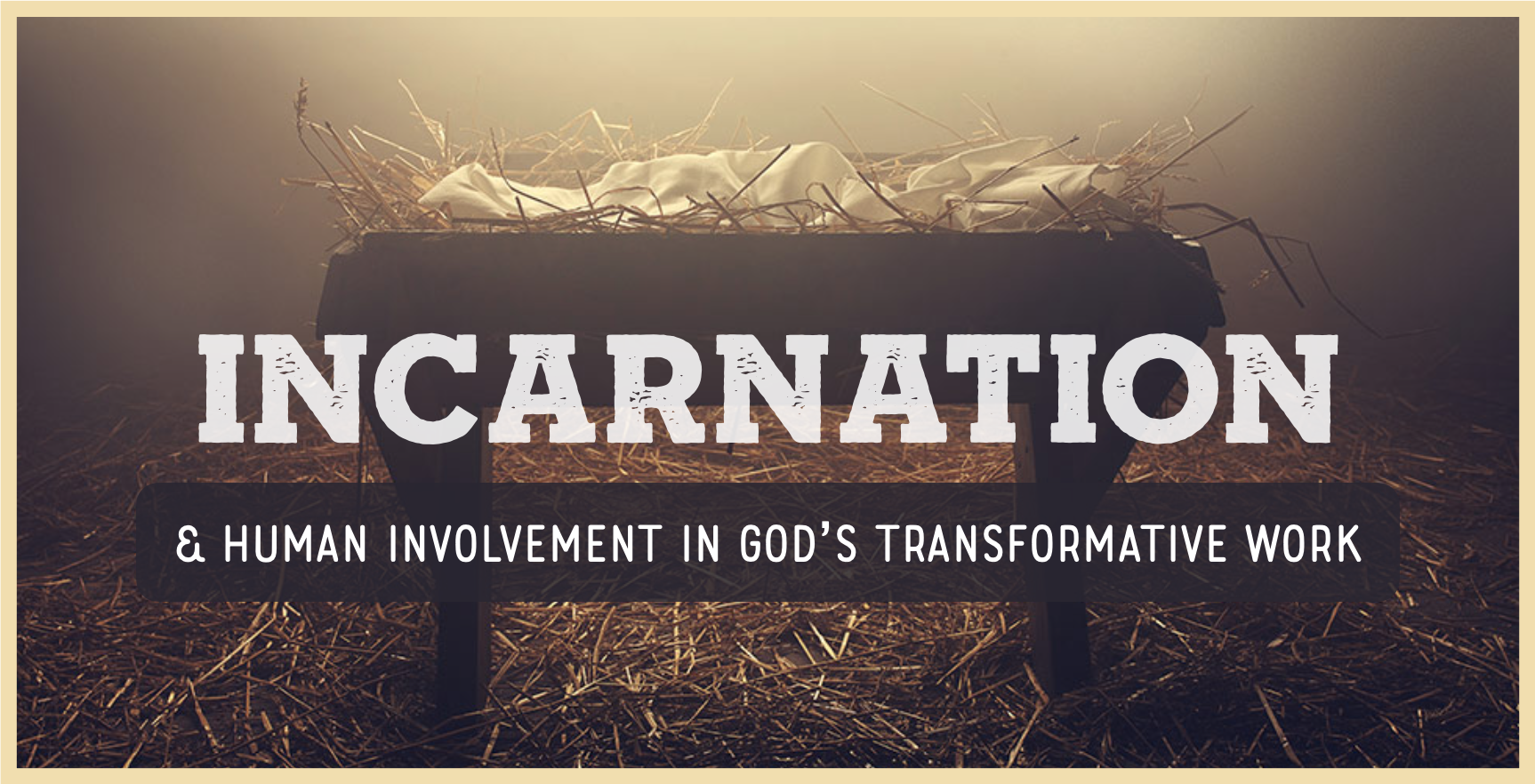
Incarnation & Human Involvement In God’s Transformative Work

Several weeks back, I finished my series on The Chronicles of Narnia, and now I am thoroughly enjoying reading through Paul Ford’s Companion To Narnia: Revised and Expanded. It is basically a reference work that discusses the process of C.S. Lewis writing the Chronicles, analyzes how they relate to the rest of his works, and provides encyclopedic entries for everything imaginable in the world of Narnia. I am just now in the Es, so I have a long way to go, but it has been a lot of fun to read.

A while back I read through the entry for Aslan, which, as you might expect, is incredibly lengthy, with the Great Lion being the central character of the Narnia series and Lewis’s imagined Christ Figure in the world of Narnia. In that entry, Ford makes an insightful comment on Lewis’s effort to point his readers to the implications of the incarnation:

[Aslan’s] encouragement of the now-revived lion with the phrase “us-lions” and his employment of the giant to break down the castle walls and the sheepdog to organize the creatures into a force that will be helpful in what will later be called the First Battle of Beruna are all instances of Lewis’s profound belief that one of the consequences of the incarnation (God’s desire to identify with us by becoming one of us) is that he wants our help in the process of transforming the world.[1]

In the Incarnation, God identifies Himself with humanity through Jesus of Nazareth entering the world stage in the form of a baby. In so doing, God affirms the goodness of creation and also His intention to partner with humanity in bringing about His purposes for that creation.


This is, in large part, what it means to be created in God’s Image; we are God’s representatives, bearing His authority to carry out the task He has given us. This is the picture we have of Adam and Eve in the garden: God giving them the task to steward and cultivate His creation, partnering with Him, under His authority, to take care of it and develop it.

Tragically, Adam and Eve fail to live up to their vocation. In the bitterest of ironies, they clutch after the forbidden fruit hoping to become like God, failing to realize that they already were! And humans have similarly failed ever since then.

In the bitterest of ironies, Adam and Eve clutch after the forbidden fruit hoping to become like God, failing to realize that they already were! Share on X

In the Incarnation, Jesus comes to show us a different way. He perfectly reflects the divine image, obeying the Father’s will in all things. Rather than seeking after power or God-likeness, He willingly lays it down and lives as a servant, even to the point of dying on the cross.

Those of us who would follow Jesus are called to imitate His example. The vocation that God bestowed upon humanity in the garden has not changed: still, we are encouraged to take up our crosses and join in God’s mission. In The Lion, the Witch and the Wardrobe, the resurrected Aslan could have defeated all evil, established his reign and rule, and brought about the transformation of the world all on his own, but he chose not to. And this, as Ford points out, is no accident: Lewis was simply reflecting the biblical teaching that the all-powerful God chooses to bring about the redemption of all things in collaboration with human agents of new creation.

One of the great truths of the incarnation is that God brings about the transformation of the world—new creation—through His partnership with humanity.


[1]  Paul Ford, Companion to Narnia: Revised Edition (San Franciso: HarperCollins, 2005): 60.

Politics From A Christian Perspective: Voting Strategies

In this post, the last in this series, I want to take the principles we talked about in the last post and see how they might be practically applied. I will certainly not attempt to tell you who to vote for, but I will take a look at various voting strategies employed by Christians, and attempt to briefly evaluate them. This post is very much built upon the ideas of the last one and assumes you are familiar with them, so you should really read that post first.

I’ll go ahead and tip my hand at the beginning: I don’t think there is a single, correct Christian voting strategy. If there were, Scripture would teach it to us. Instead, Scripture gives us an abundance of biblical principles and it is a matter of wisdom and conscience as to how best to apply those principles in a voting booth. As long as Christians are doing their best to operate as citizens of God’s kingdom in all things—including voting—I think this is a clear Romans 14 issue.

Having said that, I do think it is worth reflecting on the wisdom of various voting strategies, and that is what this post is about. As with the post on biblical principles, this post will not be exhaustive, and I am sure there are other Christian voting strategies that I will overlook, but I believe this is still a helpful exercise. For each voting perspective, I will offer what I see as worthy of praise about it, but also, what gives me pause about fully endorsing it. Furthermore, there are a couple of strategies I hear from Christians that I don’t actually believe meet the litmus test of “operating as citizens of God’s kingdom” and, thus, need to be rejected. I’ll talk about those last.


Abstaining from Voting

As we discussed in the last post, Christians declare that Jesus is Lord, which is a political claim. Furthermore, Christians are, first and foremost, citizens of God’s kingdom, and owe their primary allegiance to that kingdom rather than to earthly kingdoms or nations. With those perspectives firmly in mind, some Christians abstain from voting altogether. In Churches of Christ, this perspective was perhaps best represented by David Lipscomb, the longtime Gospel Advocate editor and a major leader in Southern churches in the decades following the Civil War. Lipscomb was a pacifist who didn’t think Christians should serve in the military or even vote.

  • Praise: Honestly, there’s a lot about this view that is appealing to me. Since I believe that the Bible teaches that earthly kingdoms are different versions of Babylon under the influence of “the ruler of this world”, it makes a lot of sense to me to keep politics and voting at arm’s length. Everytime I hear a Christian (from one political persuasion or the other) encourage fellow believers to “choose the lesser evil”, this is driven home to me again: as a Christian, I’m not supposed to choose evil at all, in greater or lesser varieties! Instead, this perspective allows you to wash your hands of the entire process.[1]
  • Pause: This strategy can easily come across as indifferent to the problems and issues of the world and the suffering of others. People with this apolitical perspective can also sometimes be judgmental toward those who do engage with the political process.

Ultimately, Scripture never demands that followers of God be actively involved in world politics, and there are other ways (and I would say, better ways) in which we can “seek the welfare of our cities” besides the voting booth. As long as those who abstain from voting do not judge fellow Christians who are politically active,[2] I think this is a legitimate political strategy.

Protecting the Least of These

A key biblical principle for followers of Jesus is the commandment to love our neighbors as ourselves, and Jesus extends this particularly to the “least of these”: people who, for a variety of reasons, find themselves on the margins of society and unable to speak up for themselves. I have heard from Christians who employ this strategy and actually vote against their own best interests to instead seek to benefit those who are struggling and who, for whatever reason, are lacking in political voice or representation.

  • Praise: The desire to protect and help the least of these is certainly praiseworthy: Jesus says that when we do this, it is as if we are protecting and helping Jesus Himself! Furthermore, the willingness to ignore one’s own self-interests in order to help others is close to the heart of the gospel.
  • Pause: The least of these is not a monolithic group; what do you do when the needs and interests of different oppressed groups come in conflict with one another?  For example, two “least of these” groups are the poor and the unborn. Unfortunately, the political party that pays most attention (or, at least, lip service) to the poor is also pretty unconcerned with the rights of unborn infants (the opposite argument could be made as well). Also, how do you determine what is in the best interest of a given group?[3] For example, I know religious conservatives and religious liberals who both care about the poor and want to help them, but are widely divided in their views of how best to do that.

Despite my own struggles to discern how to apply this strategy consistently, I want to affirm the importance of its central value. I would hope that Christians would always be concerned with protecting the least of these, even if we disagree over how to do that.

Religious Freedom

The practice of Christianity and obedience to the Great Commission (preaching Jesus to people throughout the world and making disciples) is greatly aided by religious freedoms that we sometimes take for granted in the United States. However, we appear to be living at a hinge of history: the US, like countries in Western Europe, is increasingly a post-Christian society, and with that comes a loss of the privileged position that Christianity has so long enjoyed in the West.[4] In response to that reality, a prevailing political strategy for many Christians is to vote in such a way that religious freedom is upheld.

  • Praise: I really enjoy religious freedom. There are believers in many parts of the globe who are persecuted for exercising their Christian beliefs and who pray for the freedoms that we enjoy and often take for granted. Although we can see times in the history of Christianity where persecution brought about the spread of the faith and the refining of the church, it seems clear to me that spreading the Gospel is more easily done when governing authorities are not antagonistic to those efforts.
  • Pause: I am concerned that the strategy of seeking religious freedom can sometimes make Christians too cozy to human governments and to place their trust in them rather than in God. For example, the Trump administration has been very friendly toward Christian groups, but this benevolence has led to many Christians being hesitant to critique other aspects of the administration that are decidedly unChristian. Furthermore, this perspective easily leans into fear: what will happen if a different administration comes and takes away all of our religious freedoms? Christians are not to be fearful people, however, and we are to place our confidence in the provision and care of our Heavenly Father: if He be for us, who can be against us?

Religious freedom is important (though not essential) to the mission of God, and is, therefore, worth pursuing. But let us not do so in isolation of other biblical principles, and, from a kingdom perspective, let us make sure that we are actually taking advantage of our religious freedoms to be about God’s business of evangelizing the world, rather than just basking in the comfort of a privileged status in society.

Good for the Most People

Recently, I have repeatedly heard Christians (on both sides of the American political spectrum) urge others to “vote for policies rather than personalities” or to focus on the total vision of a political party rather than the specific shortcomings of that party’s chief representative. People using this line of argumentation (in addition to acknowledging the basic indefensibility of their chosen candidate) are really arguing for a form of utilitarianism: which candidate or party will enact policies that will bring about the most good for the most people?

  • Praise: This strategy, with its desire to look at the big picture and bring blessing to as many people as possible, can easily reflect the biblical principles of seeking the welfare of the communities in which we live and striving to love our neighbors as we love ourselves.
  • Pause: Policies that seek what is best for most people can easily lead to an environment of majority rule where the wealthy and powerful are benefitted while the least of these (see above) are marginalized and ignored. For example, severely disabled individuals represent an extreme minority in our society that presents a massive economic burden to those who are healthy. From a purely utilitarian perspective, it makes no sense to provide care for individuals in this category.

It seems self-evident that good governments should seek to bless as many people as they can, and this is a value that Christians should be able to get behind. It is essential, however, that this value be balanced with special concern for the least of these (a special concern that Jesus commands) rather than taken to utilitarian extremes.

Kingdom Principles

A central biblical teaching is that we are to glorify God in all that we do, with all the talents that we have, and in all the opportunities that we are given. In ways that have not been possible in many nations throughout history, Christians in the United States are given a political voice, and proponents of this strategy argue that Christians should use their political voice to reflect kingdom principles. In some ways, this strategy is related to the utilitarian strategy above, but more specifically holds that kingdom principles reflect the wisdom that God built into the very fabric of the universe, and that we, as a society, will be blessed when we uphold them. Imagine: in a society that held to the teachings of the Sermon on the Mount, murder, rape, and poverty would be no more! It is to our own detriment to ignore God’s instruction and seek to go our own way.

  • Praise: Obviously, those who walk in the way of the Lord will be blessed. When given the opportunity to reinforce kingdom values, it seems wise and appropriate for Christians to do so.
  • Pause: If we are not careful, however, this strategy can easily devolve into waging culture wars (see below), where we see our primary kingdom mission as “winning our nation back for God” through political power. We must remember that, while earthly nations are blessed when they follow godly principles, they will not consistently and ultimately do this because they are inherent rivals to God’s kingdom and His governance.

By all means, may Christian voters reflect kingdom principles with our vote. But as we do this, let us remember that all we are really doing is slowing down the decline and decay that inevitably comes to human nations, and that this is not the mission that Jesus left to His disciples.


There are two voting strategies I have heard Christians use that I think must be rejected as Christian strategies:

Waging Culture Wars

As I mentioned above, I think it is good and appropriate for Christians to reflect kingdom values with our political voice when given the opporutnity, but attempts to win culture wars so that we can “win our nation back for God” are misguided and, I believe, antibiblical.

Such attempts are rooted in a failure to properly distinguish between the United States and the Kingdom of God. Remember, if we want a biblical parallel for the US, it’s not Israel; it’s Babylon, so it should not surprise us that the nation in which we live doesn’t look like the Kingdom of God, because it is fundamentally not that. As Christians, our task is not to remake the kingdoms of this world into the Kingdom of God, but rather, to call people out of the world and into the Kingdom of God.

On a related note, this strategy also fails to take into account that the means that Jesus gave His disciples to influence the world was the leaven of our personal examples as salt and light in a dark and decaying world; it was not coercive political power. There are many examples throughout history of Christian authorities using their power in an attempt to force those around them to be Christian; this is not what Jesus told His followers to do, and it doesn’t work.

Kingdom Disengagement

I mentioned earlier that the inherent tension between God’s kingdom and earthly nations makes disengagement from earthly politics appealing to me (although I have not, yet, truly adopted that strategy). I do not understand, however, what I occasionally hear from Christians that seems to stem from the opposite motivation.

This is sometimes hinted at when someone makes the claim that “we are electing a president, not a preacher/pastor/Pope.” This statement generally is meant to suggest that we shouldn’t expect political candidates to be especially virtuous, but more subtly, it suggests the impropriety of comingling Christian virtues with politics in general.

I heard it more flatly stated recently (by a preacher of all people!): “The vote is not a religious action, it is a civil action.”

I was floored. Although this gentleman correctly discerned the difference between faith and politics, the Kingdom of God and the United States of America, he incorrectly concluded that this difference meant that his faith and his citizenship in God’s kingdom had no bearing on his actions as a US citizen! Effectively, his allegiance to King Jesus and His principles waited patiently outside the voting booth.

Truly, there is no place for this sort of compartmentalization in our lives. On the contrary, our entire lives are to be a living sacrifice, which leaves no place for certain areas of life where we are free to disregard kingdom principles in favor of other concerns and desires.


As you can see, I don’t actually believe that any of the voting strategies used by Christians are foolproof. With the exception of the two strategies I rejected at the end, I believe all of them have strengths, but, alongside those strengths, also possess other characteristics that bring me pause. Reflecting on these different strategies for the last few weeks has helped me to see that I use a combination of them in my own approach to voting, but that, too, requires wisdom and discernment.

I will close this post by echoing something I said at the beginning. I truly believe that voting is an area of Christian freedom. As in many areas of life, we are not given explicit biblical instructions on how (or whether) to vote. Instead, we are given a variety of biblical principles and, with wisdom and discernment, in accordance with the dictates of our conscience, and as citizens of God’s kingdom, we must seek to apply those principles as we vote (or not vote).

In this series, I have not tried to tell you which candidate you should vote for. I have, however, tried to reflect on how we should vote as Christians. The reality is that Scripture provides us with an abundance of principles that should influence the way we approach earthly politics, but how we apply those principles still comes down to discernment.

May God grant us wisdom as we seek to discern His will, humility as we recognize our own limitations in doing so, and a lack of judgment for fellow believers who arrive at different conclusions.

May God grant us wisdom as we seek to discern His will, humility as we recognize our own limitations in doing so, and a lack of judgment for fellow believers who arrive at different conclusions. Share on X

Read the entire series:


[1] This may be a good time to quickly refute claims such as, “Not voting is the same as voting for _________.” That is nonsense. A non-vote is quite literally not the same as a vote. Although this post is not about third party voting, the same response could be given to those who claim, “A vote for a third party is the same as voting for ___________.” Again, that is nonsense, and it is largely this sort of uncreative (and manipulative) thinking that keeps our country locked in unproductive, binary choices.

[2] As mentioned in the last post, we have positive biblical examples of people like Daniel, Esther, and Joseph who faithfully served God through their political positions. With this being the case, I do not believe it is justified to categorize voting as an inherently inappropriate action for God’s people.

[3] Some would suggest that my question—how do you determine what is in the best interest of a given group—is stupid: just ask them! I don’t think it is that simple, however. After all, I routinely do not know what is best for me. I don’t think that is because I am particularly unwise or unintelligent, but because I am human. Scripture is pretty clear that we are not reliable when it comes to knowing what is best for us.

[4] From where I sit, this seems like an unquestionable reality. You don’t have to be an alarmist who sees the spectre of persecution lurking everywhere to notice significant cultural shifts in how Christianity and certain Christian beliefs are perceived, especially in the fields of higher education, politics, and business. For example, the level of scrutiny that a Supreme Court Justice nominee recently received for her religious beliefs would have been unthinkable a few decades ago.

Politics From A Christian Perspective: Biblical Principles

As I mentioned in the introductory post to this series, I am working on ironing out some of my thoughts on Christian faith and political engagement. I laid out several reasons why I think this is a complicated issue, but ultimately, I do believe that Scripture has much to say that should inform the way that Christians view and interact with politics. My goal is to briefly review several biblical principles that should influence Christian political views and, when appropriate, discuss these how principles interact with our current political situation.


Jesus Is Lord

I touched on this in the last post, but I believe that all Christian interaction with politics must begin here, with what is, perhaps, the central statement of Christianity: Jesus is Lord. This is an inherently political claim, and if we miss that truth, we not only start off on the wrong foot politically, but we are also disconnected theologically from the story of Christianity and the church that we read about in the New Testament.

“Lord” is an interesting word; to us, it is almost exclusively a religious term. We tend to think of it as a synonym for “God”, but really, “Lord” was a favorite title of Jesus in the early church. And it’s not primarily a religious title, either; it was a title with distinctly political overtones. “Lord” was the official title for the Roman Emperor: laws, edicts and decrees were signed “Lord Caesar.” This means that when early Christians called Jesus “Lord”, they were making a political statement: by saying that Jesus was Lord, they were simultaneously saying that Caesar was not.[1] Jesus was the One who had absolute authority over their lives, He set the standards by which they were to live, He was the One to whom they owed primary allegiance, and it was He who sat on the throne of the universe.

As a Christian, it is really important that I remember that, regardless of who claims worldly positions of power—Nero in Rome, Napoleon in France, Hitler in Germany, or whoever wins the US Presidential election—Jesus is still Lord. His reign is secure, His victory is certain, and it is to Him that I pledge my primary allegiance, and in Him that I place my hope and trust. All of this may sound like a no-brainer to Christians, but it is easily forgotten anytime a well-meaning Christian suggests that “This is the most important election in history because X” or “If X wins the election we are in trouble because Y.”

Jesus is Lord. That reality helps me to view the human political arena in a different light, and should free me from the hysteria that plagues it.

Citizens of the Kingdom

If Jesus is Lord, that means that He has rule and authority, and the Bible describes this in terms of a “kingdom.” Jesus came preaching about His kingdom, describing what it is like and how citizens of His kingdom should live. The kingdom of God is not bound by place, time, or ethnicity, but rather, encompasses all those who have submitted to His Lordship and seek to live according to His will. It is a multi-ethnic, supra-national reality that confounds the sovereignty of earthly nation-states.

That means that Christians—citizens of God’s kingdom—living in earthly nation-states occupy a peculiar position. One ancient Christian describes it this way:

“[Christians] live in their own countries as though they were only passing through. They play their full role as citizens, but labor under all the disabilities of aliens. Any country can be their homeland, but for them their homeland, wherever it may be, is a foreign country.”[2]

In other words, Christians live all over the world, and while they may hold citizenship in any nation, their core identity should be as citizens of God’s kingdom.

I am an American, and I value my American citizenship, but my citizenship in God’s kingdom should be more central to my identity than my American-ness. That means that I should feel more kinship with a fellow Christian living in Russia, China, or Iraq than an unbelieving fellow American who lives on my own street. It also means that, from a Christian perspective, American values are not inherently good, and must be weighed against the standards of God’s kingdom.

So, for example, from a Christian perspective, “America first” policies—while they may be politically expedient and bring blessing to those residing within the borders of the United States—must inherently be viewed with skepticism. Also, the American love for (obsession with?) freedom and rights must be tempered by the kingdom value that the exercise of our rights must not come at the expense of our neighbors (1 Corinthians 8); love is more important than liberty.

As a Christian, I must seek first God’s kingdom, and apply myself to live by the values of that kingdom. When I do so, I can rest content in the knowledge that I am living as salt and light in the world and bringing glory to my Father who is in Heaven.

Love Of Neighbor

The previous value leads naturally to this one, that Christians are called to love our neighbors. Jesus says that the greatest commandment is that we love God with all that we have,[3] and the second is like it, that we love our neighbors as ourselves. In further teaching in the Sermon on the Mount and in the Parable of the Good Samaritan, Jesus makes clear that all people count as our neighbors (even our enemies!). Of course, the importance of loving our neighbors is not an idea that was novel to Christianity; it was taught in the Hebrew Bible as well. As Paul says in Galatians 5.14, “For the whole law is fulfilled in one word: “You shall love your neighbor as yourself.”

Furthermore, while we are called to love everyone, the Bible teaches repeatedly that we are to give special care and attention to those who are marginalized and oppressed. The Hebrew Bible frequently discusses the need to make special provision for the triad of the widow, the orphan, and the foreigner/stranger. Israelite farmers were to tend their land in such a way that they left some of their harvest for the poor. Jesus tells His followers that they will be judged for the way they treat the hungry, the thirsty, the stranger, the naked, and the prisoner. Paul tells Corinthian Christians that those without honor should be treated with special honor.

This is all closely related to the idea of justice. Justice has become a charged word in our current cultural climate, but that’s too bad, because it is an important biblical concept. In both Hebrew and Greek, the word justice is closely related to the word righteousness, and a simple (but, I believe, accurate) way to understand these words is that righteousness refers to us having a right relationship with God (characterized by loving God with all that we have) and justice refers to us having a right relationship with others (characterized by loving our neighbors as ourselves).

While there may be a host of disagreements about how best to show our love for neighbor and bring about justice through good policy, Christians should absolutely be able to agree on the principle of neighborly love.

Love of neighbor and showing special concern for the marginalized and oppressed should absolutely cause us to oppose abortion and work for that tragic practice to be ended. But it should also cause us to apply the “Pro-Life” label more broadly than it often is: Christians don’t care for babies only when they are in the womb![4] We care for infants who need adopting. We care for children who need healthcare. We care for families living in poverty who consider abortion to be their only option. We care for men and women from poor backgrounds (or, from any backgrounds) who make bad decisions and end up in prison. We care for men, women, and children from other nations who yearn to enter our nation in search of a better life. We care for people of all races and ethnicities and lament when some suffer from inequities. We care for elderly adults who want to live dignified and valued lives.

And—don’t miss this!—we care for those who disagree with us, whether about this, or any other biblical principle.


We have already established that, as Christians, we are fundamentally citizens of a different sort of kingdom, and that Jesus is our Lord. As kingdom citizens, we live out kingdom values, and a primary kingdom value as we live in a society and interact with other people is love of neighbor.

At the same time, the reality is that I am also a citizen of the United States, and with that comes certain opportunities and responsibilities. The next several principles reflect that reality and relate to how we are to view the nation(s) in which we live and our role as “dual citizens”.


Character of Leaders

The moral perfection, abounding love, and abiding wisdom of Jesus means that Christians do not have to worry about the character of our King, but when it comes to earthly leaders, all of them have their failings and shortcomings. That doesn’t mean, however, that the moral character of leaders does not matter or should not be taken into account.

In the Hebrew Bible, we can think of men like Pharaoh in the days of Moses who, in addition to his wickedness in oppressing the Israelites in slavery, also brought untold suffering upon his own people through his pride and stubbornness. Pharaoh’s lack of moral character certainly mattered; a leader with a more pliant heart would have spared his people much pain.

But we can see even clearer examples when we look at the kings of Israel.[5] Repeatedly, kings are evaluated in Scripture based on their faithfulness to God and whether or not they led their people toward devotion to Yahweh, or toward the worship of pagan idols. A few kings received sterling marks, others were a mixed bag, and others were condemned for their wickedness. Jeroboam receives special notoriety: as the first king of the Northern Kingdom of Israel, Jeroboam was given special opportunity by God but squandered it. He was known as the king who “made Israel to sin”, and became the standard by which other bad kings were measured. The principle seems clear: the Bible does not shy away from evaluating the character of kings, and associates bad moral character with bad results for the nation.

From a Christian perspective, the character of our leaders should matter, because it matters to God.

My first formative political memories came at a time when Bill Clinton was the President of the United States. While in office, President Clinton was involved in a sex scandal, and the resounding cry from conservative Christians was that Clinton’s moral failings had negative effects upon the entire nation, and rendered him unfit for office. The argument went: If this sort of thing is winked at in the White House, what message does it send our children? I was a young teenager at the time, but the argument totally made sense to me. It seemed valid.

Imagine my feelings of whiplash when 20 years later, a candidate with similar moral failings came to prominence, but now represented the opposite party. Instead of repeating the argument that had been made two decades earlier, many of the same conservative Christians were now singing a different tune: Everyone is a sinner; who are you to judge? We are electing a President, not a preacher/pastor/Pope! 

This blatant hypocrisy has done so much damage to the esteem and moral authority of religious conservatives (especially in the eyes of people of my generation and younger), but beyond that, it is biblically false. The Bible simply doesn’t teach that we are powerless to evaluate moral character since everyone sins! In fact, not only does the Bible not teach that all sins are the same in God’s eyes, Jesus tells us that, while it is not our place to judge the eternal destinies of people, we are to evaluate people’s character, which can be known by their fruits.

Now, it’s certainly possible that there are times when we may find ourselves in a position where we look at two candidates and simply cannot discern any significant difference in their character.[6] But the notion that policies matter while personal character does not is not a biblical principle.

Babylon, Not Israel

In the Hebrew Bible, God called a man named Abraham to follow Him, made a covenant with him, and promised him that his descendants would become a great nation and that all peoples of the earth would be blessed through him. Abraham’s descendants—the Israelites—are God’s chosen people, and much of the story of the Old Testament is God’s faithful love for His people despite their own faithlessness. In the New Testament, God does not abandon His people, but the story of Israel does take an exciting plot twist. Jesus—the descendant of Abraham and God in the flesh—bursts onto the scene, a King from the line of David who fulfills the law and shows just how it is that all peoples of the earth will be blessed through Abraham’s descendants: Israel itself is renewed and restored, but no longer will the identity of God’s people be determined by ethnicity, but rather by faithful allegiance to Lord Jesus.

Since it is Abraham’s spiritual descendants who comprise God’s people, in plain terms, this means that the United States of America is not the heir of the Kingdom of Israel. It is not the Kingdom of God. In fact, if we want a biblical parallel for the US, it’s not Israel; it’s Babylon. This statement, though perhaps shocking to some, is a well-known and often repeated teaching of Scripture: the kingdoms of men, which rise and fall, are distinct from God’s kingdom, which will never be destroyed. This is the point of prophecies in Daniel where one great nation after another topples into oblivion. This is the point of the Revelation of John, which, though dripping with anti-Roman imagery and sentiment, refers to “Babylon” as a way of saying here we go again: earthly kingdoms are oppressive, are in opposition to God’s kingdom, and are corrupted by the influence of the ruler of this world.

That doesn’t mean that all earthly kingdoms are equally bad, or that it is wrong to care about the nation in which you live, or that it is inherently wrong to serve in government or the armed forces. In my view, the United States of America is one of the kindest and most benevolent forms of Babylon that has ever existed; but it is still Babylon.

This realization, in addition to tempering whatever loyalty or allegiance we feel to our earthly nations (see “Citizens of the Kingdom” above), should also help us to observe those nations at arm’s length, and evaluate their history and current practices from a Christian perspective. In my case, I should not feel the need to defend everything the US does or has done; if a practice is just and brings blessing to people, I should feel free to praise it. On the other hand, if a practice is oppressive and brings harm, I should feel free to critique it.

And more than that, realizing that America is not the Kingdom of God frees me from a great deal of anxiety. As I look around in the country in which I live, I am struck by how un-Christian it is in all sorts of ways, but that’s what I should expect, because I live in Babylon. Why should I expect the country in which I live to look like the Kingdom of God? Because it’s not that. As Christians, we need to quit being surprised when lost people act like they’re lost. How else are they going to act? 

Once we realize this, we can quit wringing our hands about how bad things are and get busy doing God’s business: living as part of a counter-culture kingdom and spreading it throughout the world as we introduce people to Jesus.

Seek The Welfare of the City

The fact that our primary allegiance is to another King and another kingdom does not mean that we are to disdain the “Babylons” in which we sojourn during our earthly lives. In Jeremiah 29, Jeremiah delivers a message from God to Israelites who have been taken into captivity in Babylon. He does not tell them to foment rebellion or withdraw from society and isolate themselves. Instead, he says:

4 “Thus says the Lord of hosts, the God of Israel, to all the exiles whom I have sent into exile from Jerusalem to Babylon: 5 Build houses and live in them; plant gardens and eat their produce. 6 Take wives and have sons and daughters; take wives for your sons, and give your daughters in marriage, that they may bear sons and daughters; multiply there, and do not decrease. 7 But seek the welfare of the city where I have sent you into exile, and pray to the Lord on its behalf, for in its welfare you will find your welfare.”

(Jeremiah 29.4-7)

While living in Exile, God’s people were to put down roots and do what they could to benefit the city in which they lived. We see this principle lived out in the lives of Daniel, Shadrach, Meshach, and Abednego, who served as government officials in Babylon. We see it in the life of Queen Esther, who used her royal position to save her people. And although he lived in a different time period, we see the same principle lived out in the life of Joseph, who in his high position in Pharaoh’s administration served his country, saved his family, and enriched his master.

This principle is important to keep in mind, especially for people who tend to be cynical about politics (like me!). Perhaps because I see political systems as so tainted and imperfect and because I seek to place my hope in Jesus instead, it can be easy for me to disdain politics altogether, forgetting that political policies actually impact people’s lives for better or worse. The biblical testimony is that we are to seek the welfare of the society in which we live and the neighbors who live around us, and that God’s people sometimes are called to do this through political involvement. 

Render to Caesar

In Matthew 22, Jesus’ enemies sought to entrap Him by asking whether or not it was lawful to pay taxes to Caesar. After Jesus pointed out that it was Caesar’s image that appears on coins, he said, “Render to Caesar the things that are Caesar’s, and to God the things that are God’s.”

This response indicates that, while our ultimate allegiance belongs to God, we are still obligated to the state in a lesser sense. In addition to paying taxes, this means that we are to “be subject to governing authorities”, that we are to “honor the emperor”, and that we are to pray for “kings and those in authority” (Romans 13.1-7; 1 Peter 2.13-17; 1 Timothy 2.1-2).

Although there are challenging aspects to these passages,[7] taken together, they suggest that our allegiance to Christ and His kingdom doesn’t mean that Christians are bad citizens of the nations in which we live. On the contrary, as people who love our neighbors, seek the welfare of our communities, live in subjection to our governments, and pray for and honor our leaders, Christians are ideal citizens. We live that way, though, not in blind allegiance to the state, but rather because our King tells us to do so.


As I said in the opening paragraph of this post, Scripture has much to say that should inform the way that Christians view and interact with politics, and in this post, I have tried to briefly review several relevant biblical principles.[8] Here’s the problem, though: in the US, neither of our two major political parties consistently upholds these biblical principles, so how do we take a Christian perspective with us into the voting booth? In the final post of this series, I won’t try to give a  definitive answer to that question, but I will seek to provide a brief overview and evaluation of several different voting strategies that Christians often use.

At the end of the day, voting is a matter of conscience, but I believe that thoughtful reflection on biblical principles can help us to be more confident that we are engaging in politics from a Christian perspective.


Read the entire series:


[1] Some may want to push back against the notion of some sort of rivalry between Jesus and earthly rulers, but it is clearly present in the biblical text. Herod the Great wanted Jesus killed as an infant because He saw the prophesied “King of the Jews” as a rival. It was ultimately the accusation hurled at Pontius Pilate by Jewish leaders that if he released Jesus he was “no friend of Caesar” that motivated him to sign off on Jesus’ crucifixion. “King of the Jews” was written on Jesus’ cross as He was crucified—the charge for which He was executed.

Certainly, Jesus was and is a different sort of King than earthly rulers, but that doesn’t mean that there is no conflict between their respective claims of authority.

[2]  Epistle to Diognetus 5.5. This anonymous, early Christian document likely dates to the second or third century AD.

[3] The declaration that “Jesus is Lord”—properly lived out—is a reflection of the greatest commandment.

[4] Republicans (including Christians) often come under fire for being “Anti-Abortion” rather than truly being “Pro-Life”. I think there is some validity to that claim, and I think Christians would do well to consciously and vocally support a consistent Pro-Life ethic, “from womb to tomb”. Having said that, I have very little patience for Democrats who lecture Republicans about their inconsistency on this point while still supporting the practice of abortion themselves. Put differently, “Pro-Life” must mean more than “Anti-Abortion”, but it cannot mean less than that.

[5] As I mentioned in the first post, the Kingdom of Israel represents a context distinct from our own (it was a theocracy, and Israel represented God’s chosen people), but through the lens of Israel, I think we can still learn about how God views human leadership.

[6] In fact, that’s where I found myself in 2016.

[7] For example, as the Book of Acts makes clear, our obligation to the state is always held in relative position to our allegiance to God. When there is a conflict between the two, “we must obey God rather than men.”

[8] By no means is this intended to be an exhaustive list. As I was finishing up this post, it occurred to me that I could have also included creation care or generosity or stewardship—all of these are also biblical principles that interact with politics as well. And, surely, there are many other relevant biblical principles besides these. The point of this post was not to attempt to discern every biblical principle that might inform a Christian’s political perspective, but rather to prompt some reflection on a few major principles, and also to illustrate the fact that Scripture has much light to aid us before we enter into the murkiness of the political realm, if we will just avail ourselves to it.
« Older posts Newer posts »

© 2026 The Doc File

Theme by Anders Noren — Up ↑