The online journal of Luke Dockery

Category: Books (Page 10 of 27)

Ranking The Chronicles of Narnia, Part 1: The Magician’s Nephew

COVID-19 has brought all sorts of challenges, but one benefit that it has brought to me is that I have gotten a lot of reading done during my time of sheltering-in-place (I believe I have completed 18 books in the 60+ days that we have been isolated at home). One particular highlight is that I have been able to re-read the seven volumes of C.S. Lewis’s classic series, The Chronicles of Narnia.

I did not grow up reading Narnia, and it wasn’t until the influence of some friends in college that I read it for the first time. I really liked the series, but it had been over a decade since I had read it and I decided it was time to do so again. Not only has it been an enjoyable experience, but it also has struck me as very appropriate reading for the anxiety-filled time of global pandemic: not only does the fantastic world of Narnia offer some imaginative escape at a time when actual travel is not possible, but the centrality of the character of Aslan serves as a theological reminder that Jesus Christ is the focus of my life and the source of my hope at a time when it is easy to be distracted and dispirited.

As I re-read the series I also started debating with myself (and with friends) which of the Narnia books was best. It has always been a characteristic of my personality that I enjoy keeping records, rating, and ranking things, and so I decided it would be a fun exercise to do so with Narnia. Ranking books is an inherently subjective task, but to make my ranking a little bit less haphazard and arbitrary, I decided to develop a rubric in order to give my rankings some level of consistency.

Using this rubric, in this series, I will provide the definitive ranking of the Narnia books.[1]

The Rubric

After some reflection (and discussion with the aforementioned friends), I settled on four different categories in which I would grade each book: story, characters, worldcraft, and theology. For each category, I will provide a subscore of 1-10, yielding a cumulative maximum score of 40 points.

I do not claim that my rubric is perfect by any means, and it is not one that I would apply to just any book or set of books, but I think it works well for The Chronicles of Narnia:

  • Story: Simply put, how good is the story? Does the pacing of the plot make me want to keep reading, or do I have to plow through tedious pages? Is there a good mix of humor and heaviness, entertainment and poignancy?
  • Characters: Are the characters compelling, or are they shallow and lacking in depth? Do they grow and change throughout the narratives, or do they remain fixed and simplistic?
  • Worldcraft: Inherently, this is a series about another world, so how is the world of Narnia and its surrounding lands portrayed and developed? Are new locations described with passion and interest, or are they just treated as obstacles to plot development?
  • Theology: Building upon the last point, this is a series about another world that teaches us lessons about living in this one. It is a children’s series written by a brilliant theologian: what lessons does Lewis teach us about God, or about the life of following Jesus?

The Magician’s Nephew
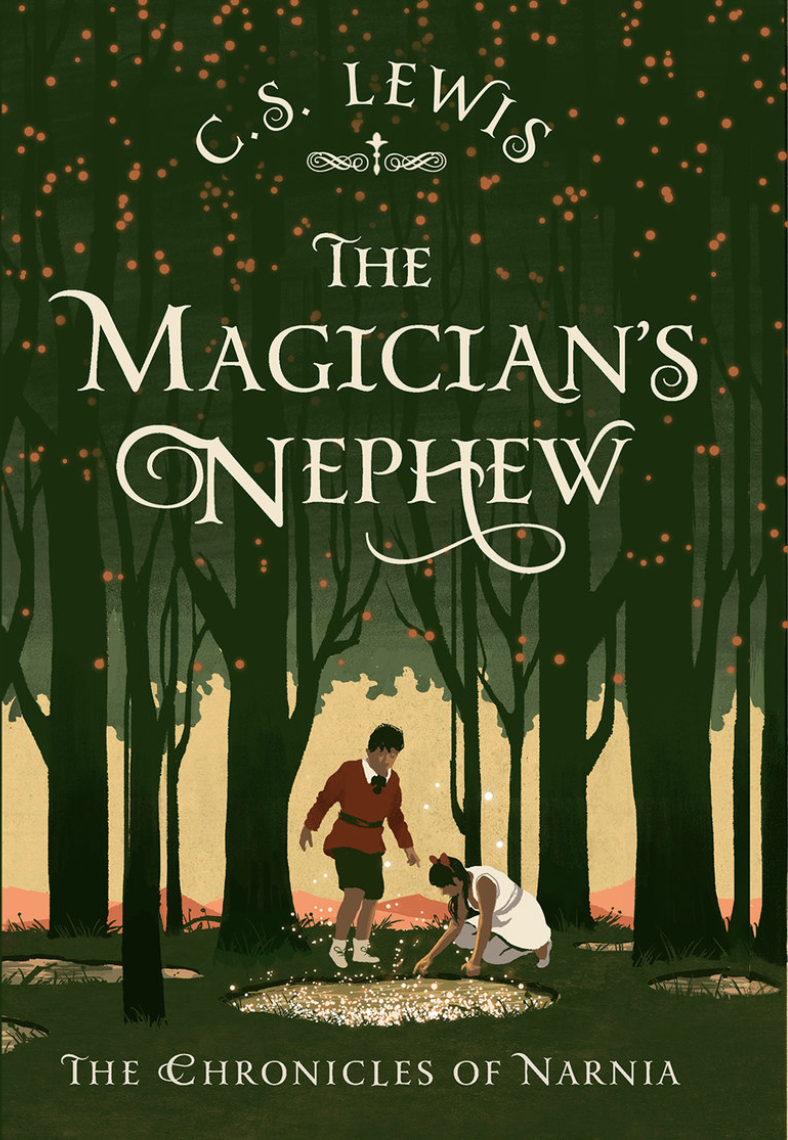
This is from a series of brilliant Narnia cover designs by Jeffrey Nguyen

Having introduced the rubric, I’ll conclude this post by applying it to the first book in the series, The Magician’s Nephew:[2]

Story

Honestly, the story of The Magician’s Nephew is kind of rough. It is a classic prequel in the negative sense: you care about the story because you are already invested in the world in which it exists; if you actually read the prequel first, you wouldn’t understand what was so great about the series and may not even be inclined to continue.[3]

It seems like great pains are taken to explain things that really don’t need to be explained (like how a lamppost ended up in Narnia, or why the wardrobe is a doorway to it), while other unexplained items more central to the plot are introduced (like the origin of Uncle Andrew’s rings).

The plot is not particularly interesting or compelling. The pacing is slow, it feels like it takes forever for Digory and Polly to get to the other worlds, and once they do, what they find is not particularly exciting. The appearance of Jadis in England leads to a battle that is anticlimactic. Really, nothing very exciting happens until the founding of Narnia.

Story: 5/10

Characters

The main characters of The Magician’s Nephew are Digory Kirke (the old professor in The Lion, the Witch and the Wardrobe; hereafter referred to as LWW) and Polly Plummer. Digory is a fairly-well developed character: he is concerned about his sick mother and despises his wicked uncle. He craves adventure, and does not think highly of Polly when she doesn’t:

“It’s because you’re a girl. Girls never want to know anything but gossip and rot about people getting engaged.” (57)

Ultimately, that desire for adventure gets him in trouble, as he foolishly unleashes Jadis upon England and, ultimately, Narnia. But he owns up to his mistake and shows courage as he seeks to make amends.

Polly is less developed, and serves largely as a sidekick and somewhat of a foil to Digory. She shows prudence and also loyalty, sticking with Digory throughout his misadventures.

Though less of a focus, Uncle Andrew is a well-written character in his own right: at first, he appears impressive in his magical knowledge and frightening in his villainy, but as the book unfolds, we see that he is more of a selfish and doddering old man who dabbles in magic without understanding it, and less of a villain than he is a cowardly jerk. He is placed in sharp contrast to Jadis, Queen of Charn and the White Witch of LWW. She is the true villainess of The Magician’s Nephew, but honestly, she is less impressive and less developed here than in LWW.

Aslan, the Great Lion, is mysterious and exciting, and the most impressive actions and best lines of the book are largely reserved for him: we are struck by his power, wisdom, severity, and forgiveness.

Characters: 7/10

Worldcraft

The Magician’s Nephew transports us to two different worlds. Charn is the ancient and crumbling world of Queen Jadis, which she herself has destroyed. The description of the dying world prepares us for the twilight of Narnia in The Last Battle, and also, I think, the sort of cold, lifeless reality that Jadis will unleash upon Narnia in LWW.

We also are taken to Narnia at its creation and founding. Since the world is brand new, there is not much to explore in some ways, but the creation account, along with the origin of the talking animals and the life-infused ground that grows trees from anything dropped upon it (like lamppost bars or gold coins), is compelling.

Worldcraft: 7/10

Theology

I enjoy reading the Narnia books, but in many ways, I am here for the theology, and The Magician’s Nephew does not disappoint on this score. I thought the most significant instance of this was the creation account, where Aslan sings the world into existence. John 1 and Colossians 1 teach that Jesus is the agent of creation, and Aslan’s singing reminds us of Yahweh speaking everything into existence (Genesis 1), and the Word who was with God in the beginning (John 1).[4]

But there were other profound tidbits that Lewis sprinkled throughout the book. On God’s response to our suffering:

“They were such big, bright tears compared with Digory’s own that for a moment he felt as if the Lion must really be sorrier about his Mother than he was himself.” (168)

On the importance of asking God for things:

“‘Wouldn’t [Aslan] know without being asked?’ said Polly.

‘I’ve no doubt he would,’ said the horse. ‘But I’ve a sort of idea that he likes to be asked.’” (178)

On the contentment that comes when we truly see Jesus:

“But he was in no danger of feeling conceited for he didn’t think about it at all now that he was face to face with Aslan. This time he found he could look straight into the Lion’s eyes. He had forgotten his troubles and felt absolutely content.” (197)

And Lewis also hints at his vision of hell and eternal punishment, which he develops further in The Last Battle and, especially, The Great Divorce:

“I cannot tell that to this old sinner, and I cannot comfort him either; he has made himself unable to hear my voice. If I spoke to him, he would hear only growlings and roarings. Oh Adam’s sons, how cleverly you defend yourselves against all that might do you good!” (Aslan, 202-203)

“All get what they want. They do not always like it.” (Aslan, 208)

Theology: 8.5/10
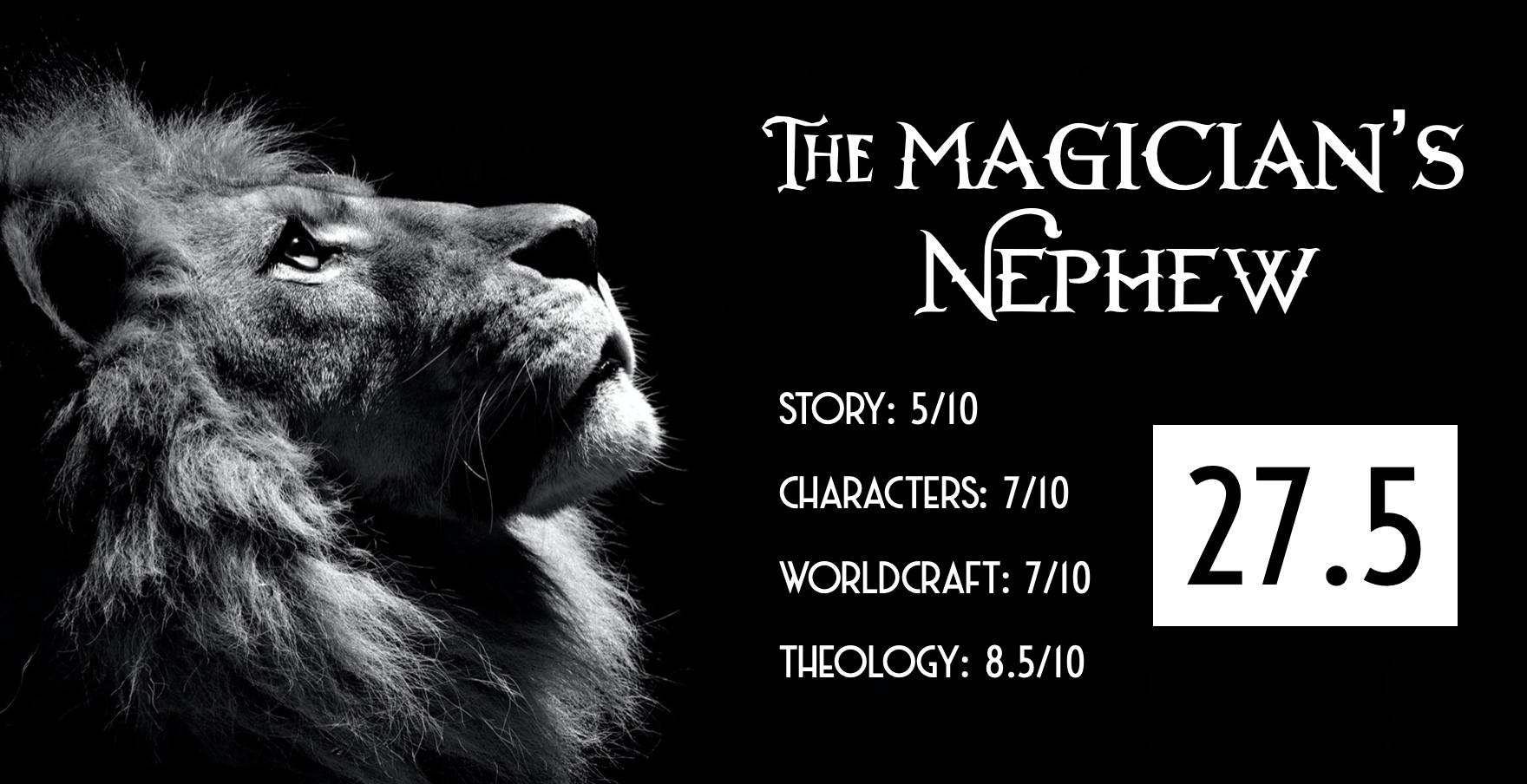
A score of 27.5/40 basically comes out to 3.5 stars on a 5-star scale, which is not bad. That probably says something about The Chronicles of Narnia (or, at least, my opinion of them): to me, this is easily the worst of the seven books. I have not yet applied my rubric to the other six, but I expect those scores to be higher.


Check out the full series of posts:


[1] Definitive, according to me.

[2] Some of you are probably screaming, “The Magician’s Nephew is not the first book in the series!” And I would totally agree with you. The first Narnia book Lewis wrote and published was The Lion, the Witch and the Wardrobe, while The Magician’s Nephew was actually sixth. But The Magician’s Nephew is a prequel, and chronologically occurs first in the series.

I prefer reading The Chronicles of Narnia in the order in which they were published, but I am following the chronological order in this series because (1) this is, sadly, almost universally the way the books are published now, and (2) I think The Magician’s Nephew is the weakest book in the series, and this enables me to get it out of the way.

[3] This is very similar to The Phantom Menace in the Star Wars series. There are a lot of people out there who put up with The Phantom Menance because they were already Star Wars fans, but I cannot imagine that there are too many people out there who became Star Wars fans because of The Phantom Menace (in fact, most Star Wars fans I know try to forget that The Phantom Menace exists).

By the way, this is a really strong reason in my opinion why you shouldn’t read The Chronicles of Narnia in chronological order (at least, the first time you read them): because you might dislike The Magician’s Nephew and become discouraged from reading the other, superior books.

[4] I know there are debates about whether the Narnia books in general and LWW, in particular, should be read as allegories of the Christian story. I am not really interested in engaging those discussions, beyond saying this: it is clear that Aslan is a Christ-figure, and, thus, my comments in this series on the theology of The Chronicles of Narnia will look at what Aslan teaches us about Jesus.
Book Review: Atomic Habits

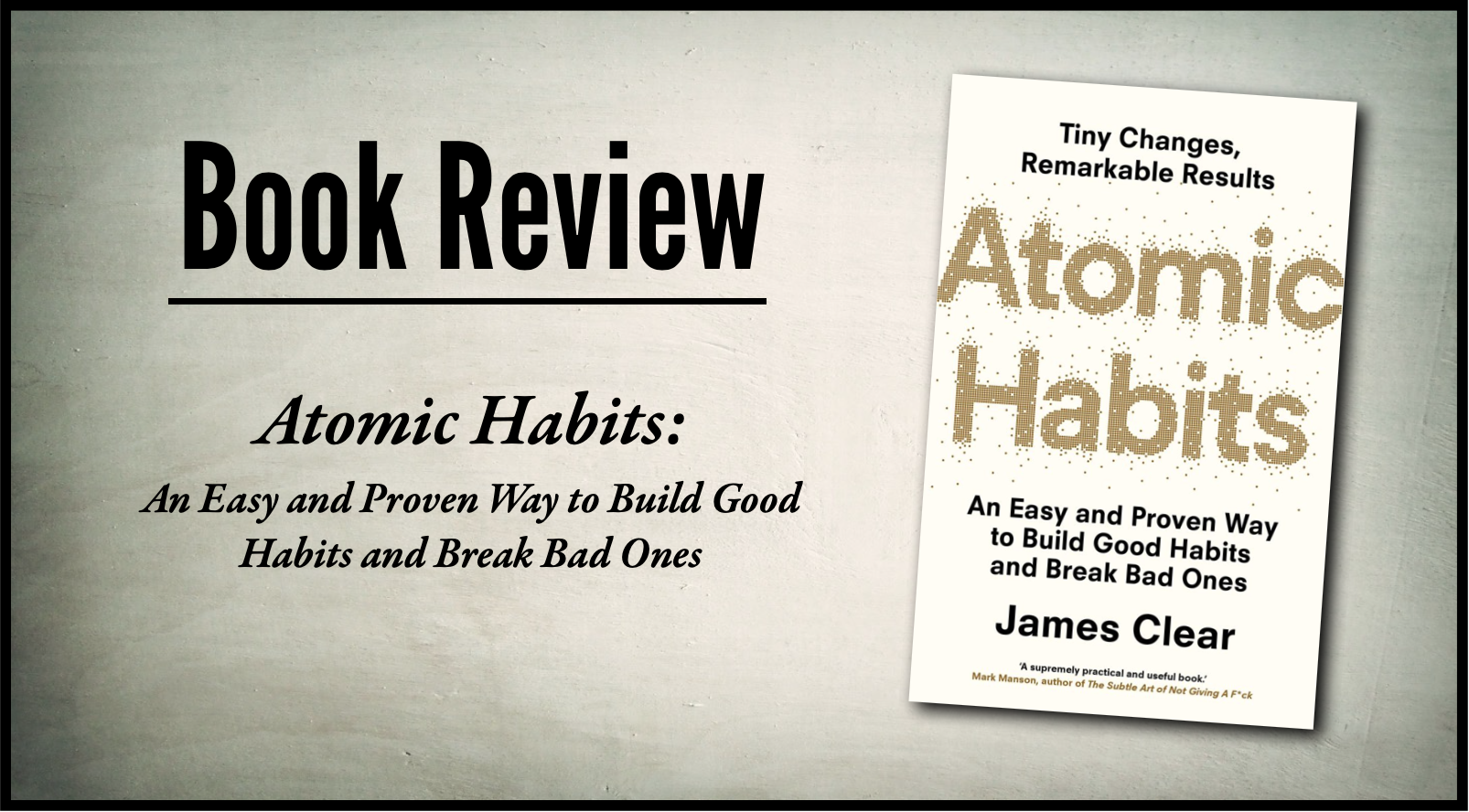
I mentioned in a previous post that I have done a lot of reading during this season of quarantine. Some of that has been just for entertainment or increasing my knowledge in a certain area, but some has been more of the “self-help” variety. Atomic Habits: An Easy and Proven Way to Build Good Habits and Break Bad Ones by James Clear definitely falls into the self-help category.

Before I go any further, I want to make two points very clear:

  1. Generally speaking, I really don’t like self-help books.
  2. I really, really liked Atomic Habits.

This review will be a little different from usual, because I “read” Atomic Habits as an audiobook. I took some notes on my phone while listening, so I will have some summary points to share, but I won’t have page numbers for any of the specific quotations.

Summary

Atoms are very small things. They are the building blocks of the world around us, but they are invisible to the naked eye. They are also very powerful—the power of the atom can provide electricity to an entire region in the form of a power plant, or untold devastation in the form of a nuclear bomb. This is the premise of Atomic Habits: habits are little, sometimes nearly invisible things that can bring about powerful change—for good or ill—in our lives.

James Clear offers four laws (I think he used the “laws” terminology; I am not certain) for successfully building good habits, and also an inversion to each law to help break bad habits:

  1. Make it Obvious: If you want to successfully implement a new habit, it needs to be something that is in your face and can be easily remembered. If you want to read more before bed, set a nightly alarm to remind you to do so. Have a specific time and location where you plan to implement your habit (“I will go for a 2-mile run at 7 AM in the morning.”). Stack your new habit onto another habit that you already do (“While showering in the morning, I will pray about my day.”).  The inversion of this law: Make it Invisible. If you always crave junk food at the end of the day while watching TV, then do something other than watch TV. Take a walk or read a book—remove the cue that encourages the bad habit you are trying to avoid.
  2. Make it Attractive: If you want to successfully implement a new habit, it needs to be something that is desirable to you. Which habits are attractive to us are significantly determined by the culture in which we live, so you should join a culture where your desired behavior is the normal behavior. In other words, hang out with people who are already doing the thing you want to do. If you want to eat healthily, go out to eat with friends who are healthy eaters. If you want to get in better shape, spend time with friends who work out regularly. If you want to become a better Bible student, join a Bible study group. You can also make a new habit attractive by connecting something you need to do (the new habit) with something you want to do (“I will get to spend ten minutes on social media after I complete my morning run.”). The inversion of this law: Make it Unattractive. Reframe your mindset by highlighting the benefits of avoiding the bad habit. If you want to quit smoking, focus on how cutting cigarettes out of your life will improve your health, put money back into your bank account, and make your car smell better.
  3. Make it Easy: If you want to successfully implement a new habit, you have to do it…a lot. You have to get your reps in: the amount of time you have spent performing a habit is not as important as the number of times you have performed it. To begin with, focus on just doing the thing even if your initial efforts are easier than your ultimate goals. So, say for example that you want to start a habit of working out regularly at the gym. To start, it is not as important that every workout be an hour long at high intensity (or whatever the ultimate goal is); what is important is that you go to the gym without missing if at all possible. Pack your workout clothes in your gym bag and set your alarm the night before. If you have a busy day or aren’t feeling well, don’t skip your workout; just abbreviate it. Go run for ten minutes instead of an hour; do five push-ups instead of thirty. Make it as easy as you need to, but get your reps in. By doing this, you are using a commitment device, which is a choice you are making in the present that locks in better behavior in the future. The inversion of this law: Make it Hard. Make it difficult to continue to do the things you don’t want to do. If you want to stop eating junk food, get it out of your house. Now, whenever you have a craving, you’ll have to drive somewhere to get it. If you want to stop watching so much TV, put your television in another room where you don’t spend as much time, or unplug it after each use. Now, a habit that you may have indulged when you were feeling tired or lazy requires extra energy to do.
  4. Make it Satisfying: If you want to successfully implement a new habit, you have to feel good about it. Identity is what sustains a habit. Ultimately, you want to think of yourself as the kind of person who [does whatever the habit is that you are trying to implement]. Track your habits to see your improvement over time. Try to keep your habit streak alive. You are not perfect and will have a lapse, but when you do, try to avoid a second lapse. The inversion of this law: Make it Unsatisfying. We are less likely to repeat a bad habit if it is painful or unsatisfying. Enlist an accountability partner who will ask you how you are doing in avoiding your bad habit.

Quotations

Here were some of my favorite quotations from the book (again, sorry that I don’t have page numbers for these):

“Time magnifies the margin between success and failure. It will multiply whatever you feed it. Good habits make time your ally; bad habits make time your enemy. Your habits can compound for you or against you.”

“You do not rise to the level of your goals; you fall to the level of your systems.”

“Every action you take is a vote for the kind of person you will become.”

“This is the secret of self-control: make the cues of your good habits obvious; make the cues of your bad habits invisible.”

“The most effective form of learning is practice, not planning.”

“Create an environment where doing the right this is as easy as possible.”

“It’s better to do less than you hoped for than nothing at all.”

“Incentives can start a habit; identity sustains a habit.”

“The first mistake is never the one that ruins you. It’s the spiral of repeated mistakes that follows. Missing once is an accident; missing twice is the start of a new habit.”

“We optimize for what we measure, and when we choose the wrong measurement, we get the wrong behavior.”

“Until you work as hard as those you admire, don’t explain away their success as luck.”

“It doesn’t matter what you are trying to become better at; if you only do the work when it is convenient or exciting, then you will never be consistent enough to achieve remarkable results.”

It is hard for me to overstate how much I appreciated this book. Clear does not write from a Christian perspective, but this book is really all about discipline and character formation, and I found that much of what he wrote applied to me as a disciple of Jesus.

I give this book a strong recommendation. I have implemented some of his advice in my own life as I seek to grow during this season of quarantine, and have found it to be helpful and practical. It’s a book that I plan on buying a physical copy of so I can keep coming back to it.

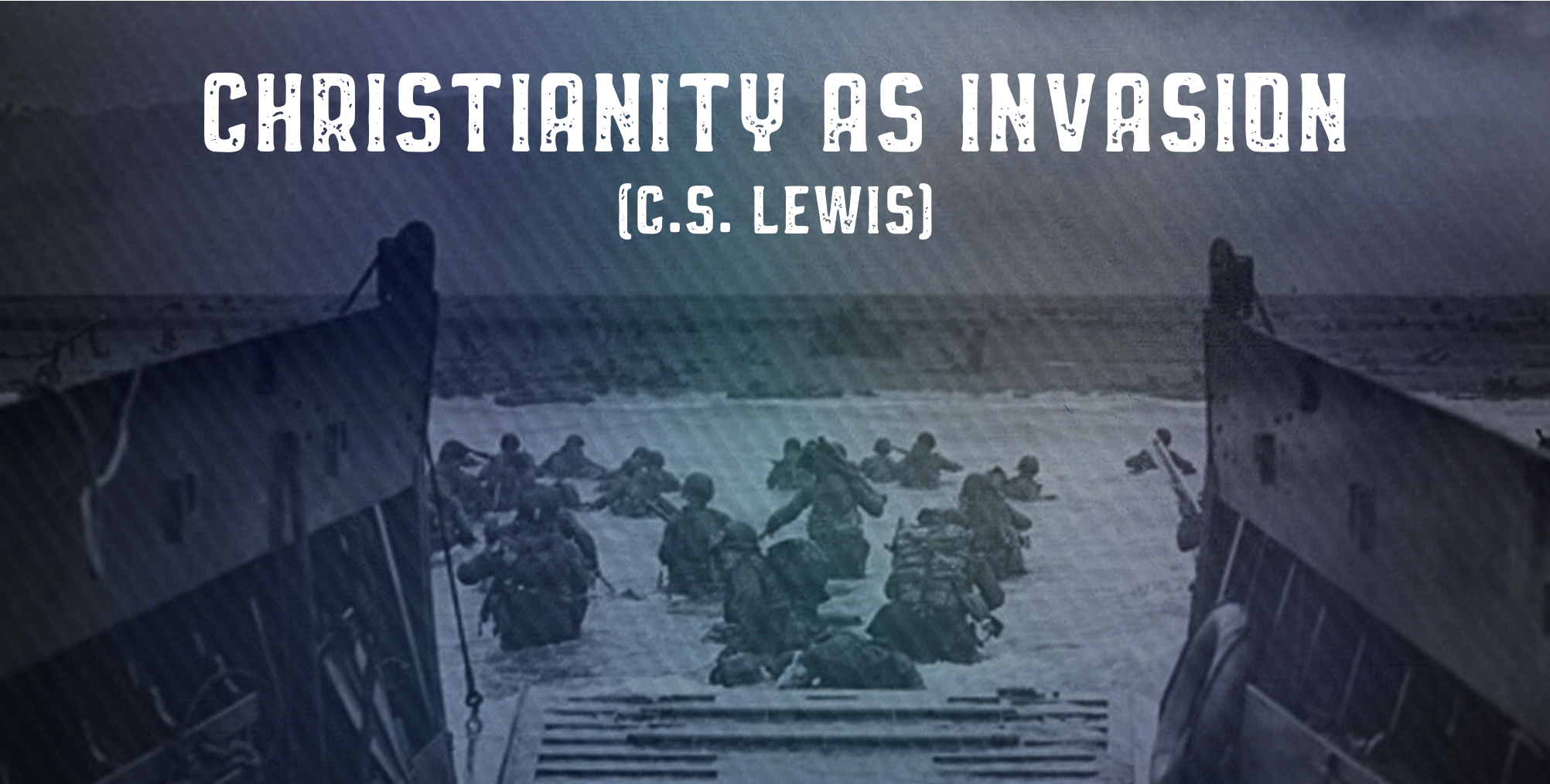
Christianity As Invasion

I first read C.S. Lewis’s Mere Christianity back in 2008, and I really liked it. That has been over a decade ago now, and a lot of things have changed since then. In 2008, I was a fairly recent college graduate, was also still pretty new in youth ministry, and I hadn’t started grad school yet. I had been married for a couple of years, but was not yet a father.

So it had been a long time, and I have changed in significant ways, and I thought it would be good for me to read this classic again. I started it again last week,[1] and I am absolutely blown away with how much I am loving it this time around (I don’t remember liking it this much the first time I read it. Of the many parts that I have loved (maybe I’ll do a full review later), one has been Lewis’s description of Christianity as opposed to Dualism (emphasis added by me):

One of the things that surprised me when I first read the New Testament seriously was that it talked so much about a Dark Power in the universe—a mighty evil spirit who was held to be the Power behind death and disease, and sin. The difference is that Christianity thinks this Dark Power was created by God, and was good when he was created, and went wrong. Christianity agrees with Dualism that this universe is at war. But it does not think this is a war between independent powers. It thinks it is a civil war, a rebellion, and that we are living in a part of the universe occupied by the rebel.

Enemy-occupied territory—that is what this world is. Christianity is the story of how the rightful king has landed, you might say landed in disguise, and is calling us all to take part in a great campaign of sabotage. When you go to church you are really listening-in to the secret wireless from our friends: this is why the enemy is so anxious to prevent us from going. He does it by playing on our conceit and laziness and intellectual snobbery.

Mere Christianity, 45-46

I think this is a really helpful and accurate image. Scripture is clear that we are at war—not against flesh and blood, but against evil spiritual forces. As Christians, we establish beachheads on hostile coastlines and expand into the territory of the Enemy, holding the banner of our King.


[1] This time, I am actually “reading” it as an audiobook, and it is read by a British guy. This is outstanding.

Reading in 2019

Regular readers of The Doc File know that I keep track of what I read each year, and that I enjoy chronicling that here on the blog and offering some reflections about my favorite reads from the previous year.

Without further ado, here is my list from 2019:

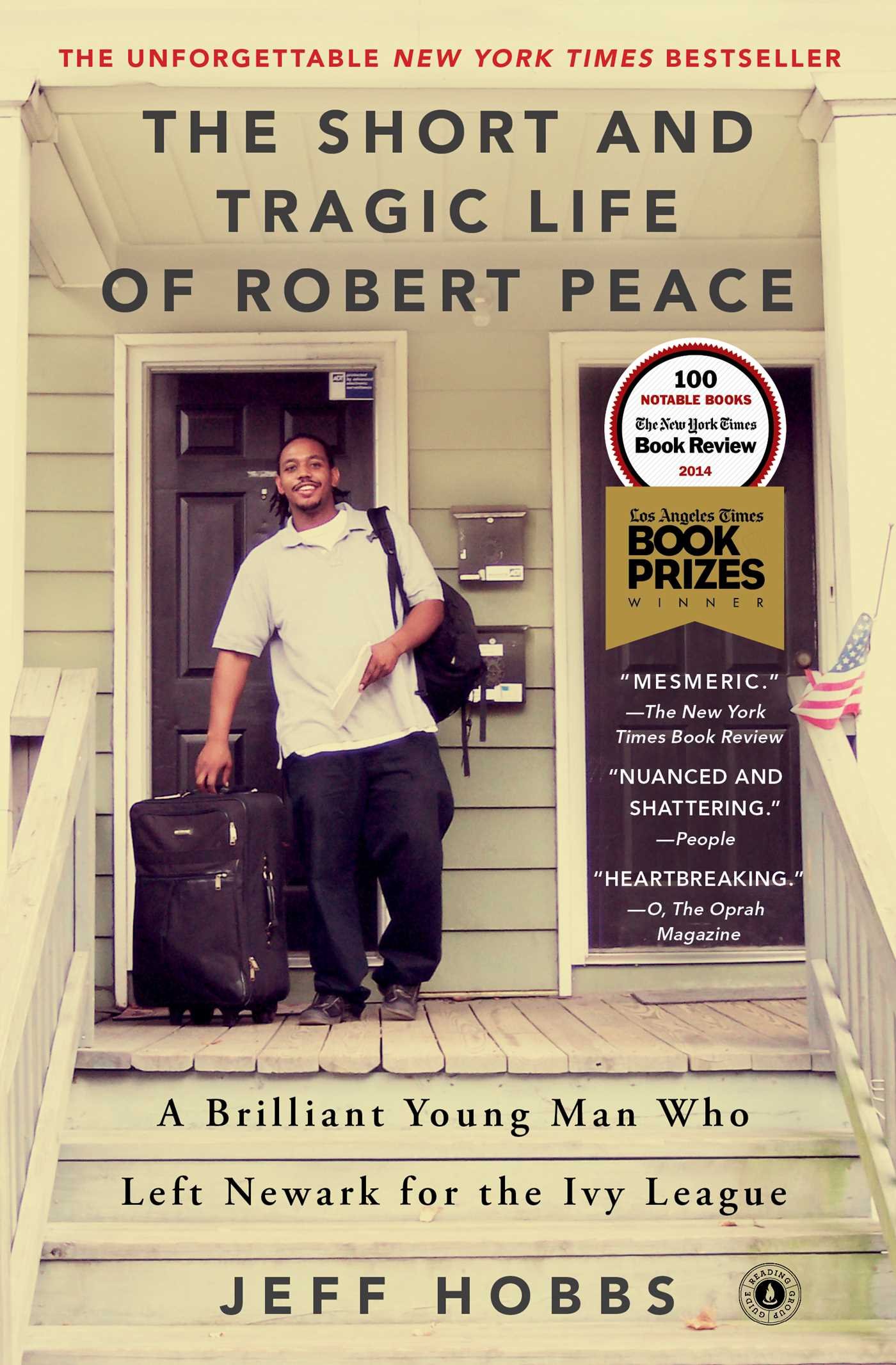
  1. The Short and Tragic Life of Robert Peace, by Jeff Hobbs
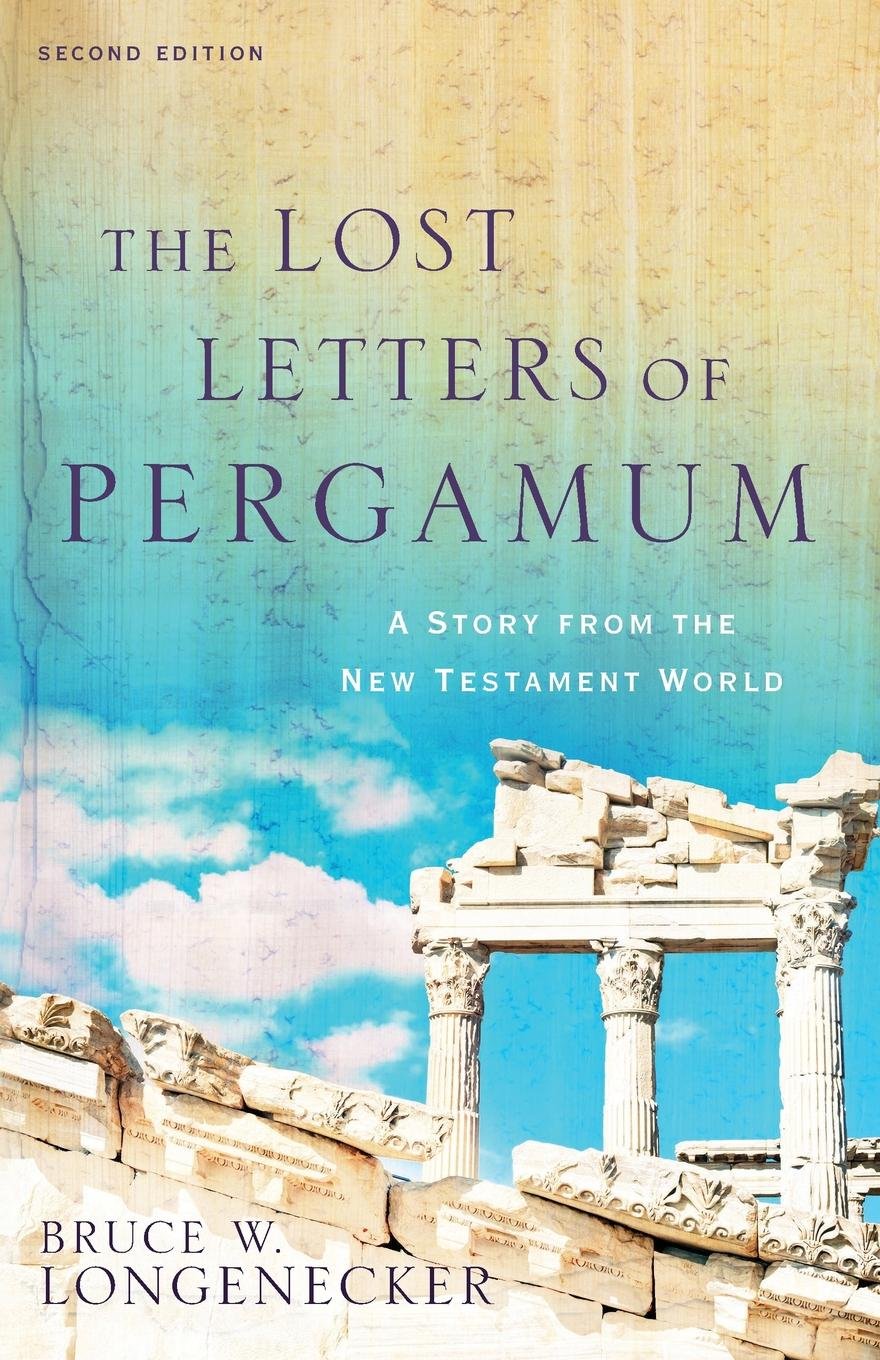
  2. The Lost Letters of Pergamum: A Story From the New Testament World, by Bruce W. Longenecker
  3. Enter the Water, Come to the Table: Baptism and the Lord’s Supper in Scripture’s Story of New Creation, by John Mark Hicks
  4. Success Sparklers: A Treasury of Quips, Quotes and Sparkling Sayings for the Positive Person, compiled by Ivy Conner
  5. The Honorary Consul, by Graham Greene
  6. Small Group Strategies: Ideas & Activities for Developing Spiritual Growth in your Students, by Laurie Polich and Charley Scandlyn
  7. Walking Away From Idolatry, by Wes McAdams
  8. The Abolition of Man, by C.S. Lewis
  9. Amazing Grace: William Wilberforce and the Heroic Campaign to End Slavery, by Eric Metaxas
  10. The Hidden Harbor Mystery, by Franklin W. Dixon
  11. Between Shades of Gray, by Ruta Sepetys
  12. My Brother Sam is Dead, by James Lincoln Collier and Christopher Collier
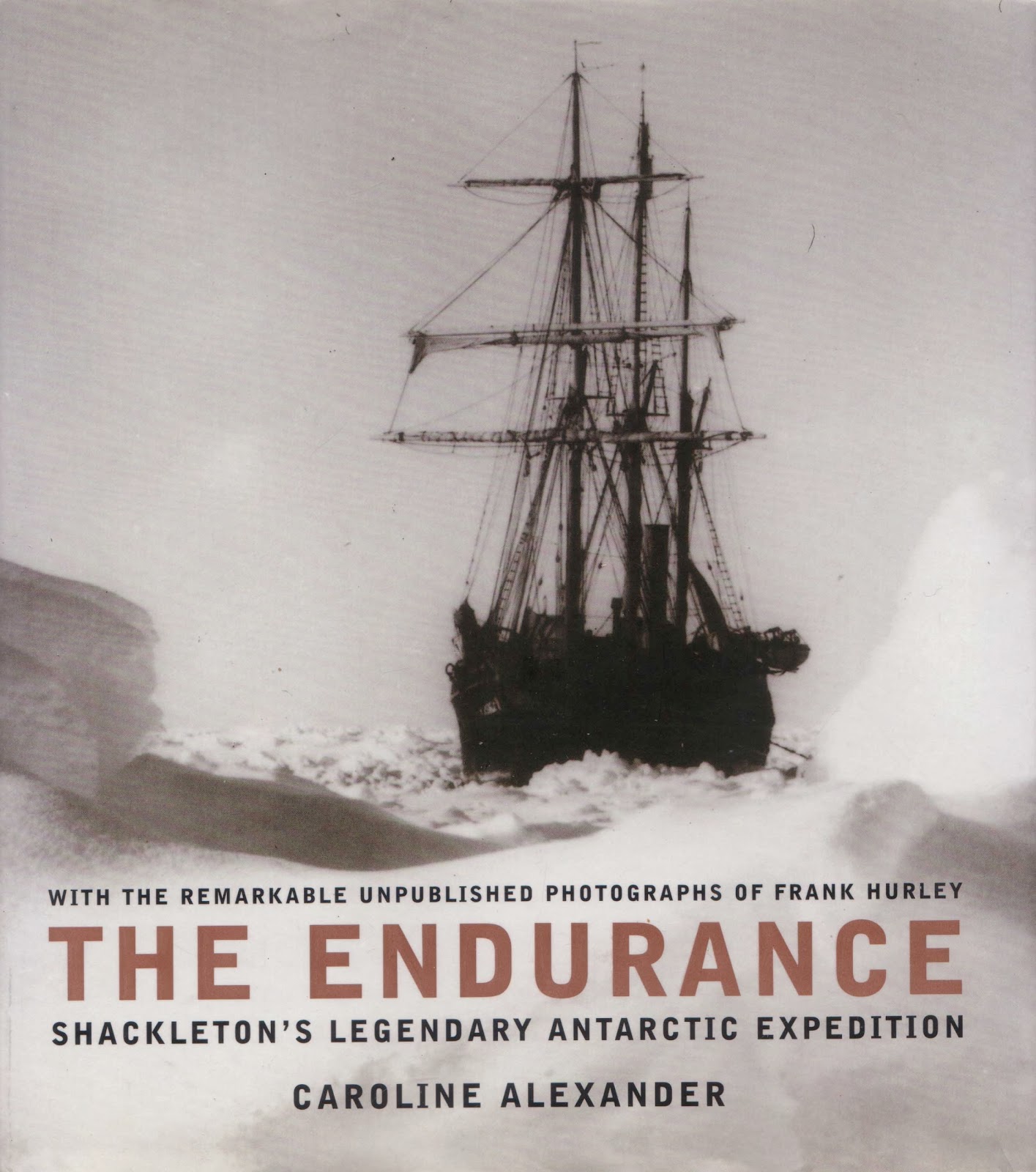
  13. The Endurance: Shackleton’s Legendary Antarctic Expedition, by Caroline Alexander
  14. Selected Stories of O. Henry, Introduction and Notes by Victoria Blake*
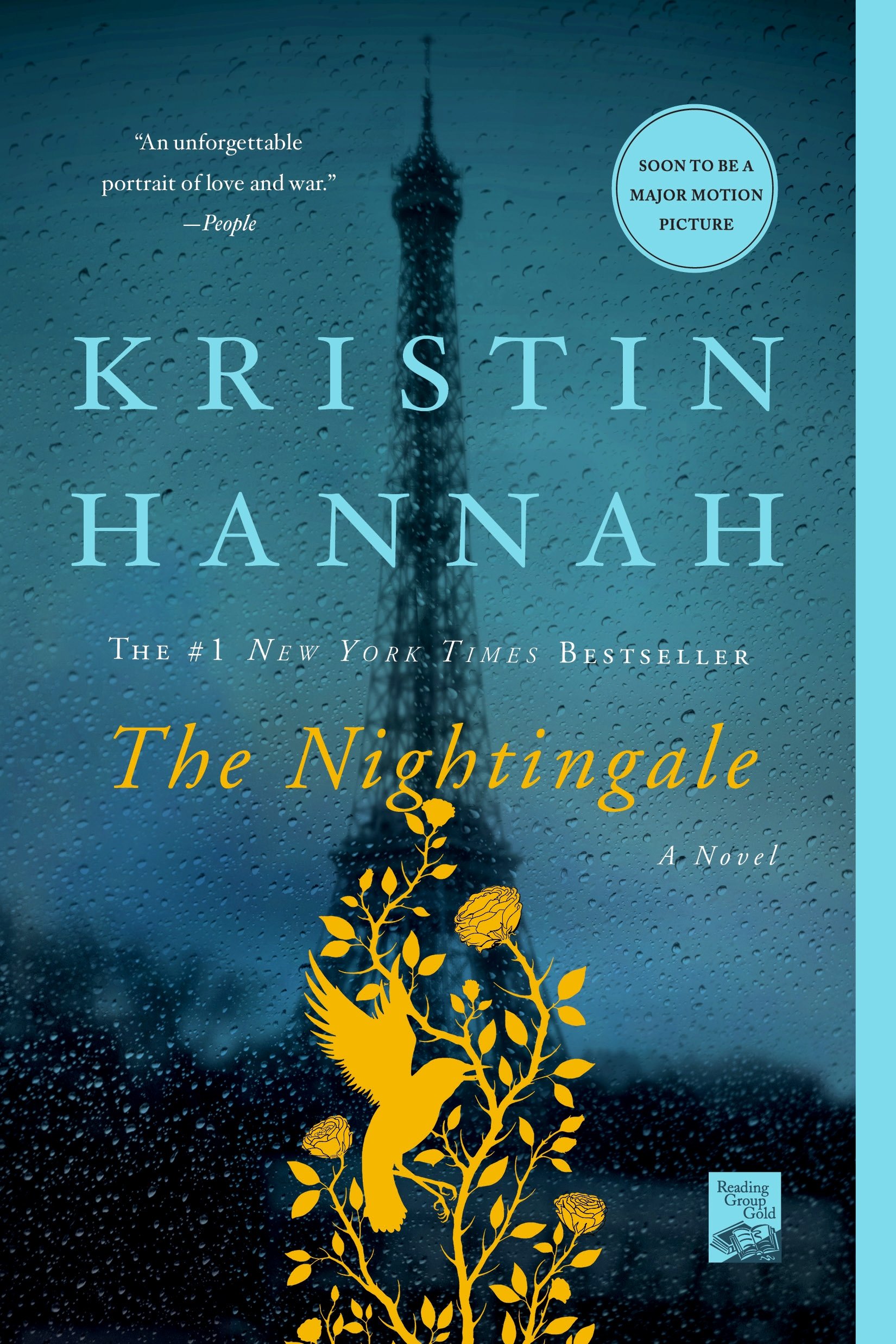
  15. The Nightingale, by Kristin Hannah
  16. Beyond Atonement: Recovering the Full Meaning of the Cross, by N.T. Wright, Gregory Boyd, and Ruth Padilla DeBorst
  17. The Glory of Their Times: The Story of the Early Days of Baseball Told by the Men Who Played It, by Lawrence S. Ritter
  18. God, Guys, and Girls, by Derry Prenkert
  19. Sabbath Resistance: Saying No to the Culture of Now, by Walter Brueggemann
  20. Christians in the Age of Outrage: How to Bring our Best When the World is at Its Worst, by Ed Stetzer
  21. How To Lose a Kingdom in 400 Years, by Michael Whitworth
  22. The Book Thief, by Markus Zusak
  23. The Cross & the Prodigal: Luke 15 Through the Eyes of Middle Eastern Peasants, by Kenneth E. Bailey
  24. Rich Dad Poor Dad, by Robert Kiyosaki
  25. I Am A Church Member, by Thom S. Rainer
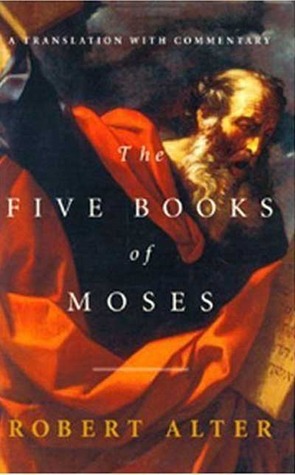
  26. The Five Books of Moses: A Translation with Commentary, by Robert Alter
  27. That’s Why We Sing: Reclaiming the Wonder of Congregational Singing, by Darryl Tippens
  28. Fire Upon the Earth: The Story of the Christian Church, by Norman F. Langford
  29. The Other Wes Moore: One Name, Two Fates, by Wes Moore
  30. Family Worship, by Donald S. Whitney
  31. The Shepherd’s Ring, by Whit Jordan
  32. The Yellow Feather Mystery, by Franklin W. Dixon
  33. The Clue in the Embers, by Franklin W. Dixon
  34. Murder at Wrigley Field, by Troy Soos
  35. Visions of Restoration: The History of Churches of Christ, by John Young
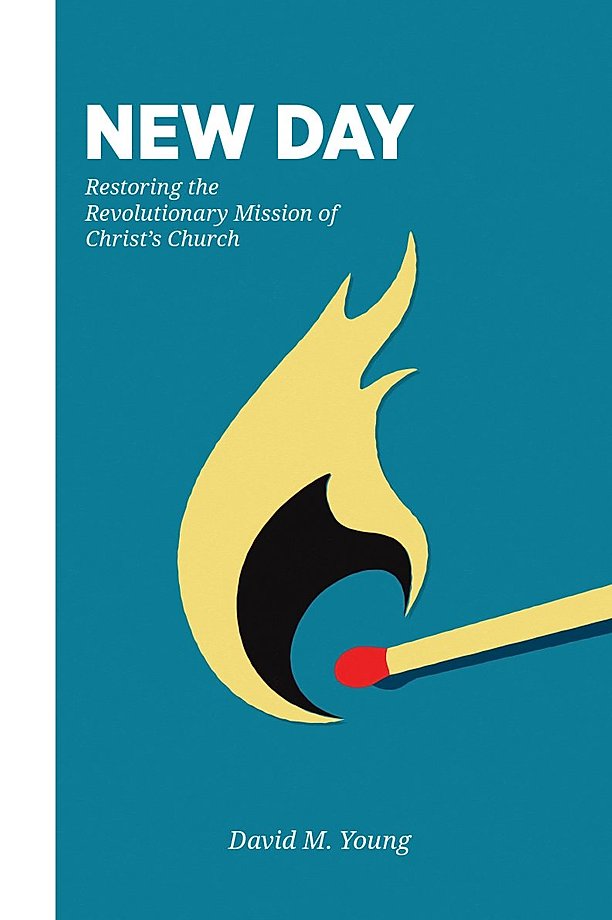
  36. New Day: Restoring the Revolutionary Mission of Christ’s Church, by David M. Young
  37. Gorky Park, Martin Cruz Smith
  38. The Greenest Island, by Paul Theroux
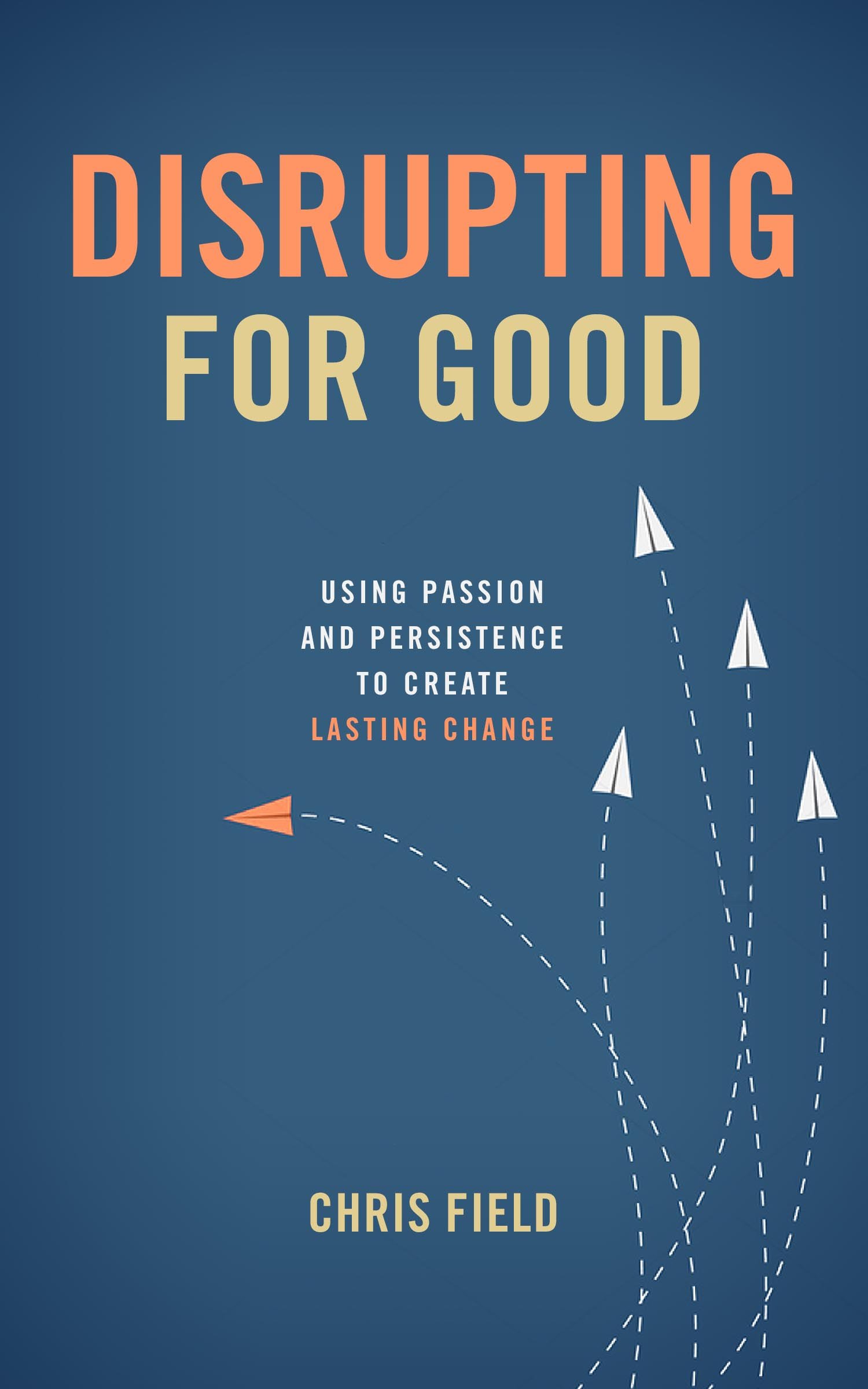
  39. Disrupting for Good: Using Passion and Persistence to Create Lasting Change, by Chris Field
  40. The Secret Agent on Flight 101, by Franklin W. Dixon
  41. Jesus for President, by Shane Claiborne and Chris Haw
  42. Discipeshift: Five Steps That Help Your Church to Make Disciples Who Make Disciples, by Jim Putnam & Bobby Harrington with Robert Coleman
  43. Faith Unraveled: How A Girl Who Knew All the Answers Learned to Ask Questions, by Rachel Held Evans
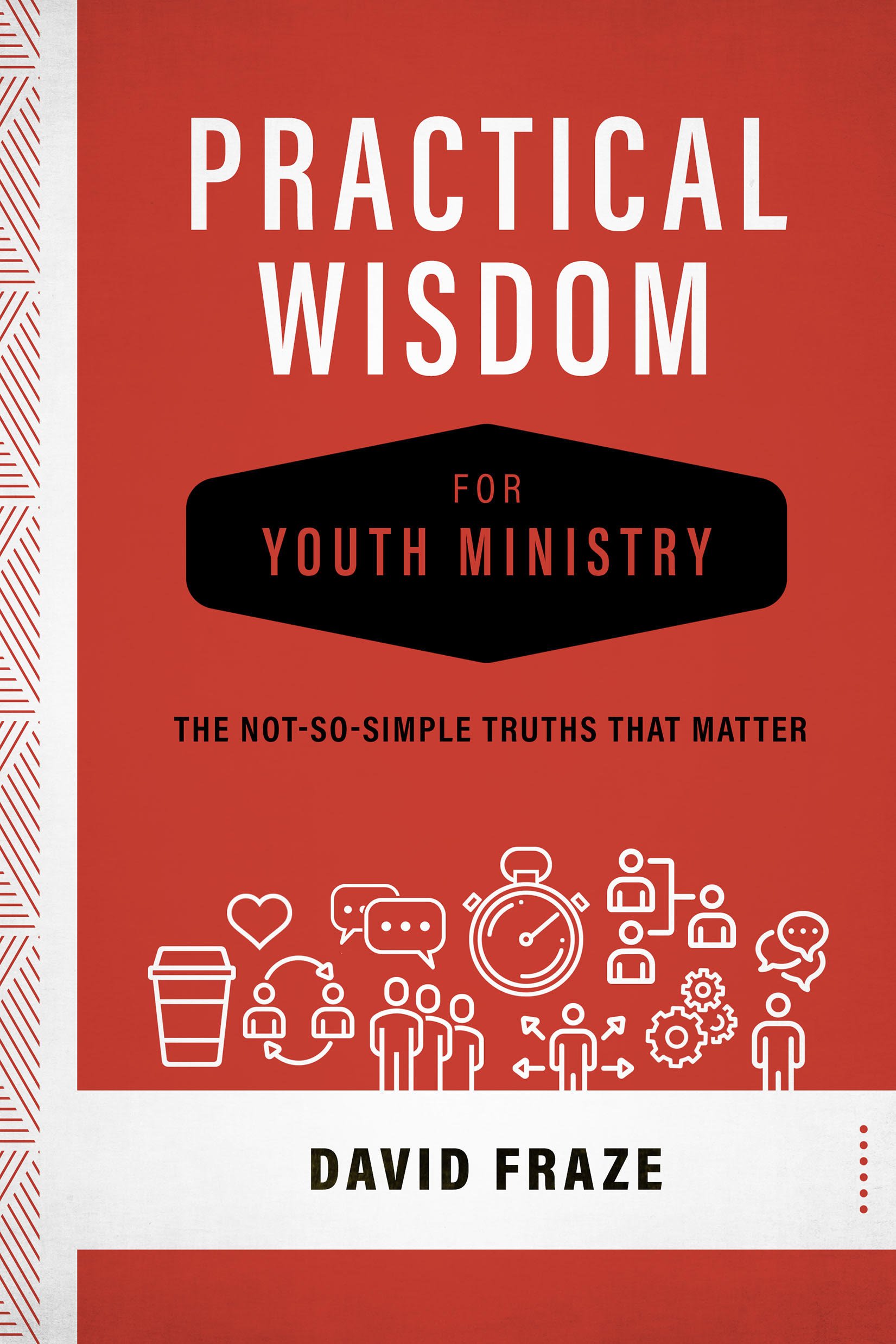
  44. Practical Wisdom for Youth Ministry: The Not-So-Simple Truths That Matter, by David Fraze
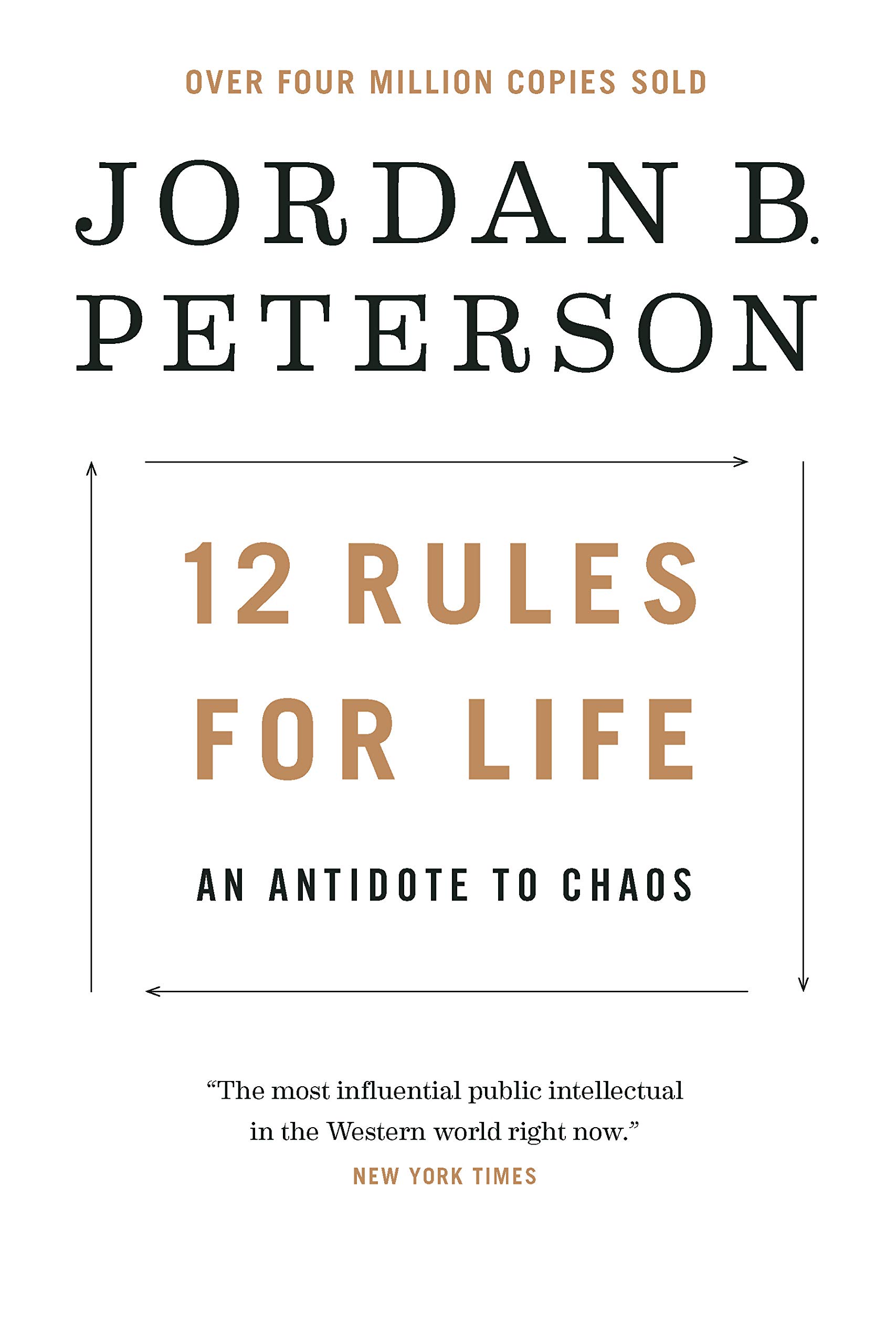
  45. 12 Rules For Life: An Antidote to Chaos, by Jordan B. Peterson
  46. The Fourfold Gospel, by J.W. McGarvey and Philip Y. Pendleton
  47. Prayer, In Practice, by J.L. Gerhardt
  48. It’s All Too Much: An Easy Plan for Living a Richer Life with Less Stuff, by Peter Walsh
  49. Learning to Speak God from Scratch: Why Sacred Words Are Vanishing—and How We Can Revive Them, by Jonathan Merritt
  50. D2: Becoming A Devoted Follower of Christ, by Phil McKinney II
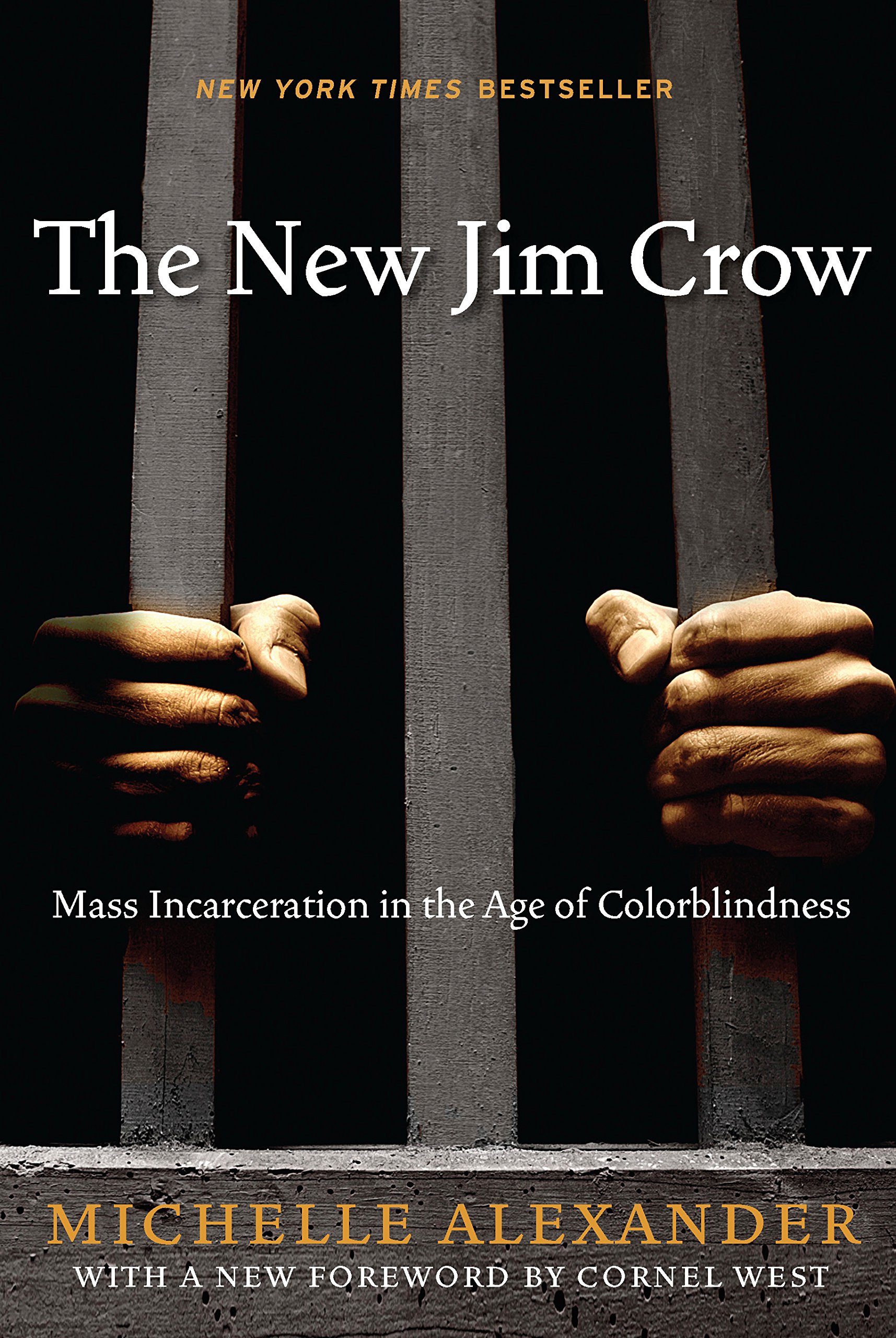
  51. The New Jim Crow: Mass Incarceration in the Age of Colorblindness, by Michelle Alexander
  52. One Loaf and One Cup: A Scriptural and Historical Survey, by Clinton De France

A few observations before I talk about my favorite books of the year:

  • My reading total decreased from 54 books in 2018 to 52 in 2019. I was pleased with this number considering that we moved in the middle of the year, my life was crazy busy preparing for that move and adjusting to it, and my reading time was (probably) somewhat less.
  • For the last several years, I have been between 48-54 books per year. This really seems to be my sweet spot.
  • This was my first full year removed from grad school, so I wondered how that would affect my reading. I still read a lot, with a decent amount of reading still geared toward faith, ministry, discipleship, biblical studies, etc.
  • I enjoyed my reading this past year. There were some books I didn’t love, but really, no major disappointments.

I want to share my Top 10 books for the year, but before I do so, I wanted to offer some brief thoughts on a few books that didn’t make my Top 10, but I still wanted to comment on:

  • The Glory of Their Times: The Story of the Early Days of Baseball Told by the Men Who Played It, by Lawrence S. Ritter: this was a great book of memories of baseball players from the early 1900s. As a huge fan of Ken Burns’ documentary Baseball, I was delighted to recognize that this book was a major primary source for many of the quotations for that series.
  • Family Worship, by Donald S. Whitney: This was a very short, yet very convicting, read. Christan parents, we really don’t have a good excuse for not having regular worship or devotional time at home with our families. If you want motivation, guidance, or conviction related to this, read this book.
  • The Shepherd’s Ring, by Whit Jordan: This was a novel for children written by a friend, and I loved it. It is currently unpublished, and I read an early draft. I can’t wait to hold the real thing in my hands and tell you about it.
  • Gorky Park, Martin Cruz Smith: This is one of my all-time favorite books. I read it frequently. It doesn’t make my Top 10 list because that feels like cheating. Otherwise, it would be there almost every year.
  • Faith Unraveled: How A Girl Who Knew All the Answers Learned to Ask Questions, by Rachel Held Evans: RHE was just a couple years older than me, and tragically died from an illness earlier in 2019. I am not really the audience for this book, but I listened to the audio version (read by the author) and am so glad I did. I disagree with Evans on a variety of issues, but she is incredibly likable and it is clear that she genuinely loved God and other people, and wanted to remove barriers that prevented people from knowing the God she loved so much. It was good for me to read.

Regarding my Top 10 books for the year, here are some brief thoughts on those (presented in order of when I read them, not ranked 1-10):

The Short and Tragic Life of Robert Peace, by Jeff Hobbs: This was a fascinating and tragic true story of a man who grew up in the rough neighborhoods of Newark but managed to find his way out and graduate with honors from Yale, only to end up back in his former neighborhood where he ultimately was murdered in a drug-related crime. This story was well-written and gripping, and also filled with impending dread, as you knew from the title that it would not end well. Memoirs are not the best way to analyze complex social issues, but this book did provide for thoughtful reflection on racial issues (which, between this book, The Other Wes Moore, and The New Jim Crow {described below}, was a repeated focus for me in 2019).

The Lost Letters of Pergamum: A Story From the New Testament World, by Bruce W. Longenecker: Longenecker, a well-known biblical scholar who specializes in the origins of Christianity, writes this epistolary novel that consists of a series of letters between several characters, including Luke the Evangelist. What results is a moving story that helps to illuminate the New Testament world including aspects such as honor-shame culture, patronage, the nature of letter writing, and Roman persecution. It took a little bit for me to get into it, but by the end, I absolutely loved it.

The Endurance: Shackleton’s Legendary Antarctic Expedition, by Caroline Alexander: This was a fascinating account of Shackleton’s Antarctic Expedition complete with penetrating character studies and amazing photographs. This is simply an incredible, unbelievable tale. I really didn’t know what to expect going in, but I thoroughly enjoyed it.

The Nightingale, by Kristin Hannah: I have discovered that I love reading fiction set in WWII, and this is a good example of this. This novel tells the story of two sisters living in Nazi-occupied France, and the very different ways they seek to survive and resist during a very difficult time.

The Five Books of Moses: A Translation with Commentary, by Robert Alter: Alter is a world-renowned expert on the Hebrew Bible who gives special attention to its literary features. This is his own translation along with commentary, which I used for my daily Bible reading early in the year. I don’t know Hebrew well enough to evaluate how great his translation is, but it was certainly readable, and I found his commentary to be frequently insightful.

New Day: Restoring the Revolutionary Mission of Christ’s Church, by David M. Young: I mentioned this book, and Young, in my recap of this past year’s Harding Lectureship, where I heard him speak three times. The short version of the book is that Churches of Christ (and really, churches across the spectrum) are declining in the United States, and the solution to this problem is to get serious about prayer, making disciples, and planting churches. If you have come to suspect that church should be about more than a social gathering, worship wars, and a consumeristic buffet of programs catering to the whims of members, this book is for you (wow, that was a little preachy!).

Disrupting for Good: Using Passion and Persistence to Create Lasting Change, by Chris Field: I did not have high expectations for this book, but I really liked it. Basically, it is a book about how to bring about culture change: you have to find a problem that really bothers you, and then attack it with creativity and perseverance. Most of the book is a series of inspiring vignettes of people who did exactly that. This was a really encouraging book for me.

Practical Wisdom for Youth Ministry: The Not-So-Simple Truths That Matter, by David Fraze: I already reviewed this book here on the blog, so I don’t feel the need to say much here, other than the fact that this is now one of my favorite youth ministry books (I read a lot of them), and I plan on using it from now on with all of my youth ministry interns.

12 Rules For Life: An Antidote to Chaos, by Jordan B. Peterson: Although I have friends who are big fans of Peterson, I was not a fan, and actually began to read this book with a great deal of skepticism. Peterson’s breadth of knowledge is so vast that I found it difficult to evaluate at times (Is this brilliant? Is this nonsense?). At other times, when he crossed into areas I could better evaluate, I was blown away: his handling of the biblical text, especially the Book of Genesis, was very impressive (he is a little shakier on the teachings of Jesus—on a very deep level, I don’t think Peterson knows what to do with Him). Ultimately, what I would say is that each of Peterson’s rules range from helpful to profound, even if I don’t fully agree with all of the reasoning he uses to arrive at them. I “read” this book in audio format, and will likely reread it, soon.

The New Jim Crow: Mass Incarceration in the Age of Colorblindness, by Michelle Alexander: This is not a fun read. On the contrary, it was devastating. Alexander has two basic arguments in the book: (1) the American criminal justice system disproportionately punishes people of color (specifically through the War on Drugs), relegating a large chunk of African American society to being residents of an “undercaste”, and (2) this has been done intentionally. Although I don’t believe she established her second argument (to be fair, I don’t want to believe it), her first point seems absolutely clear to me. For those who do not understand (or worse, deny) the reality of systemic racism, this is a great book to read.

That was my reading for 2019. For comparison’s sake if you are interested, you can see my reading lists from previous years:

As always, I have a bunch of books lined out to read in 2020, and can’t wait to get into them.

What are some of the best books you read this past year?

*Books that I did not read in their entirety, but read significant portions of.

Book Review: Practical Wisdom for Youth Ministry

Recently, I was taking advantage of a sale from Leafwood Publishers when I happened upon David Fraze’s Practical Wisdom for Youth Ministry: The Not-So-Simple Truths that Matter, and decided to buy it. I am so glad that I did! Simply put, this book was outstanding; it is the youth ministry book that I was planning to write one day, and now I don’t have to (which is good, because Practical Wisdom for Youth Ministry is better than what I would have produced!).

The book is split into 22 chapters of different concepts and aspects of youth ministry that matter. It is a diverse list, including topics ranging from The Bible, to Office Hours, to Sexual Purity, to Volunteers, and beyond. Each chapter is short, and contains three sections: “Why?”, “How?”, and “Now?” In the “Why?” section, Fraze discusses why a given topic matters, engaging the biblical text and providing theological justification for his point. In the “How?” section, he then offers practical tips to improve your ministry in that area, and in the “Now?” section, he offers first steps for improvement moving forward.

There were a lot of ideas in the book that I found to be very helpful, but here were some of my favorite quotations:

“Adult involvement is a key factor in measuring youth ministry success. In fact, adults are one of the main reasons students stay involved with the church after graduation.…To be most effective, youth ministers need to work to get the entire congregation involved in youth ministry.” (43-44)

“Marriage is intended to be a reflection of the intimate love, devotion, and sacrifice Christ has for the church. Therefore, a youth minister’s marriage is one of the greatest, if not the greatest, testimonies and tools he has to impact the lives of teenagers with the gospel of Jesus.” (80)

“Regarding Mondays after a weekend trip, most of the jobs your parents and adult volunteers work at expect that office hours be kept with excellence and responsibility. Regardless of whether they sponsored a weekend you retreat, they will be at work, on time, the next day. I expect the same type of office hours out of my employees. If it is not a day off, then get to work, on time.” (101-02)

“If your students and adults do what you do, would there be any outreach happening in your student ministry?” (121)

“While important, the events of youth ministry in and of themselves do not possess the life-changing power often bestowed on them by youth ministers. The events possess life-changing power to develop and support relationships with God’s people. The relationships are what matter.” (136)

It is really hard for me to overstate how much I enjoyed this book. While it does not offer an in-depth look at any of the topics included, it is an excellent introductory work for youth ministry. It would provide an invaluable resource to new youth ministers, but also is a helpful refresher for youth ministry veterans like myself, and also a way for me to reflect upon and improve in areas where I am weaker. I strongly recommend this book for anyone involved in youth ministry work (youth ministers, youth ministry students, youth deacons and elders, youth volunteers, etc.).

« Older posts Newer posts »

© 2026 The Doc File

Theme by Anders Noren — Up ↑