The online journal of Luke Dockery

Category: Reading (Page 15 of 33)

Reading in 2018

It’s that time of year again, when people talk about their reading from the previous year and the best books they read. As someone who (a) tries to thoughtfully reflect on things and (b) obsessively keeps lists of things, I always enjoy reading lists from other people and sharing my own.

Here is my own list from 2018:

  1. Harry Potter and the Prisoner of Azkaban, by J.K. Rowling
  2. Beneath a Scarlet Sky, by Mark Sullivan
  3. Simply Christian: Why Christianity Makes Sense, by N.T. Wright
  4. Martin Luther: Selections from his Writings, edited by John Dillenberger*
  5. The Marburg Colloquy, edited by Hermann Sasse
  6. The Knowledge of God the Creator (from Institutes of the Christian Religion), by John Calvin
  7. The Necessity of Reforming the Church, by John Calvin
  8. The Spiritual Exercises of Saint Ignatius, translated by Anthony Mottola*
  9. The Racovian Catechism*
  10. Harry Potter and the Goblet of Fire, by J.K. Rowling
  11. The Reasonableness of Christianity, by John Locke
  12. A Discourse of Miracles, by John Locke
  13. Proposals to Correct Conditions in the Church in Pia Desideria, by Philip Jacob Spener
  14. Decision Points, by George W. Bush
  15. Divorce, by John R.W. Stott
  16. Afro-American Religious History: A Documentary Witness, edited by Milton C. Sernett*
  17. Woman in the Pulpit, by Frances Willard*
  18. Harry Potter and the Order of the Phoenix, by J.K. Rowling
  19. Jesus: A Study of the Life of Christ, by Shane Robinson
  20. The Five Books of Moses & The Former Prophets, by Bibliotheca
  21. The Making of George Washington, by William H. Wilbur
  22. Creating a Lead Small Culture: Make Your Church a Place Where Kids Belong, by Reggie Joiner, Kristen Ivy, and Elle Campbell
  23. Harry Potter and the Half-Blood Prince, by J.K. Rowling
  24. The Unseen Realm: Recovering the Supernatural Worldview of the Bible, by Michael S. Heiser
  25. Harry Potter and the Deathly Hallows, by J.K. Rowling
  26. The Story of Christianity, Volume 2: The Reformation to the Present Day, by Justo L. Gonzalez
  27. The Faith of the Presidents, by Anne Schraff
  28. Misreading Scripture with Western Eyes: Removing Cultural Blinders to Better Understand the Bible, by E. Randolph Richards and Brandon J. O’Brien
  29. The Forsaken: An American Tragedy in Stalin’s Russia, by Tim Tzouliadis
  30. The Latter Prophets, by Bibliotheca
  31. Reclaiming Hope: Lessons Learned in the Obama White House About the Future of Faith in America, by Michael Wear
  32. Havana Bay, by Martin Cruz Smith
  33. To Kill a Mockingbird, by Harper Lee
  34. Go Set a Watchman, by Harper Lee
  35. A New Heaven and a New Earth: Reclaiming Biblical Eschatology, by J. Richard Middleton
  36. The Holy Spirit and Revolutionary Grace: God’s Antidotes for Division within the Churches of Christ, by Jay Guin
  37. Montmorency: Thief, Liar, Gentleman?, by Eleanor Updale
  38. The Perilous Road, by William O. Steele
  39. History and Background of the Institutional Controversy, by Steve Wolfgang
  40. Crispin: the Cross of Lead, by Avi
  41. The Ghost Hollow Mystery, by Page Carter
  42. Letters To The Church, by Francis Chan
  43. The Writings, by Bibliotheca
  44. Significant Others: Understanding Our Non-Christian Neighbors, by Monte Cox
  45. Alexander Campbell, Apostle of Truth, by William Blake
  46. The Tech-Wise Family: Everyday Steps for Putting Technology in Its Proper Place, by Andy Crouch
  47. The Great Divorce, by C.S. Lewis
  48. How To Be A Perfect Christian: Your Comprehensive Guide To Flawless Spiritual Living, by The Babylon Bee
  49. Priceless, by Jeremy Myers
  50. The Apocrypha, by Bibliotheca
  51. The New Testament, by Bibliotheca
  52. A Call to Conscience: The Landmark Speeches of Dr. Martin Luther King, Jr., edited by Clayborne Carson and Kris Shepard
  53. Discovering Our Roots: The Ancestry of Churches of Christ, by C. Leonard Allen and Richard T. Hughes
  54. Traces of the Kingdom, by Keith Sisman

A few observations before I talk about my favorite books of the year:

  • My reading total increased from 52 books in 2017 to 54 books in 2017. And this included a couple of very large volumes of 650-800 pages. I see other people who read 100 books or more a year, but at this stage of my life, it seems that somewhere in the neighborhood of 50 is my limit.
  • I enjoyed my reading in 2018 more than in 2017.
  • There were two big disappointments in my reading this past year. The first was the Bibliotheca series, which I used to do my daily Bible reading in 2018. There was a lot of fanfare about this translation when it came out, and indeed, it has many admirable qualities: an elegant typeface, beautiful binding, and a page layout that should lend itself to readability. However, the translation itself was wooden and awkward, and I simply did not enjoy it at all. Also, Traces of the Kingdom was a book that I had looked forward to for a few years, but I really struggled with it. Although the author puts you in touch with some extraordinarily rare primary sources that are hundreds of years old, the writing is poor, and much of the logic and argumentation is stretched. It was a disappointment.

Regarding my Top 10 books for the year, here are some brief thoughts on those (presented in order of when I read them, not ranked 1-10):
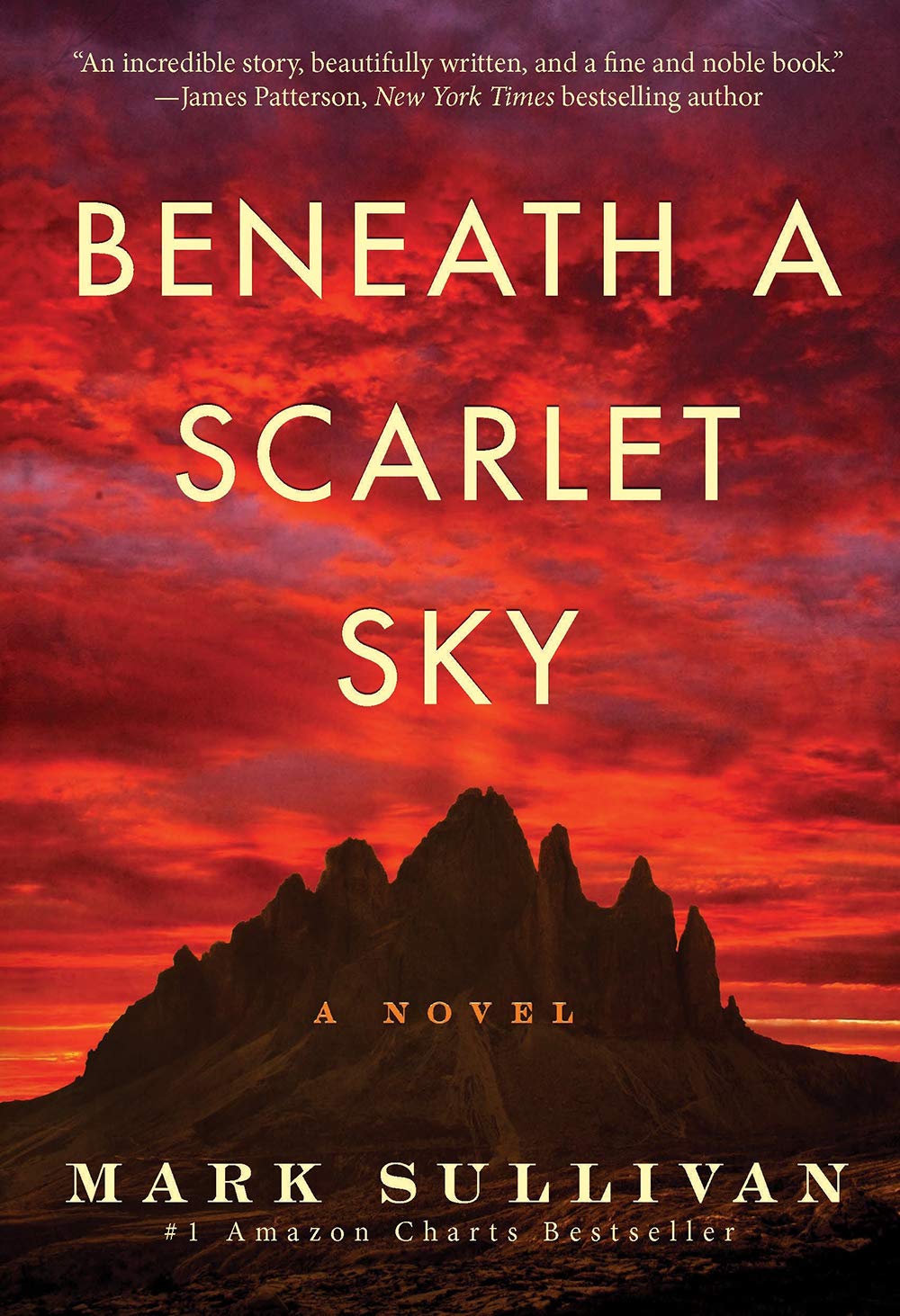
Beneath a Scarlet Sky, by Mark Sullivan: This is a novel, based on a true story, set in WWII Italy. It is a gripping tale of a teenage boy seeking to navigate the warring factions of Nazis, Mussolini’s Fascists, Allied forces, resistance fighters, partisans, and the Catholic church. It is a gripping tale and compelling read. Fans of All The Light We Cannot See will appreciate this book, which is better.
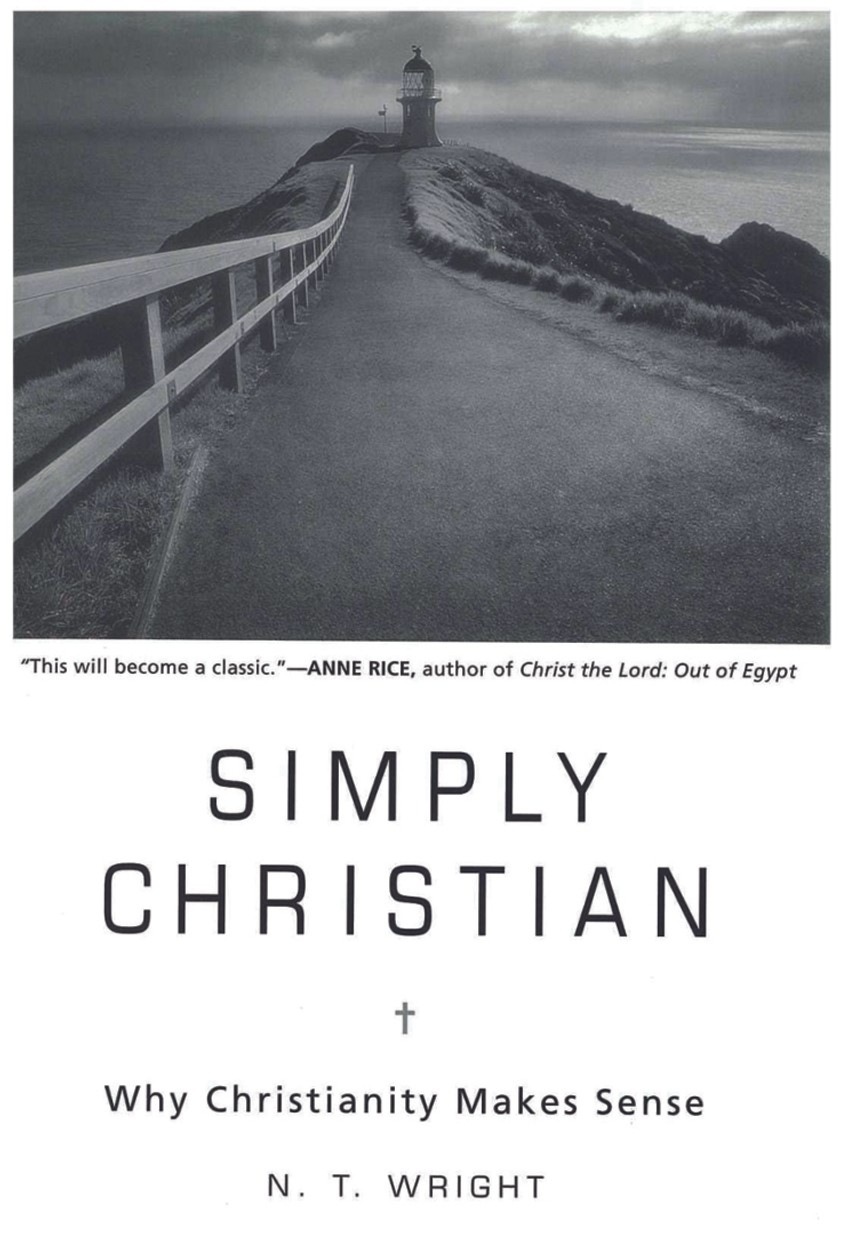
Simply Christian: Why Christianity Makes Sense, by N.T. Wright: N.T. Wright is the preeminent living Christian thinker, and this is his basic presentation of the Christian faith (it has been called the Mere Christianity for modern times). In my opinion, nothing that Wright writes is truly “simple,” so, despite his intentions, I can’t say that this is the easiest read for the average Christian, but it is a great book.
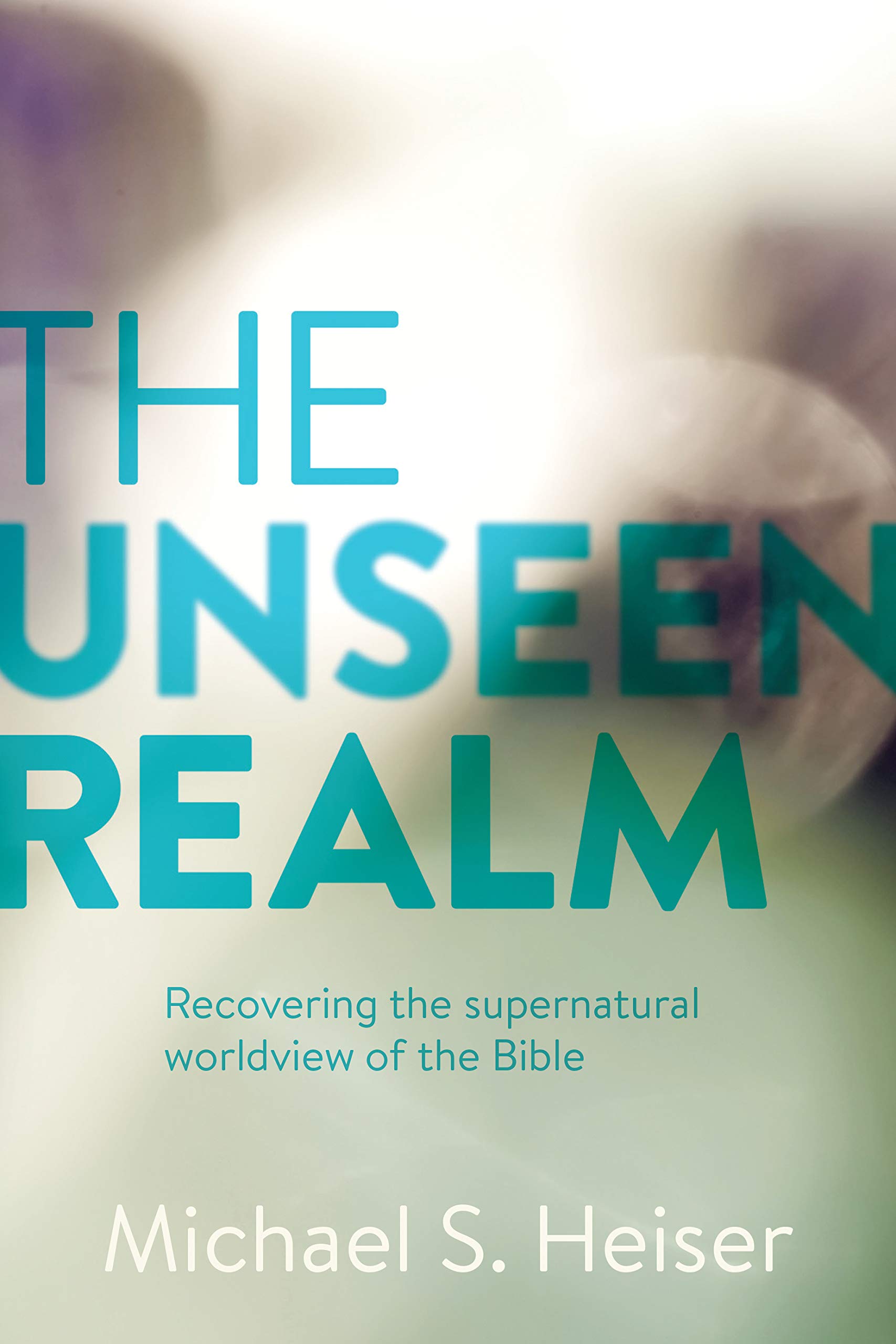
The Unseen Realm: Recovering the Supernatural Worldview of the Bible, by Michael S. Heiser: Heiser makes the basic claim that modern believers do not read/hear the Bible in the way that ancient believers did, who believed in a robust array of spiritual beings who operate “unseen” and greatly influence the lives that we experience. This becomes the prevailing paradigm for how he interprets Scripture, and especially if you are not familiar with the biblical motif of the Divine Council, much of what he says will shock you. Ultimately, I think Heiser draws some conclusions that are not warranted, but on the whole, I think he makes a very compelling case. This book has been somewhat of a game-changer for me.
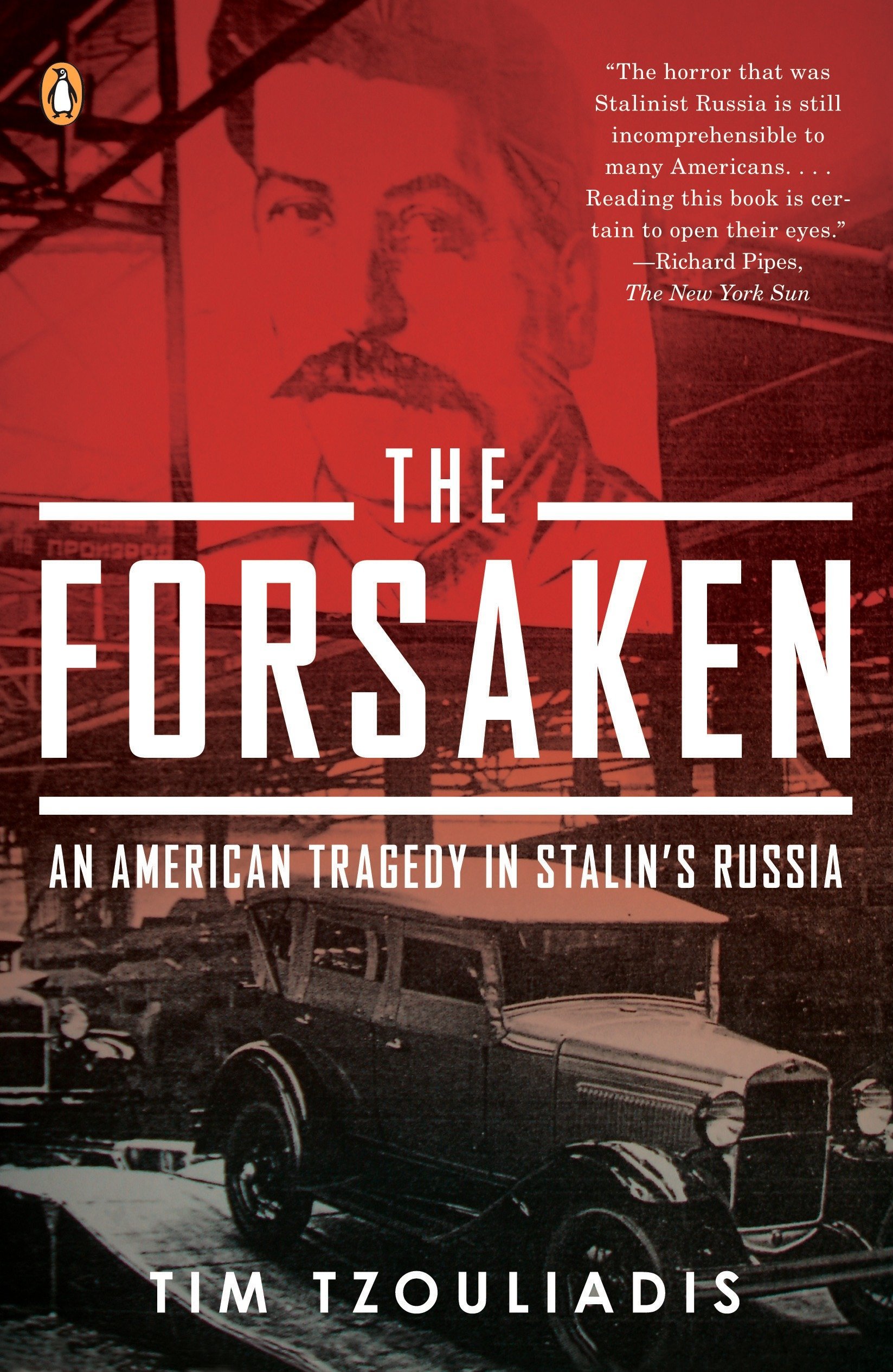
The Forsaken: An American Tragedy in Stalin’s Russia, by Tim Tzouliadis: During the Great Depression, thousands of down-on-their-luck Americans were lured to Stalinist Russia with the promise of work and prosperity available to all in the Communist Utopia. Within a few short years, they (along with millions of others) would be killed in the Stalinist purges and, adding to the tragedy, they were largely abandoned by the US government. Not to get too political in a brief book review, but in an era when I increasingly witness many people (especially those generally around my age or younger) pay lip service to the idea that socialism and even communism are benign or even preferable politico-economic systems, this was an important read for me. When it came to murdering people, Stalin made Hitler look like an amateur, and I don’t say that lightly.
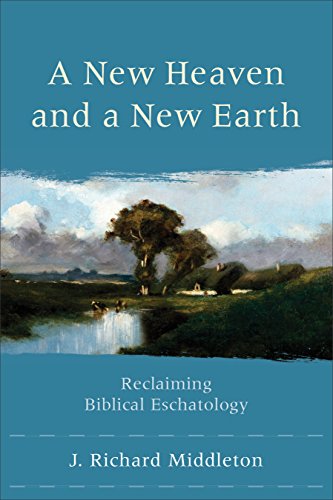
A New Heaven and a New Earth: Reclaiming Biblical Eschatology, by J. Richard Middleton: Middleton argues that the Biblical text teaches that God will redeem and restore His creation and will dwell with His people for eternity on a New Heaven and New Earth. This is not some form of premillennialism, but neither is it the popular notion of the Christian hope being getting to escape from this earth and “go to heaven when we die.” This interpretation will be challenging for some, but I am convinced that this perspective is fundamentally correct, and Middleton’s treatment of it is excellent.
Letters To The Church, by Francis Chan: This was a convicting read for me. Chan is a Restorationist’s Restorationist, and this book basically encourages Christians to thoughtfully return to the model of the church as described in the pages of Scripture. Simply put, there are some basic ways of “doing church” that really need to be evaluated and, quite possibly, jettisoned. This book left me uneasy in a good way.
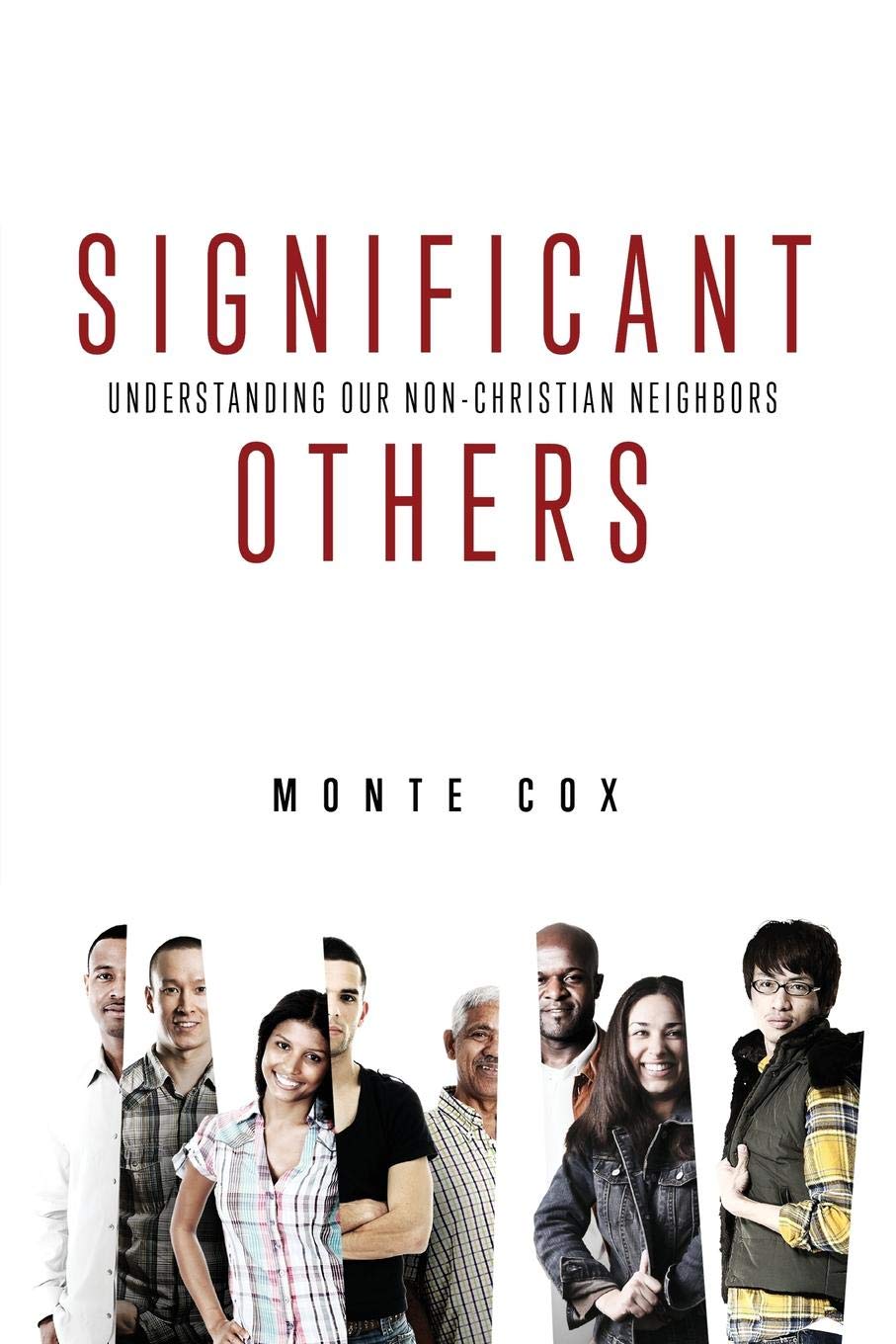
Significant Others: Understanding Our Non-Christian Neighbors, by Monte Cox: Dr. Cox was one of my favorite teachers at Harding, and this book is basically a written version of his “Living World Religions” class (one of my favorite classes). It is a helpful overview of various world religions, and would make an excellent resource for a Bible class.
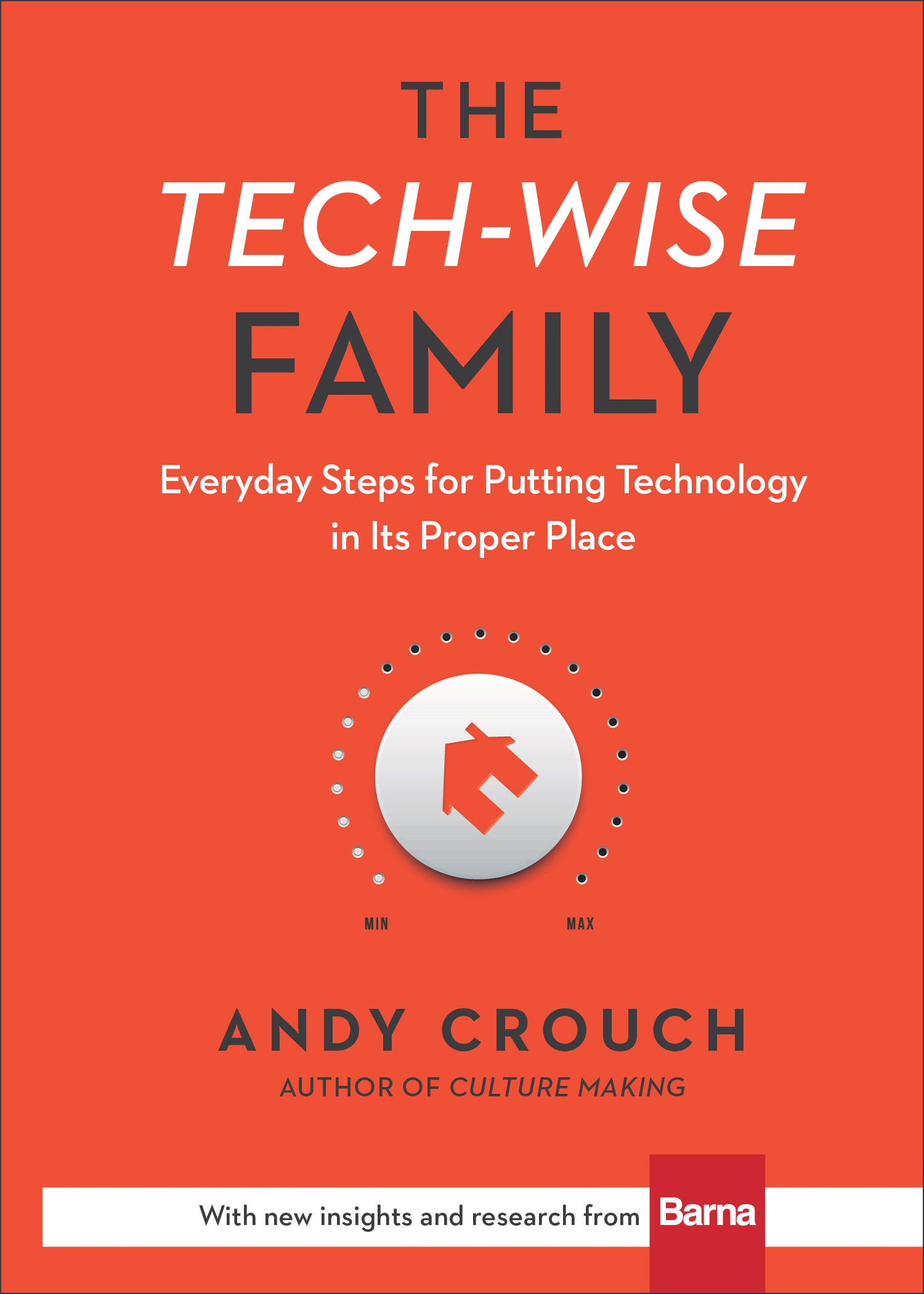
The Tech-Wise Family: Everyday Steps for Putting Technology in Its Proper Place, by Andy Crouch: Technolgy is increasingly present in our lives, and for all of its positive benefits, there are negative side effects as well. Crouch offers some helpful (and at times, extreme) perspective on how families should treat technology and strive to create home environments that cultivate wisdom and courage.
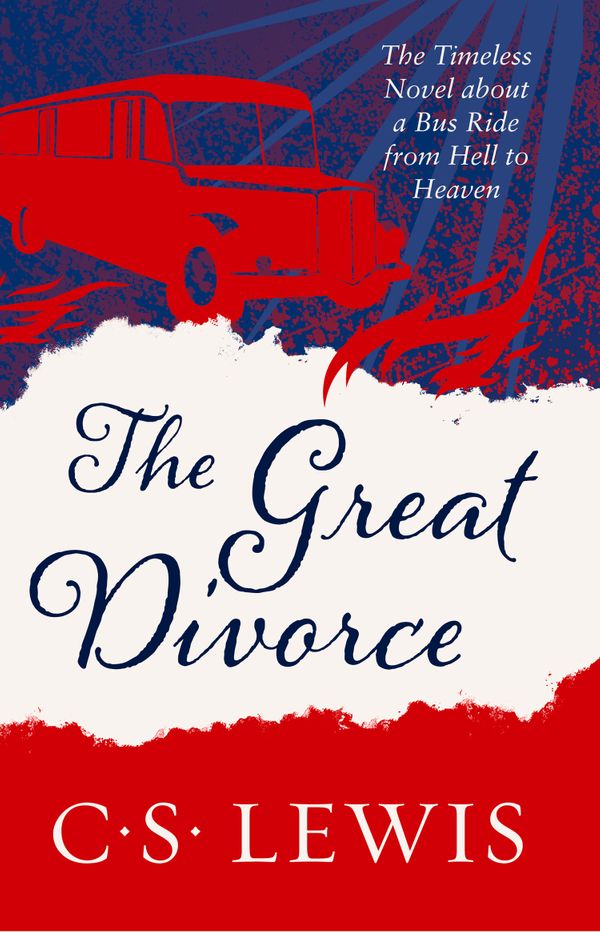
The Great Divorce, by C.S. Lewis: I’m not sure that I have ever read something by Lewis that I didn’t like, but this is one of my favorites. Lewis’ allegorical take on hell is, in my opinion, both brilliant and helpful.
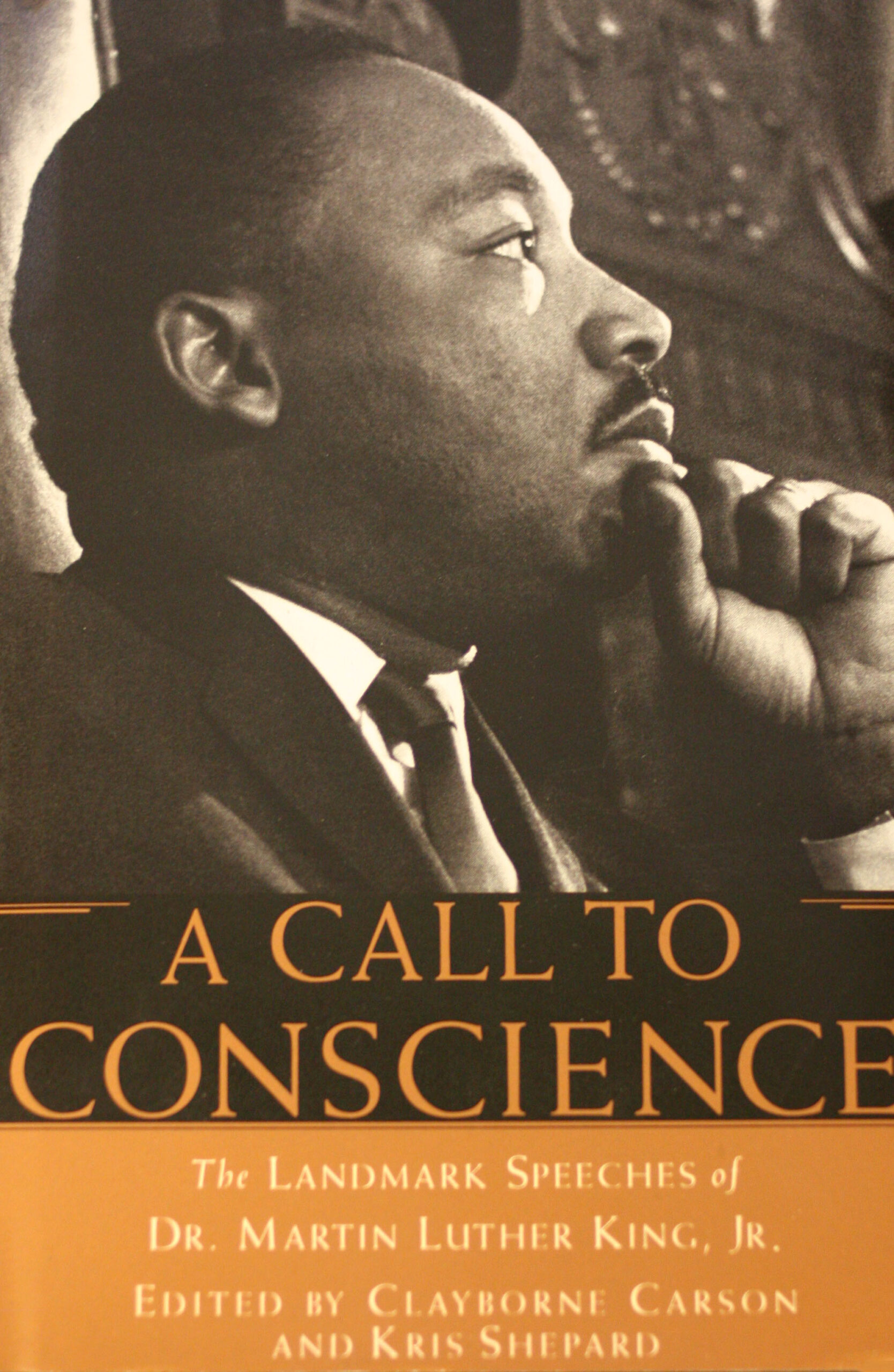
A Call to Conscience: The Landmark Speeches of Dr. Martin Luther King, Jr., edited by Clayborne Carson and Kris Shepard: I had really not read/heard much from Dr. King before, other than his “I Have a Dream” speech or snippets of quotations from other sources, and that was a mistake, because King’s speeches evidence not only beautiful eloquence, but also profound theological insight. I plan to do additional reading from (and on) Dr. King in the future.

That was my reading for 2018. For comparison’s sake if you are interested, you can see my reading lists from previous years:

As always, I have a bunch of books lined out to read in 2019, and am already in the midst of two good ones right now.

What are some of the best books you read this past year?

*Books that I did not read in their entirety, but read significant portions of.

Book Review: Reclaiming Hope

Over the summer, I read Michael Wear’s Reclaiming Hope: Lessons Learned in the Obama White House about the Future of Faith in America. Wear directed faith outreach for President Obama’s 2012 re-election campaign and was one of the youngest White House staffers in modern American history. In addition to that, he is a pro-life, evangelical Christian.

In some ways, Wear is representative of a lot of young evangelicals who, though not traditionally supporters of the Democratic party, found Barack Obama’s 2008 campaign very appealing with its emphasis on hope, change, and bipartisan cooperation.

I never voted for President Obama and have written before of profound disagreements I have with him. Having said that, I have respected his devotion to his family and the way that he conducted himself while in office, and I was interested in hearing an insider’s take on the Obama presidency (and especially from an insider who operates from a belief system at least somewhat similar to my own).

In many ways, Reclaiming Hope is a memoir of Wear’s time of service for President Obama. Wear clearly has deep admiration for Obama, and this shines through so clearly that, after the first few chapters, I was afraid the whole book was going to be nothing more than an extended argument for how great Obama was.

But it wasn’t that. After beginning by emphasizing policies and accomplishments of the Obama administration of which Wear was very proud, he reflects on the things he found to be very frustrating. These frustrations include the change in tone of the Democratic party that he witnessed between 2008-2012, his cynicism over Obama’s change in policy regarding gay marriage, and ultimately, what he regarded as the great failure of Obama’s presidency: rather than bringing about  change in Washington and bipartisan cooperation, it only furthered the partisan divide that plagues our nation.

Wear concludes the book on a high note, strongly emphasizing that, from a Christian perspective, hope is not to be found in any political system or figure but in the working of a God who wants justice in His world. 

Here are a few good quotations:

“Politics is causing great spiritual harm and a big reason for that is people are going to politics to have their inner needs met. Politics does a poor job of meeting inner needs, but politicians will suggest they can do so if it will get them votes.” (xxix)

“In 2009, our diversity demanded we accept that there will be voices we disagree with in public spaces. In 2013, diversity required us to dispel dissent. In 2009, we had true pluralism and the big American tent. In 2012, at the Democratic convention, we had a pretense of including and magnanimity for political gain. In 2013, with our last four years in hand and the “weight of history on our side” that pretense went out the window. Now the Democratic Party was about consolidation.” (188)

“When our little hopes are disappointed, we find ourselves situated between the harshness of despair and the daunting, unusual existence of real hope.” (192)

“The arc of the moral universe does not bend toward justice because of a political program or the unassailable motives of humans, but because of a God who wills justice.” (197)

“There is indeed an arc to the moral universe, but it is not a matter of humanity progressing toward justice; rather, it is the God of justice who is moving toward us.” (197)

“People who place their hope in politics are idealists who then become cynics.” (205)

Somewhat startling to me considering Wear’s narrative throughout the book (and his own political disillusionment that he describes) was his chastisement toward Americans who feel represented by neither party and thus, become independents. Wear argues that being an independent is to “check out of the system” and forfeits one’s ability to be an influence (210-211).  I reject this notion, however: supporting a party that does not represent your values in hopes that that party will influence the system according to your values is logically absurd, and speaking for myself, I expect my future political involvement to remain somewhat tepid.

Regardless, I enjoyed Wear’s book: it gave me a look behind the scenes of an historical presidency, helped me to see other perspectives, and provided a strong reminder that all people of faith need to hear: the hope for our world lies not in politics, but in the God who created all things and holds all things together.

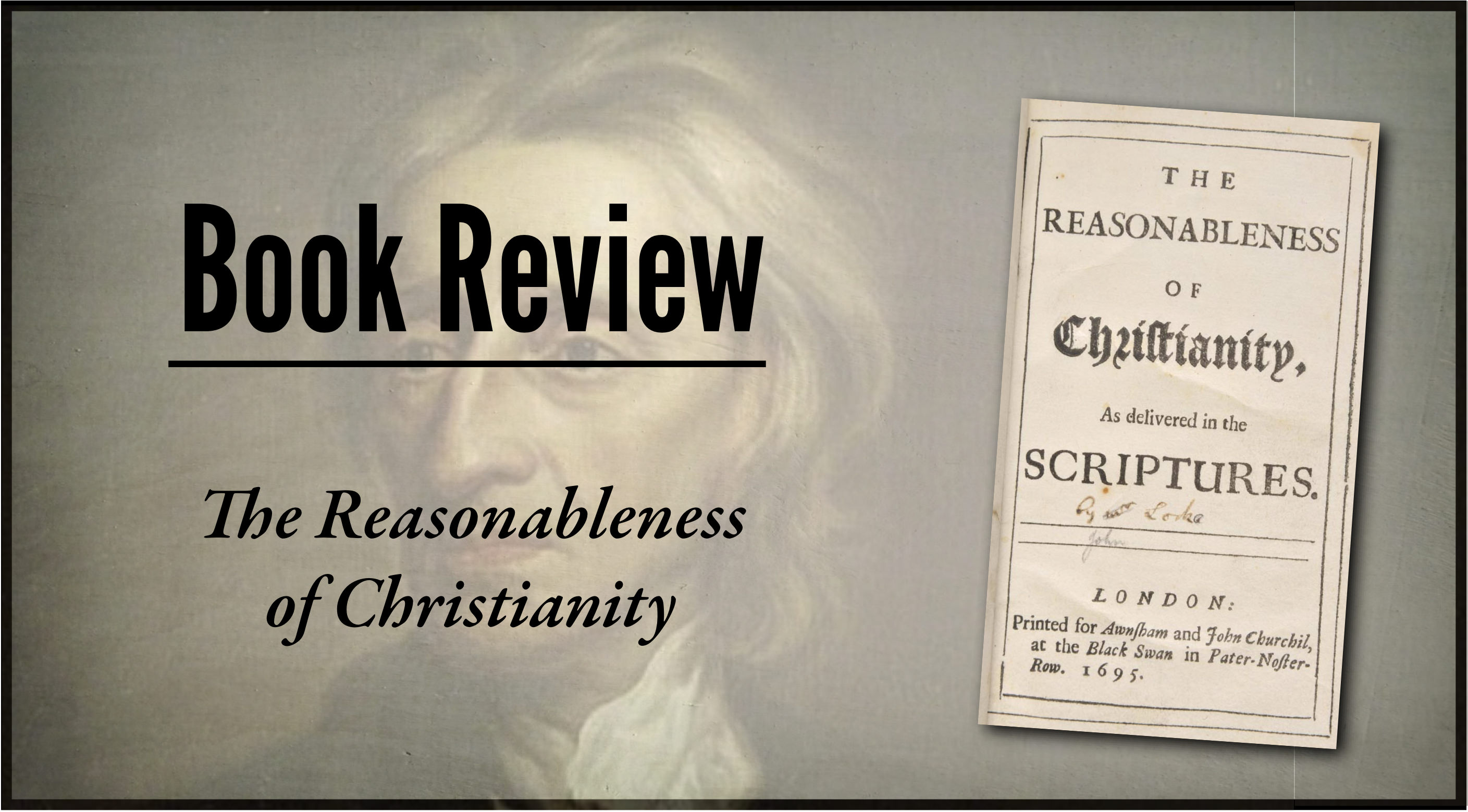
Book Review: The Reasonableness of Christianity

This semester I am in a church history class for grad school and as part of my reading for that class I recently finished John Locke’s The Reasonableness of Christianity. Locke is well-known to many people as a key thinker in the Enlightenment and specifically in the school of thought known as empiricism. His thoughts were very influential to the founding fathers of the United States, and he was also a great influence on Alexander Campbell, one of the leading early figures of the Stone-Campbell Restoration Movement.

In The Reasonableness of Christianity, Locke basically sets forth the Christian faith as he sees it. Scripture teaches that Adam sinned in the Garden of Eden and, as a result, lost bliss and immortality. Humanity inherits Adam’s immortality, although we are punished only for our own misdeeds. Unfortunately, all sin and fall short of God’s glory and thus, are in need of a Savior. Jesus Christ is this Savior, the Messiah of whom the prophets spoke.

God judges us according to the law of faith, and considers believers to be righteous, granting them life and immortality. Specifically, the faith that is necessary for justification is the belief that Jesus is the Messiah, and obedience to the moral and ethical standards that he set forth. Beyond this, Locke is open to differences of opinion on a variety of doctrines, and emphasizes the importance of tolerance in view of the fact that we have limited abilities and make mistakes about what we believe.

Here are some quotations that I particularly enjoyed and would like to share, along with some of my own thoughts:

“Nay, if God afford them a temporary, mortal life, ’tis his gift they owe to his bounty, they could not claim it as their right, nor does he injure them when he takes it from them.” (27)

We frequently pay lip service to the notion of our lives being a gift from God, but do we really believe that? I wonder, sometimes, when you hear the language we use when someone dies prematurely—it seems so unjust and tragic to us. I think Locke’s perspective is a better one: each day that we live is a gift from God, and from that perspective, however long we live is more than we have any right to expect or deserve.

“For if they believed him to be the Messiah, their King, but would not obey his laws, and would not have him reign over them, they were but the greater rebels…” (46)

This seems to me to be particularly relevant to the legions of nominal Christians that exist in our society who profess Jesus as Lord with their lips but deny Him with their lives. Those who reject Jesus live in rebellion to Him, but this is only to be expected. How much greater is the rebellion from those who claim Him as Lord but ignore His demands on their lives?

“‘Tis too hard a task for unassisted reason, to establish morality, in all its parts, upon its true foundations, with a clear and convincing light.” (60)

“…But yet some parts of that truth lie too deep for our natural powers easily to reach, and make plain and visible to mankind, without some light from above to direct them.” (65)

I expected Locke to hold human reason up as the ultimate source of knowledge and truth, but as the quotations above clearly show, he doesn’t do this. Rather, he is candid about the limitations of human reason, and ultimately holds that something greater that reason—revelation—is required for the establishment of universal moral truth.

Perhaps I approached The Reasonableness of Christianity with caricatures of Deism in my mind, but I was pleasantly surprised and impressed by what I read. There are certainly points I would quibble with, but on the whole, I thought Locke gave a succinct and fairly orthodox summation of the Christian faith. He does place significant value on reason, but this was actually less than I expected, and did not seem excessive to me. Locke does not dismiss Jesus’ miracles, but instead holds them to be essential (and reasonable) evidence that Jesus is exactly who He claims to be—the Messiah. Locke also asserts that Jesus’ ethical teachings are reasonable, but even these teachings ultimately required revelation. Left to its own reason, humanity had never been able to produce a universal moral law on its own.

Finally, although it was not the focus of this writing, I appreciated Locke’s emphasis on tolerance and the allowance for some diversity of opinion while at the same time upholding key fundamental doctrines about which all Christians must be in agreement. For Locke, the essentials are faith in Jesus as the Messiah and living a good moral life in accordance with His teachings.

In the context of the bitterly divided religious world in which Locke lived (and in which we still live today), such a call for tolerance seems like a hopeful basis for unity in God’s church. Of course, the difficulty always comes in determining which doctrines are fundamental and which are matters of opinion.

My Favorite Bible Reading Methods

It’s the start of a new year, which is generally the time that many people begin their goal of reading through the Bible in a year. This is, of course, a worthwhile goal, but it is one I have mixed feelings about in the sense that frequently, people get behind in their reading plans and because they feel like they can’t catch up, give up instead. This is wrong-headed, I think, since the real point of Bible reading plans is to cultivate the regular practice of reading Scripture rather than finishing the whole Bible in 365 days.

At the same time, reading through the entire Bible is a very worthwhile goal, and it always amazes me when I hear of people who have been Christians for years and years but have never read the Bible from cover to cover (if you are reading this and fit into that category, I am not trying to make you feel guilty or ashamed, just keep reading). Simply put, if you don’t read the entire Bible, you tend to miss out on some important and recurring ideas.

For the last several years I have read through the Bible using different plans and methods, and for those who might be interested in reading through the Bible in 2018 (it’s not too late to start!), I thought it might be helpful to share of the different methods that I have enjoyed and what I liked about them:

  • The Daily Bible: This Bible attempts to place the books of the Bible in chronological order, and divides it into 365 readings to make it easy to know exactly how much you need to read per day. It also includes helpful introductory material to each book.
  • The Message: This is a simple “method”—I just read through the Message one year. This is not a common translation for me, which meant that I was constantly reading passages in new language, which led to new reflections and new insights. I’m sure some editions now come with Bible reading plans, or you can simply divide the 1189 chapters in the Bible (or the total page numbers in the edition you are using) into 365 portions.
  • ESV Journaling Bible: The ESV is the primary translation I use, and I really liked being able to write a lot of notes and reflections as I read through in the journaling space. Also, I really liked the reading plan that came along with it, which included a daily selection from the Old Testament, the New Testament, and the Psalms.
  • The Listener’s Bible: Two years ago, I did my Bible “reading” in the car by listening to audio CDs that were recorded by Max McLean. Not only did this allow me to make the most of time in which I was otherwise unproductive, it also allowed me to hear Scripture instead of read it, which is the same way that the original audiences would have been exposed to it. Bonus feature: your road rage tends to decrease when you drive around listening to God’s word.
  • ReadScripture App: Last year, I used the Bible Project’s free ReadScripture app on my iPhone (also available on Android), and absolutely loved it. Having everything on your phone is incredibly handy, the Bible Project videos that introduce each biblical book are incredible, and the emphasis on the Bible as one unified story that points to Jesus is very helpful.
  • Bibliotheca: This year, I am using Bibliotheca for my Bible reading. This approach is novel for a couple of reasons. First, everything about Bibliotheca has been carefully designed to enhance the reading experience: from removing the verse and chapter numbers, to the craftsmanship of the books themselves, to even the specially-designed font. Second, Bibliotheca uses an updated version of the incredibly literal American Standard Version. So far, I have not loved the stilted style of this translation, but the novelty of it and some of the word choices it uses has caught my attention several times and has helped me to see things in a new light (similar to what I said about the Message above, except from the opposite perspective).
  • Whole Books at a Time: This process is described here and is my tentative plan for next year. This is not truly a daily Bible reading plan, as you basically set aside one large block of time per week to read entire books in one sitting, but I can certainly see great potential value in reading the individual books as unified wholes.

If you are currently trying to read through the Bible this year, I applaud you on your goal, and maybe one of these methods will be helpful to you. But remember, more important than completing the entire Bible in an arbitrary amount of time is establishing the practice of regularly spending time in God’s word and seeking the transformation that comes from doing so.

Reading in 2017

I have enjoyed seeing several people post lists of the books that they read in 2017, or their top books from the past year. As someone who likes to read and keep track of what I read, it is fun to see what other people are reading as well.

Here is my list from 2017:

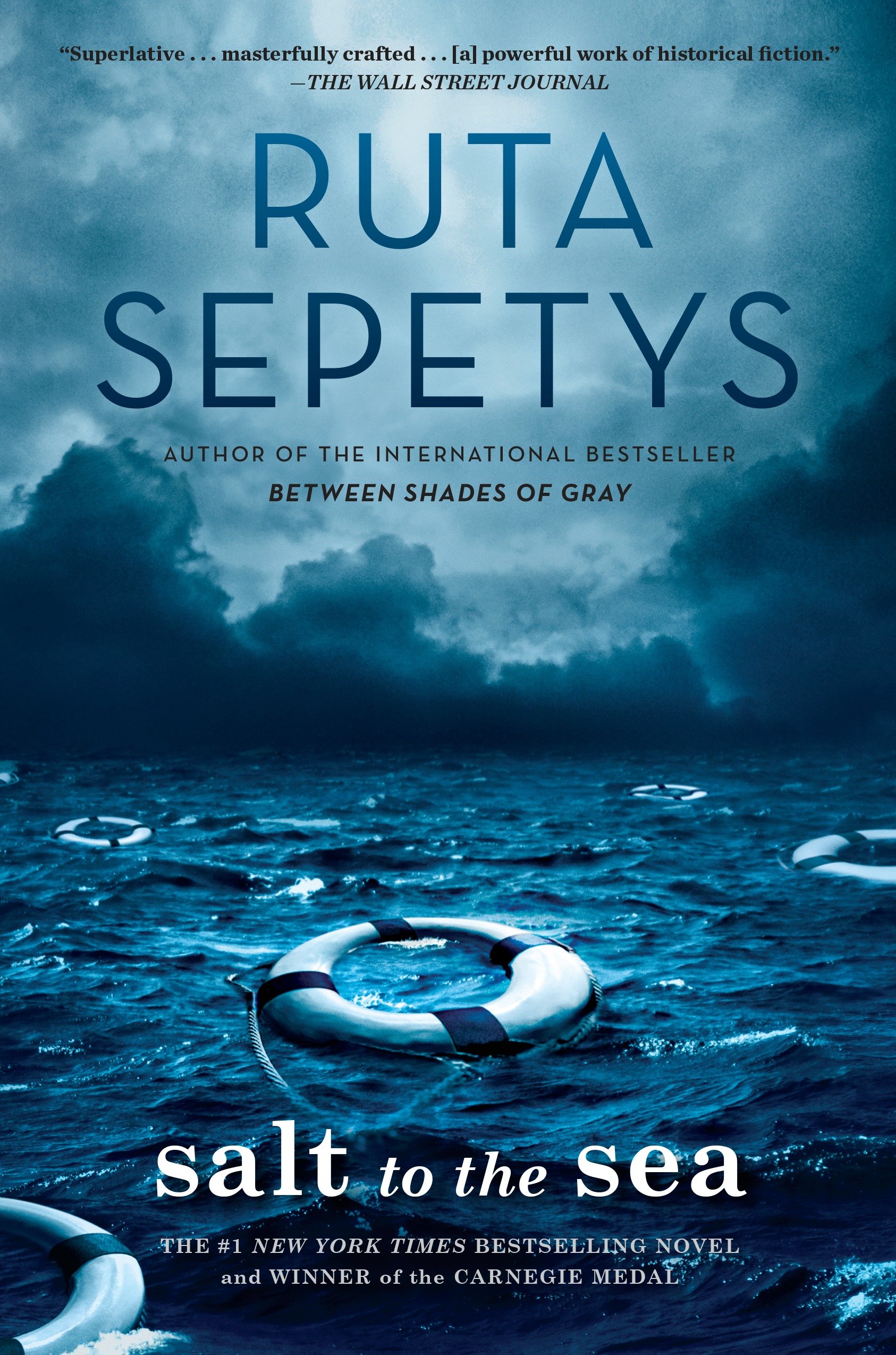
  1. Salt to the Sea, by Ruta Supetys
  2. Jonah: God’s Scandalous Mercy, by Kevin J. Youngblood
  3. Wild in the Hollow: On Chasing Desire & Finding the Broken Way Home, by Amber C. Haines
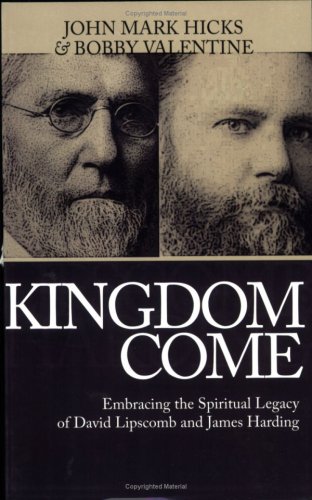
  4. Kingdom Come: Embracing the Spiritual Legacy of David Lipscomb and James Harding, by John Mark Hicks and Bobby Valentine
  5. City of Thieves, by David Benioff
  6. The Case for Easter: A Journalist Investigates the Evidence for the Resurrection, by Lee Strobel
  7. Digging Deeper Into the Word: The Relevance of Archaeology to Christian Apologetics, by Dale W. Manor
  8. Paul, by Edgar J. Goodspeed
  9. Babe: The Legend Comes to Life, by Robert W. Creamer
  10. Truth Speaks to Power: The Countercultural Nature of Scripture, by Walter Brueggemann
  11. The Need For College Ministry: Awakening the Church to One of the Most Receptive Mission Fields in the World, by Neil Reynolds
  12. The Phantom Tollbooth, by Norton Juster
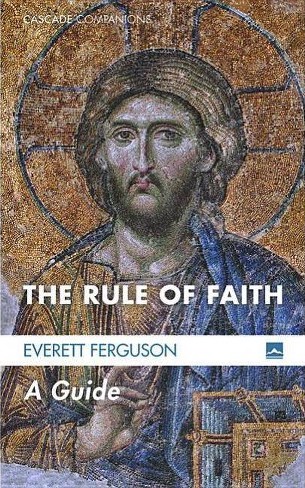
  13. The Rule of Faith: A Guide, by Everett Ferguson
  14. Hear Me Out, by Philip Jenkins, et. al
  15. All The Light We Cannot See, by Anthony Doerr
  16. The Teammates: A Portrait of a Friendship, by David Halberstam
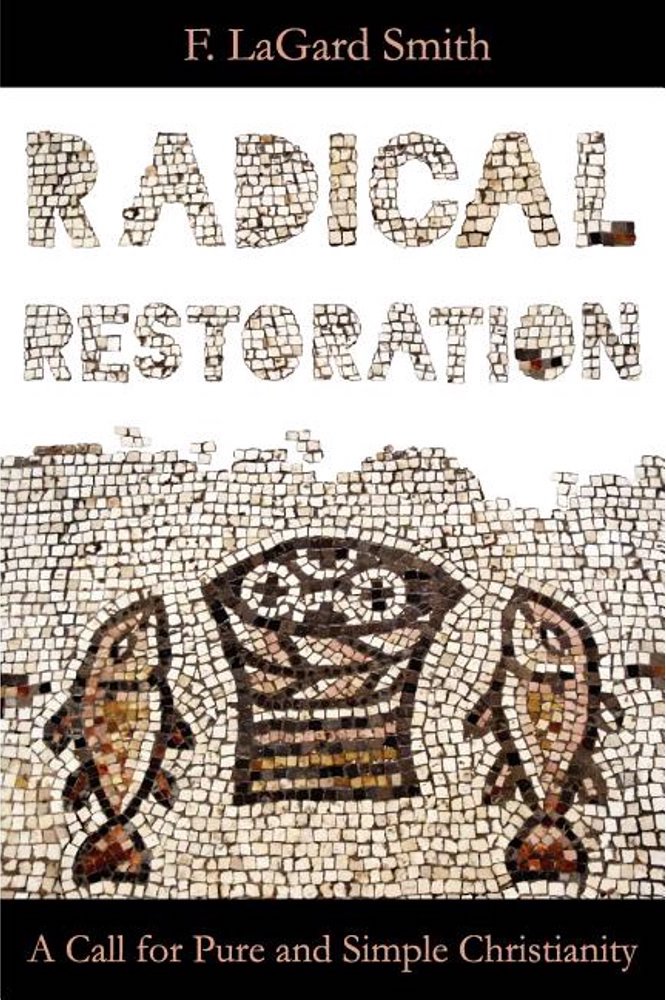
  17. Radical Restoration: A Call for Pure and Simple Christianity, by F. LaGard Smith
  18. Murder at Fenway Park, by Troy Soos
  19. Little League Confidential, by Bill Geist
  20. The Big Four, by Agatha Christie
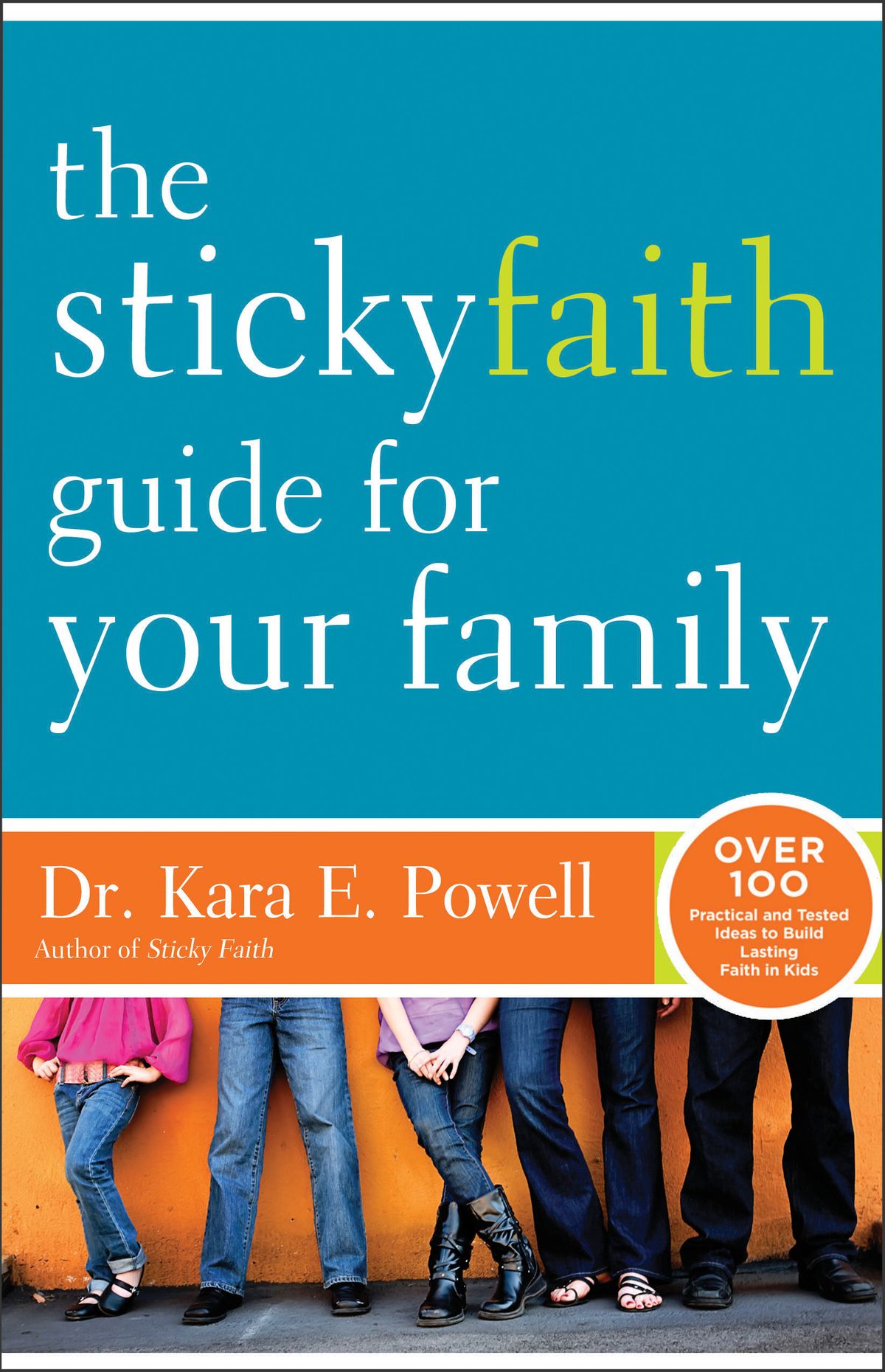
  21. The Sticky Faith Guide for your Family, by Kara Powell
  22. Velvet Elvis: Repainting the Christian Faith, by Rob Bell
  23. A Biblical Pattern for Church Growth: A Study of Ephesians 4.1-16, by Earl Lavender
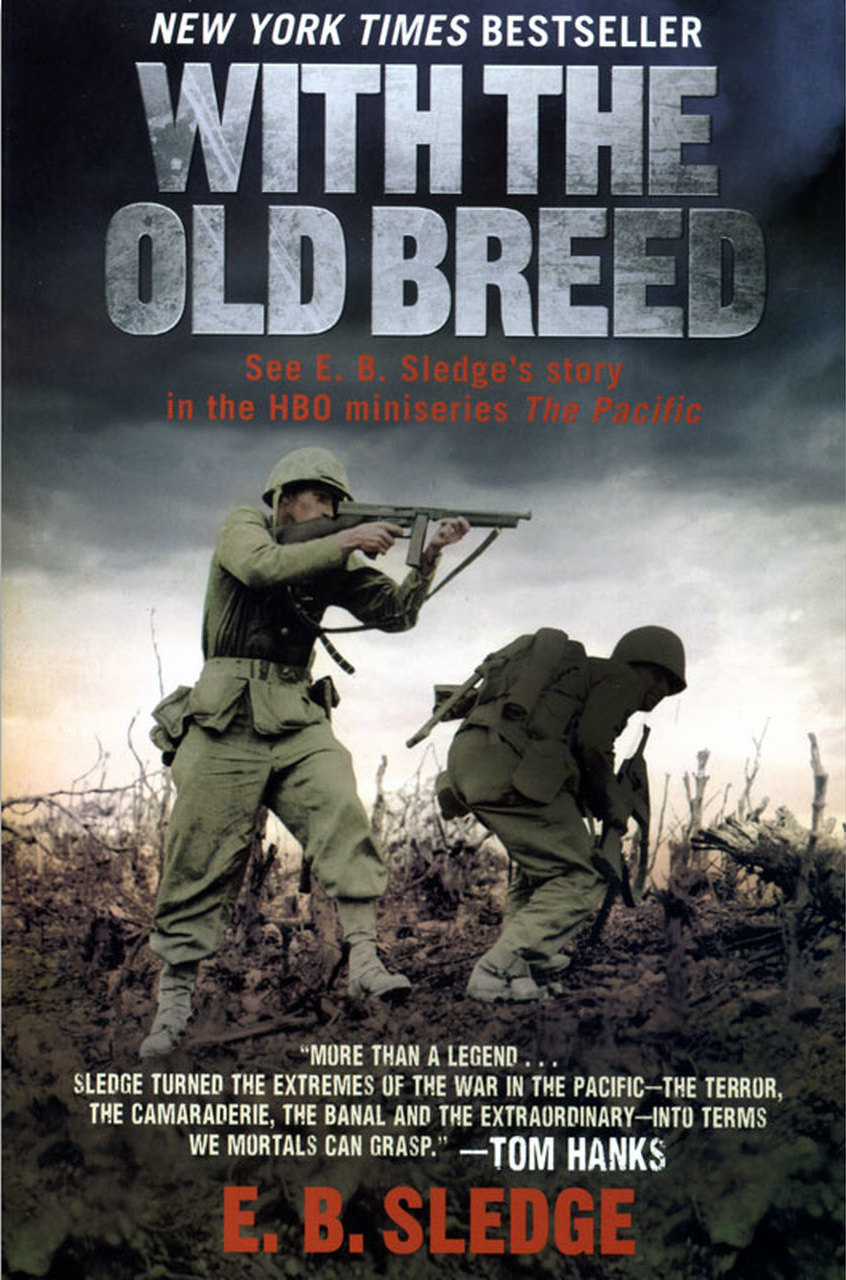
  24. With the Old Breed, by E. B. Sledge
  25. Ballplayer, by Chipper Jones with Carroll Rogers Walton
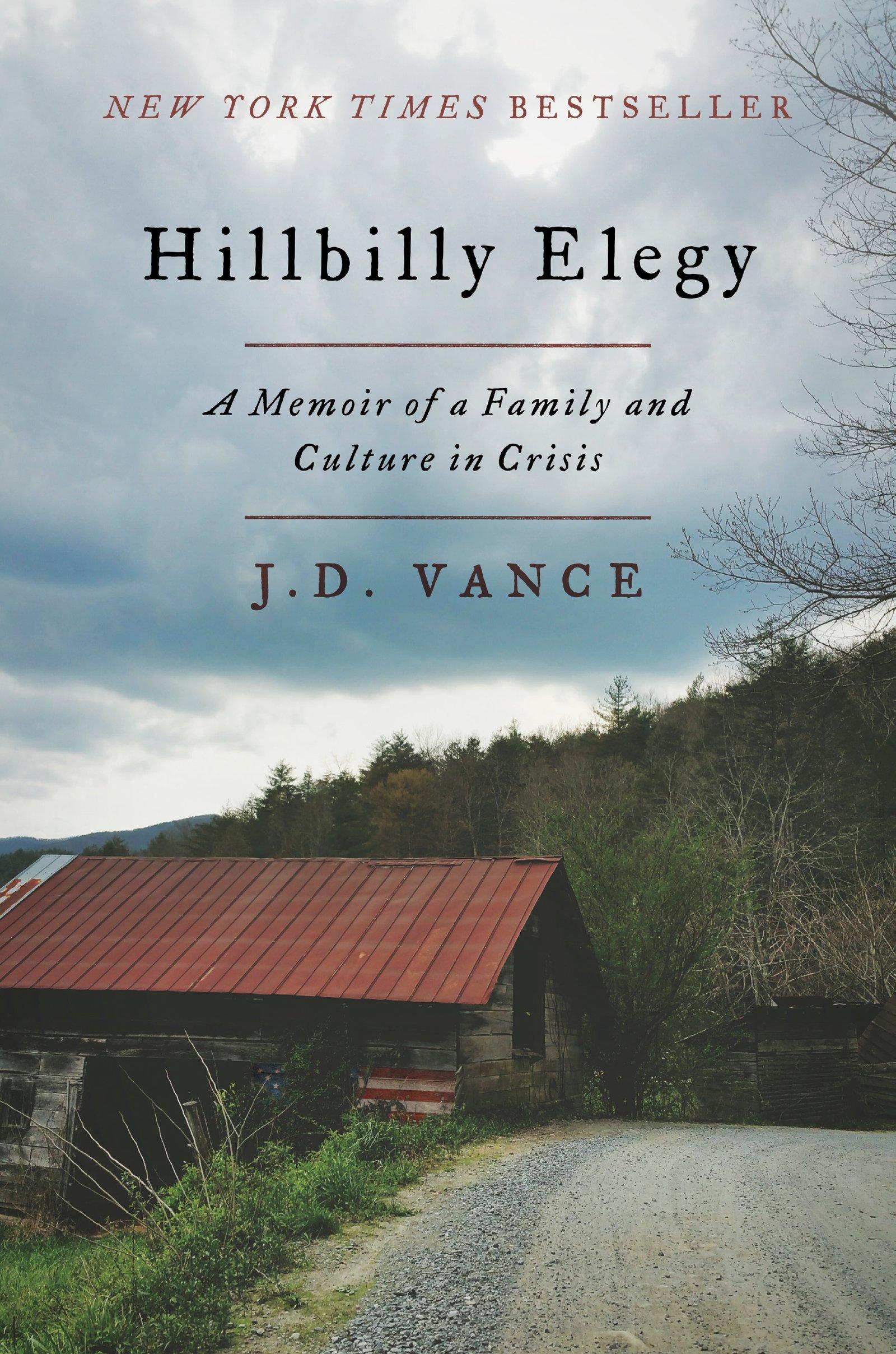
  26. Hillbilly Elegy, by J.D. Vance
  27. Lead Small: Five Big Ideas Every Small Group Leader Needs to Know, by Reggie Joiner and Tom Shefchunas
  28. The Didache
  29. First Apology, by Justin Martyr
  30. Against Heresies, by Irenaeus*
  31. Prescription Against Heretics, by Tertullian
  32. The Stone-Campbell Movement, by Leroy Garrett
  33. On First Principles, by Origen*
  34. Oration in Praise of the Emperor Constantine, by Eusebius
  35. Conference 1, by St. John Cassian
  36. The Rule of St. Benedict
  37. The Trinitarian Controversy, ed. by William G. Rusch*
  38. Ten Tips To Preaching To Students, by Frank Gil
  39. Confessions, by Augustine*
  40. The Distraction Slayer, by Michael Hyatt
  41. The Christological Controversy, ed. by Richard A. Norris, Jr.*
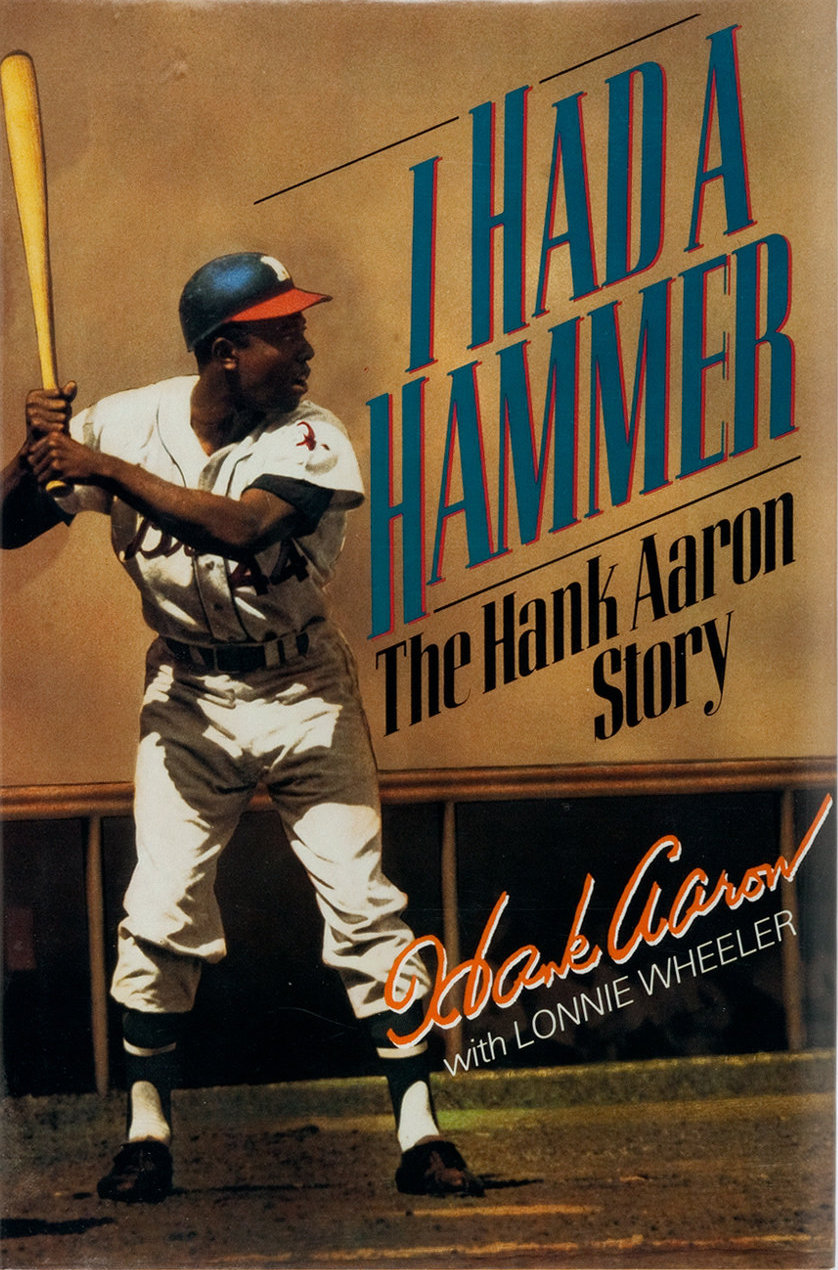
  42. I Had a Hammer: The Hank Aaron Story, by Hank Aaron with Lonnie Wheeler
  43. Proslogion, by Anselm of Canterbury
  44. Why God Became Man, by Anselm of Canterbury
  45. Gorky Park, by Martin Cruz Smith
  46. The Bridge of Sighs, by Olen Steinhauer
  47. Harry Potter and the Sorcerer’s Stone, by J.K. Rowling
  48. Youth Ministry in a Post-Christian World: A Hopeful Wake-Up Call, by Brock Morgan
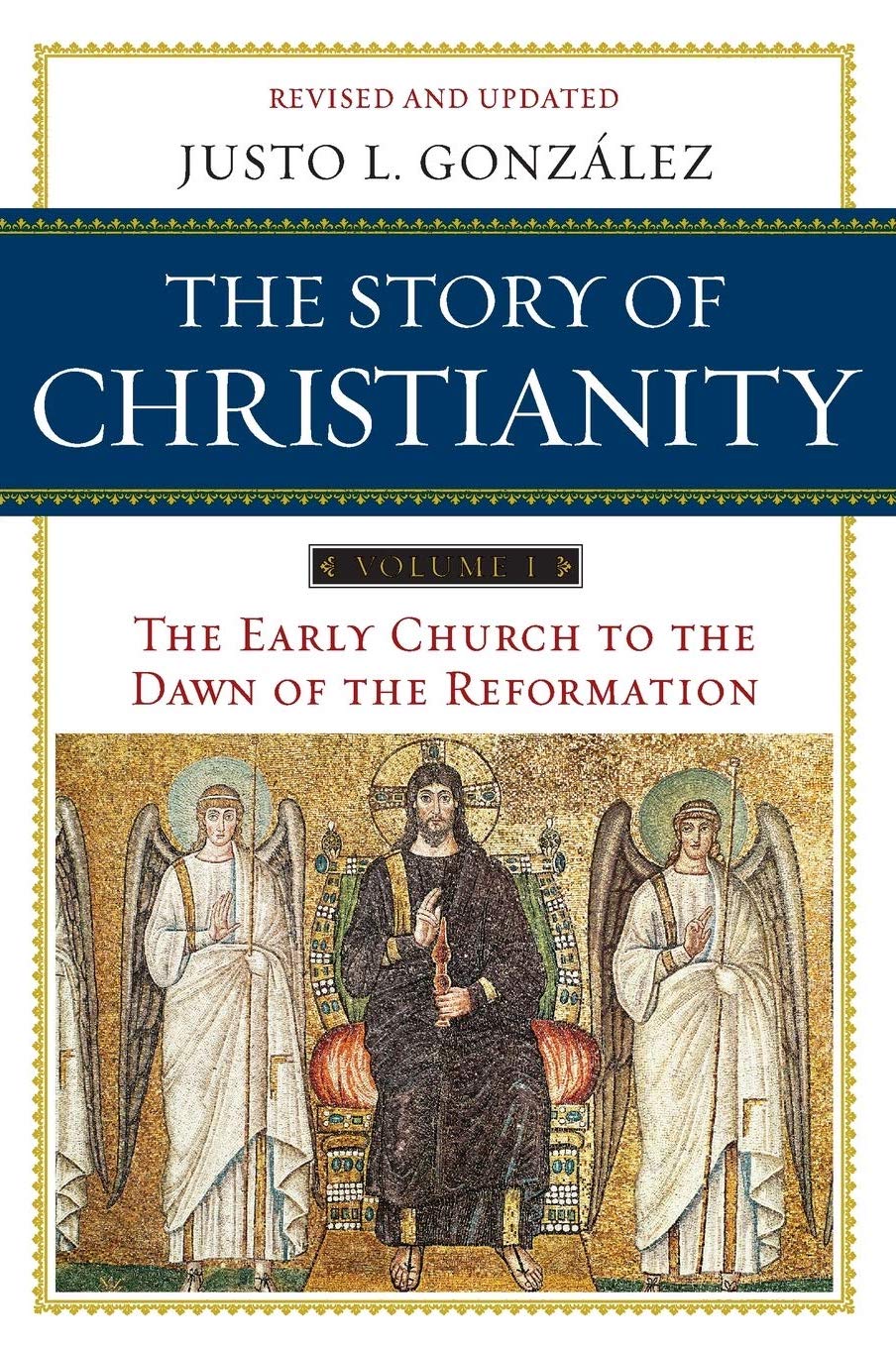
  49. The Story of Christianity, Volume 1: The Early Church to the Dawn of the Reformation, by Justo L. González
  50. Harry Potter and the Chamber of Secrets, by J.K. Rowling
  51. Advent: Seasonal Readings, by N.T. Wright
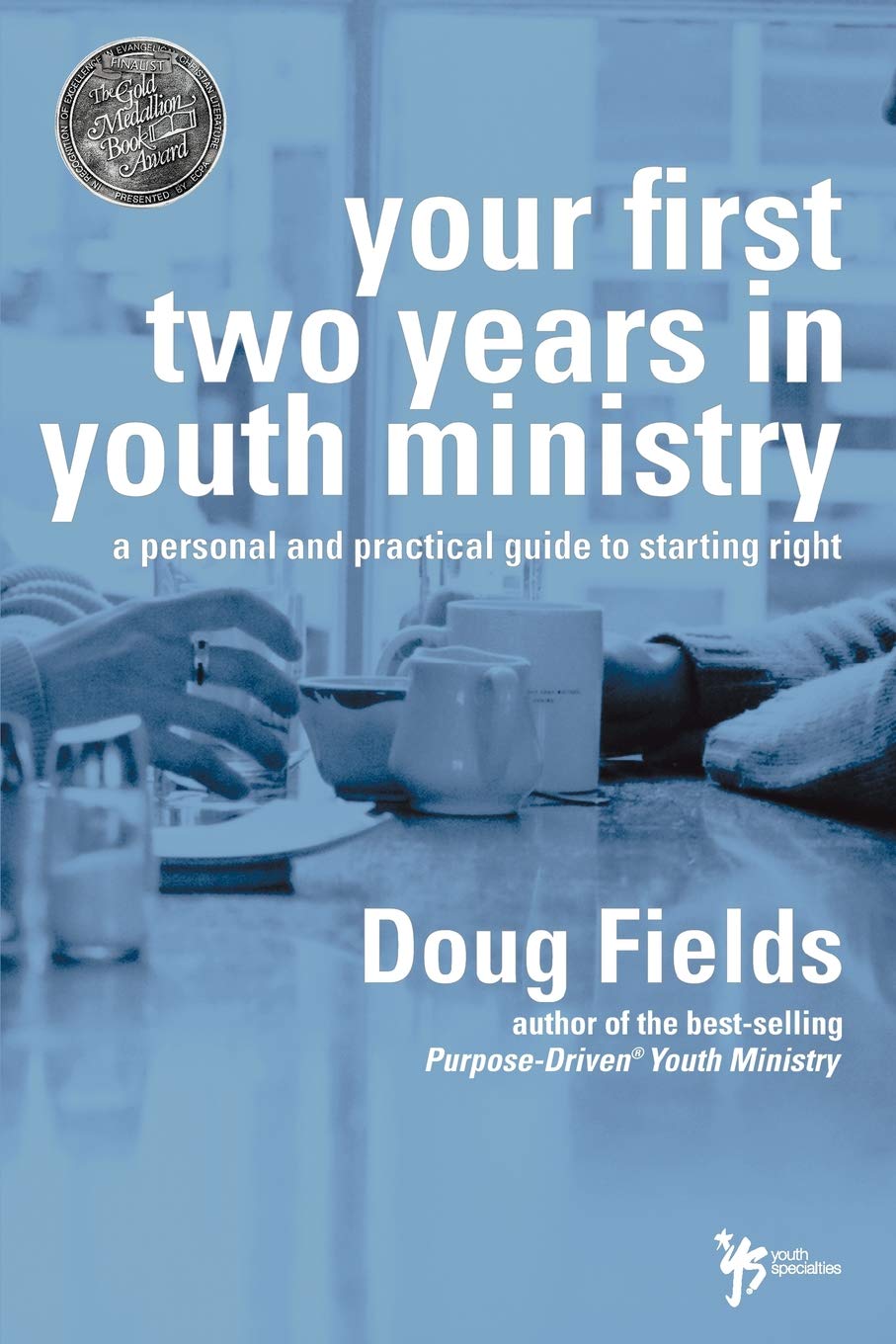
  52. Your First Two Years in Youth Ministry, by Doug Fields

A few major observations before I talk about a couple of specific books:

  • My reading total increased from 51 books in 2016 to 52 books in 2017. And this included a couple of very large volumes of 700-800 pages.
  • I really enjoyed my reading in 2016, and felt that 2017 was a little bit of a step down. My Top 10 books for the year are highlighted in bold above, but there are several in the list above that did not make that cut that I still enjoyed.
  • My reading was a little more varied this year, which probably reflects that I wasn’t in grad school until August, and thus had more free time to read what I wanted.

Regarding my Top 10 books for the year, here are some brief thoughts on those (presented in order of when I read them, not ranked 1-10):

Salt to the Sea, by Ruta Sepetys: This is a novel, set in the closing days of WWII, with the interesting narrative device of four different characters who alternate as narrators with different perspectives and individual stories that converge into the main plot of  he book. The characters are interesting, the story is compelling, and the short chapters made it a compelling read that was hard to put down.

Kingdom Come: Embracing the Spiritual Legacy of David Lipscomb and James Harding, by John Mark Hicks and Bobby Valentine: Maybe this is cheating because this was actually a re-read for me, but Kingdom Come was still one of my favorite books of the year. As regular readers of this blog are aware, I am a bit of a Restoration Movement history buff, and this book does a great job of telling the stories of two second generation Restoration leaders, and suggesting ways in which embracing some of their ideas can be beneficial to Churches of Christ moving forward.

The Rule of Faith: A Guide, by Everett Ferguson: This is a short book, but somewhat dense, and it provides a series of excerpts from early church fathers in which they describe the “rule of faith”—the basic content of Christian belief that had been received from the apostles. This was not a formalized creed that would later be required for catechumens or accompany baptism, but was simply the basic contours of Christian orthodoxy that had been handed down from one generation to the next. This is a fascinating read especially for those who (like me) believe that Christian unity is important, that unity must be based on at least some certain common beliefs, and that those beliefs should be present in the early, historical manifestations of Christianity.

Radical Restoration: A Call for Pure and Simple Christianity, by F. LaGard Smith: Smith is always worth reading to me, because he is such a keen and original thinker. This book is especially intended for those who see the value in attempting to emulate the practices of the early church, and boldly confronts a lot of current practices that would be very foreign to the biblical worldview. I actually wrote about this book a bit earlier in the year, and described it as an “endearing combination of brilliant insights and prolonged axe-grinding,” which I still think is the best description I can give it.

The Sticky Faith Guide for Your Family, by Kara Powell: I have written about Sticky Faith (the “parent” of this book) many times over the years, and this is a worthy companion to the original volume. Based on the same research, it is slightly different in emphasis: if Sticky Faith is 2/3 theory and commentary and 1/3 practical ideas, The Sticky Faith Guide for Your Family is the reverse. Simply put, it is filled with ideas of practical steps you can take at home with your kid to build a faith that will “stick” with them throughout their lives.

With the Old Breed, by E. B. Sledge: This is a WWII memoir that focuses specifically on the Pacific Theatre. The battle accounts are a punch in the gut, but Sledge provides thoughtful reflection throughout as he wrestles with the horrors of war while maintaining the necessity of it, at times.

Hillbilly Elegy, by J.D. Vance: This book has been criticized in some quarters, and perhaps rightly so in that at times it paints with too broad a brush, and perhaps make claims that can’t truly be justified based on the anecdotal evidence of one family. At the same time, the story is remarkably poignant, and undoubtedly unveils important truths about certain swaths of American society. As the descendant of Ozark hillbillies, the story certainly resonated with me.

I Had a Hammer: The Hank Aaron Story, by Hank Aaron with Lonnie Wheeler: I tend to like baseball biographies and have read several over the years, but this was one of the better ones. From Aaron’s unflinching evaluations of his teammates, to his discussion of his transformation into a true home run hitter, to his singleminded focus on race, I found this to be a book filled with new and fascinating information. In particular, despite being a baseball history buff and a lifelong Braves fan, I had never realized the degree to which Aaron considered himself a race man, with the specific task of carrying on the legacy of Jackie Robinson.

The Story of Christianity, Volume 1: The Early Church to the Dawn of the Reformation, by Justo L. González:  I took a church history course as part of my grad school program this past fall, and this was one of the texts we used. You can probably find something to quibble with in any text that covers 1500 years, but on the whole I thought this provided an excellent overview and was an enjoyable read. I am a nerd, but I still don’t generally sit around reading textbooks. Nevertheless, this one was so good that I even went back and read chapters that weren’t assigned. If you are looking for a thorough and solid overview of church history, I highly recommend this book.

Your First Two Years in Youth Ministry, by Doug Fields: This is a youth ministry classic, and shame on me for reading it after being a youth minister for a decade! I was still able to learn new things from it, but boy, I wish I would have read it back when I started. This is simply a must-read for any new youth minister (or foolish veteran like myself who missed it early on!).

So, that was my reading for 2017. For comparison’s sake if you are interested, you can see my reading lists from previous years:

I have already laid out the first 15 or so books that I am hoping to read in 2018, and after I (knock on wood) graduate in May, I should have more control over how I choose to spend my reading time. I am looking forward to that.

What are some of the best books you read this past year?

*Books that I did not read in their entirety, but read significant portions of.
« Older posts Newer posts »

© 2026 The Doc File

Theme by Anders Noren — Up ↑