The online journal of Luke Dockery

Category: Reviews (Page 6 of 16)

Ranking The Chronicles of Narnia, Part 3: The Horse and His Boy

So, I have been ranking the different volumes of C.S. Lewis’s masterpiece, The Chronicles of Narnia. So far, I have covered The Magician’s Nephew and The Lion, the Witch and the Wardrobe.

I am scoring each book using a rubric with four different categories: story, characters, worldcraft, and theology. For each category, I will provide a subscore of 1-10, yielding a cumulative maximum score of 40 points.

I have been following the chronological order of the books (even though I don’t consider that to be the best order in which to read the books), which means that this week, I will be ranking The Horse and His Boy (HHB). Unlike LWW, which I had read multiple times, I think this may have been only my second reading of HHB, and I can’t believe how much more I enjoyed the book this time around.

The Horse and His Boy
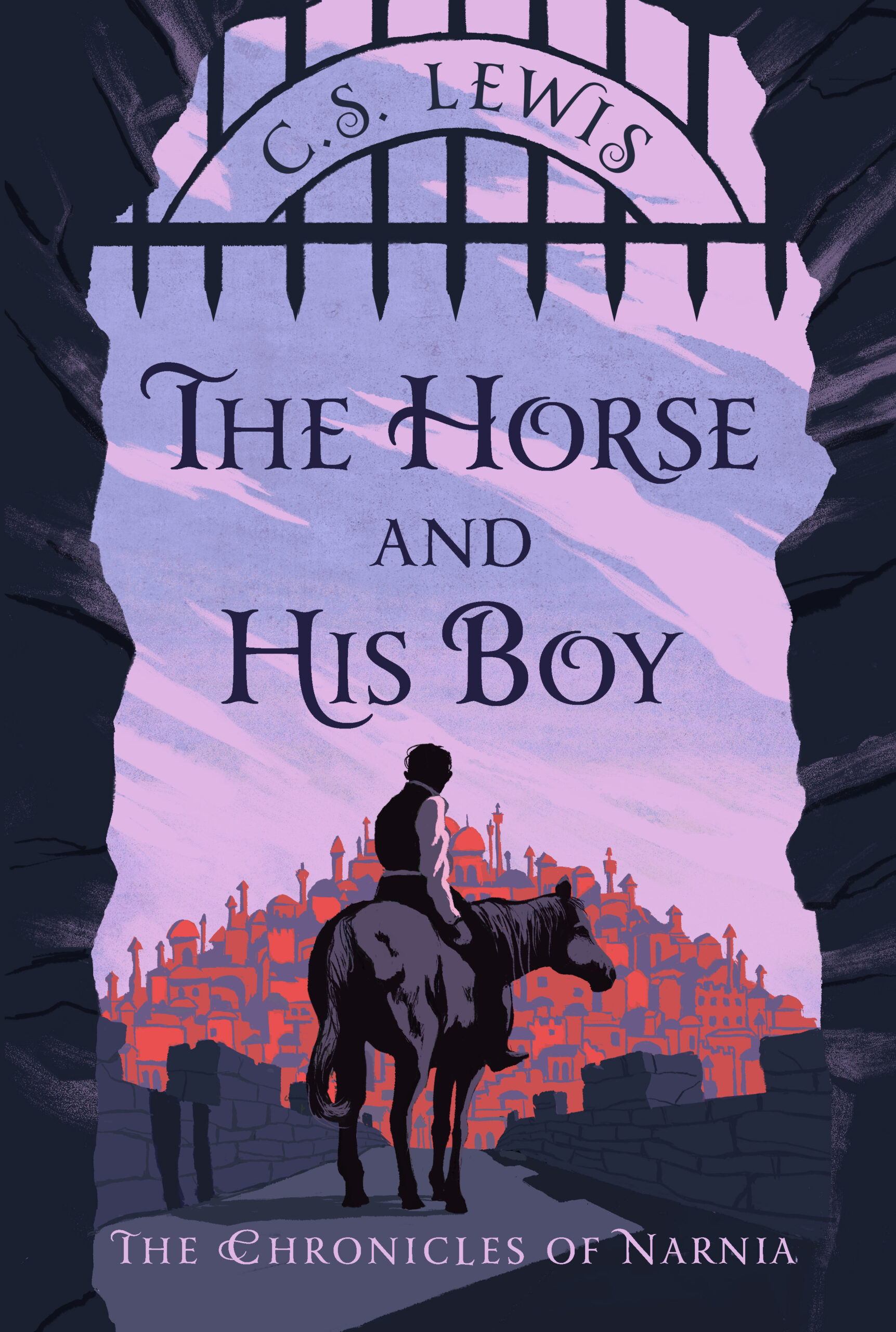
This is from a series of brilliant Narnia cover designs by Jeffrey Nguyen

Story

HHB is unique in The Chronicles of Narnia because the entire story takes place within the world of Narnia—no characters are drawn from Britain through magical means. Instead, it is a story from the time in which Peter, Susan, Edmund, and Lucy are ruling as the kings and queens of Narnia, and centers around characters—two children and two horses—who live in that world. To me, this feature alone is a point in favor of HHB—Lewis is using what he has already created rather than importing outside elements. It also helps greatly with the pacing of the story, because we launch right into the story of Shasta after one introductory paragraph, rather than the usual instance of having to introduce the children from our world, establish their context, and describe the circumstances that bring them to Narnia.

In the simplest terms, HHB is a travel narrative, recounting the journey of Shasta, the adopted son of a Calormene fisherman, who basically lives the existence of a slave. He meets Bree, an enslaved Narnian (and thus, talking) horse, and the two of them decide to flee together and head North, toward Narnia. Along the way, they encounter Aravis, a Calormene girl of noble birth, and her horse Hwin (another enslaved talking horse from Narnia). Together, they flee from their old lives, discover the wonders of the city of Tashbaan, stumble upon a Calormene plot to overthrow both Archenland and Narnia (Shasta meets Susan and Edmund in the process), brave a grueling journey through the desert, and, ultimately, provide the warning that brings deliverance to Narnia and her allies.

Along the way, Shasta and his companions are pursued by Aslan himself, and they eventually meet and come to love and serve him (more on that in the Theology section below), and Shasta comes to discover his true identity as the missing son of the king of Archenland. Aravis is invited to live with the king and his family as well, and she and Shasta (who’s actual name is Cor) grow up to get married and live happily ever after. Well, sort of. With his typical wit, Lewis says:

Aravis also had many quarrels (and, I’m afraid, even fights) with Cor, but they always made it up again: so that years later, when they were grown up, they were so used to quarreling and making up again that they got married so as to go on doing it more conveniently. And after King Lune’s death they made a good King and Queen of Archenland and Ram the Great, the most famous of all the kings of Archenland, was their son. (241)

The plot of HHB is gripping, and the pacing is excellent. Humor, danger, and intrigue are well combined to produce a story that is as interesting and compelling as any in the series.

Story: 9/10

Characters

The main characters of HHB have already been mentioned above: Shasta (Cor), Bree, Aravis, and Hwin. As previously mentioned, these characters are not teleported in from the outside, but arise within the world that LWW creates.

Shasta is the story’s main protagonist. As the adopted son of a Calormene fisherman, he lives a small, poor life, unaware of what lies beyond his home. A chance encounter with Bree and the prospect of his being sold into slavery provides the motivation for his flight from all he has known. Shasta is keenly aware of his deep ignorance and humble beginnings. He is impressed by and envious of the knowledge and experiences of Bree and Aravis, and desperately wants to impress them. He is also kind and courageous, and in a person so marked by fear and self-doubt, the courage is all the more impressive. Meeting Aslan gives Shasta (who feels that he is incapable of accomplishing the task he has been given) the refreshment, vision, and confidence to do what must be done.

Aravis is a firecracker. She is a young Tarkheena, which means that she is the daughter of a Tarkhan, a Calormene noble. She has grown up wealthy and privileged, but a detestable arranged marriage spurs her to freedom. She respects Bree who, as a Tarkhan’s war horse runs in the same sorts of circles that she does, but in her pride and haughtiness, she looks down on the lowly Shasta. She is also brave and resourceful, and shows great development over the course of the novel. First, she comes to respect and admire Shasta (especially for his bravery), and ultimately, after meeting Aslan, comes to repent of the cruel indifference with which she had previously treated those she had considered to be her inferiors.

Bree was a character who was hard for me to like, at least initially. A war horse who knows his Narnian birth, Bree is proud of both characteristics, and his arrogance occasionally results in his belittling of others. Much of this, however, is really a reflection of his deep-seated insecurity. As the group draws closer to Narnia, Bree is increasingly concerned that he won’t act like talking horses are supposed to act, and once the plot has resolved, this insecurity actually makes him delay his return home. Ultimately, he meets Aslan and is changed by the experience, realizes the Great Lion for who he really is, and repents of his own pride and foolishness.

Hwin is probably the least-developed of the four, but is still differentiated. She is good-natured, sensible, and shy, and is in awe of Bree the war horse, but also shows her courage in speaking up, and as soon as she meets Aslan, is devoted to him:

“Please,” she said, “you’re so beautiful. You may eat me if you like. I’d sooner be eaten by you than fed by anyone else.”

“Dearest daughter,” said Aslan, planting a lion’s kiss on her twitching, velvet nose, “I knew you would not be long in coming to me. Joy shall be yours.” (215)

There are other minor characters who are important to the plot of HHB, but not emphasized much.

The Tisroc is the ruler of Calormen. He is cruel and calculating. He allows his son, Rabadash, to mount a secret invasion of Archenland in hopes of overthrowing Narnia. The Tisroc reasons that if Rabadash is successful, it will be beneficial to Carlormen, and if he is killed, it will eliminate a rival for the throne. For his part, Rabadash is rash and foolhardy—his plan to invade Narnia is partially generated by Queen Susan spurning his romantic advances.

Susan and King Edmund make an appearance in Tashbaan, where Shasta meets them (they mistake him for his twin brother Corin, though neither they nor we realize they are twins at the time). They are visiting Calormen in the first place because Rabadash has asked Susan to marry him. She has no desire to, and they end up sneaking out of town, fearful of the intentions of their hosts. Queen Lucy also makes an appearance when she, along with Edmund and a cohort of other Narnians arrive to give aid to their allies in Archenland.

Overall, the Penvensie children are minor characters in HHB, but they are still crucial to the plot, and Edmund has opportunity to utter one of my favorite lines of the book, which is a clear reference to the events of LWW:

“Your Majesty would have a perfect right to strike off his head,” said Peridan. “Such an assault as he made puts him on a level with assassins.”

“It is very true,” said Edmund. “But even a traitor may mend. I have known one that did.”

And he looked very thoughtful. (230)

As always, Aslan is of supreme importance to the book. In HHB, none of the main characters really know him. Bree has heard of him and repeatedly says things like, “By the Lion’s Mane,” but doesn’t know that Aslan is actually a lion. As a Calormene who grew up worshiping the god Tash, Aravis has heard only fearful things about Aslan. Shasta knows nothing about him at all. But Aslan is still a central character in the story, calling out to Shasta and his companions and driving them along their journey (see more below under Theology), and in meeting him, all four of the central characters experience significant transformation.

Characters: 9/10

Worldcraft

HHB stands out in The Chronicles of Narnia because it significantly expands and fleshes out the map of the world of Narnia. Specifically, HHB gives us a detailed portrayal of Calormen, a briefer description of Archenland, and the desert in between the two.

The focus of much of the book is on the people and land of Calormen, and especially its capital city, Tashbaan.[1] Shasta is overwhelmed by what he sees:

At first Shasta could see nothing in the valley below him but a sea of mist with a few domes and pinnacles rising from it; but as the light increased and the mist cleared away he saw more and more. A broad river divided itself into two streams and on the island between them stood the city of Tashbaan, one of the wonders of the world. Round the very edge of the island, so that the water lapped against the stone, ran high walls strengthened with so many towers that he soon gave up trying to count them. Inside the walls the island rose in a hill and every bit of that hill, up to the Tisroc’s palace and the great temple of Tash as the top, was completely covered with buildings—terrace above terrace, street above street, zigzag roads or huge flights of steps bordered with orange trees and lemon trees, roof-gardens, balconies, deep archways, pillared colonnades, spires, battlements, minarets, pinnacles. And when at last the sun rose out of the sea and the great silver-plated dome of the temple flashed back its light, he was almost dazzled. (53-54)

Inside, the city is hot (the heat of Calormen is emphasized to the degree that I could feel it while reading) and crowded, but Shasta remains impressed with it. Further descriptions of fruit trees, watered gardens, silk-curtained litters, and palace corridors add to the mystique of the place. In my estimation, the level of creative detail is unmatched elsewhere in The Chronicles.

The description of the tombs, the desperate trek through the desert, the narrow gorge into Archenland and the description of mountainous country add to the already impressive worldcraft of HHB. Like no other book in the series (even Dawn Treader), HHB creates a vivid world that the reader can easily visualize and experience.

Worldcraft: 10/10

Theology

As much as I enjoyed HHB, theology represented its weakest sub-score on my rubric.

Late in his life, C.S. Lewis wrote a letter in which he provided a brief overview of The Chronicles from a spiritual perspective. Describing HHB, he said it was about “the calling and conversion of a heathen,”[2] and this makes sense, as the missionary nature of Aslan shines through clearly. Aslan seeks out Shasta and Aravis, nudges them together, aids them on their journey and, ultimately, reveals himself to them:

“Don’t you think it was bad luck to meet so many lions?” said Shasta.

“There was only one lion,” said the Voice.

“What on earth do you mean? I’ve just told you there were at least two the first night, and—”

“There was only one: but he was swift of foot.”

“How do you know?”

“I was the lion.” And as Shasta gaped with open mouth and said nothing, the Voice continued. “I was the lion who forced you to join with Aravis. I was the cat who comforted you among the houses of the dead. I was the lion who drove the jackals from you while you slept. I was the lion who gave the Horses the new strength of fear for the last mile so that you should reach King Lune in time. And I was the lion you do not remember who pushed the boat in which you lay, a child near death, so that it came to shore where a man sat, wakeful at midnight, to receive you.” (175-76)

All along the way, even from Shasta’s infancy, Aslan was there, behind the scenes, orchestrating circumstances and providing nudges that would lead Shasta to himself. As Shasta says of Aslan late in the book:

“…he seems to be at the back of all the stories” (222-23)

Clearly, then, it is not just Narnians who are loved and called by Aslan. He calls Archenlandians and Calormenes as well, which reflects the biblical motif of a God who loves all people and seeks to bring blessing to all nations through Abraham and his descendants.

And when Aslan does reveal himself to Shasta after staying in the background for so long, the exchange brings chills (and, to me, evoked echoes of God’s interaction with Elijah in 1 Kings 19):

“Who are you?” asked Shasta.

“Myself,” said the Voice, very deep and low so that the earth shook: and again “Myself,” loud and clear and gay: and then the third time “Myself,” whispered so softly you could hardly hear it, and yet it seemed to come from all round you as if the leaves rustled with it.

Shasta was no longer afraid that the Voice belonged to something that would eat him, nor that it was the voice of a ghost. But a new and different sort of trembling came over him. Yet he felt glad too. (176)

The conversion motif plays out clearly in the book, as it applies not only to Shasta, but each of the four main characters who are transformed after meeting Aslan (as described above).[3]

Theology: 8/10
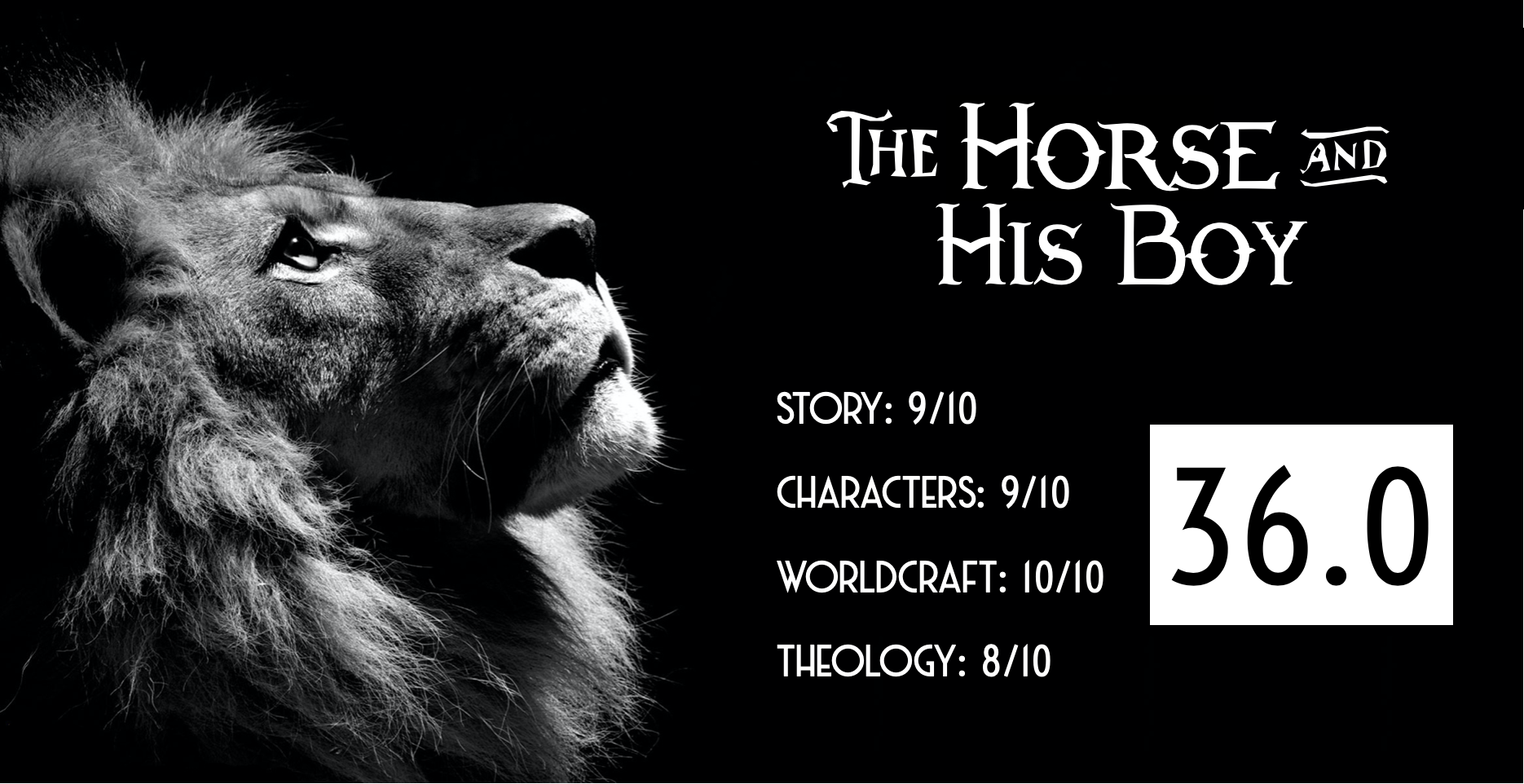
A 36/40 is a really high mark; this would be a 5-star rating on Amazon. What’s more impressive than that is how much HHB climbed in my estimation: prior to this read-through, I think it may have been my 6th favorite (out of 7); it is certainly higher than that now. Also, with a 10/10 in the Worldcraft category, HHB earned the second Perfect 10 that I awarded to any of the books (I gave LWW a 10/10  in Theology).


Check out the full series of posts:


[1]Lewis has long been accused of racism for his portrayal of the Calormenes in The Chronicles of Narnia. I don’t fully intend to go into that here, but I think those accusations are at least partially misguided. Clearly Lewis portrays Calormen in generally negative terms, but a strong argument could be made that this is based not upon their race, but rather their allegiance to the false god, Tash, which leads to negative characteristics (for example, their cruelty and violence).

We could also talk about the fact that Lewis does not universally portray the Calormenes in a negative light (Aravis is an example of this), and that humans in general are frequently portrayed negatively in Narnia (such as the Telmarines in Prince Caspian). But perhaps the most fundamental question is whether or not we can truly call descriptions of an imaginary people group “racist”: as the imaginative creator of this nation, why would Lewis’s depiction be considered racist rather than an accurate description of the thing he created?

And, finally, we could point out that the word “racist” as it is frequently used in contemporary discussion makes little sense in this context, as the Calormenes are hardly an oppressed people group. Rather, the Calormen Empire seems to represent the strongest force in the world of Narnia, and is bent upon the conquering and subjugation of other nations. So, it would seem that the word “prejudiced” would better fit in the accusations against Lewis here, but I still think that is a problematic term for the reasons described above.

[2]Paul Ford, Companion to Narnia: Revised Edition (San Franciso: HarperCollins, 2005): 6.

[3]One commentator sees significant similarities to Moses in the character of Shasta:

  • Shasta and Moses were both sent away from their families at birth.
  • Both babies were found floating in water: Moses was found in a basket on the Nile (with his protective sister hiding nearby), and Shasta was found in a boat in the ocean (with a dead Archenlandian knight who had been his protector).
  • Both turned away from the country in which they were raised: Shasta from Calormen, Moses from Egypt.
  • Both turned out to be saviors of their true countries: Shasta of Archenland, Moses of Israel.

Of course, there is a significant difference as well: “In one aspect, the roles of Shasta and Moses are reversed: Moses was raised in nobility and wealth and eventually became a shepherd. Shasta was raised in a poor fisherman’s home, and eventually became a King (although Moses also eventually became the leader of the Israelite nation).”

I haven’t fully thought this through, but I think the similarities are striking.
Ranking The Chronicles of Narnia, Part 2: The Lion, the Witch and the Wardrobe

Last week, I began the process of scoring and ranking C.S. Lewis’s masterpiece, The Chronicles of Narnia.

I am scoring each book using a rubric with four different categories: story, characters, worldcraft, and theology. For each category, I will provide a subscore of 1-10, yielding a cumulative maximum score of 40 points.

In the first post, I ranked The Magician’s Nephew, and explained that I would be following the chronological order of the books (even though I don’t consider that to be the best order in which to read the books), which means that this week, I will be ranking The Lion, the Witch and the Wardrobe (or LWW).

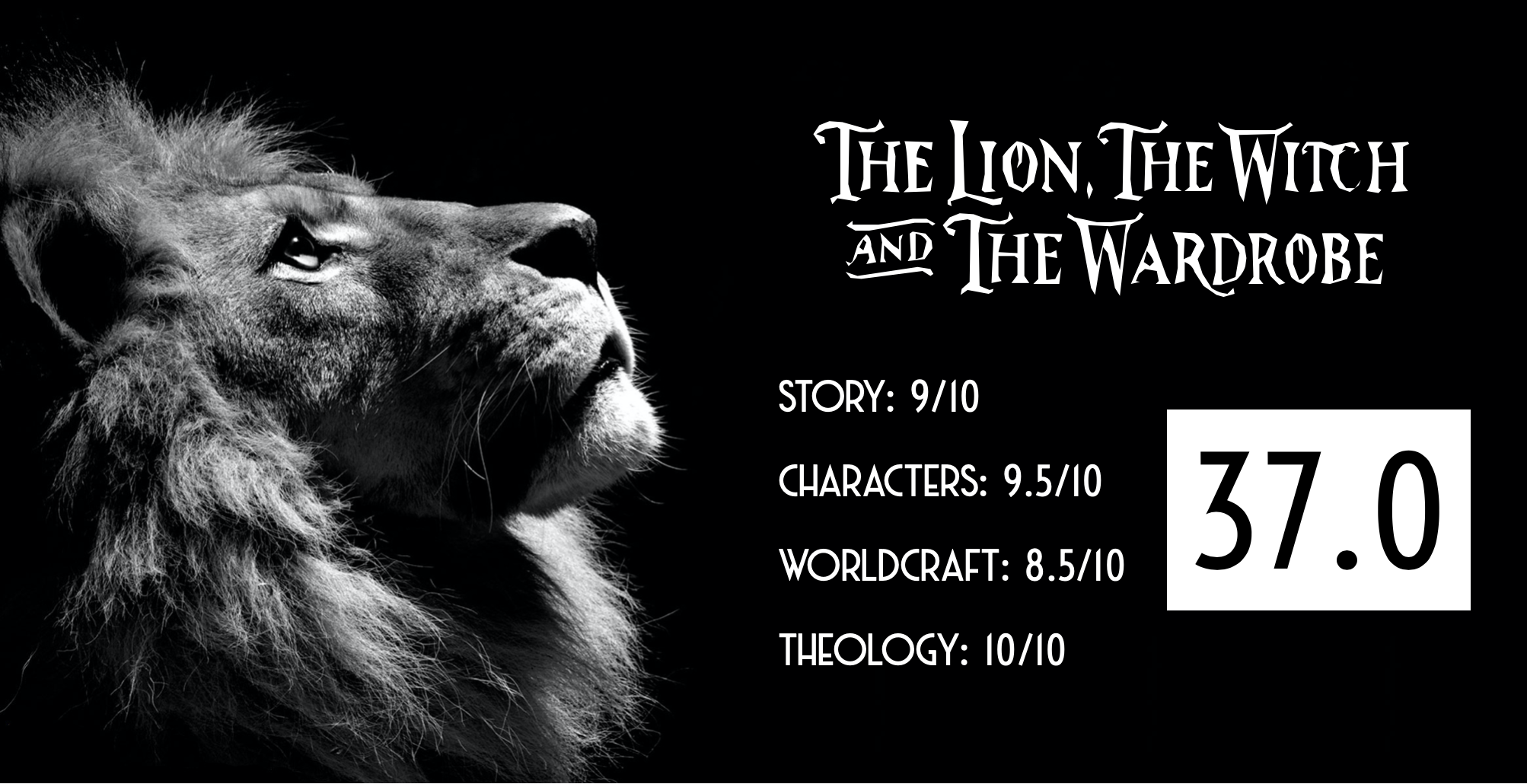
The Lion, the Witch, and the Wardrobe

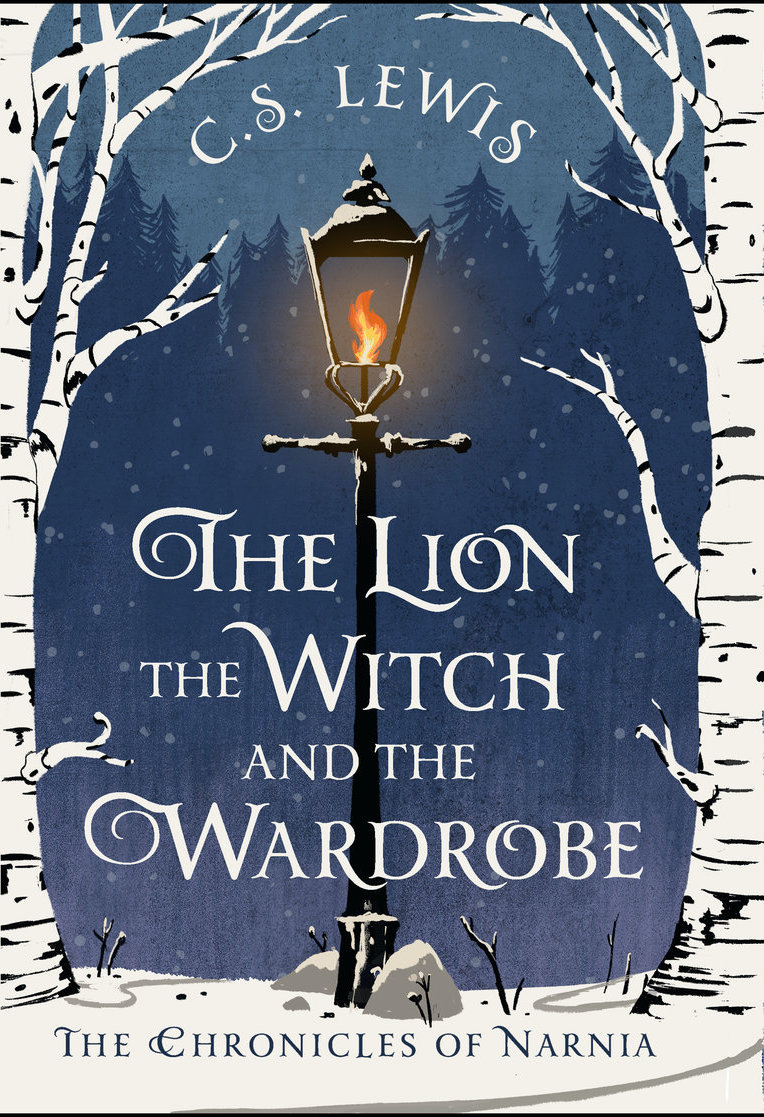
This is from a series of brilliant Narnia cover designs by Jeffrey Nguyen

Story

This is the book that started it all, introducing us to the world of Narnia and the Pevensie children. Despite this, the book doesn’t get bogged down in introductory material—Lucy is already in Narnia before the end of the first chapter, and the character of the White Witch and the menace she represents has already been revealed in chapter two.

It then takes a few chapters to get the rest of the Pevensie children into Narnia (including Edmund’s misadventure where he meets the Witch and becomes her ally), where they soon meet Mr. Beaver, who tells them:

They say Aslan is on the move—perhaps has already landed. (74)

This simple statement represents a key plot device in LWW: the building anticipation of the arrival of Aslan, who will not actually appear for several more chapters.[1] In the meantime, several signs begin to indicate that the Witch’s icy hold on Narnia is weakening.

Once Aslan does arrive, things move quickly: in a retelling of the biblical story, Aslan willingly gives himself to the Witch in order to redeem the treacherous Edmund. His mane is cut off in shameful fashion, and then he is killed by the Witch, who assumes that she has been victorious. But…Aslan returns to life. I will reflect on this further in the theology section below, but for me, this is a phenomenal retelling of the gospel story. I didn’t read the Narnia books as a child, so I am not sure what my reaction would have been there, but as a college student, this series of events brought me to tears and, then, to praise.

Following his resurrection, Aslan the Pevensie children, and the Narnians loyal to him quickly overwhelm the Witch and her forces. Peter, Susan, Edmund, and Lucy are enthroned as kings and queens of Narnia, and “live happily ever after” for many years before returning home to England.

Story: 9/10

Characters

The main characters of LWW are the four Pevensie children, Peter, Susan, Edmund, and Lucy, and despite the fact that they frequently have to share the stage with one another, each is well developed. Peter is the big brother, a natural leader who is courageous and looks out for his siblings, but can be stubborn at times. Susan is practical, motherly, and gentle, but tends to boss around her siblings. Edmund comes across as churlish and selfish, while ultimately manifesting great potential for growth and change. Lucy, the youngest of all, is most faithful in her devotion to Aslan and possesses great bravery herself, but is also somewhat naive.

The Professor (Digory Kirke from The Magician’s Nephew) plays a minor but important role in LWW, as it is his house where the Pevensies are staying when they encounter the wardrobe that serves as a portal to Narnia, and his encouragement that opens the older Pevensie children to the possibility of other worlds.

Upon entering Narnia, Lucy encounters Mr. Tumnus the Faun, with whom she establishes a quick and deep bond. Tumnus features in the story mainly to introduce us to the White Witch and the power she has exerted over Narnia. The fear and sense of dread that this produces increases when the children return and find Mr. Tumnus missing and his home destroyed.

Mr. and Mrs. Beaver serve to guide the four children in Narnia, to keep them safe from the White Witch, and, ultimately, lead them to Aslan. It is they who provide some of the most famous dialogue about Aslan:

“Don’t you know who is the King of Beasts? Aslan is a lion—the Lion, the great Lion.”

“Ooh!” said Susan, “I’d thought he was a man. Is he—quite safe? I shall feel rather nervous about meeting a lion.”

“That you will, dearie, and no mistake,” said Mrs. Beaver; “if there’s anyone who can appear before Aslan without their knees knocking, they’re either braver than most or else just silly.”

“Then he isn’t safe?” said Lucy.

“Safe?” said Mr. Beaver; “don’t you hear what Mrs. Beaver tells you? Who said anything about safe? ’Course he isn’t safe. But he’s good. He’s the King, I tell you.” (86)

The White Witch, Jadis, Queen of Charn in The Magician’s Nephew, is the villainess of Narnia. When we meet her in LWW, she has held Narnia in a 100-year reign of terror, characterized by a never-ending winter. Compared to her appearance in MN, the White Witch is significantly more frightening in LWW: she is cruel, manipulative, and powerful, and no longer is she on her own—now in control of Narnia, she has amassed her own wicked army to support her. When, in exchange for Edmund’s freedom, she captures and kills Aslan, it seems that all hope is lost.

As mentioned previously, much of the plot of LWW revolves around the anticipation of the appearance of Aslan, which is forecasted fairly early on by Mr. Beaver, but does not come to fruition until many chapters later. His portrayal here is even better than in MN. He is mysterious, powerful, forgiving, severe, and wise. He is not safe, but he is good. Lewis repeatedly insisted that LWW was not an allegory, but Aslan is clearly a Christ-figure,[2] and, from my perspective, the Aslanic depiction of Jesus in LWW is as good as any interpretation I have seen outside of the gospels themselves.

Characters: 9.5/10

Worldcraft

In MN, we are given a picture of Narnia at its inception, but that picture is fleshed out more fully in LWW. When Lucy first enters Narnia, it is covered in snow, frozen in the curse of the Witch’s 100-year winter. This unending winter is the dominant feature of Narnia in LWW, and is a powerful metaphor for the Witch herself: while Aslan, full of creative vitality, sings worlds into existence and causes the onset of spring with His presence, the Witch is capable of none of this creative potential. All she can do is spread a cold lifelessness: we see this in the world of Charn in MN, the never-ending winter in LWW, and her preferred punishment of turning her enemies into frozen, lifeless statues. Her castle is cold, austere, and lifeless, and is a reflection of herself.

Edmund, the traitor who falls under the Witch’s influence, feels the cold keenly. He freezes while riding around with the Witch, and when he slinks away from the Beavers’ residence to report to her, it is an interminable, freezing journey.

For the other children, the cold is less of an ordeal. They seek refuge in the warm company of friends: Lucy with Mr. Tumnus, and then all the children (other than Edmund) enjoy their time in the Beavers’ home atop the dam. When they realize that Edmund has betrayed them, they begin their journey to meet Aslan at the Stone Table, but their journey is more pleasant than Edmund’s, as winter thaws all around them and spring emerges.

We are briefly introduced to the castle at Cair Pairavel and other aspects of the Narnian realm in the “happily ever after” portion of the narrative, but this is more of a footnote to the Narnia that comprises the majority of the tale.

Worldcraft: 8.5/10

Theology

LWW is an enjoyable book, but it is in this category that it truly shines. Of course, it is set up to do so, since its theological focus is on the crucifixion and resurrection,[3] but there are so many good theological elements throughout.

I already mentioned above the famous quotation about Aslan being good but not safe, which is a powerful reminder to Christians about the God that we serve. We live in a moment in history where safety and protection are valued so highly that I think it is important to remember that Scripture consistently reflects a God who is not “safe” and who calls us to follow Him regardless of what risks may come. This is part of the cost of discipleship.

A related idea occurs near the end of the book, and is also stated by Mr. Beaver (Mr. Beaver proves to be an excellent theologian):

But amid all these rejoicings Aslan himself quietly slipped away. And when the Kings and Queens noticed that he wasn’t there they said nothing about it. For Mr. Beaver had warned them, “He’ll be coming and going,” he had said. “One day you’ll see him and another you won’t. He doesn’t like being tied down—and of course he has other countries to attend to. It’s quite all right. He’ll often drop in. Only you mustn’t press him. He’s wild, you know. Not like a tame lion.” (200)

God often shows up in unexpected and unpredictable ways. At times we seek to domesticate Him and clearly delineate what He will and will not do, and the ways He will and will not act, but His ways are higher than our ways. And that is a very good thing: a domesticated God would not be worth serving.

The character of Edmund and his interaction with the Witch and with Aslan offers profound theological insight. Initially, Edmund sides with the evil Witch and disaster is the result. He craves the Witch’s Turkish Delight and enjoys eating it while he has it, but as soon as it is gone, he is unsatisfied. He is left feeling sticky and sick, but still wanting more. What a true picture of sin! Ultimately, Edmund is enslaved to the Witch, which is another very real picture of what sin does to us: it enslaves.

When Edmund comes to know Aslan for himself, it changes everything (including the way he views himself), and we have a powerful picture of God’s grace:

As soon as they had breakfasted they all went out, and there they saw Aslan and Edmund walking together in the dewy grass, apart from the rest of the court. There is no need to tell you (and no one ever heard) what Aslan was saying, but it was a conversation which Edmund never forgot. As the others drew nearer Aslan turned to meet them, bringing Edmund with him.

“Here is your brother,” he said, “and—there is no need to talk to him about what is past.” (152-153)

“You have a traitor there, Aslan” said the Witch. Of course everyone present knew that she meant Edmund. But Edmund had got past thinking about himself after all he’d been through and after the talk he’d had that morning. He just went on looking at Aslan. It didn’t seem to matter what the Witch said. (p. 155)

Once we are in Christ, it no longer matters what accusations the Evil One hurls against us.

In his depiction of Aslan’s “crucifixion,” Lewis employs a Christus Victor[4] understanding of the atonement, where Jesus brings about God’s victory of Satan and the forces of evil. The cross is, in a sense, a sort of trap, where it appears that Jesus has been defeated, only to reveal His ultimate victory when He is raised from the dead. Aslan explains it like this:

“…though the Witch knew the Deep Magic, there is a magic deeper still which she did not know. Her knowledge goes back only to the dawn of Time. But if she could have looked a little further back, into the stillness and the darkness before Time dawned, she would have read a different incantation. She would have known that when a willing victim who had committed no treachery was killed in a traitor’s stead, the Table would crack and Death itself would start working backwards.” (178-79)

Other echoes of the gospel story are powerfully re-cast, from Susan and Lucy staying near to Aslan in a Gethsemane-like scene, to the shame Aslan endures as his mane is shaved, or the Stone Table being split open.

After Aslan’s resurrection, he reanimates a host of Narnians who had been turned to stone by the Witch, and then they join in the battle between the Witch’s army and the forces led by Peter. When Aslan enters the fray and confronts the Witch, he immediately overwhelms her. It’s not even close. This gives us another powerful reminder of a core belief of Christianity. God, through Jesus, overwhelmingly conquers Satan, sin, and death. Christianity is not a dualistic religion, where equally-weighted forces of good and evil are locked in a never-ending struggle. Satan is powerful, but God is all-powerful. It is not a close thing. This reality is foreshadowed earlier by a conversation between the Pevensie children and Mr. Beaver:

“Who is Aslan?” asked Susan.

“Aslan?” said Mr. Beaver. “Why, don’t you know? He’s the king. He’s the Lord of the whole wood, but not often here you understand. Never in my time or my father’s time. But the word has reached us that he has come back. He is in Narnia at this moment. He’ll settle the White Queen all right. It is he, not you, that will save Mr. Tumnus.”

“She won’t turn him into stone too?” said Edmund.

“What a simple thing to say!” answered Mr. Beaver with a great laugh. “Turn him to stone? If she can stand on her two feet and look him in the face it’ll be the most she had do and more than I expect of her.” (85)

Theology: 10/10

A 37/40 is really high praise from me; if I were rating this book on somewhere like Amazon where I had to give 1 to 5 stars and could only choose whole numbers, it would unquestionably merit a 5-star rating. And, with a 10/10 in the Theology category, LWW earned one of only two Perfect 10’s that I awarded to any of the books.


Check out the full series of posts:


[1]The way that Aslan is introduced and then anticipated in LWW is one of several reasons why it should be read first, rather than The Magician’s Nephew (MN). It makes no sense to introduce Aslan to readers in this way if they have already read MN, and the introduction he receives in MN is inadequate if you don’t already know who he is.

[2]In Lewis’s own words: “If Aslan represented the immaterial Deity, he would be an allegorical figure. In reality however he is an invention giving an imaginary answer to the question, ‘What might Christ become like if there really were a world like Narnia and He chose to be incarnate and die and rise again in that world as He actually has done in ours?’”

[3]Paul Ford, Companion to Narnia: Revised Edition (San Franciso: HarperCollins, 2005): 6.

[4]For an excellent read on atonement theories (including Christus Victor) in LWW, see Matt Mikalotos, “Why Did Aslan Have to Die? Theories of Atonement in Narnia.”

Ranking The Chronicles of Narnia, Part 1: The Magician’s Nephew

COVID-19 has brought all sorts of challenges, but one benefit that it has brought to me is that I have gotten a lot of reading done during my time of sheltering-in-place (I believe I have completed 18 books in the 60+ days that we have been isolated at home). One particular highlight is that I have been able to re-read the seven volumes of C.S. Lewis’s classic series, The Chronicles of Narnia.

I did not grow up reading Narnia, and it wasn’t until the influence of some friends in college that I read it for the first time. I really liked the series, but it had been over a decade since I had read it and I decided it was time to do so again. Not only has it been an enjoyable experience, but it also has struck me as very appropriate reading for the anxiety-filled time of global pandemic: not only does the fantastic world of Narnia offer some imaginative escape at a time when actual travel is not possible, but the centrality of the character of Aslan serves as a theological reminder that Jesus Christ is the focus of my life and the source of my hope at a time when it is easy to be distracted and dispirited.

As I re-read the series I also started debating with myself (and with friends) which of the Narnia books was best. It has always been a characteristic of my personality that I enjoy keeping records, rating, and ranking things, and so I decided it would be a fun exercise to do so with Narnia. Ranking books is an inherently subjective task, but to make my ranking a little bit less haphazard and arbitrary, I decided to develop a rubric in order to give my rankings some level of consistency.

Using this rubric, in this series, I will provide the definitive ranking of the Narnia books.[1]

The Rubric

After some reflection (and discussion with the aforementioned friends), I settled on four different categories in which I would grade each book: story, characters, worldcraft, and theology. For each category, I will provide a subscore of 1-10, yielding a cumulative maximum score of 40 points.

I do not claim that my rubric is perfect by any means, and it is not one that I would apply to just any book or set of books, but I think it works well for The Chronicles of Narnia:

  • Story: Simply put, how good is the story? Does the pacing of the plot make me want to keep reading, or do I have to plow through tedious pages? Is there a good mix of humor and heaviness, entertainment and poignancy?
  • Characters: Are the characters compelling, or are they shallow and lacking in depth? Do they grow and change throughout the narratives, or do they remain fixed and simplistic?
  • Worldcraft: Inherently, this is a series about another world, so how is the world of Narnia and its surrounding lands portrayed and developed? Are new locations described with passion and interest, or are they just treated as obstacles to plot development?
  • Theology: Building upon the last point, this is a series about another world that teaches us lessons about living in this one. It is a children’s series written by a brilliant theologian: what lessons does Lewis teach us about God, or about the life of following Jesus?

The Magician’s Nephew

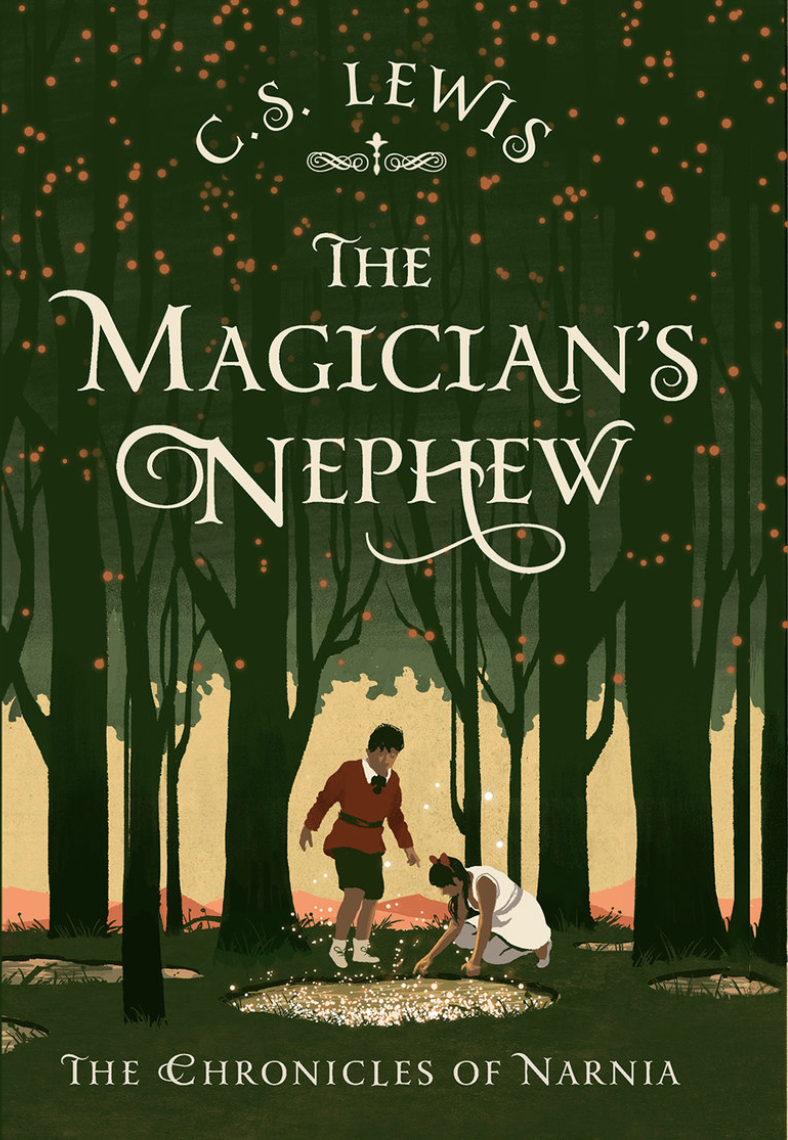
This is from a series of brilliant Narnia cover designs by Jeffrey Nguyen

Having introduced the rubric, I’ll conclude this post by applying it to the first book in the series, The Magician’s Nephew:[2]

Story

Honestly, the story of The Magician’s Nephew is kind of rough. It is a classic prequel in the negative sense: you care about the story because you are already invested in the world in which it exists; if you actually read the prequel first, you wouldn’t understand what was so great about the series and may not even be inclined to continue.[3]

It seems like great pains are taken to explain things that really don’t need to be explained (like how a lamppost ended up in Narnia, or why the wardrobe is a doorway to it), while other unexplained items more central to the plot are introduced (like the origin of Uncle Andrew’s rings).

The plot is not particularly interesting or compelling. The pacing is slow, it feels like it takes forever for Digory and Polly to get to the other worlds, and once they do, what they find is not particularly exciting. The appearance of Jadis in England leads to a battle that is anticlimactic. Really, nothing very exciting happens until the founding of Narnia.

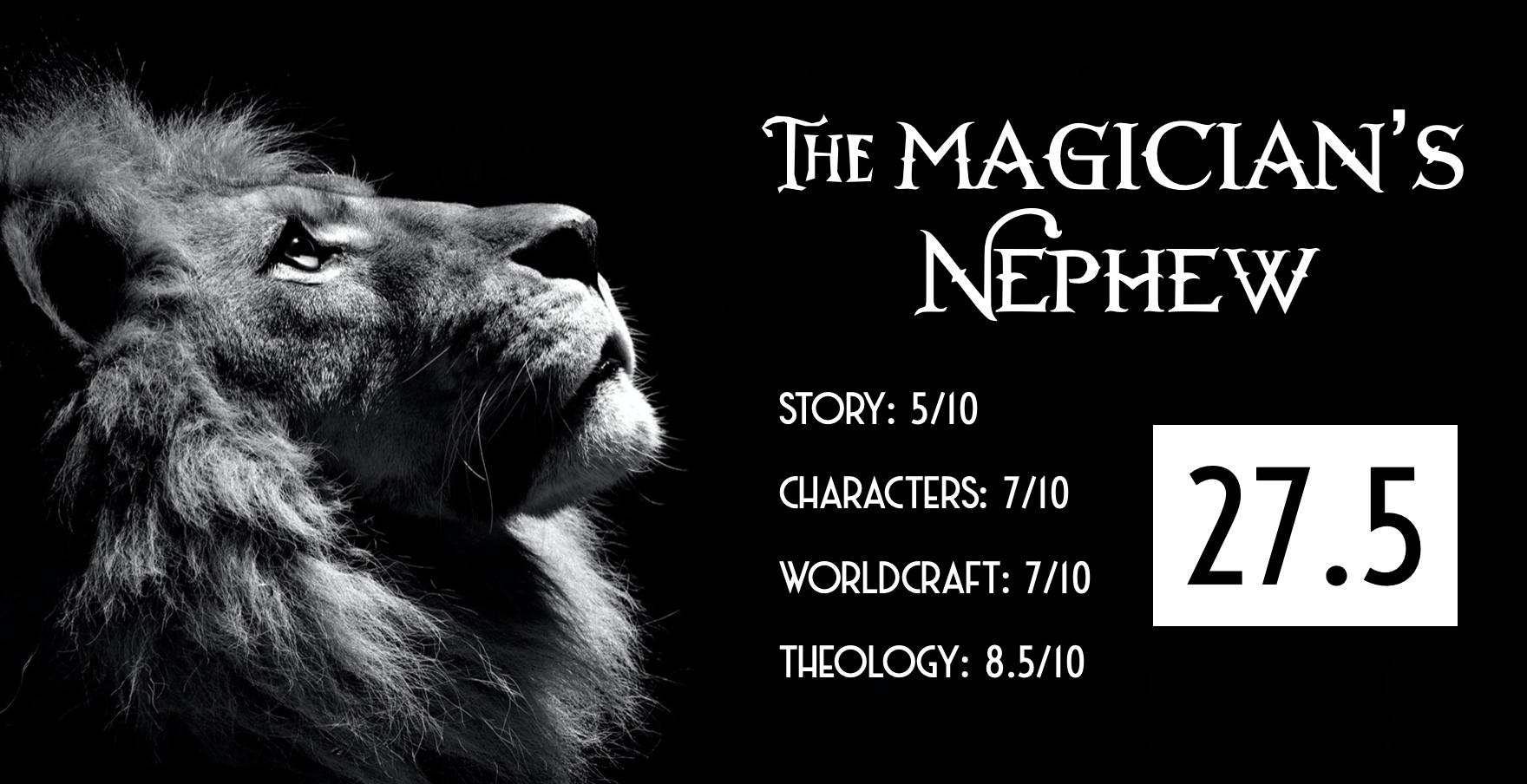
Story: 5/10

Characters

The main characters of The Magician’s Nephew are Digory Kirke (the old professor in The Lion, the Witch and the Wardrobe; hereafter referred to as LWW) and Polly Plummer. Digory is a fairly-well developed character: he is concerned about his sick mother and despises his wicked uncle. He craves adventure, and does not think highly of Polly when she doesn’t:

“It’s because you’re a girl. Girls never want to know anything but gossip and rot about people getting engaged.” (57)

Ultimately, that desire for adventure gets him in trouble, as he foolishly unleashes Jadis upon England and, ultimately, Narnia. But he owns up to his mistake and shows courage as he seeks to make amends.

Polly is less developed, and serves largely as a sidekick and somewhat of a foil to Digory. She shows prudence and also loyalty, sticking with Digory throughout his misadventures.

Though less of a focus, Uncle Andrew is a well-written character in his own right: at first, he appears impressive in his magical knowledge and frightening in his villainy, but as the book unfolds, we see that he is more of a selfish and doddering old man who dabbles in magic without understanding it, and less of a villain than he is a cowardly jerk. He is placed in sharp contrast to Jadis, Queen of Charn and the White Witch of LWW. She is the true villainess of The Magician’s Nephew, but honestly, she is less impressive and less developed here than in LWW.

Aslan, the Great Lion, is mysterious and exciting, and the most impressive actions and best lines of the book are largely reserved for him: we are struck by his power, wisdom, severity, and forgiveness.

Characters: 7/10

Worldcraft

The Magician’s Nephew transports us to two different worlds. Charn is the ancient and crumbling world of Queen Jadis, which she herself has destroyed. The description of the dying world prepares us for the twilight of Narnia in The Last Battle, and also, I think, the sort of cold, lifeless reality that Jadis will unleash upon Narnia in LWW.

We also are taken to Narnia at its creation and founding. Since the world is brand new, there is not much to explore in some ways, but the creation account, along with the origin of the talking animals and the life-infused ground that grows trees from anything dropped upon it (like lamppost bars or gold coins), is compelling.

Worldcraft: 7/10

Theology

I enjoy reading the Narnia books, but in many ways, I am here for the theology, and The Magician’s Nephew does not disappoint on this score. I thought the most significant instance of this was the creation account, where Aslan sings the world into existence. John 1 and Colossians 1 teach that Jesus is the agent of creation, and Aslan’s singing reminds us of Yahweh speaking everything into existence (Genesis 1), and the Word who was with God in the beginning (John 1).[4]

But there were other profound tidbits that Lewis sprinkled throughout the book. On God’s response to our suffering:

“They were such big, bright tears compared with Digory’s own that for a moment he felt as if the Lion must really be sorrier about his Mother than he was himself.” (168)

On the importance of asking God for things:

“‘Wouldn’t [Aslan] know without being asked?’ said Polly.

‘I’ve no doubt he would,’ said the horse. ‘But I’ve a sort of idea that he likes to be asked.’” (178)

On the contentment that comes when we truly see Jesus:

“But he was in no danger of feeling conceited for he didn’t think about it at all now that he was face to face with Aslan. This time he found he could look straight into the Lion’s eyes. He had forgotten his troubles and felt absolutely content.” (197)

And Lewis also hints at his vision of hell and eternal punishment, which he develops further in The Last Battle and, especially, The Great Divorce:

“I cannot tell that to this old sinner, and I cannot comfort him either; he has made himself unable to hear my voice. If I spoke to him, he would hear only growlings and roarings. Oh Adam’s sons, how cleverly you defend yourselves against all that might do you good!” (Aslan, 202-203)

“All get what they want. They do not always like it.” (Aslan, 208)

Theology: 8.5/10

A score of 27.5/40 basically comes out to 3.5 stars on a 5-star scale, which is not bad. That probably says something about The Chronicles of Narnia (or, at least, my opinion of them): to me, this is easily the worst of the seven books. I have not yet applied my rubric to the other six, but I expect those scores to be higher.


Check out the full series of posts:


[1] Definitive, according to me.

[2] Some of you are probably screaming, “The Magician’s Nephew is not the first book in the series!” And I would totally agree with you. The first Narnia book Lewis wrote and published was The Lion, the Witch and the Wardrobe, while The Magician’s Nephew was actually sixth. But The Magician’s Nephew is a prequel, and chronologically occurs first in the series.

I prefer reading The Chronicles of Narnia in the order in which they were published, but I am following the chronological order in this series because (1) this is, sadly, almost universally the way the books are published now, and (2) I think The Magician’s Nephew is the weakest book in the series, and this enables me to get it out of the way.

[3] This is very similar to The Phantom Menace in the Star Wars series. There are a lot of people out there who put up with The Phantom Menance because they were already Star Wars fans, but I cannot imagine that there are too many people out there who became Star Wars fans because of The Phantom Menace (in fact, most Star Wars fans I know try to forget that The Phantom Menace exists).

By the way, this is a really strong reason in my opinion why you shouldn’t read The Chronicles of Narnia in chronological order (at least, the first time you read them): because you might dislike The Magician’s Nephew and become discouraged from reading the other, superior books.

[4] I know there are debates about whether the Narnia books in general and LWW, in particular, should be read as allegories of the Christian story. I am not really interested in engaging those discussions, beyond saying this: it is clear that Aslan is a Christ-figure, and, thus, my comments in this series on the theology of The Chronicles of Narnia will look at what Aslan teaches us about Jesus.

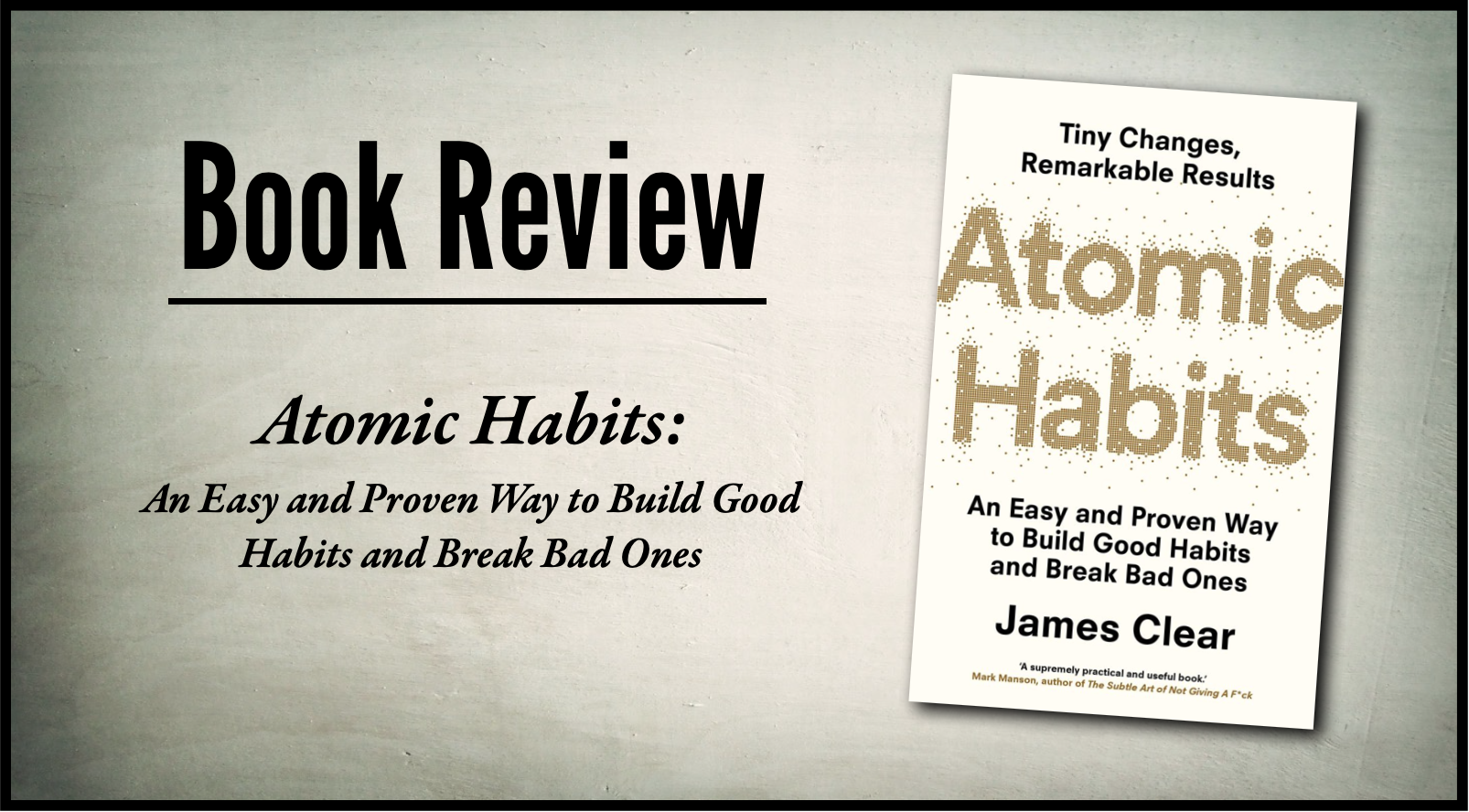
Book Review: Atomic Habits

I mentioned in a previous post that I have done a lot of reading during this season of quarantine. Some of that has been just for entertainment or increasing my knowledge in a certain area, but some has been more of the “self-help” variety. Atomic Habits: An Easy and Proven Way to Build Good Habits and Break Bad Ones by James Clear definitely falls into the self-help category.

Before I go any further, I want to make two points very clear:

  1. Generally speaking, I really don’t like self-help books.
  2. I really, really liked Atomic Habits.

This review will be a little different from usual, because I “read” Atomic Habits as an audiobook. I took some notes on my phone while listening, so I will have some summary points to share, but I won’t have page numbers for any of the specific quotations.

Summary

Atoms are very small things. They are the building blocks of the world around us, but they are invisible to the naked eye. They are also very powerful—the power of the atom can provide electricity to an entire region in the form of a power plant, or untold devastation in the form of a nuclear bomb. This is the premise of Atomic Habits: habits are little, sometimes nearly invisible things that can bring about powerful change—for good or ill—in our lives.

James Clear offers four laws (I think he used the “laws” terminology; I am not certain) for successfully building good habits, and also an inversion to each law to help break bad habits:

  1. Make it Obvious: If you want to successfully implement a new habit, it needs to be something that is in your face and can be easily remembered. If you want to read more before bed, set a nightly alarm to remind you to do so. Have a specific time and location where you plan to implement your habit (“I will go for a 2-mile run at 7 AM in the morning.”). Stack your new habit onto another habit that you already do (“While showering in the morning, I will pray about my day.”).  The inversion of this law: Make it Invisible. If you always crave junk food at the end of the day while watching TV, then do something other than watch TV. Take a walk or read a book—remove the cue that encourages the bad habit you are trying to avoid.
  2. Make it Attractive: If you want to successfully implement a new habit, it needs to be something that is desirable to you. Which habits are attractive to us are significantly determined by the culture in which we live, so you should join a culture where your desired behavior is the normal behavior. In other words, hang out with people who are already doing the thing you want to do. If you want to eat healthily, go out to eat with friends who are healthy eaters. If you want to get in better shape, spend time with friends who work out regularly. If you want to become a better Bible student, join a Bible study group. You can also make a new habit attractive by connecting something you need to do (the new habit) with something you want to do (“I will get to spend ten minutes on social media after I complete my morning run.”). The inversion of this law: Make it Unattractive. Reframe your mindset by highlighting the benefits of avoiding the bad habit. If you want to quit smoking, focus on how cutting cigarettes out of your life will improve your health, put money back into your bank account, and make your car smell better.
  3. Make it Easy: If you want to successfully implement a new habit, you have to do it…a lot. You have to get your reps in: the amount of time you have spent performing a habit is not as important as the number of times you have performed it. To begin with, focus on just doing the thing even if your initial efforts are easier than your ultimate goals. So, say for example that you want to start a habit of working out regularly at the gym. To start, it is not as important that every workout be an hour long at high intensity (or whatever the ultimate goal is); what is important is that you go to the gym without missing if at all possible. Pack your workout clothes in your gym bag and set your alarm the night before. If you have a busy day or aren’t feeling well, don’t skip your workout; just abbreviate it. Go run for ten minutes instead of an hour; do five push-ups instead of thirty. Make it as easy as you need to, but get your reps in. By doing this, you are using a commitment device, which is a choice you are making in the present that locks in better behavior in the future. The inversion of this law: Make it Hard. Make it difficult to continue to do the things you don’t want to do. If you want to stop eating junk food, get it out of your house. Now, whenever you have a craving, you’ll have to drive somewhere to get it. If you want to stop watching so much TV, put your television in another room where you don’t spend as much time, or unplug it after each use. Now, a habit that you may have indulged when you were feeling tired or lazy requires extra energy to do.
  4. Make it Satisfying: If you want to successfully implement a new habit, you have to feel good about it. Identity is what sustains a habit. Ultimately, you want to think of yourself as the kind of person who [does whatever the habit is that you are trying to implement]. Track your habits to see your improvement over time. Try to keep your habit streak alive. You are not perfect and will have a lapse, but when you do, try to avoid a second lapse. The inversion of this law: Make it Unsatisfying. We are less likely to repeat a bad habit if it is painful or unsatisfying. Enlist an accountability partner who will ask you how you are doing in avoiding your bad habit.

Quotations

Here were some of my favorite quotations from the book (again, sorry that I don’t have page numbers for these):

“Time magnifies the margin between success and failure. It will multiply whatever you feed it. Good habits make time your ally; bad habits make time your enemy. Your habits can compound for you or against you.”

“You do not rise to the level of your goals; you fall to the level of your systems.”

“Every action you take is a vote for the kind of person you will become.”

“This is the secret of self-control: make the cues of your good habits obvious; make the cues of your bad habits invisible.”

“The most effective form of learning is practice, not planning.”

“Create an environment where doing the right this is as easy as possible.”

“It’s better to do less than you hoped for than nothing at all.”

“Incentives can start a habit; identity sustains a habit.”

“The first mistake is never the one that ruins you. It’s the spiral of repeated mistakes that follows. Missing once is an accident; missing twice is the start of a new habit.”

“We optimize for what we measure, and when we choose the wrong measurement, we get the wrong behavior.”

“Until you work as hard as those you admire, don’t explain away their success as luck.”

“It doesn’t matter what you are trying to become better at; if you only do the work when it is convenient or exciting, then you will never be consistent enough to achieve remarkable results.”

It is hard for me to overstate how much I appreciated this book. Clear does not write from a Christian perspective, but this book is really all about discipline and character formation, and I found that much of what he wrote applied to me as a disciple of Jesus.

I give this book a strong recommendation. I have implemented some of his advice in my own life as I seek to grow during this season of quarantine, and have found it to be helpful and practical. It’s a book that I plan on buying a physical copy of so I can keep coming back to it.

Reading in 2019

Regular readers of The Doc File know that I keep track of what I read each year, and that I enjoy chronicling that here on the blog and offering some reflections about my favorite reads from the previous year.

Without further ado, here is my list from 2019:

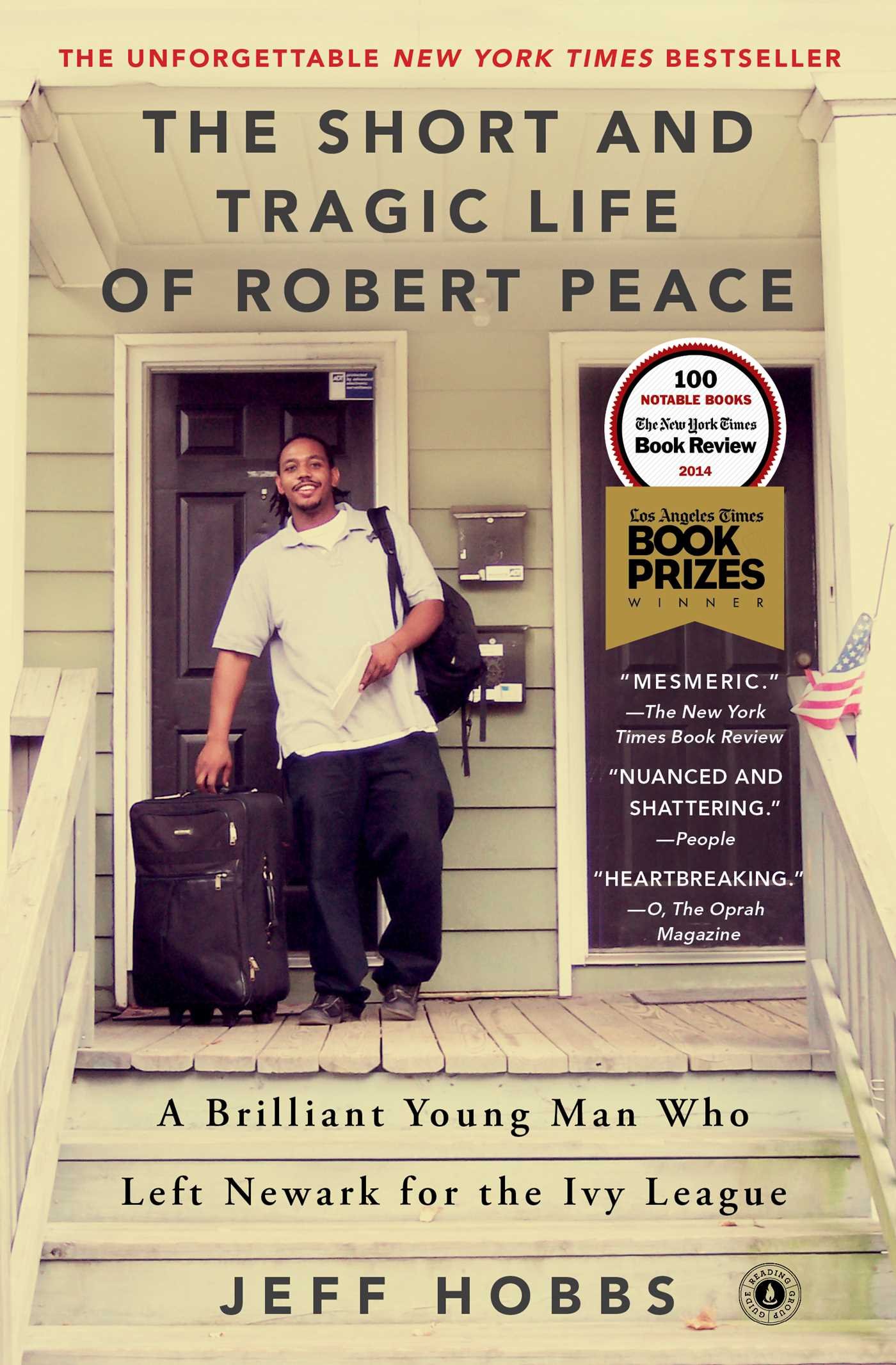
  1. The Short and Tragic Life of Robert Peace, by Jeff Hobbs
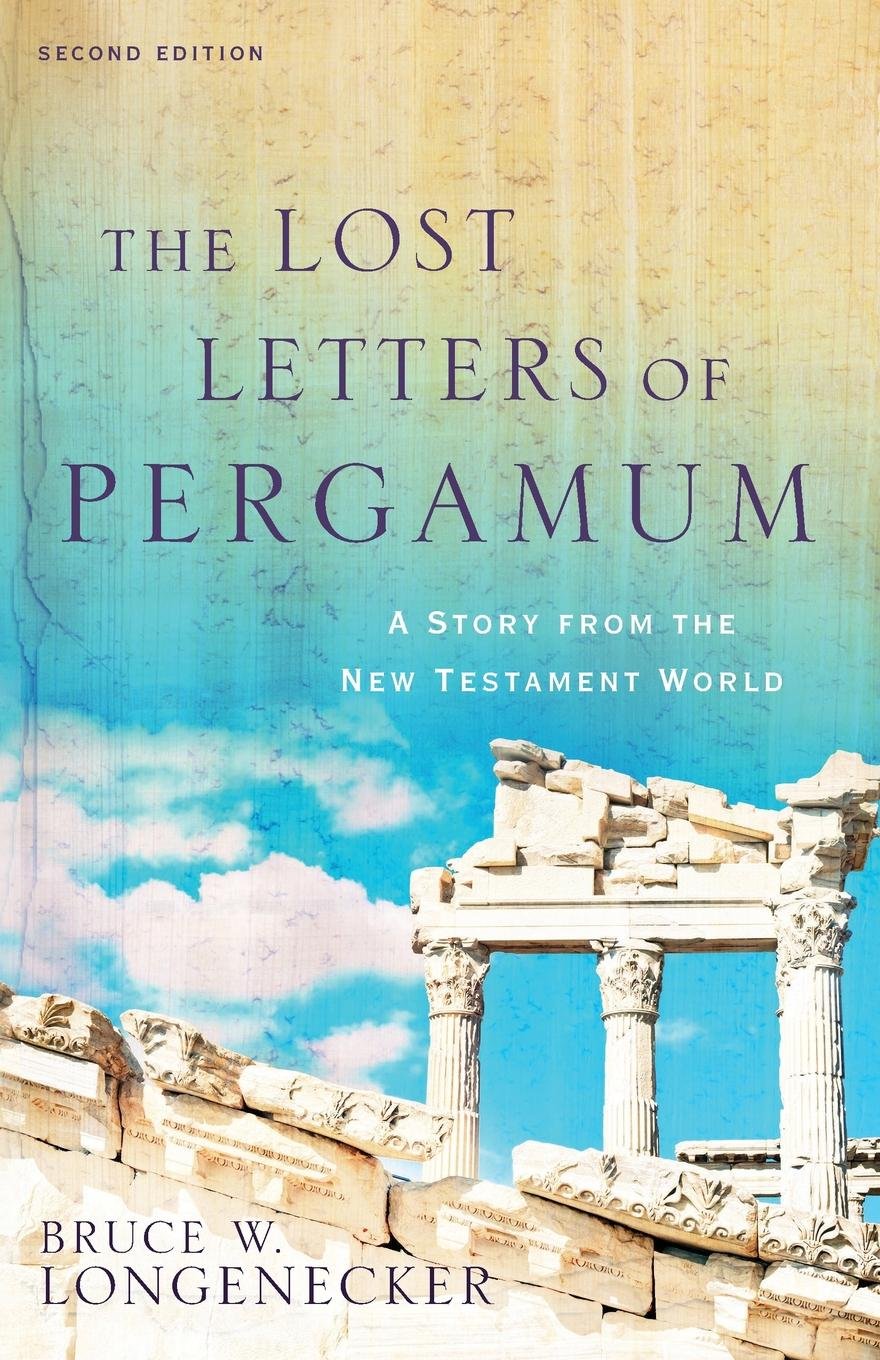
  2. The Lost Letters of Pergamum: A Story From the New Testament World, by Bruce W. Longenecker
  3. Enter the Water, Come to the Table: Baptism and the Lord’s Supper in Scripture’s Story of New Creation, by John Mark Hicks
  4. Success Sparklers: A Treasury of Quips, Quotes and Sparkling Sayings for the Positive Person, compiled by Ivy Conner
  5. The Honorary Consul, by Graham Greene
  6. Small Group Strategies: Ideas & Activities for Developing Spiritual Growth in your Students, by Laurie Polich and Charley Scandlyn
  7. Walking Away From Idolatry, by Wes McAdams
  8. The Abolition of Man, by C.S. Lewis
  9. Amazing Grace: William Wilberforce and the Heroic Campaign to End Slavery, by Eric Metaxas
  10. The Hidden Harbor Mystery, by Franklin W. Dixon
  11. Between Shades of Gray, by Ruta Sepetys
  12. My Brother Sam is Dead, by James Lincoln Collier and Christopher Collier
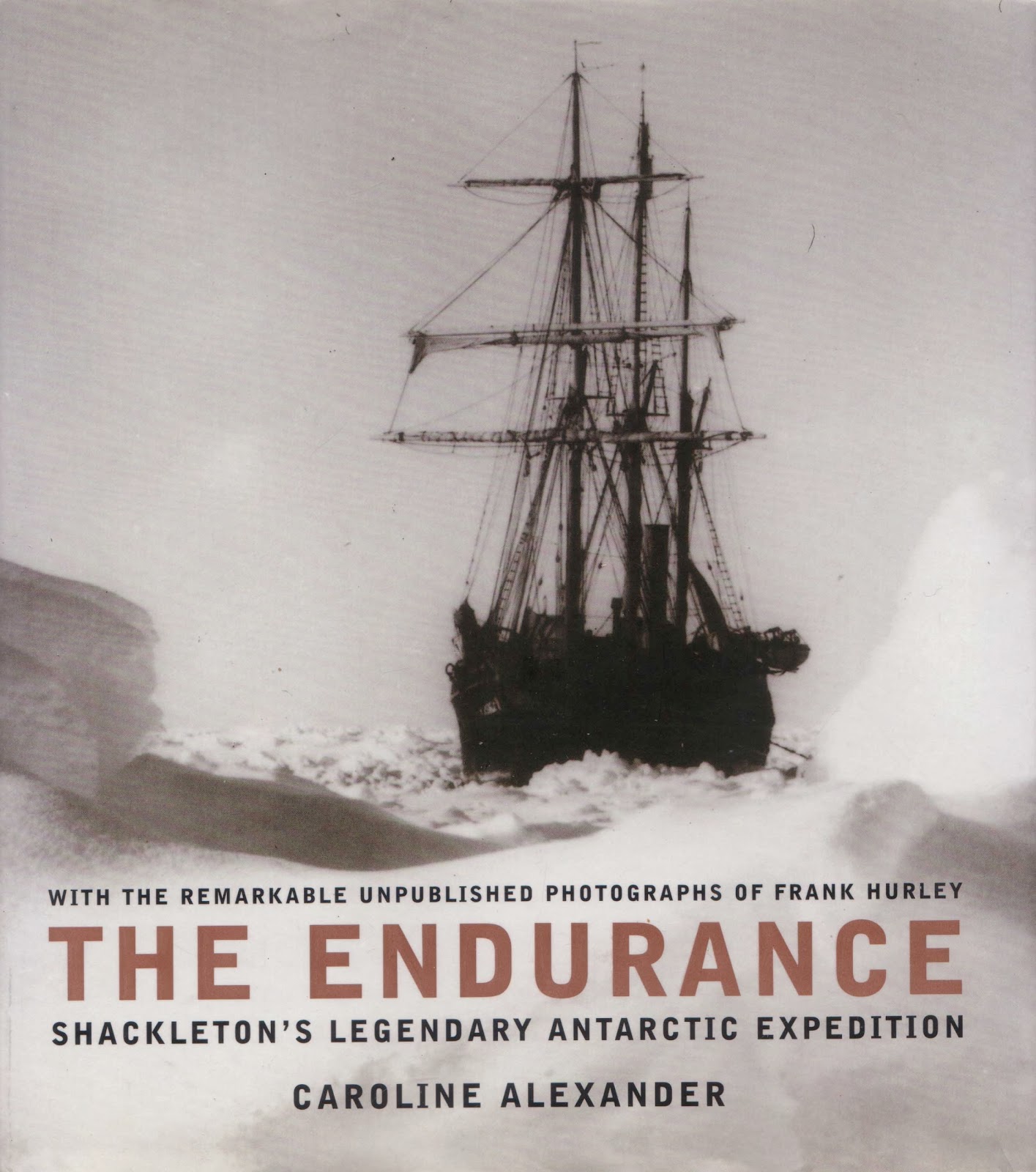
  13. The Endurance: Shackleton’s Legendary Antarctic Expedition, by Caroline Alexander
  14. Selected Stories of O. Henry, Introduction and Notes by Victoria Blake*
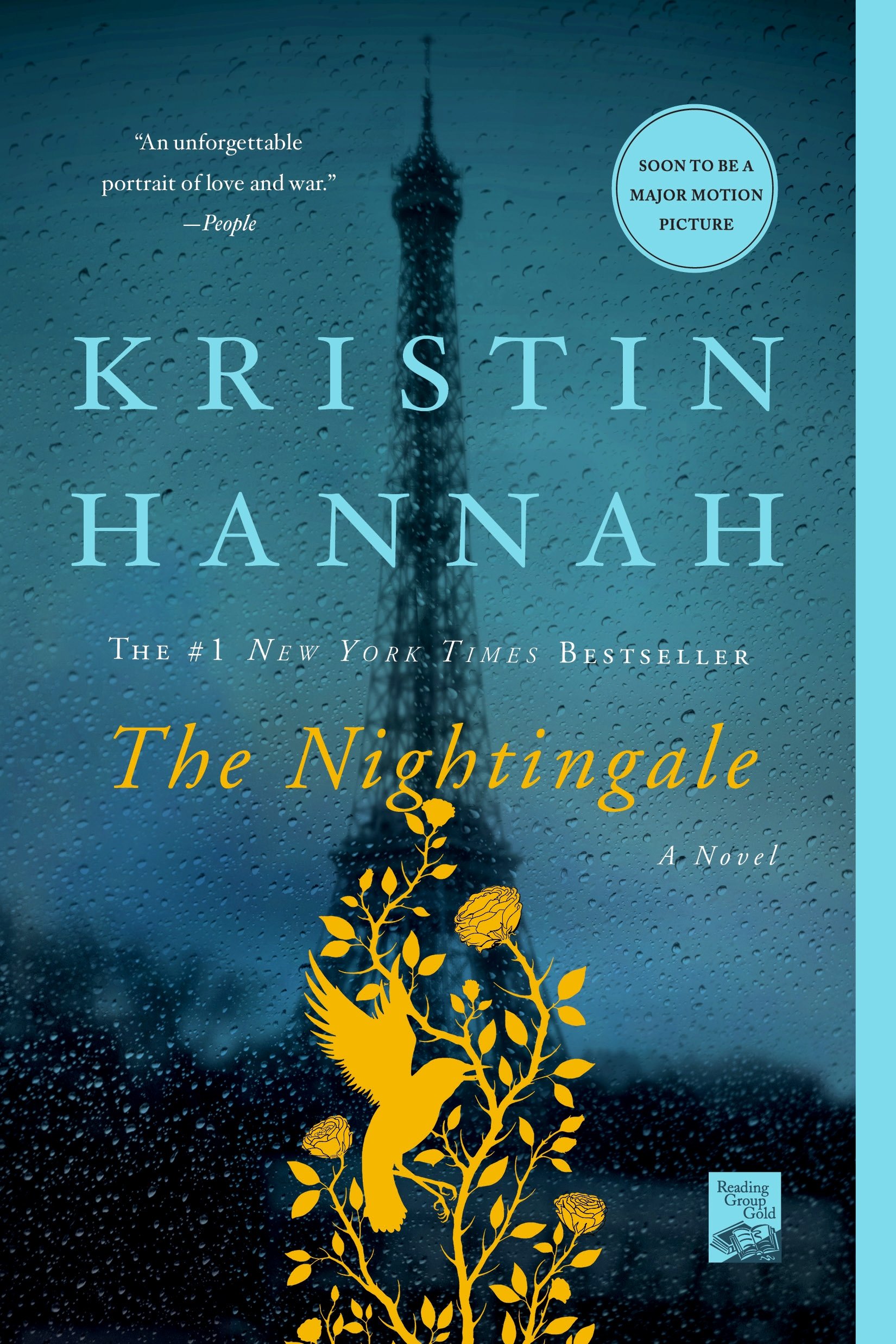
  15. The Nightingale, by Kristin Hannah
  16. Beyond Atonement: Recovering the Full Meaning of the Cross, by N.T. Wright, Gregory Boyd, and Ruth Padilla DeBorst
  17. The Glory of Their Times: The Story of the Early Days of Baseball Told by the Men Who Played It, by Lawrence S. Ritter
  18. God, Guys, and Girls, by Derry Prenkert
  19. Sabbath Resistance: Saying No to the Culture of Now, by Walter Brueggemann
  20. Christians in the Age of Outrage: How to Bring our Best When the World is at Its Worst, by Ed Stetzer
  21. How To Lose a Kingdom in 400 Years, by Michael Whitworth
  22. The Book Thief, by Markus Zusak
  23. The Cross & the Prodigal: Luke 15 Through the Eyes of Middle Eastern Peasants, by Kenneth E. Bailey
  24. Rich Dad Poor Dad, by Robert Kiyosaki
  25. I Am A Church Member, by Thom S. Rainer
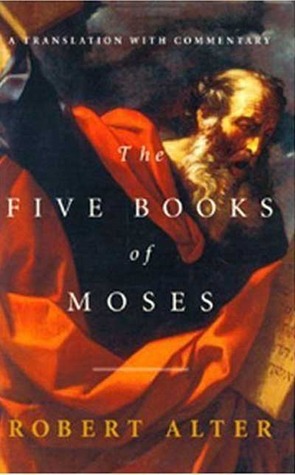
  26. The Five Books of Moses: A Translation with Commentary, by Robert Alter
  27. That’s Why We Sing: Reclaiming the Wonder of Congregational Singing, by Darryl Tippens
  28. Fire Upon the Earth: The Story of the Christian Church, by Norman F. Langford
  29. The Other Wes Moore: One Name, Two Fates, by Wes Moore
  30. Family Worship, by Donald S. Whitney
  31. The Shepherd’s Ring, by Whit Jordan
  32. The Yellow Feather Mystery, by Franklin W. Dixon
  33. The Clue in the Embers, by Franklin W. Dixon
  34. Murder at Wrigley Field, by Troy Soos
  35. Visions of Restoration: The History of Churches of Christ, by John Young
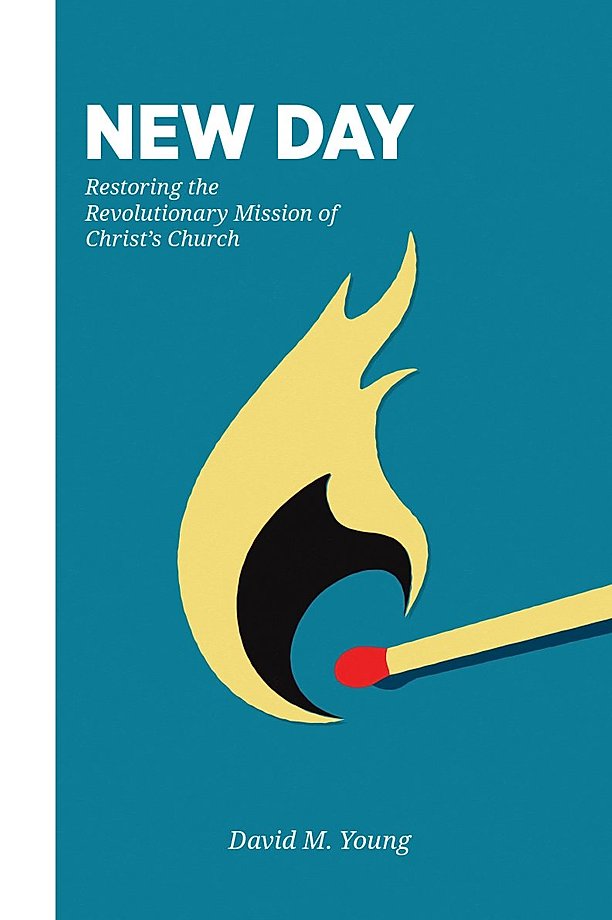
  36. New Day: Restoring the Revolutionary Mission of Christ’s Church, by David M. Young
  37. Gorky Park, Martin Cruz Smith
  38. The Greenest Island, by Paul Theroux
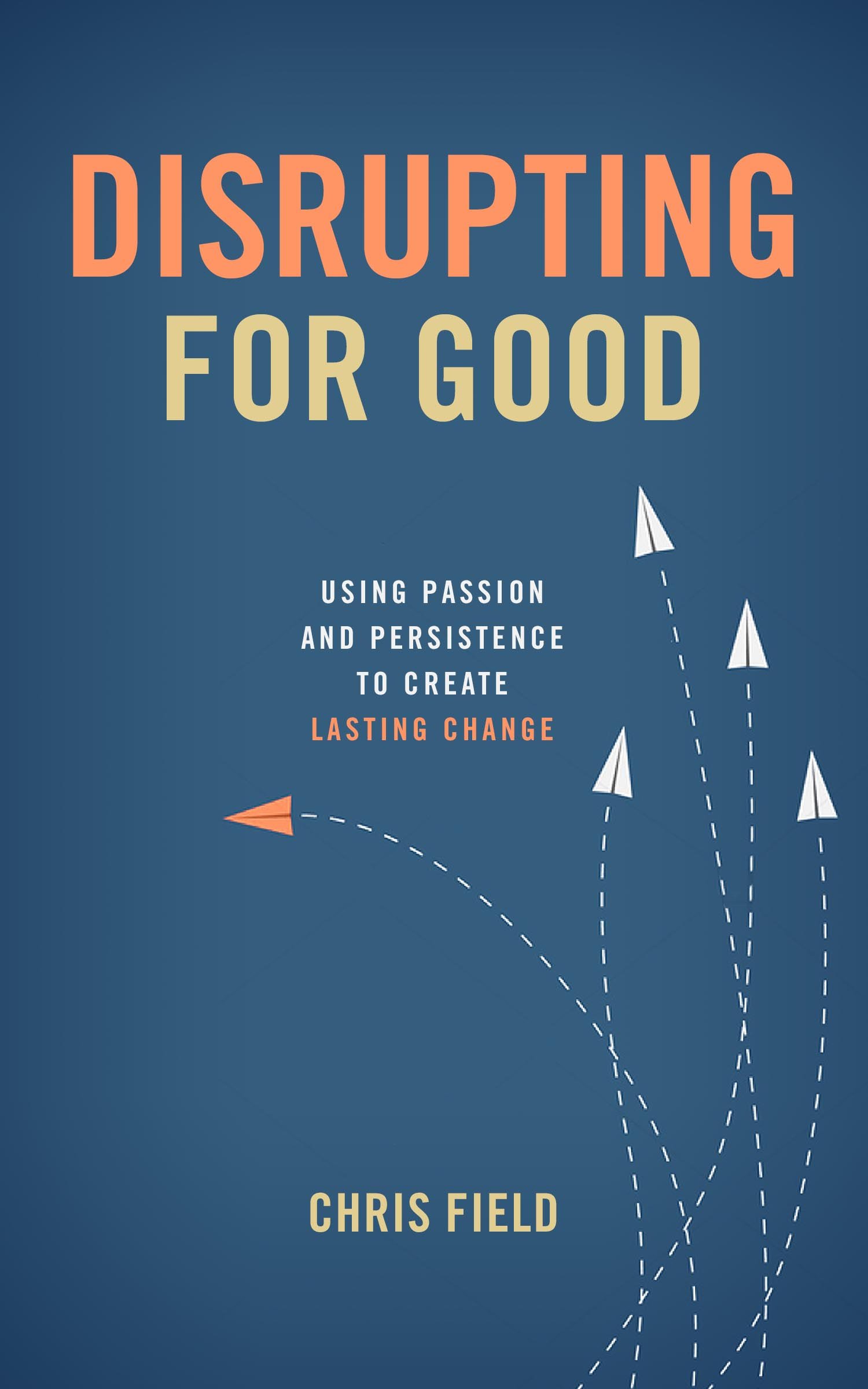
  39. Disrupting for Good: Using Passion and Persistence to Create Lasting Change, by Chris Field
  40. The Secret Agent on Flight 101, by Franklin W. Dixon
  41. Jesus for President, by Shane Claiborne and Chris Haw
  42. Discipeshift: Five Steps That Help Your Church to Make Disciples Who Make Disciples, by Jim Putnam & Bobby Harrington with Robert Coleman
  43. Faith Unraveled: How A Girl Who Knew All the Answers Learned to Ask Questions, by Rachel Held Evans
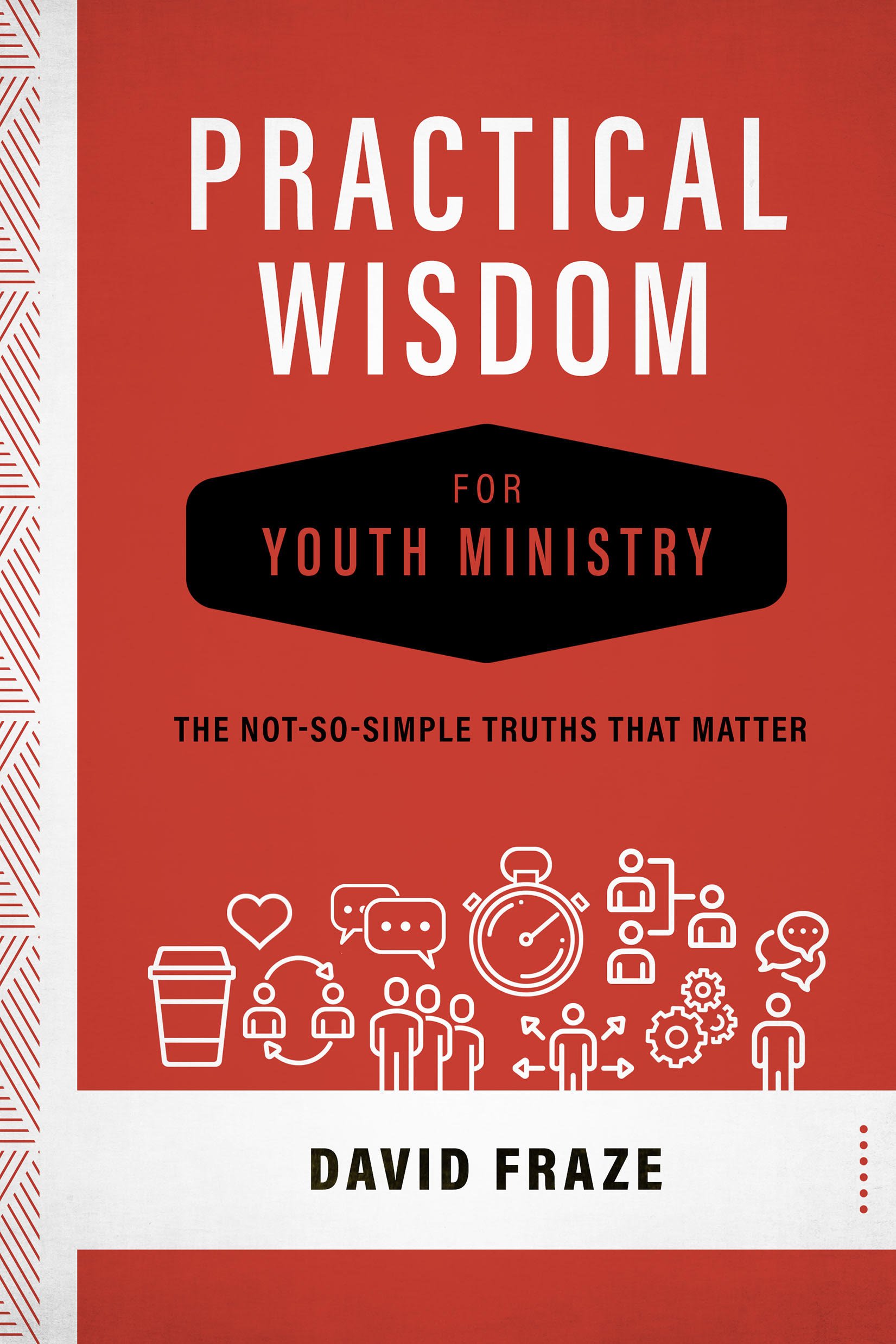
  44. Practical Wisdom for Youth Ministry: The Not-So-Simple Truths That Matter, by David Fraze
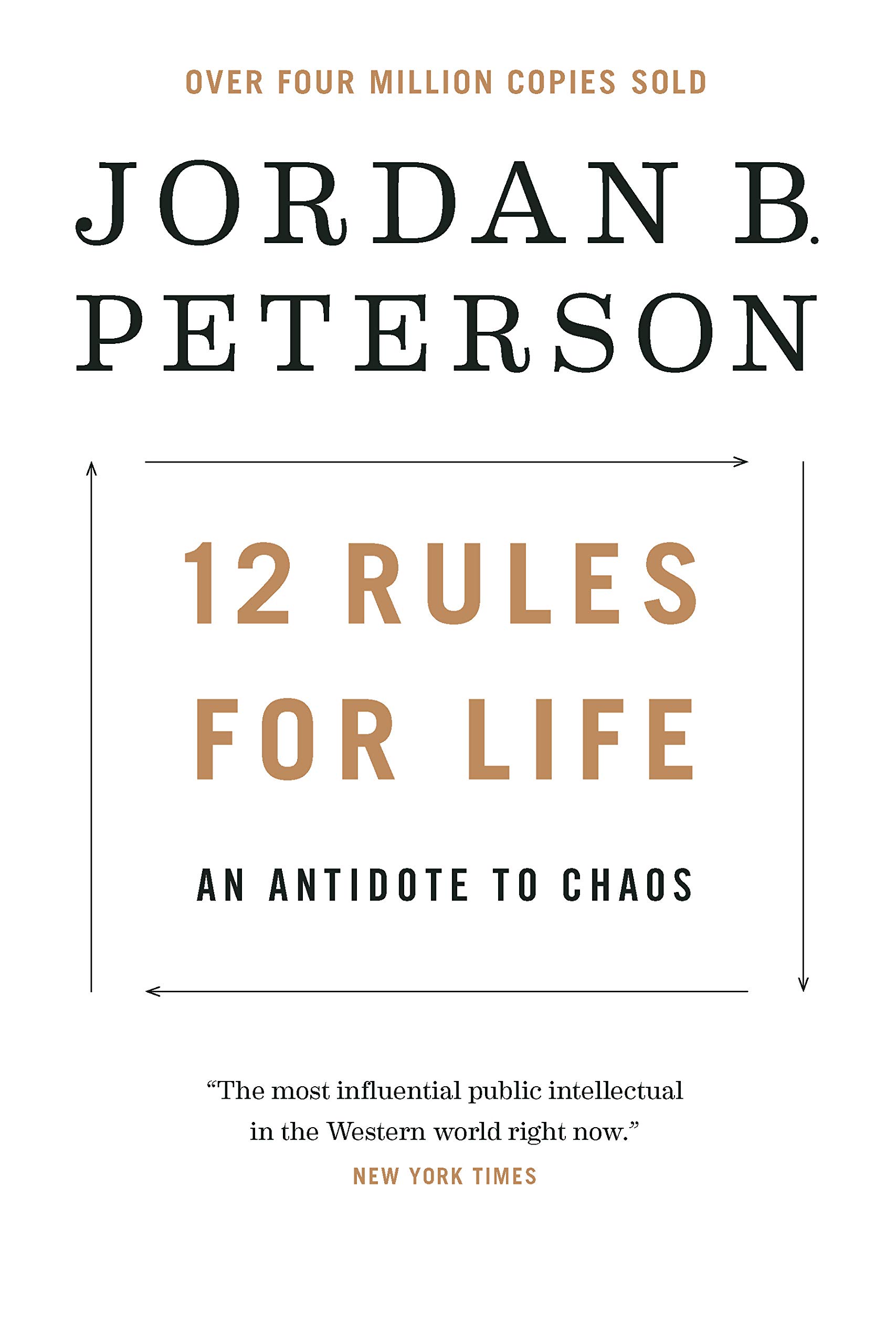
  45. 12 Rules For Life: An Antidote to Chaos, by Jordan B. Peterson
  46. The Fourfold Gospel, by J.W. McGarvey and Philip Y. Pendleton
  47. Prayer, In Practice, by J.L. Gerhardt
  48. It’s All Too Much: An Easy Plan for Living a Richer Life with Less Stuff, by Peter Walsh
  49. Learning to Speak God from Scratch: Why Sacred Words Are Vanishing—and How We Can Revive Them, by Jonathan Merritt
  50. D2: Becoming A Devoted Follower of Christ, by Phil McKinney II
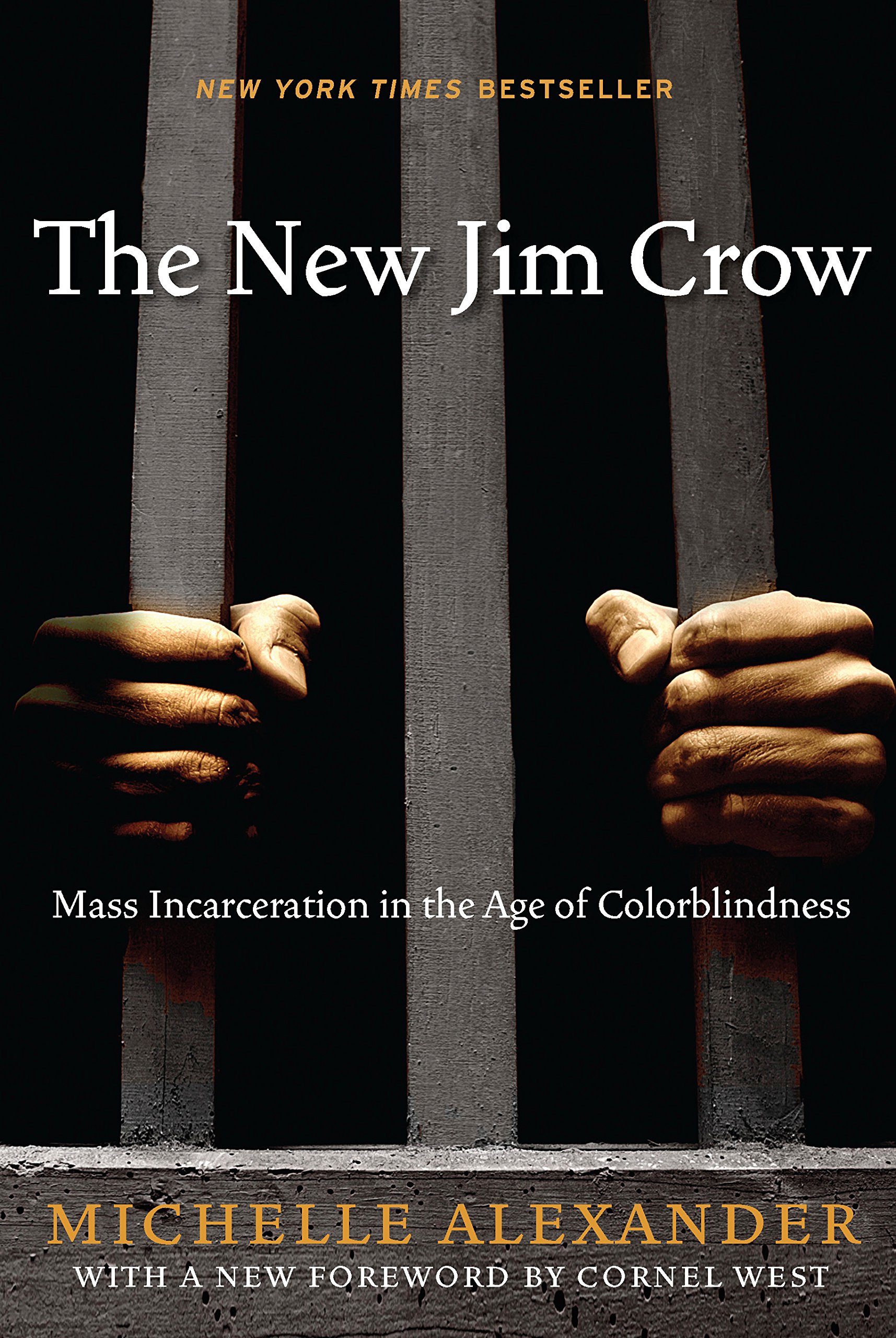
  51. The New Jim Crow: Mass Incarceration in the Age of Colorblindness, by Michelle Alexander
  52. One Loaf and One Cup: A Scriptural and Historical Survey, by Clinton De France

A few observations before I talk about my favorite books of the year:

  • My reading total decreased from 54 books in 2018 to 52 in 2019. I was pleased with this number considering that we moved in the middle of the year, my life was crazy busy preparing for that move and adjusting to it, and my reading time was (probably) somewhat less.
  • For the last several years, I have been between 48-54 books per year. This really seems to be my sweet spot.
  • This was my first full year removed from grad school, so I wondered how that would affect my reading. I still read a lot, with a decent amount of reading still geared toward faith, ministry, discipleship, biblical studies, etc.
  • I enjoyed my reading this past year. There were some books I didn’t love, but really, no major disappointments.

I want to share my Top 10 books for the year, but before I do so, I wanted to offer some brief thoughts on a few books that didn’t make my Top 10, but I still wanted to comment on:

  • The Glory of Their Times: The Story of the Early Days of Baseball Told by the Men Who Played It, by Lawrence S. Ritter: this was a great book of memories of baseball players from the early 1900s. As a huge fan of Ken Burns’ documentary Baseball, I was delighted to recognize that this book was a major primary source for many of the quotations for that series.
  • Family Worship, by Donald S. Whitney: This was a very short, yet very convicting, read. Christan parents, we really don’t have a good excuse for not having regular worship or devotional time at home with our families. If you want motivation, guidance, or conviction related to this, read this book.
  • The Shepherd’s Ring, by Whit Jordan: This was a novel for children written by a friend, and I loved it. It is currently unpublished, and I read an early draft. I can’t wait to hold the real thing in my hands and tell you about it.
  • Gorky Park, Martin Cruz Smith: This is one of my all-time favorite books. I read it frequently. It doesn’t make my Top 10 list because that feels like cheating. Otherwise, it would be there almost every year.
  • Faith Unraveled: How A Girl Who Knew All the Answers Learned to Ask Questions, by Rachel Held Evans: RHE was just a couple years older than me, and tragically died from an illness earlier in 2019. I am not really the audience for this book, but I listened to the audio version (read by the author) and am so glad I did. I disagree with Evans on a variety of issues, but she is incredibly likable and it is clear that she genuinely loved God and other people, and wanted to remove barriers that prevented people from knowing the God she loved so much. It was good for me to read.

Regarding my Top 10 books for the year, here are some brief thoughts on those (presented in order of when I read them, not ranked 1-10):

The Short and Tragic Life of Robert Peace, by Jeff Hobbs: This was a fascinating and tragic true story of a man who grew up in the rough neighborhoods of Newark but managed to find his way out and graduate with honors from Yale, only to end up back in his former neighborhood where he ultimately was murdered in a drug-related crime. This story was well-written and gripping, and also filled with impending dread, as you knew from the title that it would not end well. Memoirs are not the best way to analyze complex social issues, but this book did provide for thoughtful reflection on racial issues (which, between this book, The Other Wes Moore, and The New Jim Crow {described below}, was a repeated focus for me in 2019).

The Lost Letters of Pergamum: A Story From the New Testament World, by Bruce W. Longenecker: Longenecker, a well-known biblical scholar who specializes in the origins of Christianity, writes this epistolary novel that consists of a series of letters between several characters, including Luke the Evangelist. What results is a moving story that helps to illuminate the New Testament world including aspects such as honor-shame culture, patronage, the nature of letter writing, and Roman persecution. It took a little bit for me to get into it, but by the end, I absolutely loved it.

The Endurance: Shackleton’s Legendary Antarctic Expedition, by Caroline Alexander: This was a fascinating account of Shackleton’s Antarctic Expedition complete with penetrating character studies and amazing photographs. This is simply an incredible, unbelievable tale. I really didn’t know what to expect going in, but I thoroughly enjoyed it.

The Nightingale, by Kristin Hannah: I have discovered that I love reading fiction set in WWII, and this is a good example of this. This novel tells the story of two sisters living in Nazi-occupied France, and the very different ways they seek to survive and resist during a very difficult time.

The Five Books of Moses: A Translation with Commentary, by Robert Alter: Alter is a world-renowned expert on the Hebrew Bible who gives special attention to its literary features. This is his own translation along with commentary, which I used for my daily Bible reading early in the year. I don’t know Hebrew well enough to evaluate how great his translation is, but it was certainly readable, and I found his commentary to be frequently insightful.

New Day: Restoring the Revolutionary Mission of Christ’s Church, by David M. Young: I mentioned this book, and Young, in my recap of this past year’s Harding Lectureship, where I heard him speak three times. The short version of the book is that Churches of Christ (and really, churches across the spectrum) are declining in the United States, and the solution to this problem is to get serious about prayer, making disciples, and planting churches. If you have come to suspect that church should be about more than a social gathering, worship wars, and a consumeristic buffet of programs catering to the whims of members, this book is for you (wow, that was a little preachy!).

Disrupting for Good: Using Passion and Persistence to Create Lasting Change, by Chris Field: I did not have high expectations for this book, but I really liked it. Basically, it is a book about how to bring about culture change: you have to find a problem that really bothers you, and then attack it with creativity and perseverance. Most of the book is a series of inspiring vignettes of people who did exactly that. This was a really encouraging book for me.

Practical Wisdom for Youth Ministry: The Not-So-Simple Truths That Matter, by David Fraze: I already reviewed this book here on the blog, so I don’t feel the need to say much here, other than the fact that this is now one of my favorite youth ministry books (I read a lot of them), and I plan on using it from now on with all of my youth ministry interns.

12 Rules For Life: An Antidote to Chaos, by Jordan B. Peterson: Although I have friends who are big fans of Peterson, I was not a fan, and actually began to read this book with a great deal of skepticism. Peterson’s breadth of knowledge is so vast that I found it difficult to evaluate at times (Is this brilliant? Is this nonsense?). At other times, when he crossed into areas I could better evaluate, I was blown away: his handling of the biblical text, especially the Book of Genesis, was very impressive (he is a little shakier on the teachings of Jesus—on a very deep level, I don’t think Peterson knows what to do with Him). Ultimately, what I would say is that each of Peterson’s rules range from helpful to profound, even if I don’t fully agree with all of the reasoning he uses to arrive at them. I “read” this book in audio format, and will likely reread it, soon.

The New Jim Crow: Mass Incarceration in the Age of Colorblindness, by Michelle Alexander: This is not a fun read. On the contrary, it was devastating. Alexander has two basic arguments in the book: (1) the American criminal justice system disproportionately punishes people of color (specifically through the War on Drugs), relegating a large chunk of African American society to being residents of an “undercaste”, and (2) this has been done intentionally. Although I don’t believe she established her second argument (to be fair, I don’t want to believe it), her first point seems absolutely clear to me. For those who do not understand (or worse, deny) the reality of systemic racism, this is a great book to read.

That was my reading for 2019. For comparison’s sake if you are interested, you can see my reading lists from previous years:

As always, I have a bunch of books lined out to read in 2020, and can’t wait to get into them.

What are some of the best books you read this past year?

*Books that I did not read in their entirety, but read significant portions of.

« Older posts Newer posts »

© 2026 The Doc File

Theme by Anders Noren — Up ↑