The online journal of Luke Dockery

Category: Youth Ministry (Page 13 of 24)

Hectic Youth Ministry

Things have been pretty quiet around The Doc File recently, largely because I am now squarely in the middle of the summer youth ministry grind. Looking back, I actually didn’t write a single post in the month of June, but that is not too surprising when I reflect on what my June looked like:

  • Portions of three different weeks were taken up by three different camps that we participated in: NWA Work Camp, Uplift at Harding University, and Green Valley Bible Camp.
  • Four different speaking engagements (one at Farmington, one at camp, one at a retreat, and one at an out-of-town summer series), all over different material.
  • A youth group lock-in the day after we got back from camp (I have been a youth minister for too long to make such a rookie scheduling mistake!).
  • Teaching two bible classes and/or making arrangements and leaving plans for substitute teachers on evenings when I have been away.
  • Making plans for our Vacation Bible School in July,  working toward several changes to our education program beginning in September, and organizing the 2017 Deeper Youth Conference in November.
  • In addition to these ministry responsibilities, we also made two trips to Little Rock in June for follow-up appointments related to Kinsley’s surgery.

It has been a busy month, and the reality is that things won’t slow down too much for a while. I am currently in Alabama for a few days of vacation surrounding Independence Day, but as soon as I return we will be back at it with 10 days or so of prepping and then doing VBS, followed by our summer youth trip.

I don’t say any of this to be whiney or to complain, and honestly, most of the youth ministers I know have summer schedules that are this bad or even worse. Spouses of youth ministers sometimes joke about being “youth ministry widows” or “summer widows” because they go so long without seeing their spouses who are continually jetting from one event to another. I do wonder, though: is having a hectic summer packed with constant activities the best way to do youth ministry? What I am about to say may seem self-serving since I would like to slow down a bit in the summer, but I am seriously starting to think that the answer is “no”:

Hectic summer youth ministry is expensive.

This is the most practical consideration on the list, but it shouldn’t be overlooked. I try really hard to keep our youth ministry activities affordable, but the reality is that, the more you do, the more you spend, especially when you start talking about camps and extended trips, or families with more than one student the youth group.

We have a policy in place where we never want a student to miss an event because of cost, and thus, we make provision for students who can’t afford a certain event; at the same time, just because we have that policy in place doesn’t mean that students and parents always take advantage of it, and I am confident that some students miss out on certain events due to cost without telling me.

Hectic summer youth ministry separates children from their families.

I have written before and also spoken many times about how I believe that youth ministry should be built upon the twin pillars of the physical family and the faith family (where “physical family” refers to moms, dads, brothers, sisters, grandparents, etc. and “faith family” refers to the church congregation), and that it is these two groups that, ideally, pass on faith to young people. This means that youth ministry should work hard to strengthen the ties between a student, that student’s physical family, and the student’s faith family.

Unfortunately, the hectic summer youth ministry model that we have been talking about doesn’t necessarily do a great job of that. Sure, constant youth activities can work wonders to strengthen ties within a youth group, but unless you are very intentional about about including parents and other adults from church in meaningful ways, what you can end up doing is providing a full list of activities that cause your students to largely check out on their families and their church family for a couple of months, which is never good.

Hectic summer youth ministry encourages activity without reflection.

When I think about it, having an overwhelmingly busy slate of summer youth activities makes perfect sense in light of our larger cultural problem of constant busyness. People seem to be busier now than ever before. We have made being busy in some sort of virtue or badge of pride, as if it is healthy to constantly be burning the candle at both ends, rushing around from one activity to another without time to catch our collective breath. A hectic brand of youth ministry fits right in with the surrounding culture.

Part of the problem with such busyness is that it deprives us of the time for reflection (and in time, I think it progressively deprives us of the desire to reflect and then even the ability to do so): how can you sit and process the experiences you have just had when you have to immediately turn around and run to the next thing? I don’t want to make too much of this, but isn’t it possible that continually going from one thing to the next without ever reflecting on what we have done actually makes us shallow, attention-deficient humans?

Concluding Thoughts

To be honest, at this point I have more questions than answers. Considering our own youth ministry schedule, I think we have done a pretty good job of not overloading students throughout the year, but I think the summer is undoubtedly hectic at times.

I have tried to mitigate that somewhat by providing some down times during the summer where there is not much going on. June is crazy, and July ends that way, so I intentionally don’t schedule much around the 4th of July (hence, me being on vacation for a few days!) or after the first few days of August, in hopes of giving students time to catch their breath and be around family. Perhaps these down periods are sufficient, but I am also planning on critically evaluating our summer schedule for next year, and seeing if it would be beneficial to pare down a little bit in an effort to make the summer a little less hectic for our students.


Radical Conversion(?)

I recently finished reading Radical Restoration by F. LaGard Smith, and found it to be an endearing combination of brilliant insights and prolonged axe-grinding. However, one quotation in particular really struck me:

The pernicious effects of a spiritual body composed mostly of second-generation Christians whose early-youth baptisms were, in the main, more convention than conversion are more spiritually devastating than we might ever imagine. Why are we not more evangelistic? Because we ourselves were never radically converted. Why do spiritual matters not hold center place in our busy, work-a-day lives? Because a merely “mentalized” faith can too easily become a compartmentalized faith. Why are we just as materialistic, worldly, and secular as our irreligious (or religious!) next-door neighbors? Because we have been duly initiated into a worldly church, but never properly introduced to an other-worldly Kingdom.

(p.42)

I have had discussions before about how adult converts perceive a lot of things differently than those who have “grown up in the church,” but never before had I really considered the effect of having churches comprised largely of second (or third, or fourth) generation Christians who became Christians largely as a matter of convention: it was just what they were raised to do.

Before I go any further, I should point out what a tremendous blessing it is to be raised in the church, and to have Christian parents who are devoted to the idea of passing faith on to their kids. So please do not hear me as saying that it is a bad thing to be raised in the church. It is not. But at the same time, I think there is a lot of validity to what Smith suggests above. In biblical examples of conversion (think, for example, of Saul of Tarsus), we see a radical change in people when they come to know Jesus. Their lives are very different than they were previously.

When I look at my own life, I see a very different story. I can never remember a time when I didn’t know Jesus. I was a good kid who tried to do good things. To be sure, I had sin in my life, but becoming a Christian didn’t entail a massive lifestyle change. In fact, the main difference in my life that I can remember is that following my baptism and commitment to Christ, I began taking Communion on Sundays! The point that I’m trying to make here is not that partaking of the Lord’s Supper is not important (it is), but rather, to underscore that my life was not significantly different than it had been previously: my life course was not radically altered by my decision to become a Christian.

Last fall, I attended a youth conference where the speaker did an excellent job of making the point that before you are prepared to share the Story of Jesus, you need to understand and be able to articulate how the Story has impacted your own life. A helpful way to verbalize this is simply by completing the statement, “Before Jesus, I was ____________; now I am ____________.” The problem is, based on my conversations with a lot of students raised in the church, they are unable to determine any difference! They can’t tell how their lives changed after they became Christians. This is a big problem.

This problem is further underscored by my conversations with young people prior to their baptism. Especially with younger kids, I always want to ask something like, “How will your life change once you are a Christian?” Generally, they have no idea!

Truly, I think Smith has hit upon a major issue, and I think the implications of this issue are, perhaps, as significant as he makes them out to be. The reality of “Christians” who look entirely too much like the world is pervasive in American Christianity, and maybe this is the root of the problem: people are not truly being converted.

That necessarily leads to the question, what should we do about it? Honestly, I am not sure, but here are three tentative suggestions:

Talk to kids about the cost of discipleship before they make a commitment to Christ. Becoming a Christian is not about joining a social club, or slightly cleaning up your spiritual self. It constitutes a radical change of dying to self and following Jesus instead. Increasingly, I try to have these sorts of conversations with children and teens who express a desire to be baptized in an order to get them to see (even in a limited way) the magnitude of the commitment they are making.

As the Church, do a better job of embodying the radical expectations of Jesus. How are young people going to figure out how to live as salt and light in the world if older Christians are not modeling this sort of lifestyle for them? If we have long-time Christians…and elders…and ministers who are markedly worldly in their thinking and practice, how will our children move beyond that. Read the Sermon on the Mount: Jesus demands radical living. Isn’t it about time that we hold ourselves up to the standards that Jesus sets for following Him?

Make the conversion experience more of an event. If becoming a Christian is the most important decision that one makes (and I absolutely believe it is), shouldn’t we make a really big deal about it? People go through great time and expense planning weddings, birthday parties, retirement parties, etc., because we recognize that these are significant milestones that deserve to be celebrated. I realize that because of the nature of conversion (people make a commitment in the moment), the same sort of upfront planning might not be possible, but couldn’t churches plan celebrations after the fact? Couldn’t we eat together and sing and talk and laugh and celebrate the new birth that has happened, and talk about the reality that everything has now changed? Couldn’t we, at least within our church fellowships, pay more attention to celebrating baptismal birthdays than physical birthdays?

Perhaps these are helpful suggestions; perhaps not. For my part, I am convinced that Smith has struck upon a legitimate problem, so certainly something needs to be done.

Reading in 2016

A quirk of my personality is that I like to keep track of certain things in my life, and for several years, one of those things is the list of books that I read each year. Somewhat surprising to me, people actually seem to enjoy reading the list of what I read, so I have been sharing that for several years.
Here was my reading list for 2016:

  1. A Slaughtered Lamb: Revelation and the Apocalyptic Response to Evil and Suffering, by Gregory Stevenson
  2. Scribbles and Sketches, No. 2, by Ruby Tobey
  3. Dogmatics in Outline, by Karl Barth*
  4. Fables Don’t Leave Footprints: Following a Trail of Archaeological Discoveries from Genesis to Jesus, by Jan Sessions
  5. The Book of Revelation, by Chris Koelle (Illustrator), Mark Arey (Trans), and Philemon Sevastiades (Trans.)
  6. A Missional Church: Assessing and Developing a Missional Culture in an Established Church, by Matthew Morine
  7. Just As I Am: Married, Divorced, and Remarried, by Wayne Dunaway
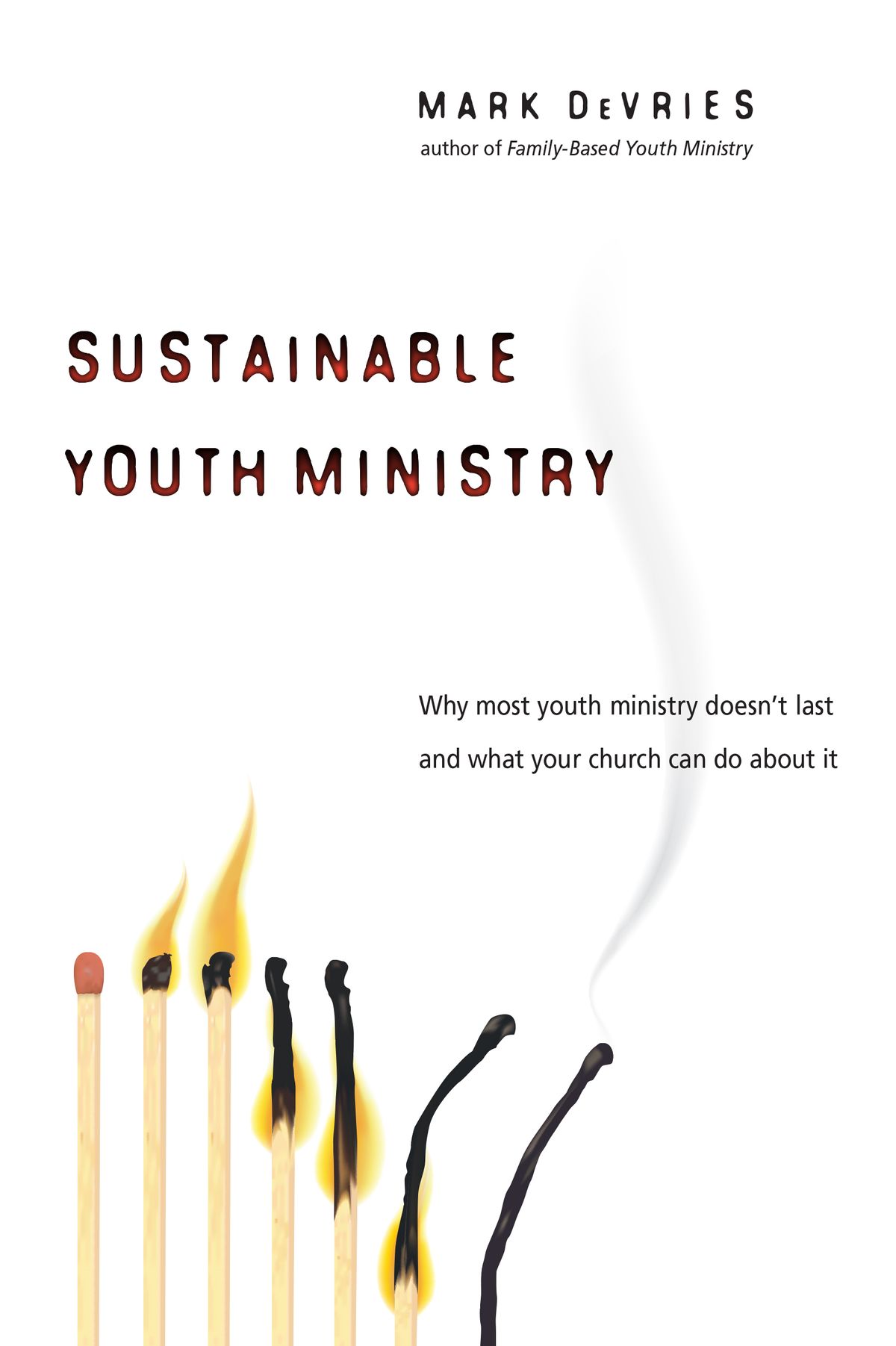
  8. Sustainable Youth Ministry: Why Most Youth Ministry Doesn’t Last And What Your Church Can Do About It, by Mark DeVries
  9. God of the Possible: A Biblical Introduction to the Open View of God, by Gregory A. Boyd
  10. Food & Faith: A Theology of Eating, by Norman Wirzba*
  11. The Nature of Doctrine: Religion and Theology in a Postliberal Age, by George A. Lindbeck*
  12. Pentecostal Theology and the Christian Spiritual Tradition, by Simon Chan*
  13. Four Views on the Historical Adam, by Denis O. Lamoureux, John H. Walton, C. John Collins, and William D. Barrick
  14. Change of Heart: Seven Money Truths to Help Teens from the Inside Out, by Joey Sparks
  15. #NoFilter, by Scott Utter
  16. Dead Wake: the Last Crossing of the Lusitania, by Erik Larson
  17. Learning the Art of Helping: Building Blocks and Techniques, by Mark E. Young
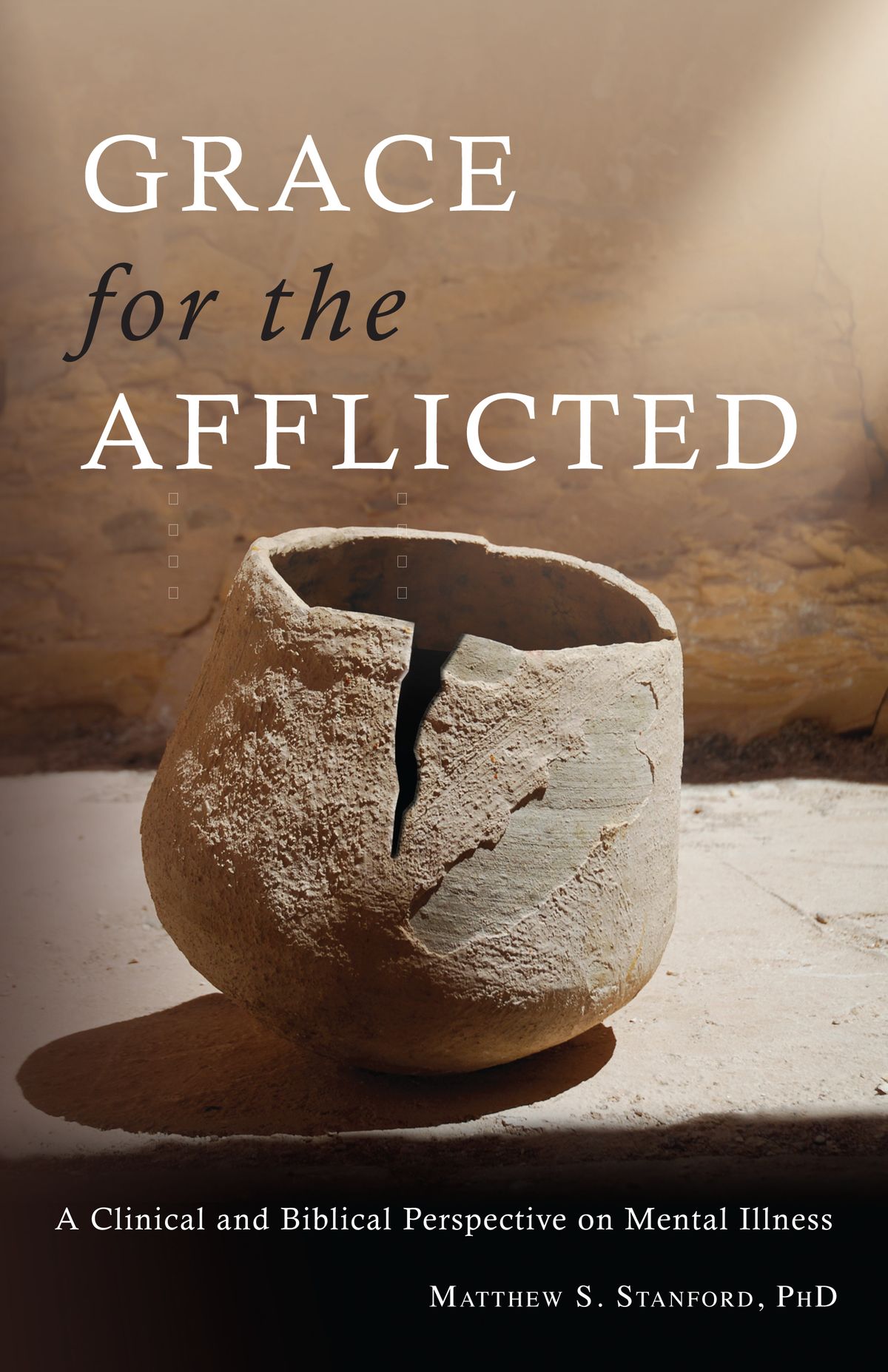
  18. Grace for the Afflicted: A Clinical and Biblical Perspective on Mental Illness, by Matthew S. Stanford
  19. Competency-Based Counseling: Building on Client Strengths, by Frank Thomas and Jack Cockburn
  20. The Practice of the Presence of God with Spiritual Maxims, by Brother Lawrence
  21. Where Is God When It Hurts? by Philip Yancey
  22. The Bombay Boomerang, by Franklin W. Dixon
  23. The 60 Second Scholar: 100 Insights that Illumine the Bible, by Michael S. Heiser
  24. Essay on Negro Slavery, by James O’Kelley
  25. Firestorm: Preventing and Overcoming Church Conflicts, by Ron Susek
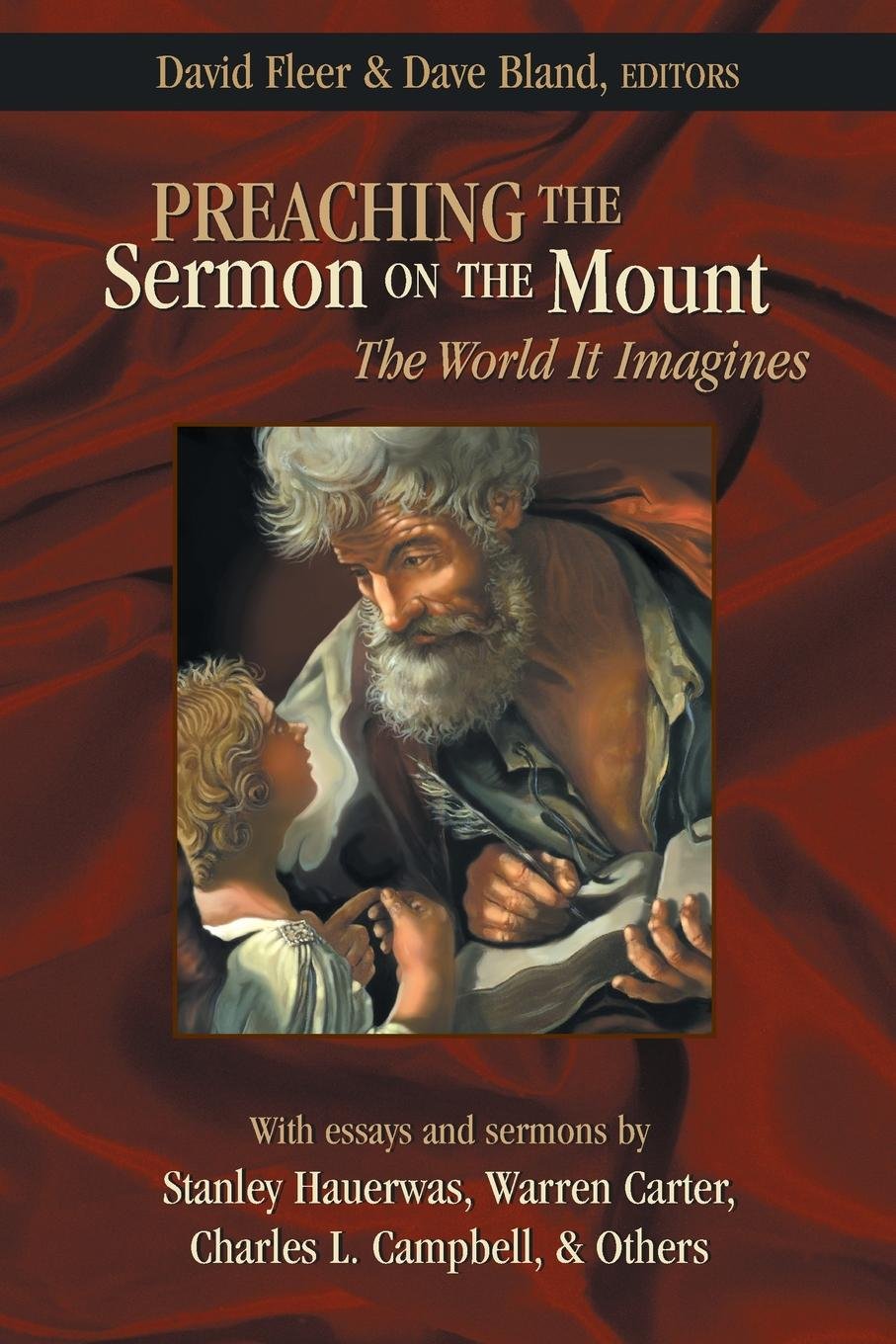
  26. Preaching the Sermon on the Mount: The World It Imagines, edited by David Fleer and Dave Bland
  27. Discover Your Conflict Management Style, by Speed B. Leas
  28. Congregational Leadership in Anxious Times: Being Calm and Courageous No Matter What, by Peter L. Steinke
  29. The Gospel of Matthew, Volume 1, by William Barclay*
  30. The Anatomy of Peace: Resolving the Heart of Conflict, by the Arbinger Institute
  31. Guiding People Through Conflict, by Ken Sande and Ted Kober
  32. Building Conflict Competent Teams, by Craig E. Runde and Tim A. Flanagan*
  33. Living Jesus: Doing What Jesus Says in the Sermon on the Mount, by Randy Harris
  34. Why I Value the Bible, by Kerry Holton
  35. The Beatitudes: Jesus’ Formula for Happiness, by Rubel Shelly
  36. Managing Church Conflict, by Hugh F. Halverstadt*
  37. 11 Youth Ministry Hacks So You Can Spend More Time on What Matters Most, by Kindred Youth Ministry
  38. The Listeners’ Bible ESV, read by Max McLean
  39. Don’t Quit on a Monday, by Jeff and Dale Jenkins
  40. How to Read the Bible For All It’s Worth, by Kerry Holton
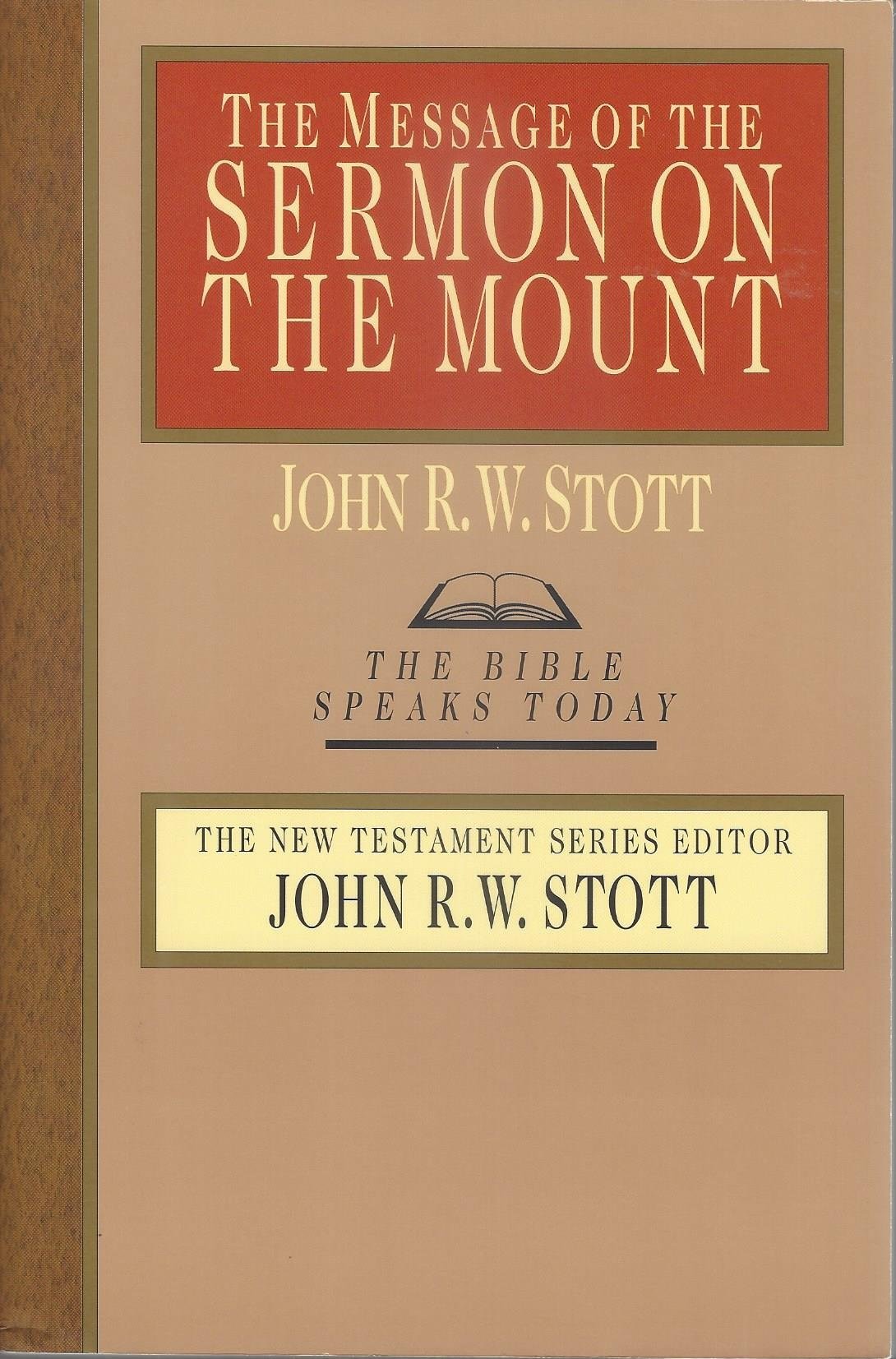
  41. Christian Counter-Culture: The Message of the Sermon on the Mount, by John R.W. Stott
  42. Centered in God: The Trinity and Christian Spirituality, by Mark E. Powell
  43. Coming Clean: A Story of Faith, by Seth Haines
  44. Paul: Jewish Law and Early Christianity, edited by Margaret Warker
  45. Paper Covers Rock, by Jenny Hubbard
  46. A Christmas Carol, by Charles Dickens
  47. The Story, by Biblica
  48. Embracing Creation: God’s Forgotten Mission, by John Mark Hicks, Bobby Valentine, and Mark Wilson
  49. The Castle Corona, by Sharon Creech
  50. The Big Field, by Mike Lupica
  51. Advent and Christmas, by Thomas Merton

A few major observations before I talk about a couple of specific books:

  • My reading total increased slightly from 2015, when I read 48 books. I actually think I read less total, however, because I did not do as much reading of articles or long commentaries. Still, I did a lot of writing and editing this past year on various projects, and I know that cut into my reading time somewhat.
  • Looking back, I think there were more books that I read this past year that I really enjoyed than in 2015. My Top 10 books for the year are highlighted in bold above, but there are several in the list above that did not make that cut that I still enjoyed.

Of those Top 10 books, I would like to highlight a few (Note: I previously reviewed Centered in God, and hope to review 2-3 others in the near future):

Grace for the Afflicted: A Clinical and Biblical Perspective on Mental Illness, by Matthew S. Stanford: I read this book for a counseling class,  and it might have been the best book I read all year. It helped me consider mental illness from a more biblical and theological perspective, and also discussed various mental illnesses clinically as well. I really think this is a book that all Christians should read, as mental illness of various types is prevalent in our society and thus in the church as well, and traditionally, we have not done well showing grace and compassion to those who suffer from these illnesses that we generally struggle to see or understand.

Sustainable Youth Ministry, by Mark DeVries: I have been a youth minister for over a decade now, and I have tried to become a student of youth ministry in an effort become more effective at helping young people develop lifelong faith. With that in mind, I have read quite a few books on youth ministry over the years. Mark DeVries became one of my favorite Youth Ministry thinkers with his Family-Based Youth Ministry, but it is possible that I enjoyed Sustainable Youth Ministry even more. The basic idea of the book is simple: youth ministries should not be built upon the foundation of a specific person (the youth minister), but should rather be constructed in such a way that they are able to survive for the long term and not be dependent on one person. There is a lot in this book to digest and I am still determining how best to implement some of the ideas, but the key principle is outstanding.

The 60 Second Scholar: 100 Insights that Illumine the Bible, by Michael S. Heiser: I am not a huge fan of the title of this book, because it makes it sound shallow or not serious. It is not, however, as the material that Heiser presents represents solid biblical and theological scholarship. Honestly, I felt like much of what has taken me years of college and graduate school courses to learn was condensed in this one, very readable, volume.

I did a lot of study on the Sermon on the Mount this year, and read several books and commentaries as a part of that study. Preaching the Sermon on the Mount: The World It Imagines, edited by David Fleer and Dave Bland, was a good read that presented some excellent background information, and some challenging sermons based on the Sermon.

But easily the best resource I read was Christian Counter-Culture: The Message of the Sermon on the Mount, by John R.W. Stott. Stott writes with penetrating insight and a gentle spirit, and with rare exceptions, I thought his interpretations of the SOTM were dead on (the book pictured and linked to above is a different edition than what I read).

So, that was my reading for 2016. For comparison’s sake if you are interested, you can see my reading lists from previous years:

I have a ton of books I have accumulated over the last few years that I am anxious to read, and for the first half of the year I do not have any graduate courses so I am hopeful that I will actually get to read some of them! I am looking forward to reading a diversity of works, and in particular, I am hoping to read more fiction this year.

What are some of the best books you read this past year?

*Books that I did not read in their entirety, but read significant portions of.

Are Your Teens Actually Learning in Bible Class?

If your church is like mine, you probably spend quite a bit of time and effort teaching the Bible to teenagers. I think this is a very important task, but there are some important questions related to teaching teens. First, although you may be teaching, are your students actually learning about the Bible and Christianity? Second, how do you know if they are learning or not?

Incredibly Inarticulate

The National Study of Youth and Religion (NSYR) was a massive research study conducted from 2002-2005. More than 3,300 American teenagers between the ages of 13-17 were included in the study. Of that number, 267 sat down for follow-up face-to-face interviews, and 2,500 of the 3,300 were revisited a couple of years later to see how their religious lives changed as they aged. The study included teens from all different religious backgrounds: Christian, Muslim, Jewish, Hindu, Agnostic, etc.

The results of the study were illuminating, but also, from a Christian perspective, concerning: the NSYR found that three out of four American teenagers claim to be Christian, but only about half consider their faith to be important, and less than half practice their faith as a part of their daily lives.[1] Furthermore, the report showed that “the vast majority” of U.S. teens are “incredibly inarticulate about their faith.”[2] In other words, even those teens who claim to be Christians are unable to explain what it means to be a Christian or what they actually believe.

When asked questions about what they believed religiously, here were some of the actual responses:[3]

  • “Uh, I haven’t really thought about that [pause]. I don’t know.”
  • “I believe in the [pause], I, ohhh [pause], I don’t think I’d really like to talk about that.”
  • “Hm, I don’t know, I’d have to like ask somebody or something, I don’t know.”
  • “Um, I guess I believe…[laughs], um, I don’t know. I don’t really know how to answer it.”

Now, if you were to ask young people in your congregation questions like, “What does it mean to you to be a Christian?” or “What is the Gospel?” or “What does God want for your life?”, I’m sure that some could come up with some pretty good answers. At the same time, I know that some would struggle as well, and I know this not just because of what the NSYR says, but also because I have worked with lots of teenagers over the years and have asked these exact questions and witnessed firsthand the difficulties that teens have articulating their faith.

Assessment in Bible Class

With all of this in mind, I have become convicted that it is not enough for us to teach teens at church; we also need to assess what they have learned and do that in such a way that they are given the opportunity to put what they have learned into words.

In other words, I believe that assessment should be a major part of what we do in Bible class. To be sure, this can be done in a variety of ways:

  • Class discussions where students verbalize their beliefs or their understanding of what has been taught
  • Presentations where students share material they have learned with other students
  • Objective tests and quizzes where students demonstrate their learning (matching, multiple-choice, fill-in-the-blank, etc.)
  • Short answer and essay tests where students write out what they have learned in their own words

As an example, we recently spent a quarter in our Sunday Morning High School Bible Class studying the Sermon on the Mount. At the end of that time, I wanted to evaluate how effective the class had been, and what the students had learned. Below are some questions from the short answer test I gave my students, along with some of their actual answers:

We talked a lot in this series about how in the Sermon on the Mount (SOTM), Jesus was describing what His kingdom looked like, and that it is an alternative community. What do we mean by that term?

–We don’t live how the world lives. We stand out.

–A community that is set apart with a different set of standards than the world.

At the beginning of the SOTM, Jesus described what citizens of the kingdom look like with the beatitudes. In general, how are these characteristics that Jesus values different from what the world values?

–What He values seems very weak and powerless, while the world values riches and power.

–In general, the values of Jesus are much different than the ones of the world. The values of Jesus are sometimes viewed as weaknesses by the world, like being meek, being poor, and being persecuted.

What does it mean to live as salt and light in the world?

–We have to season the Earth and preserve it and show the good in an evil world.

–Salt makes things taste better and light helps us to see. We need to make the world a better place by being the salt in how we act and we need to be the light that leads and shows people the way to Christ.

–Salt helps preserve food and also make it better, we as Christians should strive to preserve and save lost souls. The light shines in the dark. We are supposed to live like Christ, thus shining our light, in the world, which is the darkness.

Explain Matthew 5.43-48 in your own words.

–We need to strive to treat everyone the way we want to be treated or better because God gives good to everyone and we are told to strive to be like Him.

–Loving those who love you is a normal basic thing that takes no effort, but loving those who hurt you is a challenge. Jesus died for all of us and that show His love even for those who put Him to death.

–Matthew 5.43-48 is saying it’s easy to love those who are good to you and that even the people of the world do that. But it is much harder to love those who do you wrong and mistreat you. As an Alternative Community we must be different from the world and show love to everyone, especially those who do us wrong.

Explain the following quote and how it relates to Matthew 6.1-4: “There is a significant difference in being seen doing good works and in doing good works to be seen.”

–It’s all about motives. If the only reason you are doing a good deed is to be seen doing that good deed, then your motives are wrong. We should do good deeds with the thought of actually helping someone.

–When we do good we should do it out of the goodness of our hearts to help others, not to get recognition for it.

–If you do something to be seen, you want someone to reward you, but if you do something and happen to be seen doing it, you’re doing it because you know it’s right.

Matthew 6.25-34 talks about worry, and in class, we said that in a sense, when we worry, we are declaring that we are atheists. How is that true?

–When we worry we’re essentially saying no one will take care of us and we’re going to have to do it on our own.

–We should not worry because God is in control of everything. If we worry, in a sense we are saying that we don’t trust God and that we think He can’t do for us what we think we need Him to do.

–God tells us not to worry and if we have worries, He tells us to give them to Him, but if we don’t give our worries to Him, we essentially are doubting God and His ability to handle our problems.

What parable does Jesus use in Matthew 7.24-27 to end the SOTM? How does this parable function as the “Invitation” to the Sermon? What response is Jesus seeking from His audience?

–Building on the sand vs. solid foundation. It warns them of the dangers of not taking the invitation and not following Him.

–He used the parable of the man who built his house on the rock and it stood firm and the other man who built his house on sand and it fell apart. We should strive to build our faith on Jesus where it won’t fall apart.

–The wise and foolish builders. It is an “Invitation” because he is making them evaluate themselves. He is expecting them to really think about their foundation and whether or not it’s with Christ instead of the world.

What was something new that you learned in this study?

–It helped me to grow stronger in my faith. It has helped me in my attitude toward others by treating everyone as good as possible.

Conclusion

Now, as you read through the answers above, you may have had some quibbles here or there, but for the most part, I was very pleased with these responses, because they showed that the students paid attention in class and also grasped significant concepts from Jesus’ Sermon.[4]

But the point of this post isn’t that my students are brilliant—I love them, but trust me, they’re not! 🙂 The point is that in the face of research which states that teenagers generally lack the ability to put their faith into words, we as teachers need to give them the opportunity to practice doing just that.

You can do that through a test as I did above, through a less formal method of assessment like a class discussion, or a host of other ways, but it is imperative that we help teenagers be articulate about what they believe. After all, how can young people share the Gospel if they don’t know how to put it into words?


[1]Christian Smith with Melinda Lundquist Denton, Soul Searching: The Religious and Spiritual Lives of American Teenagers (Oxford: Oxford University Press, 2005): 31; Kenda Creasy Dean, Almost Christian: What the Faith of Our Teenagers Is Telling the American Church (Oxford: Oxford University Press, 2010), 10.

[2]Smith, 131.

[3]Smith, Ibid.

[4]In the interests of full disclosure, I had some students give answers that were not nearly as good as the ones I shared above. At the same time, three of my best students were not in class that day, so their answers (which likely would have been very good) are not reflected either.

Essential Elements of Effective Youth Ministry

Introduction

I have been doing a lot of reflection on the practice of youth ministry recently, which I guess is not too surprising since I am, well, a youth minister. The more I think about it, I am convinced that there are six necessary elements of effective youth ministry. I am not absolutely claiming that this is an exhaustive list, but I do think that the categories I talk about below, properly defined, basically incorporate the whole practice of what youth ministry should be.

I should also point out that these elements are not dependent on a particular model of youth ministry; rather, they are characteristics that should be a part of any model. Not to overcomplicate things, these six elements basically fall into three categories, with each category containing two elements: one more visible element, which is supported by a related, less visible element (see chart below).

Events (High-Visibility Programming)

The category of programming refers to a lot of the stuff that I think people most naturally think of when they think of youth ministry—trips, special events, and regular activities that the youth group is involved in—and the behind-the-scenes planning that makes all of this activity possible.

Simply put, although youth ministry is about a lot more than events on a calendar, events are a fundamental and crucial part of youth ministry. Those events can be widely varied (devotionals, youth rallies, ski trips, service projects, flag football games, eating together, game nights, etc.) and can accomplish a range of objectives (fellowship, study, service, outreach, etc.), but ultimately, if you never have events for your young people, you don’t really have a youth ministry.

Events represent what is most likely the most public aspect of youth ministry, and many times, people may judge a youth ministry’s effectiveness solely on the basis of the quality or perceived quality of your events.

Administration (Low-Visibility Programming)

In order for your events to actually happen, it requires a great deal of planning, and this is where administration comes in. This is much less visible than the events themselves, but it’s absolutely crucial: if you don’t invest time in administrative duties, then your youth ministry simply will be unable to function.

Youth ministry administration is about much more than putting together a calendar of events, however. It involves all sorts of planning and record-keeping that enable your programming to actually be implemented: recruiting chaperones and volunteers, organizing curriculum, tracking youth attendance, setting up group texts, sending out parent newsletters, and the list goes on and on.

I have found that administration can be a difficult thing for youth ministers: because most administrative tasks go on behind the scenes, no one (generally) forces you to do them, and to be honest, usually they are not very enjoyable. And I do think it is possible for a youth ministry with poor administration to still have effective programming at times, but I think good administration makes consistency in quality programming much more likely, and also helps to make a youth ministry much more sustainable.

Teaching (High-Visibility Learning)

Any effective youth ministry will make it a priority to provide an environment where learning can occur, since we want our young people to grow up to be mature people of faith. Primarily, we want our young people to learn about God and the Bible, but it is important for them to learn other things as well (Luke 2.52 talks about how the 12-year Jesus grew physically, intellectually, socially, and spiritually, and in my opinion, this sort of well-rounded growth serves as a good model for what we should try to achieve in youth ministry).

Most visibly, this characteristic of youth ministry is achieved through the practice of teaching. Teaching occurs in formal settings, like Bible classes, sermons, devotionals, worship-leading programs, and youth group retreats, and it also occurs more informally, in mentoring relationships and personal Bible studies.

Because a lot of people can witness you teach (including adults in some settings), this is another element where people tend to make judgments about the quality of the youth minister.

Study (Low-Visibility Learning)

The reality is that your teaching will not be very good for very long if you have not invested a significant amount of time in study. Or to put it another way, before students can learn, the youth minister has to.

I think study is very important, and maybe because I am somewhat of a nerd, I actually enjoy it. But really, I feel that there is an almost endless list of sources and topics that are worth studying which help you to teach more effectively as a youth minster:

  • Scripture (obviously)
  • Interpretation and exegesis of Scripture
  • Theology
  • Ministry (general)
  • Youth ministry (both theory and practice)
  • Adolescent development
  • Interpersonal Relationships and Conflict
  • Leadership
  • Church History
  • Technology and Social Media
  • Teaching Methods and Theory

This list barely scratches the surface of different areas of study which apply directly to youth ministry, and help you to teach more effectively.

Study is another low-visibility element, and for many people, studying is not fun, and because of that, it’s an element that can be crowded out of a busy schedule. Still, I do think it’s true that people can tell by your teaching if you have done your homework or not and put in the necessary amount of study ahead of time. And more importantly, if you provide a full slate of exciting and well-run events, but your students never really learn anything, what have you really accomplished?

Example (High-Visibility Living)

Intentionally, I have saved the category of living for last, because I think it is the most important: fundamentally, Christianity is more than a bunch of activities we do, or a bunch of precepts we learn: it is a way of life. And effective youth ministries should help prepare young people to live according to the Way of Jesus.

Most visibly, this is done in the example of the youth minister himself. It is really hard to overstate the importance of your own personal example and the influence it has as you interact with your students on a day-to-day basis and seek to build meaningful relationships with them. If you provide great events and wonderful, biblical teaching, but act in such a way that does not reflect Christ, you send a mixed message to your students, and may even drive them away from the faith. Your students witness your devotion to the church, the way you interact with your spouse, the way you respond when another student misbehaves, and whether or not you cheat at dodgeball. And based on what they see, they make judgments about the authenticity of your discipleship (and honestly, they should, shouldn’t they?).

Obviously youth ministers are never perfect, but we should live lives of devotion to Jesus and moral excellence so that we can appropriate the words of Paul to our students: “Imitate me as I imitate Christ.”

Spiritual Life (Low-Visibility Living)

The ability to be a good spiritual example for young people does not occur in a vacuum; it is undergirded by a robust spiritual life characterized by devotion to Christ and attention to spiritual disciplines. Ultimately, while good organizational skills and study habits are an important part of youth ministry, the single most important element is a devotion to Jesus Christ and a desire to help others develop a similar devotion.

Personal spiritual formation is enhanced by disciplines such as prayer, Bible reading, fasting, etc., is empowered by the Holy Spirit, and is the fuel that empowers us for ministry, and keeps us going when circumstances are difficult and our ministries are not achieving the results we would like.

Conclusion

If you work in youth ministry (whether that is your job, or whether you support a youth ministry as a deacon, parent, chaperone, teacher, volunteer, or whatever), and especially if you are new in youth ministry, I hope that this list of the elements of youth ministry and the way they are related is helpful to you. Youth ministry is a multi-faceted endeavor, and I don’t know many people who naturally excel at all areas of it (I know I don’t!). That being said, being aware of the different elements of youth ministry helps us to take stock of how we are doing in the different areas, and enables us to focus more on those areas that are more of a struggle for us.

« Older posts Newer posts »

© 2026 The Doc File

Theme by Anders Noren — Up ↑