The online journal of Luke Dockery

Category: Youth Ministry (Page 12 of 24)

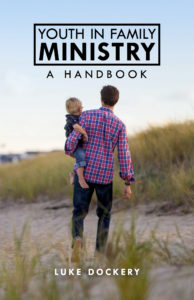
Youth In Family Ministry: A Handbook

Purchase the Book

Paperback: Directly from me $10; Amazon $11.99

Digital: Gumroad $7

Research shows that a lot of our young people walk away from their faith after high school, and what’s worse, research also indicates that many of the things that we have traditionally done in youth ministry are actually weakening the ties that young people have to the church rather than strengthening them.

In Youth In Family Ministry, I take an in-depth look at the current crisis in youth ministry, examine in detail what Scripture says about passing faith on to the next generation, and also suggest practical ways that this can be done. Youth In Family Ministry is a short read, is thoroughly researched and footnoted, and is filled with important information.

This is an important project to me because I deeply believe in the importance of helping our young people develop a faith that will stick with them throughout their lives. It is my hope that it be read widely so these ideas can spread and more and more churches can practice youth ministry in what I believe is a more biblically-grounded and, ultimately, better way.

What People Are Saying

“If you are serious about helping young people to take ownership of their faith and to grow up as active parts of your local congregation, then you need to read this book.”

–MARK ADAMS, Preaching Minister, Kings Crossing Church of Christ (TX)

“Dockery shows that while statistics differ in specifics, study after study shows that a startling number of young Christians leave their faith after graduating high school. He proposes that age segregation in the church is a major culprit of this exodus. Students leave their faith behind once they enter adulthood because they were never deeply integrated with the adults at church to begin with.

He proposes that the biblical responsibility for the spiritual formation of the younger generation lies with both the physical family and the faith family, working together to incorporate them into the life of the church.

Dockery gets very specific exactly when I want him to. He gives practical ideas for engaging kids in the life of the church, itemizes the reasons they leave the church, and so on. Youth ministry is so important and so far outside my area of expertise that I came in hoping for nuts and bolts, and that’s what I got.”

—PARKER BULLARD, Minister, Poncha Springs Church of Christ (CO)

“Dockery has done an excellent job putting together relevant research on why teens walk away from their faith and how this can be addressed through better youth in family ministry. He discusses to the challenges of post-high school life for many teens and points to the need to age integration in our churches, among other things, as a way to encourage Christian teens to stay connected to a church and to their faith. Dockery has given us in ministry a great resource filled with research on adolescent behavior and development, scriptural study, and practical insight from his years as a youth minister.”

—KEVIN BURR, Minister, Nicholasville Church of Christ (KY)

“Youth in Family Ministry: A Handbook is an essential resource for anyone in youth ministry. Luke Dockery has taken more than a decade of experience and his academic training and condensed it into a short, accessible book that lays the case for Youth in Family Ministry as a ministry philosophy, while offering practical advice as to how that looks in practice.”

—JARED PACK, Deacon, Farmington Church of Christ (AR)

RATED AS A TOP RESOURCE BY MINISTRYTOPARENTS.COM

Reading in 2017

I have enjoyed seeing several people post lists of the books that they read in 2017, or their top books from the past year. As someone who likes to read and keep track of what I read, it is fun to see what other people are reading as well.

Here is my list from 2017:

  1. Salt to the Sea, by Ruta Supetys
  2. Jonah: God’s Scandalous Mercy, by Kevin J. Youngblood
  3. Wild in the Hollow: On Chasing Desire & Finding the Broken Way Home, by Amber C. Haines
  4. Kingdom Come: Embracing the Spiritual Legacy of David Lipscomb and James Harding, by John Mark Hicks and Bobby Valentine
  5. City of Thieves, by David Benioff
  6. The Case for Easter: A Journalist Investigates the Evidence for the Resurrection, by Lee Strobel
  7. Digging Deeper Into the Word: The Relevance of Archaeology to Christian Apologetics, by Dale W. Manor
  8. Paul, by Edgar J. Goodspeed
  9. Babe: The Legend Comes to Life, by Robert W. Creamer
  10. Truth Speaks to Power: The Countercultural Nature of Scripture, by Walter Brueggemann
  11. The Need For College Ministry: Awakening the Church to One of the Most Receptive Mission Fields in the World, by Neil Reynolds
  12. The Phantom Tollbooth, by Norton Juster
  13. The Rule of Faith: A Guide, by Everett Ferguson
  14. Hear Me Out, by Philip Jenkins, et. al
  15. All The Light We Cannot See, by Anthony Doerr
  16. The Teammates: A Portrait of a Friendship, by David Halberstam
  17. Radical Restoration: A Call for Pure and Simple Christianity, by F. LaGard Smith
  18. Murder at Fenway Park, by Troy Soos
  19. Little League Confidential, by Bill Geist
  20. The Big Four, by Agatha Christie
  21. The Sticky Faith Guide for your Family, by Kara Powell
  22. Velvet Elvis: Repainting the Christian Faith, by Rob Bell
  23. A Biblical Pattern for Church Growth: A Study of Ephesians 4.1-16, by Earl Lavender
  24. With the Old Breed, by E. B. Sledge
  25. Ballplayer, by Chipper Jones with Carroll Rogers Walton
  26. Hillbilly Elegy, by J.D. Vance
  27. Lead Small: Five Big Ideas Every Small Group Leader Needs to Know, by Reggie Joiner and Tom Shefchunas
  28. The Didache
  29. First Apology, by Justin Martyr
  30. Against Heresies, by Irenaeus*
  31. Prescription Against Heretics, by Tertullian
  32. The Stone-Campbell Movement, by Leroy Garrett
  33. On First Principles, by Origen*
  34. Oration in Praise of the Emperor Constantine, by Eusebius
  35. Conference 1, by St. John Cassian
  36. The Rule of St. Benedict
  37. The Trinitarian Controversy, ed. by William G. Rusch*
  38. Ten Tips To Preaching To Students, by Frank Gil
  39. Confessions, by Augustine*
  40. The Distraction Slayer, by Michael Hyatt
  41. The Christological Controversy, ed. by Richard A. Norris, Jr.*
  42. I Had a Hammer: The Hank Aaron Story, by Hank Aaron with Lonnie Wheeler
  43. Proslogion, by Anselm of Canterbury
  44. Why God Became Man, by Anselm of Canterbury
  45. Gorky Park, by Martin Cruz Smith
  46. The Bridge of Sighs, by Olen Steinhauer
  47. Harry Potter and the Sorcerer’s Stone, by J.K. Rowling
  48. Youth Ministry in a Post-Christian World: A Hopeful Wake-Up Call, by Brock Morgan
  49. The Story of Christianity, Volume 1: The Early Church to the Dawn of the Reformation, by Justo L. González
  50. Harry Potter and the Chamber of Secrets, by J.K. Rowling
  51. Advent: Seasonal Readings, by N.T. Wright
  52. Your First Two Years in Youth Ministry, by Doug Fields

A few major observations before I talk about a couple of specific books:

  • My reading total increased from 51 books in 2016 to 52 books in 2017. And this included a couple of very large volumes of 700-800 pages.
  • I really enjoyed my reading in 2016, and felt that 2017 was a little bit of a step down. My Top 10 books for the year are highlighted in bold above, but there are several in the list above that did not make that cut that I still enjoyed.
  • My reading was a little more varied this year, which probably reflects that I wasn’t in grad school until August, and thus had more free time to read what I wanted.

Regarding my Top 10 books for the year, here are some brief thoughts on those (presented in order of when I read them, not ranked 1-10):
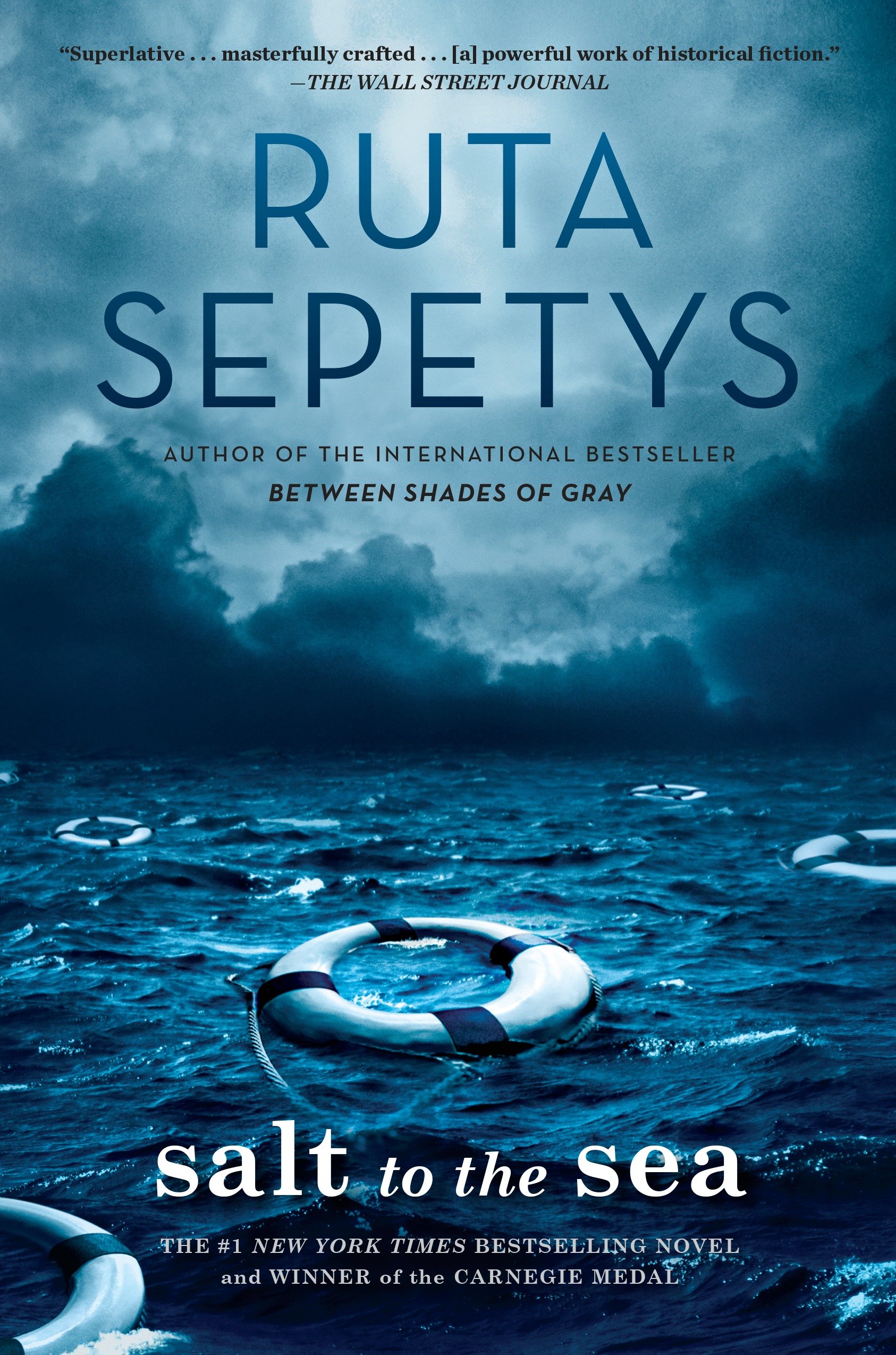
Salt to the Sea, by Ruta Sepetys: This is a novel, set in the closing days of WWII, with the interesting narrative device of four different characters who alternate as narrators with different perspectives and individual stories that converge into the main plot of  he book. The characters are interesting, the story is compelling, and the short chapters made it a compelling read that was hard to put down.
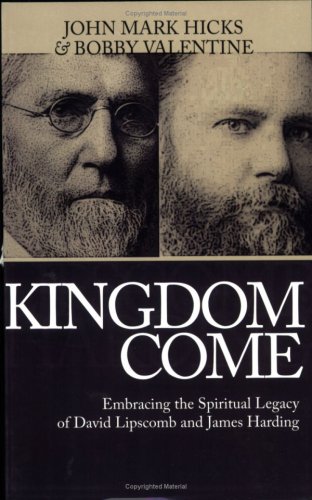
Kingdom Come: Embracing the Spiritual Legacy of David Lipscomb and James Harding, by John Mark Hicks and Bobby Valentine: Maybe this is cheating because this was actually a re-read for me, but Kingdom Come was still one of my favorite books of the year. As regular readers of this blog are aware, I am a bit of a Restoration Movement history buff, and this book does a great job of telling the stories of two second generation Restoration leaders, and suggesting ways in which embracing some of their ideas can be beneficial to Churches of Christ moving forward.
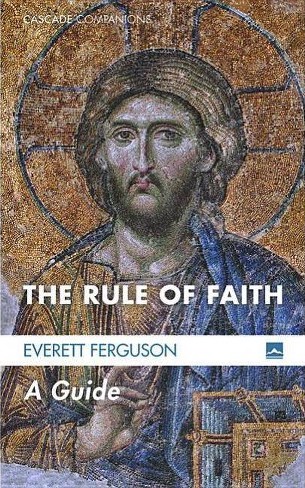
The Rule of Faith: A Guide, by Everett Ferguson: This is a short book, but somewhat dense, and it provides a series of excerpts from early church fathers in which they describe the “rule of faith”—the basic content of Christian belief that had been received from the apostles. This was not a formalized creed that would later be required for catechumens or accompany baptism, but was simply the basic contours of Christian orthodoxy that had been handed down from one generation to the next. This is a fascinating read especially for those who (like me) believe that Christian unity is important, that unity must be based on at least some certain common beliefs, and that those beliefs should be present in the early, historical manifestations of Christianity.
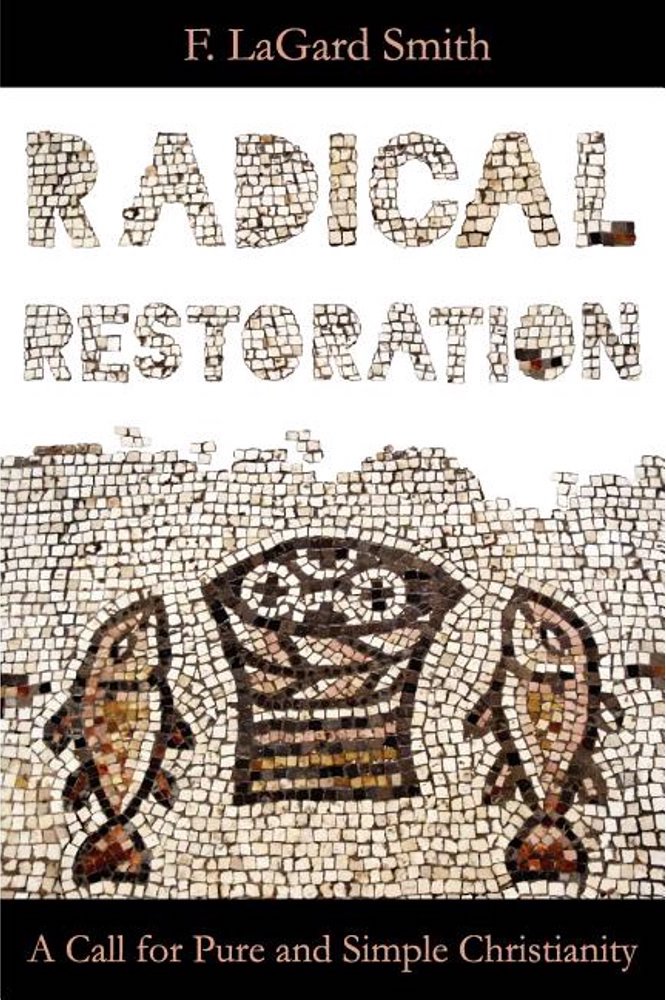
Radical Restoration: A Call for Pure and Simple Christianity, by F. LaGard Smith: Smith is always worth reading to me, because he is such a keen and original thinker. This book is especially intended for those who see the value in attempting to emulate the practices of the early church, and boldly confronts a lot of current practices that would be very foreign to the biblical worldview. I actually wrote about this book a bit earlier in the year, and described it as an “endearing combination of brilliant insights and prolonged axe-grinding,” which I still think is the best description I can give it.
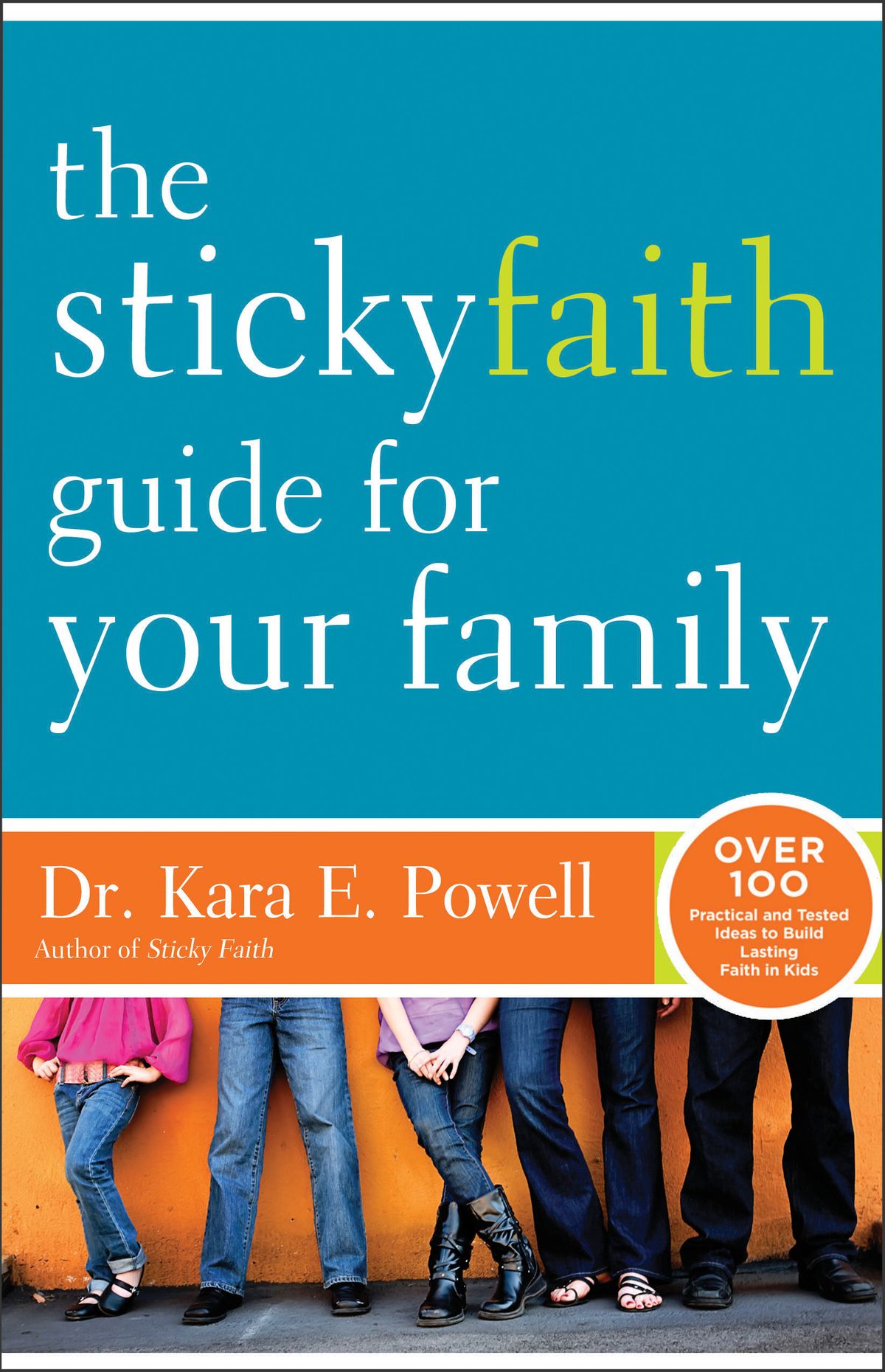
The Sticky Faith Guide for Your Family, by Kara Powell: I have written about Sticky Faith (the “parent” of this book) many times over the years, and this is a worthy companion to the original volume. Based on the same research, it is slightly different in emphasis: if Sticky Faith is 2/3 theory and commentary and 1/3 practical ideas, The Sticky Faith Guide for Your Family is the reverse. Simply put, it is filled with ideas of practical steps you can take at home with your kid to build a faith that will “stick” with them throughout their lives.
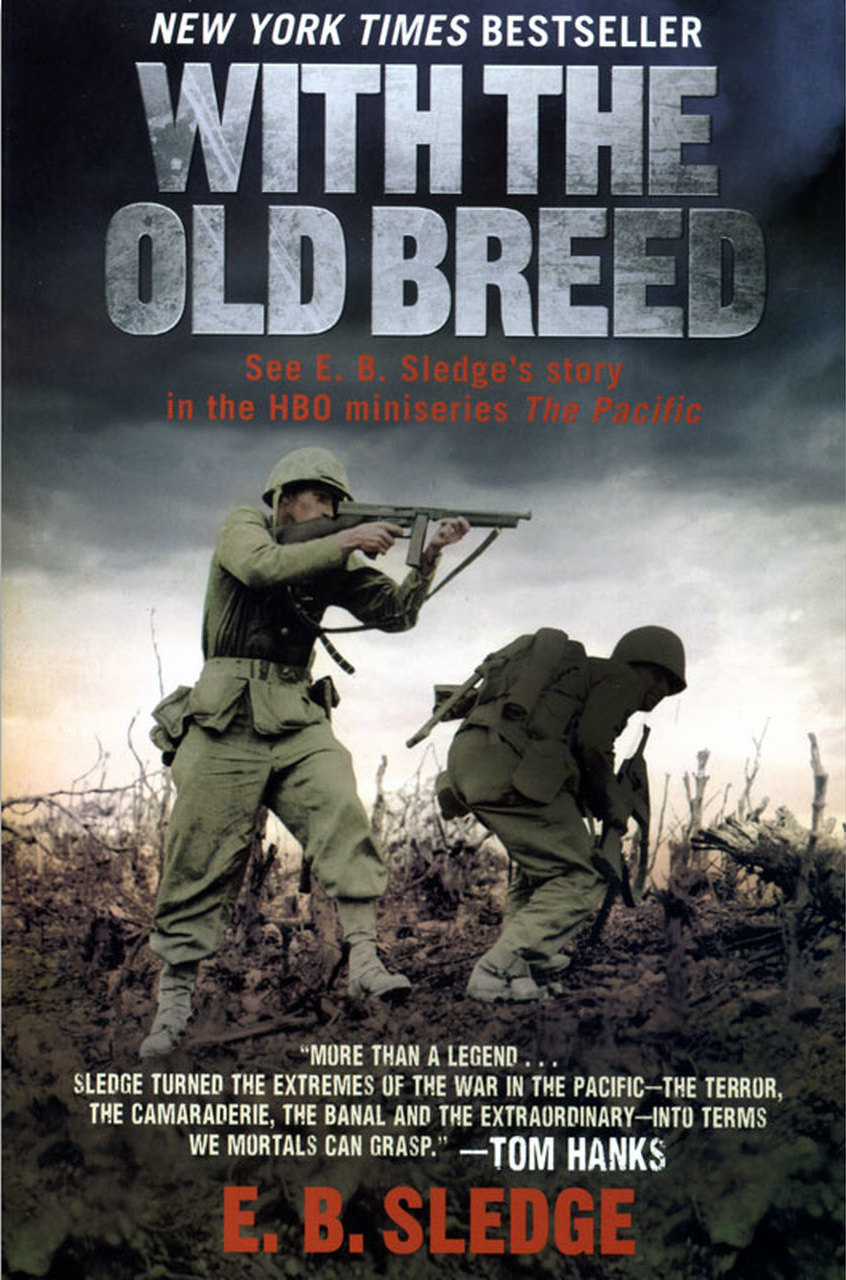
With the Old Breed, by E. B. Sledge: This is a WWII memoir that focuses specifically on the Pacific Theatre. The battle accounts are a punch in the gut, but Sledge provides thoughtful reflection throughout as he wrestles with the horrors of war while maintaining the necessity of it, at times.
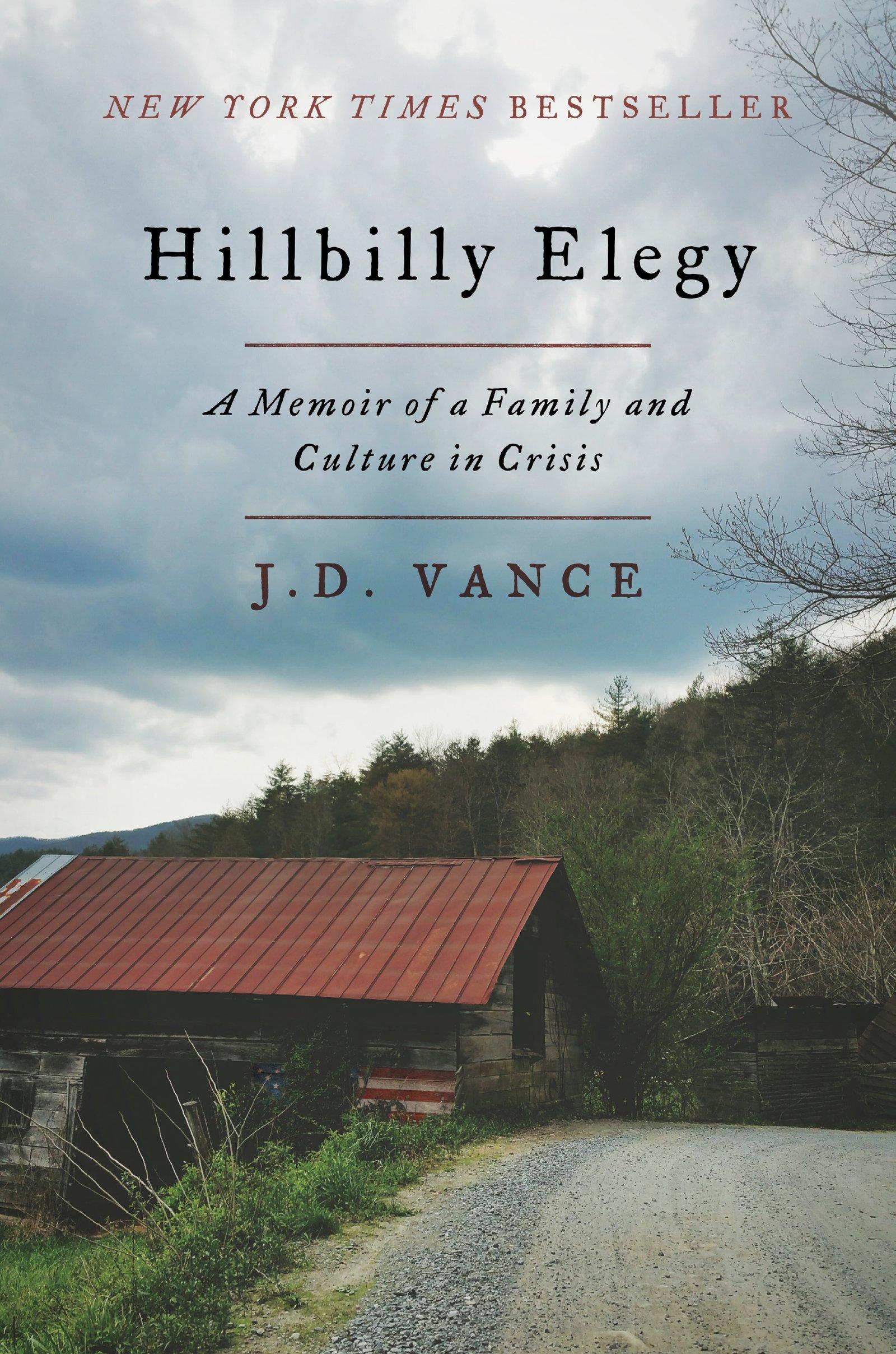
Hillbilly Elegy, by J.D. Vance: This book has been criticized in some quarters, and perhaps rightly so in that at times it paints with too broad a brush, and perhaps make claims that can’t truly be justified based on the anecdotal evidence of one family. At the same time, the story is remarkably poignant, and undoubtedly unveils important truths about certain swaths of American society. As the descendant of Ozark hillbillies, the story certainly resonated with me.
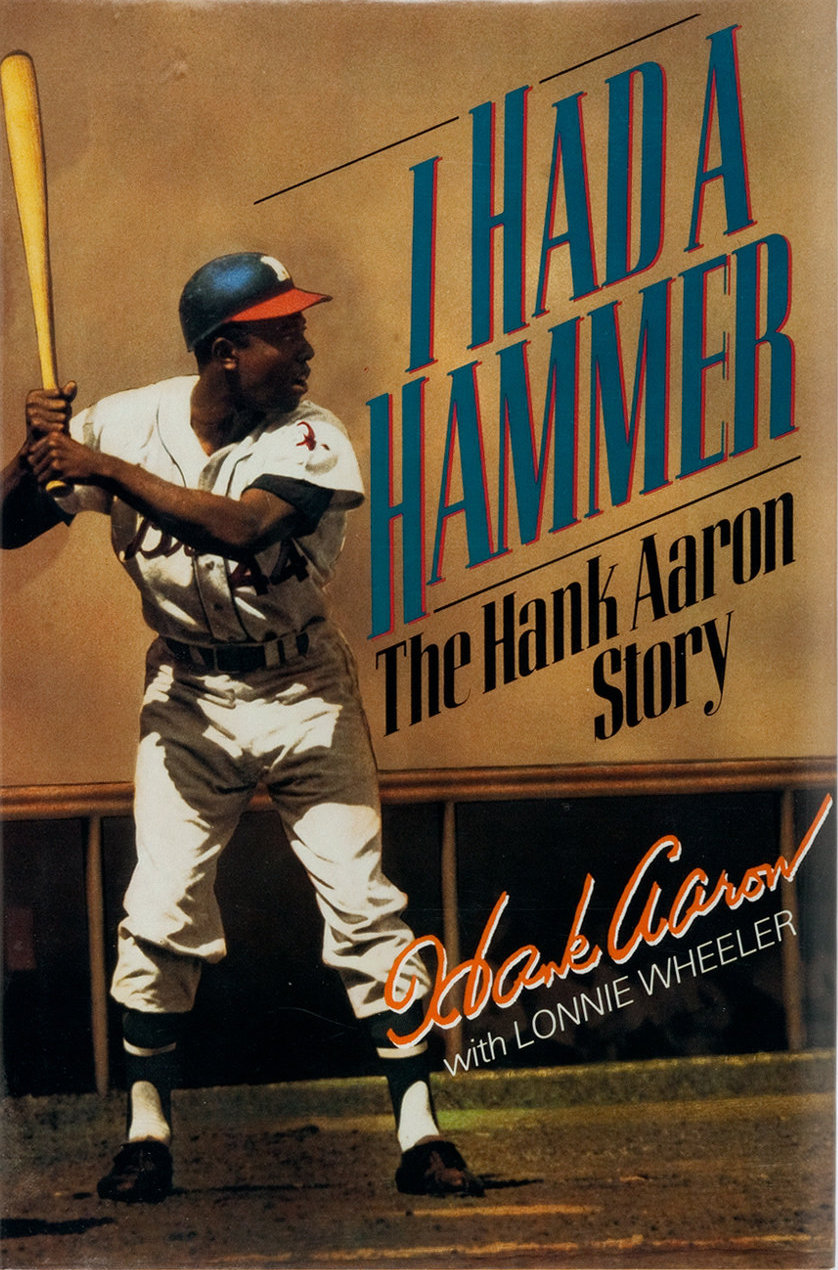
I Had a Hammer: The Hank Aaron Story, by Hank Aaron with Lonnie Wheeler: I tend to like baseball biographies and have read several over the years, but this was one of the better ones. From Aaron’s unflinching evaluations of his teammates, to his discussion of his transformation into a true home run hitter, to his singleminded focus on race, I found this to be a book filled with new and fascinating information. In particular, despite being a baseball history buff and a lifelong Braves fan, I had never realized the degree to which Aaron considered himself a race man, with the specific task of carrying on the legacy of Jackie Robinson.
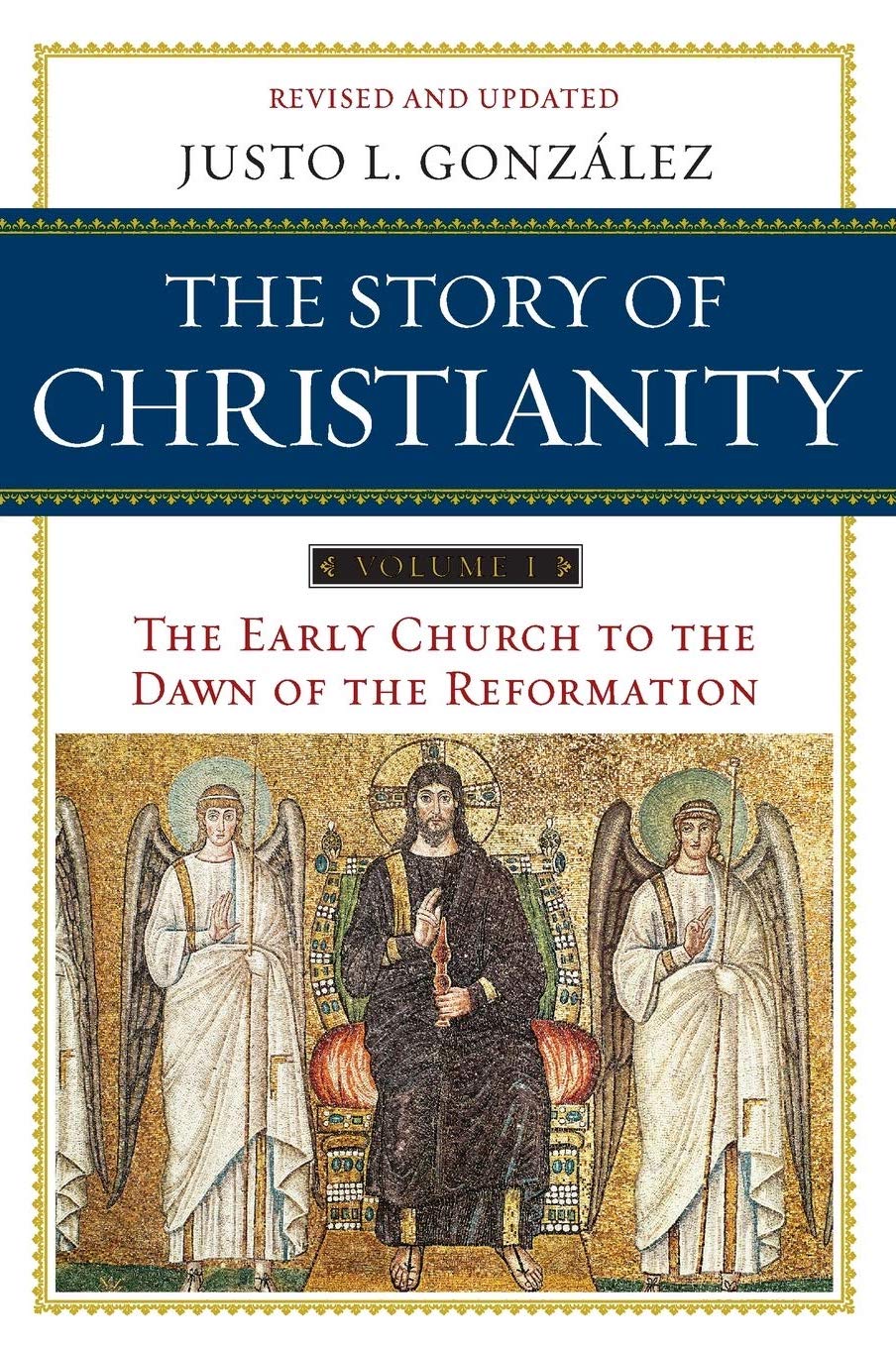
The Story of Christianity, Volume 1: The Early Church to the Dawn of the Reformation, by Justo L. González:  I took a church history course as part of my grad school program this past fall, and this was one of the texts we used. You can probably find something to quibble with in any text that covers 1500 years, but on the whole I thought this provided an excellent overview and was an enjoyable read. I am a nerd, but I still don’t generally sit around reading textbooks. Nevertheless, this one was so good that I even went back and read chapters that weren’t assigned. If you are looking for a thorough and solid overview of church history, I highly recommend this book.
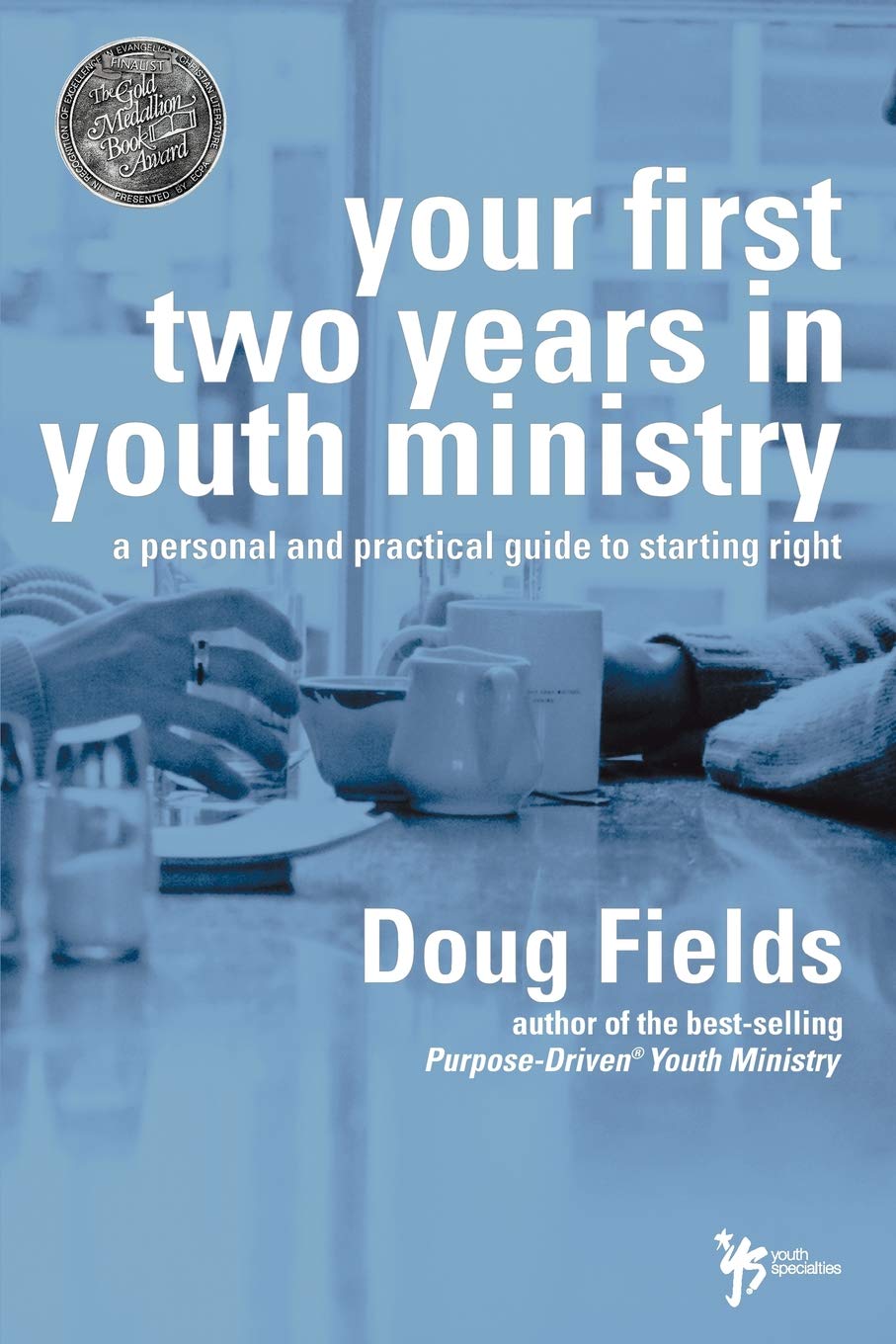
Your First Two Years in Youth Ministry, by Doug Fields: This is a youth ministry classic, and shame on me for reading it after being a youth minister for a decade! I was still able to learn new things from it, but boy, I wish I would have read it back when I started. This is simply a must-read for any new youth minister (or foolish veteran like myself who missed it early on!).

So, that was my reading for 2017. For comparison’s sake if you are interested, you can see my reading lists from previous years:

I have already laid out the first 15 or so books that I am hoping to read in 2018, and after I (knock on wood) graduate in May, I should have more control over how I choose to spend my reading time. I am looking forward to that.

What are some of the best books you read this past year?

*Books that I did not read in their entirety, but read significant portions of.
Book Review: Youth Ministry In A Post-Christian World

I recently completed Brock Morgan’s Youth Ministry In A Post-Christian World: A Hopeful Wake-Up Call, and wanted to write a brief review.

Morgan’s basic premise is that the America we live in is now a post-Christian society and as such, requires different patterns and practices of youth ministry to be successful. Morgan is not an ivory tower speculator, but a youth ministry veteran who is in the trenches, and speaks from his own experiences.

There were certain elements of the book that didn’t connect with me. First, as a youth minister in semi-suburban Arkansas, the students I work with are less post-Christian than those Morgan describes in Greenwich, Connecticut. That doesn’t mean Morgan is off-base or an alarmist (more realistically, the trends he describes are just 5-10 years around the corner for me), but it did make part of his material seem foreign to my context.

Second, the author seems like a great guy, and the stated subtitle of the book is “A Hopeful Wake-Up Call,” but the reality for me was that as I read the book, it made me feel incredibly inadequate as a youth minister. I’m sure this was not the author’s intention and is probably more of a reflection of my own tendency to be overly hard on myself, but the repeated feeling of, “This is not the way I do youth ministry; I must be terrible” was not a pleasant one.

Third, a few times throughout the book, the author used some coarse language that I didn’t have a lot of patience for. It wasn’t pervasive, and some might be inclined to roll their eyes that I even mention it, but I have never had much use for Christian leaders using bad language—especially for those who work with teens.

Finally, there were some statements and sentiments sprinkled throughout the book that I wasn’t crazy about, and I’ll give a couple of examples. At one point, Morgan relates a story where he and another minister teach a student that religion is man-made, while spirituality is from God. There are certainly a lot of man-made trappings that can obscure and distort religion, but this is a tired, false dichotomy that gets on my nerves, and is contradicted by Scripture (James 1.27). In another place where Morgan discusses how grace should lead us to act, he makes the statement that grace teaches us to say no to discipline. One thing I have found as a youth minister is that there are a lot of times where I can show grace by not responding harshly to every instance of misbehavior. But grace is not antithetical to discipline; discipline is an essential element of discipling people (see the connection in the two words?!). These are just a couple of examples, but represent that there were several times throughout the book where I read something, narrowed my eyes, and thought, “I’m not too sure about that.”

Having gotten the negatives out of the way, I want to clearly say this: Morgan is an insightful thinker and there were many places in the book where I thought he hit it out of the park. Here are some of my favorite quotations:

Our students are growing up in a pluralistic society that’s much different than the world in which you and I grew up. And if you’re smack-dab in the midst of adolescence and your top goals are to fit in and not stand out, to be different by being just like everyone else, then the acceptance of all things is an important value to have. (27)

Christendom is now dead, and we need to get over it. (30)

In a post-Christian world, no value is placed on the Sabbath, so our children have some scheduled activity seven days a week. This has created the most anxious and stressed-out generation in history. (41)

I’d hate to think that people aren’t open to Jesus because we’re perceived as not being open to them. (82)

For many people, the church is a place that says, “If you don’t believe what we believe, vote how we vote, and take the same stand on issues that we take a stand on, then you don’t belong.” I believe God is calling us to bigger things and a more humble posture. He is calling us once again to trust the Holy Spirit. To trust that he will work out the minor things of the faith in the lives of our students.” (83)

Unanswered questions open us up to the bigness of God. When we offer pat answers to complex questions, we shrink God down to our level. (89)

Hiring a 22-year-old and paying that person an extremely low amount of money to disciple students apart from the church has an effect. Many students graduate from the youth group and simultaneously graduate from their faith. (127-28)

What if students began getting their identities from being a part of the church rather than being apart from the church? (129)

All in all, this is a work that I would certainly recommend to youth ministry workers. The reality is that 21st century America is increasingly a post-Christian society—if your context (like mine) isn’t quite there yet, it will be soon. We can pretend this isn’t reality, continue to do things in the same old ways, and then wonder why we are increasingly ineffective, or we can begin to think through the issues that Youth Ministry In A Post-Christian World discusses. I would prefer to do the latter, and was thankful for this guide.

New eBook: Youth In Family Ministry: A Handbook

I am excited to announce the completion of a project that I have worked on for the last couple of years. Youth In Family Ministry: A Handbook is the culmination of years of research and personal experience, and sets forth a model of youth ministry that, I believe, is both biblical and effective.

Research shows that a lot of our young people walk away from their faith after high school, and what’s worse, research also indicates that a lot of the things that we have traditionally done in youth ministry are actually weakening the ties that young people have to the church rather than strengthening them.

In Youth In Family Ministry: A Handbook, I take an in-depth look at the current crisis in youth ministry, examine in detail what Scripture says about passing faith on to the next generation, and also suggest practical ways that this can be done. The book is about 100 pages long, and is thoroughly researched and footnoted, and is filled with important information.

This ebook releases in two weeks, on Wednesday, November 15, but you can pre-order your copy here.

I believe this is an important project, because I deeply believe in the importance of helping our young people to develop a faith that will stick with them throughout their lives. I would love for it to be read widely so these ideas can spread and more and more churches can practice youth ministry in what I believe is a more biblically-grounded and, ultimately, better way.

There are two big ways you can help:

(1) Buy the book. 🙂

(2) Spread the word. Share this post, and tell others you know who you think might be interested. I think it is an important resource for youth ministers, church leaders, youth group volunteers, parents, and more.

Thanks for reading, and thanks for your support!

The Christian Story, Free Will, and Love Potions

Really, the Christian Story is a fairly simple one. God created a world that was good—beautiful, well-suited for its purpose. Humanity, created in God’s image, was the pinnacle of creation, and was given the vocation of ruling over, tending, and cultivating what God had made.

But something went wrong. Rather than living according to the standard that God had set up, Adam and Eve determine to go their own way, and in choosing to eat the fruit of the forbidden tree, grasp for moral autonomy. The results are disastrous as sin enters into the world, damaging the relationship between humanity and God, damaging the relationship between humans, damaging the way we view ourselves, and actively placing a curse on the good creation that God had made.

The rest of the Christian Story is basically the account of God working to redeem and undo the damage that was done in Eden (and continues to be done) when men and women seek moral autonomy for themselves. That redemption and undoing was definitely accomplished in the work of Jesus on the cross, but will ultimately come when death dies, God establishes the New Heavens and New Earth, and dwells with His people forever (1 Corinthians 15, Revelation 21).

Not too long ago, I was summarizing this story to a group of teenagers at a weekend retreat that I was speaking at, and after I finished, a young man came up and asked me a great question: “If Adam and Eve’s sin caused so much damage, and God knew that they were going to do it, why did He create them with free will in the first place?”

This is a common enough question, but it’s a great question. It’s a thinking question, and I was proud of the young man for asking it (Incidentally, the question presumes that God has exhaustive foreknowledge of the future. I am fine with that, but not all Christians agree with that presupposition. See these posts.).

How would you answer the question? The typical answer that is given is that God created out of love, wants His creation to love Him in return, and the only way for that to truly happen is if humans were created with the power to choose: love is only real if it is chosen, not forced. Typically, this is illustrated with the example of parents: parents want their kids to obey them, but they don’t want programmed robots; they want their children to lovingly obey them. And it is the same with God.

But this isn’t the metaphor I used with this young man, since I have found that parental metaphors are not particularly relatable to people who haven’t yet been parents. Instead, I said this: “Imagine there was a girl you really really liked. Everything about her was perfect. You are 100% convinced that this is the girl that you want to spend the rest of your life with. Now let’s also say that you had a magic love potion that you could give this girl that would make her love you forever. She would never know about it, but as soon as she took it, she would always love you faithfully. Would you give her the potion?”

Pretty quickly, the young man responded that he wouldn’t. When I asked him why not, he said, “Because it wouldn’t be real love.” And then, he got it.

Real love is at the heart of the Christian Story. Not coercive love. Not programmed love. Not love-potion love.

With all the freedom in the world, God chose to create us, and chose to redeem us through His Incarnate Son. And in response to the love that God has first shown us, He invites us to freely love Him in return.

« Older posts Newer posts »

© 2026 The Doc File

Theme by Anders Noren — Up ↑