The online journal of Luke Dockery

Category: Youth Ministry (Page 11 of 24)

A New Chapter

Yesterday was one of the most challenging days of my life, as I announced that I would be leaving the Farmington Church of Christ, my home and family for the last 13 years, to beginning working with a new congregation at the end of May/beginning of June.

Here was the statement that I read:

In June, Caroline and the kids and I will be moving to Searcy, Arkansas, where I have accepted the role of Youth In Family Minister at the Cloverdale Church of Christ. This is not a decision that we have made lightly, but over the last 18 months and with a great deal of prayer, Caroline and I have become increasingly convinced that this is God’s will for our lives.

Working with the church at Cloverdale will also make it possible for me to teach some youth ministry courses at Harding on occasion, and will also give me the opportunity to work year-round in training college students who are interested in going into youth ministry. This position would also put us close to Kinsley’s neurologist in Little Rock, and would be a great financial blessing for our family as well.

As excited as we are about this opportunity, we are equally sad about the notion of leaving Northwest Arkansas, and especially, our Farmington family. That word—family—is frequently thrown around when discussing church, but I do not use it lightly. Over the last 13 years, you all really have become our family. You celebrated our marriage and the birth of our children; you have wept with us during difficult times, rejoiced with us during happy times, and have supported us throughout. Words fail me to describe the love we have for this family of God’s people, and the sadness we feel at moving.

I have been blessed to work with two preachers while I have been at Farmington, and they have both been great friends to me and have taught me much. Mike is one of the finest ministers I have ever known, the most generous person I have ever met, and I will greatly miss working side by side with him. I know that he will continue to be a wonderful blessing to the congregation here.

I have been blessed to work alongside great elders in my time here. They have always been supportive of me, and I have always felt valued and trusted. They have always valued the young people of our congregation, and have made hard decisions at times (like hiring me in the first place!) to make sure that our young people were taken care of. I know they will continue to do that moving forward.

There are so many others who I would like to mention by name, but I won’t, in fear of overlooking someone. The reality is that this room is filled with people who have blessed our lives, and I thank you for it.

Last, but certainly not least, I want to say how blessed I have been to work with dozens and dozens of teens of the Farmington church over the last 13 years. It is such an honor to be invited alongside our young people and develop close ties with them. One of the greatest joys of my life has been to watch them grow up, marry, have children, serve as deacons and Bible class teachers, and remain devoted to their faith in Jesus. To all of my former students and my current ones, I love you, I will always be cheering for you, and nothing will make me prouder than your continued faithfulness in God’s kingdom.

I spend my life trying to teach teenagers that the most important thing in life is to figure out God’s will for your life and then to do that thing. For Caroline and I, that’s what this is about. If we aren’t willing to step out in faith to do God’s will in our own lives, then I have no business telling others what they need to do.

Of course, we’re not moving just yet, and the next three months will be busy as we seek to make healthy transitions for the future of the church here at Farmington. And even after we’re gone, you won’t really be rid of us, because you visit your family—and that’s what you are to us.

Thank you.

Everyone was very loving and supportive, but it was a very challenging and emotional day.

Over the next couple of months, one of my primary tasks is being involved in the process of finding the man who will replace me as the Associate Minister at Farmington. Toward that end, if you (or someone you know) might be interested in the role, you can find a full job description (with contact information) here.

Amidst all the sadness, Caroline and I look forward to the next chapter in our lives with a lot of excitement, and trust that God will be with us on this adventure, as He always has been in the past.

Small Church Strengths

Over the weekend, I had the privilege of doing a Youth In Family Ministry Seminar at the Nicholasville Church of Christ, in Nicholasville, Kentucky. The Nicholasville church is a small (Sunday attendance in the 90s) but vibrant community of believers, and I thoroughly enjoyed my time with them.

Also, my time with them prompted me to reflect on church size, and how congregations of different sizes have different strengths and challenges. We live in a society that tends to default to the “bigger is better” mentality, but I don’t think this is necessarily true. On the contrary, I think small churches have some real advantages.[1] I don’t pretend to be an expert on small churches by any means, but I wanted to share some of those thoughts with you:

  • Small churches naturally foster relationships. This is maybe the characteristic that people think of first, and I think it is true. It is much easier to get to know people and establish close relationships in smaller groups. This is why a lot of larger congregations begin some sort of small group ministry—they realize that they have lost a feeling of intimacy, and so they intentionally become smaller to make that intimacy possible again. One of the key components of the youth ministry philosophy I believe in is that it is vital that young people form genuine relationships with as many mature Christians from the congregation as possible. This happens with a great deal of care and planning in larger congregations; it happens naturally in smaller ones.[2]
  • Small churches can more easily focus on what they’re good at. I work with a wonderful congregation of about 230, and we have grown quite a bit over the last five years or so. We have a lot of talented people and a lot of big ideas. Sometimes, though, we can get distracted by trying to do too many things at the same time, rather than just focusing on a few things that we do really well.[3] Alternatively, in my experience, because smaller churches know they don’t have the resources and manpower to try everything, they can focus instead on doing fewer things better. I am aware of small congregations that have been remarkably effective at supporting missions, training preachers, reaching out to their surrounding communities, and more.
  • Small churches can be very generous. As churches grow in size, they tend to require additional staff and additional space, and both of these can be very expensive. When a sizeable portion of the church budget is tied up in salaries and building payments, it is hard to be as giving to others as you would like. Because smaller churches tend to have smaller, older facilities that are often paid off to go along with a small paid staff (supported by many volunteers), they frequently have a higher percentage of their communal funds to give away in support of missionaries and those who are in need.

I am sure there are other benefits as well, but these were some that quickly came to mind for me. What did I miss?

Small churches come with their share of challenges as well, so I don’t want to idealize them and make it seem like small churches are perfect or that larger congregations are somehow inferior. But in a cultural moment where it can be easy to overlook small things, I wanted to highlight some real strengths.


[1]How big is a “small church”? It depends on who you ask. For the purposes of this post, I am thinking of churches that are smaller than 100 people or so, but I am not thinking in terms of rigid categories.

[2]As I met with members from the Nicholasville church over the weekend, one of the endearing characteristics that I kept noticing was how everyone kept referring to different young people in the congregation by their first names, and everyone else knew who they were talking about. There was no need for clarification because the adults knew the kids and teens. This would not be the case in larger congregations.

[3]When it comes to this particular problem, I (to channel the apostle Paul) am the chief of sinners.

Reading in 2018

It’s that time of year again, when people talk about their reading from the previous year and the best books they read. As someone who (a) tries to thoughtfully reflect on things and (b) obsessively keeps lists of things, I always enjoy reading lists from other people and sharing my own.

Here is my own list from 2018:

  1. Harry Potter and the Prisoner of Azkaban, by J.K. Rowling
  2. Beneath a Scarlet Sky, by Mark Sullivan
  3. Simply Christian: Why Christianity Makes Sense, by N.T. Wright
  4. Martin Luther: Selections from his Writings, edited by John Dillenberger*
  5. The Marburg Colloquy, edited by Hermann Sasse
  6. The Knowledge of God the Creator (from Institutes of the Christian Religion), by John Calvin
  7. The Necessity of Reforming the Church, by John Calvin
  8. The Spiritual Exercises of Saint Ignatius, translated by Anthony Mottola*
  9. The Racovian Catechism*
  10. Harry Potter and the Goblet of Fire, by J.K. Rowling
  11. The Reasonableness of Christianity, by John Locke
  12. A Discourse of Miracles, by John Locke
  13. Proposals to Correct Conditions in the Church in Pia Desideria, by Philip Jacob Spener
  14. Decision Points, by George W. Bush
  15. Divorce, by John R.W. Stott
  16. Afro-American Religious History: A Documentary Witness, edited by Milton C. Sernett*
  17. Woman in the Pulpit, by Frances Willard*
  18. Harry Potter and the Order of the Phoenix, by J.K. Rowling
  19. Jesus: A Study of the Life of Christ, by Shane Robinson
  20. The Five Books of Moses & The Former Prophets, by Bibliotheca
  21. The Making of George Washington, by William H. Wilbur
  22. Creating a Lead Small Culture: Make Your Church a Place Where Kids Belong, by Reggie Joiner, Kristen Ivy, and Elle Campbell
  23. Harry Potter and the Half-Blood Prince, by J.K. Rowling
  24. The Unseen Realm: Recovering the Supernatural Worldview of the Bible, by Michael S. Heiser
  25. Harry Potter and the Deathly Hallows, by J.K. Rowling
  26. The Story of Christianity, Volume 2: The Reformation to the Present Day, by Justo L. Gonzalez
  27. The Faith of the Presidents, by Anne Schraff
  28. Misreading Scripture with Western Eyes: Removing Cultural Blinders to Better Understand the Bible, by E. Randolph Richards and Brandon J. O’Brien
  29. The Forsaken: An American Tragedy in Stalin’s Russia, by Tim Tzouliadis
  30. The Latter Prophets, by Bibliotheca
  31. Reclaiming Hope: Lessons Learned in the Obama White House About the Future of Faith in America, by Michael Wear
  32. Havana Bay, by Martin Cruz Smith
  33. To Kill a Mockingbird, by Harper Lee
  34. Go Set a Watchman, by Harper Lee
  35. A New Heaven and a New Earth: Reclaiming Biblical Eschatology, by J. Richard Middleton
  36. The Holy Spirit and Revolutionary Grace: God’s Antidotes for Division within the Churches of Christ, by Jay Guin
  37. Montmorency: Thief, Liar, Gentleman?, by Eleanor Updale
  38. The Perilous Road, by William O. Steele
  39. History and Background of the Institutional Controversy, by Steve Wolfgang
  40. Crispin: the Cross of Lead, by Avi
  41. The Ghost Hollow Mystery, by Page Carter
  42. Letters To The Church, by Francis Chan
  43. The Writings, by Bibliotheca
  44. Significant Others: Understanding Our Non-Christian Neighbors, by Monte Cox
  45. Alexander Campbell, Apostle of Truth, by William Blake
  46. The Tech-Wise Family: Everyday Steps for Putting Technology in Its Proper Place, by Andy Crouch
  47. The Great Divorce, by C.S. Lewis
  48. How To Be A Perfect Christian: Your Comprehensive Guide To Flawless Spiritual Living, by The Babylon Bee
  49. Priceless, by Jeremy Myers
  50. The Apocrypha, by Bibliotheca
  51. The New Testament, by Bibliotheca
  52. A Call to Conscience: The Landmark Speeches of Dr. Martin Luther King, Jr., edited by Clayborne Carson and Kris Shepard
  53. Discovering Our Roots: The Ancestry of Churches of Christ, by C. Leonard Allen and Richard T. Hughes
  54. Traces of the Kingdom, by Keith Sisman

A few observations before I talk about my favorite books of the year:

  • My reading total increased from 52 books in 2017 to 54 books in 2017. And this included a couple of very large volumes of 650-800 pages. I see other people who read 100 books or more a year, but at this stage of my life, it seems that somewhere in the neighborhood of 50 is my limit.
  • I enjoyed my reading in 2018 more than in 2017.
  • There were two big disappointments in my reading this past year. The first was the Bibliotheca series, which I used to do my daily Bible reading in 2018. There was a lot of fanfare about this translation when it came out, and indeed, it has many admirable qualities: an elegant typeface, beautiful binding, and a page layout that should lend itself to readability. However, the translation itself was wooden and awkward, and I simply did not enjoy it at all. Also, Traces of the Kingdom was a book that I had looked forward to for a few years, but I really struggled with it. Although the author puts you in touch with some extraordinarily rare primary sources that are hundreds of years old, the writing is poor, and much of the logic and argumentation is stretched. It was a disappointment.

Regarding my Top 10 books for the year, here are some brief thoughts on those (presented in order of when I read them, not ranked 1-10):
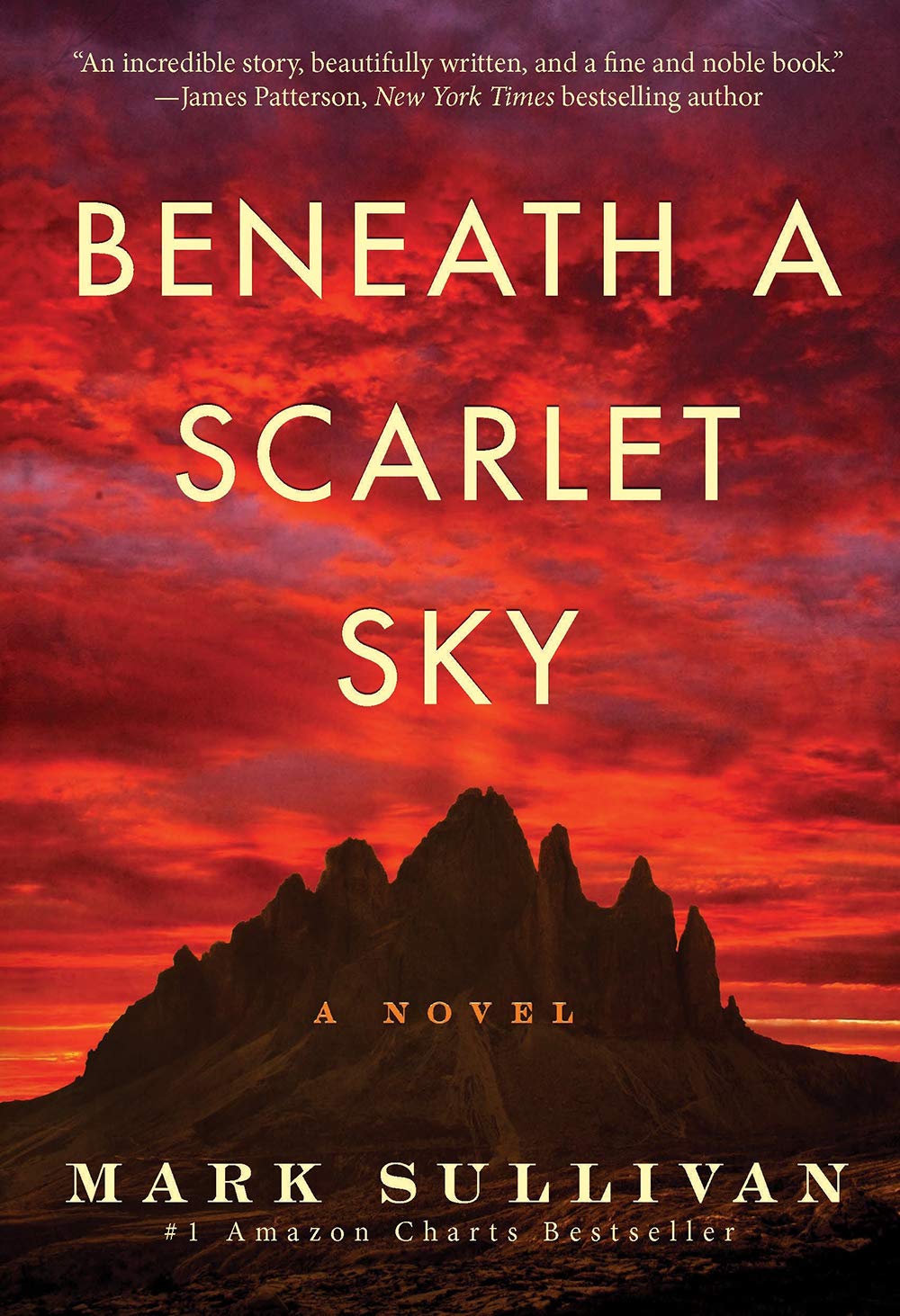
Beneath a Scarlet Sky, by Mark Sullivan: This is a novel, based on a true story, set in WWII Italy. It is a gripping tale of a teenage boy seeking to navigate the warring factions of Nazis, Mussolini’s Fascists, Allied forces, resistance fighters, partisans, and the Catholic church. It is a gripping tale and compelling read. Fans of All The Light We Cannot See will appreciate this book, which is better.
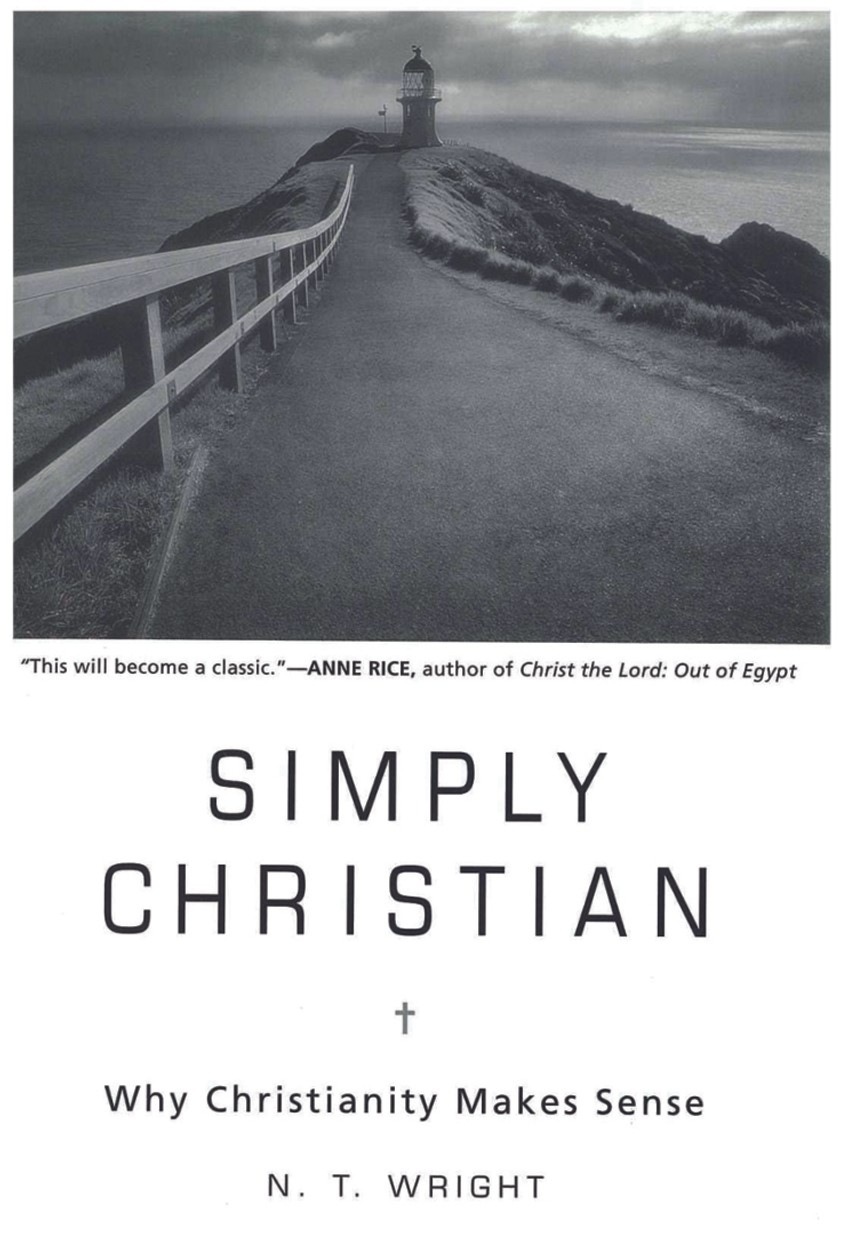
Simply Christian: Why Christianity Makes Sense, by N.T. Wright: N.T. Wright is the preeminent living Christian thinker, and this is his basic presentation of the Christian faith (it has been called the Mere Christianity for modern times). In my opinion, nothing that Wright writes is truly “simple,” so, despite his intentions, I can’t say that this is the easiest read for the average Christian, but it is a great book.
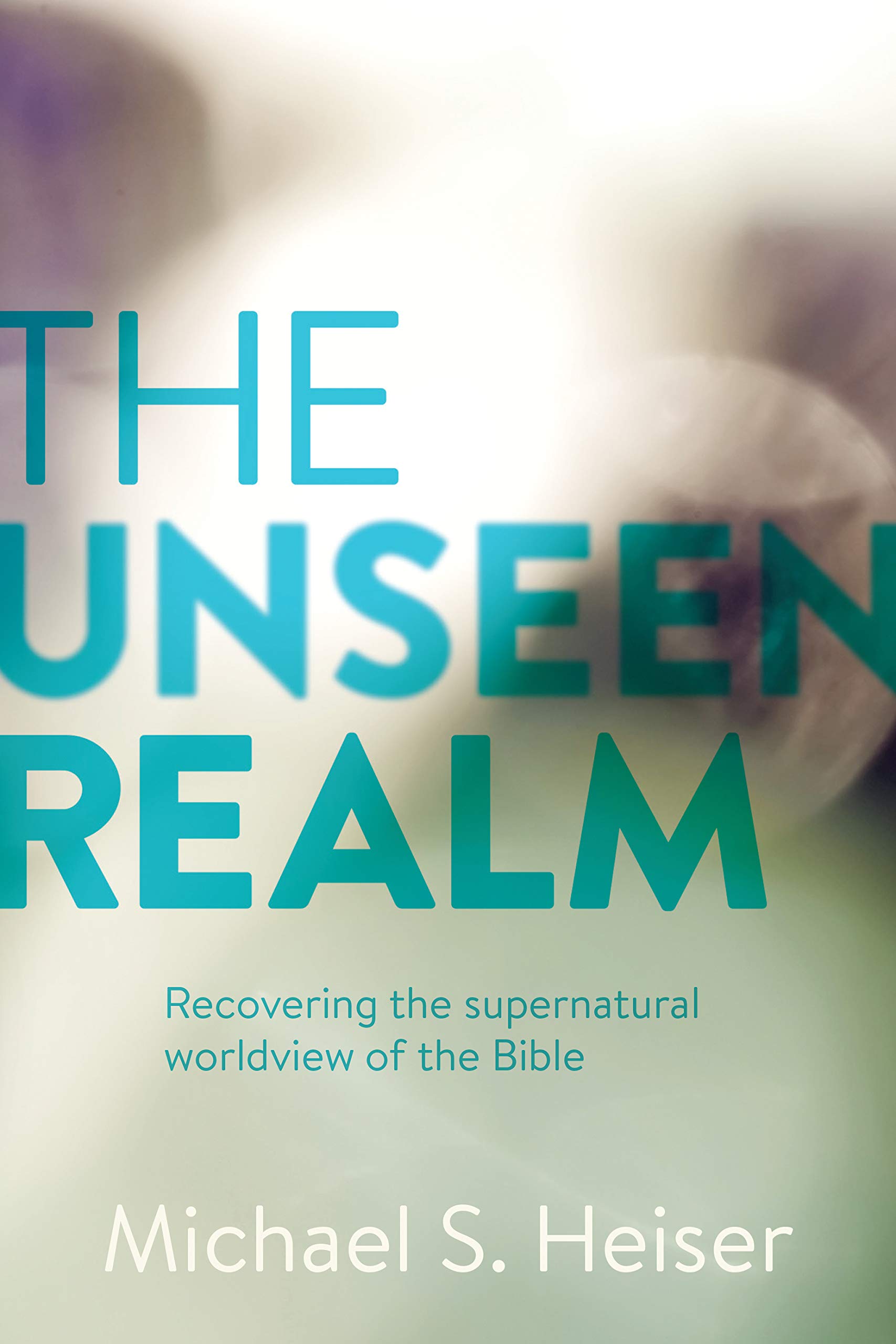
The Unseen Realm: Recovering the Supernatural Worldview of the Bible, by Michael S. Heiser: Heiser makes the basic claim that modern believers do not read/hear the Bible in the way that ancient believers did, who believed in a robust array of spiritual beings who operate “unseen” and greatly influence the lives that we experience. This becomes the prevailing paradigm for how he interprets Scripture, and especially if you are not familiar with the biblical motif of the Divine Council, much of what he says will shock you. Ultimately, I think Heiser draws some conclusions that are not warranted, but on the whole, I think he makes a very compelling case. This book has been somewhat of a game-changer for me.
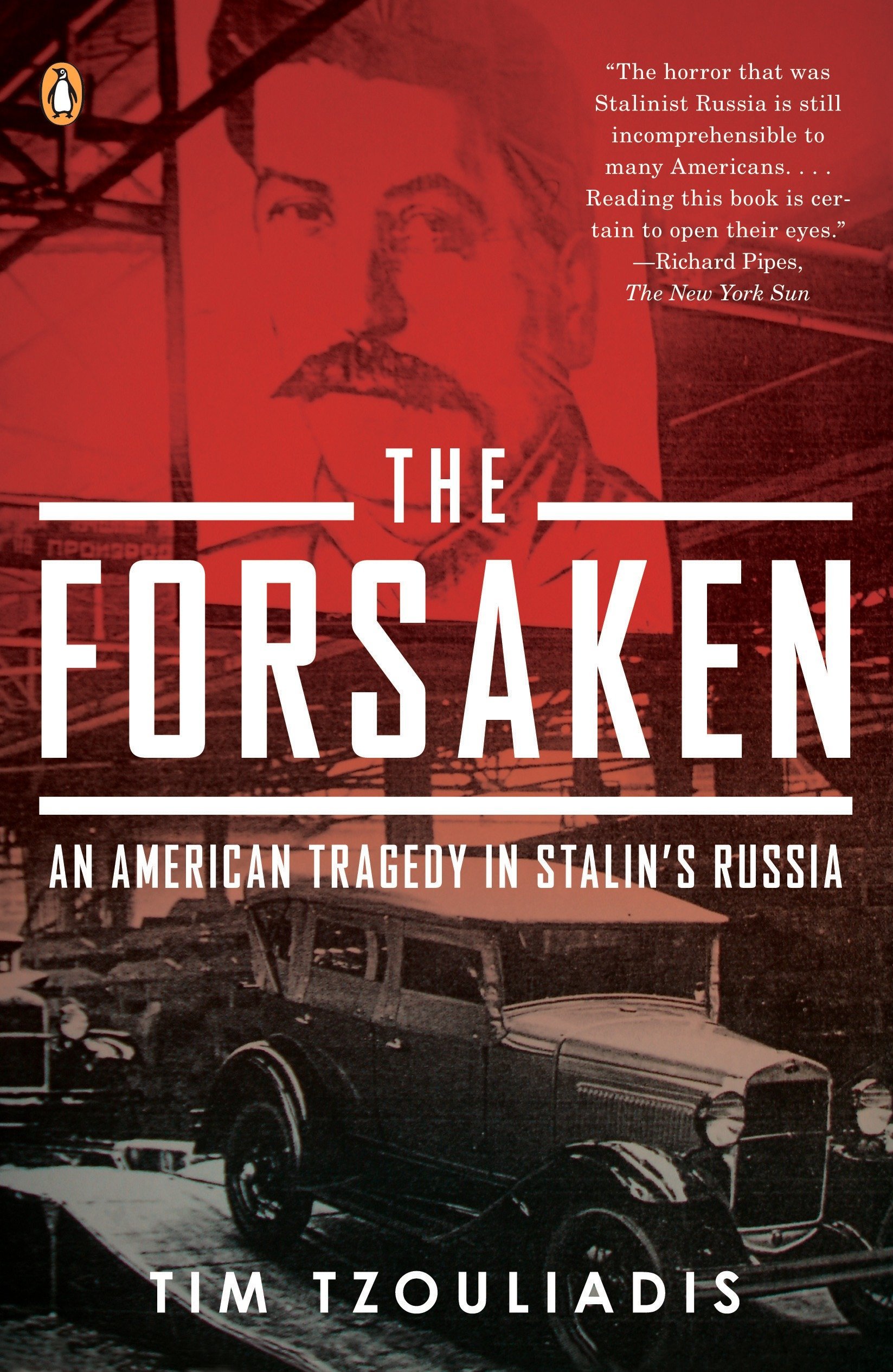
The Forsaken: An American Tragedy in Stalin’s Russia, by Tim Tzouliadis: During the Great Depression, thousands of down-on-their-luck Americans were lured to Stalinist Russia with the promise of work and prosperity available to all in the Communist Utopia. Within a few short years, they (along with millions of others) would be killed in the Stalinist purges and, adding to the tragedy, they were largely abandoned by the US government. Not to get too political in a brief book review, but in an era when I increasingly witness many people (especially those generally around my age or younger) pay lip service to the idea that socialism and even communism are benign or even preferable politico-economic systems, this was an important read for me. When it came to murdering people, Stalin made Hitler look like an amateur, and I don’t say that lightly.
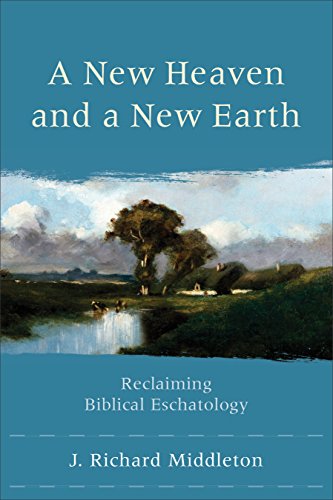
A New Heaven and a New Earth: Reclaiming Biblical Eschatology, by J. Richard Middleton: Middleton argues that the Biblical text teaches that God will redeem and restore His creation and will dwell with His people for eternity on a New Heaven and New Earth. This is not some form of premillennialism, but neither is it the popular notion of the Christian hope being getting to escape from this earth and “go to heaven when we die.” This interpretation will be challenging for some, but I am convinced that this perspective is fundamentally correct, and Middleton’s treatment of it is excellent.
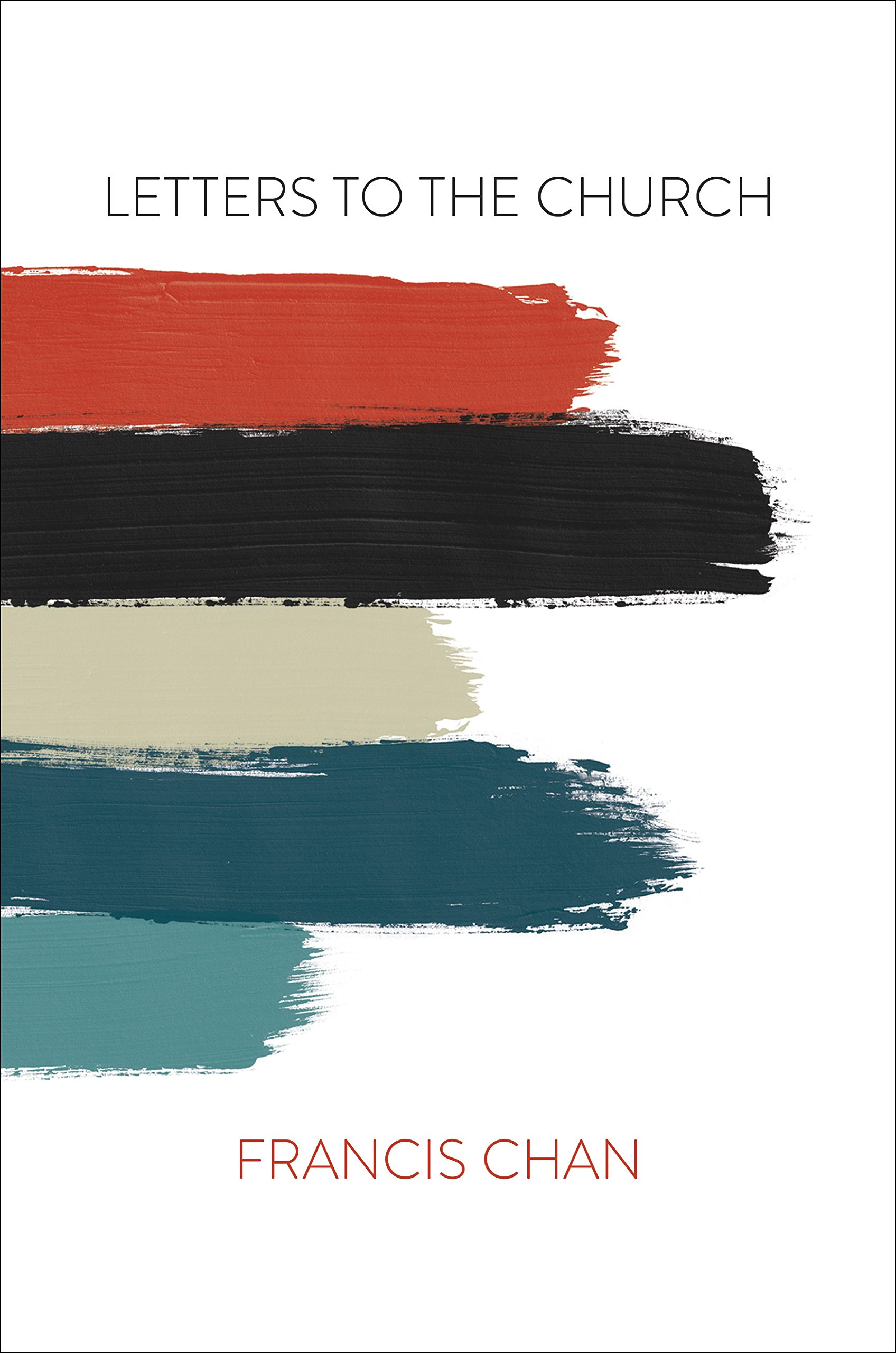
Letters To The Church, by Francis Chan: This was a convicting read for me. Chan is a Restorationist’s Restorationist, and this book basically encourages Christians to thoughtfully return to the model of the church as described in the pages of Scripture. Simply put, there are some basic ways of “doing church” that really need to be evaluated and, quite possibly, jettisoned. This book left me uneasy in a good way.
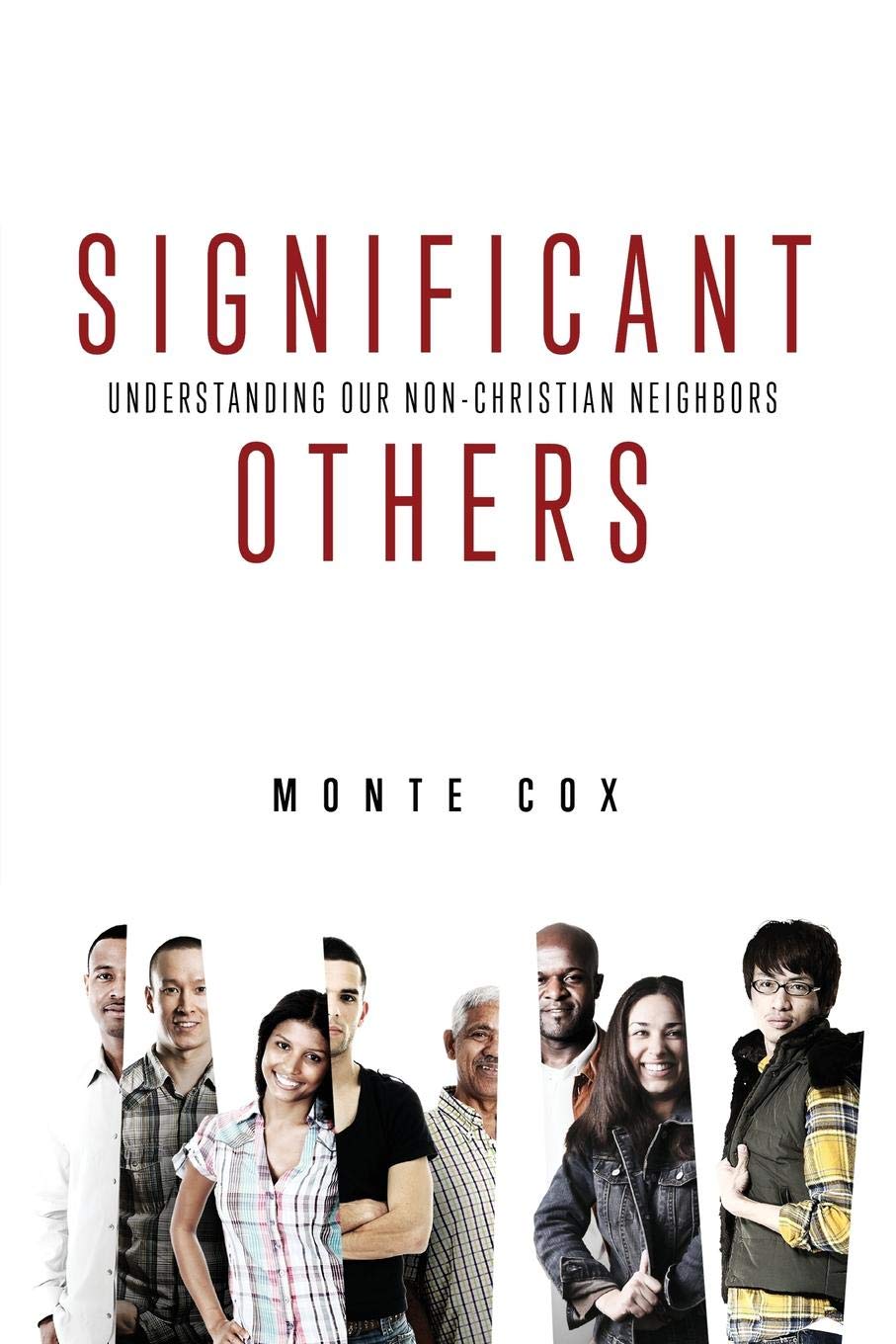
Significant Others: Understanding Our Non-Christian Neighbors, by Monte Cox: Dr. Cox was one of my favorite teachers at Harding, and this book is basically a written version of his “Living World Religions” class (one of my favorite classes). It is a helpful overview of various world religions, and would make an excellent resource for a Bible class.
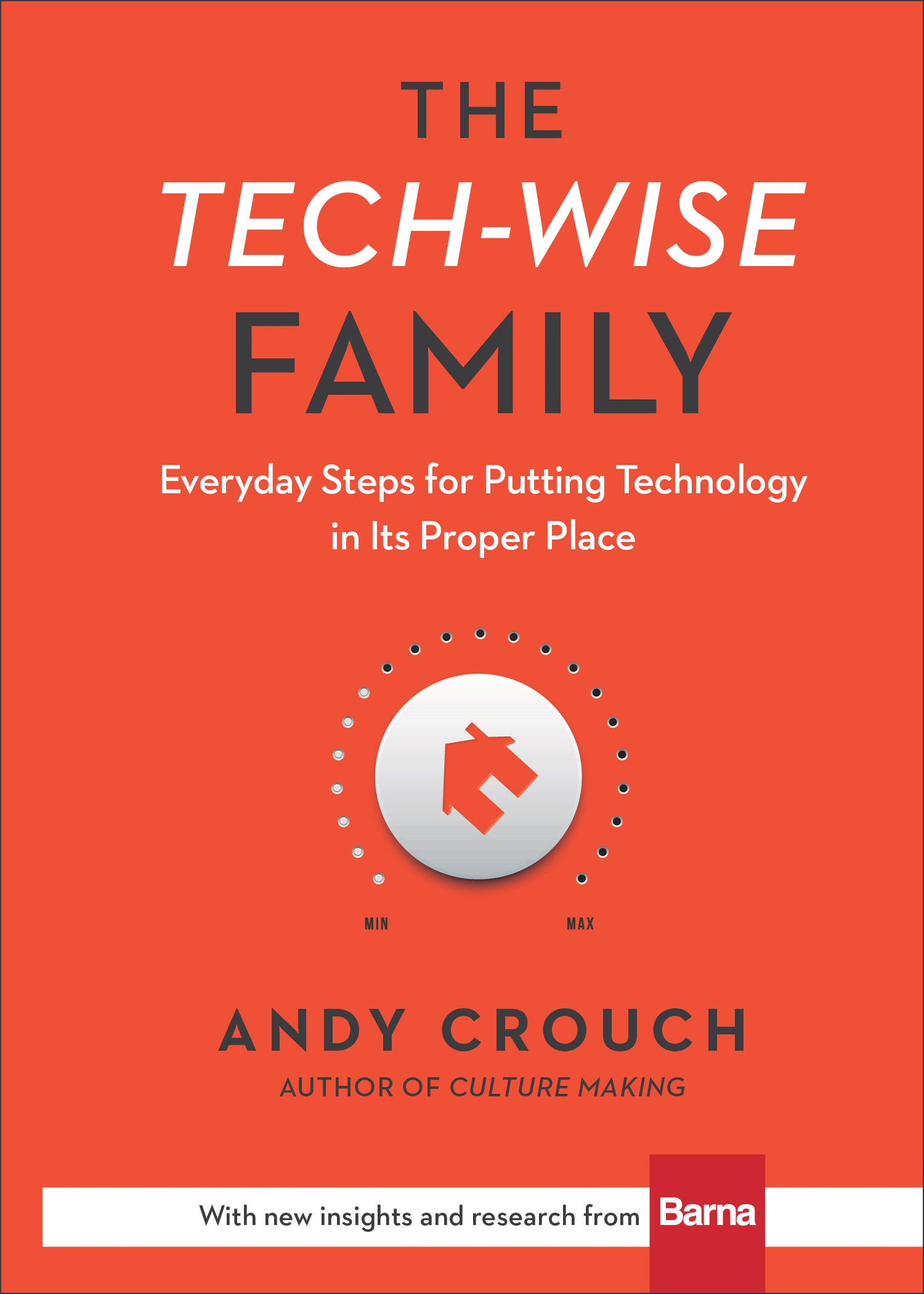
The Tech-Wise Family: Everyday Steps for Putting Technology in Its Proper Place, by Andy Crouch: Technolgy is increasingly present in our lives, and for all of its positive benefits, there are negative side effects as well. Crouch offers some helpful (and at times, extreme) perspective on how families should treat technology and strive to create home environments that cultivate wisdom and courage.
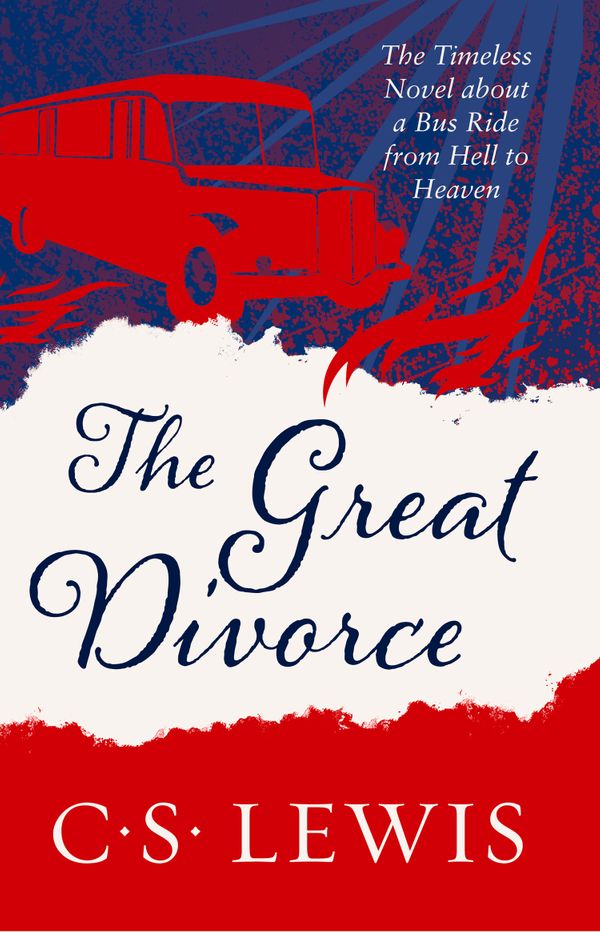
The Great Divorce, by C.S. Lewis: I’m not sure that I have ever read something by Lewis that I didn’t like, but this is one of my favorites. Lewis’ allegorical take on hell is, in my opinion, both brilliant and helpful.
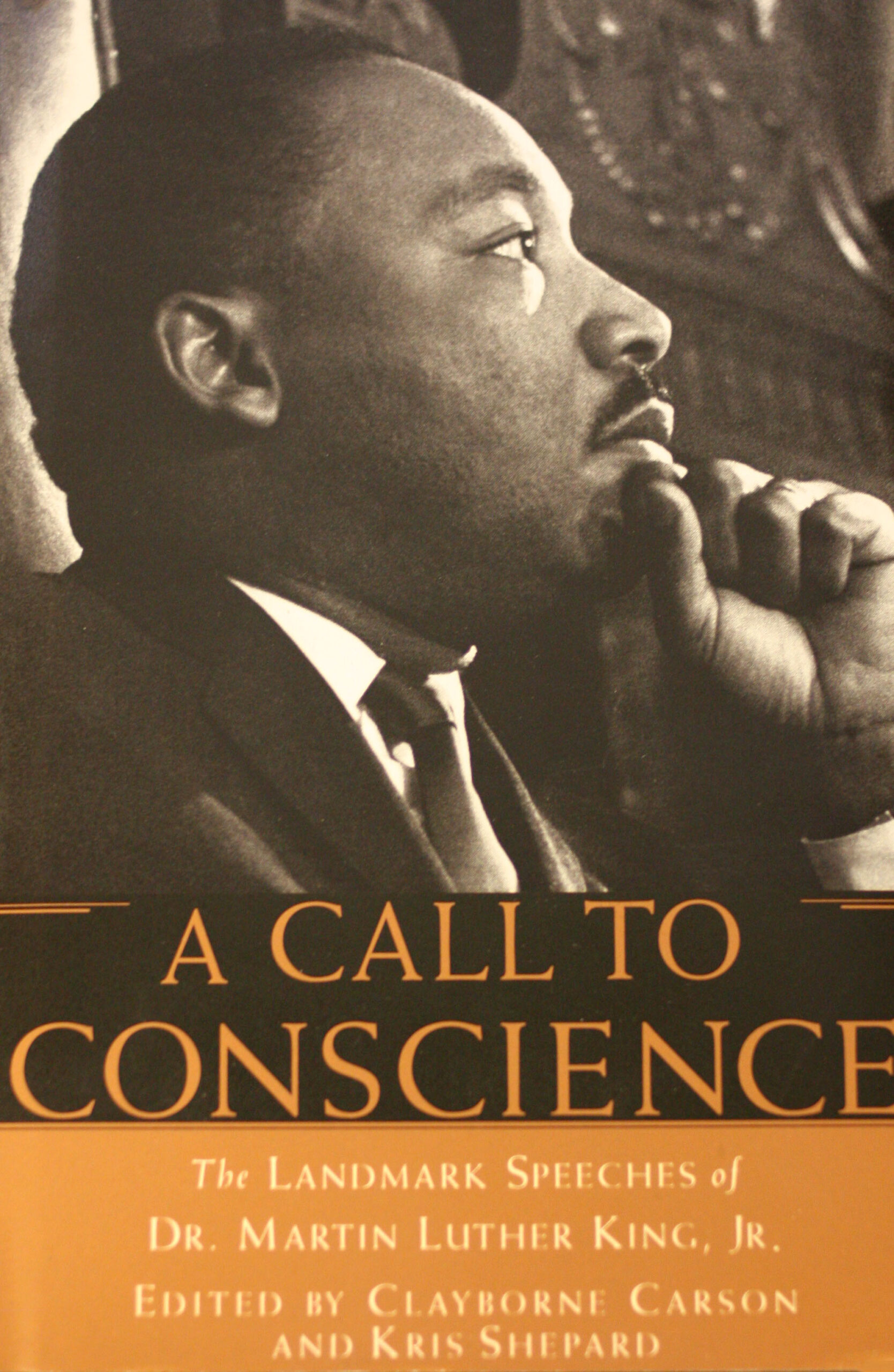
A Call to Conscience: The Landmark Speeches of Dr. Martin Luther King, Jr., edited by Clayborne Carson and Kris Shepard: I had really not read/heard much from Dr. King before, other than his “I Have a Dream” speech or snippets of quotations from other sources, and that was a mistake, because King’s speeches evidence not only beautiful eloquence, but also profound theological insight. I plan to do additional reading from (and on) Dr. King in the future.

That was my reading for 2018. For comparison’s sake if you are interested, you can see my reading lists from previous years:

As always, I have a bunch of books lined out to read in 2019, and am already in the midst of two good ones right now.

What are some of the best books you read this past year?

*Books that I did not read in their entirety, but read significant portions of.

The Best Lesson I’ve Taught on Integrity

One of the foundational lessons I’ve learned from my years of youth ministry is this: regardless of what I teach to my students in Bible class, the loudest message they hear from me is the one I proclaim by the way I live my life on a daily basis. In fact, I consider one’s example to be one of the essential elements of effective youth ministry.

That’s not really a ground-breaking observation—we have common sayings in our culture that illustrate that our actions matter more than our claims or words (“Do as I say, not as I do”, “Don’t talk the talk if you can’t walk the walk”)—but I can remember well an event from church camp a few years ago that hammered this home to me more so than ever before.

Every summer our youth group spends a week at Green Valley Bible Camp, and I work as a counselor. Green Valley is a great place with a lot of fun and meaningful activities, and one of the long-standing camp traditions is that on Friday afternoons, there is an All-Star softball game between the male counselors and the senior boy campers. The All-Star game is kind of a big deal, especially for the campers, for whom it serves as some sort of coming-of-age rite of passage and an opportunity to talk trash to yours truly all year.

Anyway, in a particular game a few years ago, the campers shot out to a significant early lead while the counselors struggled mightily. We hit very poorly for the first couple of innings, but finally, we got a bit of a rally going: down several runs, we managed to score a couple and then had runners on second and third with two outs.

On the senior softball field at Green Valley, there is a big tree in foul ground down the third base line, with a large branch that reaches out over fair territory. The ground rules that we played with this particular year (sometimes they change from year to year depending on who the umpires are) were that any ball that hit the branch was automatically foul.

Our next hitter got up and hit a towering shot down the third base line that just barely nicked a few leaves from the overhanging branch. It didn’t alter the flight of the ball in any way, and neither umpire was able to tell that it had hit the tree at all. It soared into the outfield past the left fielder; both runners would have easily scored, and we would have been right back in the game.

Except…

I was the third base coach at the time, and since I was standing right by the overhanging branch, I could easily see and hear that the ball had grazed a couple of leaves. I let the umpire know, and it was ruled a foul ball. On the next pitch, the batter popped out to the pitcher. The rally ended, and we never really challenged again in the game. We ended up losing 10-4, and I got to hear taunts from my students for the next year about how they beat us. So, it was kind of a bummer.

Except…

One of my students was playing shortstop for the campers’ team and witnessed all that had happened. He was keenly aware of how big of a hit that would have been for us and how it could have changed the game. Within a few days of the event, he brought it up about six times and repeatedly talked about how awesome it was that I spoke up and told the truth regardless of the fact that it hurt my team.

I have done some figuring, and I think I’ve taught the youth group about 1100-1200 times during my years at Farmington. And probably dozens of times, I have taught about the importance of honesty and integrity, either as the focus of a lesson, or mentioned it in passing. But it became clear to me that none of those lessons made as much of an impression on this particular student as a simple action that I did at camp without thinking. Regardless of what I teach my students in Bible class, the loudest message they hear from me is the one I proclaim by the way I live my life on a daily basis.

There is always a danger to sharing a personal story where you are the hero (something I learned in preaching class), so I want to be clear here: I am not a hero; I make a lot of mistakes, and there are definitely times when I fail as an example. Rather, I share this story because it illustrates how important it is that we as parents, youth ministers, church leaders, etc. back up the things that we teach by the way that we live. I shudder to think what would’ve happened if I had kept my mouth shut and let the incorrect call stand—would this student have ever listened to me again when I talked about honesty and integrity, or would he have tuned me out since my actions wouldn’t have matched up with my teaching?

But by God’s grace, that’s not what happened. Instead, I was able to take advantage of an opportunity to teach a better lesson on integrity than all of those which I had spent hours and hours preparing.

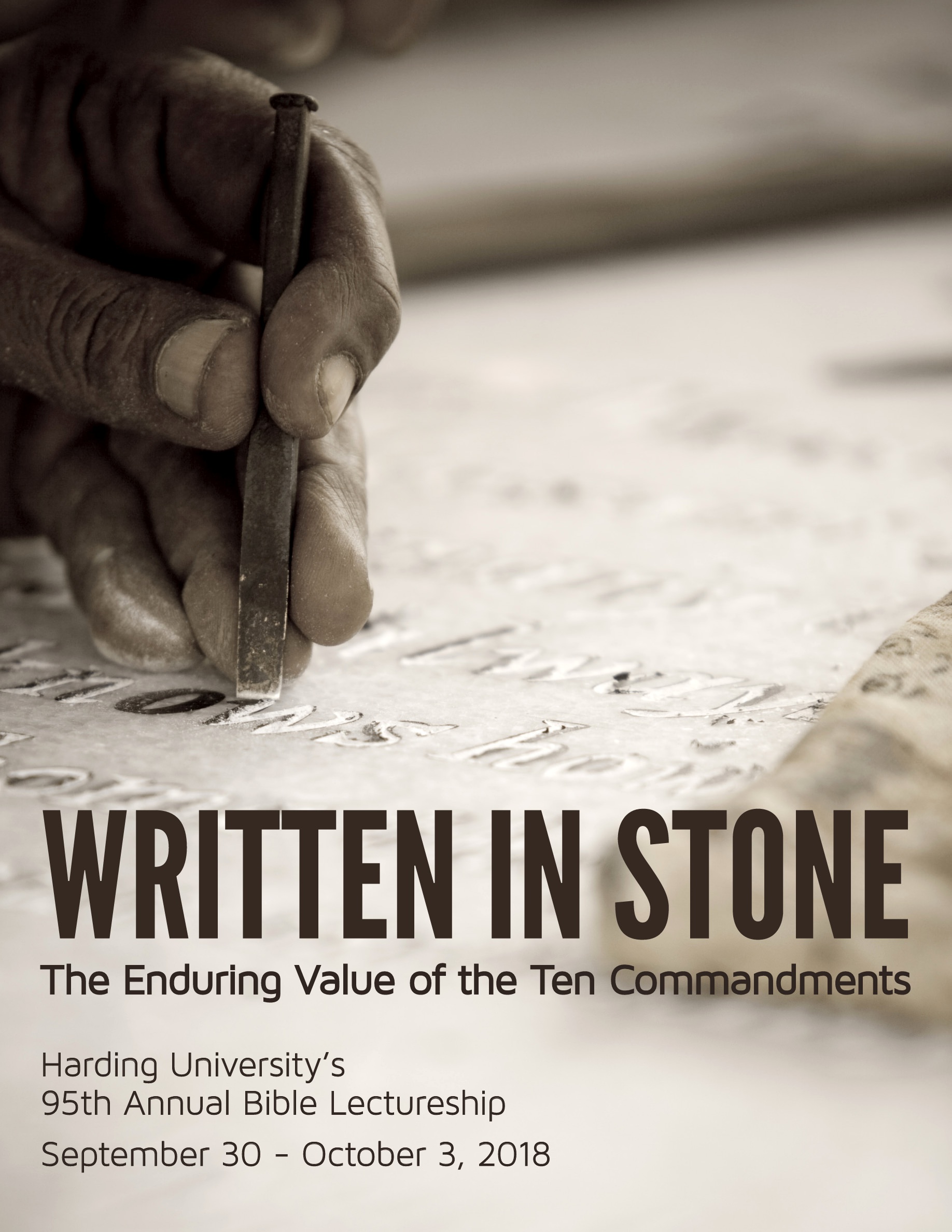
2018 Harding University Lectureship Recap


This week I had the opportunity to take part in Harding University’s 95th annual Bible Lectureship, and had a great time. I got to spend time with family and close friends, renew friendships and acquaintances of people I haven’t seen for a while, and I was honored to present two sessions on Youth In Family Ministry on Wednesday, and had good attendance in both sessions and got to field a lot of excellent questions after each session.

Also, though, I was privileged to get to hear several excellent sessions. Really, everything I went to was quite good, but below, I’ll just share brief recaps of the sessions for which I took notes:

  • Honoring Our Parents, Claiming the Promise, Andrew Phillips: this was a morning keynote session, and I thought Andrew did very well. He emphasized that honor is a heavy matter, but that not every heavy, weighty aspect of life is a burden. The weight of honoring one’s parents provides a serious responsibility in life, but it also provides a solid foundation for life.
  • The Good, the Bad, and the Gestalt: Thoughts About a High View of Scripture, Richard Oster: Dr. Oster was one of my favorite HST professors, and always does a great job. He said some fairly predictable, but laudable and appropriate things about the nature of Scripture, including this gem: “Scripture is the litmus test against which we are to measure all spiritual experiences.” He also discussed two problem areas related to Scripture that sometimes plague believers: (1) Failing to discern that Scripture is the “map” that points us to Jesus. As important as the Bible is, we are more interested in the “territory” to which it points than we are in the map itself. (2) The tendency of some to want to distance themselves from the Old Testament or shelve it altogether. This is untenable: the OT was the Bible of the early church, and the very identity of Jesus cannot be explained without it.
  • The Work of the Holy Spirit, Part 2, Monte Cox:  Dr. Cox was one of my favorite undergrad teachers at Harding, and is always a treat to listen to. He had three sessions on the Holy Spirit, but there were so many good options on Monday that I could only get in to listen to this one. It was outstanding. This was a very practical class, which sought to answer the question, “How can we cooperate with the Spirit?” in terms of defeating the influence of sin in our lives and being transformed into the image of Christ.
  • Right Click: Parenting Your Teenager in a Digital Media World, T.J. Davidson: T.J. is a friend and a really good youth minister, and he did a great job here, discussing how digital media is changing us, and some of the things we can do about it. I wish T.J. could have had more time, because I felt like there was more that he could have shared with us.
  • Serving With Honor Without Losing Your Mind, Jim Martin: Dr. Martin spoke at the Celebration of Ministry Dinner. He is Vice President at HST, and is also one of the best Twitter follows out there (@JimMartin). This dinner is always fun and basically serves as a pep talk for those in ministry. Dr. Martin laid out four ideas to address the topic at hand: (1) Believe that God is larger than my problems; (2) Beware of anxious, negative people who speak with great certainty; (3) Learn to function as a less-anxious person; (4) Remember that our God rules.
  • From Mozambique to Millennials, Part 2, Logan Thompson: Logan is a youth minister in Beebe, Arkansas, and delivered what I thought was an absolutely brilliant lecture (I was bummed that I missed Part 1). Logan discussed the three basic types of cultures (Guilt-Innocence, Shame-Honor, Fear-Power) and then discussed atonement theories that naturally fit with these different cultures. From there, he argued that pervasive social media use is basically prompting youth culture to transition from a Guilt-Innocence to Shame-Honor paradigm (I hadn’t made this connection before, but I totally agree), and suggested theosis as an atonement model that is helpful for approaching young people in this context. If this sounds completely nerdy to you, that’s fine; if you are interested in learning more, you can check out an article that Logan co-wrote with Alan Howell here.
  • The Christian’s Essential Reading List, Bob Turner: Bob is the head librarian at HST in Memphis, and was completely in his element here. In a two-part session, Bob suggested six pairs of books (in each pair, one was the type of book that you would find on the NYT bestseller list, and the other was a similar book that you would find in a theological library). In addition to being a lot of fun, these sessions gave me a bunch of books that I want to read (which, actually, is the last thing I need!).
  • Scrapper’s Delight: Ancient Trash and the World of the New Testament, Kevin Burr: This was a bonus, as it was not actually part of the Lectureship proper, but was rather a presentation of the HU Archaeology club by one of my best friends. Kevin talked about ancient trash: scraps of papyrus that have been discovered in various places of Egypt, the stories they tell, and the information they give us about the world of the New Testament. The major takeaway: “The better we know the world around the Bible, the better we can understand the Bible.”

As you can probably tell, I greatly enjoyed my time at Lectureship this year, heard a lot of good content, and left spiritually refreshed (if physically exhausted). I would highly recommend taking part in this next year if you are able!

A packed room for my youth ministry sessions: I think the sensationalist title is what brought them in. 🙂

« Older posts Newer posts »

© 2026 The Doc File

Theme by Anders Noren — Up ↑