The online journal of Luke Dockery

Tag: 1 Corinthians (Page 1 of 2)

Lord’s Supper Meditations

The Lord’s Supper is a central act of Christian worship, calling to mind the redemptive death of Christ on the cross, and also anticipating His return, when believers will feast with Him again. One of my favorite things about the worship of Churches of Christ is that the Lord’s Supper is observed weekly, which was a practice of the early church.

While it is good to observe the Lord’s Supper regularly, doing so with such frequency can also make it formulaic, and many congregations employ the practice of having a short reading from Scripture or biblical message to help focus the minds of those who are about to partake.

On the Free Resources page of this site, I have now added a series of Lord’s Supper Meditations that I have offered in the past. Feel free to use these in your setting (whether publicly or privately) if they can be helpful to you. I hope to add more to this list as time goes on:

Discerning the Body (PDF): In 1 Corinthians 11, Paul seeks to correct the selfish way in which some of the Christians in Corinth are observing the Lord’s Supper by reminding them of its vertical and horizontal dimensions.


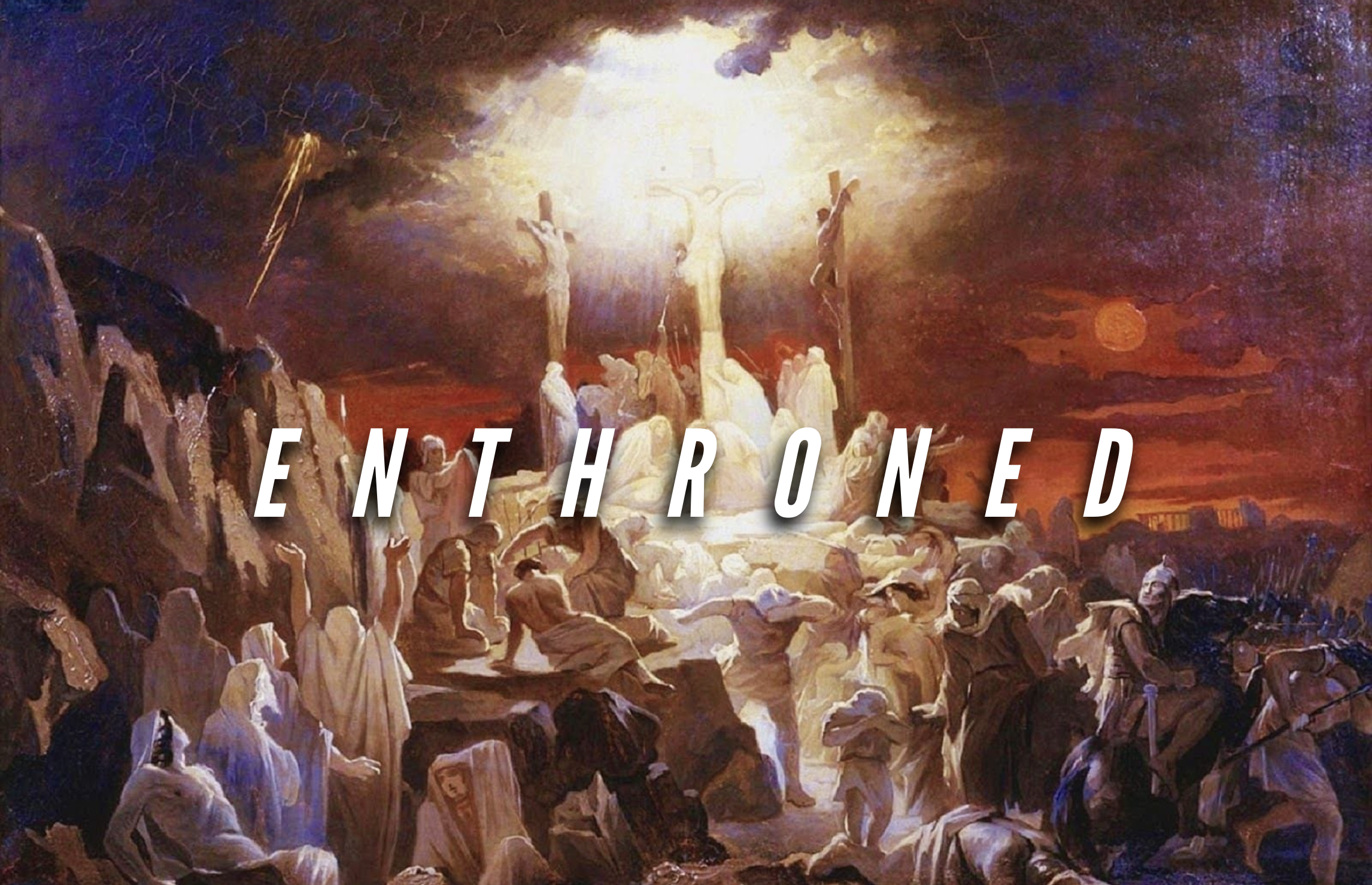
Enthroned (PDF): The crucifixion of Jesus was a subversive exaltation. The enthronement of the King of the Jews casts doubt upon the ways in which the world elevates and seeks to accumulate power.


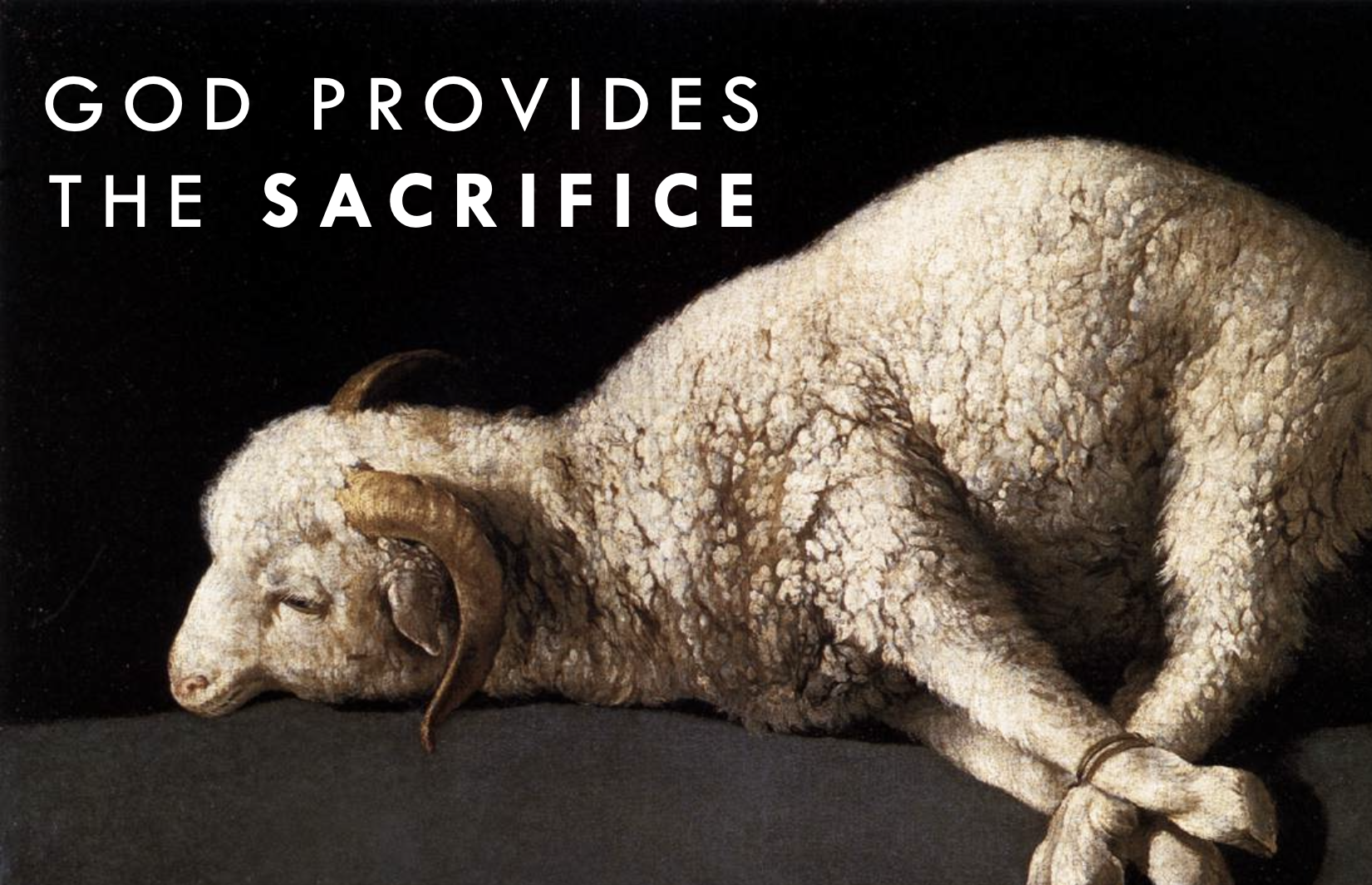
God Provides the Sacrifice (PDF): The Binding of Isaac in Genesis 22 foreshadows another sort of offering, on another sort of altar. In both instances, it is God who provides the sacrifice, but the Son is not always spared.


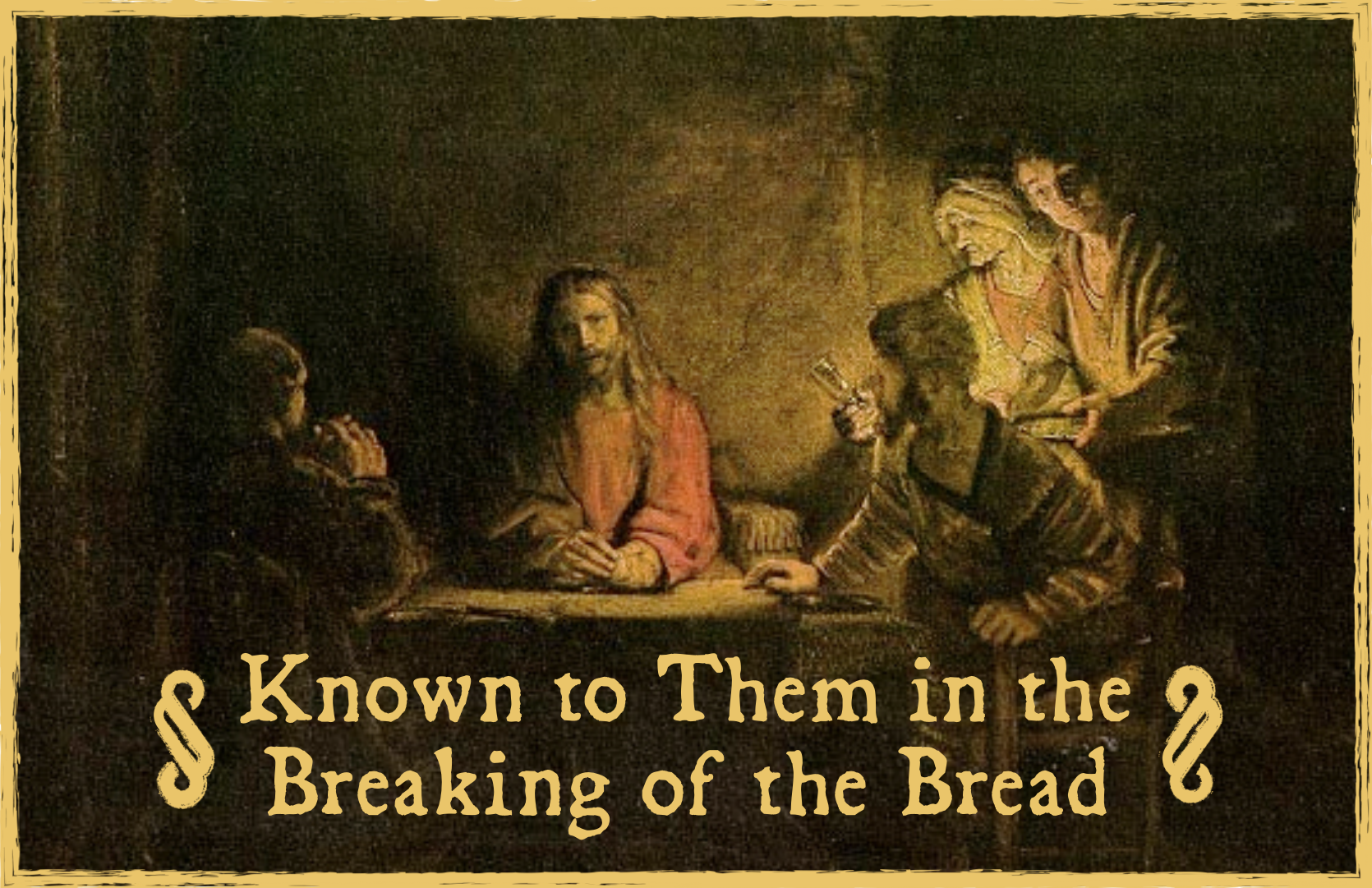
Known to Them in the Breaking of the Bread (PDF): For the disciples that Jesus met on the road to Emmaus following His resurrection, it was at the table that Jesus was made known to them. It is the same for us.


Reconciliation through the Cross (PDF): In a bitterly-divided world, the observance of the Lord’s Supper can seem impractical and disconnected. Really, though, nothing could be more needed or relevant.

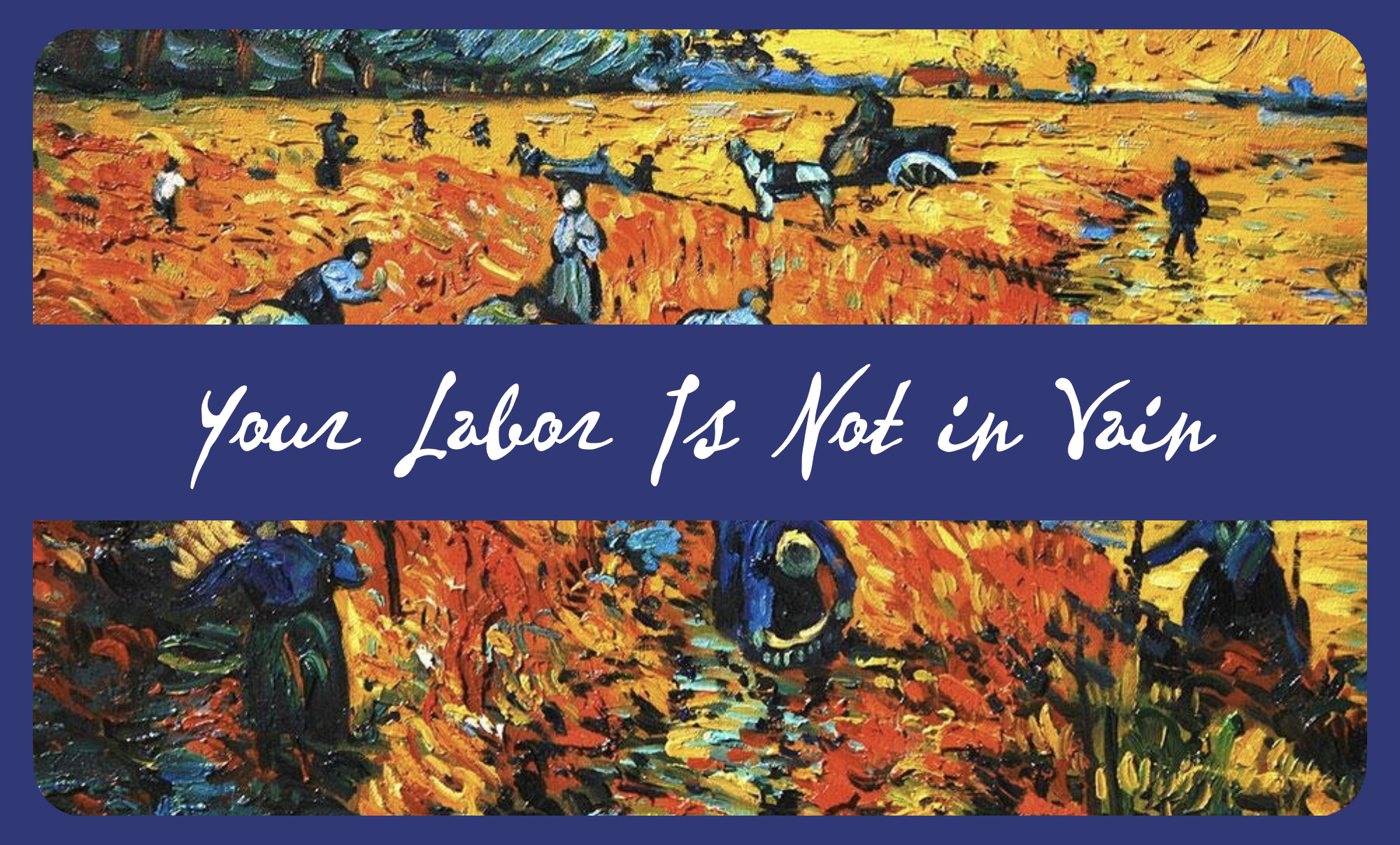
“Your Labor Is Not in Vain”

First Corinthians 15 stands as one of the great chapters of Scripture. Paul begins the chapter by talking of the resurrection of Christ as being “of first importance” to the Christian faith.

He moves from that to the theme of general resurrection that the followers of Jesus will experience. Paul argues that these two events—the resurrection of Christ and the resurrection of Christ’s followers—are inextricably linked. If Jesus was not raised from the dead, then neither will His followers be, and they are of all people to be most pitied. But if Jesus was raised, then He is the firstfruits of resurrection, and His followers will be raised as well.

From there, He progresses to discuss the nature of the resurrection body that believers will enjoy. This is no immaterial existence, but rather, a bodily resurrection. The body that was sown (buried) was perishable, but is raised imperishable; sown in dishonor, but raised in glory; sown in weakness, but raised in power; sown a natural body, but raised a spiritual body.

And then, at the end of the chapter, there is this rousing statement. Because resurrection is the Christian hope, and because it signifies victory over death and the removal of its sting:

Therefore, my beloved brothers, be steadfast, immovable, always abounding in the work of the Lord, knowing that in the Lord your labor is not in vain.

(1 Corinthians 15.58)

Though often overlooked, I think this is one of the great promises of Scripture: In the Lord, your labor is not in vain. Ever since I heard a sermon on this text at a Harding Lectureship, it has been a stirring passage for me, but it was more recently as I studied for our youth retreat on resurrection that I discovered an additional meaningful connection.

Earlier in the chapter, Paul had stated that “if Christ has not been raised, then our preaching is in vain and your faith is in vain” (1 Corinthians 15.14). The word translated as “vain” is the Greek word κενος, which means “empty, foolish, worthless.” If Christ is still in the tomb, faith in Him is foolish and worthless.

Paul subtly reverses this idea in the final verse of the chapter with his great promise. This promise does not occur in a vacuum; it is directly tied to what has come before. Therefore—because of the resurrection of Jesus and the resurrection that Christians anticipate as well, we can be steadfast in our work for the Lord, knowing that in the Lord, our labor is not in…vain. Again, we have the Greek word κενος—because we live and work in light of the resurrection of Jesus Christ, our labor is not foolish or worthless.

These are profound, empowering, and encouraging words, and I confess: at times, they are hard for me to believe. So often, it can seem that our labor in the Lord isn’t worth much. Here are some of my experiences; see if you can relate:

  • I spend years investing in teenagers and teaching them about Jesus, only to see some of them turn away from Him as they grow older.
  • I see marriages of couples that I have loved and worked with disintegrate in bitterness and unfaithfulness.
  • I invest countless hours in creating a church ministry or set of procedures only to see them carelessly ignored or laid aside.
  • I witness people I regarded as dear friends in Christ choose a different path in life and then want nothing to do with me anymore.
  • I labor to build unity in the church or greater knowledge in people I teach but seem to make no progress.

Honestly, all of these efforts can feel…worthless. And if Christ was not raised, then all my labor would be worthless. But Christ has been raised. And I will be raised too.

And somehow, empowered by the same Spirit that brought new life to Christ’s broken body, my labor for the Lord is not in vain! Instead, in a way that I don’t fully understand and seems quite mysterious to me, my efforts for the Lord—which seem paltry and unsuccessful from my perspective—are enveloped in the trajectory of new creation and used by King Jesus in the building and expansion of His kingdom.

What a promise! Praise God for His glorious assurance that, in light of the resurrection of His Son by the power of His Spirit, our labor is not in vain!

Do not grow weary in your labor for the Lord. Because resurrection has changed the universe, it always matters.

Do not grow weary in your labor for the Lord. Because resurrection has changed the universe, it always matters. Share on X

In this loose series of Scripture Reflections, I am sharing brief thoughts spurred on by my Bible reading. By way of reminder, my goal for these brief posts is two-fold:

(1) To remark on aspects of the biblical text that I find to be of interest that the reader may or may not have thought about previously.

(2) When possible, to point to the work and person of Jesus Christ. I believe the Bible is a unified story that points to Jesus, which means that He is frequently alluded to or foreshadowed in some way throughout the biblical canon.

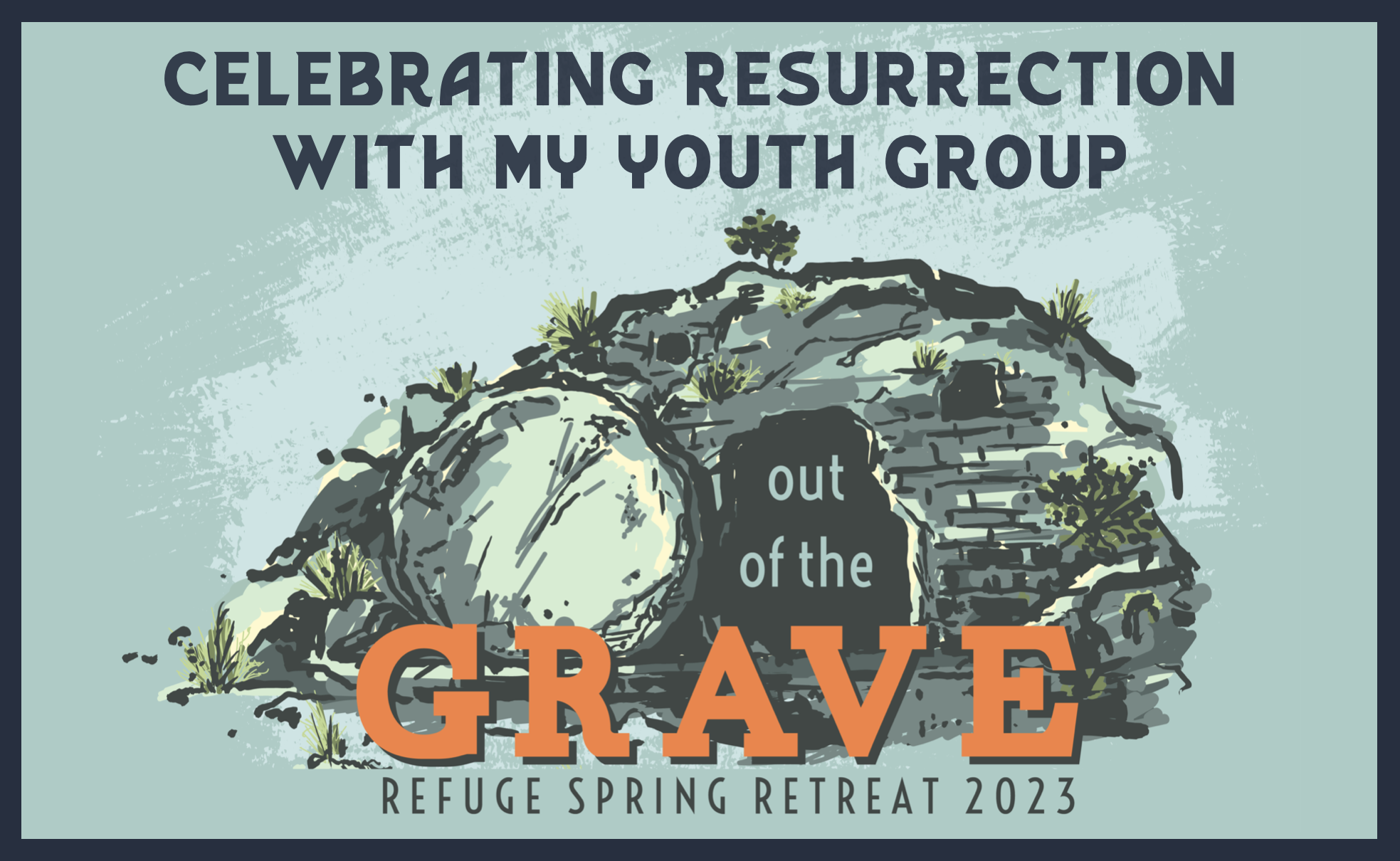
Celebrating Resurrection With My Youth Group

This past weekend (Friday evening through Saturday night) was our youth ministry’s Spring Retreat. Spring Retreat is our biggest event of the semester and, from my perspective, perhaps our most important event of the year, because of the cohesion and togetherness it gives to our group.

You may be thinking that Easter weekend is not the ideal time to schedule a youth retreat, and I would agree with you, but this was the only weekend we could make it work with my seniors’ schedules, and we still managed to have a really good turnout. And, since we happened to be meeting together on Easter weekend, I decided to theme the retreat around the resurrection of Jesus.

Really, the timing almost seemed providential. Currently, on Wednesday nights we are doing a series on doubt. A common misconception is that having doubts or questions in our faith is somehow sinful or shows that our faith is deficient, when the reality is that doubt is simply a part of the journey of faith. According to research, though, teenage Christians typically don’t have a space where they feel comfortable talking about their doubts, and they try to ignore them hoping they will go away. This is actually really detrimental to faith, though, as openly discussing doubts and questions during teenage years is correlated with long-term faithfulness.

Having said all that, while we want to be able to discuss our doubts and not be threatened by them, even more we want to trust God in our doubts, and also be confident in our faith.

Enter the resurrection.


Our theme for the weekend was “Out of the Grave,” and we examined the resurrection in three different sessions:

(1) Resurrection on Trial

Occasionally you will hear from people who consider themselves to be Christians, but reject the idea that Jesus physically rose from the grave. They believe that Jesus was a good man, a great teacher, that He had some great ideas,  that in some sense He spiritually “saves” us and mystically “lives through us” but that whether or not He rose from the grave doesn’t really matter.

That’s not what Paul says, though. After describing the resurrection as “of first importance” in 1 Corinthians 15, Paul goes on to get even more specific. He says:

 “…If Christ has not been raised, then our preaching is in vain, your faith also is vain…if Christ has not been raised, your faith is worthless; you are still in your sins…if we have hoped in Christ in this life only, we are of all men most to be pitied.”

(1 Corinthians 15.14,17,19).

What Paul is saying here is that you can’t have it both ways. You can’t hedge your bets. When it comes to the resurrection, there are only two choices:

  1. Jesus was not raised from the dead. If this is true, then all of us are, according to Paul, pathetic people who are wasting our time—we’re following someone who won’t lead us anywhere. If this is true then Jesus was a man, just like us, not unique in any way. He may have been a good man with great insight who people like to quote, but He is also someone who doesn’t have the answers to life’s questions and has no right to tell people how to live.
  2. Jesus was raised from the dead. If this is true, then it is the single most important fact in history. It means that Jesus was different; He was unique. He has power over life and death, He has the answers to life’s questions, He has the right to tell us how to live, and nothing in life is more important than following Him.

It is important, then, that we get this right, because the stakes are really high. Fortunately, though, there’s actually an abundance of evidence for the resurrection, and we put the resurrection “on trial” in our first session. We discussed the Physical Evidence of the empty tomb and the grave clothes of Jesus, we talked about the Eyewitness Accounts and reasons why the eyewitnesses could be considered reliable, and we discussed the Circumstantial Evidence of the sudden spread of Christianity and the change in the lives of both disciples and skeptics.

These different types of evidence all agree: after being crucified, Jesus of Nazareth was raised from the dead on the third day. And this is good, good news. The best news of all: it means that Jesus has power over life and death, the answer to life’s questions, and nothing in life is more important than following Him! Jesus Christ is the foundation of the Christian faith, and we shouldn’t build our faith or our lives on anything less than Him!

(2) Sharing in Resurrection

In our second session, we focused on the words of Paul in Romans 6.1-14, where he says that baptism is the time when we participate in the death and resurrection of Jesus. Jesus died, was then buried, and rose again, and Paul says here that, as Christians, we are buried in the act of baptism—we go under the water—and when that happens, our old self dies, and we are raised to walk a new life.

In the act of baptism, we unite our history and our destiny with Christ. Paul says that if we have been united with Christ in a death like His (by being buried in baptism), then we will also be united in a resurrection like His (v. 5). 

In the act of baptism, we unite our history and our destiny with Christ. Share on X

Of course, Jesus died a literal death, and then was raised, bodily, to a new life, and would then never die again, because death no longer had dominion over him (v.9). Our death at baptism is not a literal death, but rather a death to sin. Baptism represents a fresh start and a new life. No longer are we enslaved to the power of Satan, sin, and death; now, we have received God’s grace and God’s Spirit, and sin no longer is our master:

“So you also must consider yourselves dead to sin and alive to God in Christ Jesus.”

(Romans 6.11)

Of course, this doesn’t just happen automatically. Sin can continue to be a problem in our lives, and we must fight against it:

“Let not sin therefore reign in your mortal body, to make you obey its passions. Do not present your members to sin as instruments for unrighteousness, but present yourselves to God as those who have been brought from death to life, and your members to God as instruments for righteousness.”

(Romans 6.12-13)

Christ’s death and resurrection, and our sharing in His death and resurrection through baptism, provide us with the opportunity for a new life and a fresh start, but we still have to determine to live that way. It’s a fight and a struggle; we must present our bodies and our lives not to sin, but to God, not as instruments of righteousness. We are never going to be able to live the Christian life without effort. It’s going to require determination, struggle, and sacrifice.

But here’s the really important thing: what was once an impossible task—because sin was our master—is now possible! Because, through baptism, we have been united with Christ in His death and resurrection, we are now new creations. We have received God’s grace and His Spirit, and now, it’s actually possible for us to resist the temptation of sin. 

We won’t do this perfectly, but we are given this promise:

For sin will have no dominion over you, since you are not under law but under grace.

(Romans 6.14)

Sin no longer has dominion; it is no longer our master. And in those times, when we struggle with sin and we fail, God’s grace is there, amazingly, to wash away that sin. We are new creations. We have died to sin, and been raised to a new life, like Jesus.

(3) Resurrection Hope

Finally, we looked at the rest of 1 Corinthians 15 and talked about the Christian hope that when Jesus returns, we will experience bodily resurrection.

It is clear from 1 Corinthians that the church in Corinth had a lot of problems, and one of the things they seemed to be struggling with was the idea of resurrection from the dead. Why did they struggle with this? Well, for the same reason people today struggle with it! People in the ancient world were not stupid or gullible, and they were much more familiar with death than we are today (where we do everything we can to distance and insulate ourselves from the reality of death). All sorts of illnesses and medical conditions that we can treat today were death sentences in the ancient world, so people saw a lot of death, and they knew that dead people stay dead and that dead bodies rotted.

This is what was so controversial about the claims of Christianity. It wasn’t controversial to say that people continue to exist in some way after death, or that our spirits leave the body at death and have an eternal existence somewhere—Greeks and Romans believed that already! But the Christian claim that Jesus rose from the dead and that His followers would be raised from the dead as well in their bodies was a shocking claim. 

Paul taught about the resurrection in Athens, and people thought he was crazy (Acts 17). Apparently some of the Christians in Corinth did too.

But Paul emphasized that this matters—if Jesus was not raised from the dead, then our faith is useless, and we are still in our sins. But…

“But in fact Christ has been raised from the dead, the firstfruits of those who have fallen asleep.”

(1 Corinthians 15.20)

We can be confident in the resurrection of Jesus (see above), and Paul says that His resurrection is the “firstfruits” of our own. Firstfruits are the beginnings of a crop that point to a larger harvest later. What Paul is saying here is clear: If Jesus Christ was not raised from the dead, then our faith is useless, but if Jesus Christ was raised from the dead, then we will be raised too.

If Jesus Christ was not raised from the dead, then our faith is useless, but if Jesus Christ WAS raised from the dead, then we will be raised too. Share on X

Later, Paul anticipates the question that he will get in response to teaching that our bodies will be raised: “How are the dead raised? With what kind of body will they come?” How can these dead, decaying bodies come back to life? Because they will be changed.

In this passage, Paul compares our physical bodies to a seed that is sown. This highlights a connection between our current bodies and our resurrection bodies, but also a change. Seeds are not the same as the wheat they produce, but they are closely related: they are made of the same “stuff”, and one has the necessary DNA for the production of the other. 

Paul says that those who are in Christ will be raised with “spiritual bodies.” We need to think about both of these words. The Christian hope is not to be disembodied spirits floating around in a non-material existence, but neither is the Christian hope to have the same old bodies that we have right now, which are “natural” or “fleshly”.

Paul is clear in these verses that there are some major differences between our current bodies, and our future, resurrection bodies (15.42-44):

  • Our current bodies are perishable, while our future bodies will be imperishable
  • Our current bodies are dishonorable, while our future bodies will be glorious
  • Our current bodies are weak, while our future bodies will be powerful
  • Our current bodies are natural, while our future bodies will be spiritual

When Paul says “spiritual body,” the emphasis is on what provides the driving force for the body—it is powered by God’s Spirit. Just as the Holy Spirit raised Jesus from the dead, it will be God’s Spirit that raises us up from the dead and gives power and life to our resurrection bodies. The resurrection is not about us being freed from our bodies to live as spirits; it is about our bodies being transformed into something glorious that is both similar to and different from our current bodies, like seeds are both similar to and different from the plants that they produce.

This is the Christian hope: Just like Jesus, we too will come out of the grave!

Our bodies will be changed. They will be sown perishable, but raised imperishable; sown dishonorable, but raised glorious; sown in weakness, but raised in power; sown natural, but raised spiritual. Our resurrection bodies will be suited for an eternal existence with God.


We had a great weekend! We studied, discussed, worshiped, meditated, played, laughed, ate and even slept.

Most importantly, though, we thought about and celebrated the central claim of the Christian faith. The reality is that there are things that I struggle with and have questions about, but at the end of the day, I believe that Jesus was dead…and then He wasn’t. And if the resurrection is true, then that’s something that I can build my life on, and even though there are things that I don’t understand, those things don’t unsettle my faith because the truth is…Jesus came out of the grave.


The reality is that there are things that I struggle with and have questions about, but at the end of the day, I believe that Jesus was dead…and then He wasn’t. Share on X

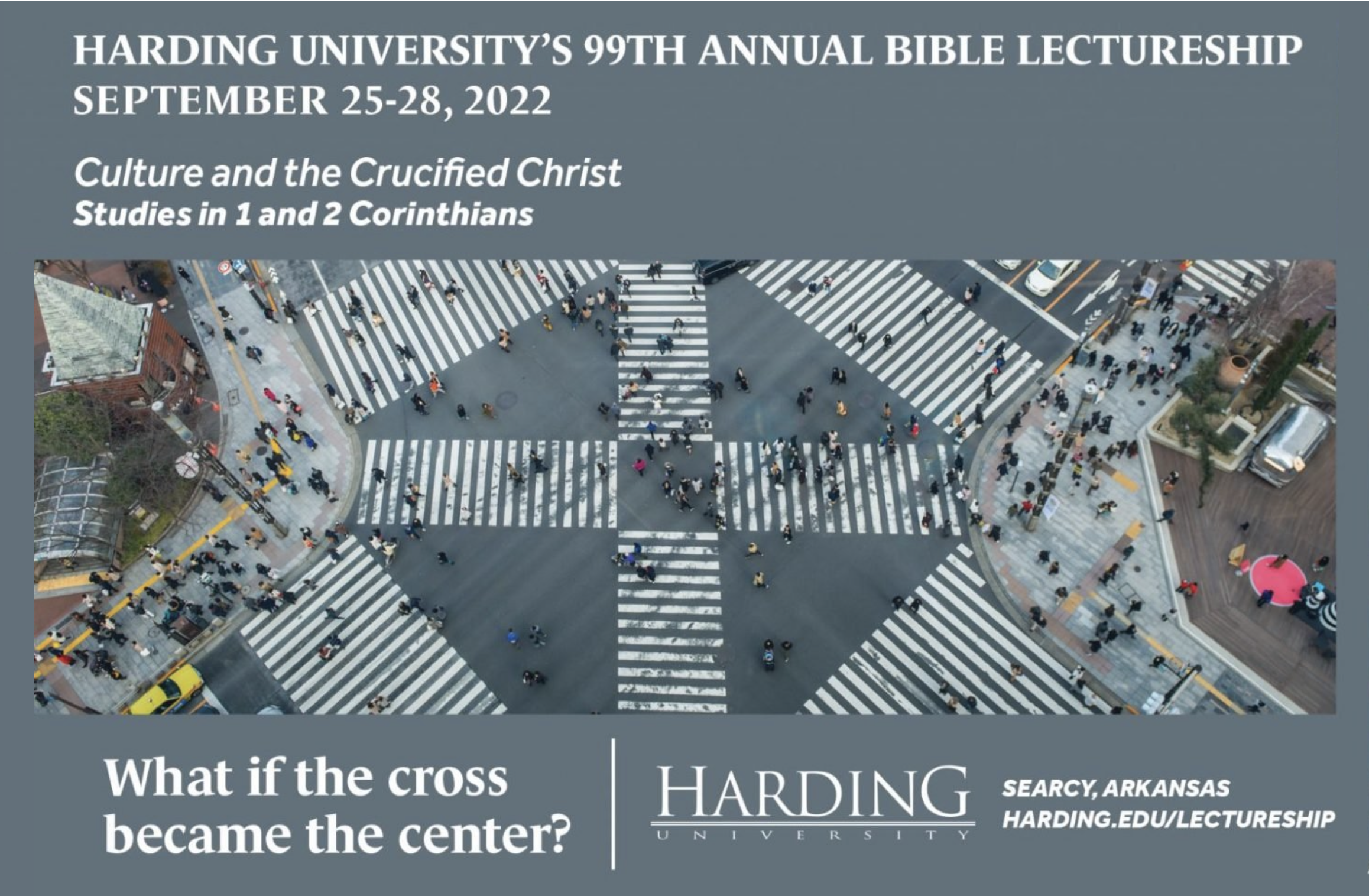
2022 Harding University Lectureship Recap

Harding University’s 99th annual Bible Lectureship was a couple of weeks ago, at the end of September. I always enjoy going to Lectureship, and have developed the practice of providing a quick recap of Lectureship and the different presentations I got to attend. The theme for this year was Culture and the Crucified Christ: Studies in 1 and 2 Corinthians.

I was privileged to attend several good lectures and classes, and here is a brief recap of what I went to, along with some takeaway quotes:

United In Mind and Purpose (1 Corinthians 1.10-17), Mike Williams: Mike is the new president of Harding, and kicked off Lectureship with this keynote on Sunday night. He focused on Paul’s correction of the factionalism of the church in Corinth, and reflected on how, in many ways, we live in a society that is primed for fragmentation. As the church, we must do better. (I agree!)

“If love and unity reveal God’s presence, does division reveal His absence?”

Corinth and Vicinity, Dale Manor: Dr. Manor is a treasure—a classically-trained archaeologist with a wealth of information about the ancient world, and I try to catch one of his lectures each year. He gave a good overview of the geographic/topographic background of Corinth, and how it helps us to understand some of the content of the Corinthian correspondence. This was fascinating if you are interested in history, culture, or archaeology, and, as always, Dr. Manor spoke to an overflowing room.

“Paul appropriated commercial, cultural, and political contexts to teach.”

Paul’s Use of the Old Testament in 1-2 Corinthians, Kevin Youngblood: Dr. Youngblood teaches Bible at Harding, is a top-notch biblical scholar, and always has great material. This was a particularly insightful lecture, as he established how direct quotations, allusions, and echoes from the Old Testament are woven throughout 1 Corinthians. He shared the following “Big Picture Implications”, which I thought were worth repeating here:

  1. Apostolic authority does not render Old Testament authority unnecessary or redundant.
  2. The church is reliving Israel’s experience and is therefore vulnerable to Israel’s mistakes.
  3. The Christ event and the ongoing ministry of the church are the culmination of prophetic vision.
  4. Creational principles outlined in Genesis are universal and enduring.
  5. Not every Old Testament reference Paul makes is intended to be a formal interpretation of the text (rhetorical use of Scripture).

“We are saved by faith; we are also lost by faith. A pattern of unbelief prevents us from entering the Promised Land.”

Discipleship in a Secular Age: Toward Missional Community, Greg McKinzie: Greg is a former missionary, an adjunct professor at Lipscomb University, and the editor of Missio Dei journal. Greg is a brilliant guy, and I wish he could have had a bit more time. He was engaging some difficult material (the philosophical work of Charles Taylor), and he just didn’t have enough time to say everyone he wanted to say. Still, he had some valuable things to say, including the following statement (which, to me, was sobering):

“Discipleship talk is increasing in proportion to the decline of the American church…with little effect.”

Washed, Sanctified, Justified (1 Corinthians 6.9-20), Leonardo Gilbert: Leonardo serves as the minister of the Sheldon Heights Church of Christ in Chicago, and this was my first opportunity to get to hear him. He gave a rousing message emphasizing the importance of our witness as Christians, the necessity of realizing that there is a spiritual war waging all around us, and the encouragement that comes from remembering that the Spirit of God Himself resides within us.

 “Being a Christian is like getting into a boxing ring. Sometimes you’re going to get hit. But the fight is fixed.”

Becoming a Spiritual People: Discipleship for Unity (1 Corinthians 3.1-6), Kevin Burr: Kevin is the Minister of Discipleship at the Kings Crossing Church of Christ in Corpus Christi, and also one of my best friends. In his session, he look at the factionalism that was present in Corinth and Paul’s teaching on the diversity of God’s gifts leading to the unity and health of the Body of Christ. His practical suggestions for developing unity in our churches:

  1. Recognize our God-given gifts in each other.
  2. Put our God-given gifts to work.
  3. Value our God-given gifts.

“If we belittle others because their gifts look different than ours, we have failed the test of unity.”

Your Body is God’s Temple: Sexual Ethics (1 Corinthians 6.12-20), Keith Stanglin: Keith is a former professor at Harding and Austin Graduate School, and currently serves as the director of the Center For Christian Studies. In this session, he examined sexual ethics in Scripture through the teaching of Jesus, and then Paul in 1 Corinthians 5-7.

“Jesus relied on the Bible [for His views on sexual ethics] and evidences moral rigor regarding sex.”

God and the Founding Fathers, Jared Dockery: It was cool to go to a lecture taught by my brother, who is a history professor at Harding. This was a really interesting class to me, because we looked at the positions of several Founding Fathers—Patrick Henry, Roger Sherman, Benjamin Franklin, Thomas Jefferson, John Adams, and George Washington—on several topics—belief in God, Christ’s divinity, providence, and the civic benefit of religion. I thought it was a helpful and nuanced presentation on a challenging and contentious subject.

“The Founders were clearly not trying to establish a rigidly secular society.”

All Things to All People (1 Corinthians 9.19-23), Monte Cox: Dr. Cox is the Dean of the College of Bible and Ministry, and is always one of my favorite speakers. He delivered the Tuesday evening keynote, and did a good job providing an overview of 1 Corinthians 6-10, showing how the idea of rights is woven throughout that section: Paul repeatedly tells the Corinthian Christians that their rights are not the only issue to be considered.

“Too many of us have been preoccupied for too long with defending our rights instead of relinquishing our rights for the sake of the gospel.”

We Do Not Lose Heart: Longevity in Ministry, Jim Martin: Dr. Martin is the Vice President of Harding School of Theology, and also one of the most encouraging people I know. He offered a lot of really practical wisdom in this session related to things that can cause ministers to lose their way, as well as common characteristics of long-term ministers.

“Do I desire to be married to a church, or just date a church? Marriages are hard—you are committed for good and bad times, and you open yourself up for pain.”

Helping Your Church Stay on Mission, Steve Cloer: After preaching for several years in Ft. Worth, Steve is now in Memphis, where he teaches at Harding School of Theology and directs the Doctor of Ministry program there. Steve started with a discussion of Acts 6, where a legitimate issue that needed addressing ran the risk of distracting the apostles from their mission. The church runs into all sorts of issues and barriers today that can be a distraction as well. How can the church stay on mission?

  1. Solid preaching on the mission of God.
  2. Spend significant time in the neighborhood, which provides a motivation and an entry-point for mission.
  3. Tell stories about what God is doing among us.

“Churches are going to focus on something. The leader must help them focus on mission, becuase if they don’t, churches are going to focus on all sorts of things.”

Head Coverings and Headship in 1 Corinthians 11, Rick Oster: Dr. Oster was one of my favorite professors at HST, and he had a packed house as he addressed a challenging and controversial passage in 1 Corinthians. Oster’s scholarly work is in New Testament text and especially the historical backgrounds of the text, and he presented his perspective that the Roman practice of having the person leading a religious ceremony (whether male or female) wear a veil lies behind Paul’s instructions in the first part of 1 Corinthians 11. The Corinthian church was continuing this practice, which would have been strange to those from other backgrounds (Jewish, Greek, North African, etc.), and Paul was concerned that it would confuse the Christians there about the biblical teaching of male headship. Oster’s interpretative take here is certainly not the only one, and I don’t believe he makes an airtight case, but he does make a plausible one (reconstructing the historical background of a one-sided conversation is always challenging).

“Paul is not concerned that both genders are prophesying; he is concerned that, visually, they are undermining the teaching of male headship.”

Men and Women in Church Leadership (1 Corinthians 14.26-40), Allen Black: Dr. Black was another of my favorite teachers at HST, and he continued the theme of handling a controversial text in front of a big crowd on Wednesday afternoon. I thought Dr. Black did a great job, talking about how we approach different texts that seem to be in tension with one another (like 1 Corinthians 11 where women are mentioned as praying and prophesying and 1 Corinthians 14 where women are told to keep silent), outlining various approaches to the disputed portions of 1 Corinthians 14.26-40, and presenting his own views. Perhaps the most edifying portion of his lecture for me was the way he talked about the views of John Mark Hicks, who he regards as a close friend, but disagrees with on this issue; this was a model of respectful and gracious disagreement.

“The ideal is self-sacrificial male leadership.”

Raised in Power (1 Corinthians 15.35-58), Jonathan Storment: Jonathan preaches at the Pleasant Valley Church of Christ in Little Rock, and is always a joy to listen to, as he is an engaging and thoughtful speaker. Storment talked about the Christian emphasis on the value of the body as part of God’s good creation, and emphasized the stark differences between the Secular Story and the Christian Story. Among some things that he said that I found really insightful:

  • In our current (secular) society, both conservatives and liberals operate from a functionally atheist perspective. Conservatives say there is no God, so we must fight to preserve our way of life; liberals say there is no God, so no one can tell me what to do.
  • At the roots of postmodernism are the philosophies of Marx, Freud, and Nietzsche, who were all deeply suspicious of love (i.e. the Christian value). For Marx, it was all about money, for Freud, it was all about sex, and for Nietzsche is was all about power.

“Beneath this [the Secular Story] is nothing but despair.”

“You don’t bury a Christian; you plant him.”


In addition to attending all of the lectures described above, I also had the opportunity to moderate a panel on discipleship in youth ministry, and contribute to another class on adult Bible class resources. I also taught my youth ministry college class one night, coached third base at my son’s baseball game another night, had a few meetings, and hosted two guests in my home. It was a busy week!

I was blessed to attend Lectureship this year, to see so many old friends, and to sit at the feet of so many great teachers (indeed, I have been blessed again going over my notes and typing up these short summaries). I would highly recommend taking part in this next year if you are able!

Restorationism and the Very Flawed Church at Corinth

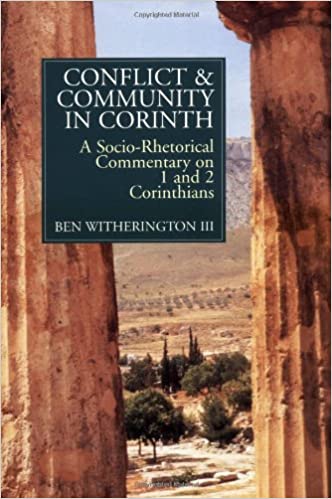
A few years ago, I had the opportunity to take a graduate school class on 1-2 Corinthians, and as part of that class, read several commentaries and lots of articles. One of my favorite reads was Conflict & Community in Corinth: A Socio-Rhetorical Commentary on 1 and 2 Corinthians by Ben Witherington III.

Here is one particularly insightful quotation from Witherington:

Careful attention to the historical and social matrix of the Pauline communities makes it clear that the early ekklesia [church] was far from perfect. As often as not, Paul was busy exhorting Christians to change their ways. If we believe that the Christian community of today should in some sense be biblically shaped and if we hold up the example of the Pauline communities, then we must say “go and do otherwise” at least as often as we say “go and do likewise.”

One reason we tend to commit the fallacy of idealism when we reflect on the early ekklesia is that we have assumed that the “determining factors of the historical process are ideas and nothing else, and that all developments, conflicts and influences are at bottom developments of, and conflicts and influences between, ideas.” Such a premise too often leads to the false conclusion that if we get our ideas about the faith right or if we emulate “the pattern” of the early ekklesia, then our Christian community will be what it ought to be.

But if we read Paul’s letters carefully, they reveal that right living and proper social interaction both within the Christian community and with the larger world were at least as much of a concern as right thinking, and evidently the early Christians had difficulties with all these matters.

Ben Witherington III, Conflict & Community in Corinth, p. xv

As many readers know already, and as I have written about before, I am a spiritual descendant of the American Restoration Movement, which is based on the premise that Christians should seek unity in God’s church by emulating the teachings of the New Testament and following the example of the early church. I believe that such an approach is fundamentally valid, but I think Witherington provides some important words of caution.

When we read about different congregations of the early church in the pages of Scripture, we come across some like the church at Corinth or some of the seven churches of Asia in the Book of Revelation that serve better as negative examples of what not to do rather than examples that we should try to follow today. So, when we say that we want to be like the church of the New Testament, we need to understand that we don’t exactly mean that, because the various New Testament congregations of which we are aware varied greatly in practice, and not all of them are worth emulating. Because of that, sometimes we might clarify our restorationist goals by saying that we want to be the church of the New Testament as conceptualized and instructed by apostolic teaching. But Witherington provides a caution here too, since having the right ideas and beliefs does not necessarily lead to right practices. And after all, what does it matter what we think if we don’t live right?

To me, none of this discredits the validity of the Restoration principle, but it does mean that we should be careful when we talk about it and as we seek to apply it. For example, rather than seeking to emulate the practices of the early church in wholesale fashion, we should examine biblical texts carefully to see where and how first century congregations were affirmed or reproved for their beliefs and practices, and choose to emulate them accordingly. Furthermore, we need to realize that faithful Christianity is about more than simply believing the right things; it also entails living in a certain way. As Witherington points out, the latter does not necessarily follow the former. At the same time, while it is true that right ideas do not guarantee right practices, it’s also true that wrong ideas make right practices nearly impossible.

While it’s true that right ideas don’t guarantee right practices, wrong ideas make right practices nearly impossible. Share on X

God is concerned with both: He wants us to believe certain things, which in turn empower us to live a certain way. And from this perspective, the positive and negative examples of the early church, along with apostolic teachings preserved in the New Testament, are incredibly helpful.

« Older posts

© 2026 The Doc File

Theme by Anders Noren — Up ↑