The online journal of Luke Dockery

Tag: C.S. Lewis (Page 2 of 5)

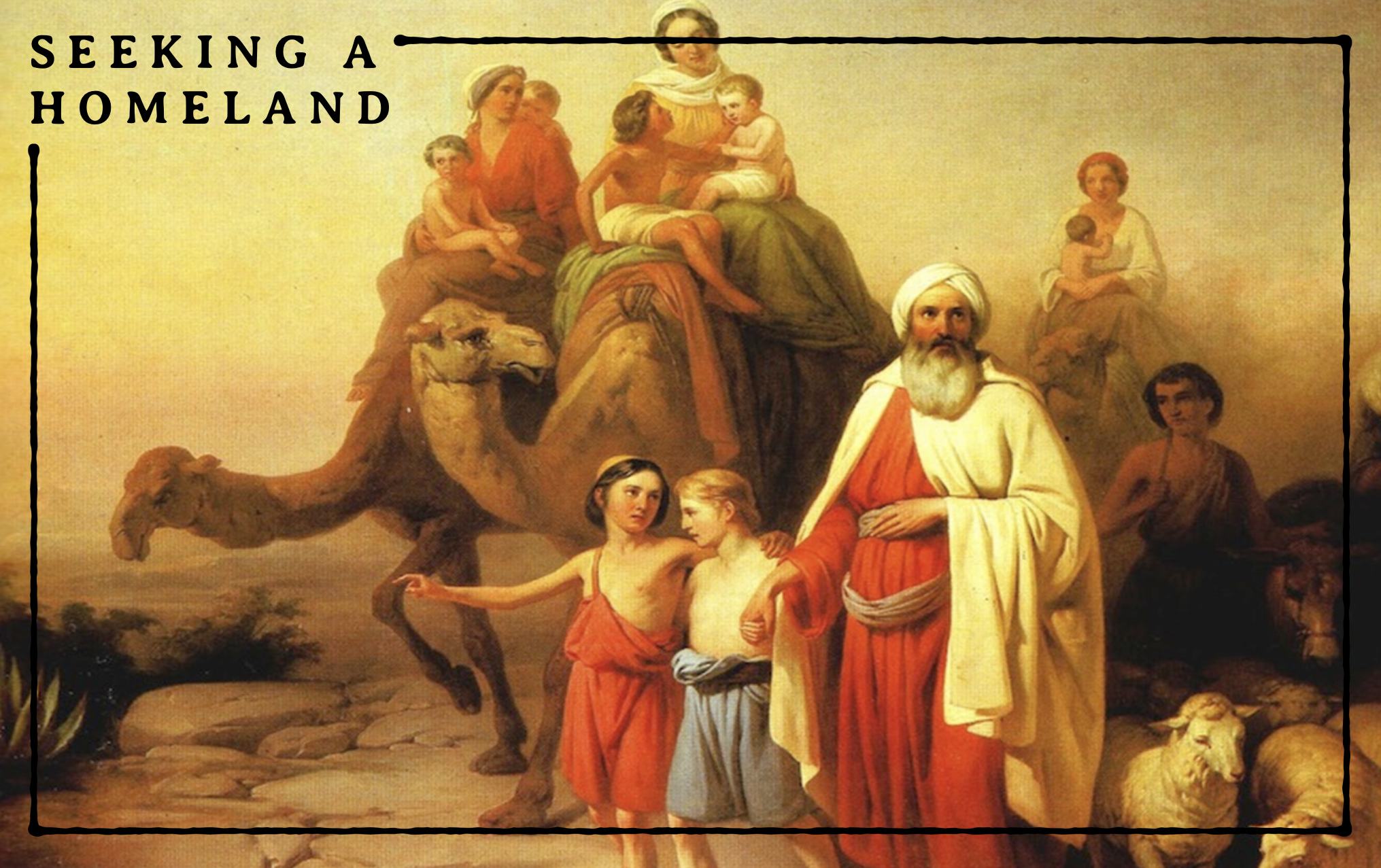
Seeking a Homeland

In the midst of a discussion of various heroes of faith, the Hebrew writer says:

These all died in faith, not having received the things promised, but having seen them and greeted them from afar, and having acknowledged that they were strangers and exiles on the earth. For people who speak thus make it clear that they are seeking a homeland. If they had been thinking of that land from which they had gone out, they would have had opportunity to return. But as it is, they desire a better country, that is, a heavenly one. Therefore God is not ashamed to be called their God, for he has prepared for them a city.

(Hebrews 11.13-16)

Above, these people of faith are described as “seeking a homeland.” This was true in a physical sense for Abraham and Sarah, who left their homeland to go to the place which God directed them, but in a deeper sense, it is true (or should be true) of all of God’s people.

The older I get, the more keenly aware I am that this world, which was created “good” but was broken and cursed by the plague of sin, is not a suitable homeland for me. I yearn for a better, kinder, more whole place. And this is a normal feeling (or at least, it should be): the New Testament in several places indicates that Christians are sojourners who are out of place in this world, and citizens of another (John 15.18-19, John 17.16, Philippians 3.20, 1 Peter 2.11). As Christians, we long for Jesus to return, mend the brokenness in His good creation, and bring about cosmic redemption.

Unfortunately, I think our modern world—with all of its distractions and comforts—frequently makes Christians forget that this isn’t, in fact, our homeland. We obsess over the things of this life and arrange our lives based on worldly priorities. Then, we aren’t content with those lives and, what’s more, we’re surprised that we aren’t content, missing the point that we’re not supposed to be content and at peace with a life that is so anchored to this world in its current, cursed state.

And the irony is, by being so focused on this world, we don’t actually benefit the world much at all. In Mere Christianity, C.S. Lewis said:

If you read history you will find that the Christians who did most for the present world were precisely those who thought most of the next. It is since Christians have largely ceased to think of the other world that they have become so ineffective in this.

We desperately need to recover our sense of being pilgrims in this world and longing for the next. It enables us to have contentment in our lives, and to better benefit those around us. Remember, we are people who are “seeking a homeland.”


In this loose series of Scripture Reflections, I am sharing brief thoughts spurred on by my Bible reading. By way of reminder, my goal for these brief posts is two-fold:

(1) To remark on aspects of the biblical text that I find to be of interest that the reader may or may not have thought about previously.

(2) When possible, to point ahead to the work and person of Jesus Christ. I believe the Bible is a unified story that points to Jesus, which means that He is frequently alluded to or foreshadowed in some way throughout the biblical canon.

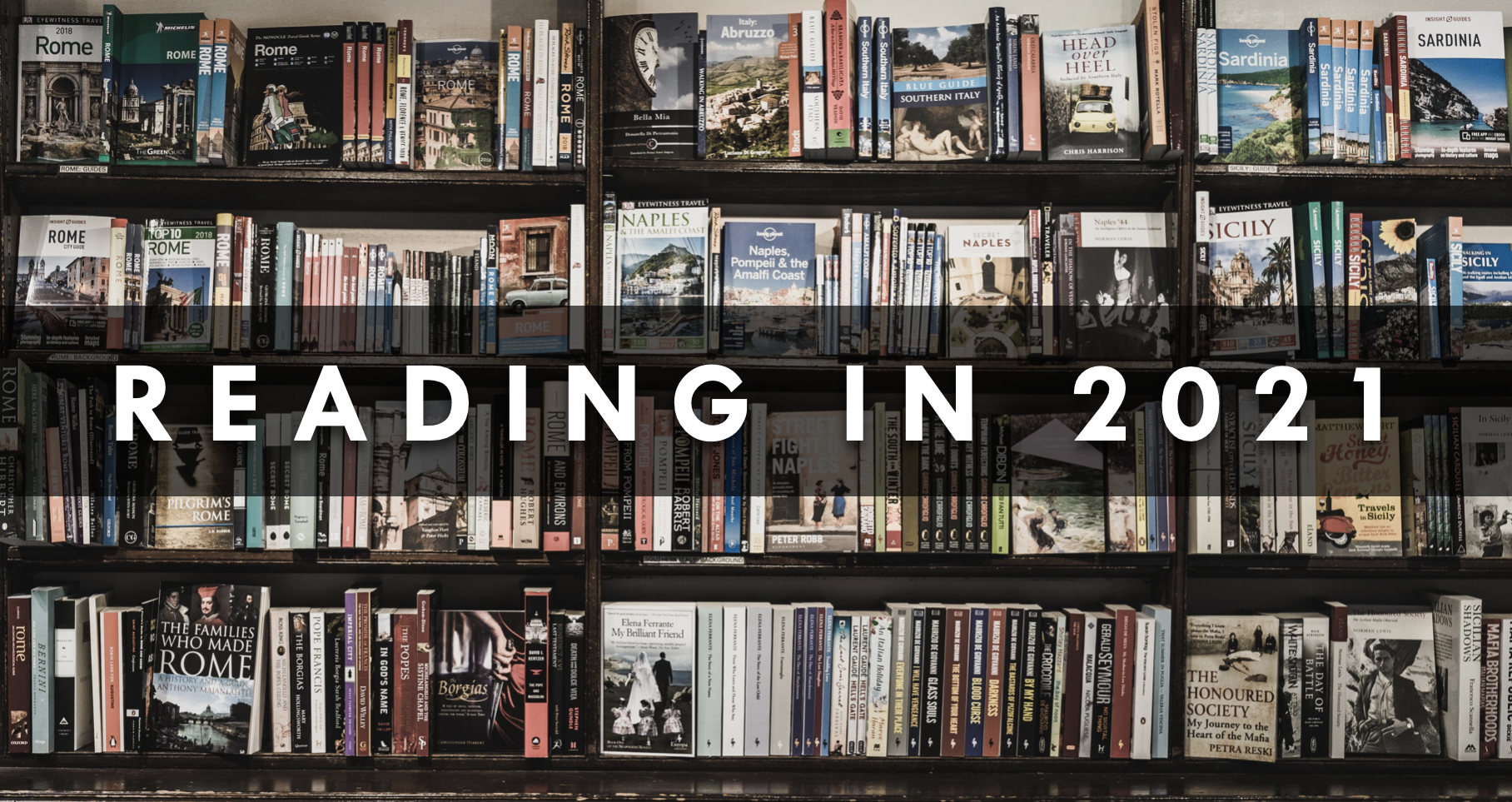
Reading in 2021

This post is always one of my favorites of the year, because it combines two things that I greatly enjoy: (1) reading and (2) obsessively keeping track of things. Basically, I like to keep track of what I read each year, and then offer some reflections about my favorite reads from the year.

Without further ado, here is my list from 2021:

  1. The Purity Principle, by Randy Alcorn
  2. The Blue Parakeet, 2nd Edition, by Scot McKnight
  3. Epic: An Around-the-World Journey through Christian History, by Tim Challies
  4. Natural Evangelism: An Everyday Approach to Sharing the Gospel, by Matthew W. Morine
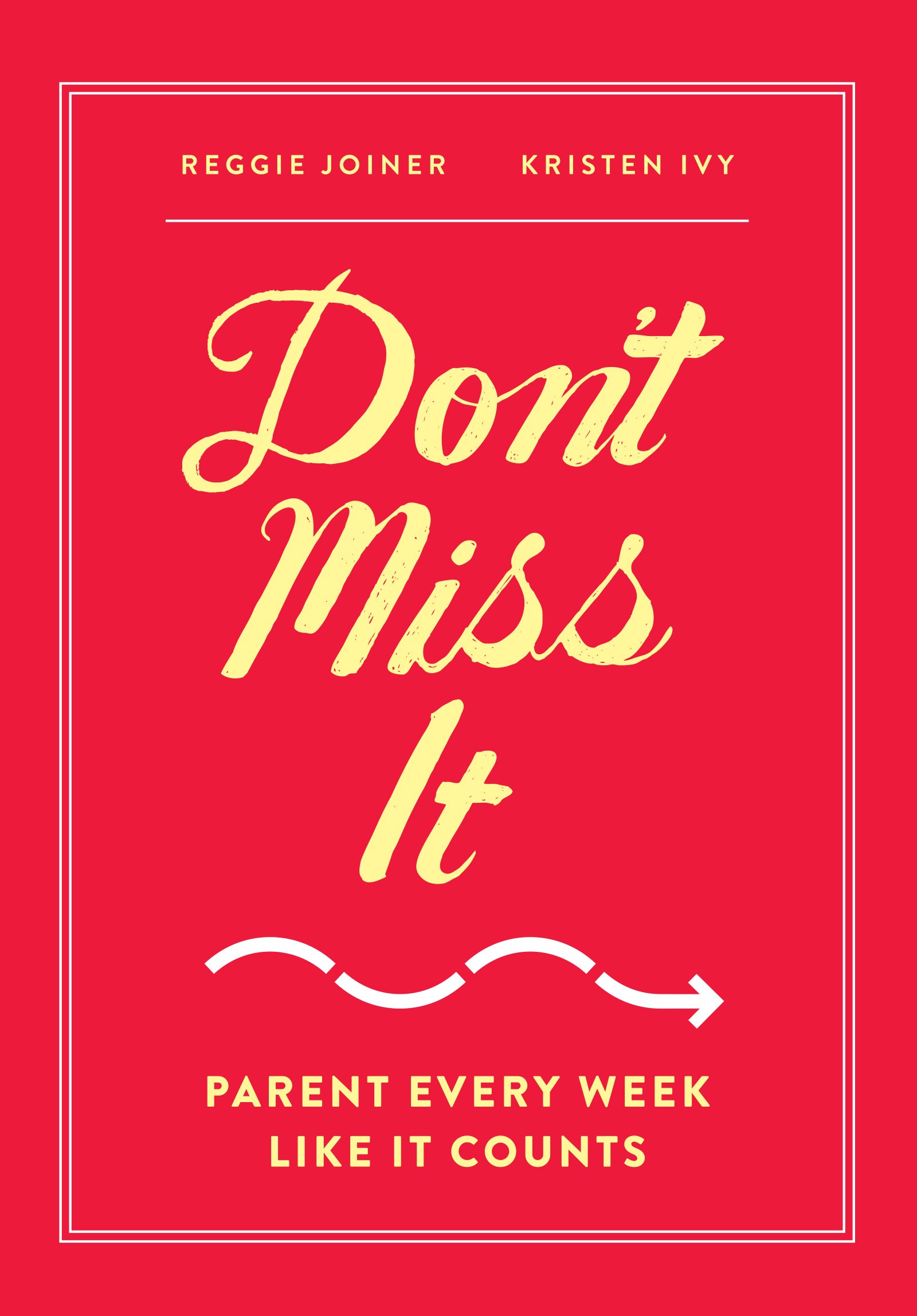
  5. Don’t Miss It: Parent Every Week Like It Counts, by Reggie Joiner and Kristen Ivy
  6. I’m Still Here: Black Dignity in a World Made for Whiteness, by Austin Channing Brown
  7. Leaving Church: A Memoir of Faith, by Barbara Brown Taylor
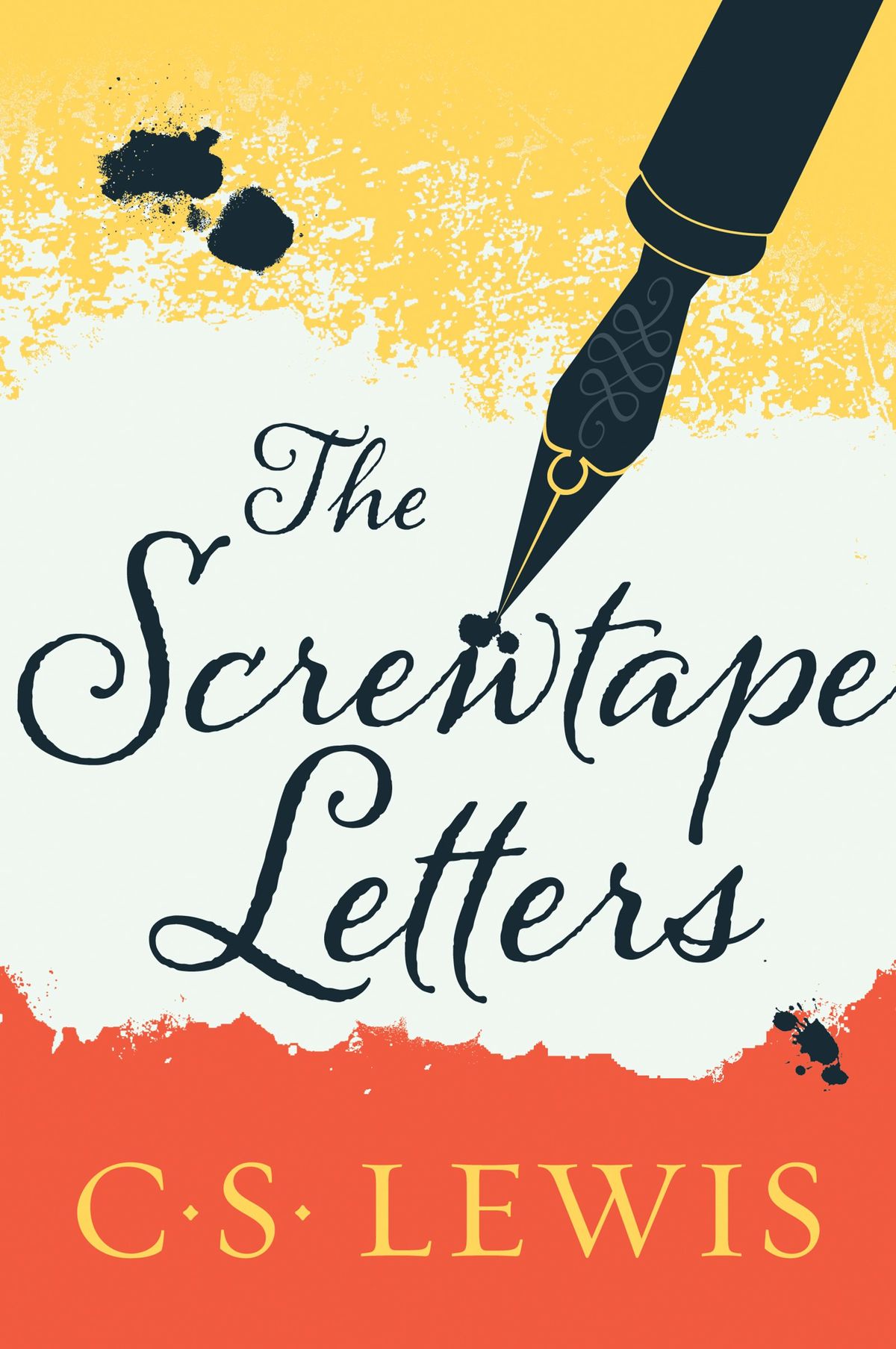
  8. The Screwtape Letters, by C.S. Lewis
  9. The Prince of Life: The Story of Christ for Young People, Episcopal Church Fellowship Series
  10. Harry Potter and the Chamber of Secrets, by J.K. Rowling
  11. Harry Potter and the Prisoner of Azkaban, by J.K. Rowling
  12. The Problem of Pain, by C.S. Lewis
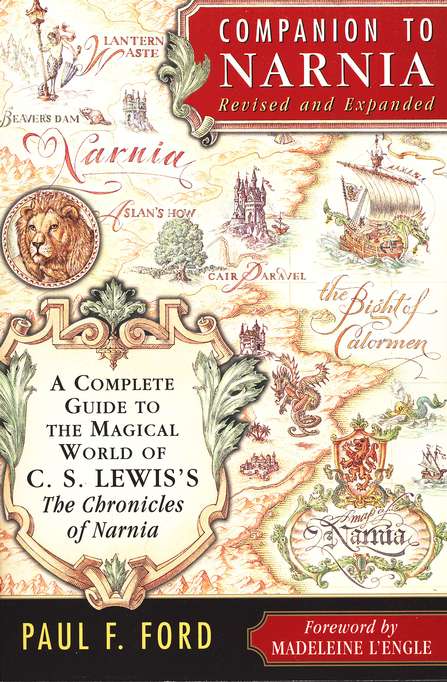
  13. Companion to Narnia: Revised and Expanded, by Paul E. Ford
  14. Said I Wasn’t Gonna Tell Nobody: The Making of a Black Theologian, by James. H. Cone
  15. The Gunfighters, by Lea F. McCarty
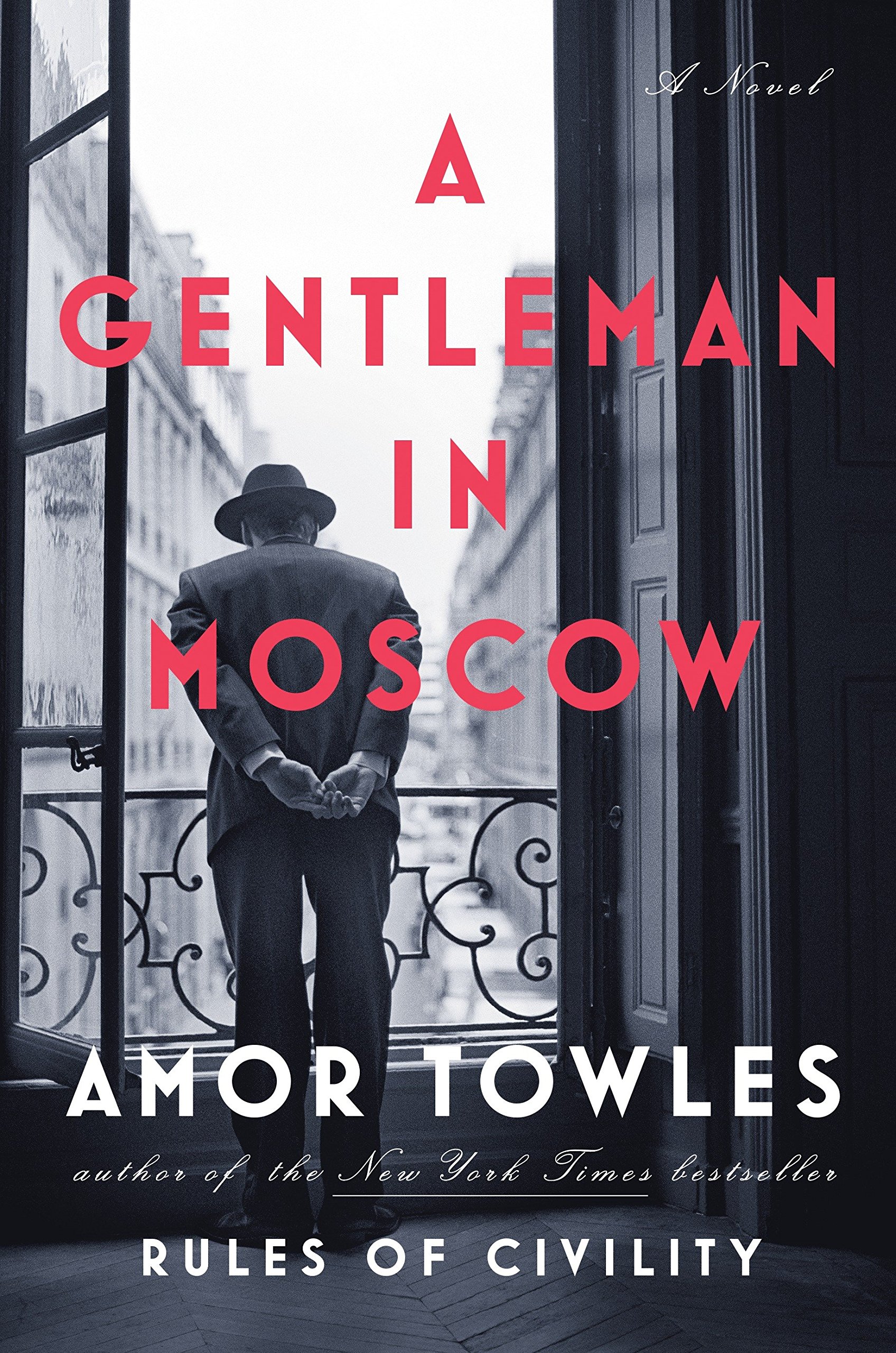
  16. A Gentleman in Moscow, by Amor Towles
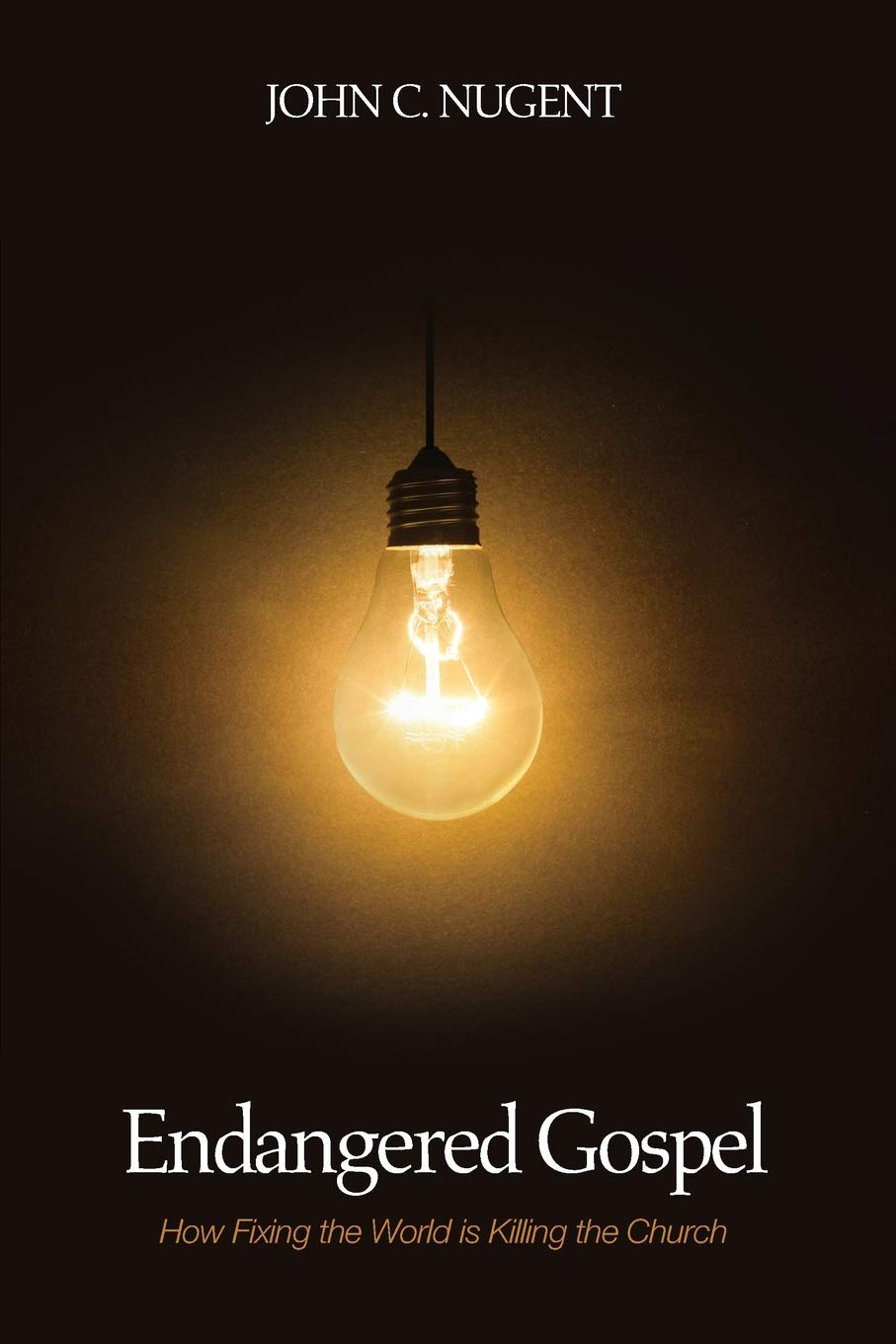
  17. Endangered Gospel: How Fixing the World is Killing the Church, by John C. Nugent
  18. Harry Potter and the Goblet of Fire, by J.K. Rowling
  19. Everyone Brave is Forgiven, by Chris Cleave
  20. The Wright Brothers, by David McCullough
  21. Harry Potter and the Order of the Phoenix, by J.K. Rowling
  22. What Paul Meant, by Garry Wills
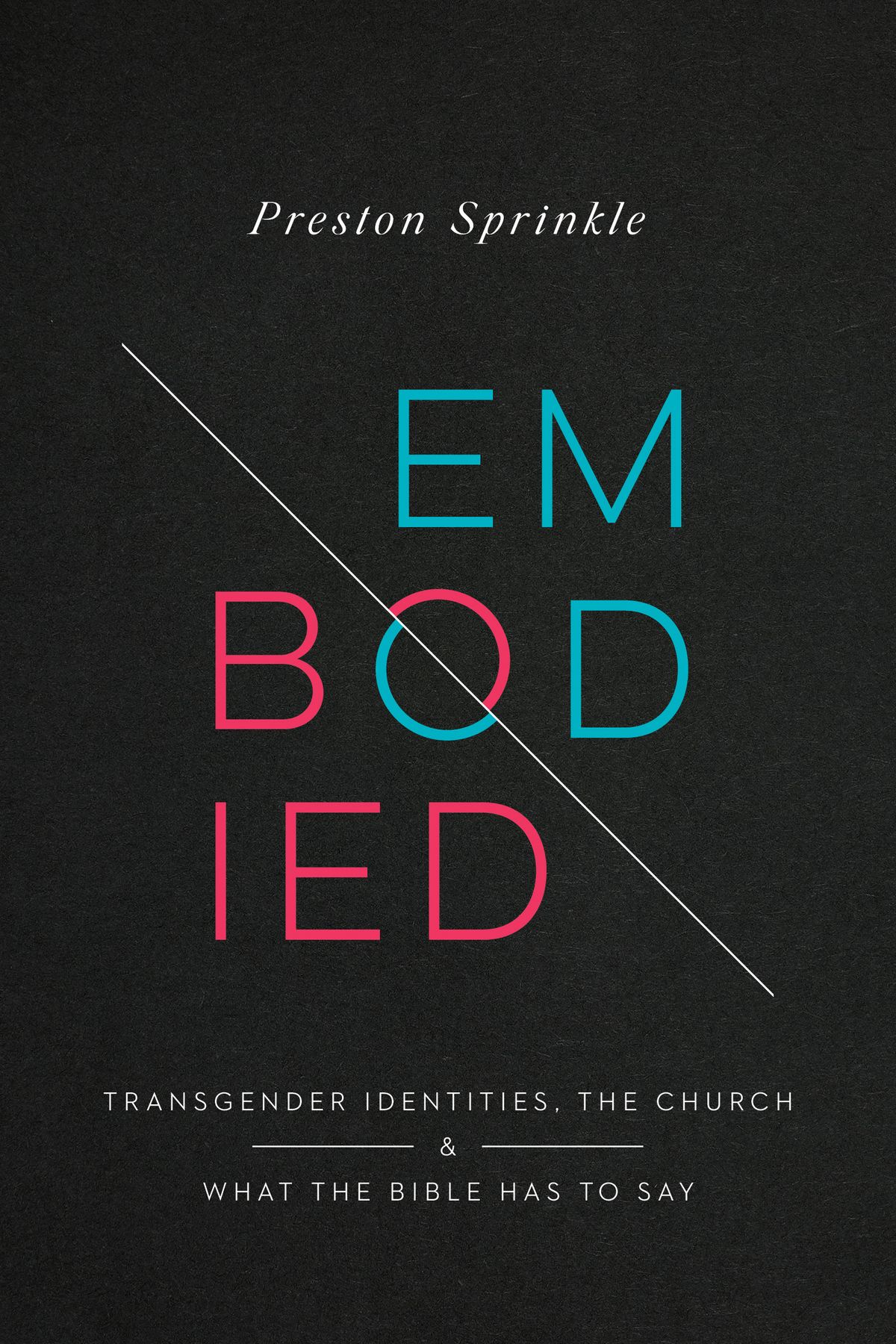
  23. Embodied: Transgender Identities, The Church, & What The Bible Has To Say, by Preston Sprinkle
  24. The Apostolic Fathers in English, by Michael W. Holmes
  25. Harry Potter and the Half-Blood Prince, by J.K. Rowling
  26. The Secrets We Kept, by Lara Prescott
  27. The King Jesus Gospel: The Original Good News Revisited, by Scot McKnight
  28. A Woman of No Importance: The Untold Story of the American Spy Who Helped Win World War II, by Sonia Purnell
  29. How To Win the West Again, by Timothy Keller
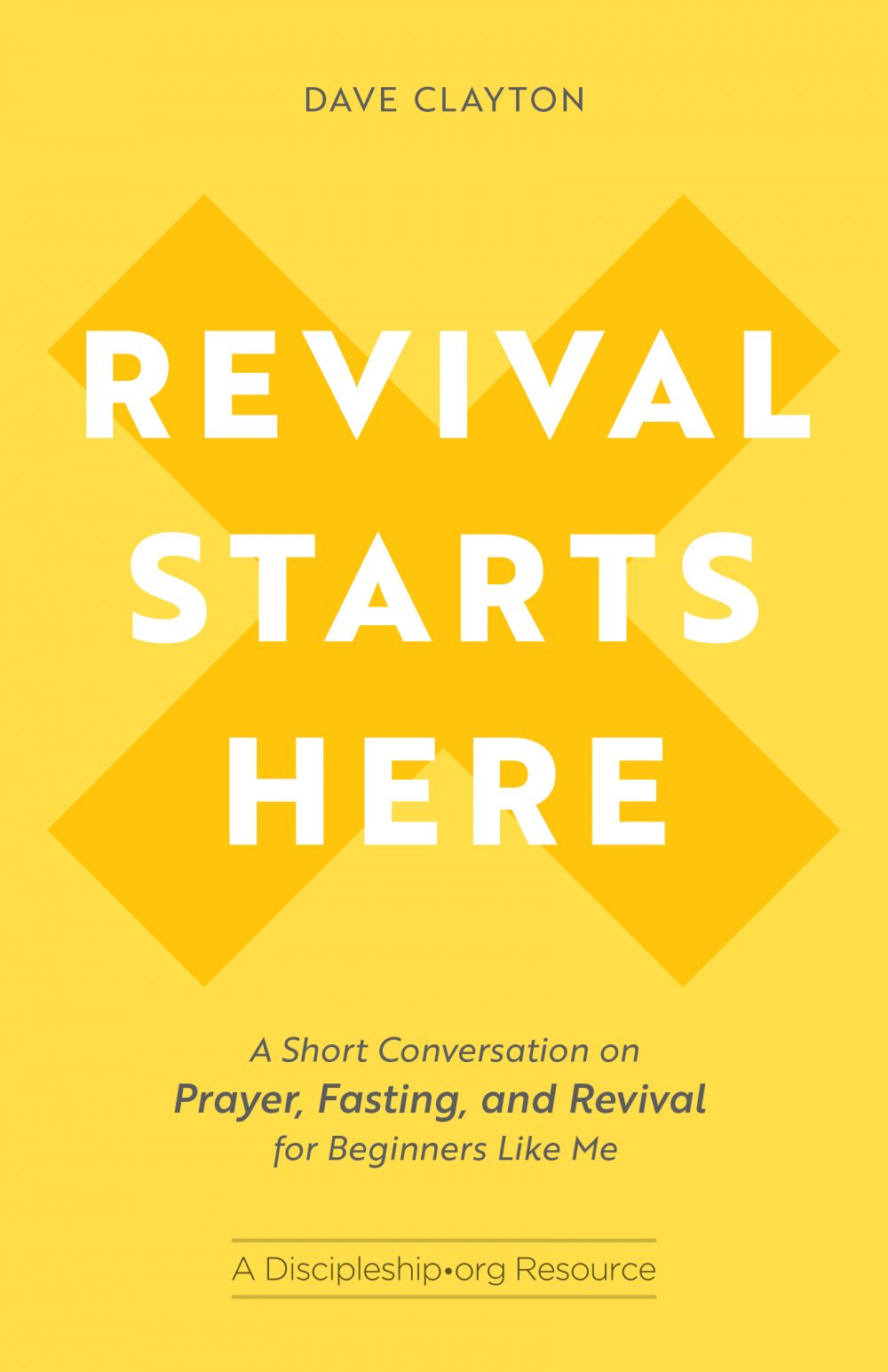
  30. Revival Starts Here: A Short Conversation on Prayer, Fasting, and Revival for Beginners Like Me, by Dave Clayton
  31. Harry Potter and the Deathly Hallows, by J.K. Rowling
  32. The Devil Inside, by Jimmy Hinton
  33. Growing Young: 6 Essential Strategies to Help Young People Discover and Love your Church, by Kara Powell, Jake Mulder, and Brad Griffin
  34. Thrawn Ascendancy: Chaos Rising, by Timothy Zahn
  35. Bonhoeffer: Pastor, Martyr, Prophet, Spy, by Eric Metaxas
  36. Thrawn Ascendancy: Greater Good, by Timothy Zahn
  37. Be the Bridge: Pursuing God’s Heart for Racial Reconciliation, by Latasha Morrison
  38. One By One, by Ruth Ware
  39. God Unseen: A Theological Introduction to Esther, by Nathan Ward
  40. December 6, by Martin Cruz Smith
  41. The Wolf Spear’s Task, by Scott Biddle
  42. The College Press NIV Commentary: Ecclesiastes, by Dave L. Bland*
  43. Beyond Order: 12 More Rules for Life, by Jordan B. Peterson
  44. Dark Sky Rising: Reconstruction and the Dawn of Jim Crow, by Henry Louis Gates
  45. The Passenger, by Ulrich Alexander Boschwitz
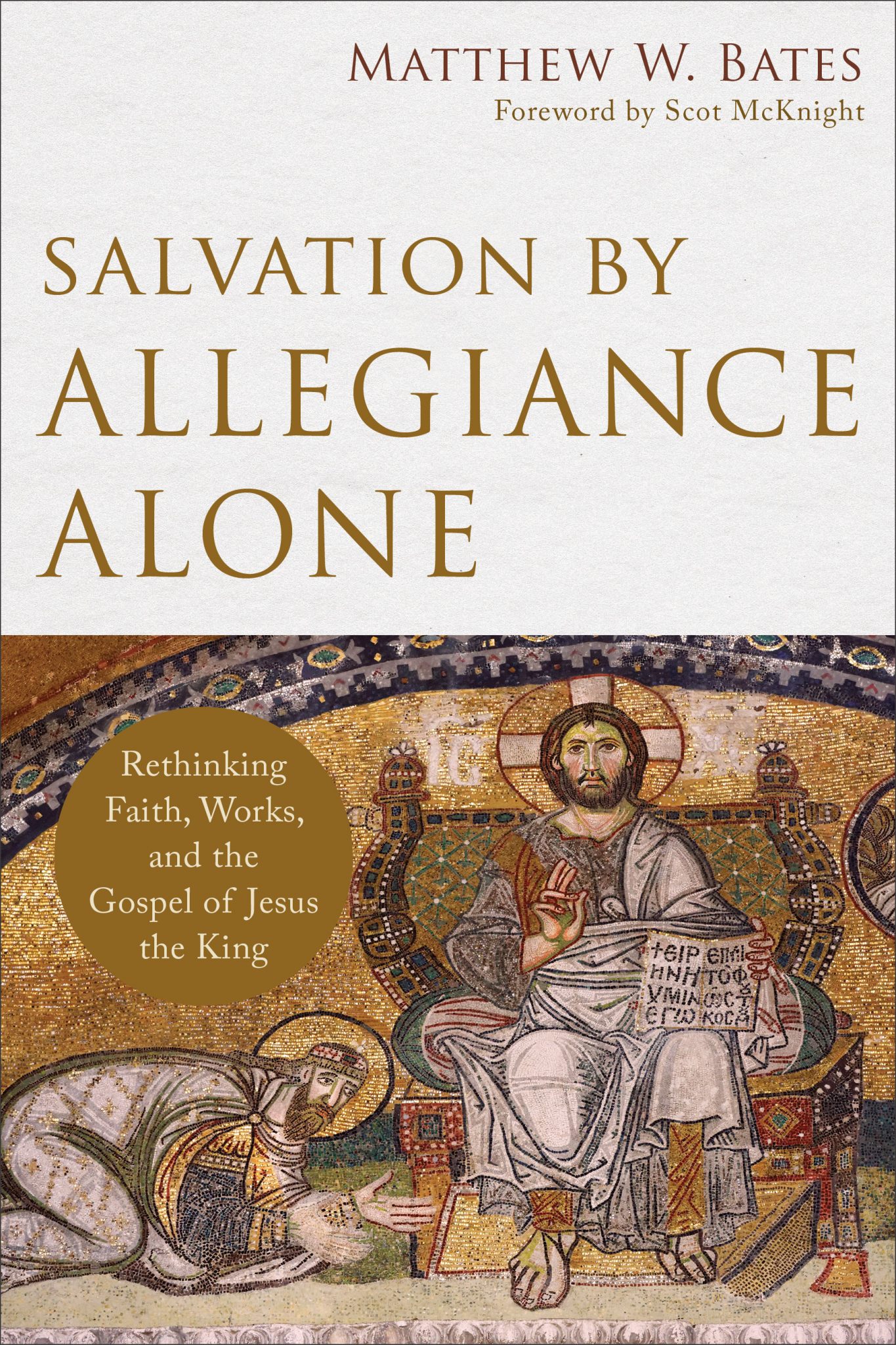
  46. Salvation By Allegiance Alone: Rethinking Faith, Works, and the Gospel of Jesus the King, by Matthew W. Bates
  47. Sticky Faith Youth Worker Edition, by Kara E Powell, Brad M. Griffin, and Cheryl A. Crawford
  48. White Trash: The 400-Year Untold History of Class in America, by Nancy Isenberg
  49. Robert E. Lee And Me: A Southerner’s Reckoning With the Myth of the Lost Cause, by Ty Seidule
  50. The Cathedral of Christianity: A Study of Romans, by Jared Pack
  51. Be Wise Small: A Lifetime of Distilled Wisdom, by Dee Bowman
  52. The Shallows: What the Internet is Doing to Our Brains, by Nicholas Carr
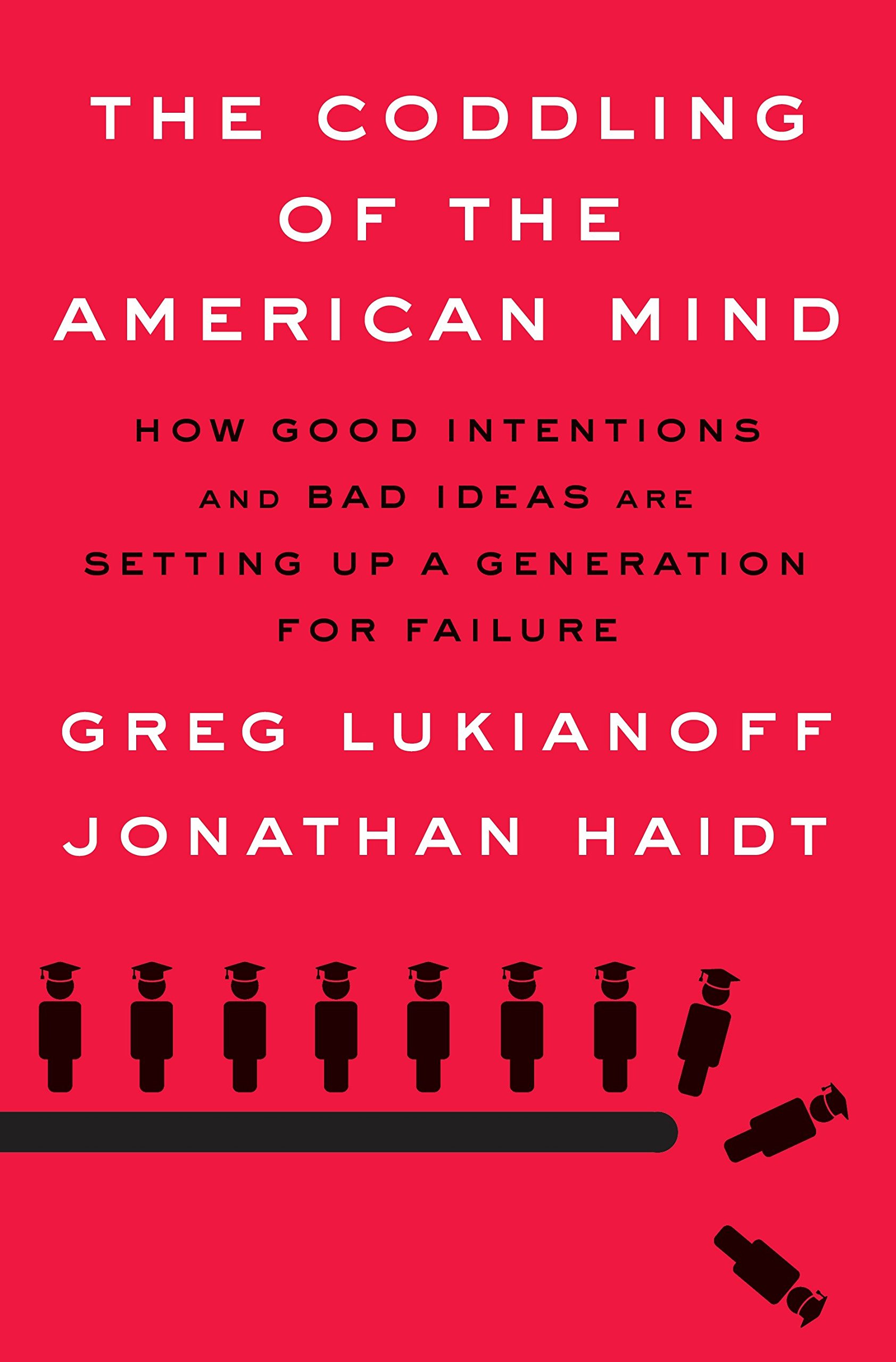
  53. The Coddling of the American Mind: How Good Intentions and Bad Ideas Are Setting Up a Generation for Failure, by Greg Lukianoff and Jonathan Haidt
  54. Gen Z: The Culture, Beliefs, and Motivations Shaping the Next Generation, by Barna Group
  55. The Torah: The Five Books of Moses, by Jewish Publication Society
  56. 42 Faith: The Rest of the Jackie Robinson Story, by Ed Henry
  57. The Hiding Place, by Corrie Ten Boom
  58. Gen Z Vol 2: Caring for Young Souls and Cultivating Resilience, by Barna Group
  59. The Pilgrim’s Progress, by John Bunyan
  60. Horseman: A Tale of Sleepy Hollow, by Christina Henry
  61. Miracles and Other Reasonable Things: A Story of Unlearning and Relearning God, by Sarah Bessey
  62. Radical: Taking Back Your Faith from the American Dream, by David Platt
  63. Holes, by Louis Sachar
  64. International English Bible New Testament, 
  65. Astrophysics for People in a Hurry, by Neil DeGrasse Tyson
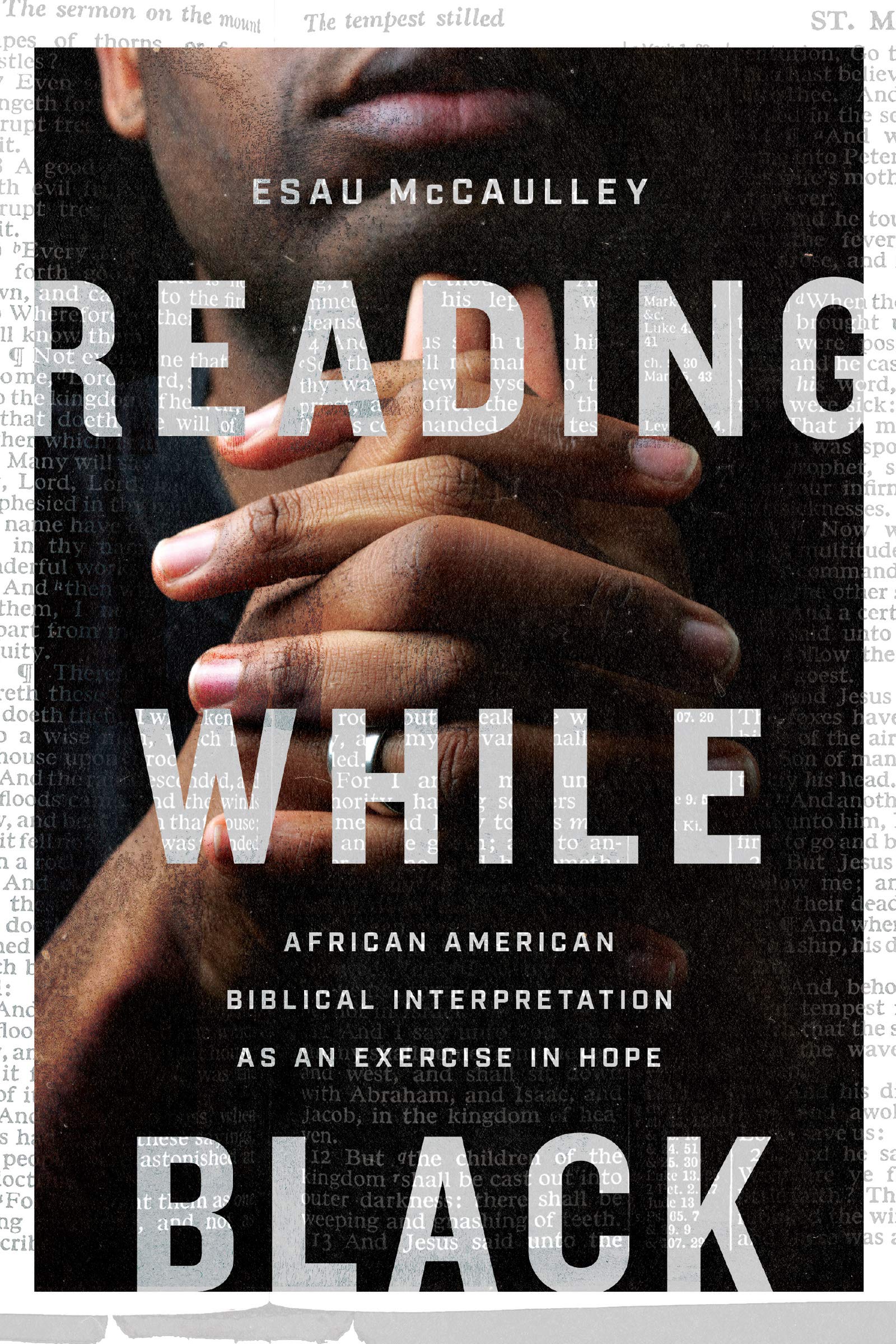
  66. Reading While Black: African American Biblical Interpretation As An Exercise In Hope, by Esau McCaulley

*This was from a commentary on Ecclesiastes, Proverbs, and Song of Songs; I read the entirety of the Ecclesiastes portion.

A few observations before I talk about my favorite books of the year:

  • My reading total increased from 65 books in 2020 to 66 in 2021. My 2021 total represents a personal record for books read in a year. Listening to audiobooks while I work out has helped to keep this number as high as it is.
  • The best books I read this year were absolutely incredible, but on the whole, my reading this year was not quite as good as 2020.
  • I am currently working through some dense books and have plans to do quite a bit of this type of reading in 2022, so I expect my reading totals to decrease significantly next year.

Here are my Top 10 books for the year, here are some brief thoughts on those (presented in order of when I read them, not ranked 1-10):

Don’t Miss It: Parent Every Week Like It Counts, by Reggie Joiner and Kristen Ivy: This is a really short and simple book, but its message is so important and convicting. That message is this: if you are a parent, your responsibility to shape a child’s character and faith is really important, and you have a limited window of opportunity to do it. The average parent has less than 1,000 weeks between the time a child is born and the time that child leaves their house, and those weeks (and the opportunities for connection and influence with your kids) tick away relentlessly. Make the most of the time you have. This may be a read-every-year type of book for me.

The Screwtape Letters, by C.S. Lewis: I first read Screwtape about a dozen years ago, but reread it this past year. Told in Lewis’s brilliant style, it is a clever, imaginative portrayal of the ways in which the Evil One seeks to tempt us. The premise of the novel is that Screwtape, an older, more experienced demon of some authority, is giving advice to his nephew Wormwood on how best to “win over” a man he is working to tempt.

Companion to Narnia: Revised and Expanded, by Paul E. Ford: I loved this book. I love the Chronicles of Narnia and wrote extensively about them last year, and this wonderful book would have been a huge help during that process. It took a long time to read because it is essentially a reference book with encyclopedia-type entries on anything related to Narnia you can imagine. This gave me great insight into the process of the composition of the Narnia series, and also all sorts of theological insights into the books. It is well named; rather than reading it through as I did, it functions better as a “companion” that you have handy as your read through the Narnia books and wonder about other questions related to the world Lewis has created.

A Gentleman in Moscow, by Amor Towles: The summer after my senior year of high school I went on a mission trip to Russia, and I have been interested in aspects of Russian culture and history ever since. This novel focuses on the life of a young aristocrat who is “exiled” to a fashionable Moscow hotel when the Russian Revolution occurs and is forced to live there, never being allowed to leave the hotel premises for several decades. From within the walls of the hotel, he observes the changes in the country around him and seeks to find meaning in a life where his freedom is greatly curtailed, and even the country’s finest hotel quickly becomes a prison. It is a fascinating, well-written, and emotional story, and I really enjoyed it. I actually listened to this as an audiobook with an excellent narrator, which added to the enjoyment.

Endangered Gospel: How Fixing the World is Killing the Church, by John C. Nugent: I tend to not rank my Top 10 books of the year, but this was absolutely one of the two best books that I read in 2021. Nugent’s basic premise is that all sorts of Christians are dedicating their lives to the wrong task: trying to fix the problems of the world. However, this doesn’t work very well, in large part because it isn’t the task that God has given us. Instead, we are supposed to be the better place that God will make the world into. This is new creation theology. The old order of the world is passing away, and God is doing a new thing. Rather than try to prop up the old order, our task is to live into the new thing that God is doing. If that sounds like a heartless lack of concern for people or ignoring the problems of the world, it’s not; rather, God’s people—the church—is the way that we address the hurting people in our world. By modeling God’s beloved community and inviting people into that community, we actually do make a difference in the lives of people, we are obedient to the mission that God has laid out for us in Scripture, and we actively participate in the work that God is doing until the Day arrives that He comes and makes all things new. This was a paradigm-changing book, but so, so good.

Embodied: Transgender Identities, The Church, & What The Bible Has To Say, by Preston Sprinkle: Issues related to transgender identities have claimed a central place in our culture in recent years and, frankly, there has been a lot of muddled thinking from Christians as to how we should respond. Sprinkle offers a real gift to the church here, as he provides the reader with a helpful overview of the situation including definitions, scientific data, and biblical exegesis. Ultimately, Sprinkle affirms a high view of Scripture and a historic Christian sexual ethic, but does so with keen pastoral impulses: our first and overriding response to those who would place themselves on the trans* spectrum must be love. If we get the doctrine right but fail to love, then we haven’t gotten the doctrine right. Sprinkle stretched me with this book, and I think that will be true for almost all readers (regardless of your views on this) if you give him a fair and gracious reading.

Revival Starts Here: A Short Conversation on Prayer, Fasting, and Revival for Beginners Like Me, by Dave Clayton: This was another short-but-very-helpful book. In my experience, fasting is a topic that quickly makes American Christians (i.e. the group of Christians I know best) uncomfortable and seeking imaginative explanations of why they don’t need to do it. Instead of that approach, Clayton takes the biblical practice of fasting seriously. He looks at reasons why we should do it, barriers that may prevent us from doing it, and practical ways to go about doing it. This is another book that I expect to read multiple times as I seek to grow in this spiritual discipline.

Salvation By Allegiance Alone: Rethinking Faith, Works, and the Gospel of Jesus the King, by Matthew W. Bates: Along with Endangered Gospel, this was my other top book for the year. Bates argues that the Greek word pistis (πιστις) that is generally translated as faith in our New Testaments would be better translated as something like loyalty or fidelity or allegiance. Bates does a good job establishing his position lexically and contextually, but even more important is his biblical/theological argument that “faith” as “allegiance” makes a lot of sense in response to the content of the Gospel message which, properly understood, is not about how we get saved, but is rather that Jesus Christ is Lord, the King of the Universe. Certainly, Jesus being Lord includes ramifications for our salvation, but it is a much bigger story than that, and it is the story that Scripture is telling. In response to the Gospel message that Jesus is Lord, the appropriate response is pledging our lives in allegiance to Him. This is another paradigm-changing book—it is brilliant.

The Coddling of the American Mind: How Good Intentions and Bad Ideas Are Setting Up a Generation for Failure, by Greg Lukianoff and Jonathan Haidt: My friend Bob Turner has talked about this book for a few years, and I finally took the plunge and read it. It was a great read, and I highly recommend it for parents, teachers, and anyone interested generally with widespread trends in our society. The basic premise is that there are three unhelpful, untrue ideas that are prominent in our society today: (1) That children are fragile and need to be protected from everything, (2) That we should always trust our feelings in making judgments about the reality of the world, (3) That life is a battle between good people and evil people. These ideas have reached a fever pitch on a lot of college campuses and have resulted in very unhelpful environments, and Lukianoff and Haidt critique these bad ideas with research and multiple examples. This is not, in any sense, a biblical book, and yet, the main lessons contained inside cohere closely to biblical teaching; I actually used content from this book in the youth ministry class I taught in a university setting this past fall.

Reading While Black: African American Biblical Interpretation As An Exercise In Hope, by Esau McCaulley: McCaulley’s book is a great gift to the church at large as he seeks to explain the Black Ecclesial Tradition, which he describes as a “third way” approach to biblical interpretation that is distinct both from white progressives and evangelicals. McCaulley writes elegantly and with great clarity, and shows keen theological insight on a range of biblical topics ranging from submission to government and policing, slavery, Black anger, and the long history that people of African descent have in the story of God’s people. This book serves as a helpful reminder that the way we read Scripture is greatly influenced by our social location, and that our understanding of Scripture is broadened by reading from people who come from different backgrounds than our own.


That was my reading for 2021. For comparison’s sake if you are interested, you can see my reading lists from previous years:

What are some of the best books you read this past year?

C.S. Lewis on Dogs and the Love of God

As regular readers of The Doc File have probably surmised, I am a big fan of C.S. Lewis. I reread Mere Christianity and The Chronicles of Narnia in 2020, and so far in 2021, I have reread The Screwtape Letters and am currently in the middle of The Problem of Pain.

I think there is a lot to like about Lewis’s writing, but one helpful quality is his ability to use helpful analogies to illustrate theological points. In The Problem of Pain, Lewis describes different ways in which it can be said that God “loves” humanity:

Another type is the love of a man for a beast—a relation constantly used in Scripture to symbolise the relation between God and men: ‘we are his people and the sheep of his pasture.’ This is in some ways a better analogy than the preceding, because the inferior party is sentient, and yet unmistakably inferior: but it is less good in so far as man has not made the beast and does not fully understand it.

Its great merit lies in the fact that the association of (say) man and dog is primarily for the man’s sake: he tames the dog primarily that he may love it, not that it may love him, and that it may serve him, not that he may serve it. Yet at the same time, the dog’s interests are not sacrificed to the man’s. The one end (that he may love it) cannot be fully attained unless it also, in its fashion, loves him, not can it serve him unless he, in a different fashion, serves it.

Now just because the dog is by human standards one of the ‘best’ of irrational creatures, and a proper object for man to love—of course, with that degree and kind of love which is proper to such an object, and not with silly anthropomorphic exaggerations—man interferes with the dog and makes it more lovable than it was in mere nature. In its state of nature it has a smell, and habits, which frustrate man’s love: he washes it, house-trains it, teaches it not to steal, and is so enabled to love it completely.

To the puppy the whole proceeding would seem, if it were a theologian, to cast grave doubts on the ‘goodness’ of man: but the full-grown and full-trained dog, larger, healthier, and longer-lived than the wild dog, and admitted, as it were by Grace, to a whole world of affections, loyalties, interests, and comforts entirely beyond its animal destiny, would have no such doubts. It will be noted that the man (I am speaking throughout of the good man) takes all these pains with the dog, and gives all these pains to the dog, only because it is an animal high in the scale—because it is so nearly lovable that it is worth his while to make it fully lovable. He does not house-train the earwig or give baths to centipedes. We may wish, indeed, that we were of so little account to God that He left us alone to follow our natural impulses—that He would give over trying to train us into something so unlike our natural selves: but once again, we are asking not for more love, but for less.”

The Problem of Pain, 35-36


Lewis’s analogy is astute:

(1) Indeed, God does interfere in the lives of those who would be His followers. He does not leave us alone to follow our natural impulses and, instead, makes all sorts of demands upon us and calls us to live in ways that are decidedly unnatural (what can be more unnatural than voluntarily laying power aside to instead serve others, or foregoing the opportunity for retaliation when it is presented?) This can certainly be frustrating.

(2) However, as we mature beyond being spiritual “puppies” and begin to grow and be trained through the sanctification of God’s Spirit, it becomes easier to see the grace that was present, all along, in God’s demands. We are so much better off than if we had been left to our own devices.

Praise God for His interference, a great manifestation of His abundant love!

Scripture Reflections: God’s “Invitations” in Genesis 1

This year as part of my daily Bible reading I am doing some journaling and notetaking, and I thought it might be a useful discipline to share some of my reflections here on The Doc File. I use the word discipline because this is a habit I would like to cultivate that I hope will be beneficial for myself and readers alike (I did something similar several years ago but fizzled out after a few posts).

So, my goal for these brief posts will be two-fold:

(1) To remark on aspects of the biblical text that I find to be of interest that the reader may or may not have thought about previously.

(2) When possible, to point ahead to the work and person of Jesus Christ. I believe the Bible is a unified story that points to Jesus, which means that He is frequently alluded to or foreshadowed in some way throughout the biblical canon.


One of the things I love about reading Scripture is how you can notice something in a very familiar text that you had never noticed previously. Genesis 1 is one such text: I have no idea how many hundreds of times I have read it in my life, but its depths seem to be endless, constantly offering up new discoveries. This time, as I was reading through, I was struck by the rhythmic quality of the text: over and over again, God speaks, “Let there be” (light, an expanse, the sprouting of vegetation, etc), and over and over again, we have the repeated narrative comment, “And it was so.”

It is as if God is inviting creation to take place and unanimously, automatically, creation responds to the invitation of the Creator: God speaks, and it is so.

On the sixth day, God speaks into existence the pinnacle of creation: humanity, created in God’s own image. As image-bearers, humans are given a divine vocation: to rule over creation (under God’s authority), to fill the earth, master it, till and tend the garden of Eden, and give names to the animals (Genesis 1.26, 28; 2.15, 20).

Such creatures obviously possess enormous potential for cooperation in God’s good plans, but ironically, it is in this pinnacle of creation where we see a break in the pattern of the unanimous, automatic response to God’s invitation of how things are supposed to work. As we see in Genesis 3, rather than accepting God’s invitation to rule under His authority, Adam and Eve fail to reflect the divine image and seek to establish their own autonomy and authority instead. They eat of the forbidden fruit with disastrous consequences.

This has remarkable implications. That God allows His image-bearers to ignore His invitations of co-rule shows how He honors humanity with freedom. Far from an automatic response where God reveals His will and humans unanimously and immediately respond in accordance with that will, God invites us to reflect His wisdom and authority but does not force it upon us. He does all that can be done to bring us around to His side, but He allows us to pave the path to our own destruction. He is grieved by our poor choices, but He honors us too much to prevent them.

What a marvel to be given such ability with such freedom, such potential for good or evil!

As C.S. Lewis says in Prince Caspian:

“You come of the Lord Adam and the Lady Eve,” said Aslan. “And that is both honour enough to erect the head of the poorest beggar, and shame enough to bow the shoulders of the greatest emperor on earth. Be content.”

Or, in the words of George MacDonald:

“However bad I may be, I am the child of God, and therein lies my blame. Ah, I would not lose my blame! In my blame lies my hope.”

What humanity desperately needs is an exemplar, someone who will harness the dangerous gift of freedom, submit to the wisdom and authority of God, and in so doing, perfectly reflect the divine image.

Of course, we have such a Someone; His name is Jesus.

Reading in 2020

Regular readers of The Doc File know that I keep track of what I read each year, and that I enjoy chronicling that here on the blog and offering some reflections about my favorite reads from the previous year. As we all know, 2020 was a strange and challenging year, and I was reminded of what a blessing books are! Reading brought a lot of peace to my life in a hectic time.

Without further ado, here is my list from 2020:

  1. North Boulevard Church of Christ 2020 Vision: Final Reflections, by David Young
  2. David and Goliath: Underdogs, Misfits, and the Art of Battling Giants, by Malcolm Gladwell
  3. Swallowed Up, by J.L. Gerhardt
  4. Between the World and Me, by Ta-Nehisi Coates
  5. Under Occupation, by Alan Furst
  6. Who Moved My Pulpit? Leading Change In The Church, by Thom Ranier
  7. Grit: The Power of Passion and Perseverance, by Angela Duckworth
  8. The Sticky Faith Guide For Your Family, by Kara Powell
  9. 12 Rules For Life: An Antidote to Chaos, by Jordan B. Peterson
  10. Mere Christianity, by C.S. Lewis
  11. The Swiss Family Robinson, by Johann David Wyss
  12. A Third Testament, by Malcolm Muggeridge
  13. Silence, by Shūsaku Endō
  14. Talking to Strangers: What We Should Know About The People We Don’t Know, by Malcolm Gladwell
  15. A Week in the Life of a Roman Centurion, by Gary M. Burge
  16. The Lion, The Witch and the Wardrobe, by C.S. Lewis
  17. Atomic Habits: An Easy & Proved Way to Build Good Habits & Break Bad Ones, by James Clear
  18. Prince Caspian, by C.S. Lewis
  19. The Voyage of the Dawn Treader, by C.S. Lewis
  20. Harry Potter and the Sorcerer’s Stone, by J.K. Rowling
  21. The Silver Chair, by C.S. Lewis
  22. Images of America: Searcy, by Carolyn Boyles and Patsy Pipkin
  23. T.R.I.A.L.S. A Journey from Anxiety to Peace, by Chase Turner
  24. Alexander Hamilton: Revolutionary, by Martha Brockenbrough
  25. The Horse and His Boy, by C.S. Lewis
  26. Gone Girl, by Gillian Flynn
  27. The Magician’s Nephew, by C.S. Lewis
  28. Star Wars Aftermath, by Chuck Wendig
  29. The Last Battle, by C.S. Lewis
  30. Star Wars: Bloodline, by Claudia Gray
  31. Star Wars Aftermath: Life Debt, by Chuck Wendig
  32. Sinners in the Hands of a Loving God: The Scandalous Truth of the Very Good News, by Brian Zahnd
  33. Star Wars Aftermath: Empire’s End, by Chuck Wendig
  34. The Great Alone, by Kristin Hannah
  35. Jackaby, by William Ritter
  36. A Wrinkle In Time, by Madeline L’Engle
  37. So You Want to Talk about Race, by Ijeoma Oluo
  38. Lament For A Son, by Nicholas Wolterstorff
  39. Understanding Gender Dysphoria: Navigating Transgender Issues in a Changing Culture, by Mark A. Yarhouse
  40. The Color of Law: A Forgotten History of How Our Government Segregated America, by Richard Rothstein
  41. The Color of Compromise: The Truth About the American Church’s Complicity in Racism, by Jemar Tisby
  42. The Lost World of Genesis One: Ancient Cosmology and the Origins Debate, by John H. Walton
  43. Beyond The Verse: What I Discovered Reading the Bible One Book at a Time, by Wes McAdams
  44. Star Wars: Thrawn, by Timothy Zahn
  45. The End of Youth Ministry?, by Andrew Root
  46. Thrawn: Alliances, by Timothy Zahn
  47. Thrawn: Treason, by Timothy Zahn
  48. Searching For Sunday: Loving, Leaving, and Finding the Church, by Rachel Held Evans
  49. God And The Pandemic: A Christian Reflection on the Coronavirus and its Aftermath, by N.T. Wright
  50. Seeing Jesus from the East: A Fresh Look at History’s Most Influential Figure, by Ravi Zacharias and Abdu Murray
  51. The Righteous Mind: Why Good People Are Divided By Politics and Religion, by Jonathan Haidt
  52. Adoptive Youth Ministry: Integrating Emerging Generations into the Family of Faith, edited by Chap Clark
  53. The Family Upstairs, by Lisa Jewell
  54. How To Think: A Survival Guide for a World at Odds, by Alan Jacobs
  55. Race & Justice, by Tim Keller
  56. Race Against Time: A Reporter Reopens the Unsolved Murder Cases of the Civil Rights Era, by Jerry Mitchell
  57. Dominion: How the Christian Revolution Remade the World, by Tom Holland
  58. The Ragged Edge of Night, by Olivia Hawker
  59. Where The Crawdads Sing, by Delia Owens
  60. Cry, the Beloved Country, by Alan Paton
  61. King Jesus and the Beauty of Obedience-Based Discipleship, by David Young
  62. The Risen Spear, by Scott Biddle
  63. Veritas: A Harvard Professor, A Con Man, and the Gospel of Jesus’s Wife, by Ariel Sabar
  64. McCord’s New Testament Translation of the Everlasting Gospel
  65. On the Road with Saint Augustine: A Real-World Spirituality for Restless Hearts, by James K. A. Smith

A few observations before I talk about my favorite books of the year:

  • My reading total increased from 52 books in 2019 to 65 in 2020. My 2020 total represents a personal record for books read in a year. This is largely related to the life rhythms brought about by COVID-19: especially during the early days of lockdown (but extending beyond), I did a lot of walking around my neighborhood, and frequently listened to audiobooks while doing that. My reading decreased somewhat as the year went on.
  • I read a lot of fiction this year. This is partially because there were more fiction audiobooks available at my local library than, say, theology books, and partially because 2020 was a year where I was seeking distraction from circumstances and looking to “travel” through reading.
  • In addition to reading more this year, I read so many really good books. It was a great year of reading.
  • I fully expect my reading totals to decrease significantly next year. In addition to circumstances related to COVID hopefully improving over time, I am planning to start working through some long and dense books on theology and biblical studies (I am really excited about this, in case you were curious about how much of a nerd I am).

I normally share my Top 10 books for the year, but I was having a hard time narrowing it down to just 10 this year. This was stressing me out until I remembered that I make the rules around here, so I just decided to do a Top 15 list instead. Before I do so, I wanted to offer some brief thoughts on a few books that didn’t make my Top 15, but I still wanted to comment on.

  • Two great books that didn’t make my Top 15 because they had previously been Top 10 choices from previous years were The Sticky Faith Guide For Your Family, by Kara Powell (2017) and 12 Rules For Life: An Antidote to Chaos, by Jordan B. Peterson (2019).
  • The Righteous Mind: Why Good People Are Divided By Politics and Religion, by Jonathan Haidt: This is a good book that is a really important read for our times, I believe. It is not one of my top books of the year because it delves heavily into evolutionary biology and moral psychology, which are not areas of great interest for me, and I frequently got bogged down in those parts. But I found some really good ideas to take away from this book.
  • The Risen Spear, by Scott Biddle: Scott is one of my youth group dads, and I was delighted to learn that he has authored a series of fantasy books for children. The Risen Spear was a short read with a compact, exciting story, and vaguely reminded me of the Narnia books in some ways (which is high praise from me!). I look forward to reading the next books in the series.

I want to take a moment to highlight Race & Justice by Tim Keller. Technically, this is a series of articles rather than a book, but they are so long that combined they essentially represent a book-length treatment on the subject. I read and listened to a lot about race in 2020 (books, articles, podcasts, etc.), and this is, without question, the best biblical theology I have read related to race, racism, and justice.

I decided that Keller’s Race & Justice series was bookish enough to include in my list above, but since it wasn’t technically a book, I left it out of my Top 15. But that is in no way to diminish how good the material is (I bet it comes out as a book sometime in the future).


Regarding my Top 15 books for the year, here are some brief thoughts on those (presented in order of when I read them, not ranked 1-15):
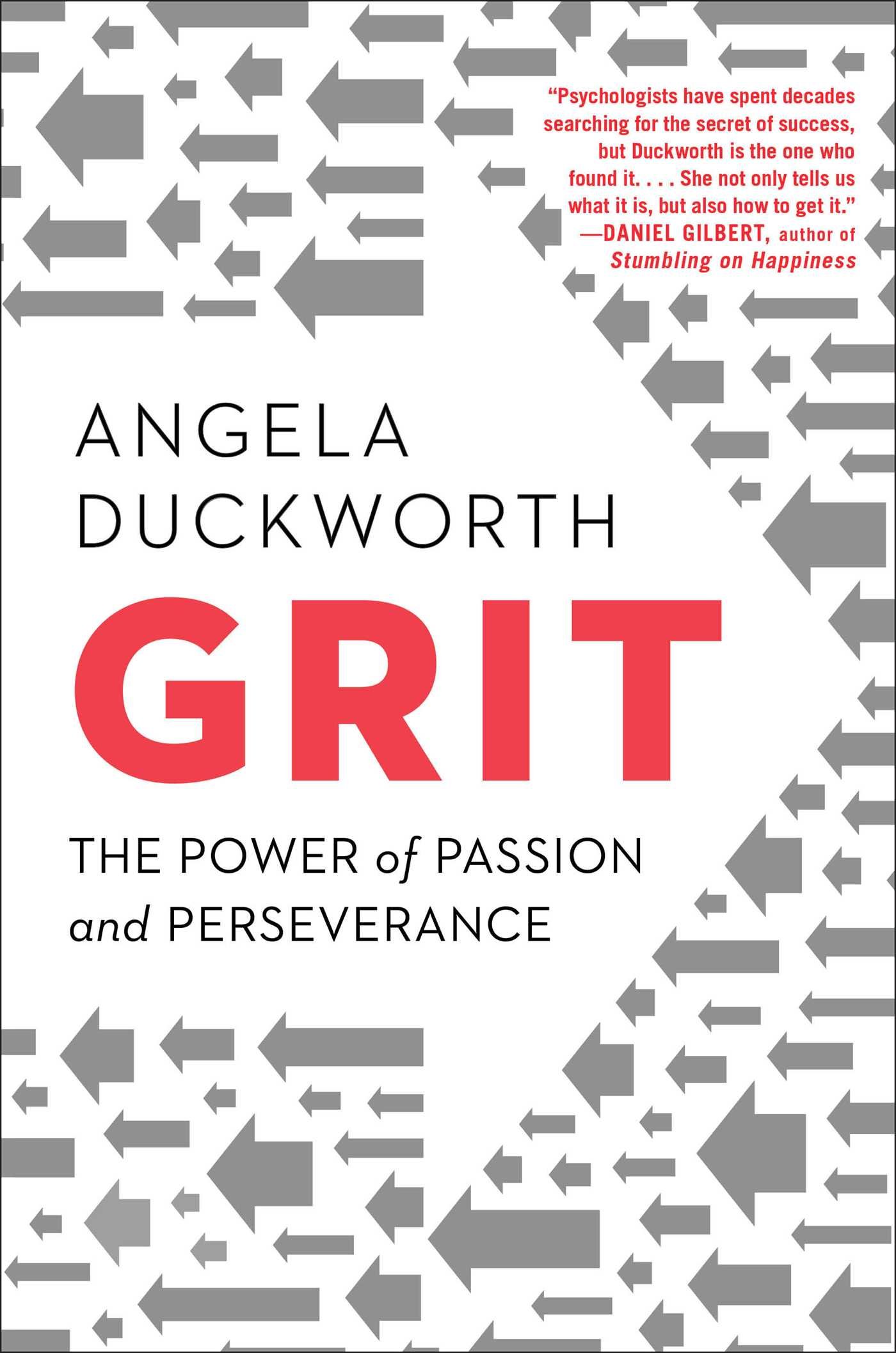
Grit: The Power of Passion and Perseverance, by Angela Duckworth: I read this book back in February, which now seems about eight years ago, so I confess that I don’t remember it as well as I’d like to. Duckworth shares a lot of research and examples to flesh out her thesis, which is basically given by the title of the book. In short, the characteristic that best predicts success is not intelligence or personality or a host of other things, but grit, which Duckworth defines as a combination of passion and perseverance. In other words, a major part of being successful in life is finding something you really care about and sticking with it, regardless of setbacks or obstacles. I read this as an audiobook, but it is one that I will probably pick up at some point so I can keep coming back to it.
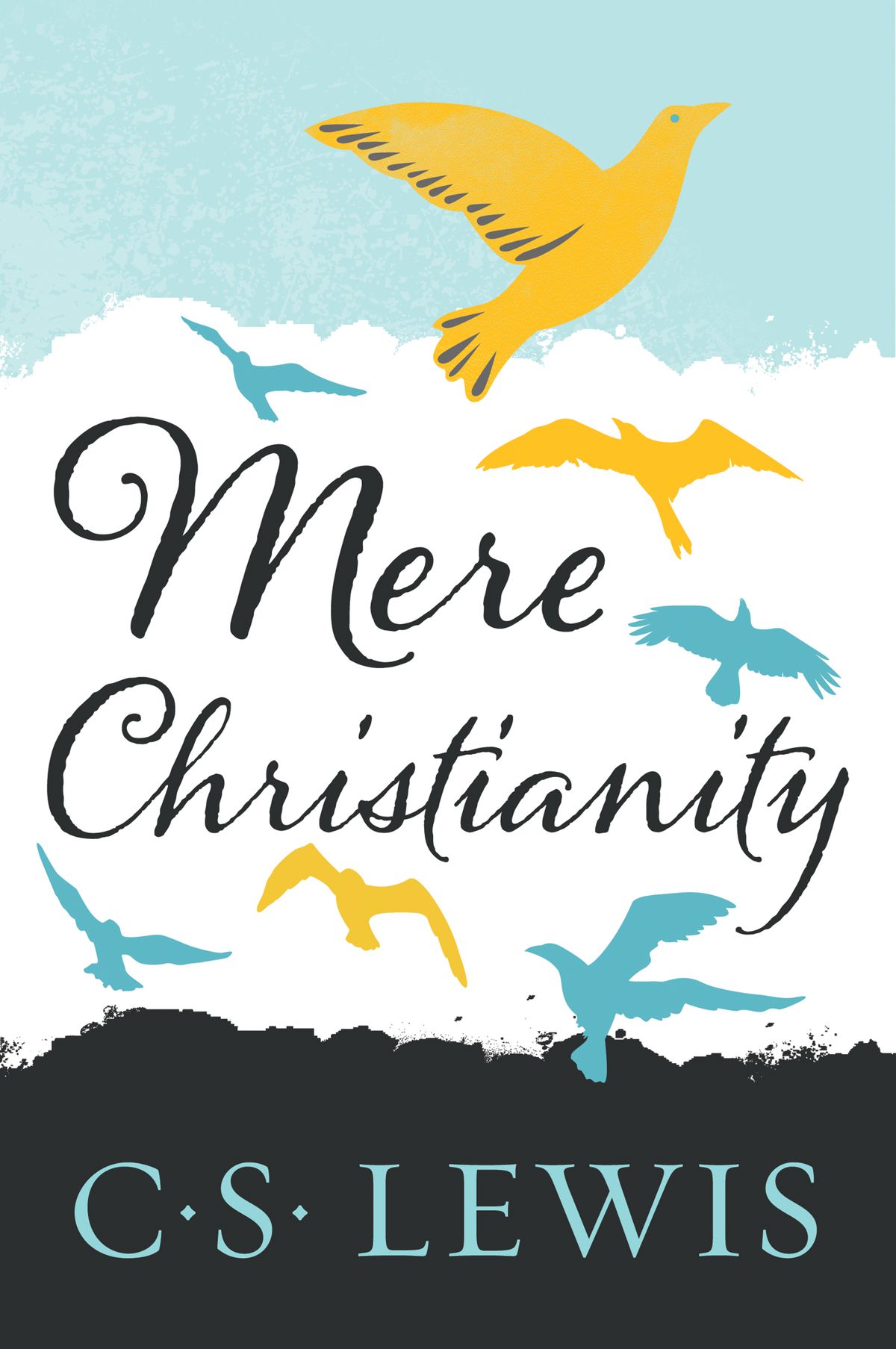
Mere Christianity, by C.S. Lewis: I read Lewis’s classic a dozen years ago, but I have never featured it as one of my top books of the year, so it makes its appearance on this list after I re-read it this year. I appreciated it even more this time; Lewis is such a penetrating thinker, and has an excellent way of getting at the heart of what Christianity is about.
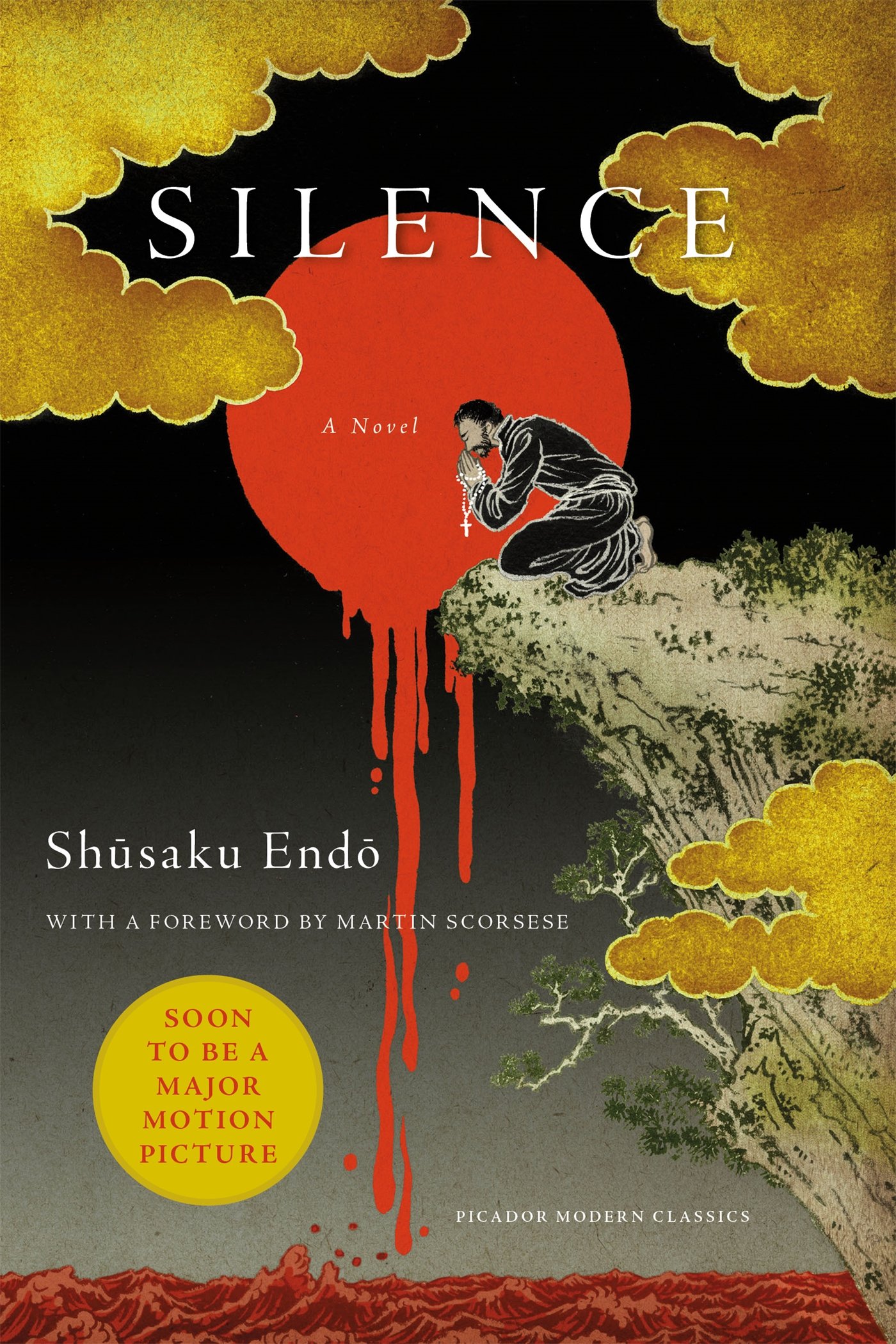
Silence, by Shūsaku Endō: This novel is the poignant tale of Jesuit missionaries suffering persecution in 17th-century Japan. The story itself is gripping, but also raises important questions about the nature of cross-cultural missions, the place of martyrdom in Christian faith, and the plight of the believer when God is silent.
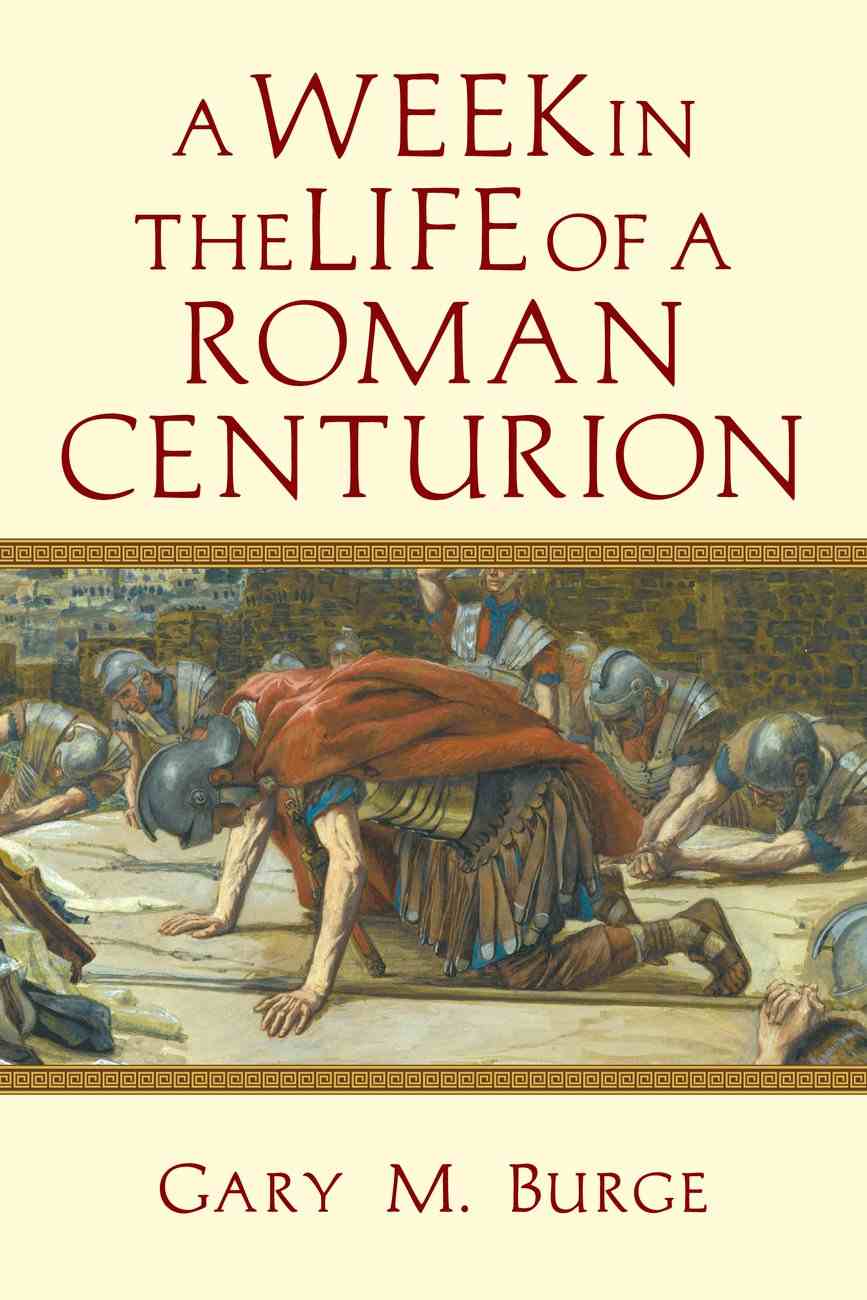
A Week in the Life of a Roman Centurion, by Gary M. Burge: This is the second book I’ve read from the “Week in the Life” series, and I continue to be a big fan. Basically, these are short historical novels set in the first century that seek to inform the reader about the world of the New Testament by plausibly expanding the stories of minor New Testament characters. Burge’s volume focuses on a Roman centurion whose life was changed by a meeting with King Jesus. The story is compelling, and the historical background is helpful for readers of the New Testament who are interested in a better understanding of the world of Jesus and the apostles.
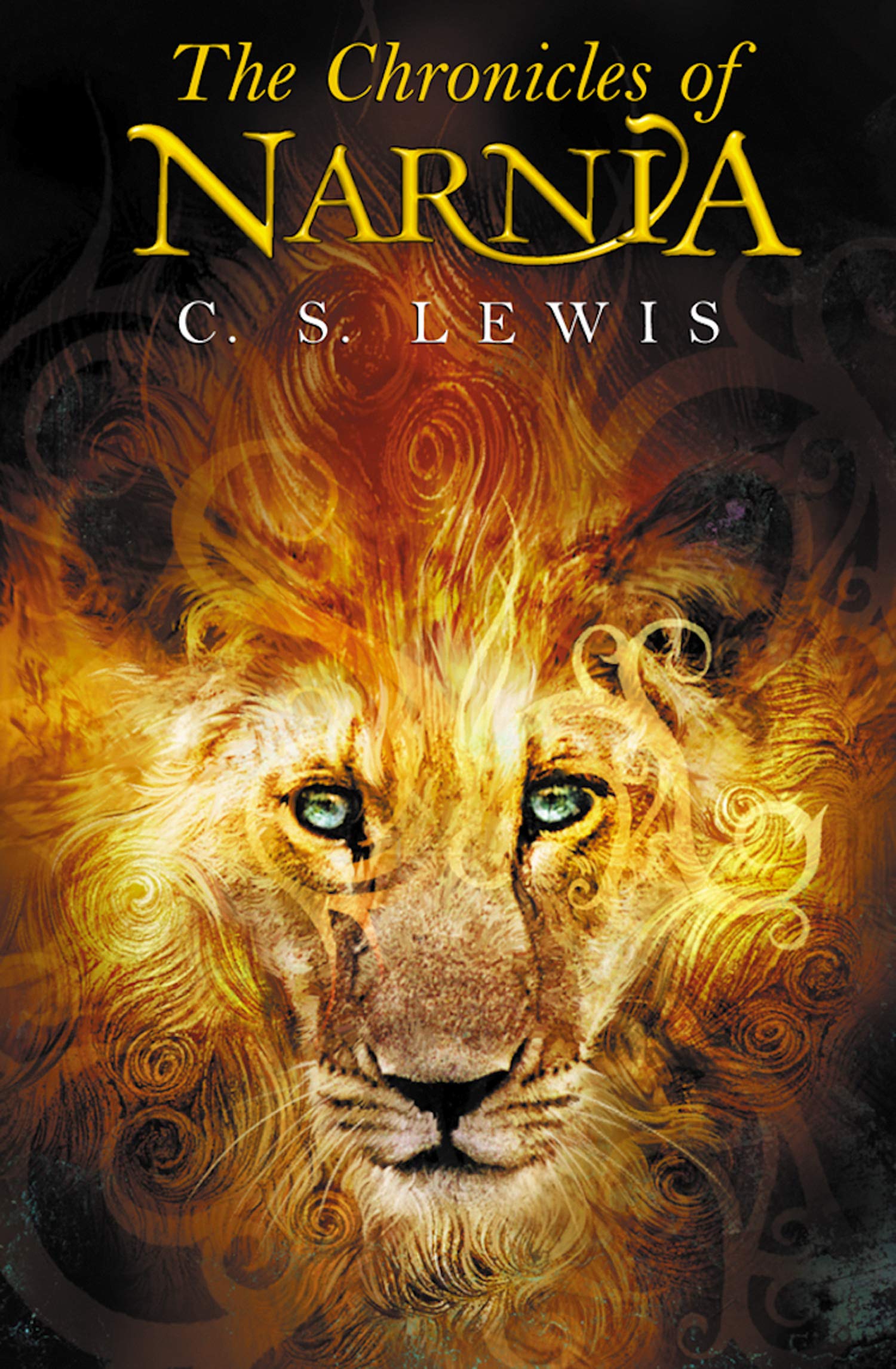
The Chronicles of Narnia, by C.S. Lewis: Okay, so I am cheating here by listing a series of books as one book, and this certainly wasn’t my first time to read the Narnia books, but collectively, this was definitely one of my favorite reads of 2020. Because I also blogged about the series at length, Lewis’s classic series was on my mind a lot this year. It was perfect pandemic reading for me.
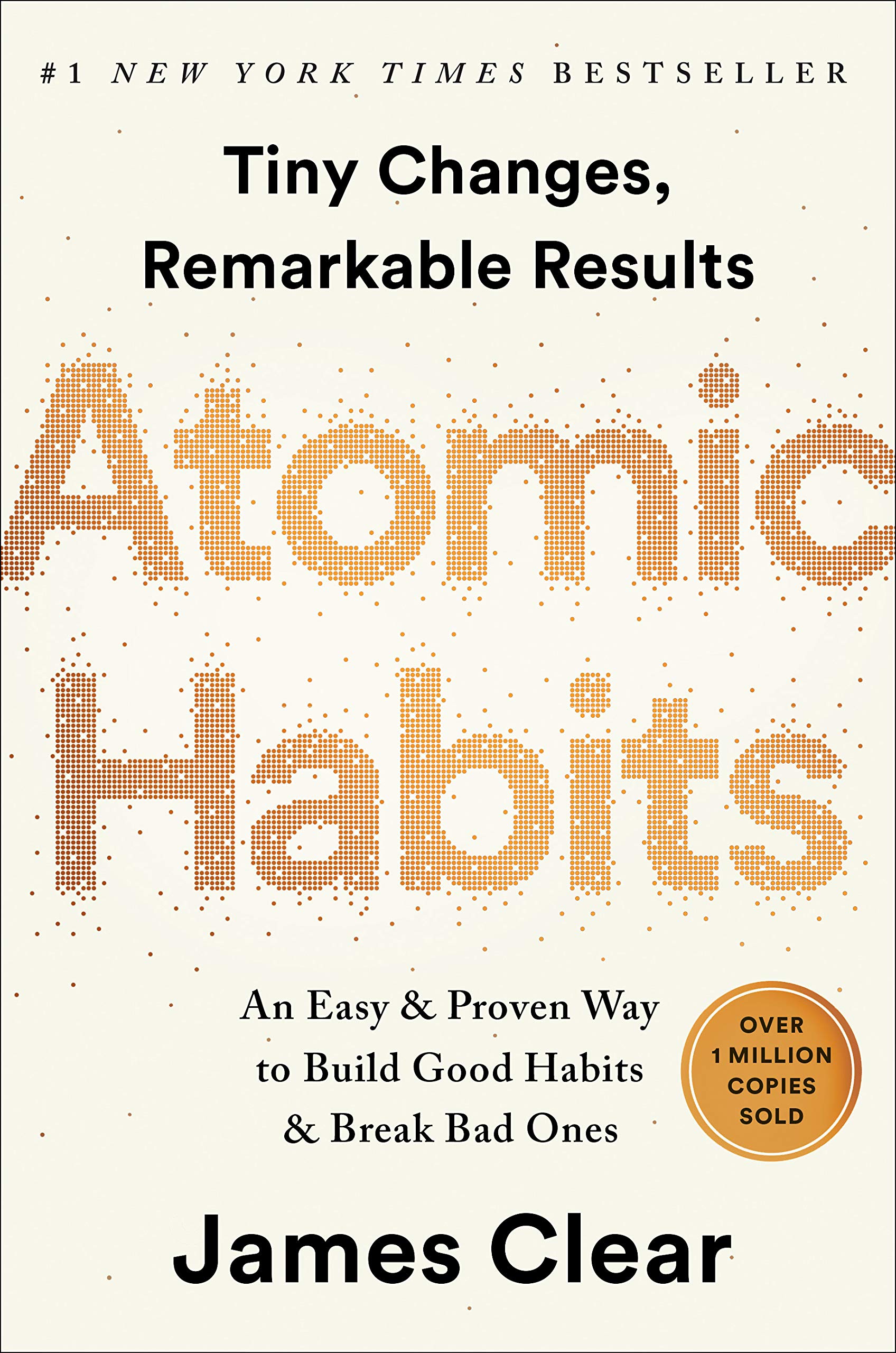
Atomic Habits: An Easy & Proven Way to Build Good Habits & Break Bad Ones, by James Clear: This was another entry in the category of books that I “read” as an audiobook but enjoyed so much that I was tempted to go back and purchase a physical copy so I would have it for reference. I reviewed this book after I read it, so you can get a fuller overview there, but I will repeat my basic summary: Atoms are very small things. They are the building blocks of the world around us, but they are invisible to the naked eye. They are also very powerful—the power of the atom can provide electricity to an entire region in the form of a power plant, or untold devastation in the form of a nuclear bomb. This is the premise of Atomic Habits: habits are little, sometimes nearly invisible things that can bring about powerful change—for good or ill—in our lives.
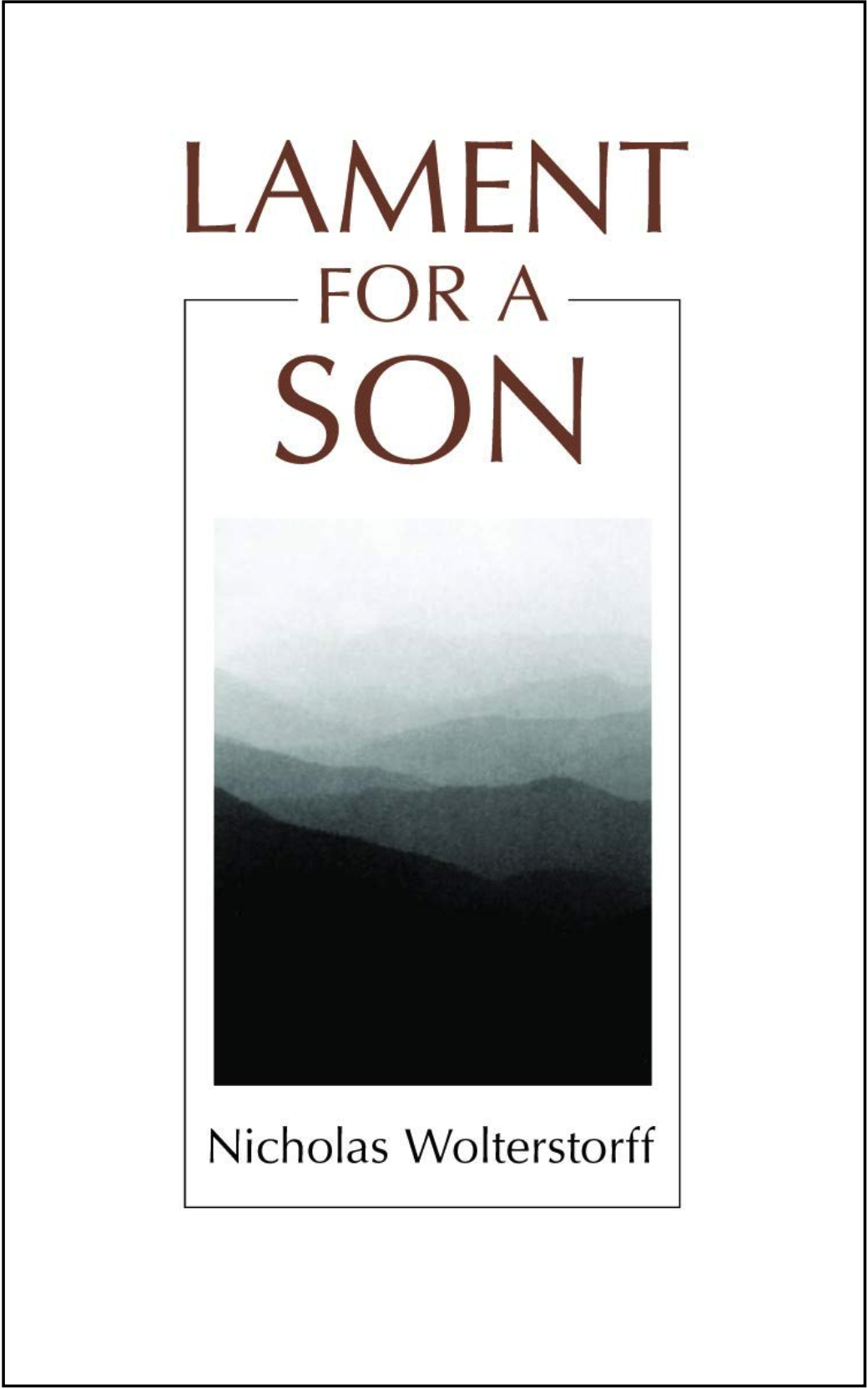
Lament For A Son, by Nicholas Wolterstorff: This is a series of short essays written after the author’s 25 year-old son was tragically killed in a climbing accident; I was so moved by this book that I wrote a series of posts on it. As a Professor Emeritus of Philosophical Theology, Wolterstorff certainly writes from a theological perspective, but overwhelmingly, he is writing as a grief-stricken dad. It is possibly the best book on suffering that I have read, and I think that, perhaps, is because Wolterstorff’s disjointed essays are the perfect way to reflect on grief and suffering. Well-organized books on theodicy that seek to explain the problem of evil and suffering have their place, but those are the sorts of books you need to read when the sun is shining and the world makes sense. On the other hand, when grief has come unexpectedly rushing into your life with the force of a tsunami, Lament For A Son—with its chaos and raw emotion and grasping faith—is the sort of book you need.
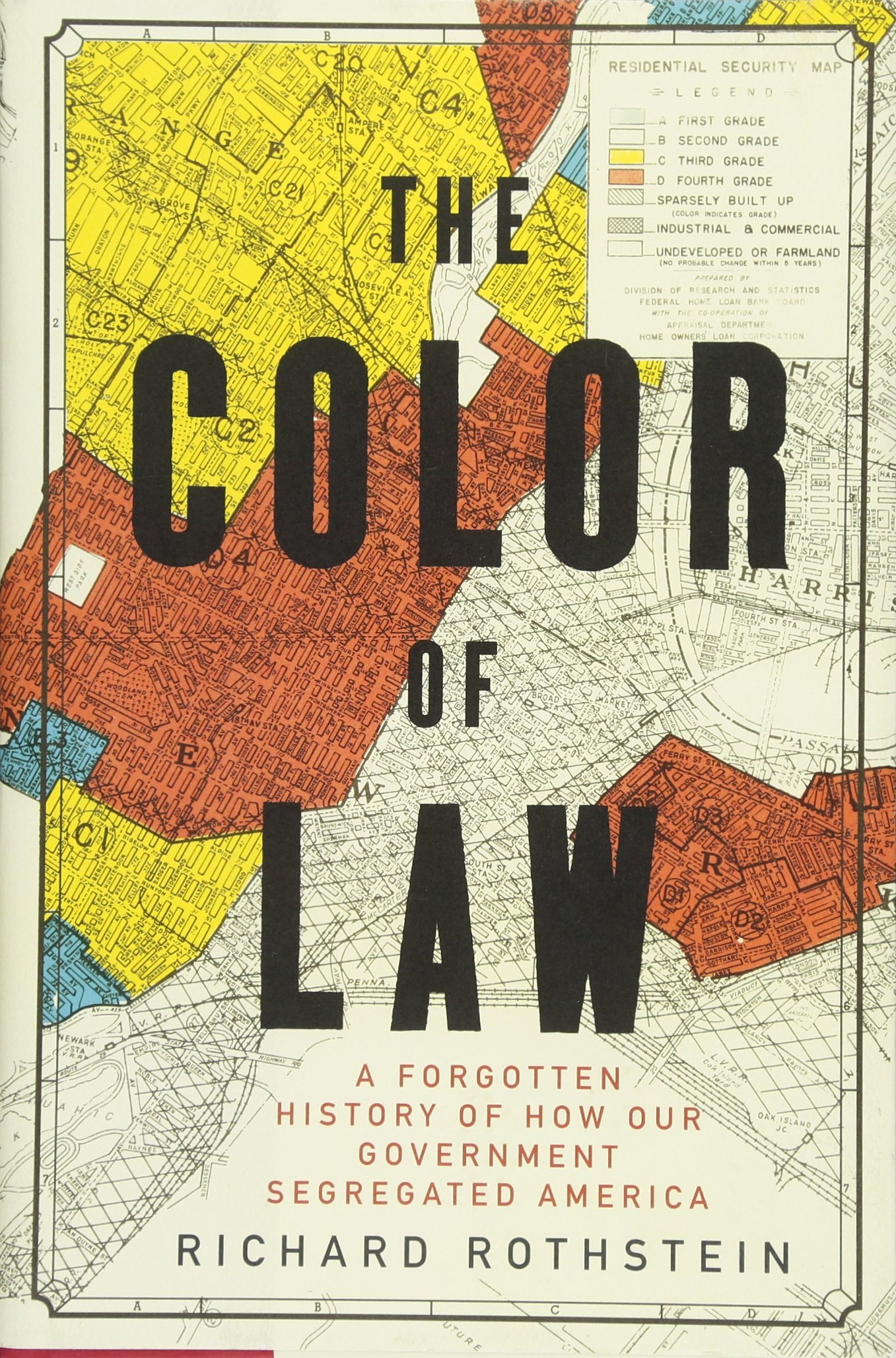
The Color of Law: A Forgotten History of How Our Government Segregated America, by Richard Rothstein: in many ways, I felt this was The New Jim Crow applied to the housing industry in the United States. It talks about all sorts of creative ways in which government officials—at the federal, state, and local levels—orchestrated the largely-segregated society that still exists today in our country (zoning ordinances, neighborhood covenants, blockbusting, white flight, the establishment of ghettos, construction of interstates, and more). The Color of Law shares tons of data and statistics, but is written in a narrative style that is easy to follow and understand.
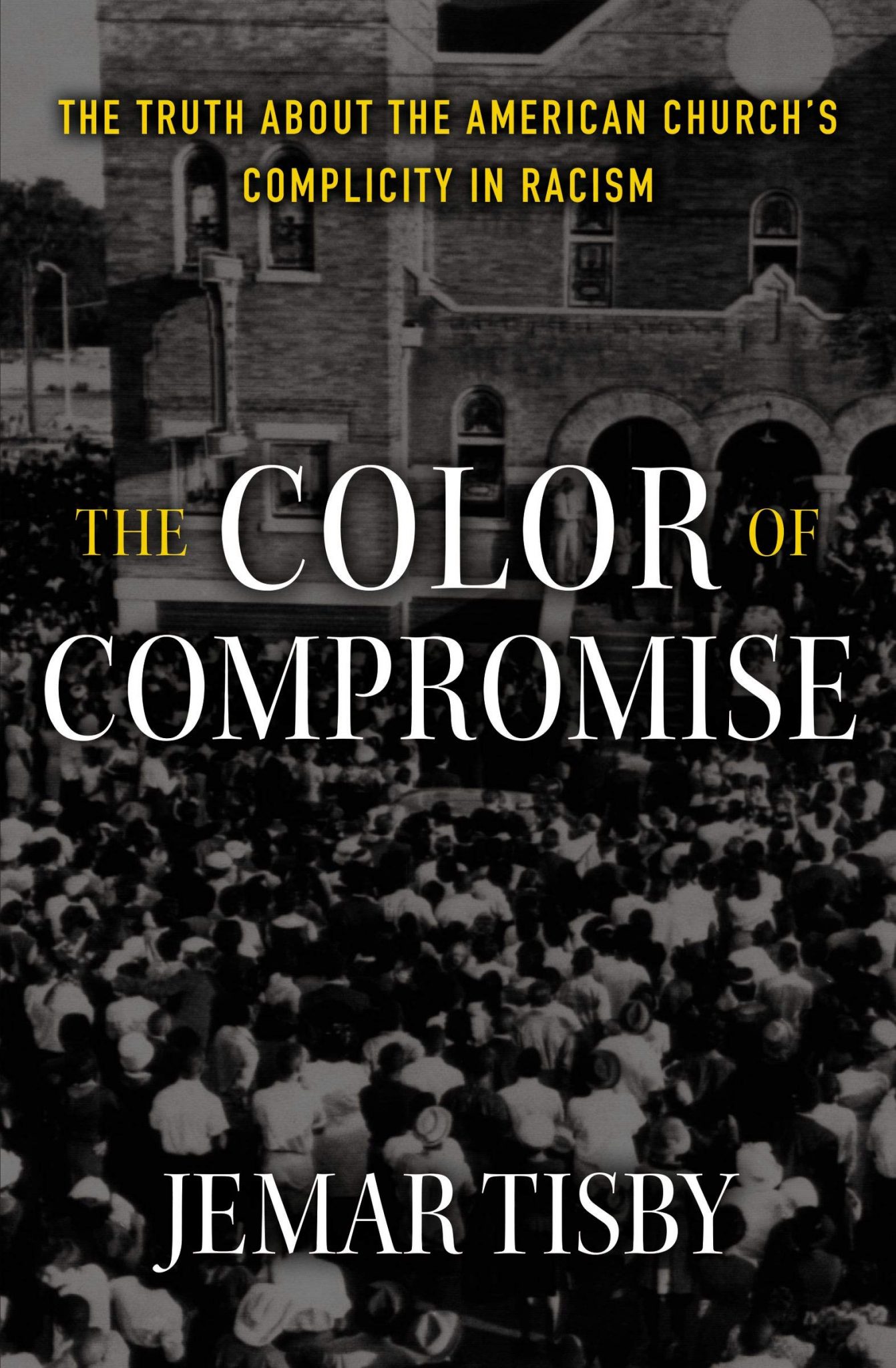
The Color of Compromise: the Truth About the American Church’s Complicity in Racism, by Jemar Tisby: this book specifically addresses the American Church, and confronts the reader with the uncomfortable reality that throughout American history, white Christians have largely (though not entirely) turned a blind eye toward racism, and many times have actively supported and furthered racist agendas. Tisby does not shy away from hard truths, but he writes with clear affection for the church, and offers helpful suggestions moving forward.
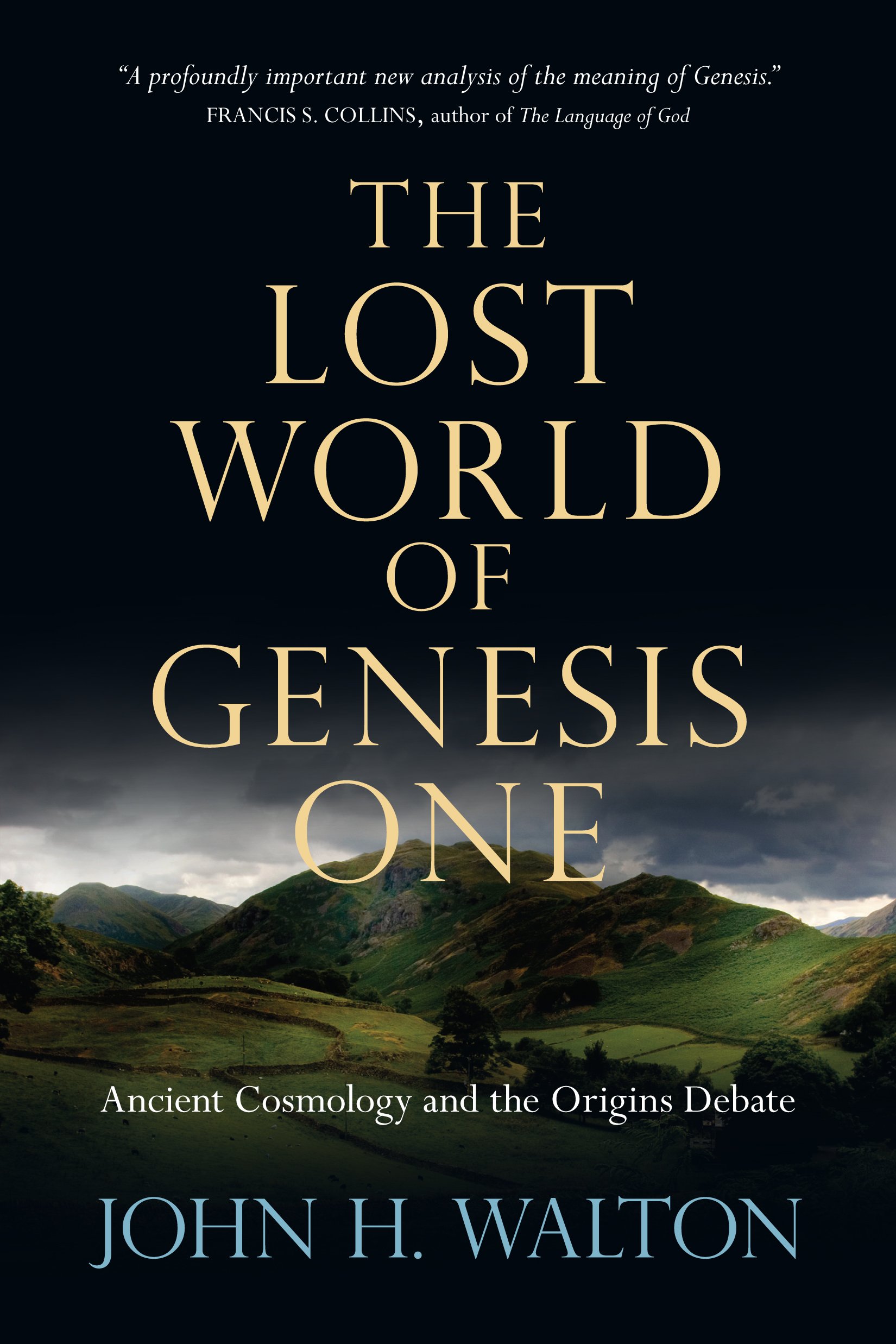
The Lost World of Genesis One: Ancient Cosmology and the Origins Debate, by John H. Walton: Genesis 1 is a famously controversial text, and takes a prominent position in discussions about the seeming tension between faith and science. Walton, a conservative Old Testament scholar, removes some of the fuel from the fires of controversy by suggesting that we should receive Genesis 1 the way that ancient Israelites would have received it: as ancient cosmology, it is function oriented rather than being concerned about material origins. If you are someone who has ever been bothered by Genesis 1 and how that fits with scientific claims (and especially if this has been a barrier to faith for you), The Lost World of Genesis One is an excellent read.
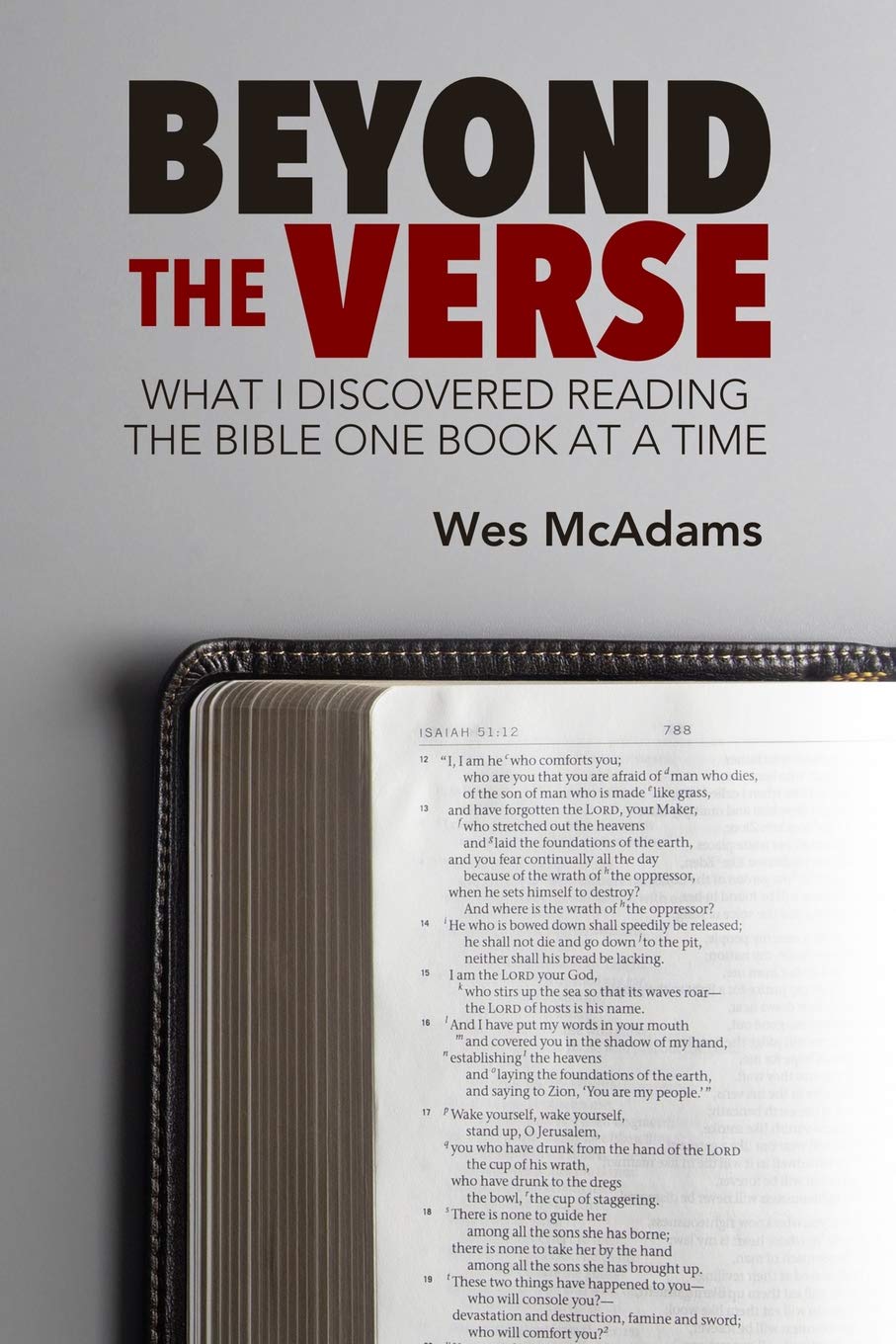
Beyond The Verse: What I Discovered Reading the Bible One Book at a Time, by Wes McAdams: Wes is one of my favorite bloggers and I think he is such a helpful voice in the church right now. A couple of  years ago, he completed reading through the entire Bible, but rather than doing it by reading a few chapters each day, he read entire books of the Bible in one sitting each day. This enabled him to get a much clearer picture of the broad story the Bible tells, and it is a story that we are often guilty of distorting significantly. I absolutely loved this book. I recommended it to several people after I read it, and I intend to incorporate it into my ministry moving forward.
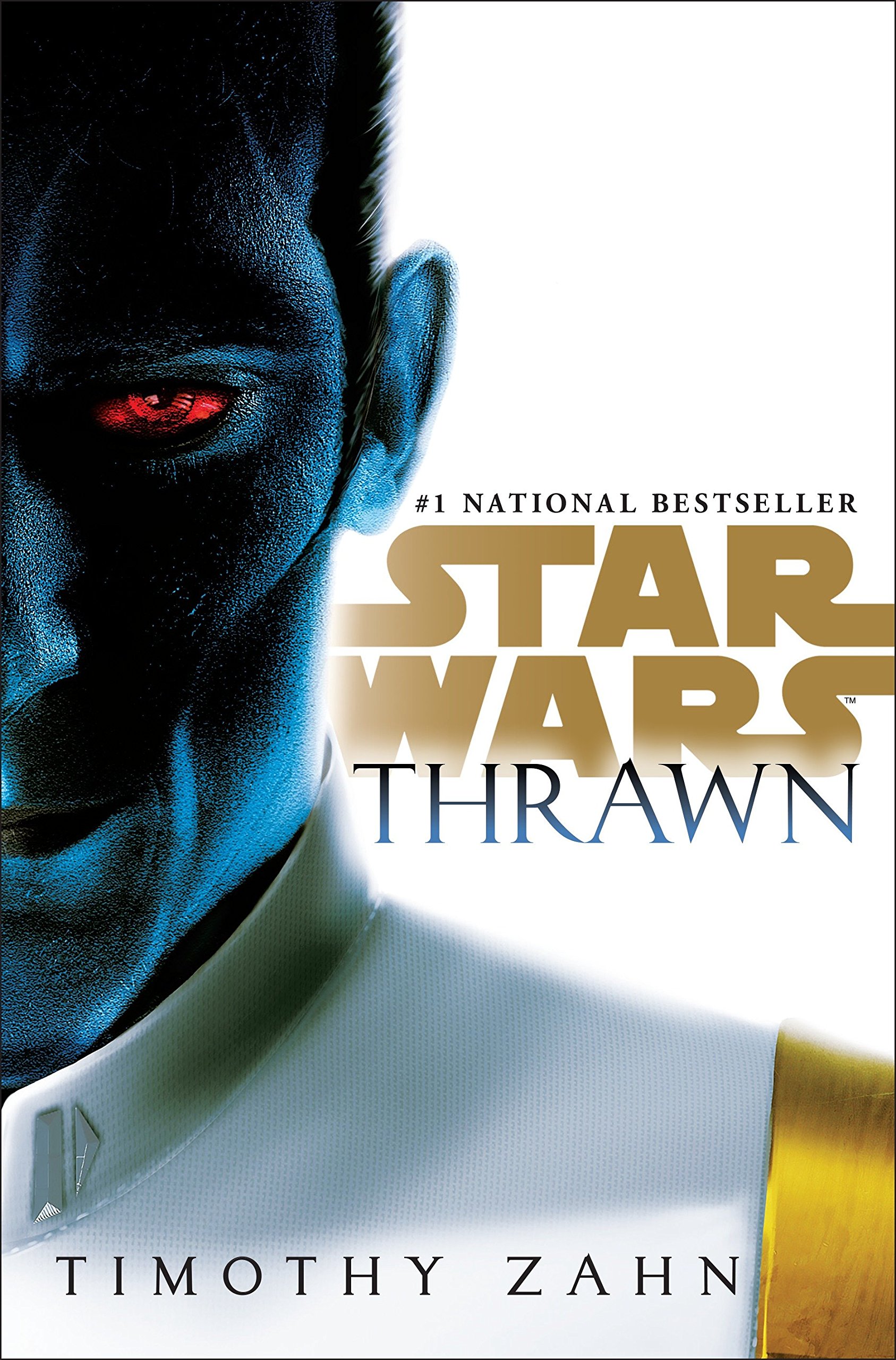
Star Wars: Thrawn, by Timothy Zahn: In many ways, 2020 was the year that I rediscovered Star Wars novels. I used to read Star Wars novels a lot, but back when Disney took over the franchise, they decanonized all the books I had read and I lost interest. Out of the loop, I discovered that a bunch of new Star Wars novels had been authorized by Disney and written in recent years, and I read several in 2020. Some of them were hot garbage, but Timothy Zahn’s Thrawn trilogy was good: my favorite Star Wars author reintroducing one of my favorite decanonized characters back into the canon. Thrawn is the first book in the trilogy, and was, in my opinion, the best.
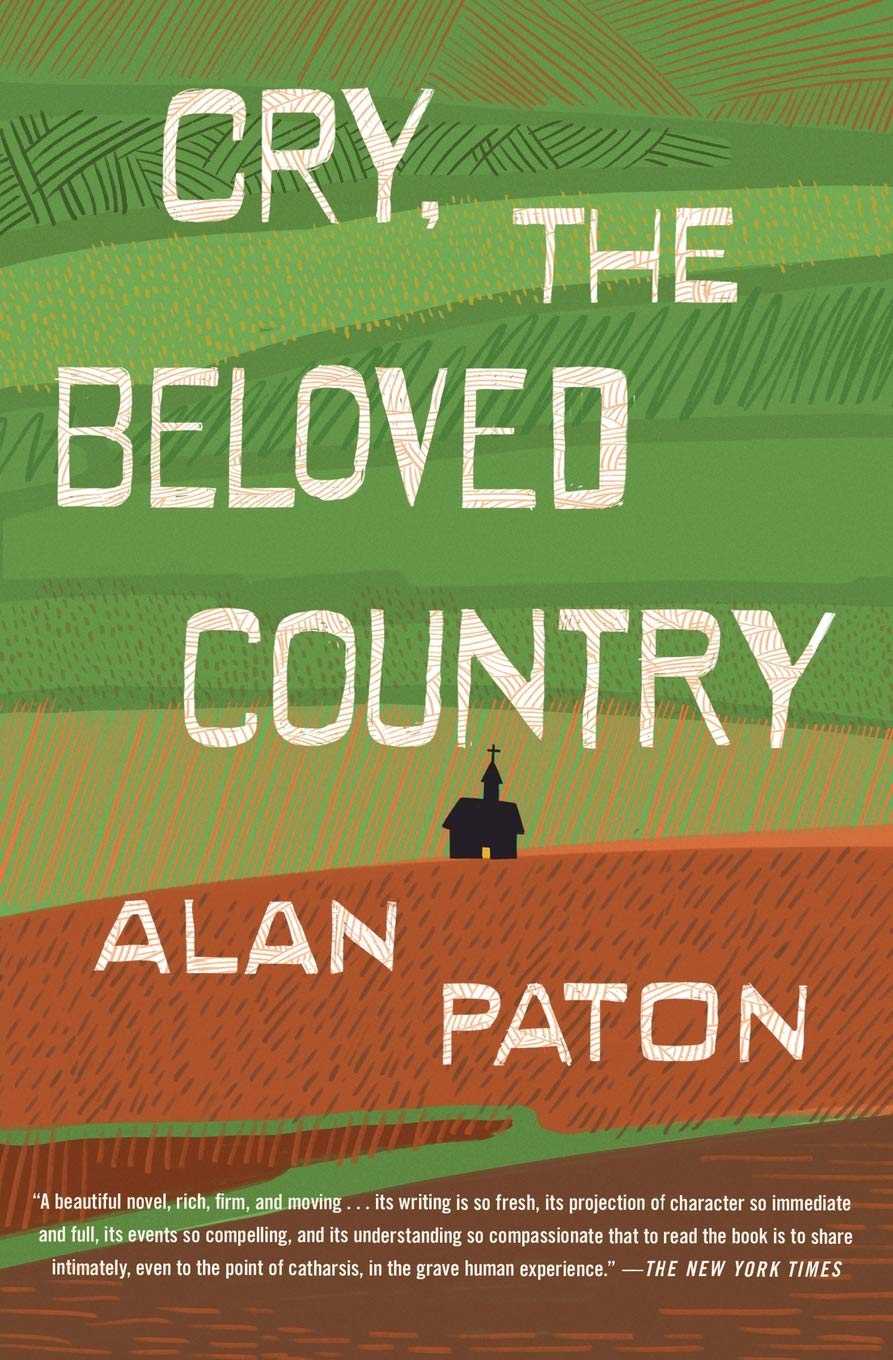
Cry, the Beloved Country, by Alan Paton: I read this book back in 2009 and loved it, but had not read it since then, and it was even better than I remembered. This book touches on so many heavy themes—racism, theology, politics, the breakdown of the native village, crime, poverty, environmental concerns, and more—and tells the story of the shared tragedy of two older men in 1940s South Africa: a poor, black Anglican priest, and a wealthy, white farmer. This is such a beautiful book, and it was even more poignant to me reading it in 2020, a year of significant racial tension in my own country. Simply put, this is among the best books I have ever read.
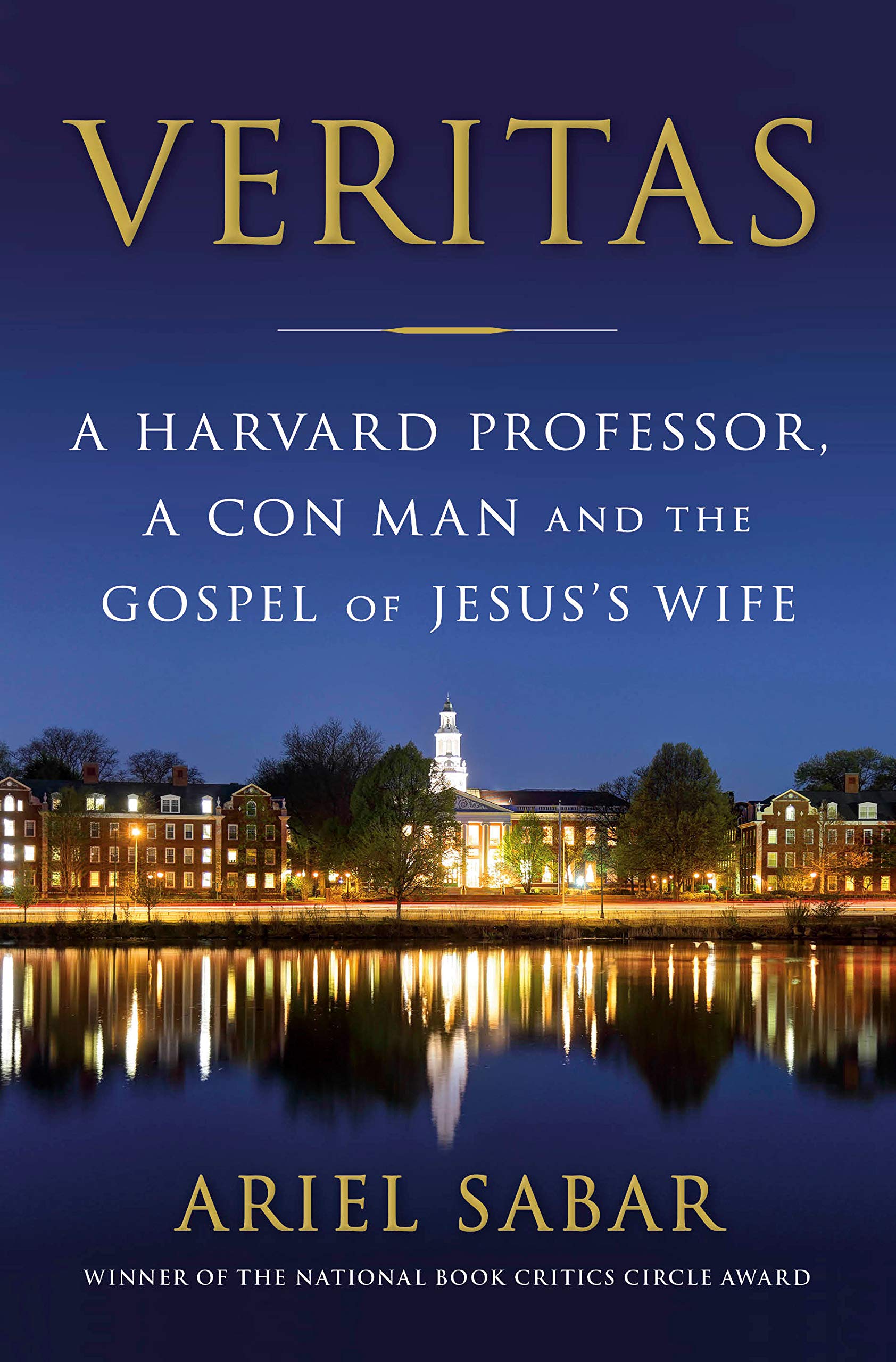
Veritas: A Harvard Professor, A Con Man, and the Gospel of Jesus’s Wife, by Ariel Sabar: The subtitle of this book summarizes the plot well. In 2012, Harvard Divinity School professor Dr. Karen King published the discovery of a papyrus fragment from a supposed early Christian text that she sensationally dubbed, “The Gospel of Jesus’s Wife,” that would later turn out to be a forgery. This book is an impressive chronicle of investigative journalism, and also serves as a warning of the problems of confirmation bias and the murky places to which extreme forms of postmodern thinking can deliver us.
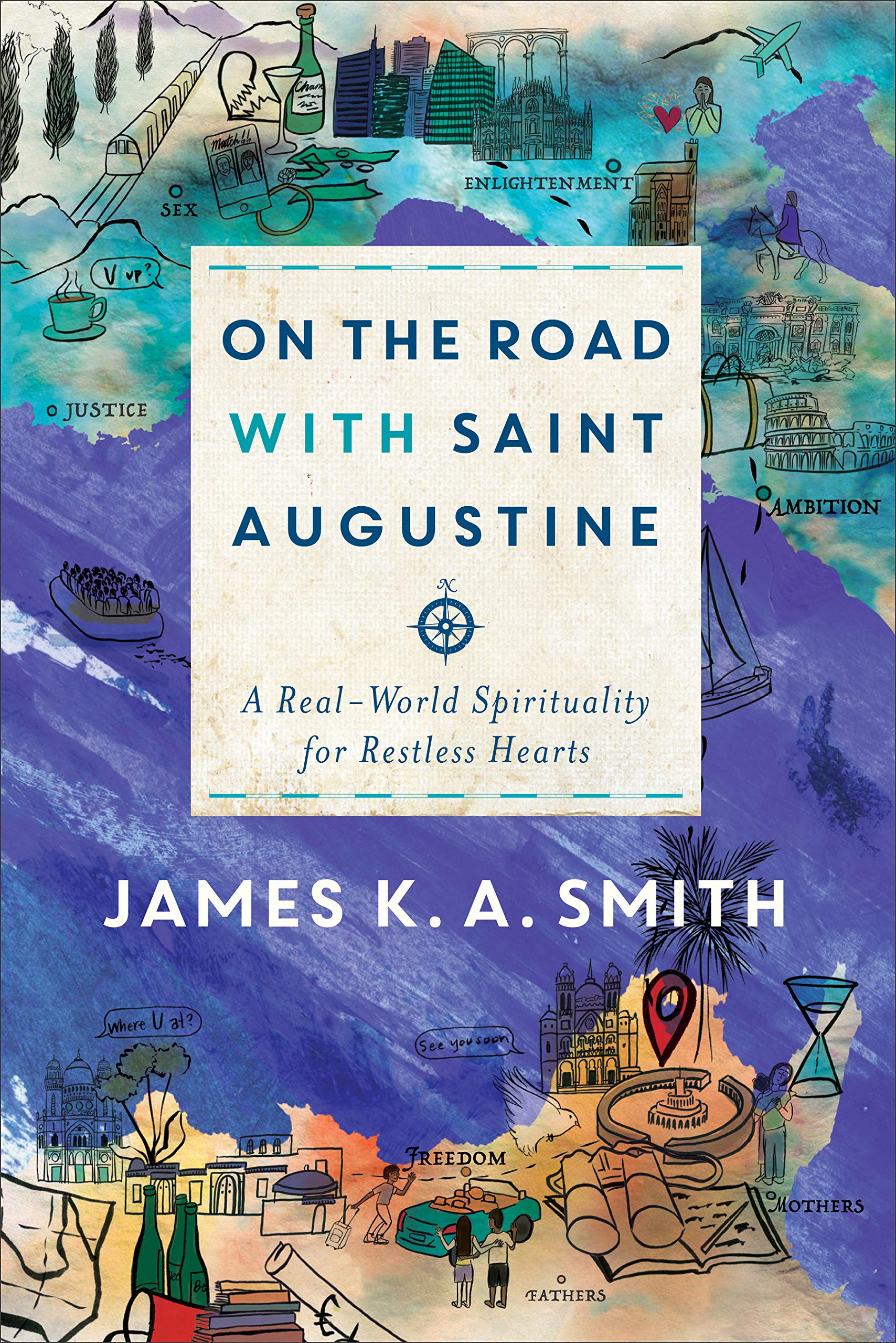
On the Road with Saint Augustine: A Real-World Spirituality for Restless Hearts, by James K. A. Smith: Saint Augustine of Hippo is likely the single most influential Christian thinker since the Apostle Paul, and as Smith points out in this superb book, his story is quite likely very much like your own. Based significantly on Augustine’s Confessions, Smith looks at the journey of his life and the issues and questions that drove it—issues and questions that continue to drive our lives today. This makes Augustine a wonderful travel companion as we journey through life: someone who has already made a similar journey, asked similar questions, and, if we have ears to hear, has helpful directions for the road. Bonus: the cover design for this book is outstanding. They say you can’t judge a book by its cover, but in this case…

That was my reading for 2020. For comparison’s sake if you are interested, you can see my reading lists from previous years:

What are some of the best books you read this past year?
« Older posts Newer posts »

© 2026 The Doc File

Theme by Anders Noren — Up ↑