The online journal of Luke Dockery

Tag: Harding University (Page 2 of 4)

A Great Week of Youth Ministry

Last week was a great week of youth ministry for me—one of the best I have ever had. This post is a bit unusual, but because I want to remember this week, I am chronicalling it here.

I have mentioned before that I am fairly task-oriented when it comes to ministry (or life in general). I usually have a long to-do list each day and can easily feel unproductive if I have not crossed off as many items as I intended to. But as important as some tasks can be, ministry is ultimately about people, and it is a blessing when you can connect with and serve people in a meaningful way. This was a week full of meaningful connections.

On Monday, I got to hear my Youth Ministry Apprentice, Dylan Holland, speak in chapel at Harding. He did an outstanding job, and I was really proud of him. In May, Dylan will graduate from HU, complete his two-year apprenticeship, and begin work as a full-time youth minister in Texas. It has been a joy and honor to mentor him over the last couple of years, and I am excited about what he will accomplish.

That evening, I taught my youth ministry class at Harding. I have 53 students in that class, though only a handful of them plan to go into youth ministry. Teaching this class has been a blessing to me for several reasons over the last few years, but one of them is that it gives me the opportunity to connect with a group of students who I otherwise wouldn’t come into contact with. On Monday night, we were in the middle of a unit emphasizing the spiritual life of the youth minister as the single most important element of youth ministry, and in that context I got to share the gospel of the kingship of Jesus Christ and how we as disciples respond to that good news with allegiance.

On Tuesday, I met with a former youth group student who now in college is thinking about what she wants to do with her life and whether or not she should change her major. It was wonderful to hear her talk about her interests and see (from my perspective) how God is growing her and working in her life, and hopefully help her process some of the decisions she is trying to make.

On Wednesday, I got to be with one of my students at his grandmother’s funeral. We hugged and walked through a cemetery together. It was a less joyful experience than the others in this list, but not less meaningful or important.

Later that day, I got to meet with another former youth group student who is now in college. We got to catch up, I got to hear about good things in her life as well as struggles, and we got to pray together.

Wednesday evening, I got to teach a room full of my students about the victory of Yahweh over Pharaoh and the gods of Egypt, and His rescue of the Israelites from slavery. After Bible study, I met with our mission team to begin to make plans for the mission trip we will take this summer. This will become an incredibly tight-knit group, and we will pull together and wear ourselves out in ministry together.

On Thursday, I got to meet with my current Youth Ministry Apprentice and a future Summer Youth Intern for a time where we talk about Scripture and life together. This regular practice has become a meaningful and formative spiritual habit for me over the last couple of years.

That evening, I got to go with my son to support a couple of my students who are on the Harding Academy Robotics team, when they revealed their competition robot for the season.

On Friday, I received a surprise visit from TK Geter, a former Youth Ministry Apprentice who is now doing youth ministry in Illinois. It was great to hear him talk about his new job with its successes and struggles, and see him apply the gifts that God has given him and the skills that he has developed in service to God’s kingdom.

That afternoon, I left with our youth group to CHRISTeens youth conference. This was one of the best youth group trips I have ever been on. Everyone who signed up to go actually went—we had no last-minute cancellations or sign-up attempts—and youth ministry veterans can tell you how impossible even this is! The conference itself was good and the behavior problems were minimal, but more important was simply the opportunity I had to connect with students.

Because our group was too big to fit into our bus, I drove my car as well. For each leg of the journey, I would draw out the names of 3-4 students, and those students who were selected would rotate into my car for that leg. By the end of the trip when we returned on Saturday night, it worked out that I had every student ride with me, and I had the opportunity to engage each student in both frivolous and meaningful conversation (which never would have happened on the bus). It was such a gift to be able to connect with them in this way.

In the process of all these interactions, I completed a fair amount of tasks too. But I have already forgotten the tasks; the relationships will endure. This is the core of youth ministry, and I am blessed and thankful to be called to do it.

A Final Week at Harding School of Theology

Back in October, I was blessed to be able to spend a week on the campus of Harding School of Theology in Memphis, where I audited a week-long intensive course, “Christian Formation of Children.” This was a great blessing to me for multiple reasons.

First, I was a student there from 2010-2018 (yes, I know it was a long time) before receiving my MDiv, and it was an incredibly formative place for me (more on that below). Second, I got to spend the week with my wife Caroline, who was enrolled in the same class as a credit student. In all my time as a student at HST, I always left my wife at home with the kids while I would go to Memphis for intensive course weeks, and I felt like I finally got to share this part of my life with her. We sat next to each other in class during the day, ate at all my favorite Memphis restaurants, did homework in the library, and walked through the neighborhoods around campus together. Third, it seems quite possible that this will be my last opportunity to spend any significant time on the HST campus in Memphis, with the announcement that HST will be moving to Searcy in Fall 2024. Finally, it was a great class!

Much has been written and said about HST moving from Memphis to Searcy, and I’m not sure I have anything of significance to add to that conversation. I remain personally unconvinced that this move is what is best for the school, but I also acknowledge that I am not an insider in this discussion and that there are many factors and variables of which I am probably unaware. I do know that, in a climate where seminaries associated with Churches of Christ are closing (see Austin Graduate Seminary and Oklahoma Christian Graduate School of Theology), I am grateful that HST is not closing its doors, and I am confident that God will continue to use the school to bless churches and train ministers in its new location.


As I mentioned above, HST was a deeply formative place for me. I went to Harding University for undergrad and had a wonderful experience there. I met Caroline there as many lifelong friends. It was at Harding that I developed my deep love for ultimate frisbee, and also where I began to make my faith my own. I learned a lot of things in various classes, but I would also say that I didn’t make deep connections with faculty members or older mentors (largely my own fault). I entered and graduated HU with very little idea of what I wanted to do in life.

Harding School of Theology was different. I began there later in life (I was 27), and had already been in youth ministry for a few years. Honestly, I began my degree because I was seeking credentials so I could teach at the college level someday. My plan was to get in and get out as soon as possible and move on to the next thing. That is not at all what happened, but I got so much more in the bargain:

  • I have very fond memories of my intensive course weeks in Memphis, which were some of the most challenging weeks of my life, but also some of the best weeks of my life. There I met a new set of lifelong friends, and many of these were friends who were similarly “in the trenches” of ministry and knew about its challenges, but also its value. Somewhere along the way, I largely forgot about the dream of teaching, and developed my love for congregational ministry. More specifically, it was work for classes at HST that led to the youth ministry-related research that would ultimately change my life in profound ways.
  • There, I met a set of mentors who would pour into me both in and out of the classroom. They would push me academically, spiritually, and theologically, but always in ways that were respectful and affirming to my faith. I have written before about the idea of “deconstruction,” which is a very slippery concept, but it would be fair to say that HST significantly contributed to the deconstruction of my faith in the healthiest sense: it became my own, mature faith.
  • When I began at HST, Caroline and I were still relatively newlyweds and weren’t parents yet. Life would get real for us soon after, though. My HST community would mourn a miscarriage with us, celebrate the birth of our first daughter, and then pray faithfully for her and us as we learned that she had a rare genetic condition and began the life-altering journey of being parents to a precious daughter with special needs.

As I was reflecting on my time at Harding School of Theology, I realized that, through all of what I mentioned above, HST gave me the twin gifts of humility and confidence. That may seem like a strange pair, but they actually fit together quite well. Regarding humility, my graduate school training helped me to understand how little I really knew and convinced me of the need to be a lifelong learner. Regarding confidence, my time at HST helped me to develop a really solid foundation of biblical, theological, and ministerial skills. I didn’t know everything, but there were some things I did know, really important things that I could build my life around. And even though I’m never going to master Scripture or ministry, I developed skills to study Scripture well and do ministry faithfully. Humility and confidence are wonderful gifts that I received and which I have tried to use faithfully in service of God’s Kingdom, and I can confidently say that I wouldn’t still be in ministry without my training at HST.

For all these reasons and more, the HST campus in Memphis is hallowed grounds for me. It was a great blessing, albeit a bittersweet one, to spend a week there with my wife whose sacrifices made it possible for me to attend graduate school in the first place, and who has been my partner in ministry and in all things.


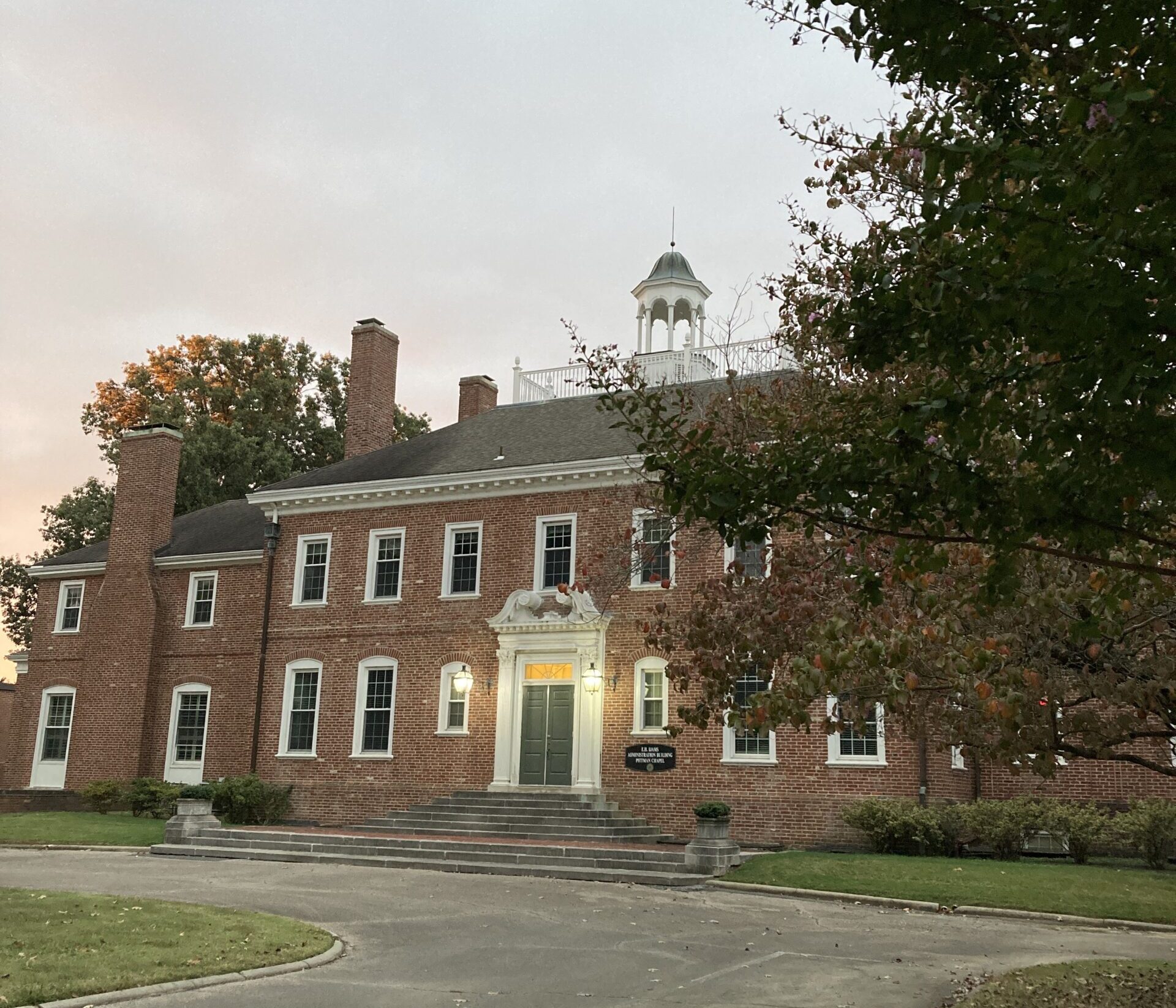
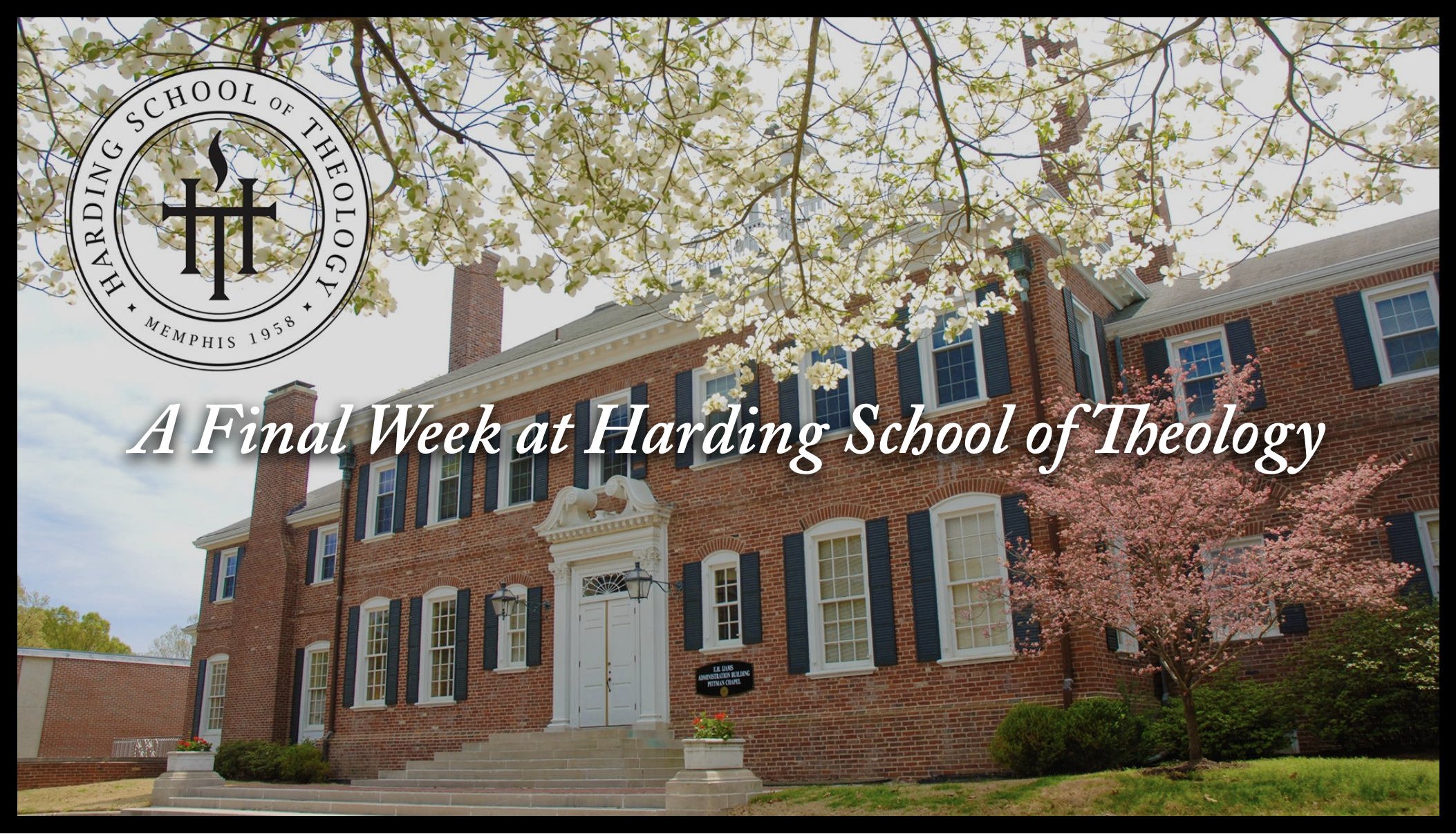
The HST Mansion serves as the administration building of the school and is also where chapel is held. I took this photo after one of my early morning walks before class. October was a beautiful time to be in Memphis.

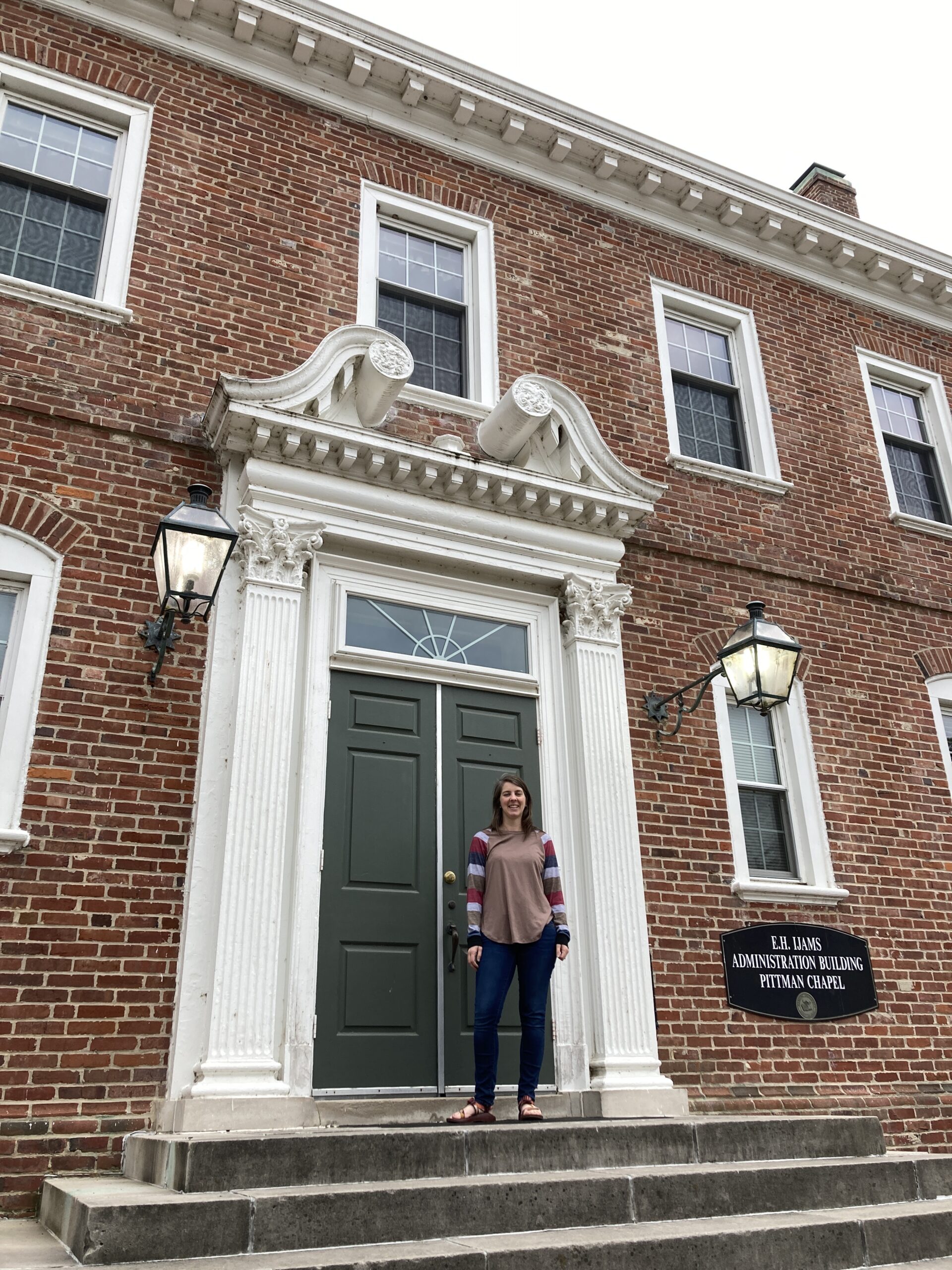
My very favorite person in one of my very favorite places!

2023 Harding University Lectureship Recap

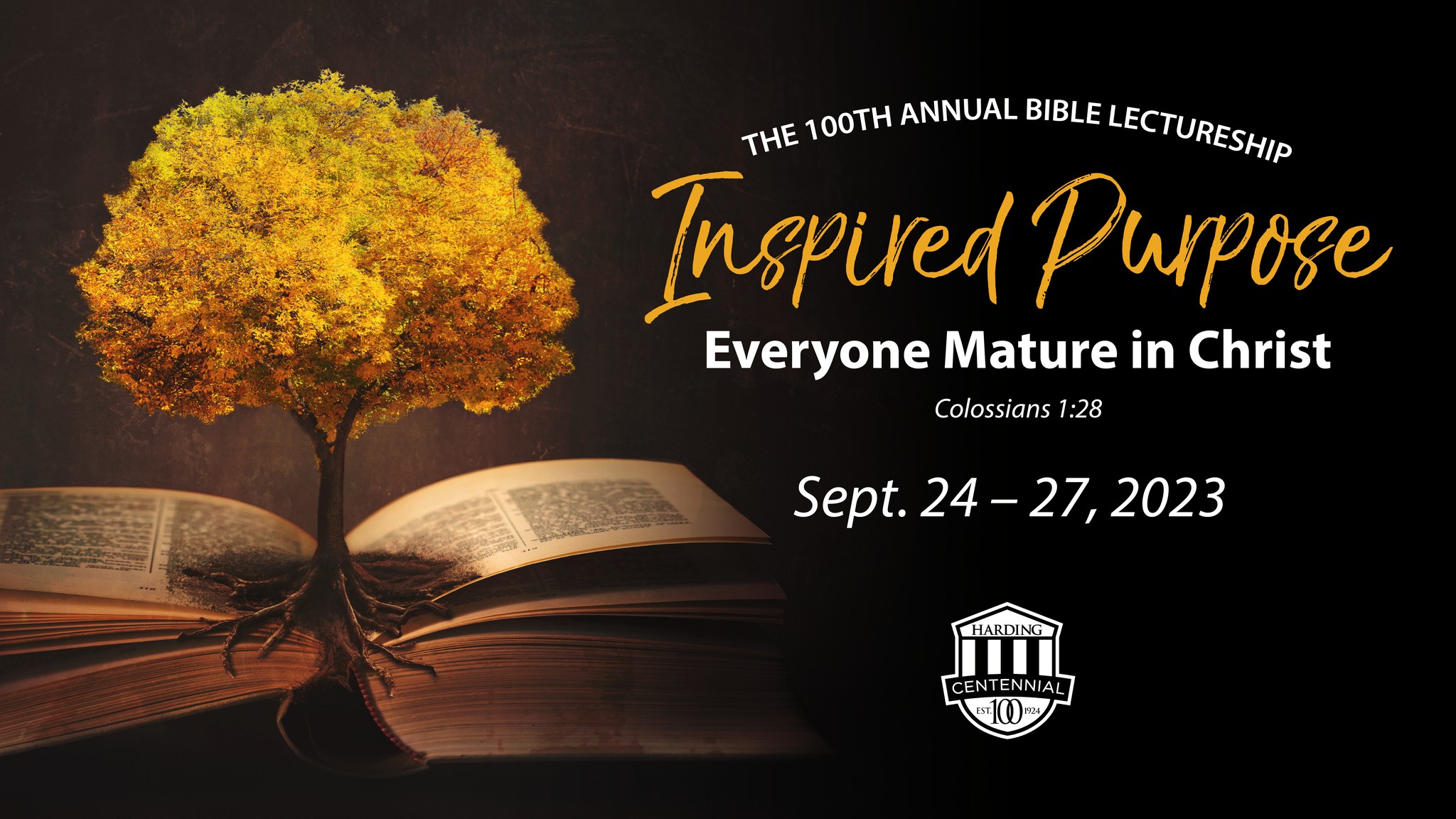
Harding University’s 100th annual Bible Lectureship was a couple of weeks ago, at the end of September. I always enjoy going to Lectureship, and have developed the practice of providing a quick recap of Lectureship and the different presentations I got to attend. The theme for this year was Inspired Purpose: Everyone Mature in Christ, and Colossians was the biblical book under study.

I was privileged to attend several good lectures and classes, and here is a brief recap of what I went to, along with some takeaway quotes:

Inspiration of our Purpose (Colossians 1.15-20), Jason Darden: Jason teaches Bible at Harding, and kicked off Lectureship with this Sunday night keynote. He focused on the Christ poem/hymn in Colossians 1 and talked about the “Jesus +” heresy of the Colossians Christians: the idea that Jesus Himself wasn’t enough, and that some additional element(s) was/were needed. Darden’s key takeaways were: (1) Imitate the faith of those you admire, (2) Cultivate your unique gifts through practice, (3) Duplicate your faith in Christ through mentorship.

Neller Preaching Workshop, Kevin Burr and Matt Love: I don’t normally go to the preaching workshop, but this year, the two speakers were two of my friends, so I caught four of the six sessions. Kevin (who has a PhD in New Testament) did a great job basically giving a verbal commentary on the book of Colossians, from which I took a ton of notes. Matt (who is getting his PhD in Preaching) spoke on the craft of preaching, and spoke about the preacher as Bard/Poet, Sage, and Tutor. Kevin and Matt were both excellent.

“We’re losing our churches at the expense of cool sermons.”

A Freed African to Free Africa: Alexander Cross and the Liberian Mission, Shawn Daggett: Shawn teaches missions at Harding, and shared the story of Alexander Cross, the first missionary from Churches of Christ to Africa. He himself was a freed slave, and had his freedom purchased by a southern congregation in order to enable mission work to the African nation of Liberia (Daggett was clear that this wasn’t done from entirely pure motives, but nevertheless: “These were people of the time who were seeking to change the times.”). Cross actually contracted malaria after reaching Africa and died soon after, but that doesn’t change the value of a sacrificial life offered in service to God.

“God counts success by faithfulness; not by numbers.”

Practicality in Youth Ministry, Garison Money and Erin Faurie: Garison and Erin are two of the associate youth ministers at the College Church of Christ here in Searcy. Garison shared some practical tips for youth ministry. I have been a youth minister for a long time, but these were still helpful reminders for me: (1) Get your parents on board, (2) Be involved, (3) Go deeper, (4) Get connected with the church and (5) Have fun. Erin spoke about why we need women involved in youth ministry (whether in official, paid roles or not), and offered three important reasons for this: (1) Women need women, (2) It’s empowering for students to see women in ministry, and (3) It promotes a Titus 2 mentality (where older women are instructed to teach those who are younger). I appreciate both Garison and Erin and enjoy working with them, and found these to be valuable reminders.

J.N. Armstrong: First Take Hold of My Heart, Monte Cox: With this being Harding’s 100th Lectureship, Dr. Monte Cox, the Dean of the College of Bible and Ministry, did a series of lectures on some important figures from Harding’s history. I went to his Monday presentation on J.N. Armstrong, Harding’s first president. Armstrong is a figure for whom I have a great deal of respect, and Monte shared eight striking characteristics about him: (1) He displayed a deep trust in God, (2) He deeply valued God’s grace, (3) He was a man of humble generosity, (4) His commitment to undenominational Christianity, (5)The pursuit of truth that leave room for honest disagreement, (6) The priesthood of all believers, (7) His conviction about kingdom-first priorities, and (8) His focus on the heart. I really enjoyed this presentation, and my admiration for Armstrong only increased!

Inspired by the Cross (Colossians 2.13-15), Steve Cloer: Steve teaches at Harding School of Theology and directs the Doctor of Ministry program there, and is one of my favorite preachers. His Monday night keynote was amazing, and focused on how the Colossian Christians felt weak, fearful, and overwhelmed, which led them to look for something in addition to Jesus to deal with their circumstances. Steve did a particularly good job of explaining the ideas of the “certificate of debt” and “triumphed in power” in Colossians 2 and expertly applied the Colossian situation to our context.

“Sin is not just a verb we need forgiveness for; it is a dominion we need freedom from.”

“Christ is everything and He can handle whatever makes us week, what we are fearful about, and whatever overwhelms us.”

Captive through Philosophy and Empty Deception—Spiritual Not Religious (Colossians 2.8), Steve Cloer: In this class, Steve addressed the mysterious “Colossian Heresy”, and applied that to the current context and the growing number of people who are interested in spirituality, but who want to do so outside of the institution of the church. He shared helpful (and hopeful!) data that breaks down the not religious crowd into four groups: (1) “I love Jesus, but not the church” people, (2) “Nothing in particulars”, (3) Atheists, and (4) Agnostics. What’s interesting is that atheists and agnostics, while very resistant to evangelism/faith, also only comprise 12% of the population, and that percentage isn’t growing. In an increasingly post-Christian society, it is the first two groups that are growing, and these folks are much more open to conversations about Jesus.

Why Disciple-Making Matters, Why Disciple-Making Now?, Eight Principles That Are Working There…and Will Work Here As Well, Paul Huyghbaert: This was a three-part disciple-making seminar that was excellent. I learned a lot and took a ton of notes. Huyghbaert presented a convicting and devastating critique of the current state of the American church, which is almost exclusively attractional, and is, overall, not growing either in terms of numbers or maturity. He then shared common characteristics of disciple-making movements, which are currently happening only in the Global South. These presentations left me with much to consider.

“The model embraced by the majority of North American churches produces shallow, surface-level believers.”

“The North American church spends, on average, $1.5 million per baptism.”

“What you celebrate is what is replicated.”

Multicultural Ministry—No Distinction between Greek and Jew (Colossians 3.11), Bob Turner and Juan Meza: Bob and Juan work at the Church of Christ at White Station in Memphis, which is making very intentional efforts to be a multicultural church. I didn’t take a lot of notes in this session because they largely shared stories, but it was encouraging to hear about their efforts to very seriously follow the “Gospel-centered mandate to be a multicultural church.”

Unmistakable Marks of Christlike Maturity (Colossians 4.2-6), Brian Mashburn: Mashburn wrapped up the lectureship with this Wednesday night keynote, providing somewhat of a summary of the whole lectureship and book of Colossians, and talking about what Christian maturity looks like. He also offered a pointed critique of some expressions of the Restoration plea, emphasizing that the goal is not to look like some mythically perfect first-century church, but to look like Jesus. Although I thought this was presented in somewhat of a strawman fashion, this is still a good reminder.


In addition to attending all of the lectures described above, I also had the opportunity to speak at the Harding School of Theology Luncheon on Wednesday. It was an honor to get to speak to such a large audience filled with so many of my mentors, former professors, fellow colleagues, and good friends. It was also a poignant event, as the gathering came on the heels of the announcement that HST will be moving from Memphis to Harding’s main campus in Searcy next fall.

I was blessed to attend Lectureship this year, to see so many old friends, and to sit at the feet of so many great teachers (indeed, I have been blessed again going over my notes and typing up these short summaries). I would highly recommend taking part in this next year if you are able!

2022 Harding University Lectureship Recap

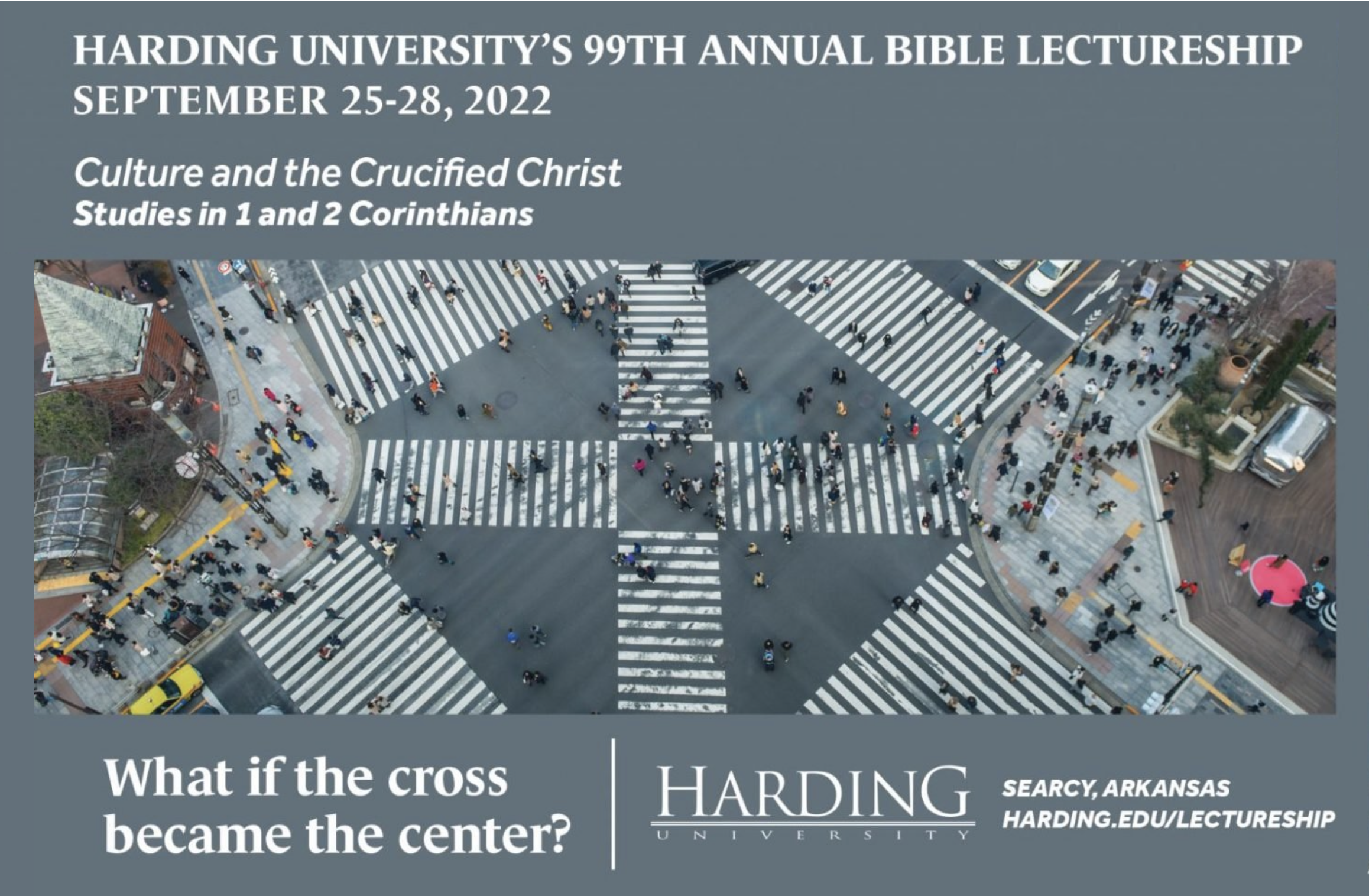
Harding University’s 99th annual Bible Lectureship was a couple of weeks ago, at the end of September. I always enjoy going to Lectureship, and have developed the practice of providing a quick recap of Lectureship and the different presentations I got to attend. The theme for this year was Culture and the Crucified Christ: Studies in 1 and 2 Corinthians.

I was privileged to attend several good lectures and classes, and here is a brief recap of what I went to, along with some takeaway quotes:

United In Mind and Purpose (1 Corinthians 1.10-17), Mike Williams: Mike is the new president of Harding, and kicked off Lectureship with this keynote on Sunday night. He focused on Paul’s correction of the factionalism of the church in Corinth, and reflected on how, in many ways, we live in a society that is primed for fragmentation. As the church, we must do better. (I agree!)

“If love and unity reveal God’s presence, does division reveal His absence?”

Corinth and Vicinity, Dale Manor: Dr. Manor is a treasure—a classically-trained archaeologist with a wealth of information about the ancient world, and I try to catch one of his lectures each year. He gave a good overview of the geographic/topographic background of Corinth, and how it helps us to understand some of the content of the Corinthian correspondence. This was fascinating if you are interested in history, culture, or archaeology, and, as always, Dr. Manor spoke to an overflowing room.

“Paul appropriated commercial, cultural, and political contexts to teach.”

Paul’s Use of the Old Testament in 1-2 Corinthians, Kevin Youngblood: Dr. Youngblood teaches Bible at Harding, is a top-notch biblical scholar, and always has great material. This was a particularly insightful lecture, as he established how direct quotations, allusions, and echoes from the Old Testament are woven throughout 1 Corinthians. He shared the following “Big Picture Implications”, which I thought were worth repeating here:

  1. Apostolic authority does not render Old Testament authority unnecessary or redundant.
  2. The church is reliving Israel’s experience and is therefore vulnerable to Israel’s mistakes.
  3. The Christ event and the ongoing ministry of the church are the culmination of prophetic vision.
  4. Creational principles outlined in Genesis are universal and enduring.
  5. Not every Old Testament reference Paul makes is intended to be a formal interpretation of the text (rhetorical use of Scripture).

“We are saved by faith; we are also lost by faith. A pattern of unbelief prevents us from entering the Promised Land.”

Discipleship in a Secular Age: Toward Missional Community, Greg McKinzie: Greg is a former missionary, an adjunct professor at Lipscomb University, and the editor of Missio Dei journal. Greg is a brilliant guy, and I wish he could have had a bit more time. He was engaging some difficult material (the philosophical work of Charles Taylor), and he just didn’t have enough time to say everyone he wanted to say. Still, he had some valuable things to say, including the following statement (which, to me, was sobering):

“Discipleship talk is increasing in proportion to the decline of the American church…with little effect.”

Washed, Sanctified, Justified (1 Corinthians 6.9-20), Leonardo Gilbert: Leonardo serves as the minister of the Sheldon Heights Church of Christ in Chicago, and this was my first opportunity to get to hear him. He gave a rousing message emphasizing the importance of our witness as Christians, the necessity of realizing that there is a spiritual war waging all around us, and the encouragement that comes from remembering that the Spirit of God Himself resides within us.

 “Being a Christian is like getting into a boxing ring. Sometimes you’re going to get hit. But the fight is fixed.”

Becoming a Spiritual People: Discipleship for Unity (1 Corinthians 3.1-6), Kevin Burr: Kevin is the Minister of Discipleship at the Kings Crossing Church of Christ in Corpus Christi, and also one of my best friends. In his session, he look at the factionalism that was present in Corinth and Paul’s teaching on the diversity of God’s gifts leading to the unity and health of the Body of Christ. His practical suggestions for developing unity in our churches:

  1. Recognize our God-given gifts in each other.
  2. Put our God-given gifts to work.
  3. Value our God-given gifts.

“If we belittle others because their gifts look different than ours, we have failed the test of unity.”

Your Body is God’s Temple: Sexual Ethics (1 Corinthians 6.12-20), Keith Stanglin: Keith is a former professor at Harding and Austin Graduate School, and currently serves as the director of the Center For Christian Studies. In this session, he examined sexual ethics in Scripture through the teaching of Jesus, and then Paul in 1 Corinthians 5-7.

“Jesus relied on the Bible [for His views on sexual ethics] and evidences moral rigor regarding sex.”

God and the Founding Fathers, Jared Dockery: It was cool to go to a lecture taught by my brother, who is a history professor at Harding. This was a really interesting class to me, because we looked at the positions of several Founding Fathers—Patrick Henry, Roger Sherman, Benjamin Franklin, Thomas Jefferson, John Adams, and George Washington—on several topics—belief in God, Christ’s divinity, providence, and the civic benefit of religion. I thought it was a helpful and nuanced presentation on a challenging and contentious subject.

“The Founders were clearly not trying to establish a rigidly secular society.”

All Things to All People (1 Corinthians 9.19-23), Monte Cox: Dr. Cox is the Dean of the College of Bible and Ministry, and is always one of my favorite speakers. He delivered the Tuesday evening keynote, and did a good job providing an overview of 1 Corinthians 6-10, showing how the idea of rights is woven throughout that section: Paul repeatedly tells the Corinthian Christians that their rights are not the only issue to be considered.

“Too many of us have been preoccupied for too long with defending our rights instead of relinquishing our rights for the sake of the gospel.”

We Do Not Lose Heart: Longevity in Ministry, Jim Martin: Dr. Martin is the Vice President of Harding School of Theology, and also one of the most encouraging people I know. He offered a lot of really practical wisdom in this session related to things that can cause ministers to lose their way, as well as common characteristics of long-term ministers.

“Do I desire to be married to a church, or just date a church? Marriages are hard—you are committed for good and bad times, and you open yourself up for pain.”

Helping Your Church Stay on Mission, Steve Cloer: After preaching for several years in Ft. Worth, Steve is now in Memphis, where he teaches at Harding School of Theology and directs the Doctor of Ministry program there. Steve started with a discussion of Acts 6, where a legitimate issue that needed addressing ran the risk of distracting the apostles from their mission. The church runs into all sorts of issues and barriers today that can be a distraction as well. How can the church stay on mission?

  1. Solid preaching on the mission of God.
  2. Spend significant time in the neighborhood, which provides a motivation and an entry-point for mission.
  3. Tell stories about what God is doing among us.

“Churches are going to focus on something. The leader must help them focus on mission, becuase if they don’t, churches are going to focus on all sorts of things.”

Head Coverings and Headship in 1 Corinthians 11, Rick Oster: Dr. Oster was one of my favorite professors at HST, and he had a packed house as he addressed a challenging and controversial passage in 1 Corinthians. Oster’s scholarly work is in New Testament text and especially the historical backgrounds of the text, and he presented his perspective that the Roman practice of having the person leading a religious ceremony (whether male or female) wear a veil lies behind Paul’s instructions in the first part of 1 Corinthians 11. The Corinthian church was continuing this practice, which would have been strange to those from other backgrounds (Jewish, Greek, North African, etc.), and Paul was concerned that it would confuse the Christians there about the biblical teaching of male headship. Oster’s interpretative take here is certainly not the only one, and I don’t believe he makes an airtight case, but he does make a plausible one (reconstructing the historical background of a one-sided conversation is always challenging).

“Paul is not concerned that both genders are prophesying; he is concerned that, visually, they are undermining the teaching of male headship.”

Men and Women in Church Leadership (1 Corinthians 14.26-40), Allen Black: Dr. Black was another of my favorite teachers at HST, and he continued the theme of handling a controversial text in front of a big crowd on Wednesday afternoon. I thought Dr. Black did a great job, talking about how we approach different texts that seem to be in tension with one another (like 1 Corinthians 11 where women are mentioned as praying and prophesying and 1 Corinthians 14 where women are told to keep silent), outlining various approaches to the disputed portions of 1 Corinthians 14.26-40, and presenting his own views. Perhaps the most edifying portion of his lecture for me was the way he talked about the views of John Mark Hicks, who he regards as a close friend, but disagrees with on this issue; this was a model of respectful and gracious disagreement.

“The ideal is self-sacrificial male leadership.”

Raised in Power (1 Corinthians 15.35-58), Jonathan Storment: Jonathan preaches at the Pleasant Valley Church of Christ in Little Rock, and is always a joy to listen to, as he is an engaging and thoughtful speaker. Storment talked about the Christian emphasis on the value of the body as part of God’s good creation, and emphasized the stark differences between the Secular Story and the Christian Story. Among some things that he said that I found really insightful:

  • In our current (secular) society, both conservatives and liberals operate from a functionally atheist perspective. Conservatives say there is no God, so we must fight to preserve our way of life; liberals say there is no God, so no one can tell me what to do.
  • At the roots of postmodernism are the philosophies of Marx, Freud, and Nietzsche, who were all deeply suspicious of love (i.e. the Christian value). For Marx, it was all about money, for Freud, it was all about sex, and for Nietzsche is was all about power.

“Beneath this [the Secular Story] is nothing but despair.”

“You don’t bury a Christian; you plant him.”


In addition to attending all of the lectures described above, I also had the opportunity to moderate a panel on discipleship in youth ministry, and contribute to another class on adult Bible class resources. I also taught my youth ministry college class one night, coached third base at my son’s baseball game another night, had a few meetings, and hosted two guests in my home. It was a busy week!

I was blessed to attend Lectureship this year, to see so many old friends, and to sit at the feet of so many great teachers (indeed, I have been blessed again going over my notes and typing up these short summaries). I would highly recommend taking part in this next year if you are able!
Teaching Youth Ministry in College

It has been a dream of mine to teach at the college level for a long time, and this past semester, for the first time I had the privilege of teaching a youth ministry class at Harding University. It was a great experience! I have enough college professors in my life that I expected prepping a brand new course to be a lot of work and grading to not be much fun (both of these expectations were correct, by the way), but I was pleasantly surprised to enjoy teaching even more than I thought I would.


I learned a lot from my first semester as an adjunct college professor, but here were a few of the major takeaways:

College Students Are Awesome

My “first day of school” photo

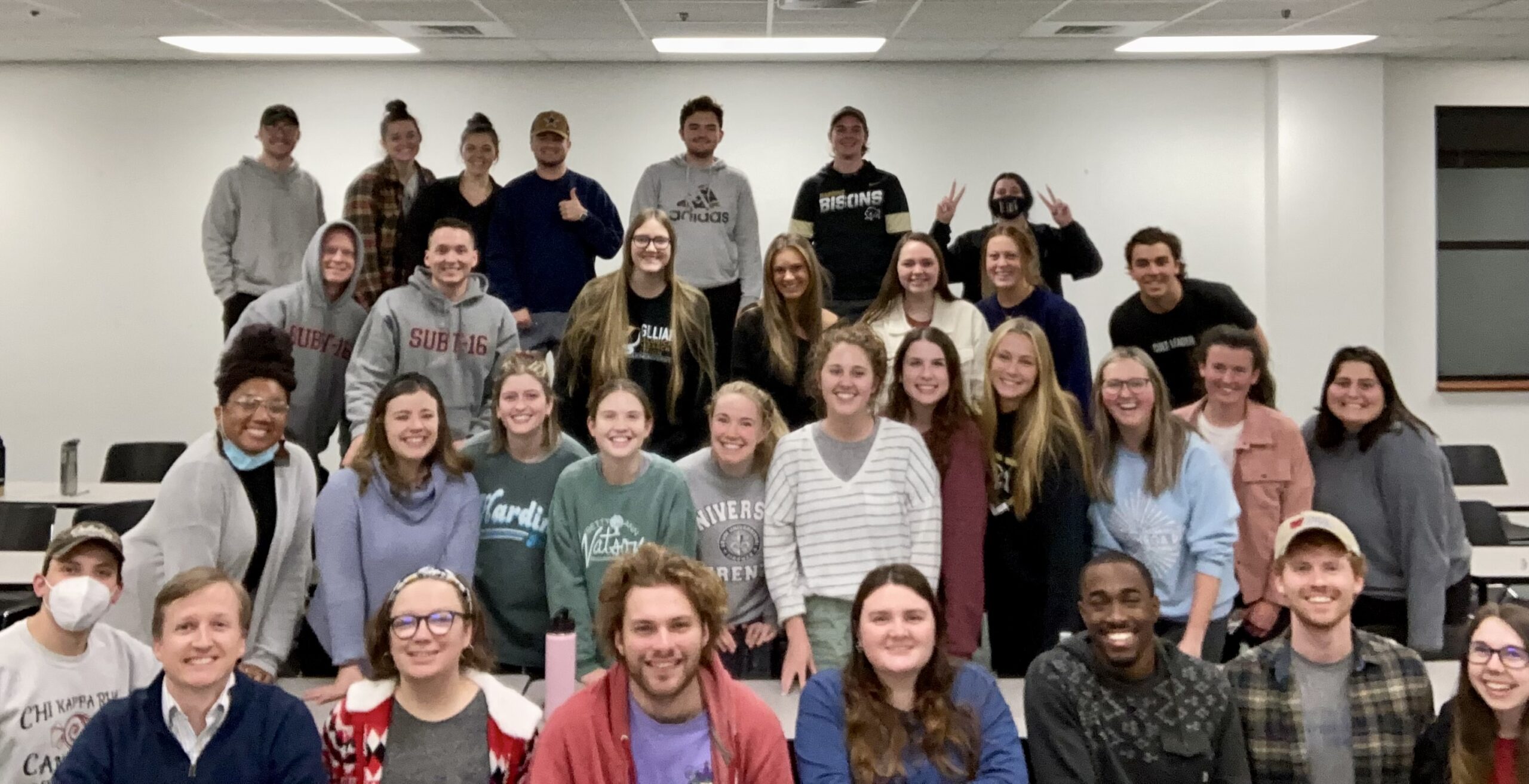
I love teenagers. If I didn’t, I would be in a different line of work. I confess, though, that as a general rule, I tend to enjoy my students more as they get older, and I have lamented before that about the time my students get really interesting, they leave me and go on to college! I had about 35 students in class, most of them juniors and seniors, and they were such a joy to be around. As a group, they were talented, passionate, and engaged, but also vulnerable, open-minded, and desperate for Jesus. I really enjoyed getting to know them through class discussions and assignments.

College Students Are What the Research Says They Are

Over the last several years, I have read a ton of youth ministry-related research. I have taught on that research in churches and at lectureships and workshops, and have even written a book on it. That research touches on a lot of topics, including:

  • The high percentage of Christian teens who check out of the church and shelve their faith after high school
  • The fact that youth groups tend to isolate teens from the Body of Christ rather than integrating them into it
  • The way that teens largely feel abandoned and ignored by their youth groups and churches after high school
  • The sad reality that Christian families often neglect practicing faith in the home
  • The incongruence between what Christian teens believe and the historic beliefs of Christianity
  • The lengthening of the developmental stage of adolescence

My class of students served as a sort of focus group, and confirmed each of these findings. Since these findings are largely negative, this wasn’t exactly a happy discovery, but it is still helpful: problems have to be clearly identified before they can be fixed. Getting to see the spiritual development of students a few years down the road from my own youth ministry students and hearing about their hurts and struggles encourages me to do better (in very specific ways) with the kids in my youth group.[1]

College Students Are Hurting

At this point, it is fairly well established that Generation Z students (which would include college students and the students in my youth group) are physically safer than ever, but more at risk than ever in other ways as anxiety and depression are at unprecedented levels in teens and young adults. I witnessed this clearly with a lot of my students: they are concerned about so many things going on in the world, unbelievably stressed out, and entirely too busy. They are hurting. The root causes for all of this are beyond the scope of this post (although, you can check out two excellent books that address this problem from two different angles here and here), but being aware of this reality enables those of us who interact with this age cohort to offer support, encouragement, and love. It was a blessing for me to have the opportunity to do that with my students this past semester.

As you can perhaps discern from the points above, teaching was not all fun and games. We had some tough conversations last semester, and I was touched by many of the things students shared with me. The church has a lot of work to do in being better stewards of God’s children. It is my prayer to engage in that work in my efforts in youth ministry, and teaching at HU was a wonderful complement to that. I look forward to doing it again.

The church has a lot of work to do in being better stewards of God’s children. Share on X

Class photo with my youth ministry scholars before we took our final exam: a great group!


[1]As a side note, I should mention that, in many ways, I was teaching the cream of the crop, spiritually speaking: students who actually chose to attend a Christian university and stayed there long enough to be juniors or seniors. If these findings were true for them, you can only imagine the situation for those in less fortunate circumstances.

« Older posts Newer posts »

© 2026 The Doc File

Theme by Anders Noren — Up ↑