Reading and making lists are both big parts of my life, and this yearly post involves both of those activities! I will offer some thoughts on my favorite books of the year below, but first, here is the list of books I read in 2024:
- The Warden and the Wolf King, by Andrew Peterson
- The Freedom of Self-Forgetfulness: The Path to True Christian Joy, by Timothy Keller
- Harry Potter and the Chamber of Secrets, by J.K. Rowling
- Exiles, by Jane Harper
- The Fire Next Time, by James Baldwin
- Ephesians: 11 Studies for Individuals and Groups, by N.T. Wright
- You Lost Me: Why Young Christians Are Leaving Church…And Rethinking Faith, by David Kinnaman*
- Losing Our Religion: An Altar Call for Evangelical America, by Russell Moore
- Wingfeather Tales, edited by Andrew Peterson
- Miracles, by C.S. Lewis*
- All My Knotted-Up Life: A Memoir, by Beth Moore
- Orthodoxy, by G.K. Chesteron*
- Timothy Keller: His Spiritual and Intellectual Formation, by Collin Hansen
- Generous Justice: How God’s Grace Makes Us Just, by Timothy Keller
- The $100 Startup: Reinvent the Way You Make a Living, Do What You Love, and Creat a new Future, by Chris Guillebeau
- The Weight of Glory, by C.S. Lewis*
- A Flicker in the Dark, by Stacy Willingham
- Near the Banks of the River: Celebrating Harding School of Theology in Memphis, ed. by Mark E. Powell and Steve Cloer
- All the Light We Cannot See, by Anthony Doerr
- Gilead, by Marilynne Robinson
- All the Dangerous Things, by Stacy Willingham
- Berlin Diary: The Journal of a Foreign Correspondent, 1934-1941, by William L. Shirer
- How Far to the Promised Land: One Black Family’s Story of Hope and Survival in the American South, by Esau McCaulley
- Harry Potter and the Chamber of Secrets, by J.K. Rowling
- A Grief Observed, by C.S. Lewis
- The Action Bible, by Sergio Cariello
- iGen: Why Today’s Super-Connected Kids Are Growing Up Less Rebellious, More Tolerant, Less Happy—and Completely Unprepared for Adulthood—and What That Means for the Rest of Us, by Jean M. Twenge*
- The Audacity of Hope: Thoughts on Reclaiming the American Dream, by Barack Obama
- When Money Grew on Trees: The True Tale of a Marijuana Moonshiner and the Outlaw Sheriff of Madison County, Arkansas, by David Mac
- The Aquariums of Pyongyang: Ten Years in the North Korean Gulag, by Kang Chol-Hwan and Pierre Rigoulot
- The Door in the Wall, by Marguerite de Angeli
- Praying Circles around Your Children, by Mark Batterson
- 10 Questions Every Teen Should Ask (and Answer) about Christianity, by Rebecca McLaughlin
- Jerusalem: The Biography, by Simon Sebag Montefiore
- Where the Red Fern Grows, by Wilson Rawls
- The Great Divorce, by C.S. Lewis
- Zero Days, by Ruth Ware
- The Boxcar Children, by Gertrude Chandler Warner
- Basic Christianity, by John R. W. Stott*
- The It Girl, by Ruth Ware
- Unoffendable: How Just One Change Can Make All of Life Better, by Brant Hansen
- Midnight in the Garden of Good and Evil, by John Berendt
- Simply Christian: Why Christianity Makes Sense, by N.T. Wright
- Walking With Wisdom: A Study of Proverbs, by Lance Hawley
- The Last Murder at the End of the World: A Novel, by Stuart Tarton
- The Israeli-Palestinian Conflict: What Everyone Needs to Know, by Dov Waxman
- Thunderstruck, by Erik Larson
- Last Girl Breathing, by Court Stevens
- The Hunting Party, by Lucy Foley
- Adam of the Road, by Elizabeth Gray
- Stony the Road: Reconstruction, White Supremacy, and the Rise of Jim Crow, by Henry Louis Gates, Jr.
- Gorky Park, by Martin Cruz Smith
- Reflections on the Psalms, by C.S. Lewis*
- Burn, by Peter Heller
- Wrong Place Wrong Time, by Gillian McAllister
- “Captives of the Word”: The Restoration Movement in Northwest Arkansas, by Bobby Dockery
- American Dirt, by Jeanine Cummings
- The Last One at the Wedding, by Jason Rekulak
- My Name Was Eden, by Eleanor Barker-White
- The Nones: Where They Came From, Who They Are, and Where They Are Going, by Ryan P. Burge
- Live No Lies: Recognize and Resist the Three Enemies That Sabotage Your Peace, by John Mark Comer*
- The Case against the Sexual Revolution, by Louise Perry
- Ilium, by Lea Carpenter
- Light From Above: The Life of Alexander Campbell, by Bill J. Humble*
- The Hobbit, by J.R.R. Tolkien
- New International Version Bible
- The River of Doubt: Theodore Roosevelt’s Darkest Journey, by Candice Millard
- Abner Jones: A Collection, by Bradley S. Cobb*
- The Tower Treasure, by Franklin W. Dixon
- One Perfect Couple, by Ruth Ware
A few observations before I talk about my favorite books of the year:
- My reading total increased from 68 books in 2023 to 70 in 2024. This is the most books I have read in a year since I started counting.
- On the whole, I felt mildly disappointed with my reading this year. There were a lot of books that I enjoyed, but I’m not sure there were any new reads that I found to be particularly profound.
- I have a long “Books to Read” list of books that I already own. I tried to intentionally read books from this list in 2024, and while I would have liked to have read more, I did finish ten books from that list this year (marked with an * above). I hope to read more from this list in 2025.
- Unintentionally, I did quite a bit of reading that would qualify as memoir or biography (5, 8, 11, 13, 23, 28, 29, 30, 64, 68).
- I read about 15 books this year from the mystery/thriller genre: too many from a “guilty pleasure” category.
- Book #69, The Tower Treasure, was especially fun. I started reading Hardy Boys Mysteries when I was in second grade, and I have been trying to get my own second grader to read them for a while. He was determined that he had no interest in doing so, so I read this one with him and he absolutely loved it!
Here are my Top 10 books for the year with some brief thoughts on each (presented in order of when I read them, not ranked 1-10):

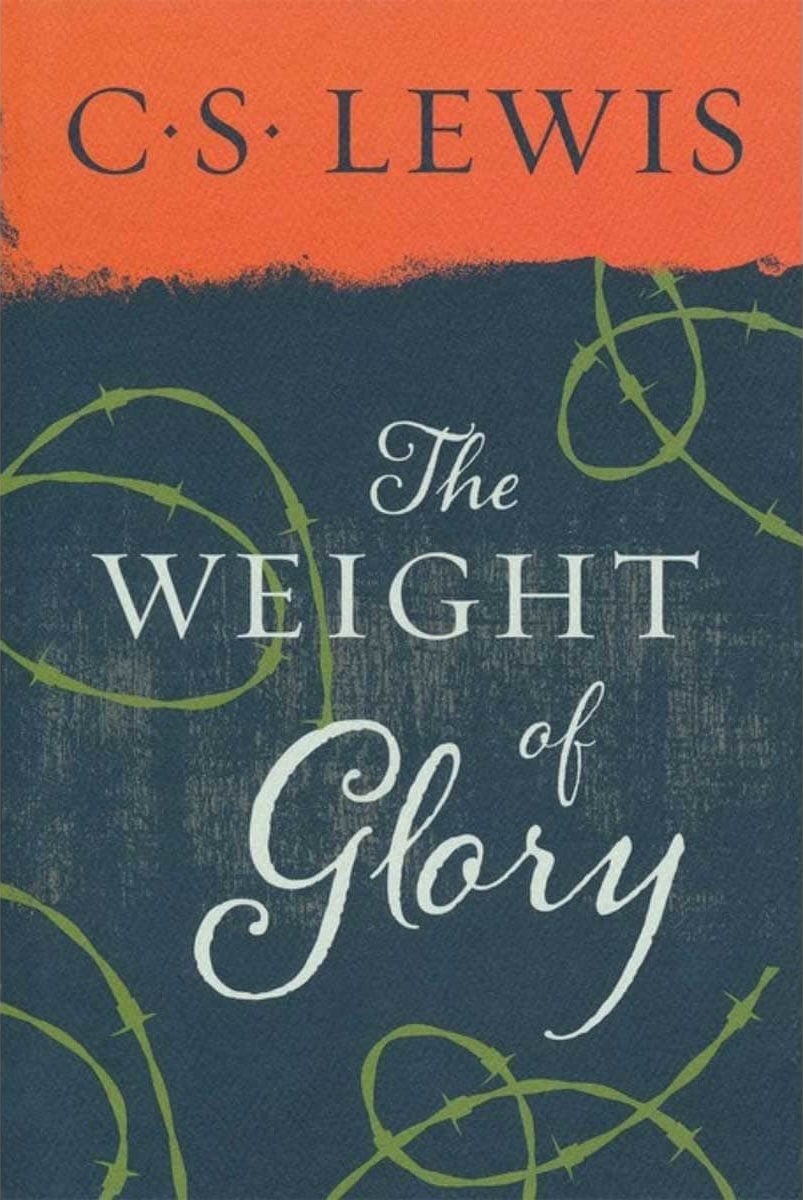
The Weight of Glory, by C.S. Lewis: This is a collection of sermons and speeches by Lewis and, as such, is a little more uneven than some of his best unified works (Mere Christianity, The Great Divorce, The Screwtape Letters). But it is still excellent. Rather than summarize such a varied volume, I thought I’d share a few quotations instead:
“To please God…to be a real ingredient in the divine happiness…to be loved by God, not merely pitied, but delighted in as an artist delights in his work or a father in a son—it seems impossible, a weight or burden of glory which our thoughts can hardly sustain. But so it is.” (39)
“The only people who achieve much are those who want knowledge so badly that they seek it while the conditions are still unfavorable. Favorable conditions never come.” (60)
“It is our daily bread that we are encouraged to ask for. The present is the only time in which any duty can be done or any grace received.” (61)
“What God does for us, He does in us. The process of doing it will appear to me (and not falsely) to be the daily or hourly repeated exercises of my own will in renouncing this attitude, especially each morning, for it grows all over me like a new shell each night. Failures will be forgiven; it is acquiescence that is fatal, the permitted, regularized presence of an area in ourselves which we still claim for our own. We may never, this side of death, drive the invader out of our territory, but we must be in the Resistance, not in the Vichy government.” (192)
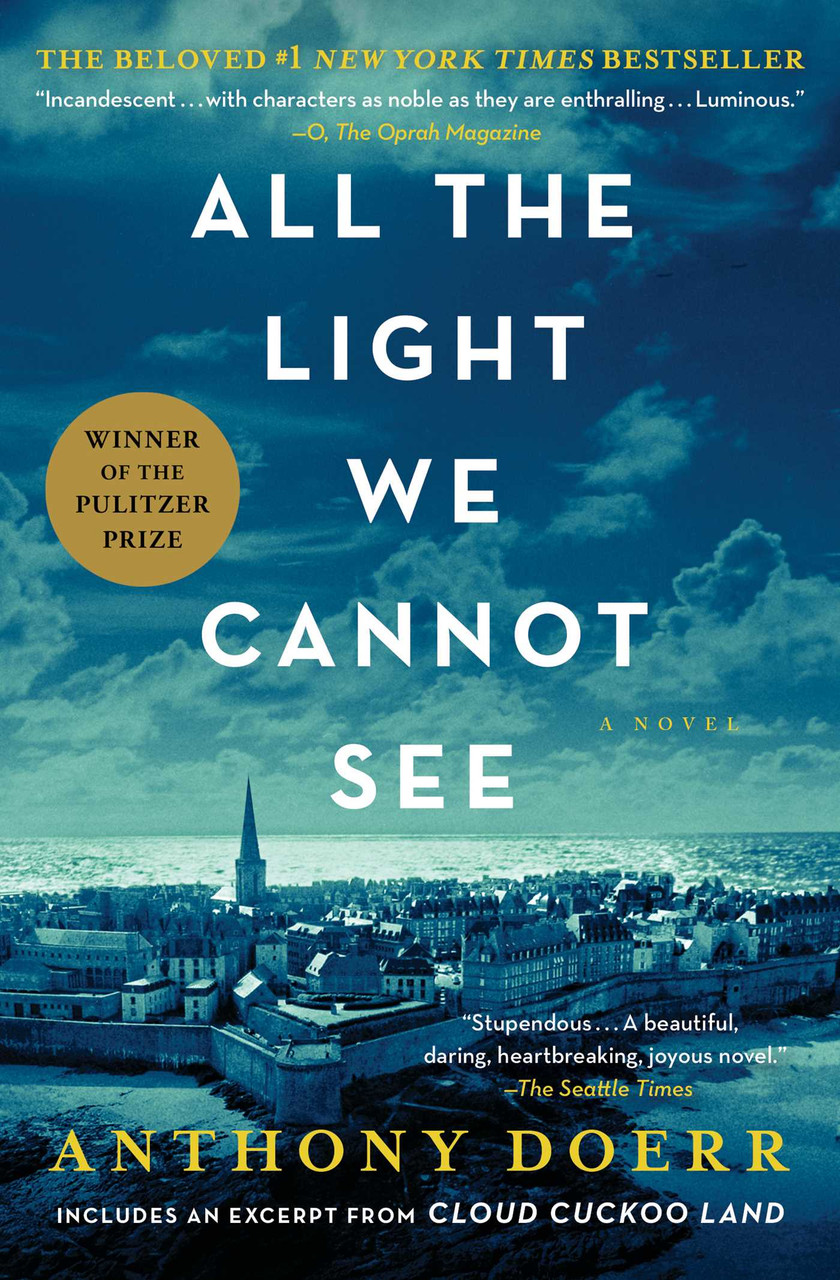
All the Light We Cannot See, by Anthony Doerr: I read this book back in 2017 and I liked it, but I didn’t love the ending and overall, I found it a little disappointing (it had won the Pulitzer Prize after all). Then it came out as a series on Netflix which I watched and enjoyed, and it made me want to go back and read the book again. This time I loved it. The novel is set in World War II, and follows the story of Marie-Laure, a blind French girl trying to survive German occupation in the town of Saint-Melo while working with the Resistance and trying to keep a priceless diamond hidden from a Nazi gemologist. The description of the narrow, multi-storied house is so detailed that you can picture yourself there, and the characterization of Marie-Laure is exquisite. My reading of this and its narration of the fall of France was heightened by reading about similar events in Berlin Diary at the same time (see below), and all in all, I found it to be a poignant story of love, loss, bravery, and sacrifice in difficult circumstances.
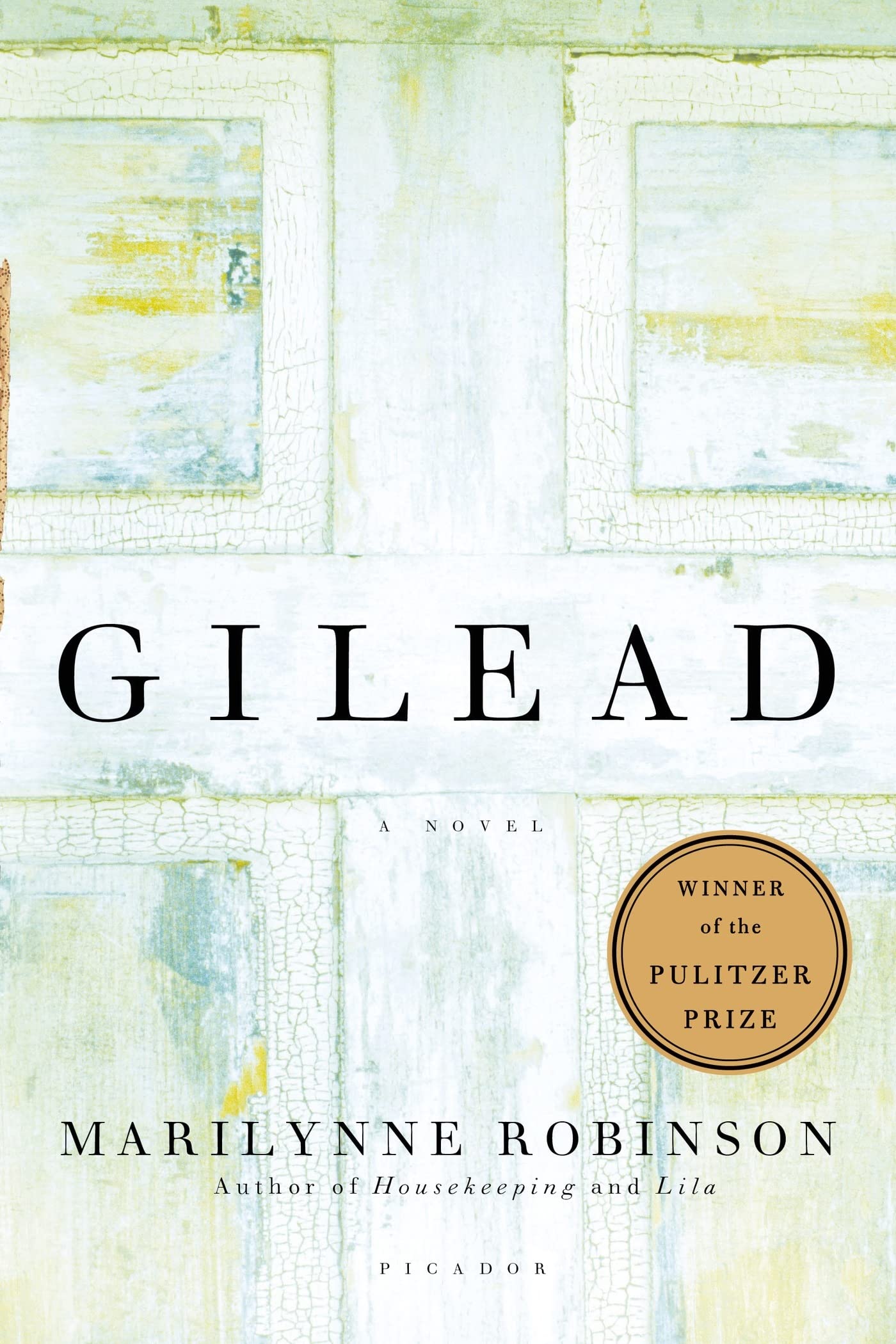
Gilead, by Marilynne Robinson: This novel won a Pulitzer Prize a couple of decades ago, but I only became aware of it quite recently. Gilead tells the story of John Ames, an aging Congregationalist pastor who is slowly dying of a heart condition. Realizing he doesn’t have much time left, Ames has a keen appreciation for the value of life and wants to share his memories and experiences of his father and grandfather with his seven-year-old son before he dies. It is a story of faith and doubt, love and loss, transgression and forgiveness, and a good man who feels wholly ill-equipped to carry out his important vocation (as a Pulitzer Prize-winning novel, obviously Gilead resonated with a lot of people, but I suspect it has a special poignancy for those engaged in congregational ministry).
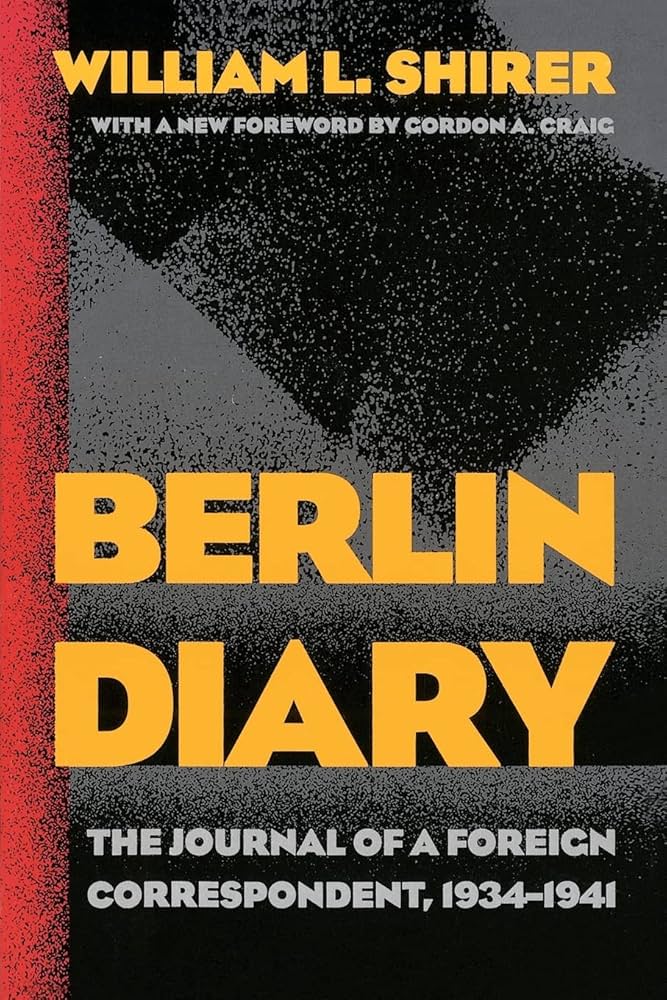
Berlin Diary: The Journal of a Foreign Correspondent, 1934-1941, by William L. Shirer: I randomly found this on a shelf at home and because I enjoy learning about World War II, decided to check it out. It is a fascinating account of the diary of Shirer, an American journalist who chronicles the rise of Hitler and the Nazis from within Germany. This was a fascinating read to me, as Shirer begins with almost a sense of admiration for Hitler and the way he rapidly consolidates power and changes national sentiment within Germany, but then becomes increasingly horrified as he witnesses what transpires. For me, as someone reading decades after the fact, I felt a growing sense of foreboding as the diary approached key events in the WWII timeline, and also the palpable shock felt by Shirer as Hitler unbelievably removes one nation after another from the map of Europe.
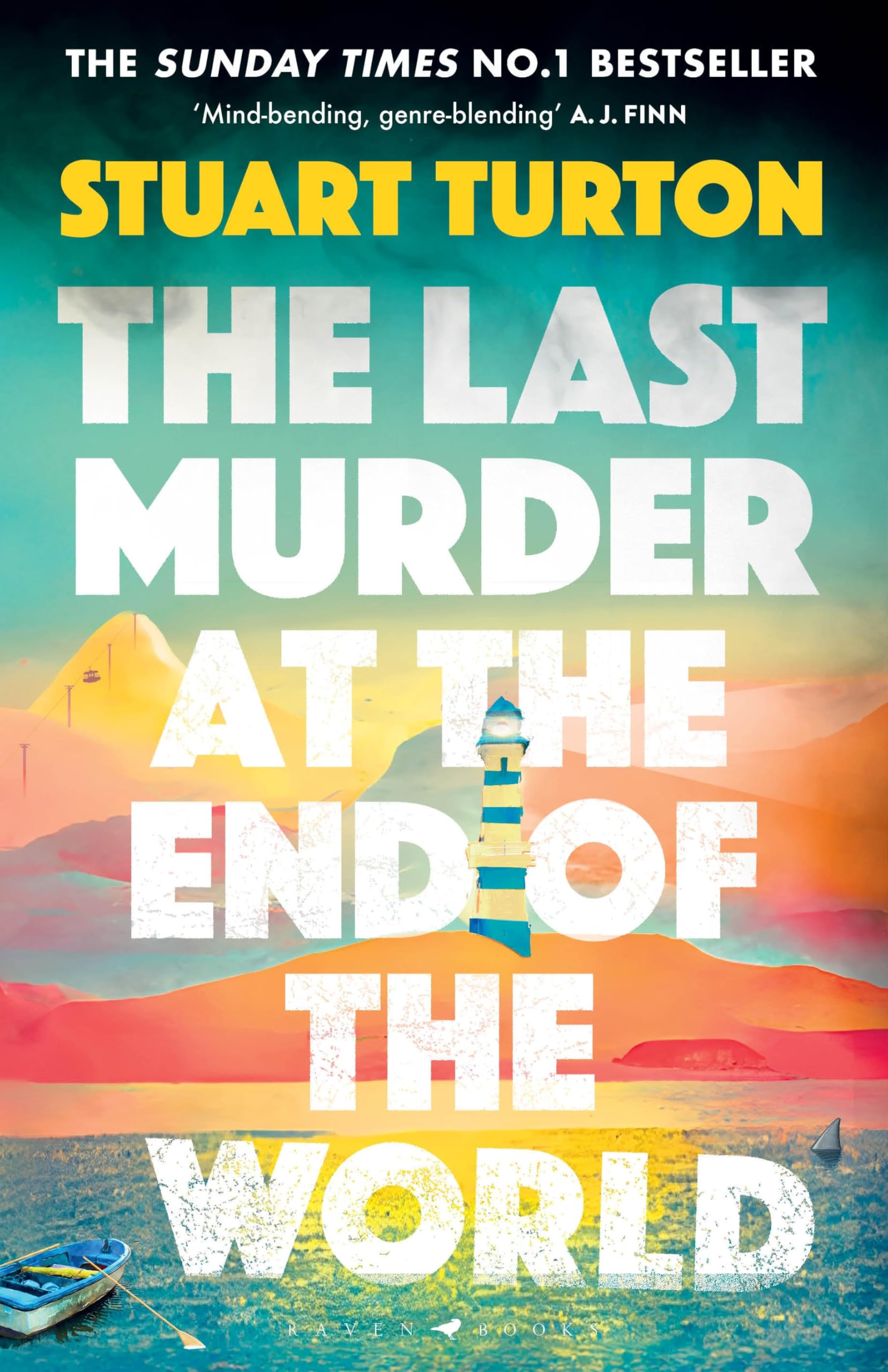
The Last Murder at the End of the World, by Stuart Turton: I hadn’t heard anything about this book and just found it randomly on my audiobook library app. This is a book that kind of defies and overlaps several different genres: dystopian, science fiction, murder mystery. I found it fascinating with several unexpected twists and turns, a satisfying ending, and a helpful, honest look at the seemingly inescapable dark side of humanity.

The Israeli-Palestinian Conflict: What Everyone Needs to Know, by Don Waxman: The Israeli-Palestinian Conflict flared up yet again in late 2023 and I was struck by the sharp rhetoric of terrorism on one side and genocide on the other, and the way that, in the US, these differing perspectives seemed to fall so closely along political lines (as everything does). Discontent with my understanding of the conflict, I wanted to learn more about it, so I read Simon Sebag Montefiore’s Jerusalem: A Biography (#34 above) and this one. Jerusalem was good, but this book was far shorter, and more useful for what I was looking for. Waxman also takes pains in trying to be as fair and objective as possible. In short, the Israeli-Palestinian Conflict is a mess, with decades of bad blood and hurt feelings caused by both sides. It seems like an intractable problem until both Israel and Palestine find themselves with leaders willing to seek peace and make concessions at great personal risk while simultaneously having a US leader who is determined to support a peace process without favoring either side.
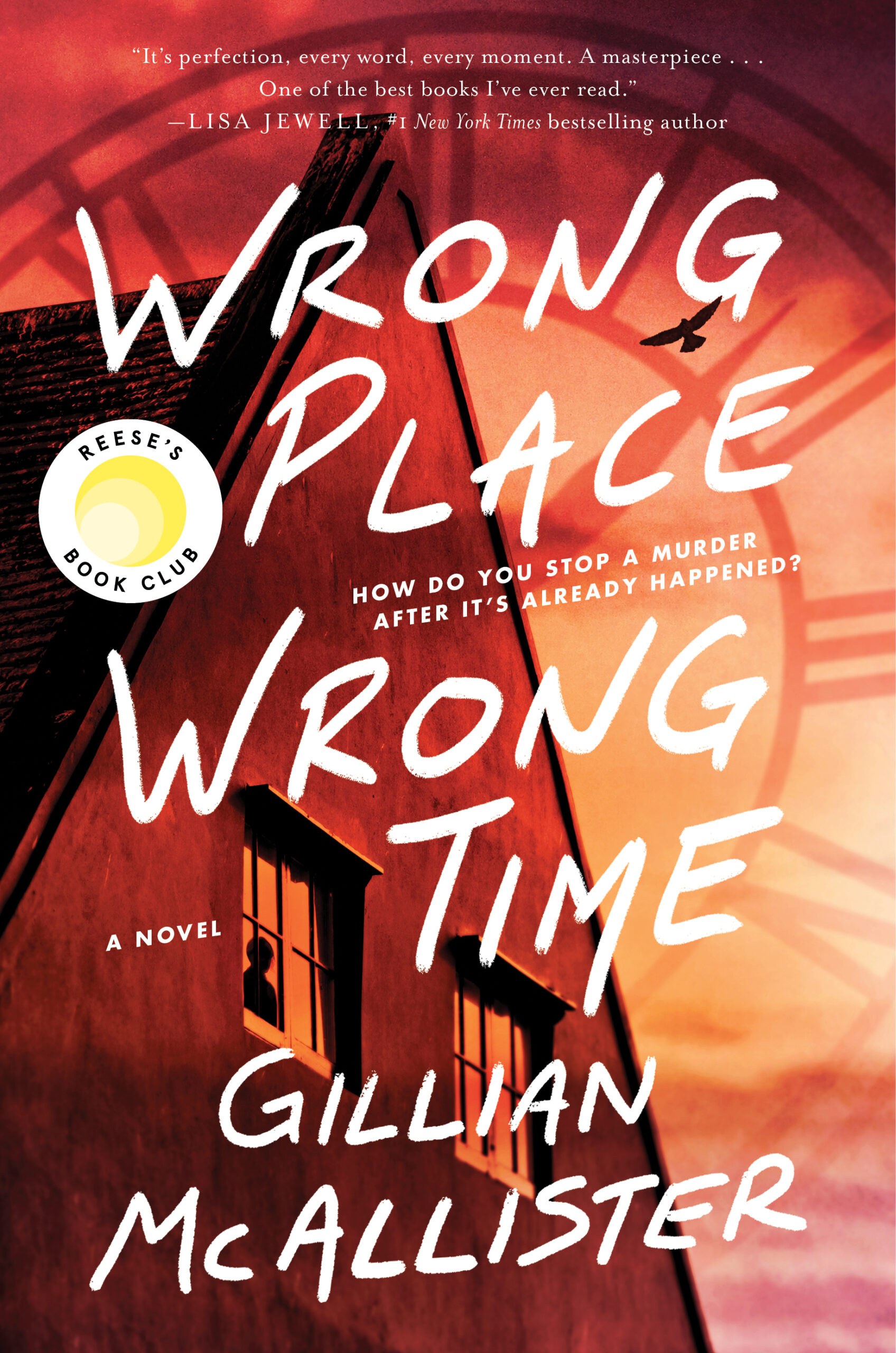
Wrong Place Wrong Time, by Gillian McAllister: Over the last few years I started reading more thriller/mystery books, generally as something entertaining to listen to while I drive or work out. Usually these aren’t particularly well written, and tend to fall into predictable patterns. Wrong Place Wrong Time was different, however, largely because of its very different premise: a woman watches her teenage son murder someone who is a complete stranger to her. After a long night at the police station, the mother falls asleep in despair, only to wake up the previous day, before the murder has occurred. So begins her travel backwards through time, as she seeks to unravel the chain of events leading up to the murder, and do what she can to prevent it from happening and saving her son’s life.
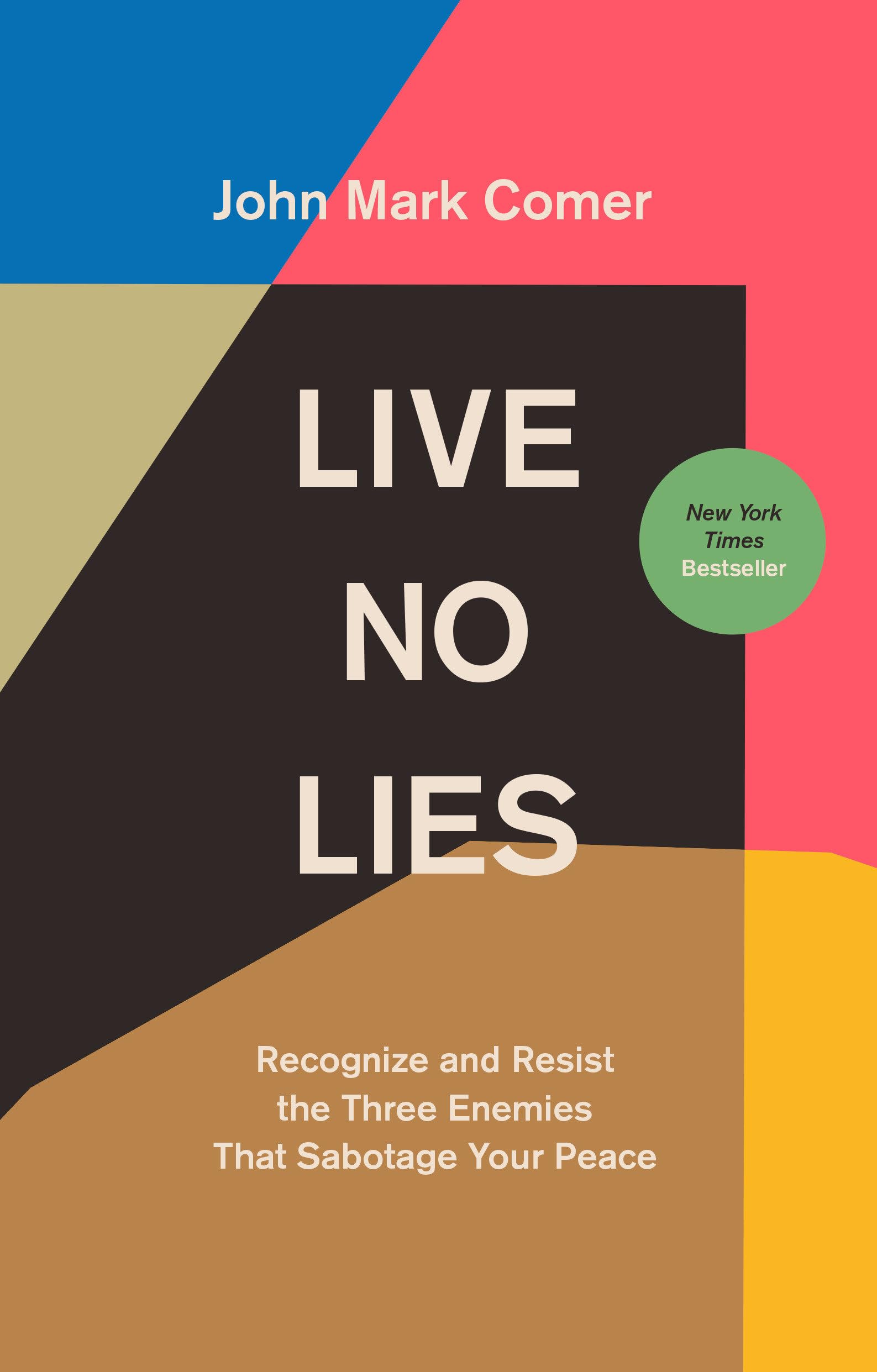
Live No Lies: Recognize and Resist the Three Enemies That Sabotage Your Peace, by John Mark Comer: Comer’s The Ruthless Elimination of Hurry made my Top 10 list last year, and while I didn’t enjoy Live No Lies quite as much, it was still really good. Basically, Live No Lies is a book on spiritual warfare, and follows a simple premise. Followers of Jesus are at war with the world, the flesh, and the devil and the way that plays out is that the devil, the father of lies, suggests deceptive ideas that play to our disordered desires (the flesh) that are then normalized in a sinful society (the world). The devil is real, Comer insists, not some sort of fictional boogeyman, but the prince of this world who wants to spread death, and his means for doing this is through lies and deception. These are not just lies that we tell, but lies that we live; they are part of the cultural air we breathe, often accepted without critical reflection: be true to yourself, give in to your desires, freedom means doing whatever we want. And the net result is that good and evil are constantly redefined and all sorts of evil, aberrant behaviors are normalized and even made into virtues (e.g., recasting abortion as “reproductive justice”).
What is the Christian response to these spiritual enemies? How do we engage in this spiritual struggle? With the call to discipleship: deny yourself and follow Jesus. We crucify the desires of our flesh (spiritual disciplines are a key part of this) and tap into our deeper desires for God Himself.
I find Comer to be particularly helpful not because he says new, brilliant things, but because he says very ancient, orthodox things in ways that connect with the current context.
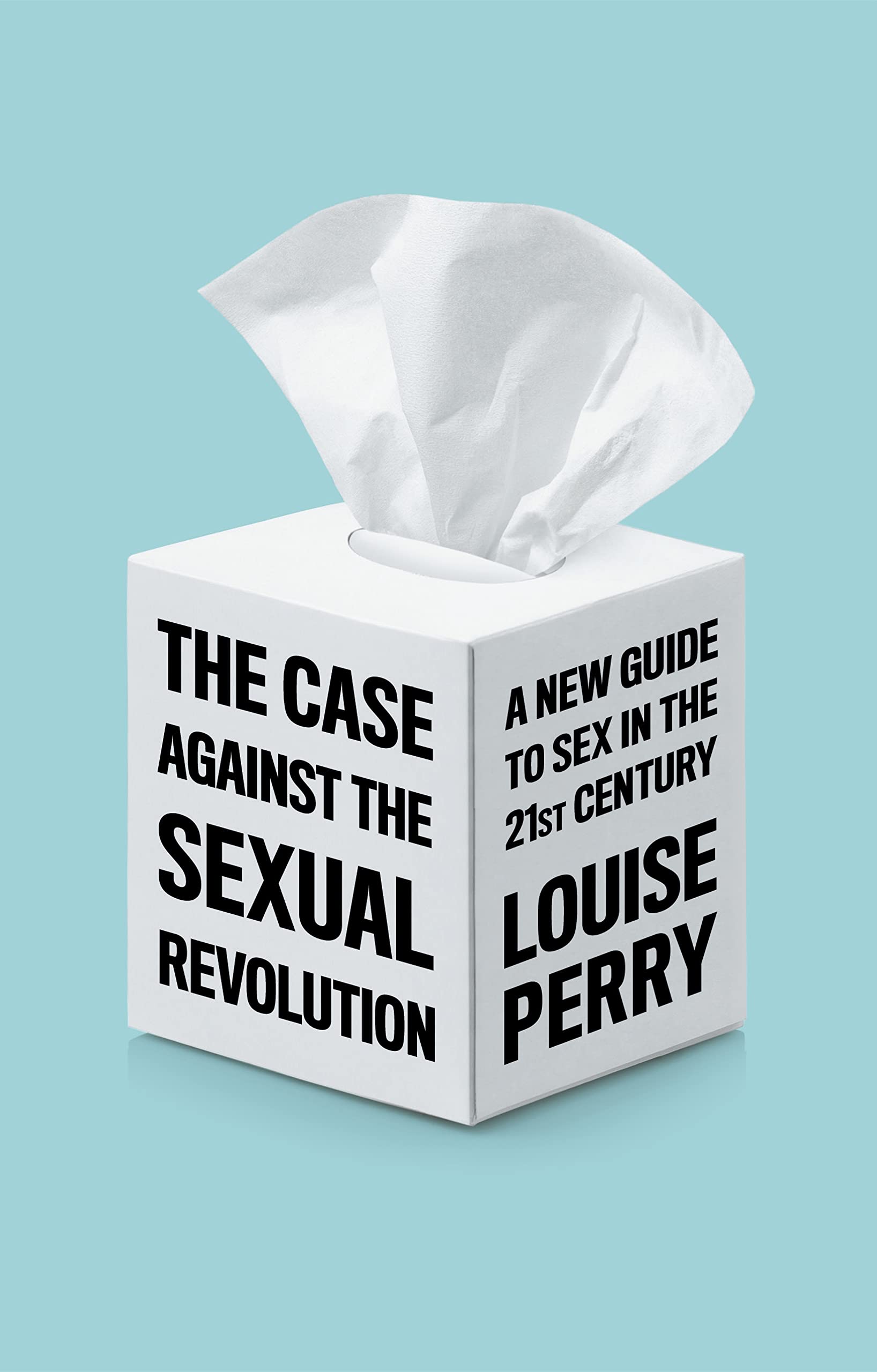
The Case against the Sexual Revolution, by Louise Perry: I read this as part of a book club, and while it was not actually an enjoyable read (I often felt I needed to take a shower after reading a chapter), it is an important book. Perry writes from a secular, liberal perspective, but basically makes the argument that the sexual revolution has been harmful to women. The book might be summarized as follows: both Marilyn Monroe and Hugh Hefner were products of the sexual revolution, but only one of them enjoyed it.
As a Christian, I believe that Perry’s analysis ultimately falls short because she is missing a key part of the equation, but she raises a host of important questions that our sexually “liberated” society doesn’t have answers for.
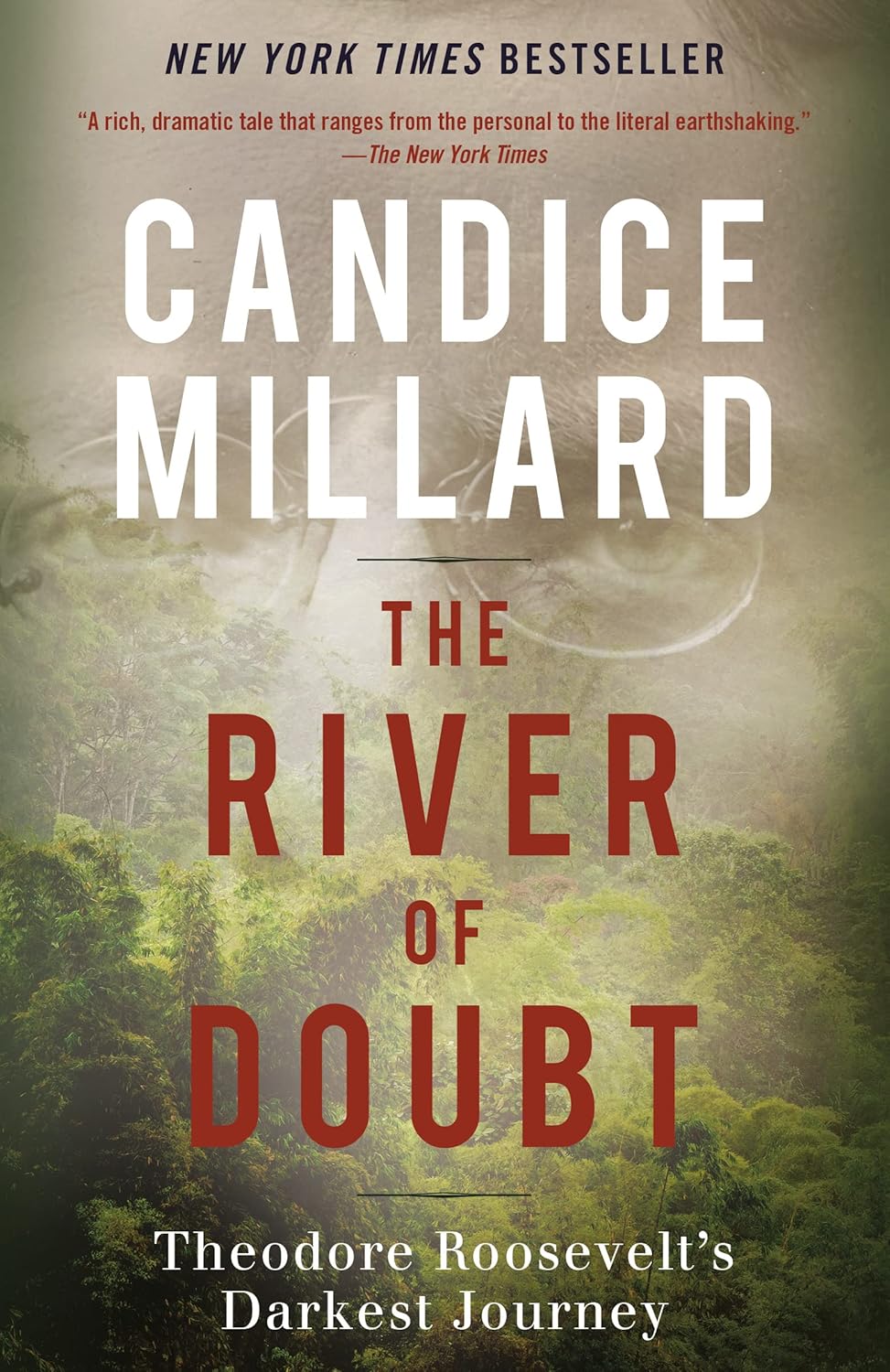
The River of Doubt: Theodore Roosevelt’s Darkest Journey, by Candice Millard: I read this book over a decade ago and loved it, and enjoyed it equally the second time (I only allow books to make my Top 10 list once, but I wasn’t making these lists when I read The River of Doubt the first time, so it was still eligible). The book begins by focusing on Theodore Roosevelt and the aftermath of the 1912 Presidential Election. Throughout his life, TR responded to personal setbacks by launching himself into challenging physical tasks, and after he was devastated by how badly he lost the 1912 election, he traveled to South America to explore a previously unmapped tributary of the Amazon—Rio da Dúvida, or the River of Doubt. It was a harrowing journey of hundreds of miles with risks of starvation, drowning, disease, and dangerous indigenous animals and tribes, and Roosevelt barely made it out with his life. The narrative is exquisitely recounted, and the character of Roosevelt is larger than life. A great, true-life adventure tale.
That was my reading in 2024! For comparison’s sake, if you are interested, you can see my reading lists from previous years:
What are some of the best books you read this past year?