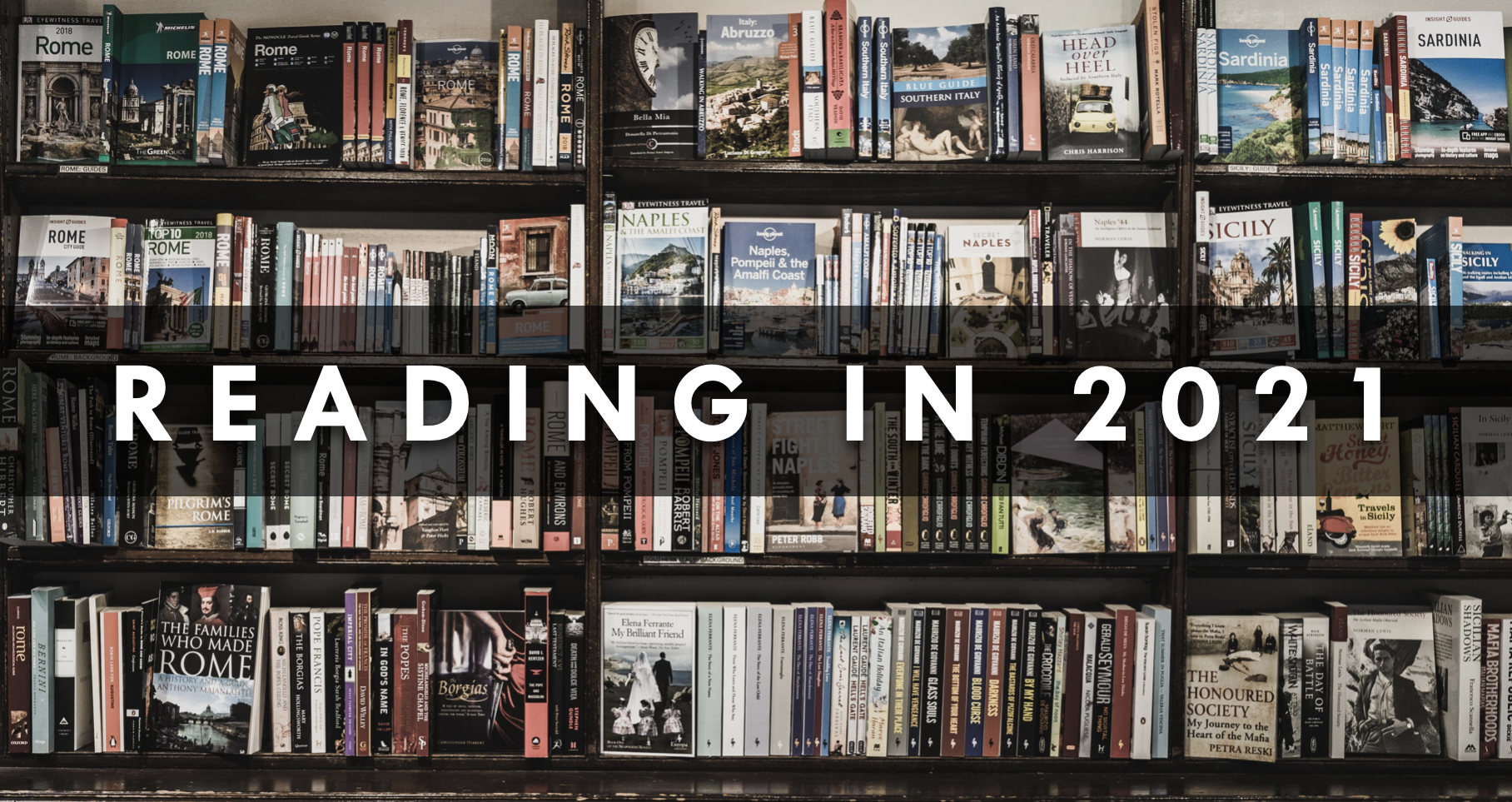
This post is always one of my favorites of the year, because it combines two things that I greatly enjoy: (1) reading and (2) obsessively keeping track of things. Basically, I like to keep track of what I read each year, and then offer some reflections about my favorite reads from the year.
Without further ado, here is my list from 2021:
- The Purity Principle, by Randy Alcorn
- The Blue Parakeet, 2nd Edition, by Scot McKnight
- Epic: An Around-the-World Journey through Christian History, by Tim Challies
- Natural Evangelism: An Everyday Approach to Sharing the Gospel, by Matthew W. Morine
- Don’t Miss It: Parent Every Week Like It Counts, by Reggie Joiner and Kristen Ivy
- I’m Still Here: Black Dignity in a World Made for Whiteness, by Austin Channing Brown
- Leaving Church: A Memoir of Faith, by Barbara Brown Taylor
- The Screwtape Letters, by C.S. Lewis
- The Prince of Life: The Story of Christ for Young People, Episcopal Church Fellowship Series
- Harry Potter and the Chamber of Secrets, by J.K. Rowling
- Harry Potter and the Prisoner of Azkaban, by J.K. Rowling
- The Problem of Pain, by C.S. Lewis
- Companion to Narnia: Revised and Expanded, by Paul E. Ford
- Said I Wasn’t Gonna Tell Nobody: The Making of a Black Theologian, by James. H. Cone
- The Gunfighters, by Lea F. McCarty
- A Gentleman in Moscow, by Amor Towles
- Endangered Gospel: How Fixing the World is Killing the Church, by John C. Nugent
- Harry Potter and the Goblet of Fire, by J.K. Rowling
- Everyone Brave is Forgiven, by Chris Cleave
- The Wright Brothers, by David McCullough
- Harry Potter and the Order of the Phoenix, by J.K. Rowling
- What Paul Meant, by Garry Wills
- Embodied: Transgender Identities, The Church, & What The Bible Has To Say, by Preston Sprinkle
- The Apostolic Fathers in English, by Michael W. Holmes
- Harry Potter and the Half-Blood Prince, by J.K. Rowling
- The Secrets We Kept, by Lara Prescott
- The King Jesus Gospel: The Original Good News Revisited, by Scot McKnight
- A Woman of No Importance: The Untold Story of the American Spy Who Helped Win World War II, by Sonia Purnell
- How To Win the West Again, by Timothy Keller
- Revival Starts Here: A Short Conversation on Prayer, Fasting, and Revival for Beginners Like Me, by Dave Clayton
- Harry Potter and the Deathly Hallows, by J.K. Rowling
- The Devil Inside, by Jimmy Hinton
- Growing Young: 6 Essential Strategies to Help Young People Discover and Love your Church, by Kara Powell, Jake Mulder, and Brad Griffin
- Thrawn Ascendancy: Chaos Rising, by Timothy Zahn
- Bonhoeffer: Pastor, Martyr, Prophet, Spy, by Eric Metaxas
- Thrawn Ascendancy: Greater Good, by Timothy Zahn
- Be the Bridge: Pursuing God’s Heart for Racial Reconciliation, by Latasha Morrison
- One By One, by Ruth Ware
- God Unseen: A Theological Introduction to Esther, by Nathan Ward
- December 6, by Martin Cruz Smith
- The Wolf Spear’s Task, by Scott Biddle
- The College Press NIV Commentary: Ecclesiastes, by Dave L. Bland*
- Beyond Order: 12 More Rules for Life, by Jordan B. Peterson
- Dark Sky Rising: Reconstruction and the Dawn of Jim Crow, by Henry Louis Gates
- The Passenger, by Ulrich Alexander Boschwitz
- Salvation By Allegiance Alone: Rethinking Faith, Works, and the Gospel of Jesus the King, by Matthew W. Bates
- Sticky Faith Youth Worker Edition, by Kara E Powell, Brad M. Griffin, and Cheryl A. Crawford
- White Trash: The 400-Year Untold History of Class in America, by Nancy Isenberg
- Robert E. Lee And Me: A Southerner’s Reckoning With the Myth of the Lost Cause, by Ty Seidule
- The Cathedral of Christianity: A Study of Romans, by Jared Pack
- Be Wise Small: A Lifetime of Distilled Wisdom, by Dee Bowman
- The Shallows: What the Internet is Doing to Our Brains, by Nicholas Carr
- The Coddling of the American Mind: How Good Intentions and Bad Ideas Are Setting Up a Generation for Failure, by Greg Lukianoff and Jonathan Haidt
- Gen Z: The Culture, Beliefs, and Motivations Shaping the Next Generation, by Barna Group
- The Torah: The Five Books of Moses, by Jewish Publication Society
- 42 Faith: The Rest of the Jackie Robinson Story, by Ed Henry
- The Hiding Place, by Corrie Ten Boom
- Gen Z Vol 2: Caring for Young Souls and Cultivating Resilience, by Barna Group
- The Pilgrim’s Progress, by John Bunyan
- Horseman: A Tale of Sleepy Hollow, by Christina Henry
- Miracles and Other Reasonable Things: A Story of Unlearning and Relearning God, by Sarah Bessey
- Radical: Taking Back Your Faith from the American Dream, by David Platt
- Holes, by Louis Sachar
- International English Bible New Testament,
- Astrophysics for People in a Hurry, by Neil DeGrasse Tyson
- Reading While Black: African American Biblical Interpretation As An Exercise In Hope, by Esau McCaulley
*This was from a commentary on Ecclesiastes, Proverbs, and Song of Songs; I read the entirety of the Ecclesiastes portion.
A few observations before I talk about my favorite books of the year:
- My reading total increased from 65 books in 2020 to 66 in 2021. My 2021 total represents a personal record for books read in a year. Listening to audiobooks while I work out has helped to keep this number as high as it is.
- The best books I read this year were absolutely incredible, but on the whole, my reading this year was not quite as good as 2020.
- I am currently working through some dense books and have plans to do quite a bit of this type of reading in 2022, so I expect my reading totals to decrease significantly next year.
Here are my Top 10 books for the year, here are some brief thoughts on those (presented in order of when I read them, not ranked 1-10):
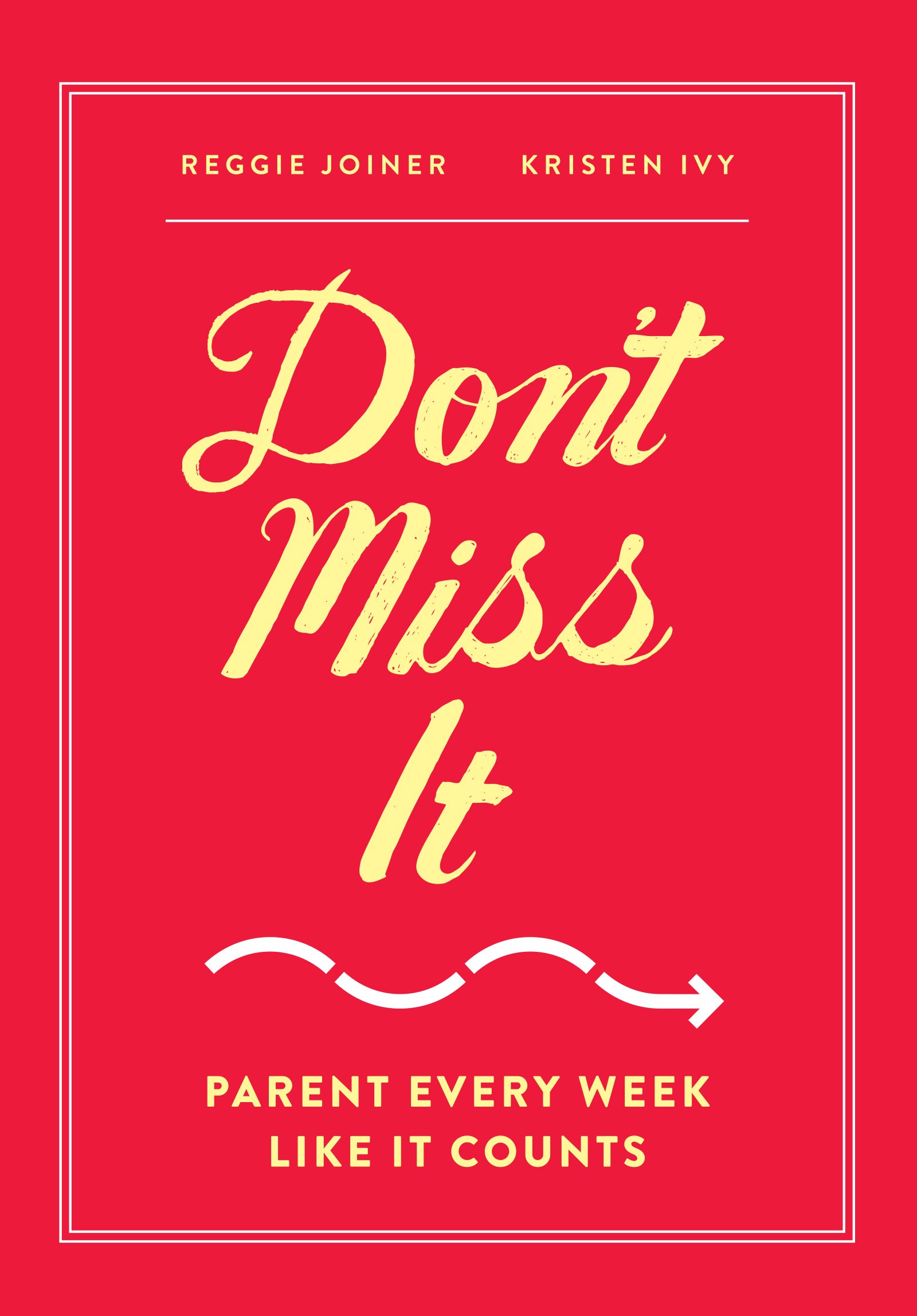
Don’t Miss It: Parent Every Week Like It Counts, by Reggie Joiner and Kristen Ivy: This is a really short and simple book, but its message is so important and convicting. That message is this: if you are a parent, your responsibility to shape a child’s character and faith is really important, and you have a limited window of opportunity to do it. The average parent has less than 1,000 weeks between the time a child is born and the time that child leaves their house, and those weeks (and the opportunities for connection and influence with your kids) tick away relentlessly. Make the most of the time you have. This may be a read-every-year type of book for me.
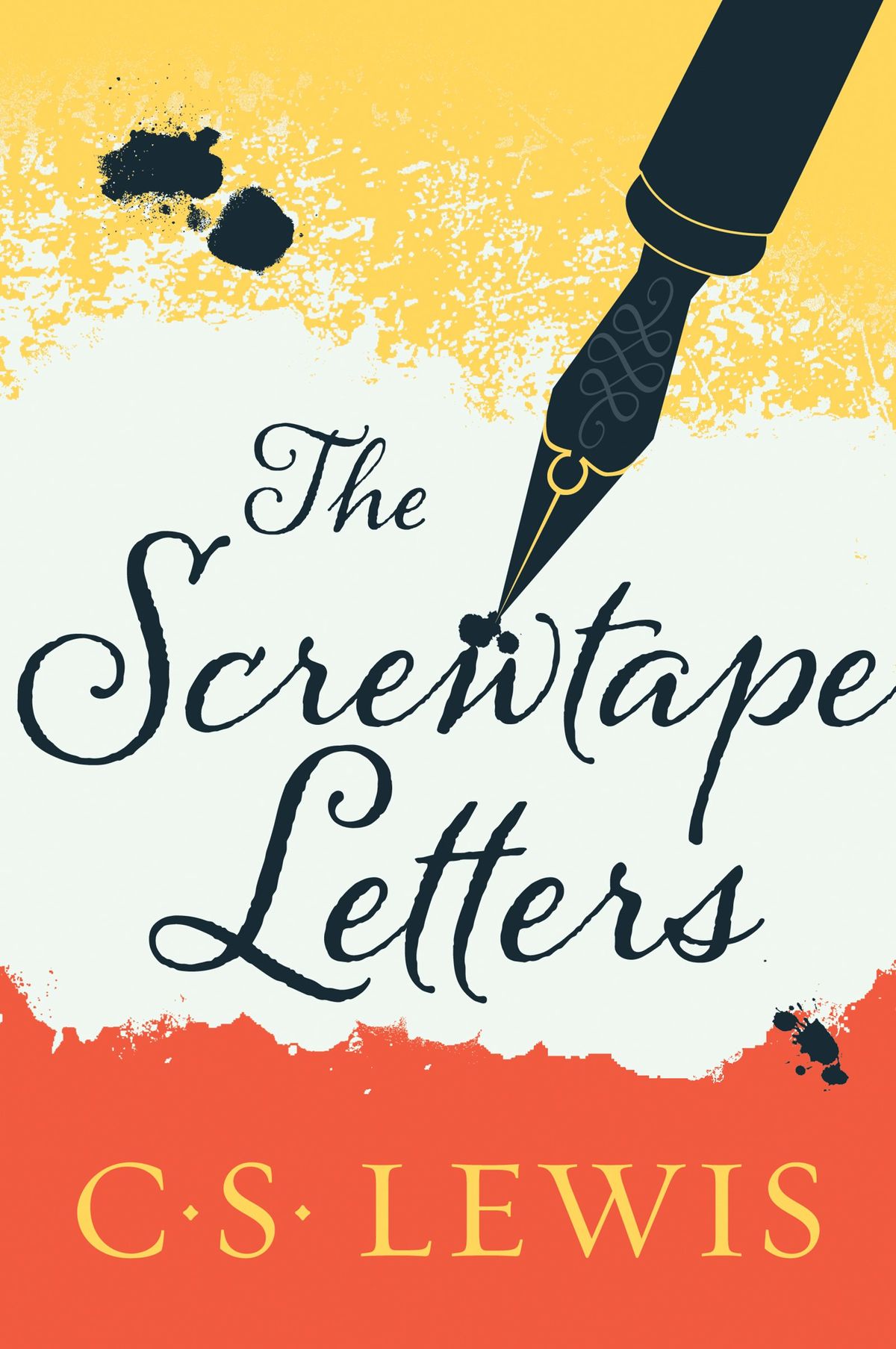
The Screwtape Letters, by C.S. Lewis: I first read Screwtape about a dozen years ago, but reread it this past year. Told in Lewis’s brilliant style, it is a clever, imaginative portrayal of the ways in which the Evil One seeks to tempt us. The premise of the novel is that Screwtape, an older, more experienced demon of some authority, is giving advice to his nephew Wormwood on how best to “win over” a man he is working to tempt.
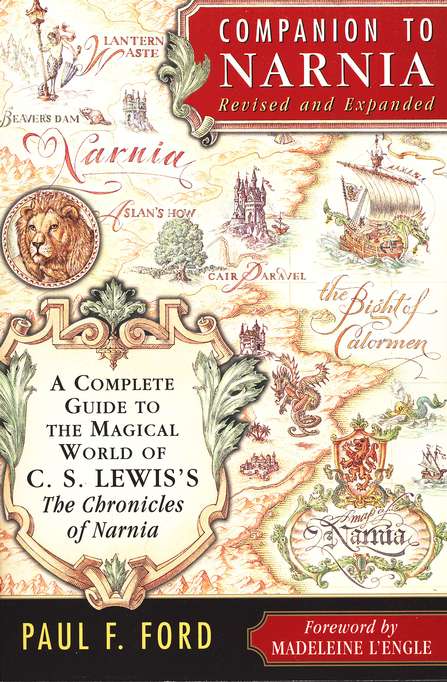
Companion to Narnia: Revised and Expanded, by Paul E. Ford: I loved this book. I love the Chronicles of Narnia and wrote extensively about them last year, and this wonderful book would have been a huge help during that process. It took a long time to read because it is essentially a reference book with encyclopedia-type entries on anything related to Narnia you can imagine. This gave me great insight into the process of the composition of the Narnia series, and also all sorts of theological insights into the books. It is well named; rather than reading it through as I did, it functions better as a “companion” that you have handy as your read through the Narnia books and wonder about other questions related to the world Lewis has created.
A Gentleman in Moscow, by Amor Towles: The summer after my senior year of high school I went on a mission trip to Russia, and I have been interested in aspects of Russian culture and history ever since. This novel focuses on the life of a young aristocrat who is “exiled” to a fashionable Moscow hotel when the Russian Revolution occurs and is forced to live there, never being allowed to leave the hotel premises for several decades. From within the walls of the hotel, he observes the changes in the country around him and seeks to find meaning in a life where his freedom is greatly curtailed, and even the country’s finest hotel quickly becomes a prison. It is a fascinating, well-written, and emotional story, and I really enjoyed it. I actually listened to this as an audiobook with an excellent narrator, which added to the enjoyment.
Endangered Gospel: How Fixing the World is Killing the Church, by John C. Nugent: I tend to not rank my Top 10 books of the year, but this was absolutely one of the two best books that I read in 2021. Nugent’s basic premise is that all sorts of Christians are dedicating their lives to the wrong task: trying to fix the problems of the world. However, this doesn’t work very well, in large part because it isn’t the task that God has given us. Instead, we are supposed to be the better place that God will make the world into. This is new creation theology. The old order of the world is passing away, and God is doing a new thing. Rather than try to prop up the old order, our task is to live into the new thing that God is doing. If that sounds like a heartless lack of concern for people or ignoring the problems of the world, it’s not; rather, God’s people—the church—is the way that we address the hurting people in our world. By modeling God’s beloved community and inviting people into that community, we actually do make a difference in the lives of people, we are obedient to the mission that God has laid out for us in Scripture, and we actively participate in the work that God is doing until the Day arrives that He comes and makes all things new. This was a paradigm-changing book, but so, so good.
Embodied: Transgender Identities, The Church, & What The Bible Has To Say, by Preston Sprinkle: Issues related to transgender identities have claimed a central place in our culture in recent years and, frankly, there has been a lot of muddled thinking from Christians as to how we should respond. Sprinkle offers a real gift to the church here, as he provides the reader with a helpful overview of the situation including definitions, scientific data, and biblical exegesis. Ultimately, Sprinkle affirms a high view of Scripture and a historic Christian sexual ethic, but does so with keen pastoral impulses: our first and overriding response to those who would place themselves on the trans* spectrum must be love. If we get the doctrine right but fail to love, then we haven’t gotten the doctrine right. Sprinkle stretched me with this book, and I think that will be true for almost all readers (regardless of your views on this) if you give him a fair and gracious reading.
Revival Starts Here: A Short Conversation on Prayer, Fasting, and Revival for Beginners Like Me, by Dave Clayton: This was another short-but-very-helpful book. In my experience, fasting is a topic that quickly makes American Christians (i.e. the group of Christians I know best) uncomfortable and seeking imaginative explanations of why they don’t need to do it. Instead of that approach, Clayton takes the biblical practice of fasting seriously. He looks at reasons why we should do it, barriers that may prevent us from doing it, and practical ways to go about doing it. This is another book that I expect to read multiple times as I seek to grow in this spiritual discipline.
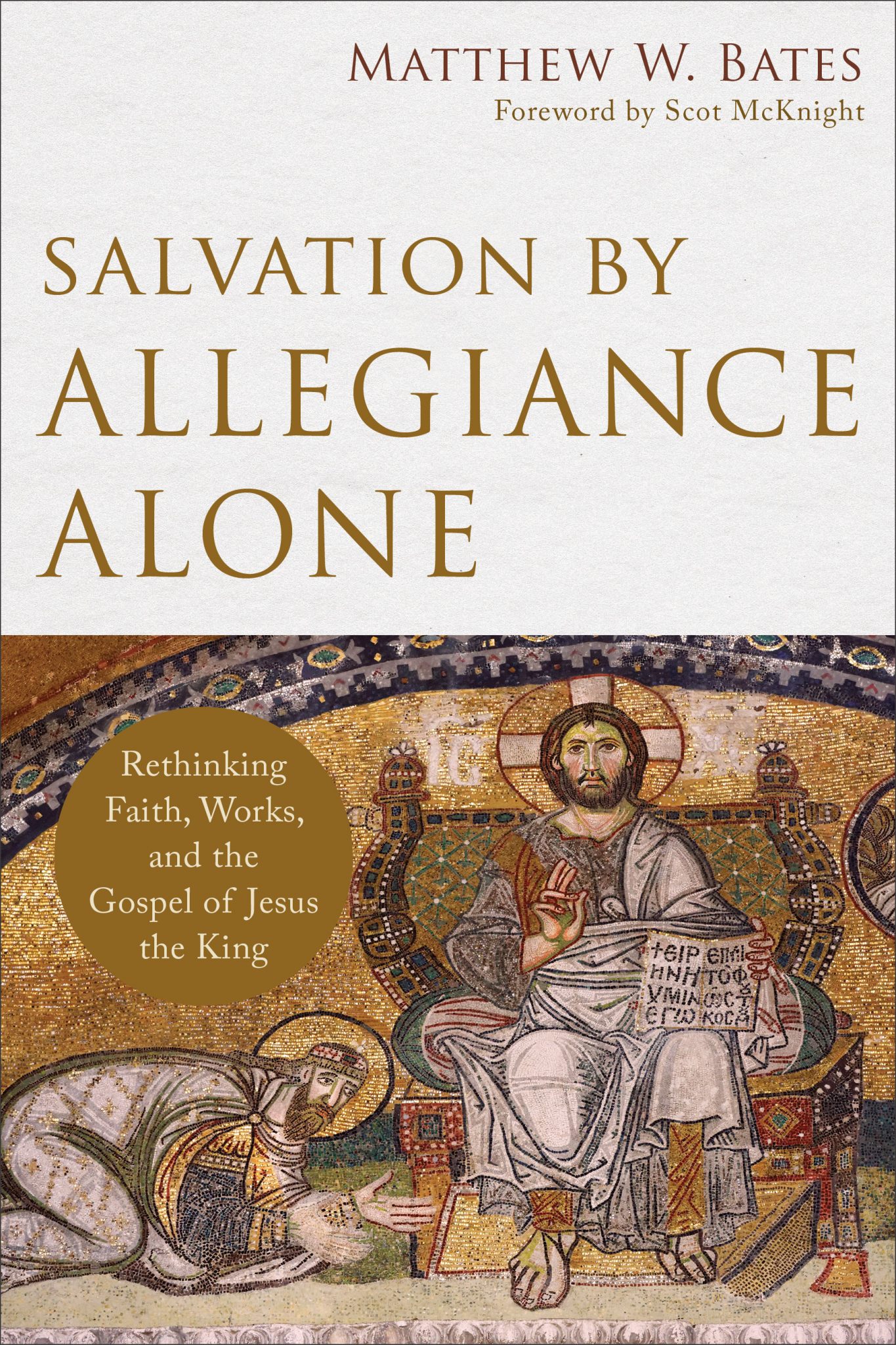
Salvation By Allegiance Alone: Rethinking Faith, Works, and the Gospel of Jesus the King, by Matthew W. Bates: Along with Endangered Gospel, this was my other top book for the year. Bates argues that the Greek word pistis (πιστις) that is generally translated as faith in our New Testaments would be better translated as something like loyalty or fidelity or allegiance. Bates does a good job establishing his position lexically and contextually, but even more important is his biblical/theological argument that “faith” as “allegiance” makes a lot of sense in response to the content of the Gospel message which, properly understood, is not about how we get saved, but is rather that Jesus Christ is Lord, the King of the Universe. Certainly, Jesus being Lord includes ramifications for our salvation, but it is a much bigger story than that, and it is the story that Scripture is telling. In response to the Gospel message that Jesus is Lord, the appropriate response is pledging our lives in allegiance to Him. This is another paradigm-changing book—it is brilliant.
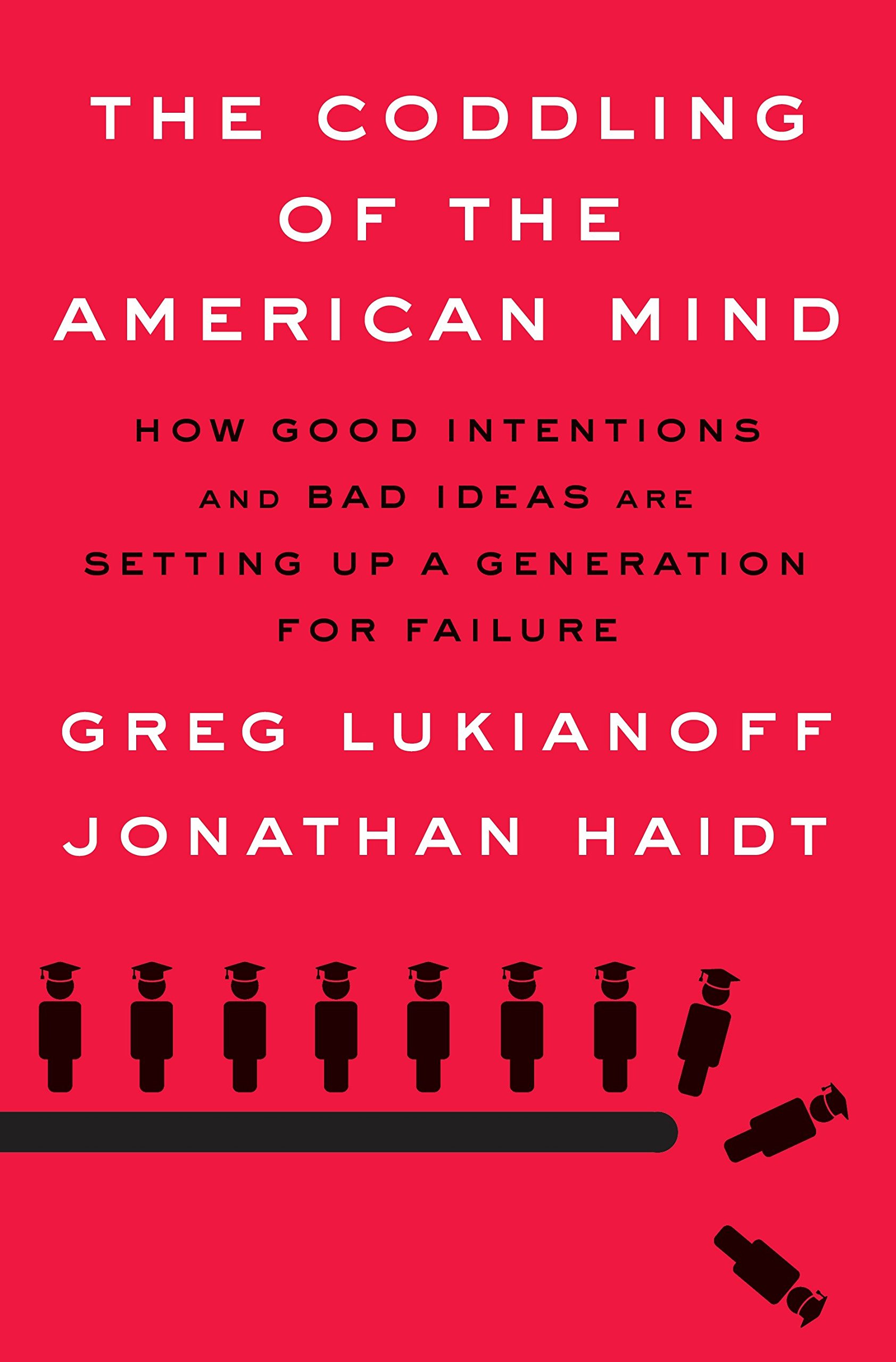
The Coddling of the American Mind: How Good Intentions and Bad Ideas Are Setting Up a Generation for Failure, by Greg Lukianoff and Jonathan Haidt: My friend Bob Turner has talked about this book for a few years, and I finally took the plunge and read it. It was a great read, and I highly recommend it for parents, teachers, and anyone interested generally with widespread trends in our society. The basic premise is that there are three unhelpful, untrue ideas that are prominent in our society today: (1) That children are fragile and need to be protected from everything, (2) That we should always trust our feelings in making judgments about the reality of the world, (3) That life is a battle between good people and evil people. These ideas have reached a fever pitch on a lot of college campuses and have resulted in very unhelpful environments, and Lukianoff and Haidt critique these bad ideas with research and multiple examples. This is not, in any sense, a biblical book, and yet, the main lessons contained inside cohere closely to biblical teaching; I actually used content from this book in the youth ministry class I taught in a university setting this past fall.
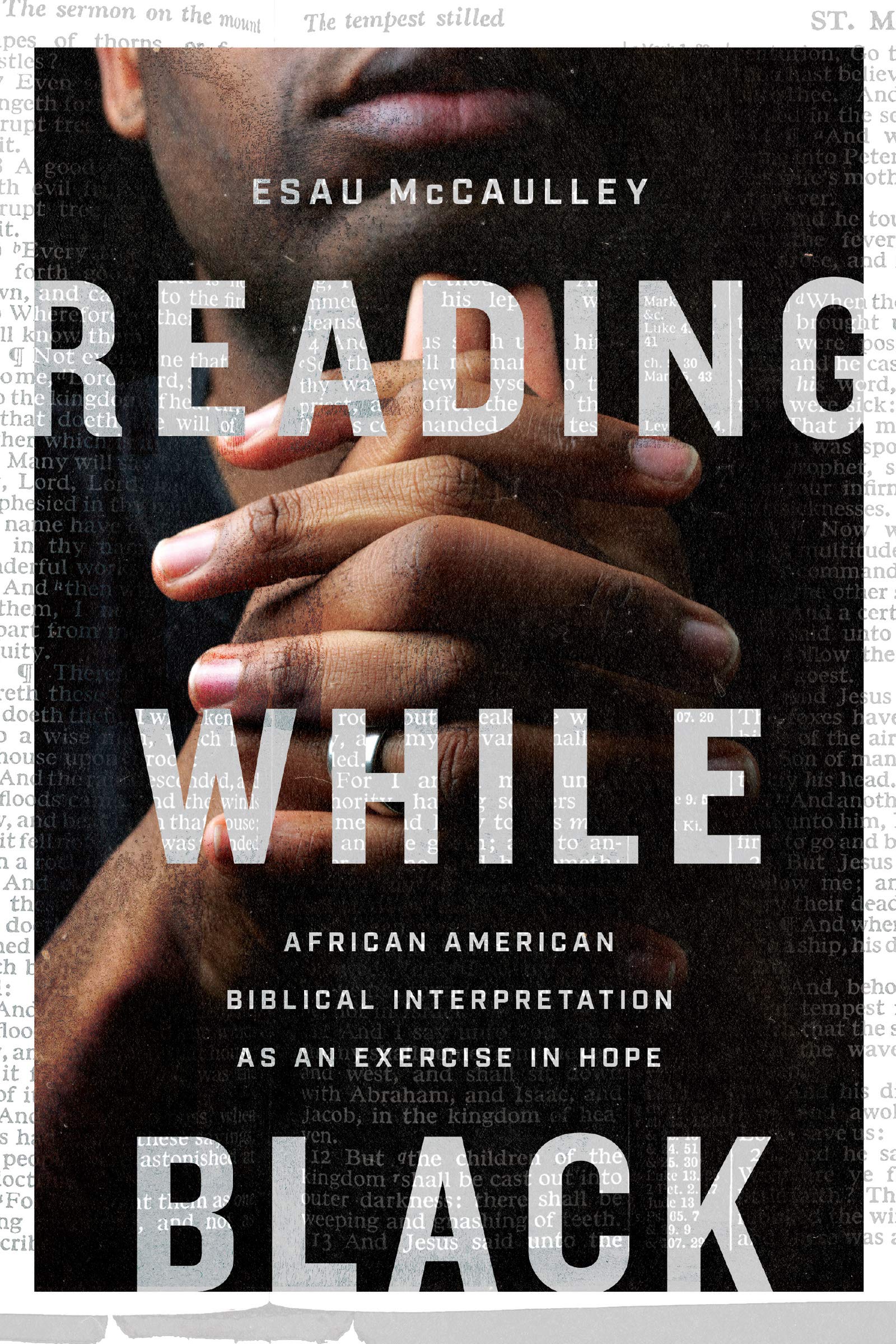
Reading While Black: African American Biblical Interpretation As An Exercise In Hope, by Esau McCaulley: McCaulley’s book is a great gift to the church at large as he seeks to explain the Black Ecclesial Tradition, which he describes as a “third way” approach to biblical interpretation that is distinct both from white progressives and evangelicals. McCaulley writes elegantly and with great clarity, and shows keen theological insight on a range of biblical topics ranging from submission to government and policing, slavery, Black anger, and the long history that people of African descent have in the story of God’s people. This book serves as a helpful reminder that the way we read Scripture is greatly influenced by our social location, and that our understanding of Scripture is broadened by reading from people who come from different backgrounds than our own.
That was my reading for 2021. For comparison’s sake if you are interested, you can see my reading lists from previous years:
What are some of the best books you read this past year?
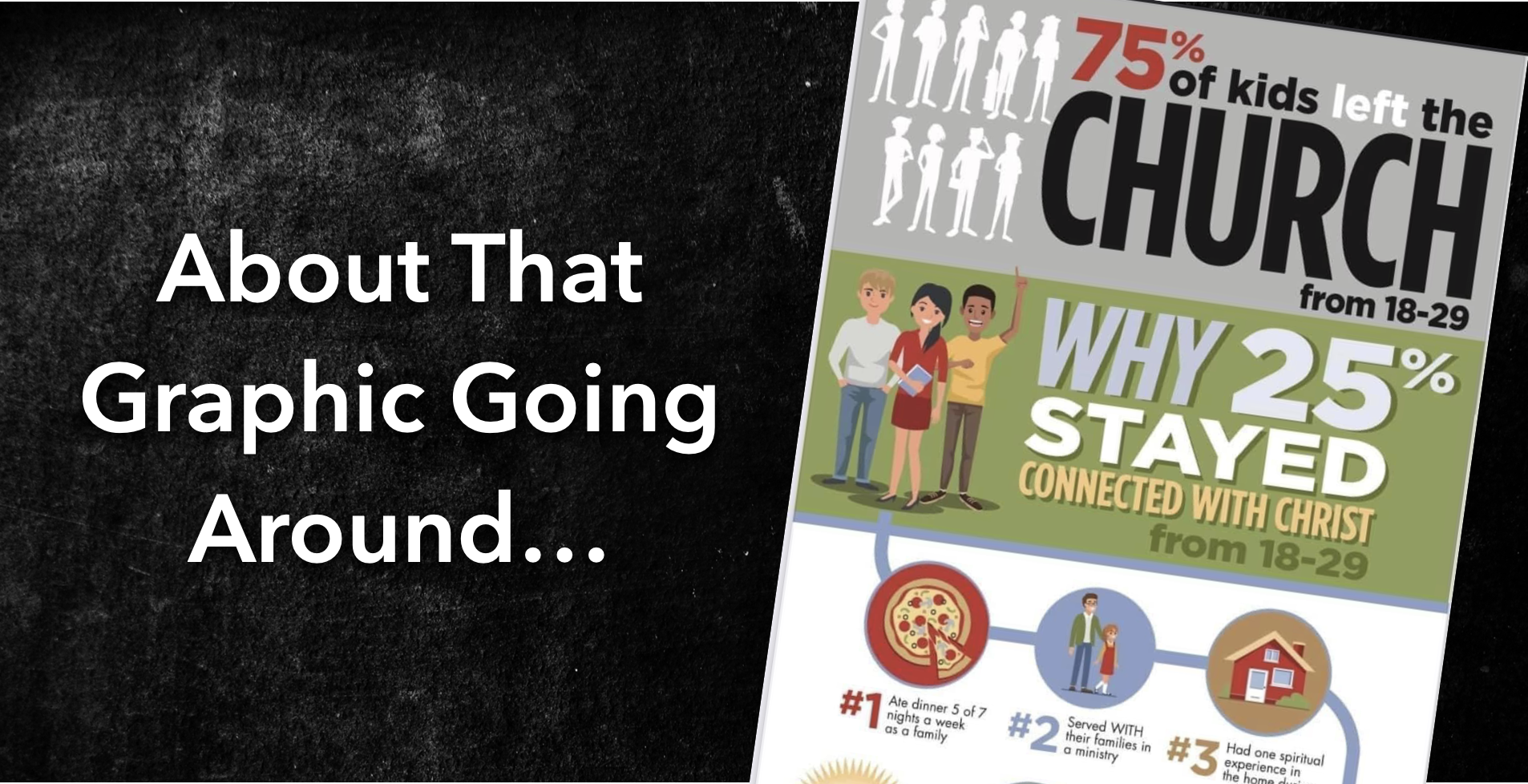
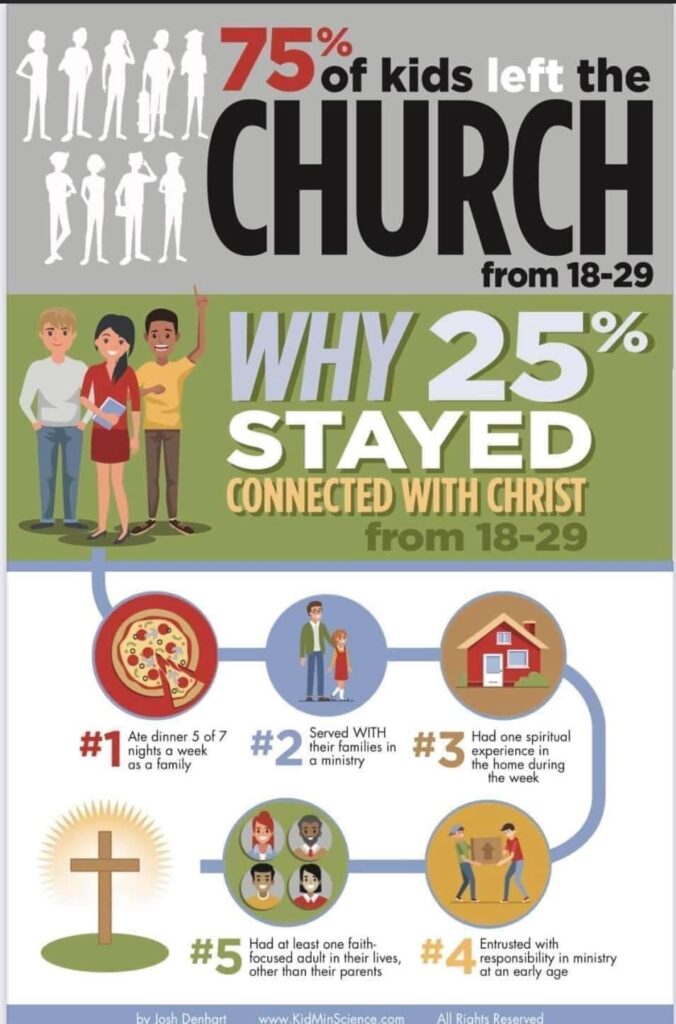 I have felt very conflicted when I have seen this shared over and over again, but have refrained from saying anything publicly about it until now. In short, I do have some significant concerns with this infographic the way it is presented, and because of that, it is not something I would share.
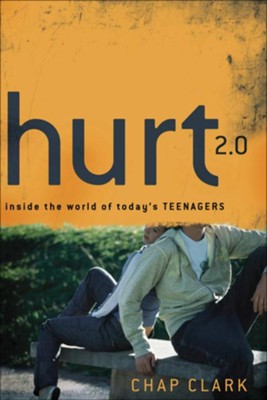 I do a lot of reading and research on issues related to youth ministry, teenagers, the development of young people, parenting, etc., and I like to share helpful information that I come across.







