Regular readers of The Doc File know that I keep track of what I read each year, and that I enjoy chronicling that here on the blog and offering some reflections about my favorite reads from the previous year. As we all know, 2020 was a strange and challenging year, and I was reminded of what a blessing books are! Reading brought a lot of peace to my life in a hectic time.
Without further ado, here is my list from 2020:
- North Boulevard Church of Christ 2020 Vision: Final Reflections, by David Young
- David and Goliath: Underdogs, Misfits, and the Art of Battling Giants, by Malcolm Gladwell
- Swallowed Up, by J.L. Gerhardt
- Between the World and Me, by Ta-Nehisi Coates
- Under Occupation, by Alan Furst
- Who Moved My Pulpit? Leading Change In The Church, by Thom Ranier
- Grit: The Power of Passion and Perseverance, by Angela Duckworth
- The Sticky Faith Guide For Your Family, by Kara Powell
- 12 Rules For Life: An Antidote to Chaos, by Jordan B. Peterson
- Mere Christianity, by C.S. Lewis
- The Swiss Family Robinson, by Johann David Wyss
- A Third Testament, by Malcolm Muggeridge
- Silence, by Shūsaku Endō
- Talking to Strangers: What We Should Know About The People We Don’t Know, by Malcolm Gladwell
- A Week in the Life of a Roman Centurion, by Gary M. Burge
- The Lion, The Witch and the Wardrobe, by C.S. Lewis
- Atomic Habits: An Easy & Proved Way to Build Good Habits & Break Bad Ones, by James Clear
- Prince Caspian, by C.S. Lewis
- The Voyage of the Dawn Treader, by C.S. Lewis
- Harry Potter and the Sorcerer’s Stone, by J.K. Rowling
- The Silver Chair, by C.S. Lewis
- Images of America: Searcy, by Carolyn Boyles and Patsy Pipkin
- T.R.I.A.L.S. A Journey from Anxiety to Peace, by Chase Turner
- Alexander Hamilton: Revolutionary, by Martha Brockenbrough
- The Horse and His Boy, by C.S. Lewis
- Gone Girl, by Gillian Flynn
- The Magician’s Nephew, by C.S. Lewis
- Star Wars Aftermath, by Chuck Wendig
- The Last Battle, by C.S. Lewis
- Star Wars: Bloodline, by Claudia Gray
- Star Wars Aftermath: Life Debt, by Chuck Wendig
- Sinners in the Hands of a Loving God: The Scandalous Truth of the Very Good News, by Brian Zahnd
- Star Wars Aftermath: Empire’s End, by Chuck Wendig
- The Great Alone, by Kristin Hannah
- Jackaby, by William Ritter
- A Wrinkle In Time, by Madeline L’Engle
- So You Want to Talk about Race, by Ijeoma Oluo
- Lament For A Son, by Nicholas Wolterstorff
- Understanding Gender Dysphoria: Navigating Transgender Issues in a Changing Culture, by Mark A. Yarhouse
- The Color of Law: A Forgotten History of How Our Government Segregated America, by Richard Rothstein
- The Color of Compromise: The Truth About the American Church’s Complicity in Racism, by Jemar Tisby
- The Lost World of Genesis One: Ancient Cosmology and the Origins Debate, by John H. Walton
- Beyond The Verse: What I Discovered Reading the Bible One Book at a Time, by Wes McAdams
- Star Wars: Thrawn, by Timothy Zahn
- The End of Youth Ministry?, by Andrew Root
- Thrawn: Alliances, by Timothy Zahn
- Thrawn: Treason, by Timothy Zahn
- Searching For Sunday: Loving, Leaving, and Finding the Church, by Rachel Held Evans
- God And The Pandemic: A Christian Reflection on the Coronavirus and its Aftermath, by N.T. Wright
- Seeing Jesus from the East: A Fresh Look at History’s Most Influential Figure, by Ravi Zacharias and Abdu Murray
- The Righteous Mind: Why Good People Are Divided By Politics and Religion, by Jonathan Haidt
- Adoptive Youth Ministry: Integrating Emerging Generations into the Family of Faith, edited by Chap Clark
- The Family Upstairs, by Lisa Jewell
- How To Think: A Survival Guide for a World at Odds, by Alan Jacobs
- Race & Justice, by Tim Keller
- Race Against Time: A Reporter Reopens the Unsolved Murder Cases of the Civil Rights Era, by Jerry Mitchell
- Dominion: How the Christian Revolution Remade the World, by Tom Holland
- The Ragged Edge of Night, by Olivia Hawker
- Where The Crawdads Sing, by Delia Owens
- Cry, the Beloved Country, by Alan Paton
- King Jesus and the Beauty of Obedience-Based Discipleship, by David Young
- The Risen Spear, by Scott Biddle
- Veritas: A Harvard Professor, A Con Man, and the Gospel of Jesus’s Wife, by Ariel Sabar
- McCord’s New Testament Translation of the Everlasting Gospel
- On the Road with Saint Augustine: A Real-World Spirituality for Restless Hearts, by James K. A. Smith
A few observations before I talk about my favorite books of the year:
- My reading total increased from 52 books in 2019 to 65 in 2020. My 2020 total represents a personal record for books read in a year. This is largely related to the life rhythms brought about by COVID-19: especially during the early days of lockdown (but extending beyond), I did a lot of walking around my neighborhood, and frequently listened to audiobooks while doing that. My reading decreased somewhat as the year went on.
- I read a lot of fiction this year. This is partially because there were more fiction audiobooks available at my local library than, say, theology books, and partially because 2020 was a year where I was seeking distraction from circumstances and looking to “travel” through reading.
- In addition to reading more this year, I read so many really good books. It was a great year of reading.
- I fully expect my reading totals to decrease significantly next year. In addition to circumstances related to COVID hopefully improving over time, I am planning to start working through some long and dense books on theology and biblical studies (I am really excited about this, in case you were curious about how much of a nerd I am).
I normally share my Top 10 books for the year, but I was having a hard time narrowing it down to just 10 this year. This was stressing me out until I remembered that I make the rules around here, so I just decided to do a Top 15 list instead. Before I do so, I wanted to offer some brief thoughts on a few books that didn’t make my Top 15, but I still wanted to comment on.
- Two great books that didn’t make my Top 15 because they had previously been Top 10 choices from previous years were The Sticky Faith Guide For Your Family, by Kara Powell (2017) and 12 Rules For Life: An Antidote to Chaos, by Jordan B. Peterson (2019).
- The Righteous Mind: Why Good People Are Divided By Politics and Religion, by Jonathan Haidt: This is a good book that is a really important read for our times, I believe. It is not one of my top books of the year because it delves heavily into evolutionary biology and moral psychology, which are not areas of great interest for me, and I frequently got bogged down in those parts. But I found some really good ideas to take away from this book.
- The Risen Spear, by Scott Biddle: Scott is one of my youth group dads, and I was delighted to learn that he has authored a series of fantasy books for children. The Risen Spear was a short read with a compact, exciting story, and vaguely reminded me of the Narnia books in some ways (which is high praise from me!). I look forward to reading the next books in the series.
I want to take a moment to highlight Race & Justice by Tim Keller. Technically, this is a series of articles rather than a book, but they are so long that combined they essentially represent a book-length treatment on the subject. I read and listened to a lot about race in 2020 (books, articles, podcasts, etc.), and this is, without question, the best biblical theology I have read related to race, racism, and justice.
I decided that Keller’s Race & Justice series was bookish enough to include in my list above, but since it wasn’t technically a book, I left it out of my Top 15. But that is in no way to diminish how good the material is (I bet it comes out as a book sometime in the future).
Regarding my Top 15 books for the year, here are some brief thoughts on those (presented in order of when I read them, not ranked 1-15):
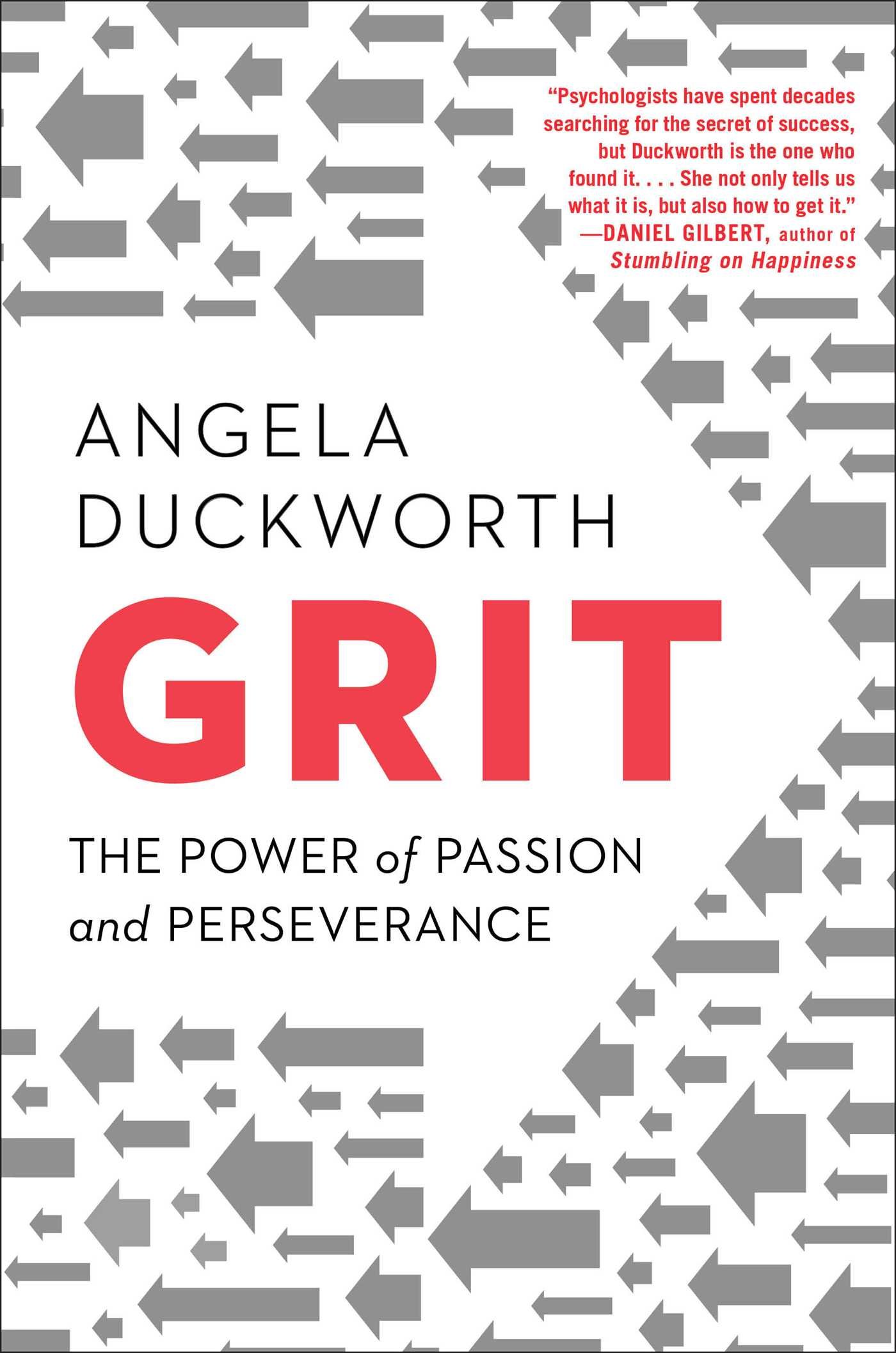
Grit: The Power of Passion and Perseverance, by Angela Duckworth: I read this book back in February, which now seems about eight years ago, so I confess that I don’t remember it as well as I’d like to. Duckworth shares a lot of research and examples to flesh out her thesis, which is basically given by the title of the book. In short, the characteristic that best predicts success is not intelligence or personality or a host of other things, but grit, which Duckworth defines as a combination of passion and perseverance. In other words, a major part of being successful in life is finding something you really care about and sticking with it, regardless of setbacks or obstacles. I read this as an audiobook, but it is one that I will probably pick up at some point so I can keep coming back to it.
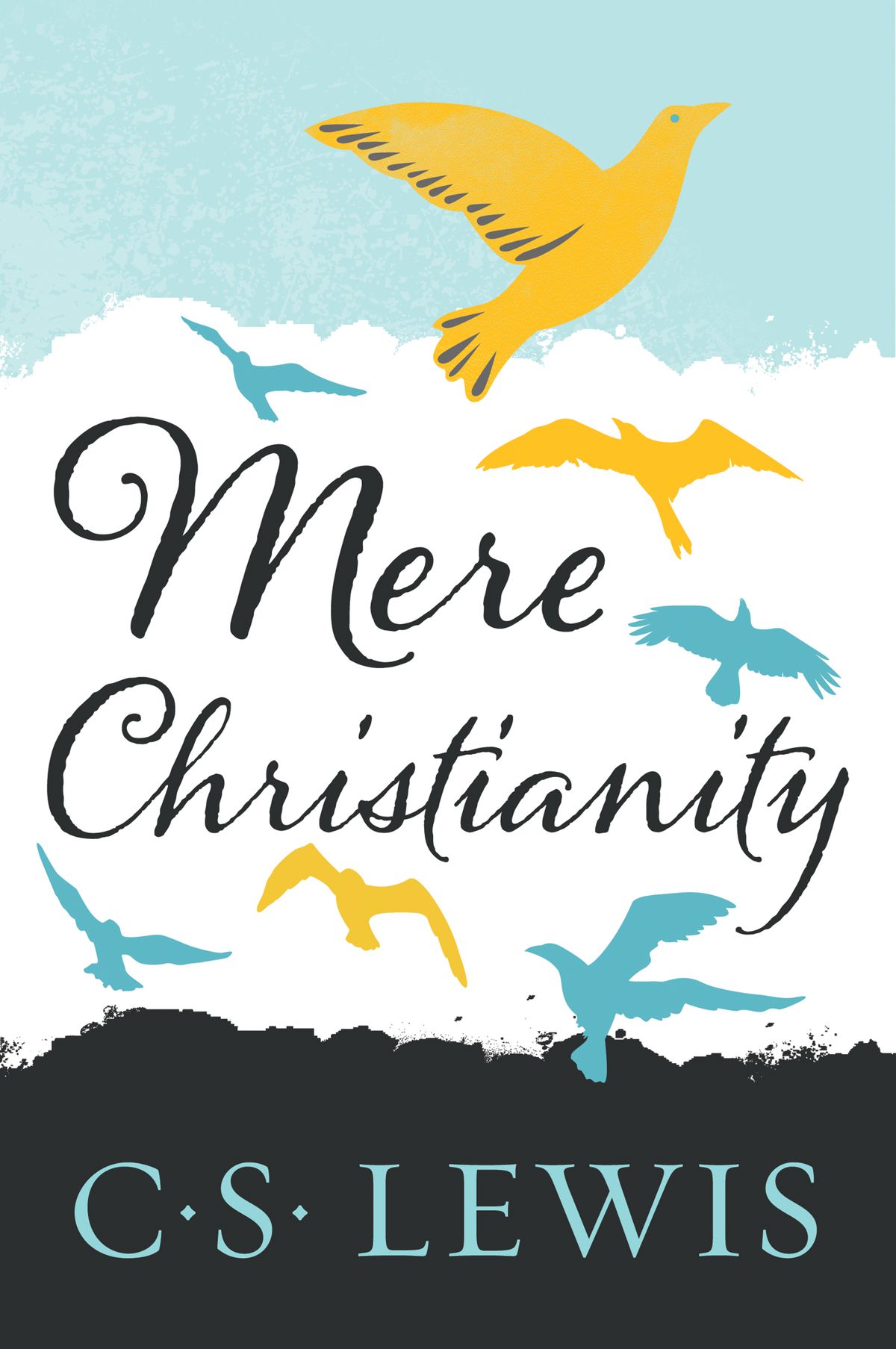
Mere Christianity, by C.S. Lewis: I read Lewis’s classic a dozen years ago, but I have never featured it as one of my top books of the year, so it makes its appearance on this list after I re-read it this year. I appreciated it even more this time; Lewis is such a penetrating thinker, and has an excellent way of getting at the heart of what Christianity is about.
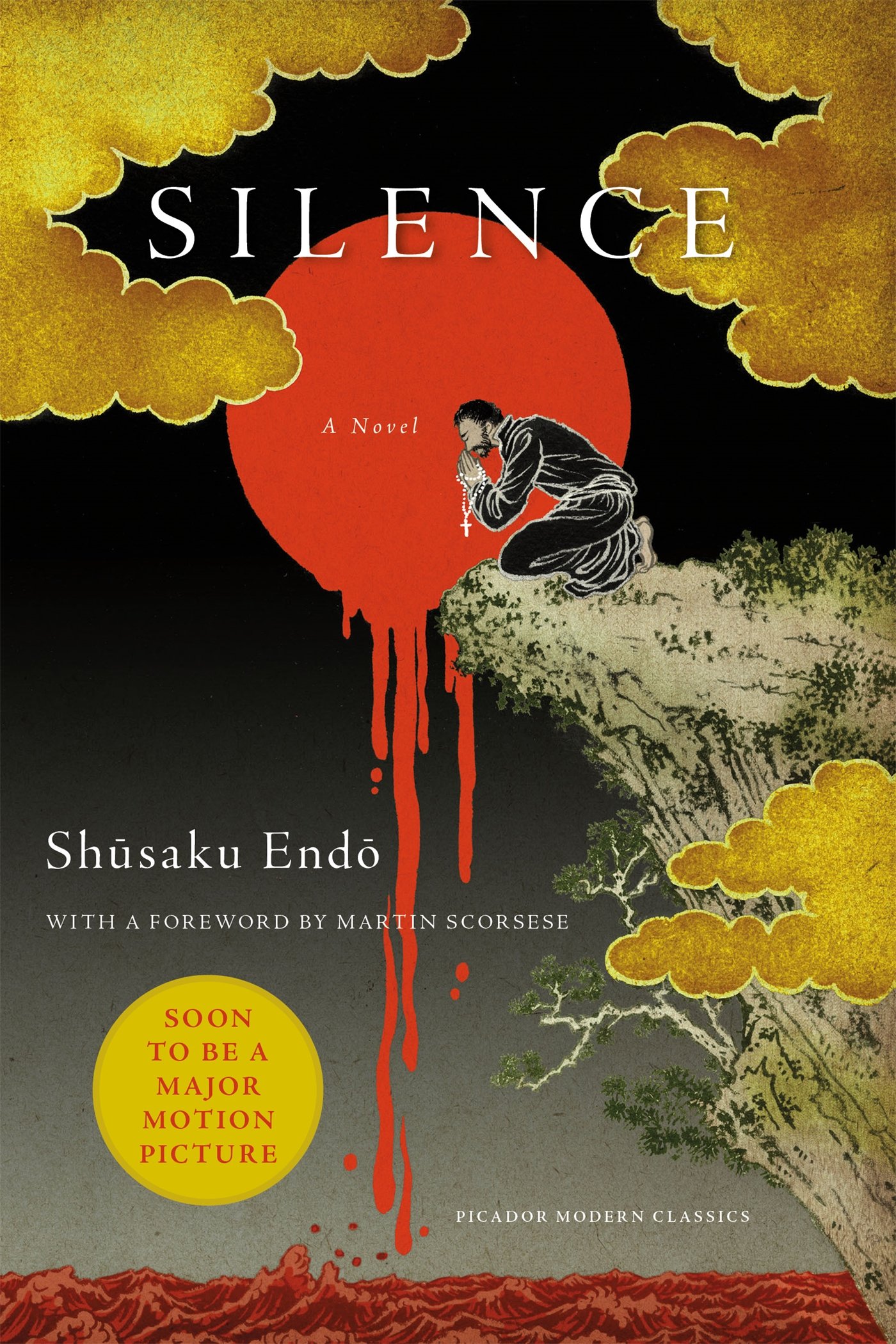
Silence, by Shūsaku Endō: This novel is the poignant tale of Jesuit missionaries suffering persecution in 17th-century Japan. The story itself is gripping, but also raises important questions about the nature of cross-cultural missions, the place of martyrdom in Christian faith, and the plight of the believer when God is silent.
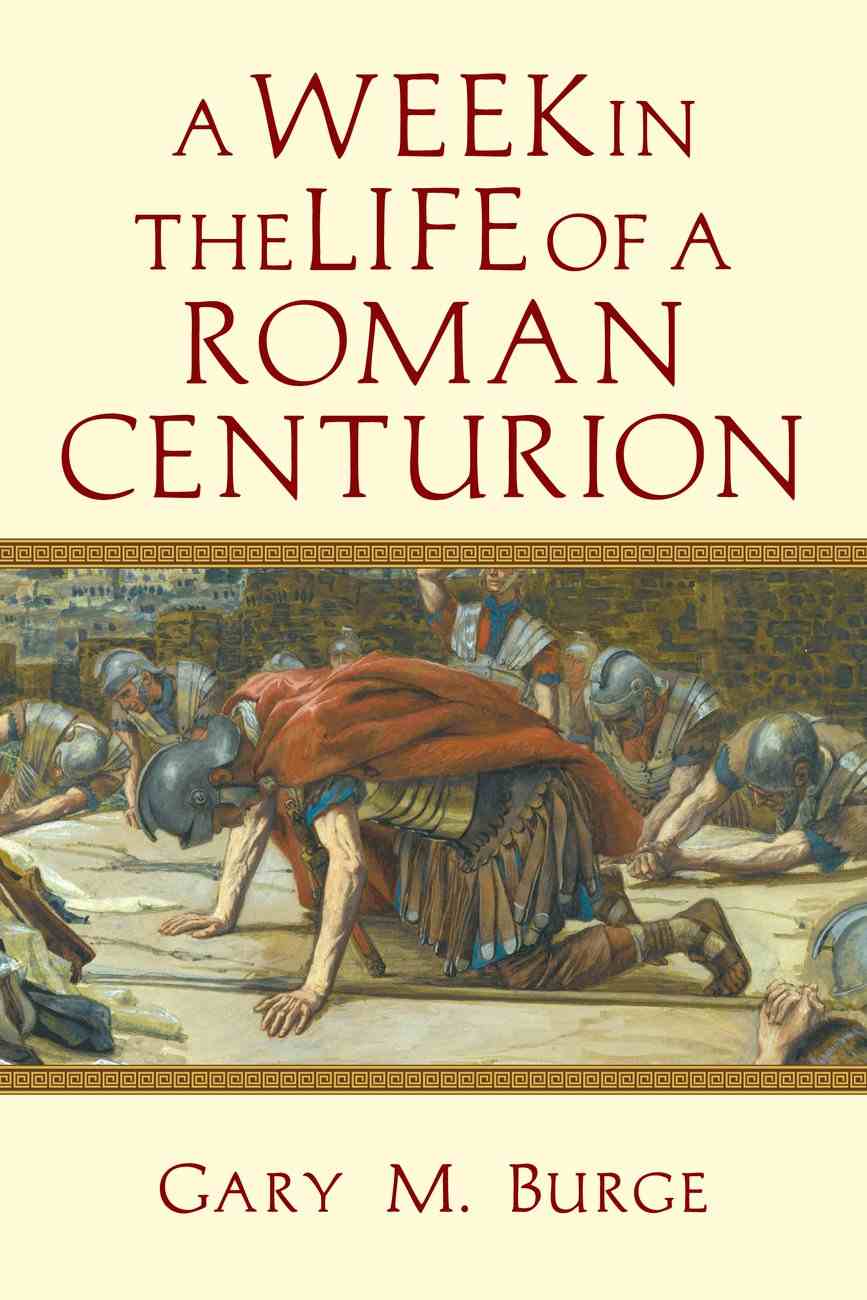
A Week in the Life of a Roman Centurion, by Gary M. Burge: This is the second book I’ve read from the “Week in the Life” series, and I continue to be a big fan. Basically, these are short historical novels set in the first century that seek to inform the reader about the world of the New Testament by plausibly expanding the stories of minor New Testament characters. Burge’s volume focuses on a Roman centurion whose life was changed by a meeting with King Jesus. The story is compelling, and the historical background is helpful for readers of the New Testament who are interested in a better understanding of the world of Jesus and the apostles.
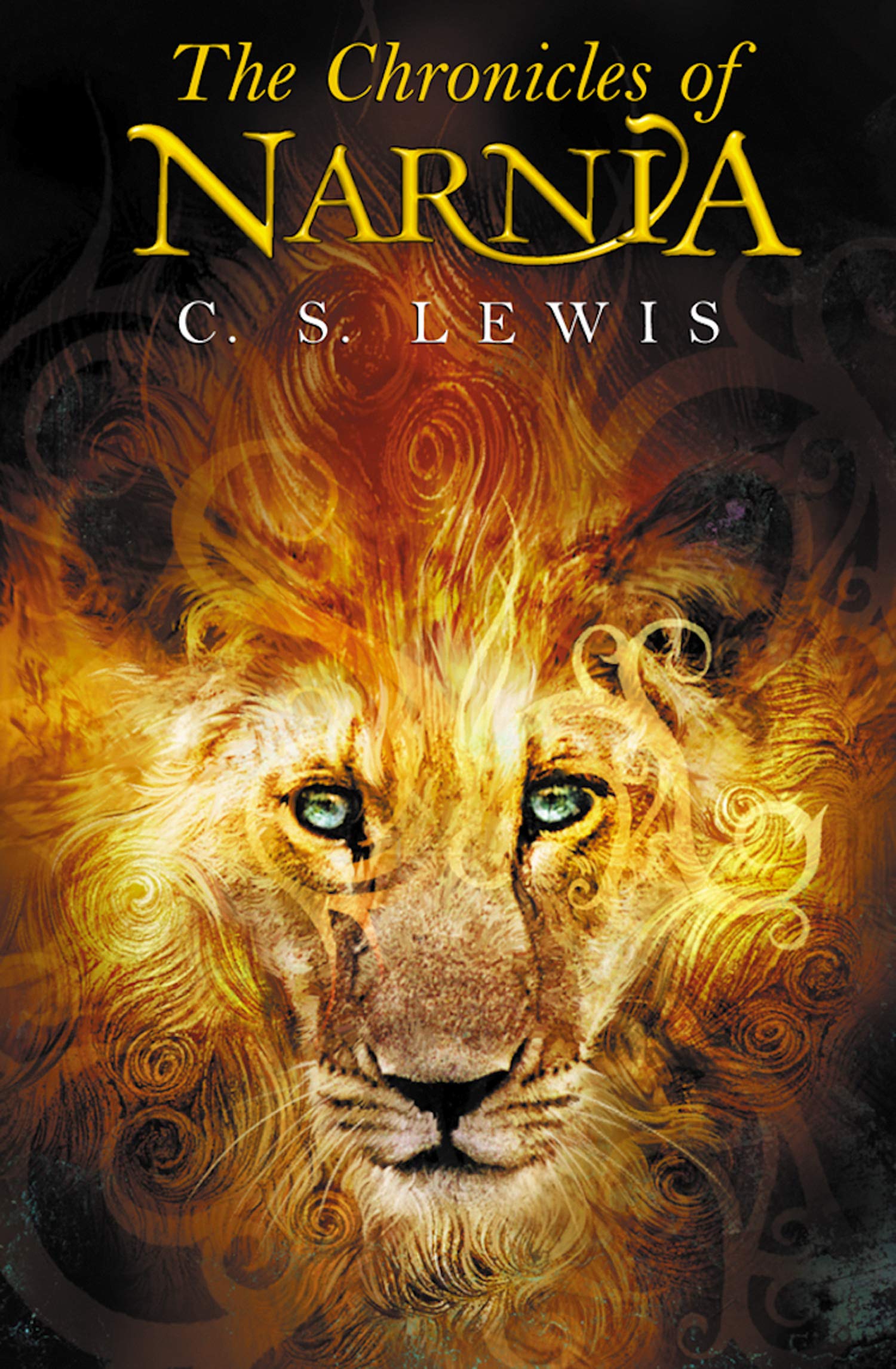
The Chronicles of Narnia, by C.S. Lewis: Okay, so I am cheating here by listing a series of books as one book, and this certainly wasn’t my first time to read the Narnia books, but collectively, this was definitely one of my favorite reads of 2020. Because I also blogged about the series at length, Lewis’s classic series was on my mind a lot this year. It was perfect pandemic reading for me.
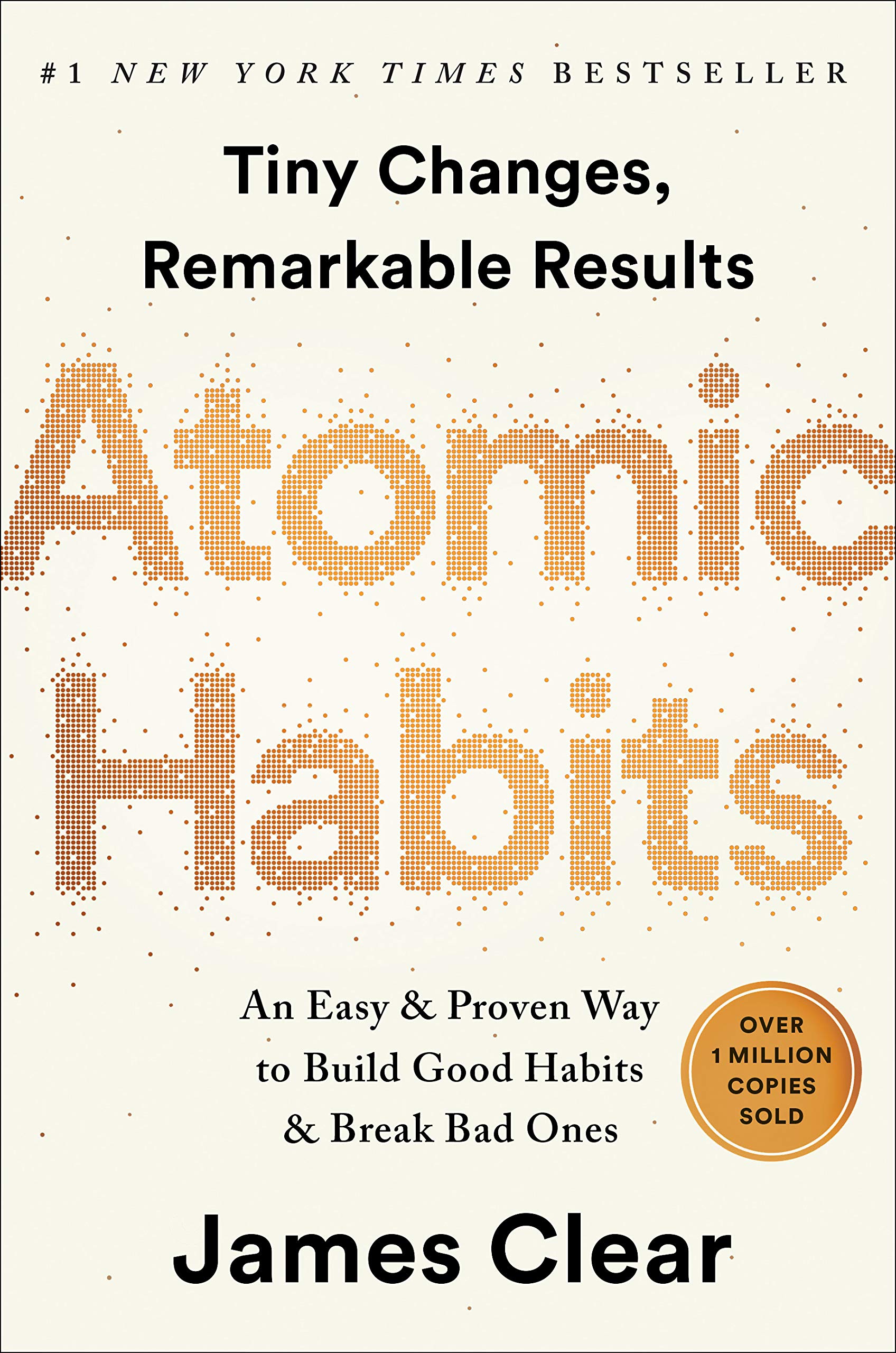
Atomic Habits: An Easy & Proven Way to Build Good Habits & Break Bad Ones, by James Clear: This was another entry in the category of books that I “read” as an audiobook but enjoyed so much that I was tempted to go back and purchase a physical copy so I would have it for reference. I reviewed this book after I read it, so you can get a fuller overview there, but I will repeat my basic summary: Atoms are very small things. They are the building blocks of the world around us, but they are invisible to the naked eye. They are also very powerful—the power of the atom can provide electricity to an entire region in the form of a power plant, or untold devastation in the form of a nuclear bomb. This is the premise of Atomic Habits: habits are little, sometimes nearly invisible things that can bring about powerful change—for good or ill—in our lives.
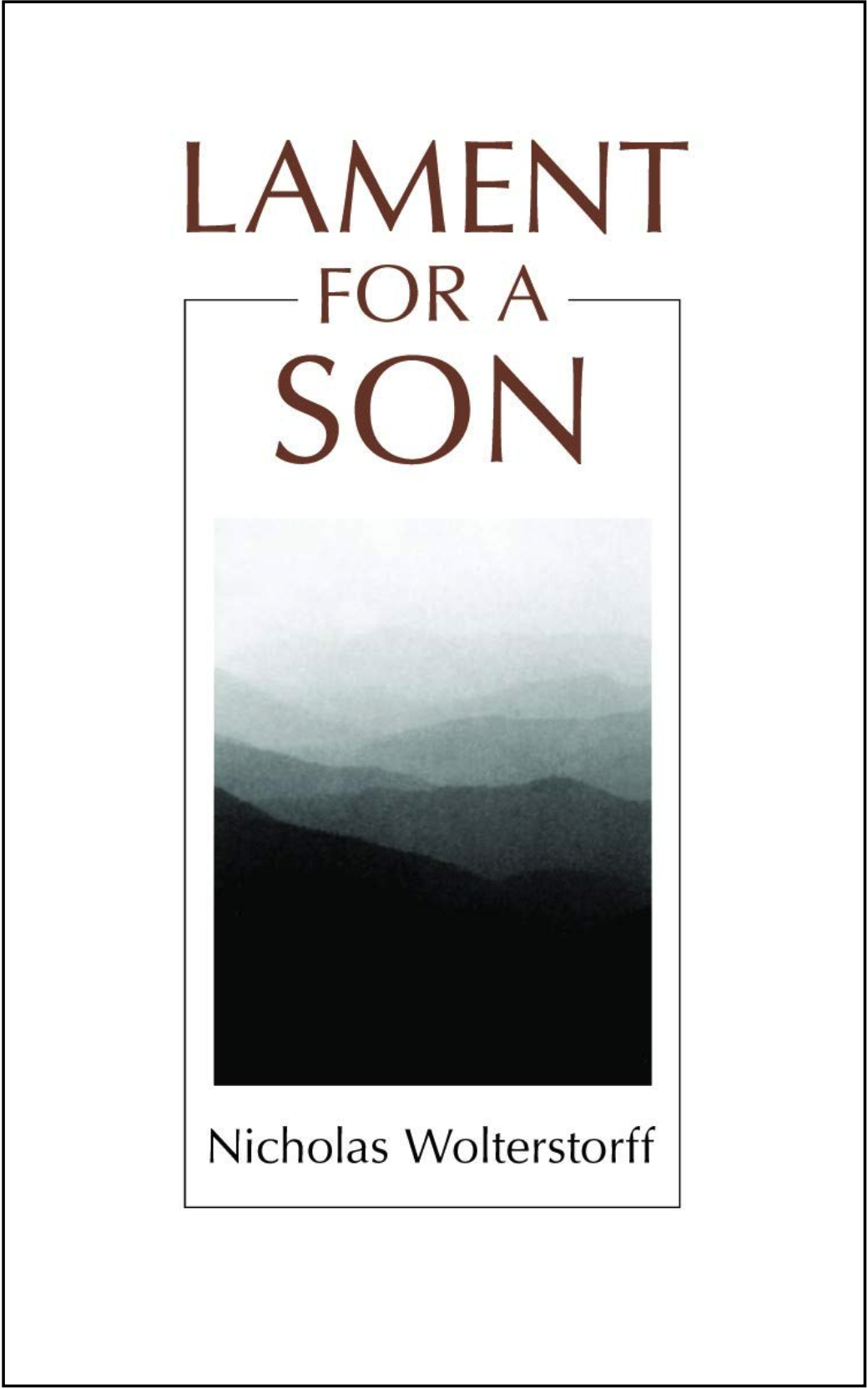
Lament For A Son, by Nicholas Wolterstorff: This is a series of short essays written after the author’s 25 year-old son was tragically killed in a climbing accident; I was so moved by this book that I wrote a series of posts on it. As a Professor Emeritus of Philosophical Theology, Wolterstorff certainly writes from a theological perspective, but overwhelmingly, he is writing as a grief-stricken dad. It is possibly the best book on suffering that I have read, and I think that, perhaps, is because Wolterstorff’s disjointed essays are the perfect way to reflect on grief and suffering. Well-organized books on theodicy that seek to explain the problem of evil and suffering have their place, but those are the sorts of books you need to read when the sun is shining and the world makes sense. On the other hand, when grief has come unexpectedly rushing into your life with the force of a tsunami, Lament For A Son—with its chaos and raw emotion and grasping faith—is the sort of book you need.
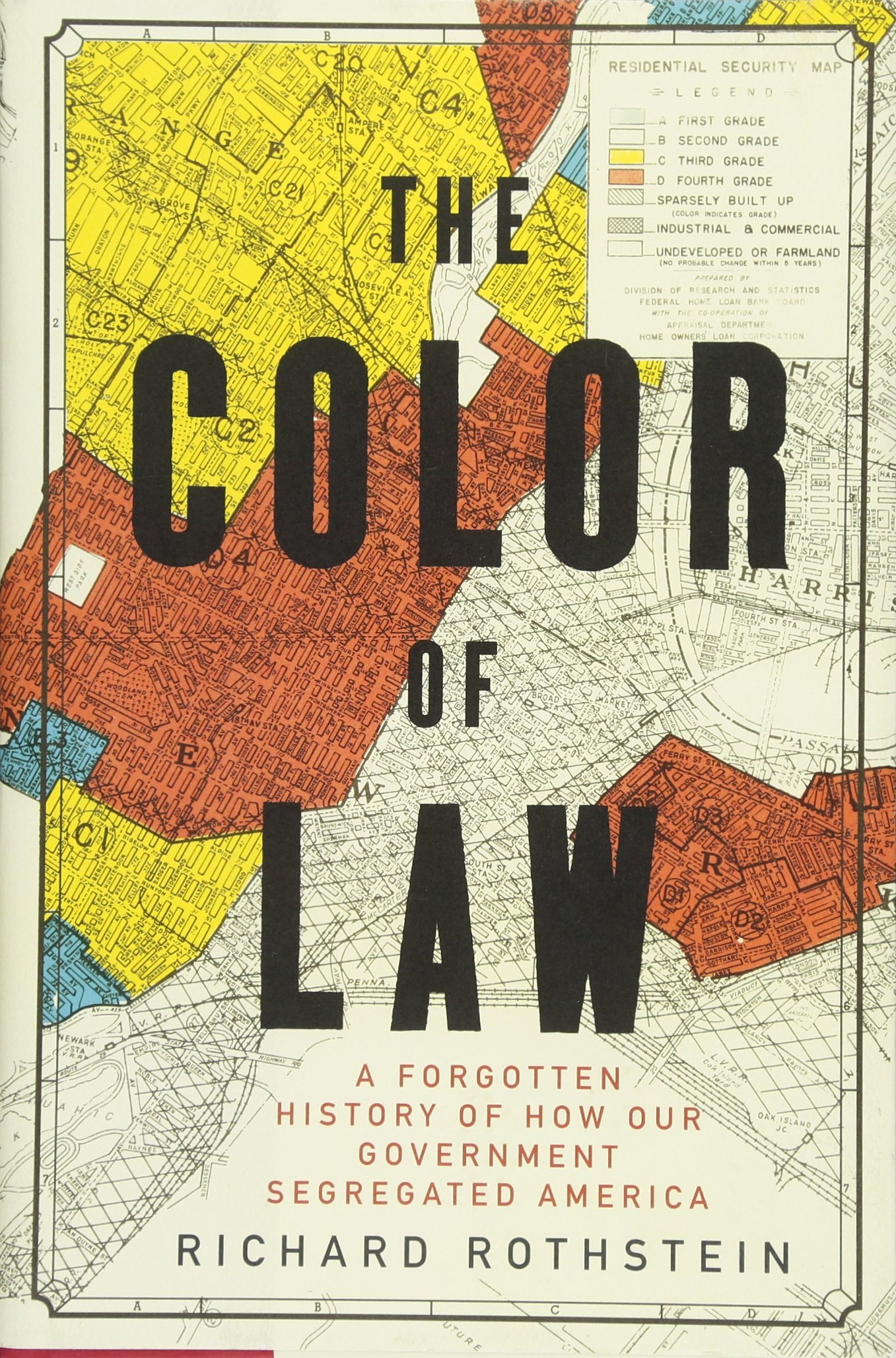
The Color of Law: A Forgotten History of How Our Government Segregated America, by Richard Rothstein: in many ways, I felt this was The New Jim Crow applied to the housing industry in the United States. It talks about all sorts of creative ways in which government officials—at the federal, state, and local levels—orchestrated the largely-segregated society that still exists today in our country (zoning ordinances, neighborhood covenants, blockbusting, white flight, the establishment of ghettos, construction of interstates, and more). The Color of Law shares tons of data and statistics, but is written in a narrative style that is easy to follow and understand.
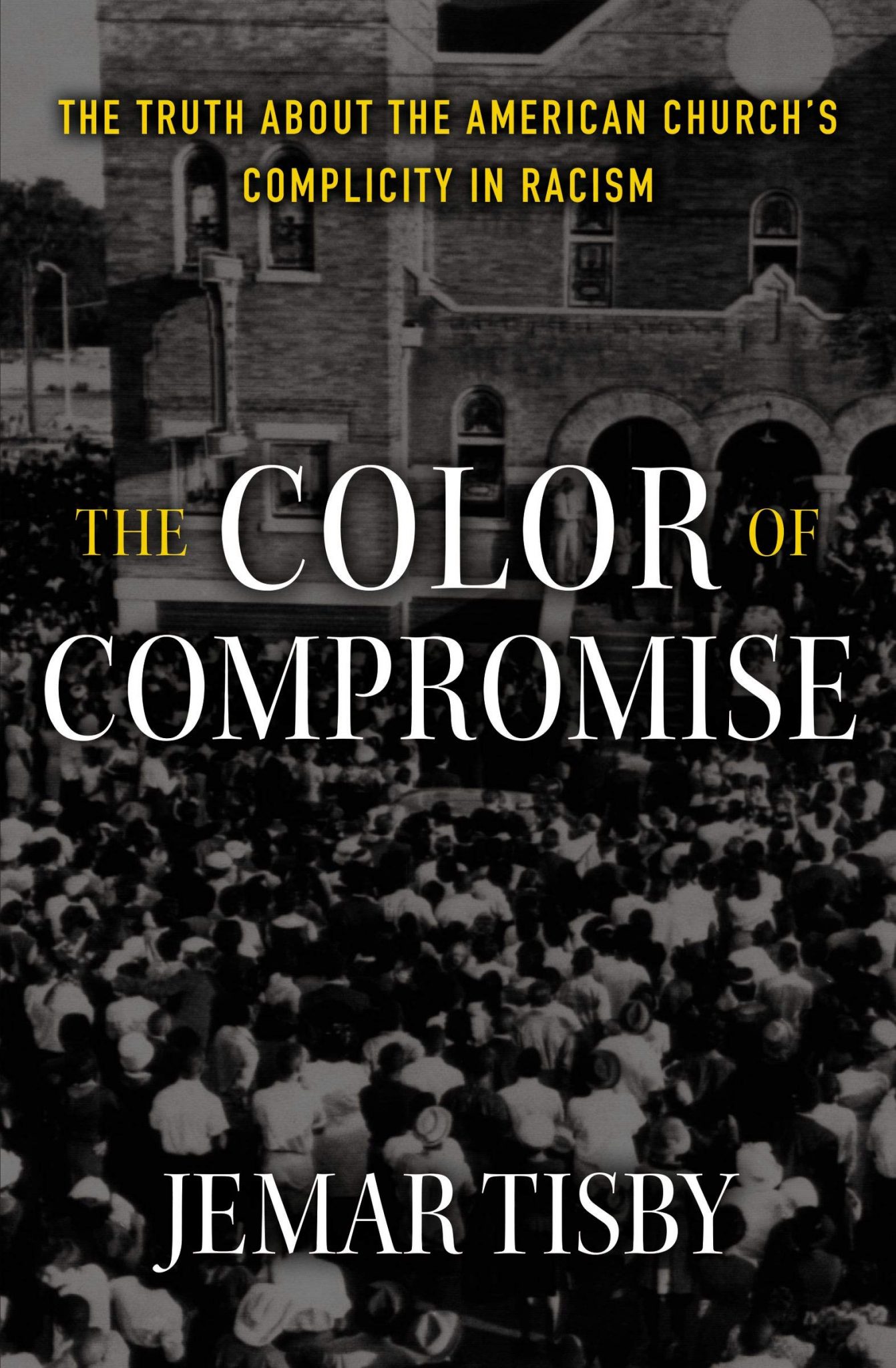
The Color of Compromise: the Truth About the American Church’s Complicity in Racism, by Jemar Tisby: this book specifically addresses the American Church, and confronts the reader with the uncomfortable reality that throughout American history, white Christians have largely (though not entirely) turned a blind eye toward racism, and many times have actively supported and furthered racist agendas. Tisby does not shy away from hard truths, but he writes with clear affection for the church, and offers helpful suggestions moving forward.
The Lost World of Genesis One: Ancient Cosmology and the Origins Debate, by John H. Walton: Genesis 1 is a famously controversial text, and takes a prominent position in discussions about the seeming tension between faith and science. Walton, a conservative Old Testament scholar, removes some of the fuel from the fires of controversy by suggesting that we should receive Genesis 1 the way that ancient Israelites would have received it: as ancient cosmology, it is function oriented rather than being concerned about material origins. If you are someone who has ever been bothered by Genesis 1 and how that fits with scientific claims (and especially if this has been a barrier to faith for you), The Lost World of Genesis One is an excellent read.
Beyond The Verse: What I Discovered Reading the Bible One Book at a Time, by Wes McAdams: Wes is one of my favorite bloggers and I think he is such a helpful voice in the church right now. A couple of years ago, he completed reading through the entire Bible, but rather than doing it by reading a few chapters each day, he read entire books of the Bible in one sitting each day. This enabled him to get a much clearer picture of the broad story the Bible tells, and it is a story that we are often guilty of distorting significantly. I absolutely loved this book. I recommended it to several people after I read it, and I intend to incorporate it into my ministry moving forward.
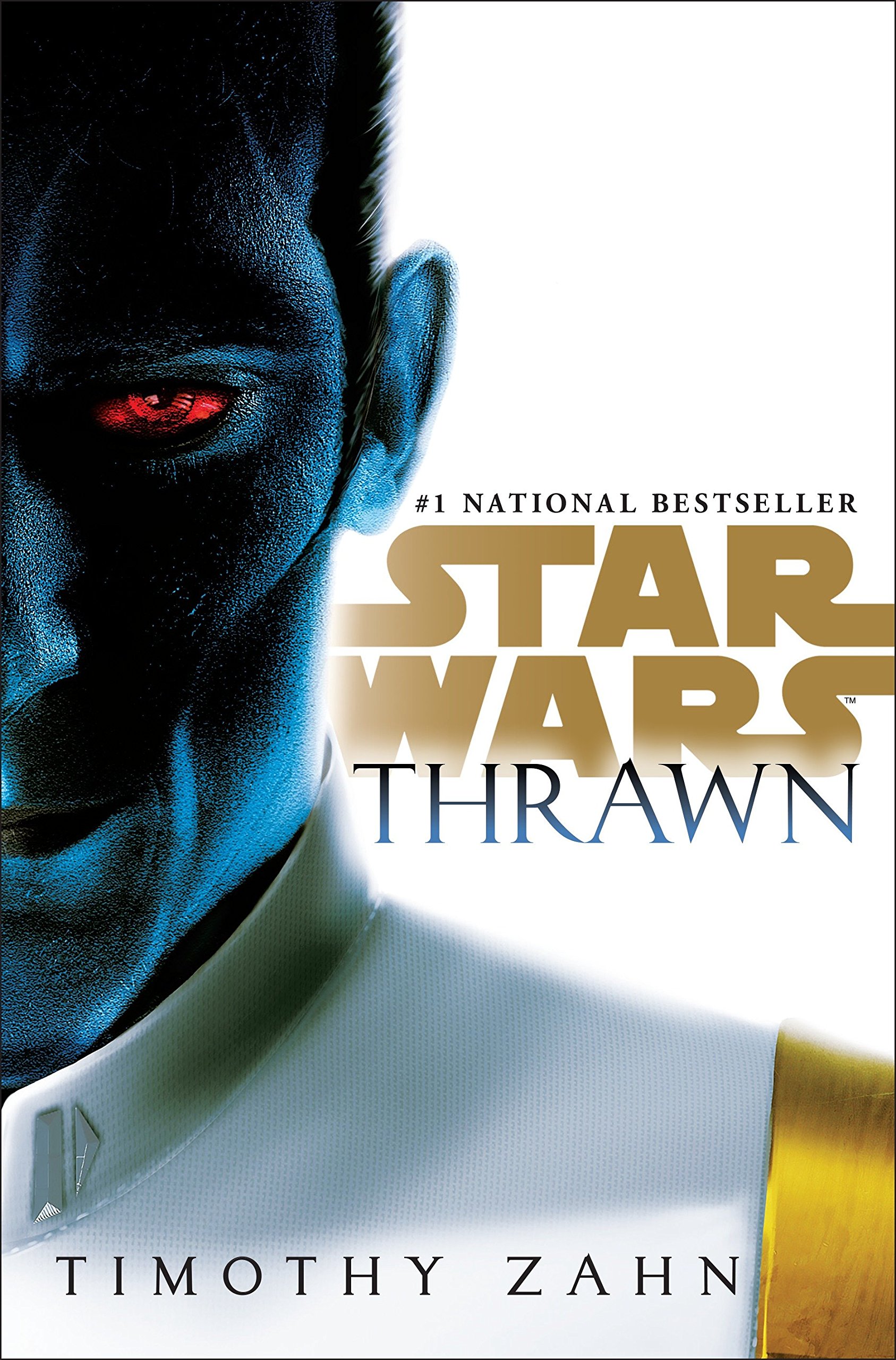
Star Wars: Thrawn, by Timothy Zahn: In many ways, 2020 was the year that I rediscovered Star Wars novels. I used to read Star Wars novels a lot, but back when Disney took over the franchise, they decanonized all the books I had read and I lost interest. Out of the loop, I discovered that a bunch of new Star Wars novels had been authorized by Disney and written in recent years, and I read several in 2020. Some of them were hot garbage, but Timothy Zahn’s Thrawn trilogy was good: my favorite Star Wars author reintroducing one of my favorite decanonized characters back into the canon. Thrawn is the first book in the trilogy, and was, in my opinion, the best.
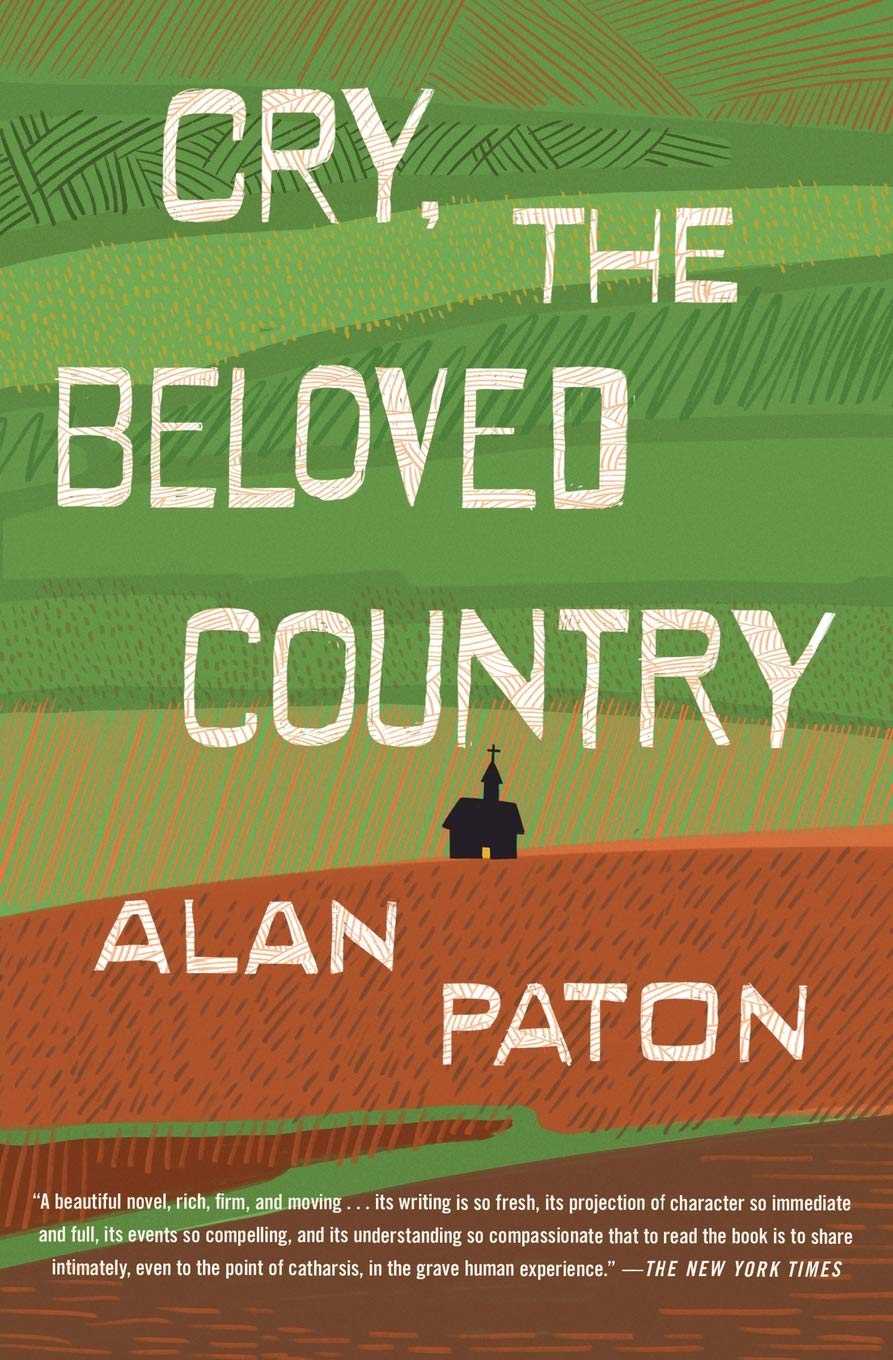
Cry, the Beloved Country, by Alan Paton: I read this book back in 2009 and loved it, but had not read it since then, and it was even better than I remembered. This book touches on so many heavy themes—racism, theology, politics, the breakdown of the native village, crime, poverty, environmental concerns, and more—and tells the story of the shared tragedy of two older men in 1940s South Africa: a poor, black Anglican priest, and a wealthy, white farmer. This is such a beautiful book, and it was even more poignant to me reading it in 2020, a year of significant racial tension in my own country. Simply put, this is among the best books I have ever read.
Veritas: A Harvard Professor, A Con Man, and the Gospel of Jesus’s Wife, by Ariel Sabar: The subtitle of this book summarizes the plot well. In 2012, Harvard Divinity School professor Dr. Karen King published the discovery of a papyrus fragment from a supposed early Christian text that she sensationally dubbed, “The Gospel of Jesus’s Wife,” that would later turn out to be a forgery. This book is an impressive chronicle of investigative journalism, and also serves as a warning of the problems of confirmation bias and the murky places to which extreme forms of postmodern thinking can deliver us.
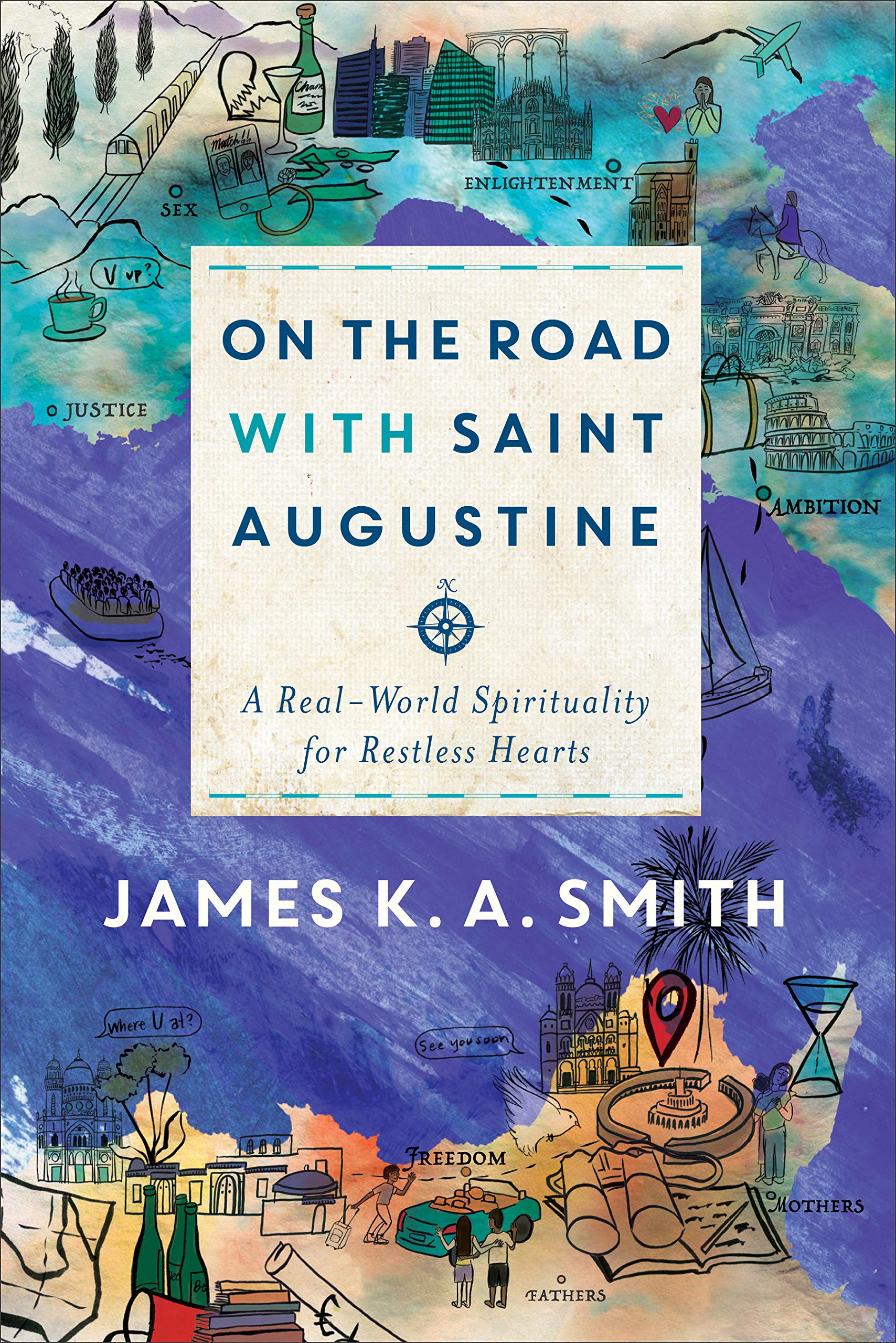
On the Road with Saint Augustine: A Real-World Spirituality for Restless Hearts, by James K. A. Smith: Saint Augustine of Hippo is likely the single most influential Christian thinker since the Apostle Paul, and as Smith points out in this superb book, his story is quite likely very much like your own. Based significantly on Augustine’s Confessions, Smith looks at the journey of his life and the issues and questions that drove it—issues and questions that continue to drive our lives today. This makes Augustine a wonderful travel companion as we journey through life: someone who has already made a similar journey, asked similar questions, and, if we have ears to hear, has helpful directions for the road. Bonus: the cover design for this book is outstanding. They say you can’t judge a book by its cover, but in this case…
That was my reading for 2020. For comparison’s sake if you are interested, you can see my reading lists from previous years:
What are some of the best books you read this past year?




 I know that Christmas might technically over, but I’m not having Christmas with my family until tomorrow night, so for me it isn’t. Based on that, and the fact that I find myself with some extra time over the holidays, I am pleased to present you with Luke’s Top 10 Movies to Watch over the Holidays. Enjoy.
 Arguably the movie for which







