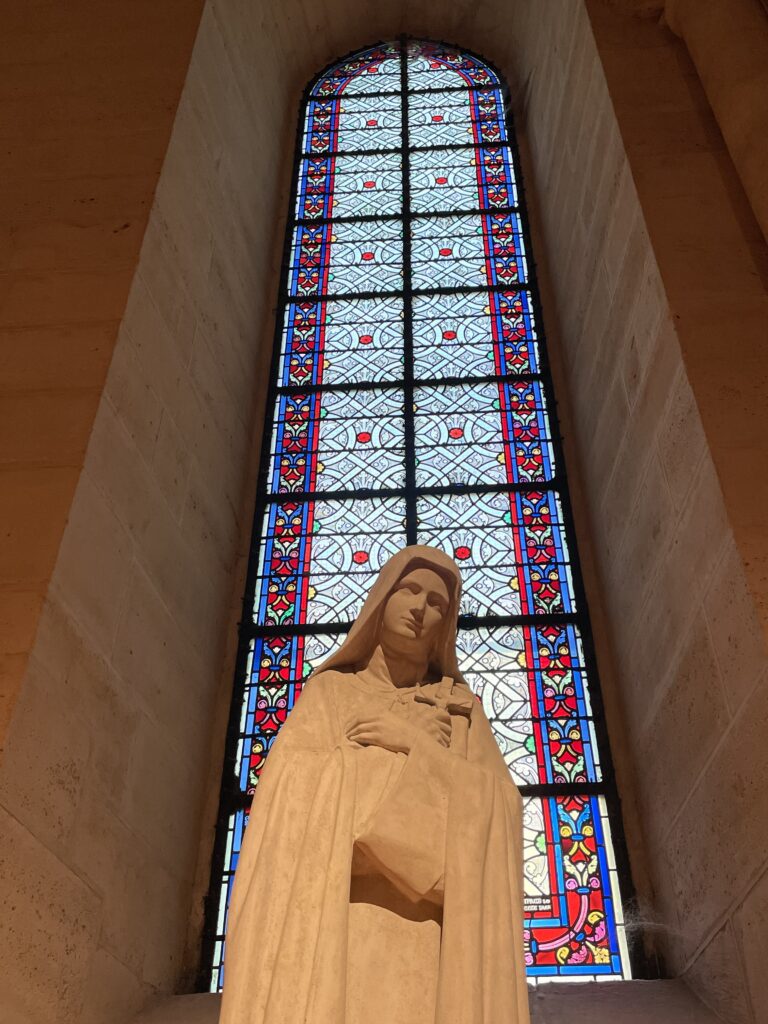
The online journal of Luke Dockery

Tag: World War II (Page 1 of 2)

Travelogue: NYC, Paris, Normandy

Caroline and I were blessed to take a wonderful trip for our 20th anniversary, spending a couple of days in NYC before heading overseas for a week in Paris and Normandy, France. As I have done at various times before, I wanted to share some pictures and reflections from what was an amazing trip. To outline things a little more clearly (and also to help me remember better, I will break things down by each day.

Thursday, October 8

We woke up early to catch our flight from Little Rock to New York City. NYC is one of my favorite cities, so I always and excuse to fly through there. Because of some peculiarities in our travel plans this time, we actually got to be there for most of Thursday, all of Friday, and most of Saturday.

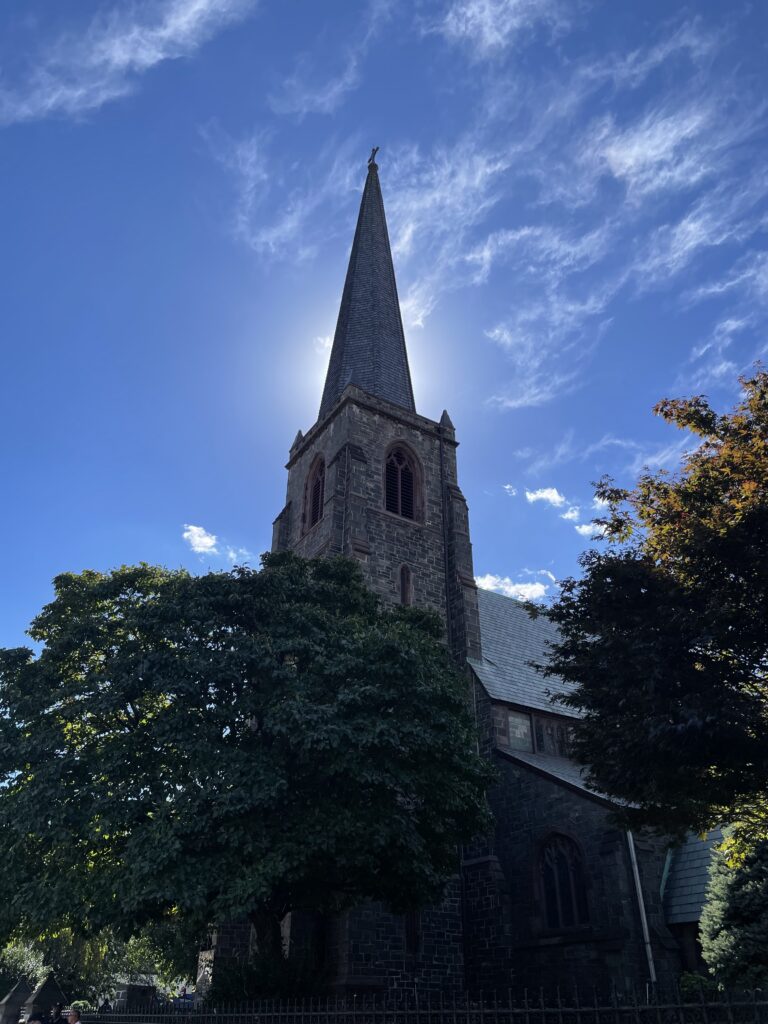
Upon arrival in NYC, we navigated our way via the subway to our hotel in Queens before making our way back to Manhattan.[1] This beautiful old church was in our neighborhood in downtown Flushing in Queens. As you will see, picturesque church buildings would be a major feature of our trip!
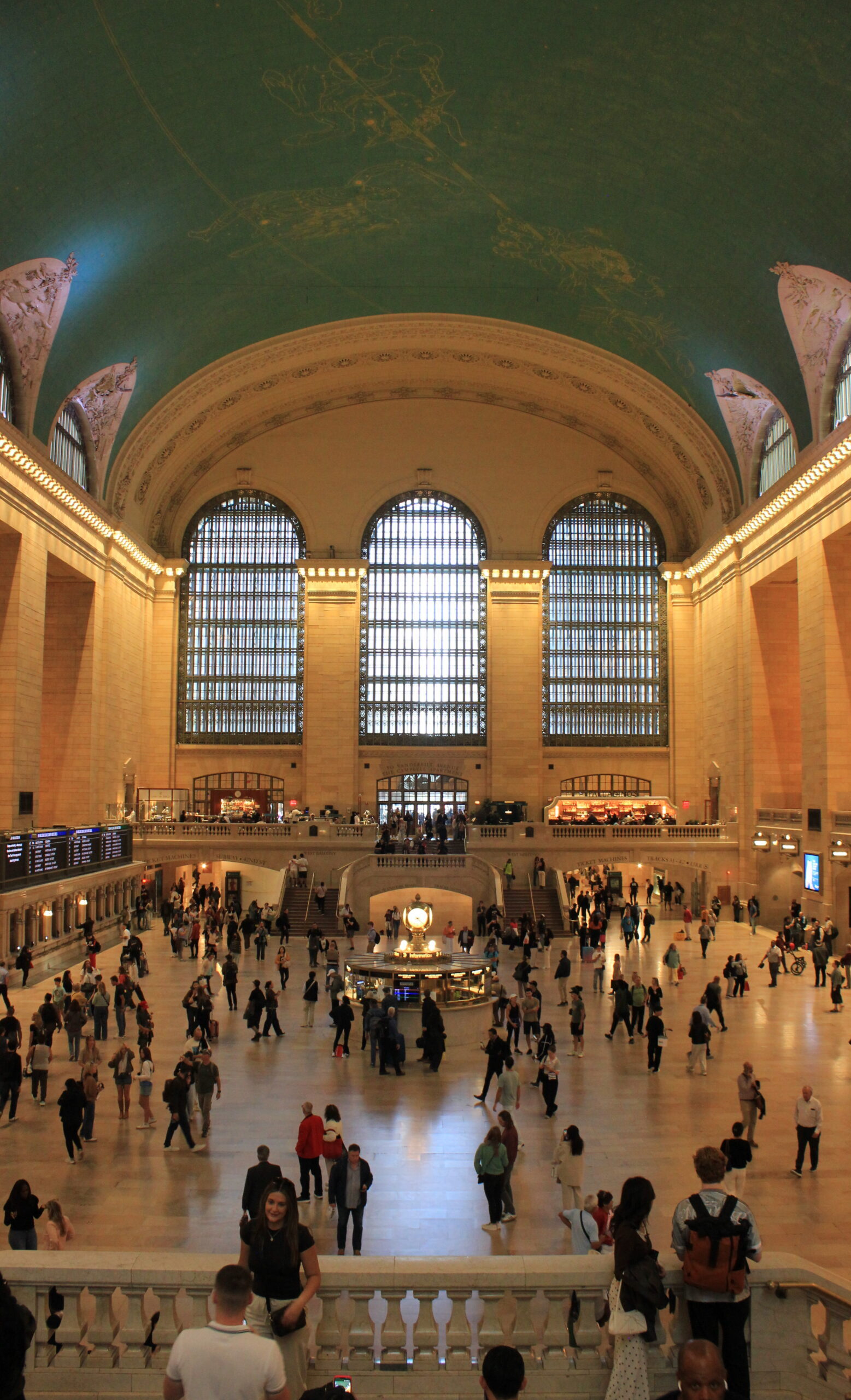
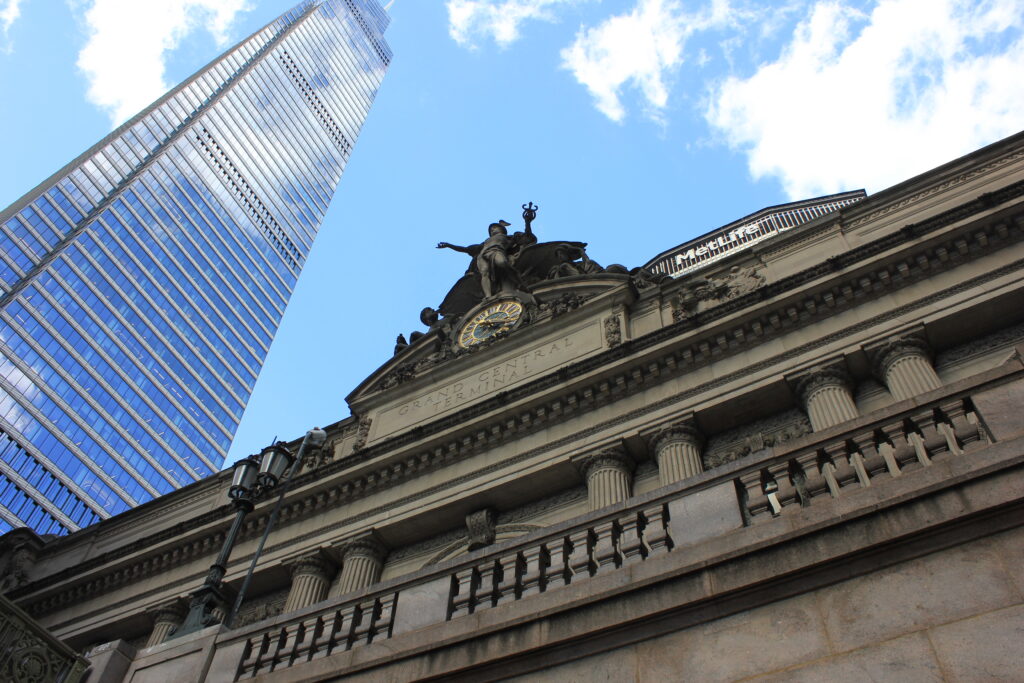
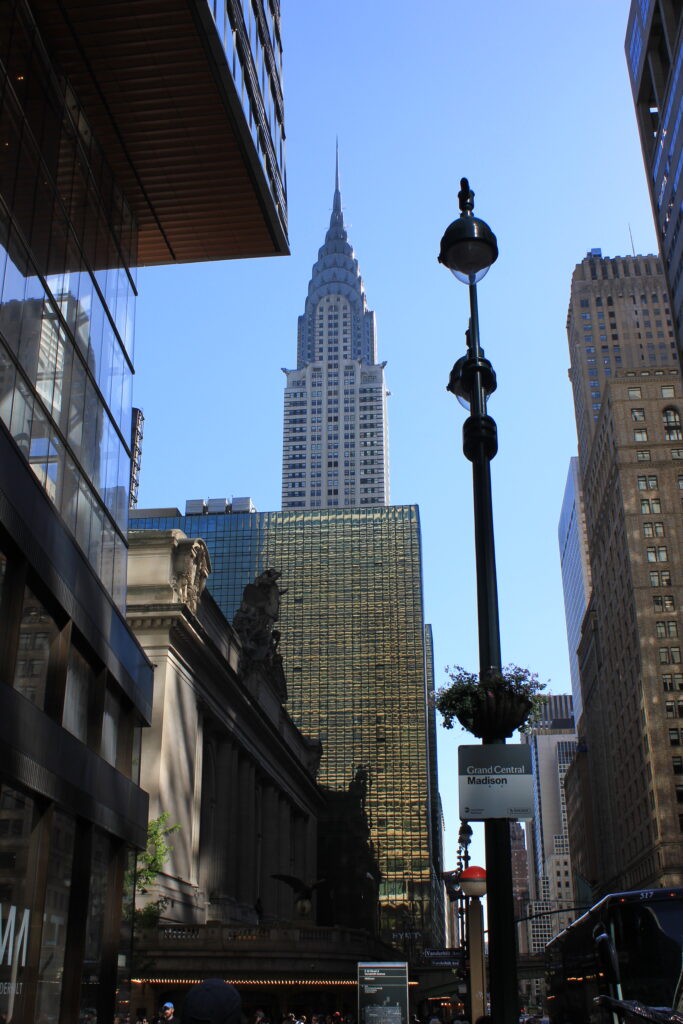
Riding the subway to Manhattan, we stepped out at Grand Central Terminal. I cannot adequately convey how much I love this building. Once a major railroad hub, Grand Central is now all about metro traffic, but still 750,000 people pass through this building on a given day. It is a wonderful spot for people watching, and an architectural marvel. I don’t want to overstate the case, but we used to build things like this as a society. We should do so more regularly again.
Right outside of Grand Central is the Chrysler Building, my favorite NYC skyscraper. At bottom, it is actually remarkably functional and unappealing, but the Art Deco stylings at the top are marvelous.
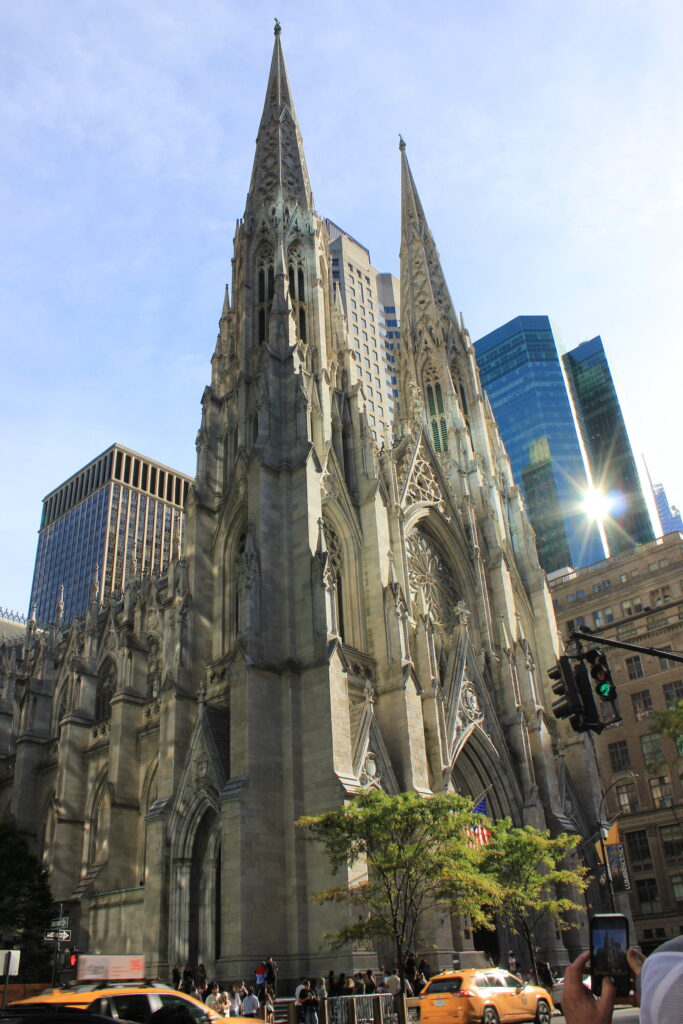
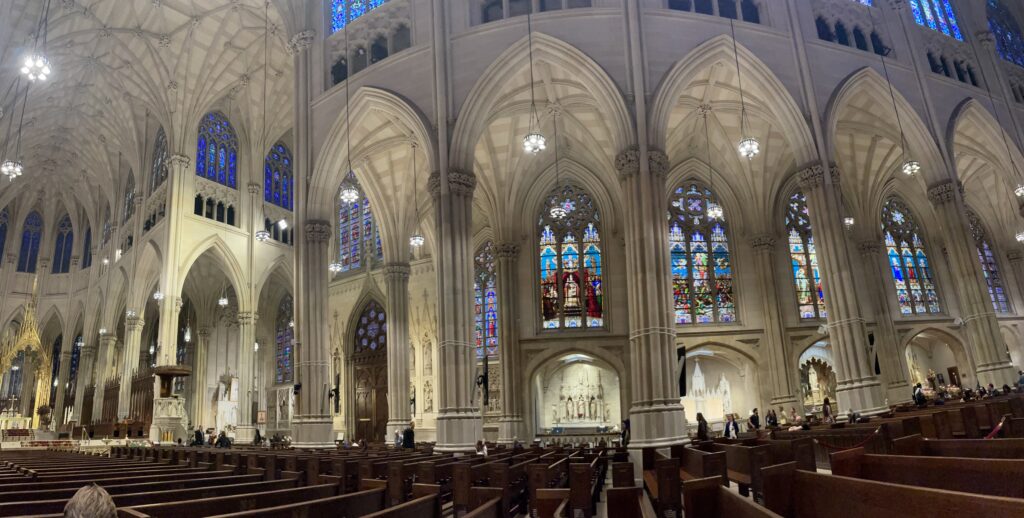
St. Patrick’s Cathedral is another place I could stay for a long time. I took a ton of pictures here, but I won’t overwhelm you with those (I’ll save that for the Paris churches!).
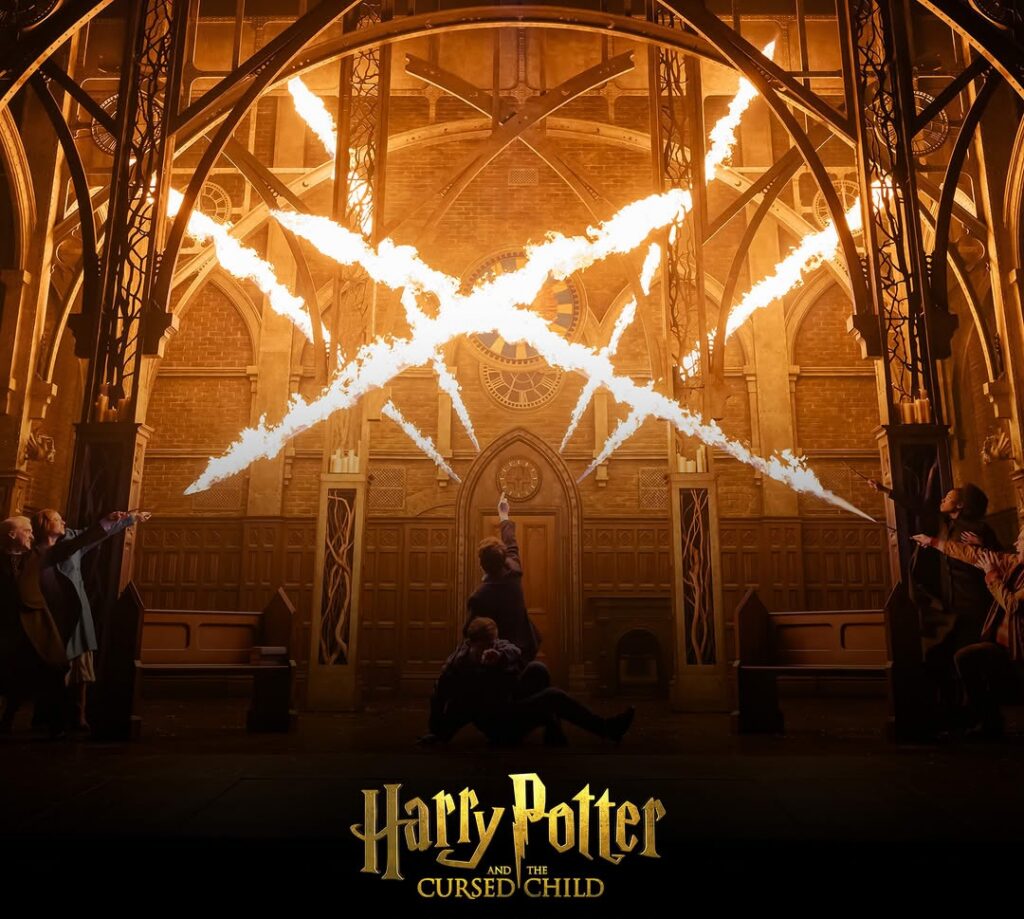
Thursday night, we went to see Harry Potter and the Cursed Child on Broadway. Caroline and I have gotten to go to a few Broadway musicals before, so I expected a good show, but I was totally blown away. I was unfamiliar with the story but enjoyed it immensely. For Harry Potter fans, it nostalgic and poignant. (We were not allowed to take pictures during the show, so I have shared a promotional image below.)
Friday, October 9

Friday was our only full day in New York, and our goal was to hit spots we had missed but wanted to see.

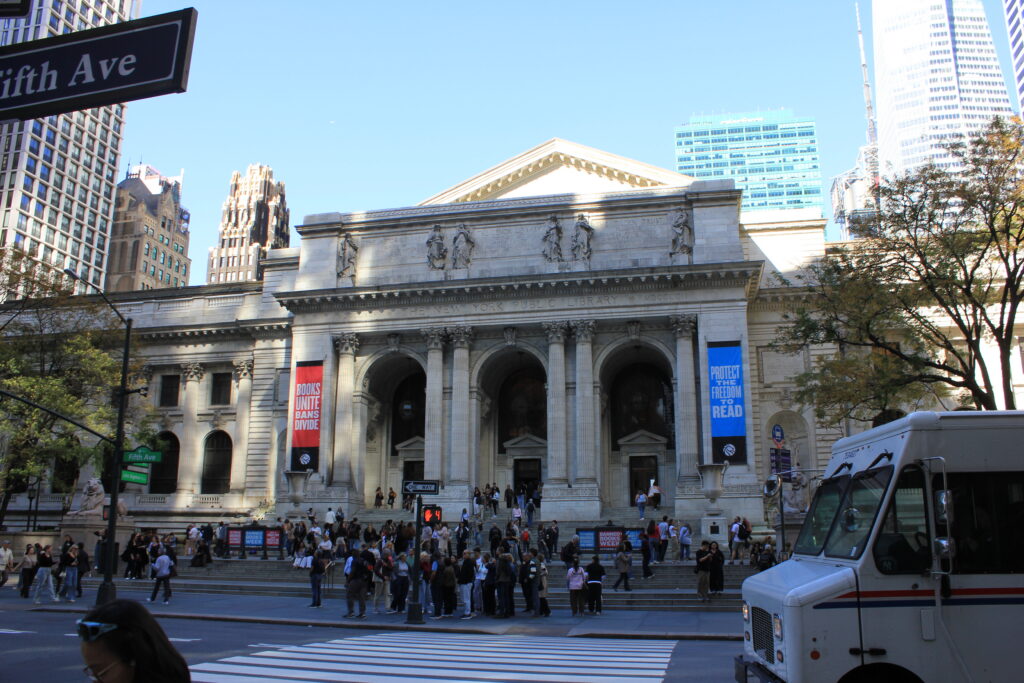
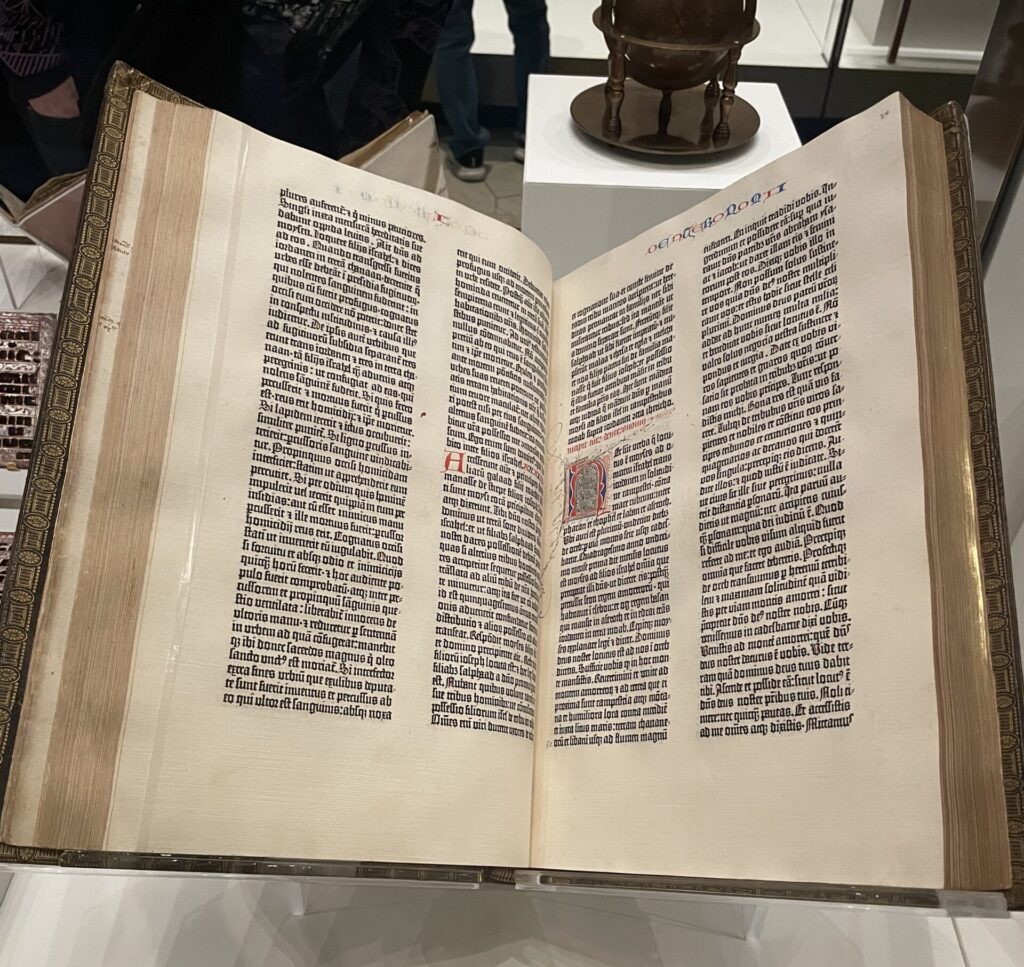
We kind of stumbled upon the historic New York Public Library, which is more of a museum at this point (if you want to check out books, you have to go across the street). When we visited, they were celebrating Banned Books Week, and I celebrated by getting to see one of the most banned books in history—an original Gutenberg Bible!
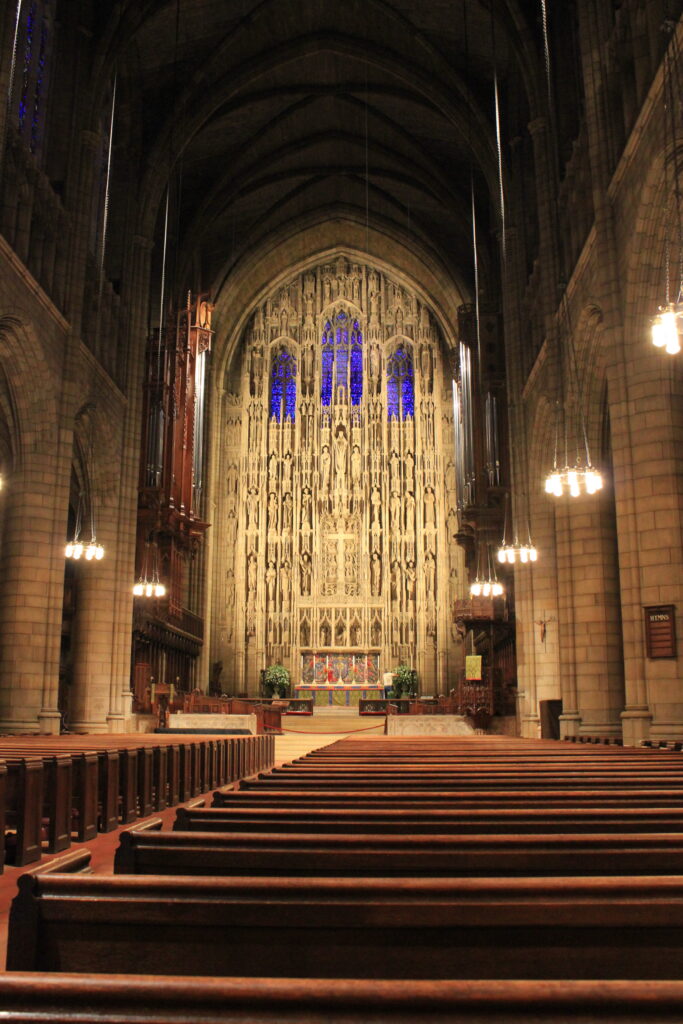
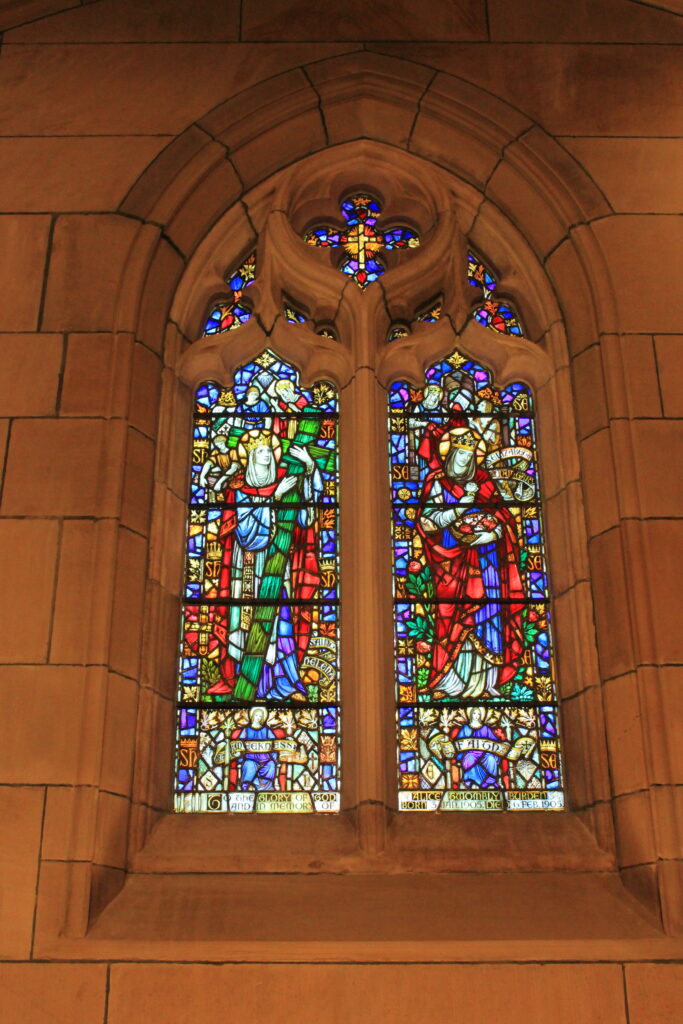
Next, we stopped by St. Thomas’s Church, which is close to St. Patrick’s, but was not open when we stopped by the day before. This is another beautiful church with stained glass windows. St. Thomas’s is devoted to its historic music program, but unfortunately, there was nothing scheduled for while we were there.
Next, we stopped by Joe’s Pizza for mandatory NY pizza, and then headed to Central Park, where we walked around, read books and took a nap in the grass, and then snapped some pictures of the NYC skyline through the trees.
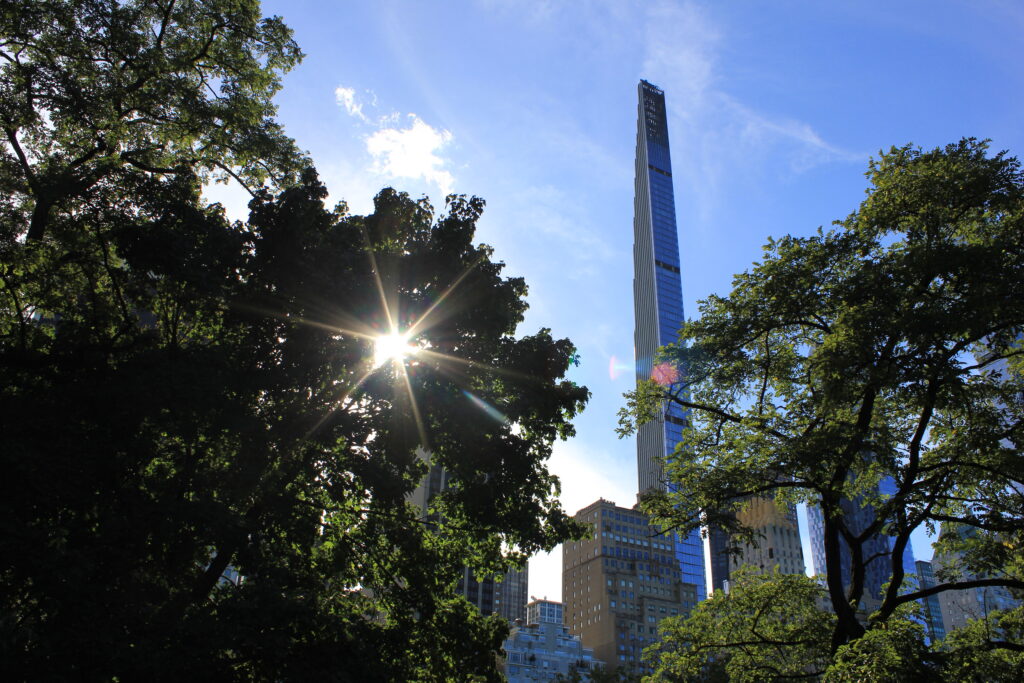
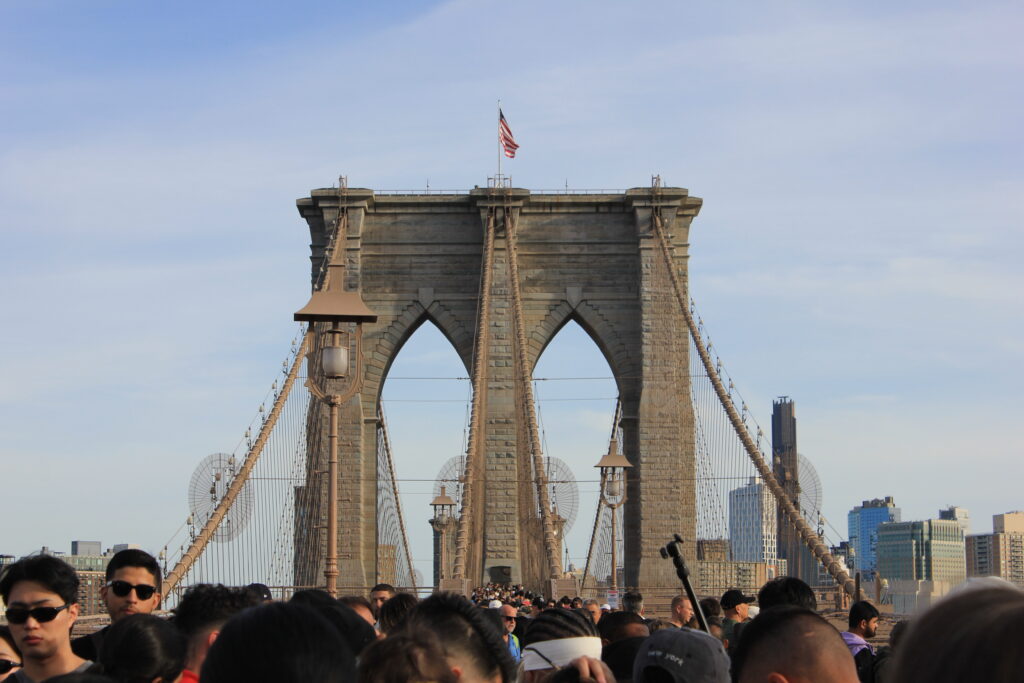
We then headed down south, walking past the high end shops on 5th Avenue, saw the Empire State building, and then walked part of the Brooklyn Bridge. The Brooklyn Bridge was another architectural marvel to me, constructed between 1869–1883. By now, it was late afternoon, so we ended our evening in Little Italy where I ate some excellent chicken parmesan, and then we grabbed gelato for dessert.

Saturday, October 10

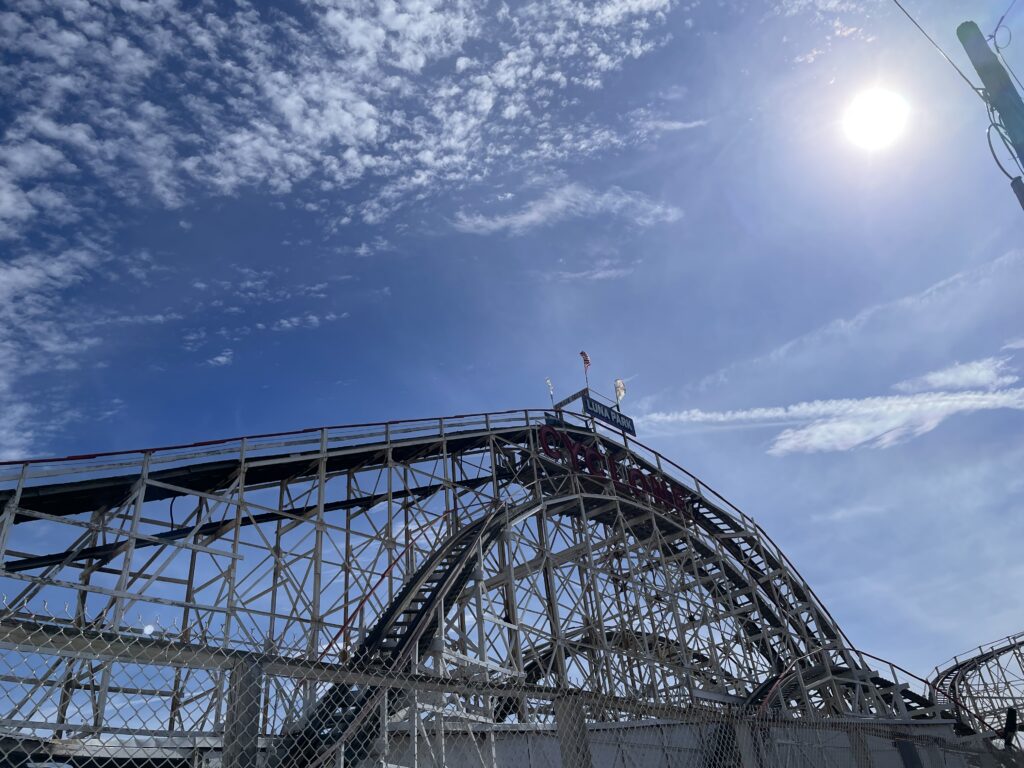
Saturday we headed to Brooklyn and visited Coney Island. It was fun to visit this throwback amusement park, but honestly, it was a bit of a logistical nightmare (long subway ride, four long walks to store our luggage, long subway ride from there to the airport). I’m glad we did it, but don’t plan to go back.

From there, we headed to the airport. The Newark airport is perhaps my new least favorite airport (very limited food and snack options in our terminal), and the flight was rough (I do not recommend a transatlantic flight on a budget airline where you end up separated from  your spouse). It was an overnight flight, but I did not succeed in sleeping for more than a few minutes.
Sunday, October 11

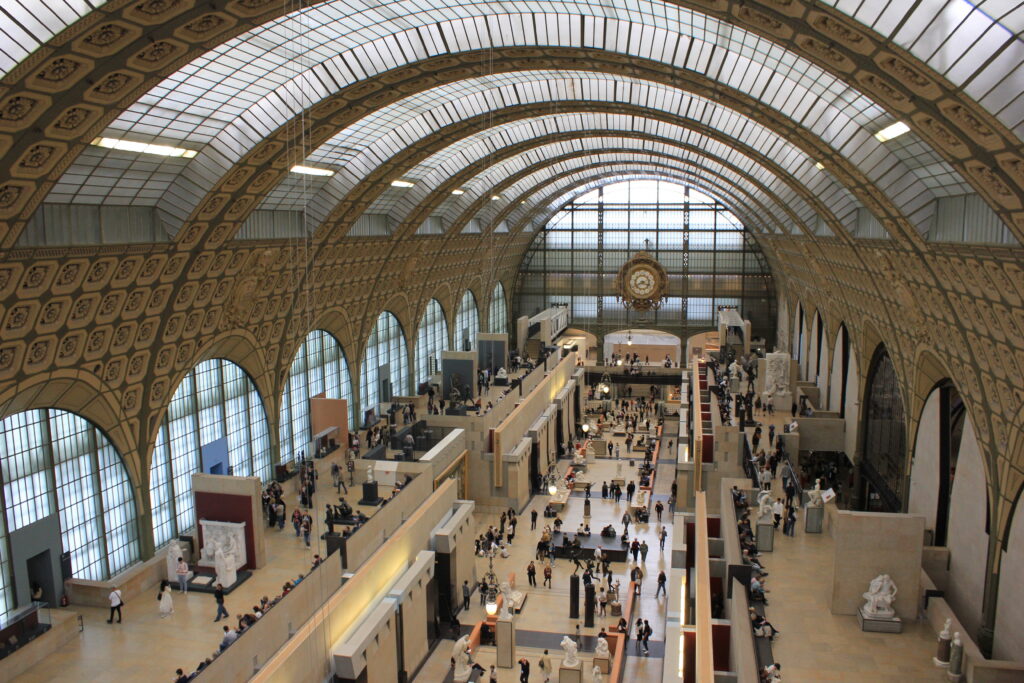
It was midday when we arrived in Paris, though our bodies had no clue what day or time it really was. We made it through customs, got our phones working, and began learning the metro system so we could go to our hotel. We checked in, dropped off our stuff, and then headed back out, first to the Orsay Museum. The museum itself is super cool, as it is housed in an old train station. Here we got to see a lot of cool art, but the highlight was the French Impressionists and Vincent Van Gogh.
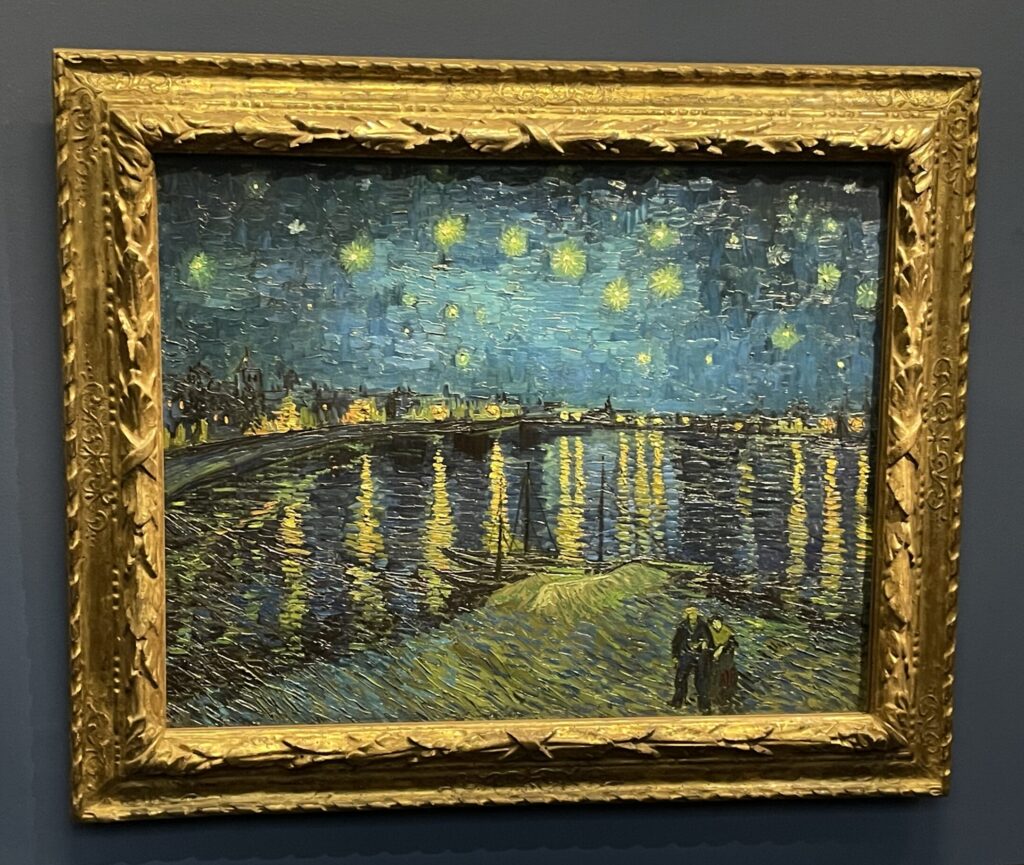
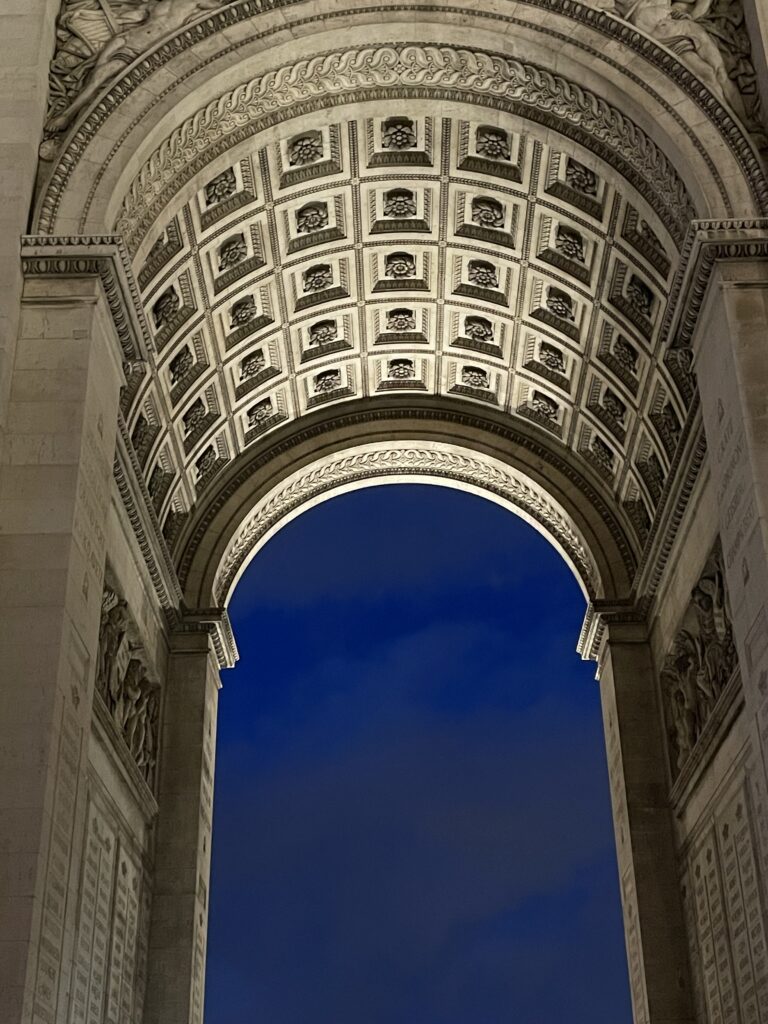
After Musée d’Orsay, we were fairly ravenous (having not really eaten since dinner in the airport the night before), and had a late afternoon meal of crepes at a French cafe. I thought crepes were a little strange—thin, pancake-like things—but good. We shared one that was like the offspring of a pancake and an omelette, and another one that was loaded with Nutella. Fortified with food energy, I managed to convince Caroline that we should walk the Champs-Élysées to the Arc de Triomphe.

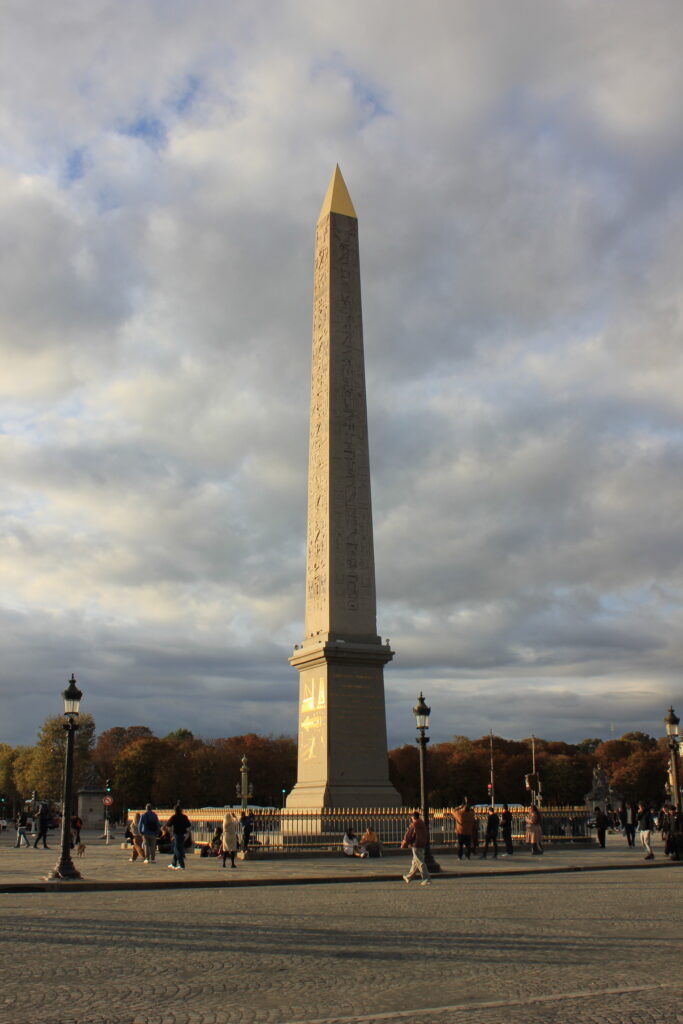
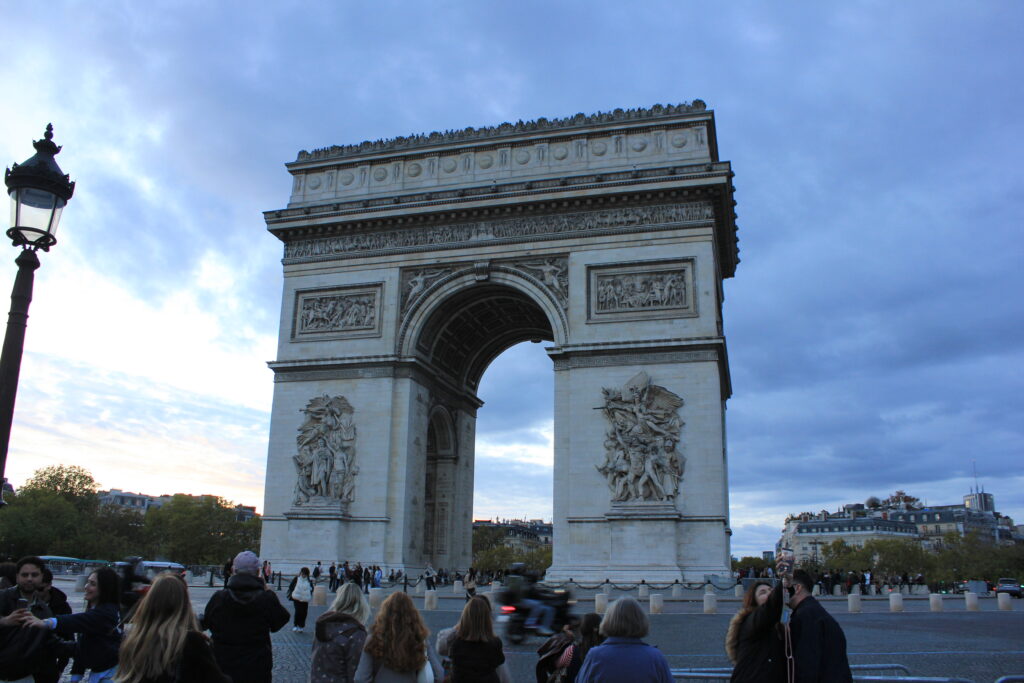
First, we saw the Luxor Obelisk at the Place de la Concorde (similar to Cleopatra’s Needle that I had seen previously in London), along with a touching memorial to those slain via guillotine in the French Revolution. We then approached the Arch, which was cool to walk up to all along the Champs-Élysées. The Arch was impressive, and we took the stairs to the top. It got dark while we did so, and we enjoyed the nighttime view of Paris (including our first glimpse of the Eiffel Tower). Exhausted after a long flight and busy half-day, we took the subway back to our hotel and crashed.
Monday, October 12

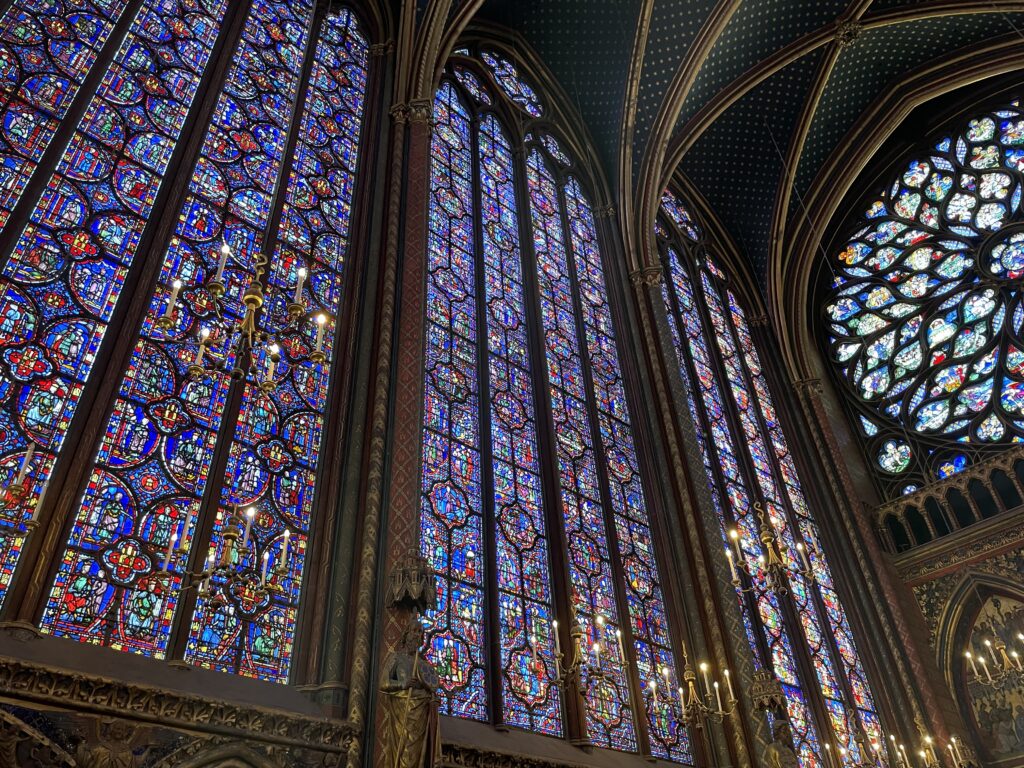
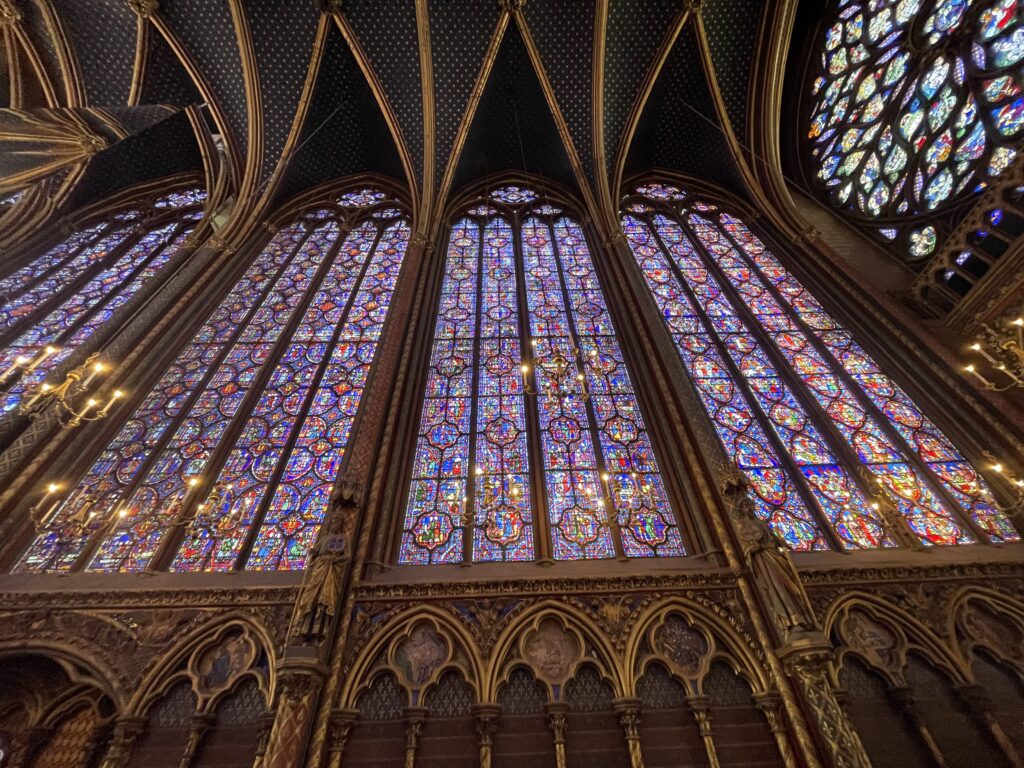
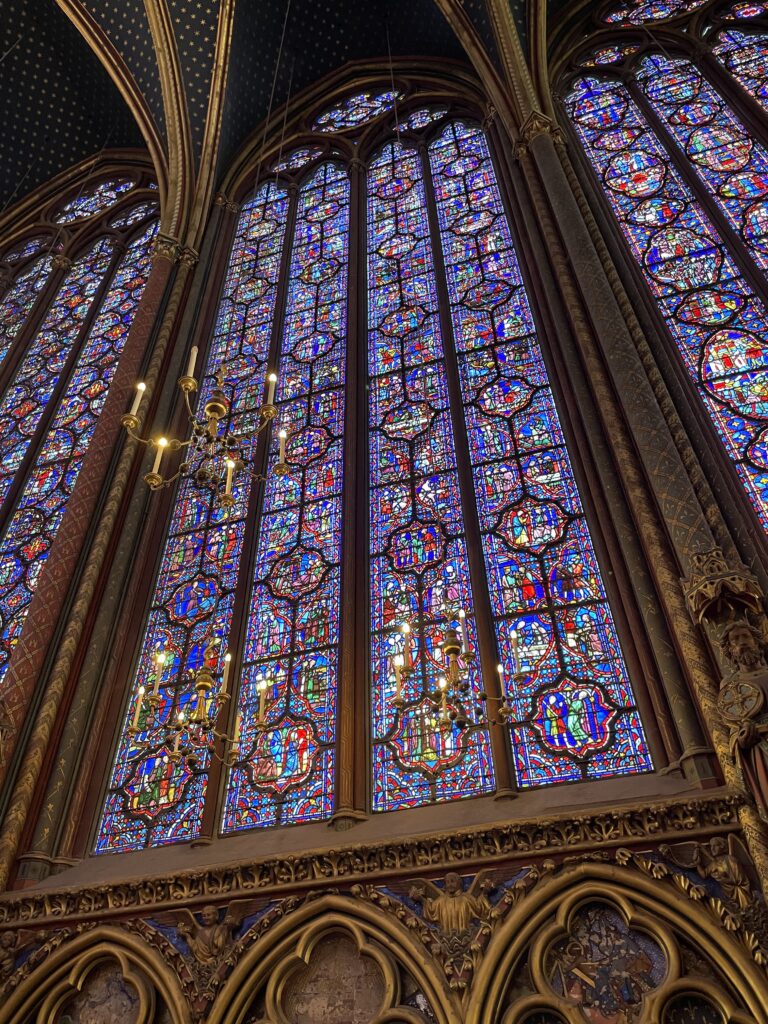
We were supposed to go to the Louvre first thing on Monday, but we got there only to learn that it wouldn’t open until 11. Apparently the workers were striking (a common pastime), so rather than wait in line for a couple of hours, Caroline suggested we shuffle our plan for the day, and we headed to Sainte-Chapelle. This 13th-century chapel was pretty forgettable on the outside (I have literally forgotten what it looks like), but inside was filled with hundreds and hundreds of stained glass windows. The windows themselves actually retell the story of the Bible (a friend pointed out that for many of the illiterate attendees, these windows were like the BibleProject of its day!) and they were absolutely breathtaking. I sat and stared at the windows…and stared…and stared…
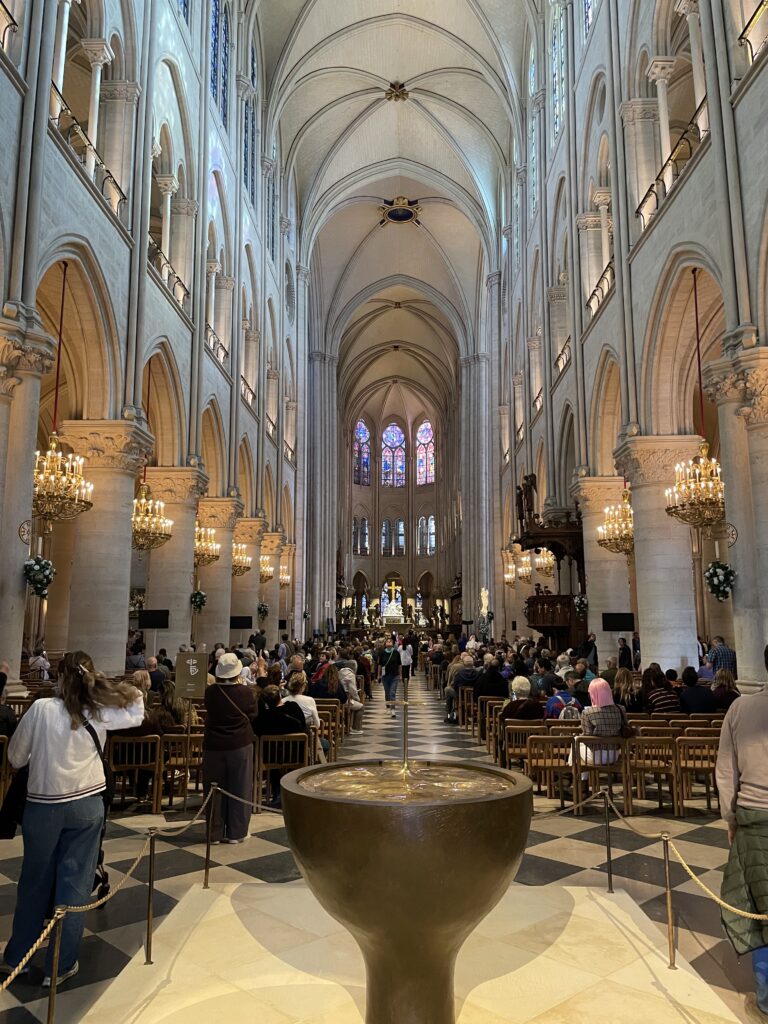
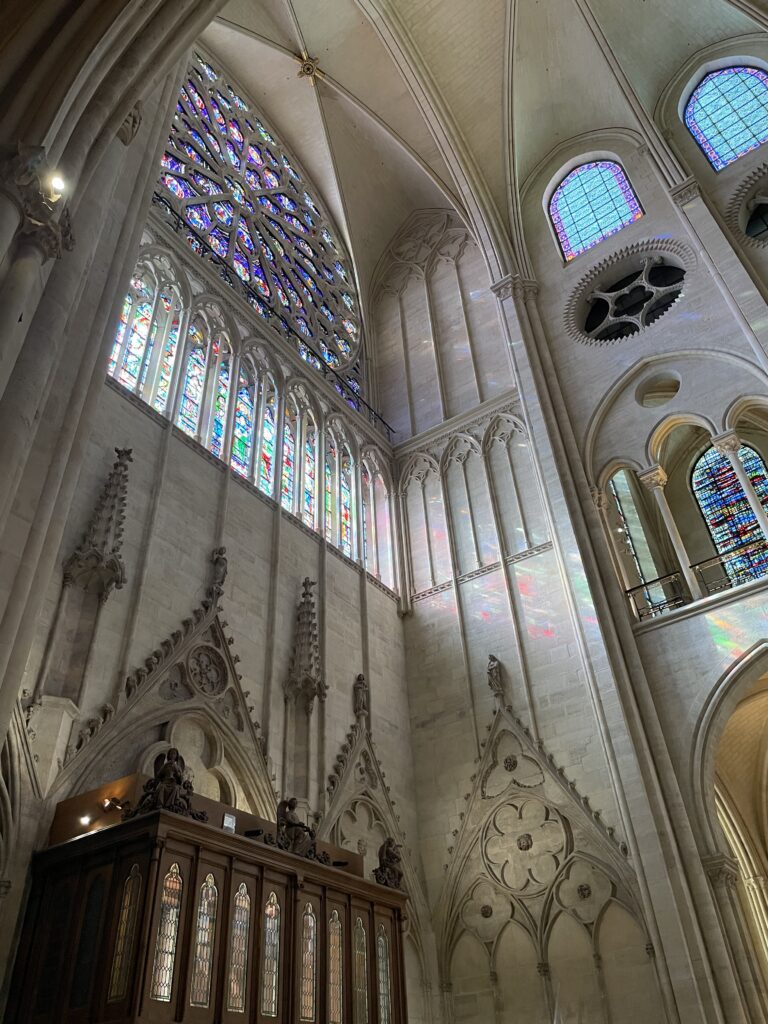
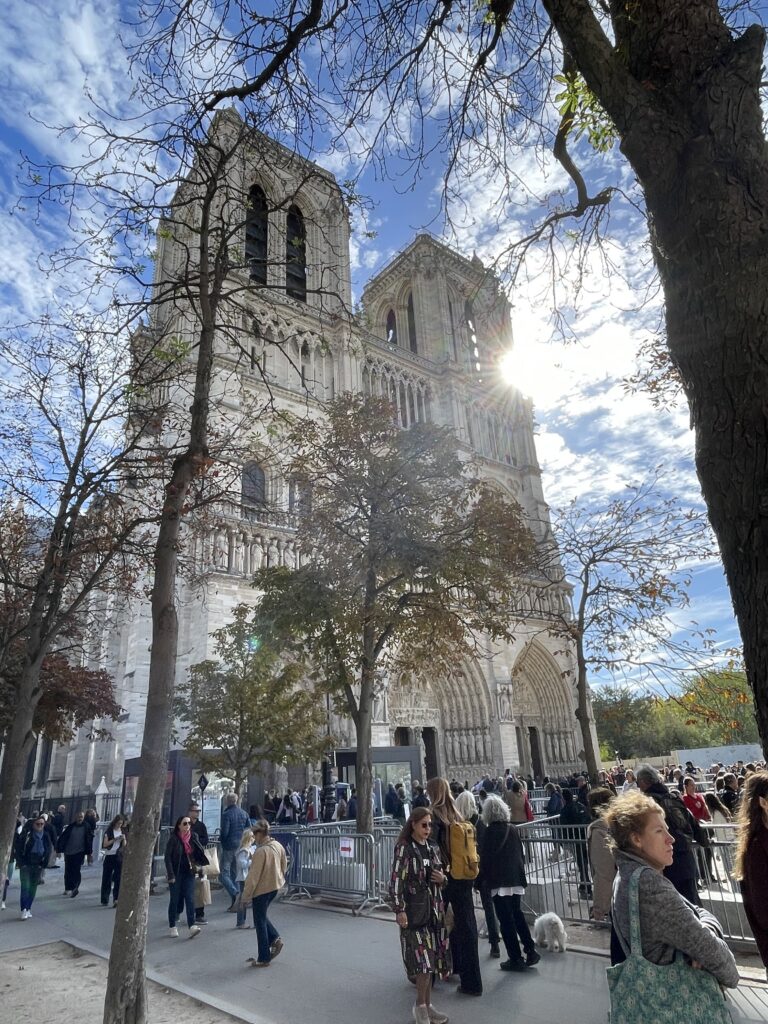
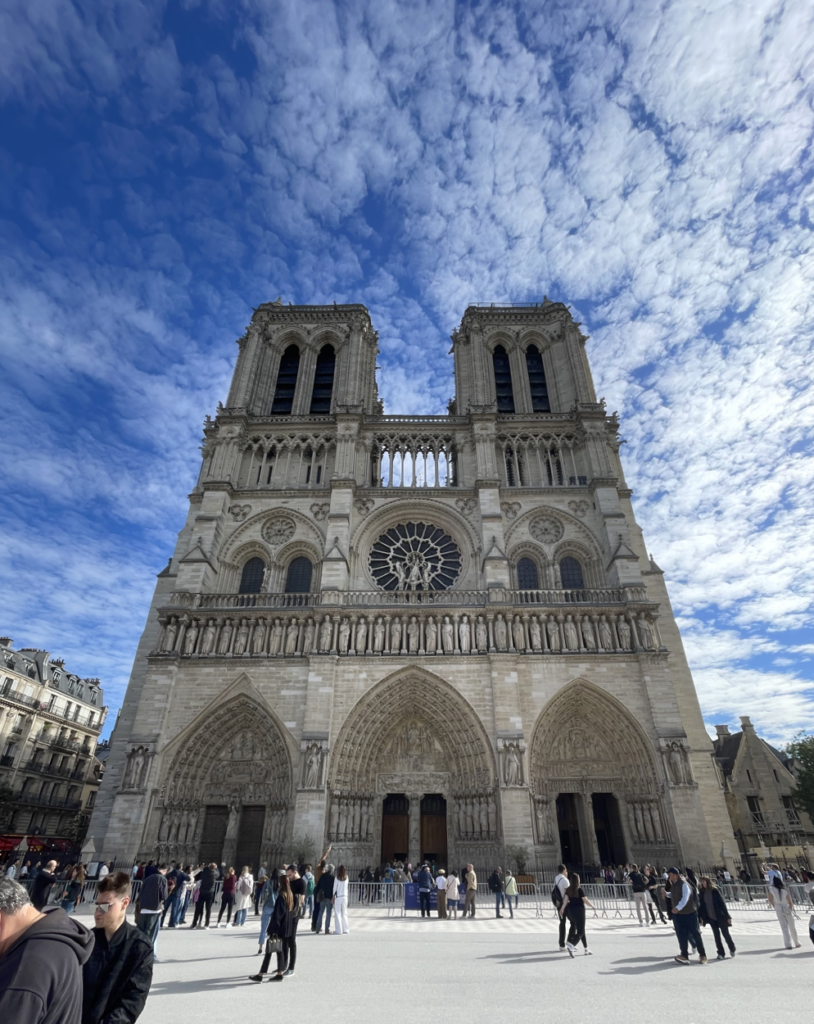
After Sainte-Chapelle we checked out some market stalls and grabbed lunch at a cafe, then headed to Notre-Dame de Paris. I remember when this famed cathedral caught fire in 2019, and how France (and, indeed, much of the world) mourned. I totally get it now! I am pleased to report that the cathedral is in very good shape, repairs are still ongoing, and it remains an absolute marvel. Getting to see Sainte-Chapelle and Notre-Dame within the span of a few hours was absolutely amazing.
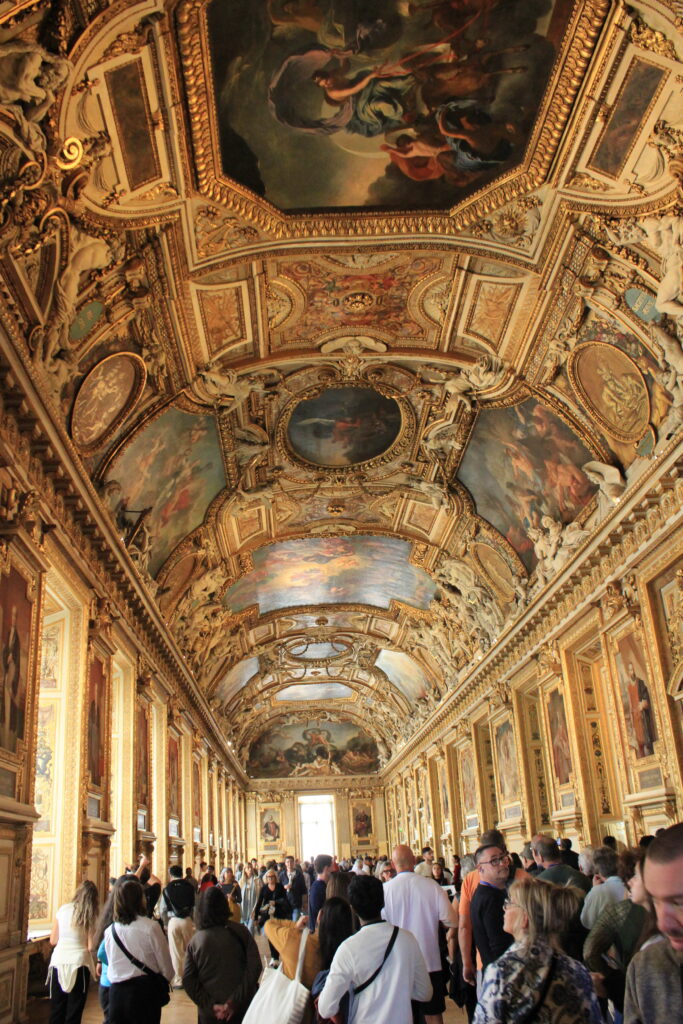
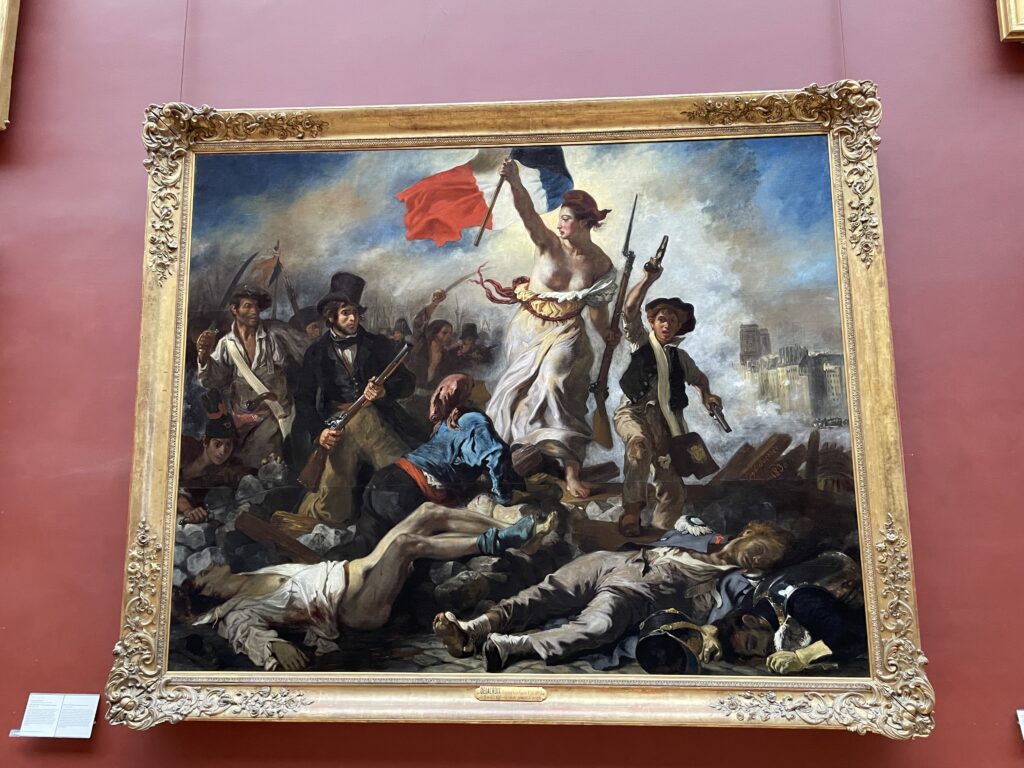
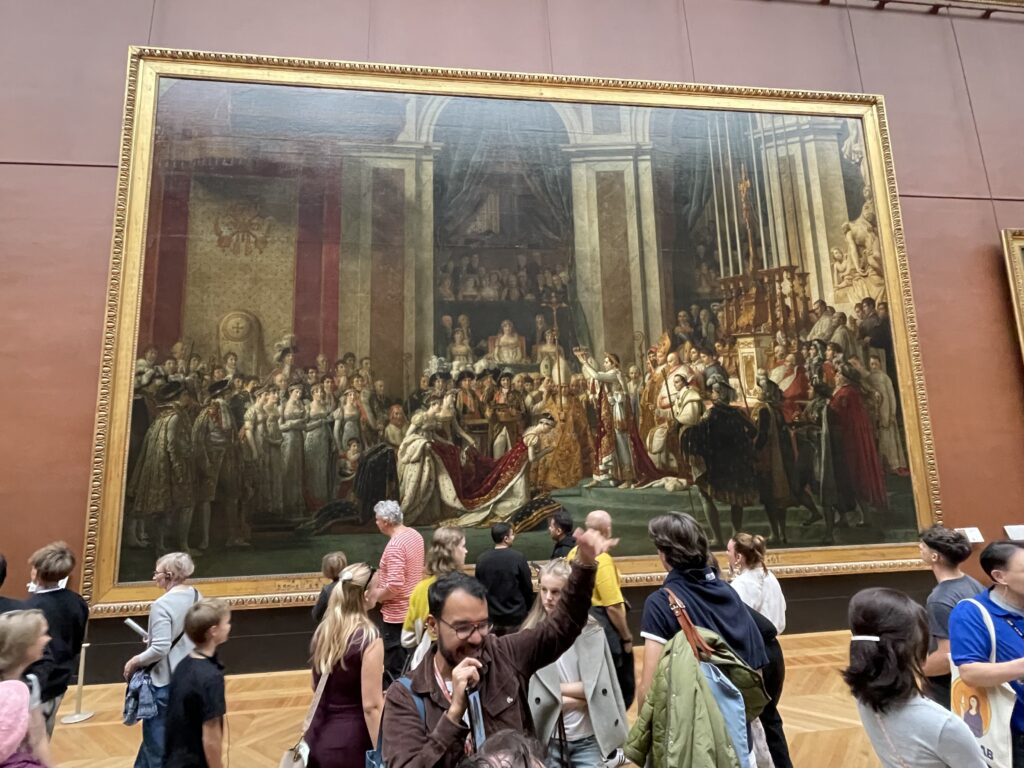
After Notre-Dame, we returned to the Louvre that had been closed earlier in the day. I didn’t take a ton of pictures because honestly, it was underwhelming. The architecture of the museum itself was impressive, the glass pyramid was neat, and it was genuinely cool to see the Mona Lisa (I was prepared for this to be disappointing, so I actually wasn’t let down and kind of enjoyed it) and the Code of Hammurabi. Highlights for me were actually some of the paintings that were significant in France’s own history, like Liberty Leading the People by Delacroix and Jacque Louis-David’s Coronation of Napoleon (which was impressively massive.
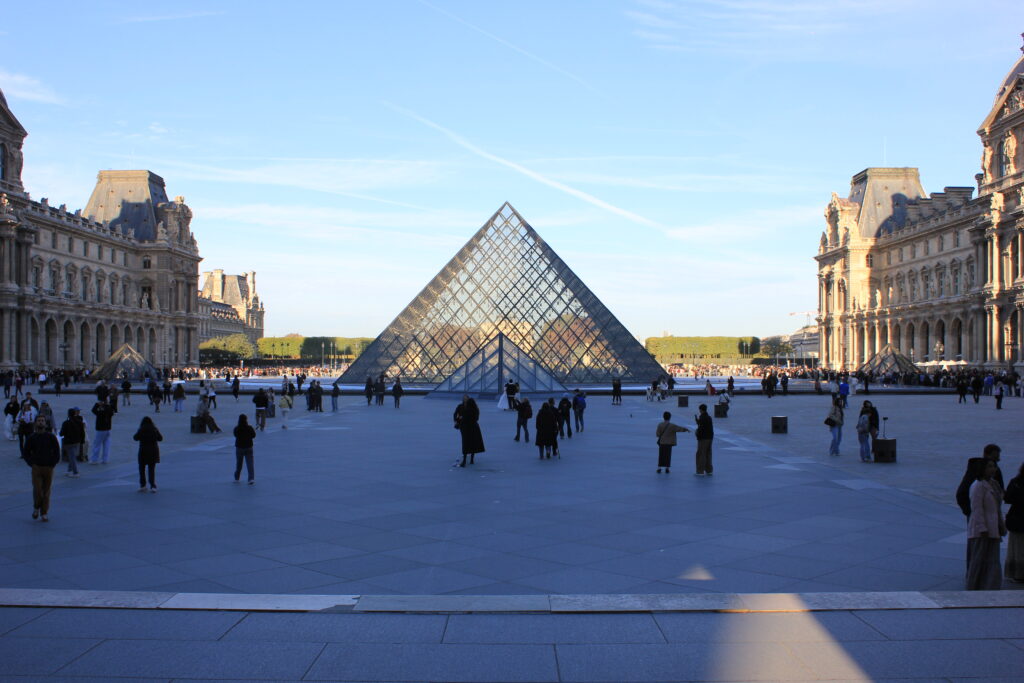
On the way out of the Louvre, we stumbled upon a McDonalds (Chicken McNuggets are surprisingly awesome in foreign countries) for dinner, then headed back to our hotel, from where we ventured out again to do laundry at a local laundromat (it was fun interpreting the instructions in French), grabbed some gelato, and then picked up a few groceries. This was a fun night because it felt less touristy.

Tuesday, October 13

This was the day that we had blocked out to go to Versailles. I know a lot of people love Versailles, but we both agreed that it was monumentally disappointing. Honestly, I know the French Revolution was bloody and excessive, but walking through Versailles really helped make it all a little more understandable. I took a few pictures here, but nothing that I really wanted to share. After going to the palace we had planned to tour the gardens, but we decided against it and had zero regrets. We came back early to the hotel (after eating more crepes) and took naps. Feeling refreshed, we headed to Basilique du Sacré-Cœur, which was a super cool church that had a great overlook of Paris.
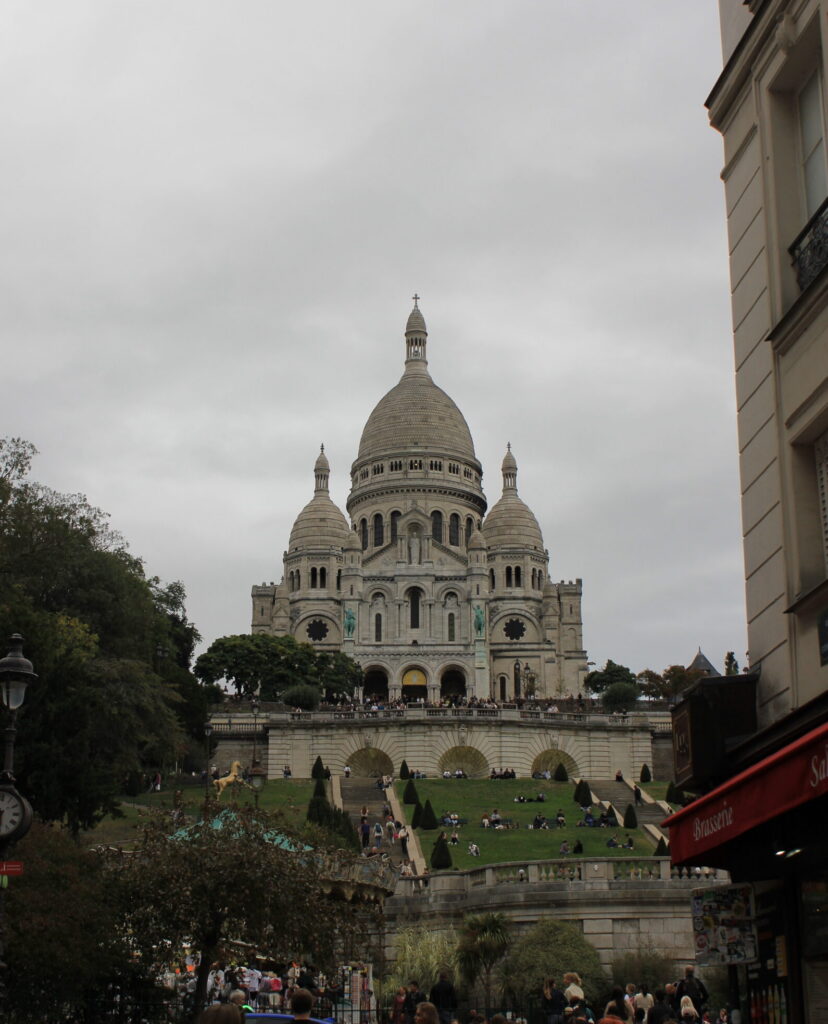
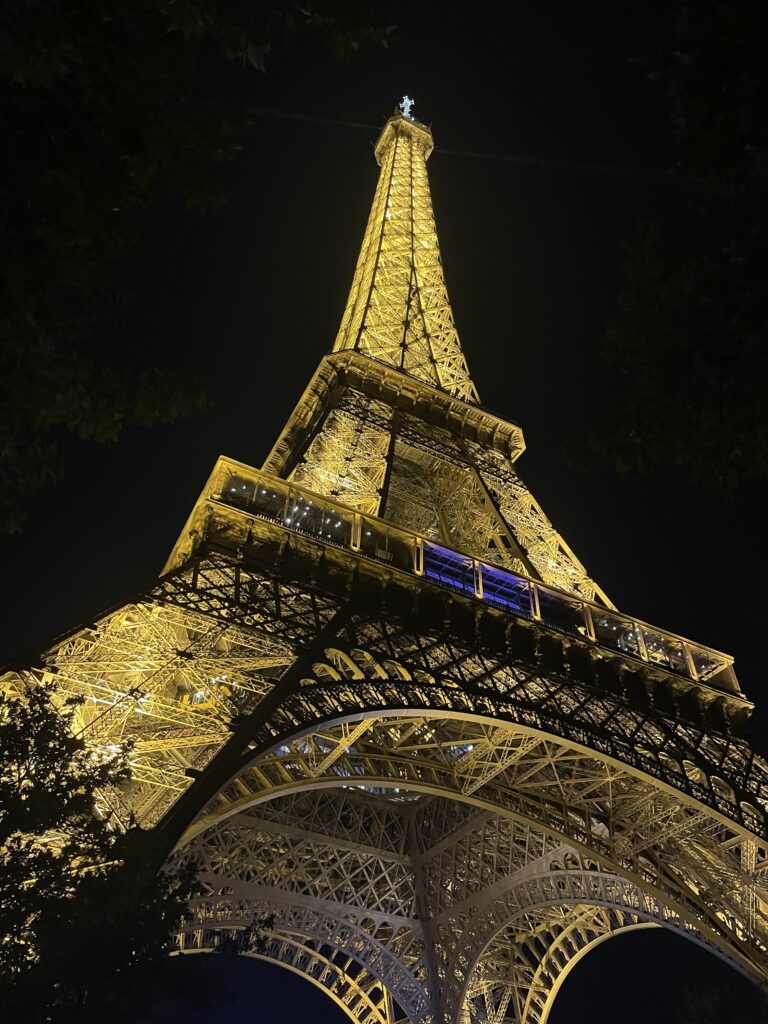
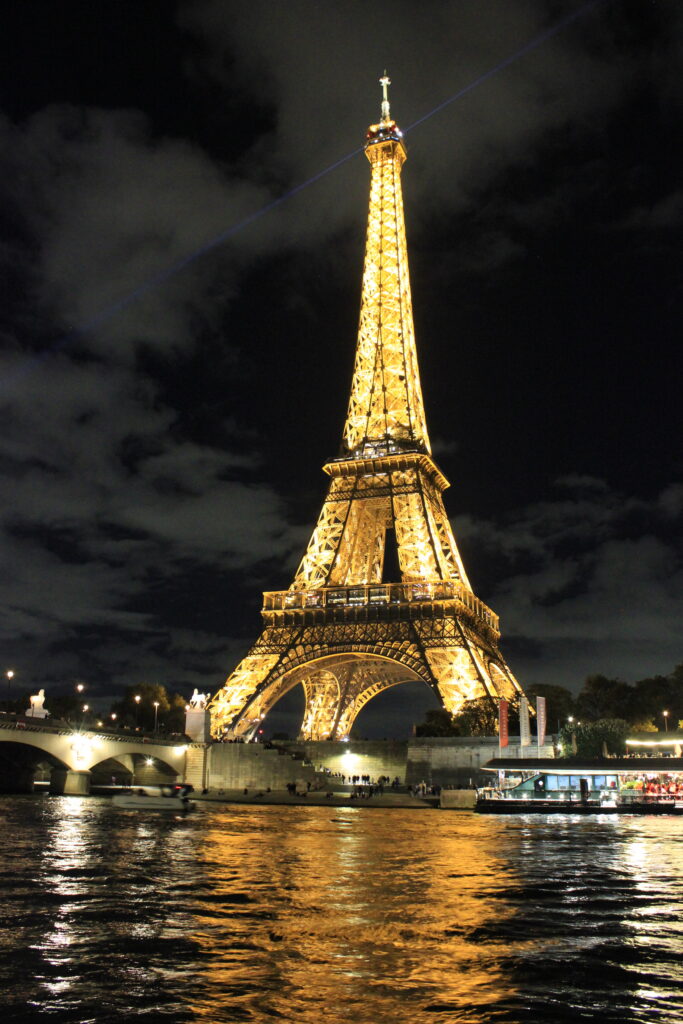
From there, we headed toward the Eiffel Tower, where we hopped on an evening cruise of the Seine, which allowed us to see lots of Parisian sites at night. The highlight of the evening, though, and for me, of Paris, was the Eiffel Tower itself. I kind of expected the Eiffel Tower to be overrated, but unlike the Louvre and especially Versailles, it was not. Built in 1889, it was a remarkable feat of engineering, and it is just so huge. It looks amazing at night, and it was awesome to be able to go to the top (though honestly, I enjoy looking at it more than from it).
Wednesday, October 14

Caroline and I have become big fans of Disney parks, and on Wednesday, we headed to Disneyland Paris to visit the two parks there. We had a lot of fun, but since I enjoy ranking Disney parks, I will talk about those in a separate post.

Thursday, October 15

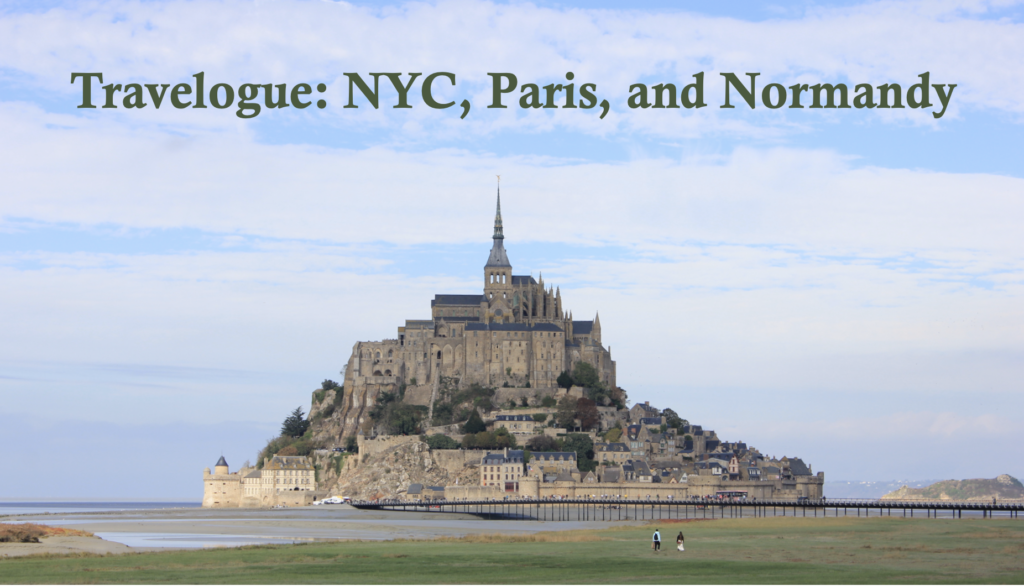
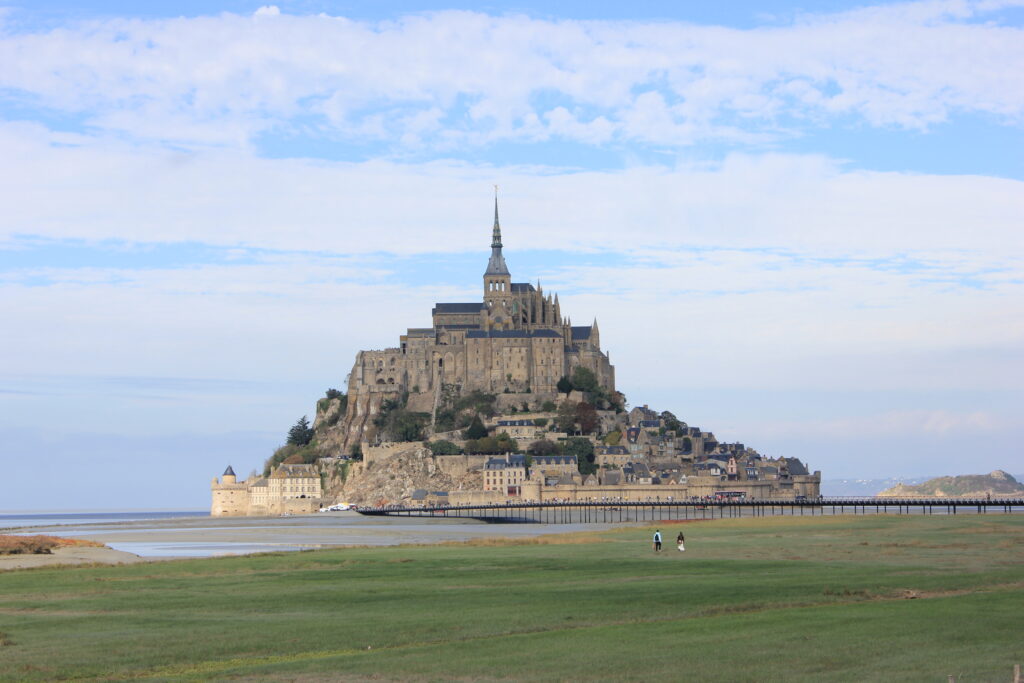
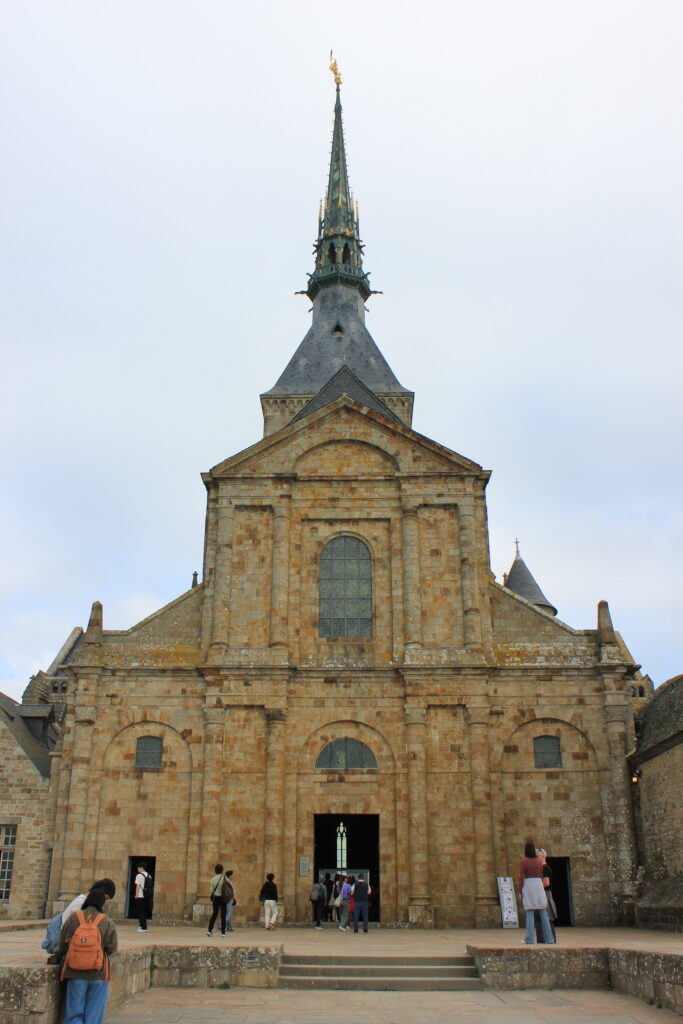
On Thursday, we checked out of our hotel, went through an arduous process to find our rental car location, and drove to Mont Saint-Michel, our first stop in Normandy. I’ve been fascinated with Mont Saint-Michel for years, and this was a bucket-list stop for me. Mont Saint-Michel is a tidal island which is basically a medieval abbey surrounded by a tiny medieval (tourist-trap) town, and it has been a pilgrimage site for centuries.

You can see Mont Saint-Michel rising in the sky from a long distance, and it was a surreal experience walking toward it and seeing it gradually looming closer.
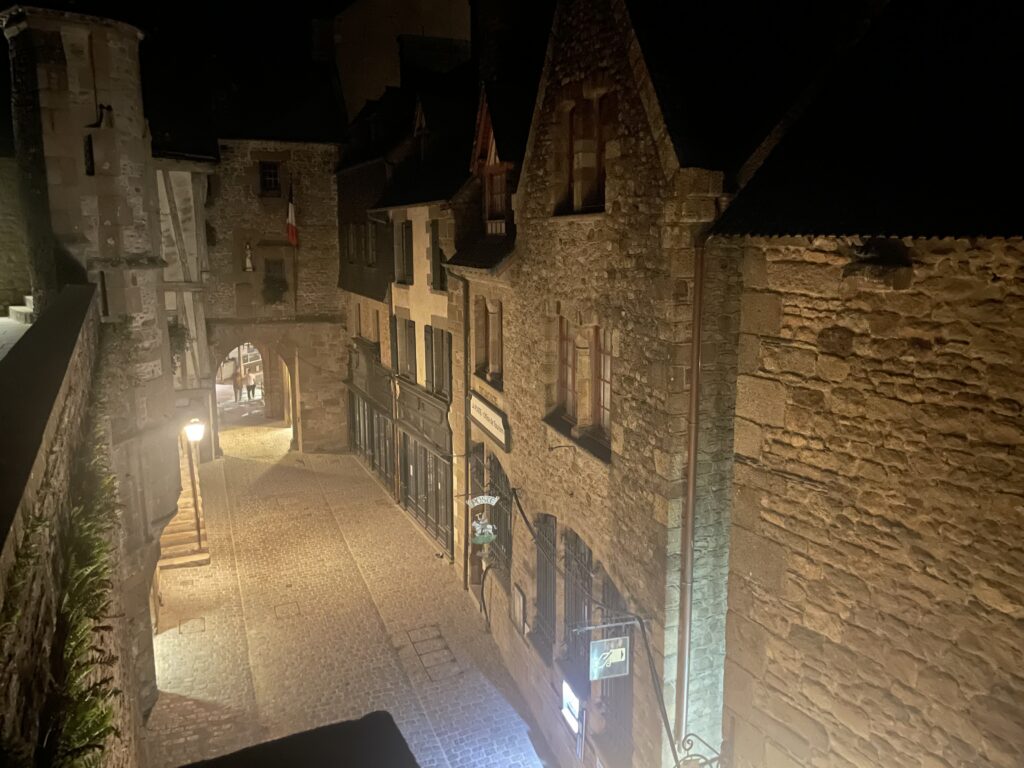
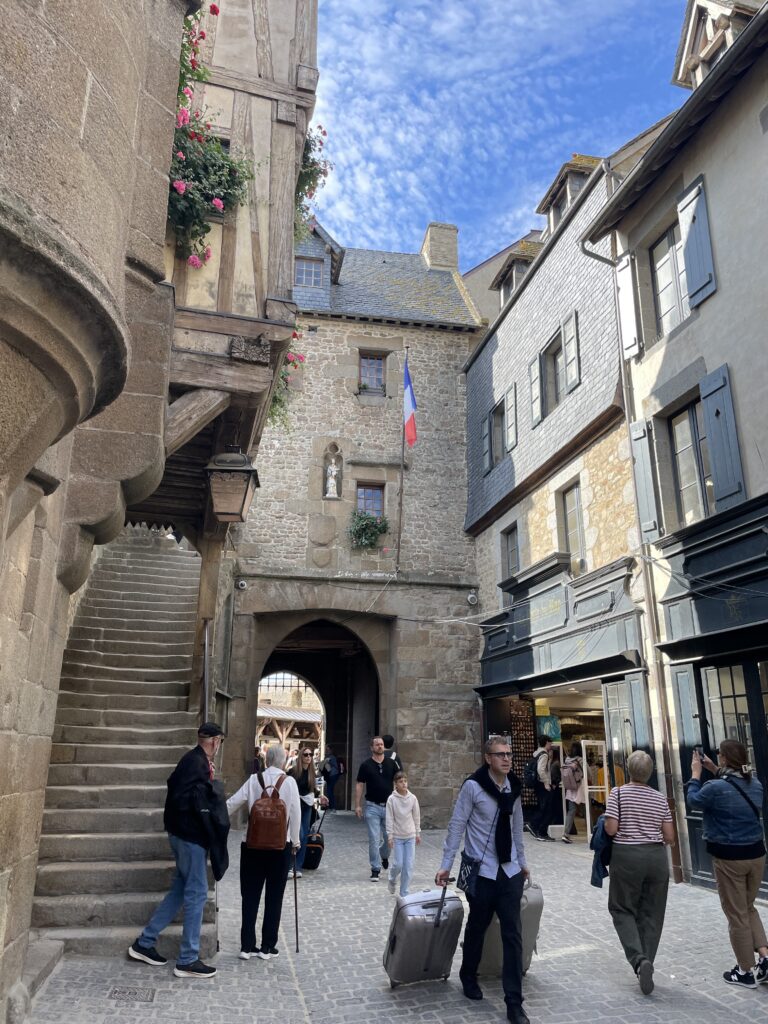
I absolutely loved the crowded main street; I really did feel like I was being transported back into time to a medieval village.
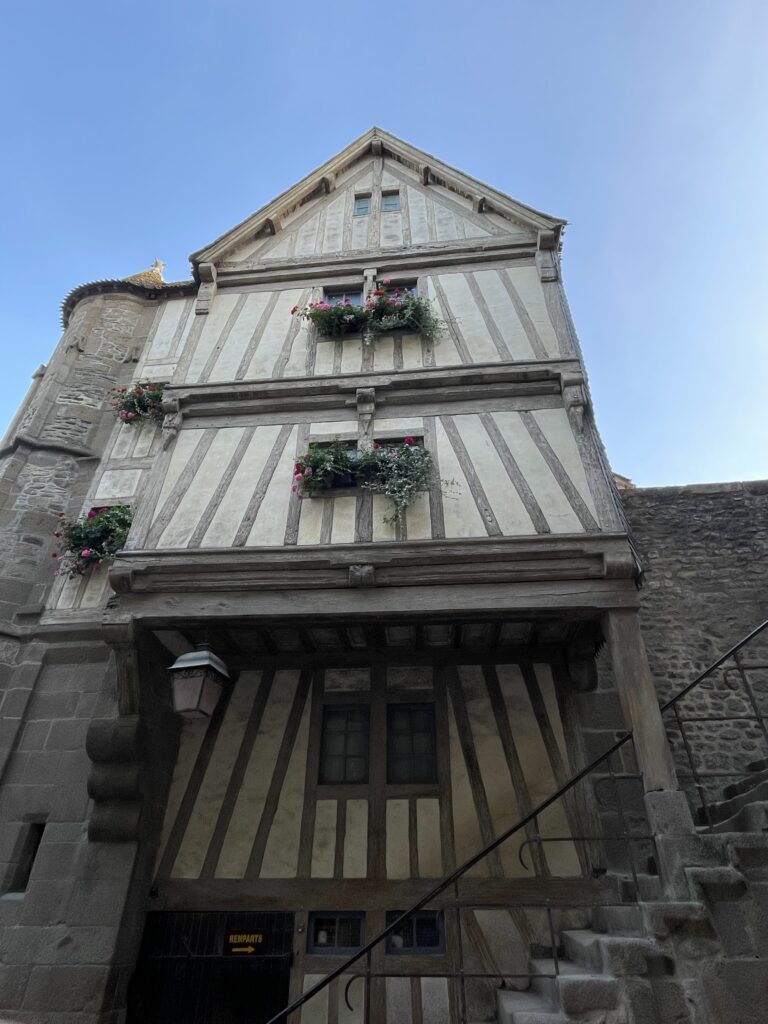
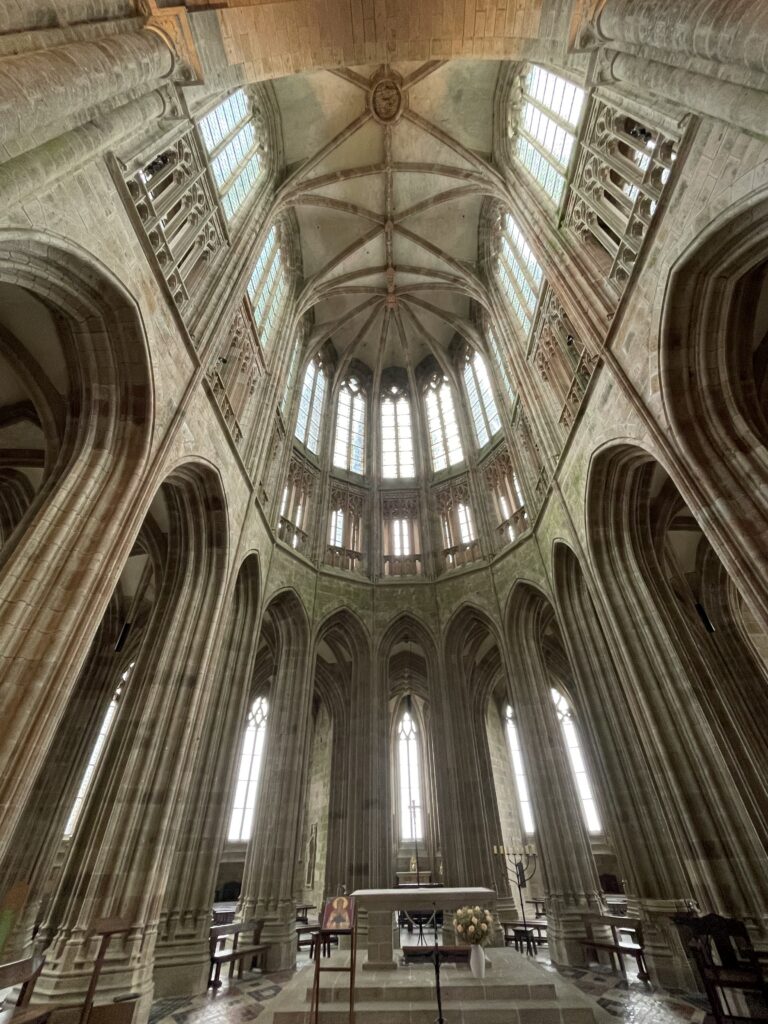
The experience of climbing the stairs and hills to get up into the abbey proper was memorable, and all of this combined set me up for the abbey itself, which was actually a little disappointing to me: it seemed to be neither a living church, nor a well-explained and kept-up museum. There were very few staff in the sprawling complex, signage was minimal, and one of the only displays they had was about a current project that really had little to do with the abbey at all.
 

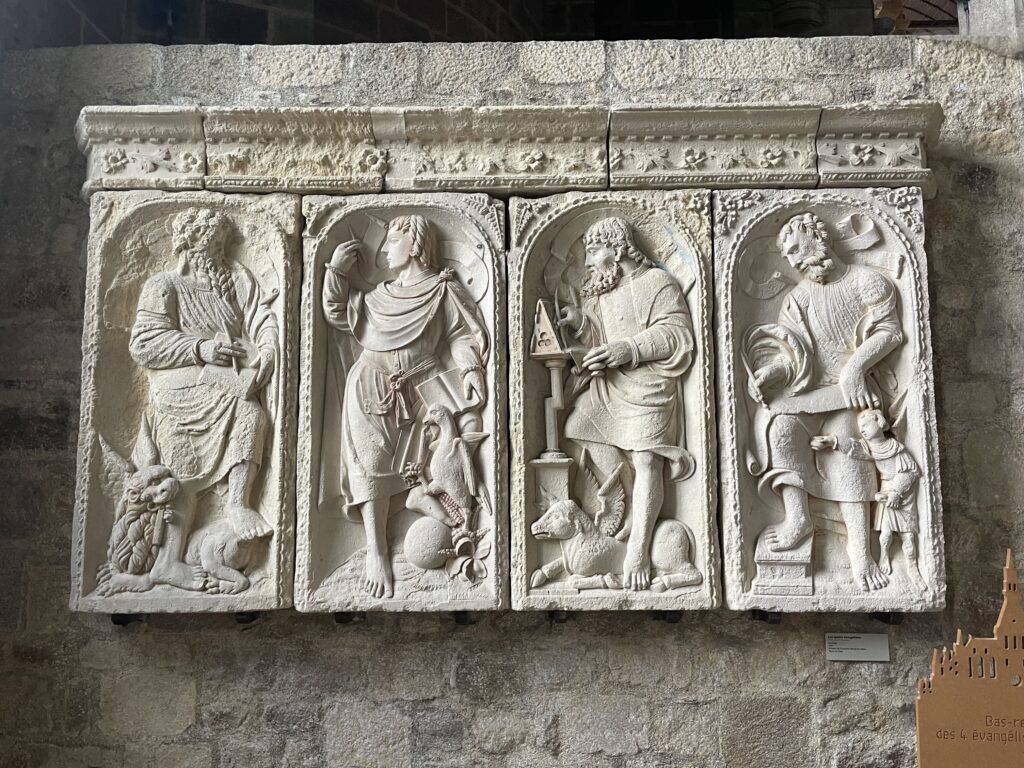
Still, there were a bunch of neat things, like this relief inside the abbey from the 1500s of the four evangelists.
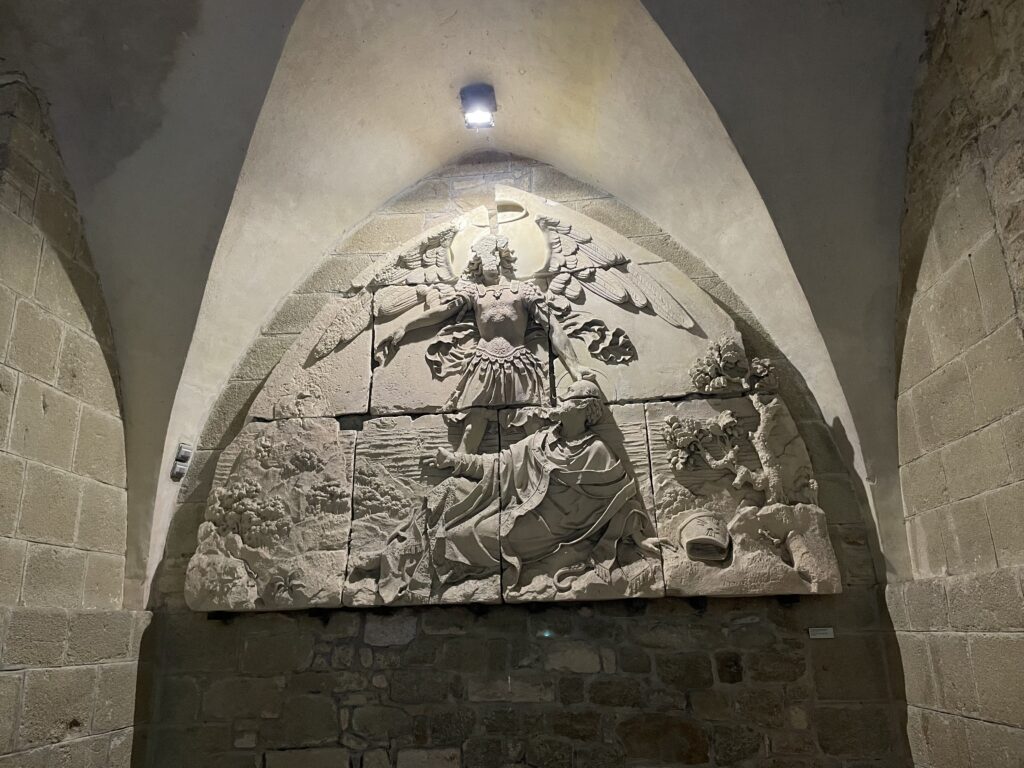
The relief below shares the origin myth of Mont Saint-Michel: the archangel Michael appeared to Aubert, bishop of Avranches in 708 and instructed him to build a church on the rocky tidal island. Eventually, he listened.
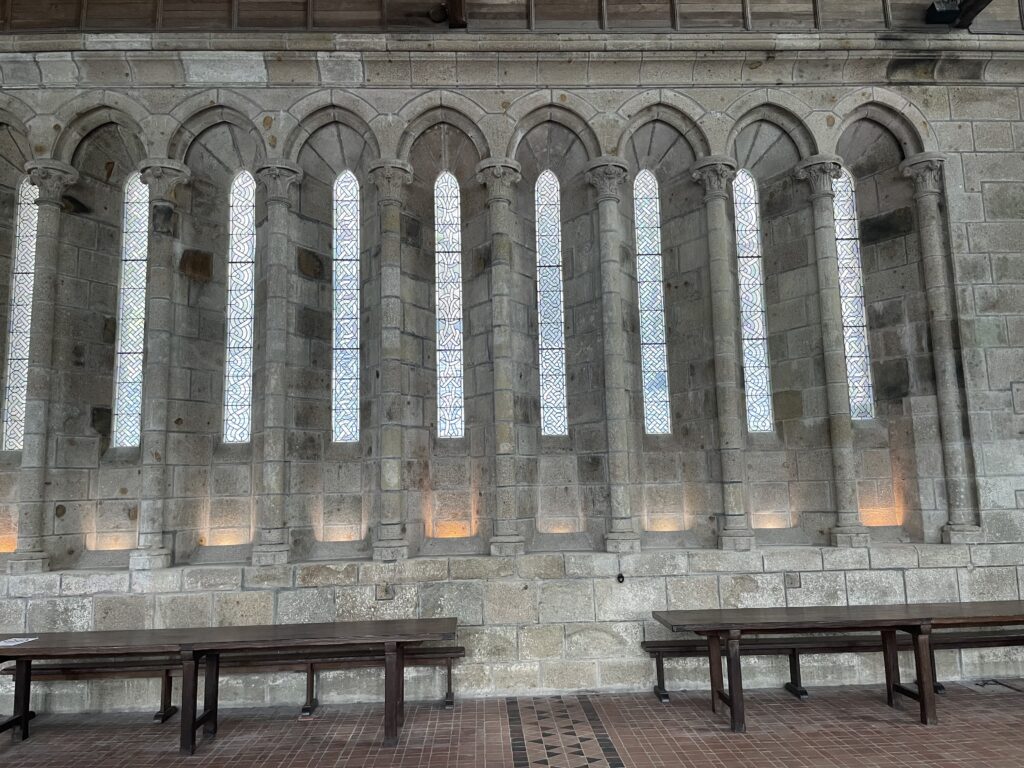
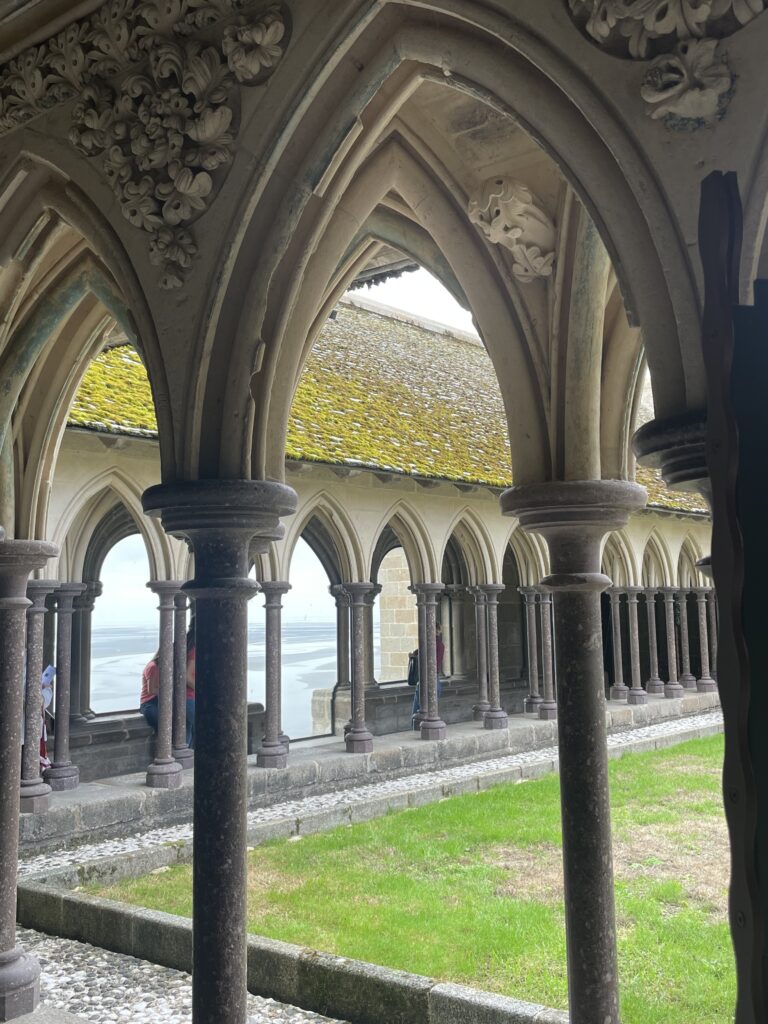
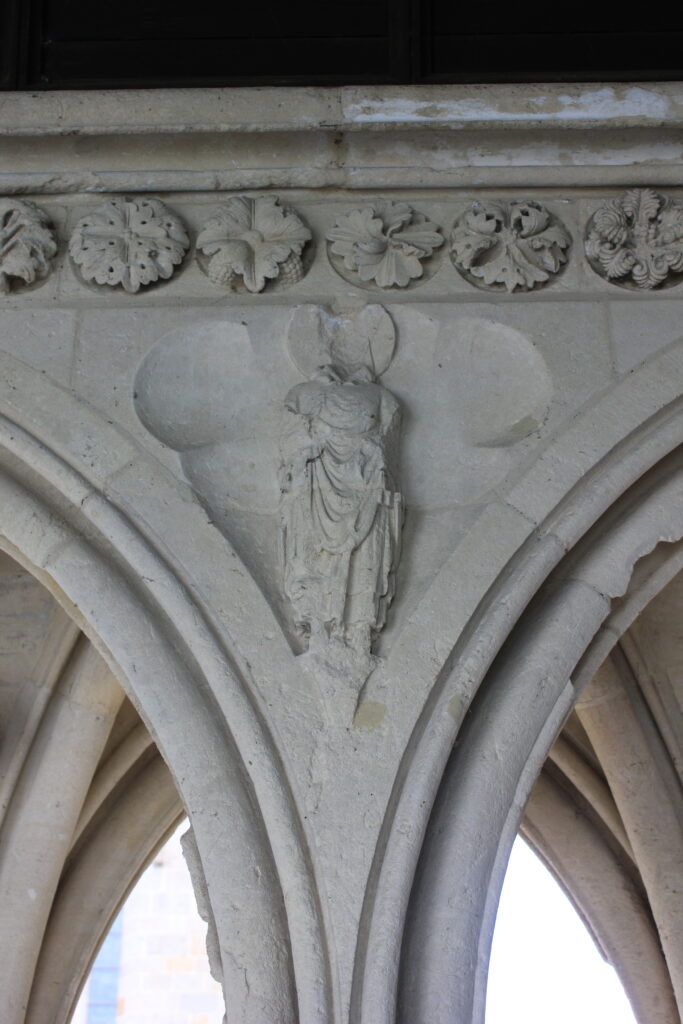
This is a little garden (cloister) outside of the abbey where the monks would go for (silent) meditation, reading of Scripture, and tending their herb gardens. There are beautiful carvings of plants and flowers on the archways surrounding the garden, as well as some statues of saints. Unfortunately, when Mont Saint-Michel was seized in the French Revolution, the godless, barbarous mob destroyed all the faces on the statues.
Friday, October 16

After staying in a small Airbnb in nearby Pontorson, we drove the next morning to the part of Normandy that Americans are more familiar with, to visit historic WWII sites. I am so glad we added this to the trip, as it was a profoundly moving experience.

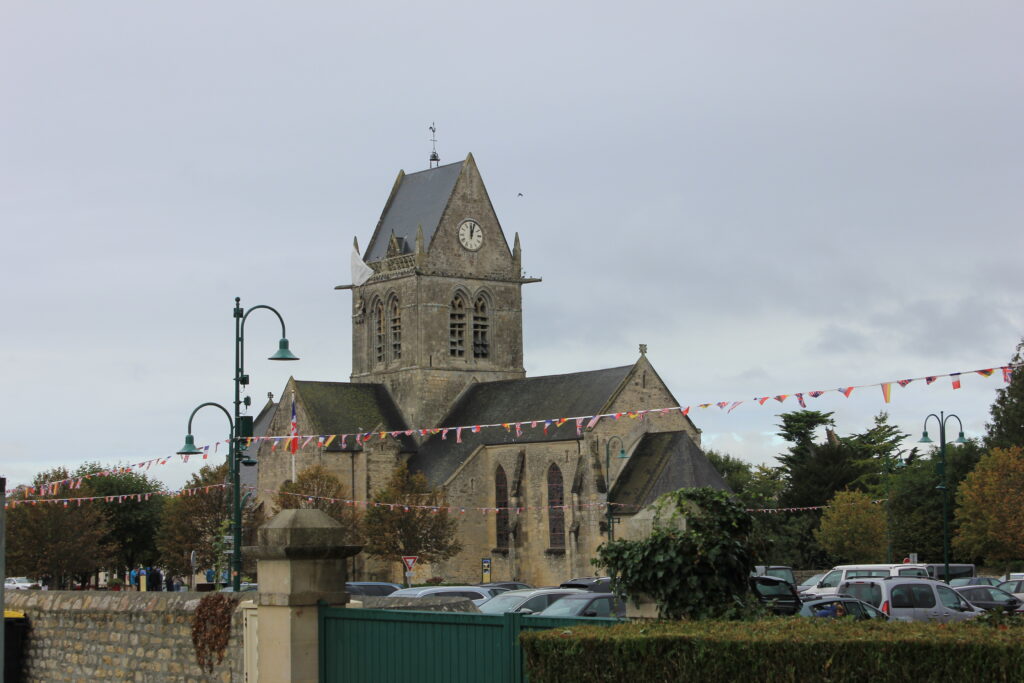
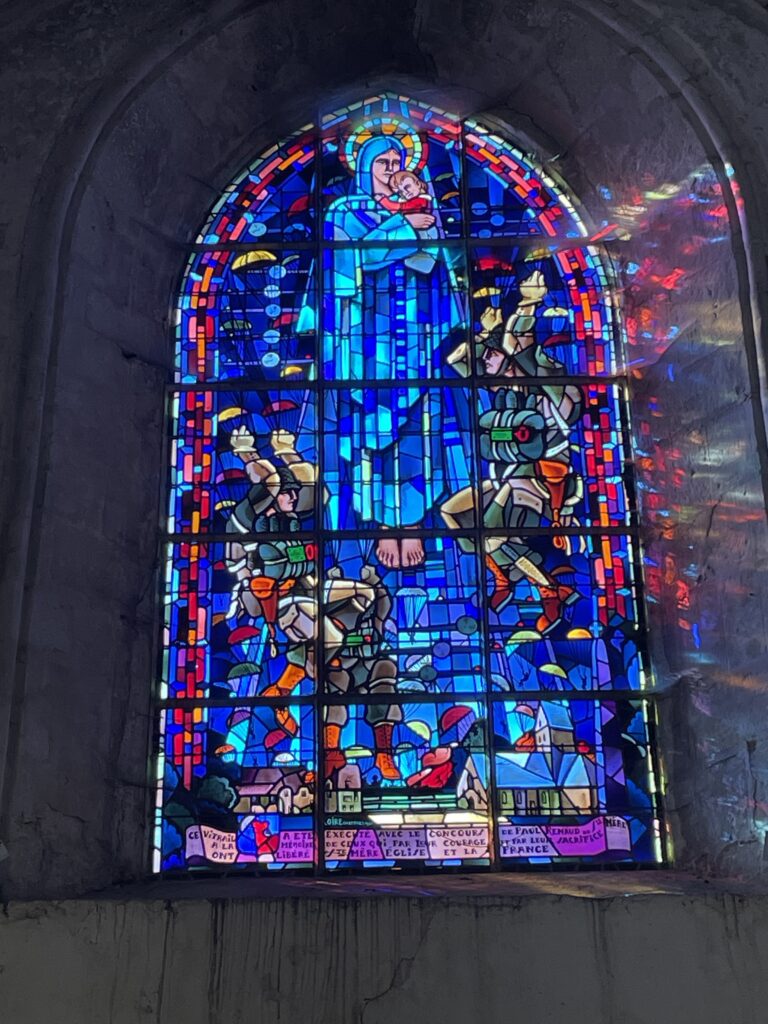
First, we visited the Airborne museum in Sainte-Mère-Église (one of the first towns liberated in the D-Day invasion). The church in Sainte-Mère-Église retains a dummy of a paratrooper who was caught on the roof on D-Day, and a stained glass window featuring paratroopers inside.
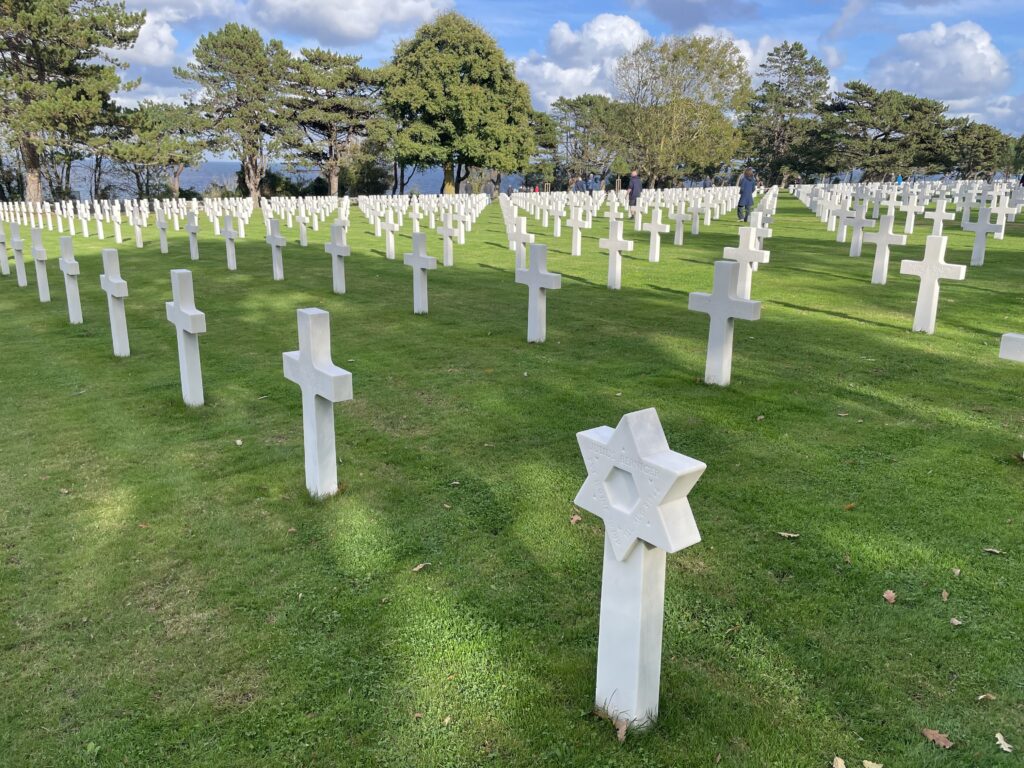
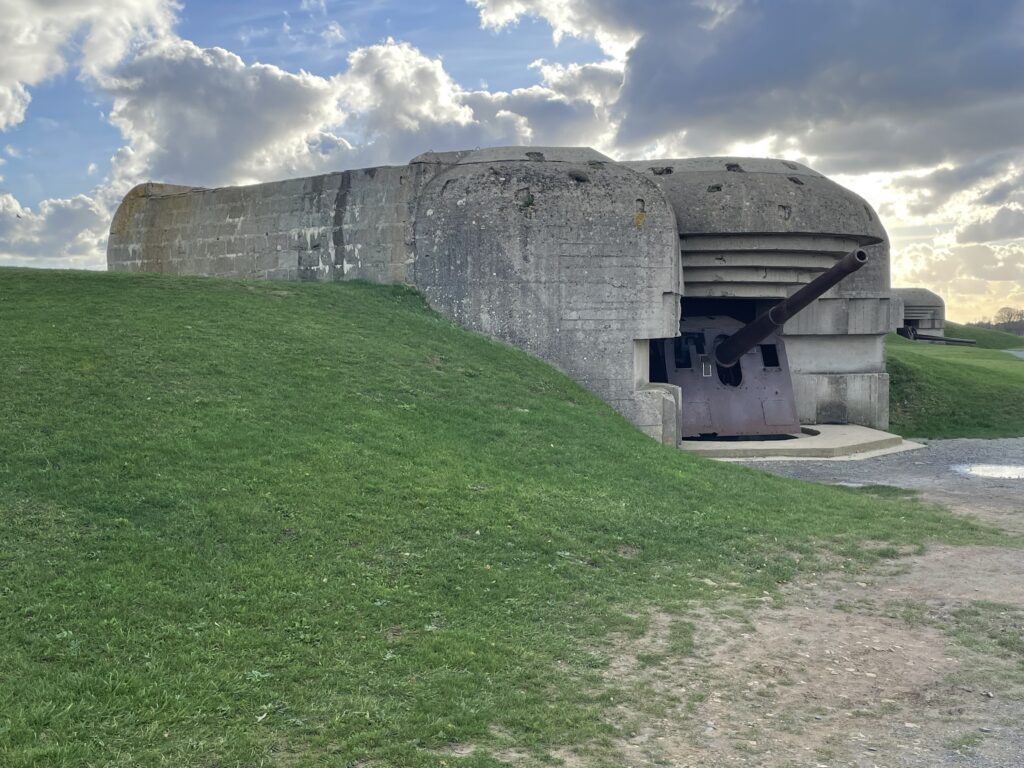
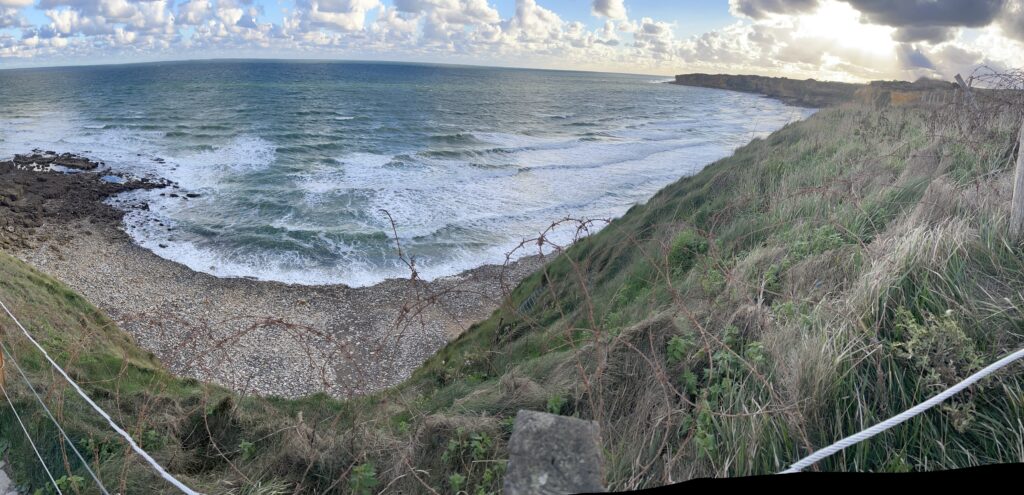
Next, we traveled to Omaha Beach, and then headed to the American Cemetery where we witnessed the incredibly moving flag ceremony. Before it got dark, we toured the Longues-sur-Mer Battery. It was such an amazing beautiful place; it was hard to imagine the death and destruction that was dealt here 80-some years ago.
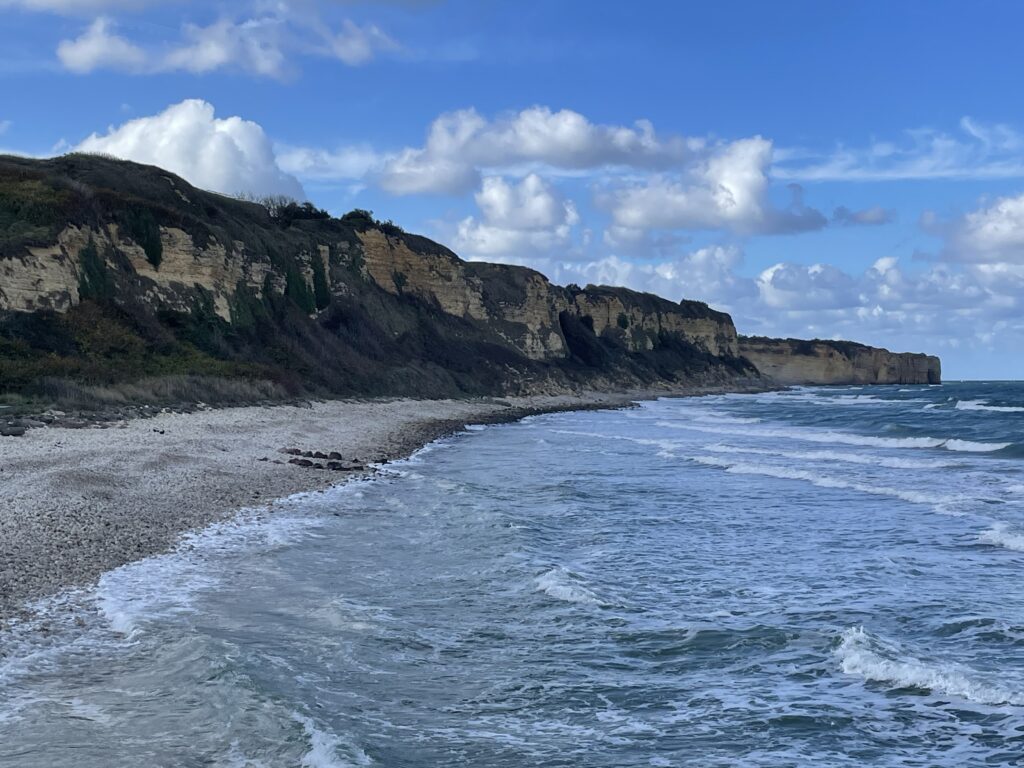
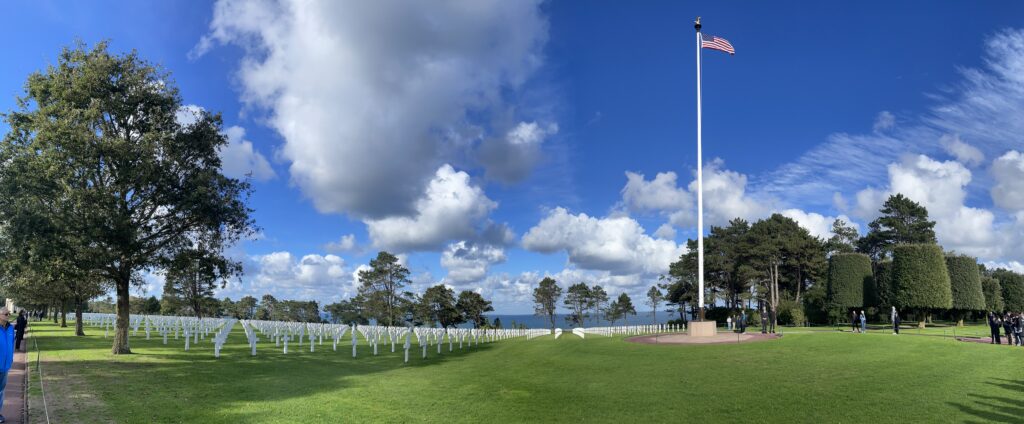
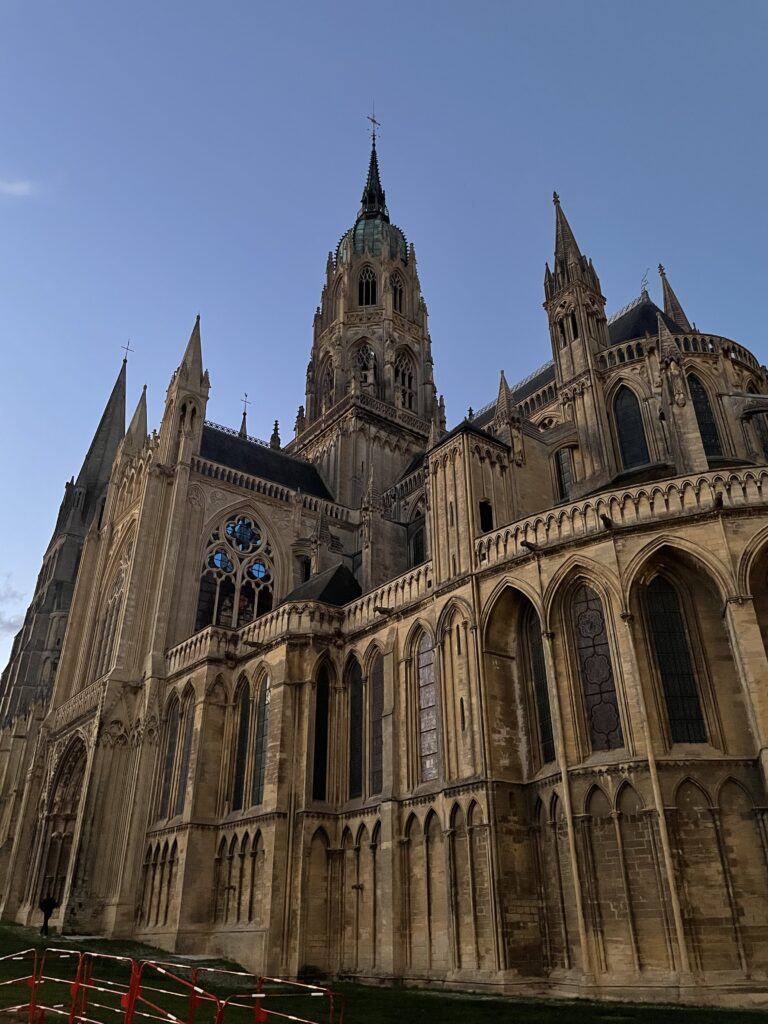
That night, we visited the nearby town of Bayeux, which was another town with a medieval feel I absolutely loved, along with a beautiful cathedral (that we could only see from the outside because it was closed). We stayed at another Airbnb, this one actually on a beautiful golf resort, and enjoyed our last night in France.

Saturday, October 17

On the way out of Normandy, we stopped at Point du Hoc, a prominent clifftop that was famously scaled by U.S. Army Rangers in the D-Day assault. We were not able to fully appreciate this site as it is undergoing a massive renovation, but we were able to see enough to be struck by the horrific devastation of war as well as the sacrificial bravery of ordinary men.

We then drove back to Paris and took a long flight back to NYC.

Sunday, October 18

We woke up, navigated public transportation to go to church in Upper West Manhattan, ate more NYC pizza, and walked around for a bit before heading to the airport and then returning home.

Some Concluding Observations

  1. I am filled with gratitude to have been able to go on this trip. I am aware of how blessed I am to work at a church that granted me a sabbatical, and where people are actually excited that Caroline and I got to go on a trip like this. I am deeply aware of how blessed we are to have two sets of grandparents to take care of our kids while we are away. I am so very thankful.
  2. I was blown away by the kindness of the French people. I have heard all the stereotypes about rude and haughty French people and those stereotypes must come from somewhere, but we did not experience it on our trip. The people we met were kind and were patient with our language limitations. When we had to drive, we were surprised by how nonaggressive the other drivers were, and how infrequently they honked at one another.
  3. As an extension of the first point, I was deeply touched by the sense of gratitude toward the American people that is endemic in Normandy. D-Day was over 80 years ago, and there is virtually no one alive today that remembers firsthand the liberation from Nazi Germany, but that doesn’t change the pervasive gratitude in the French people. It has been instilled within them as part of their culture: a great act of sacrificial service was rendered, they remember it, and they are thankful for it.
  4. You may have sensed this already, but I was deeply struck by the transcendent beauty of churches that we visited. Maybe I will write more on this sometime, but I come from a faith tradition that is, at best, ambivalent toward how we view church architecture. Usually, the emphasis is on utilitarianism and cost-effectiveness; beauty is rarely considered. And yet, I am struck by the reality that when God consented to having a temple built, He gave extensive instructions on how to make it beautiful and magnificent. I think we are missing something significant when we constrain ourselves to plain, inexpensive church buildings.
  5. Traveling to different places helps me appreciate and love people who are different than myself. The notion that we should fear and vilify those who are different than we are is ever-present, but it does seem to have particular fervor in our current cultural context. This sort of fear-based dehumanizing is far from the call of God, and is really only possible if you don’t spend time with other people. In NYC and Paris we witnessed people from so many different cultures speaking so many different languages and they were just…people. People who were different from me, but also very similar, all created in God’s image. I found myself with repeated opportunity to praise God for the diversity he has created, and to pray for people I came in contact with.

If you’ve made it this far, thanks for reading and joining me on this trip! Until next time.


[1] I will sometimes mention how much I love NYC (and, in fact, I did so in this post), but this trip helped me understand that what I really love is Manhattan. We got to spend quite a bit of time in Queens and Brooklyn in this particular trip, which I did not enjoy nearly as much.

Reading in 2024

Reading and making lists are both big parts of my life, and this yearly post involves both of those activities! I will offer some thoughts on my favorite books of the year below, but first, here is the list of books I read in 2024:

  1. The Warden and the Wolf King, by Andrew Peterson
  2. The Freedom of Self-Forgetfulness: The Path to True Christian Joy, by Timothy Keller
  3. Harry Potter and the Chamber of Secrets, by J.K. Rowling
  4. Exiles, by Jane Harper
  5. The Fire Next Time, by James Baldwin
  6. Ephesians: 11 Studies for Individuals and Groups, by N.T. Wright
  7. You Lost Me: Why Young Christians Are Leaving Church…And Rethinking Faith, by David Kinnaman*
  8. Losing Our Religion: An Altar Call for Evangelical America, by Russell Moore
  9. Wingfeather Tales, edited by Andrew Peterson
  10. Miracles, by C.S. Lewis*
  11. All My Knotted-Up Life: A Memoir, by Beth Moore
  12. Orthodoxy, by G.K. Chesteron*
  13. Timothy Keller: His Spiritual and Intellectual Formation, by Collin Hansen
  14. Generous Justice: How God’s Grace Makes Us Just, by Timothy Keller
  15. The $100 Startup: Reinvent the Way You Make a Living, Do What You Love, and Creat a new Future, by Chris Guillebeau
  16. The Weight of Glory, by C.S. Lewis*
  17. A Flicker in the Dark, by Stacy Willingham
  18. Near the Banks of the River: Celebrating Harding School of Theology in Memphis, ed. by Mark E. Powell and Steve Cloer
  19. All the Light We Cannot See, by Anthony Doerr
  20. Gilead, by Marilynne Robinson
  21. All the Dangerous Things, by Stacy Willingham
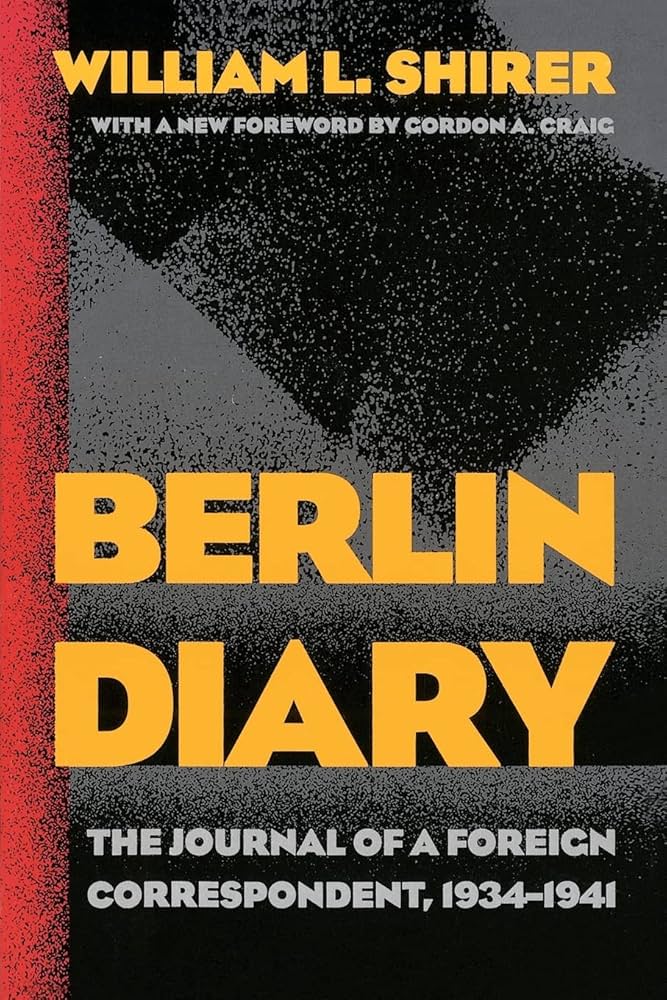
  22. Berlin Diary: The Journal of a Foreign Correspondent, 1934-1941, by William L. Shirer
  23. How Far to the Promised Land: One Black Family’s Story of Hope and Survival in the American South, by Esau McCaulley
  24. Harry Potter and the Chamber of Secrets, by J.K. Rowling
  25. A Grief Observed, by C.S. Lewis
  26. The Action Bible, by Sergio Cariello
  27. iGen: Why Today’s Super-Connected Kids Are Growing Up Less Rebellious, More Tolerant, Less Happy—and Completely Unprepared for Adulthood—and What That Means for the Rest of Us, by Jean M. Twenge*
  28. The Audacity of Hope: Thoughts on Reclaiming the American Dream, by Barack Obama
  29. When Money Grew on Trees: The True Tale of a Marijuana Moonshiner and the Outlaw Sheriff of Madison County, Arkansas, by David Mac
  30. The Aquariums of Pyongyang: Ten Years in the North Korean Gulag, by Kang Chol-Hwan and Pierre Rigoulot
  31. The Door in the Wall, by Marguerite de Angeli
  32. Praying Circles around Your Children, by Mark Batterson
  33. 10 Questions Every Teen Should Ask (and Answer) about Christianity, by Rebecca McLaughlin
  34. Jerusalem: The Biography, by Simon Sebag Montefiore
  35. Where the Red Fern Grows, by Wilson Rawls
  36. The Great Divorce, by C.S. Lewis
  37. Zero Days, by Ruth Ware
  38. The Boxcar Children, by Gertrude Chandler Warner
  39. Basic Christianity, by John R. W. Stott*
  40. The It Girl, by Ruth Ware
  41. Unoffendable: How Just One Change Can Make All of Life Better, by Brant Hansen
  42. Midnight in the Garden of Good and Evil, by John Berendt
  43. Simply Christian: Why Christianity Makes Sense, by N.T. Wright
  44. Walking With Wisdom: A Study of Proverbs, by Lance Hawley
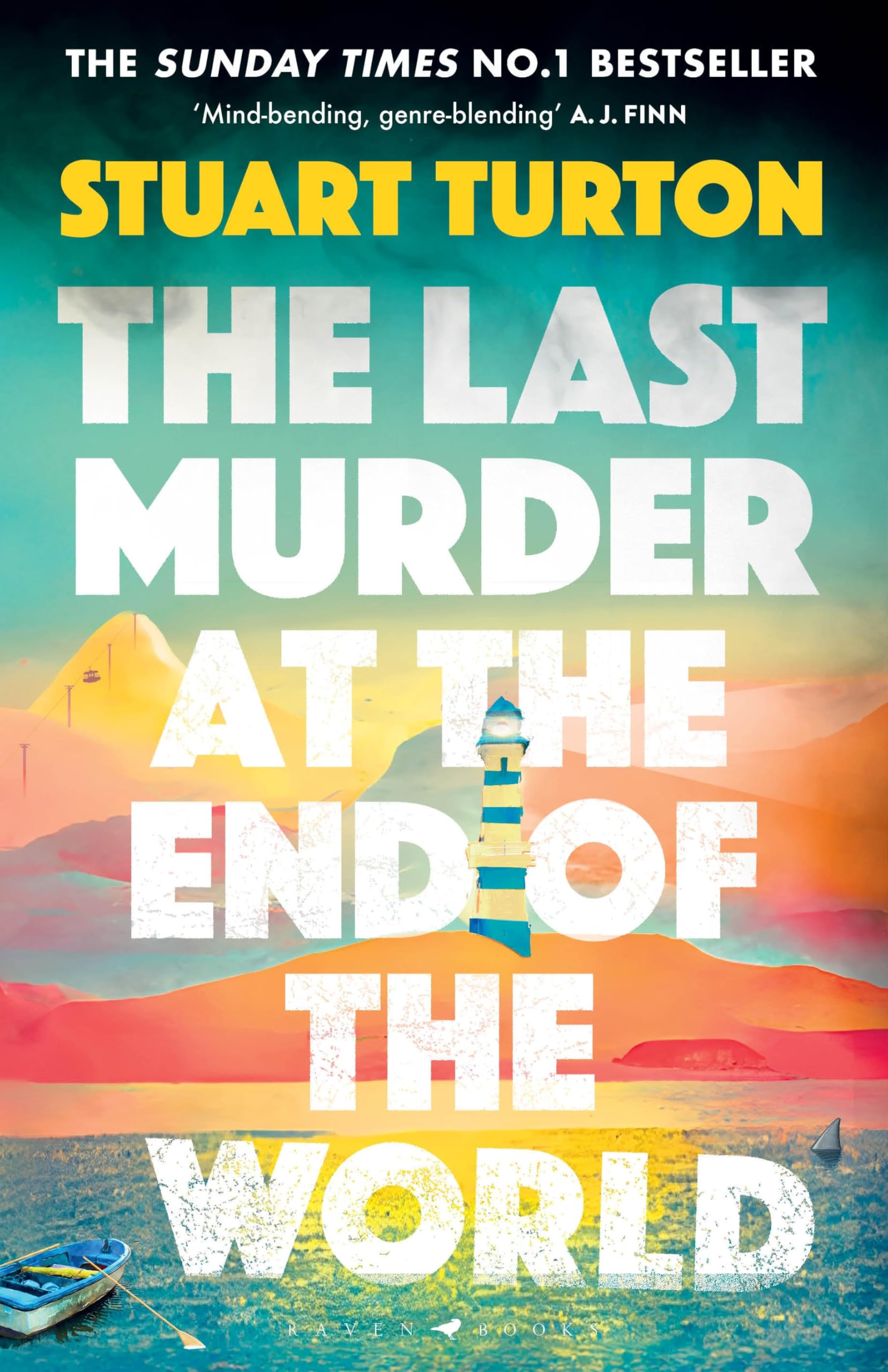
  45. The Last Murder at the End of the World: A Novel, by Stuart Tarton
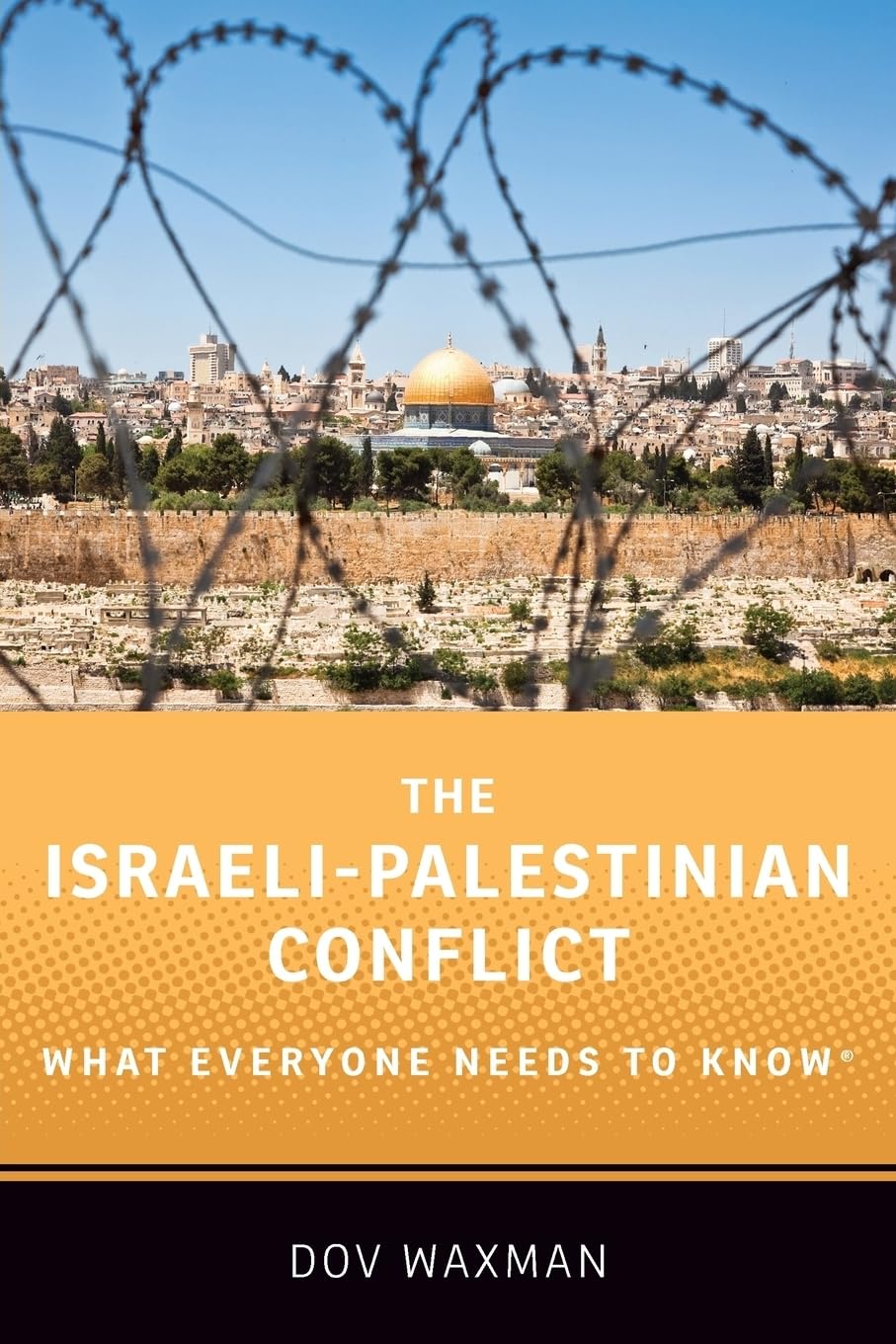
  46. The Israeli-Palestinian Conflict: What Everyone Needs to Know, by Dov Waxman
  47. Thunderstruck, by Erik Larson
  48. Last Girl Breathing, by Court Stevens
  49. The Hunting Party, by Lucy Foley
  50. Adam of the Road, by Elizabeth Gray
  51. Stony the Road: Reconstruction, White Supremacy, and the Rise of Jim Crow, by Henry Louis Gates, Jr.
  52. Gorky Park, by Martin Cruz Smith
  53. Reflections on the Psalms, by C.S. Lewis*
  54. Burn, by Peter Heller
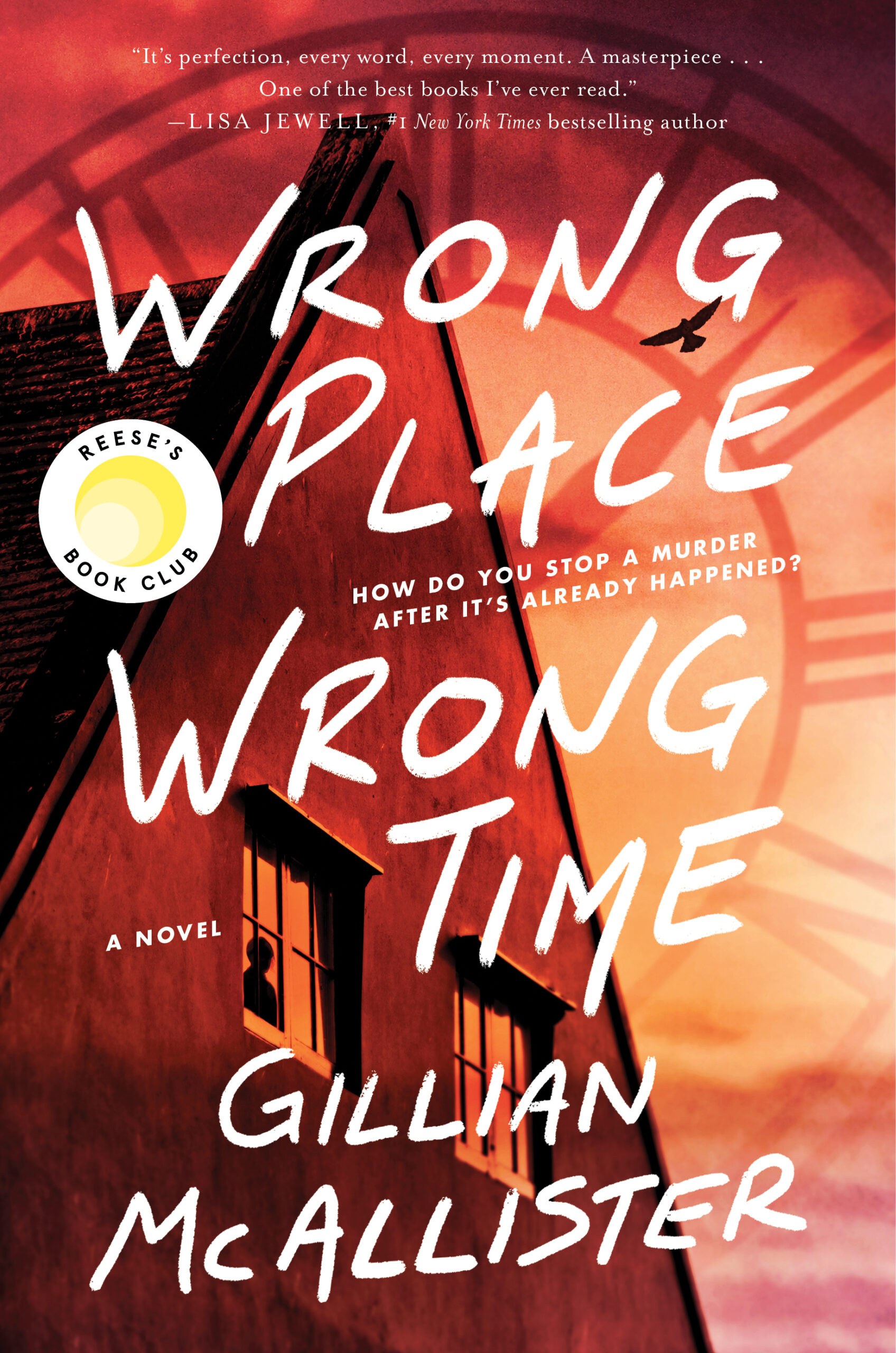
  55. Wrong Place Wrong Time, by Gillian McAllister
  56. “Captives of the Word”: The Restoration Movement in Northwest Arkansas, by Bobby Dockery
  57. American Dirt, by Jeanine Cummings
  58. The Last One at the Wedding, by Jason Rekulak
  59. My Name Was Eden, by Eleanor Barker-White
  60. The Nones: Where They Came From, Who They Are, and Where They Are Going, by Ryan P. Burge
  61. Live No Lies: Recognize and Resist the Three Enemies That Sabotage Your Peace, by John Mark Comer*
  62. The Case against the Sexual Revolution, by Louise Perry
  63. Ilium, by Lea Carpenter
  64. Light From Above: The Life of Alexander Campbell, by Bill J. Humble*
  65. The Hobbit, by J.R.R. Tolkien
  66. New International Version Bible
  67. The River of Doubt: Theodore Roosevelt’s Darkest Journey, by Candice Millard
  68. Abner Jones: A Collection, by Bradley S. Cobb*
  69. The Tower Treasure, by Franklin W. Dixon
  70. One Perfect Couple, by Ruth Ware

A few observations before I talk about my favorite books of the year:

  • My reading total increased from 68 books in 2023 to 70 in 2024. This is the most books I have read in a year since I started counting.
  • On the whole, I felt mildly disappointed with my reading this year. There were a lot of books that I enjoyed, but I’m not sure there were any new reads that I found to be particularly profound.
  • I have a long “Books to Read” list of books that I already own. I tried to intentionally read books from this list in 2024, and while I would have liked to have read more, I did finish ten books from that list this year (marked with an * above). I hope to read more from this list in 2025.
  • Unintentionally, I did quite a bit of reading that would qualify as memoir or biography (5, 8, 11, 13, 23, 28, 29, 30, 64, 68).
  • I read about 15 books this year from the mystery/thriller genre: too many from a “guilty pleasure” category.
  • Book #69, The Tower Treasure, was especially fun. I started reading Hardy Boys Mysteries when I was in second grade, and I have been trying to get my own second grader to read them for a while. He was determined that he had no interest in doing so, so I read this one with him and he absolutely loved it!

Here are my Top 10 books for the year with some brief thoughts on each (presented in order of when I read them, not ranked 1-10):

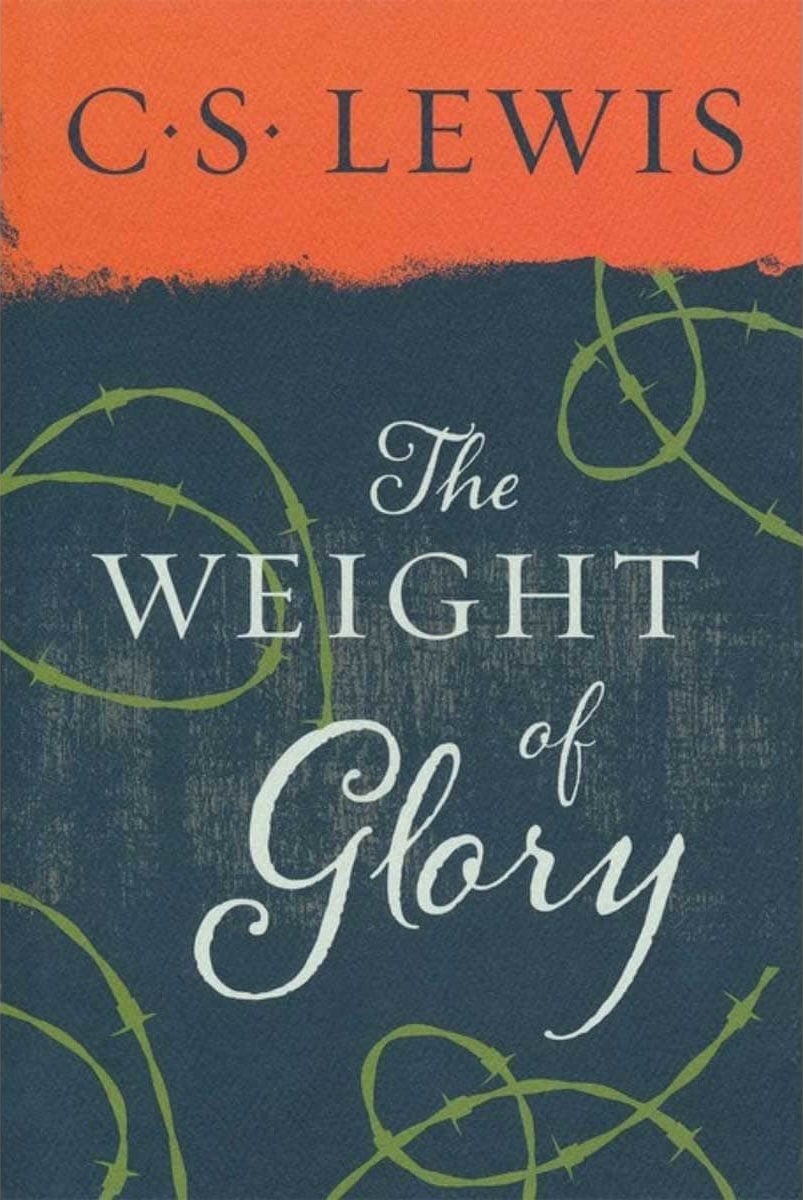
The Weight of Glory, by C.S. Lewis: This is a collection of sermons and speeches by Lewis and, as such, is a little more uneven than some of his best unified works (Mere Christianity, The Great Divorce, The Screwtape Letters). But it is still excellent. Rather than summarize such a varied volume, I thought I’d share a few quotations instead:

“To please God…to be a real ingredient in the divine happiness…to be loved by God, not merely pitied, but delighted in as an artist delights in his work or a father in a son—it seems impossible, a weight or burden of glory which our thoughts can hardly sustain. But so it is.” (39)

“The only people who achieve much are those who want knowledge so badly that they seek it while the conditions are still unfavorable. Favorable conditions never come.” (60)

“It is our daily bread that we are encouraged to ask for. The present is the only time in which any duty can be done or any grace received.” (61)

“What God does for us, He does in us. The process of doing it will appear to me (and not falsely) to be the daily or hourly repeated exercises of my own will in renouncing this attitude, especially each morning, for it grows all over me like a new shell each night. Failures will be forgiven; it is acquiescence that is fatal, the permitted, regularized presence of an area in ourselves which we still claim for our own. We may never, this side of death, drive the invader out of our territory, but we must be in the Resistance, not in the Vichy government.” (192)

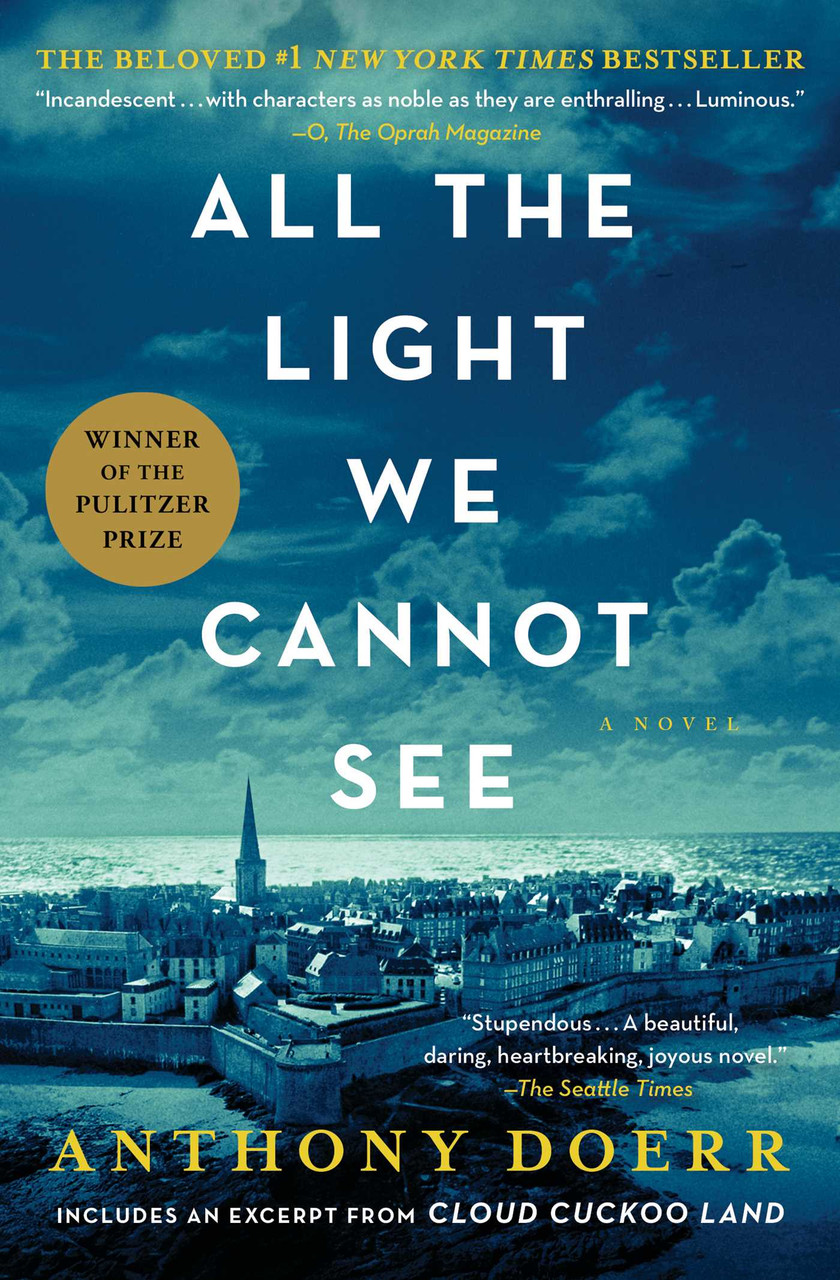
All the Light We Cannot See, by Anthony Doerr: I read this book back in 2017 and I liked it, but I didn’t love the ending and overall, I found it a little disappointing (it had won the Pulitzer Prize after all). Then it came out as a series on Netflix which I watched and enjoyed, and it made me want to go back and read the book again. This time I loved it. The novel is set in World War II, and follows the story of Marie-Laure, a blind French girl trying to survive German occupation in the town of Saint-Melo while working with the Resistance and trying to keep a priceless diamond hidden from a Nazi gemologist. The description of the narrow, multi-storied house is so detailed that you can picture yourself there, and the characterization of Marie-Laure is exquisite. My reading of this and its narration of the fall of France was heightened by reading about similar events in Berlin Diary at the same time (see below), and all in all, I found it to be a poignant story of love, loss, bravery, and sacrifice in difficult circumstances.

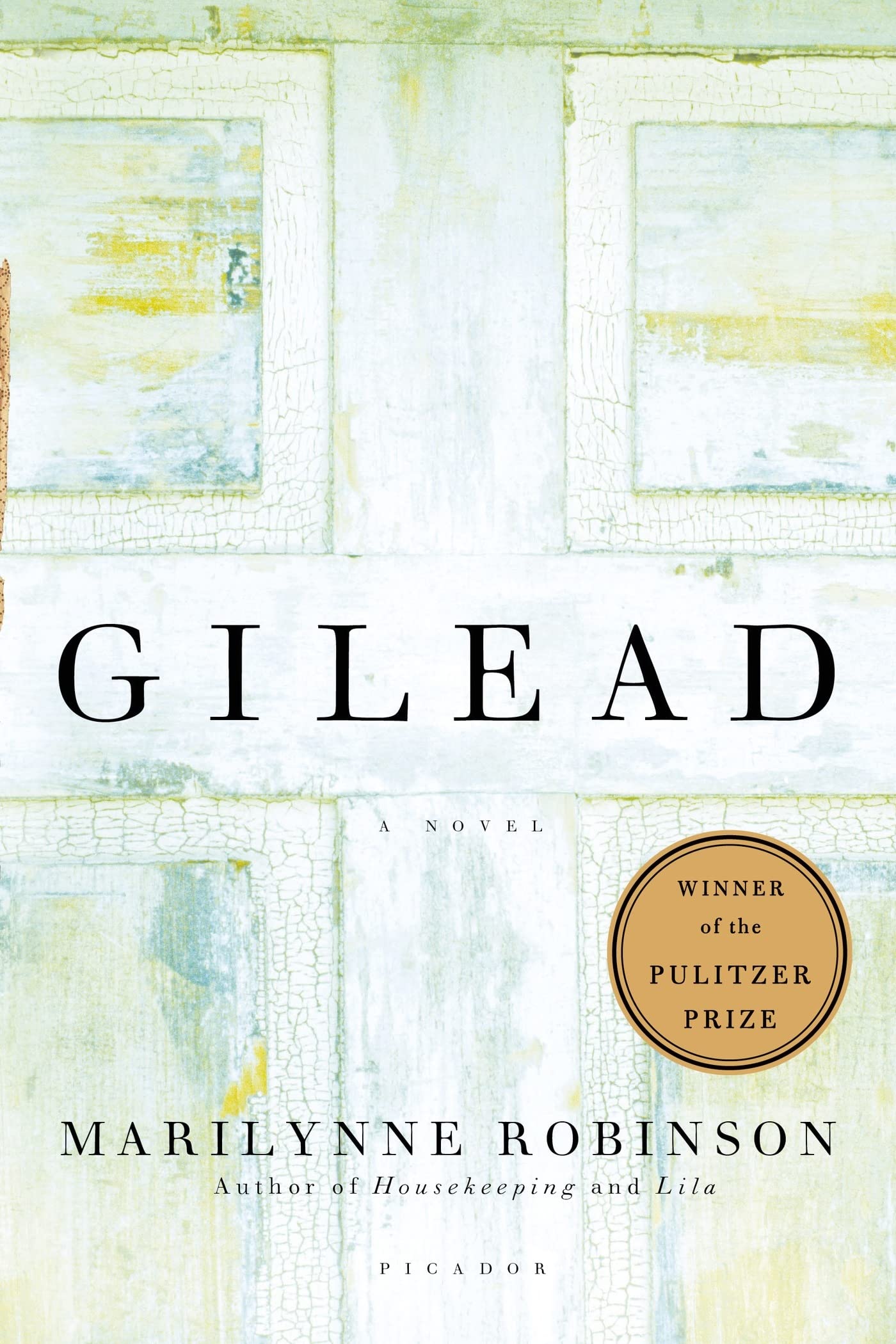
Gilead, by Marilynne Robinson: This novel won a Pulitzer Prize a couple of decades ago, but I only became aware of it quite recently. Gilead tells the story of John Ames, an aging Congregationalist pastor who is slowly dying of a heart condition. Realizing he doesn’t have much time left, Ames has a keen appreciation for the value of life and wants to share his memories and experiences of his father and grandfather with his seven-year-old son before he dies. It is a story of faith and doubt, love and loss, transgression and forgiveness, and a good man who feels wholly ill-equipped to carry out his important vocation (as a Pulitzer Prize-winning novel, obviously Gilead resonated with a lot of people, but I suspect it has a special poignancy for those engaged in congregational ministry).

Berlin Diary: The Journal of a Foreign Correspondent, 1934-1941, by William L. Shirer: I randomly found this on a shelf at home and because I enjoy learning about World War II, decided to check it out. It is a fascinating account of the diary of Shirer, an American journalist who chronicles the rise of Hitler and the Nazis from within Germany. This was a fascinating read to me, as Shirer begins with almost a sense of admiration for Hitler and the way he rapidly consolidates power and changes national sentiment within Germany, but then becomes increasingly horrified as he witnesses what transpires. For me, as someone reading decades after the fact, I felt a growing sense of foreboding as the diary approached key events in the WWII timeline, and also the palpable shock felt by Shirer as Hitler unbelievably removes one nation after another from the map of Europe.

The Last Murder at the End of the World, by Stuart Turton: I hadn’t heard anything about this book and just found it randomly on my audiobook library app. This is a book that kind of defies and overlaps several different genres: dystopian, science fiction, murder mystery. I found it fascinating with several unexpected twists and turns, a satisfying ending, and a helpful, honest look at the seemingly inescapable dark side of humanity.

The Israeli-Palestinian Conflict: What Everyone Needs to Know, by Don Waxman: The Israeli-Palestinian Conflict flared up yet again in late 2023 and I was struck by the sharp rhetoric of terrorism on one side and genocide on the other, and the way that, in the US, these differing perspectives seemed to fall so closely along political lines (as everything does). Discontent with my understanding of the conflict, I wanted to learn more about it, so I read Simon Sebag Montefiore’s Jerusalem: A Biography (#34 above) and this one. Jerusalem was good, but this book was far shorter, and more useful for what I was looking for. Waxman also takes pains in trying to be as fair and objective as possible. In short, the Israeli-Palestinian Conflict is a mess, with decades of bad blood and hurt feelings caused by both sides. It seems like an intractable problem until both Israel and Palestine find themselves with leaders willing to seek peace and make concessions at great personal risk while simultaneously having a US leader who is determined to support a peace process without favoring either side.

Wrong Place Wrong Time, by Gillian McAllister: Over the last few years I started reading more thriller/mystery books, generally as something entertaining to listen to while I drive or work out. Usually these aren’t particularly well written, and tend to fall into predictable patterns. Wrong Place Wrong Time was different, however, largely because of its very different premise: a woman watches her teenage son murder someone who is a complete stranger to her. After a long night at the police station, the mother falls asleep in despair, only to wake up the previous day, before the murder has occurred. So begins her travel backwards through time, as she seeks to unravel the chain of events leading up to the murder, and do what she can to prevent it from happening and saving her son’s life.

Live No Lies: Recognize and Resist the Three Enemies That Sabotage Your Peace, by John Mark Comer: Comer’s The Ruthless Elimination of Hurry made my Top 10 list last year, and while I didn’t enjoy Live No Lies quite as much, it was still really good. Basically, Live No Lies is a book on spiritual warfare, and follows a simple premise. Followers of Jesus are at war with the world, the flesh, and the devil and the way that plays out is that the devil, the father of lies, suggests deceptive ideas that play to our disordered desires (the flesh) that are then normalized in a sinful society (the world). The devil is real, Comer insists, not some sort of fictional boogeyman, but the prince of this world who wants to spread death, and his means for doing this is through lies and deception. These are not just lies that we tell, but lies that we live; they are part of the cultural air we breathe, often accepted without critical reflection: be true to yourself, give in to your desires, freedom means doing whatever we want. And the net result is that good and evil are constantly redefined and all sorts of evil, aberrant behaviors are normalized and even made into virtues (e.g., recasting abortion as “reproductive justice”).

What is the Christian response to these spiritual enemies? How do we engage in this spiritual struggle? With the call to discipleship: deny yourself and follow Jesus. We crucify the desires of our flesh (spiritual disciplines are a key part of this) and tap into our deeper desires for God Himself.

I find Comer to be particularly helpful not because he says new, brilliant things, but because he says very ancient, orthodox things in ways that connect with the current context.

The Case against the Sexual Revolution, by Louise Perry: I read this as part of a book club, and while it was not actually an enjoyable read (I often felt I needed to take a shower after reading a chapter), it is an important book. Perry writes from a secular, liberal perspective, but basically makes the argument that the sexual revolution has been harmful to women. The book might be summarized as follows: both Marilyn Monroe and Hugh Hefner were products of the sexual revolution, but only one of them enjoyed it.

As a Christian, I believe that Perry’s analysis ultimately falls short because she is missing a key part of the equation, but she raises a host of important questions that our sexually “liberated” society doesn’t have answers for.

The River of Doubt: Theodore Roosevelt’s Darkest Journey, by Candice Millard: I read this book over a decade ago and loved it, and enjoyed it equally the second time (I only allow books to make my Top 10 list once, but I wasn’t making these lists when I read The River of Doubt the first time, so it was still eligible). The book begins by focusing on Theodore Roosevelt and the aftermath of the 1912 Presidential Election. Throughout his life, TR responded to personal setbacks by launching himself into challenging physical tasks, and after he was devastated by how badly he lost the 1912 election, he traveled to South America to explore a previously unmapped tributary of the Amazon—Rio da Dúvida, or the River of Doubt. It was a harrowing journey of hundreds of miles with risks of starvation, drowning, disease, and dangerous indigenous animals and tribes, and Roosevelt barely made it out with his life. The narrative is exquisitely recounted, and the character of Roosevelt is larger than life. A great, true-life adventure tale.


That was my reading in 2024! For comparison’s sake, if you are interested, you can see my reading lists from previous years:

What are some of the best books you read this past year?

Why Don’t We All Read the Bible the Same Way?

If you at all pay attention to the world of Christendom, you are aware of the fact that a lot of people who claim to follow the teachings of the same book (the Bible) come to vastly different conclusions about what that book teaches. Why is that?

I think there are a lot of reasons: sometimes people read the Bible with less than pure intentions, and that can certainly affect the way it is interpreted. Other times people simply haven’t been trained very well, and this can warp their understandings as well.

But I think one of the biggest reasons that there is such a wide variety in the way the Bible is interpreted stems from the fact that people are very different from one another: we come from different ethnic, social, economic, and geographical backgrounds, and we also have significantly different personal experiences. All of these things combine to make us unique people who look at the world (and Scripture) in unique ways. It just makes sense that we would see some things differently. I recently read an example which illustrates this profound influence that our different backgrounds can have on the way we read and interpret Scripture.[1]

Using the story of the Prodigal Son (Luke 15.11-32), one scholar had readers from different cultures read the story silently and then recount it to someone else. The results were surprising:

  • Only 6 percent of American readers mentioned the famine that came upon the land while the prodigal was in the far country (15.14). In contrast, 100 percent of the recounted the way the prodigal wasted his estate (15.13).
  • When the same exercise was used with residents of St. Petersburg, Russia, 84 percent mentioned the famine while only 34 percent mentioned the squandering.

So what’s the point?

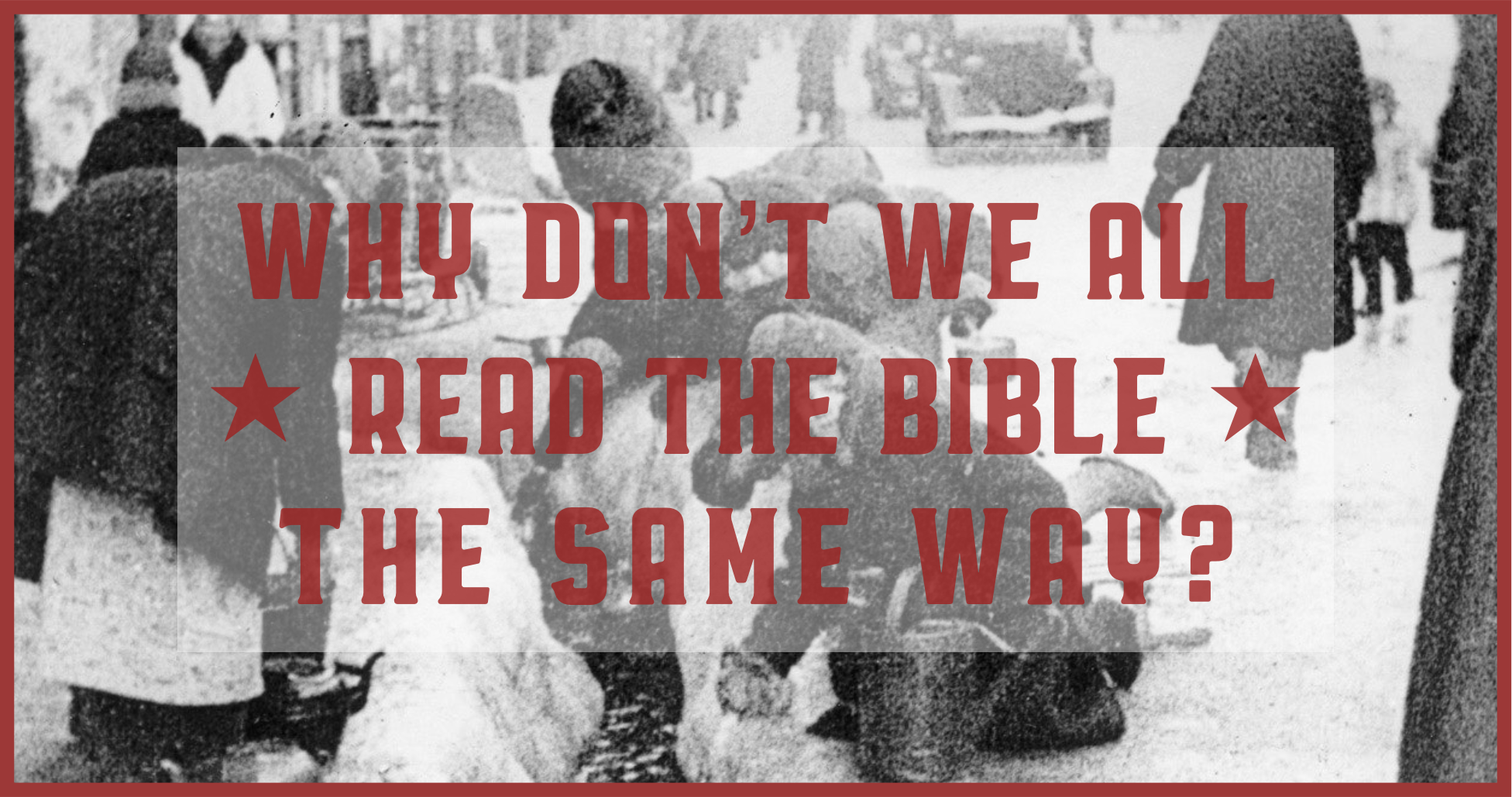
In 1941, the army of Nazi Germany besieged St. Petersburg (then Leningrad) for about 2 1/2 years, leading to the death of 670,000 people (the picture above shows destitute citizens fetching water from a busted water line). The Russians polled in the exercise were survivors of the famine or descendants who had heard of the horrors of it throughout their lives, and thus it was only natural that they would be quick to hear of the problem of famine in the prodigal’s misadventures.

On the other hand, American readers had never experienced famine, but they definitely were familiar with wasteful and excessive lifestyles. It makes sense that they would seize upon these aspects of the parable.

While these differences don’t mean that the two groups would necessarily come to irreconcilably different interpretations of Jesus’ story, the example does illustrate how differences in our backgrounds and experiences can cause us to read the Bible differently, and can impact our interpretations accordingly.

To me, there are at least three implications of this point:

  1. We need to be humble about our interpretations, realizing that they are at least in part influenced by our own personal experiences and backgrounds and thus, subject to bias.
  2. Since Scripture does not have an unlimited number of valid interpretations (if it did, it would be meaningless), it follows that the backgrounds and experiences of some people help them to arrive at valid interpretations, while those of others hinder them from doing so.
  3. The solution is for us to study more and seek God’s guidance in understanding His word! This enables us to learn from each other, discovering the blind spots in our own perspectives and helping others to do the same. God doesn’t intend that His will for our lives be unintelligible, but that doesn’t mean that discerning it through Scripture won’t require time, effort, and practice.

[1] Clayton N. Croy, Prima Scriptura: An Introduction to New Testament Interpretation (Baker Academic: Grand Rapids, 2011), 5-6.

Dwight D. Eisenhower on D-Day

Today marks the 68th anniversary of D-Day, the Allied Armies’ invasion of Europe in World War II.
Giving the order to the troops on June 6, 1944, General Dwight D. Eisenhower said,

“You will bring about the destruction of the German war machine, the elimination of Nazi tyranny over the oppressed peoples of Europe, and security for ourselves in a free world. Your task will not be an easy one. Your enemy is well trained, well equipped, and battle-hardened. He will fight savagely. The free men of the world are marching together to victory. I have full confidence in your courage, your devotion to duty, and skill in battle. We will accept nothing less than full victory. Good luck, and let us all beseech the blessings of Almighty God upon this great and noble undertaking.”

Today, I am thankful to all those who did not shrink from the difficult task that lay before them.

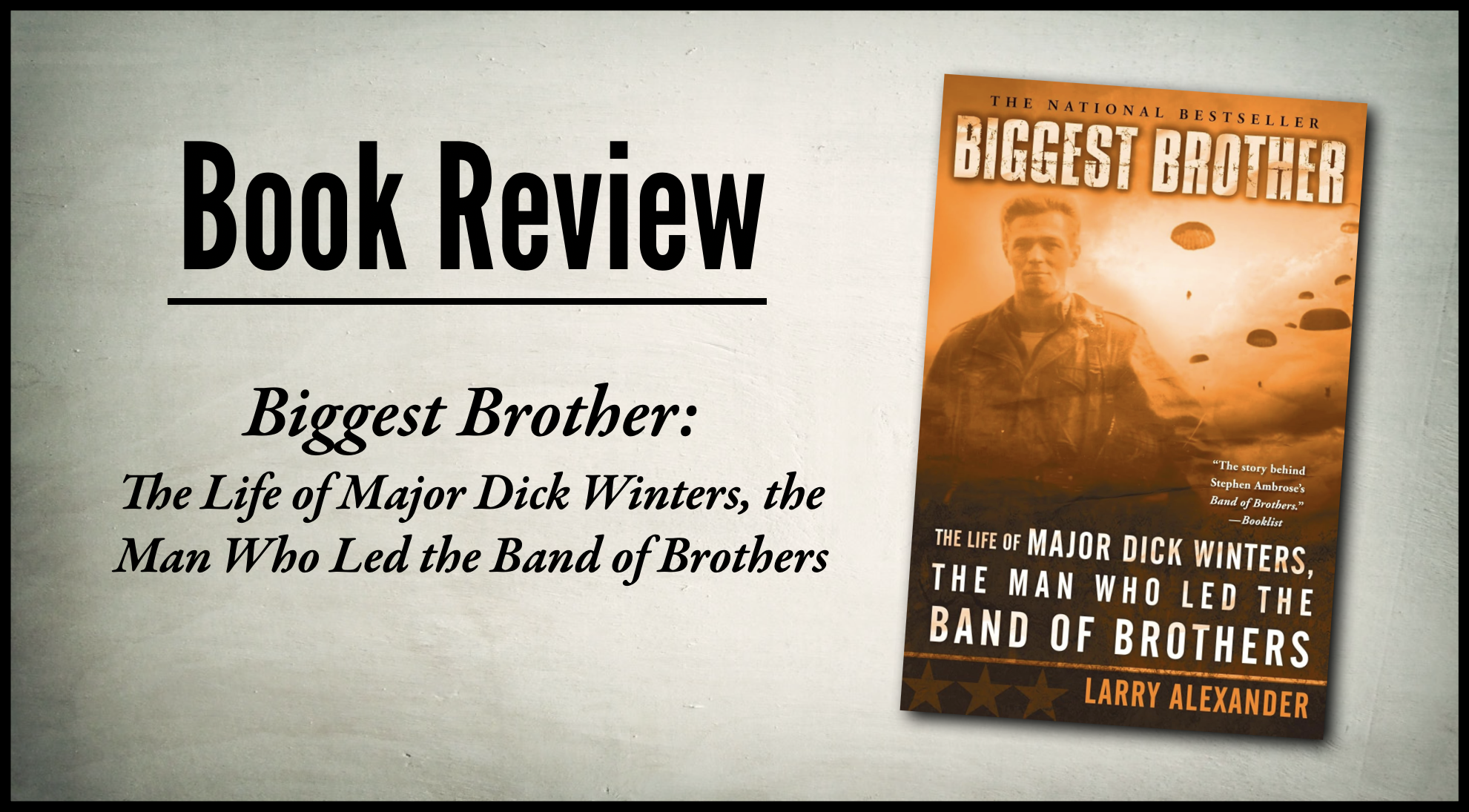
Book Review: Biggest Brother

I recently finished reading Biggest Brother: The Life of Major Dick Winters, the Man who Led the Band of Brothers by Larry Alexander.

Winters is a main character in the Band of Brothers book written by Stephen E. Ambrose and the HBO miniseries of the same name produced by Steven Spielberg and Tom Hanks, and in Biggest Brother, Alexander goes beyond Winters’ time in WWII and gives a biographic account of his life.

All in all, I thought Biggest Brother was good, but I didn’t love it. First, the account of the most exciting part of Winters’ life—his time with Easy Company of the 101st Army Airborne—is fairly redundant if you have already read or seen Band of Brothers. Also, in Biggest Brother Winters loses a bit of his virtuous luster, holding old grudges and giving frank and sometimes very negative evaluations of his fellow soldiers and friends. It is certainly true that becoming aware of some of Winters’s faults and shortcomings makes him more human, but it was nice seeing him as the idyllic American hero.

Of course, Winters still was a hero, and I think my favorite parts of the book were quotations from his own writing which underscore how dutiful and responsible he was:

“In three years, I’ve aged a great deal. It seems as if the college days and the days of civilian life when I did as I pleased are long gone. It must have been a dream, a small, short, but beautiful part of my life. All I do is work to improve myself as an officer, and them as fighters and as men, make them work to improve themselves. As a result, I am old before my time. Not old physically, but hardened to the point where I can make the rest of them look like undeveloped high school boys. Old to the extent where I can keep going after my men fall over and go to sleep from exhaustion, and I can keep going like a mother who works on after her sick and exhausted child has fallen asleep. Old to the extent where if it’s a decision or advice needed, my decisions are taken as if the wisdom behind them was infallible. Yes, I feel old and tired from training these men to the point where they are efficient fighters. I hope it means some will return to that girl back home.”

After Germany surrendered, Japan continued to fight on, and Winters tried to explain to his mother why he felt like it was his duty to continue to fight, despite all of the work he had already done:

“I feel that God has been good enough to let me get through this war. As a result I am combat wise and in a position to do some good to help a lot of men. I know I can do the job, better than or as well as any of the rest. How can I sit back and watch others take men out and get them killed because they don’t know; they don’t have it? Maybe I’ll get hurt or killed for my trouble, but so what if I can make it possible for many others to go home. Their mothers want them too, the same as mine. So what else can I do and still hold my own self respect as an officer and a man?”

Especially in comparison to today’s society, where words like duty and responsibility are almost entirely foreign concepts, Winters’ character shines as an example to emulate.


While reading Biggest Brother, I was struck (somehow, for the first time) how young these guys were who went out and basically saved the world. For those who have seen Band of Brothers, here are the ages of some of the major characters on June 6, 1944 (D Day).

  • Colonel Robert Sink–39 (who seemed so incredibly old in the movie)
  • Major Dick Winters–26
  • Captain Lewis Nixon–25
  • First Lieutenant Harry Welsh–25
  • Captain Ronald Speirs–24
  • Second Lieutenant Carwood Lipton–24
  • Staff Sergeant Denver “Bull” Randleman–23
  • First Lieutenant Lynn “Buck” Compton–22
  • Sergeant Donald Malarkey–22
  • Staff Sergeant Bill Guarnere–21
  • Staff Sergeant Darrell “Shifty” Powers–21
« Older posts

© 2026 The Doc File

Theme by Anders Noren — Up ↑