The online journal of Luke Dockery

Category: Bible Study (Page 21 of 40)

Spiritual Growth in the New Year

The beginning of a new year is a natural time for people to make goals and resolutions, and I think this is a good and healthy practice. If you are a resolution-making type of person, I hope you have included some spiritual goals in your plans for self-improvement in 2020. Briefly, I wanted to point you to a few resources that I have used or am currently using to help with my own spiritual growth this year.

Bible Reading

Making a habitual practice of reading Scripture is a tried and true method of spiritual growth. Of course, Christians do not read the Bible just for information, but for transformation: God’s Spirit works within us to bring about His fruit in our lives.

This is the Bible Study Plan that we are using in 2020 at the Cloverdale Church of Christ. It only a few minutes of time each day, but by the end of the year, it will take you through the entire New Testament. This plan encourages you to find a partner with whom you will spend time each week discussing and reflecting on what you have read.

The Read Scripture app is another great way to develop the practice of reading your Bible daily. This can all be done on your phone, and in addition to providing a reading plan and the text of Scripture itself, it also includes awesome videos from The Bible Project that help to overview and explain each biblical book as well as other important biblical concepts. This is a really great tool for helping to increase your understanding of Scripture.

Prayer

Prayer is another incredibly important practice for people of faith. Speaking for myself, I struggle with doing as well at prayer as I do reading my Bible, and this is a growth area that I am trying to emphasize in 2020.

Prayer, In Practice is a really good and practical resource that I read through at the end of last year that I am planning to use heavily in the new year. It is a workbook that teaches different ideas and methods of prayer and then has you do those, right then. I highly recommend it.

Biblical Worldview

This last category may sound strange compared to the other two, but the basic point is this: in our current day and age, we are constantly bombarded by messages from TV, social media, print media, and other sources. We are “plugged in” almost all the time. The vast majority of these messages are not from a biblical worldview, and rather than filling us with the peace that passes understanding, they fill us with fear, anxiety, and outrage.

I have become personally convinced that I need to be careful about the content of the messages I am taking in. The reality is that I am not a hermit and cannot cut everything negative out, but I can intentionally take in as much edifying, helpful, and faith-strengthening content that I can. Part of that is accomplished by reading Scripture, but finding helpful things to listen to while I drive or exercise has been a huge blessing for me, and I want to recommend two podcasts that I think you will find interesting and which will certainly help to keep you centered on a biblical worldview.

The Bible Project Podcast has been a game-changer for me. Tim Mackie has become one of my favorite biblical scholars, and I learn so much from the podcasts and videos. The general format of these is that they will tackle a biblical topic in several parts, but will focus specifically on what the Bible teaches, the important cultural and historical contexts of the teaching, and how these teachings affect our lives.

I started listening to the After Class Podcast more recently, but have really enjoyed it so far. Put out by three professors at Great Lakes Christian College (and thus, my Restoration Movement cousins), these guys bring a lot of biblical knowledge, a generous spirit of dialogue, and a lot of playful banter to the table. Their podcast tends to be topical as well, and they generally discuss the different issues from their own scholarly backgrounds (in Hebrew Bible, New Testament, and theology).

It is such a worthwhile practice to reflect on ways we need to improve in our lives and make plans to do so, and this is especially true when it comes to our lives as disciples of Jesus. May 2020 be a year of rich spiritual blessings for you.

2019 Harding University Lectureship Recap

I am a little late posting this, but I wanted to provide a quick recap of Harding University’s 96th annual Bible Lectureship, which was September 29-October 2. The theme for this year was “Fan the Flame—Acts: Renewed by the Power of the Holy Spirit.” This was my third time to take part as a presenter at Lectureship (I was part of a panel for young ministers), but this was my first time to take part as a resident of Searcy, so it was nice to be able to enjoy the many sessions and also sleep in my own bed. 🙂

I was privileged to attend several good lectures and classes, and here is a brief recap of what I went to:

  • Restoring an Acts 2 Church, David Young: David is the preacher at the North Boulevard Church of Christ in Murfreesboro, TN, and kicked off Lectureship with this keynote on Sunday night. This was a highpoint for me. I was reading Young’s book, New Day: Restoring the Revolutionary Mission of Christ’s Church before and during Lectureship, and was really tracking with much of what he had to say. Short version: Churches of Christ (and churches across the spectrum) are declining in the US, and the solution is to get serious about making disciples and planting churches. Another helpful takeaway: as a church (or an individual, I guess), you can seek to be comfortable, or you can seek to be awesome; there is no overlap between the two. In addition to this keynote, I also attended Young’s two class sessions on Monday, which further covered similar material.
  • Devoted to the Apostles’ Doctrine, Scott Adair: Dr. Adair is on the Bible faculty at Harding, and recently has been developing a proposal for unity by identifying the central tenants of the Christian faith by mining the practice of baptism. In this lesson, he used the sermon material from the Book of Acts to highlight these same central beliefs: (1) Jesus Christ is Lord, Son of God; (2) A Belief in One God, who is Father, Son, and Spirit; (3) The Death and Resurrection of Jesus; (4) The Church as the Assembly of the Saints; (5) Forgiveness of Sins; (6) The Gift of the Holy Spirit; (7) Resurrection of the Dead. There is still more to work out beyond these beliefs (each has ethical demands that goes along with it), but I do think this is a helpful framework for trying to distinguish between preferences, important convictions, and foundational gospel matters.
  • Resurrection Preaching, Fate Hagood: Fate is a preacher from California, and presented a really stirring message during Monday evening’s keynote session on the nature of resurrection preaching from the Book of Acts. While he said a lot of good things, his closing was incredibly powerful for me, as he used Paul’s reasoning from his block of teaching in 1 Corinthians 15 to encourage us that our labor for the Lord is not in vain.
  • Devoted to the Breaking of Bread, B. Chris Simpson:  B. Chris has been a great speaker for as long as I have known him, and the depth and quality of his content just gets better and better. He presented a thoughtful and powerful lesson emphasizing that if we wish to resemble the Acts 2 church, we must be similarly devoted to food and fellowship, and the radical hospitality they practiced.
  • Intentional Connections with Parents and Teens, Brent Wilhite: Brent is one of the youth ministers at the College Church of Christ here in Searcy, and talked about current trends for teenagers both in the church and in the culture at large, and also tips for building resilient faith within teens. Brent had a lot of good content, and I felt like he could have gone for another thirty minutes.
  • Devoted to Fellowship, Harold Shank: I had heard of Harold Shank before, who is well known in Oklahoma Christian circles, but I had never heard him speak. I enjoyed his Tuesday night keynote, where he discussed why the early church was devoted to fellowship, and dreamed aloud what Acts 2 churches might look like in modern contexts.
  • Devoted to Prayer, Juan Meza: Juan was a former classmate of mine, and serves as the Latino Minister at the Church of Christ at White Station in Memphis. I thought he did a good job discussing how prayer builds our relationship with God, its power, and its purpose. It was all the more impressive to me because he was presenting in a second language!
  • A Dialogue on Two Views of Heaven, Dan Chambers and Ralph Gilmore: This was a discussion on the nature of eternal life: will eternity be spent with God in a spiritual heaven (“up there” somewhere), or will it God come to dwell with His people on a renewed earth (“down here” somewhere)? On the whole, I was disappointed in this. The two men had not shared their notes ahead of time, and I thought this was a mistake as it lead to a disjointed conversation, where Chambers was presenting his perspective on a renewed earth, while Gilmore tried to anticipate Chambers’ arguments and refute them rather than actually present his own perspective on heaven. On the positive side, the two men repeatedly affirmed their love and respect for one another and were adamant that this was not a fellowship issue, or something to be divisive about. I appreciated that.
  • Artifacts and Acts, Part 3: The Flame in Jerusalem, Dale Manor: Dr. Manor is a treasure—a classically-trained archaeologist with a wealth of information about the ancient world, and I try to catch one of his lectures each year. This one focused on some archaeological finds and background information from Corinth, Ephesus, Jerusalem, and Caesarea.
  • This Is Us, Part 3: Spiritual Ancestry of Churches of Christ, Monte Cox: Dr. Cox is another favorite of mine, and I thought he had some good things to say about the history of Churches of Christ and our future. He talked about the early days of the Restoration Movement (focusing on Thomas and Alexander Campbell and Barton W. Stone) and their strong emphasis on unity. In the 20th century, the (unofficial) list of essential doctrines grew longer and longer, and a unity movement became increasingly fractured. He concluded by posing the question: are Churches of Christ in crisis, or are we experiencing a reorientation toward Christ at the center?
  • Boldness In Adversity, Jesse Robertson: Jesse is a New Testament professor at Harding, and also a deacon at Cloverdale (where I work), and is someone I have come to deeply respect and appreciate. He closed out Lectureship on Wednesday by focusing on the boldness that we witness in the Book of Acts: it is something the apostles repeatedly prayed for and then evidenced in their lives. Jesse passionately implored us to pray for courage as we seek to tell the world about Jesus. As he pointed out insightfully: it takes one kind of courage to speak truth to your enemies; it takes another kind of courage to speak truth to your friends.

As always, Lectureship was a blessing for me and I greatly enjoyed it.  I would highly recommend taking part in this next year if you are able!

Imitating the Devil

Introduction

A central Christian teaching is that for those who are in Christ, our lives are spent in the process of sanctification—in conjunction with our own efforts and desires, God’s Spirit works in us to transform our lives into conformity with that of Jesus Christ. In short, we seek to imitate Christ, and the Spirit helps us to do that.

While this is the goal, the sobering reality is that if we aren’t careful, we can find ourselves imitating someone very different—the Devil. That perhaps seems like a sensationalistic claim—what Christians actually set out to imitate the Evil One? By intention, it may not happen, but by action, it happens all too frequently. Let me explain.

Titles, Not Names

It will be surprising to some to hear that the Evil One mentioned in Scripture is nowhere given a name. Instead, he is repeatedly given titles and descriptions: the dragon, the serpent, the devil, the father of lies, etc. Even Satan is not a name—in the original language, it is used with the definite article (“the Satan”).[1]

What I think is helpful about realizing that this murky character is only described with titles is that these titles tell us something about his character—a character that Christians can emulate if we are not careful.

The Father of Lies

You are of your father the devil, and your will is to do your father’s desires. He was a murderer from the beginning, and does not stand in the truth, because there is no truth in him. When he lies, he speaks out of his own character, for he is a liar and the father of lies.

(John 8.44)

This one is pretty obvious: the Evil One is a liar. We see it in his deception of Adam and Even in the Garden, and we see it on a regular basis as he whispers to us that the ways God has laid out for us aren’t really the best ways, or that we are too broken to be loved by our Creator and to be used by Him. He is a liar and the father of lies.

And here is the scary part: when we lie, not only do we fail to imitate Christ, but we are actively imitating the father of lies. Being people of integrity is such a fundamental characteristic of Jesus’ disciples that He specifically addressed it in the Sermon on the Mount (Matthew 6.33-37), but we easily resort to being people of evasion, partial truths, and outright dishonesty. When we do this, we may not be intentionally imitating the Devil, but in our lack of careful intention to be people of absolute integrity, we imitate him nonetheless.

The Devil

This one may be less obvious to us because we tend to associate devil with a red creature with horns and a pitchfork, but really, the Greek word that is translated devil is διαβολος (from which we get our word diabolical), which means “the slanderer.” Obviously, this term is also related to the notion of dishonesty, but slander is more specific. Slander is “the utterance of false charges or misrepresentations which defame and damage another’s reputation.”[2]

Interestingly, this same word is used in Scripture to describe people:

Their wives likewise must be dignified, not slanderers, but sober-minded, faithful in all things.

(1 Timothy 3.11)

But understand this, that in the last days there will come times of difficulty. For people will be lovers of self, lovers of money, proud, arrogant, abusive, disobedient to their parents, ungrateful, unholy, heartless, unappeasable, slanderous, without self-control, brutal, not loving good, treacherous, reckless, swollen with conceit, lovers of pleasure rather than lovers of God, having the appearance of godliness, but denying its power. Avoid such people.

(2 Timothy 3.1-5)

Depending on translation, this Greek word can be rendered as “slanderers” or “malicious gossips,” but the basic idea is clear enough: talking bad about people is diabolical. The Evil One is a slanderer. He is the Devil.

And here is the scary part: when we slander, when we talk badly or share untrue statements about people, we do not imitate Christ, but we are actively imitating the Devil. Being people who consistently speak in God-honoring ways is a huge challenge for followers of Jesus, and Scripture is full of admonitions regarding how we use our tongues and words (Ephesians 4.15; Colossians 4.6; James 3.6). This does not mean that we can never say anything negative about another person, but I do think it means that we should refrain from saying things about people that we wouldn’t say to them, that we should make sure that what we say is true, and that we should make sure that what we say is said in love. 

The Satan

This one may be the hardest of all for us to see initially because we are so used to thinking of Satan as a name. But it is actually a title. Ha satan (הַשָּׂטָן) literally means “the adversary” or “the accuser”. It can be used in a general sense:

And the LORD raised up an adversary against Solomon, Hadad the Edomite.

(1 Kings 11.14a)

The Angel of Yahweh is referred to this way:

But God’s anger was kindled because he went, and the angel of the LORD took his stand in the way as his adversary.

(Numbers 22.22a)

But when the term is used with the definite article (“the”) before it, it specifically refers to the rebellious spiritual being who has set himself in opposition to the will of God. This is how he is described at the beginning of the Book of Job, as he brings the case of Job before God and stands as an adversary against Job, accusing him of possessing a love for God that is shallow and deficient. We see a similar characterization in the Book of Revelation, where the evil creature described as the great dragon, the ancient serpent, the devil, and Satan hurls accusations against God’s people day and night (Revelation 12.9-10). The Evil One is an adversary of God’s people, who lobs accusations against them.

And here is the scary part: when we oppose and accuse God’s people, we are not imitating Christ, but rather, are actively imitating the Satan. This is challenging for me. There are a lot of believers who are different from me in various ways. Some of these differences are significant, and at times it is tempting for me to magnify the differences and question the hearts and motives of people with whom I disagree. But this is dangerous spiritual ground to occupy. I am sometimes humbled by the words of Jesus in Mark 9.40: “For the one who is not against us is for us.” I struggle at times to know how to apply these words, but I know that my perspective is often closer to that of the disciples than Jesus. And I know that I don’t want to be an accuser or adversary of God’s people. I don’t want to imitate the Satan.

Conclusion

This has not been an exhaustive post—there are other titles of the Evil One (like, for example, “Evil One”!) that we could look at, but I think the general point has been established. Rather than talking about an evil figure named Satan, Scripture uses lots of titles to describe this character. These descriptions let us know what he is like and what his motives are, and should also provide conviction for us that, if we are not careful, we can in a very real sense imitate the Father of Lies, the Devil, the Satan. For those of us who are instead called to be imitators of Christ, this obviously will not do.

Father of mercies,
Forgive us our sins and shortcomings.
May your Spirit,
Day by day,
Transform us into the image of your Son, Jesus Christ.
Amen.


[1]I don’t have issues with people using Satan as a name; I am just pointing out that this is not a name in Greek or Hebrew, and is not how biblical authors used it.

[2]https://www.merriam-webster.com/dictionary/slander

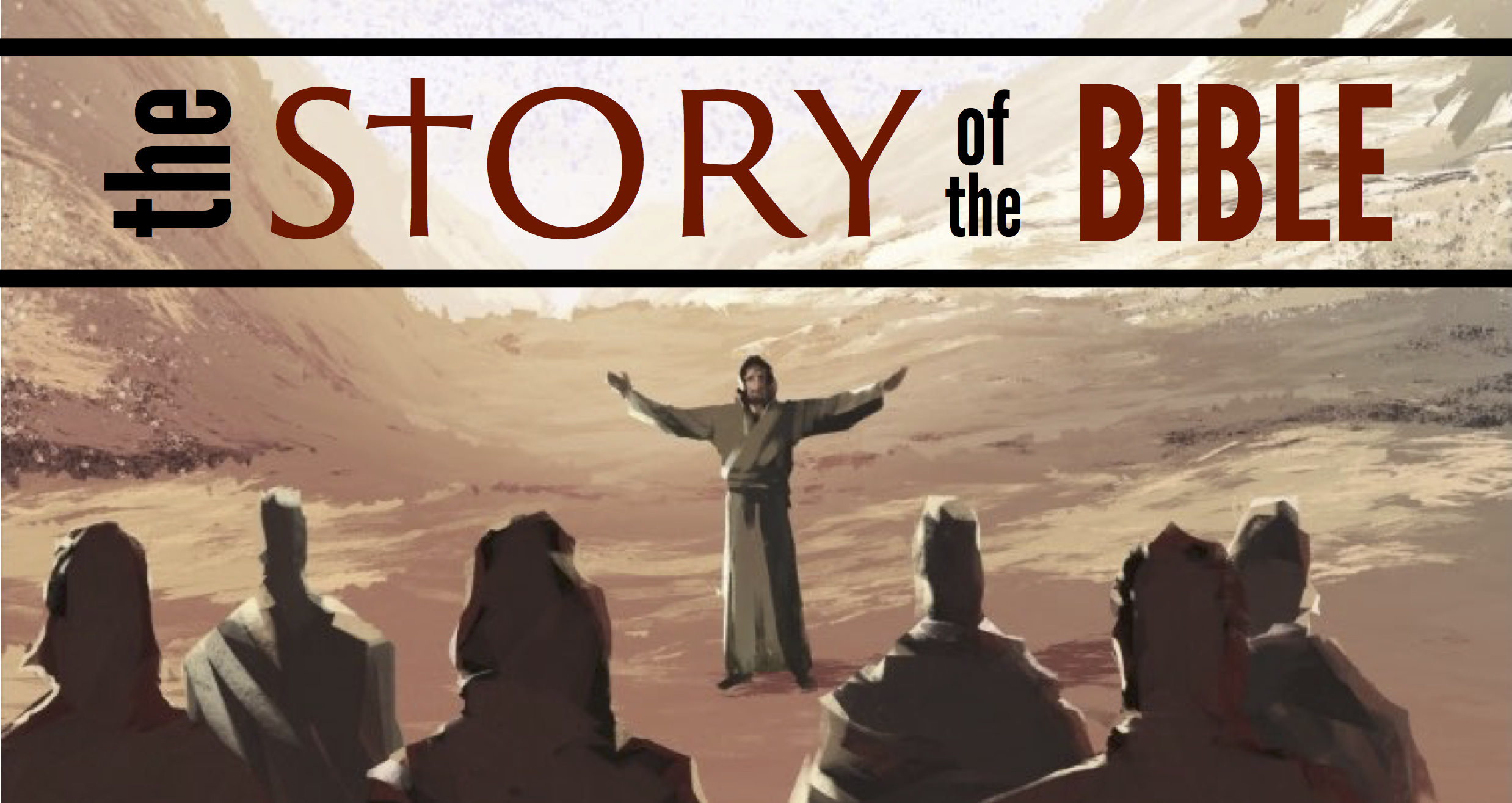
The Story of the Bible

Beginning in September 2017, our Sunday morning adult Bible classes at Farmington began an 18-month journey through Scripture called The Story of the Bible. This biblical survey is based on videos from The Bible Project, and in addition to providing background information on each biblical book, it also discusses key themes of each book and offers points of application for our lives today.

This was a major undertaking for us, and is actually part of the reason that I didn’t get to write as much here at The Doc File as I wanted to over the last couple of years—it took hours and hours to write and edit lessons for this project.

We finished this series this past week at Farmington, and I am pleased to offer both the Old and New Testament books for free download on the Resources page. The Story of the Bible is all about digging into Scripture in order to better see how it is a unified story that points us to Jesus and the redemption of creation; I hope it is beneficial to you!

Reading in 2018

It’s that time of year again, when people talk about their reading from the previous year and the best books they read. As someone who (a) tries to thoughtfully reflect on things and (b) obsessively keeps lists of things, I always enjoy reading lists from other people and sharing my own.

Here is my own list from 2018:

  1. Harry Potter and the Prisoner of Azkaban, by J.K. Rowling
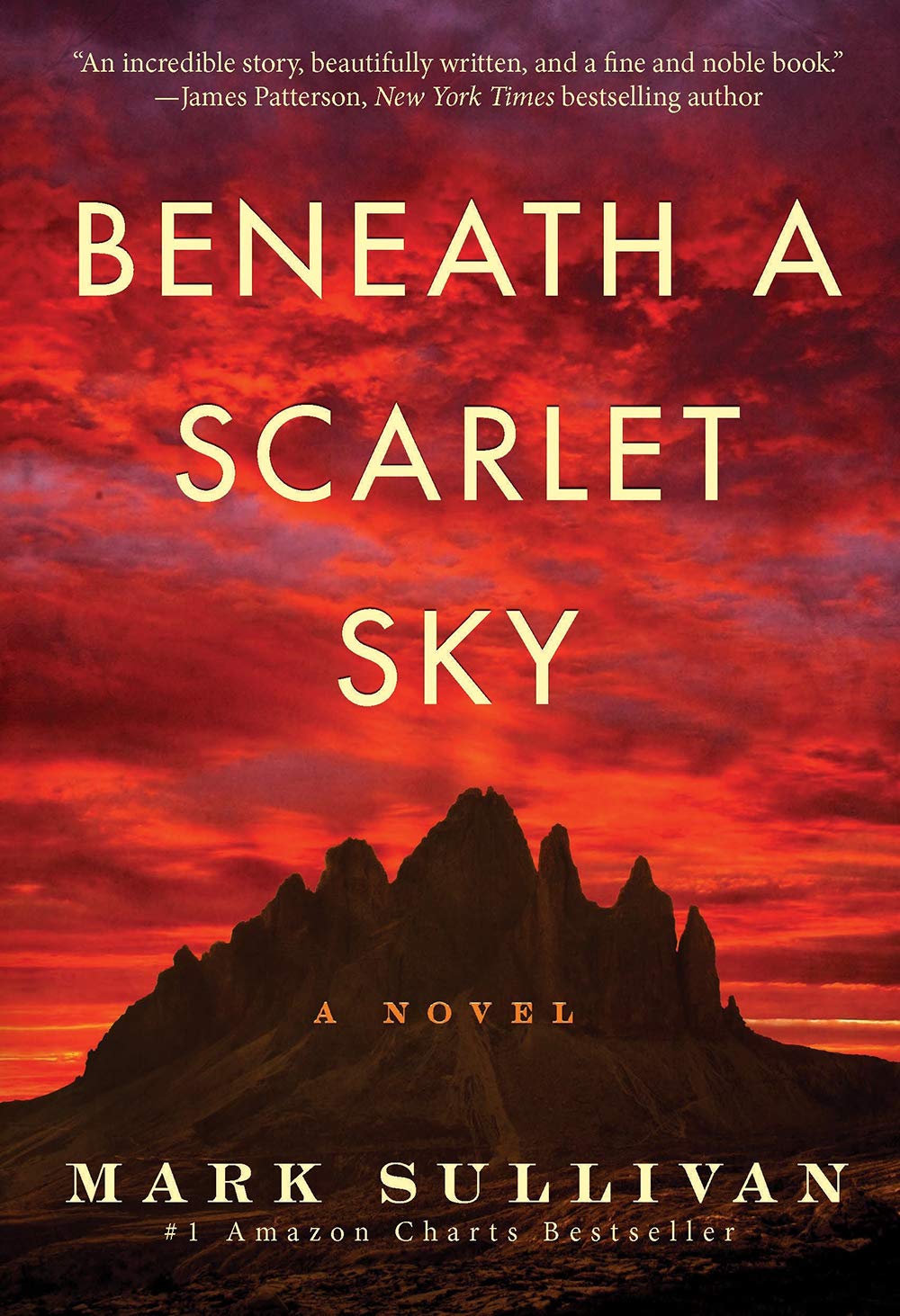
  2. Beneath a Scarlet Sky, by Mark Sullivan
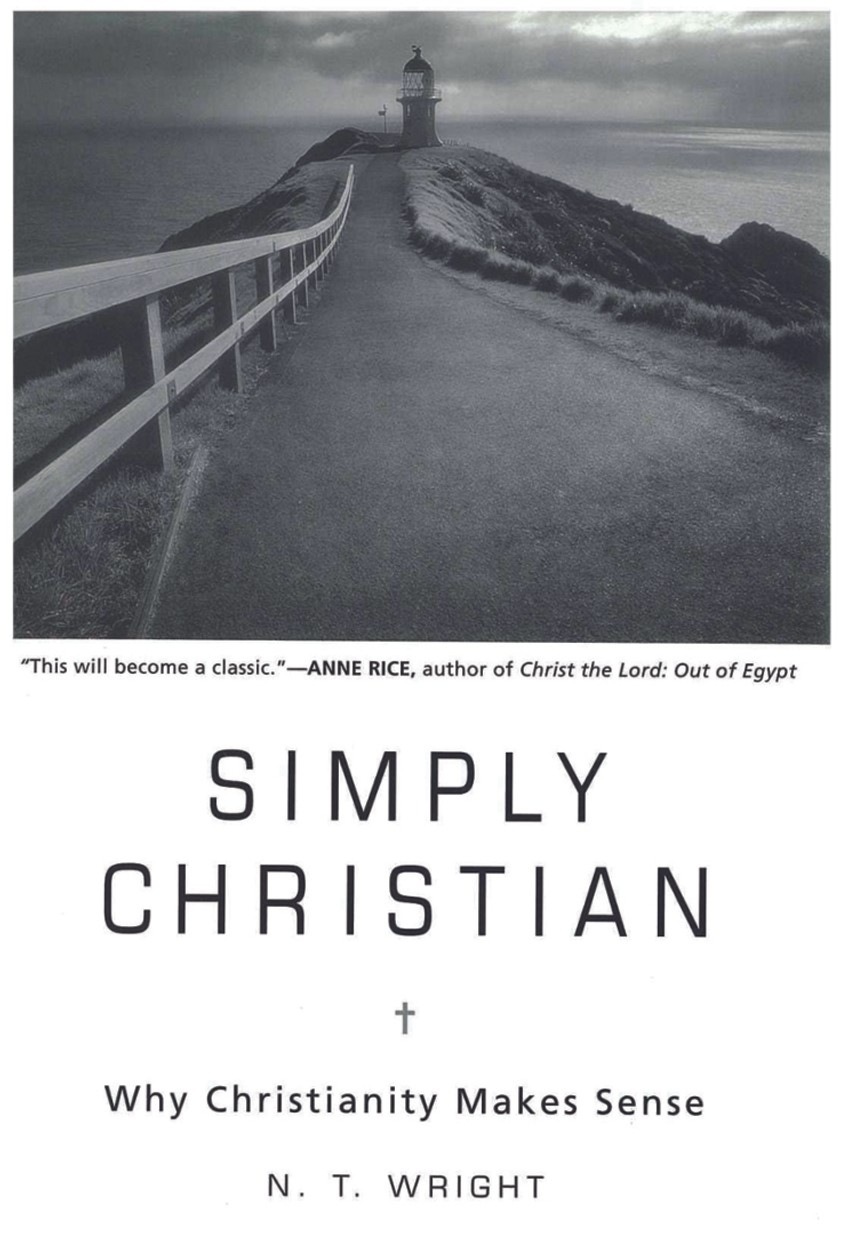
  3. Simply Christian: Why Christianity Makes Sense, by N.T. Wright
  4. Martin Luther: Selections from his Writings, edited by John Dillenberger*
  5. The Marburg Colloquy, edited by Hermann Sasse
  6. The Knowledge of God the Creator (from Institutes of the Christian Religion), by John Calvin
  7. The Necessity of Reforming the Church, by John Calvin
  8. The Spiritual Exercises of Saint Ignatius, translated by Anthony Mottola*
  9. The Racovian Catechism*
  10. Harry Potter and the Goblet of Fire, by J.K. Rowling
  11. The Reasonableness of Christianity, by John Locke
  12. A Discourse of Miracles, by John Locke
  13. Proposals to Correct Conditions in the Church in Pia Desideria, by Philip Jacob Spener
  14. Decision Points, by George W. Bush
  15. Divorce, by John R.W. Stott
  16. Afro-American Religious History: A Documentary Witness, edited by Milton C. Sernett*
  17. Woman in the Pulpit, by Frances Willard*
  18. Harry Potter and the Order of the Phoenix, by J.K. Rowling
  19. Jesus: A Study of the Life of Christ, by Shane Robinson
  20. The Five Books of Moses & The Former Prophets, by Bibliotheca
  21. The Making of George Washington, by William H. Wilbur
  22. Creating a Lead Small Culture: Make Your Church a Place Where Kids Belong, by Reggie Joiner, Kristen Ivy, and Elle Campbell
  23. Harry Potter and the Half-Blood Prince, by J.K. Rowling
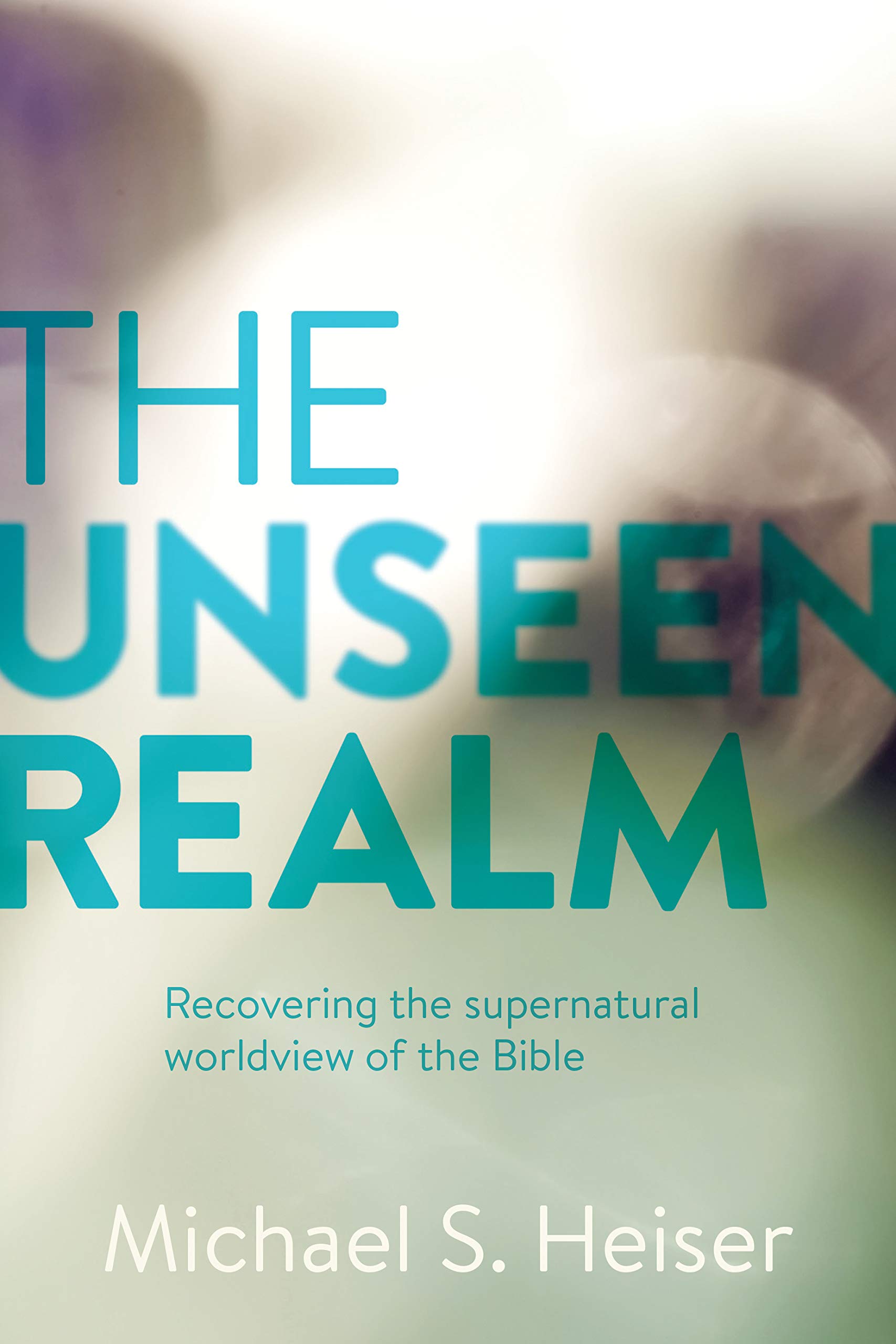
  24. The Unseen Realm: Recovering the Supernatural Worldview of the Bible, by Michael S. Heiser
  25. Harry Potter and the Deathly Hallows, by J.K. Rowling
  26. The Story of Christianity, Volume 2: The Reformation to the Present Day, by Justo L. Gonzalez
  27. The Faith of the Presidents, by Anne Schraff
  28. Misreading Scripture with Western Eyes: Removing Cultural Blinders to Better Understand the Bible, by E. Randolph Richards and Brandon J. O’Brien
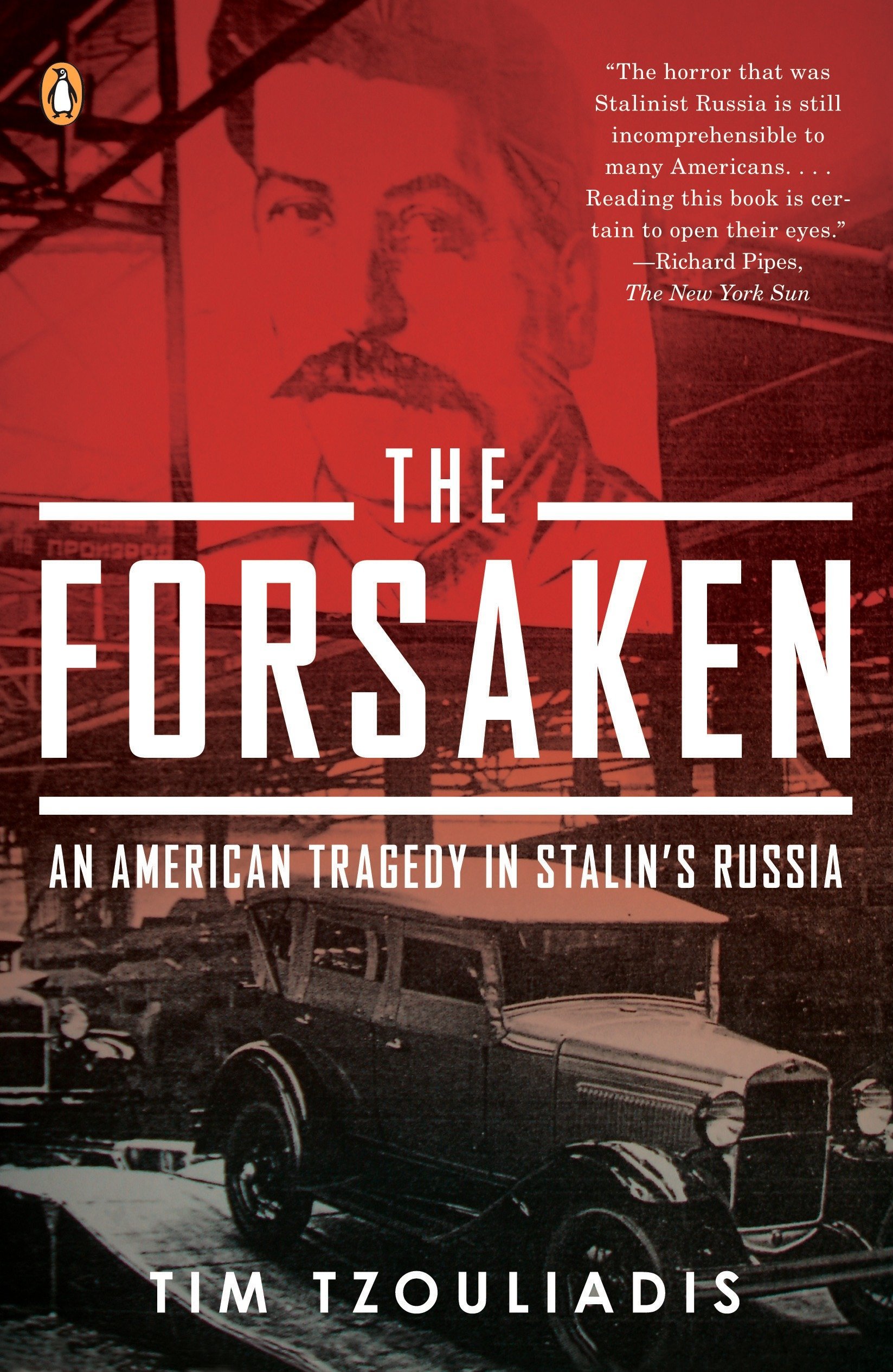
  29. The Forsaken: An American Tragedy in Stalin’s Russia, by Tim Tzouliadis
  30. The Latter Prophets, by Bibliotheca
  31. Reclaiming Hope: Lessons Learned in the Obama White House About the Future of Faith in America, by Michael Wear
  32. Havana Bay, by Martin Cruz Smith
  33. To Kill a Mockingbird, by Harper Lee
  34. Go Set a Watchman, by Harper Lee
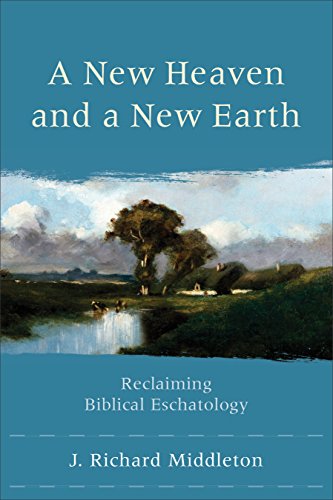
  35. A New Heaven and a New Earth: Reclaiming Biblical Eschatology, by J. Richard Middleton
  36. The Holy Spirit and Revolutionary Grace: God’s Antidotes for Division within the Churches of Christ, by Jay Guin
  37. Montmorency: Thief, Liar, Gentleman?, by Eleanor Updale
  38. The Perilous Road, by William O. Steele
  39. History and Background of the Institutional Controversy, by Steve Wolfgang
  40. Crispin: the Cross of Lead, by Avi
  41. The Ghost Hollow Mystery, by Page Carter
  42. Letters To The Church, by Francis Chan
  43. The Writings, by Bibliotheca
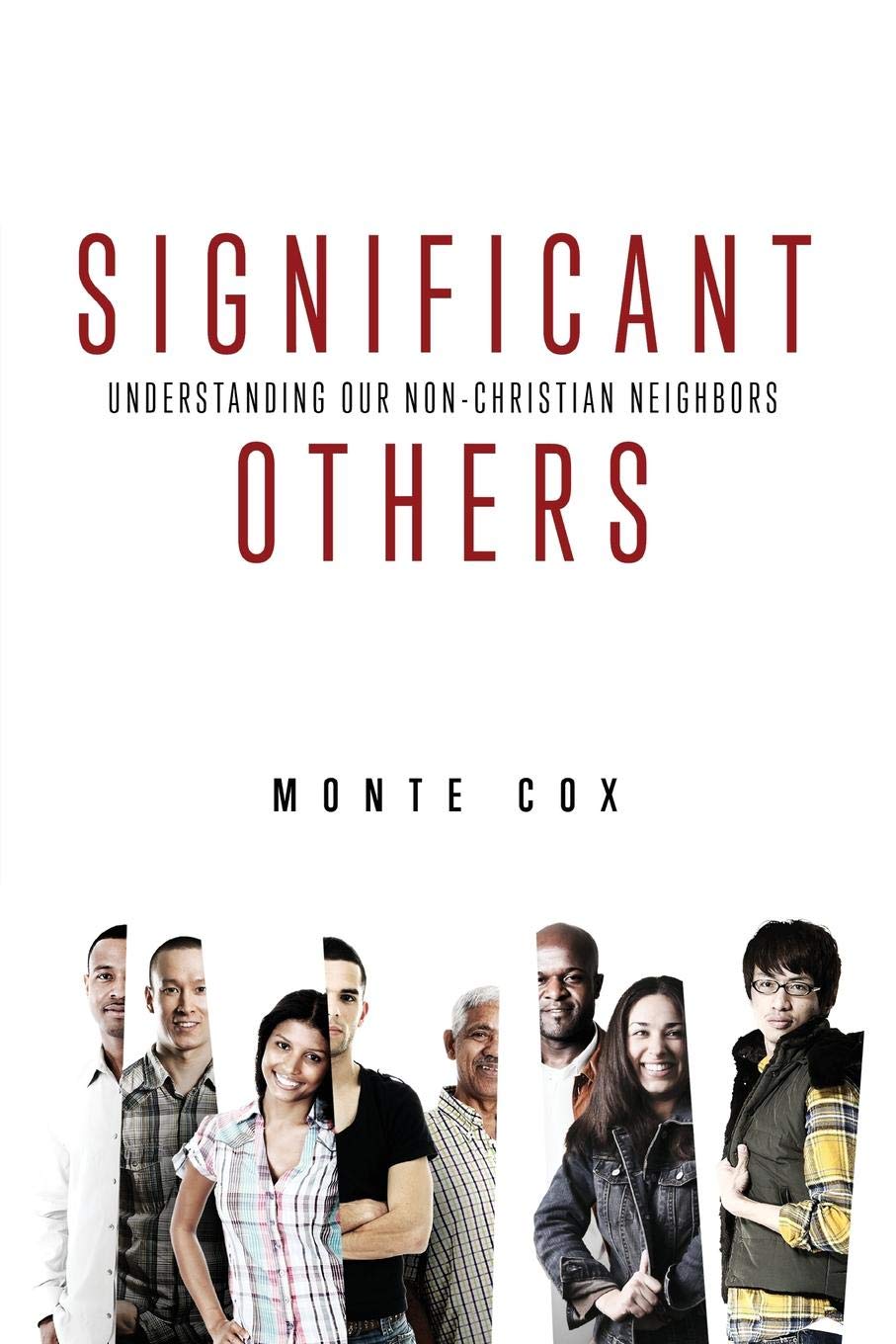
  44. Significant Others: Understanding Our Non-Christian Neighbors, by Monte Cox
  45. Alexander Campbell, Apostle of Truth, by William Blake
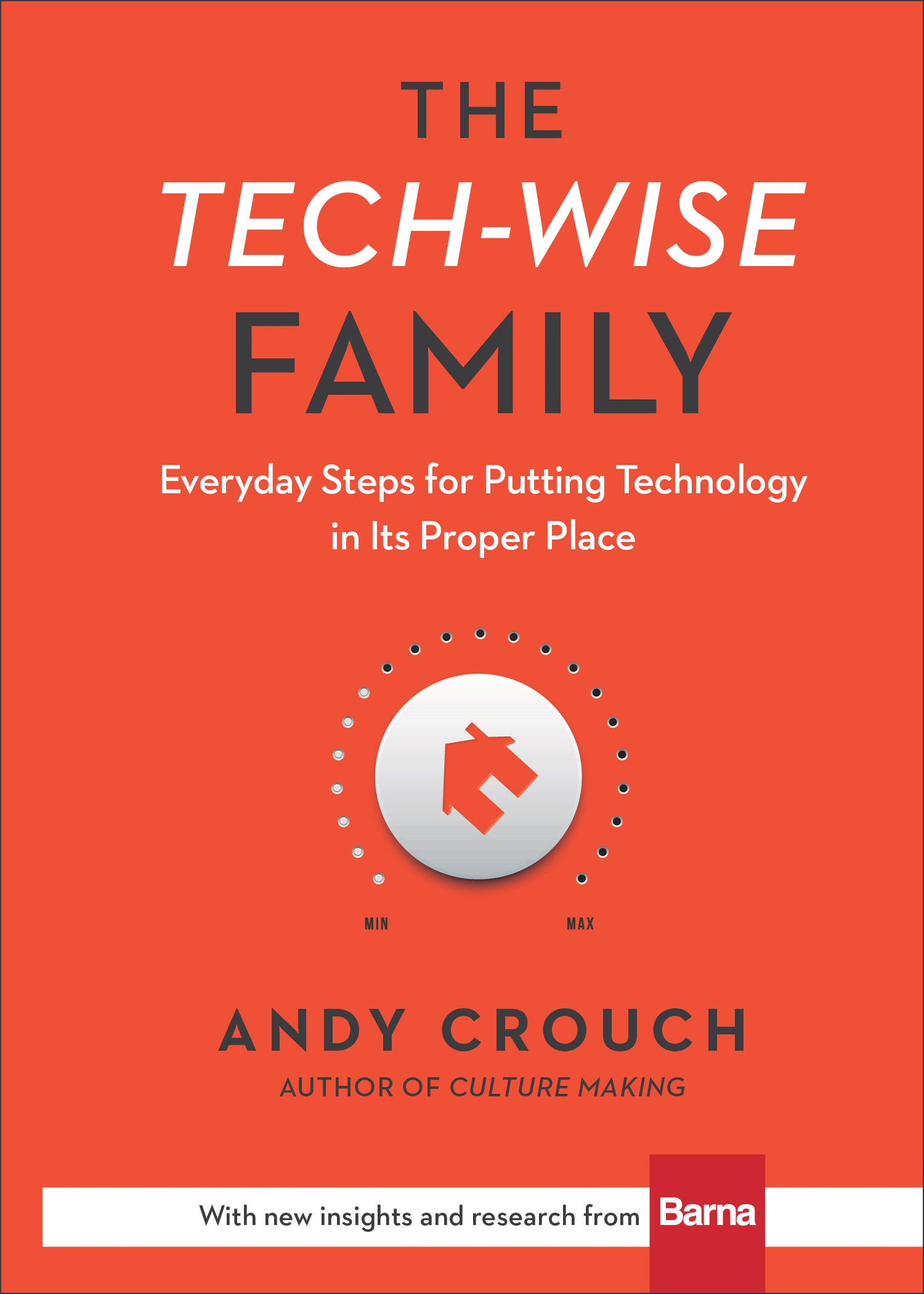
  46. The Tech-Wise Family: Everyday Steps for Putting Technology in Its Proper Place, by Andy Crouch
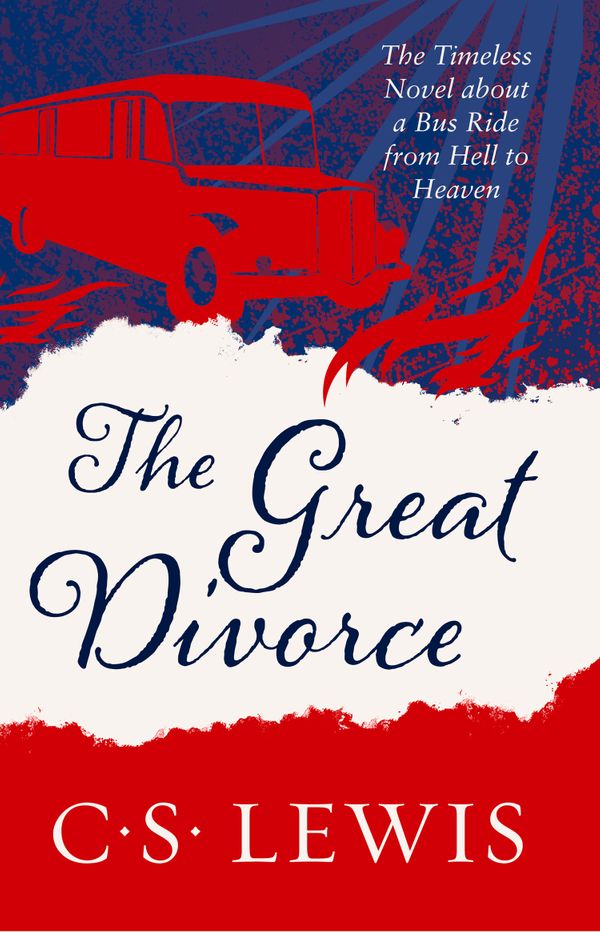
  47. The Great Divorce, by C.S. Lewis
  48. How To Be A Perfect Christian: Your Comprehensive Guide To Flawless Spiritual Living, by The Babylon Bee
  49. Priceless, by Jeremy Myers
  50. The Apocrypha, by Bibliotheca
  51. The New Testament, by Bibliotheca
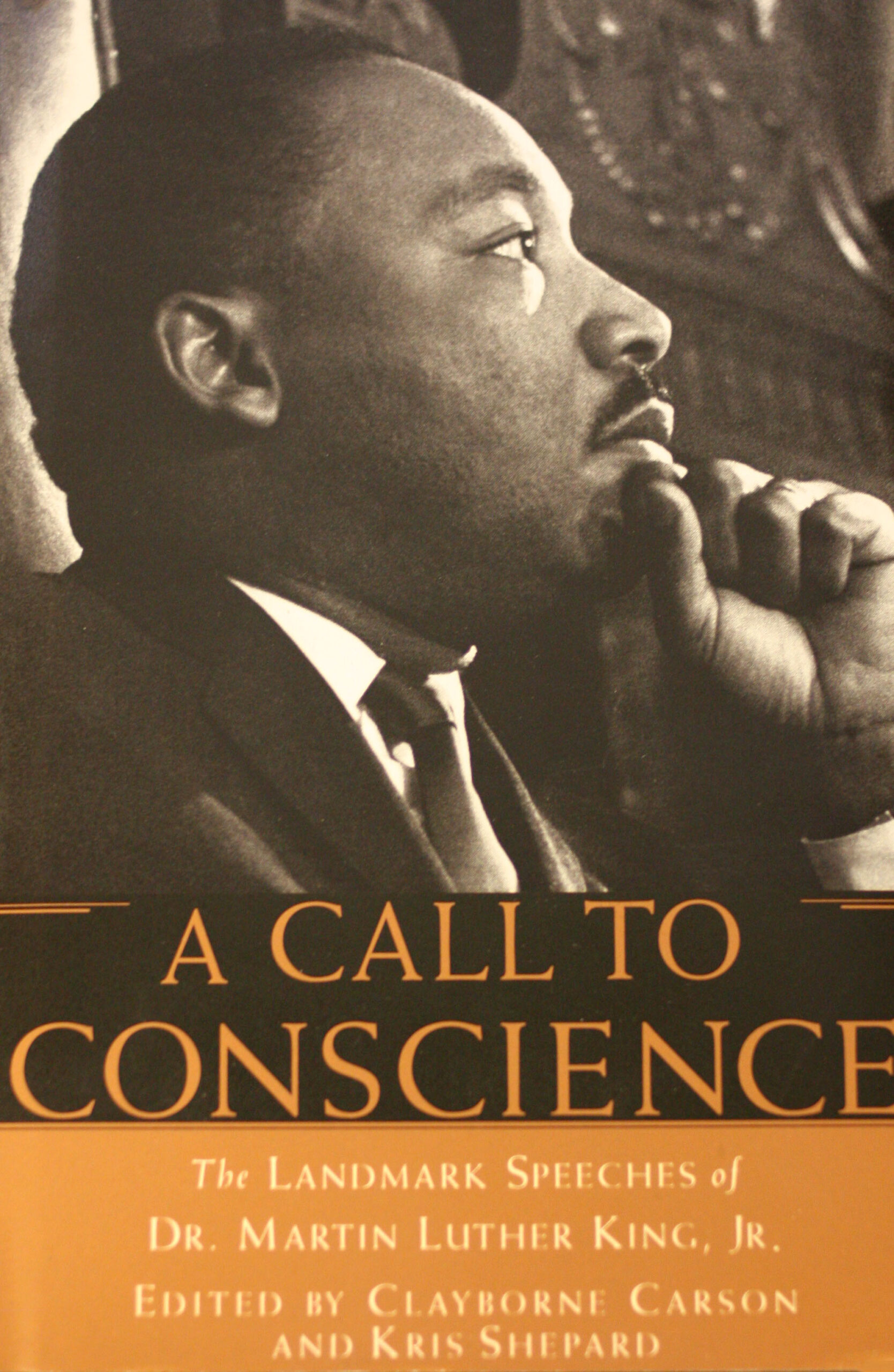
  52. A Call to Conscience: The Landmark Speeches of Dr. Martin Luther King, Jr., edited by Clayborne Carson and Kris Shepard
  53. Discovering Our Roots: The Ancestry of Churches of Christ, by C. Leonard Allen and Richard T. Hughes
  54. Traces of the Kingdom, by Keith Sisman

A few observations before I talk about my favorite books of the year:

  • My reading total increased from 52 books in 2017 to 54 books in 2017. And this included a couple of very large volumes of 650-800 pages. I see other people who read 100 books or more a year, but at this stage of my life, it seems that somewhere in the neighborhood of 50 is my limit.
  • I enjoyed my reading in 2018 more than in 2017.
  • There were two big disappointments in my reading this past year. The first was the Bibliotheca series, which I used to do my daily Bible reading in 2018. There was a lot of fanfare about this translation when it came out, and indeed, it has many admirable qualities: an elegant typeface, beautiful binding, and a page layout that should lend itself to readability. However, the translation itself was wooden and awkward, and I simply did not enjoy it at all. Also, Traces of the Kingdom was a book that I had looked forward to for a few years, but I really struggled with it. Although the author puts you in touch with some extraordinarily rare primary sources that are hundreds of years old, the writing is poor, and much of the logic and argumentation is stretched. It was a disappointment.

Regarding my Top 10 books for the year, here are some brief thoughts on those (presented in order of when I read them, not ranked 1-10):

Beneath a Scarlet Sky, by Mark Sullivan: This is a novel, based on a true story, set in WWII Italy. It is a gripping tale of a teenage boy seeking to navigate the warring factions of Nazis, Mussolini’s Fascists, Allied forces, resistance fighters, partisans, and the Catholic church. It is a gripping tale and compelling read. Fans of All The Light We Cannot See will appreciate this book, which is better.

Simply Christian: Why Christianity Makes Sense, by N.T. Wright: N.T. Wright is the preeminent living Christian thinker, and this is his basic presentation of the Christian faith (it has been called the Mere Christianity for modern times). In my opinion, nothing that Wright writes is truly “simple,” so, despite his intentions, I can’t say that this is the easiest read for the average Christian, but it is a great book.

The Unseen Realm: Recovering the Supernatural Worldview of the Bible, by Michael S. Heiser: Heiser makes the basic claim that modern believers do not read/hear the Bible in the way that ancient believers did, who believed in a robust array of spiritual beings who operate “unseen” and greatly influence the lives that we experience. This becomes the prevailing paradigm for how he interprets Scripture, and especially if you are not familiar with the biblical motif of the Divine Council, much of what he says will shock you. Ultimately, I think Heiser draws some conclusions that are not warranted, but on the whole, I think he makes a very compelling case. This book has been somewhat of a game-changer for me.

The Forsaken: An American Tragedy in Stalin’s Russia, by Tim Tzouliadis: During the Great Depression, thousands of down-on-their-luck Americans were lured to Stalinist Russia with the promise of work and prosperity available to all in the Communist Utopia. Within a few short years, they (along with millions of others) would be killed in the Stalinist purges and, adding to the tragedy, they were largely abandoned by the US government. Not to get too political in a brief book review, but in an era when I increasingly witness many people (especially those generally around my age or younger) pay lip service to the idea that socialism and even communism are benign or even preferable politico-economic systems, this was an important read for me. When it came to murdering people, Stalin made Hitler look like an amateur, and I don’t say that lightly.

A New Heaven and a New Earth: Reclaiming Biblical Eschatology, by J. Richard Middleton: Middleton argues that the Biblical text teaches that God will redeem and restore His creation and will dwell with His people for eternity on a New Heaven and New Earth. This is not some form of premillennialism, but neither is it the popular notion of the Christian hope being getting to escape from this earth and “go to heaven when we die.” This interpretation will be challenging for some, but I am convinced that this perspective is fundamentally correct, and Middleton’s treatment of it is excellent.

Letters To The Church, by Francis Chan: This was a convicting read for me. Chan is a Restorationist’s Restorationist, and this book basically encourages Christians to thoughtfully return to the model of the church as described in the pages of Scripture. Simply put, there are some basic ways of “doing church” that really need to be evaluated and, quite possibly, jettisoned. This book left me uneasy in a good way.

Significant Others: Understanding Our Non-Christian Neighbors, by Monte Cox: Dr. Cox was one of my favorite teachers at Harding, and this book is basically a written version of his “Living World Religions” class (one of my favorite classes). It is a helpful overview of various world religions, and would make an excellent resource for a Bible class.

The Tech-Wise Family: Everyday Steps for Putting Technology in Its Proper Place, by Andy Crouch: Technolgy is increasingly present in our lives, and for all of its positive benefits, there are negative side effects as well. Crouch offers some helpful (and at times, extreme) perspective on how families should treat technology and strive to create home environments that cultivate wisdom and courage.

The Great Divorce, by C.S. Lewis: I’m not sure that I have ever read something by Lewis that I didn’t like, but this is one of my favorites. Lewis’ allegorical take on hell is, in my opinion, both brilliant and helpful.

A Call to Conscience: The Landmark Speeches of Dr. Martin Luther King, Jr., edited by Clayborne Carson and Kris Shepard: I had really not read/heard much from Dr. King before, other than his “I Have a Dream” speech or snippets of quotations from other sources, and that was a mistake, because King’s speeches evidence not only beautiful eloquence, but also profound theological insight. I plan to do additional reading from (and on) Dr. King in the future.

That was my reading for 2018. For comparison’s sake if you are interested, you can see my reading lists from previous years:

As always, I have a bunch of books lined out to read in 2019, and am already in the midst of two good ones right now.

What are some of the best books you read this past year?

*Books that I did not read in their entirety, but read significant portions of.

« Older posts Newer posts »

© 2026 The Doc File

Theme by Anders Noren — Up ↑