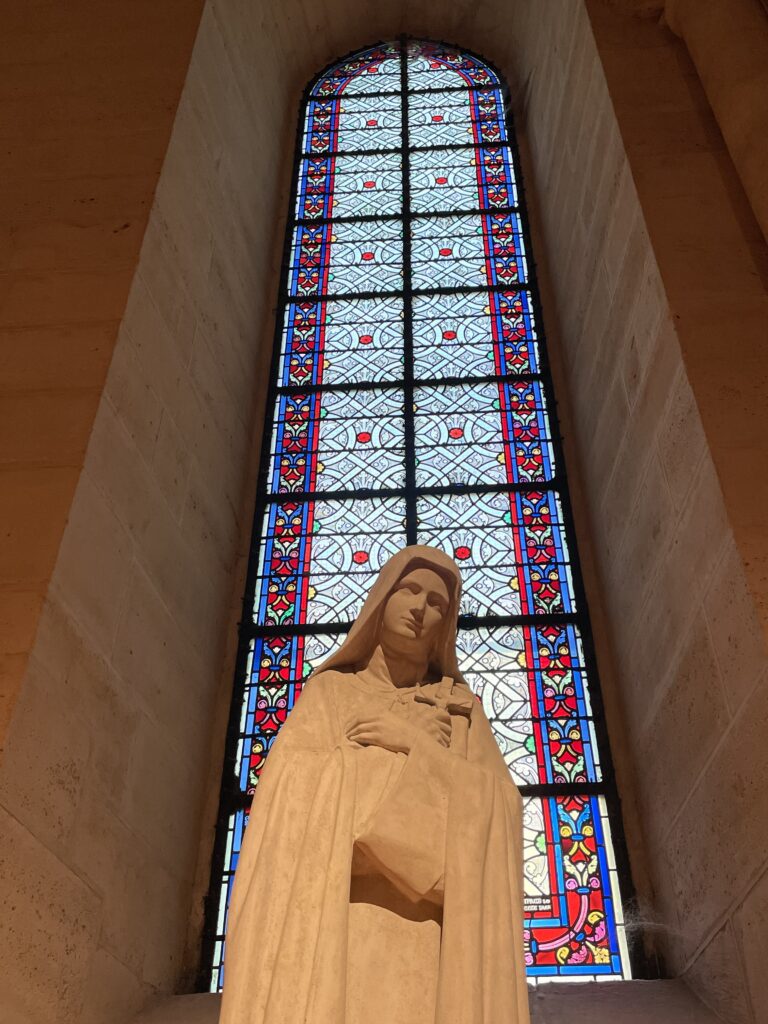
The online journal of Luke Dockery

Category: Culture (Page 1 of 14)

Travelogue: NYC, Paris, Normandy

Caroline and I were blessed to take a wonderful trip for our 20th anniversary, spending a couple of days in NYC before heading overseas for a week in Paris and Normandy, France. As I have done at various times before, I wanted to share some pictures and reflections from what was an amazing trip. To outline things a little more clearly (and also to help me remember better, I will break things down by each day.

Thursday, October 8

We woke up early to catch our flight from Little Rock to New York City. NYC is one of my favorite cities, so I always and excuse to fly through there. Because of some peculiarities in our travel plans this time, we actually got to be there for most of Thursday, all of Friday, and most of Saturday.

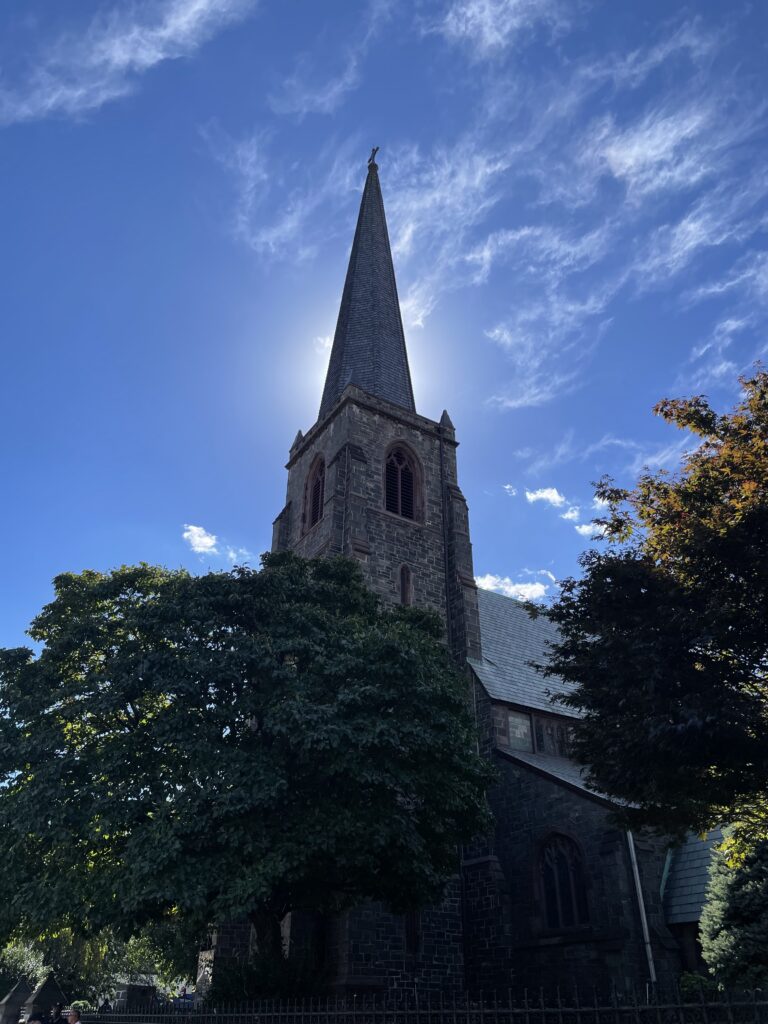
Upon arrival in NYC, we navigated our way via the subway to our hotel in Queens before making our way back to Manhattan.[1] This beautiful old church was in our neighborhood in downtown Flushing in Queens. As you will see, picturesque church buildings would be a major feature of our trip!
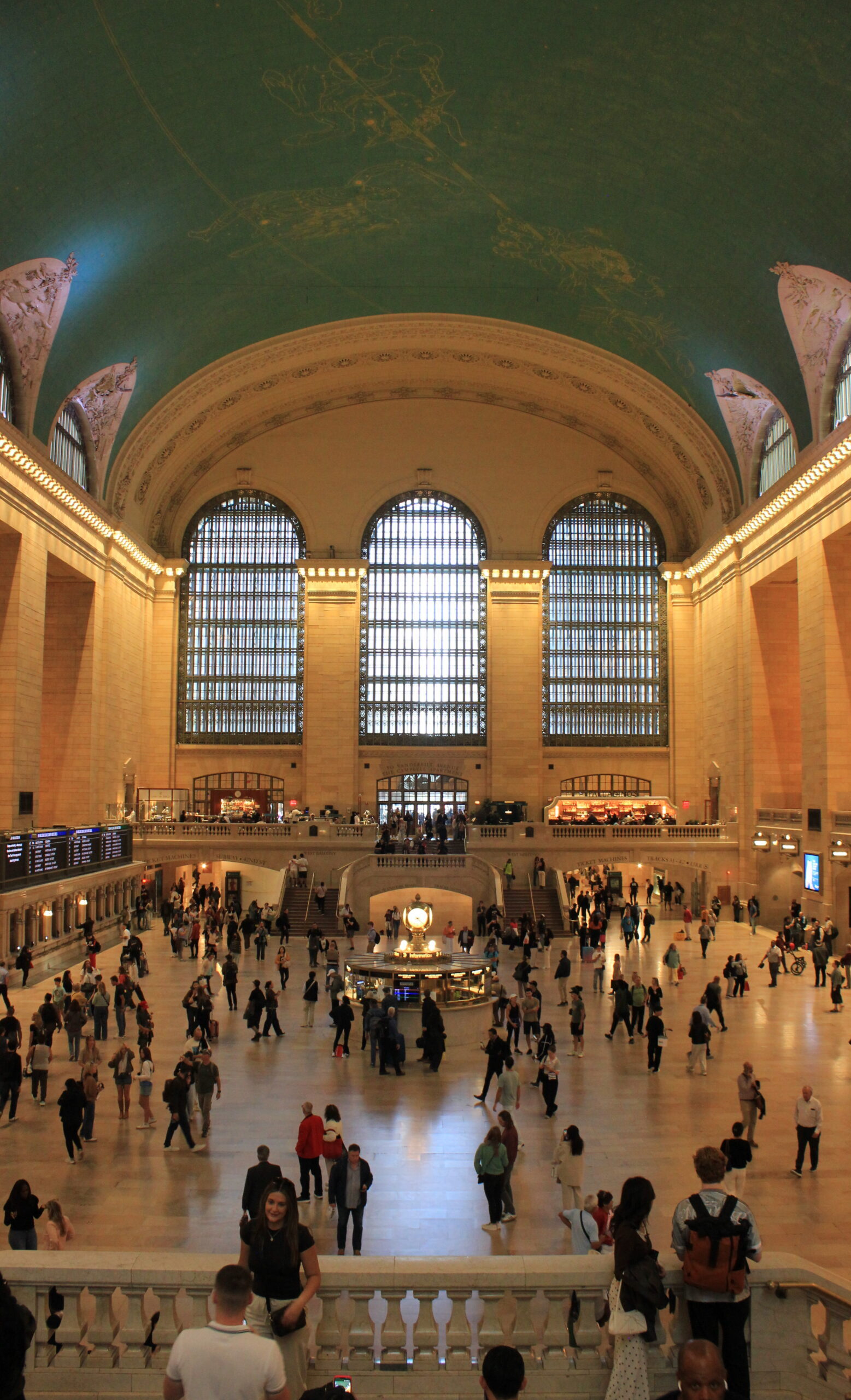
Riding the subway to Manhattan, we stepped out at Grand Central Terminal. I cannot adequately convey how much I love this building. Once a major railroad hub, Grand Central is now all about metro traffic, but still 750,000 people pass through this building on a given day. It is a wonderful spot for people watching, and an architectural marvel. I don’t want to overstate the case, but we used to build things like this as a society. We should do so more regularly again.
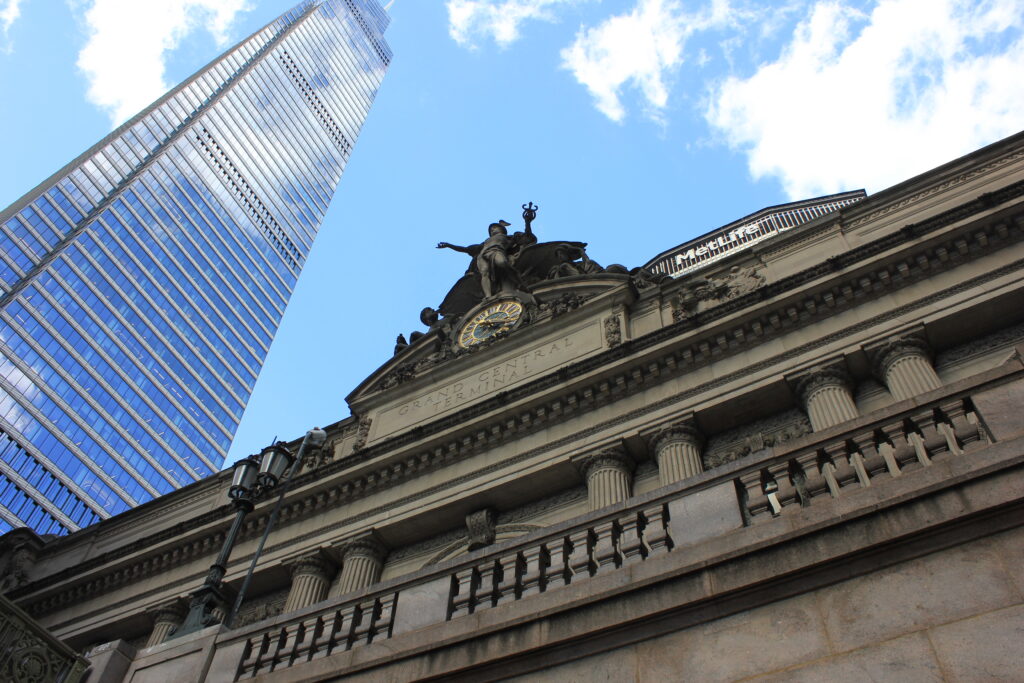
Right outside of Grand Central is the Chrysler Building, my favorite NYC skyscraper. At bottom, it is actually remarkably functional and unappealing, but the Art Deco stylings at the top are marvelous.

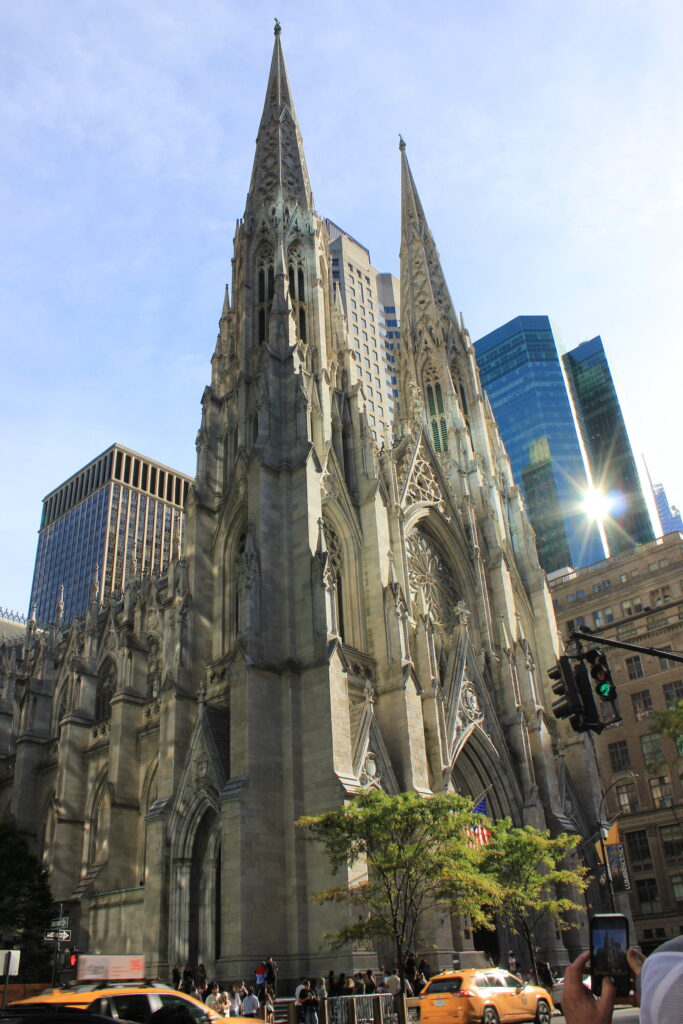
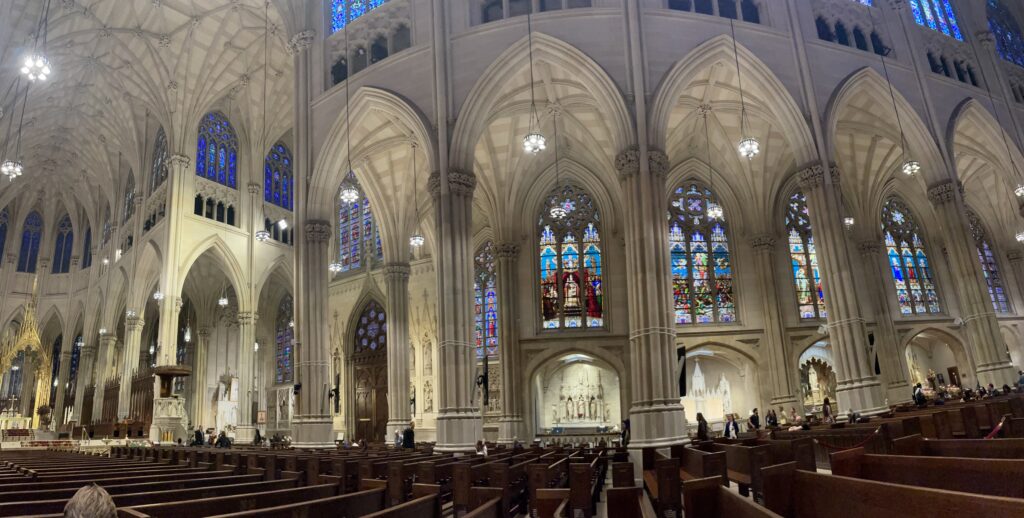
St. Patrick’s Cathedral is another place I could stay for a long time. I took a ton of pictures here, but I won’t overwhelm you with those (I’ll save that for the Paris churches!).
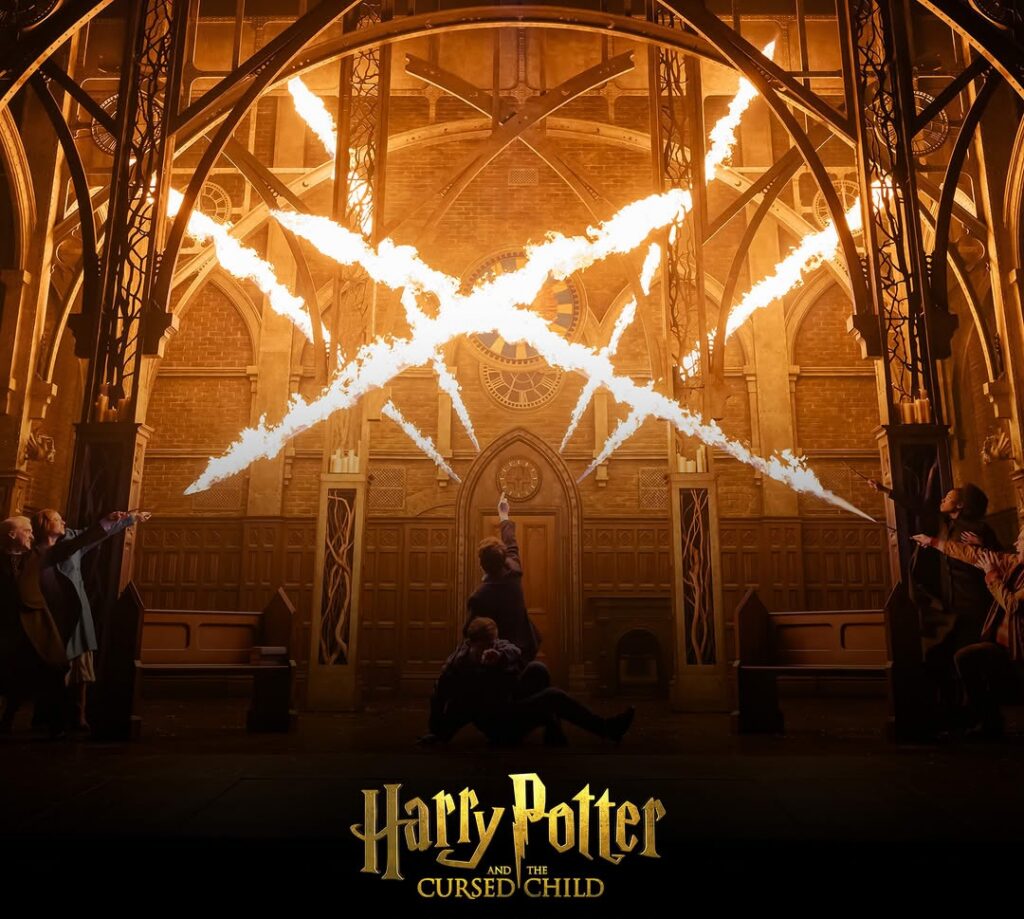
Thursday night, we went to see Harry Potter and the Cursed Child on Broadway. Caroline and I have gotten to go to a few Broadway musicals before, so I expected a good show, but I was totally blown away. I was unfamiliar with the story but enjoyed it immensely. For Harry Potter fans, it nostalgic and poignant. (We were not allowed to take pictures during the show, so I have shared a promotional image below.)
Friday, October 9

Friday was our only full day in New York, and our goal was to hit spots we had missed but wanted to see.

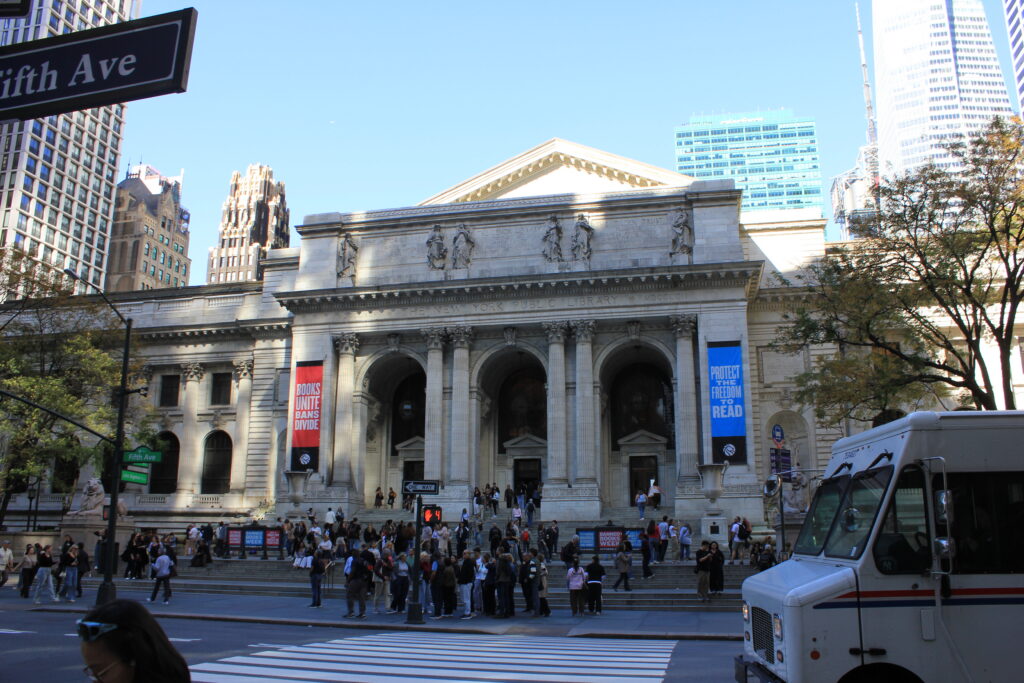
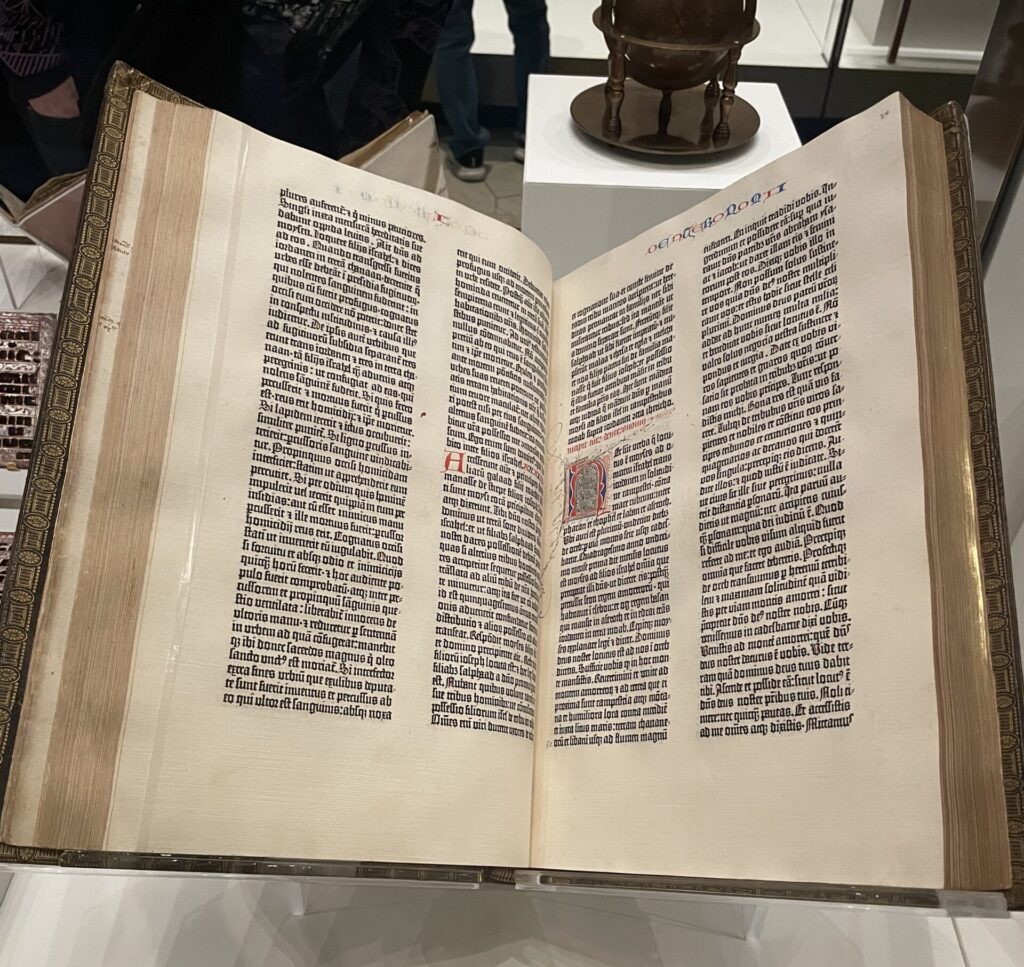
We kind of stumbled upon the historic New York Public Library, which is more of a museum at this point (if you want to check out books, you have to go across the street). When we visited, they were celebrating Banned Books Week, and I celebrated by getting to see one of the most banned books in history—an original Gutenberg Bible!
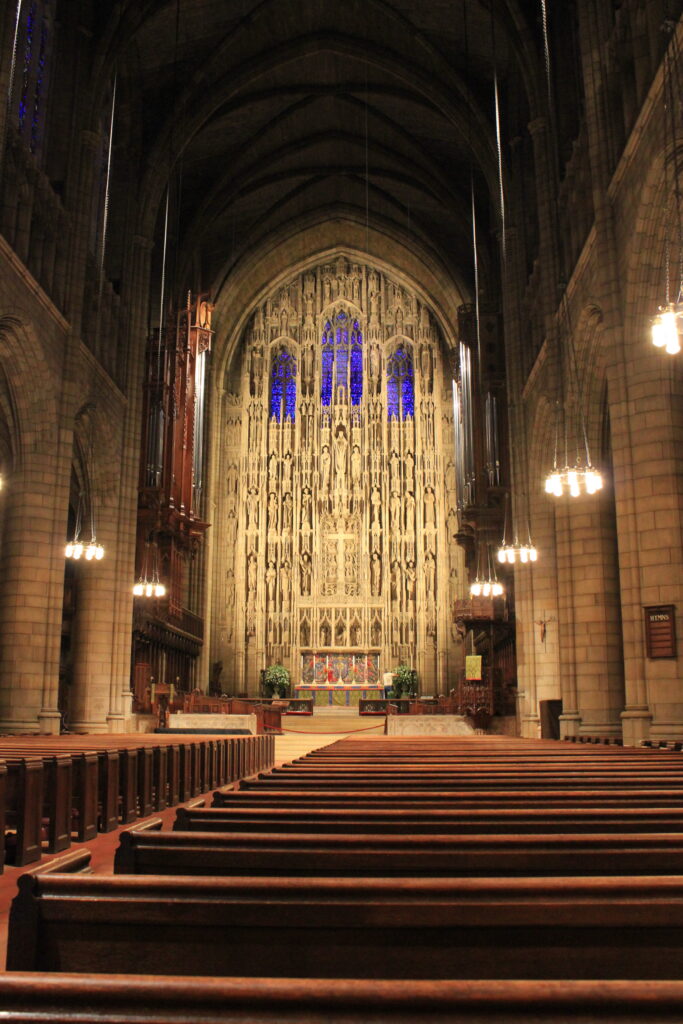
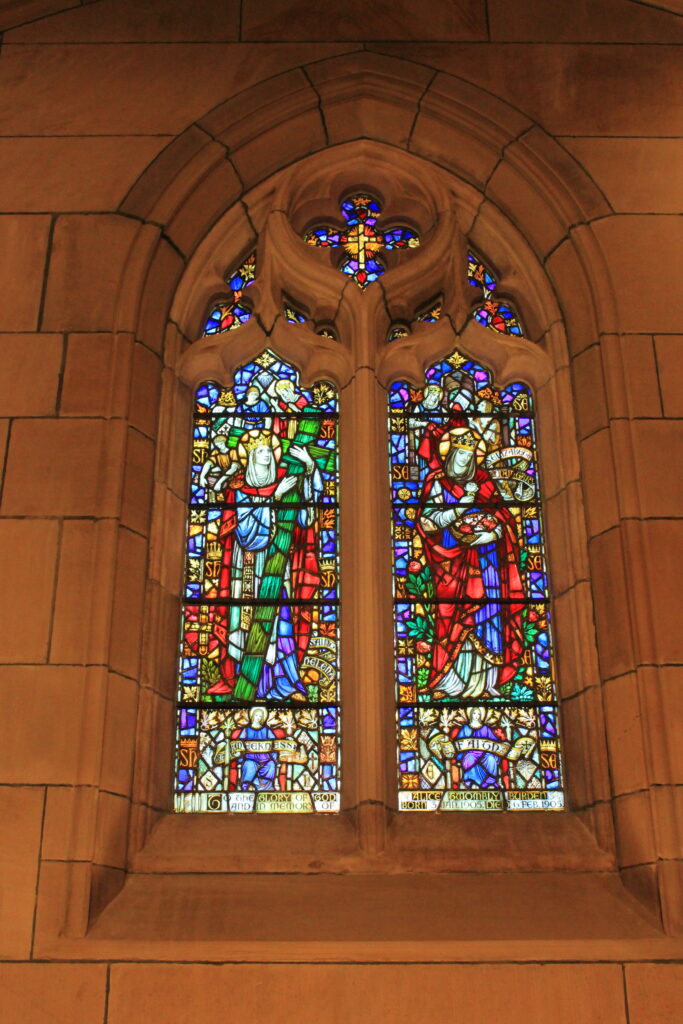
Next, we stopped by St. Thomas’s Church, which is close to St. Patrick’s, but was not open when we stopped by the day before. This is another beautiful church with stained glass windows. St. Thomas’s is devoted to its historic music program, but unfortunately, there was nothing scheduled for while we were there.
Next, we stopped by Joe’s Pizza for mandatory NY pizza, and then headed to Central Park, where we walked around, read books and took a nap in the grass, and then snapped some pictures of the NYC skyline through the trees.

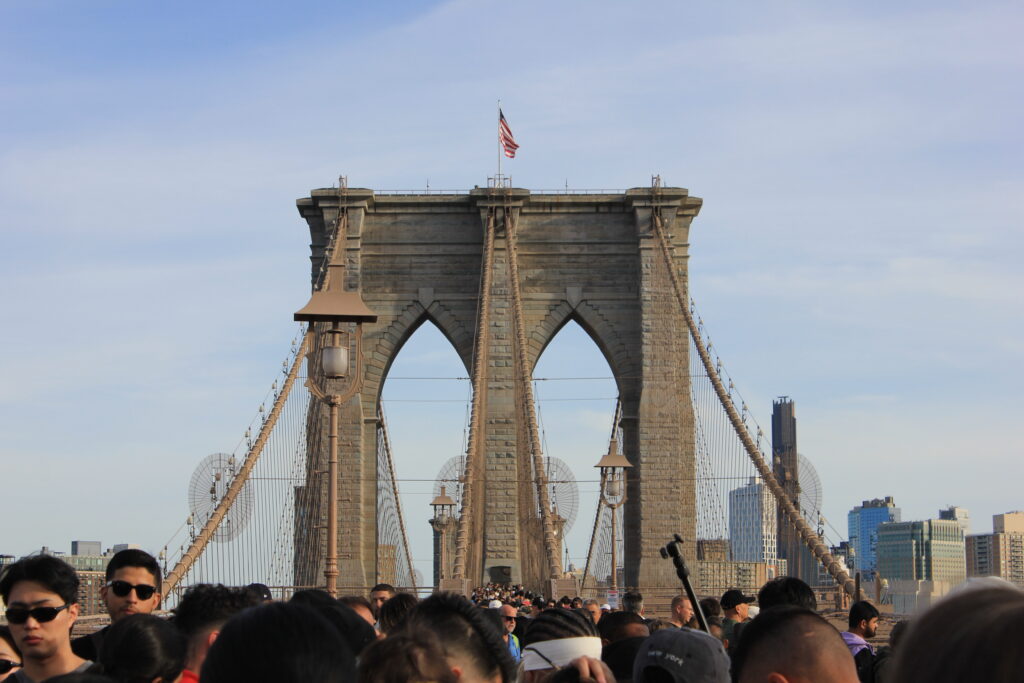
We then headed down south, walking past the high end shops on 5th Avenue, saw the Empire State building, and then walked part of the Brooklyn Bridge. The Brooklyn Bridge was another architectural marvel to me, constructed between 1869–1883. By now, it was late afternoon, so we ended our evening in Little Italy where I ate some excellent chicken parmesan, and then we grabbed gelato for dessert.

Saturday, October 10

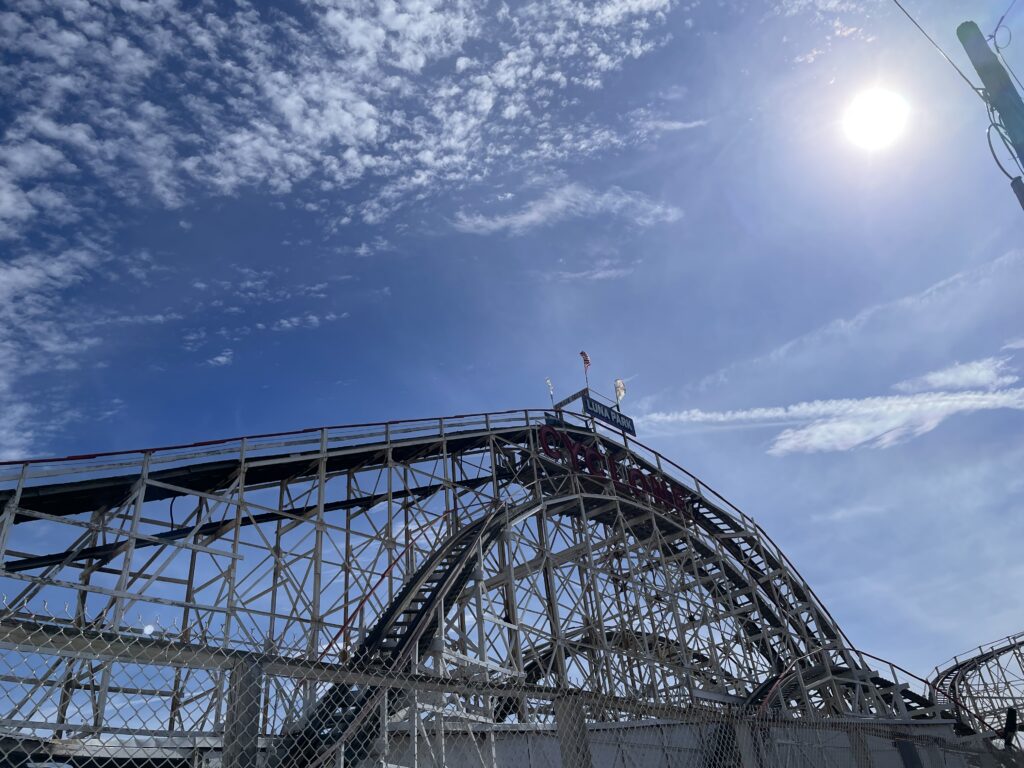
Saturday we headed to Brooklyn and visited Coney Island. It was fun to visit this throwback amusement park, but honestly, it was a bit of a logistical nightmare (long subway ride, four long walks to store our luggage, long subway ride from there to the airport). I’m glad we did it, but don’t plan to go back.

From there, we headed to the airport. The Newark airport is perhaps my new least favorite airport (very limited food and snack options in our terminal), and the flight was rough (I do not recommend a transatlantic flight on a budget airline where you end up separated from  your spouse). It was an overnight flight, but I did not succeed in sleeping for more than a few minutes.
Sunday, October 11

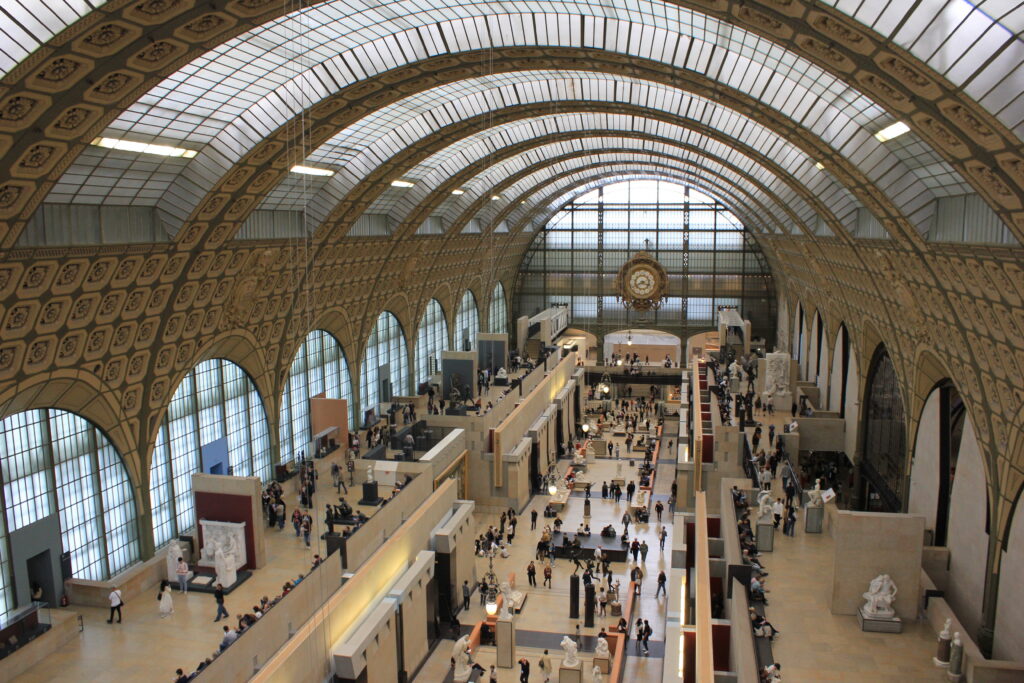
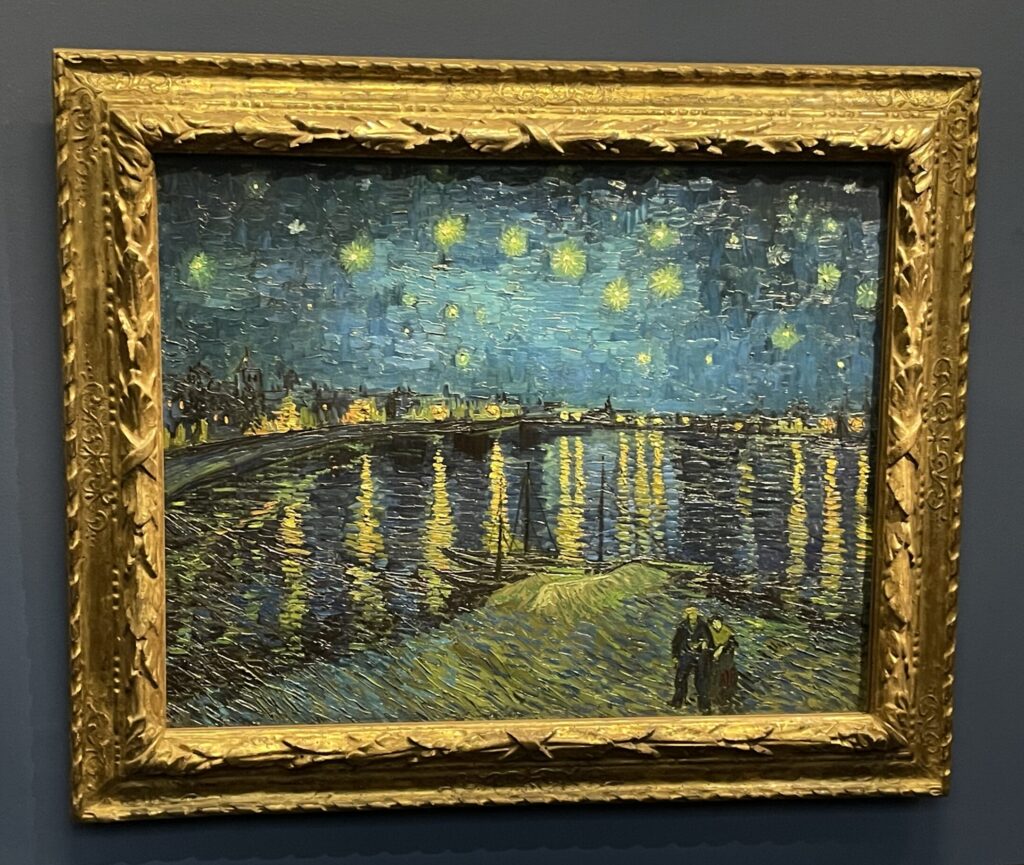
It was midday when we arrived in Paris, though our bodies had no clue what day or time it really was. We made it through customs, got our phones working, and began learning the metro system so we could go to our hotel. We checked in, dropped off our stuff, and then headed back out, first to the Orsay Museum. The museum itself is super cool, as it is housed in an old train station. Here we got to see a lot of cool art, but the highlight was the French Impressionists and Vincent Van Gogh.
After Musée d’Orsay, we were fairly ravenous (having not really eaten since dinner in the airport the night before), and had a late afternoon meal of crepes at a French cafe. I thought crepes were a little strange—thin, pancake-like things—but good. We shared one that was like the offspring of a pancake and an omelette, and another one that was loaded with Nutella. Fortified with food energy, I managed to convince Caroline that we should walk the Champs-Élysées to the Arc de Triomphe.

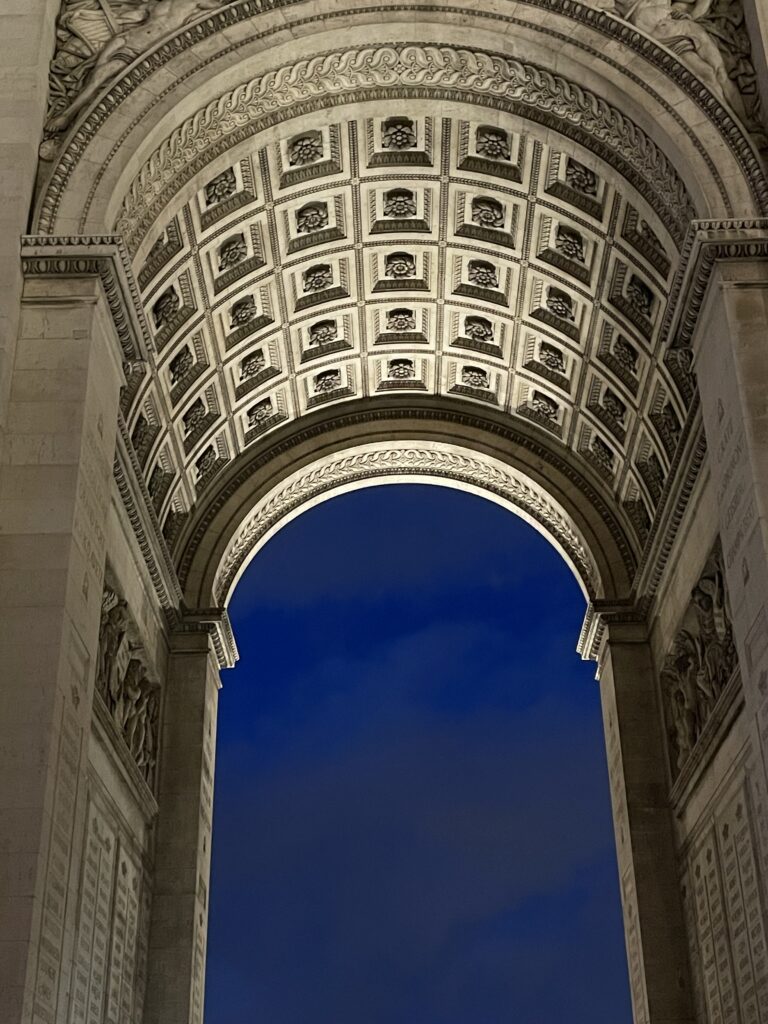
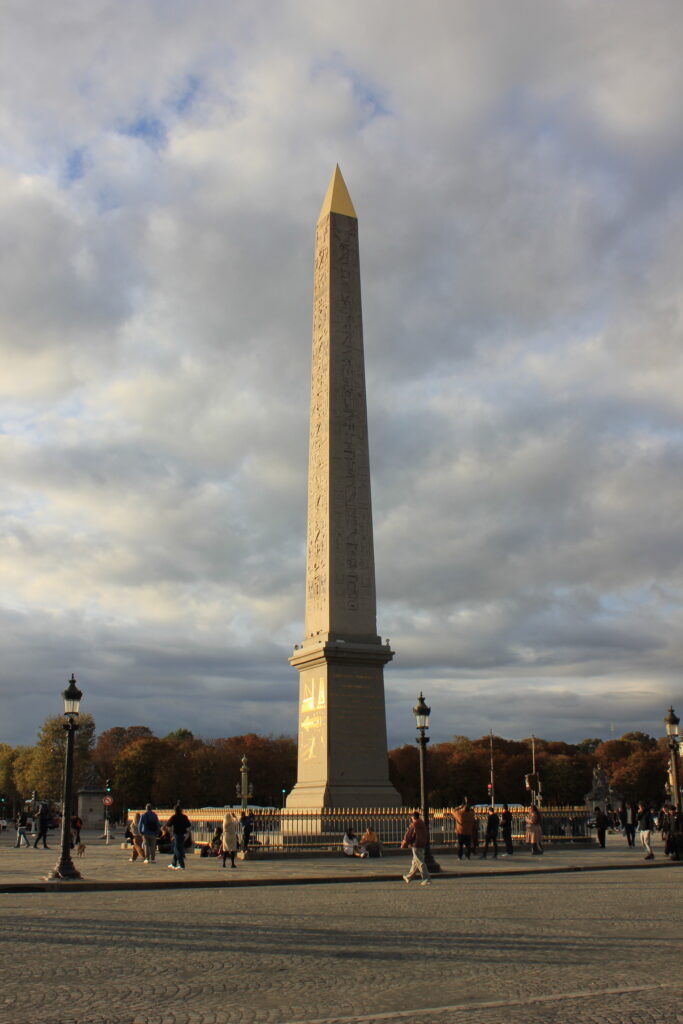
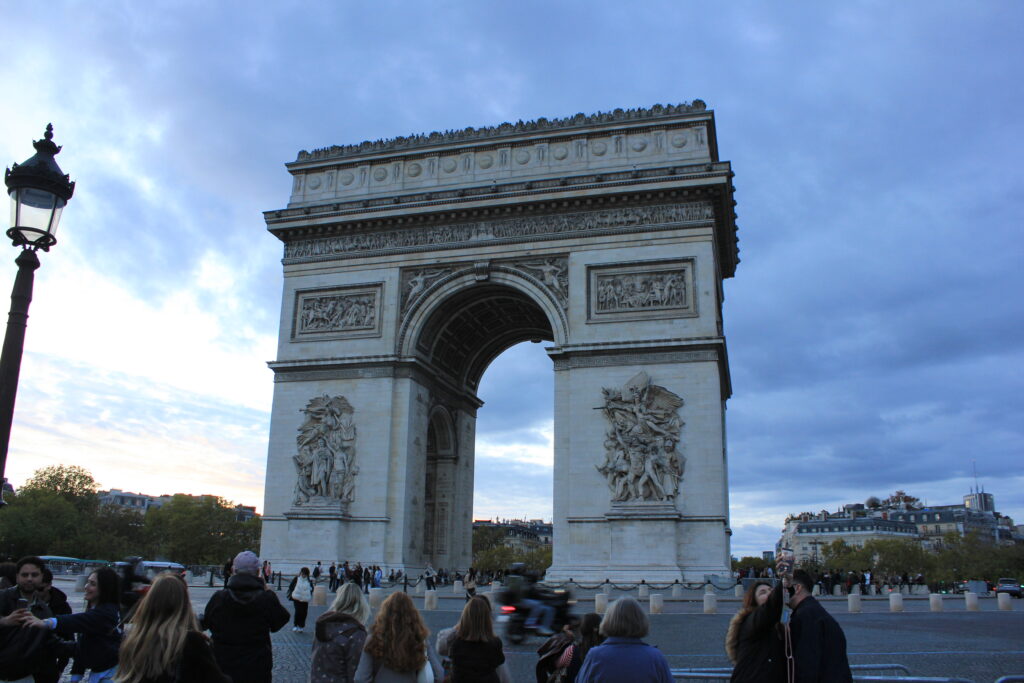
First, we saw the Luxor Obelisk at the Place de la Concorde (similar to Cleopatra’s Needle that I had seen previously in London), along with a touching memorial to those slain via guillotine in the French Revolution. We then approached the Arch, which was cool to walk up to all along the Champs-Élysées. The Arch was impressive, and we took the stairs to the top. It got dark while we did so, and we enjoyed the nighttime view of Paris (including our first glimpse of the Eiffel Tower). Exhausted after a long flight and busy half-day, we took the subway back to our hotel and crashed.
Monday, October 12

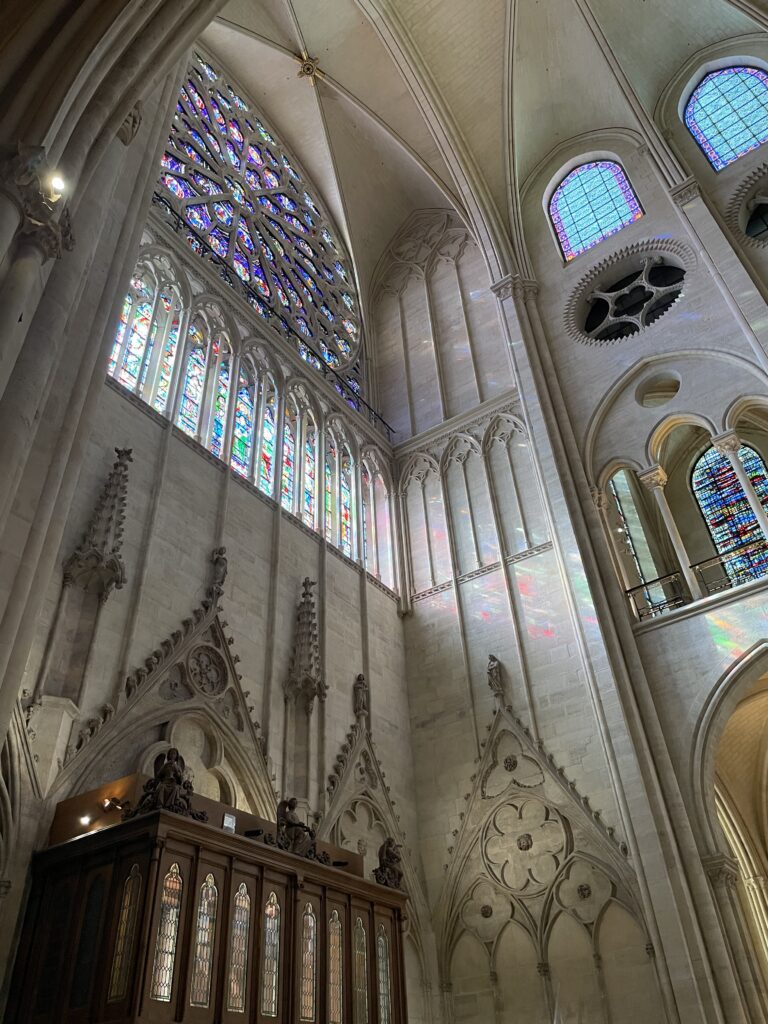
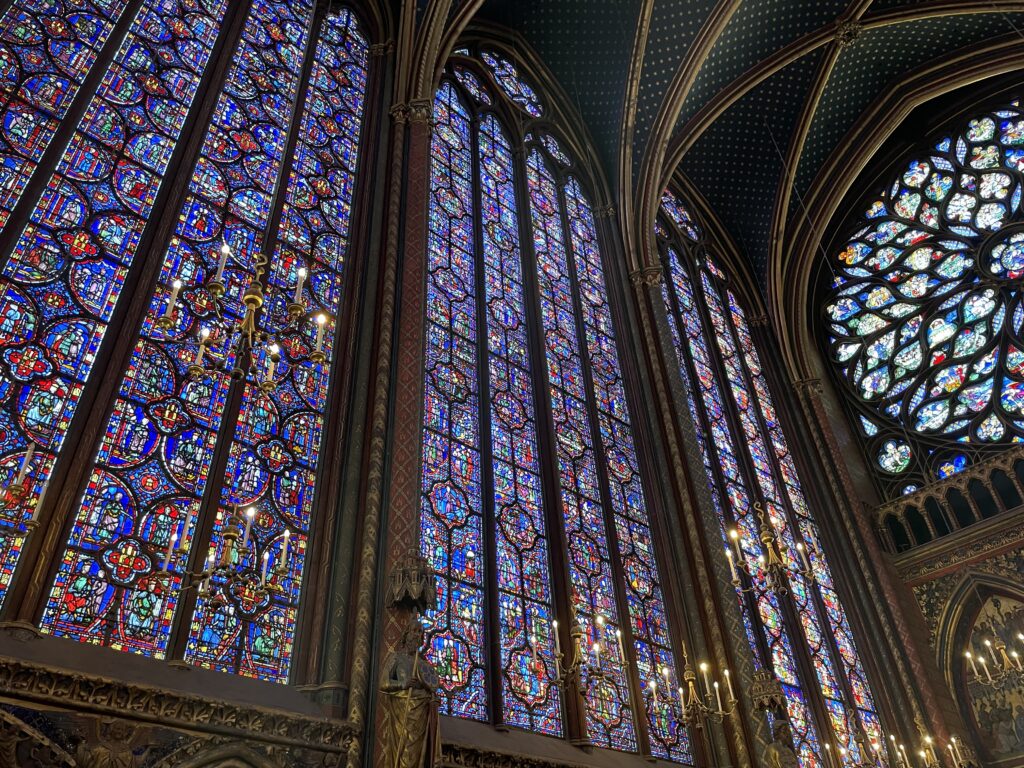
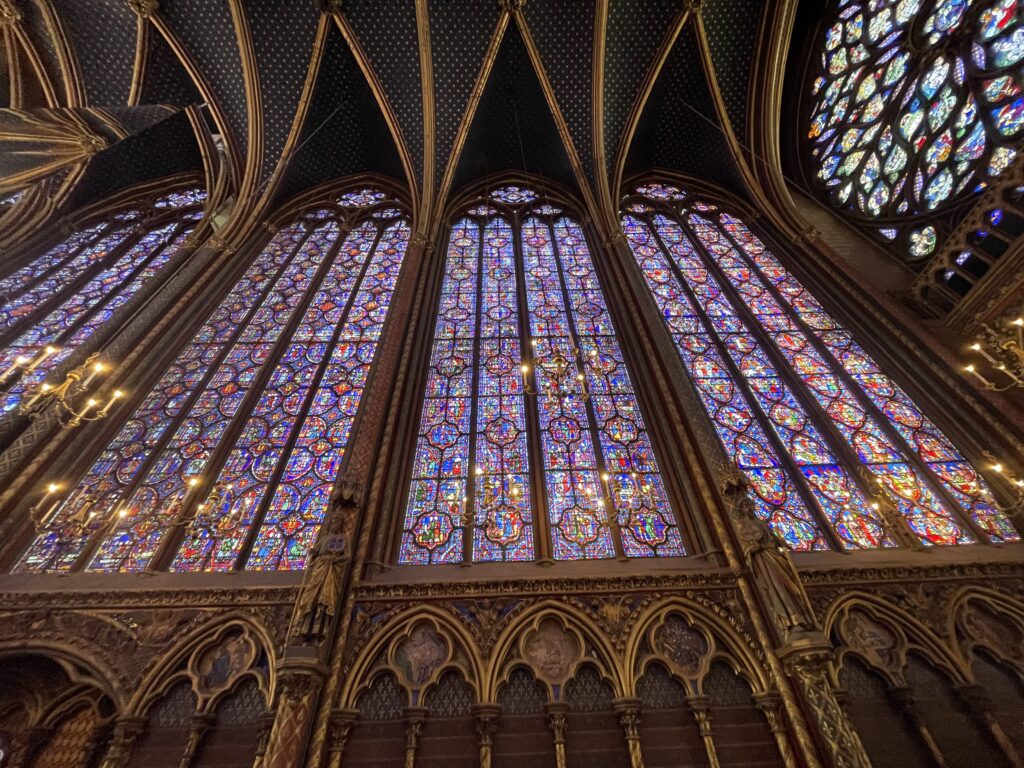
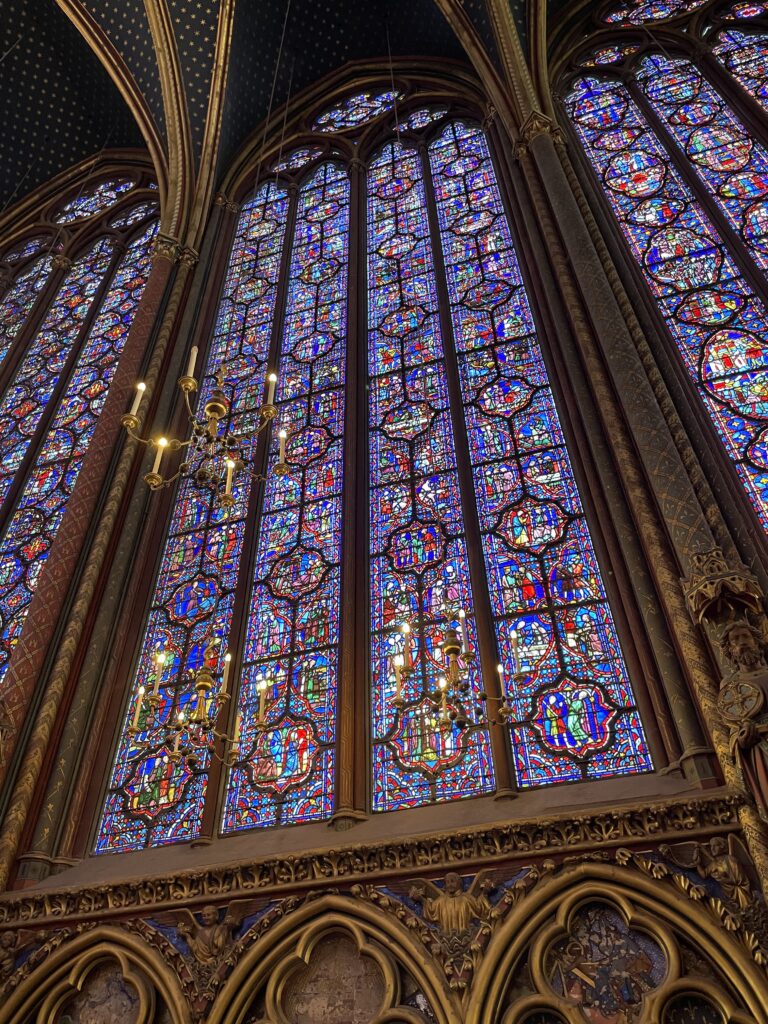
We were supposed to go to the Louvre first thing on Monday, but we got there only to learn that it wouldn’t open until 11. Apparently the workers were striking (a common pastime), so rather than wait in line for a couple of hours, Caroline suggested we shuffle our plan for the day, and we headed to Sainte-Chapelle. This 13th-century chapel was pretty forgettable on the outside (I have literally forgotten what it looks like), but inside was filled with hundreds and hundreds of stained glass windows. The windows themselves actually retell the story of the Bible (a friend pointed out that for many of the illiterate attendees, these windows were like the BibleProject of its day!) and they were absolutely breathtaking. I sat and stared at the windows…and stared…and stared…
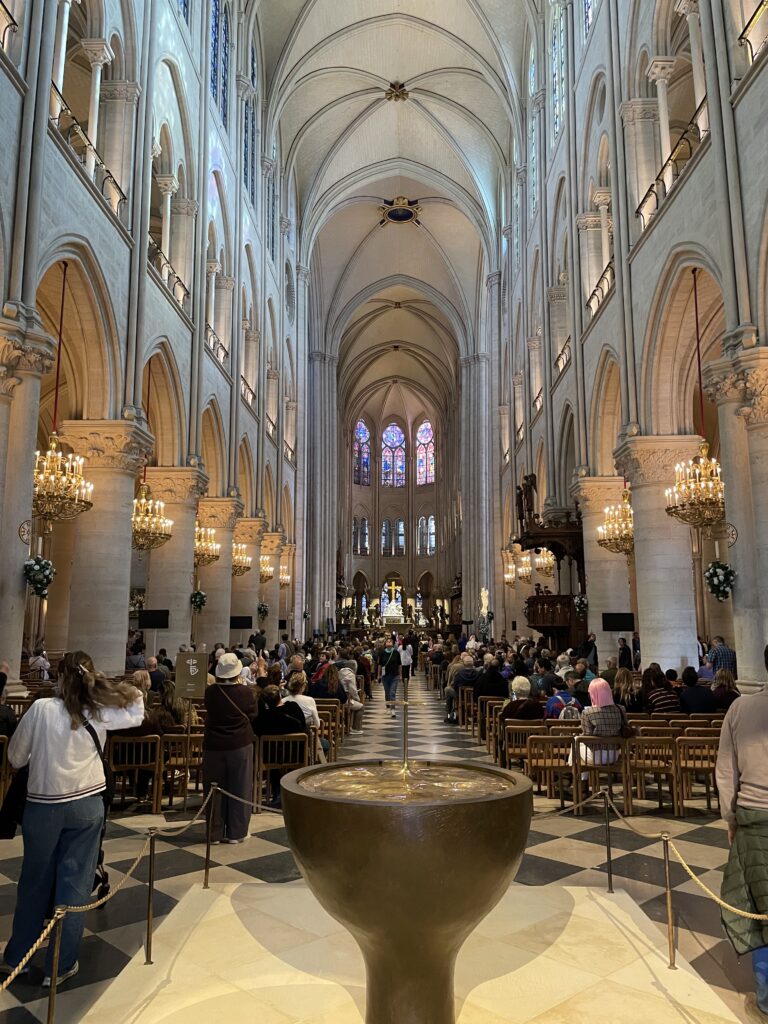
After Sainte-Chapelle we checked out some market stalls and grabbed lunch at a cafe, then headed to Notre-Dame de Paris. I remember when this famed cathedral caught fire in 2019, and how France (and, indeed, much of the world) mourned. I totally get it now! I am pleased to report that the cathedral is in very good shape, repairs are still ongoing, and it remains an absolute marvel. Getting to see Sainte-Chapelle and Notre-Dame within the span of a few hours was absolutely amazing.
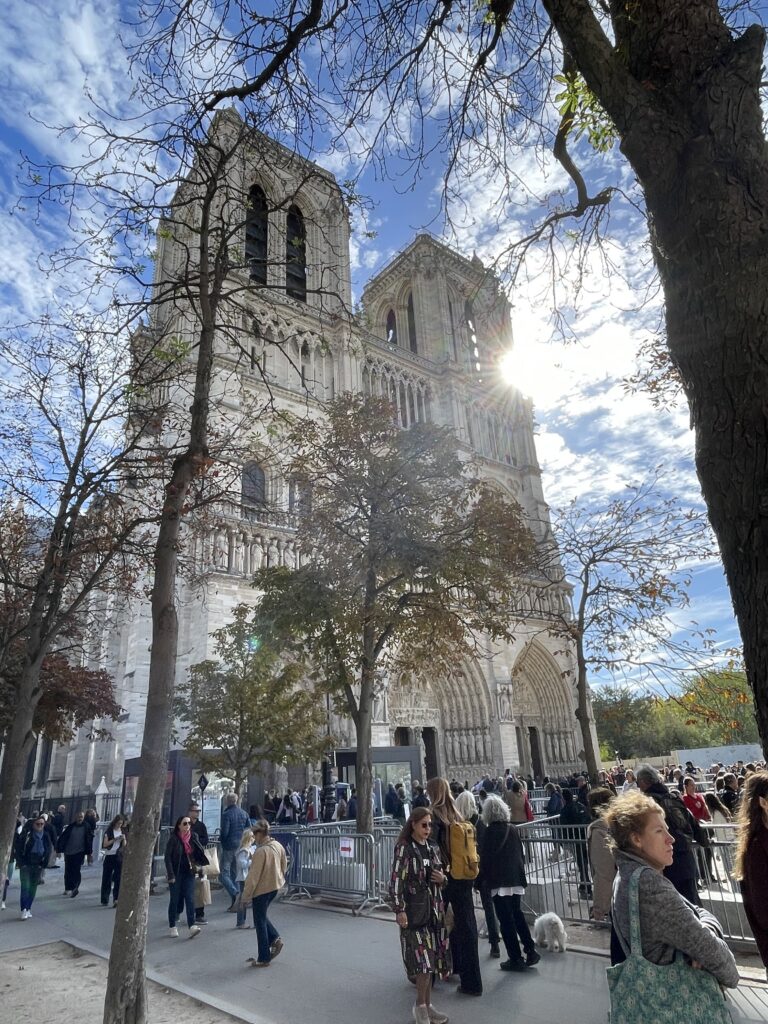
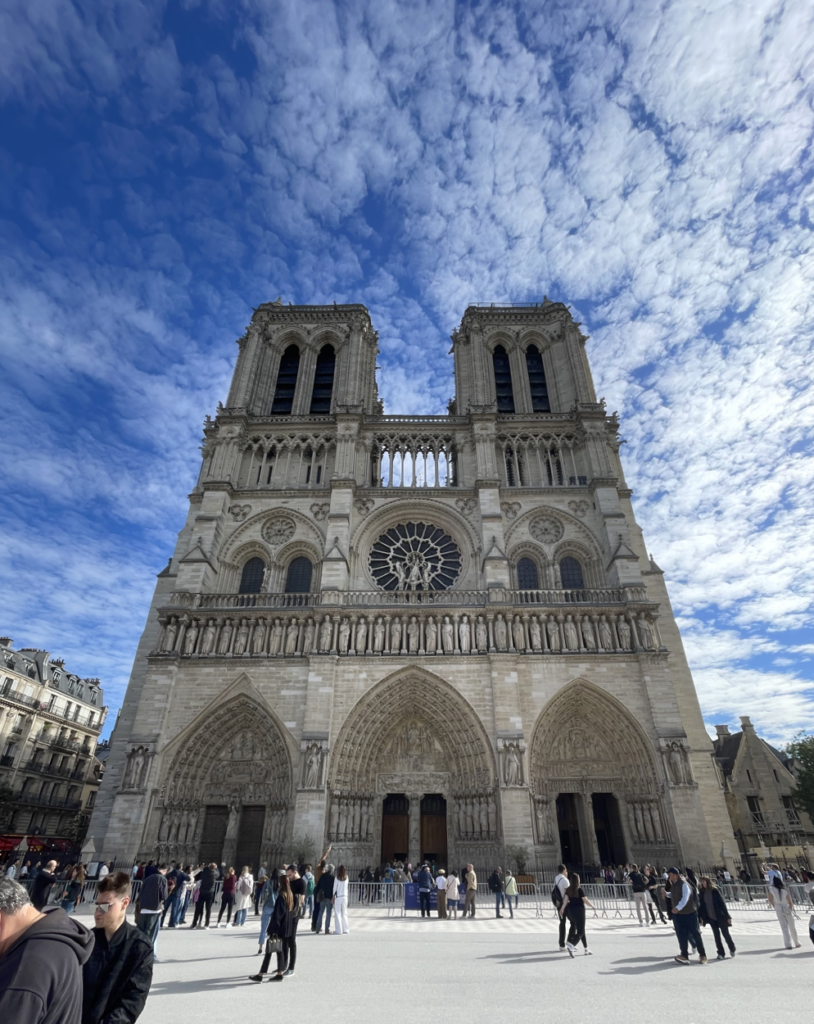
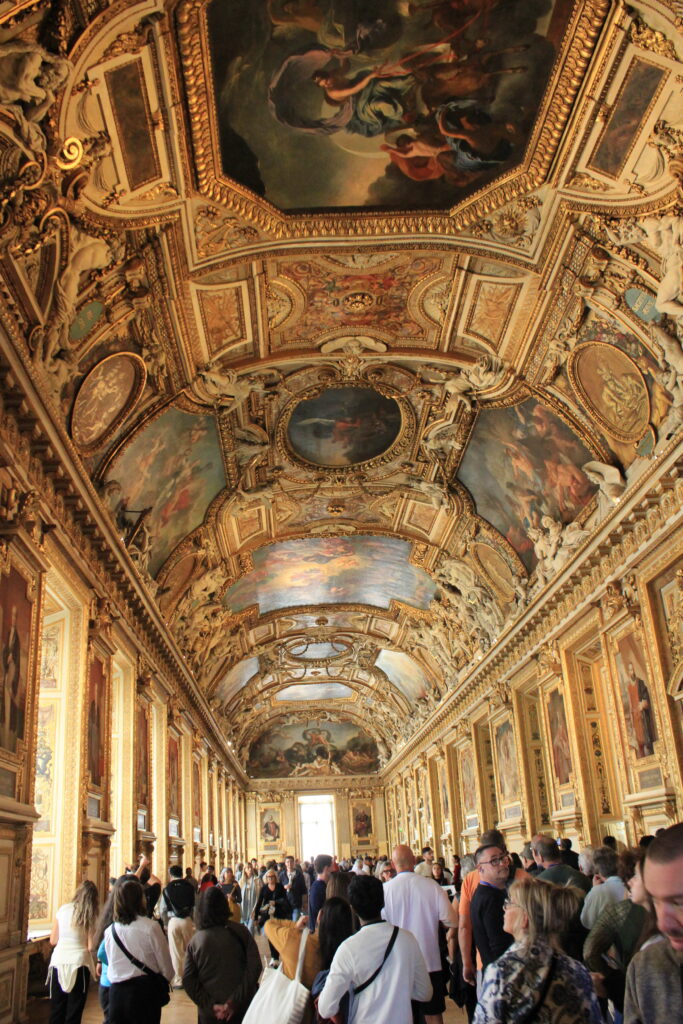
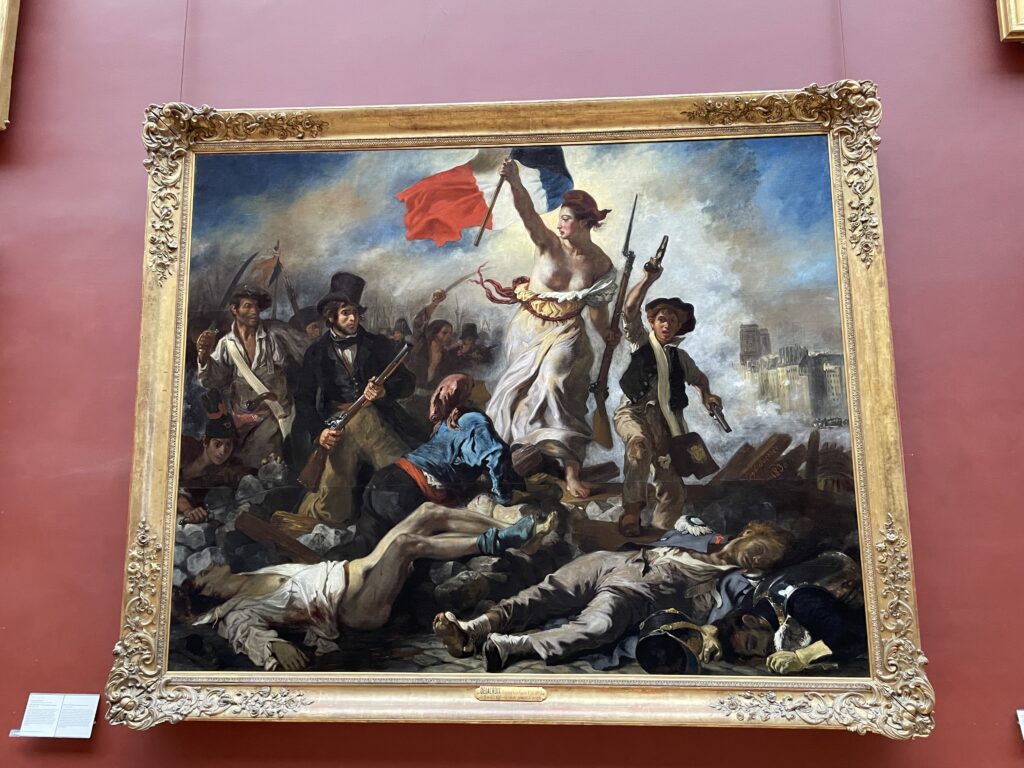
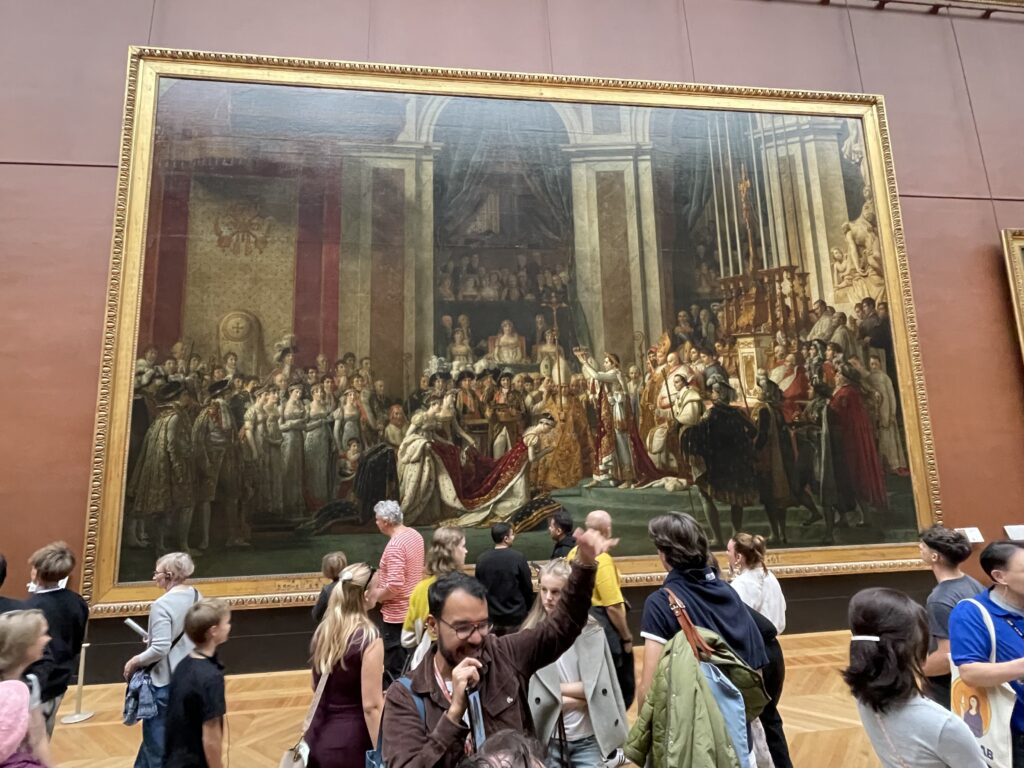
After Notre-Dame, we returned to the Louvre that had been closed earlier in the day. I didn’t take a ton of pictures because honestly, it was underwhelming. The architecture of the museum itself was impressive, the glass pyramid was neat, and it was genuinely cool to see the Mona Lisa (I was prepared for this to be disappointing, so I actually wasn’t let down and kind of enjoyed it) and the Code of Hammurabi. Highlights for me were actually some of the paintings that were significant in France’s own history, like Liberty Leading the People by Delacroix and Jacque Louis-David’s Coronation of Napoleon (which was impressively massive.
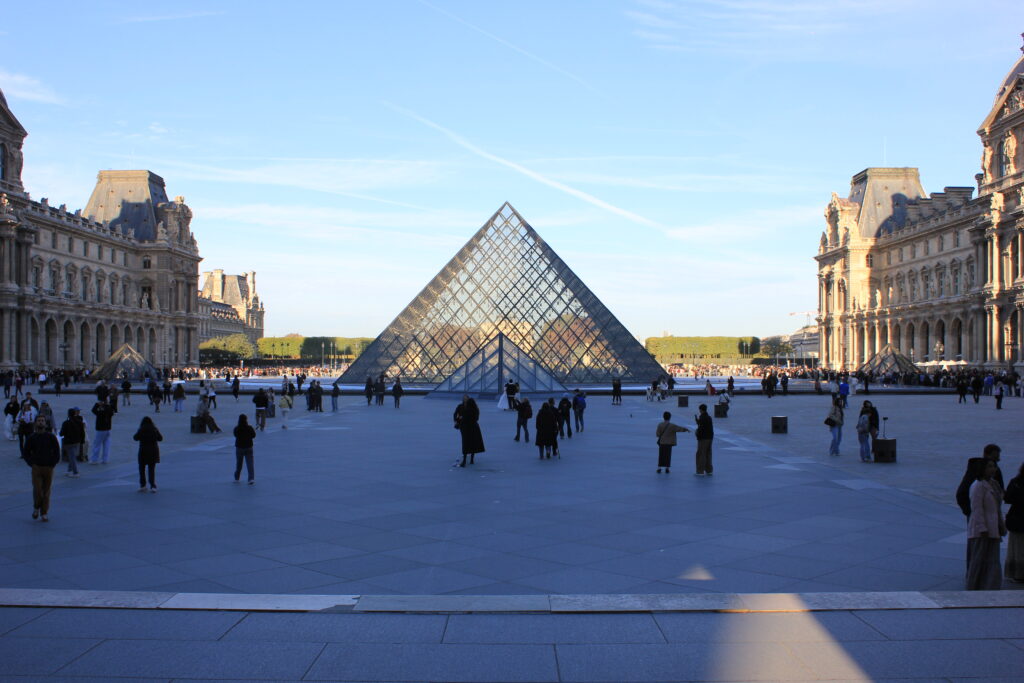
On the way out of the Louvre, we stumbled upon a McDonalds (Chicken McNuggets are surprisingly awesome in foreign countries) for dinner, then headed back to our hotel, from where we ventured out again to do laundry at a local laundromat (it was fun interpreting the instructions in French), grabbed some gelato, and then picked up a few groceries. This was a fun night because it felt less touristy.

Tuesday, October 13

This was the day that we had blocked out to go to Versailles. I know a lot of people love Versailles, but we both agreed that it was monumentally disappointing. Honestly, I know the French Revolution was bloody and excessive, but walking through Versailles really helped make it all a little more understandable. I took a few pictures here, but nothing that I really wanted to share. After going to the palace we had planned to tour the gardens, but we decided against it and had zero regrets. We came back early to the hotel (after eating more crepes) and took naps. Feeling refreshed, we headed to Basilique du Sacré-Cœur, which was a super cool church that had a great overlook of Paris.
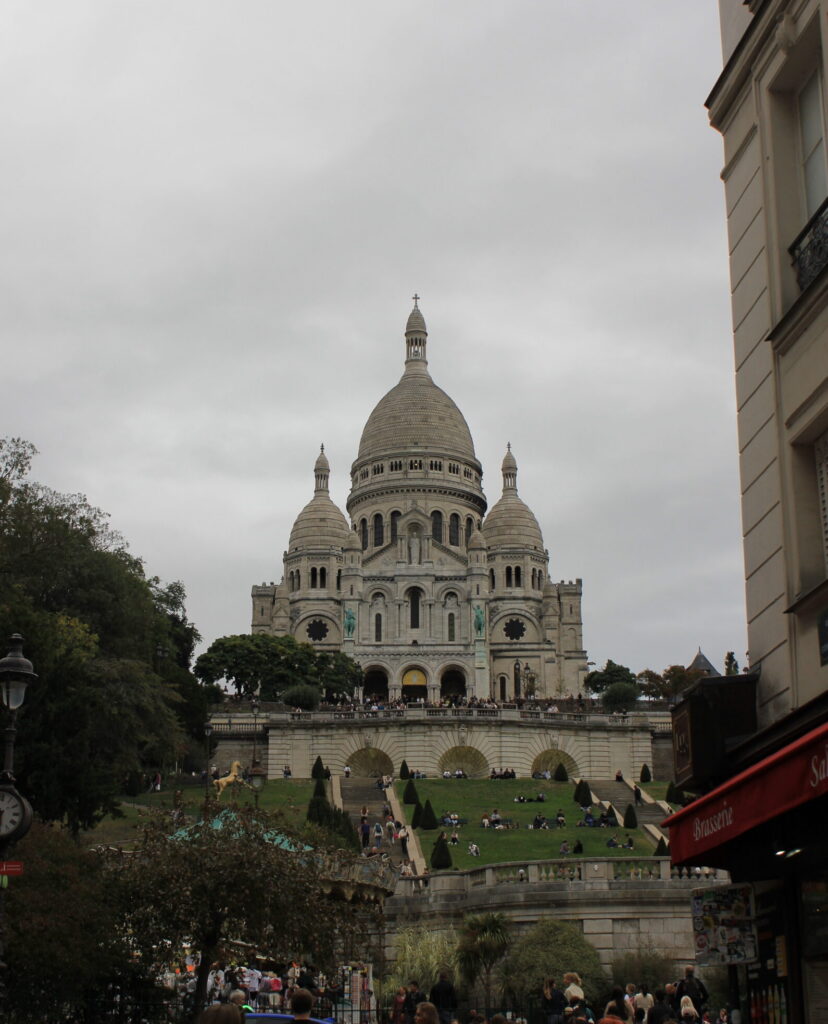
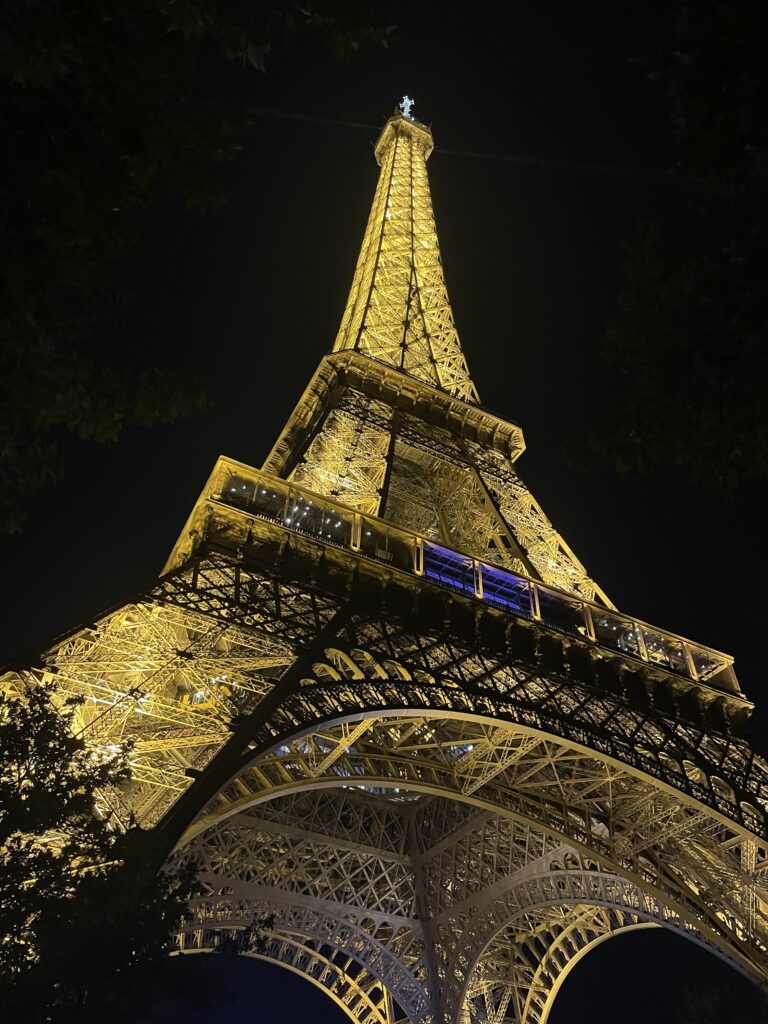
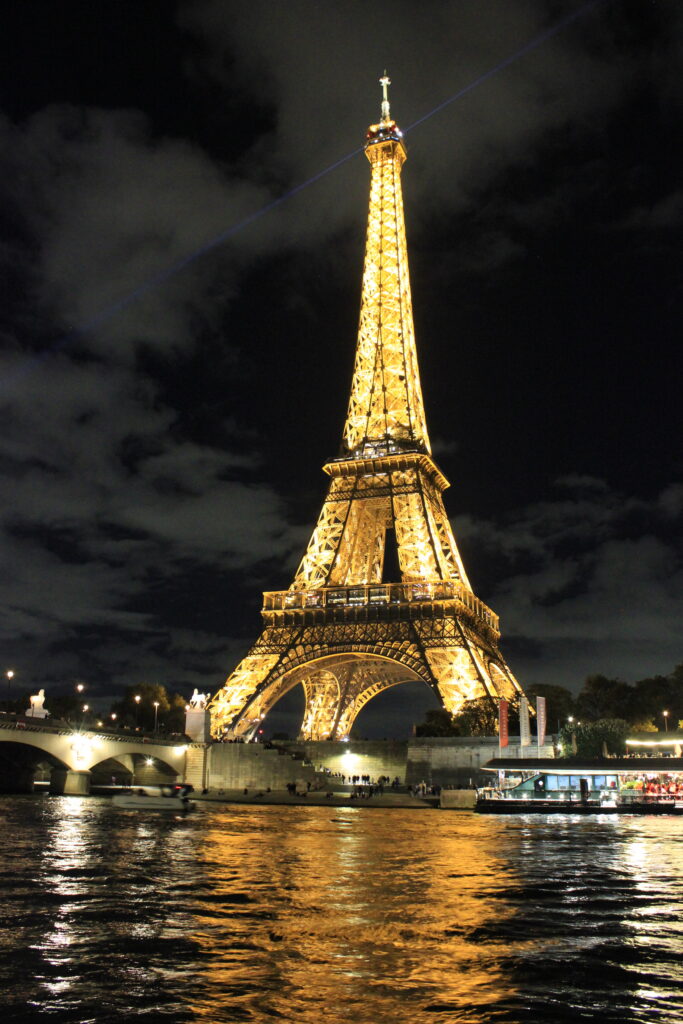
From there, we headed toward the Eiffel Tower, where we hopped on an evening cruise of the Seine, which allowed us to see lots of Parisian sites at night. The highlight of the evening, though, and for me, of Paris, was the Eiffel Tower itself. I kind of expected the Eiffel Tower to be overrated, but unlike the Louvre and especially Versailles, it was not. Built in 1889, it was a remarkable feat of engineering, and it is just so huge. It looks amazing at night, and it was awesome to be able to go to the top (though honestly, I enjoy looking at it more than from it).
Wednesday, October 14

Caroline and I have become big fans of Disney parks, and on Wednesday, we headed to Disneyland Paris to visit the two parks there. We had a lot of fun, but since I enjoy ranking Disney parks, I will talk about those in a separate post.

Thursday, October 15

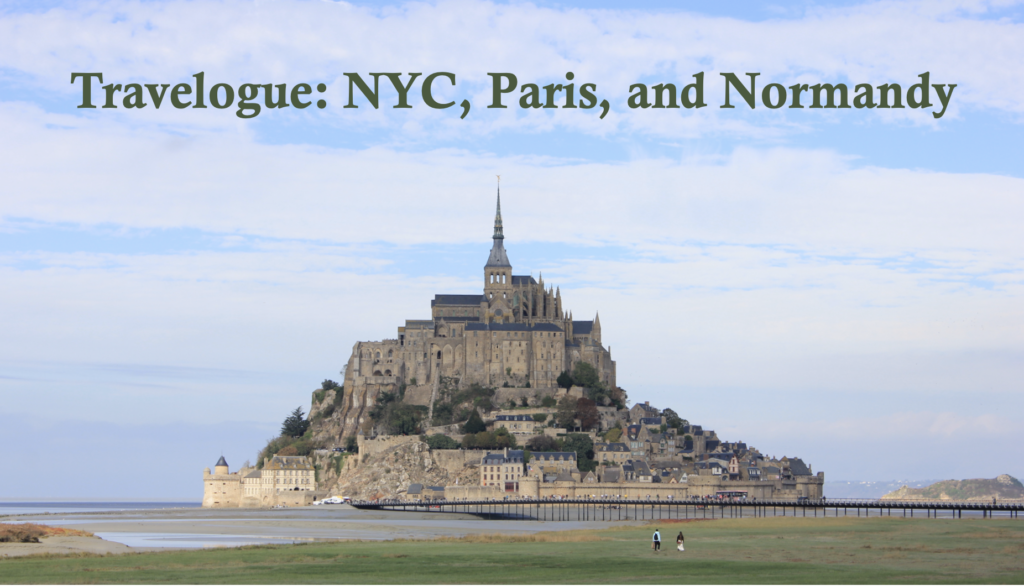
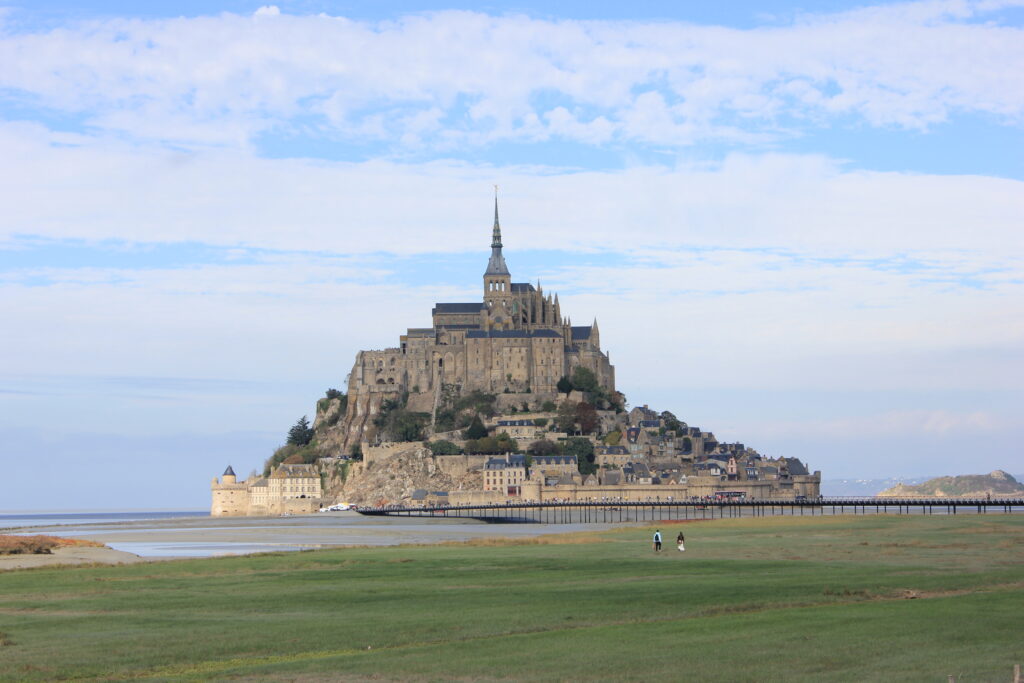
On Thursday, we checked out of our hotel, went through an arduous process to find our rental car location, and drove to Mont Saint-Michel, our first stop in Normandy. I’ve been fascinated with Mont Saint-Michel for years, and this was a bucket-list stop for me. Mont Saint-Michel is a tidal island which is basically a medieval abbey surrounded by a tiny medieval (tourist-trap) town, and it has been a pilgrimage site for centuries.

You can see Mont Saint-Michel rising in the sky from a long distance, and it was a surreal experience walking toward it and seeing it gradually looming closer.
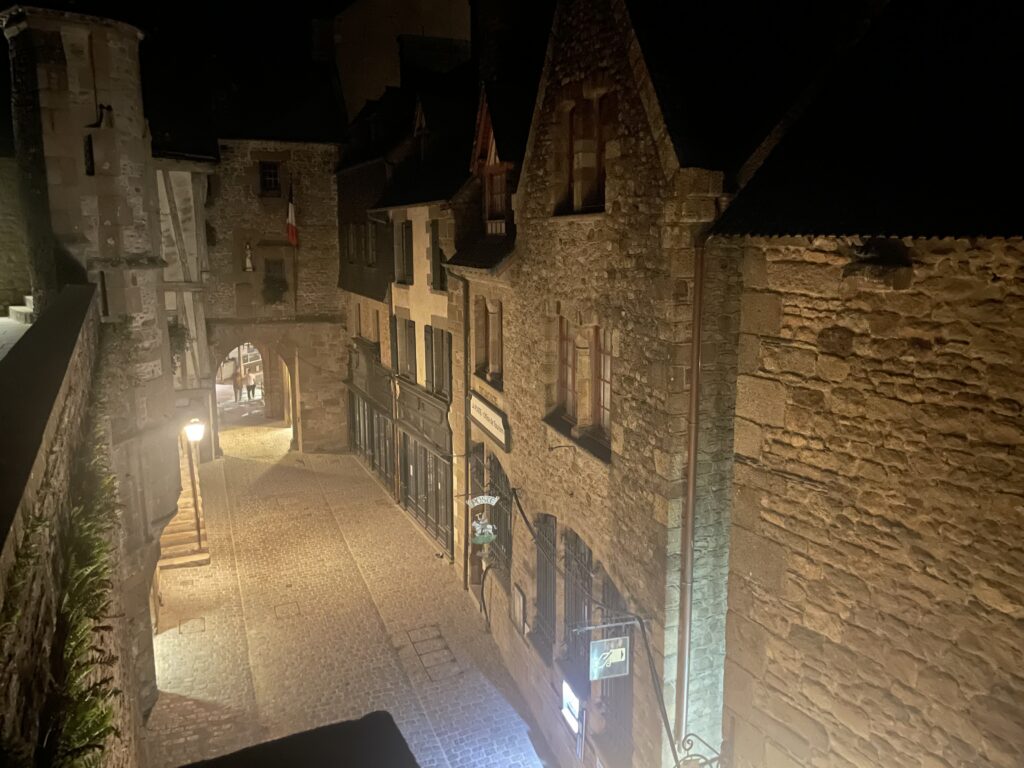
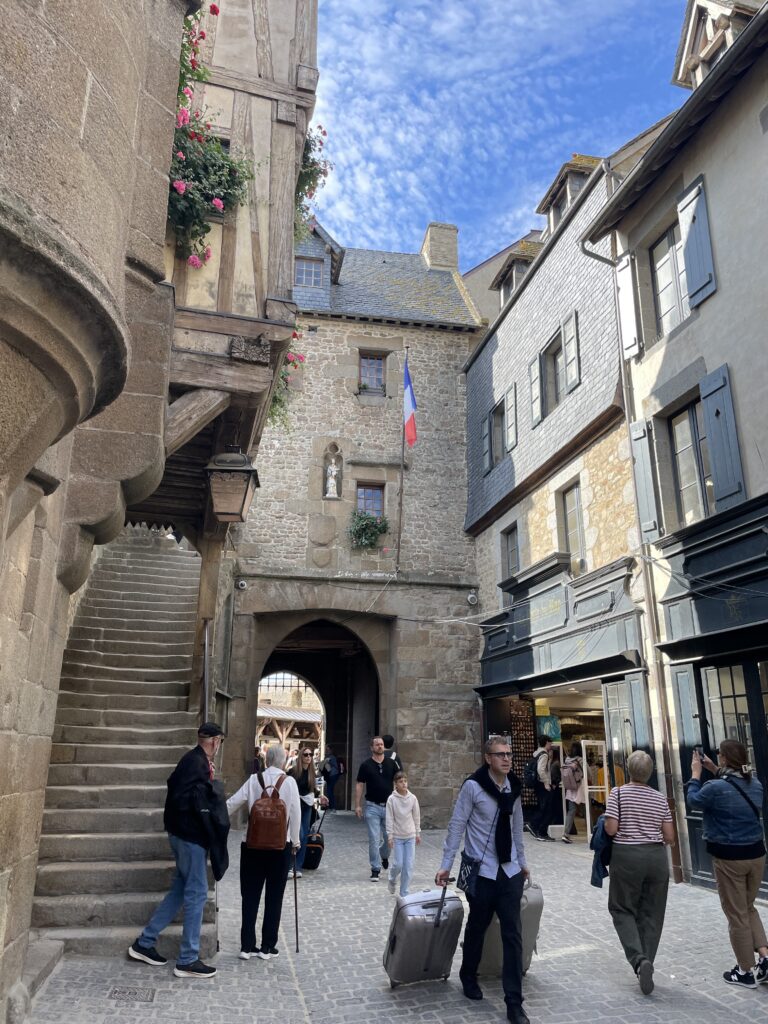
I absolutely loved the crowded main street; I really did feel like I was being transported back into time to a medieval village.
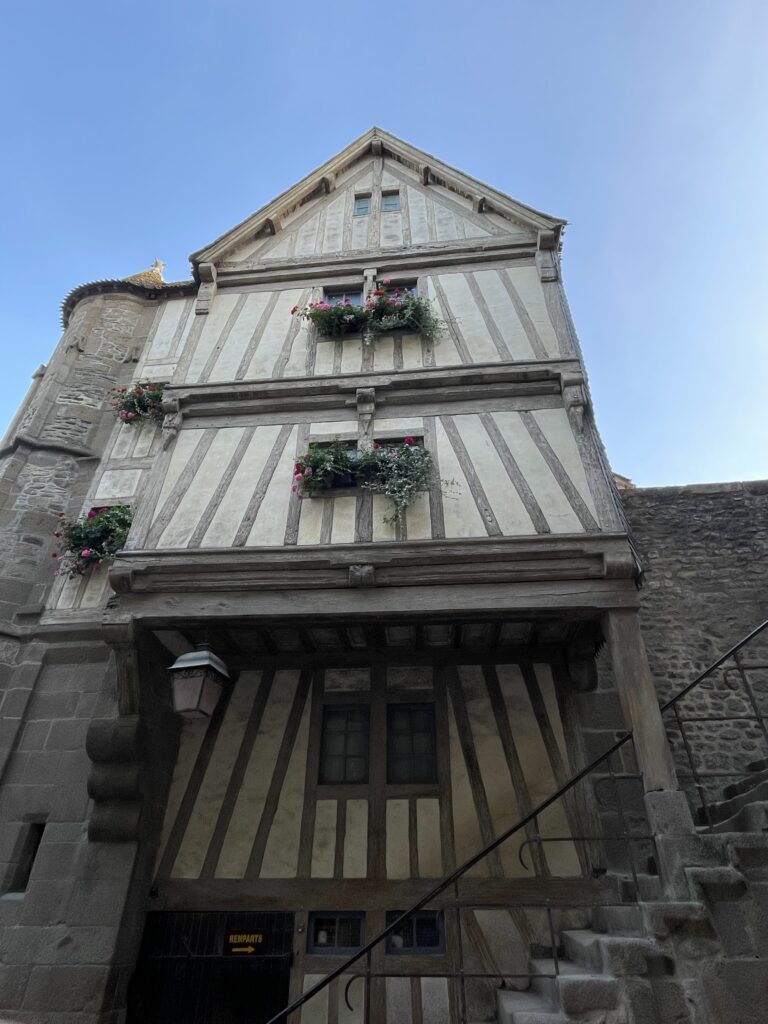
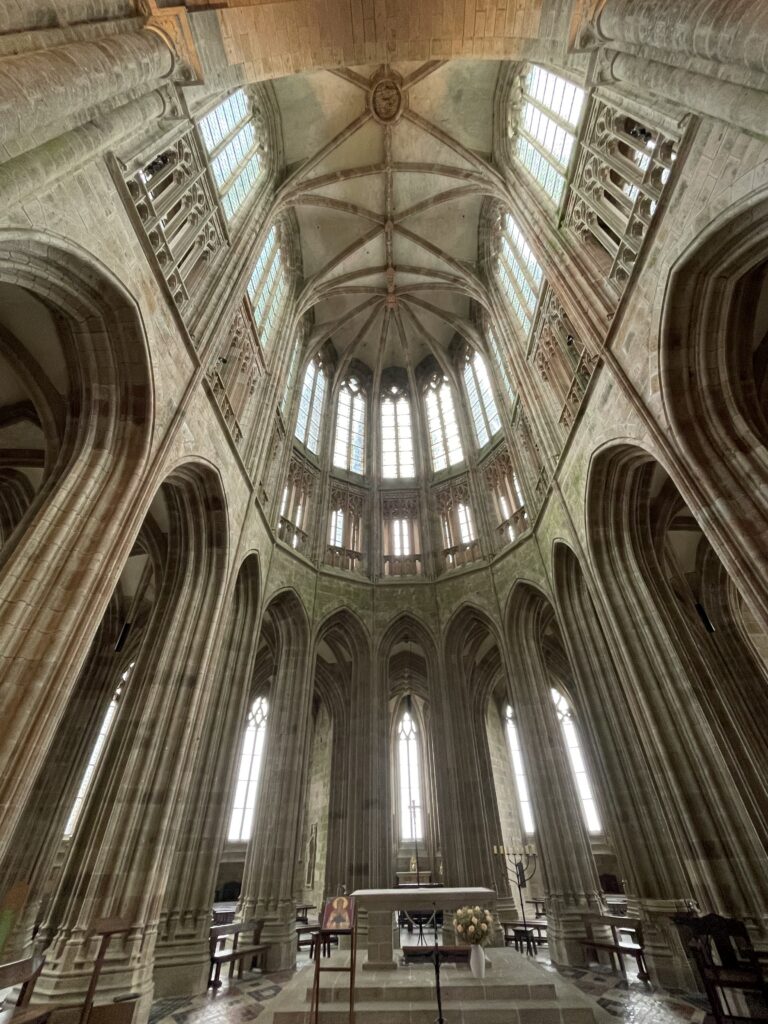
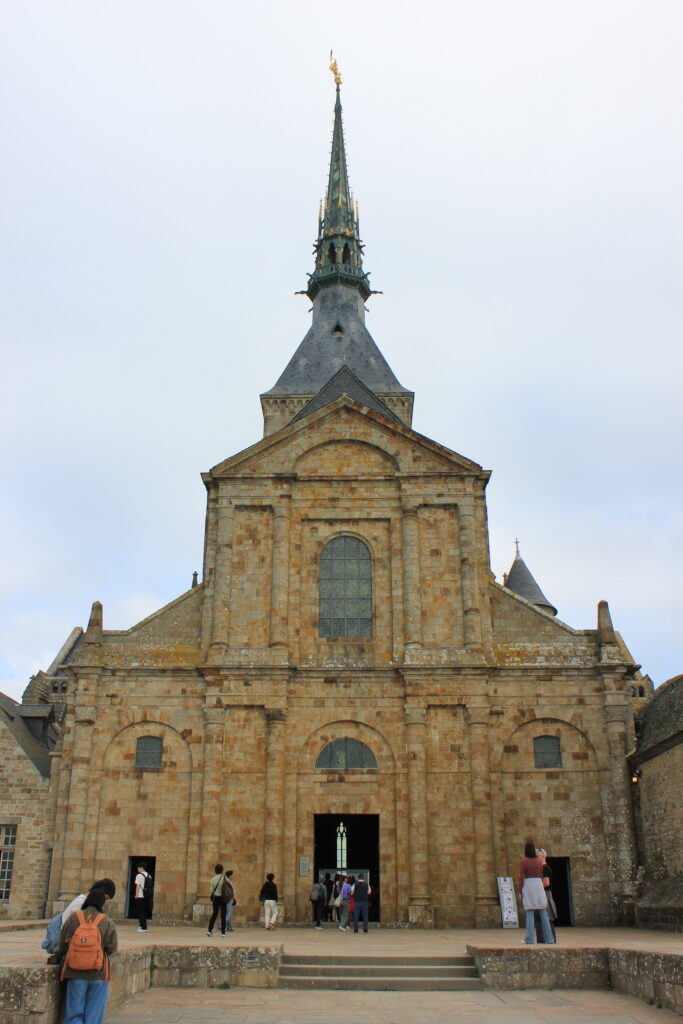
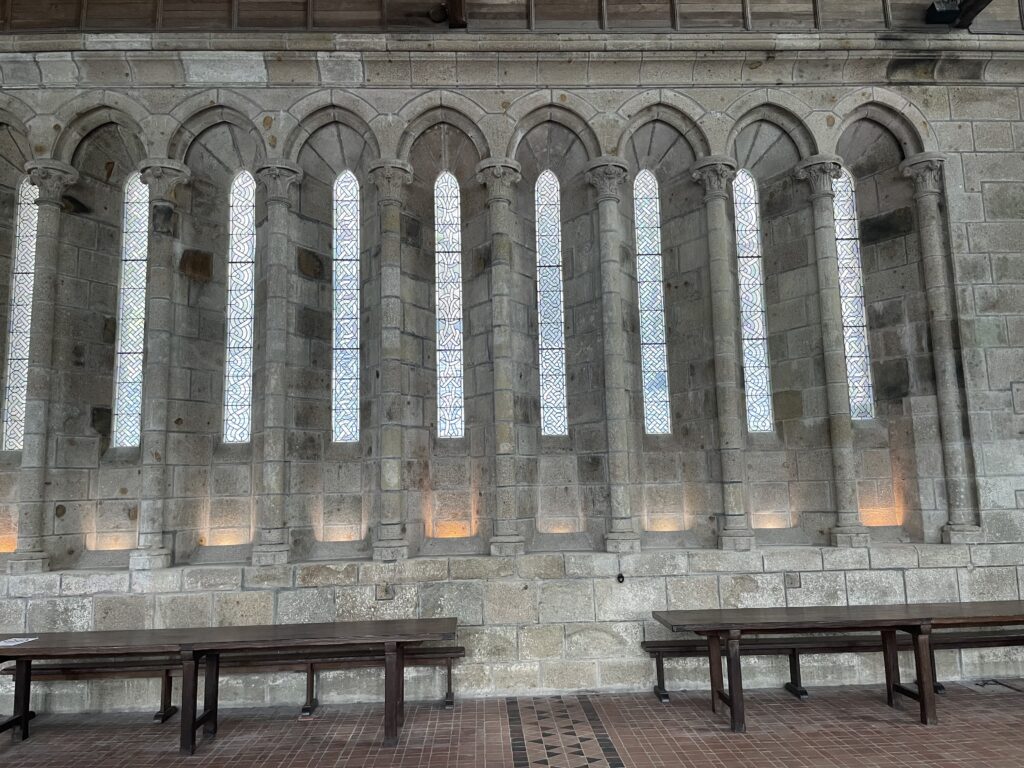
The experience of climbing the stairs and hills to get up into the abbey proper was memorable, and all of this combined set me up for the abbey itself, which was actually a little disappointing to me: it seemed to be neither a living church, nor a well-explained and kept-up museum. There were very few staff in the sprawling complex, signage was minimal, and one of the only displays they had was about a current project that really had little to do with the abbey at all.
 

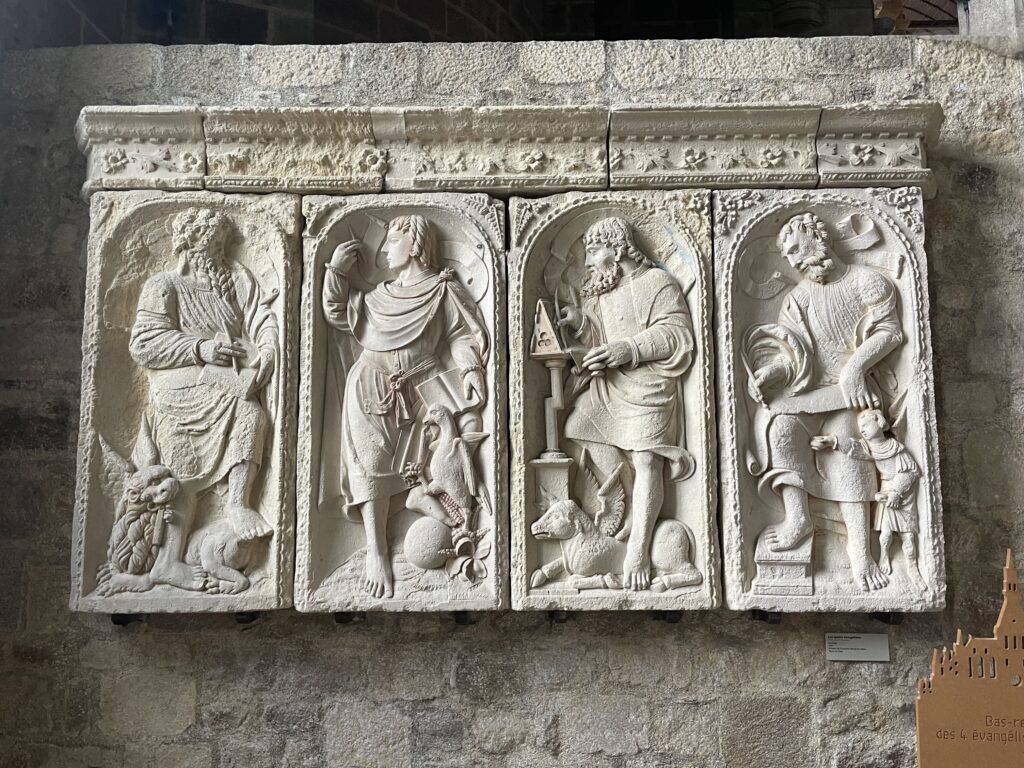
Still, there were a bunch of neat things, like this relief inside the abbey from the 1500s of the four evangelists.
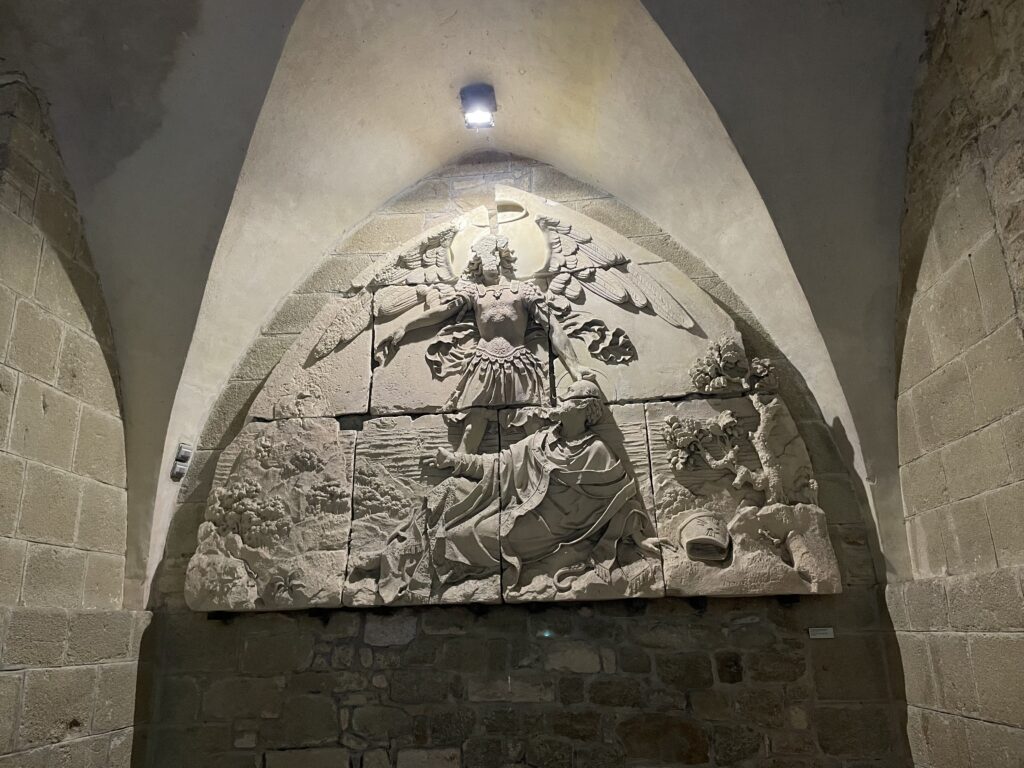
The relief below shares the origin myth of Mont Saint-Michel: the archangel Michael appeared to Aubert, bishop of Avranches in 708 and instructed him to build a church on the rocky tidal island. Eventually, he listened.
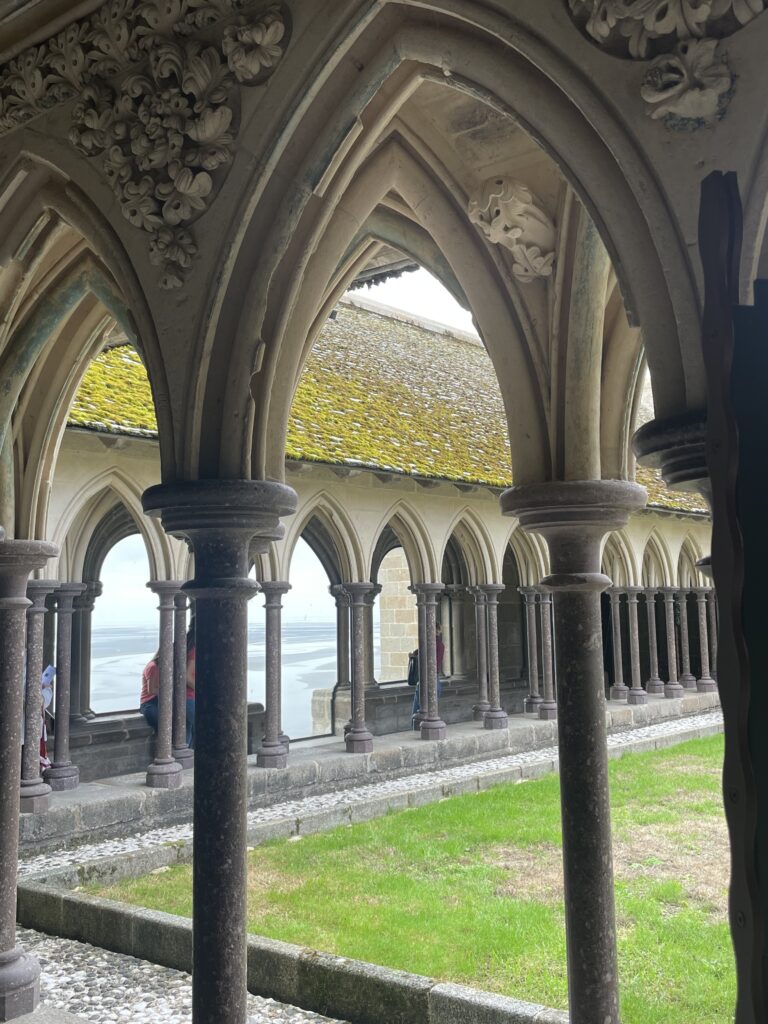
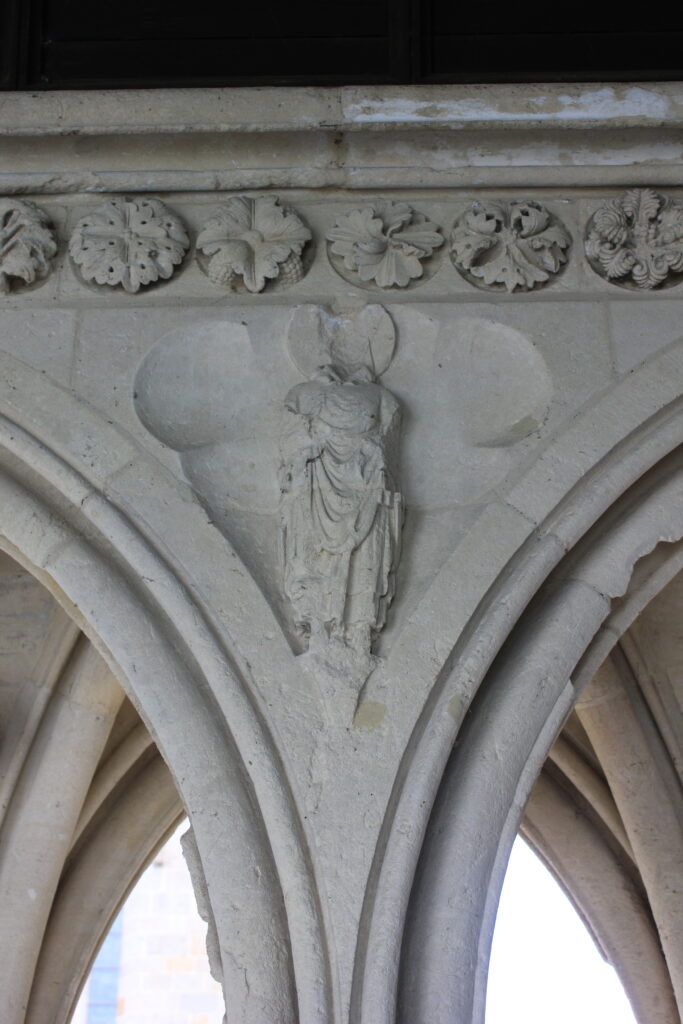
This is a little garden (cloister) outside of the abbey where the monks would go for (silent) meditation, reading of Scripture, and tending their herb gardens. There are beautiful carvings of plants and flowers on the archways surrounding the garden, as well as some statues of saints. Unfortunately, when Mont Saint-Michel was seized in the French Revolution, the godless, barbarous mob destroyed all the faces on the statues.
Friday, October 16

After staying in a small Airbnb in nearby Pontorson, we drove the next morning to the part of Normandy that Americans are more familiar with, to visit historic WWII sites. I am so glad we added this to the trip, as it was a profoundly moving experience.

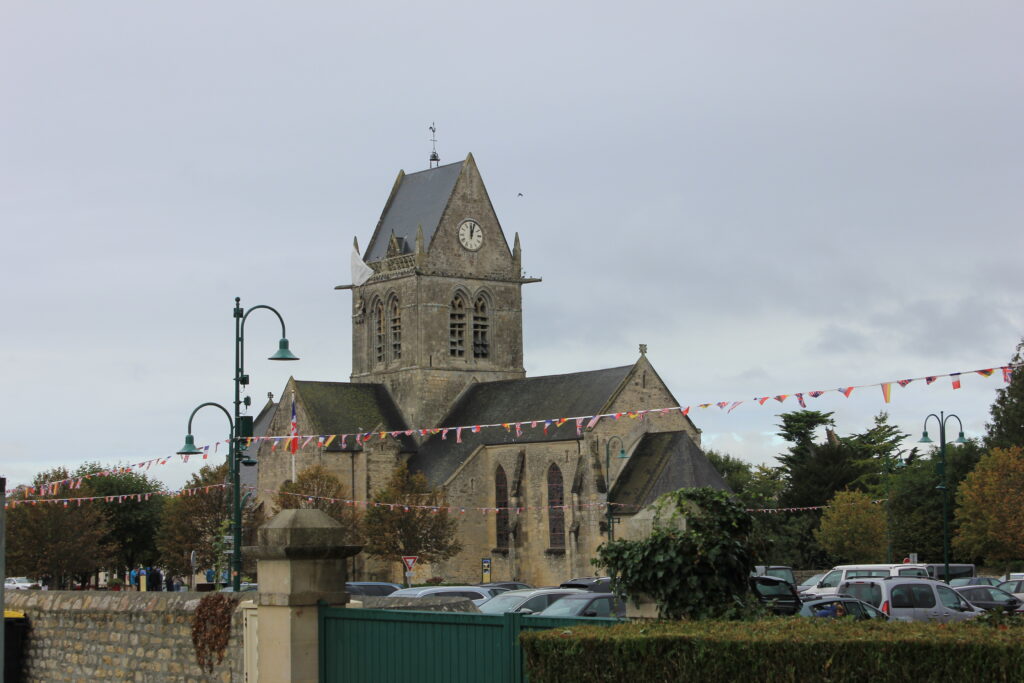
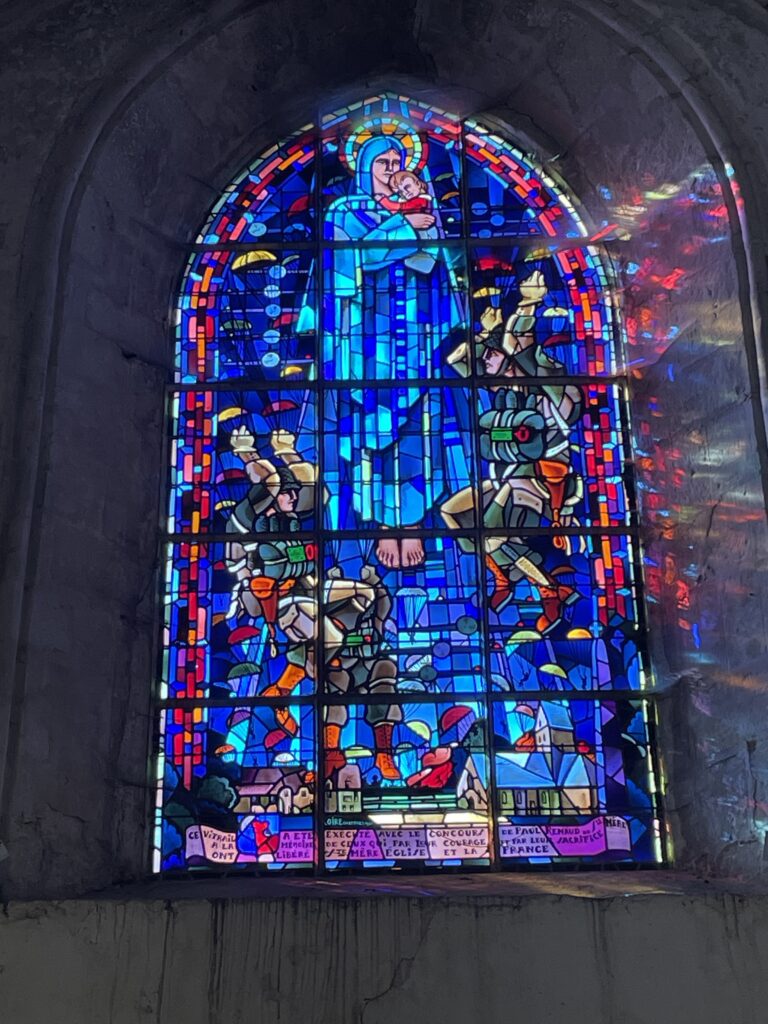
First, we visited the Airborne museum in Sainte-Mère-Église (one of the first towns liberated in the D-Day invasion). The church in Sainte-Mère-Église retains a dummy of a paratrooper who was caught on the roof on D-Day, and a stained glass window featuring paratroopers inside.
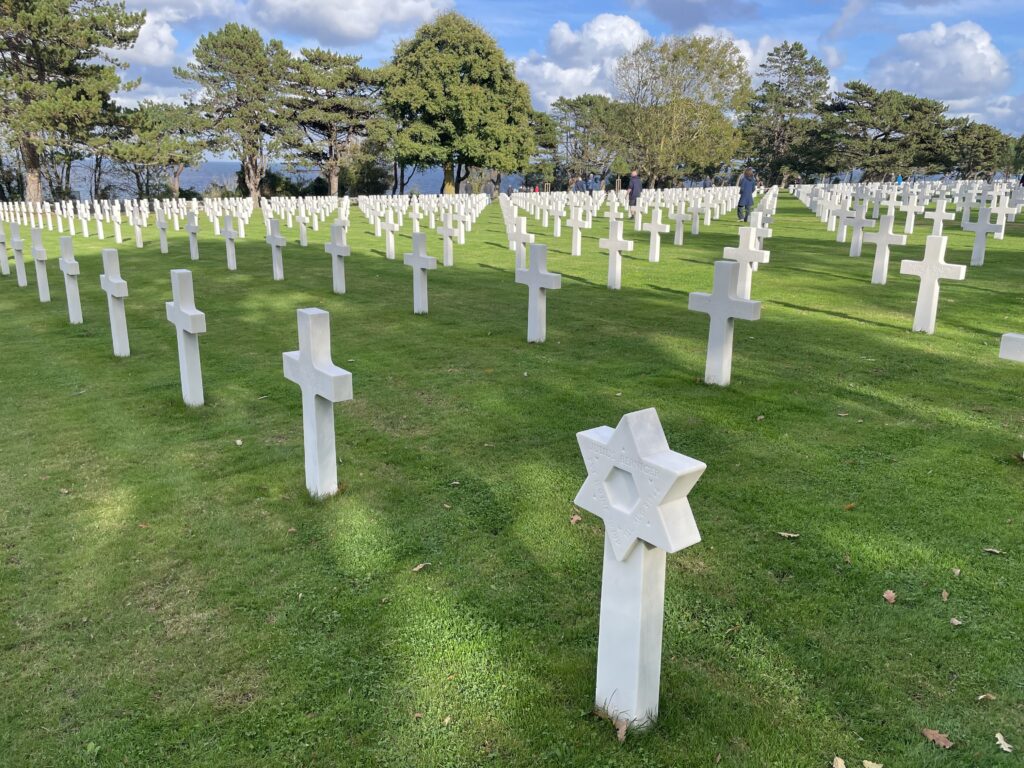
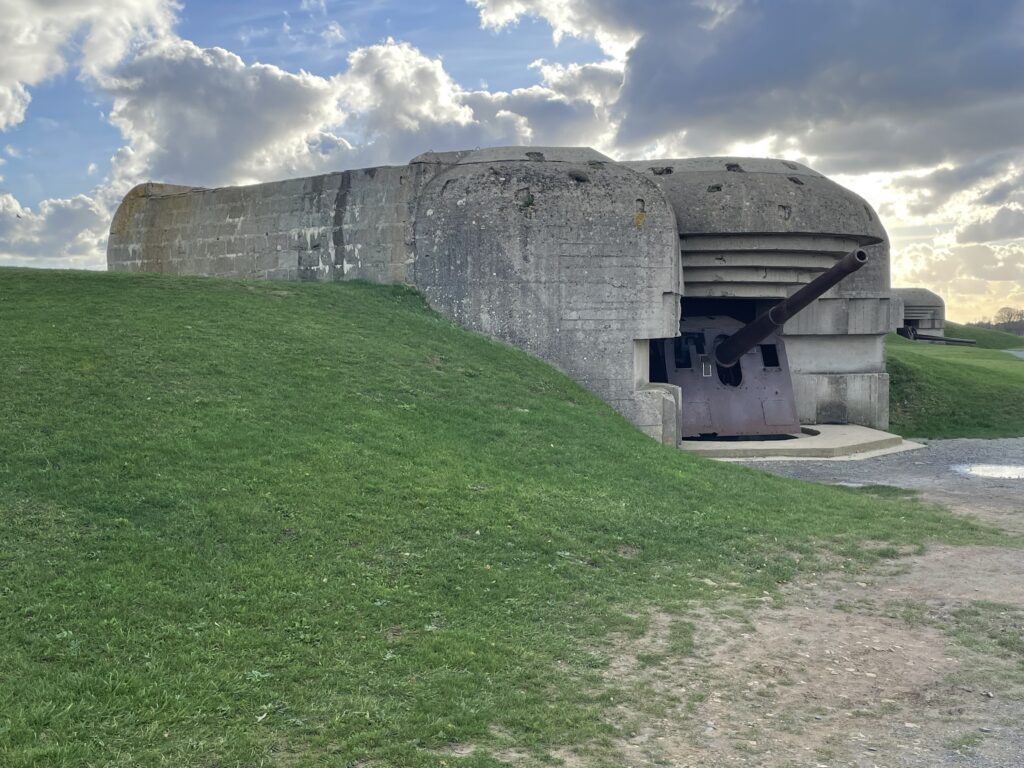
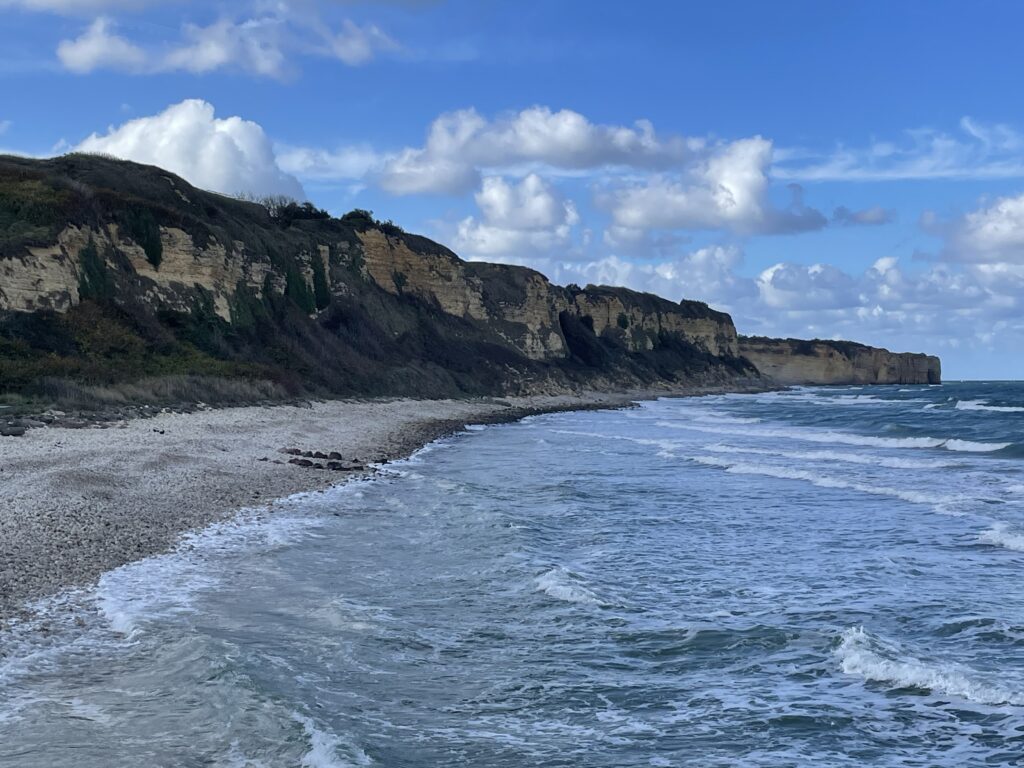
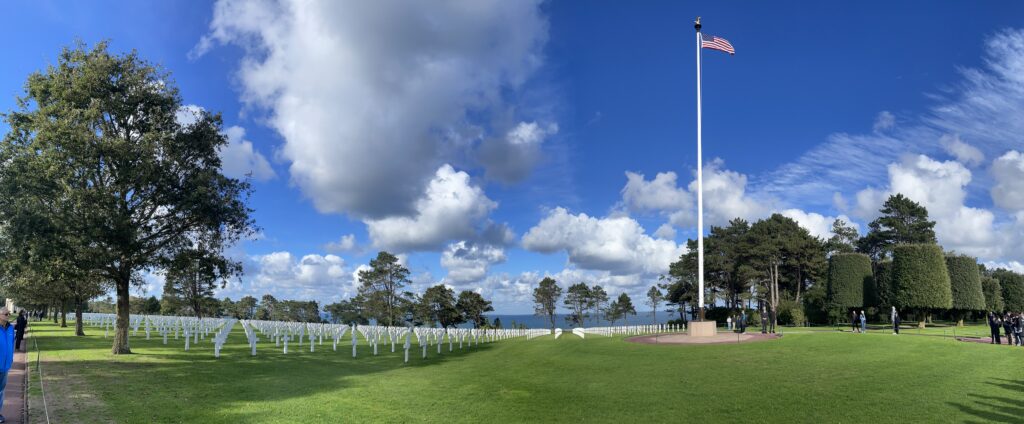
Next, we traveled to Omaha Beach, and then headed to the American Cemetery where we witnessed the incredibly moving flag ceremony. Before it got dark, we toured the Longues-sur-Mer Battery. It was such an amazing beautiful place; it was hard to imagine the death and destruction that was dealt here 80-some years ago.
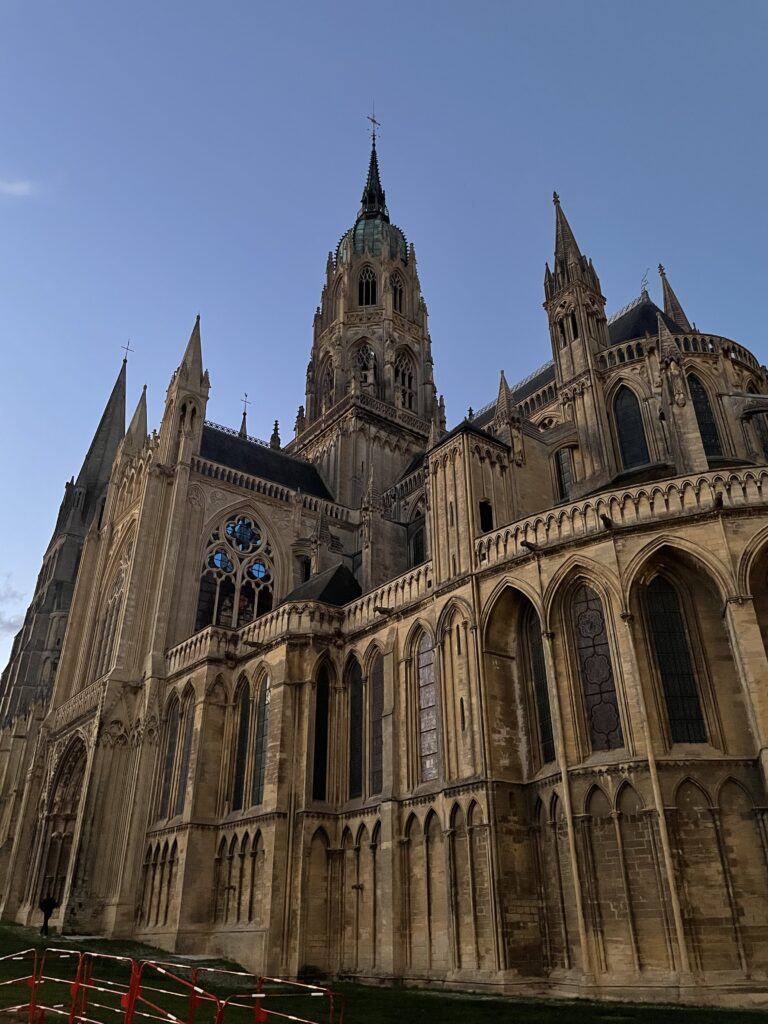
That night, we visited the nearby town of Bayeux, which was another town with a medieval feel I absolutely loved, along with a beautiful cathedral (that we could only see from the outside because it was closed). We stayed at another Airbnb, this one actually on a beautiful golf resort, and enjoyed our last night in France.

Saturday, October 17

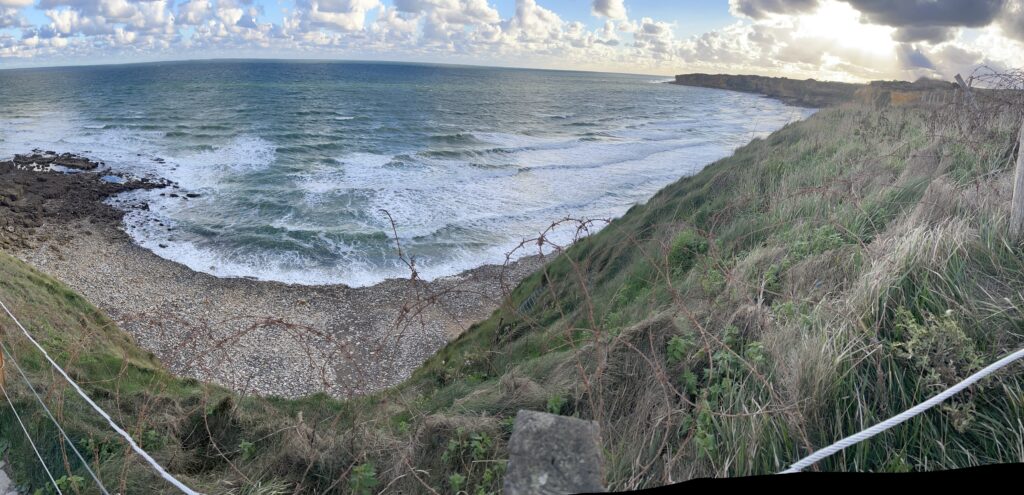
On the way out of Normandy, we stopped at Point du Hoc, a prominent clifftop that was famously scaled by U.S. Army Rangers in the D-Day assault. We were not able to fully appreciate this site as it is undergoing a massive renovation, but we were able to see enough to be struck by the horrific devastation of war as well as the sacrificial bravery of ordinary men.

We then drove back to Paris and took a long flight back to NYC.

Sunday, October 18

We woke up, navigated public transportation to go to church in Upper West Manhattan, ate more NYC pizza, and walked around for a bit before heading to the airport and then returning home.

Some Concluding Observations

  1. I am filled with gratitude to have been able to go on this trip. I am aware of how blessed I am to work at a church that granted me a sabbatical, and where people are actually excited that Caroline and I got to go on a trip like this. I am deeply aware of how blessed we are to have two sets of grandparents to take care of our kids while we are away. I am so very thankful.
  2. I was blown away by the kindness of the French people. I have heard all the stereotypes about rude and haughty French people and those stereotypes must come from somewhere, but we did not experience it on our trip. The people we met were kind and were patient with our language limitations. When we had to drive, we were surprised by how nonaggressive the other drivers were, and how infrequently they honked at one another.
  3. As an extension of the first point, I was deeply touched by the sense of gratitude toward the American people that is endemic in Normandy. D-Day was over 80 years ago, and there is virtually no one alive today that remembers firsthand the liberation from Nazi Germany, but that doesn’t change the pervasive gratitude in the French people. It has been instilled within them as part of their culture: a great act of sacrificial service was rendered, they remember it, and they are thankful for it.
  4. You may have sensed this already, but I was deeply struck by the transcendent beauty of churches that we visited. Maybe I will write more on this sometime, but I come from a faith tradition that is, at best, ambivalent toward how we view church architecture. Usually, the emphasis is on utilitarianism and cost-effectiveness; beauty is rarely considered. And yet, I am struck by the reality that when God consented to having a temple built, He gave extensive instructions on how to make it beautiful and magnificent. I think we are missing something significant when we constrain ourselves to plain, inexpensive church buildings.
  5. Traveling to different places helps me appreciate and love people who are different than myself. The notion that we should fear and vilify those who are different than we are is ever-present, but it does seem to have particular fervor in our current cultural context. This sort of fear-based dehumanizing is far from the call of God, and is really only possible if you don’t spend time with other people. In NYC and Paris we witnessed people from so many different cultures speaking so many different languages and they were just…people. People who were different from me, but also very similar, all created in God’s image. I found myself with repeated opportunity to praise God for the diversity he has created, and to pray for people I came in contact with.

If you’ve made it this far, thanks for reading and joining me on this trip! Until next time.


[1] I will sometimes mention how much I love NYC (and, in fact, I did so in this post), but this trip helped me understand that what I really love is Manhattan. We got to spend quite a bit of time in Queens and Brooklyn in this particular trip, which I did not enjoy nearly as much.
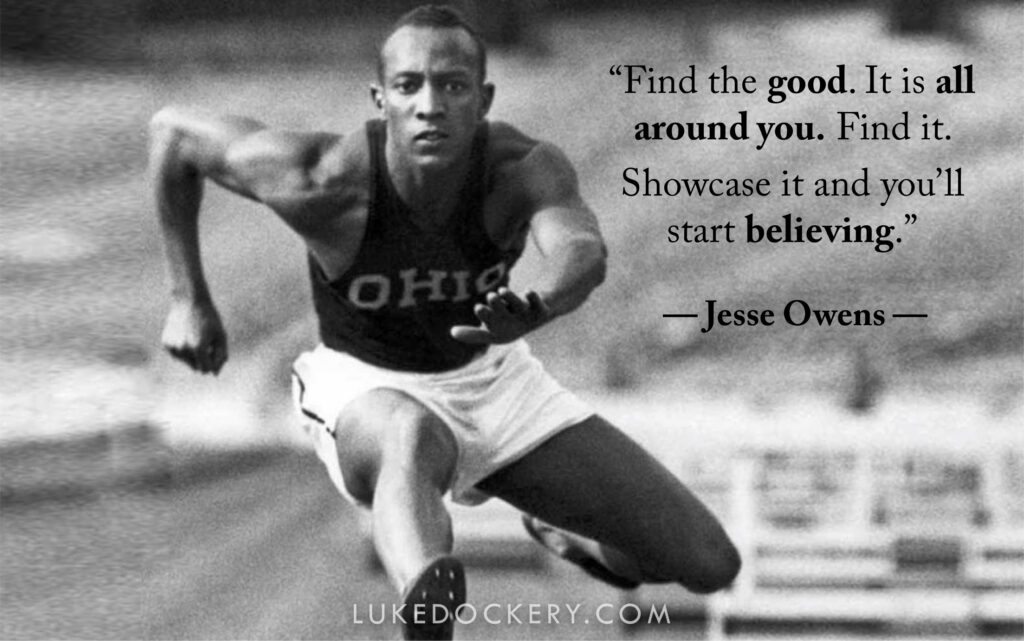
The Joy Is Stronger (If I Have Eyes to See It)

Some things that bring me down:

  • AI-generated everything wherever I look
  • Spending time scrolling on social media
  • The division and malice throughout our society
  • When Christians don’t act like Jesus
  • Sickness and death

Some things that bring me joy:

  • Spending time with my wife and kids
  • Reading a good book
  • Baseball
  • When Christians remind me of Jesus
  • The sure hope of resurrection

The joy is stronger, and it is there, all around me, if I have the eyes to see it. Will you join me?

Tuning in to God’s Presence

As humans, we are constantly being influenced—or discipled—by the content and messaging we take in. That is true for all of us: children, teens, and adults.

A metaphor I have been using recently to help reflect on this reality is the idea of two volume controls. You might imagine that one volume control is labeled “God,” and this is the control that channels God’s truth into our lives. We turn up the God volume in our lives when we engage in practices like reading Scripture, praying, worshipping, spending time with Christian mentors and examples, reading thoughtful Christian books and listening to Christian music, and spending time in creation. The other volume control is labeled “World,” and this is the control that either distracts us from God or distorts our Christian worldview. This content may or may not be bad in and of itself, but it doesn’t help us align our lives with God’s mission.

The tension between these two volume controls has always existed, but a particular challenge in our current context is that the World control is turned up so loud—the messaging infiltrates our lives at every turn because of the ubiquity and constant connectivity of digital technology. By default, if you don’t take steps to prevent this, the God volume will tend to be low, while the World volume will be very high. Disciples of Jesus need to be thoughtful and intentional about how to reverse this—we cannot allow ourselves to float along in the current of the mighty stream of culture with the World volume blaring all along the way.

What this means for most of us is probably a combination of turning down the World volume and turning up the God volume. The former task—turning down the volume of the World—is essential. Depending on who you are, that may look like:

  • Watching and listening to less of the political content that makes your heart anxious and makes you suspicious of your neighbors.
  • Spending less time doomscrolling on social media and allowing algorithms to plan the trajectory of your thoughts and attention.
  • Cutting out music and shows in your life that promote behaviors and worldviews that are incompatible with Christianity.
  • Lowering the importance of things that are not necessarily bad—like devotion to a sports team—on the priority list of your life.

As you reflect on your own life, you probably have some specific ideas of how you might do this, and I encourage you to spend some time working on turning the World volume down. But that’s not actually the point of this post; instead, I want to reflect a bit on turning up the God volume, or to mix metaphors just a bit, tuning in to God’s presence.

I am in my 20th year of congregational ministry, and it may not surprise you to hear that, in many ways, the God volume has generally been pretty loud in my life. I spend quite a bit of time reading Scripture, teaching Bible classes, spending time with other believers, and having conversations about faith. But it is also true that many of those activities, while good, can easily trend toward the intellectual side of faith. I naturally gravitate toward learning and thinking, and there is nothing wrong with that, but following Jesus is ultimately relational, and staying firmly planted on the intellectual side of things is to miss a significant part of the picture.

With all that in mind, in 2026, I wanted to more intentionally tune in to God’s presence. Not just to know more about God, but to know Him better, and to approach this goal through repeated spiritual rhythms. Here are three practices that have become a significant part of my life this year.

Morning Renewal

Early in the year when I was at NCYM, I went to a session led by Dr. Jeremy Smith and Dr. Brandon Fredenburg from the Vocati Program, which is essentially a summer retreat for teens that leans heavily into spiritual practices. In this session, we learned a Morning Renewal, a daily prayer to be said (ideally) right when you wake up.

I have adapted their prayer slightly for my own use:

O LORD, open my lips, and my mouth will proclaim Your praise.
Open my ears to hear Your voice.
Open my eyes to see Your works.
Open my hands to wield Your strength.
Open my heart to embrace Your world.

Father God, you are here. Lord Jesus, you are here. Holy Spirit, you are here. And I am here.

I breathe today as one dead to sin and alive to God in Christ Jesus. I am here to do your will, O God.

For you are our compassionate, gracious God, slow to anger, abounding in steadfast love and faithfulness to all created things, in all ways, at all times.

Glory be to the Father, and to the Son, and to the Holy Spirit. As it was in the beginning, is now, and forever shall be—worlds without end. Amen.

Remembering to say this prayer first thing in the morning is still a work in progress for me, but I do say it most days early in the day, and it has been a helpful practice:

  • It starts my day by orienting my mind toward God and what He has already prepared for me to do.
  • It reminds me that God is already present in my life and in my world; I don’t have to seek Him out as much as I just need to pay attention.
  • It is a pledge that my purpose in life is to do God’s will.
  • It reminds me of the gracious character of the God I serve.

Beginning the day with the Morning Renewal helps me to start the day with purpose, encouragement, and determination.

Daily Remembrances

In early 2025 at the Harding Youth Ministers Workshop, I heard an excellent presentation on summer internships by Justin Hammond.[1] Although it wasn’t the main point of the presentation, Justin shared that he had written a “Personal Manifesto” of important truths that he needs to remember that he reads to himself every day. He has the student interns he works with engage in the same practice.

Inspired by this, I decided to make my own list. I call it my “Daily Remembrances,” and each day when I am in the office, I pray through the list. Here is my current list, with some comment/explanation:

  • Every day is a gift. I firmly believe that this statement is at the core of a contented life. My life is not a right; it is a gift. I need to remember to begin each day with gratitude and with wonder that I have been given another day to make the most of.
  • God is a generous giver. He has given me enough time, money, energy, and resources to accomplish what is needed. I have a busy life with a lot of accumulated responsibilities. I am inclined toward fatigue and anxiousness, concerned that I will never be able to do everything I need to do. However, I firmly believe that God is a generous Father, and because of that, I need to remember to live out of an abundance mindset rather than a scarcity mindset: God has given me what I need in order to accomplish what He wants me to do. It is enough.
  • It is a tremendous privilege to work with teens and point them toward Jesus. I have been a youth minister for 20 years. Sometimes, it can become routine. Sometimes, my students can get on my nerves and I can be cranky with them. Sometimes, I just want to do something else. I need to remember what a blessing and honor it is to do what I get to do.
  • I will choose to be positive and grateful rather than negative and complaining. People who know me well can tell you that I tend to fall on the pessimistic side. Being a negative complainer accomplishes nothing and benefits no one. It discourages others and saps my own resilience. I need to remember that when I am positive and grateful, I lighten the loads of those around me and foster contentment that allows for long-term sustainability.
  • I will be a strong, gentle, and supportive husband and father. I am confident that I am not the only one who is often not at my best around those I love the most. Too often I am tired and stressed by other things which means I can be passive, cranky, and withdrawn with my family. I need to remember that God has given me the sacred duty of leading my family, and that it is my responsibility to love them like Jesus does.
  • I will work hard AND value sabbath. I rarely need to be reminded to work hard; indeed, I am something of a workaholic (a familial trait). Sabbath is more of a struggle for me, however. I need to remember that sabbath is a gift and a commandment from God, and that I will do my work better and longer if I rest sufficiently.
  • God is good regardless of my emotions or circumstances in the moment. I am so limited in my perspective, bound by time and hostage to the emotions of the moment. Wrapped up in my own problems and my inability to perceive reality, sometimes God seems distant, arbitrary, or uncaring. I need to remember that God’s goodness is not dependent upon my emotional status, but is revealed in His faithful love throughout history.
  • Because of the resurrection of Christ, my labor is not in vain. Sometimes, I feel like a failure. My best efforts don’t seem to amount to much. Others seem to be so much more effective than I am. I want to give up. I need to remember Paul’s assurance that the resurrection of Christ has fundamentally altered the operating principles of the universe and that everything I do for Him always matters.

When I remember these truths, it transforms the trajectory of my day, making me more intentional, more resilient, more grateful, more content, and more loving.

Monthly Psalter

I mentioned earlier that Bible reading has generally been a big part of my life. Despite that, I have to confess that the reading of Psalms has been more peripheral. Of course, I had read through Psalms many times, but I never felt that I really appreciated the Psalms. And more than that, I felt that I was the worse for it—there was something I was missing out on until I improved my relationship with the Psalms.

So, this year I determined to change that. I purchased a nice, leather-bound Psalter and then began following a daily reading plan that goes through all 150 psalms each month. As I write this in late July, I have read through the Psalms six times so far this year and am nearing completion of a seventh, and I think I now have enough of a vantage point to say that this has been a deeply formative practice:

  • First, I generally read from Psalms in the morning and evening, and this has been an excellent way to bracket my day. The combination of the Morning Renewal, Daily Remembrances, and reading from Psalms has been such a significant way to “turn up the God volume” at the start of my day in a way that lingers throughout.
  • Second, it has helped me to greatly grow in the language of praise. It seems obvious to say that Christians should be good at praising God, but the reality is that this has been an area of needed growth for me for a long time, and the practice of reading through the Psalms over and over again has helped with this.
  • Third, the Psalms is a deep wellspring of biblical wisdom, and it’s like I am getting continual injections of a needed supplement in my life. I am constantly reminded of the goodness of God and His Word, the brevity of my life, and the necessity of turning over all vengeance and negative feelings to God.
  • Fourth, and perhaps most simply, I like the Psalms now. I don’t have all of the Psalms memorized or anything like that, but many of them have become like old friends that I look forward to seeing again on the next read-through. 

I’m not saying I will read through the Psalter every month for the rest of my life, but I do intend to continue the practice of regularly and repeatedly reading through the Psalms. I’ve simply seen too many benefits to stop.


I don’t want to give the impression that I have now spiritually arrived and that if you will follow the three life hacks I have outlined above, you, too, can become as spiritually advanced as I am! Far from it. I still have a long way to go, and by God’s grace, His Spirit will work within me to continue to transform me into the person He wants me to be. But these simple, repeatable practices have helped me to tune in to the presence of God in my life, and to orient myself to His purposes. My hope is that you will find something here to benefit your life of discipleship as well.


[1] Justin Hammond, “Purposeful Summer Internships,” presentation at the 2025 Youth Ministers Workshop, Harding University Center for Ministry, January 31, 2025, https://scholarworks.harding.edu/youth-conf/3

Wise as Serpents, Gentle as Doves: Christian Engagement in the Public Square

In Matthew 10, Jesus sends his apostles out on what is often referred to as the “Limited Commission.” It is “limited” compared to the more famous Great Commission in Matthew 28, where Jesus sends His disciples into all the world. Here, He restricts the purview of their mission, telling them not to go to the Gentiles or Samaritans but rather to the “lost sheep of the house of Israel” (10.6). They are to proclaim the message of the kingdom of God, heal the sick, and cast out demons, and Jesus gives them other traveling instructions (10.7-14).

And, He makes it clear that He is sending them out into hostile territory, “as sheep in the midst of wolves,” so they need to be thoughtful and careful about how they act. He tells them to be wise as serpents (or “shrewd” depending on your translation) and as gentle (or “innocent” or “harmless”) as doves. Really, they need to act as Jesus Himself does, who was always full of discernment (John 2.25), but was also gentle and lowly in heart (Matthew 11.29).


It seems to me that these words, given by Jesus to His disciples long ago in a specific context, are important and instructive for disciples today as we enter into the public square, the marketplace of ideas, that is social media.

We live in troubled times. That should not be surprising, as disciples of Jesus have always lived in troubled times, but due in part to the constant connectivity of the digital age, our blunted attention spans, and our stunted spiritual formation, we are constantly flitting from one trouble to the next, outraged or despairing about one thing or another, and compelled to let everyone know how we feel.

And I don’t mean to give the impression that there is nothing going on worth feeling concern—or even outrage or despair—about. In any given week, our attention is pulled toward international conflicts, political scandals, inflammatory national rhetoric, and violent encounters tied to immigration and enforcement. The specific examples change almost daily, but the effect is the same: it is a lot.

In response to these stimuli, I have certainly seen a great amount of digital ink spilled by Christians on my social media feeds…but I haven’t observed much evidence of Christians being “wise as serpents, gentle as doves” in those spaces:

  • It is not wise for Christians to rush to judgment when a story breaks when there have been so many examples of the narratives around these sorts of stories significantly changing from what was originally reported.
  • It is not gentle for Christians to callously dismiss violent deaths of protesters with a quick reference to Romans 13.
  • It is not wise for Christians to blindly accept a photo, video, or source when we know that there is so much AI-generated content and misinformation sewering up the Internet.
  • It is not gentle for Christians to invite anyone who disagrees with them to unfriend or block them.
  • It is not wise for Christians to naively accept the claims of an agenda-driven administration that seems to think the truth is whatever they want it to be (a temptation that has proven to be both bipartisan and perennial).
  • It is not gentle for Christians to dehumanize illegal immigrants or the ICE agents seeking to apprehend them.
  • It is not wise for Christians to naively assume that those in opposition to the current administration are somehow virtuous and truthful when they have repeatedly given evidence to the contrary.

The world is a dark and troubled place, and the people of the world will rage and dispute. Following the directives of Jesus our King, Christians must strive to do better. Being wise as serpents and gentle as doves is one way that we can be salt and light in our world and distinguish ourselves from the prevailing cycle of verbal escalation.

The world is a dark and troubled place, and the people of the world will rage and dispute. Following the directives of Jesus our King, Christians must strive to do better. Share on X

That doesn’t mean it is wrong to share your thoughts. Indeed, I have read multiple posts, from different perspectives, that were measured in their tone and careful in their attempts to discern truth. But for all of us, there is a pressing need to examine whether our impulse to speak is being formed by the Spirit of Christ or manipulated by our social media algorithms.

Our world really doesn’t need more people with hot takes, lines drawn in the sand, and proclamations of outrage. It does need Christians who can demonstrate wisdom and gentleness—disciples who remember that we are still sheep among wolves, sent by Jesus to bear faithful witness to the world rather than to join sides in a war of outrage.

Our world really doesn’t need more people with hot takes, lines drawn in the sand, and proclamations of outrage. It does need Christians who can demonstrate wisdom and gentleness. Share on X

Reading in 2025

Reading and making lists are both big parts of my life, and this yearly post involves both of those activities! I will offer some thoughts on my favorite books of the year below, but first, here is the list of books I read in 2025 (an asterisk* indicates that the book was on my “to-read” shelf/list):

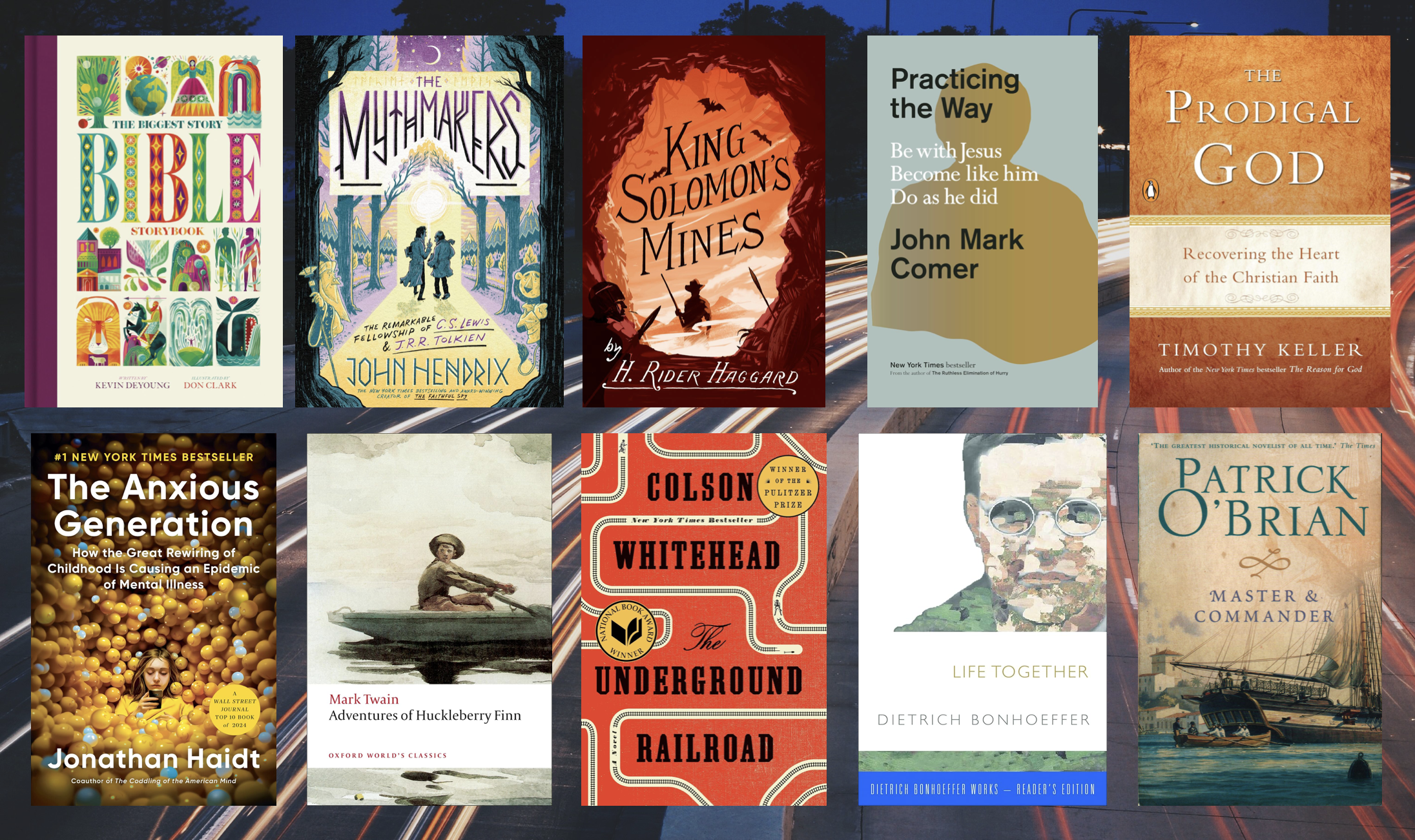
  1. The Biggest Story Bible Storybook, by Kevin DeYoung and Don Clark
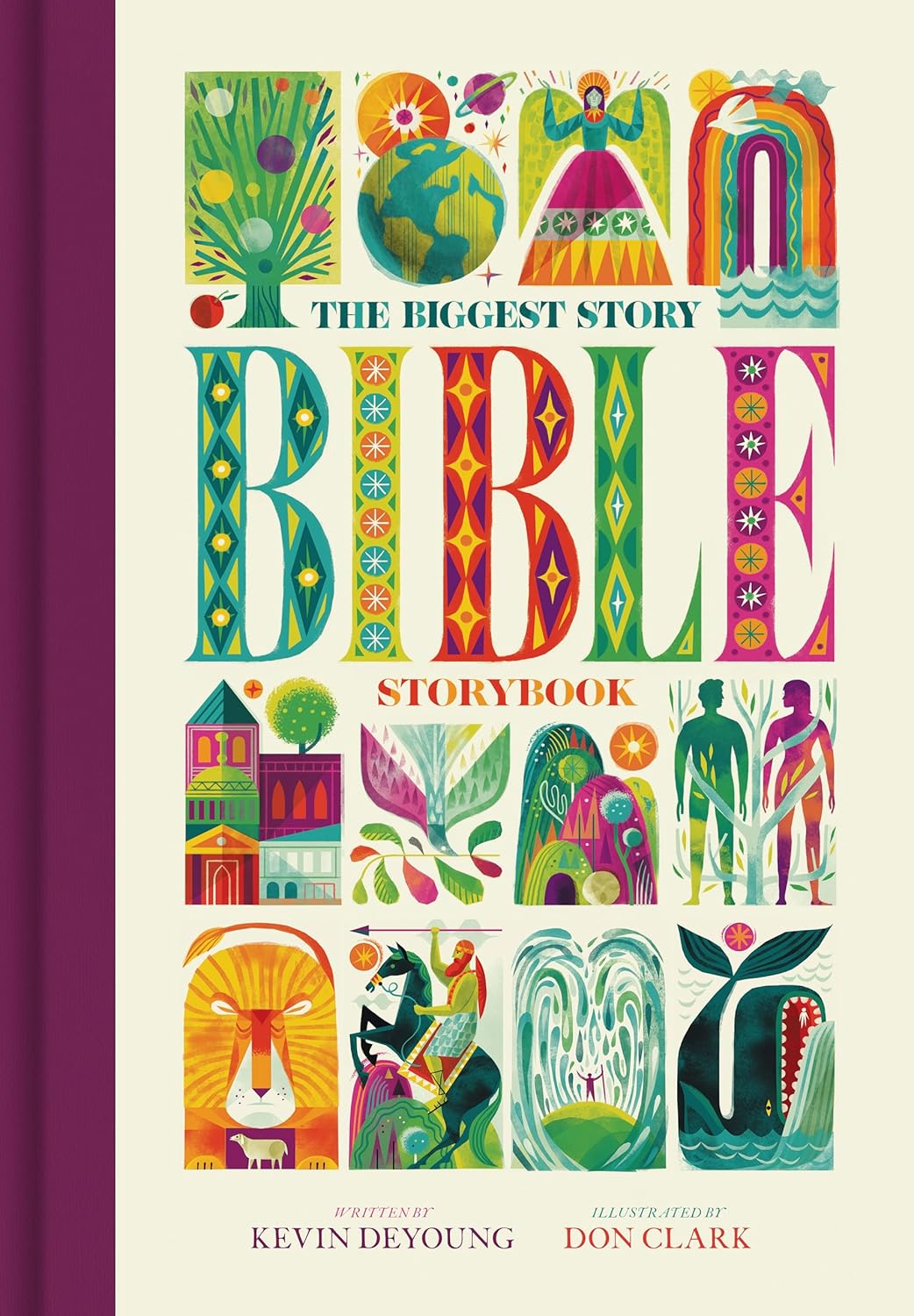
  2. The Mythmakers: The Remarkable Fellowship of C.S. Lewis and J.R.R. Tolkien, by John Hendrix
  3. The Little Liar, by Mitch Albom
  4. Seasons of Sorrow: the Pain of Loss and the Comfort of God, by Tim Challies
  5. Harry Potter and the Prisoner of Azkaban, by J.K. Rowling
  6. The Life We Bury, by Allen Eskens
  7. Living in a Gray World: A Christian Teen’s Guide to Understanding Homosexuality, by Preston Sprinkle
  8. The Demon of Unrest: A Saga of Hubris, Heartbreak, and Heroism at the Dawn of the Civil War, by Erik Larson
  9. 10 Hours to Go, by Keely Parrack
  10. The Guise of Another, by Allen Eskens
  11. Tell Her Story: How Women Led, Taught, and Ministered in the Early Church, by Nijay Gupta
  12. The Tattooist of Auschwitz, by Heather Morris
  13. The Last Green Valley, by Mark Sullivan
  14. King Solomon’s Mines, by H. Rider Haggard
  15. Fountains of Silence, by Ruta Sepetys
  16. Origin Story: Churches of Christ and the Restoration Movement, by Luke Dockery and Jared Pack
  17. The Bomber Mafia: A Dream, a Temptation, and the Longest Night of the Second World War, by Malcolm Gladwell
  18. Harry Potter and the Prisoner of Azkaban, by J.K. Rowling
  19. Hero of the Empire: The Boer War, a Daring Escape, and the Making of Winston Churchill, by Candice Millard
  20. Midnight in Chernobyl: The Untold Story of the World’s Greatest Nuclear Disaster, by Adam Higginbotham
  21. O Come, O Come, Emmanuel: A Liturgy for Daily Worship from Advent to Epiphany, by Jonathan Gibson
  22. The Whole Art of Detection: Lost Mysteries of Sherlock Holmes, by Lyndsay Faye
  23. Observations by Gaslight: Stories from the World of Sherlock Holmes, by Lyndsay Faye
  24. The Shadows We Hide, by Allen Eskens
  25. Reviving the Ancient Faith: The Story of Churches of Christ in America, Third Edition, by Richard T. Hughes and James L. Gorman*
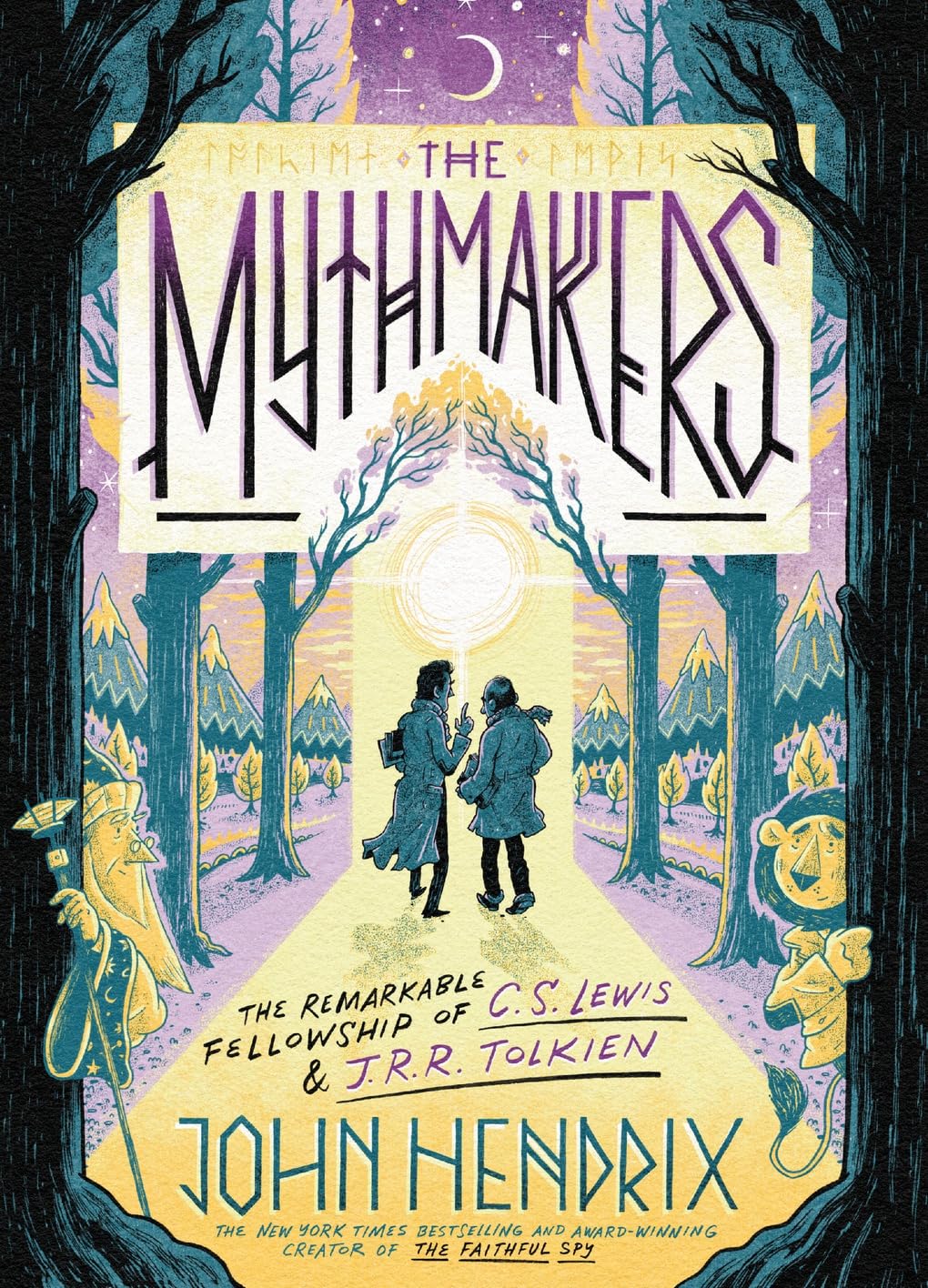
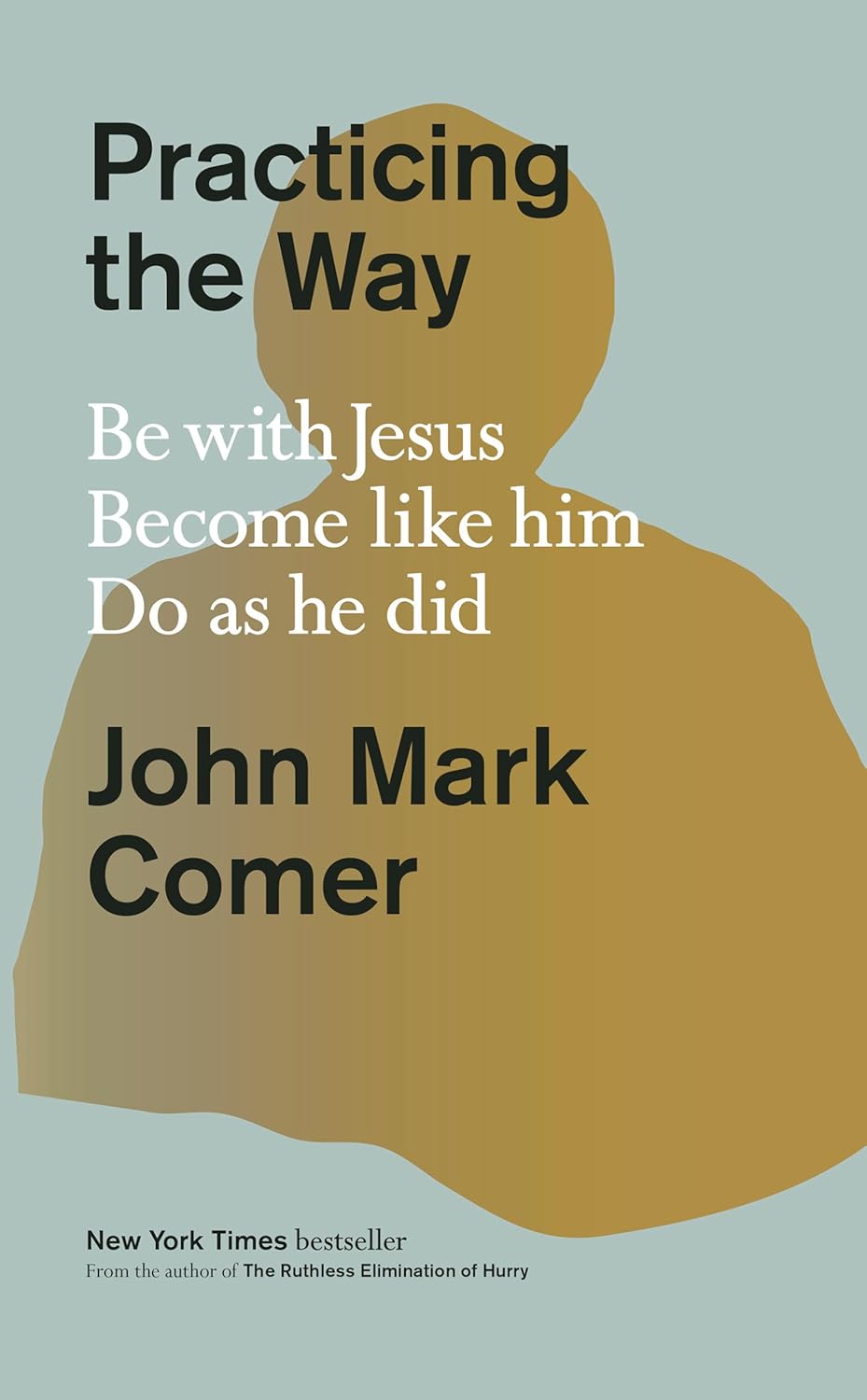
  26. Practicing the Way: Be with Jesus. Become like him. Do as he did. by John Mark Comer*
  27. Midnight, by Amy McCulloch
  28. On the Edge of the Dark Sea of Darkness, by Andrew Peterson
  29. Introducing Jesus: A Study of the Gospel of Mark, by Jeremy Myers
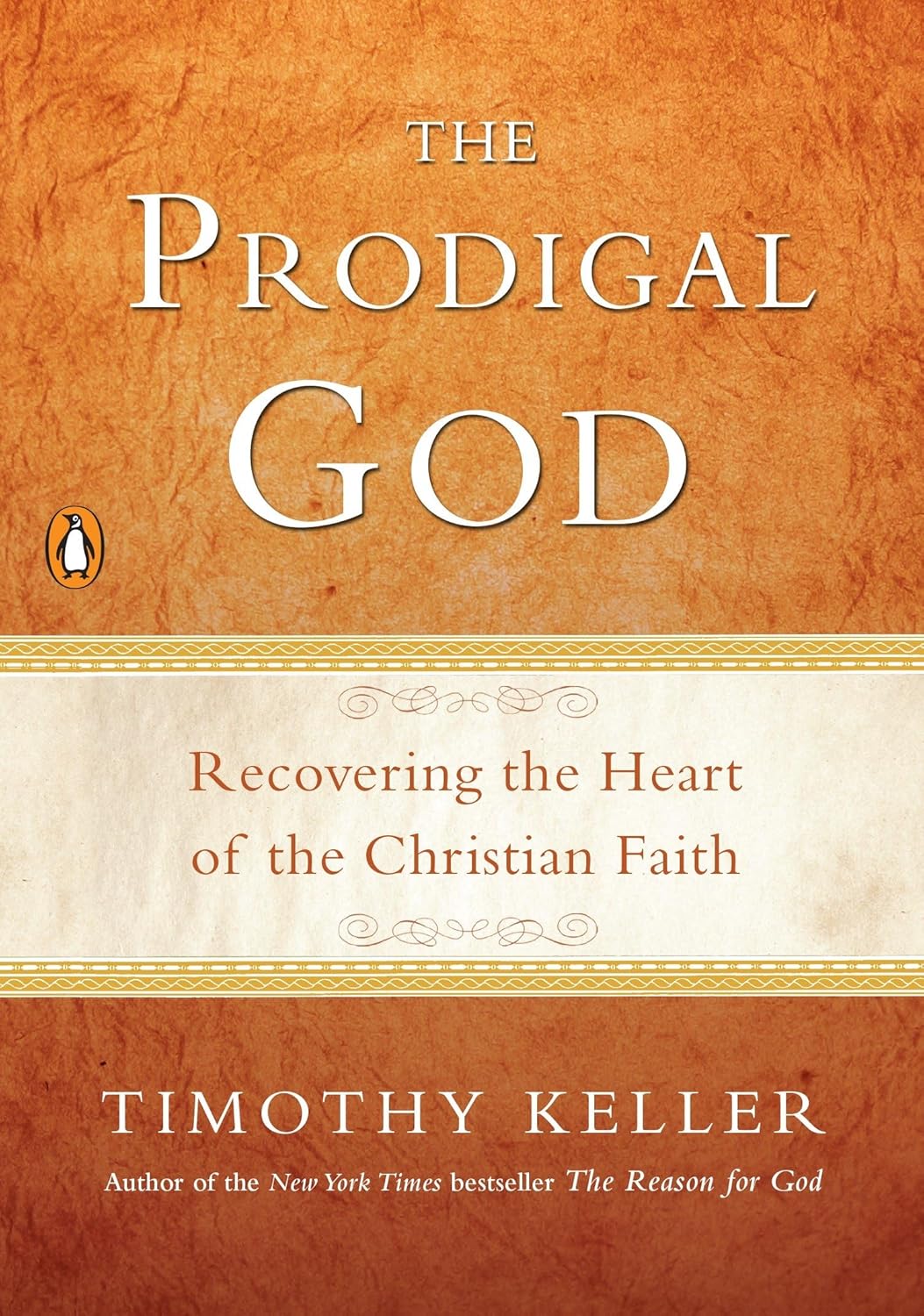
  30. The Prodigal God: Recovering the Heart of the Christian Faith, by Timothy Keller
  31. Star Wars: Brotherhood, by Mike Chen
  32. The Brightwood Code, by Monica Hesse
  33. River of the Gods: Genius, Courage, and Betrayal in the Search for the Source of the Nile, by Candice Millard
  34. The Anxious Generation; How the Great Rewiring of Childhood is Causing an Epidemic of Mental Illness, by Jonathan Haidt*
  35. Star Wars: Shadow of the Sith, by Adam Christopher
  36. On the Edge of the Dark Sea of Darkness, by Andrew Peterson
  37. The Templars: The Rise and Spectacular Fall of God’s Holy Warriors, by Dan Jones
  38. The Word on Fire Bible: Acts, Letters, and Revelation
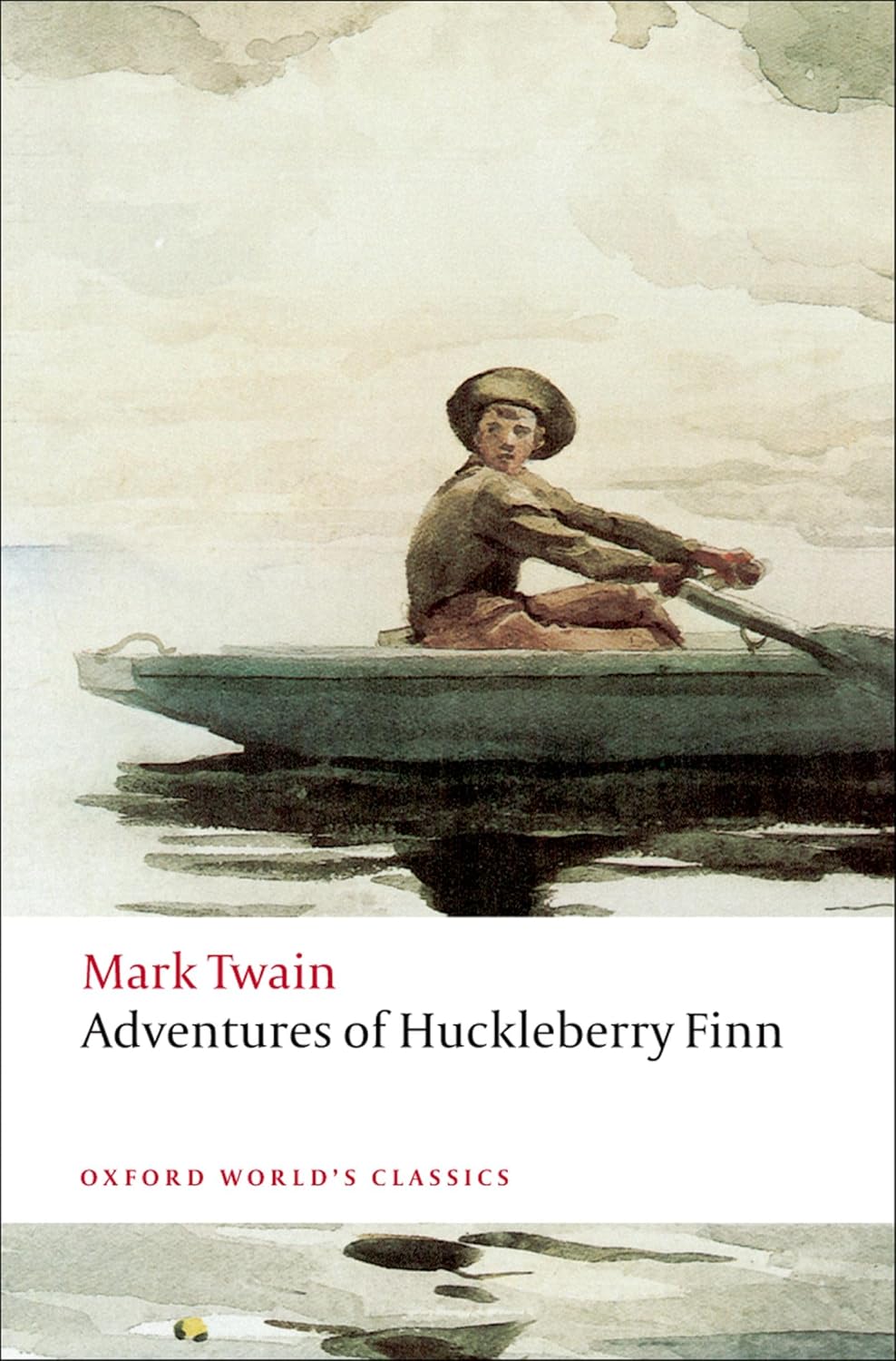
  39. The Adventures of Huckleberry Finn, by Mark Twain
  40. The Benedict Option: A Strategy for Christians in a Post-Christian Nation, by Rod Dreher*
  41. Travelers in the Third Reich: The Rise of Fascism, 1919-1945, by Julia Boyd
  42. James, by Percival Everett
  43. The Heavens May Fall, by Allen Eskens
  44. Live Not by Lies: A Manual for Christian Dissidents, by Rod Dreher
  45. The Indian in the Cupboard, by Lynne Reid Banks
  46. The Return of the Indian, by Lynne Reid Banks
  47. The Measure of a Man: A Spiritual Autobiography, by Sidney Poitier
  48. May the Wolf Die, by Elizabeth Heider
  49. Five Total Strangers, by Natalie D. Richards
  50. The Wild Robot, by Peter Brown
  51. The Secret of the Indian, by Lynne Reid Banks
  52. Water in Her Veins, by Shannon Schumer
  53. Exiles in Their Own Land: A Study of 1-2 Peter, by Gary Holloway
  54. The Mystery of the Cupboard, by Lynne Reid Banks
  55. Broiler, by Eli Cranor
  56. Just the Nicest Couple, by Mary Kubica
  57. The Nickel Boys, by Colson Whitehead
  58. Just Another Missing Person, by Gillian McAllister
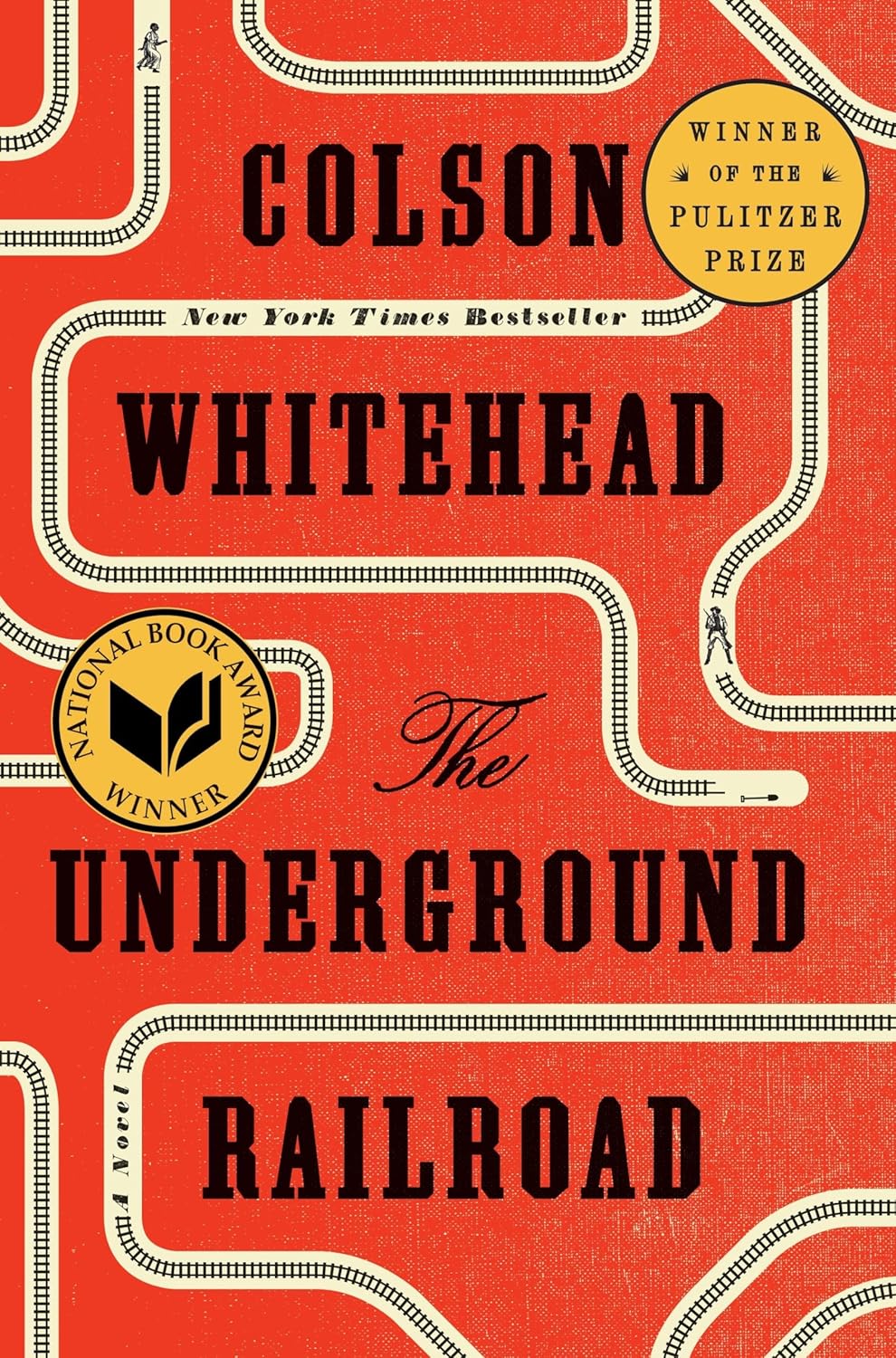
  59. The Underground Railroad, by Colson Whitehead
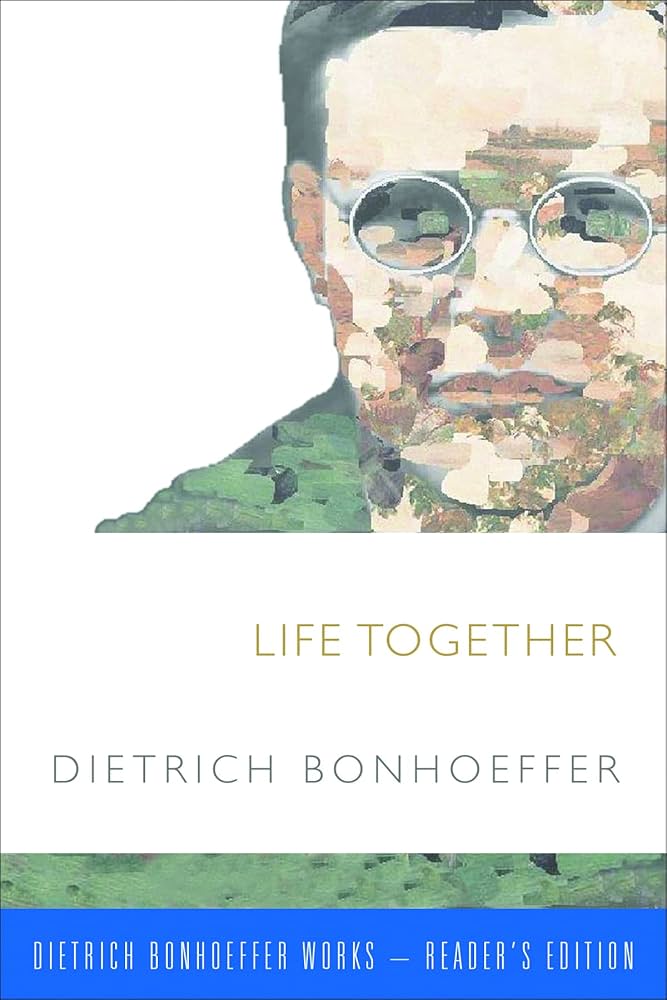
  60. Life Together, by Dietrich Bonhoeffer*
  61. North! Or Be Eaten, by Andrew Peterson
  62. A Slow Fire Burning, by Paula Hawkins
  63. Redwall, by Brian Jacques
  64. Famous Last Words, by Gillian McAllister
  65. Prey: Immigration, Islam, and the Erosion of Women’s Rights, by Ayaan Hirsi Ali
  66. Master and Commander, by Patrick O’Brian
  67. Story of Glory: Why Did Jesus Come to Save the World?, by Jason Hart
  68. Contemplative Youth Ministry: Practicing the Presence of Jesus, by Mark Yaconelli*
  69. A Burden Too Heavy: An Invitation to the Spiritual Discipline of Confession, by Paul Alan Smith*
  70. Post Captain, by Patrick O’Brian
  71. North! Or Be Eaten, by Andrew Peterson
  72. Yucatan 1512, by Alex Vede

A few observations before I talk about my favorite books of the year:

  • My reading total increased from 70 books in 2024 to 72 in 2025. This is the most books I have read in a year since I started counting.
  • Overall, my reading for the year was somewhat… “meh.” I’m reading too much entertainment that courts my attention rather than edification that stirs my soul. A big part of this is that much of my reading has shifted to audiobooks, all of which I get free via the Libby app. This tends to steer my selections in certain directions. For 2026, I plan to focus more on the reading of physical books, and am considering getting an Audible subscription to give me greater access to other types of books.
  • In the realm of fiction, I did discover two authors/series this year that I enjoyed and intend to continue reading from: Allen Eskens’s loosely connected Max Rupert/Joe Talbert series, and Patrick O’Brian’s naval series focused on Jack Aubrey and Stephen Maturin.
  • I have a long “Books to Read” list of books that I already own. I didn’t do as good of a job reading from that list as I would have liked—only seven of my books from the list above (marked with an *) came from that list. I hope to read more from this list in 2026.

Here are my Top 10 books for the year with some brief thoughts on each (presented in order of when I read them, not ranked 1-10):

The Biggest Story Bible Storybook, by Kevin DeYoung: Family worship is a staple at our house, and as part of that, we have a Bible component. Sometimes that is reading directly from the Bible, but with kids aged 14, 9, and 3, sometimes we use Bible storybooks, which are not all created equal. Some significantly water down or distort the stories, and some that tell the stories faithfully still teach them in a disjointed, episodic fashion. DeYoung excels at presenting narratives throughout the Bible as part of a grander narrative focusing on how the Snake-Crusher will ultimately defeat sin and help us return to the Garden.

This is an excellent resource for families to use with their children at home, but would also work well as the basis for a children’s Bible class curriculum in a church setting.

The Mythmakers: The Remarkable Fellowship of C.S. Lewis and J.R.R. Tolkien, by John Hendrix: I knew nothing about this book before I received it as a Christmas gift from my sister-in-law, but it was my favorite book of the year. The Mythmakers is a beautifully illustrated graphic novel that reads like a biography of C.S. Lewis and J.R.R. Tolkien, with a special emphasis on their relationship together. Their friendship was a special one, but also suffered a falling out that was never fully reconciled this side of eternity. This was an incredibly poignant and moving read that I highly recommend for fans of Lewis and/or Tolkien.

King Solomon’s Mines, by H. Rider Haggard: This was a re-read for me, as I think I previously read it when I was a teenager (but that was a long time ago now!). Haggard’s book is a classic tale of adventure and treasure hunting, but was also ground breaking in its day, as the first of a genre of “Lost World” romances that were inspired by the exploits of British explorers in colonial Africa (and a precursor to modern science fiction).

King Solomon’s Mines was written in 1885, and thus, there are elements—especially relating to colonialism, race, and gender—that are awkward for modern sensibilities. Still, amidst a tale of adventure, danger, and discovery, the book actually reflects surprisingly forward social thinking, portraying some African characters as barbarians and others as heroes (it depends on their character, not their ethnicity), and even includes an interracial romance. On the whole, it is just a fun story: Haggard was inspired to write an entertaining story for boys after reading Robert Louis Stevenson’s Treasure Island, and he succeeds.

Practicing the Way: Be with Jesus. Become Like Him. Do As He Did, by John Mark Comer: Comer has made my Top 10 list for three years in a row (previously with The Ruthless Elimination of Hurry and Live No Lies), so clearly I appreciate him. I don’t actually love his writing style,[1] and the covers of his books are hideous,[2], but Comer continues to solidify his position as a trusted, historically orthodox Christian voice who is able to be conversant and relevant in our post-Christian context.[3] Practicing the Way is essentially a new look at very old Christian practices (spiritual disciplines), and Comer’s description of discipleship as being apprentices of Jesus is helpful.

The Prodigal God: Recovering the Heart of the Christian Faith, by Tim Keller: This is another re-read, as I first read it back in 2010. Keller has become a significant influence for me over the last decade or so, and this book hit me on a much deeper level than I remember from when I first read it. The Prodigal God examines the story of the Two Lost Sons from Luke 15, and emphasizes that this story represents the heart of the Christian message. The Christian faith isn’t ultimately about our goodness, religious devotion, or work ethic; it’s about a God who loves us recklessly (“prodigal” means “recklessly spendthrift”) as His children.

Ultimately, I was so struck by The Prodigal God this time around that I wrote a three-part series reflecting some of the ideas therein: “The Elder Brother We Need,” “Exiled from Home,” and “Jesus Cooked Breakfast: The Materialistic Nature of Christianity.”

The Anxious Generation; How the Great Rewiring of Childhood is Causing an Epidemic of Mental Illness, by Jonathan Haidt: If The Mythmakers was my favorite read in 2025, this was the most significant. This is a book that seemingly everyone has talked about over the last 18 months or so (I reviewed it myself), but in case you have missed it, the current generation of teens and young adults—Generation Z—is widely known to be the most mentally unwell of all generations with off-the-charts instances of anxiety, depression, and other mental health issues. Haidt’s basic contention in the book is that two factors, the decline of a “play-based childhood” (kids running around their neighborhoods exploring, creating games and entire worlds with friends and returning home for meal times or when it gets dark) coupled with the rise of a “phone-based childhood” (kids staying indoors and staring at screens especially on their smartphones and spending hours and hours on social media platforms) have led to the devastating mental health outcomes that we see in members of Gen Z.

I think this is a brilliant book, and I think it is essential reading for anyone living today who has any significant interaction with or influence over kids and teens, or has any interaction with a smartphone. (So yes, basically everyone needs to read this book!)

The Adventures of Huckleberry Finn, by Mark Twain: I had read this classic previously many years ago, but this year, I read it again in conjunction with Percival Everett’s James. James is a retelling of the Huckleberry Finn saga from the perspective of the enslaved Jim, and I wanted to be thoroughly familiar with the arc of the original narrative in order to compare the two. James is interesting and compelling in various ways, but ultimately, I disagreed with some of Everett’s creative license in departing from the storyline and preferred the original. The Adventures of Huckleberry Finn shines with the characteristic Twain wit, but also provides serious social commentary. In particular, the relationship between Huck and Jim provides the moral center for the tale, as Huck, driven by his love for Jim, decides to embrace the morally “evil” choice of helping him to freedom rather than do what society tells him is the “right thing” and turn Jim in as a runaway.

For what it’s worth, I highly recommend reading The Adventures of Huckleberry Finn and James back to back.

The Underground Railroad, by Colson Whitehead: This was a powerfully poignant and mournful book, which shouldn’t have been surprising considering that it won a Pulitzer Prize. Cora is enslaved on a cotton plantation in Georgia where she is an outcast even among her fellow slaves. With no future to look forward to, she takes the ultimate risk of running away on the Underground Railroad, which in Whitehead’s imaginative universe, is an actual network of tracks, tunnels, and stations underneath the slave states. Cora embarks on a treacherous journey where she encounters a different face to slavery and race relations at each stop.

It is an engaging story, but also a painful one, as it forces readers to reflect on the variety of ways that we, as a nation, have dealt with the problem of race in unacceptable ways. Lord, have mercy.

Life Together, by Dietrich Bonhoeffer: This is considered to be a Christian classic, and I can see why. Life Together is a collection of Bonhoeffer’s reflections on Christian community, and is based on the common life he shared with his students at the Finkenwalde Seminary from 1935-37. Many of the reflections and observations are made more poignant upon the realization that this experiment in Christian community was illegal—Finkenwalde was an Underground Seminary and was closed by the Gestapo in 1937:

“It is easily forgotten that the community of Christians is a gift of grace from the kingdom of God, a gift that can be taken from us any day—that the time still separating us from the most profound loneliness may be brief indeed.” (4)

Bonhoeffer would find himself in a situation where this gift was taken away from him, and would end his days in isolation in a Nazi prison.

I firmly believe that the church—the Christian community, the family of faith—is one of the greatest untapped sources of spiritual strength for most Christians, and Life Together shows why this is in penetrating fashion.

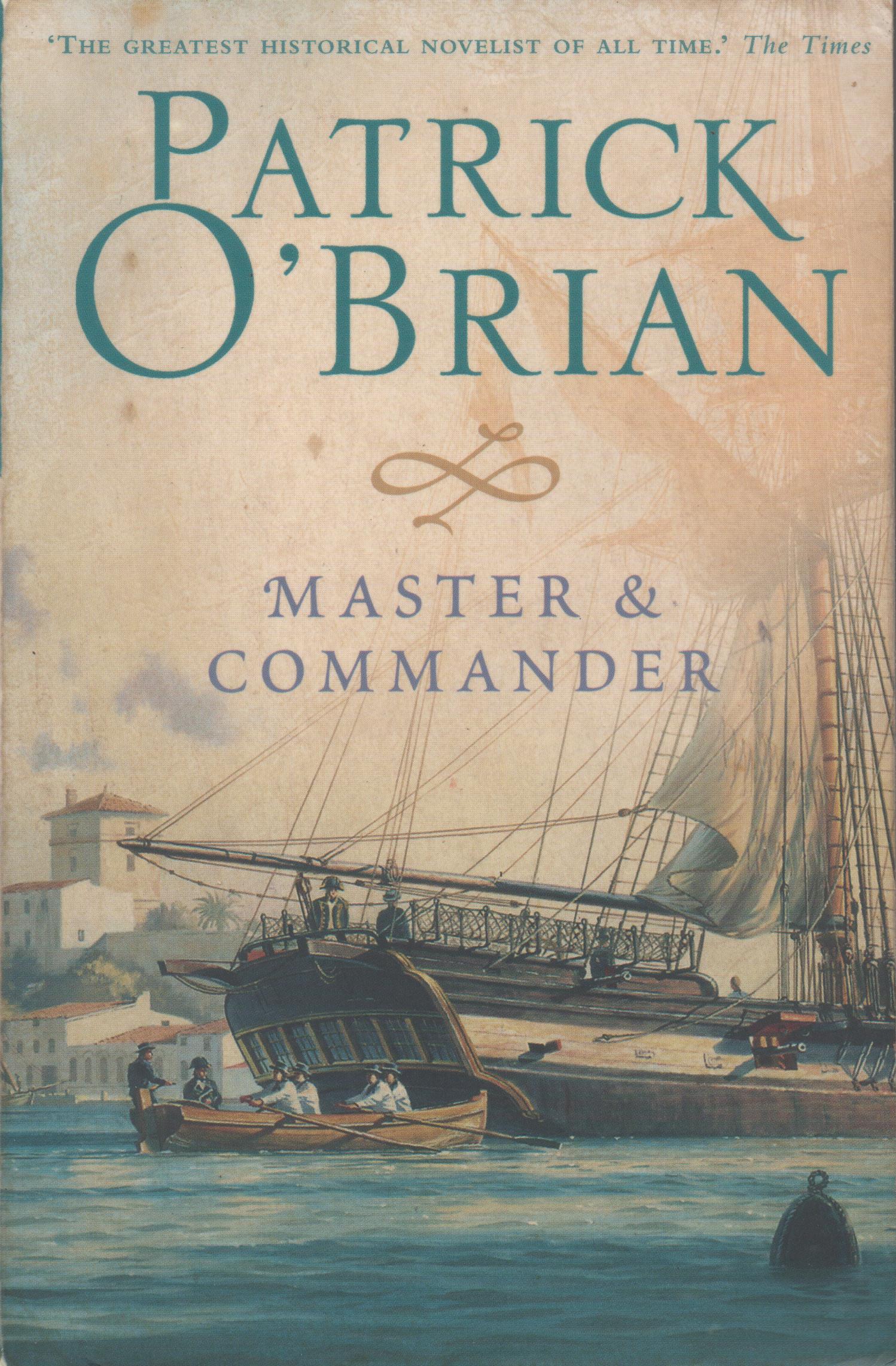
Master & Commander, by Patrick O’Brian: Years ago I watched and enjoyed the Russell Crowe film based on these books, but checked out an audiobook version from the library and greatly enjoyed it. The characters of Jack Aubrey and Stephen Maturin are complex and the depiction of their relationship is superb, and is a helpful corrective for our present time, when masculine affection is so culturally awkward.

As an author, O’Brian excels at subtlety, and the reader (or, in my case, listener) has to pay careful attention lest they miss important details or hilarious observations. I enjoyed Master & Commander enough that I have continued with the series; I read the first book in the series at the end of November, and am currently on the third.


That was my reading in 2025! For comparison’s sake, if you are interested, you can see my reading lists from previous years:

What are some of the best books you read this past year?


[1] He frequently writes in short sentences and one-sentence paragraphs in a way that reminds me of Max Lucado or Rob Bell. No, this is not a compliment.

[2] Yes, I do actually judge books by their covers.

[3] Some may want to quibble about the extent of the “post-Christian” nature of our society, especially in some regions of the country, and that is fine. Comer ministered in Portland for 20 years and now lives in L.A., so he is definitely engaging a post-Christian context.

« Older posts

© 2026 The Doc File

Theme by Anders Noren — Up ↑