The online journal of Luke Dockery

Category: Books (Page 3 of 27)

Book Review: The Anxious Generation

Jonathan Haidt is one of several scholars I have benefited from over the last few years who do not write from a faith perspective but end up saying many things that resonate well with a Christian worldview.[1] I first encountered Haidt when I read and enjoyed The Righteous Mind after a friend recommended it to me in 2020, and The Coddling of the American Mind was one of my favorite reads in 2021. Ever since then, I have paid attention anytime I see an article shared by Haidt, and I was so convicted by his article in The Atlantic on the damage caused by social media to teen girls that I discontinued our youth group Instagram account.

The Anxious Generation: How the Great Rewiring of Childhood is Causing an Epidemic of Mental Illness was published in 2024 and made an immediate splash, but I was slow to read it myself because I was already familiar with a lot of Haidt’s work, had heard multiple presentations on this book in particular, and there were a lot of other books on my to-read list. So, I have been slowly working my way through The Anxious Generation this year and finished it earlier this week. In short, Haidt’s work is a tour de force, and I think it is essential reading for anyone living today who has any significant interaction with or influence over kids and teens.

The current generation of teens and young adults—Generation Z—is widely known to be the most mentally unwell of all generations with off-the-charts instances of anxiety, depression, and other mental health issues. Haidt’s basic contention in the book is that two factors, the decline of a “play-based childhood” (kids running around their neighborhoods exploring, creating games and entire worlds with friends and returning home for meal times or when it gets dark) coupled with the rise of a “phone-based childhood” (kids staying indoors and staring at screens especially on their smartphones and spending hours and hours on social media platforms) have led to the devastating mental health outcomes that we see in members of Gen Z. Haidt’s book has some three major strengths that I want to highlight.

First, Haidt does an excellent job laying out his case. He sets the landscape by identifying the mental health epidemic facing Gen Z, then offers his background narrative of how we got here. He then interacts with tons of research that indicates how a phone-based childhood disrupts child development in four key ways: (1) sleep deprivation, (2) social deprivation, (3) attention fragmentation, and (4) addiction.

Second, Haidt offers actionable advice regarding what we can do about this crisis. It is common for authors to spend the vast majority of their books describing a problem and then to offer a few pages of how we can respond to the problem at the very end. Haidt, however, offers a substantial Part 4, “Collective Action for Healthier Childhood” with dozens of ideas and examples of tangible things that governments and tech companies, schools, and parents can do now to address this problem and turn the tide of the mental health crisis. These suggestions fall into four foundational reforms: (1) No smartphones before high school, (2) No social media before age 16, (3) Phone-free schools, and (4) Far more unsupervised play and childhood independence.

Third, the book is written in such a way that it is really easy to come away with the main thrust of his arguments without getting lost in the weeds. The book is 300 pages long with another 40 pages of footnotes. To me that’s very manageable and I thought it was an enjoyable read, but I realize that is not the case for everyone. Never fear! At the end of each chapter, Haidt has an “In Sum” section where he offers a bulleted list of the main ideas of the chapter. This means that you could spend half an hour reading the summary sections at the end of each chapter and come away with a really solid understanding of his argumentation in the book—this is a great feature!

The book is so well done; I don’t think there are any major weaknesses. Haidt can come across a little strong at times (especially in the sense that his explanation is the explanation for the mental health epidemic), but he works hard to establish his claims, feels passionately about them, and honestly acknowledges places where his conclusions aren’t yet supported by rigorous research or where others disagree. Additionally, as I mentioned above, Haidt writes from a secular perspective and as part of that, he taps heavily into evolution as the explanation for how kids are naturally supposed to develop and how a phone-based childhood disrupts that. This can be frustrating at times, especially when he says things about how evolution designs certain characteristics, but ultimately, I was still able to appreciate the point he was making and attribute the element of human nature in question to the design work of a Creator, whether brought about through evolution or some other process.

Normally I like to share quotations, but there are simple too many noteworthy observations in the book to include here; I have highlights on almost every page. The Anxious Generation will definitely make my Top-10 list for 2025; I highly recommend it.


[1] See also Tom Holland, Jordan Peterson, and Louise Perry.

Enemies at the Table

Psalm 23 is famous and iconic: the image of Yahweh as a shepherd who provides all that we need, gives us rest and protection, and accompanies us through the darkest valleys of life. It is a comforting passage that emphasizes God’s love for us and the total sufficiency of His care and provision.

In Psalm 23.5, the metaphor seems to shift.[1] “You prepare a table before me in the presence of my enemies….” Certainly, this is still in keeping with the idea of God’s provision, but there is a heightened element with the allusion to enemies. Psalm 23 is subtitled “a Psalm of David,” and David was a character who certainly faced a series of enemies throughout his life, and had times of hardship where he experienced hunger and privation.

But what are we to make of the notion of feasting in front of our enemies? Is this a display of Yahweh’s support and vindication, perhaps coupled with a sense of triumph and gloating over our enemies? Many commentators think so. Here is a typical example:

“[The enemies] were compelled to look on and see how God provided for him. It was manifest that this was from God; it was a proof of the Divine favour; it furnished an assurance that he who had done this would never leave him to want. The friends of God are made to triumph in the very presence of their foes. Their enemies are compelled to see how he interposes in their behalf, how he provides for them, and how he defends them. Their final triumph in the day of judgment will be in the very presence of all their assembled enemies, for in their very presence he will pronounce the sentence which will make their eternal happiness sure….”[2]

I don’t necessarily have problems with this. Clearly, the picture here emphasizes God’s provision, and the provision itself signifies the vindication of David the Psalmist as a friend of God. And I confess that my initial, surface-level reading suggests at least a hint of gloating and triumphalism that I find a little distasteful—after all, don’t we teach our kids to be kind and humble in victory, rather than rubbing it in the faces of their opponents? Doesn’t Jesus tell us to love our enemies? Is it loving to gloat? Indeed, C.S. Lewis famously criticized this part of Psalm 23 on these grounds.[3]

With all of this in mind, I can’t help but wonder if there is more going on here—if only we had some additional instruction or example of dining in the presence of enemies that would bring some clarity to the situation! I don’t think the interpretation quoted above is incorrect, but I do wonder if it is incomplete.


Eating at tables was a large part of Jesus’s ministry. He performed His first miracle at a wedding in Cana, He told parables about feasts and banquets, and He instituted the Lord’s Supper in the context of a Passover meal.

He also dined frequently…with enemies. Some of those were enemies of established religious and moral order and respectability—Jesus repeatedly received criticism for eating with “tax collectors and sinners” (Matthew 9.10-17; Mark 2.15-22; Luke 5.29-39). In Luke 19, He famously visited the home of the diminutive chief tax collector Zacchaeus, and there He again was criticized for dining with a sinner. But the meal seems to have a transformative effect on Zacchaeus, who declares himself to be a changed man, and Jesus asserts that this is exactly the reason why He came—to seek and save the lost (Luke 19.10). Jesus had invited Himself over to Zacchaeus’s house, but it was in order to invite Zacchaeus to receive salvation.

Another time, Jesus dined at the home of Simon the Pharisee, a member of the sect that so frequently opposed Jesus (Luke 7.36-49). In other words, He dine with a different sort of enemy. While there, a “sinful woman” came and washed Jesus’s feet with her tears, dried them with her hair, and poured perfume on them. Simon is scandalized by this, and Jesus then tells him a parable to illustrate that it is those who recognize their need for forgiveness who are most motivated to love God in return. He is almost pleading with Simon to reevaluate the spiritual condition of His life.

And of course, on the last night before His crucifixion, Jesus spent the evening sharing a meal with His disciples. Of course, these were not Jesus’s enemies—at least, they were not supposed to be. But within a matter of hours, these friends would desert Him, and one of them, Judas Iscariot, would betray Him. But still, Jesus chooses to eat with these men, and He encourages them to love one another and to be unified.

Reflecting on all of this, it seems clear from Jesus’s own practice: He does not eat with enemies to humiliate them; rather, in humility, He eats with them to invite them into the fellowship of God and His people. “He eats to woo and win them, not to belittle or degrade.”[4]

In light of the practice of Jesus Himself, the Good Shepherd, it does make me rethink aspects of the interpretation of Psalm 23 mentioned above. As promised, God prepares a table before us in the presence of our enemies, but what if we dine in the presence of our enemies not to make our enemies become ashamed, but to make our enemies become our friends?

Indeed, this is the way of Jesus.

What if we dine in the presence of our enemies not to make our enemies become ashamed, but to make our enemies become our friends? Share on X

In this loose series of Scripture Reflections, I am sharing brief thoughts spurred on by my Bible reading. By way of reminder, my goal for these brief posts is two-fold:

(1) To remark on aspects of the biblical text that I find to be of interest that the reader may or may not have thought about previously.

(2) When possible, to point to the work and person of Jesus Christ. I believe the Bible is a unified story that points to Jesus, which means that He is frequently alluded to or foreshadowed in some way throughout the biblical canon.


[1] Scholars debate this, with some suggesting that the shepherd metaphor persists throughout the entire psalm. That doesn’t seem to be the case to me.

[2] Albert Barnes, Psalms I, Notes on the Old Testament (Grand Rapids, MI: Baker Book House, 1950), 213.

[3] C.S. Lewis, Reflection on the Psalms (San Francisco: HarperOne, 2017), 24-25: “The poet’s enjoyment of his present prosperity would not be complete unless those horrid Joneses (who used to look down their noses at him) were watching it all and hating it. This may not be so diabolical as the passages I have quoted above; but the pettiness and vulgarity of it, especially in such surroundings, are hard to endure.” I think Lewis misses the mark here, but I get where he is coming from. 

[4] David Gibson, “Why C.S. Lewis Was Wrong about Psalm 23,” Crossway, October 27, 2023, https://www.crossway.org/articles/why-c-s-lewis-was-wrong-about-psalm-23/.

Origin Story: Churches of Christ and the Restoration Movement

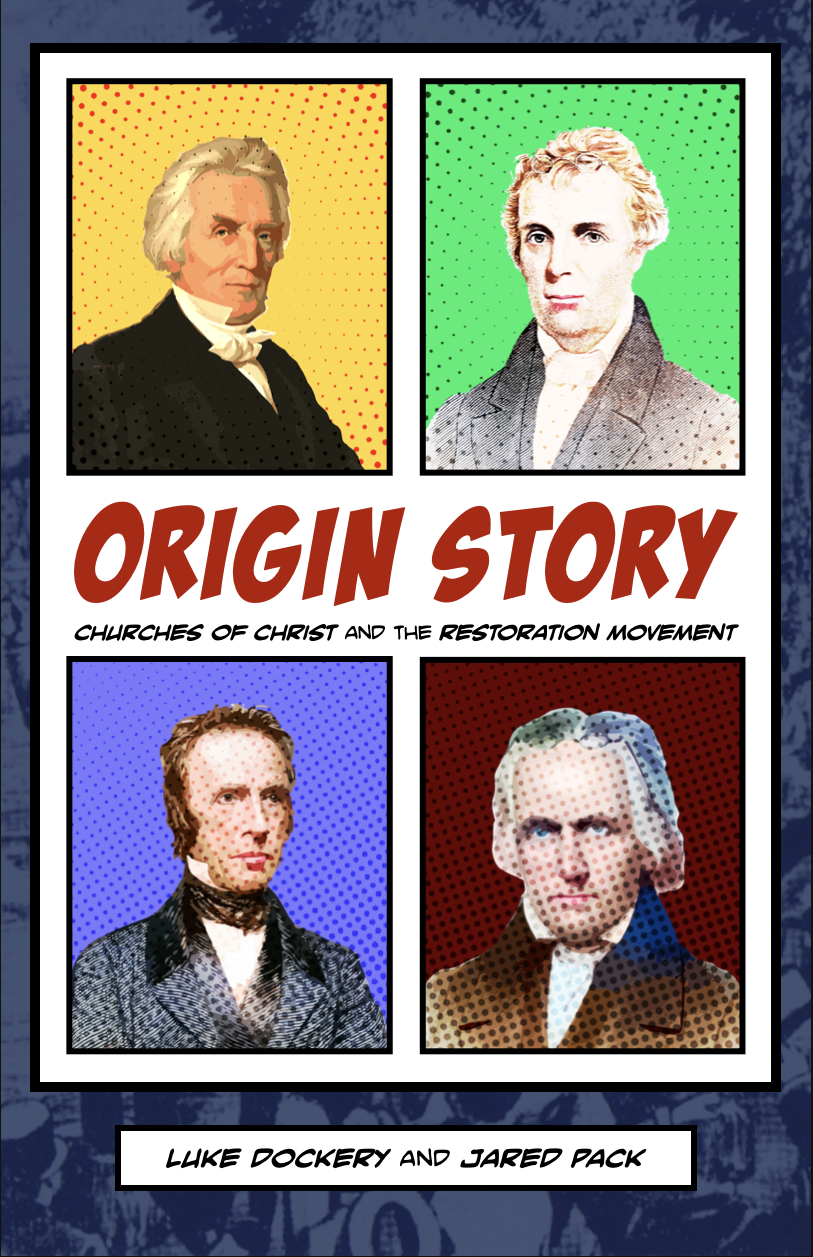
I wrote a while back that I had taught a series of lessons to the students in my youth group regarding the Stone-Campbell Restoration Movement and how it affects our heritage and identity in Churches of Christ. I am pleased to announce that this study has now been compiled and formatted as a book that is now available in print and digitally. I won’t go into detail here why I think a study like this is need (I did that in the previous post), but I do want to say a couple of things and share some more detail about the book, before concluding with the summary information from the back cover.

First, this is a special project to me because it was done in conjunction with my good friend Jared Pack, and in many ways represents our friendship and the fruitful years of ministry we shared together. Jared is a historian by training and serves as Associate Professor of History and Chair of the History Department at York University in York, NE. I am a youth minister by trade and am decidedly not a trained historian, but I am an amateur enthusiast of Restoration History. Early in our friendship, Jared and I discovered a similar interest in the Restoration Movement and how it affects us today, and we co-taught a class together with our young adults group at the Farmington Church of Christ. Later, after I had moved to work with my current congregation, Jared taught the class again and added and expanded it. When I taught the material to my own students last year, I refined it further.

What all of that means is that this current product truly represents our combined work over a decade. Jared and I work so well together and think so similarly in many ways that with much of this book, at this point we are not sure who wrote which part! In many ways, this book is a perfect representation of and tribute to our friendship.

Second, this was a challenging project because I really was trying to push my creativity. Sadly, most teenagers do not find history to be an enthralling subject, and so I worked hard to make these lessons engaging. One way I sought to do this was by providing relevant discussion questions throughout the lessons to break up the lecture portions, but also, as the title suggests, I tried to tap into the notion of the origin story, a motif that has become very well understood in our society over the last twenty years with the proliferation of various movie franchises that center characters with remarkable abilities and comparing backstories (think MCU, the Harry Potter series, Star Wars, etc.). With this idea being central, Origin Story very much has the feeling of a comic book, completed with AI-generated images of the authors as superheroes!


Here is the Table of Contents, to give you an idea of the layout of the series:

Series Introduction

(1) Why Study the Restoration Movement?

(2) Background: Early Church to Reformation

(3) Background: European and American Influences

(4) The Big Four

(5) Unity and Division

(6) Churches of Christ after the Split

(7) Restoration Movement Slogans and Theology

(8) The Restoration Plea and Legacy

Appendix A: A Brief Overview of Calvinism

Appendix B: A Brief Overview of Millennialism


Purchase the Book

Paperback: Amazon $12.99

Digital: Deeper Youth Ministry $10


You can see the cover below, as well as some sample pages to give you a feel for the book (including the silly image of me as a superhero!).


From the back of the book:

Origin stories provide the background narrative that explains why characters are the way they are. When you know a character’s origin story, you also know important things about their feelings and motivations for why they do what they do. Churches of Christ have historical roots in the Stone-Campbell Restoration Movement, but teens in Churches of Christ tend to be largely ignorant about any of this history. This is a problem, because in a real sense, if we don’t know our history, we don’t know who we are.

The early Restoration leaders desired to bring about unity among God’s people by adhering to the clear teachings of Jesus and the apostles and the practices of the early church. In a world of bitter division and incredibly shaky notions of truth, that is a compelling idea, and one that is worth communicating to teenagers.

Origin Story is an eight-lesson series written specifically for teens.

“Teaching Restoration Movement history is tricky business, especially in church contexts. How best can we communicate the ups and downs, the successes and shortcomings, of our religious predecessors in a way that deepens rather than destroys faith? A lack of accessible educational resources for young Christians only compounds the problem. Fortunately, Luke Dockery and Jared Pack demonstrate both ministerial concern and scholarly acumen in this short volume which will help anchor the youth of the Churches of Christ more fully in their religious heritage and, even more importantly, point them back to the cross.”

—John Young, Associate Professor in the Turner School of Theology at Amridge University and historian of the Stone-Campbell Movement

Crusaders, Incomplete Baptisms, and the Parts We Keep from God

There is a legend that before going into battle, Crusaders would be baptized, pledging their lives to Jesus. But, as the legend goes, as they marched through the baptismal waters, they would hold their swords above their heads as they plunged into the water. It’s as if they were keeping that part of themselves from God—their weapon hands needed to be kept free from divine interference so they could do their killing properly.

I’m not sure if the legend is true. It can be easy to pick on those involved in the Crusades, which are often condemned as a sort of Christian holocaust. Actual historical study of the Crusades paint a more nuanced and complex picture, but the fact remains that the Crusades don’t represent a highpoint in Christian history. Furthermore, I’ve read another version of the legend that has Charlemagne doing this with his troops before battle, and he lived a few hundred years before the First Crusade. Perhaps the multiple attestation gives credence to some Christian soldiers doing this at their baptisms at some point in time. It seems quite possible to me, because it is just the sort of thing that people would do.

As John Mark Comer says in reference to this legend in his book, Live No Lies:

Legend or history, the imagery is piercing. We all do this. We might not hold up a sword; for us it could be a debit card, a relationship, a sexual ethic, a wound, an entertainment habit, a political or even a theological position. It could be anything. But how often do we say, if not in a word, then by our actions, Not this Jesus. Not this.[1]

I don’t know how that strikes you, but for me, it was a punch in the gut. It’s easy to look at the story of someone holding a sword hand out of the baptismal waters and see the clear hypocrisy, the deficient discipleship, but what about our own lives? As Comer points out, there are a lot of parts of ourselves that we can be tempted to try to keep from God and hold onto ourselves. That’s the problem, though: Christ must be Lord of all, or He is Lord of nothing. Following Jesus only when it is convenient isn’t really following Him at all.

Christ must be Lord of all, or He is Lord of nothing. Following Jesus only when it is convenient isn’t really following Him at all. Share on X

Lord, let me keep nothing back from You. Help me to give it all.


[1] John Mark Comer, Live No Lies (USA: WaterBrook, 2021), 250. This was one of my Top 10 books from this past year.

Reading in 2024

Reading and making lists are both big parts of my life, and this yearly post involves both of those activities! I will offer some thoughts on my favorite books of the year below, but first, here is the list of books I read in 2024:

  1. The Warden and the Wolf King, by Andrew Peterson
  2. The Freedom of Self-Forgetfulness: The Path to True Christian Joy, by Timothy Keller
  3. Harry Potter and the Chamber of Secrets, by J.K. Rowling
  4. Exiles, by Jane Harper
  5. The Fire Next Time, by James Baldwin
  6. Ephesians: 11 Studies for Individuals and Groups, by N.T. Wright
  7. You Lost Me: Why Young Christians Are Leaving Church…And Rethinking Faith, by David Kinnaman*
  8. Losing Our Religion: An Altar Call for Evangelical America, by Russell Moore
  9. Wingfeather Tales, edited by Andrew Peterson
  10. Miracles, by C.S. Lewis*
  11. All My Knotted-Up Life: A Memoir, by Beth Moore
  12. Orthodoxy, by G.K. Chesteron*
  13. Timothy Keller: His Spiritual and Intellectual Formation, by Collin Hansen
  14. Generous Justice: How God’s Grace Makes Us Just, by Timothy Keller
  15. The $100 Startup: Reinvent the Way You Make a Living, Do What You Love, and Creat a new Future, by Chris Guillebeau
  16. The Weight of Glory, by C.S. Lewis*
  17. A Flicker in the Dark, by Stacy Willingham
  18. Near the Banks of the River: Celebrating Harding School of Theology in Memphis, ed. by Mark E. Powell and Steve Cloer
  19. All the Light We Cannot See, by Anthony Doerr
  20. Gilead, by Marilynne Robinson
  21. All the Dangerous Things, by Stacy Willingham
  22. Berlin Diary: The Journal of a Foreign Correspondent, 1934-1941, by William L. Shirer
  23. How Far to the Promised Land: One Black Family’s Story of Hope and Survival in the American South, by Esau McCaulley
  24. Harry Potter and the Chamber of Secrets, by J.K. Rowling
  25. A Grief Observed, by C.S. Lewis
  26. The Action Bible, by Sergio Cariello
  27. iGen: Why Today’s Super-Connected Kids Are Growing Up Less Rebellious, More Tolerant, Less Happy—and Completely Unprepared for Adulthood—and What That Means for the Rest of Us, by Jean M. Twenge*
  28. The Audacity of Hope: Thoughts on Reclaiming the American Dream, by Barack Obama
  29. When Money Grew on Trees: The True Tale of a Marijuana Moonshiner and the Outlaw Sheriff of Madison County, Arkansas, by David Mac
  30. The Aquariums of Pyongyang: Ten Years in the North Korean Gulag, by Kang Chol-Hwan and Pierre Rigoulot
  31. The Door in the Wall, by Marguerite de Angeli
  32. Praying Circles around Your Children, by Mark Batterson
  33. 10 Questions Every Teen Should Ask (and Answer) about Christianity, by Rebecca McLaughlin
  34. Jerusalem: The Biography, by Simon Sebag Montefiore
  35. Where the Red Fern Grows, by Wilson Rawls
  36. The Great Divorce, by C.S. Lewis
  37. Zero Days, by Ruth Ware
  38. The Boxcar Children, by Gertrude Chandler Warner
  39. Basic Christianity, by John R. W. Stott*
  40. The It Girl, by Ruth Ware
  41. Unoffendable: How Just One Change Can Make All of Life Better, by Brant Hansen
  42. Midnight in the Garden of Good and Evil, by John Berendt
  43. Simply Christian: Why Christianity Makes Sense, by N.T. Wright
  44. Walking With Wisdom: A Study of Proverbs, by Lance Hawley
  45. The Last Murder at the End of the World: A Novel, by Stuart Tarton
  46. The Israeli-Palestinian Conflict: What Everyone Needs to Know, by Dov Waxman
  47. Thunderstruck, by Erik Larson
  48. Last Girl Breathing, by Court Stevens
  49. The Hunting Party, by Lucy Foley
  50. Adam of the Road, by Elizabeth Gray
  51. Stony the Road: Reconstruction, White Supremacy, and the Rise of Jim Crow, by Henry Louis Gates, Jr.
  52. Gorky Park, by Martin Cruz Smith
  53. Reflections on the Psalms, by C.S. Lewis*
  54. Burn, by Peter Heller
  55. Wrong Place Wrong Time, by Gillian McAllister
  56. “Captives of the Word”: The Restoration Movement in Northwest Arkansas, by Bobby Dockery
  57. American Dirt, by Jeanine Cummings
  58. The Last One at the Wedding, by Jason Rekulak
  59. My Name Was Eden, by Eleanor Barker-White
  60. The Nones: Where They Came From, Who They Are, and Where They Are Going, by Ryan P. Burge
  61. Live No Lies: Recognize and Resist the Three Enemies That Sabotage Your Peace, by John Mark Comer*
  62. The Case against the Sexual Revolution, by Louise Perry
  63. Ilium, by Lea Carpenter
  64. Light From Above: The Life of Alexander Campbell, by Bill J. Humble*
  65. The Hobbit, by J.R.R. Tolkien
  66. New International Version Bible
  67. The River of Doubt: Theodore Roosevelt’s Darkest Journey, by Candice Millard
  68. Abner Jones: A Collection, by Bradley S. Cobb*
  69. The Tower Treasure, by Franklin W. Dixon
  70. One Perfect Couple, by Ruth Ware

A few observations before I talk about my favorite books of the year:

  • My reading total increased from 68 books in 2023 to 70 in 2024. This is the most books I have read in a year since I started counting.
  • On the whole, I felt mildly disappointed with my reading this year. There were a lot of books that I enjoyed, but I’m not sure there were any new reads that I found to be particularly profound.
  • I have a long “Books to Read” list of books that I already own. I tried to intentionally read books from this list in 2024, and while I would have liked to have read more, I did finish ten books from that list this year (marked with an * above). I hope to read more from this list in 2025.
  • Unintentionally, I did quite a bit of reading that would qualify as memoir or biography (5, 8, 11, 13, 23, 28, 29, 30, 64, 68).
  • I read about 15 books this year from the mystery/thriller genre: too many from a “guilty pleasure” category.
  • Book #69, The Tower Treasure, was especially fun. I started reading Hardy Boys Mysteries when I was in second grade, and I have been trying to get my own second grader to read them for a while. He was determined that he had no interest in doing so, so I read this one with him and he absolutely loved it!

Here are my Top 10 books for the year with some brief thoughts on each (presented in order of when I read them, not ranked 1-10):

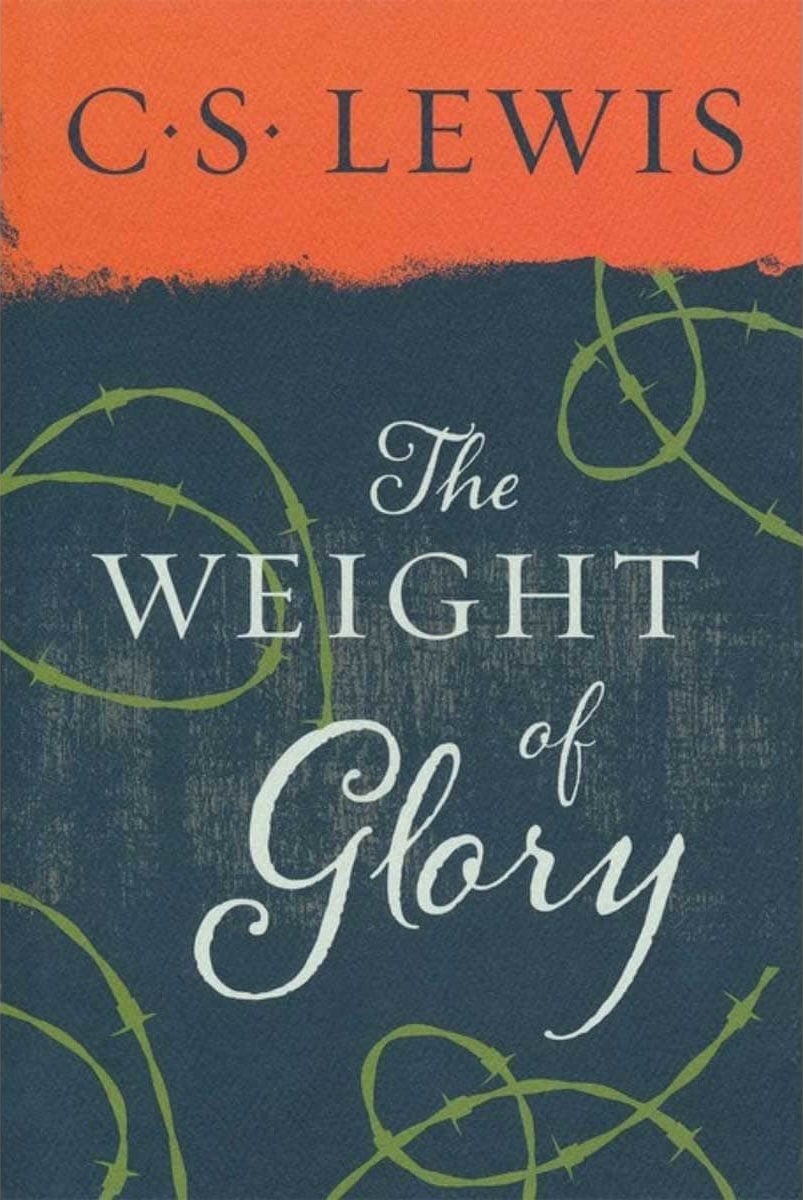
The Weight of Glory, by C.S. Lewis: This is a collection of sermons and speeches by Lewis and, as such, is a little more uneven than some of his best unified works (Mere Christianity, The Great Divorce, The Screwtape Letters). But it is still excellent. Rather than summarize such a varied volume, I thought I’d share a few quotations instead:

“To please God…to be a real ingredient in the divine happiness…to be loved by God, not merely pitied, but delighted in as an artist delights in his work or a father in a son—it seems impossible, a weight or burden of glory which our thoughts can hardly sustain. But so it is.” (39)

“The only people who achieve much are those who want knowledge so badly that they seek it while the conditions are still unfavorable. Favorable conditions never come.” (60)

“It is our daily bread that we are encouraged to ask for. The present is the only time in which any duty can be done or any grace received.” (61)

“What God does for us, He does in us. The process of doing it will appear to me (and not falsely) to be the daily or hourly repeated exercises of my own will in renouncing this attitude, especially each morning, for it grows all over me like a new shell each night. Failures will be forgiven; it is acquiescence that is fatal, the permitted, regularized presence of an area in ourselves which we still claim for our own. We may never, this side of death, drive the invader out of our territory, but we must be in the Resistance, not in the Vichy government.” (192)
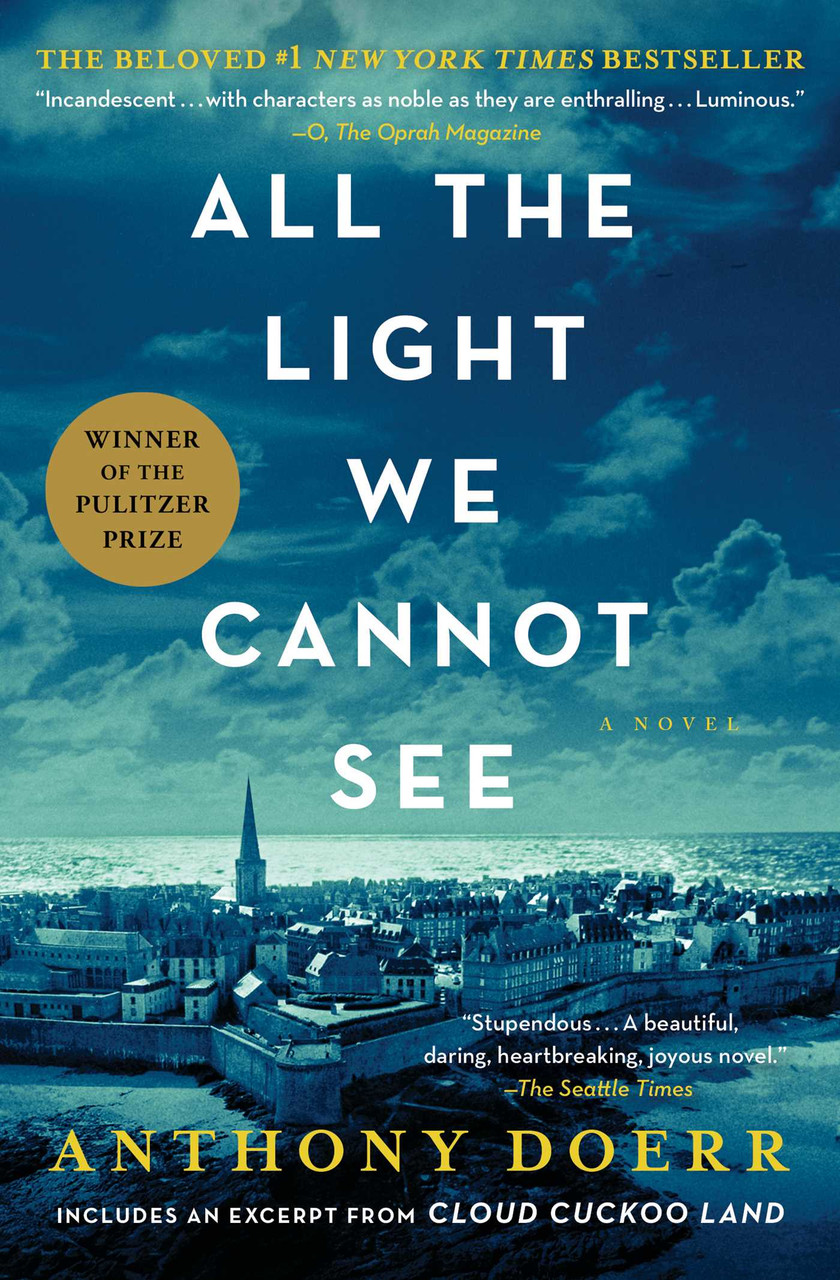
All the Light We Cannot See, by Anthony Doerr: I read this book back in 2017 and I liked it, but I didn’t love the ending and overall, I found it a little disappointing (it had won the Pulitzer Prize after all). Then it came out as a series on Netflix which I watched and enjoyed, and it made me want to go back and read the book again. This time I loved it. The novel is set in World War II, and follows the story of Marie-Laure, a blind French girl trying to survive German occupation in the town of Saint-Melo while working with the Resistance and trying to keep a priceless diamond hidden from a Nazi gemologist. The description of the narrow, multi-storied house is so detailed that you can picture yourself there, and the characterization of Marie-Laure is exquisite. My reading of this and its narration of the fall of France was heightened by reading about similar events in Berlin Diary at the same time (see below), and all in all, I found it to be a poignant story of love, loss, bravery, and sacrifice in difficult circumstances.
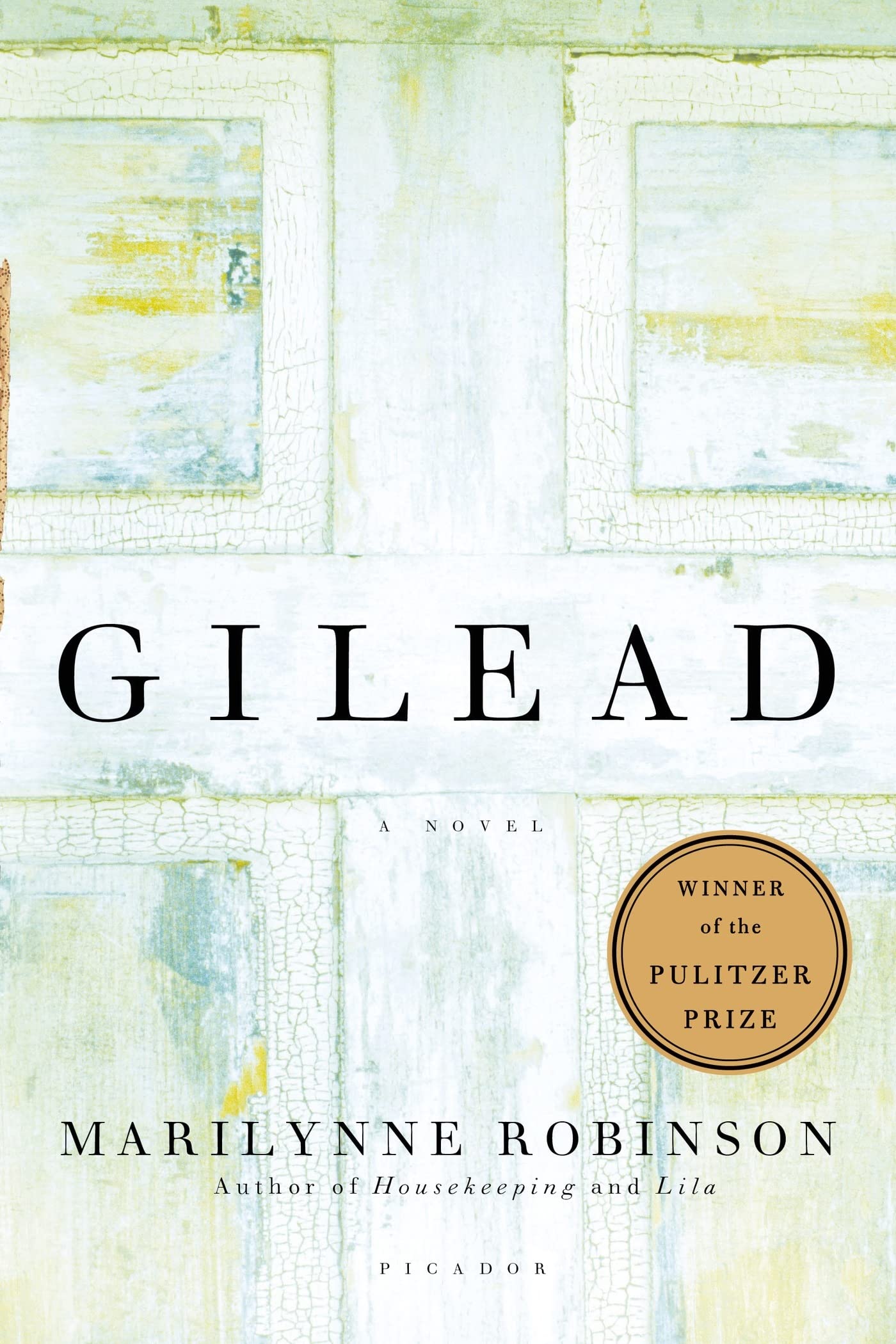
Gilead, by Marilynne Robinson: This novel won a Pulitzer Prize a couple of decades ago, but I only became aware of it quite recently. Gilead tells the story of John Ames, an aging Congregationalist pastor who is slowly dying of a heart condition. Realizing he doesn’t have much time left, Ames has a keen appreciation for the value of life and wants to share his memories and experiences of his father and grandfather with his seven-year-old son before he dies. It is a story of faith and doubt, love and loss, transgression and forgiveness, and a good man who feels wholly ill-equipped to carry out his important vocation (as a Pulitzer Prize-winning novel, obviously Gilead resonated with a lot of people, but I suspect it has a special poignancy for those engaged in congregational ministry).

Berlin Diary: The Journal of a Foreign Correspondent, 1934-1941, by William L. Shirer: I randomly found this on a shelf at home and because I enjoy learning about World War II, decided to check it out. It is a fascinating account of the diary of Shirer, an American journalist who chronicles the rise of Hitler and the Nazis from within Germany. This was a fascinating read to me, as Shirer begins with almost a sense of admiration for Hitler and the way he rapidly consolidates power and changes national sentiment within Germany, but then becomes increasingly horrified as he witnesses what transpires. For me, as someone reading decades after the fact, I felt a growing sense of foreboding as the diary approached key events in the WWII timeline, and also the palpable shock felt by Shirer as Hitler unbelievably removes one nation after another from the map of Europe.
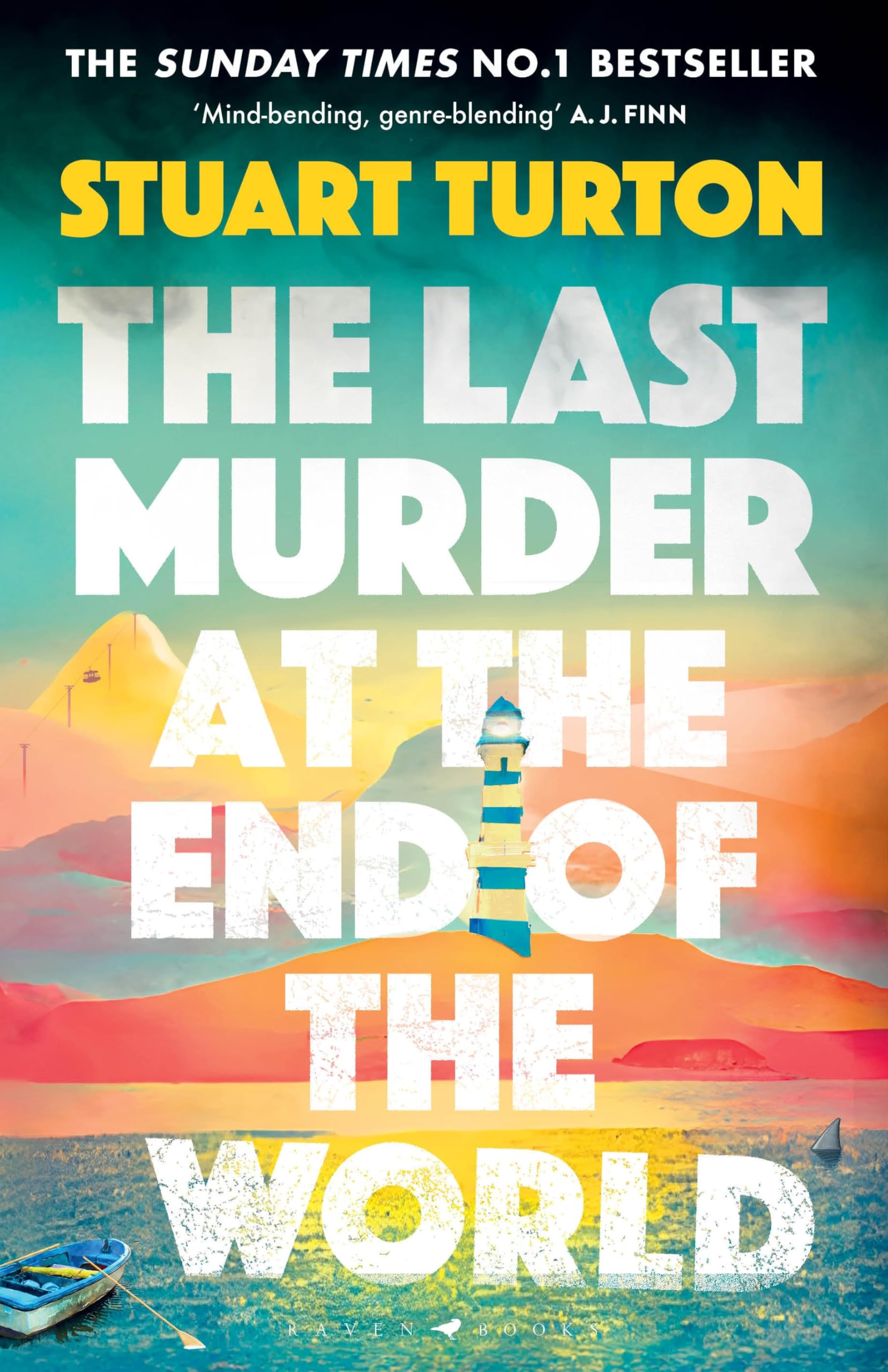
The Last Murder at the End of the World, by Stuart Turton: I hadn’t heard anything about this book and just found it randomly on my audiobook library app. This is a book that kind of defies and overlaps several different genres: dystopian, science fiction, murder mystery. I found it fascinating with several unexpected twists and turns, a satisfying ending, and a helpful, honest look at the seemingly inescapable dark side of humanity.

The Israeli-Palestinian Conflict: What Everyone Needs to Know, by Don Waxman: The Israeli-Palestinian Conflict flared up yet again in late 2023 and I was struck by the sharp rhetoric of terrorism on one side and genocide on the other, and the way that, in the US, these differing perspectives seemed to fall so closely along political lines (as everything does). Discontent with my understanding of the conflict, I wanted to learn more about it, so I read Simon Sebag Montefiore’s Jerusalem: A Biography (#34 above) and this one. Jerusalem was good, but this book was far shorter, and more useful for what I was looking for. Waxman also takes pains in trying to be as fair and objective as possible. In short, the Israeli-Palestinian Conflict is a mess, with decades of bad blood and hurt feelings caused by both sides. It seems like an intractable problem until both Israel and Palestine find themselves with leaders willing to seek peace and make concessions at great personal risk while simultaneously having a US leader who is determined to support a peace process without favoring either side.
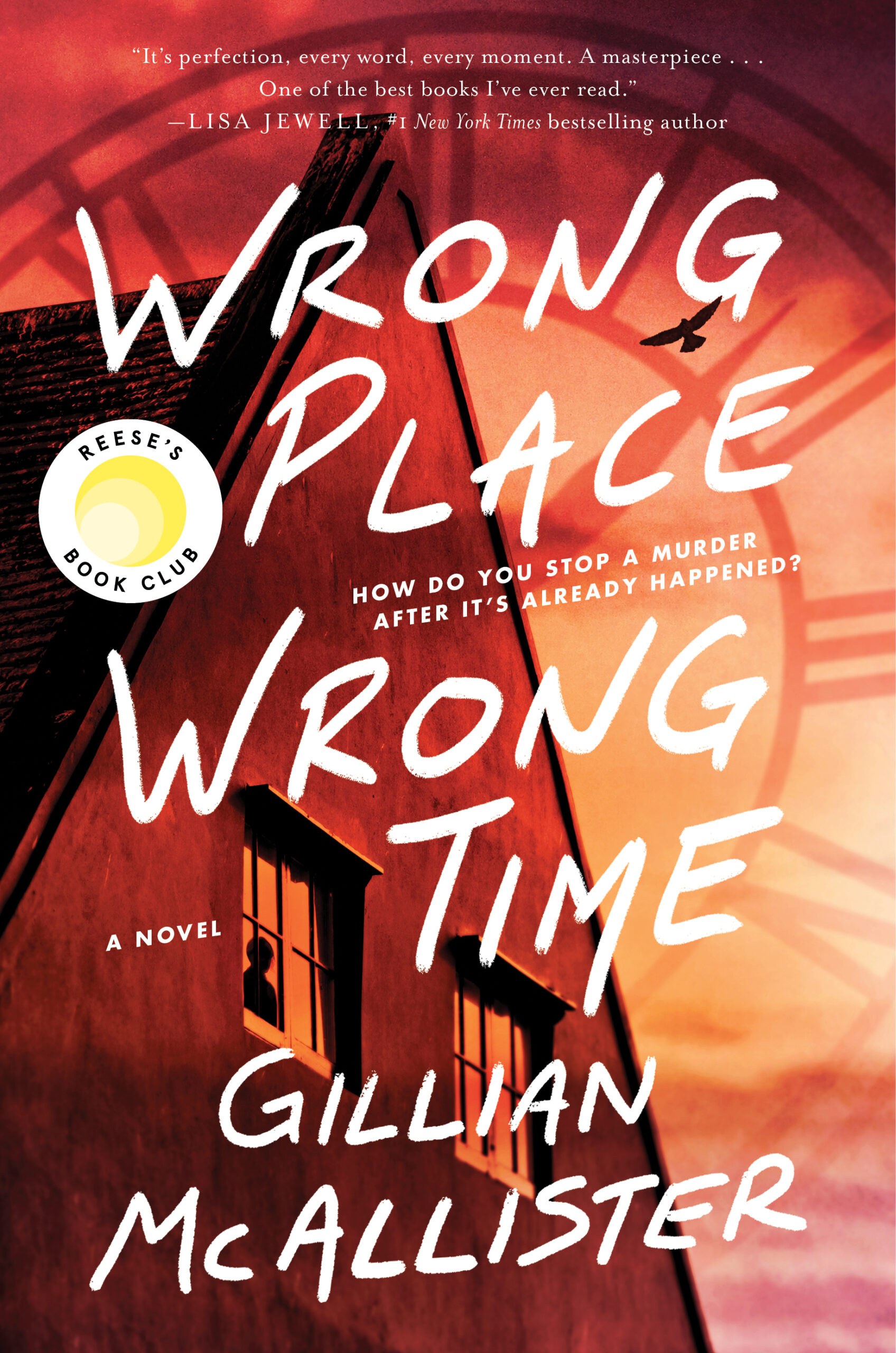
Wrong Place Wrong Time, by Gillian McAllister: Over the last few years I started reading more thriller/mystery books, generally as something entertaining to listen to while I drive or work out. Usually these aren’t particularly well written, and tend to fall into predictable patterns. Wrong Place Wrong Time was different, however, largely because of its very different premise: a woman watches her teenage son murder someone who is a complete stranger to her. After a long night at the police station, the mother falls asleep in despair, only to wake up the previous day, before the murder has occurred. So begins her travel backwards through time, as she seeks to unravel the chain of events leading up to the murder, and do what she can to prevent it from happening and saving her son’s life.
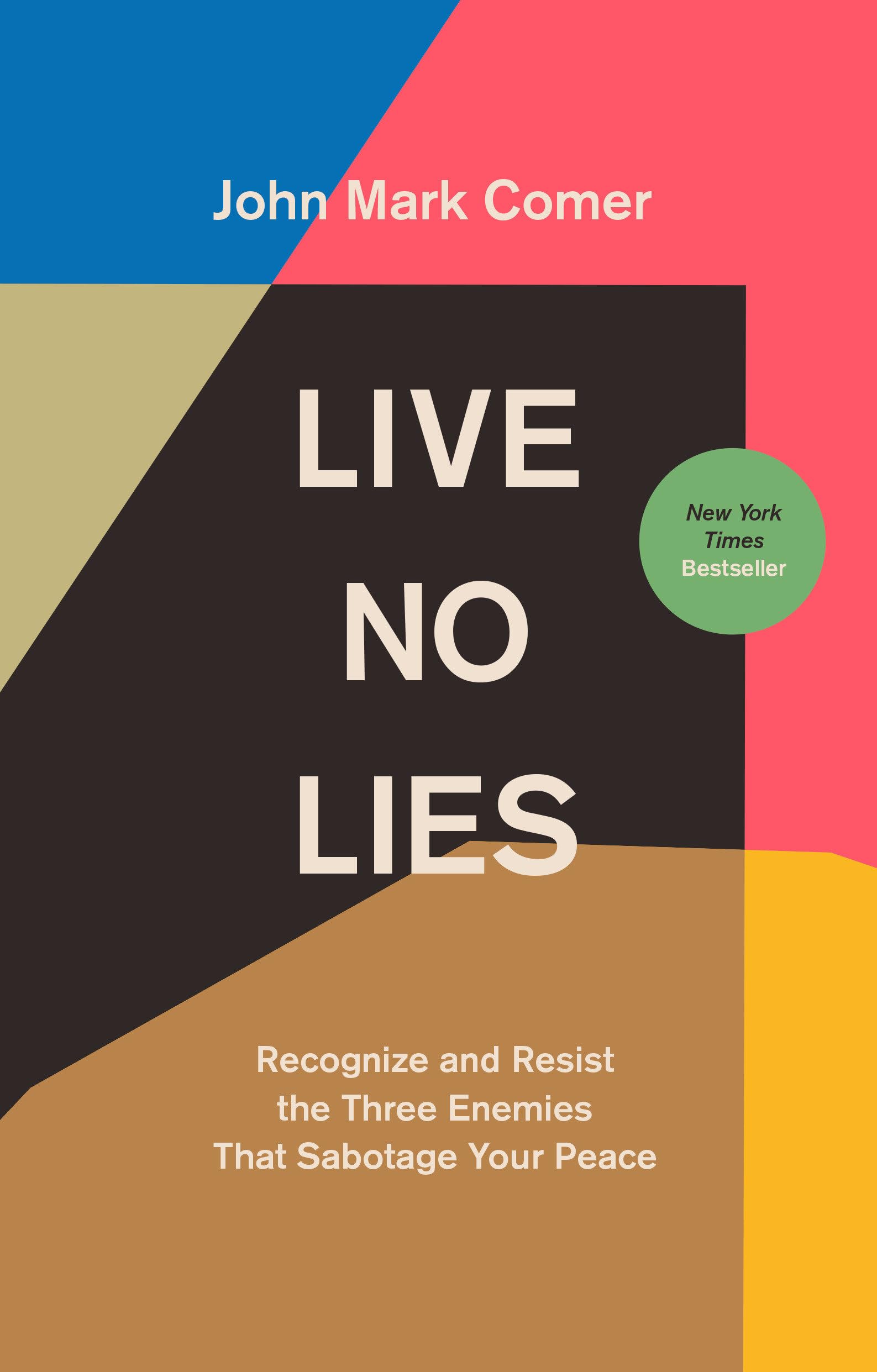
Live No Lies: Recognize and Resist the Three Enemies That Sabotage Your Peace, by John Mark Comer: Comer’s The Ruthless Elimination of Hurry made my Top 10 list last year, and while I didn’t enjoy Live No Lies quite as much, it was still really good. Basically, Live No Lies is a book on spiritual warfare, and follows a simple premise. Followers of Jesus are at war with the world, the flesh, and the devil and the way that plays out is that the devil, the father of lies, suggests deceptive ideas that play to our disordered desires (the flesh) that are then normalized in a sinful society (the world). The devil is real, Comer insists, not some sort of fictional boogeyman, but the prince of this world who wants to spread death, and his means for doing this is through lies and deception. These are not just lies that we tell, but lies that we live; they are part of the cultural air we breathe, often accepted without critical reflection: be true to yourself, give in to your desires, freedom means doing whatever we want. And the net result is that good and evil are constantly redefined and all sorts of evil, aberrant behaviors are normalized and even made into virtues (e.g., recasting abortion as “reproductive justice”).

What is the Christian response to these spiritual enemies? How do we engage in this spiritual struggle? With the call to discipleship: deny yourself and follow Jesus. We crucify the desires of our flesh (spiritual disciplines are a key part of this) and tap into our deeper desires for God Himself.

I find Comer to be particularly helpful not because he says new, brilliant things, but because he says very ancient, orthodox things in ways that connect with the current context.
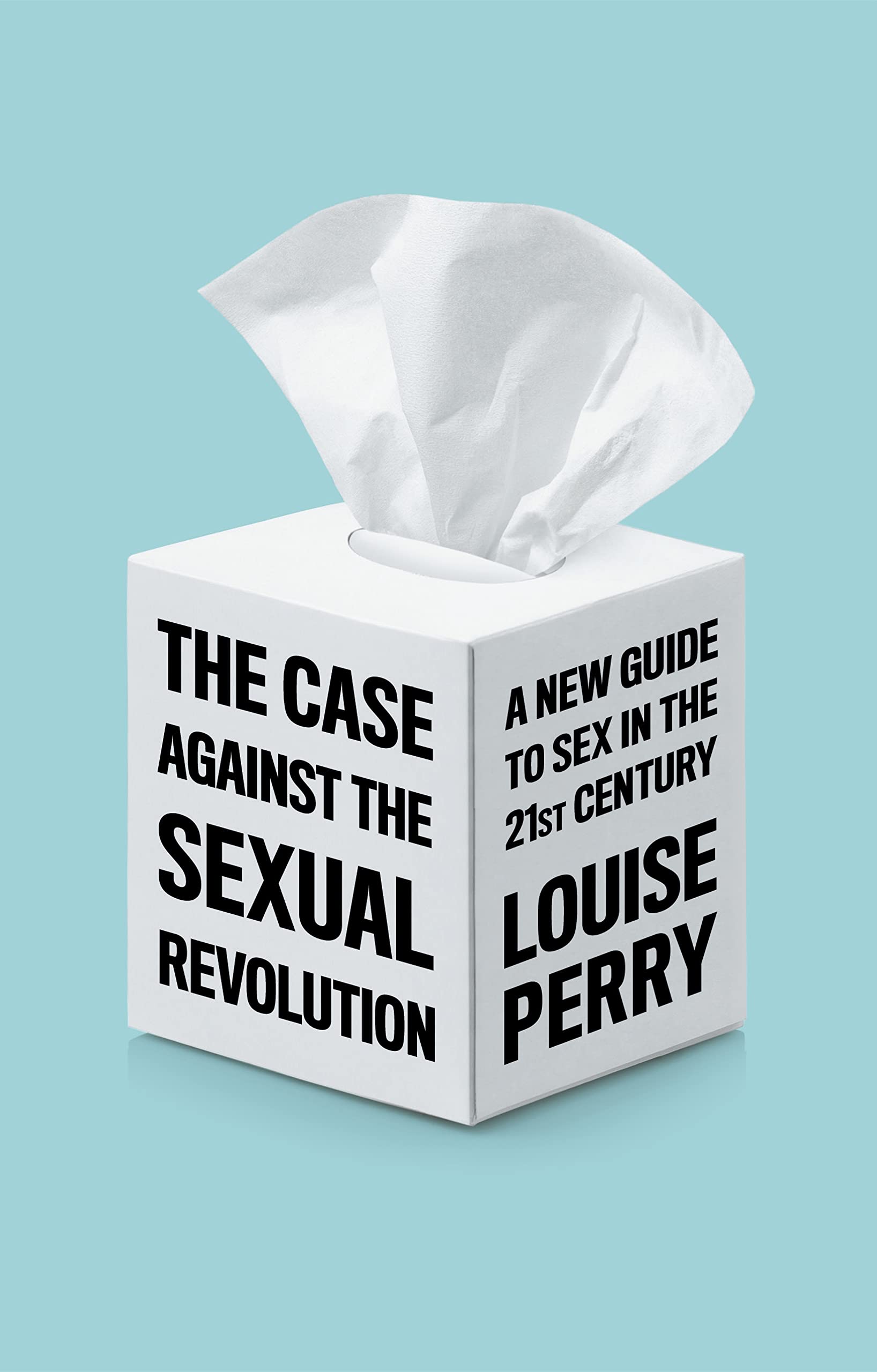
The Case against the Sexual Revolution, by Louise Perry: I read this as part of a book club, and while it was not actually an enjoyable read (I often felt I needed to take a shower after reading a chapter), it is an important book. Perry writes from a secular, liberal perspective, but basically makes the argument that the sexual revolution has been harmful to women. The book might be summarized as follows: both Marilyn Monroe and Hugh Hefner were products of the sexual revolution, but only one of them enjoyed it.

As a Christian, I believe that Perry’s analysis ultimately falls short because she is missing a key part of the equation, but she raises a host of important questions that our sexually “liberated” society doesn’t have answers for.
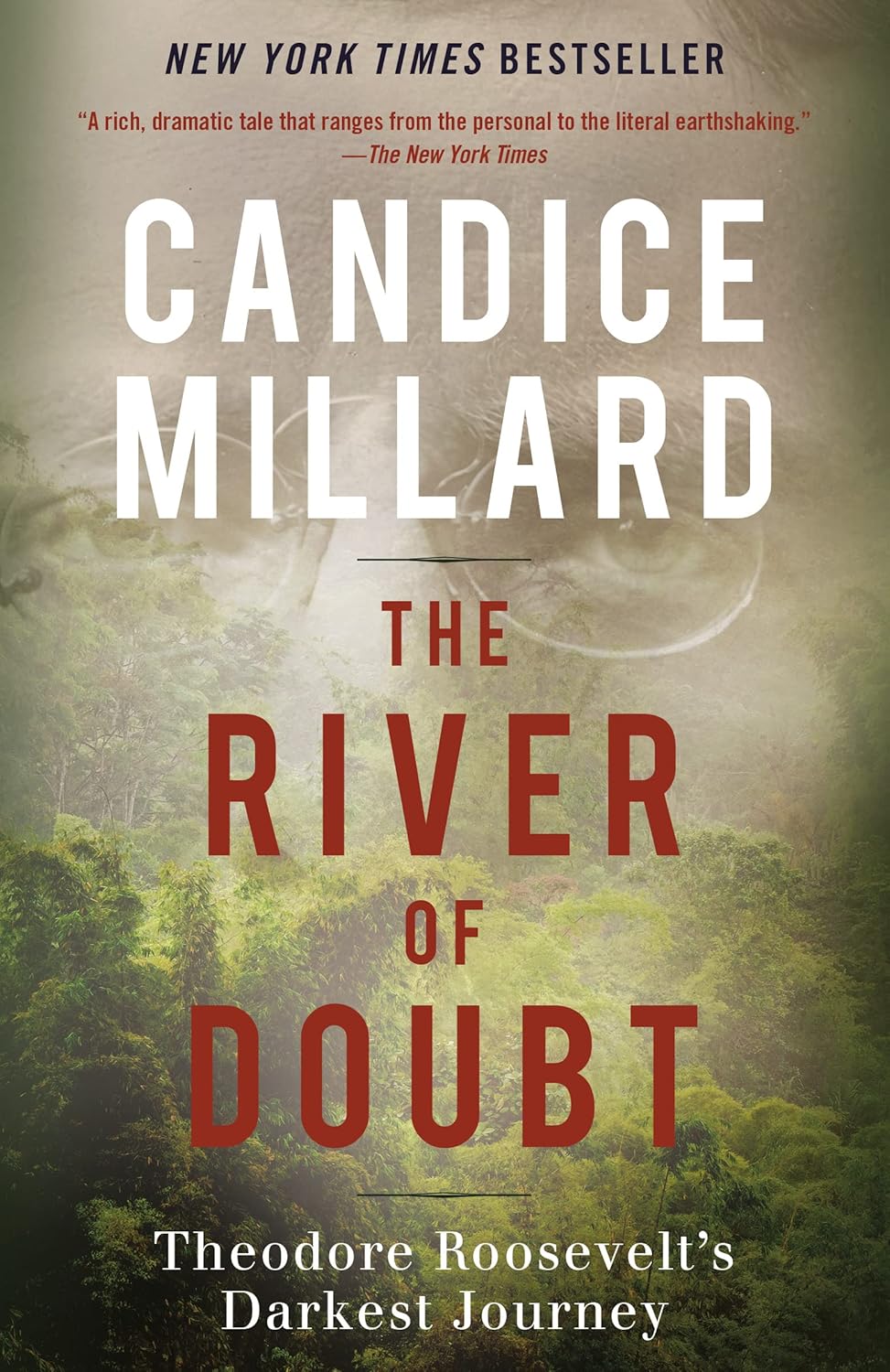
The River of Doubt: Theodore Roosevelt’s Darkest Journey, by Candice Millard: I read this book over a decade ago and loved it, and enjoyed it equally the second time (I only allow books to make my Top 10 list once, but I wasn’t making these lists when I read The River of Doubt the first time, so it was still eligible). The book begins by focusing on Theodore Roosevelt and the aftermath of the 1912 Presidential Election. Throughout his life, TR responded to personal setbacks by launching himself into challenging physical tasks, and after he was devastated by how badly he lost the 1912 election, he traveled to South America to explore a previously unmapped tributary of the Amazon—Rio da Dúvida, or the River of Doubt. It was a harrowing journey of hundreds of miles with risks of starvation, drowning, disease, and dangerous indigenous animals and tribes, and Roosevelt barely made it out with his life. The narrative is exquisitely recounted, and the character of Roosevelt is larger than life. A great, true-life adventure tale.


That was my reading in 2024! For comparison’s sake, if you are interested, you can see my reading lists from previous years:

What are some of the best books you read this past year?

« Older posts Newer posts »

© 2026 The Doc File

Theme by Anders Noren — Up ↑