The online journal of Luke Dockery

Category: Reading (Page 5 of 33)

Do Not Be Anxious about Your Life

This is an edited version of a sermon that I recently preached at Cloverdale Church of Christ.

I think that some people are naturally inclined toward worry, and I confess that I am one of those people. For as far back as I can remember, I have always struggled with worrying about things. This is still true today. In fact, over the last several months (with brief interludes), I have been stressed about a lot of different things and worried about fulfilling all of the commitments that I’ve made. And, of course, I know it’s not healthy to carry so much stress, so at times I worry about that too! I’m stressed out about how much stress I have! What an ironic and annoying cycle that is.

I suspect that I’m not the only one who struggles with this. Not the only person who feels stressed out and overstretched, not the only person who worries about people I love, not the only person who is uncertain about the future and the world in which we live, not the only person who is tempted to be anxious about a lot of things. I suspect that because we live in anxious times.

Anxious Times

Social psychologist Jonathan Haidt recently published a book, The Anxious Generation, that chronicles the alarming state of mental health among Generation Z, those individuals roughly between the ages of 10-25. By virtually any measure of mental health—psychological disorders, diagnoses of anxiety and depression, instances of non-fatal self-harm, and suicide rates—Gen Z is in a rough spot. Haidt ties this significantly to smartphones and social media because it was around 2010—when smartphones with social media apps became prevalent—that all of these measures began to spike upward. But there are other correlating factors too: drastically reduced amounts of sleep (which basically makes every aspect of life worse), breakdown of real-life interpersonal relationships, and certain parenting trends. An additional factor that I would add, which Haidt (who is not religious) leaves out: research consistently indicates a wide array of positive traits (including positive mental health outcomes) related to religious faith, but we live in a rapidly secularizing society where faith is on the decline. That is certainly part of the picture as well.

And while Haidt’s research focuses on Generation Z, these spikes in anxiety and depression are present in other generations as well. The spikes may not be quite as severe, but they’re there and they are significant. 

What sorts of things make you anxious?

  • Maybe it’s financial issues: will your paycheck stretch enough to be able to last for the whole month? Are you putting enough aside to live on when you retire? Is retirement even an option? 
  • Forget about retirement: maybe you’re anxious simply about the prospect of being able to get a job that will support a family. Maybe you’re worried about all of the schooling that lies between you and that job and all of the stress that comes with it.
  • Maybe it’s relational: maybe you are concerned about your relationship with your spouse, or your boyfriend or girlfriend, or your roommate, or your boss, or your co-workers, or your parents, or your children, or you adult children.
  • Maybe you are concerned about the health of a family member, or your own health—a recent diagnosis.
  • Maybe you’re worried about the upcoming election season—the direction of our country, the future of our nation.

We live in anxious times, and there is so much that can drive us to anxiety and worry if we let it. But Jesus has something to say about this. He has counsel for us to consider. Before we get into that, there are two things I want to mention briefly, just so you can be sure of what I’m not trying to say:

  • I don’t believe that Jesus’s teaching about anxiety means that you are a deficient Christian if you struggle with this or that it is wrong for you to seek help from a licensed counselor. Not at all. If you have an anxiety disorder, going to get help with that disorder is an exercise in actually trying to obey what Jesus says here. 
  • Also, not all worries and concerns are the same. The Bible actually speaks positively about Paul’s anxiety for the churches (2 Cor 11.28) and Timothy’s anxiety for the welfare of the Philippians (Phil. 2.20). Some issues are more worthy of our concern than others. But even in those areas, I think what Jesus says here is still helpful.

What Jesus Wants Us to Remember in Anxious Times

22 And he said to his disciples, “Therefore I tell you, do not be anxious about your life, what you will eat, nor about your body, what you will put on. 23 For life is more than food, and the body more than clothing. 24 Consider the ravens: they neither sow nor reap, they have neither storehouse nor barn, and yet God feeds them. Of how much more value are you than the birds! 25 And which of you by being anxious can add a single hour to his span of life? 26 If then you are not able to do as small a thing as that, why are you anxious about the rest? 27 Consider the lilies, how they grow: they neither toil nor spin, yet I tell you, even Solomon in all his glory was not arrayed like one of these. 28 But if God so clothes the grass, which is alive in the field today, and tomorrow is thrown into the oven, how much more will he clothe you, O you of little faith! 29 And do not seek what you are to eat and what you are to drink, nor be worried. 30 For all the nations of the world seek after these things, and your Father knows that you need them. 31 Instead, seek his kingdom, and these things will be added to you.

32 “Fear not, little flock, for it is your Father’s good pleasure to give you the kingdom. 33 Sell your possessions, and give to the needy. Provide yourselves with moneybags that do not grow old, with a treasure in the heavens that does not fail, where no thief approaches and no moth destroys. 34 For where your treasure is, there will your heart be also.

(Luke 12.22-34)

In this passage, beginning in Luke 12.22, Jesus tells His disciples, “Do not be anxious about your life, what you will eat, nor about your body, what you will put on.” It’s probably worth noting up front that Jesus is very aware that there are things in life that will prompt us to worry.

Look at the life of Jesus: did He experience financial insecurity? Of course: He was essentially homeless during His public ministry, and had to rely on the generosity of others or the occasional coin from the mouth of a fish to cover His expenses. Did He have relational problems? His brothers thought he was crazy, his cousin John was murdered, and one of His followers betrayed Him. Did he carry a lot of stress related to work? Well, His job was to be the Savior of the entire world, so yes, I think you could say that there was stress involved in work of that magnitude. 

Jesus wasn’t sheltered from the anxiety we feel. He lived in anxious times, too.

From Luke 12, here’s what Jesus wants us to remember in anxious times:

(1) Your Father knows, and He loves you.

We need to note that Jesus addresses this entire section of teaching to disciples—people who know God as their Father and are seeking to entrust Him with their lives. I say this because, if you don’t know God as your Father, I do genuinely believe that there is a lot to be worried about. Not just because of your eternal destination, but on a fundamental level, without God as your Father, you basically believe that it’s all up to you. You’re on your own in this life and you have to figure out your troubles yourself. 

But if we are disciples of Jesus, it should be different. God provides for the ravens, and He values us much more than they—we shouldn’t worry about our food. God clothes the lilies of the field and makes them beautiful, and values us much more than they—we shouldn’t worry about our clothing.

Jesus says in Luke 12.30 that “the nations of the world”—the Gentiles, those who don’t know God—they worry about these things. And that makes sense: they don’t know God as their Father. But it doesn’t make sense for those of us who claim God as our Father to worry about these things. If we are believers, we shouldn’t live like atheists. 

God is our Father. He knows what we need, and He loves us.

(2) Worrying doesn’t help.

Jesus asks in Luke 12.25, “Which of you by being anxious can add a single hour to his span of life?” Jesus is underscoring here the impotence, the powerlessness of worry—which of your problems can you solve by worrying about them?

A lot of the time we worry about things that are cloaked in the uncertainty of the future: an important meeting or presentation that is coming up, a difficult conversation that you are dreading, or the results from a medical scan that might change your life. But really, worrying about the future is just a way for us to increase the amount of trouble we have without solving anything. After all, if what we are worried about doesn’t come to pass, then we have worried for no reason. If the thing we are worried about does come to pass, we’ve robbed ourselves of peace of mind without positively affecting the situation in any way.

Worrying doesn’t help things. 

(3) Seek first God’s kingdom. 

Instead of being preoccupied with the worries and concerns of this world, we should instead seek God’s kingdom (Luke 12.31). Another way we could say this as disciples of Jesus is that we should emulate His way of life and make His priorities our priorities. 

And if we do that, Jesus says, all of these other things that we need will be added to us. And, by the way, don’t think that this emphasis on the kingdom means that we should add the kingdom to the list of things that plague us with anxiety—that kind of misses the point. Instead, we should seek the kingdom knowing that it is our Father’s “good pleasure to give it to us” (12.32).

We live in anxious times. But remember, Jesus says: your Father knows and He loves you, worrying doesn’t help, seek first God’s kingdom, and the other things will be added to us.

Where Do We Go From Here?

As we seek to apply Jesus’s teaching to our lives, here are a few things to consider:

(1) Take your worries to your Father.

Anxieties will come. We live in anxious times and there’s much to worry about if we indulge those impulses. When you feel the burdens and stresses of life weighing you down, when you feel the stress and anxiety spiking your blood pressure, take it to God in prayer.

Earlier I mentioned the experience of Jesus and the anxieties He must have felt, but generally speaking, He never let it show. But that changed on the night He was betrayed, in the Garden of Gethsemane—it all seemed to come crashing down. Jesus was clearly anxious as He anticipated the horrendous death that was approaching. So what did He do? He took it to the Father, and in so doing, received the strength He needed to face what was coming.

It has been true in my life that I tend to worry less when I pray more.

(2) Count your blessings, not your concerns.

I don’t know about you, but one of the hardest times for me can be at night, lying awake, worrying about all the things I need to get done, all the problems I need to solve, all the people I need to fix (ha!). 

As I am tempted to just lay there, doom cycling through all of my concerns, I’ve found that a helpful practice instead is to focus on my blessings rather than my worries. Sometimes I’ll work my way through the alphabet, thinking of a blessing in my life that begins with each letter. 

This accomplishes multiple purposes: it distracts me from the things I was obsessively worrying about, it reminds me of blessings that I may have otherwise overlooked, and it shifts my focus from the things in life that I think I have to take care of to the Father who takes care of me. (And it puts me to sleep, which is an added bonus!)

It has been true in my life that I tend to worry less when I thank God more.

(3) Freely give of your money, possessions, and time.

Jesus especially focuses on material possessions when talking about things that we shouldn’t worry about. It is no coincidence that right before this, we have the Parable of the Rich Fool, who tries to hoard wealth in an effort to provide peace and security for his life, and at the end of this passage, beginning in 12.33, Jesus says, “Sell your possessions, and give to the needy. Provide yourselves with moneybags that do not grow old, with a treasure in the heavens that does not fail, where no thief approaches and no moth destroys. For where your treasure is, there will your heart be also.”

If our lives revolve around the acquisition of wealth, comfort, status, and security, then that’s where our hearts will and we will be consumed by anxiety for those things. But if our lives revolve around God’s kingdom, then we will freely give those things away and in the process, they will lose their hold over us. Where your treasure is, there will your heart be also.

It has been true in my life that I tend to worry less when I give more.

Jesus says, “Do not be anxious about your life.” He says that not to shame you, but to save you.
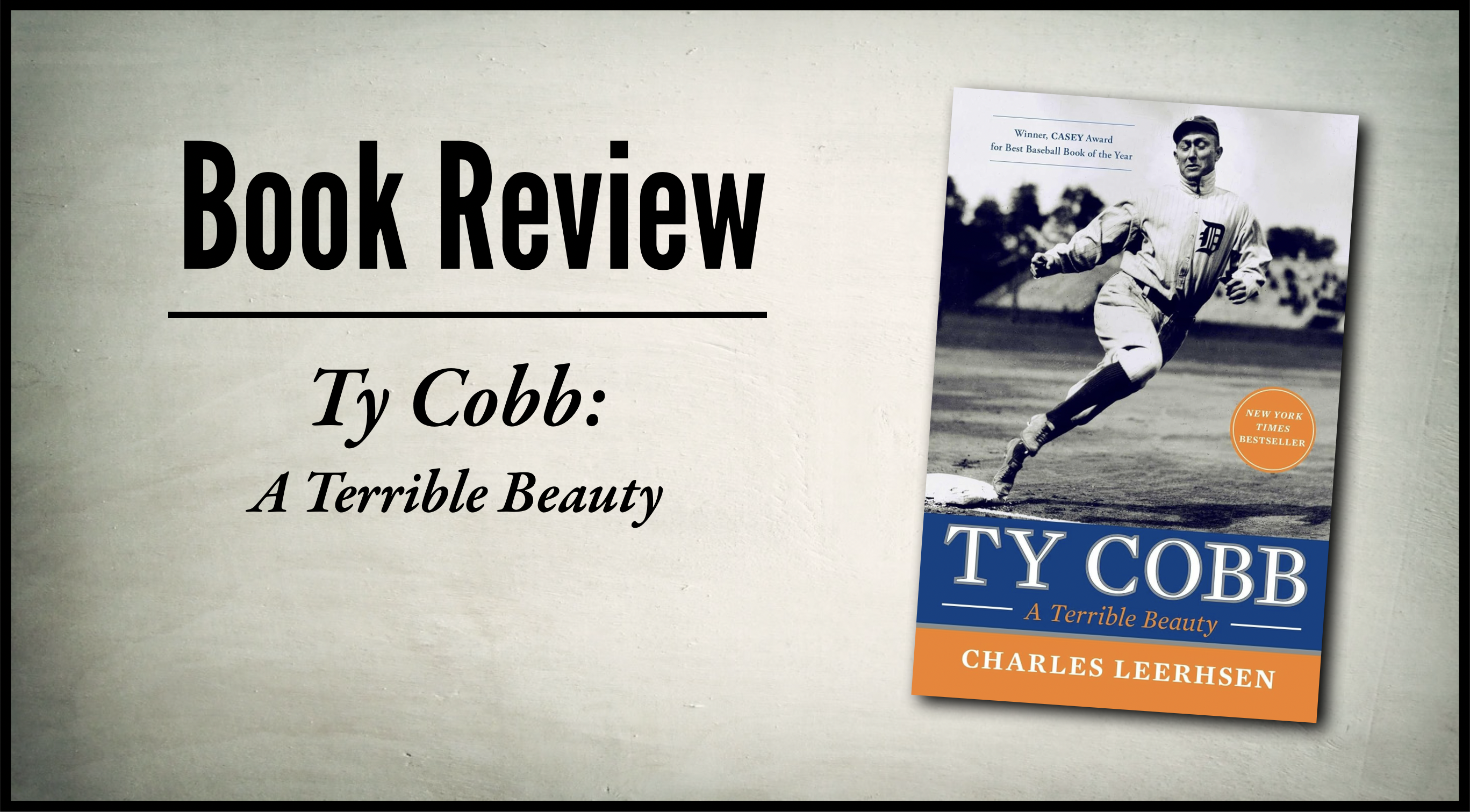
Book Review: Ty Cobb: A Terrible Beauty

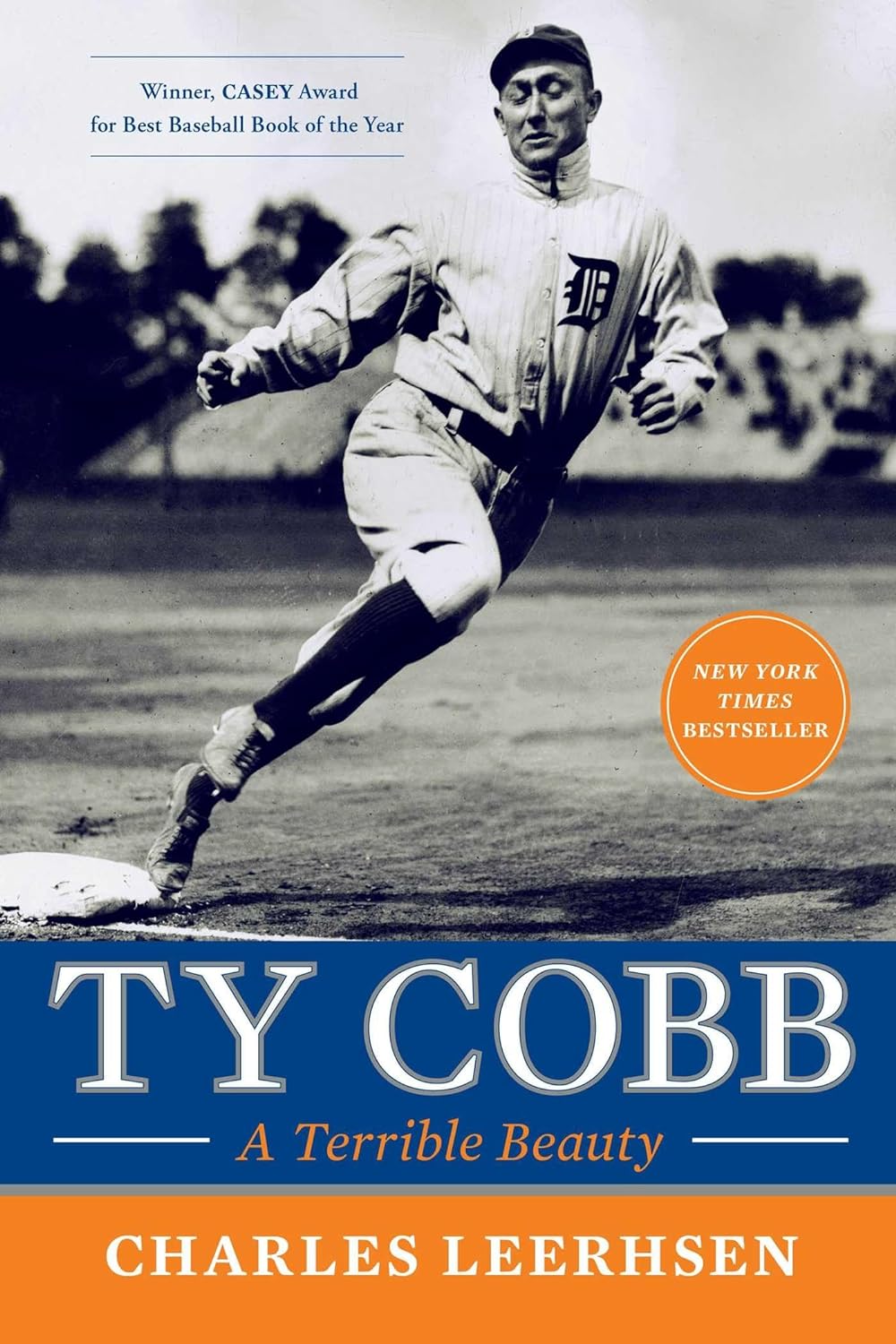
One of my favorite reads of 2023 was Charles Leerhsen’s Ty Cobb: A Terrible Beauty.

If you know much about baseball history, you know that Ty Cobb is regarded as one of the great villains—perhaps the greatest villain—in the history of baseball. As the story goes, he was vicious and violent, a bigoted racist who famously assaulted a handicapped man and was hated by all the men who played with him. He was also a profoundly brilliant player—the best player in baseball history until Babe Ruth came along, and his record for the highest career batting average still stands today, almost 100 years after his retirement. But for all his skills, there tends to be a general understanding that baseball would have been better off without him. Noted baseball historian Daniel Okrent, commenting in Ken Burns’s outstanding PBS documentary Baseball, referred to Cobb as the “great black mark on the history of baseball.”

Imagine my great surprise, then, to read Joe Posnanski’s essay on Ty Cobb in The Baseball 100 (another of my favorite reads in 2023), where he made the shocking suggestion that perhaps Cobb was not quite the villain he had been made out to be. Posnanksi pointed to this biography of Cobb by Charles Leerhsen, and I knew I had to read it.

Leerhsen’s biography on Cobb was well-researched and compellingly told, and the truth, it seems, is more complicated than the popular legend. Cobb did fight on the baseball diamond, but so did many other players—baseball was a very different and more violent game in the early 1900s. He did have feuds with some of his teammates, but he also had friends across the league. And, while Cobb’s racial attitudes would surely be out of place in 2024, for someone who grew up in Georgia in the late 1800s, there is precious little evidence for any particular racial hatred on his part, and he advocated for the integration of major league baseball before it happened, and supported players like Jackie Robinson once they broke through the color barrier.

How, then, did the story of Cobb’s villainy become so prevalent? According to Leerhsen, the fault lies at the feet of Al Stump, Cobb’s original biographer who wrote multiple books that birthed the urban legend that has entered the public consciousness. Leerhsen focuses on Stump quite a bit, effectively establishing how shoddy his research was and how he often played fast and loose with the truth.

Having said all of that, Leerhsen’s goal is not to turn Cobb into a saint; the man certainly had problems and did many things that he regretted. Rather, Leerhsen wants us to see Cobb as he was: a complicated mix of good and bad. In some ways, it is an uncomfortable realization: it can be comforting to label someone as a villain because then we can write them off as evil and wholly different than we are. But the truth is less comforting: the dividing line between good and evil is not between ourselves (who, of course, we classify as good) and those we deem to be evil; rather, to paraphrase a famous line from the great Russian writer and Soviet dissident Aleksandr Solzhenitsyn, the line between good and evil runs through every human heart.

It was a line that Ty Cobb danced around throughout his life. It is a line I am more familiar with than I would like to admit.

Ty Cobb: A Terrible Beauty was the best kind of sports book: it told a good story, it taught me new and interesting things, and it prompted me to take a good hard look at myself.

Reading and Walking in 2023

In April 2013, I started walking laps around the church auditorium while studying or reading. I found this helped me to focus better, and also it was a good way to be a little less sedentary while at work.

Each lap around the auditorium was approximately 74 yards:

In 2019, I moved to a new city and began working at a new church with a different-sized auditorium (each lap is now 118 yards).

My totals for 2023 were less than 2022, largely because I was out of the office a lot: Kinsley had surgery back in March, which knocked me out for about a week. Caroline and I spent a week at HST in October, and we took a family trip to Disney in December. So, less time in the office equals fewer laps:

Total Laps in 2023: 7,876 (approximately 118 yards per lap)

Total Distance in 2023: 528.1 miles

Total Distance to date: 5,357 miles

In 2023, my totals were the equivalent of walking the rest of the way to Jacksonville, and then down the Florida coast all the way to Miami, across the Everglades (likely with soggy shoes) to Naples, and then up to Cape Coral.

At the beginning of last year, I was hoping to hit 600 miles, which I obviously didn’t do. That is my goal for 2024.

Reading in 2023

I enjoy reading and also making lists, so this is always one of my favorite yearly posts because it involves both of those things. I will offer some thoughts on my favorite books of the year below, but first, here is the list of books I read in 2023:

  1. All Things Wise and Wonderful, by James Herriot
  2. I Must Betray You, by Ruth Sepetys
  3. Don’t Know Tough, by Eli Cranor
  4. Erasing Hell: What God Said about Eternity, and the Things We’ve Made Up, by Francis Chan and Preston Sprinkle
  5. Anxious for Nothing: Finding Calm in a Chaotic World, by Max Lucado
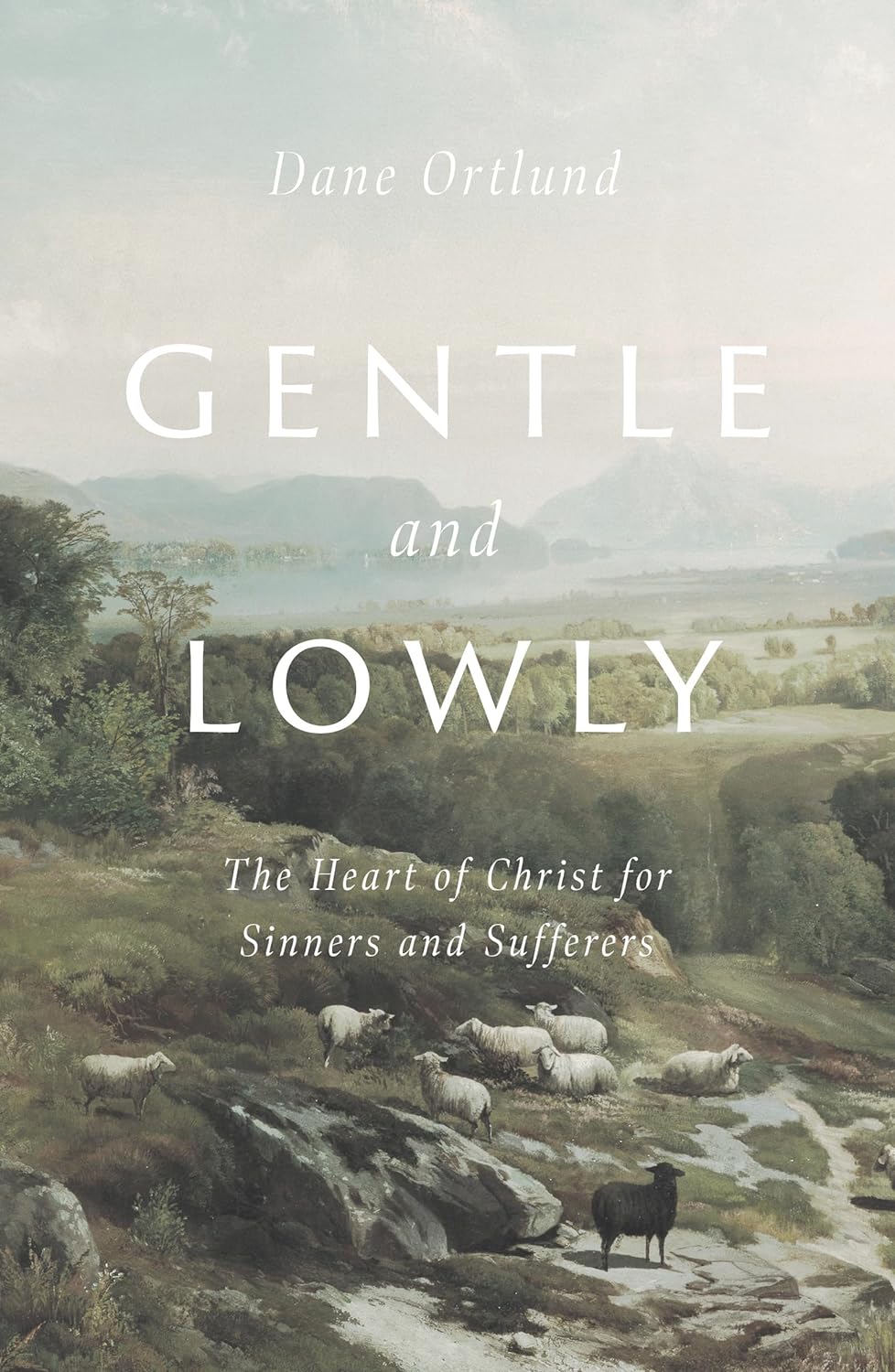
  6. Gentle and Lowly: The Heart of Christ for Sinners and Sufferers, by Dane Ortlund
  7. The Deeply Formed Life: Five Transformative Values to Root Us in the Way of Jesus, by Rich Villodas
  8. A Long Obedience in the Same Direction: Discipleship in an Instant Society, by Eugene Peterson
  9. What Happened to the Bennetts, by Lisa Scottoline
  10. The Woman in the Window, by A.J. Finn
  11. Where Men Win Glory: The Odyssey of Pat Tillman, by Jon Krakauer
  12. The Family Remains, by Lisa Jewell
  13. My Name is Lucy Barton, by Elizabeth Strout
  14. Lucy by the Sea, by Elizabeth Strout
  15. Oh William!, by Elizabeth Strout
  16. Anything is Possible, by Elizabeth Strout
  17. The Paris Apartment, by Lucy Foley
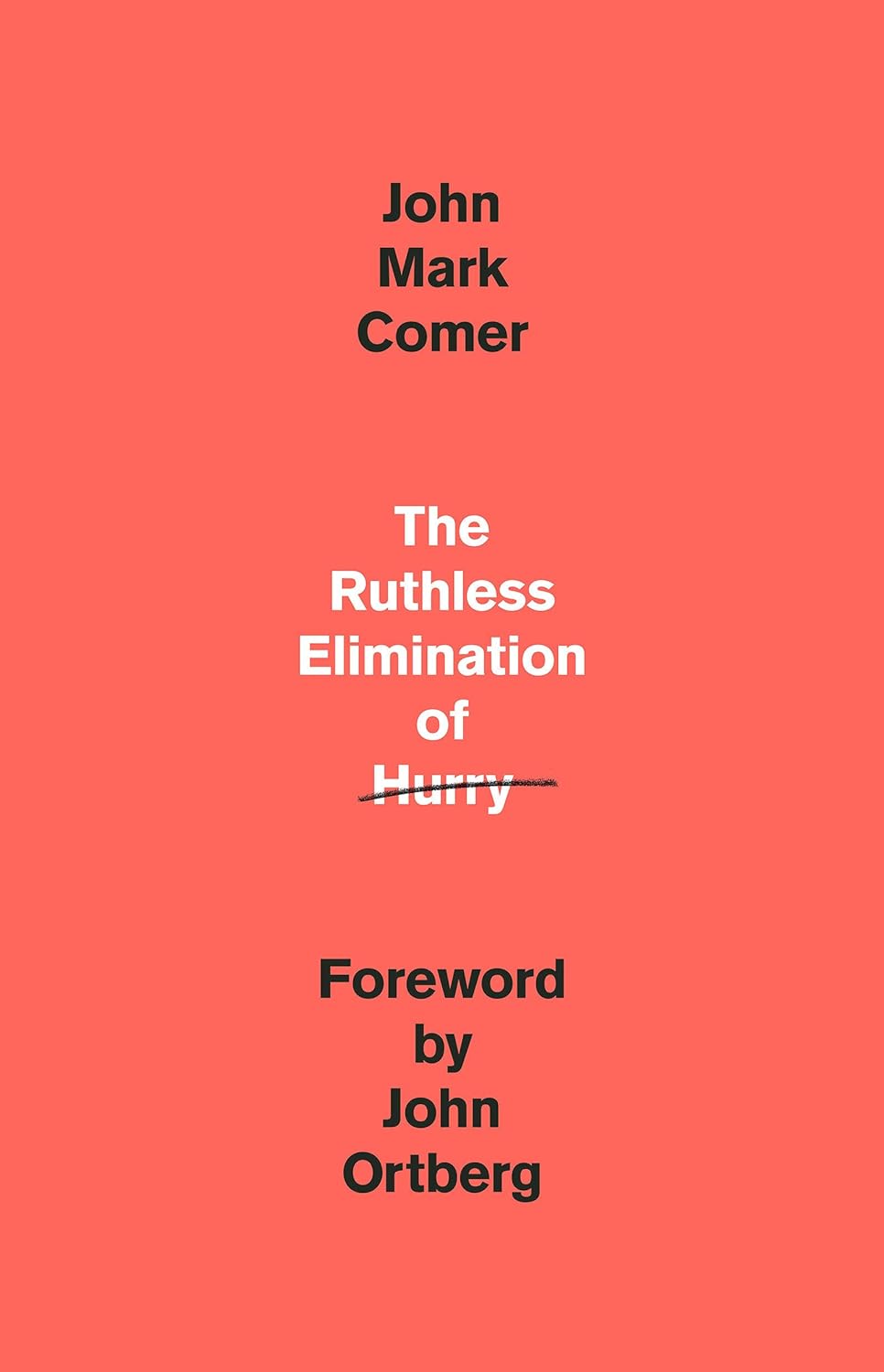
  18. The Ruthless Elimination of Hurry: How to Stay Emotionally Healthy and Spiritually Alive in the Chaos of the Modern World, by John Mark Comer
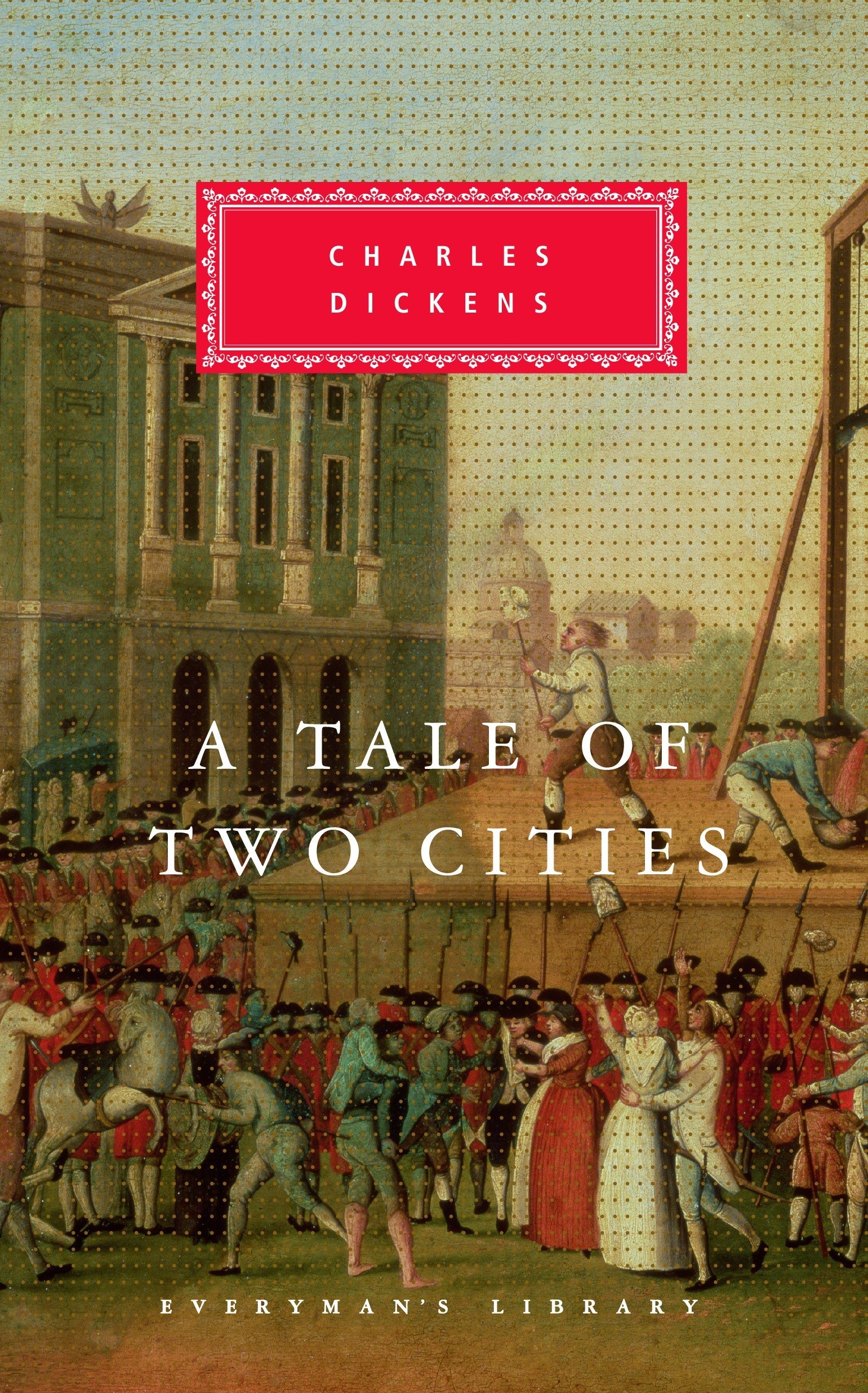
  19. A Tale of Two Cities, by Charles Dickens
  20. Counter Culture: A Study of the Sermon on the Mount, by Luke Dockery
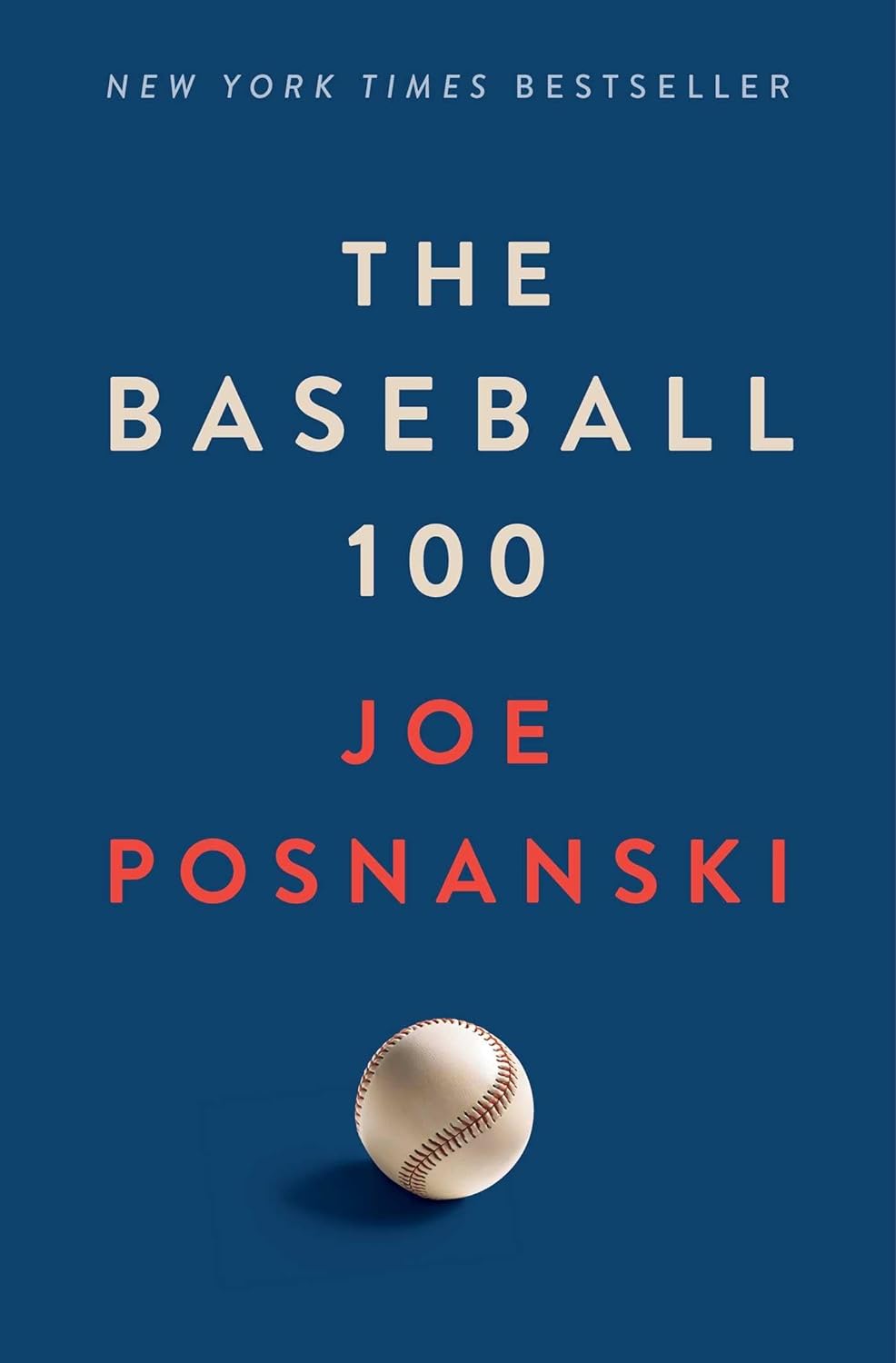
  21. The Baseball 100, by Joe Posnanski
  22. The Revolutionary: Samuel Adams, by Stacy Schiff
  23. At the Blue Hole: Elegy for a Church on the Edge, by Jack Reese
  24. Mama Bear Apologetics: Empowering Your Kids to Challenge Cultural Lies, edited by Hillary Morgan Ferrer
  25. Under an Outlaw Moon: A Novel, by Dietrich Kalteis
  26. Harry Potter and the Sorcerer’s Stone, by J.K. Rowling
  27. The Guest List, by Lucy Foley
  28. Around the Bible in 80 Days: The Story of God from Creation to New Creation, by John Mark Hicks
  29. The Alice Network, by Kate Quinn
  30. War: A Handbook for Spiritual Warfare, by Robb Hadley
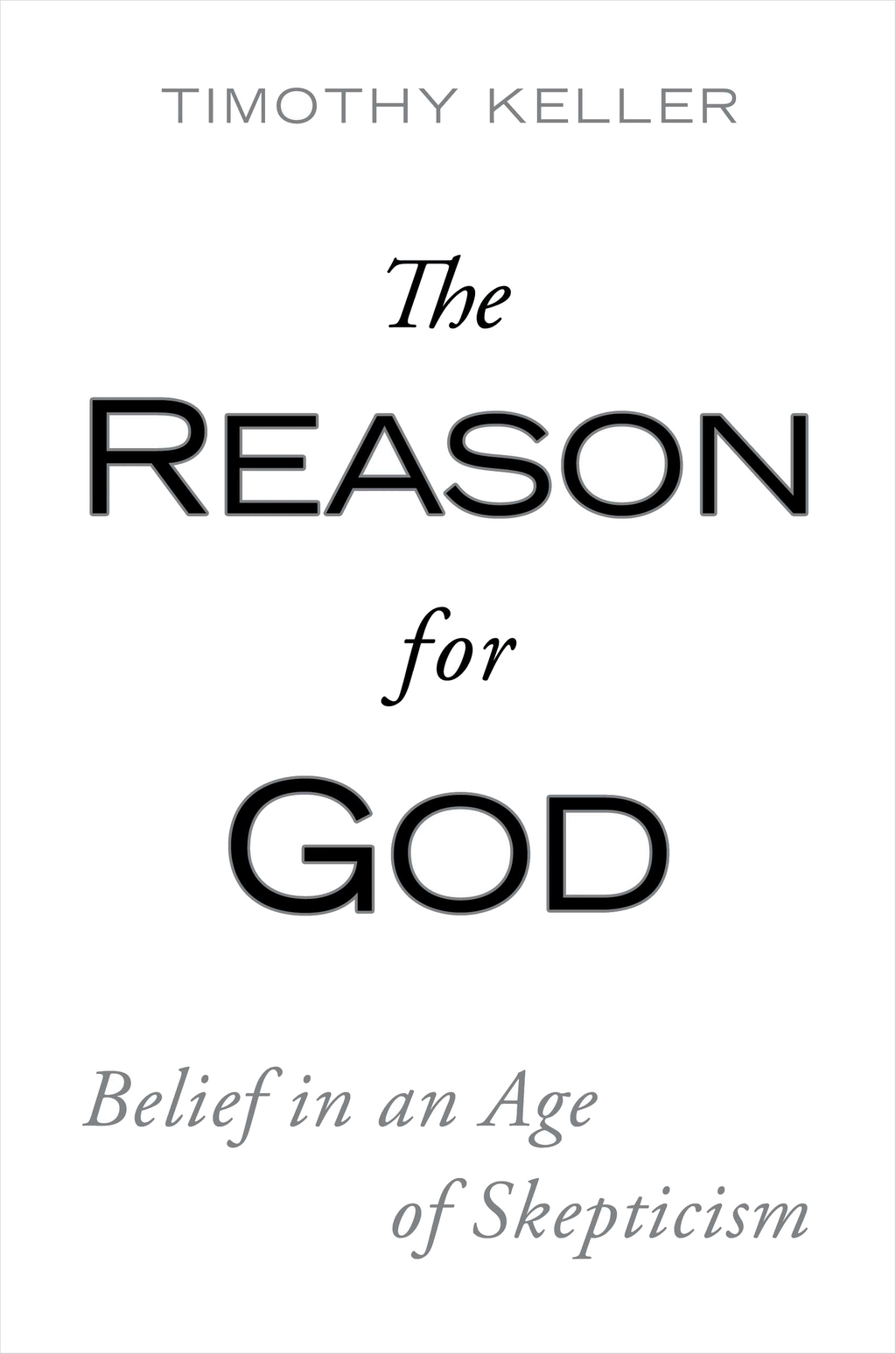
  31. The Reason for God: Belief in an Age of Skepticism, by Timothy Keller
  32. White Too Long: The Legacy of White Supremacy in American Christianity, by Robert P. Jones
  33. The Lord God Made Them All, by James Herriot
  34. Surprised by Joy, by C.S. Lewis
  35. Harry Potter and the Sorcerer’s Stone, by J.K. Rowling
  36. Hebrews: Grace and Gratitude, by David deSilva
  37. Waco: David Koresh, the Branch Davidians, and a Legacy of Rage, by Jeff Guinn
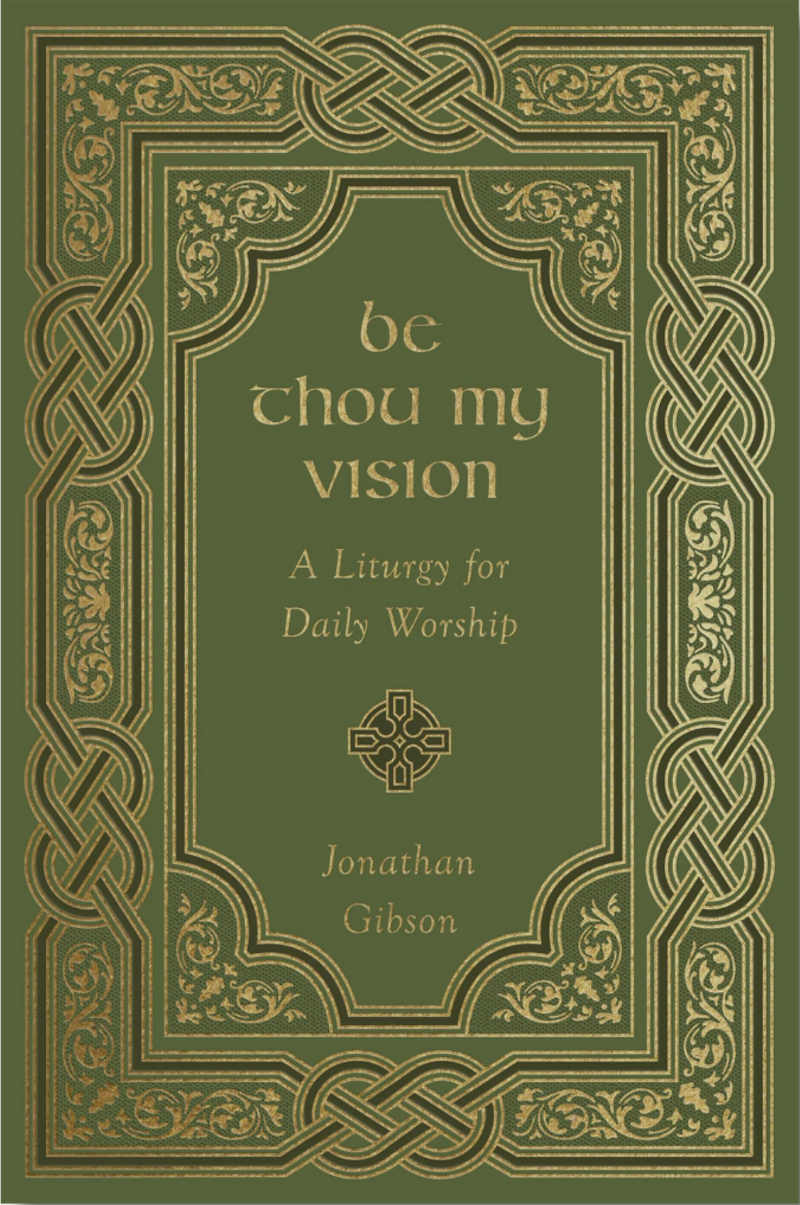
  38. Be Thou My Vision: A Liturgy for Daily Worship, by Jonathan Gibson
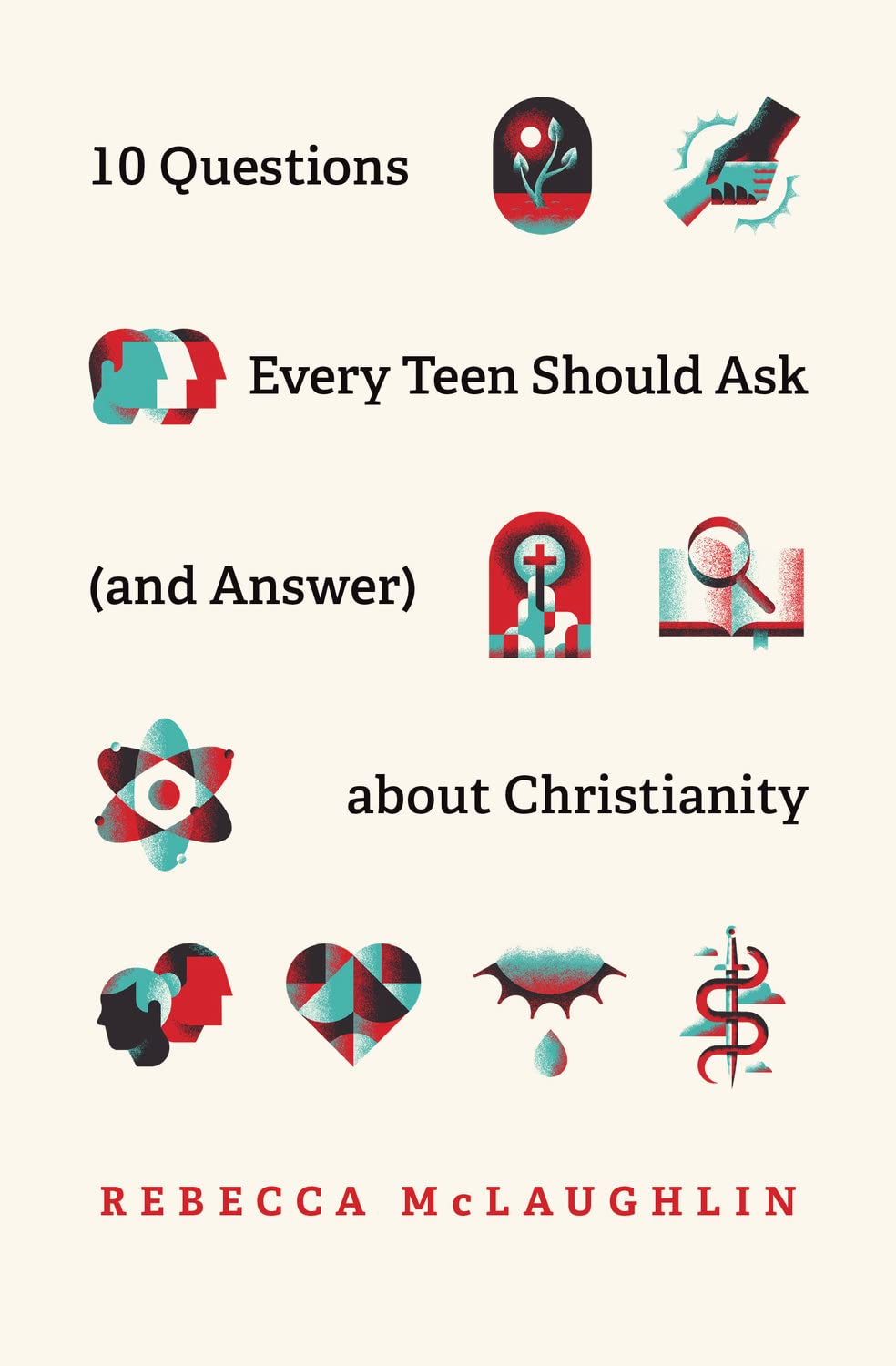
  39. 10 Questions Every Teen Should Ask (And Answer) about Christianity, by Rebecca McLaughlin
  40. Caste: The Origins of Our Discontents, by Isabel Wilkerson
  41. Everything I Never Told You, by Celeste Ng
  42. The Woman in Cabin 10, by Ruth Ware
  43. How (Not) To Be Secular: Reading Charles Taylor, by James K.A. Smith
  44. The Butchering Art: Joseph Lister’s Quest to Transform the Grisly World of Victorian Medicine, by Lindsey Fitzharris
  45. Seeking Allah, Finding Jesus: A Devout Muslim Encounters Christianity, by Nabeel Qureshi
  46. The Sound and the Fury, by William Faulkner
  47. Autopsy of a Deceased Church: 12 Ways to Keep Yours Alive, by Thom S. Rainer
  48. The Four Loves, by C.S. Lewis
  49. A Farewell to Mars: An Evangelical Pastor’s Journey Toward the Biblical Gospel of Peace, by Brian Zahnd
  50. Transforming Encounters: Baptism, Assembly, and the Lord’s Supper, by John Mark Hicks
  51. Why Are We Here? Ecclesiastes for Teens, by Luke Dockery
  52. Under the Banner of Heaven: A Story of Violent Faith, by Jon Krakauer
  53. Inspired: Slaying Giants, Walking on Water, and Loving the Bible Again, by Rachel Held Evans
  54. Forming Resilient Children: The Role of Spiritual Formation for Healthy Development, by Holly Catterton Allen
  55. Ozark Dogs, by Eli Cranor
  56. Learning to Walk in the Dark, by Barbara Brown Taylor
  57. Ty Cobb: A Terrible Beauty, by Charles Leerhsen
  58. The Road Back to You: An Enneagram Journey to Self-Discovery, by Ian Morgan Cron and Suzanne Stabile
  59. The Ruin of All Witches: Life and Death in the New World, by Malcolm Gaskill
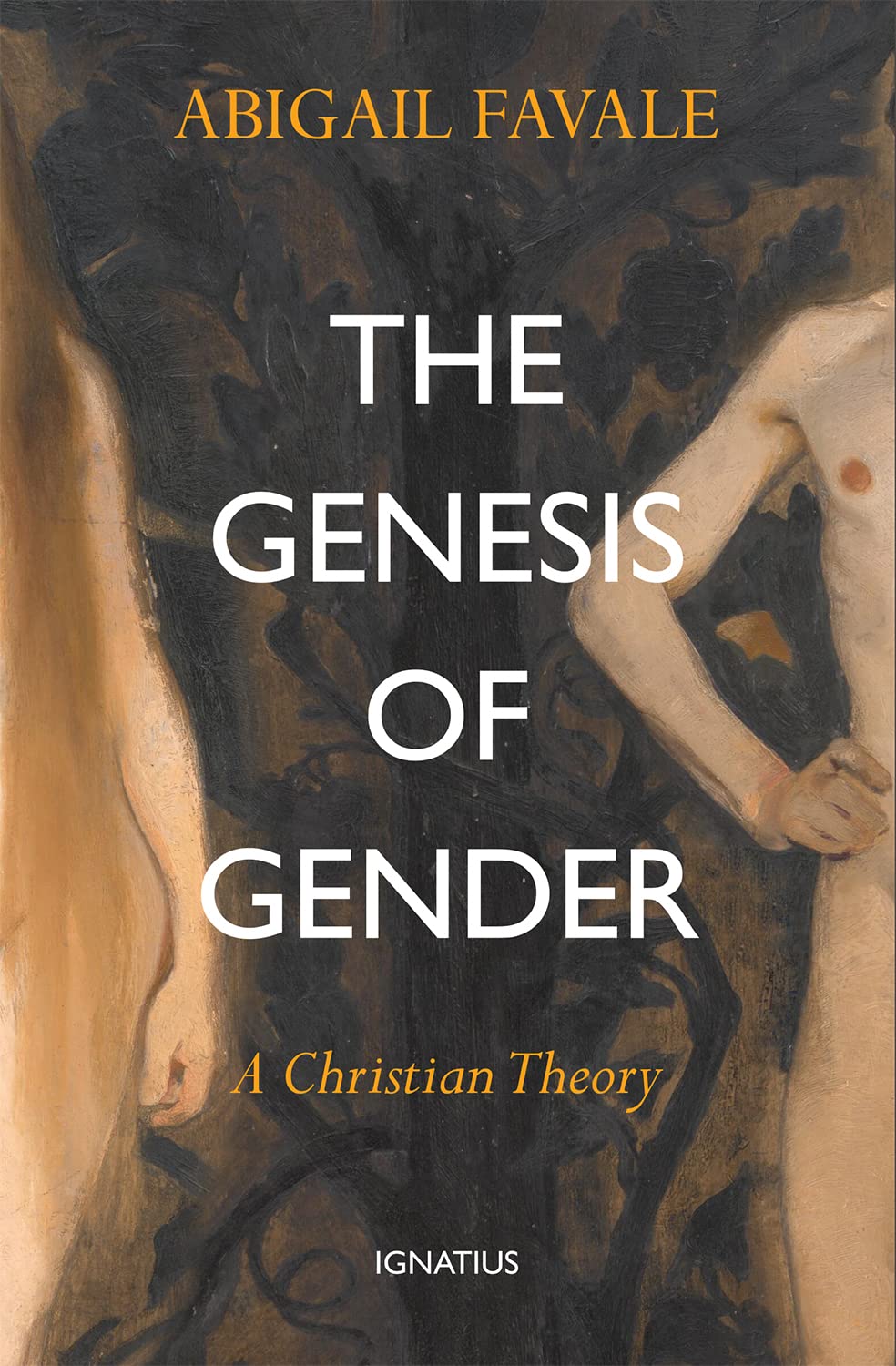
  60. The Genesis of Gender: A Christian Theory, by Abigail Favale
  61. On the Edge of the Dark Sea of Darkness, by Andrew Peterson
  62. The Prestige, by Christopher Priest
  63. Force of Nature, by Jane Harper
  64. North! Or Be Eaten, by Andrew Peterson
  65. The Monster in the Hollows, by Andrew Peterson
  66. Baptism: Uniting Kids to Jesus, by Kathy R. Craig
  67. Kingdom Parables: A Study of the Stories of Jesus, by Jeremy Myers and Luke Dockery
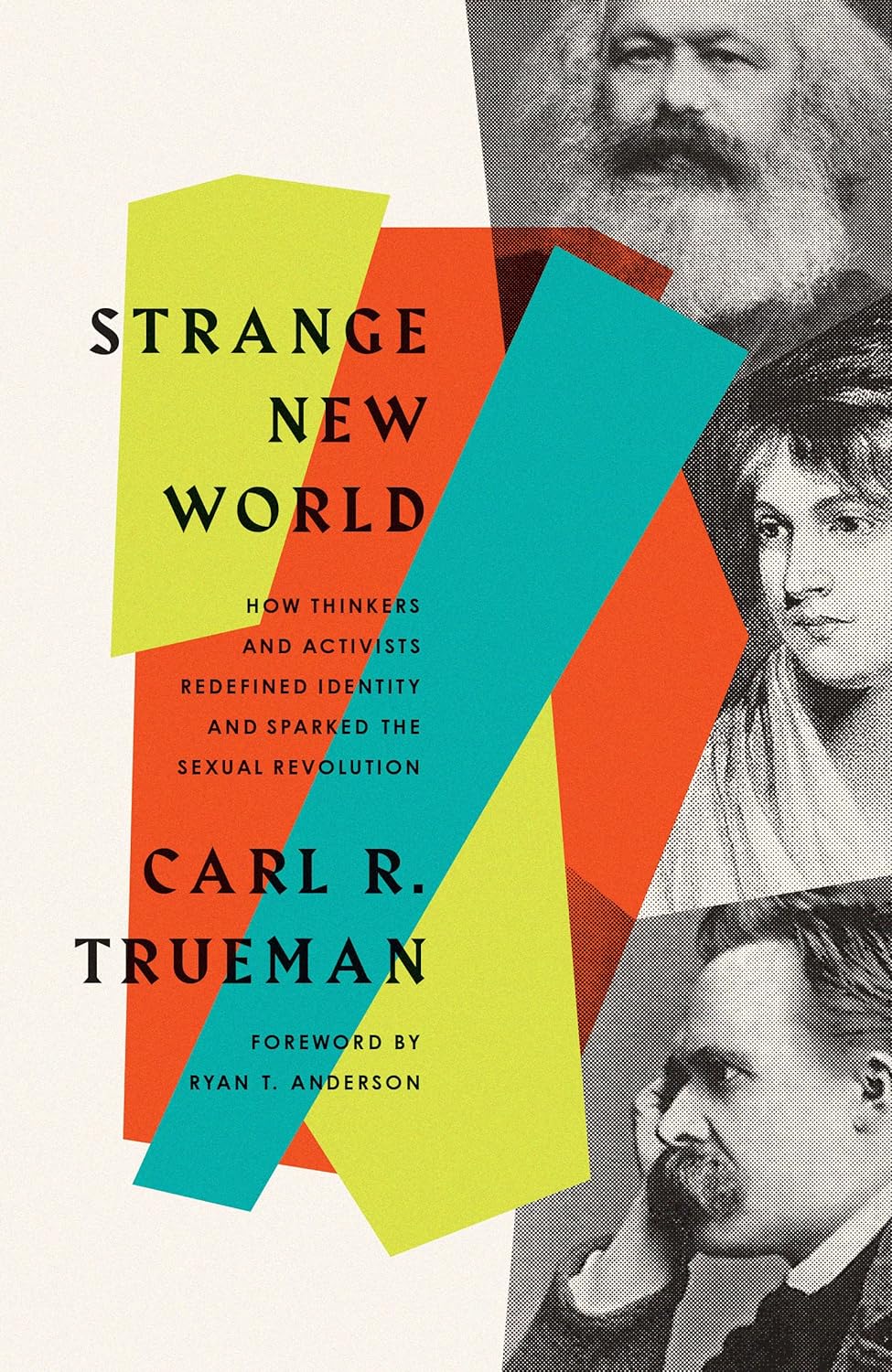
  68. Strange New World: How Thinkers and Activists Redefined Identity and Sparked the Sexual Revolution, by Carl R. Trueman

A few observations before I talk about my favorite books of the year:

  • My reading total increased from 63 books in 2022 to 68 in 2023. This is the most books I have read in a year since I started counting. I don’t have a clear explanation for why my reading numbers increased this year.
  • I read some really good books in 2023, but I wish I had read more books on biblical studies and theology that I really enjoyed.
  • I didn’t intentionally plan this, but I did quite a bit of reading that either focused on apologetics or trying to understand our current, increasingly-secular context (24, 31, 32, 39, 40, 43, 45, 60, 68). This was really good for me, as I think it has given me a better sense of “how we got here” and how to respond from a Christian perspective.
  • My “Books to Read” list (of books that I already own) remains incredibly long. I read a few books from this list this past year (while adding other books to it), and I plan to continue to prioritize this for my reading in 2024 (though I always come across new books that I want to read, and I’m sure that will continue to happen).

Here are my Top 10 books for the year with some brief thoughts on each (presented in order of when I read them, not ranked 1-10):

Gentle and Lowly: The Heart of Christ for Sinners and Sufferers, by Dane Ortlund: This book derives its title from Matthew 11, where Jesus describes Himself as “gentle and lowly in heart,” and a source of rest for His people. And yet, Christians—all too aware of our sins and shortcomings—can easily feel that God is constantly disappointed in us and perhaps fed up with us. This book is a needed reminder and comfort that God deeply loves us. Although there are aspects of reformed theology in this book that I disagreed with, the overall message is outstanding, and if you are someone who feels that your performance of the life of faith falls short of the standards of God’s love, this is a great and encouraging read.

The Ruthless Elimination of Hurry: How to Stay Emotionally Healthy and Spiritually Alive in the Chaos of the Modern World, by John Mark Comer: This was a wonderful book, and one that I really needed to read. To be honest, it’s a book that I suspect I need to reread regularly before I can fully internalize the message. In short, Comer points out that we are so busy that we live hurried and harried lives, and these characteristics are barriers to following Jesus because, well, Jesus’s life didn’t look like this. In Comer’s words, “If you want to experience the life of Jesus, you have to adopt the lifestyle of Jesus.”

I don’t know if you can identify with this, but when people ask me how I am doing or how I have been, my consistent instinctive response is something like, “Good, but really busy.” There is too much hurry in my life, and it is a problem that requires ruthless elimination. If you have similar struggles, this is a great (and easy) read.

A Tale of Two Cities, by Charles Dickens: I try to read a variety of books, and I want to be more intentional about reading some classics. I am somewhat embarrassed to admit that, outside of children’s versions, the only Dickens I had read was A Christmas Carol, so I wanted to remedy that. Dickens can be frustratingly wordy at times, but he’s also hilarious. A Tale of Two Cities was a great book, and provides keen insight into the human condition. On the negative side, revenge is a destructive, vicious force, and it is so easy for those who have been oppressed to act like their oppressors when given the opportunity. On the positive side, love is a powerful force for good, and can drive the reformation of human character and lead to great personal sacrifice.

The Baseball 100, by Joe Posnanski: Posnanski is, perhaps, my favorite baseball writer, because he knows his stuff and shares it thoughtfully and poetically. This book is basically a series of essays on the 100 greatest baseball players of all time. You’ll disagree with some of his choices and rankings (I certainly did), but they essays are always interesting, and some of them are brilliant. In addition to emphasizing these players’ greatness, Posnanski also has a way of highlighting their humanity. I learned a lot that I didn’t know before, and was repeatedly struck by this poignant work. It is simply one of the best baseball books I have ever read.

The Reason for God: Belief in an Age of Skepticism, by Tim Keller: I haven’t written much about Tim Keller on The Doc File, which is too bad, because he has become a significant influence for me in recent years. I was profoundly saddened when he passed away in May, and felt like a giant of faith had left us. I read The Reason for God soon after his death, and was struck (as always) by Keller’s thoughtfulness, clarity, and grace.

Interestingly, I had read The Reason for God about 15 years ago when I was a very young minister, and from what I can remember, I wasn’t all that impressed. I was this time around. Keller’s words hadn’t changed in the last 15 years, but I have to a significant degree, and so has the world in which I live. Over the last 15 years, the skeptical, secular culture that Keller was addressing in Manhattan has permeated the Bible Belt in which I live, and his measured, reasoned approach is invaluable. Furthermore, in a context where so many Christian voices have been compromised by personal scandals, political partisanship, or jerkish behavior, Keller courageously engaged culture with grace and truth. His theology differs from mine, but his posture has been deeply influential, and there is a reason why The Reason for God is his best-known work.

Be Thou My Vision: A Liturgy for Daily Worship, by Jonathan Gibson: I stumbled upon this book with an ad on my Facebook feed, and it might be the first and only time that the Facebook algorithm got it right! The book itself is beautiful (a cloth hardcover with high-quality paper, excellent typesetting, multiple marker ribbons, all in a cardboard slipcase), and remarkably useful. In short, Be Thou My Vision is a daily guide for personal or family worship/devotional time. Each day is a combination of several elements including prayers, songs, Bible reading, recitation of ancient creeds, catechism, and the Lord’s Prayer. The catechetical portions come from the Heidelberg Catechism (1563) and Westminster Shorter Catechism (1657) and there were some bones to spit out there (again—I’m not Reformed), but these sections were still interesting to me. Big picture: this is the best, deepest daily devotional book I have ever read. I will definitely be returning to it.

10 Questions Every Teen Should Ask (and Answer) about Christianity, by Rebecca McLaughlin: McLaughlin first came on my radar when I heard good reviews of her book, Confronting Christianity: 12 Hard Questions for the World’s Largest Religion. I had not read that book, but when I realized that she had essentially written a version for teens, I was especially interested and wanted to check it out. In short, I was really impressed. McLaughlin tackles all sorts of tough and relevant subjects for students growing up in today’s world—the notion of truth itself, the reliability of Scripture, gender and sexuality issues, and much more—and she does it in a way that connects to a younger audience with condescending to them. I think it is a really helpful resource; so much so that I plan to use it as the source for a teaching series with my students, and I think I will likely give graduating seniors a copy each year.

Also, I wrote a short post inspired by this book back in August.

Ty Cobb: A Terrible Beauty, by Charles Leerhsen: My description of this book grew longer and longer, and I finally realized that I needed to write a separate review in order to say everything I wanted to say while keeping my comments here mercifully short. This was a helpful (and in some ways uncomfortable) book for me to read because it challenged the notion held almost universally by baseball fans that Ty Cobb was one the great villains—perhaps the greatest villain—in the history of baseball. Instead, in this well-researched and compellingly-told biography, Leerhsen argues that this popular narrative was a story spun by Cobb’s biographer Al Stump, who did shoddy research and played fast and loose with the truth. The real story is more complicated, and suggests that, rather than being a villain that we can easily write off, Cobb was like all of us—a mixture of good and bad.

As an amateur baseball historian and a Christian seeking to see the image of God in all people, this was an important book for me to read.

The Genesis of Gender: A Christian Theory, by Abigail Favale: I had never heard of this book or author before I was invited to read it as part of a book club, and found it enjoyable and challenging. Favale’s story is an interesting one: she was raised in an evangelical-ish home, before converting to Mormonism. From there, during her university years, she basically deconverted, and became a strong proponent of secular feminism and Critical Theory. She stayed in that perspective for a while before ultimately finding it incoherent; she is now a devout Catholic (if you’re feeling the whiplash, here’s a recap: evangelical-ish ⇾ Mormon ⇾ secular feminist ⇾ Catholic). As a Catholic, Favale’s views on sexuality and gender are critical of her former beliefs, but what makes her book unique is that she writes as an insider, someone who understood the gender paradigm that is currently en vogue and was a proponent of it before becoming convinced of its flaws. And her feminist perspective is still on display: part of her rejection of the gender paradigm is that she finds it to be deeply harmful to women.

This was a fascinating read. In addition to saying a lot of things that I already agreed with, Favale also helped give me a historical sense of the different “waves” of feminism and how the aims of those had changed over time, as well as really pushing against my (previously not very reflective) thoughts on birth control. Favale writes with grace and compassion, and from a unique perspective; The Genesis of Gender is a helpful voice in this pressing conversation.

Strange New World: How Thinkers and Activists Redefined Identity and Sparked the Sexual Revolution, by Carl R. Trueman: in a similar vein to The Genesis of Gender, Strange New World also is a helpful resource for those who are seeking to better understand “how we got here” in reference to the current cultural moment on gender and sexuality (I actually read these two books overlapping and found them to be really helpful in conversation with one another). Trueman is trained as a theologian and historian, and while Favale takes the reader through a personal journey of transformation highlighted by feminist thought, Trueman leads the reader through a train of philosophical thought (Rousseau, Nietzsche, Marx, Freud, etc.), showing how a series of thinkers and ideas after the Reformation created the necessary preconditions for us to get to where we are today.


That was my reading in 2023! For comparison’s sake, if you are interested, you can see my reading lists from previous years:

What are some of the best books you read this past year?

Church is Good for Your Kids

I recently finished reading Rebecca McLaughlin’s 10 Questions Every Teen Should Ask (and Answer) about Christianity. I thought it was a great book, an I plan to use it in our youth ministry moving forward. I may write a review at a later date.

For now though, I just wanted to briefly discuss a provocative point that McLaughlin makes early in the book. In our increasingly secular society, it has become popular in some circles to argue that religion is actually bad for us. Parents who take their kids to church are brainwashing their kids, encouraging them to be bigots, and setting them up for a lifetime of therapy (or so the argument goes). This would be a compelling argument for any loving parent to consider…except that it isn’t true. As McLaughlin points out:

“There is a growing body of evidence that regular religious practice is measurably good for the health, happiness, and pro-social behavior of our kids.”[1]


Here is some of the specific evidence:[2]

  • Children raised in religious environments were better protected from depression, drugs, and risky sexual behaviors.
  • Those who attended religious services regularly were 12% less likely to have high depressive symptoms and 33% less likely to use illegal drugs.
  • Those who prayed or meditated frequently were 30% less likely to be sexually active at a young age and 40% less likely to have an STD.
  • Children with a religious upbringing were also more likely to go on to have higher levels of happiness, a sense of purpose, volunteering, and forgiveness of others.

Now, none of this proves that belief in God is correct or that Christianity is true, but it should give us serious pause about buying into popular cultural narratives about the harmfulness of religion. McLaughlin quotes therapist Erika Komisar as follows:

“As a therapist, I’m often asked to explain why depression and anxiety are so common among children and adolescents. One of the most important explanations—and perhaps the most neglected—is declining interest in religion.”[3]

Komisar evens goes further, provocatively advising parents that if they don’t believe in God, they should fake it for the sake of their children! I certainly wouldn’t encourage parents to lie to their kids, but for those parents who are believers but question the value of regular religious practice, or perhaps are wondering about the whispers (or sometimes, loud shouts) they hear from culture at large, take courage: church is good for your kids![4]


[1] Rebecca McLaughlin, 10 Questions Every Teen Should Ask (and Answer) about Christianity (Wheaton, IL: Crossway, 2021), 14. To be clear, the research supports the benefits of religious practice for kids. This includes kids who grow up going to mosque or synagogue, not just those who grow up in Christian homes and attend church. But the research certainly applies to church as well, and that is obviously my context, as well as being the target for most of the disdain in our current cultural moment.

[2] McLaughlin, 14.

[3] McLaughlin, 15. Of course, that’s not to say that there are not many faithful religious people who still struggle with depression and anxiety. Religion is not a cure-all. McLaughlin’s point, and what the research states, is that it helps.

[4] It would be prudent to point out here that not just any church is good for your kids. The infamous Westboro Baptist Church, for example, isn’t good for anyone. So, yes, generally speaking, church is good for your kids! But find a church that seeks to teach what Scripture teaches and encourages you to love God and other people.

« Older posts Newer posts »

© 2026 The Doc File

Theme by Anders Noren — Up ↑