The online journal of Luke Dockery

Category: Reviews (Page 4 of 16)

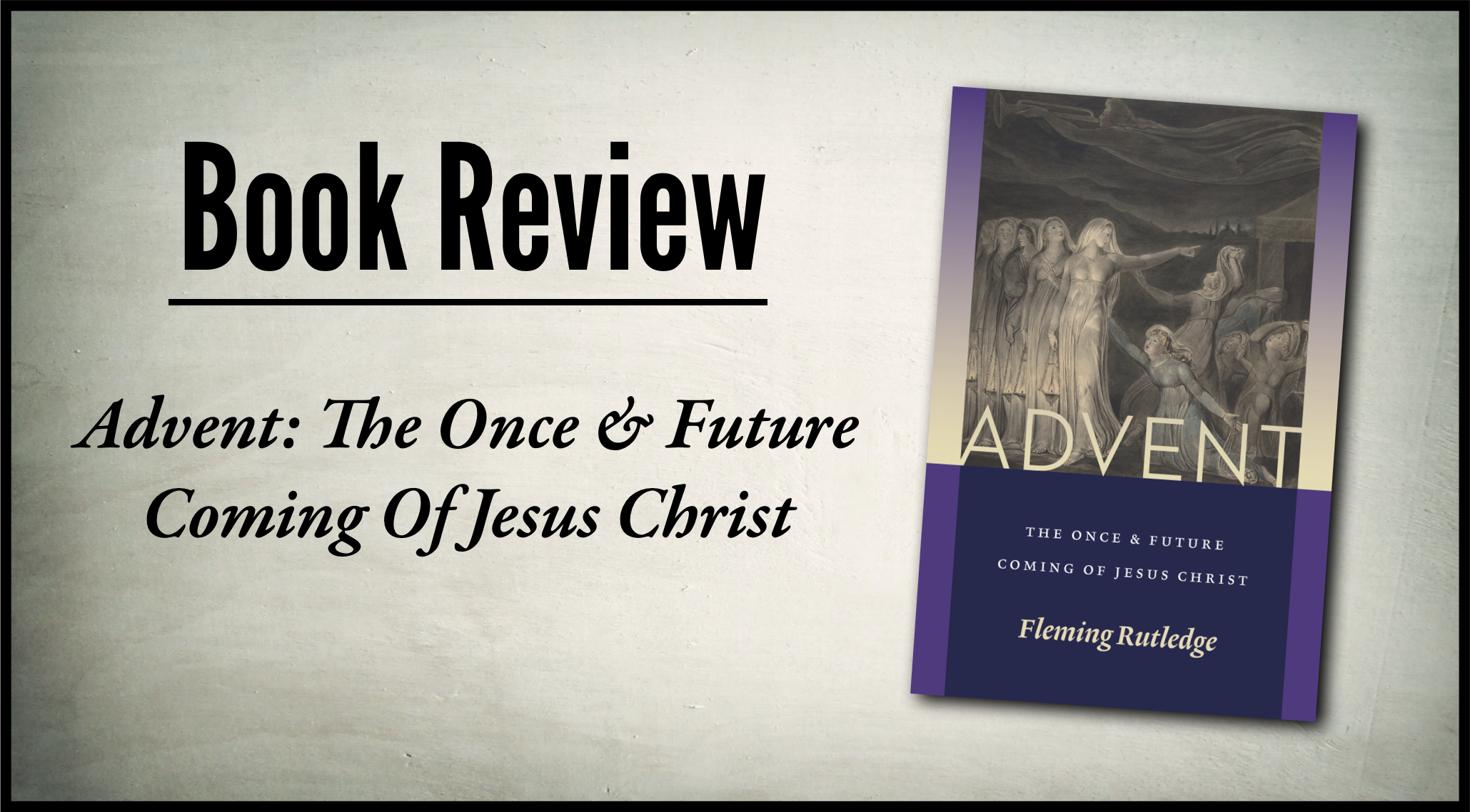
Book Review: Advent: The Once & Future Coming Of Jesus Christ

We are a couple of weeks away from my annual post in which I discuss my favorite books of the year, but I wanted to go ahead and highlight one of those books with a brief review.

Fleming Rutledge’s Advent: The Once & Future Coming of Jesus Christ is a collection of writings and sermons from her decades as an Episcopal priest. I had heard good things about the book and was hopeful that it would give me a better understanding Advent. It did not disappoint; growing up in a church context where we did not observe the liturgical calendar, my knowledge of Advent was gleaned mainly from culture, which is rarely a good way to learn about something accurately!

Advent is not about extending a commercialized and sentimental Christmas holiday. Indeed, in many ways, celebration of Advent postpones the celebration of Christmas by instead emphasizing the waiting that is central to the lives of God’s people, both in the sense of waiting for the arrival of the Messiah, but also, now, waiting for Him to return. In that sense, Advent is essentially eschatological. Also, far from being sappy and sentimental, Advent looks unblinkingly at the brokenness of our world and acknowledges our need for the coming of a Judge who will stamp out sin, evil, and death.

Of all the seasons of the church year, Advent most closely mirrors the daily lives of Christians and of the church, asks the most important ethical questions, presents the most accurate picture of the human condition, and above all, orients us to the future of the God who will come again. (1)

A key emphasis of Rutledge’s book, however, is that much of the eschatological focus of Advent has been lost and needs to be reclaimed. Advent cannot be pressed into the service of Christmas, but must instead be about what it is supposed to be about:

During much of the twentieth century, the second coming of Christ was considered in the mainline churches to be an obsolete if not downright embarrassing topic for preaching, and the subject of the divine judgment that was so familiar to medieval and Reformation-era congregations fell into disfavor with the ascendancy of liberal theology. (6).[1]

Rutledge is a keen theological thinker and an excellent communicator. She was one of the first women to be ordained to the priesthood of the Episcopal Church,[2] and is now in her 80s. This means that she draws from a remarkable well of experience, and also that she at times exhibits a delightful sort of crankiness that comes with age and many years of ministry. She is also a Southerner (born in Virginia), which comes out in endearing ways as well.

The book is comprised of a sort of theological introduction to the practice of Advent, followed by a section of Writings, articles written by Rutledge on Advent over the years, and Sermons, divided according to where they fall in the church calendar. In the section of sermons, in particular, there is, at times, a good deal of overlap, as you can imagine that 40 years of sermons on the same topic will re-tread some of the same ground. I can imagine that this would be one of the main critiques of the book, but in my case, I read it slowly over a period of several weeks (usually reading one or two sermons per day), so it did not seem as repetitive as it may have otherwise.

Now, on to some of my favorite quotations (bolded text reflects my own emphasis):

We live not according to the reign of Satan, but as those who know that “the ruler of this kosmos” is already doomed—in spite of all appearances to the contrary. …The church lives, therefore, without fear, in faith that the cosmic change of regime has already been accomplished. (12-13)

Nothing short of divine intervention can arrest the ever-recurring cycle of human misery. (13)

…Far from escaping the world, the Christian disciple finds his or her vocation precisely here: at the collision of the ages where the struggle of the Enemy against God continues, making a space for the conquering love of God for the world. (16)

The concept of justice is indeed central to the biblical portrait of the God who has revealed himself in his written Word and in the incarnate Word who is his Son. However, the current use of “justice” as a rallying cry for the church is reductive, because it is limited to particular political and economic issues without reference to the righteousness of God. A key biblical meaning of justice is found in the fact that the world translated “justice” and “righteousness” is the same word in Hebrew and in Greek. …All the references to judgment in the Bible should be understood in the context of God’s righteousness—not just his being righteous (noun) but his “making right” (verb) all that has been wrong. Clearly, human justice is a very limited enterprise compared to the ultimate making-right of God in the promised day of judgment. (21-22)

The way of Christian community is not, however, to retreat from horror into the solace of personal religion, but to proclaim Christ’s hope to the world. (53)

In Advent, we don’t pretend, as I once thought, that we are in the darkness before the birth of Christ. Rather, we take a good hard look at the darkness we are in now, facing and defining it honestly, so that we will understand with utmost clarity that our great and only hope is in Jesus’s final victorious coming. (58)

Even our smallest lights will be signs in the world, lights to show the way, beachheads to hold against the Enemy until the day when the great Conqueror lands with Michael the archangel at the head of his troops. (81)

We need to understand the difference between optimism and hope. Optimism often arises out of denial of the real facts; hope, however, persists in spite of the clearly recognized facts because it is anchored in something beyond.…Mere optimism cannot survive the brutal facts; but Christian hope is something else. Christian hope does not build a foundation on a new millennium. Christian hope builds its foundation on the promise of the living God that the random chaos of the world will be revealed one day to have been led and shaped by the same hand that reached out to heal the sick and make the blind to see, to raise the dead and “to call into existence the things that do not exist” (Rom. 4:17). (92,94)

Power is most dangerous in the hands of the strong and well-meaning, those who are sure that they can use it for good purposes. Evil is loose in the world and can take over anyone, anywhere, at any time—but the proud and the self-righteous are especially vulnerable. (124)

In the New Testament, the basic imagery of this world is that of a country occupied by the enemy forces—like most of Europe occupied by the Nazis. It is not that the world itself is bad, for as we know, the world is God’s good creation; but since the fall of Adam and Eve, the world is occupied by Satan. …If you live in occupied territory, you can be a collaborator or you can be in the underground resistance, but you can’t just be neutral. (143-44)

The human being is in the grip of impulses that are more powerful than our wish to do good. (151)

One of the idols of our own time is the idol we have made of a God who never judges anyone or anything. We have created a God who accepts everyone “just as they are” and never says anything against us, because that would be “judgmental.” (179)

The season was not intended to be the run-up to Christmas in the sense that we think of today. I t was designed to be the season to look forward, not to the birth of the baby Jesus in Bethlehem, but to the second coming of Christ. Advent locates the church properly, in between the times, the time of waiting through the night for the Bridegroom to come. (180)

We bear witness to our allegiance to the kingdom of God by giving away a lot of our money. (197)

For the Christian, the time is always getting late; the situation is always grave; ultimate matters press in upon us. (238)

More often than not, the Bible isn’t taught today as if it were about God. It’s taught as a repository of human religious thinking. It’s presented as an interesting and important document about human spiritual development. It’s treated as a collection of human imaginings about God. But this is precisely what the Bible is not. The Bible demands to be understood as the revelation of the one true God who is really God. This doesn’t have to be believed, of course, but it requires that we hear it in the way it means to be heard, whether we believe it or not. (318)

The idea of a resurrection is preposterous enough, but not as preposterous as the idea of a crucified Messiah. To believe that it is all illusory, you have to believe that resurrection was a tidy idea invented by the disciples of a crucified man so that they could go out and meet their deaths proclaiming him to the entire world. People who believe that will believe anything; they will even believe that mankind is inherently good and progressing nearer and nearer to perfection every day. (335)

We humans try to create artificial worlds of light at Christmas, hoping to stave off the darkness. Advent summons us to do exactly the opposite; to renounce the easy consolations of artificial light in order to recognize the Coming One, who said, “I am the Light of the world” (John 8:12). (340)

I thought this was a wonderful book—it was one of my favorite reads 0f 2022. For those who observe Advent but would like to root that observance on more theological foundations, this is an excellent resource. But I would also recommend it for those who don’t observe Advent at all, but who are wanting to think more clearly about what it means to live in the in-between time of the inauguration of the reign of Jesus, and the consummation of that reign when He returns—in other words, all Christians.


[1]This quotation reveals one of my favorite characteristics of this book. Considering that Rutledge is a priest in the Episcopal Church, I had assumed that she would be operating from the perspective of liberal theology, but I was far from the mark. To be sure, Rutledge and I come from very different places religiously, but her theology was delightfully orthodox, and in many places, she offered critiques of liberal theology and her own context.

[2]Anticipating some potential pushback here, I will mention that I am not advocating for women priests or, indeed, the ordination of any sort of priesthood at all. I am merely providing a biographical sketch.
Reading in 2021

This post is always one of my favorites of the year, because it combines two things that I greatly enjoy: (1) reading and (2) obsessively keeping track of things. Basically, I like to keep track of what I read each year, and then offer some reflections about my favorite reads from the year.

Without further ado, here is my list from 2021:

  1. The Purity Principle, by Randy Alcorn
  2. The Blue Parakeet, 2nd Edition, by Scot McKnight
  3. Epic: An Around-the-World Journey through Christian History, by Tim Challies
  4. Natural Evangelism: An Everyday Approach to Sharing the Gospel, by Matthew W. Morine
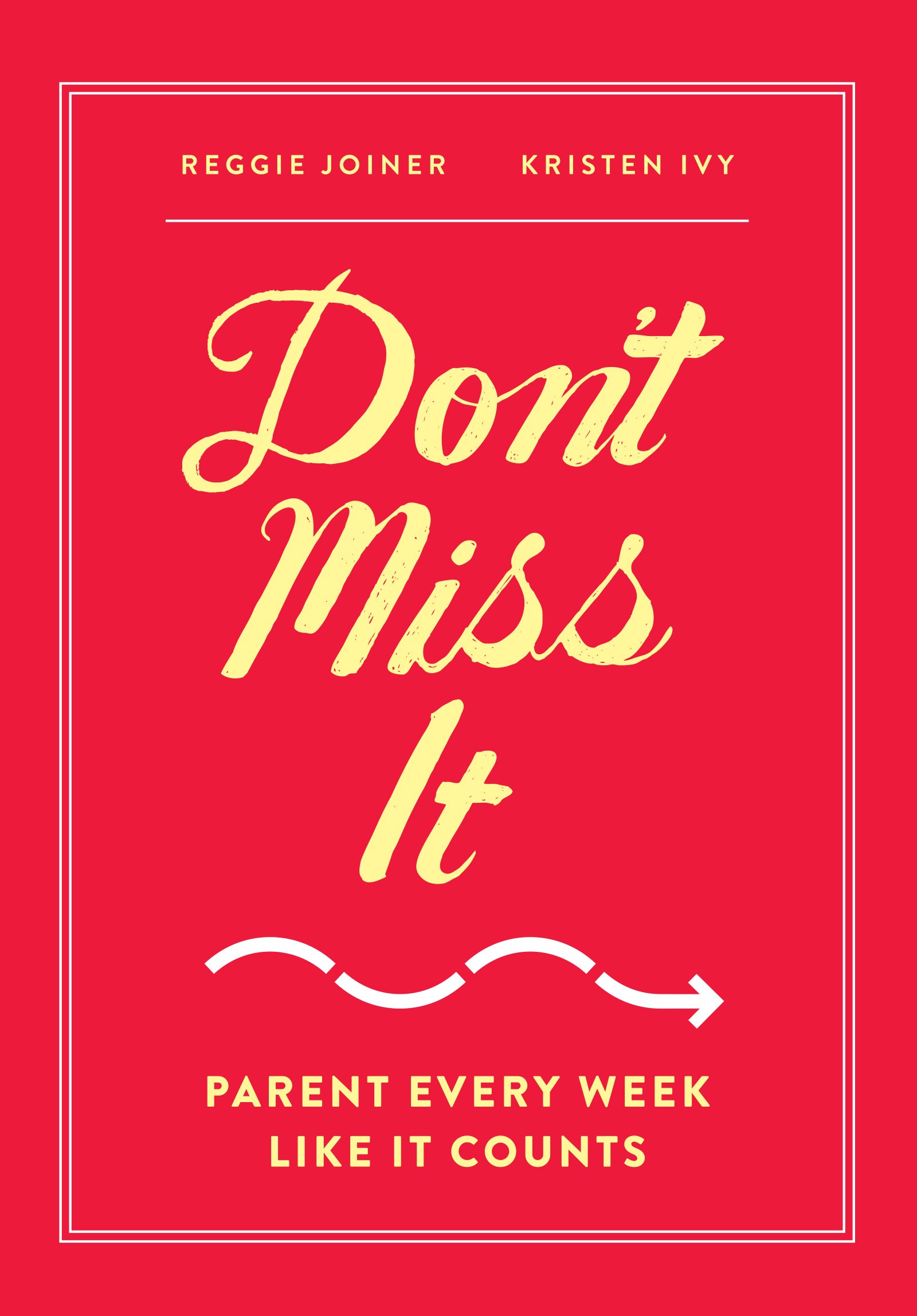
  5. Don’t Miss It: Parent Every Week Like It Counts, by Reggie Joiner and Kristen Ivy
  6. I’m Still Here: Black Dignity in a World Made for Whiteness, by Austin Channing Brown
  7. Leaving Church: A Memoir of Faith, by Barbara Brown Taylor
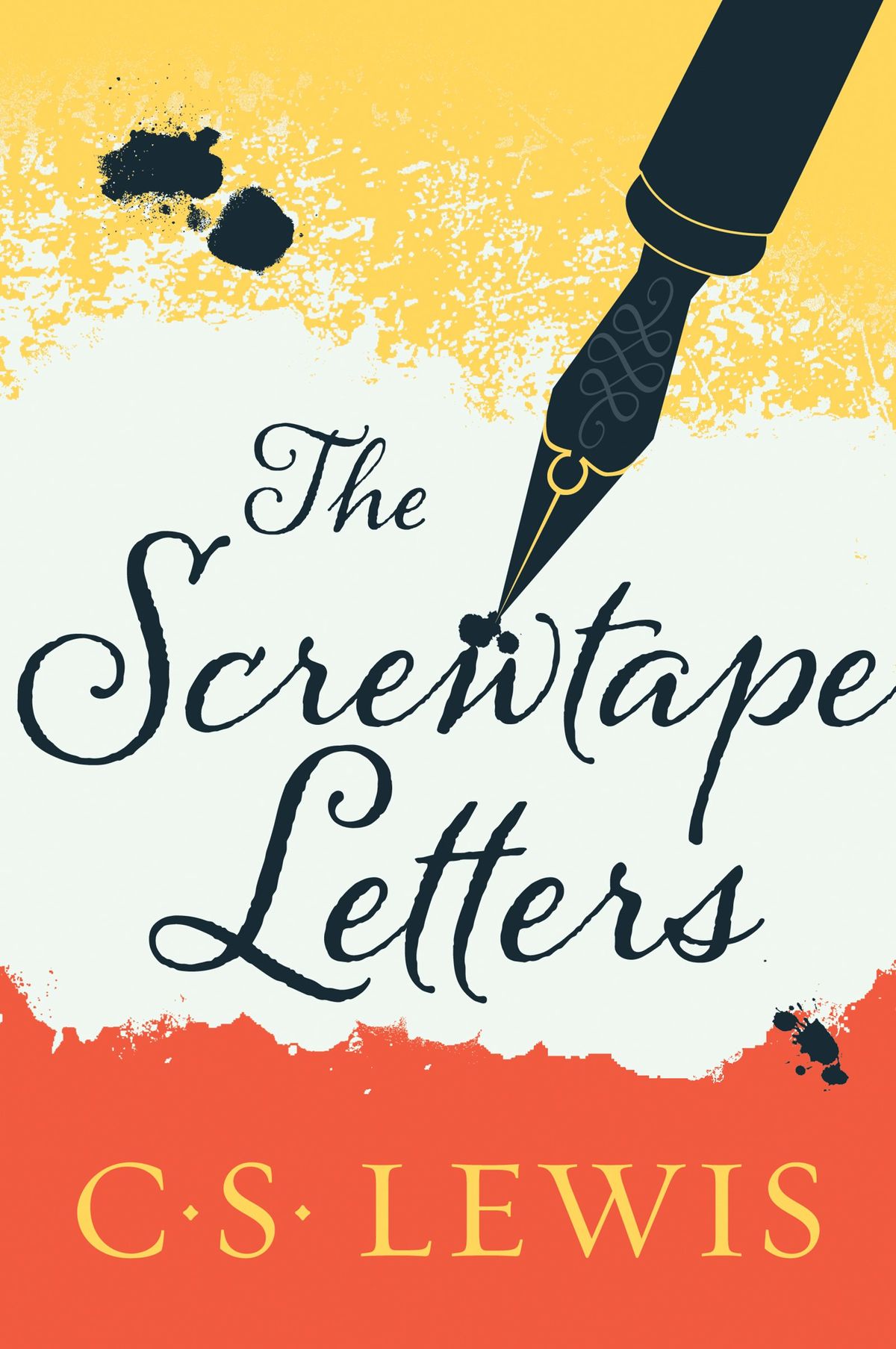
  8. The Screwtape Letters, by C.S. Lewis
  9. The Prince of Life: The Story of Christ for Young People, Episcopal Church Fellowship Series
  10. Harry Potter and the Chamber of Secrets, by J.K. Rowling
  11. Harry Potter and the Prisoner of Azkaban, by J.K. Rowling
  12. The Problem of Pain, by C.S. Lewis
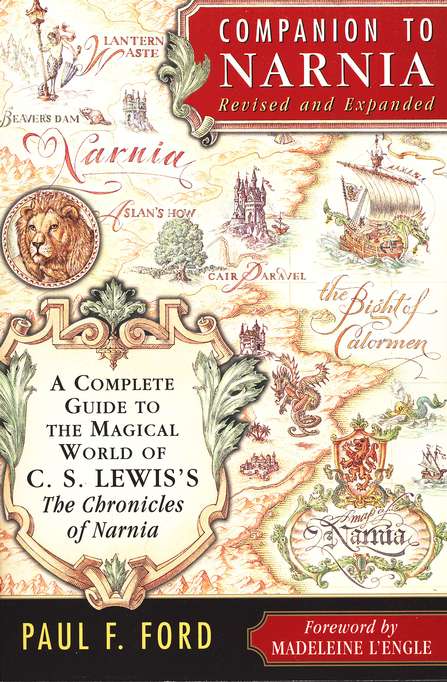
  13. Companion to Narnia: Revised and Expanded, by Paul E. Ford
  14. Said I Wasn’t Gonna Tell Nobody: The Making of a Black Theologian, by James. H. Cone
  15. The Gunfighters, by Lea F. McCarty
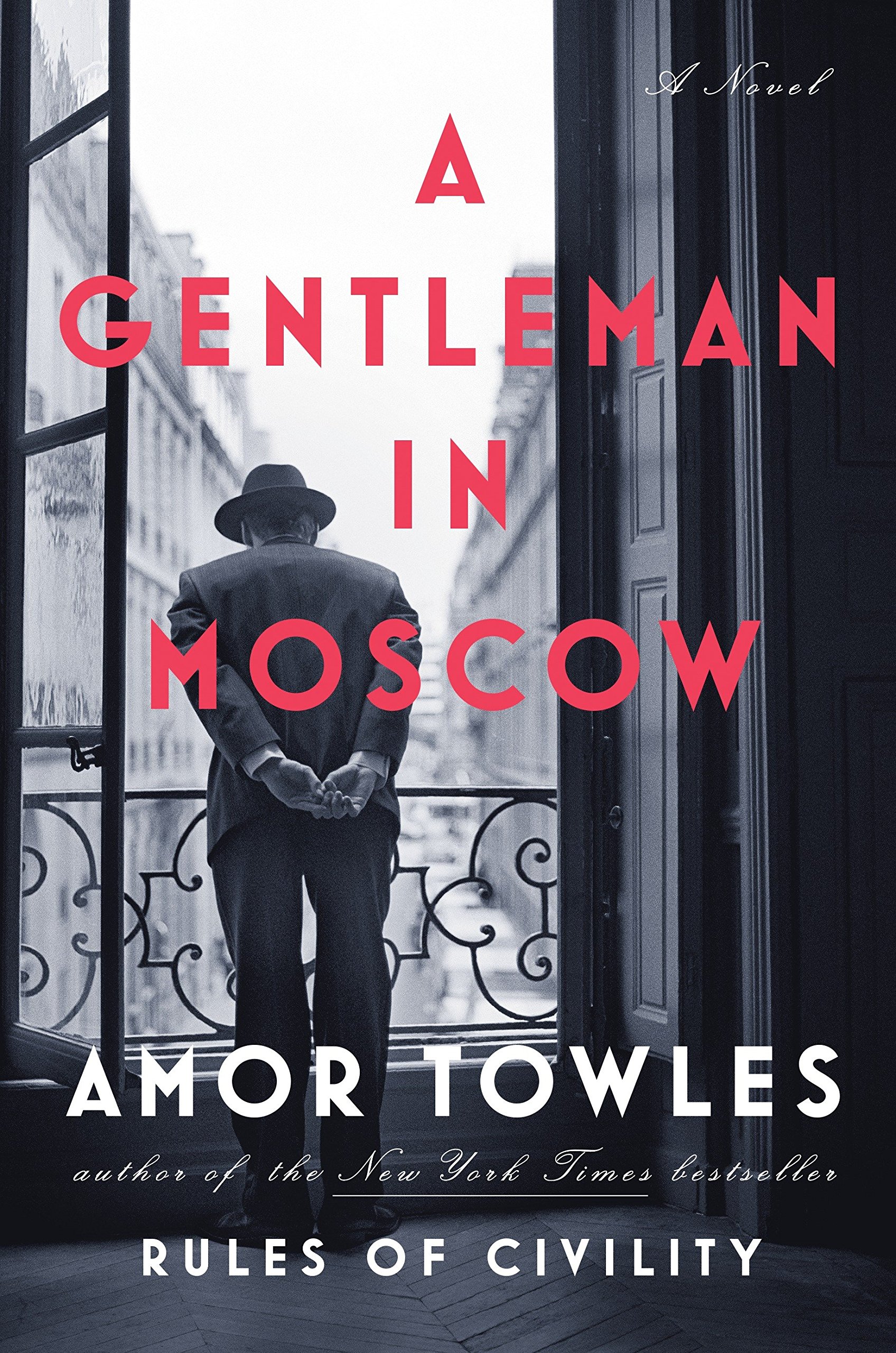
  16. A Gentleman in Moscow, by Amor Towles
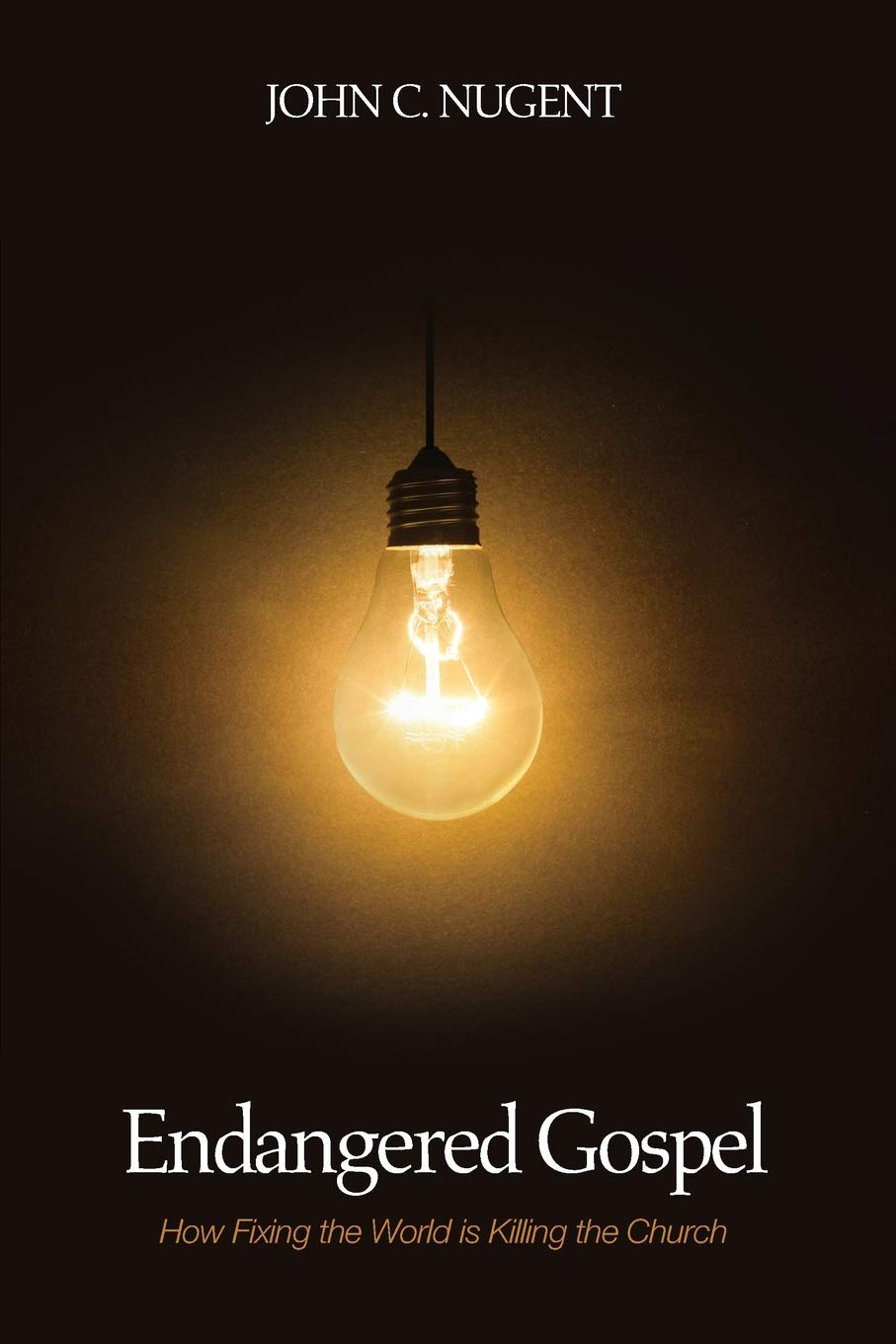
  17. Endangered Gospel: How Fixing the World is Killing the Church, by John C. Nugent
  18. Harry Potter and the Goblet of Fire, by J.K. Rowling
  19. Everyone Brave is Forgiven, by Chris Cleave
  20. The Wright Brothers, by David McCullough
  21. Harry Potter and the Order of the Phoenix, by J.K. Rowling
  22. What Paul Meant, by Garry Wills
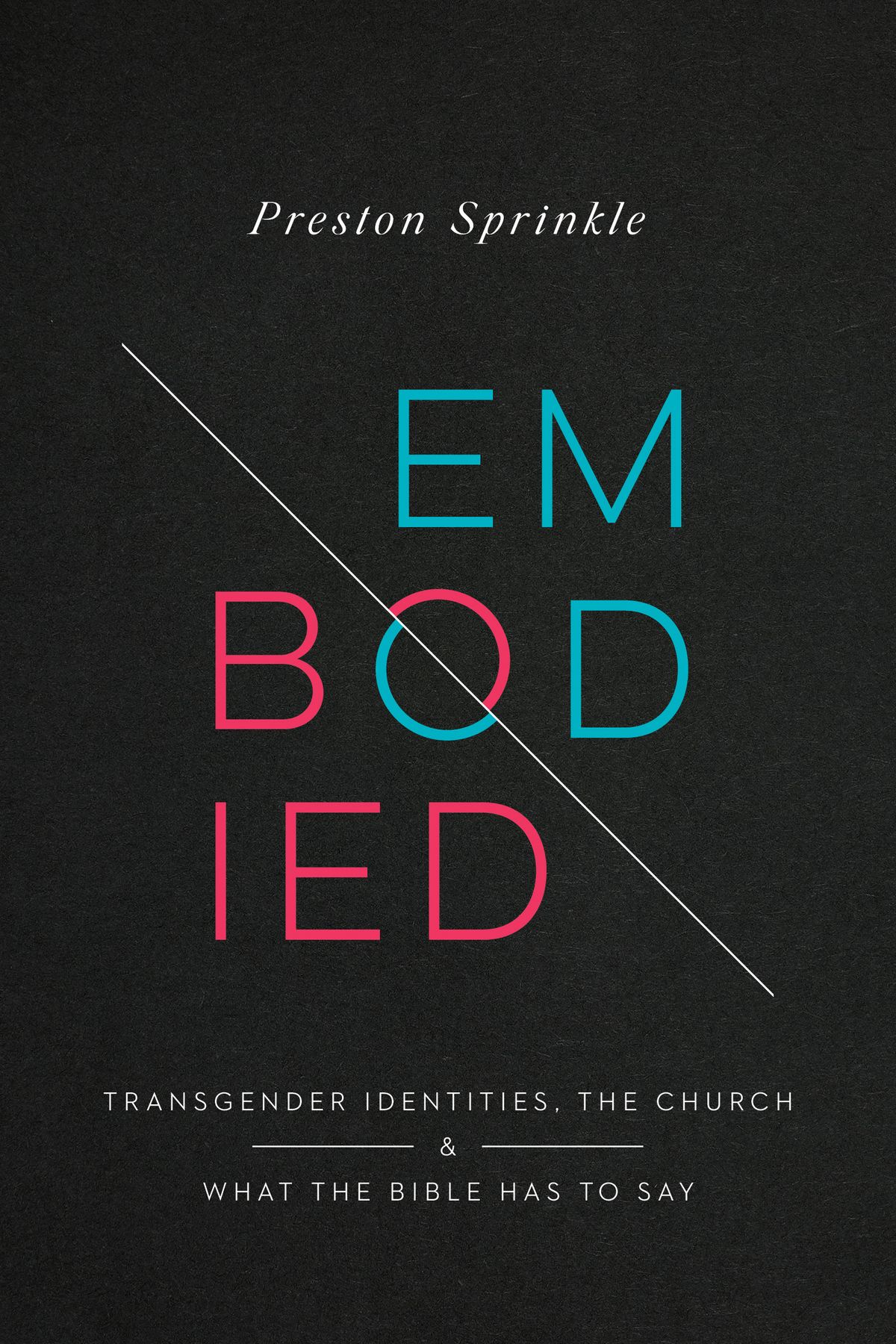
  23. Embodied: Transgender Identities, The Church, & What The Bible Has To Say, by Preston Sprinkle
  24. The Apostolic Fathers in English, by Michael W. Holmes
  25. Harry Potter and the Half-Blood Prince, by J.K. Rowling
  26. The Secrets We Kept, by Lara Prescott
  27. The King Jesus Gospel: The Original Good News Revisited, by Scot McKnight
  28. A Woman of No Importance: The Untold Story of the American Spy Who Helped Win World War II, by Sonia Purnell
  29. How To Win the West Again, by Timothy Keller
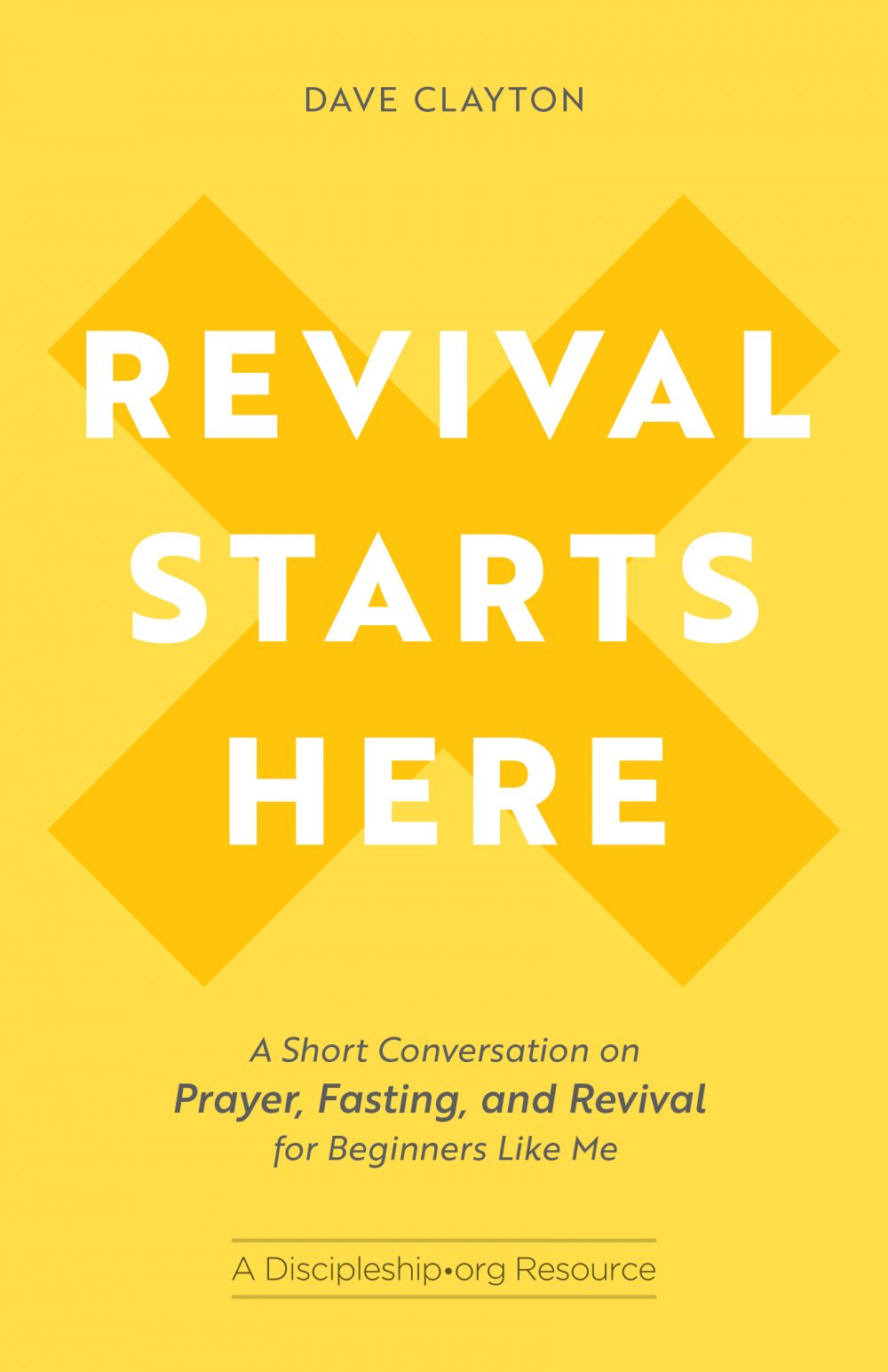
  30. Revival Starts Here: A Short Conversation on Prayer, Fasting, and Revival for Beginners Like Me, by Dave Clayton
  31. Harry Potter and the Deathly Hallows, by J.K. Rowling
  32. The Devil Inside, by Jimmy Hinton
  33. Growing Young: 6 Essential Strategies to Help Young People Discover and Love your Church, by Kara Powell, Jake Mulder, and Brad Griffin
  34. Thrawn Ascendancy: Chaos Rising, by Timothy Zahn
  35. Bonhoeffer: Pastor, Martyr, Prophet, Spy, by Eric Metaxas
  36. Thrawn Ascendancy: Greater Good, by Timothy Zahn
  37. Be the Bridge: Pursuing God’s Heart for Racial Reconciliation, by Latasha Morrison
  38. One By One, by Ruth Ware
  39. God Unseen: A Theological Introduction to Esther, by Nathan Ward
  40. December 6, by Martin Cruz Smith
  41. The Wolf Spear’s Task, by Scott Biddle
  42. The College Press NIV Commentary: Ecclesiastes, by Dave L. Bland*
  43. Beyond Order: 12 More Rules for Life, by Jordan B. Peterson
  44. Dark Sky Rising: Reconstruction and the Dawn of Jim Crow, by Henry Louis Gates
  45. The Passenger, by Ulrich Alexander Boschwitz
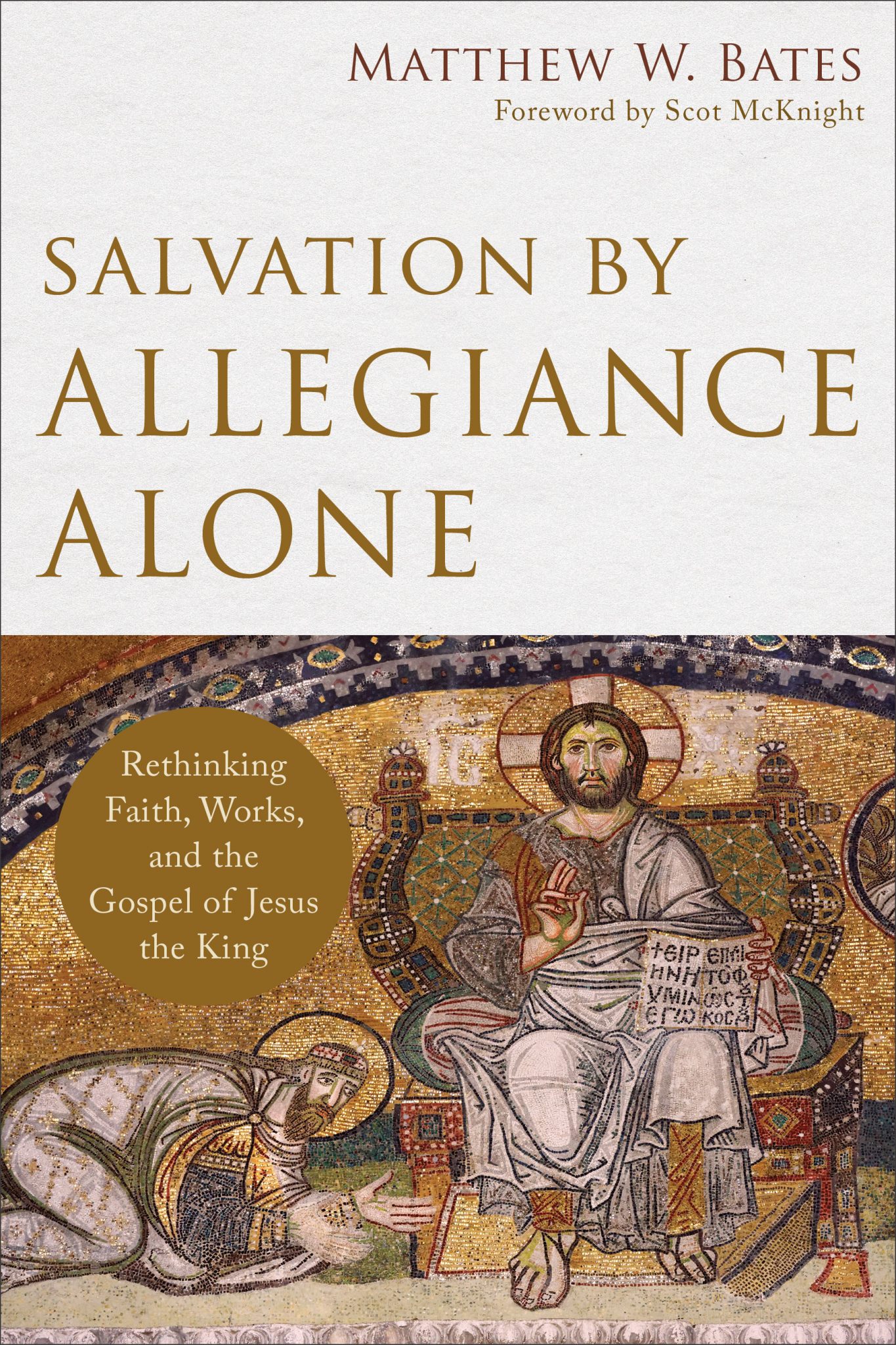
  46. Salvation By Allegiance Alone: Rethinking Faith, Works, and the Gospel of Jesus the King, by Matthew W. Bates
  47. Sticky Faith Youth Worker Edition, by Kara E Powell, Brad M. Griffin, and Cheryl A. Crawford
  48. White Trash: The 400-Year Untold History of Class in America, by Nancy Isenberg
  49. Robert E. Lee And Me: A Southerner’s Reckoning With the Myth of the Lost Cause, by Ty Seidule
  50. The Cathedral of Christianity: A Study of Romans, by Jared Pack
  51. Be Wise Small: A Lifetime of Distilled Wisdom, by Dee Bowman
  52. The Shallows: What the Internet is Doing to Our Brains, by Nicholas Carr
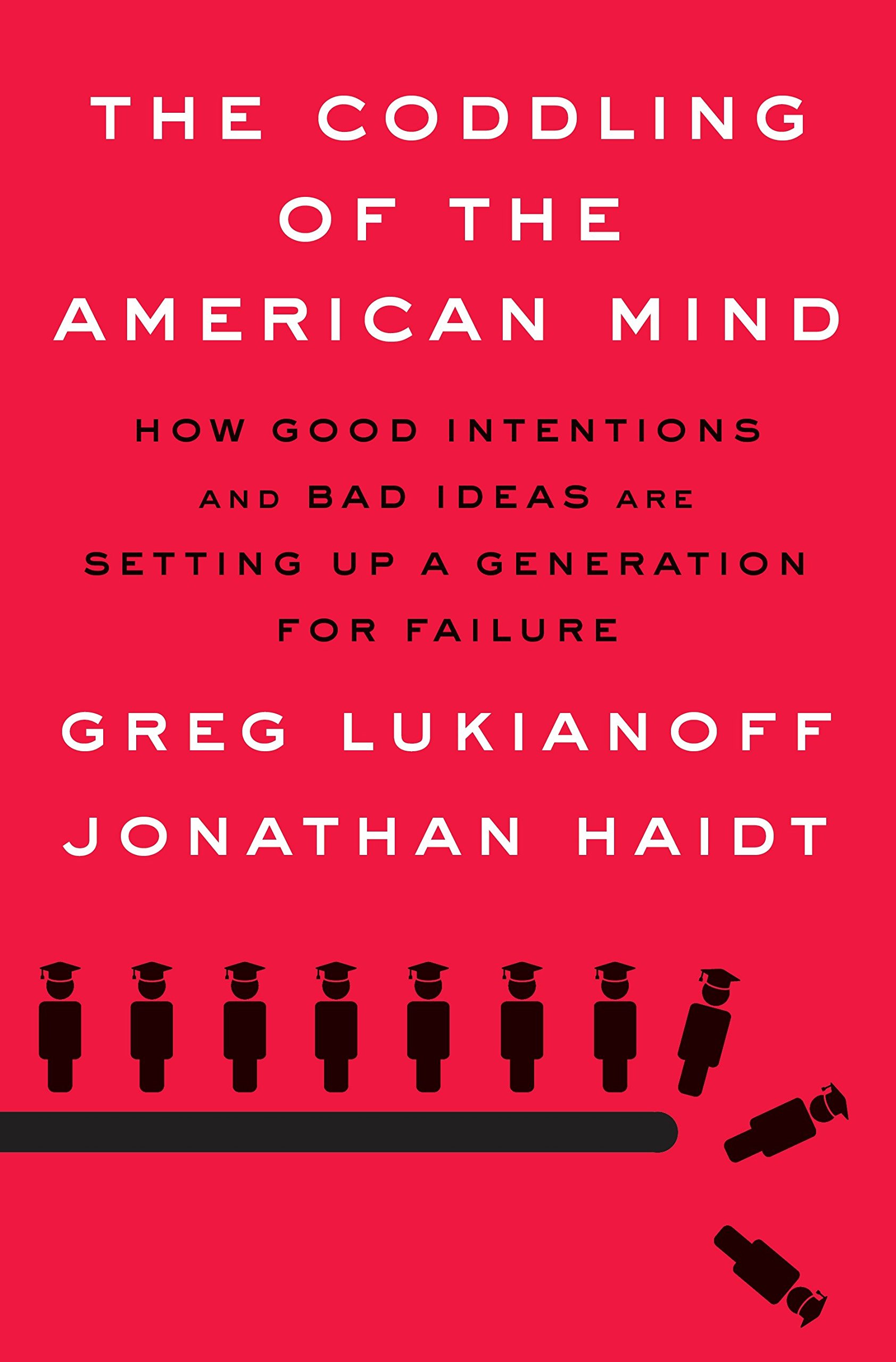
  53. The Coddling of the American Mind: How Good Intentions and Bad Ideas Are Setting Up a Generation for Failure, by Greg Lukianoff and Jonathan Haidt
  54. Gen Z: The Culture, Beliefs, and Motivations Shaping the Next Generation, by Barna Group
  55. The Torah: The Five Books of Moses, by Jewish Publication Society
  56. 42 Faith: The Rest of the Jackie Robinson Story, by Ed Henry
  57. The Hiding Place, by Corrie Ten Boom
  58. Gen Z Vol 2: Caring for Young Souls and Cultivating Resilience, by Barna Group
  59. The Pilgrim’s Progress, by John Bunyan
  60. Horseman: A Tale of Sleepy Hollow, by Christina Henry
  61. Miracles and Other Reasonable Things: A Story of Unlearning and Relearning God, by Sarah Bessey
  62. Radical: Taking Back Your Faith from the American Dream, by David Platt
  63. Holes, by Louis Sachar
  64. International English Bible New Testament, 
  65. Astrophysics for People in a Hurry, by Neil DeGrasse Tyson
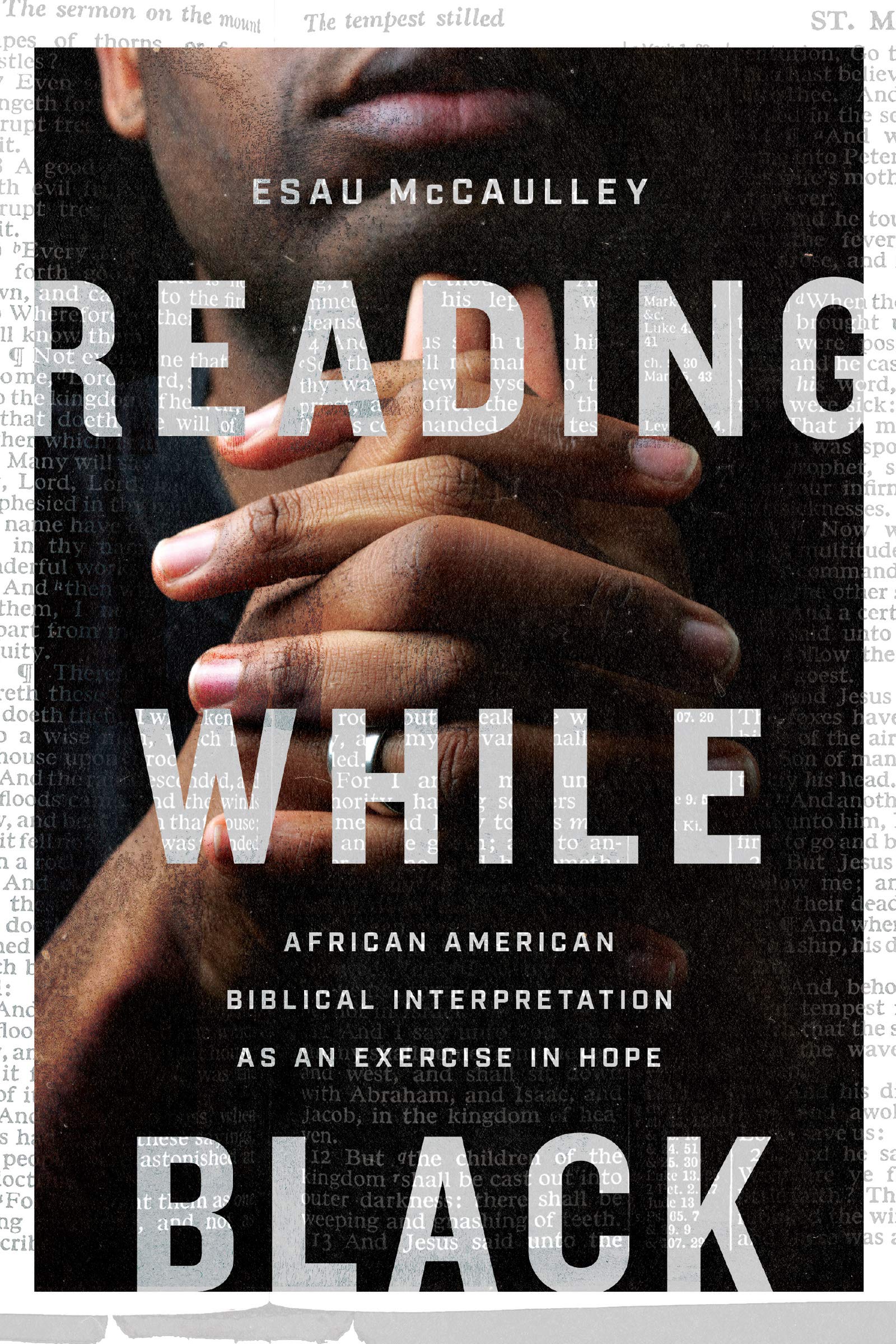
  66. Reading While Black: African American Biblical Interpretation As An Exercise In Hope, by Esau McCaulley

*This was from a commentary on Ecclesiastes, Proverbs, and Song of Songs; I read the entirety of the Ecclesiastes portion.

A few observations before I talk about my favorite books of the year:

  • My reading total increased from 65 books in 2020 to 66 in 2021. My 2021 total represents a personal record for books read in a year. Listening to audiobooks while I work out has helped to keep this number as high as it is.
  • The best books I read this year were absolutely incredible, but on the whole, my reading this year was not quite as good as 2020.
  • I am currently working through some dense books and have plans to do quite a bit of this type of reading in 2022, so I expect my reading totals to decrease significantly next year.

Here are my Top 10 books for the year, here are some brief thoughts on those (presented in order of when I read them, not ranked 1-10):

Don’t Miss It: Parent Every Week Like It Counts, by Reggie Joiner and Kristen Ivy: This is a really short and simple book, but its message is so important and convicting. That message is this: if you are a parent, your responsibility to shape a child’s character and faith is really important, and you have a limited window of opportunity to do it. The average parent has less than 1,000 weeks between the time a child is born and the time that child leaves their house, and those weeks (and the opportunities for connection and influence with your kids) tick away relentlessly. Make the most of the time you have. This may be a read-every-year type of book for me.

The Screwtape Letters, by C.S. Lewis: I first read Screwtape about a dozen years ago, but reread it this past year. Told in Lewis’s brilliant style, it is a clever, imaginative portrayal of the ways in which the Evil One seeks to tempt us. The premise of the novel is that Screwtape, an older, more experienced demon of some authority, is giving advice to his nephew Wormwood on how best to “win over” a man he is working to tempt.

Companion to Narnia: Revised and Expanded, by Paul E. Ford: I loved this book. I love the Chronicles of Narnia and wrote extensively about them last year, and this wonderful book would have been a huge help during that process. It took a long time to read because it is essentially a reference book with encyclopedia-type entries on anything related to Narnia you can imagine. This gave me great insight into the process of the composition of the Narnia series, and also all sorts of theological insights into the books. It is well named; rather than reading it through as I did, it functions better as a “companion” that you have handy as your read through the Narnia books and wonder about other questions related to the world Lewis has created.

A Gentleman in Moscow, by Amor Towles: The summer after my senior year of high school I went on a mission trip to Russia, and I have been interested in aspects of Russian culture and history ever since. This novel focuses on the life of a young aristocrat who is “exiled” to a fashionable Moscow hotel when the Russian Revolution occurs and is forced to live there, never being allowed to leave the hotel premises for several decades. From within the walls of the hotel, he observes the changes in the country around him and seeks to find meaning in a life where his freedom is greatly curtailed, and even the country’s finest hotel quickly becomes a prison. It is a fascinating, well-written, and emotional story, and I really enjoyed it. I actually listened to this as an audiobook with an excellent narrator, which added to the enjoyment.

Endangered Gospel: How Fixing the World is Killing the Church, by John C. Nugent: I tend to not rank my Top 10 books of the year, but this was absolutely one of the two best books that I read in 2021. Nugent’s basic premise is that all sorts of Christians are dedicating their lives to the wrong task: trying to fix the problems of the world. However, this doesn’t work very well, in large part because it isn’t the task that God has given us. Instead, we are supposed to be the better place that God will make the world into. This is new creation theology. The old order of the world is passing away, and God is doing a new thing. Rather than try to prop up the old order, our task is to live into the new thing that God is doing. If that sounds like a heartless lack of concern for people or ignoring the problems of the world, it’s not; rather, God’s people—the church—is the way that we address the hurting people in our world. By modeling God’s beloved community and inviting people into that community, we actually do make a difference in the lives of people, we are obedient to the mission that God has laid out for us in Scripture, and we actively participate in the work that God is doing until the Day arrives that He comes and makes all things new. This was a paradigm-changing book, but so, so good.

Embodied: Transgender Identities, The Church, & What The Bible Has To Say, by Preston Sprinkle: Issues related to transgender identities have claimed a central place in our culture in recent years and, frankly, there has been a lot of muddled thinking from Christians as to how we should respond. Sprinkle offers a real gift to the church here, as he provides the reader with a helpful overview of the situation including definitions, scientific data, and biblical exegesis. Ultimately, Sprinkle affirms a high view of Scripture and a historic Christian sexual ethic, but does so with keen pastoral impulses: our first and overriding response to those who would place themselves on the trans* spectrum must be love. If we get the doctrine right but fail to love, then we haven’t gotten the doctrine right. Sprinkle stretched me with this book, and I think that will be true for almost all readers (regardless of your views on this) if you give him a fair and gracious reading.

Revival Starts Here: A Short Conversation on Prayer, Fasting, and Revival for Beginners Like Me, by Dave Clayton: This was another short-but-very-helpful book. In my experience, fasting is a topic that quickly makes American Christians (i.e. the group of Christians I know best) uncomfortable and seeking imaginative explanations of why they don’t need to do it. Instead of that approach, Clayton takes the biblical practice of fasting seriously. He looks at reasons why we should do it, barriers that may prevent us from doing it, and practical ways to go about doing it. This is another book that I expect to read multiple times as I seek to grow in this spiritual discipline.

Salvation By Allegiance Alone: Rethinking Faith, Works, and the Gospel of Jesus the King, by Matthew W. Bates: Along with Endangered Gospel, this was my other top book for the year. Bates argues that the Greek word pistis (πιστις) that is generally translated as faith in our New Testaments would be better translated as something like loyalty or fidelity or allegiance. Bates does a good job establishing his position lexically and contextually, but even more important is his biblical/theological argument that “faith” as “allegiance” makes a lot of sense in response to the content of the Gospel message which, properly understood, is not about how we get saved, but is rather that Jesus Christ is Lord, the King of the Universe. Certainly, Jesus being Lord includes ramifications for our salvation, but it is a much bigger story than that, and it is the story that Scripture is telling. In response to the Gospel message that Jesus is Lord, the appropriate response is pledging our lives in allegiance to Him. This is another paradigm-changing book—it is brilliant.

The Coddling of the American Mind: How Good Intentions and Bad Ideas Are Setting Up a Generation for Failure, by Greg Lukianoff and Jonathan Haidt: My friend Bob Turner has talked about this book for a few years, and I finally took the plunge and read it. It was a great read, and I highly recommend it for parents, teachers, and anyone interested generally with widespread trends in our society. The basic premise is that there are three unhelpful, untrue ideas that are prominent in our society today: (1) That children are fragile and need to be protected from everything, (2) That we should always trust our feelings in making judgments about the reality of the world, (3) That life is a battle between good people and evil people. These ideas have reached a fever pitch on a lot of college campuses and have resulted in very unhelpful environments, and Lukianoff and Haidt critique these bad ideas with research and multiple examples. This is not, in any sense, a biblical book, and yet, the main lessons contained inside cohere closely to biblical teaching; I actually used content from this book in the youth ministry class I taught in a university setting this past fall.

Reading While Black: African American Biblical Interpretation As An Exercise In Hope, by Esau McCaulley: McCaulley’s book is a great gift to the church at large as he seeks to explain the Black Ecclesial Tradition, which he describes as a “third way” approach to biblical interpretation that is distinct both from white progressives and evangelicals. McCaulley writes elegantly and with great clarity, and shows keen theological insight on a range of biblical topics ranging from submission to government and policing, slavery, Black anger, and the long history that people of African descent have in the story of God’s people. This book serves as a helpful reminder that the way we read Scripture is greatly influenced by our social location, and that our understanding of Scripture is broadened by reading from people who come from different backgrounds than our own.


That was my reading for 2021. For comparison’s sake if you are interested, you can see my reading lists from previous years:

What are some of the best books you read this past year?

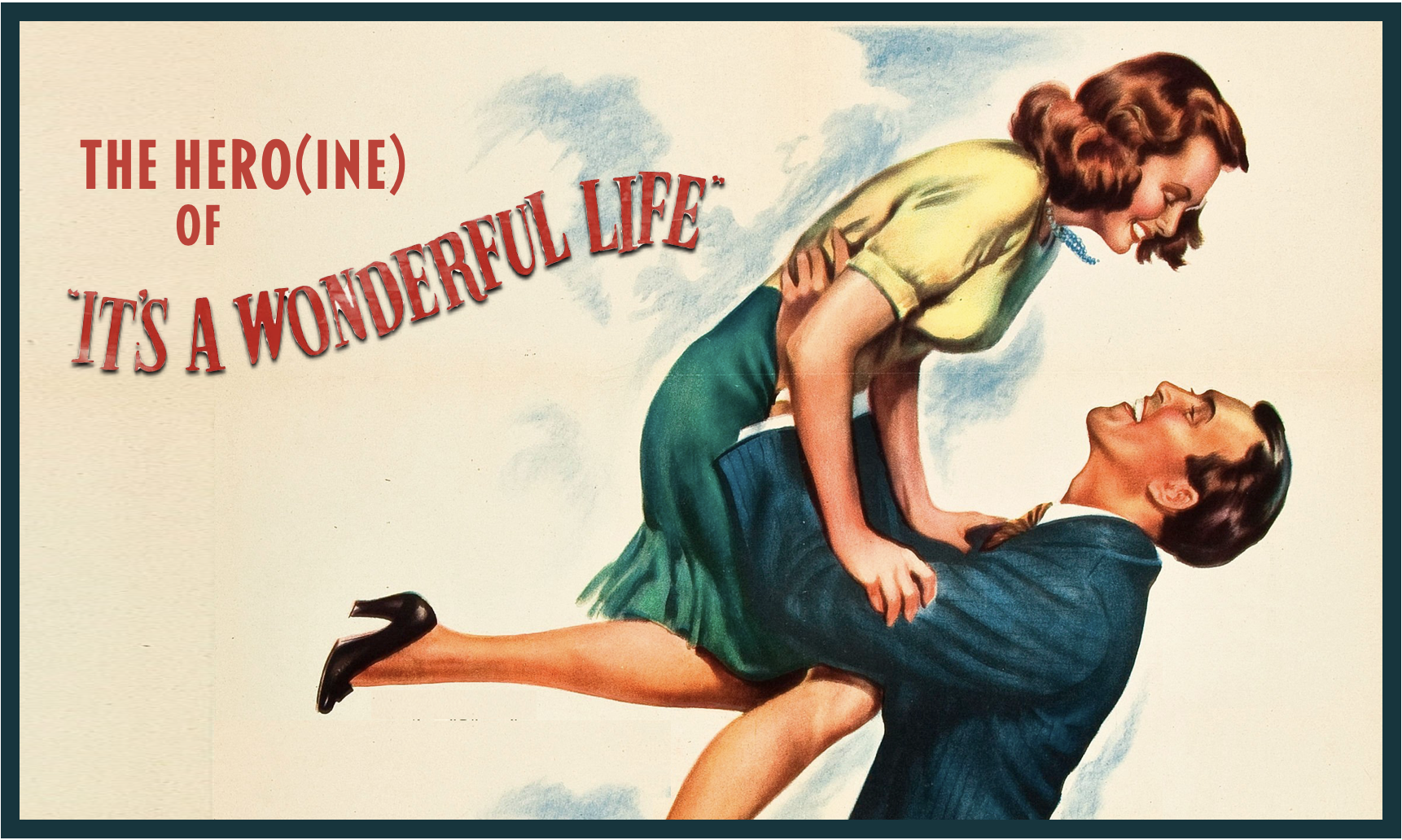
The Hero(ine) of It’s A Wonderful Life

Every year at this time, I make sure to watch It’s A Wonderful Life. In addition to being (easily) the best Christmas movie of all time, it is also in my Top 5 of all movies.

Last year after viewing the film, I wrote a series of tweets that I am now compiling into this short post.

Here is my hot take (or, absolutely obvious observation). While George Bailey, the self-sacrificing Everyman that we root for and admire, is the main character of It’s A Wonderful Life, the hero of the film is actually a heroine: his wife Mary.

  • It is Mary who gives George the courage to give up his dreams (doing big exciting things all over the world) and instead accept his calling (a grueling, grinding life of service to his community).
  • It is Mary who gives George the idea of how to save the Building & Loan during the Depression (foregoing a honeymoon to meet the financial needs of a frantic mob).
  • It is Mary who creatively turns an old abandoned house into a well-kept home for her family (where George, the forward-thinking, would-be engineer could see nothing but a ruin).
  • It is Mary who mobilizes the massive prayer effort that drives the plot of the movie, bringing Clarence Odbody onto the scene and helping George to see how meaningful his life has been.
  • It is Mary who raises the necessary funds to solve the financial crisis that had driven George to the brink of suicide.

In the end, George had a Wonderful Life and was a blessing to so many people, but it was the quiet support of Mary in the background that empowered him to be so. This, I believe, is one of life’s great realities and a central truth of Christianity as well: the most heroic people in life are not necessarily those with wealth, fame, or influence, but those who quietly spend their lives in sacrificial service to others. Isn’t that truly the meaning of Christmas?

The most heroic people in life are not necessarily those with wealth, fame, or influence, but those who quietly spend their lives in sacrificial service to others. Isn’t that truly the meaning of Christmas? Share on X

Reading in 2020

Regular readers of The Doc File know that I keep track of what I read each year, and that I enjoy chronicling that here on the blog and offering some reflections about my favorite reads from the previous year. As we all know, 2020 was a strange and challenging year, and I was reminded of what a blessing books are! Reading brought a lot of peace to my life in a hectic time.

Without further ado, here is my list from 2020:

  1. North Boulevard Church of Christ 2020 Vision: Final Reflections, by David Young
  2. David and Goliath: Underdogs, Misfits, and the Art of Battling Giants, by Malcolm Gladwell
  3. Swallowed Up, by J.L. Gerhardt
  4. Between the World and Me, by Ta-Nehisi Coates
  5. Under Occupation, by Alan Furst
  6. Who Moved My Pulpit? Leading Change In The Church, by Thom Ranier
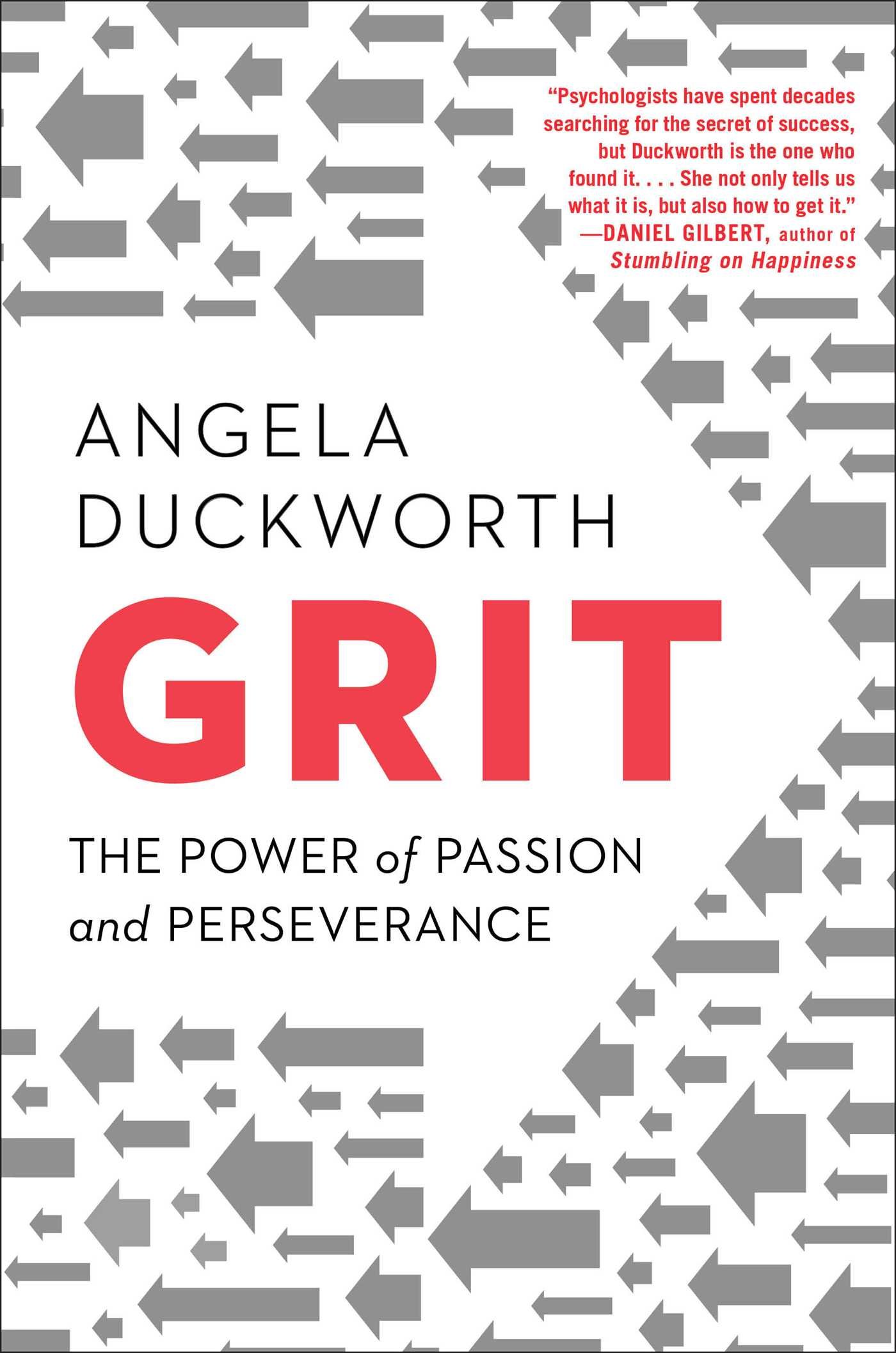
  7. Grit: The Power of Passion and Perseverance, by Angela Duckworth
  8. The Sticky Faith Guide For Your Family, by Kara Powell
  9. 12 Rules For Life: An Antidote to Chaos, by Jordan B. Peterson
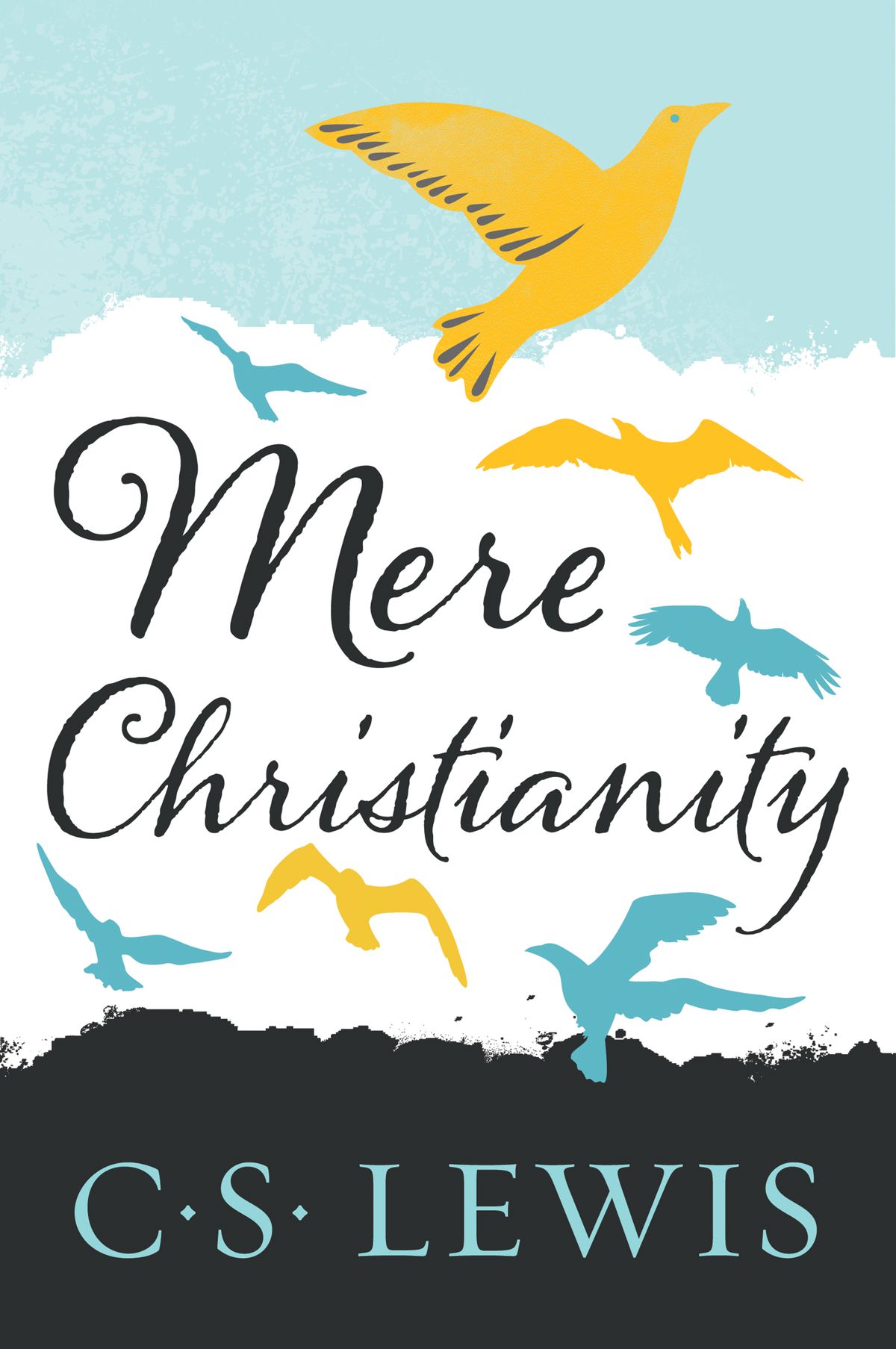
  10. Mere Christianity, by C.S. Lewis
  11. The Swiss Family Robinson, by Johann David Wyss
  12. A Third Testament, by Malcolm Muggeridge
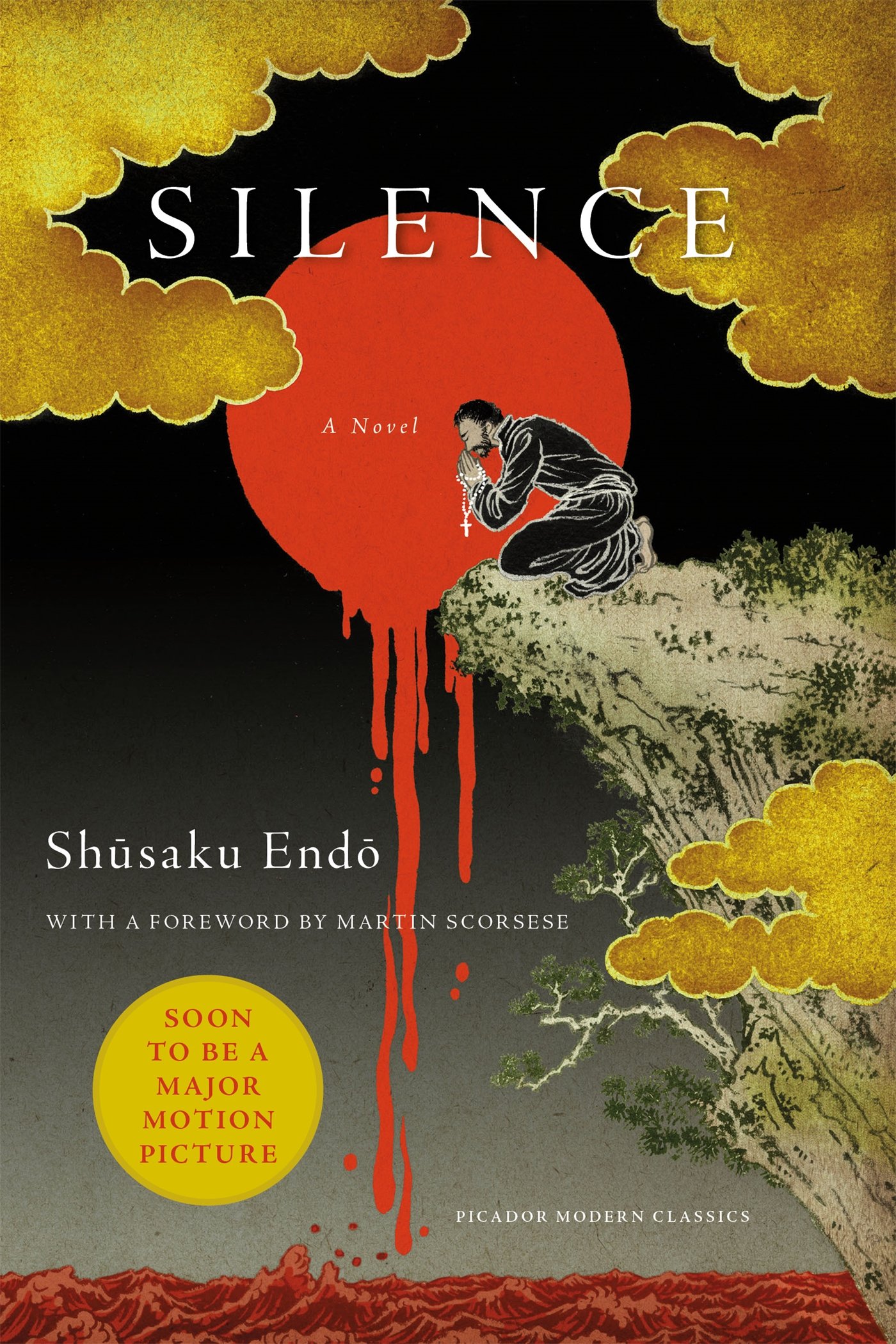
  13. Silence, by Shūsaku Endō
  14. Talking to Strangers: What We Should Know About The People We Don’t Know, by Malcolm Gladwell
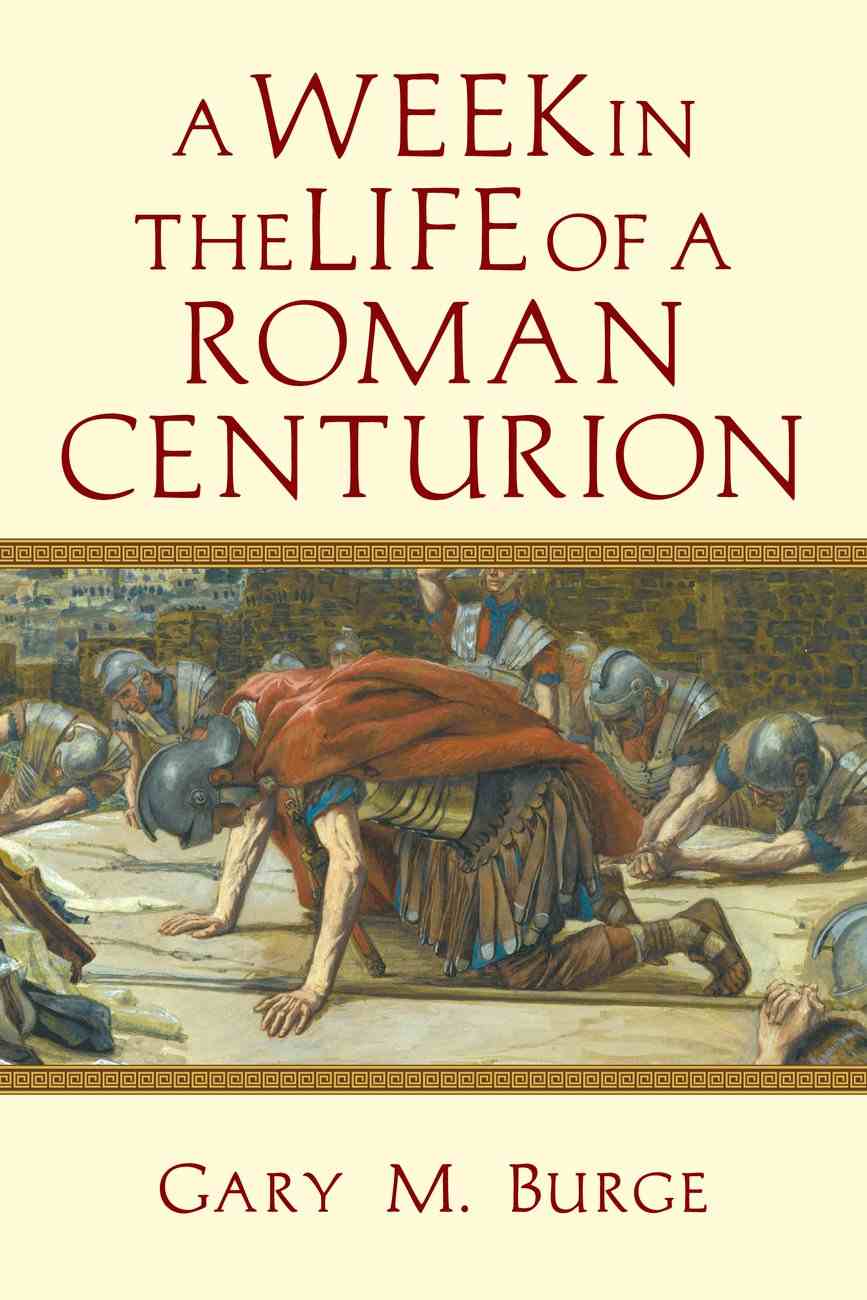
  15. A Week in the Life of a Roman Centurion, by Gary M. Burge
  16. The Lion, The Witch and the Wardrobe, by C.S. Lewis
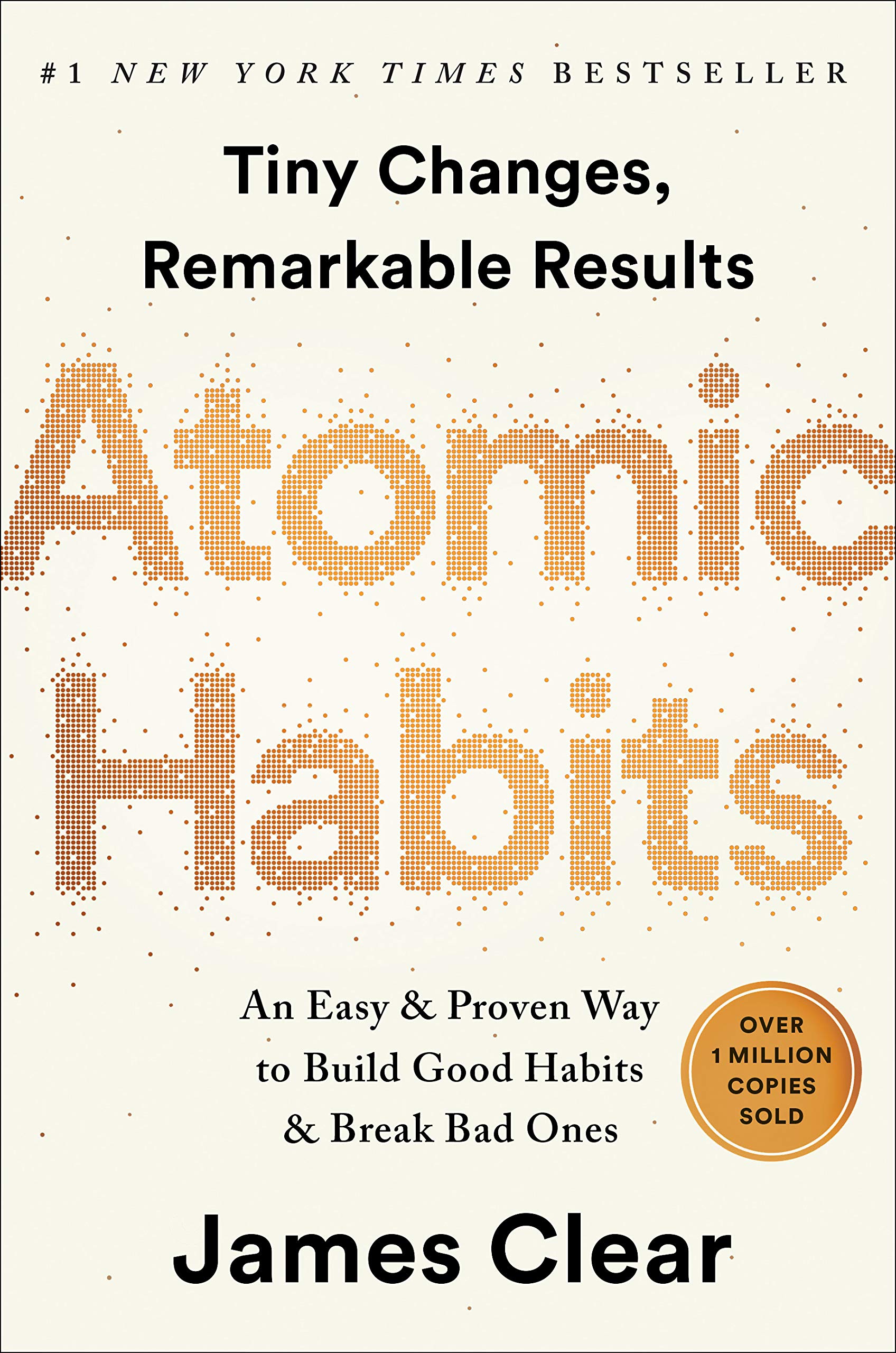
  17. Atomic Habits: An Easy & Proved Way to Build Good Habits & Break Bad Ones, by James Clear
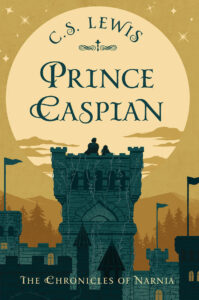
  18. Prince Caspian, by C.S. Lewis
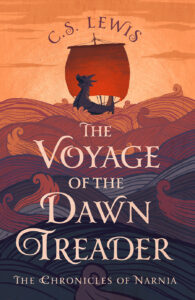
  19. The Voyage of the Dawn Treader, by C.S. Lewis
  20. Harry Potter and the Sorcerer’s Stone, by J.K. Rowling
  21. The Silver Chair, by C.S. Lewis
  22. Images of America: Searcy, by Carolyn Boyles and Patsy Pipkin
  23. T.R.I.A.L.S. A Journey from Anxiety to Peace, by Chase Turner
  24. Alexander Hamilton: Revolutionary, by Martha Brockenbrough
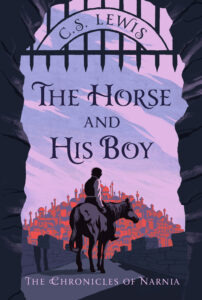
  25. The Horse and His Boy, by C.S. Lewis
  26. Gone Girl, by Gillian Flynn
  27. The Magician’s Nephew, by C.S. Lewis
  28. Star Wars Aftermath, by Chuck Wendig
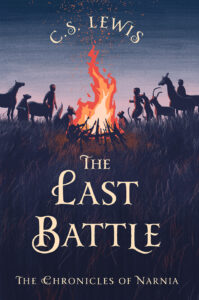
  29. The Last Battle, by C.S. Lewis
  30. Star Wars: Bloodline, by Claudia Gray
  31. Star Wars Aftermath: Life Debt, by Chuck Wendig
  32. Sinners in the Hands of a Loving God: The Scandalous Truth of the Very Good News, by Brian Zahnd
  33. Star Wars Aftermath: Empire’s End, by Chuck Wendig
  34. The Great Alone, by Kristin Hannah
  35. Jackaby, by William Ritter
  36. A Wrinkle In Time, by Madeline L’Engle
  37. So You Want to Talk about Race, by Ijeoma Oluo
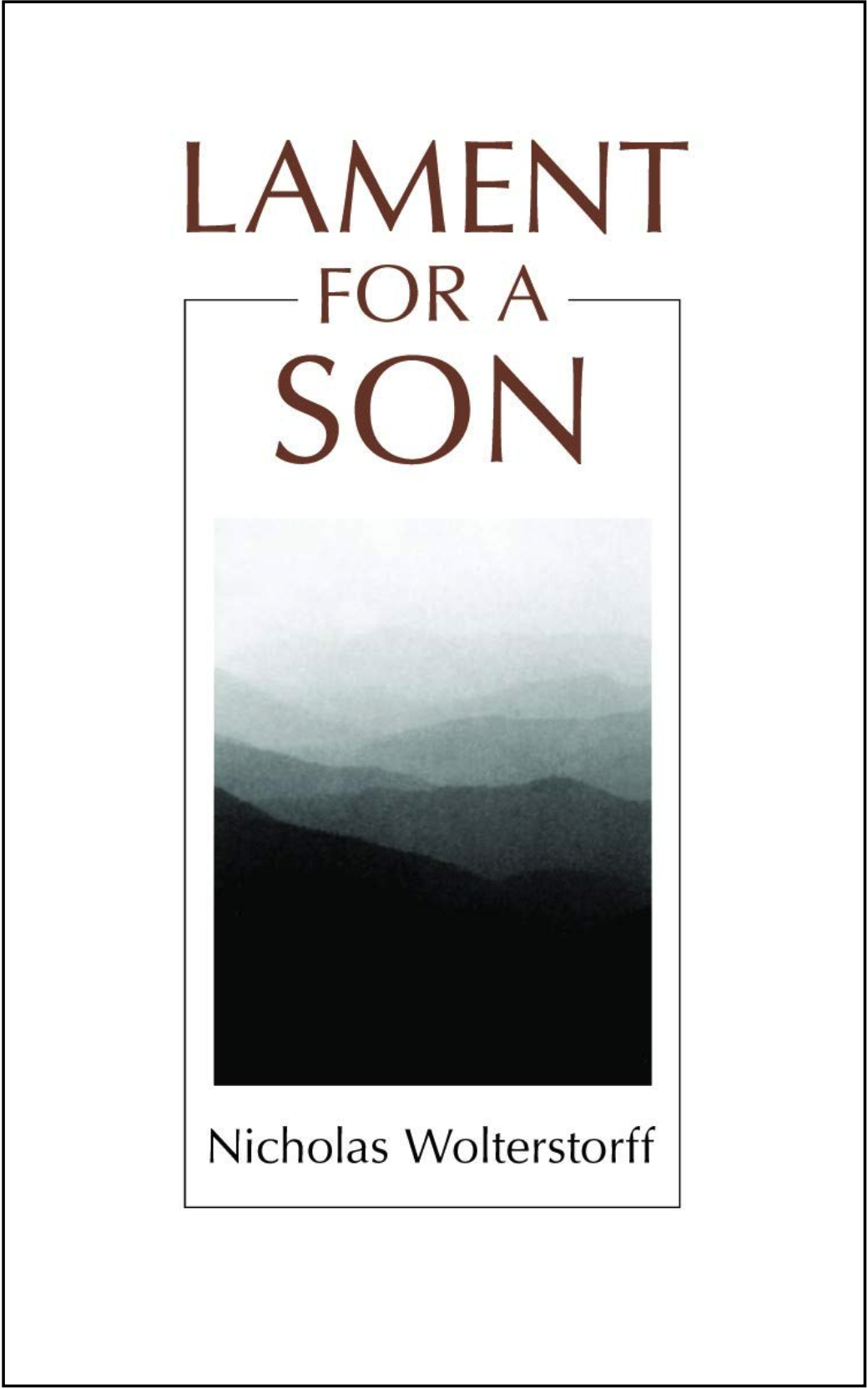
  38. Lament For A Son, by Nicholas Wolterstorff
  39. Understanding Gender Dysphoria: Navigating Transgender Issues in a Changing Culture, by Mark A. Yarhouse
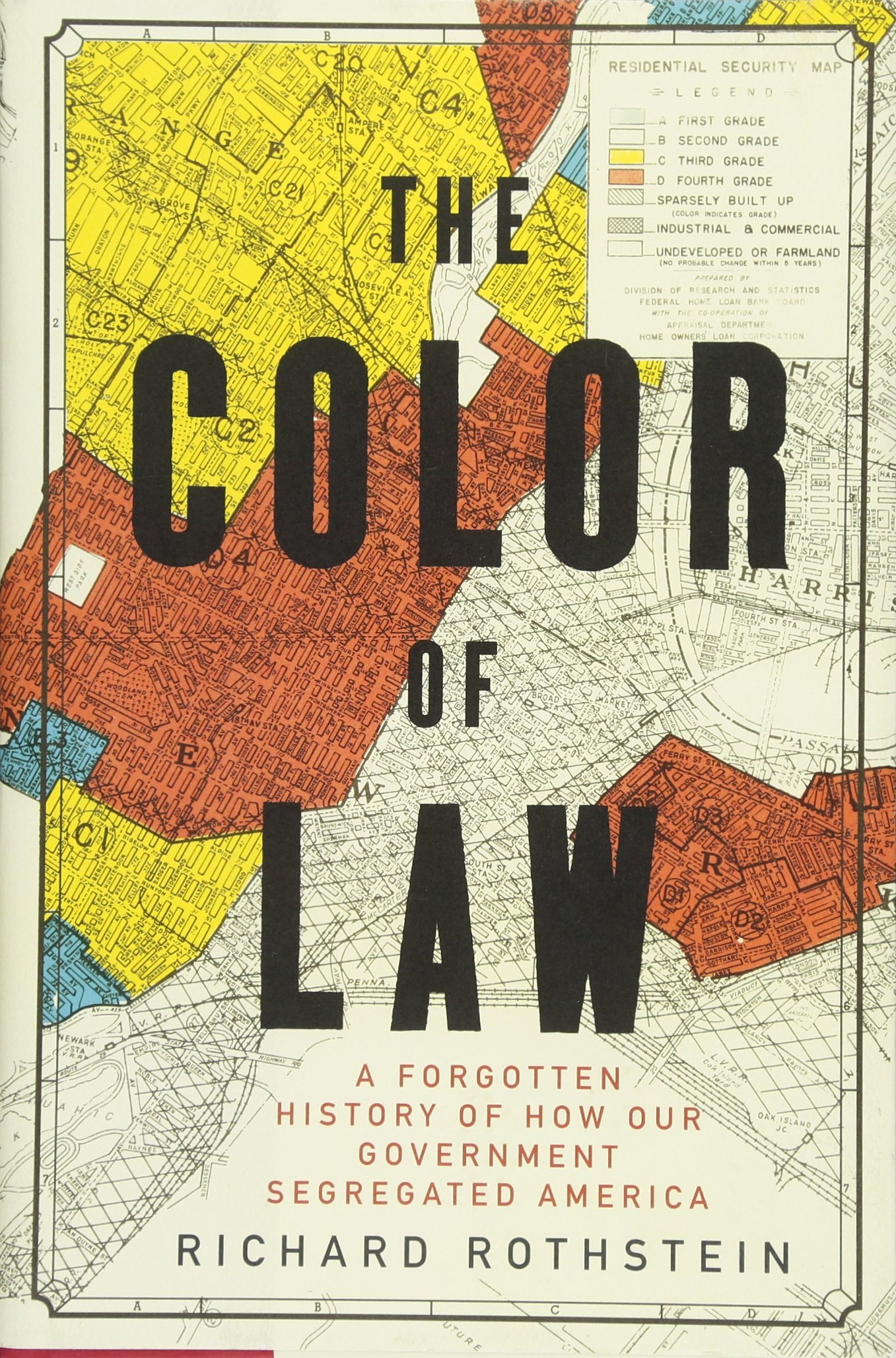
  40. The Color of Law: A Forgotten History of How Our Government Segregated America, by Richard Rothstein
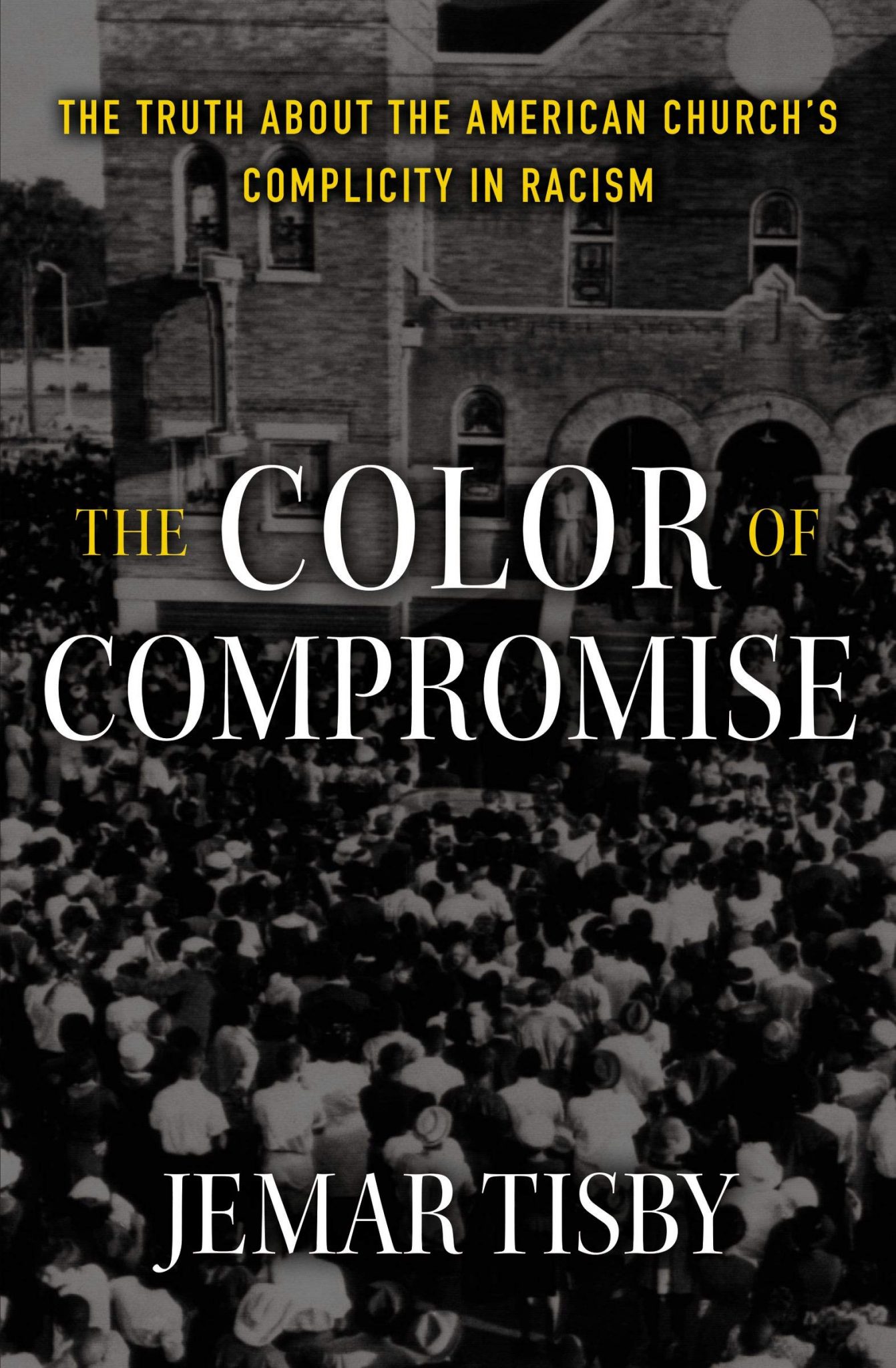
  41. The Color of Compromise: The Truth About the American Church’s Complicity in Racism, by Jemar Tisby
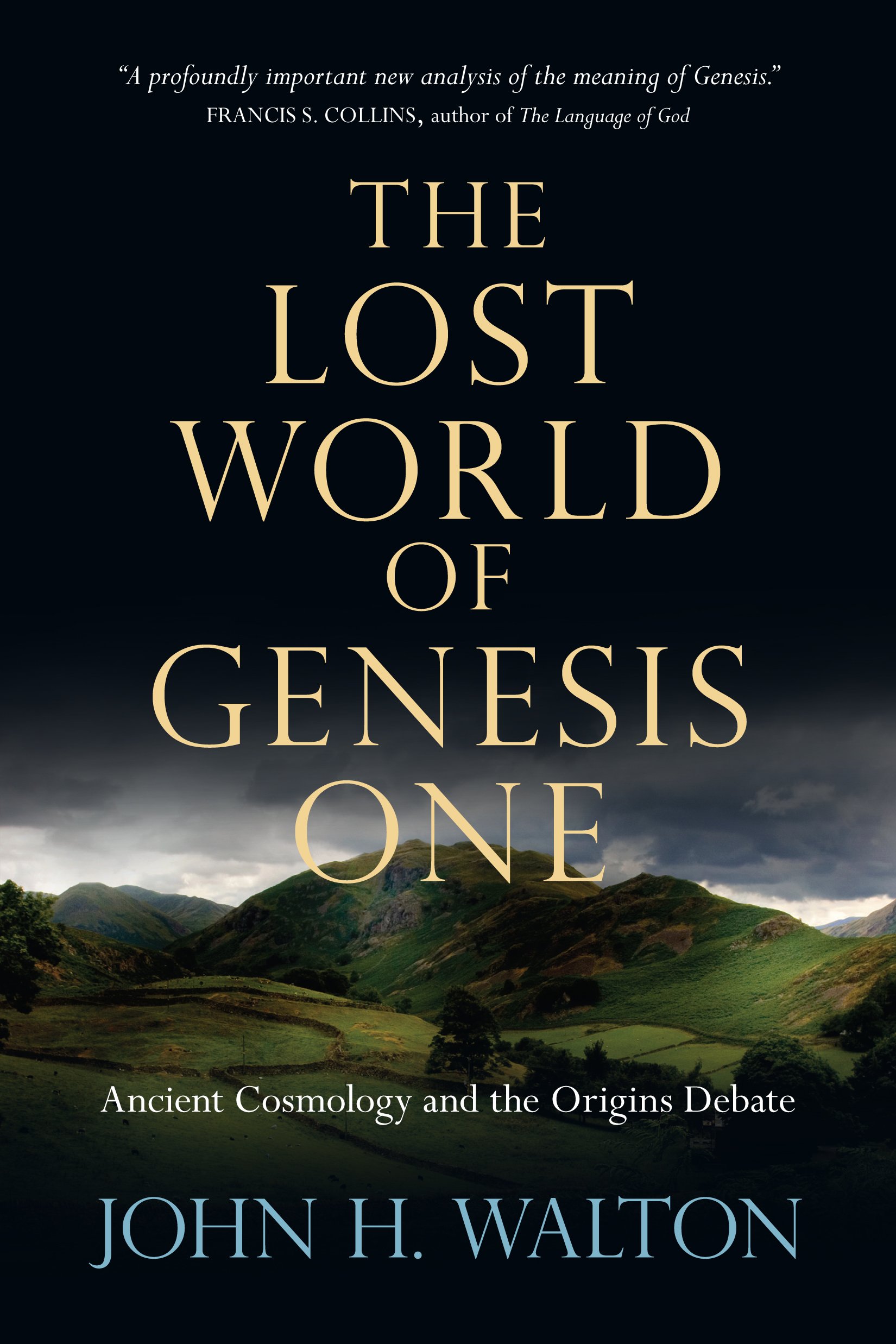
  42. The Lost World of Genesis One: Ancient Cosmology and the Origins Debate, by John H. Walton
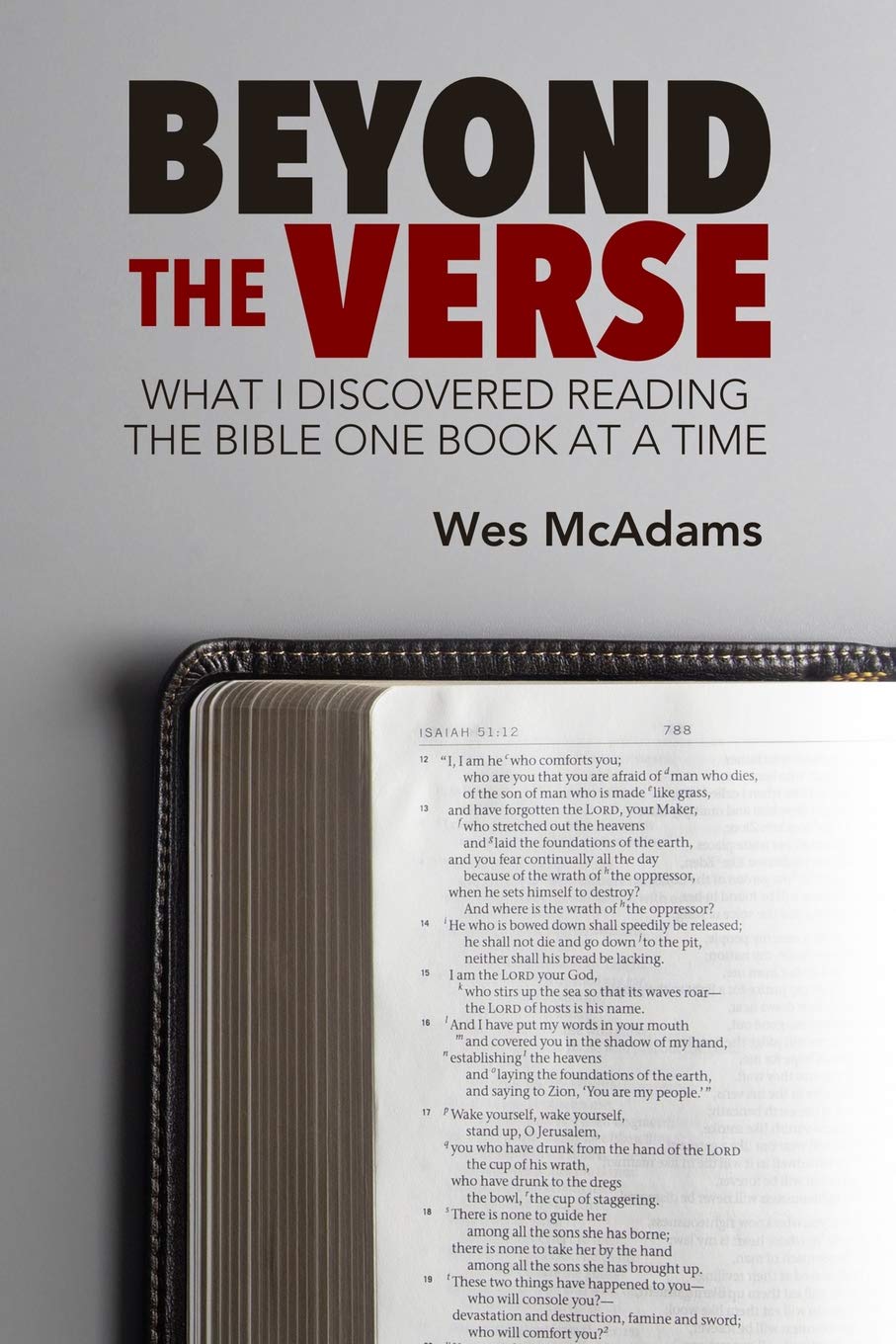
  43. Beyond The Verse: What I Discovered Reading the Bible One Book at a Time, by Wes McAdams
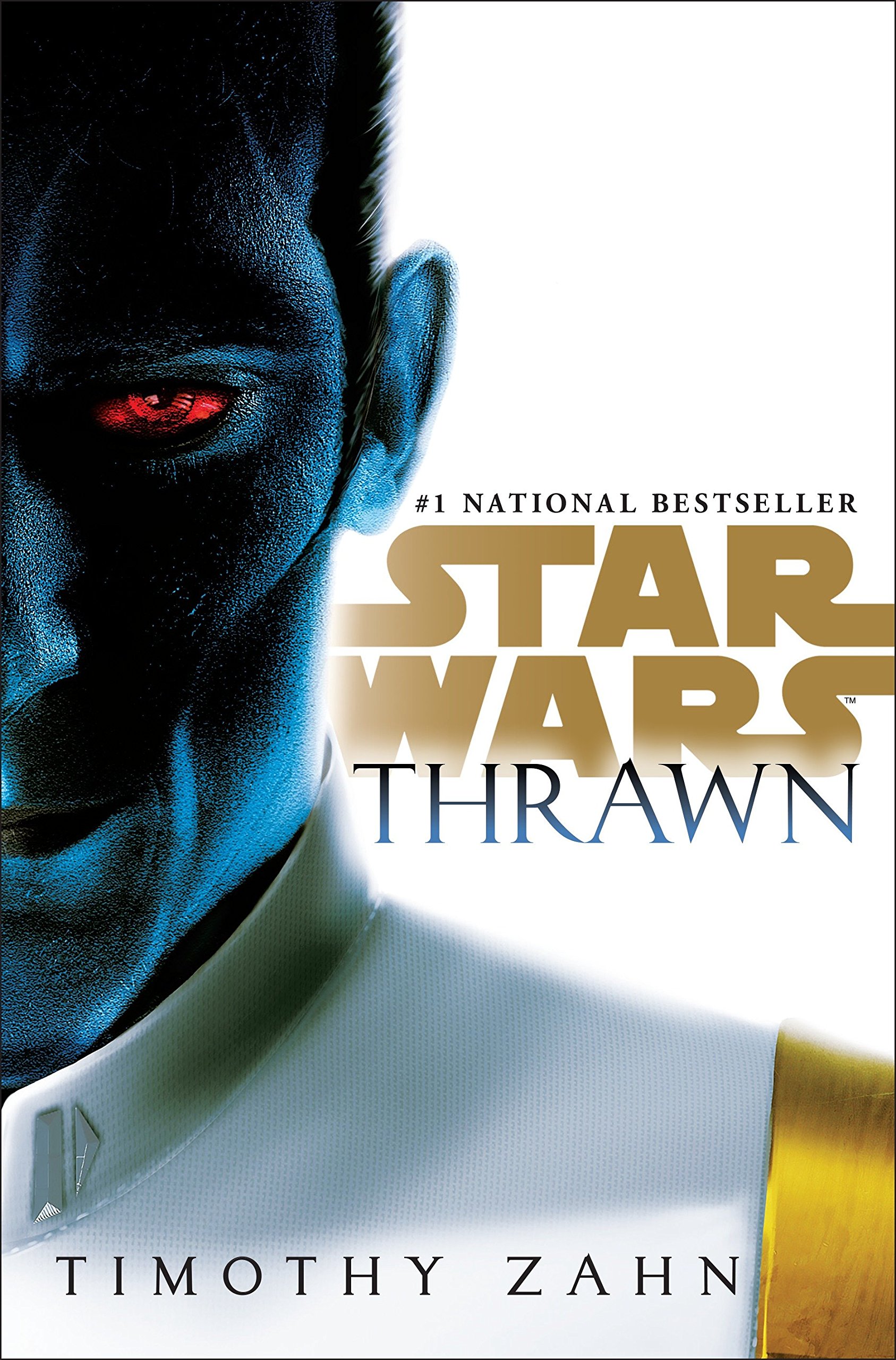
  44. Star Wars: Thrawn, by Timothy Zahn
  45. The End of Youth Ministry?, by Andrew Root
  46. Thrawn: Alliances, by Timothy Zahn
  47. Thrawn: Treason, by Timothy Zahn
  48. Searching For Sunday: Loving, Leaving, and Finding the Church, by Rachel Held Evans
  49. God And The Pandemic: A Christian Reflection on the Coronavirus and its Aftermath, by N.T. Wright
  50. Seeing Jesus from the East: A Fresh Look at History’s Most Influential Figure, by Ravi Zacharias and Abdu Murray
  51. The Righteous Mind: Why Good People Are Divided By Politics and Religion, by Jonathan Haidt
  52. Adoptive Youth Ministry: Integrating Emerging Generations into the Family of Faith, edited by Chap Clark
  53. The Family Upstairs, by Lisa Jewell
  54. How To Think: A Survival Guide for a World at Odds, by Alan Jacobs
  55. Race & Justice, by Tim Keller
  56. Race Against Time: A Reporter Reopens the Unsolved Murder Cases of the Civil Rights Era, by Jerry Mitchell
  57. Dominion: How the Christian Revolution Remade the World, by Tom Holland
  58. The Ragged Edge of Night, by Olivia Hawker
  59. Where The Crawdads Sing, by Delia Owens
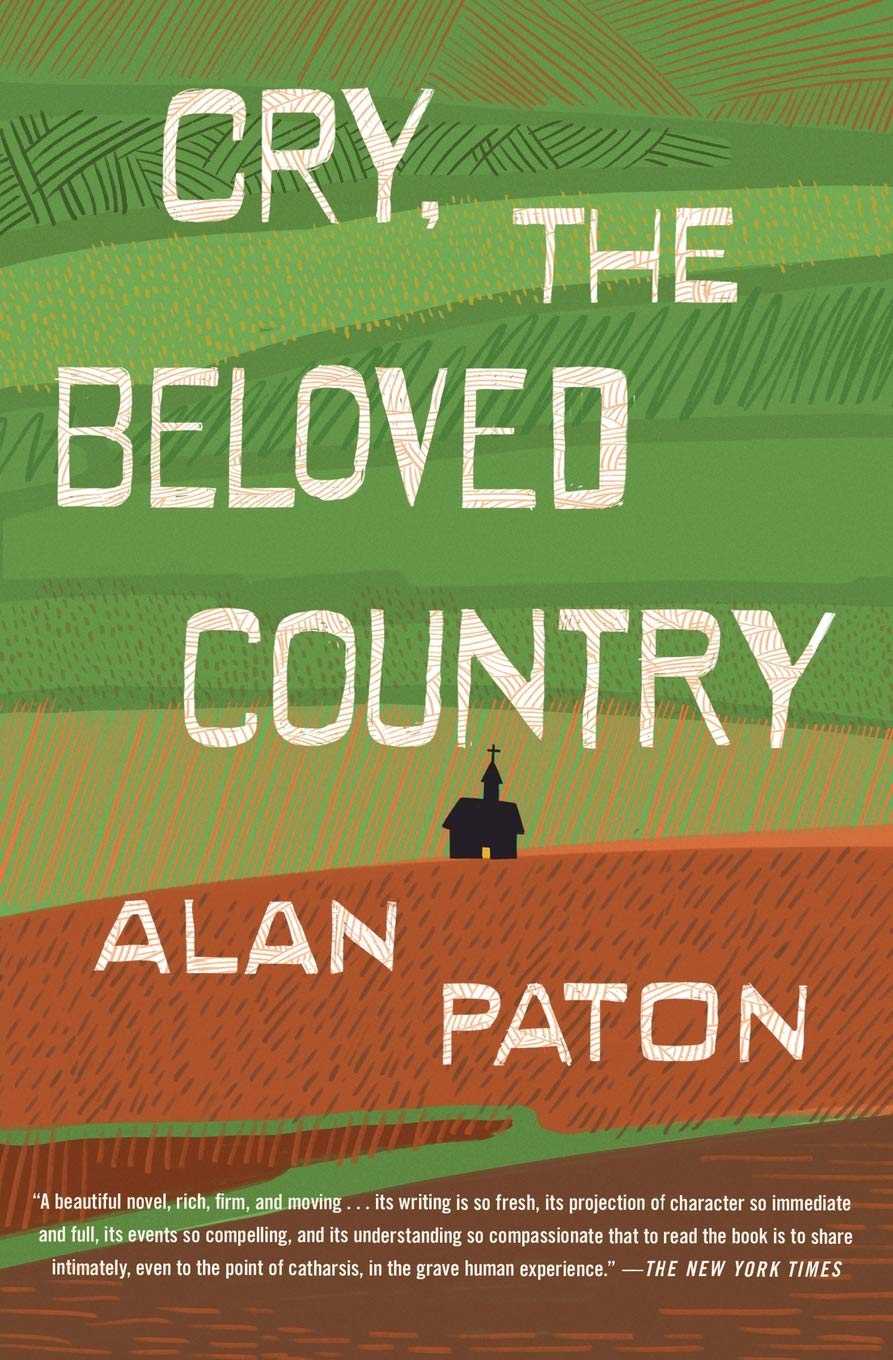
  60. Cry, the Beloved Country, by Alan Paton
  61. King Jesus and the Beauty of Obedience-Based Discipleship, by David Young
  62. The Risen Spear, by Scott Biddle
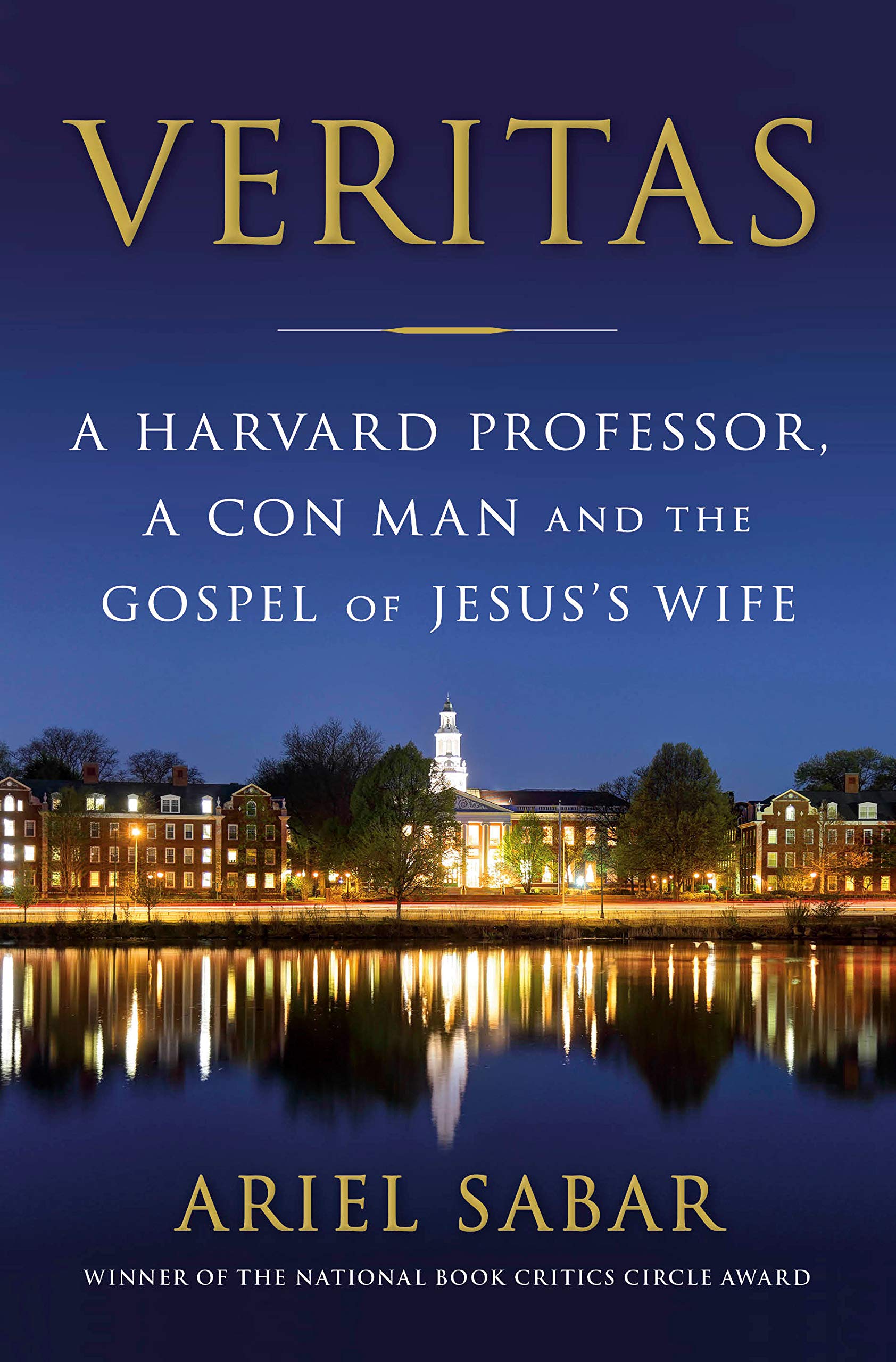
  63. Veritas: A Harvard Professor, A Con Man, and the Gospel of Jesus’s Wife, by Ariel Sabar
  64. McCord’s New Testament Translation of the Everlasting Gospel
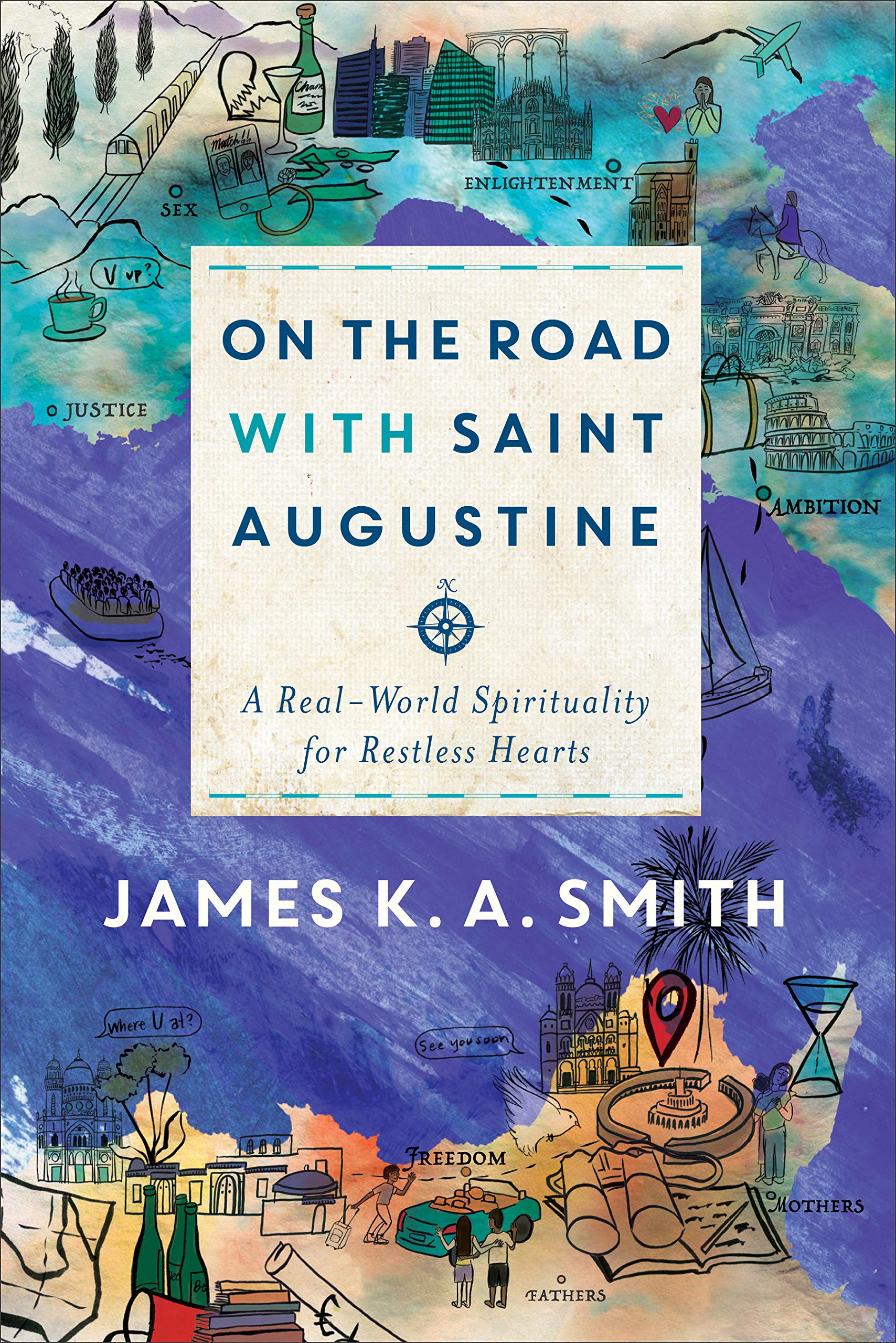
  65. On the Road with Saint Augustine: A Real-World Spirituality for Restless Hearts, by James K. A. Smith

A few observations before I talk about my favorite books of the year:

  • My reading total increased from 52 books in 2019 to 65 in 2020. My 2020 total represents a personal record for books read in a year. This is largely related to the life rhythms brought about by COVID-19: especially during the early days of lockdown (but extending beyond), I did a lot of walking around my neighborhood, and frequently listened to audiobooks while doing that. My reading decreased somewhat as the year went on.
  • I read a lot of fiction this year. This is partially because there were more fiction audiobooks available at my local library than, say, theology books, and partially because 2020 was a year where I was seeking distraction from circumstances and looking to “travel” through reading.
  • In addition to reading more this year, I read so many really good books. It was a great year of reading.
  • I fully expect my reading totals to decrease significantly next year. In addition to circumstances related to COVID hopefully improving over time, I am planning to start working through some long and dense books on theology and biblical studies (I am really excited about this, in case you were curious about how much of a nerd I am).

I normally share my Top 10 books for the year, but I was having a hard time narrowing it down to just 10 this year. This was stressing me out until I remembered that I make the rules around here, so I just decided to do a Top 15 list instead. Before I do so, I wanted to offer some brief thoughts on a few books that didn’t make my Top 15, but I still wanted to comment on.

  • Two great books that didn’t make my Top 15 because they had previously been Top 10 choices from previous years were The Sticky Faith Guide For Your Family, by Kara Powell (2017) and 12 Rules For Life: An Antidote to Chaos, by Jordan B. Peterson (2019).
  • The Righteous Mind: Why Good People Are Divided By Politics and Religion, by Jonathan Haidt: This is a good book that is a really important read for our times, I believe. It is not one of my top books of the year because it delves heavily into evolutionary biology and moral psychology, which are not areas of great interest for me, and I frequently got bogged down in those parts. But I found some really good ideas to take away from this book.
  • The Risen Spear, by Scott Biddle: Scott is one of my youth group dads, and I was delighted to learn that he has authored a series of fantasy books for children. The Risen Spear was a short read with a compact, exciting story, and vaguely reminded me of the Narnia books in some ways (which is high praise from me!). I look forward to reading the next books in the series.

I want to take a moment to highlight Race & Justice by Tim Keller. Technically, this is a series of articles rather than a book, but they are so long that combined they essentially represent a book-length treatment on the subject. I read and listened to a lot about race in 2020 (books, articles, podcasts, etc.), and this is, without question, the best biblical theology I have read related to race, racism, and justice.

I decided that Keller’s Race & Justice series was bookish enough to include in my list above, but since it wasn’t technically a book, I left it out of my Top 15. But that is in no way to diminish how good the material is (I bet it comes out as a book sometime in the future).


Regarding my Top 15 books for the year, here are some brief thoughts on those (presented in order of when I read them, not ranked 1-15):

Grit: The Power of Passion and Perseverance, by Angela Duckworth: I read this book back in February, which now seems about eight years ago, so I confess that I don’t remember it as well as I’d like to. Duckworth shares a lot of research and examples to flesh out her thesis, which is basically given by the title of the book. In short, the characteristic that best predicts success is not intelligence or personality or a host of other things, but grit, which Duckworth defines as a combination of passion and perseverance. In other words, a major part of being successful in life is finding something you really care about and sticking with it, regardless of setbacks or obstacles. I read this as an audiobook, but it is one that I will probably pick up at some point so I can keep coming back to it.

Mere Christianity, by C.S. Lewis: I read Lewis’s classic a dozen years ago, but I have never featured it as one of my top books of the year, so it makes its appearance on this list after I re-read it this year. I appreciated it even more this time; Lewis is such a penetrating thinker, and has an excellent way of getting at the heart of what Christianity is about.

Silence, by Shūsaku Endō: This novel is the poignant tale of Jesuit missionaries suffering persecution in 17th-century Japan. The story itself is gripping, but also raises important questions about the nature of cross-cultural missions, the place of martyrdom in Christian faith, and the plight of the believer when God is silent.

A Week in the Life of a Roman Centurion, by Gary M. Burge: This is the second book I’ve read from the “Week in the Life” series, and I continue to be a big fan. Basically, these are short historical novels set in the first century that seek to inform the reader about the world of the New Testament by plausibly expanding the stories of minor New Testament characters. Burge’s volume focuses on a Roman centurion whose life was changed by a meeting with King Jesus. The story is compelling, and the historical background is helpful for readers of the New Testament who are interested in a better understanding of the world of Jesus and the apostles.

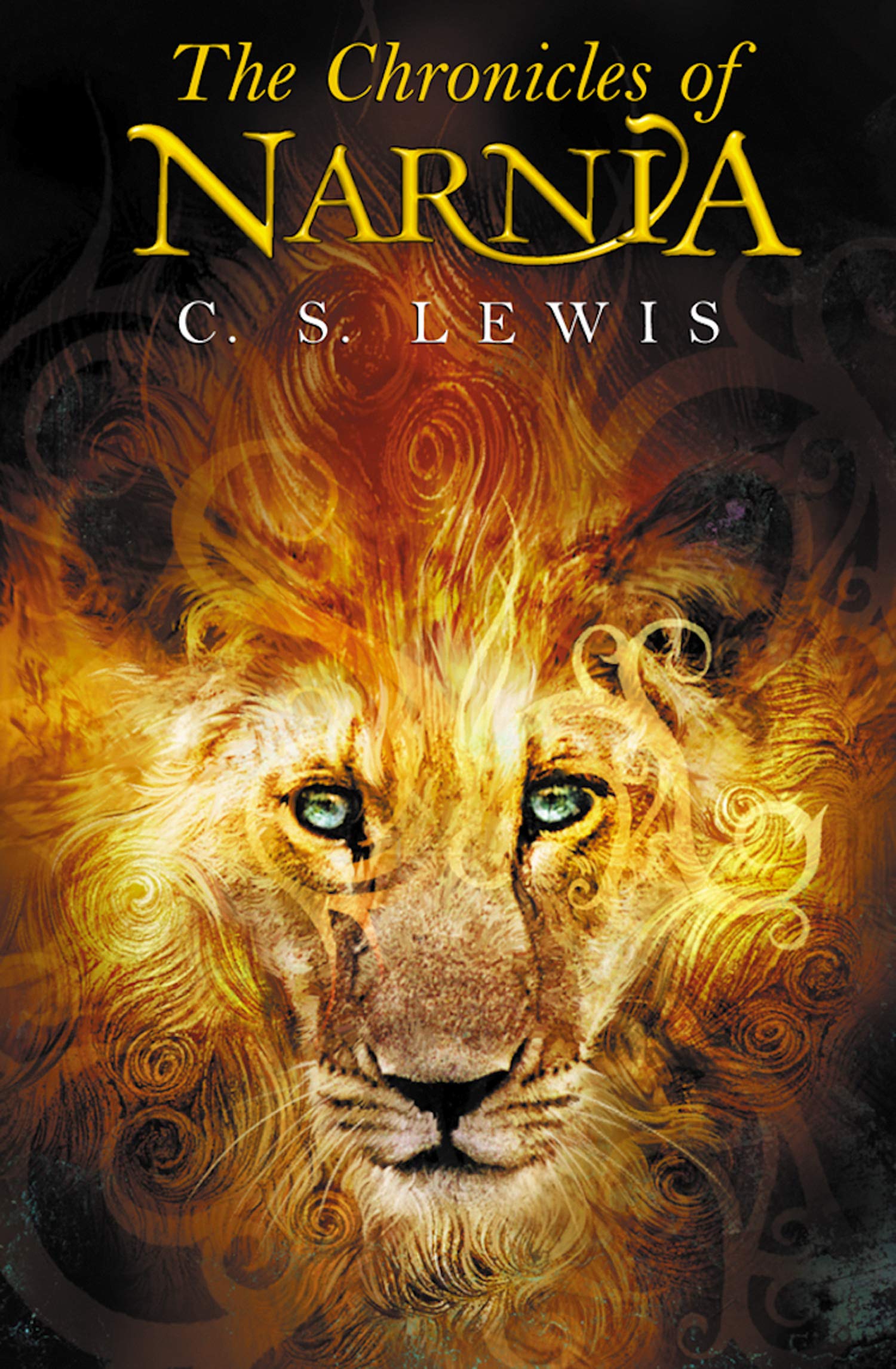
The Chronicles of Narnia, by C.S. Lewis: Okay, so I am cheating here by listing a series of books as one book, and this certainly wasn’t my first time to read the Narnia books, but collectively, this was definitely one of my favorite reads of 2020. Because I also blogged about the series at length, Lewis’s classic series was on my mind a lot this year. It was perfect pandemic reading for me.

Atomic Habits: An Easy & Proven Way to Build Good Habits & Break Bad Ones, by James Clear: This was another entry in the category of books that I “read” as an audiobook but enjoyed so much that I was tempted to go back and purchase a physical copy so I would have it for reference. I reviewed this book after I read it, so you can get a fuller overview there, but I will repeat my basic summary: Atoms are very small things. They are the building blocks of the world around us, but they are invisible to the naked eye. They are also very powerful—the power of the atom can provide electricity to an entire region in the form of a power plant, or untold devastation in the form of a nuclear bomb. This is the premise of Atomic Habits: habits are little, sometimes nearly invisible things that can bring about powerful change—for good or ill—in our lives.

Lament For A Son, by Nicholas Wolterstorff: This is a series of short essays written after the author’s 25 year-old son was tragically killed in a climbing accident; I was so moved by this book that I wrote a series of posts on it. As a Professor Emeritus of Philosophical Theology, Wolterstorff certainly writes from a theological perspective, but overwhelmingly, he is writing as a grief-stricken dad. It is possibly the best book on suffering that I have read, and I think that, perhaps, is because Wolterstorff’s disjointed essays are the perfect way to reflect on grief and suffering. Well-organized books on theodicy that seek to explain the problem of evil and suffering have their place, but those are the sorts of books you need to read when the sun is shining and the world makes sense. On the other hand, when grief has come unexpectedly rushing into your life with the force of a tsunami, Lament For A Son—with its chaos and raw emotion and grasping faith—is the sort of book you need.

The Color of Law: A Forgotten History of How Our Government Segregated America, by Richard Rothstein: in many ways, I felt this was The New Jim Crow applied to the housing industry in the United States. It talks about all sorts of creative ways in which government officials—at the federal, state, and local levels—orchestrated the largely-segregated society that still exists today in our country (zoning ordinances, neighborhood covenants, blockbusting, white flight, the establishment of ghettos, construction of interstates, and more). The Color of Law shares tons of data and statistics, but is written in a narrative style that is easy to follow and understand.

The Color of Compromise: the Truth About the American Church’s Complicity in Racism, by Jemar Tisby: this book specifically addresses the American Church, and confronts the reader with the uncomfortable reality that throughout American history, white Christians have largely (though not entirely) turned a blind eye toward racism, and many times have actively supported and furthered racist agendas. Tisby does not shy away from hard truths, but he writes with clear affection for the church, and offers helpful suggestions moving forward.

The Lost World of Genesis One: Ancient Cosmology and the Origins Debate, by John H. Walton: Genesis 1 is a famously controversial text, and takes a prominent position in discussions about the seeming tension between faith and science. Walton, a conservative Old Testament scholar, removes some of the fuel from the fires of controversy by suggesting that we should receive Genesis 1 the way that ancient Israelites would have received it: as ancient cosmology, it is function oriented rather than being concerned about material origins. If you are someone who has ever been bothered by Genesis 1 and how that fits with scientific claims (and especially if this has been a barrier to faith for you), The Lost World of Genesis One is an excellent read.

Beyond The Verse: What I Discovered Reading the Bible One Book at a Time, by Wes McAdams: Wes is one of my favorite bloggers and I think he is such a helpful voice in the church right now. A couple of  years ago, he completed reading through the entire Bible, but rather than doing it by reading a few chapters each day, he read entire books of the Bible in one sitting each day. This enabled him to get a much clearer picture of the broad story the Bible tells, and it is a story that we are often guilty of distorting significantly. I absolutely loved this book. I recommended it to several people after I read it, and I intend to incorporate it into my ministry moving forward.

Star Wars: Thrawn, by Timothy Zahn: In many ways, 2020 was the year that I rediscovered Star Wars novels. I used to read Star Wars novels a lot, but back when Disney took over the franchise, they decanonized all the books I had read and I lost interest. Out of the loop, I discovered that a bunch of new Star Wars novels had been authorized by Disney and written in recent years, and I read several in 2020. Some of them were hot garbage, but Timothy Zahn’s Thrawn trilogy was good: my favorite Star Wars author reintroducing one of my favorite decanonized characters back into the canon. Thrawn is the first book in the trilogy, and was, in my opinion, the best.

Cry, the Beloved Country, by Alan Paton: I read this book back in 2009 and loved it, but had not read it since then, and it was even better than I remembered. This book touches on so many heavy themes—racism, theology, politics, the breakdown of the native village, crime, poverty, environmental concerns, and more—and tells the story of the shared tragedy of two older men in 1940s South Africa: a poor, black Anglican priest, and a wealthy, white farmer. This is such a beautiful book, and it was even more poignant to me reading it in 2020, a year of significant racial tension in my own country. Simply put, this is among the best books I have ever read.

Veritas: A Harvard Professor, A Con Man, and the Gospel of Jesus’s Wife, by Ariel Sabar: The subtitle of this book summarizes the plot well. In 2012, Harvard Divinity School professor Dr. Karen King published the discovery of a papyrus fragment from a supposed early Christian text that she sensationally dubbed, “The Gospel of Jesus’s Wife,” that would later turn out to be a forgery. This book is an impressive chronicle of investigative journalism, and also serves as a warning of the problems of confirmation bias and the murky places to which extreme forms of postmodern thinking can deliver us.

On the Road with Saint Augustine: A Real-World Spirituality for Restless Hearts, by James K. A. Smith: Saint Augustine of Hippo is likely the single most influential Christian thinker since the Apostle Paul, and as Smith points out in this superb book, his story is quite likely very much like your own. Based significantly on Augustine’s Confessions, Smith looks at the journey of his life and the issues and questions that drove it—issues and questions that continue to drive our lives today. This makes Augustine a wonderful travel companion as we journey through life: someone who has already made a similar journey, asked similar questions, and, if we have ears to hear, has helpful directions for the road. Bonus: the cover design for this book is outstanding. They say you can’t judge a book by its cover, but in this case…

That was my reading for 2020. For comparison’s sake if you are interested, you can see my reading lists from previous years:

What are some of the best books you read this past year?

Ranking The Chronicles of Narnia, Part 8: Concluding Thoughts

Way back in April, I mentioned that I had begun reading The Chronicles of Narnia during the COVID-19 pandemic, and it was a great choice for several reasons. The familiar stories provided comfort in a time of anxiety, the imaginative world of Narnia provided helpful distraction from reality, and the series’s central focus on Aslan helped to re-orient me from fear to trust.

As I read through the books, I enjoyed them so much that I decided to write about them. I had actually wanted to do so for years, and I thought it would be a lot of fun to rank the different books and write a post or two to summarize my thoughts.

It turned into a much larger project than I first intended.

The first post was about 1,500 words, but each subsequent post grew longer and longer, like the books in the Harry Potter series. The post reviewing The Last Battle was over 4,000 words long, and the entire series is some 22,000 words. The posts got longer because I began to focus more on details of the books, and especially on the theology presented in each one. That also meant that to took me much longer to write the different posts: while there was a gap of about a week between Part 1 and Part 2, Part 7 came about six weeks after Part 6 (which was ridiculous).

Summarizing all of those posts, my rankings basically break the Narnia books down into four tiers:

The Masterpieces

For my money, LWW, VDT, and HHB represent the top three Narnia books, in that order. But, they are so close that I have a hard time being dogmatic about that. The next time I read through the series, they could easily shuffle places.

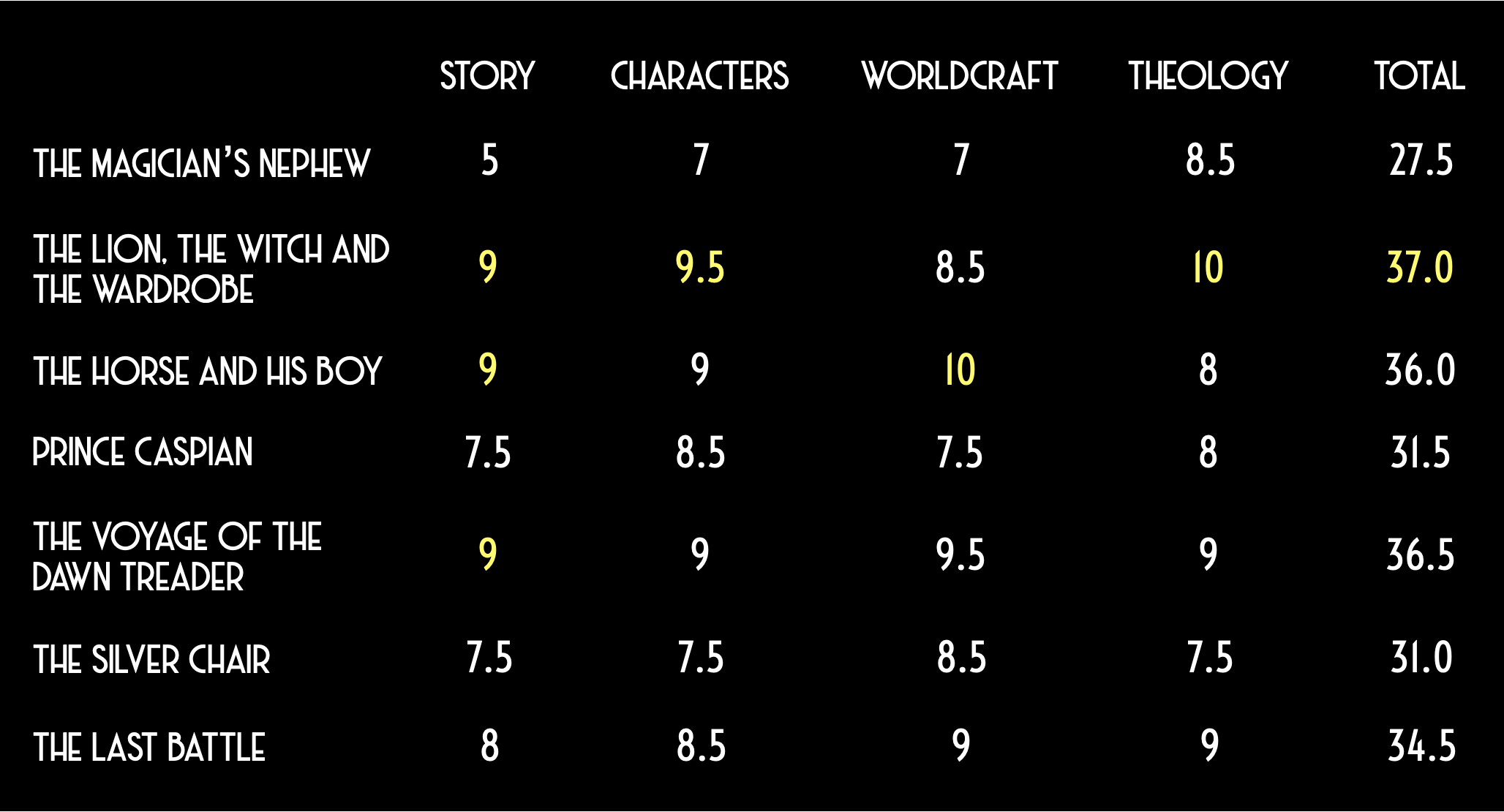
LWW is so good, and has no real weaknesses; it had the highest or tied-for-highest sub-score in three of the four rubric categories (Story, Characters, Theology). VDT didn’t peak as highly, but similarly had no weaknesses. HHB was the best book in the series for the first three categories (Story, Characters, Worldcraft), but was a notch below in Theology, which moved it from first to third.

Solidly Great

LB is really good as well. It doesn’t have any real weak points, but its highs are not quite as high as the top tier, and the lows are a little lower. I would disagree with anyone who argued that it is the best book of the series, but still, it represents a fitting and satisfying end to the Narnia chronicles.

Good But Flawed

According to my rubric, PC and SC scored very similarly, with only a half-point separating the two. Both books have good elements, but are also flawed. The stories are somewhat slow, the theology is not as good as several of the other books, and neither book is truly excellent in any category.

But again, these books suffer from being compared unfavorably to some truly brilliant books; they are still worth reading.

The Unnecessary Prequel

There’s no way around it: I am not a big fan of MN. The story really drags, the characters aren’t very compelling, and even though the creation account prompts some good theological reflection, overall, this book is a big step below all others in the series.

It’s not a terrible book, but as I said in the review for MN:

“It is a classic prequel in the negative sense: you care about the story because you are already invested in the world in which it exists; if you actually read the prequel first, you wouldn’t understand what was so great about the series and may not even be inclined to continue.”

Thankfully, Lewis didn’t write this one first.

Here are the scores for all the books; highest scores in a given category are in yellow.


This concludes our Ranking Narnia series; I hope you have enjoyed it! Although I had not originally planned to review the books at this level, this series turned out to be a lot of fun to write, and the theological reflection it prompted for me was meaningful and encouraging.

These reviews have helped me develop an even deeper fondness for the Narnia series; I expect that I will be reading them again!


Check out the full series of posts:

« Older posts Newer posts »

© 2026 The Doc File

Theme by Anders Noren — Up ↑