The online journal of Luke Dockery

Category: Reviews (Page 3 of 16)

Ranking Walt Disney World Parks

Caroline and I had been saving for a family trip to Walt Disney World for the last 2-3 years, and finally went back in mid-December. We had a wonderful time! We surprised the kids (which was a lot of fun), spent four days traveling there and back (which was not as much fun), and then visited the four parks—Animal Kingdom, Magic Kingdom, Epcot, and Hollywood Studios—in a five-day period.

We had taken a previous Disney trip five years ago as part of a Make-A-Wish trip for Kinsley. That trip was outstanding too, but we tried to do too much, and it was fun this time to “only” do four parks. We also stayed at a Disney resort, which was neat and helpful in various ways.

It is one of the quirks of my personality to always be evaluating and ranking things, so for this post, I wanted to review and rank the four parks. Here are the criteria I will be using:

  • Rides: Rides are the first thing that people care about. Here, I won’t be evaluating the parks on the overall number of rides specifically (though that could come into play under “Special Considerations” below). Rather, my ratings will be specifically based on the number of Tier 1 and Tier 2 rides in each park.[1] I will rate the parks’ rides on a scale of 1-10.
  • Theming: Something that really sets Disney apart from other amusement parks is the level of detail they bring to their theming. You actually feel like you have been transported to other countries (or galaxies!). Still, some of the parks do a better job at this than others. I will rate the parks’ theming on a scale of 1-10.
  • Special Considerations: Basically, this is everything that doesn’t quite fit into the other categories. This might include things like shows, park layout, and other things. Parks can receive bonus points or penalties for these considerations.

I will talk about the parks in the order in which we visited them, and then circle back at the end to put the rankings side by side.


Animal Kingdom

Rides

Animal Kingdom is different as a combination theme park and zoo, and as part of that, it actually doesn’t have that many rides, but what it lacks in quantity it makes up for in quality: 

  • I rode Flight of Passage back in 2018, and it was instantly my favorite ride of all time. It was one of my first 3D ride experiences, and I wasn’t prepared for how immersive it was. Five years later, I knew it would be hard to live up to the hype again, but it totally did! I loved it just as much as the first time around. In the ride, you are mounted on a winged banshee, and you really do start to believe that you are in the world of Pandora. The ride is exhilarating but never scary, and the details are so amazing—the overwhelming panoramic view, the spray of mist on your face, and the feel of the banshee “breathing” between your thighs. The ride engages all of your senses, and is just so much fun. I had a massive smile on my face the whole time. Flight of Passage is a clear Tier 1, and has my vote as the best ride at Disney World.

  • Expedition Everest is the second Tier 1 at Animal Kingdom, and the only real coaster there. Located in Asia the mountain dominates the horizon from far away, and you almost feel like you are on a mountain pilgrimage as you hike up to the ride. The ride itself is a lot of fun: you start off on a fairly tame coaster through the mountain, only to discover that a yeti has destroyed the track. Suddenly, you shoot of backwards through the dark at high speeds, and the ride reaches a new level of thrill. It is a fun and creative coaster.
  • Kilimanjaro Safari is maybe not a ride, technically, but it is an awesome experience and close enough to a ride so I am including it here as a Tier 2. As mentioned above, Animal Kingdom is like a zoo, and there are many sections where you can observe wildlife on your own or with guides. That is cool enough, but Kilimanjaro Safari actually makes you feel like you are on an African safari, with a tour guide who drives you through the wildlife reserve offering close-up views of amazing animals.

Again, there aren’t a ton of rides at Animal Kingdom, but there are some great ones, and with Flight of Passage and Expedition Everest, Animal Kingdom offers the best 1-2 punch of any of the Disney World parks.

Rides: 8/10

Theming

The theming at Animal Kingdom is, mostly, top-notch, and it is a beautiful park to walk around in, especially at twilight:

  • The central area, Discovery Island, contains the massive Tree of Life, which is really neat and also functions as a screen for light shows in the evening.
  • Pandora is from the world of Avatar, and is incredibly done. The floating island are massive, impressive feats of engineering.
  • I have never been to Africa or Asia in real life, but the Africa and Asia sections exactly match my imagination of those places. The level of detail is amazing and immersive.
  • The one strike against the Animal Kingdom theming is Dinoland USA. This area feels dated and out of place compared to the rest of the park, and honestly feels more like a random section from a Six Flags or some other amusement park that was dropped into Animal Kingdom rather than actually being a part of Disney. Thankfully, Disney is going to remedy this eyesore and close this area in 2024 for a total redesign.

Theming: 8.5/10

Special Considerations

Here are some features or characteristics of Animal Kingdom that are worth special attention:

  • In my opinion, Animal Kingdom is the easiest of all of the parks to find your way in and also move through quickly. It is designed like a wheel with a central hub, so you can navigate on the outside from one adjacent section to another, or you can cut across through the middle. I am directionally challenged, and if I can easily get a sense of how to navigate a park, you know it is laid out in an easy fashion. (+1)
  • The Festival of the Lion King is, arguably, the best show at Disney World.  (+1)
  • Dinoland stinks. It’s worth a penalty. (-1)
  • Despite my great disdain for Dinoland, the Boneyard is pretty cool if you have small kids—it’s basically a sand pit with a large replica dinosaur skeleton buried inside. At age 3 and again at age 7, my son would have gladly spent all day there. (+1)
  • The Tusker House restaurant, located in Africa, has a buffet that offers the best food I had in Disney World. (+1)
  • Again, it is a zoo! There are cool animals all over the place, but instead of that being the main attraction like a zoo, they are something that you can enjoy while walking from place to place, or stop to examine when taking a break between rides. (+1)

Special Considerations: +4

Total Score: 20.5


Magic Kingdom
Rides

In the ride category, Magic Kingdom is kind of like the antithesis of Animal Kingdom: it has a ton of rides, but they aren’t great. Much of this is because Magic Kingdom is the park that is most geared towards children. There’s nothing wrong with that—my kids loved Magic Kingdom, but I’m an adult, and despite there being a ton of rides, there aren’t any Tier 1 rides. Three coasters at Magic Kingdom make my list as Tier 2, however:

  • Big Thunder Mountain is a solid Tier 2, but there’s nothing particularly special or innovative about it. It is long, which is a plus, and I got to ride it at night (great views) with my son (his first real roller coaster), so it was my favorite ride at Magic Kingdom.
  • Tron Lightcycle Run is the newest and most-hyped coaster at Magic Kingdom, but I found it disappointing. It launches fast, which is exciting, but the overall ride is simply too short. Additionally, one of the features of this ride is that you are hunched over like you are on a cycle, but I didn’t find that this added anything exciting to the ride. In all, this is a good ride, but it could have been so much better.
  • Space Mountain probably wouldn’t make it to Tier 2 for me, but it’s totally in the dark, which provides an extra wrinkle of thrill. I didn’t get to ride it this time, but feel safe including it here from previous memory.

Magic Kingdom has plenty to keep you busy, even if you are an adult, but you won’t find Top-Tier rides here.

Rides: 6/10

Theming

Compared to other parks, the theming at Magic Kingdom isn’t great:

  • To me, Fantasyland, Frontierland, and Adventureland don’t really show the sort of creativity and attention to detail that you expect from Disney; they just seem like standard theme park areas with Disney references.
  • Ditto with Liberty Square, except with less Disney references.
  • Tomorrowland is more creative, but also seems pretty anachronistic—it’s like what we thought the future would look like back in the 1960s.
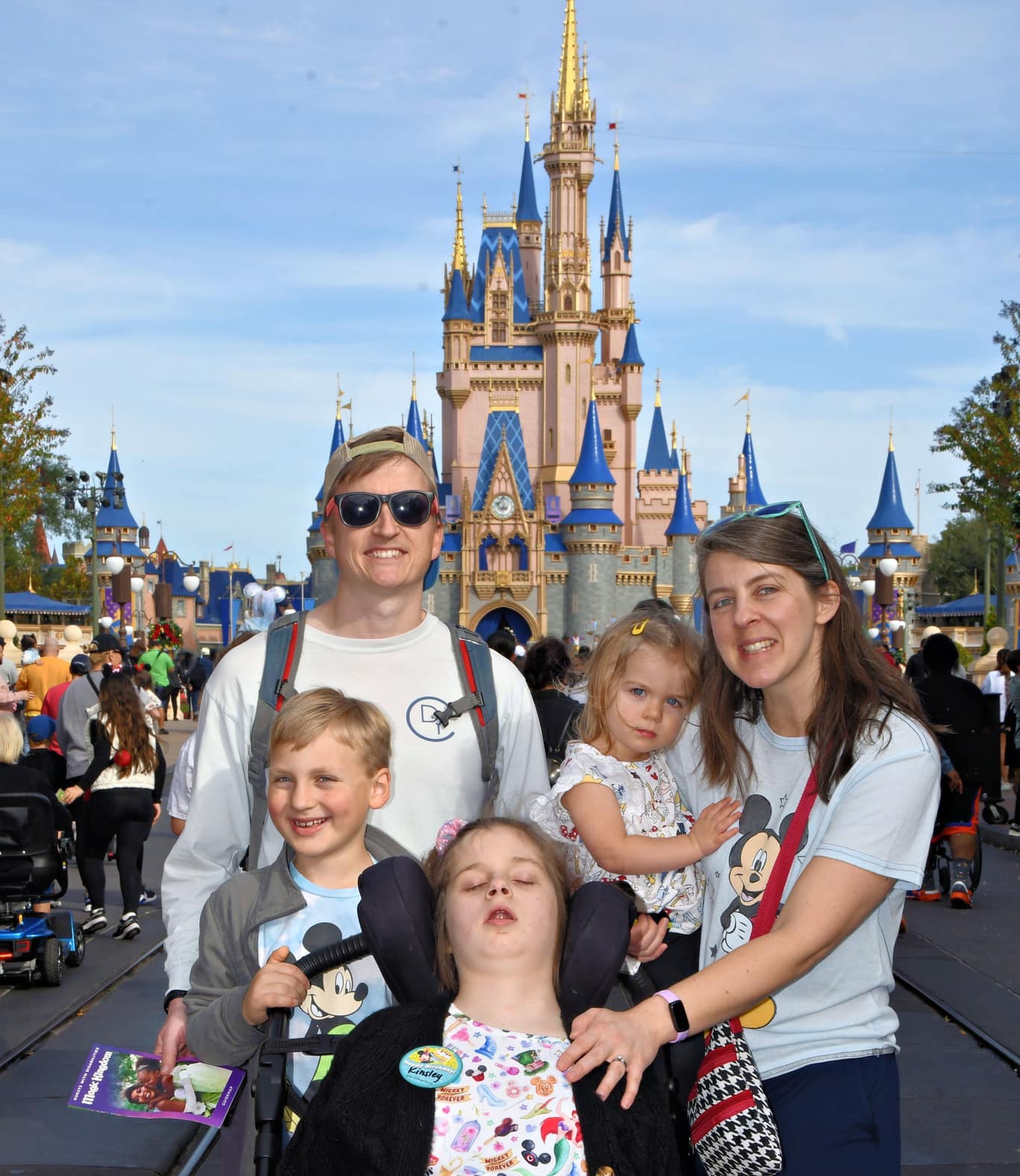
  • The real exception to the theming problem is Main Street, U.S.A., which offers the iconic views of Cinderella’s Castle, and looks great at night with all the lights (especially at Christmas time!). This area is great, but it doesn’t make up for the rest of the park in my opinion.

Theming: 6/10

Special Considerations

Here are some features or characteristics of Magic Kingdom that are worth special attention:

  • There is just so much to do at Magic Kingdom. You’ll never feel like you exhausted everything in one day. (+1)
  • Cinderella’s Castle is synonymous with Disney, and certainly gives off that magical, fairytale feeling. They have spectacular light shows there in the evenings, too. (+1)
  • There are a bunch of rides that don’t make it to Tier 2 for me, but that are a lot of fun for kids. This is a great park for kids. (+1)
  • Swiss Family Treehouse is a nostalgic favorite for me (and hey, these are my rankings!). (+1)

Special Considerations: +4

Total Score: 16


Epcot
Rides

Historically, Epcot hasn’t been known for its rides, but that has begun to change. If any other Disney World park can challenge Animal Kingdom for the top spot in rides, it’s Epcot:

  • Guardians of the Galaxy: Cosmic Rewind is an awesome, awesome ride. It is a clear Tier 1, and maybe, maybe is even better than Flight of Passage. The queuing experience and the ride itself are immersive experiences, and the ride itself contains lots of fun and exciting features: a ride cart that moves in novel ways, a dark ride experience similar to Space Mountain, an incredibly smooth ride, massive screens with cinema scenes that add to the story of the ride, and killer music (as you would expect from Guardians of the Galaxy).
  • Remy’s Ratatouille Adventure was maybe the most pleasant surprise of any ride at Disney World. It is a 3D ride where you are in a cart that moves around on the ground, and the premise is that you have shrunk to the size of a rat and are scurrying through the kitchen trying to avoid being caught or squished. This was such a delightful, fun ride, and I laughed all the way through it. Definite Tier 2.
  • I struggled a bit here, in that I thought that Frozen Ever After and Soarin’ Over California were both borderline Tier 2 rides. I think you could argue this either way, but I enjoyed the Frozen ride experience more, and would have it just making the cut for Tier 2, while Soarin’ just misses it.

So, with one Tier 1 and two (almost three!) Tier 2 rides, Epcot comes in just behind Animal Kingdom in my system.

Rides: 7/10

Theming

None of the other parks can match Epcot when it comes to theming and beauty.

  • The main entrance to the park has the famous Spaceship Earth geodesic dome, which is pretty neat, and looks especially cool at night.
  • The surrounding areas at the front of the park—World Discovery, World Celebration, and World Nature, are largely forgettable.
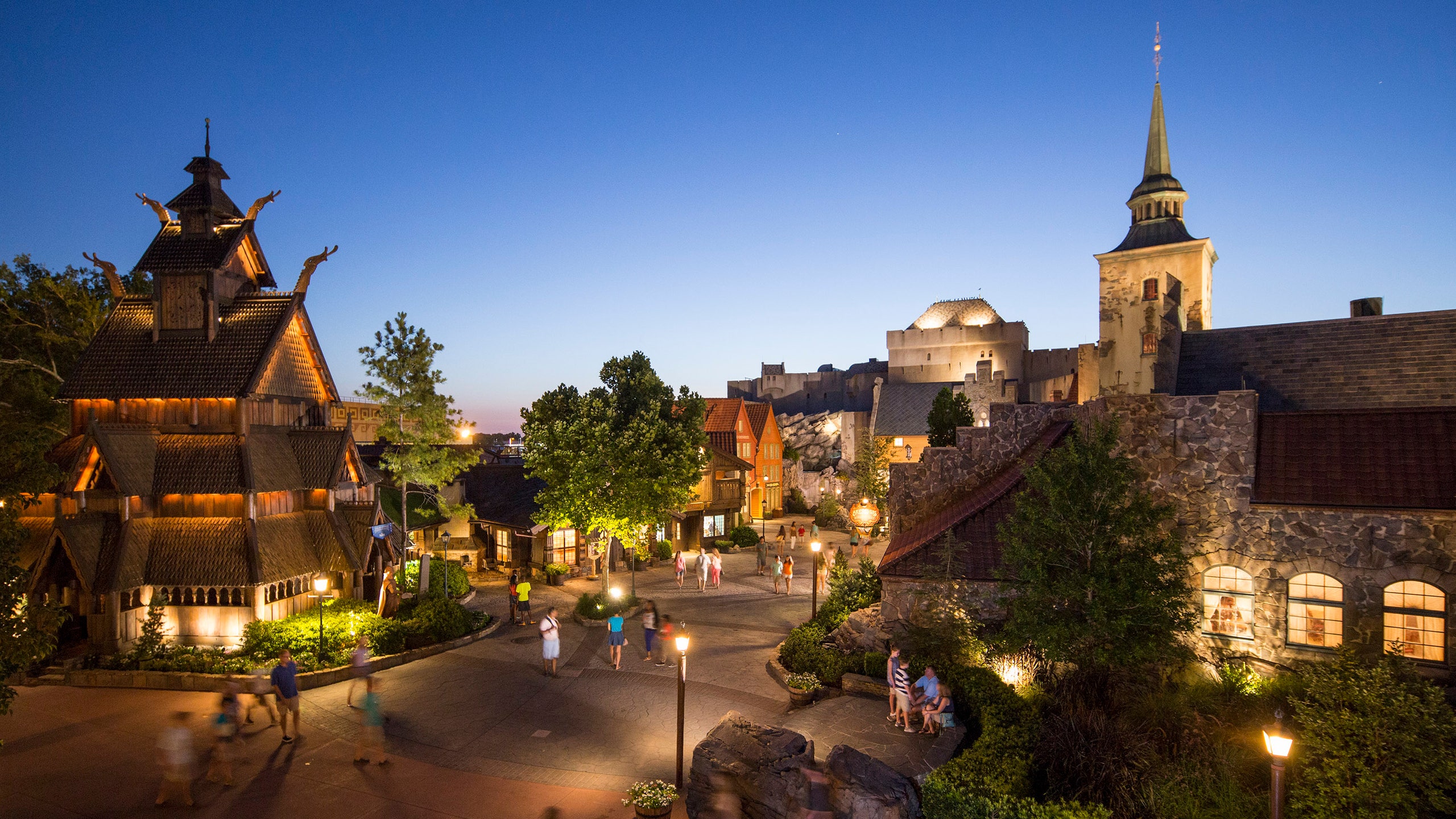
  • Where Epcot really shines, though, is the World Showcase: as you circle the central lake, you go from one country to the next, touring the world and actually feel like you are visiting these places, with distinctive landmarks, architecture, music, and food. Even the workers in each “country” are actually from those countries, lending it an added degree of authenticity. At night, it is even better, as the lights reflect off the water and the layout of the park gives you a clear view of everything.

Theming: 9.5/10

Special Considerations

Here are some features or characteristics of Epcot that are worth special attention:

  • The food at Epcot is great, as you can try food items from all over the world. And, if you’re feeling less adventurous, you can just go to the United States area and eat regular amusement park food! (+1)
  • If you go during the Christmas season, you can experience the Candlelight Processional, where choirs sing Christmas carols and some celebrity reads the birth story of Jesus. To be sure, this is a relic of Christendom rather than a sign of Disney’s Christian devotion, but it is still a pretty cool thing that Scripture is read to thousands of people each year at Disney. (+1)
  • If Magic Kingdom is the park that is especially for kids, Epcot is the park for adults. Good food, exposure to culture, and a few killer rides. If you are able to visit without kids, a great gameplan would be to arrange your day around the Guardians and Ratatouille rides, and spend the rest of your time just walking around the different countries, sampling food, and taking it all in. (+1)

Special Considerations: +3

Total Score: 19.5


Hollywood Studios

Rides

There are some fun rides at Hollywood Studios, but from my perspective, none of them make it to the Tier 1 level. This conclusion comes with somewhat of an asterisk, because there were two rides I was hoping to ride but just didn’t get to: Slinky Dog Dash (it was broken) and the Rock ’n’ Roller Coaster (ran out of time). Having said that, after doing some research, I am confident that neither of these rides would make it to the Tier 1 Level, and Slinky Dog might not even be a Tier 2 ride.

There were three rides that I thought were in the Tier 2 category, and all of them were Star Wars themed:

  • Star Wars: Rise of the Resistance is the ride that everyone gets excited about, but on the whole, it was disappointing for me. As an immersive experience, the ride is incredible: the Disney cast members who run the ride are all dressed up as members of the First Order, and they act like jerks to you (because, for the sake of the ride, you are resistance sympathizers who are being detained. The ride itself was fun—the way that it moved and worked reminded me a lot of Remy’s Ratatouille Adventure. The difference is that I went into Remy’s with no expectation and it blew me away; I went into Rise of the Resistance expecting to be blown away, and came away disappointed.
  • Millennium Falcon: Smugglers Run is basically a glorified 3D video game. You are part of a four-person crew flying the Millennium Falcon (one person steers the ship left and right, one person steers it up and down, and two serve as gunners). It was not a particularly scary or thrilling ride, but it was super fun with the line going through the Falcon, and pretending you were flying it. A Star Wars fan‘s dream come true.
  • Star Tours: The Adventure Continues is the oldest of the Star Wars rides and some people don’t like it, but I enjoy it a lot. It is another 3D, virtual reality ride, but I think it succeeds at being sufficiently exciting. Furthermore, you visit four different worlds on your tour, and these worlds are randomized, which means you can ride it repeatedly and have very different experiences. One note of caution: this ride is tough on those who get motion sickness.

My rankings at Hollywood Studios should possibly come with an asterisk because there were two rides I didn’t get to experience: Slinky Dog Dash and Rock ‘n’ Roller Coaster. Slinky Dog was broken all day, and we just didn’t have time to ride Rock ’n’ Roller Coaster. Based on other things I have read, I don’t think Slinky Dog would have made the Tier 2 cut. I’m not sure about Rock ’n’ Roller Coaster, though, as I have heard mixed reviews. Since I haven’t ridden it, I can’t score it.

On another note, some may be surprised to not see the Twilight Zone Tower of Terror making the Tier 2 cut. I saw a commercial for Tower of Terror when I was a kid, and have wanted to ride it for almost 30 years. It was a massive bundle of disappointment. It is not a terrible ride; in fact, it is probably a borderline Tier 2, but considering that I expected it to be a solid Tier 2 or even a Tier 1, I just found it to be incredibly overhyped.

Rides: 6/10

Theming

I said earlier that none of the other parks could match Epcot for theming and beauty and that’s true, but Hollywood Studios has a lot going for it.

  • As a Star Wars fan, I am biased, but the single coolest section of any park had to be Star Wars: Galaxy’s Edge. This was the most immersive area of Disney for me. The food and snacks were allusions to the world of Star Wars, the souvenirs aimed for immersive authenticity (e.g. instead of a Star Wars shirt, you could buy Star Wars robes; instead of a Star Wars poster, you could buy a First Order recruitment poster, etc.), and different Star Wars characters were walking around. The life-sized Millennium Falcon (pictured above) was incredible. I could go on and on, but suffice it to say that getting to walk around for a while by myself in this section and just soak it all in was one of my favorite parts of the trip.
  • Sunset Boulevard is a really cool area to walk through, especially at night when decorated for Christmas. It very much gives off a classic Hollywood vibe, and it leads to the Twilight Zone Tower of Terror, which feels very iconic.
  • The other areas were underwhelming, and the park in general felt very cramped.

Theming: 7.5/10 (and this is giving significant weight to Galaxy’s Edge)

Special Considerations

Here are some features or characteristics of Hollywood Studios that are worth special attention:

  • The Frozen Singalong show was one of the best that we saw at Disney World. It is hilarious and enjoyable. (+1)
  • The Star Wars characters were excellent and added a lot to the experience. My son Seth was wearing a Darth Vader shirt, so the First Order officers on Rise of the Resistance assumed he was on their side and attempted to recruit him as a spy (to his great chagrin). The Mandalorian saw Kinsley in her wheelchair and called our entire family to cross the roped-off area to get a picture with him. Rey noticed Seth wearing the Darth Vader shirt as well and teased him about it, acting like she wouldn’t take a picture with him because he couldn’t be trusted. All of these people were top notch and really added to the experience. (+1)
  • Outside of the Tusker House at Animal Kingdom, my favorite meal at Disney was Ronto Roosters in Galaxy’s Edge. Seriously, this is the best park section at Disney, even without a Tier 1 ride. (+1)

Special Considerations: +3

Total Score: 16.5


Final Results

Putting all of this together, Luke’s definitive ranking of Disneyworld Parks is as follows:

  1. Animal Kingdom (20.5)
  2. Epcot (19.5)
  3. Hollywood Studios (16.5)
  4. Magic Kingdom (16.0)

As you can see, from my perspective, there is a clear separation between Animal Kingdom and Epcot, and Hollywood Studios and Magic Kingdom. You can see the full rankings with subcategory scores below.


Bonus: What About Universal?

About three weeks after our family went to Disney, Caroline and I were able to go to Universal Studios Florida and Universal Islands of Adventure when we were in Florida for a work conference. Without doing full reviews of these parks, I thought I might make some general observations:

  • Generally speaking, the Universal parks are a notch below Disney in terms of theming and food.
  • The exception to this are the two Harry Potter sections: Hogsmeade in Islands of Adventure and Diagon Alley in Universal Studios. These are immersive areas with exquisite detail, and rival Galaxy’s Edge; they are that good.
  • Islands of Adventure has a better 1-2 punch of rides than anything Disney has to offer: Velocicoaster is quite simply the best roller coaster I have ever been on, and Hagrid’s Magical Creatures Motorbike Adventure might be even more fun. Universal Studios, on the other hand, is pretty disappointing when it comes to rides, with maybe only one Tier 2 ride to offer.
  • Without doing a full ranking of the parks, I would say that Islands of Adventure belongs up in the class of Animal Kingdom and Epcot, while Universal Studios is probably below every Disney park.

[1] In my personal classification system, ride tiers are as follows:

  • Tier 1 rides are awesome, can’t-miss experiences. They are worth long waits, or paying extra money to guarantee riding. These are fun, thrilling, and creative. They are also rare; I only consider three total rides at Disney World to be in the Tier 1 category.
  • Tier 2 rides are also a lot of fun. To me, they are usually lacking something that Tier 1 rides have—maybe not quite as exciting or innovative. These are absolutely worth riding, but maybe not worth paying extra for.
  • Tier 3 rides are fun and worth riding, but are the sort of rides you fit into your schedule rather than planning a day around. These are definitely not rides that you want to wait in line a long time for.
  • Tier 4 rides are those that you want to skip (if you can get away with it).

Ultimately, only Tier 1 and 2 rides count enough to move the needle positively in my rating system.
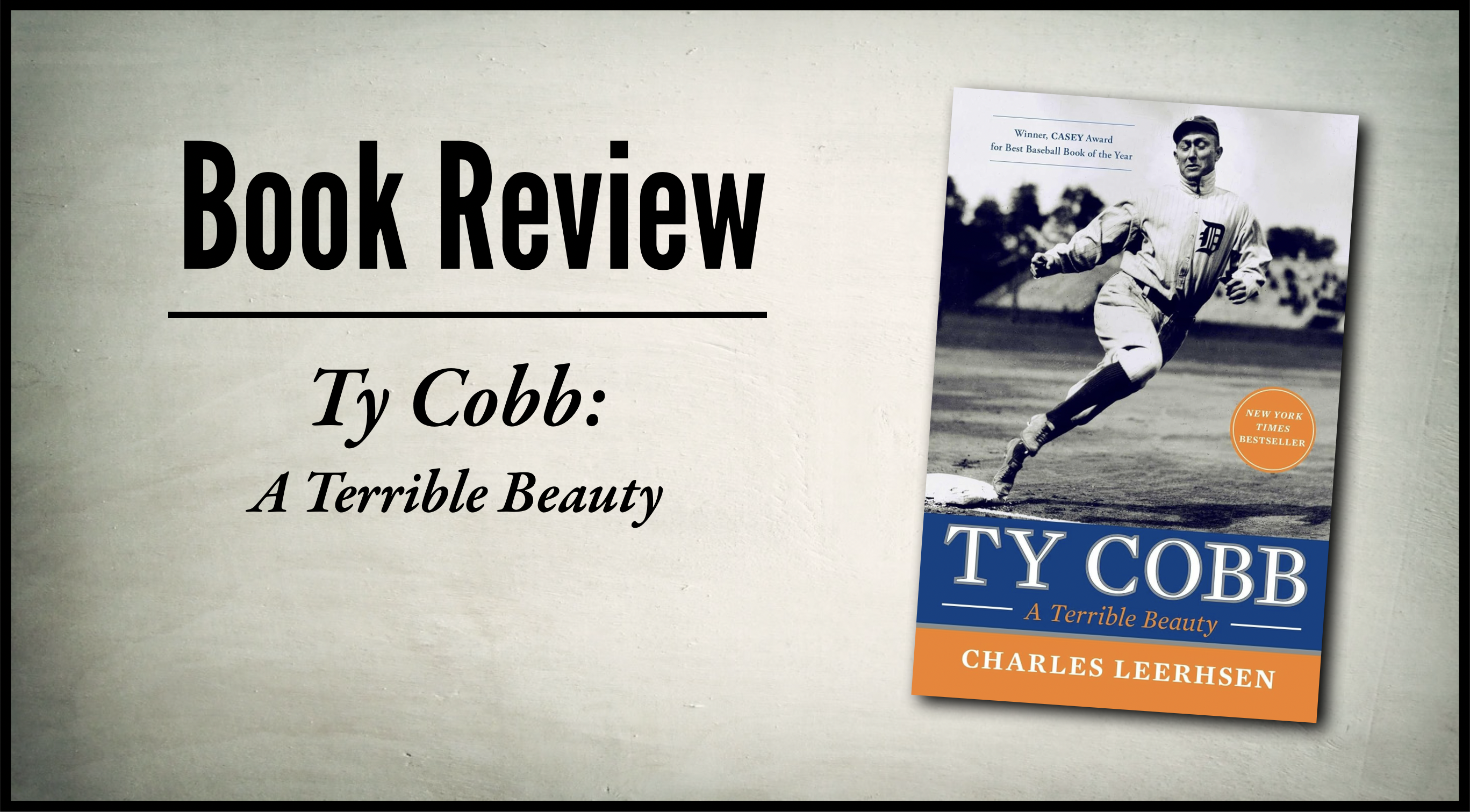
Book Review: Ty Cobb: A Terrible Beauty

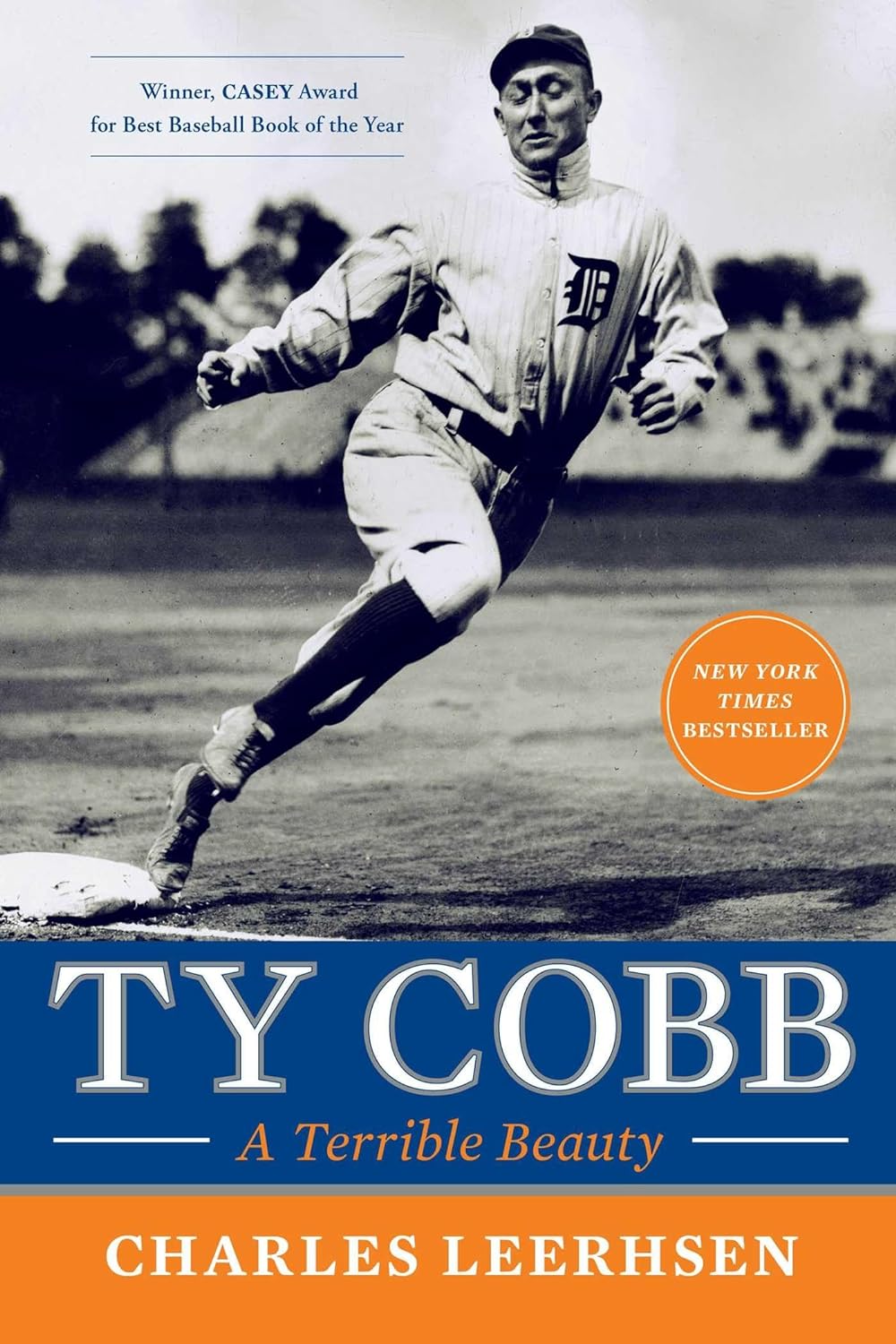
One of my favorite reads of 2023 was Charles Leerhsen’s Ty Cobb: A Terrible Beauty.

If you know much about baseball history, you know that Ty Cobb is regarded as one of the great villains—perhaps the greatest villain—in the history of baseball. As the story goes, he was vicious and violent, a bigoted racist who famously assaulted a handicapped man and was hated by all the men who played with him. He was also a profoundly brilliant player—the best player in baseball history until Babe Ruth came along, and his record for the highest career batting average still stands today, almost 100 years after his retirement. But for all his skills, there tends to be a general understanding that baseball would have been better off without him. Noted baseball historian Daniel Okrent, commenting in Ken Burns’s outstanding PBS documentary Baseball, referred to Cobb as the “great black mark on the history of baseball.”

Imagine my great surprise, then, to read Joe Posnanski’s essay on Ty Cobb in The Baseball 100 (another of my favorite reads in 2023), where he made the shocking suggestion that perhaps Cobb was not quite the villain he had been made out to be. Posnanksi pointed to this biography of Cobb by Charles Leerhsen, and I knew I had to read it.

Leerhsen’s biography on Cobb was well-researched and compellingly told, and the truth, it seems, is more complicated than the popular legend. Cobb did fight on the baseball diamond, but so did many other players—baseball was a very different and more violent game in the early 1900s. He did have feuds with some of his teammates, but he also had friends across the league. And, while Cobb’s racial attitudes would surely be out of place in 2024, for someone who grew up in Georgia in the late 1800s, there is precious little evidence for any particular racial hatred on his part, and he advocated for the integration of major league baseball before it happened, and supported players like Jackie Robinson once they broke through the color barrier.

How, then, did the story of Cobb’s villainy become so prevalent? According to Leerhsen, the fault lies at the feet of Al Stump, Cobb’s original biographer who wrote multiple books that birthed the urban legend that has entered the public consciousness. Leerhsen focuses on Stump quite a bit, effectively establishing how shoddy his research was and how he often played fast and loose with the truth.

Having said all of that, Leerhsen’s goal is not to turn Cobb into a saint; the man certainly had problems and did many things that he regretted. Rather, Leerhsen wants us to see Cobb as he was: a complicated mix of good and bad. In some ways, it is an uncomfortable realization: it can be comforting to label someone as a villain because then we can write them off as evil and wholly different than we are. But the truth is less comforting: the dividing line between good and evil is not between ourselves (who, of course, we classify as good) and those we deem to be evil; rather, to paraphrase a famous line from the great Russian writer and Soviet dissident Aleksandr Solzhenitsyn, the line between good and evil runs through every human heart.

It was a line that Ty Cobb danced around throughout his life. It is a line I am more familiar with than I would like to admit.

Ty Cobb: A Terrible Beauty was the best kind of sports book: it told a good story, it taught me new and interesting things, and it prompted me to take a good hard look at myself.

Reading in 2023

I enjoy reading and also making lists, so this is always one of my favorite yearly posts because it involves both of those things. I will offer some thoughts on my favorite books of the year below, but first, here is the list of books I read in 2023:

  1. All Things Wise and Wonderful, by James Herriot
  2. I Must Betray You, by Ruth Sepetys
  3. Don’t Know Tough, by Eli Cranor
  4. Erasing Hell: What God Said about Eternity, and the Things We’ve Made Up, by Francis Chan and Preston Sprinkle
  5. Anxious for Nothing: Finding Calm in a Chaotic World, by Max Lucado
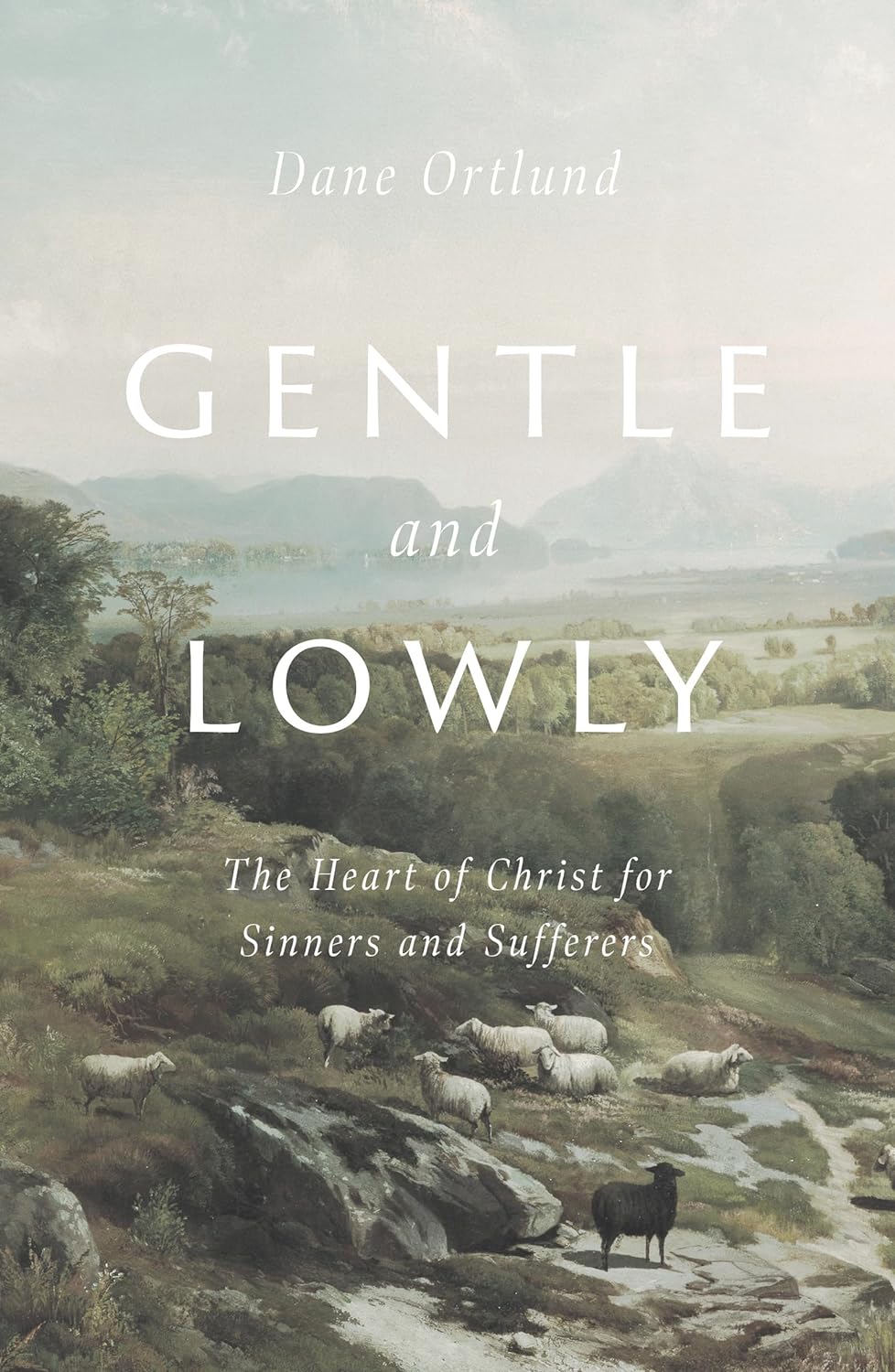
  6. Gentle and Lowly: The Heart of Christ for Sinners and Sufferers, by Dane Ortlund
  7. The Deeply Formed Life: Five Transformative Values to Root Us in the Way of Jesus, by Rich Villodas
  8. A Long Obedience in the Same Direction: Discipleship in an Instant Society, by Eugene Peterson
  9. What Happened to the Bennetts, by Lisa Scottoline
  10. The Woman in the Window, by A.J. Finn
  11. Where Men Win Glory: The Odyssey of Pat Tillman, by Jon Krakauer
  12. The Family Remains, by Lisa Jewell
  13. My Name is Lucy Barton, by Elizabeth Strout
  14. Lucy by the Sea, by Elizabeth Strout
  15. Oh William!, by Elizabeth Strout
  16. Anything is Possible, by Elizabeth Strout
  17. The Paris Apartment, by Lucy Foley
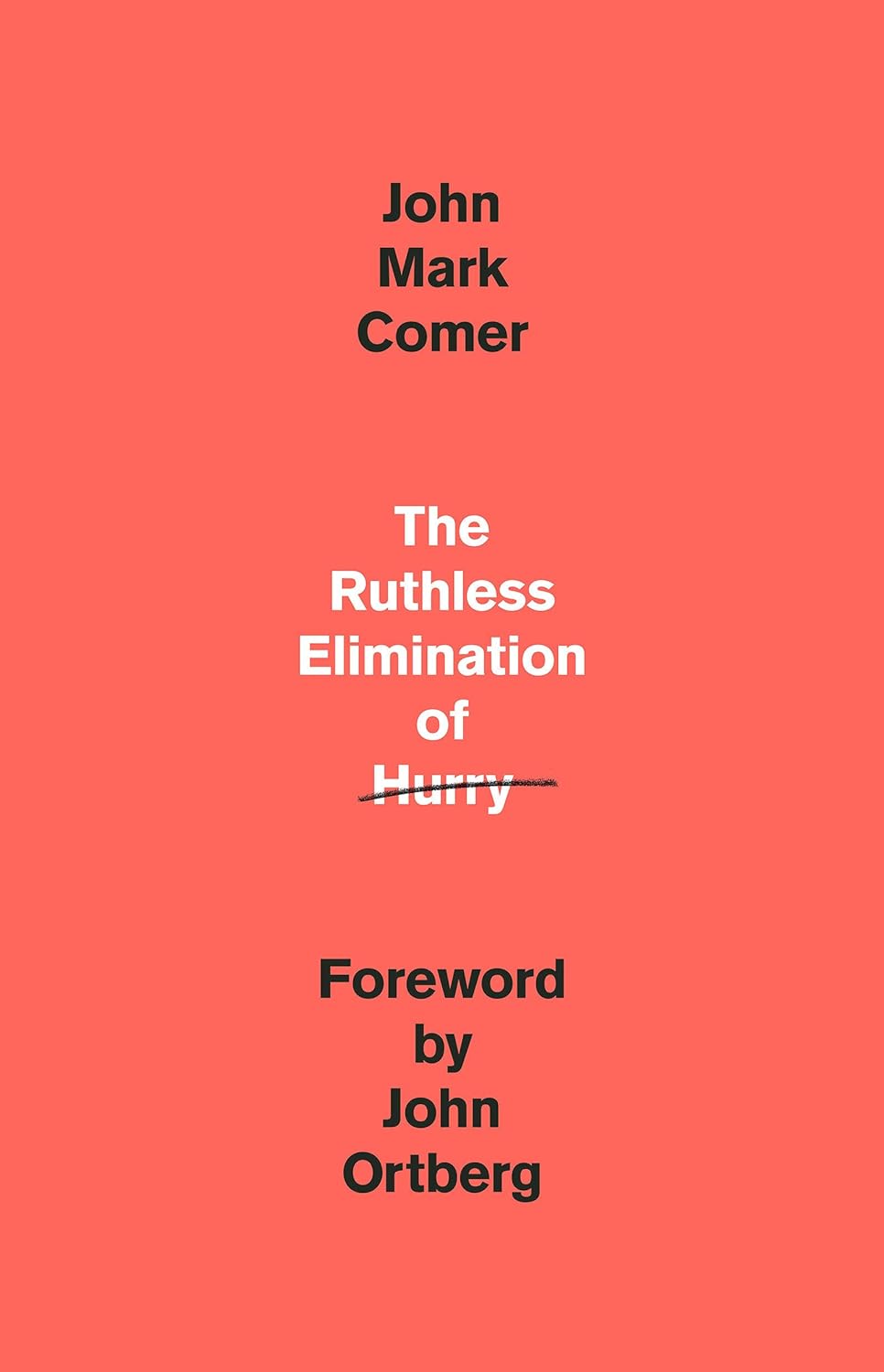
  18. The Ruthless Elimination of Hurry: How to Stay Emotionally Healthy and Spiritually Alive in the Chaos of the Modern World, by John Mark Comer
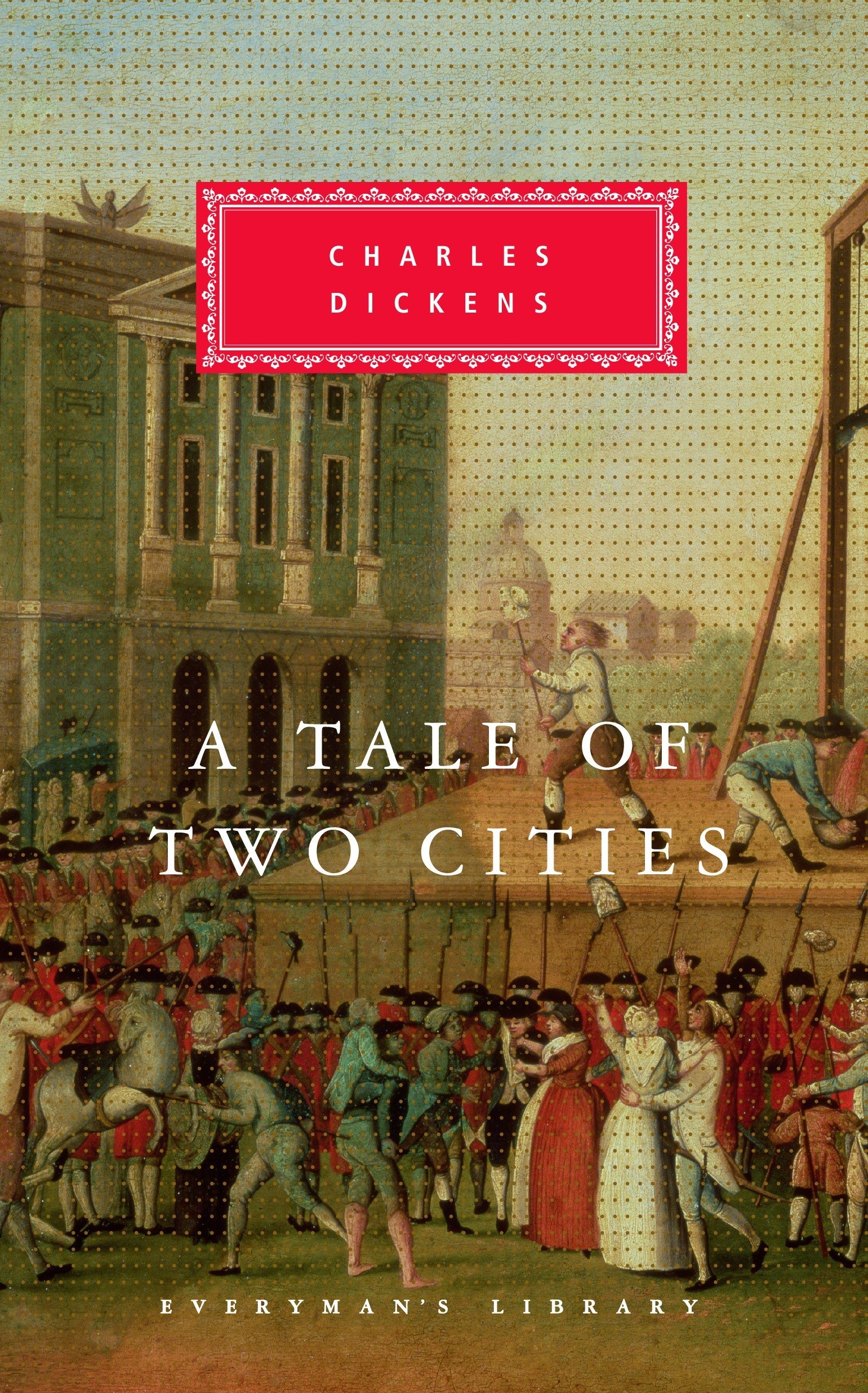
  19. A Tale of Two Cities, by Charles Dickens
  20. Counter Culture: A Study of the Sermon on the Mount, by Luke Dockery
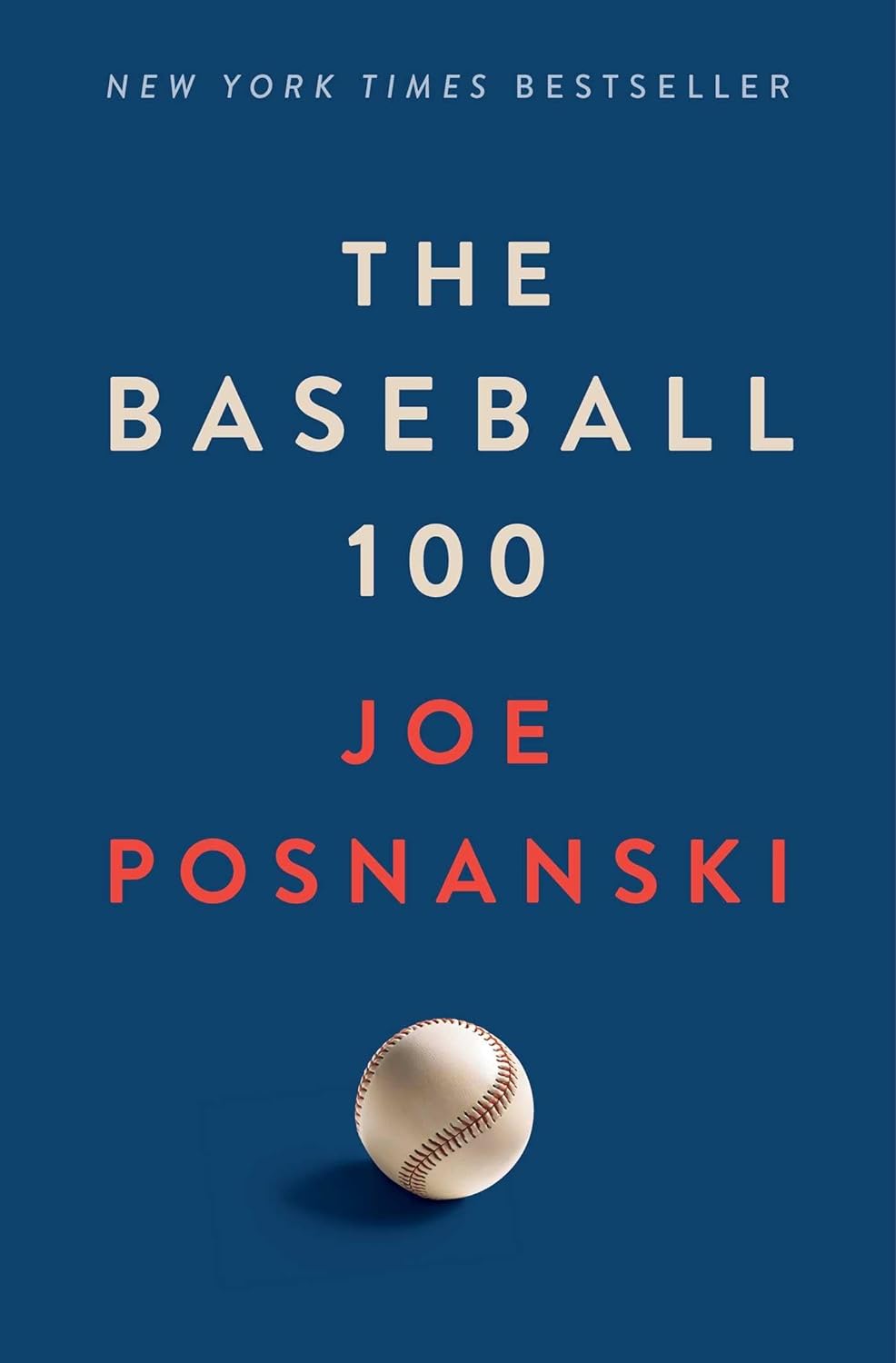
  21. The Baseball 100, by Joe Posnanski
  22. The Revolutionary: Samuel Adams, by Stacy Schiff
  23. At the Blue Hole: Elegy for a Church on the Edge, by Jack Reese
  24. Mama Bear Apologetics: Empowering Your Kids to Challenge Cultural Lies, edited by Hillary Morgan Ferrer
  25. Under an Outlaw Moon: A Novel, by Dietrich Kalteis
  26. Harry Potter and the Sorcerer’s Stone, by J.K. Rowling
  27. The Guest List, by Lucy Foley
  28. Around the Bible in 80 Days: The Story of God from Creation to New Creation, by John Mark Hicks
  29. The Alice Network, by Kate Quinn
  30. War: A Handbook for Spiritual Warfare, by Robb Hadley
  31. The Reason for God: Belief in an Age of Skepticism, by Timothy Keller
  32. White Too Long: The Legacy of White Supremacy in American Christianity, by Robert P. Jones
  33. The Lord God Made Them All, by James Herriot
  34. Surprised by Joy, by C.S. Lewis
  35. Harry Potter and the Sorcerer’s Stone, by J.K. Rowling
  36. Hebrews: Grace and Gratitude, by David deSilva
  37. Waco: David Koresh, the Branch Davidians, and a Legacy of Rage, by Jeff Guinn
  38. Be Thou My Vision: A Liturgy for Daily Worship, by Jonathan Gibson
  39. 10 Questions Every Teen Should Ask (And Answer) about Christianity, by Rebecca McLaughlin
  40. Caste: The Origins of Our Discontents, by Isabel Wilkerson
  41. Everything I Never Told You, by Celeste Ng
  42. The Woman in Cabin 10, by Ruth Ware
  43. How (Not) To Be Secular: Reading Charles Taylor, by James K.A. Smith
  44. The Butchering Art: Joseph Lister’s Quest to Transform the Grisly World of Victorian Medicine, by Lindsey Fitzharris
  45. Seeking Allah, Finding Jesus: A Devout Muslim Encounters Christianity, by Nabeel Qureshi
  46. The Sound and the Fury, by William Faulkner
  47. Autopsy of a Deceased Church: 12 Ways to Keep Yours Alive, by Thom S. Rainer
  48. The Four Loves, by C.S. Lewis
  49. A Farewell to Mars: An Evangelical Pastor’s Journey Toward the Biblical Gospel of Peace, by Brian Zahnd
  50. Transforming Encounters: Baptism, Assembly, and the Lord’s Supper, by John Mark Hicks
  51. Why Are We Here? Ecclesiastes for Teens, by Luke Dockery
  52. Under the Banner of Heaven: A Story of Violent Faith, by Jon Krakauer
  53. Inspired: Slaying Giants, Walking on Water, and Loving the Bible Again, by Rachel Held Evans
  54. Forming Resilient Children: The Role of Spiritual Formation for Healthy Development, by Holly Catterton Allen
  55. Ozark Dogs, by Eli Cranor
  56. Learning to Walk in the Dark, by Barbara Brown Taylor
  57. Ty Cobb: A Terrible Beauty, by Charles Leerhsen
  58. The Road Back to You: An Enneagram Journey to Self-Discovery, by Ian Morgan Cron and Suzanne Stabile
  59. The Ruin of All Witches: Life and Death in the New World, by Malcolm Gaskill
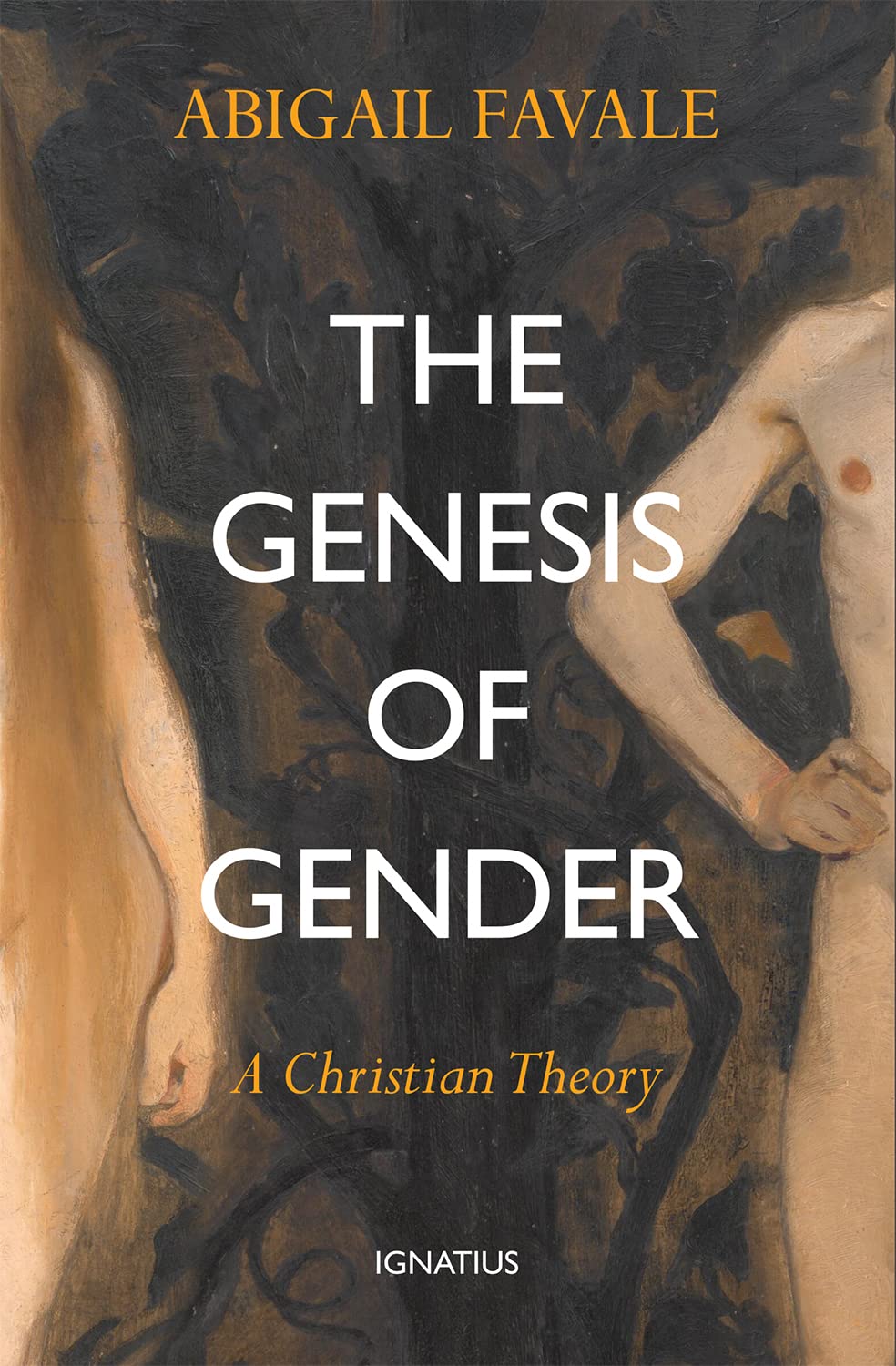
  60. The Genesis of Gender: A Christian Theory, by Abigail Favale
  61. On the Edge of the Dark Sea of Darkness, by Andrew Peterson
  62. The Prestige, by Christopher Priest
  63. Force of Nature, by Jane Harper
  64. North! Or Be Eaten, by Andrew Peterson
  65. The Monster in the Hollows, by Andrew Peterson
  66. Baptism: Uniting Kids to Jesus, by Kathy R. Craig
  67. Kingdom Parables: A Study of the Stories of Jesus, by Jeremy Myers and Luke Dockery
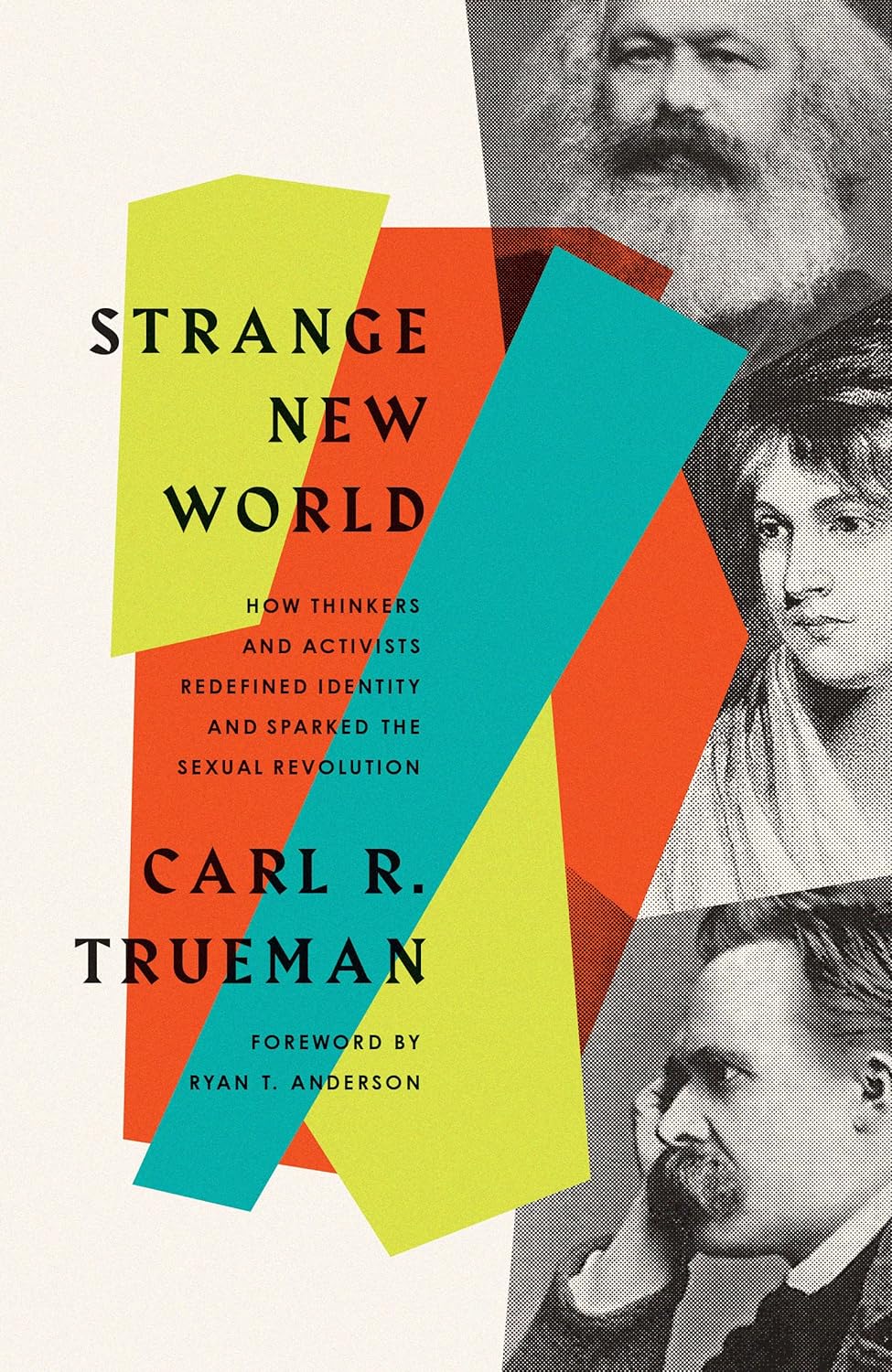
  68. Strange New World: How Thinkers and Activists Redefined Identity and Sparked the Sexual Revolution, by Carl R. Trueman

A few observations before I talk about my favorite books of the year:

  • My reading total increased from 63 books in 2022 to 68 in 2023. This is the most books I have read in a year since I started counting. I don’t have a clear explanation for why my reading numbers increased this year.
  • I read some really good books in 2023, but I wish I had read more books on biblical studies and theology that I really enjoyed.
  • I didn’t intentionally plan this, but I did quite a bit of reading that either focused on apologetics or trying to understand our current, increasingly-secular context (24, 31, 32, 39, 40, 43, 45, 60, 68). This was really good for me, as I think it has given me a better sense of “how we got here” and how to respond from a Christian perspective.
  • My “Books to Read” list (of books that I already own) remains incredibly long. I read a few books from this list this past year (while adding other books to it), and I plan to continue to prioritize this for my reading in 2024 (though I always come across new books that I want to read, and I’m sure that will continue to happen).

Here are my Top 10 books for the year with some brief thoughts on each (presented in order of when I read them, not ranked 1-10):

Gentle and Lowly: The Heart of Christ for Sinners and Sufferers, by Dane Ortlund: This book derives its title from Matthew 11, where Jesus describes Himself as “gentle and lowly in heart,” and a source of rest for His people. And yet, Christians—all too aware of our sins and shortcomings—can easily feel that God is constantly disappointed in us and perhaps fed up with us. This book is a needed reminder and comfort that God deeply loves us. Although there are aspects of reformed theology in this book that I disagreed with, the overall message is outstanding, and if you are someone who feels that your performance of the life of faith falls short of the standards of God’s love, this is a great and encouraging read.

The Ruthless Elimination of Hurry: How to Stay Emotionally Healthy and Spiritually Alive in the Chaos of the Modern World, by John Mark Comer: This was a wonderful book, and one that I really needed to read. To be honest, it’s a book that I suspect I need to reread regularly before I can fully internalize the message. In short, Comer points out that we are so busy that we live hurried and harried lives, and these characteristics are barriers to following Jesus because, well, Jesus’s life didn’t look like this. In Comer’s words, “If you want to experience the life of Jesus, you have to adopt the lifestyle of Jesus.”

I don’t know if you can identify with this, but when people ask me how I am doing or how I have been, my consistent instinctive response is something like, “Good, but really busy.” There is too much hurry in my life, and it is a problem that requires ruthless elimination. If you have similar struggles, this is a great (and easy) read.

A Tale of Two Cities, by Charles Dickens: I try to read a variety of books, and I want to be more intentional about reading some classics. I am somewhat embarrassed to admit that, outside of children’s versions, the only Dickens I had read was A Christmas Carol, so I wanted to remedy that. Dickens can be frustratingly wordy at times, but he’s also hilarious. A Tale of Two Cities was a great book, and provides keen insight into the human condition. On the negative side, revenge is a destructive, vicious force, and it is so easy for those who have been oppressed to act like their oppressors when given the opportunity. On the positive side, love is a powerful force for good, and can drive the reformation of human character and lead to great personal sacrifice.

The Baseball 100, by Joe Posnanski: Posnanski is, perhaps, my favorite baseball writer, because he knows his stuff and shares it thoughtfully and poetically. This book is basically a series of essays on the 100 greatest baseball players of all time. You’ll disagree with some of his choices and rankings (I certainly did), but they essays are always interesting, and some of them are brilliant. In addition to emphasizing these players’ greatness, Posnanski also has a way of highlighting their humanity. I learned a lot that I didn’t know before, and was repeatedly struck by this poignant work. It is simply one of the best baseball books I have ever read.

The Reason for God: Belief in an Age of Skepticism, by Tim Keller: I haven’t written much about Tim Keller on The Doc File, which is too bad, because he has become a significant influence for me in recent years. I was profoundly saddened when he passed away in May, and felt like a giant of faith had left us. I read The Reason for God soon after his death, and was struck (as always) by Keller’s thoughtfulness, clarity, and grace.

Interestingly, I had read The Reason for God about 15 years ago when I was a very young minister, and from what I can remember, I wasn’t all that impressed. I was this time around. Keller’s words hadn’t changed in the last 15 years, but I have to a significant degree, and so has the world in which I live. Over the last 15 years, the skeptical, secular culture that Keller was addressing in Manhattan has permeated the Bible Belt in which I live, and his measured, reasoned approach is invaluable. Furthermore, in a context where so many Christian voices have been compromised by personal scandals, political partisanship, or jerkish behavior, Keller courageously engaged culture with grace and truth. His theology differs from mine, but his posture has been deeply influential, and there is a reason why The Reason for God is his best-known work.

Be Thou My Vision: A Liturgy for Daily Worship, by Jonathan Gibson: I stumbled upon this book with an ad on my Facebook feed, and it might be the first and only time that the Facebook algorithm got it right! The book itself is beautiful (a cloth hardcover with high-quality paper, excellent typesetting, multiple marker ribbons, all in a cardboard slipcase), and remarkably useful. In short, Be Thou My Vision is a daily guide for personal or family worship/devotional time. Each day is a combination of several elements including prayers, songs, Bible reading, recitation of ancient creeds, catechism, and the Lord’s Prayer. The catechetical portions come from the Heidelberg Catechism (1563) and Westminster Shorter Catechism (1657) and there were some bones to spit out there (again—I’m not Reformed), but these sections were still interesting to me. Big picture: this is the best, deepest daily devotional book I have ever read. I will definitely be returning to it.

10 Questions Every Teen Should Ask (and Answer) about Christianity, by Rebecca McLaughlin: McLaughlin first came on my radar when I heard good reviews of her book, Confronting Christianity: 12 Hard Questions for the World’s Largest Religion. I had not read that book, but when I realized that she had essentially written a version for teens, I was especially interested and wanted to check it out. In short, I was really impressed. McLaughlin tackles all sorts of tough and relevant subjects for students growing up in today’s world—the notion of truth itself, the reliability of Scripture, gender and sexuality issues, and much more—and she does it in a way that connects to a younger audience with condescending to them. I think it is a really helpful resource; so much so that I plan to use it as the source for a teaching series with my students, and I think I will likely give graduating seniors a copy each year.

Also, I wrote a short post inspired by this book back in August.

Ty Cobb: A Terrible Beauty, by Charles Leerhsen: My description of this book grew longer and longer, and I finally realized that I needed to write a separate review in order to say everything I wanted to say while keeping my comments here mercifully short. This was a helpful (and in some ways uncomfortable) book for me to read because it challenged the notion held almost universally by baseball fans that Ty Cobb was one the great villains—perhaps the greatest villain—in the history of baseball. Instead, in this well-researched and compellingly-told biography, Leerhsen argues that this popular narrative was a story spun by Cobb’s biographer Al Stump, who did shoddy research and played fast and loose with the truth. The real story is more complicated, and suggests that, rather than being a villain that we can easily write off, Cobb was like all of us—a mixture of good and bad.

As an amateur baseball historian and a Christian seeking to see the image of God in all people, this was an important book for me to read.

The Genesis of Gender: A Christian Theory, by Abigail Favale: I had never heard of this book or author before I was invited to read it as part of a book club, and found it enjoyable and challenging. Favale’s story is an interesting one: she was raised in an evangelical-ish home, before converting to Mormonism. From there, during her university years, she basically deconverted, and became a strong proponent of secular feminism and Critical Theory. She stayed in that perspective for a while before ultimately finding it incoherent; she is now a devout Catholic (if you’re feeling the whiplash, here’s a recap: evangelical-ish ⇾ Mormon ⇾ secular feminist ⇾ Catholic). As a Catholic, Favale’s views on sexuality and gender are critical of her former beliefs, but what makes her book unique is that she writes as an insider, someone who understood the gender paradigm that is currently en vogue and was a proponent of it before becoming convinced of its flaws. And her feminist perspective is still on display: part of her rejection of the gender paradigm is that she finds it to be deeply harmful to women.

This was a fascinating read. In addition to saying a lot of things that I already agreed with, Favale also helped give me a historical sense of the different “waves” of feminism and how the aims of those had changed over time, as well as really pushing against my (previously not very reflective) thoughts on birth control. Favale writes with grace and compassion, and from a unique perspective; The Genesis of Gender is a helpful voice in this pressing conversation.

Strange New World: How Thinkers and Activists Redefined Identity and Sparked the Sexual Revolution, by Carl R. Trueman: in a similar vein to The Genesis of Gender, Strange New World also is a helpful resource for those who are seeking to better understand “how we got here” in reference to the current cultural moment on gender and sexuality (I actually read these two books overlapping and found them to be really helpful in conversation with one another). Trueman is trained as a theologian and historian, and while Favale takes the reader through a personal journey of transformation highlighted by feminist thought, Trueman leads the reader through a train of philosophical thought (Rousseau, Nietzsche, Marx, Freud, etc.), showing how a series of thinkers and ideas after the Reformation created the necessary preconditions for us to get to where we are today.


That was my reading in 2023! For comparison’s sake, if you are interested, you can see my reading lists from previous years:

What are some of the best books you read this past year?

Book Review: Hebrews: Grace and Gratitude

I recently finished David DeSilva’s Hebrews: Grace and Gratitude; I was using it as a resource to aid in teaching the book of Hebrews to my high school students. DeSilva is an impressive biblical scholar and prolific author, and I was intrigued to see how his work would translate to a popular-level, shorter work (136 pages). On the whole, I was very impressed—Hebrews: Grace and Gratitude hits the key points of the dense and sometimes hard-to-access theology of Hebrews, while still being accessible for the average Christian (though I did have to re-contextualize it somewhat for my teens).

DeSilva works his way broadly through the text of Hebrews, but does so through the lenses of Grace and Gratitude (which, obviously, serve as the subtitle of the book). Basically, DeSilva argues that the audience of Hebrews (likely made up of Jews and Gentiles) found themselves in a situation where they were being pressured by their friends and neighbors to give up on their faith in Jesus. The author of Hebrews wants to assure his readers that whatever ostracism they risk for their faith, it is absolutely worth it. Through Jesus, God has lavished blessings upon His people, but this grace of God initiates a relationship with His people that requires a life of gratitude in response.

This situation is remarkably relevant for Christians in the West, DeSilva argues, who are rarely persecuted for their faith, but are often subtly pressured to make less of Jesus, to downplay our faith in some way, or simply to focus on other things.

“Following Jesus means committing yourself to him completely. Does Jesus really offer you enough to make it worth investing that much—your whole life? Do you find yourself pulling back from serving Christ and bearing witness to Christ as fully as you feel called because you’re concerned that your neighbors and associates might start viewing you less favorably? Do you tend to give God what is left over from your time and energy after giving the lion’s share to everything else? Do you ever wonder if perhaps God desires and deserves more from you, given what God has done and promises to do for you according to our faith?” (9)

DeSilva repeatedly emphasized (because the Hebrews writer emphasizes) the value of the gifts that his audience has received; these are worth whatever trials or sufferings we have to do in order to cling to them!

“How could it ever be a good investment, therefore, to acquire a larger share of what is temporary at the cost of relinquishing a share of what is eternal—or of alienating the one who is eternal?” (26)

DeSilva is well-versed in the historical backgrounds of the New Testament world, which shines through in various places in the book. Understanding the ancient context gives us a much better understanding of the implications of grace/gifts as described in Hebrews:

“It was common knowledge in the first century that to accept such a gift was also to accept an obligation to the giver. The greater the gift or assistance given (the “grace” shown), the greater was the obligation to show gratitude. Between two people, the giving and receiving of a gift involved more than the transfer of a commodity. It initiated a relationship that would continue to be refreshed as the recipient made a return of some kind, prompting future gifts or assistance, which would then be reciprocated, and so on. These relationships tended to form long-lasting alliances. When one party in the relationship was significantly inferior to the other in terms of resources, political influence, and the like, he or she could still make an appropriate return toward the giver, and looking for opportunities to perform services for the giver. The two parties might not exchange gifts of anything approaching equal value, but they should each show equal commitment to the relationship.” (62)

“Grace was well received only when it produced a grateful spirit and nurtured a relationship of loyalty and mutual assistance. For someone to accept favor and gifts and later insult the giver, break faith with him or her, or refuse him or her a service would be unthinkable.” (63)

Hebrews talks about the inferiority of the Old Covenant compared with the New, because of its inability to make people “perfect” (Hebrews 7.11, 18; 10.1). But this “perfection” is not a reference to moral flawlessness; rather, it is talking about maturity or completion. While the Old Covenant brought people no closer to the presence of God, the New Covenant, mediated through the blood of the perfect High Priest, does exactly that.

“The term [perfection] has connotations in English that the corresponding Greek family of words lacks. For example, there is no sense in Greek that perfection means doing everything correctly all the time or lining up flawlessly with an elevated standard.…Rather, the Greek words translated as “perfection” or related terms tend t speak of something arriving at its ultimate goal or being fully-realized. Thus for the child, “perfection” means to become a full-fledged adult.…For the child of God, perfection means to be gathered into God’s everlasting house and homeland.” (78-79)

Realizing the great value of God’s gifts helps to give believers motivation for a life of gratitude, and a framework for how we move through life:

“The preacher challenges all Christians to decide for whose approval they will live. If we look for God’s approval in everything we do, asking what will lead God to say, “Well done,” we will enjoy the peace of single-mindedness and integrity of life. When faced with a decision, which choice would God applaud? When faced with temptation, what will lead to God’s affirmation rather than self-condemnation? When reviewing our choice of career, our living and spending habits, our use of time—where does God affirm us, and where have we been living to please ourselves or to find affirmation by living up to the standards promoted by media?” (110-11)

And finally, a conclusion that summarizes Hebrews through the lens that DeSilva employs throughout:

“The underlying message of the Letter to the Hebrews is ultimately one of grace. It is not, however, about grace merely as something that benefits us, but about grace as something that, having benefited us, shapes the whole of our lives into a consistent walk and witness of gratitude to God and to the Savior who reconnected us with God. The preacher focuses our hearts and minds on the magnitude of  the favors we have received and are yet to receive from God so that we might fathom  and feel more fully the magnitude of the gratitude that is God’s due and give ourselves just as fully to God and God’s cause in our world. It is a call to remain in grace by persevering in gratitude.”(135-36)

Confession: despite my years as a Bible student and minister, I had not studied Hebrews in any significant way (though I had read it many times), and I had certainly not taught through it. Hebrews is a dense book, relying significantly on a deep knowledge of the Hebrew Bible that most Christians just do not have. I simply did not have time in my teaching schedule to teach through it chapter by chapter, so I was intrigued when I saw this accessible study by a respected scholar who broke down this masterpiece into six lessons.

I was blessed by reading it! I came to a better understanding and appreciation of Hebrews, and enjoyed teaching it to my students. If you are looking for a brief, readable book that will help you study through Hebrews (on your own or as a resource to teach from), I recommend Hebrews: Grace and Gratitude.

Reading in 2022

I enjoy reading and also making lists of things, so this is always one of my favorite yearly posts because it involves both of those things. I will offer some thoughts on my favorite books of the year below, but first, here is the list of books I read in 2022:

  1. Dare to Lead, by Brené Brown
  2. Rediscover Church: Why the Body of Christ is Essential, by Collin Hansen & Jonathan Leeman
  3. People to Be Loved: Why Homosexuality Is Not Just An Issue, by Preston Sprinkle
  4. The Black Count: Glory, Revolution, Betrayal, and the Real Count of Monte Cristo, by Tom Reiss
  5. Heir to the Jedi, by Kevin Hearne
  6. A Battle of Nerves, by Georges Simenon
  7. A Face for a Clue, by Georges Simenon
  8. Days of Rage: America’s Radical Underground, the FBI, and the Forgotten Age of Revolutionary Violence, by Bryan Burrough
  9. Star Wars: Tarkin, by James Luceno
  10. Strong As Death Is Love: The Song of Songs, Ruth, Esther, Jonah, Daniel, by Robert Alter
  11. Thrawn Ascendancy: Lesser Evil, by Timothy Zahn
  12. The Whole Art of Detection: Lost Mysteries of Sherlock Holmes, by Lindsay Faye
  13. Very Cold People, by Sarah Manguso
  14. Isaac’s Storm: A Man, a Time, and the Deadliest Hurricane in History, by Erik Larson
  15. Hatchet, by Gary Paulsen
  16. A Day in the Bleachers, by Arnold Hano
  17. Brave New World, Aldous Huxley
  18. The Four Winds, Kristin Hannah
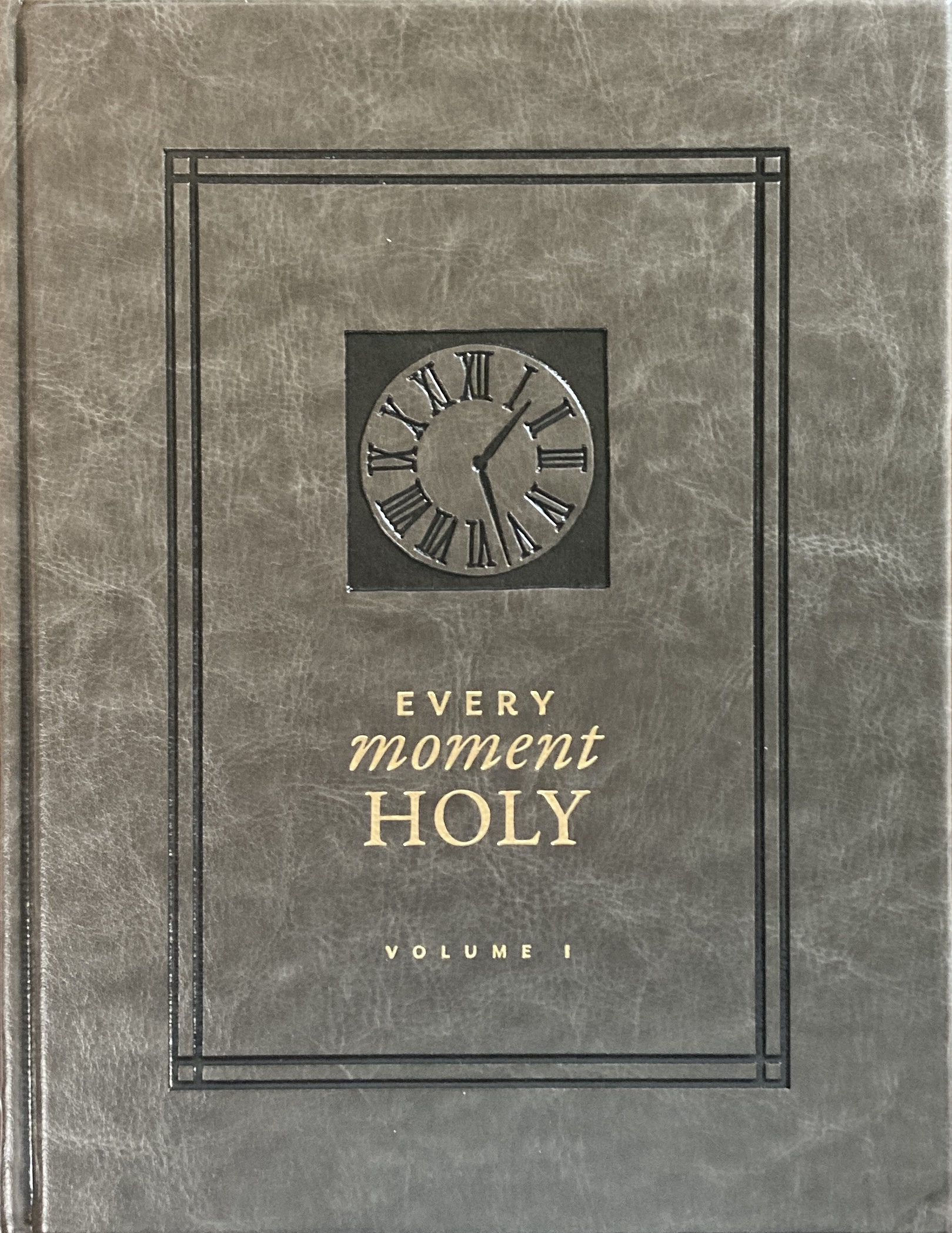
  19. Every Moment Holy, Volume 1, Douglas McKelvey
  20. The Last Slave Ship: The True Story of How Clotilda Was Found, Her Descendants, and an Extraordinary Reckoning, by Ben Raines
  21. The Lincoln Highway, by Amor Towles
  22. The Things We Cannot Say, by Kelly Rimmer
  23. The Destroyers, by Scott Biddle
  24. Journal of Christian Studies: The Church and the Pandemic, ed. by Keith Stanglin
  25. Jesus and John Wayne: How White Evangelicals Corrupted a Faith and Fractured a Nation, by Kristin Kobes Du Mez
  26. The Lion, The Witch and the Wardrobe, by C.S. Lewis
  27. So The Next Generation Will Know: Preparing Young Christians for a Challenging World, by Sean McDowell and J. Warner Wallace
  28. The Last Thing He Told Me, by Laura Dave
  29. Behind Closed Doors, by B. A. Parris
  30. Irreversible Damage: The Transgender Craze Seducing Our Daughters, by Abigail Shrier
  31. A Week in the Life Of Rome, by James L. Papandrea
  32. Something in the Water, by Catherine Steadman
  33. Sea of Tranquility, by Emily St. John Mandel
  34. The Girl on the Train, by Paula Hawkins
  35. Biography of Thomas Campbell: Advocate of Christian Union, by William Herbert Hanna
  36. Everything Happens For A Reason: And Other Lies I’ve Loved, by Kate Bowler
  37. Lost in the Valley of Death: a Story of Obsession and Danger in the Himalayas, by Harley Rustad
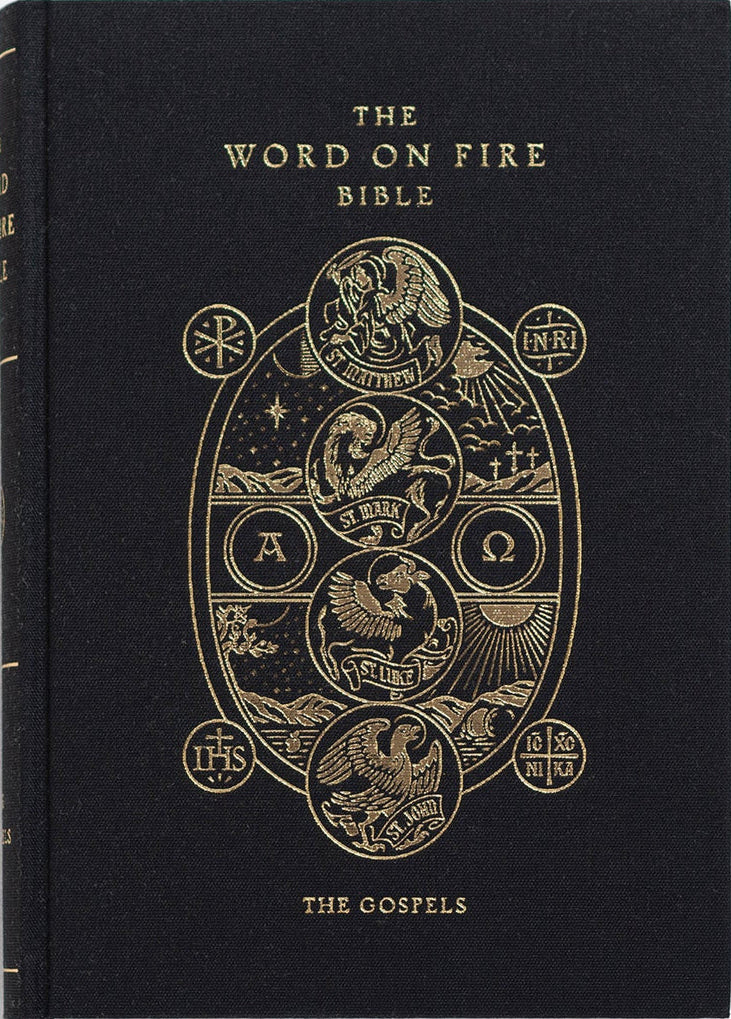
  38. The Word on Fire Bible: The Gospels
  39. The Splendid and the Vile: A Saga of Churchill, Family, and Defiance During the Blitz, by Erik Larson
  40. The Pioneers: The Heroic Story of the Settlers Who Brought the American Ideal West, by David McCullough
  41. Scribbles and Sketches, No. 3, by Ruby Tobey
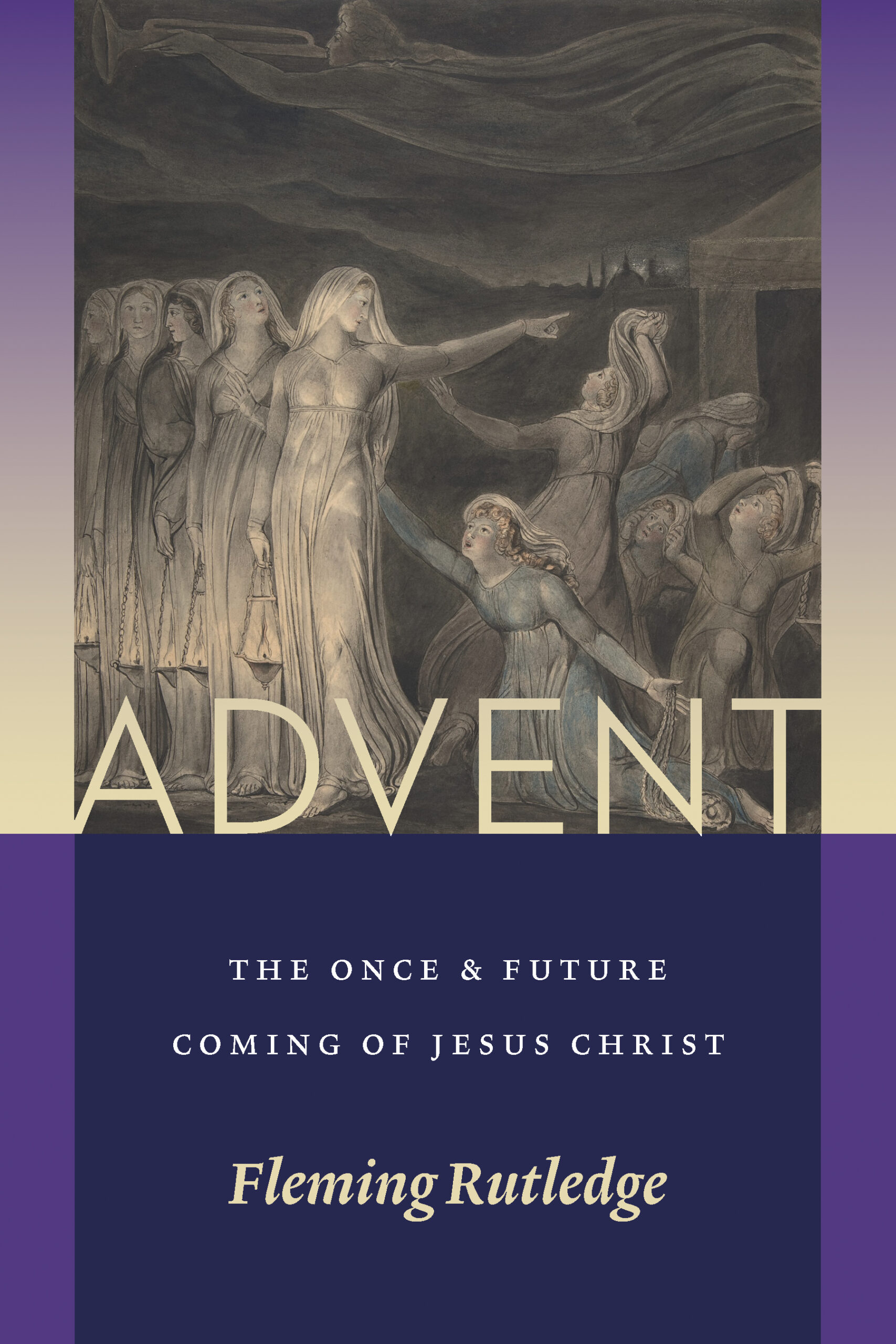
  42. Advent: The Once and Future Coming of Jesus Christ, by Fleming Rutledge
  43. The Girl with the Dragon Tattoo, by Stieg Larsson
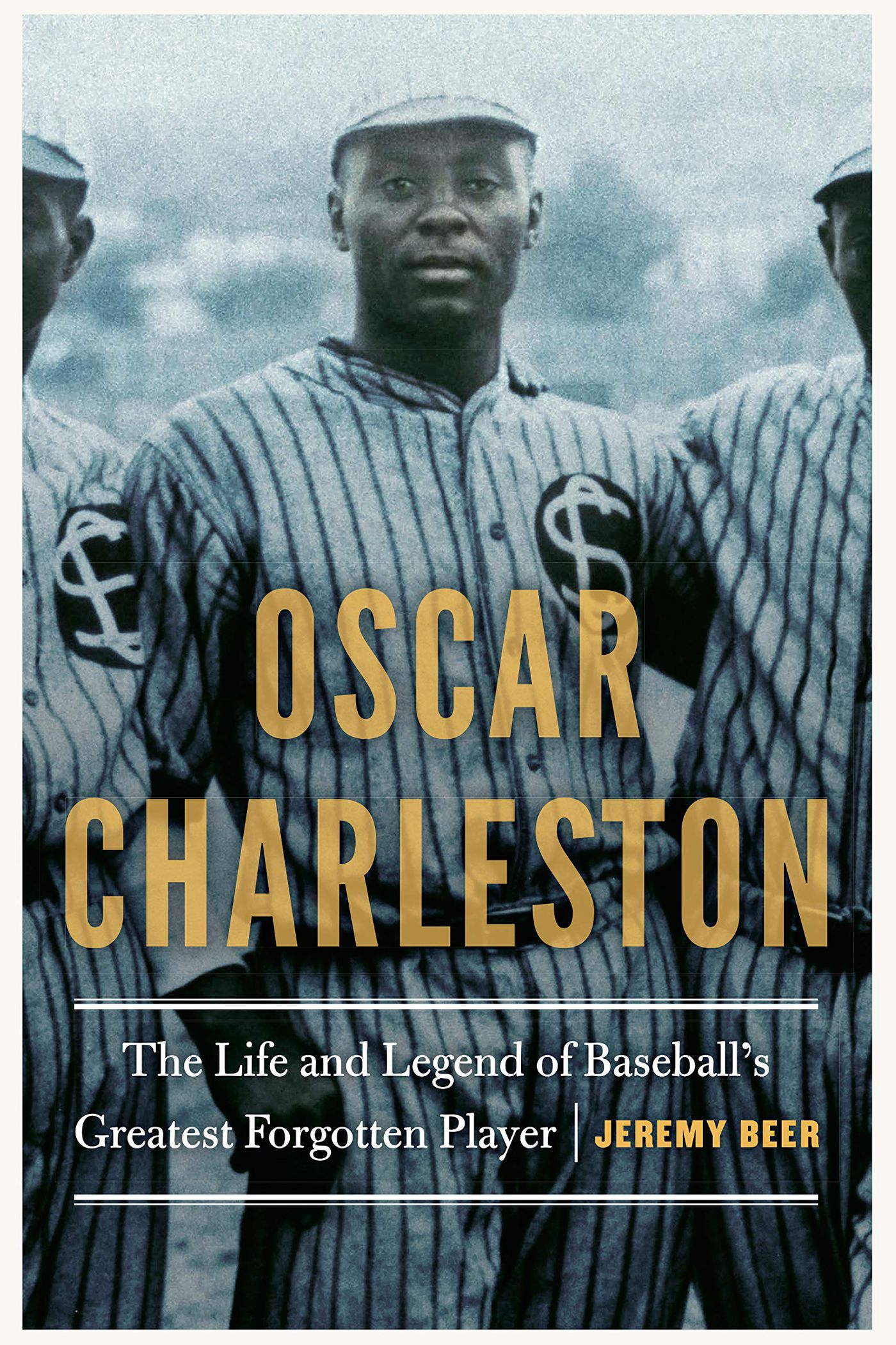
  44. Oscar Charleston: The Life and Legend of Baseball’s Greatest Forgotten Player, by Jeremy Beer
  45. Turtles All the Way Down, by John Green
  46. A Murder in Searcy, by Deana Hamby Nall and Mike S. Allen
  47. Into the Wild, by Jon Krakauer
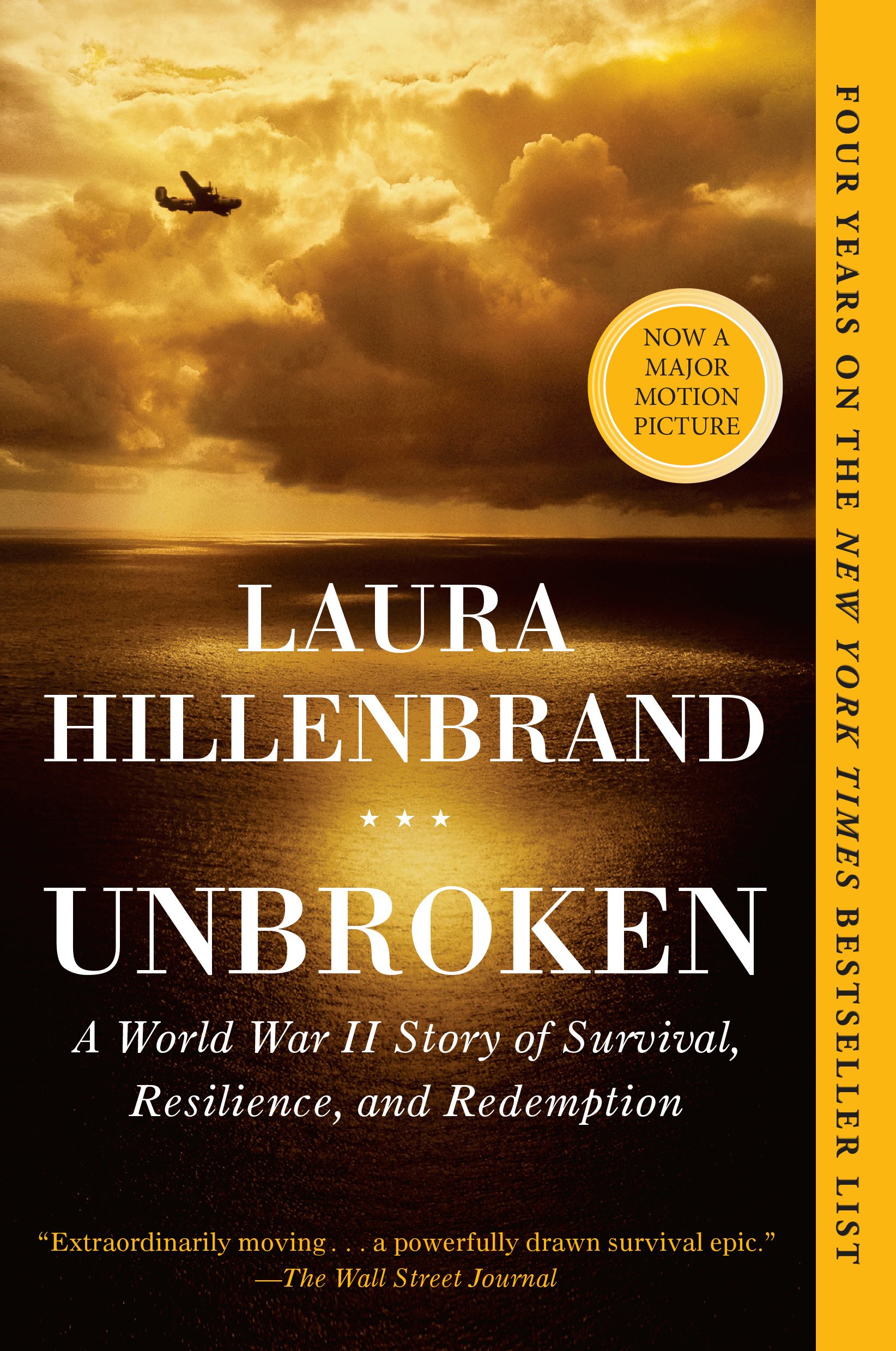
  48. Unbroken: An Extraordinary True Story of Courage and Survival, by Laura Hillenbrand
  49. Every Moment Holy, Volume 2, Douglas McKelvey
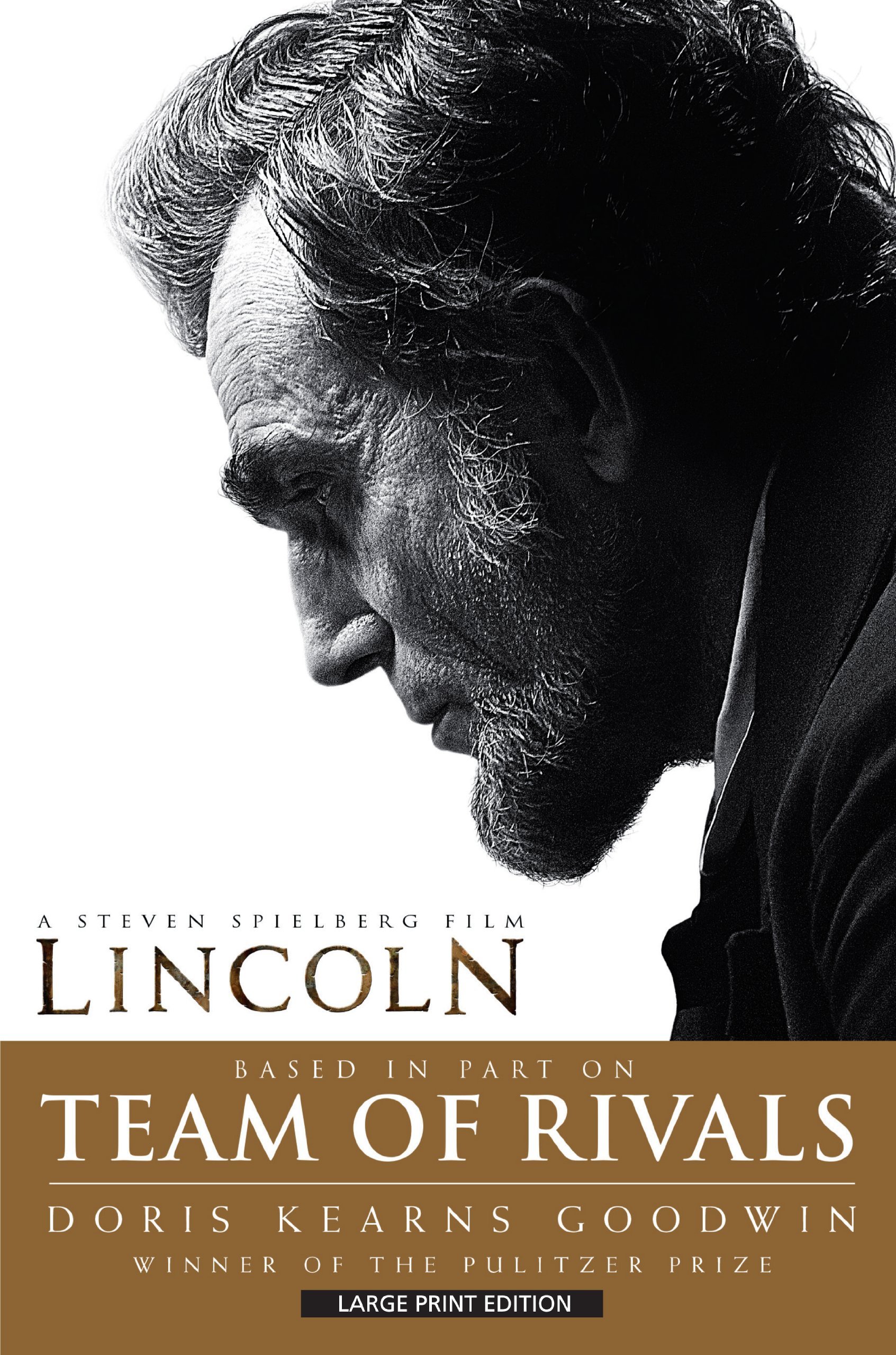
  50. Team of Rivals, Doris Kearns Goodwin
  51. The Woman in the Library, by Sulari Gentill
  52. On The Road, by Jack Kerouac
  53. Praying the Bible, by Donald S. Whitney
  54. Man’s Search for Meaning, by Viktor E. Frankl
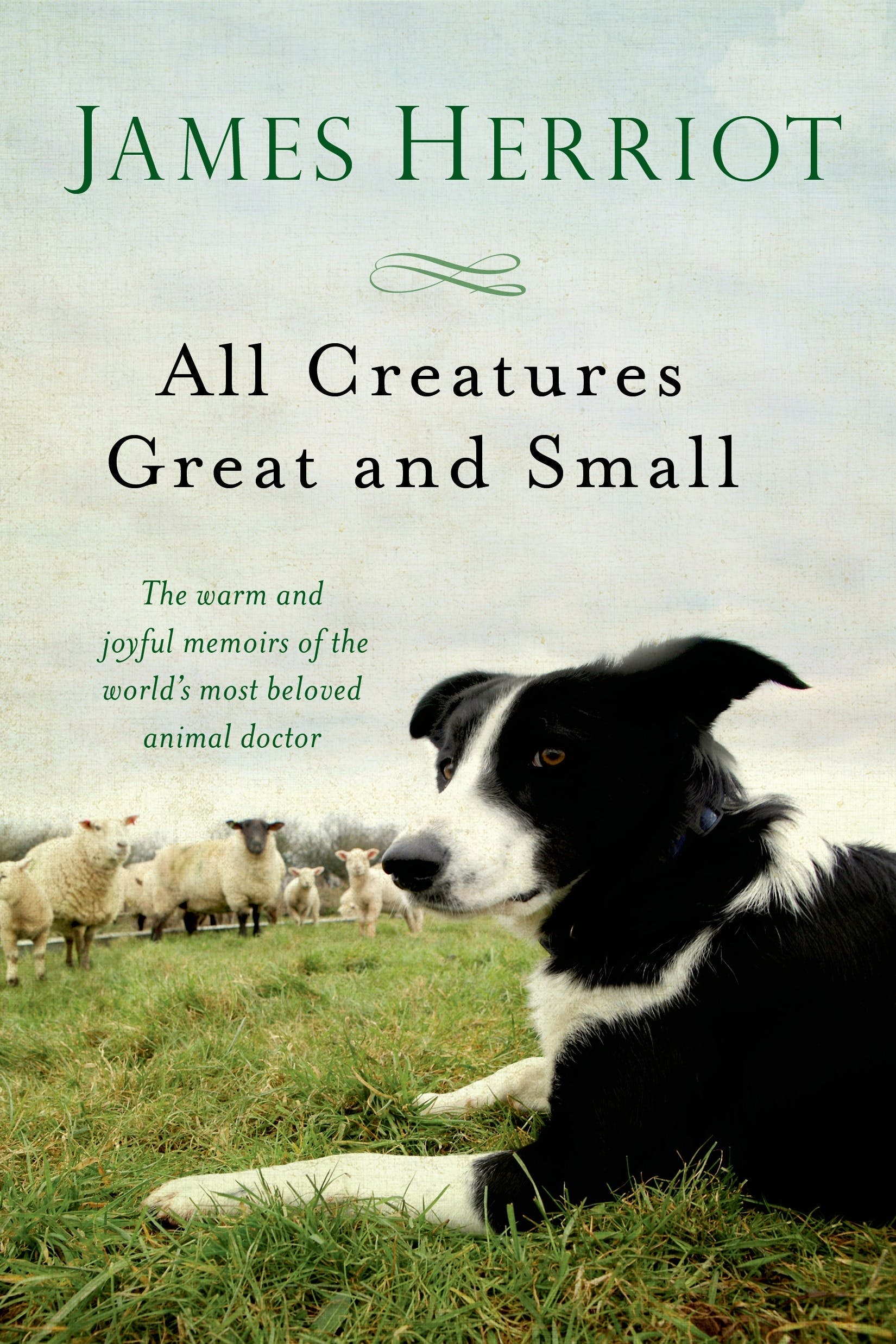
  55. All Creatures Great and Small, by James Herriot
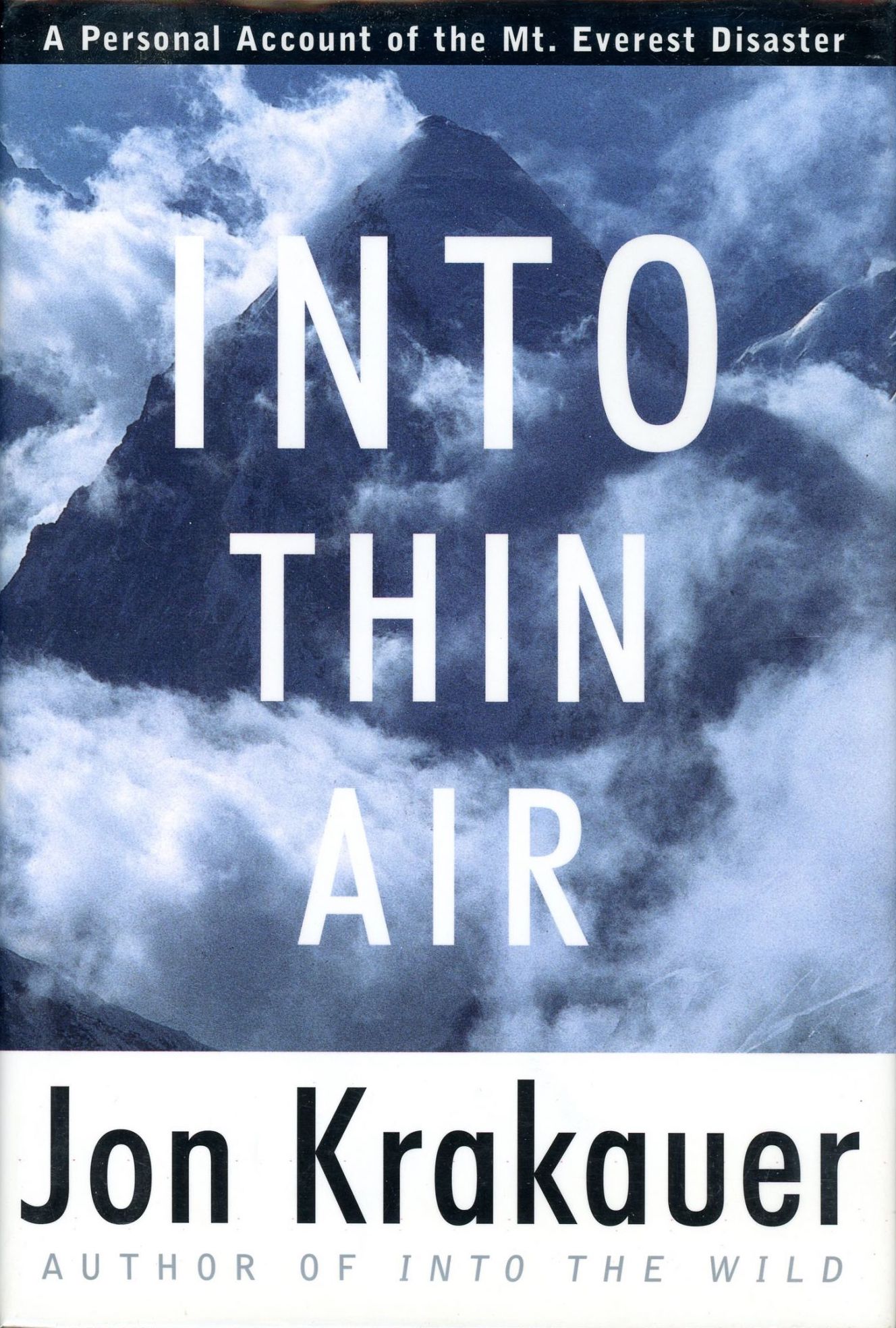
  56. Into Thin Air: A Personal Account of the Mt. Everest Disaster, by Jon Krakauer
  57. The Return of the Prodigal Son: A Story of Homecoming, by Henri Nouwen
  58. All Things Bright and Beautiful, by James Herriot
  59. Killers of the Flower Moon: The Osage Murders and the Birth of the FBI, by David Grann
  60. Crime and Punishment, by Fyodor Dostoevsky
  61. The Dry, by Jane Harper
  62. The Mission of God: Unlocking the Bible’s Grand Narrative, by Christopher J.H. Wright
  63. Soul Fuel, by Bear Grylls

A few observations before I talk about my favorite books of the year:

  • My reading total decreased from 66 books in 2021 to 63 in 2022. A combination of some longer, denser books this year, combined with other responsibilities and an infant daughter whose sleeping patterns carved into some of my reading time all contributed to the decrease.
  • I read a bunch of good books in 2022, and actually had about 15 top books that I had to narrow down to 10.
  • I have a “Books to Read” list that has over 100 books on it (these are books that I already own!), and I plan to prioritize this for my reading in 2023 (though I always come across new books that I want to read, and I’m sure that will continue to happen).

Here are my Top 10 books for the year, here are some brief thoughts on those (presented in order of when I read them, not ranked 1-10):

Every Moment Holy, Volume 1, by Douglas McKelvey: This is a book of prayer liturgies for all sorts of different occasions, and for the first several months of the year, was part of my daily devotional time. I loved this book—the prayers are beautiful and thoughtful, and the book itself is a work of art. This is a resource I have gone back to time and time again, and plan to continue to do so. There is a second volume on death, grief, and hope that I also read and appreciated, but I thought the variety of Volume 1 made it the better of the two.

The Word on Fire Bible: the Gospels. The Word on Fire Bible is a project from Catholic Bishop Robert Barron, and I did some of my daily Bible readings from it this year. In a similar vein to Every Moment Holy, this was a beautiful product, and reading from it was an enjoyable experience. It is an NRSV translation, contains beautiful artwork from Christian history along with theological reflections, and also dozens of excerpts and articles from Catholic thinkers throughout history (including Bishop Barron). I resonated with some of these more than others, but they were all interesting to read and helped me to better understand the Catholic perspective (and occasionally they made their way into blog posts). I plan to read the second volume on Acts, the Letters, and Revelation in 2023.

Advent: the Once & Future Coming of Jesus Christ, by Fleming Rutledge: I wrote a review of this book a couple of weeks ago, so you can see my fuller reflection there, but in short, I thought this was a wonderful book. It provides a theological introduction to Advent combined with a large compilation of Advent sermons and writings. For those who observe Advent but would like to root that observance on more theological foundations, this is an excellent resource. But I would also recommend it for those who don’t observe Advent at all, but who are wanting to think more clearly about what it means to live in the in-between time of the inauguration of the reign of Jesus, and the consummation of that reign when He returns—in other words, all Christians.

Oscar Charleston: The Life and Legend of Baseball’s Greatest Forgotten Player, by Jeremy Beer: This is a baseball biography, but also reads like a piece of investigative journalism due to the fact that the records of Charleston’s life are so fragmentary. Oscar Charleston was a star center fielder in the Negro Leagues of the 20s and 30s and holds a legitimate claim to being a top-five player of all time, and yet only the most passionate of baseball fans even know who he is. This book does a good job of reconstructing the historical data on Charleston that exists and gives the reader an impression of his brilliance on the field, the inherent instability of the leagues in which he was forced to play, and the racial injustice that lay behind it all.

Unbroken, by Laura Hillenbrand: this was a massively popular book a few years ago that was also adapted into a successful film, so I may be one of the last people to have read it, but I was blown away by how compelling the story was. Unbroken tells the tale of Louis Zamperini, the Olympic track star who became an airman in WWII, had his plane shot down, and survived for weeks in a raft, only to end up in a series of Japanese prison camps. It was a remarkable story of survival, and also a remarkable story of faith, as Zamperini came to devout faith in Jesus after the momentous events of his life.

Team of Rivals: The Political Genius of Abraham Lincoln, by Doris Kearns Goodwin: I listened to this as an audiobook, and I think what I got was an abridged version of the original. Nevertheless, I loved it. I had seen the film Lincoln several years ago and was familiar with the book’s basic premise—Abraham Lincoln constructed his cabinet largely out of men who had sought the presidency he won—and then turned almost every one of them into allies and friends. Reading this book gave me an increased appreciation for Lincoln, and one thing I really wasn’t prepared for was how moved I would be by his assassination (something I have known about for as long as I can remember).

All Creatures Great and Small, by James Herriot: This was a quaint and delightful book recounting the adventures of a country vet in Yorkshire back in the 1930s. Herriot’s reminiscences are both humorous and meaningful, and I generally just found the book comforting to read. It also made me feel connected to my dad, who has loved the Herriot books for years as well as the original PBS series.

Into Thin Air: A Personal Account of the Mt. Everest Disaster, by Jon Krakauer: This was a gripping narrative that recounted Krakauer’s own part in an expedition that unwittingly became part of the 1996 Mount Everest disaster, when eight people (from multiple expeditions) were killed when caught in a storm on top of the world’s highest mountain. It is a tale of survival, tragedy, what-ifs, and unanswered questions, that was really compelling to read.

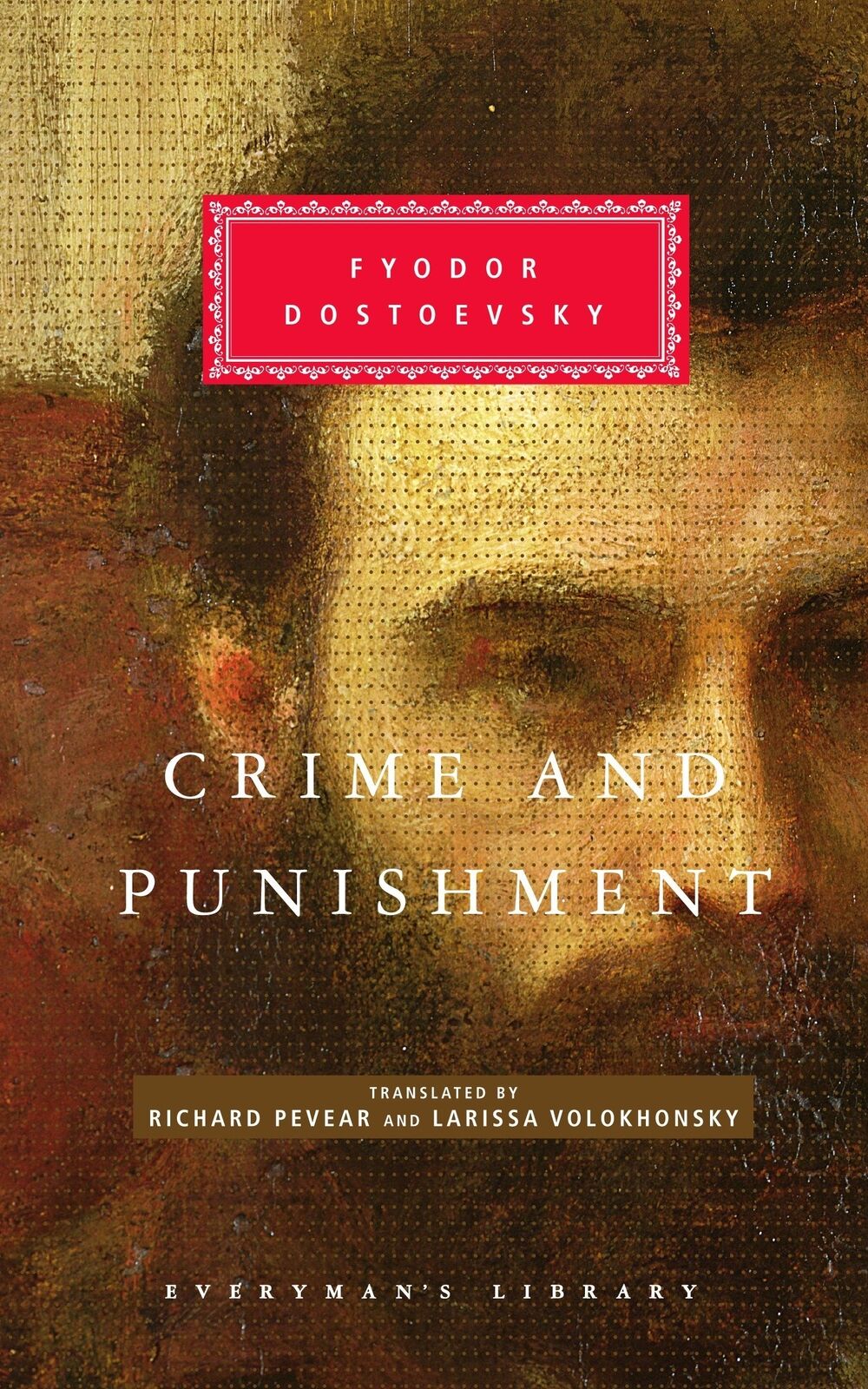
Crime and Punishment, by Fyodor Dostoevsky: I read Crime and Punishment for the first time in high school, and I think I read it again during college or shortly thereafter. This time, I read the acclaimed translation by Richard Pevear and Larissa Volokhonsky in the Everyman’s Library series (I loved this translation and series—so much so that I asked for two more volumes from this series for Christmas). This is such a brilliant book; it is funny, clever, psychological, and suspenseful, and delivers Dostoevsky’s sustained critique of the new intellectual ideas (utilitarianism and nihilism especially) that were invading St. Petersburg and Europe in the latter half of the 19th century and, by contrast, his support of traditional religious values. This was a timely read.

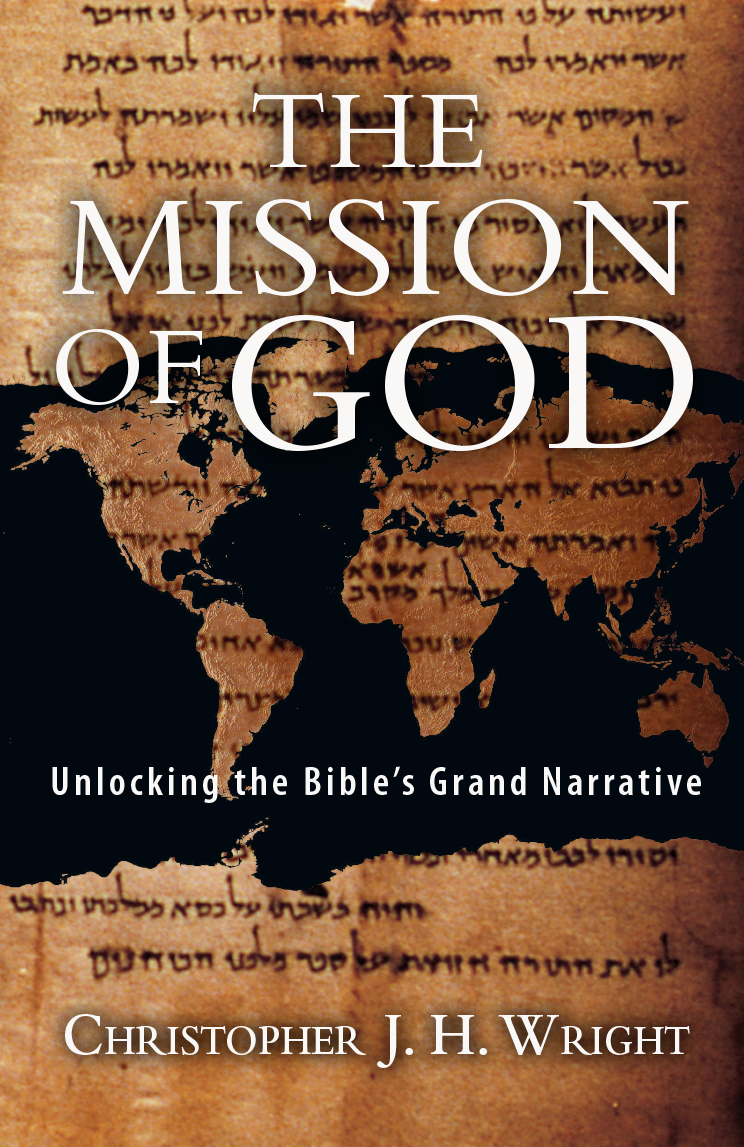
The Mission of God: Unlocking the Bible’s Grand Narrative, by Christopher J. H. Wright: I have read stuff from Chris Wright for years, and was generally aware of the main ideas in this, his magnum opus. Nevertheless, I thought it was finally time for me to tackle it, and it is a brilliant book. Many of the conclusions that Wright reaches I had already come to over the last decade or more through other readings from Wright as well as other sources like N.T. Wright and The Bible Project, but I wish I would have read this years ago, because it would have helped me with a lot theological processing. The basic idea is that the story of Scripture is the story of a God who is on a mission to reconcile His creation back to Himself, and as God’s people, we are invited to join in that mission. When Scripture is viewed through this lens, it has significant ramifications. This was a massive and dense book, but so good.


That was my reading for 2021. For comparison’s sake, if you are interested, you can see my reading lists from previous years:

What are some of the best books you read this past year?

« Older posts Newer posts »

© 2026 The Doc File

Theme by Anders Noren — Up ↑