I mentioned previously that I had done some of my daily Bible reading this year out of Bishop Robert Barron’s The Word on Fire Bible. Overall, I have enjoyed it a lot, and occasionally, the commentary from Bishop Barron is outstanding.
Reflecting on John 14.6, “Jesus said to him, “I am the way, and the truth, and the life. No one comes to the Father except through me,” Barron muses on the exclusivity of the claims of Jesus. Channeling C.S. Lewis’s trilemma, Barron says that Jesus does not allow for a bland, middling position that tries to hold onto Jesus as an admirable teacher, but rejects His divinity:
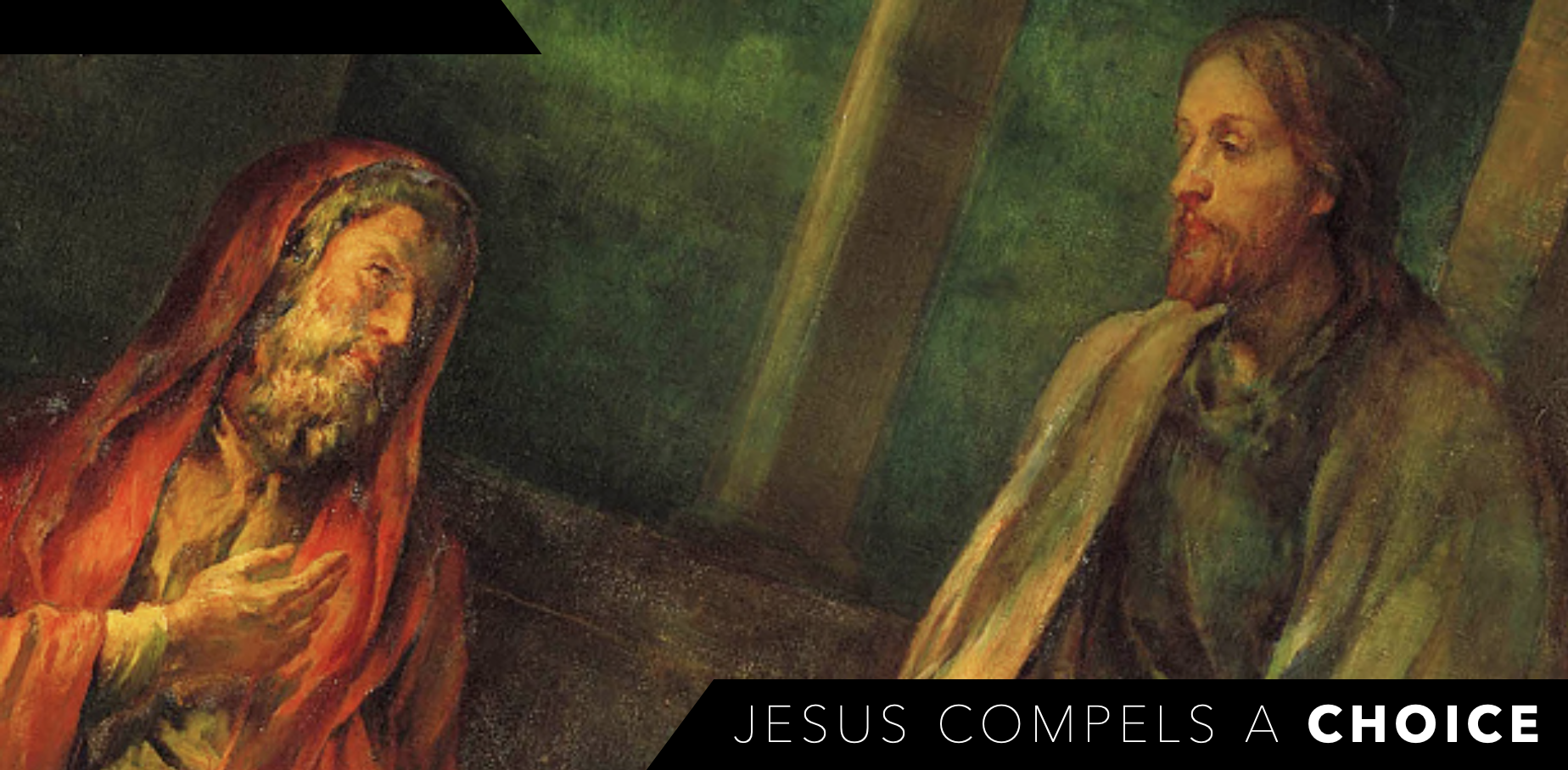
“Thus Jesus compels a choice, a decision, in a manner that no other religious founder does. The Buddha could claim that he had found a way that he wanted to share with his followers, but Jesus said, “I am the way.” Mohammed could say that, through him, the final divine truth had been communicated to the world, but Jesus said, “I am the truth.” Confucius could maintain that he had discovered a new and uplifting form of life, but Jesus said, “I am the life.” And thus, we are either with Jesus or we are against him. No other founder forces that choice as clearly as Jesus does.”[1]
In recent times, in our increasingly globalist and pluralist world, there has been considerable effort to soften any sort of hard-edged exclusivity to the Christian message. In the current milieu, I certainly understand the temptation, but it simply will not do: disciples of Jesus must follow His example of posture to those who are not yet His followers: loving, open-armed, hospitable, and exclusive. There is salvation in no one else.
[1]Bishop Robert Barron, “Jesus Compels a Choice,” in The Word on Fire Bible: The Gospels (Park Ridge, IL: Word on Fire Catholic Ministries, 2020), 544.







