I enjoy reading and also making lists of things, so this is always one of my favorite yearly posts because it involves both of those things. I will offer some thoughts on my favorite books of the year below, but first, here is the list of books I read in 2022:
- Dare to Lead, by Brené Brown
- Rediscover Church: Why the Body of Christ is Essential, by Collin Hansen & Jonathan Leeman
- People to Be Loved: Why Homosexuality Is Not Just An Issue, by Preston Sprinkle
- The Black Count: Glory, Revolution, Betrayal, and the Real Count of Monte Cristo, by Tom Reiss
- Heir to the Jedi, by Kevin Hearne
- A Battle of Nerves, by Georges Simenon
- A Face for a Clue, by Georges Simenon
- Days of Rage: America’s Radical Underground, the FBI, and the Forgotten Age of Revolutionary Violence, by Bryan Burrough
- Star Wars: Tarkin, by James Luceno
- Strong As Death Is Love: The Song of Songs, Ruth, Esther, Jonah, Daniel, by Robert Alter
- Thrawn Ascendancy: Lesser Evil, by Timothy Zahn
- The Whole Art of Detection: Lost Mysteries of Sherlock Holmes, by Lindsay Faye
- Very Cold People, by Sarah Manguso
- Isaac’s Storm: A Man, a Time, and the Deadliest Hurricane in History, by Erik Larson
- Hatchet, by Gary Paulsen
- A Day in the Bleachers, by Arnold Hano
- Brave New World, Aldous Huxley
- The Four Winds, Kristin Hannah
- Every Moment Holy, Volume 1, Douglas McKelvey
- The Last Slave Ship: The True Story of How Clotilda Was Found, Her Descendants, and an Extraordinary Reckoning, by Ben Raines
- The Lincoln Highway, by Amor Towles
- The Things We Cannot Say, by Kelly Rimmer
- The Destroyers, by Scott Biddle
- Journal of Christian Studies: The Church and the Pandemic, ed. by Keith Stanglin
- Jesus and John Wayne: How White Evangelicals Corrupted a Faith and Fractured a Nation, by Kristin Kobes Du Mez
- The Lion, The Witch and the Wardrobe, by C.S. Lewis
- So The Next Generation Will Know: Preparing Young Christians for a Challenging World, by Sean McDowell and J. Warner Wallace
- The Last Thing He Told Me, by Laura Dave
- Behind Closed Doors, by B. A. Parris
- Irreversible Damage: The Transgender Craze Seducing Our Daughters, by Abigail Shrier
- A Week in the Life Of Rome, by James L. Papandrea
- Something in the Water, by Catherine Steadman
- Sea of Tranquility, by Emily St. John Mandel
- The Girl on the Train, by Paula Hawkins
- Biography of Thomas Campbell: Advocate of Christian Union, by William Herbert Hanna
- Everything Happens For A Reason: And Other Lies I’ve Loved, by Kate Bowler
- Lost in the Valley of Death: a Story of Obsession and Danger in the Himalayas, by Harley Rustad
- The Word on Fire Bible: The Gospels
- The Splendid and the Vile: A Saga of Churchill, Family, and Defiance During the Blitz, by Erik Larson
- The Pioneers: The Heroic Story of the Settlers Who Brought the American Ideal West, by David McCullough
- Scribbles and Sketches, No. 3, by Ruby Tobey
- Advent: The Once and Future Coming of Jesus Christ, by Fleming Rutledge
- The Girl with the Dragon Tattoo, by Stieg Larsson
- Oscar Charleston: The Life and Legend of Baseball’s Greatest Forgotten Player, by Jeremy Beer
- Turtles All the Way Down, by John Green
- A Murder in Searcy, by Deana Hamby Nall and Mike S. Allen
- Into the Wild, by Jon Krakauer
- Unbroken: An Extraordinary True Story of Courage and Survival, by Laura Hillenbrand
- Every Moment Holy, Volume 2, Douglas McKelvey
- Team of Rivals, Doris Kearns Goodwin
- The Woman in the Library, by Sulari Gentill
- On The Road, by Jack Kerouac
- Praying the Bible, by Donald S. Whitney
- Man’s Search for Meaning, by Viktor E. Frankl
- All Creatures Great and Small, by James Herriot
- Into Thin Air: A Personal Account of the Mt. Everest Disaster, by Jon Krakauer
- The Return of the Prodigal Son: A Story of Homecoming, by Henri Nouwen
- All Things Bright and Beautiful, by James Herriot
- Killers of the Flower Moon: The Osage Murders and the Birth of the FBI, by David Grann
- Crime and Punishment, by Fyodor Dostoevsky
- The Dry, by Jane Harper
- The Mission of God: Unlocking the Bible’s Grand Narrative, by Christopher J.H. Wright
- Soul Fuel, by Bear Grylls
A few observations before I talk about my favorite books of the year:
- My reading total decreased from 66 books in 2021 to 63 in 2022. A combination of some longer, denser books this year, combined with other responsibilities and an infant daughter whose sleeping patterns carved into some of my reading time all contributed to the decrease.
- I read a bunch of good books in 2022, and actually had about 15 top books that I had to narrow down to 10.
- I have a “Books to Read” list that has over 100 books on it (these are books that I already own!), and I plan to prioritize this for my reading in 2023 (though I always come across new books that I want to read, and I’m sure that will continue to happen).
Here are my Top 10 books for the year, here are some brief thoughts on those (presented in order of when I read them, not ranked 1-10):
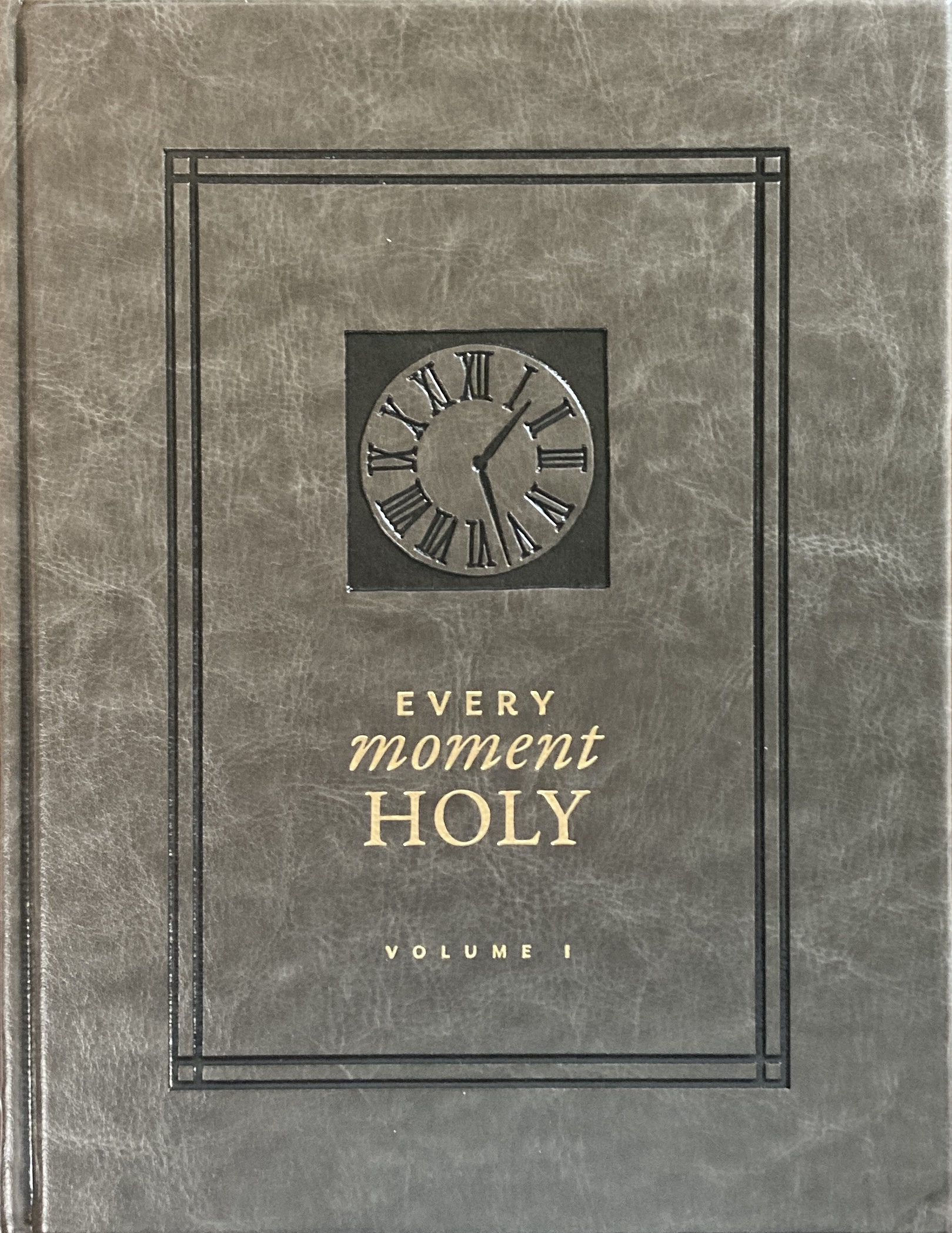
Every Moment Holy, Volume 1, by Douglas McKelvey: This is a book of prayer liturgies for all sorts of different occasions, and for the first several months of the year, was part of my daily devotional time. I loved this book—the prayers are beautiful and thoughtful, and the book itself is a work of art. This is a resource I have gone back to time and time again, and plan to continue to do so. There is a second volume on death, grief, and hope that I also read and appreciated, but I thought the variety of Volume 1 made it the better of the two.
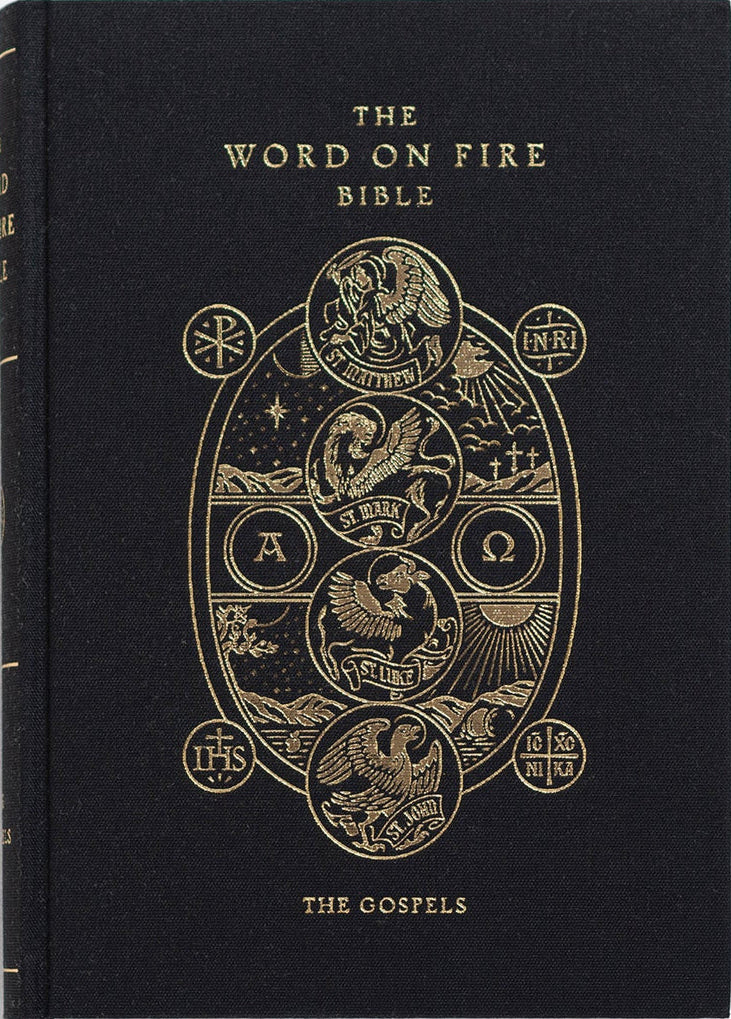
The Word on Fire Bible: the Gospels. The Word on Fire Bible is a project from Catholic Bishop Robert Barron, and I did some of my daily Bible readings from it this year. In a similar vein to Every Moment Holy, this was a beautiful product, and reading from it was an enjoyable experience. It is an NRSV translation, contains beautiful artwork from Christian history along with theological reflections, and also dozens of excerpts and articles from Catholic thinkers throughout history (including Bishop Barron). I resonated with some of these more than others, but they were all interesting to read and helped me to better understand the Catholic perspective (and occasionally they made their way into blog posts). I plan to read the second volume on Acts, the Letters, and Revelation in 2023.
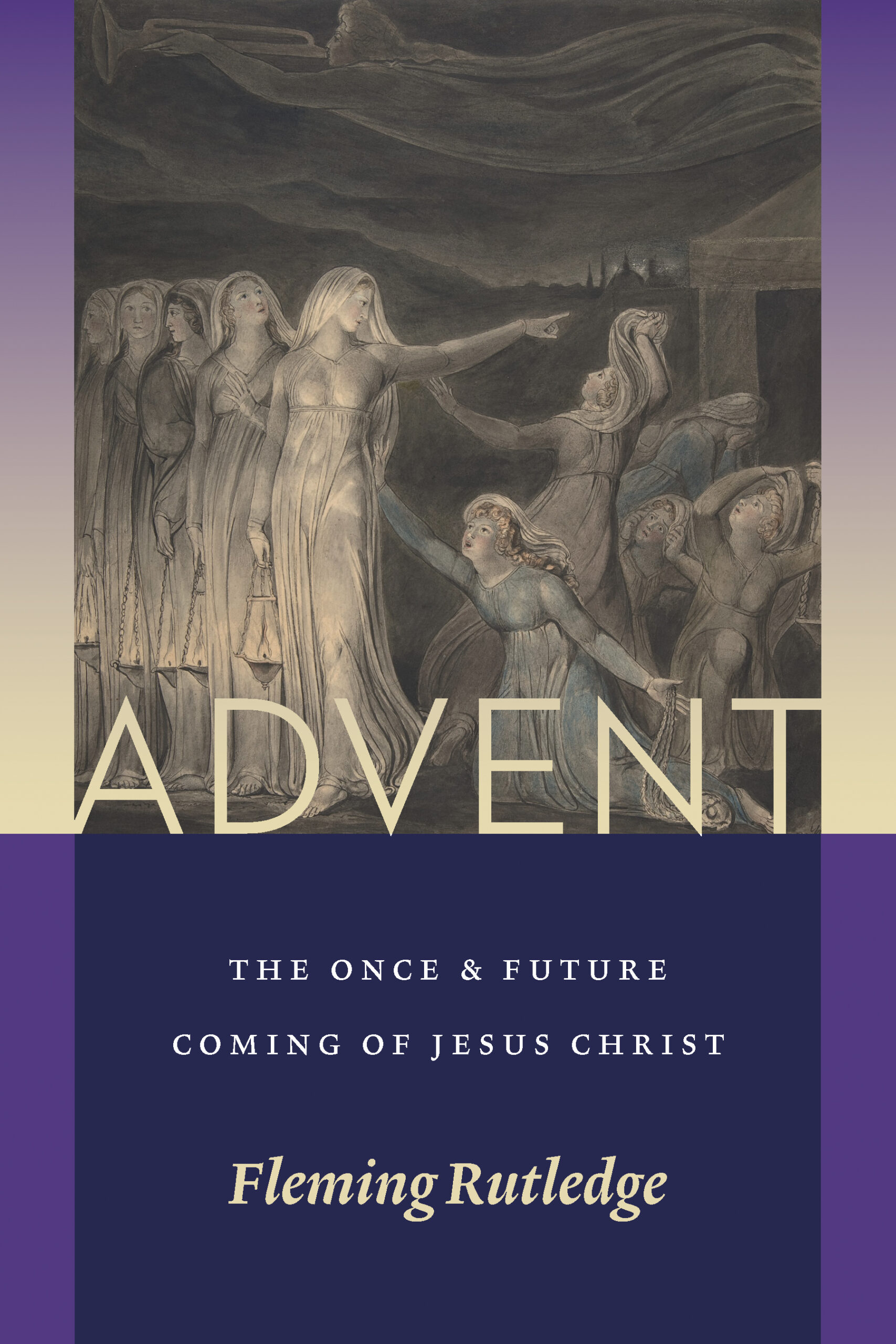
Advent: the Once & Future Coming of Jesus Christ, by Fleming Rutledge: I wrote a review of this book a couple of weeks ago, so you can see my fuller reflection there, but in short, I thought this was a wonderful book. It provides a theological introduction to Advent combined with a large compilation of Advent sermons and writings. For those who observe Advent but would like to root that observance on more theological foundations, this is an excellent resource. But I would also recommend it for those who don’t observe Advent at all, but who are wanting to think more clearly about what it means to live in the in-between time of the inauguration of the reign of Jesus, and the consummation of that reign when He returns—in other words, all Christians.
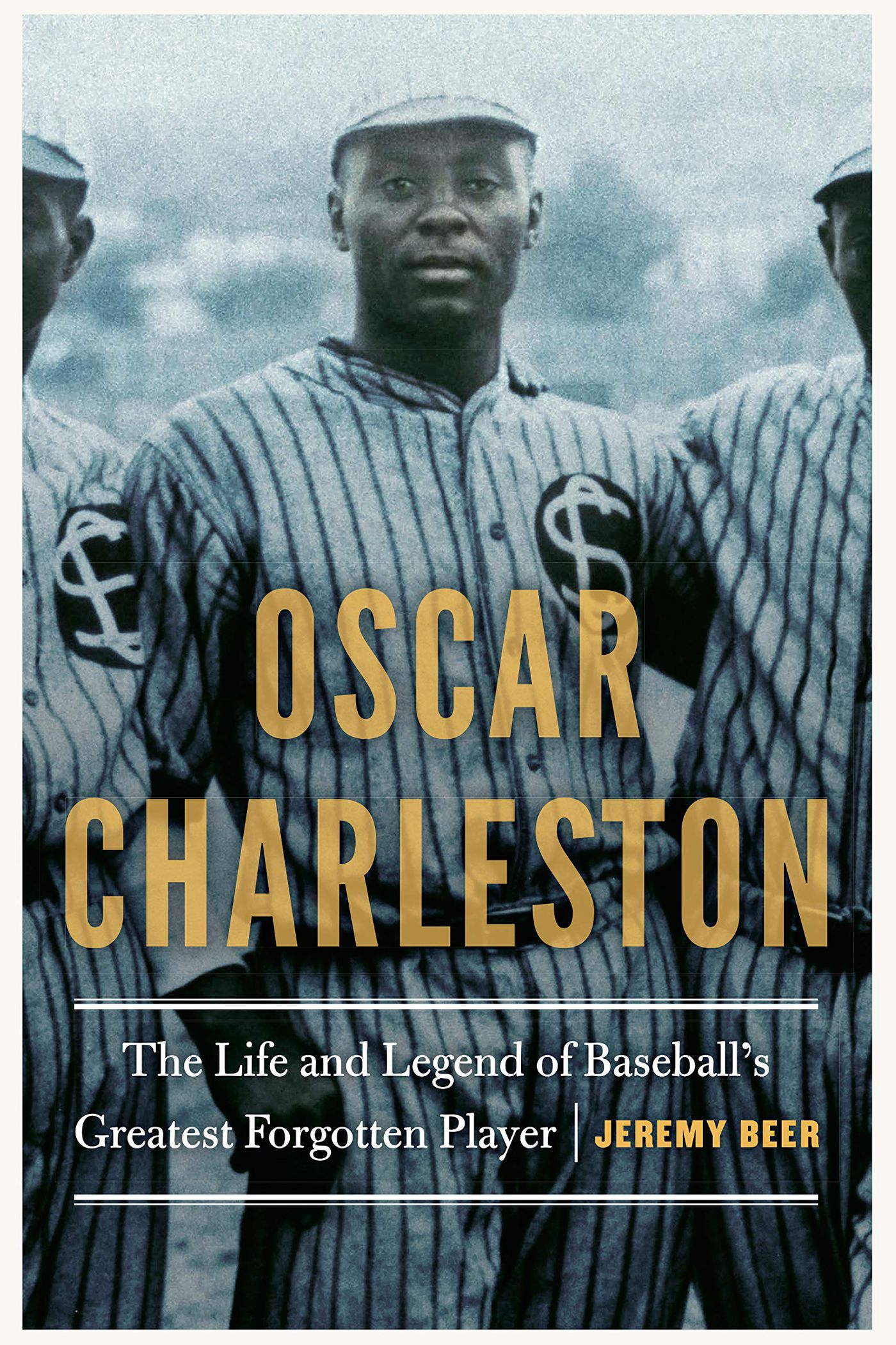
Oscar Charleston: The Life and Legend of Baseball’s Greatest Forgotten Player, by Jeremy Beer: This is a baseball biography, but also reads like a piece of investigative journalism due to the fact that the records of Charleston’s life are so fragmentary. Oscar Charleston was a star center fielder in the Negro Leagues of the 20s and 30s and holds a legitimate claim to being a top-five player of all time, and yet only the most passionate of baseball fans even know who he is. This book does a good job of reconstructing the historical data on Charleston that exists and gives the reader an impression of his brilliance on the field, the inherent instability of the leagues in which he was forced to play, and the racial injustice that lay behind it all.
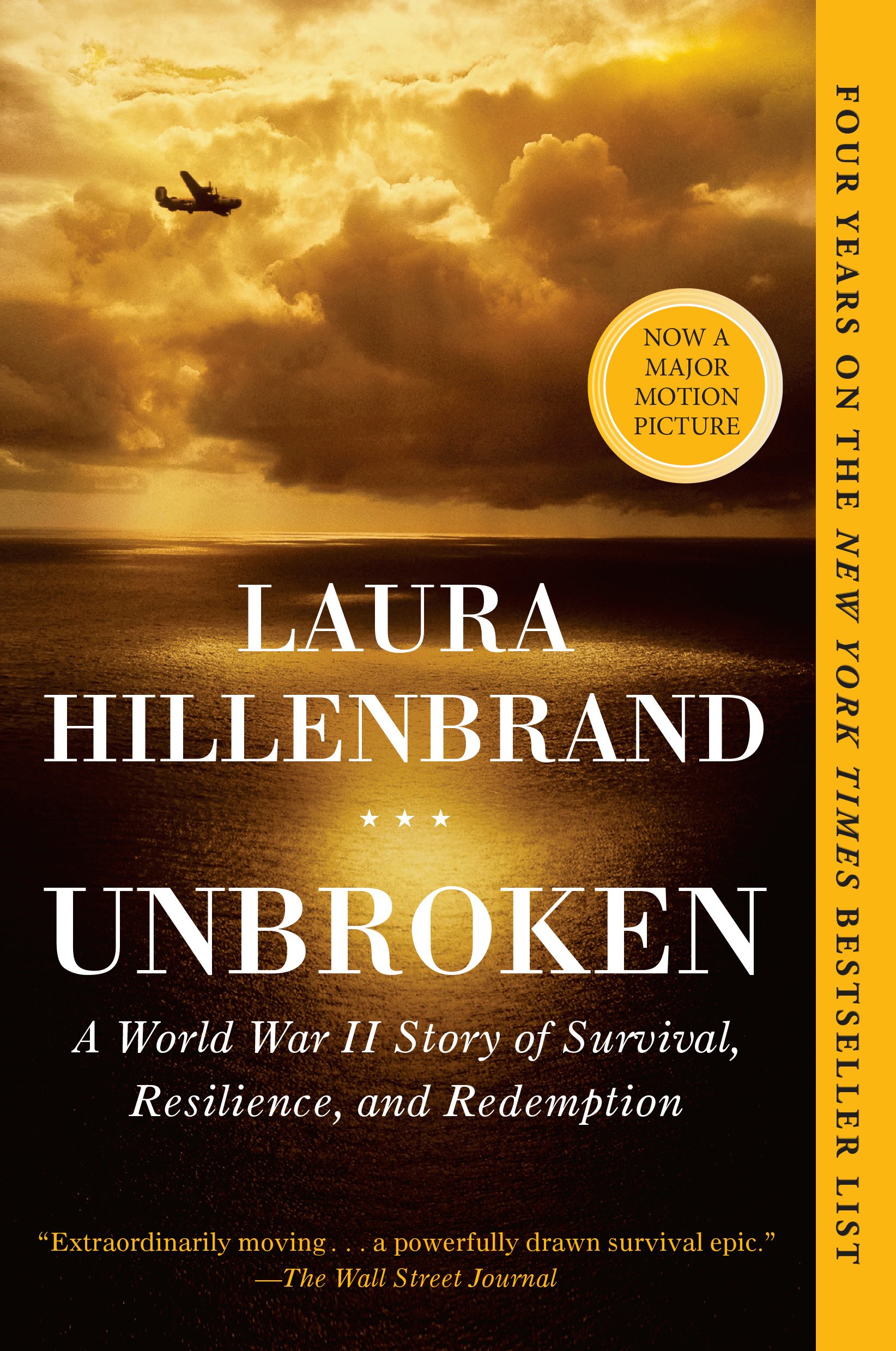
Unbroken, by Laura Hillenbrand: this was a massively popular book a few years ago that was also adapted into a successful film, so I may be one of the last people to have read it, but I was blown away by how compelling the story was. Unbroken tells the tale of Louis Zamperini, the Olympic track star who became an airman in WWII, had his plane shot down, and survived for weeks in a raft, only to end up in a series of Japanese prison camps. It was a remarkable story of survival, and also a remarkable story of faith, as Zamperini came to devout faith in Jesus after the momentous events of his life.
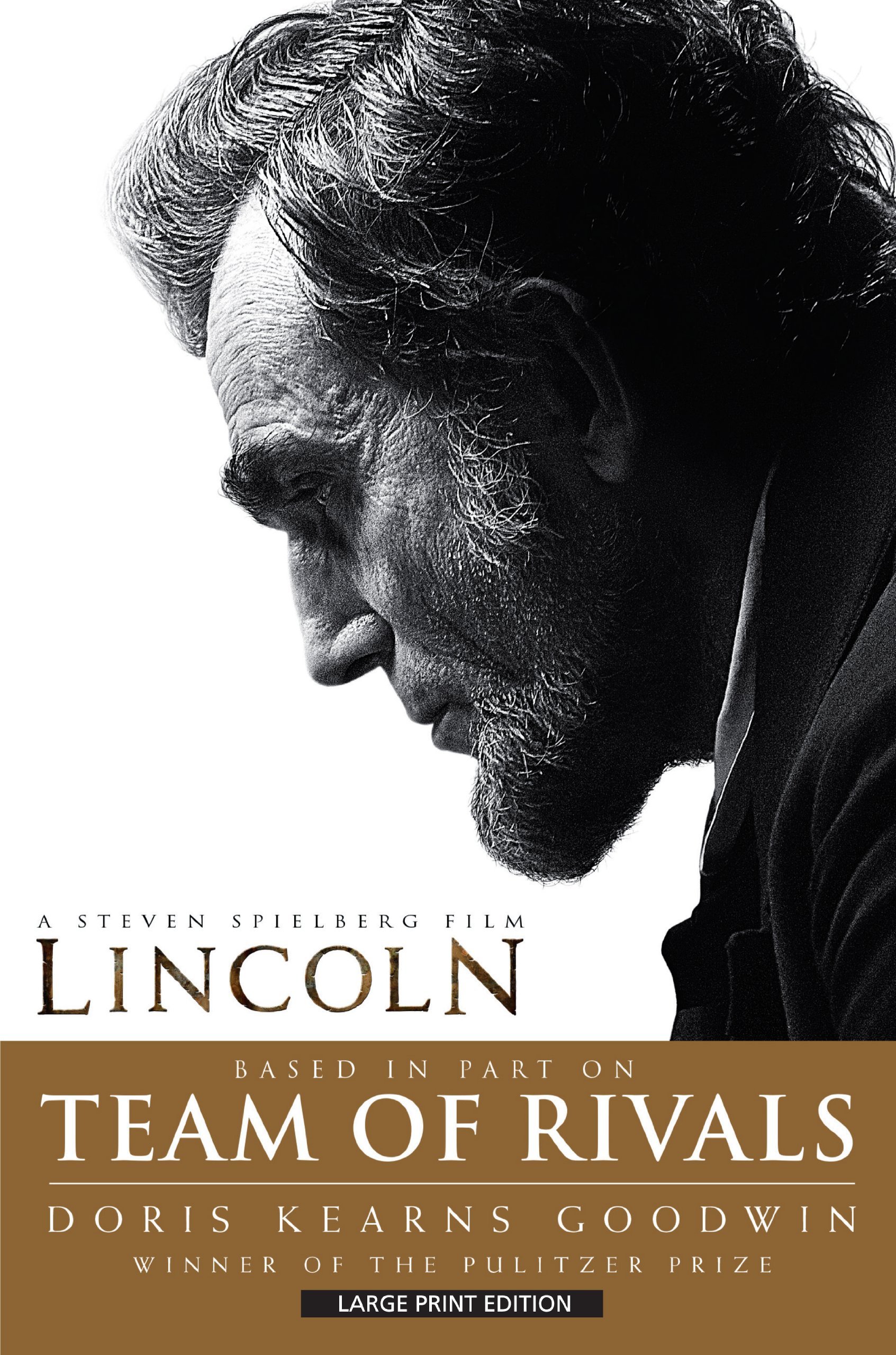
Team of Rivals: The Political Genius of Abraham Lincoln, by Doris Kearns Goodwin: I listened to this as an audiobook, and I think what I got was an abridged version of the original. Nevertheless, I loved it. I had seen the film Lincoln several years ago and was familiar with the book’s basic premise—Abraham Lincoln constructed his cabinet largely out of men who had sought the presidency he won—and then turned almost every one of them into allies and friends. Reading this book gave me an increased appreciation for Lincoln, and one thing I really wasn’t prepared for was how moved I would be by his assassination (something I have known about for as long as I can remember).
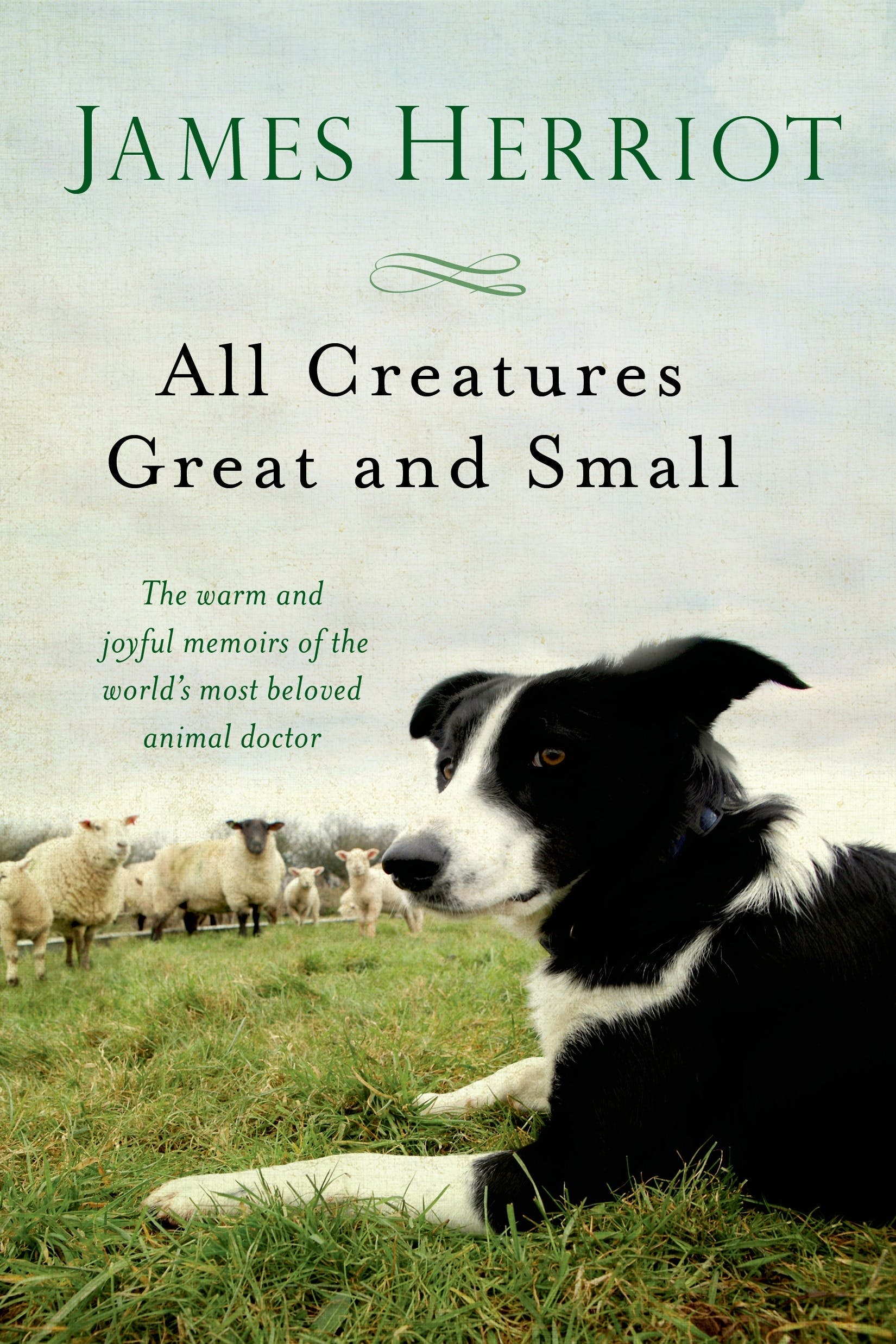
All Creatures Great and Small, by James Herriot: This was a quaint and delightful book recounting the adventures of a country vet in Yorkshire back in the 1930s. Herriot’s reminiscences are both humorous and meaningful, and I generally just found the book comforting to read. It also made me feel connected to my dad, who has loved the Herriot books for years as well as the original PBS series.
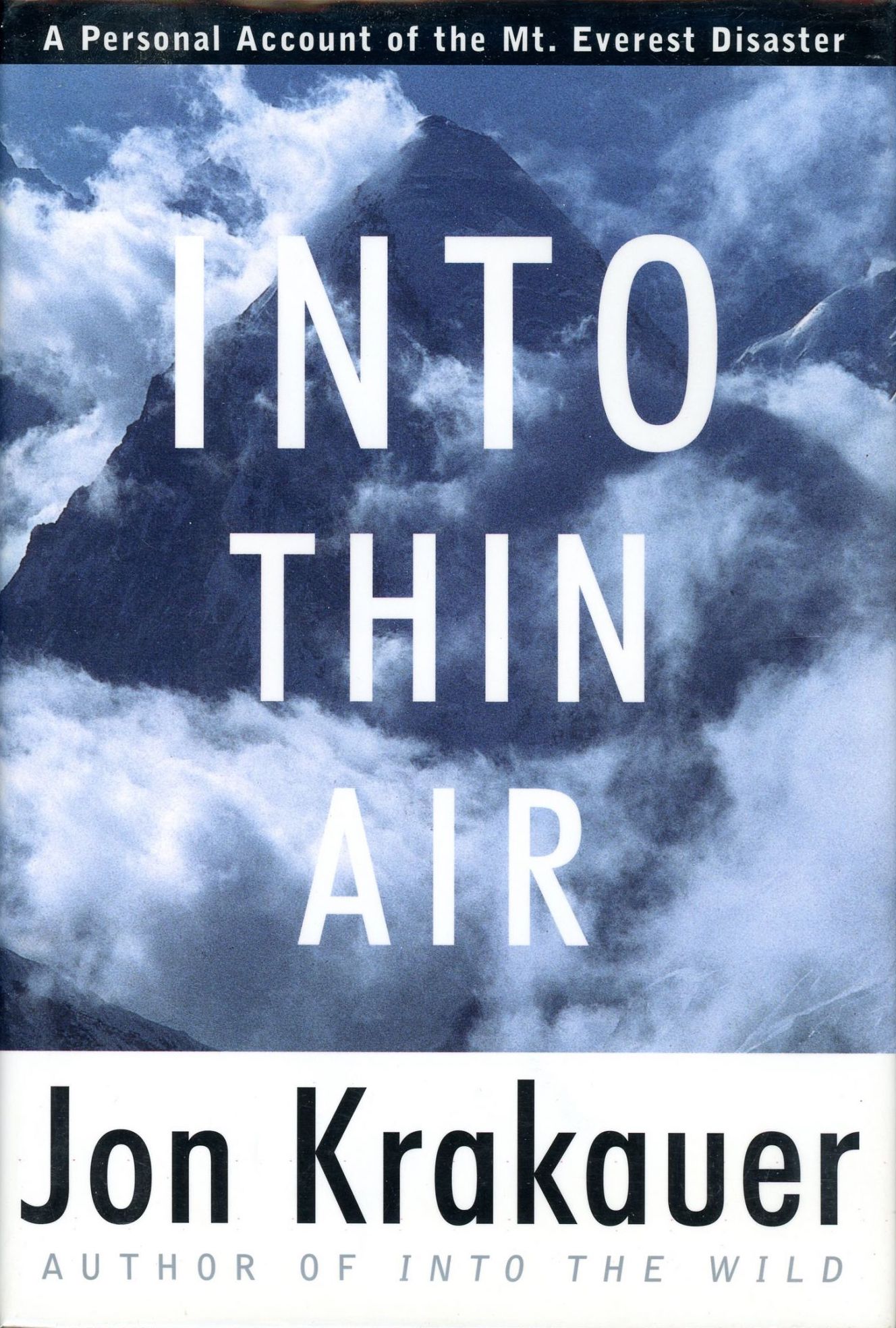
Into Thin Air: A Personal Account of the Mt. Everest Disaster, by Jon Krakauer: This was a gripping narrative that recounted Krakauer’s own part in an expedition that unwittingly became part of the 1996 Mount Everest disaster, when eight people (from multiple expeditions) were killed when caught in a storm on top of the world’s highest mountain. It is a tale of survival, tragedy, what-ifs, and unanswered questions, that was really compelling to read.
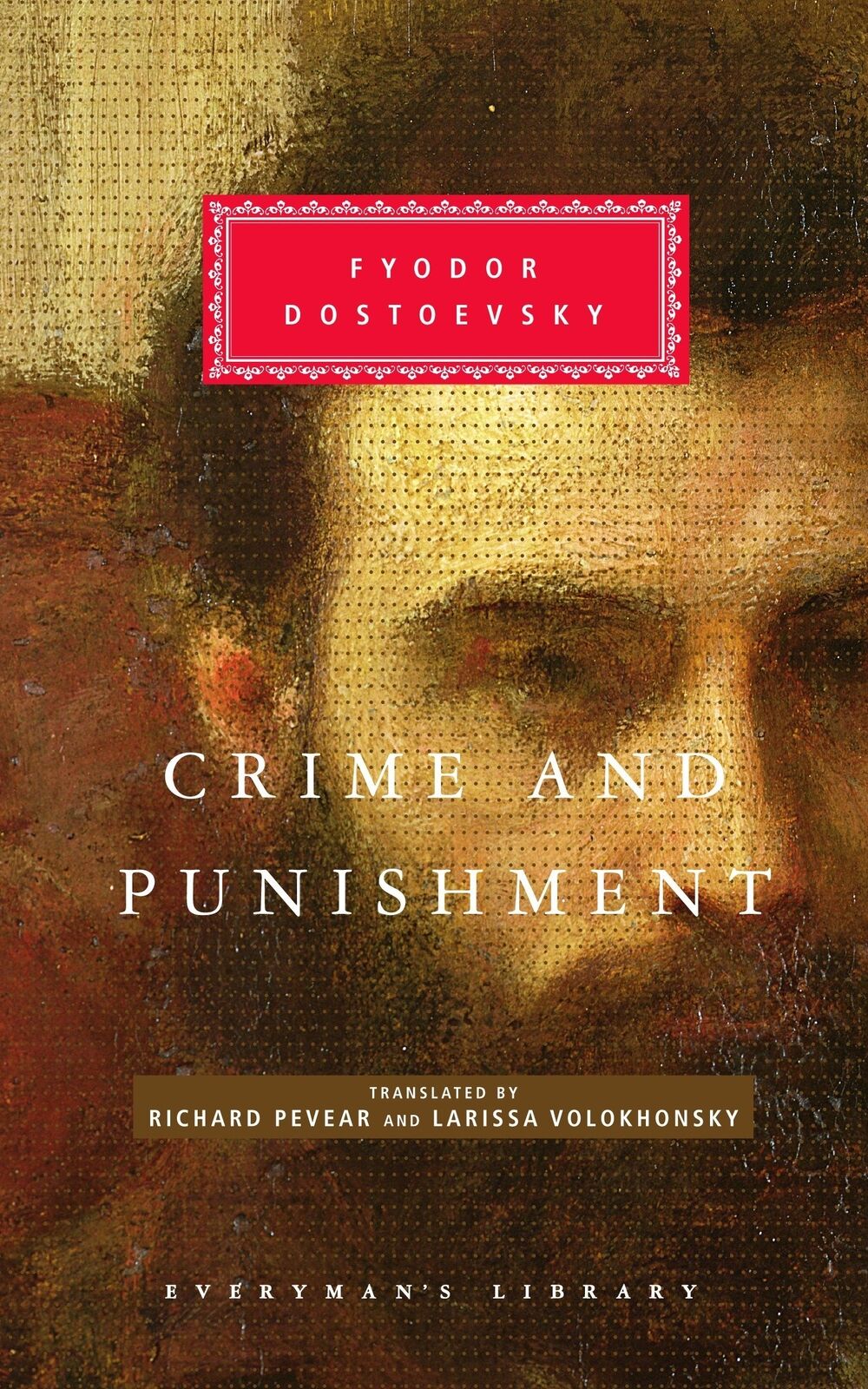
Crime and Punishment, by Fyodor Dostoevsky: I read Crime and Punishment for the first time in high school, and I think I read it again during college or shortly thereafter. This time, I read the acclaimed translation by Richard Pevear and Larissa Volokhonsky in the Everyman’s Library series (I loved this translation and series—so much so that I asked for two more volumes from this series for Christmas). This is such a brilliant book; it is funny, clever, psychological, and suspenseful, and delivers Dostoevsky’s sustained critique of the new intellectual ideas (utilitarianism and nihilism especially) that were invading St. Petersburg and Europe in the latter half of the 19th century and, by contrast, his support of traditional religious values. This was a timely read.
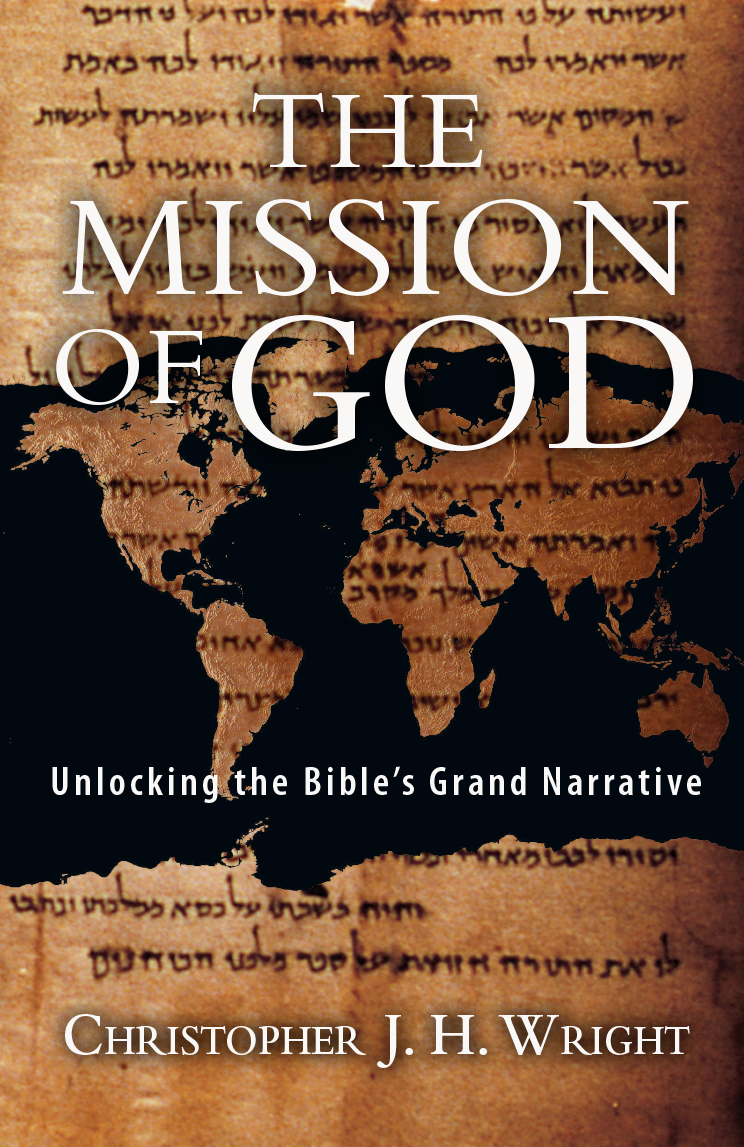
The Mission of God: Unlocking the Bible’s Grand Narrative, by Christopher J. H. Wright: I have read stuff from Chris Wright for years, and was generally aware of the main ideas in this, his magnum opus. Nevertheless, I thought it was finally time for me to tackle it, and it is a brilliant book. Many of the conclusions that Wright reaches I had already come to over the last decade or more through other readings from Wright as well as other sources like N.T. Wright and The Bible Project, but I wish I would have read this years ago, because it would have helped me with a lot theological processing. The basic idea is that the story of Scripture is the story of a God who is on a mission to reconcile His creation back to Himself, and as God’s people, we are invited to join in that mission. When Scripture is viewed through this lens, it has significant ramifications. This was a massive and dense book, but so good.
That was my reading for 2021. For comparison’s sake, if you are interested, you can see my reading lists from previous years:
What are some of the best books you read this past year?
You may be an ambassador to England or France