The online journal of Luke Dockery

Category: Youth Ministry (Page 7 of 24)

Staying In Ministry (My “Keep Going” File)

I have a horizontal file cabinet in my office, filled with files on old youth group events, study materials, elders’ meeting minutes, tax receipts, and all sorts of other things. I have one file labeled, “Keep Going.”


You may or may not be aware of this, but there is somewhat of a ministry crisis in churches: there are more churches seeking ministers than there are ministers seeking churches. This was likely true before the pandemic, but the last two years have only accelerated the problem, as more and more people are checking out of full-time youth ministry:

  • Somewhat famously, Barna released a study in late 2021 where 38% of ministers in US said they had given “real, serious consideration to quitting being in full-time ministry within the last year.”[1]
  • I regularly hear about new churches looking for ministers, and it seems to me that youth ministers are particularly in demand.
  • When I moved to Searcy 2.5 years ago, there were eight other youth ministers in area Churches of Christ. All of them had been in their positions for at least four years; some more than ten. Now, six of the eight are no longer in their positions.[2]
  • Jim Martin, Vice President at Harding School of Theology and someone who has a good awareness of the status of things in Churches of Christ, recently said, “I don’t know of another time in my lifetime when this many ministers have left full-time ministry during such a period of time.”[3]

Serving as a minister is an honor. From my perspective, ministry is wonderful in so many ways. I feel so privileged to be paid to devote significant time to studying Scripture, theology, and ministry and share what I learn with my students and church family. Furthermore, it is such a blessing to be able to work alongside teenagers, watch them grow and change, and seek to help them mature as disciples of Jesus. 

Serving as a minister is also a burden. Teaching comes with great responsibility (James 3.1). Working with teenagers and their parents can present all sorts of challenges. Ministers are easy targets for criticism from a variety of angles. Some criticism is valid and some is not, but almost all of it hurts, at least somewhat. When people choose to leave the church where you work, it is hard not to take it personally. Leading through conflict and controversy is tiring, and especially over the last couple of years, there has been no shortage of controversy (politics, COVID-19, racial issues, etc.). 

To be honest, sometimes it seems more like a burden than an honor, and although it always makes me sad when I hear that someone is leaving ministry, it doesn’t really surprise me. Ministry is great, but it is hard.


In my early days as a youth minister, I didn’t know much about what I was doing.[4] I didn’t originally intend to go into ministry, and I didn’t study ministry in college. I was also embarrassingly arrogant, and so I thought that I knew much more than I actually did. It is a little surprising, then, that I decided to read my first book on youth ministry: Things They Never Taught You About Youth Ministry That You Really Need To Know.[5] I actually didn’t love the book, but I value it greatly for two reasons. First, it represents the first small step in what became a massive shift toward me becoming a lifelong learner and student of youth ministry. Second, it taught me about the importance of a “Keep Going” File.[6]

There is nothing particularly profound about the idea, but it has certainly been powerful in my own life in ministry. Basically, the idea is this: every time someone writes you an encouraging note, keep it and add it to the file. Maybe someone tells you they really appreciated your sermon, or that you have had a major impact on their lives. Perhaps they thank you for your work in a specific effort, or maybe a simple note of general appreciation. Whatever it is, keep it and put it in the file. And then, when you have one of those days (or weeks, or seasons) where ministry feels more like a burden than an honor, pull out the file and read what you have collected.

Several weeks ago, I was discouraged about something (or, more accurately, several somethings), and I pulled out my Keep Going File. I read through comments from a wide array of folks from my past and present. I smiled as I read, and maybe even shed a tear or two. I put away the file, encouraged by what I had read, and determined to Keep Going.

Because ministry can be a burden, but it is also a great honor.


This post is written largely to fellow ministers to share a practice that I have found helpful. I realize, though, that many of my readers are not ministers, so here is a word directed to that crowd: encourage your ministers. Encourage is such a great word. When others are struggling and lacking in courage, we can instill courage within them by the things we say (or, we can rob them of what courage they have remaining). Write a card to show your ministers that you appreciate them; it may have far more value than you would ever expect.


[1] Of course, as this article points out, that doesn’t mean that 2/5 of Christian ministers are about to walk away. Just because you give serious consideration to something doesn’t mean you do it, and I think the percentage of those walking away from ministry is far less than 38%. At the same time, I suspect it is far higher than the 3% suggested in the linked article above.

[2] Of the six, two transitioned to different ministry positions within their same congregations, one left for a youth ministry position at a different congregation, and three are no longer in congregational ministry. I am not claiming that these transitions were caused by the pandemic, but they all occurred during it.

[3] Jim Martin, et al., “Pastoral Care in the Pandemic,” Journal of Christian Studies 1 (January 2022): 75.

[4] This is a sentiment that prepared me well for doing youth ministry in a pandemic, when I never felt like I knew what I was doing.

[5] Todd Clark, Things They Never Taught You About Youth Ministry That You Really Need To Know (Joplin, MO: 1996).

[6] Ibid., 109-110. Doug Fields, Your First Two Years In Youth Ministry (Zondervan: 2002), 57-58, makes the same suggestion, but calls it an “Affirmation File.”

About That Graphic Going Around…

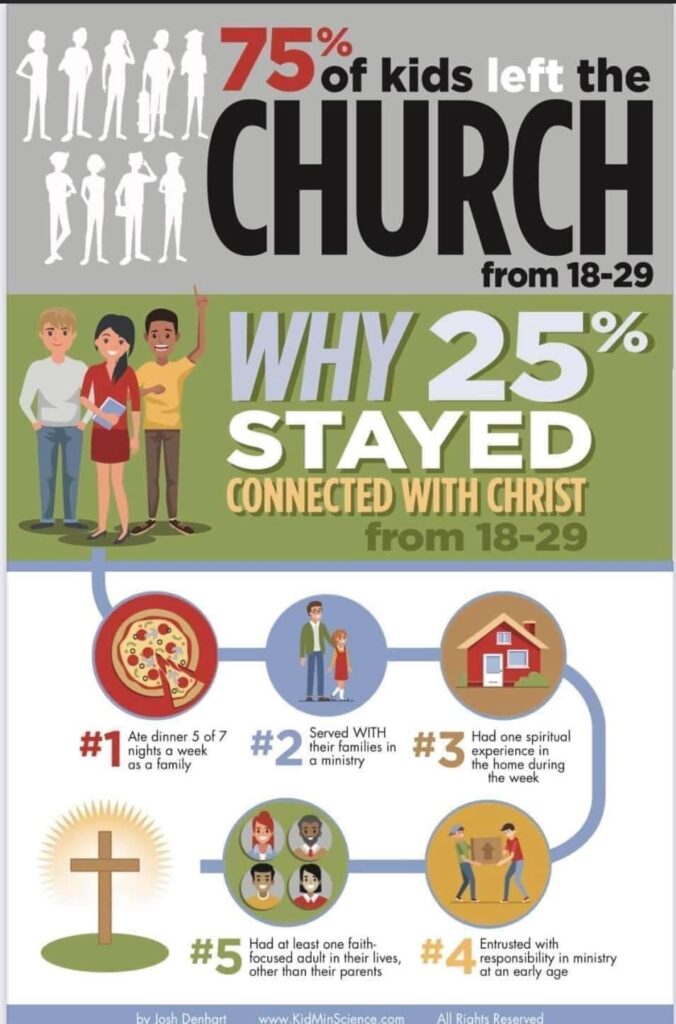
There is an infographic that has been making the rounds on social media regarding the problem of kids leaving the church after they turn 18, and steps that can be taken to prevent this from happening.

I have felt very conflicted when I have seen this shared over and over again, but have refrained from saying anything publicly about it until now. In short, I do have some significant concerns with this infographic the way it is presented, and because of that, it is not something I would share.

First, I want to acknowledge the good aspects of it. Young people leaving the church after high school is a major problem, and I appreciate that the creator of this is calling attention to that. I have written and spoken a lot about the same phenomenon—I literally wrote a book on it—so I am obviously aware of this problem and sympathetic toward the need to address it.

Furthermore, there is an abundance of research out there that would affirm that the five practices listed all correlate with long-term faith outcomes in adolescents to one degree or another (for example, Soul Searching by Smith and Denton, Sticky Faith by Powell and Clark, Growing Young by Powell, Mulder, and Griffin, and Hurt 2.0 by Clark, among others).

Having said that, I think there are some significant issues with the way this is presented that make it misleading.

First, there is no citation of anything. I would love to see verification of the 75% figure, which is significantly higher than, well, any of the valid studies I have seen. The 18-29 age range is also a red flag to me, as this comprises a wide range of development and, thus, it is unusual to see data for this group. What is possible is that this is based on survey results of young people who are tracked over time at various ages, but again, we just don’t know without any sort of citation. The only sort of citation given is a website address at the bottom of the graphic, but when you visit that site, you do not find verification of this, but rather a promotional site for using science in ministry and for selling a science-based VBS.

Second, “leaving the church” does not exactly equate with disconnecting from Christ, especially in the current cultural context. I will affirm the importance of belonging to a local church as loudly as anyone, but the church is not Christ; the church is the Bride of Christ. I do believe that involvement in the church is crucial to our connection with Christ, but we have to acknowledge in the present context that there are Christians who are not currently connected to a local church. That happens for a wide variety of reasons. In some places in the world where persecution is rampant, it is simply not possible to meet with other Christians. Some people became disconnected from church due to shutdown during COVID, and have struggled to reconnect (this is true of some who have been Christians for decades; how much more for those who are still young in their faith!). Some cling to a faith in Christ but struggle with church due to trauma from past experiences. Some have work situations that prevent involvement in the local church. Some are, well, lazy. The list goes on and on. None of these situations are ideal, and, again, we should always affirm the importance and centrality of the church in God’s plan for His people. Furthermore, it is right to mention connection to church as a measure of one’s spiritual vitality and connection to Christ. But, equating Christ and the church, as this graphic does, is theological error.

Finally, the five practices this graphic mentions are all helpful and supported by research that I have read. It is good for parents to do these things with their kids and for youth ministries to reinforce these same values and practices. But, this graphic gives the impression that these are steps to take on a guaranteed path to faithfulness. The reality is that there are no guarantees. Children are not robots to be programmed; they have their own minds and will make their own choices. I am aware of so many scenarios where children are raised in identical contexts (with all of the practices mentioned in the graphic above) who make very different choices and, thus, have very different faith outcomes.

That doesn’t mean we should ignore the things suggested by the graphic—they are still wise practices with some degree of research-based support and we would do well as parents and church leaders to follow them—but we should acknowledge that we are not in control of things. We desperately want to be in control, and it is comforting to think that if we just follow a certain formula, we are guaranteed that our children will have spiritual success. It’s not that easy, though. The reality is that, as parents and churches who are responsible for raising God’s kids, we do the best we can and seek to be faithful in passing faith on to our children while acknowledging that they are individuals created in God’s image who make their own choices. We bathe the process of parenting in prayer, asking God to help our kids be faithful, and to work through our own feeble efforts toward that end.

We bathe the process of parenting in prayer, asking God to help our kids be faithful, and to work through our own feeble efforts toward that end. Share on X

The Faith of American Teenagers

Introduction: A Major Problem

In this post, I want to share some research regarding the faith of teens in the United States. One of the most important (and alarming) research findings is that what American Teens who call themselves Christians actually believe is not what “Christianity” has meant for 2,000 years.

As we look at the data, there are a couple of really important things to keep in mind. First, these are general conclusions drawn from research; that doesn’t mean they apply to every single teenager. Also, I’m not blaming teenagers for the problems and deficient beliefs we will discuss below. Teens believe what they do because adults—parents, youth ministers, teachers, leaders, the church, whoever—have failed to teach them any better.


Cultural Christianity: The Faith of American Teenagers

The National Study of Youth and Religion (NSYR) was a massive research study conducted from 2002-2005. Findings from this study were published in two important works, Soul Searching: The Religious and Spiritual Lives of American Teenagers, by Christian Smith and Melinda Lundquist Denton, and Almost Christian: What the Faith of Our Teenagers Is Telling the American Church, by Kenda Creasy Dean:[1]

  • Researchers studied more than 3,300 American teenagers between the ages of 13-17.
  • After the initial survey, the researchers conducted 267 follow-up face-to-face interviews.
  • 2,500 of the original 3,300 were revisited years later to see how their religious lives changed as they age.
  • Teens from all different religious backgrounds were examined (not just Christian).

What they found was that 3 out of 4 American teenagers claim to be Christian, but only about half consider their faith to be important, and less than half practice their faith as a part of their daily lives.[2]

Furthermore, the report showed that “the vast majority” of U.S. teens are “incredibly inarticulate about their faith”—in other words, even those teens who claim to be Christians are unable to explain what it means to be a Christian or what they actually believe.[3]

Research shows that “the vast majority” of U.S. teens are “incredibly inarticulate about their faith” Share on X

When asked questions about what they believed religiously, here were some of the actual responses:[4]

  • Uh, I haven’t really thought about that [pause]. I don’t know.
  • I believe in the [pause], I, ohhh [pause], I don’t think I’d really like to talk about that.
  • Hm, I don’t know, I’d have to like ask somebody or something, I don’t know.
  • Um, I guess I believe…[laughs], um, I don’t know. I don’t really know how to answer it.

Teens typically have a very difficult time explaining what it means to be a Christian or what they actually believe.

After the NSYR was completed, some of the experts who analyzed all of the data from this study realized that, although a lot of young people claim to be Christian, what they mean by “Christian” is not what that word has historically meant for the last 2,000 years. The NSYR suggests that many, many teenagers who consider themselves to be Christians don’t really practice Christianity at all; they practice a different religious faith altogether. In the words of Christian Smith and Melinda Lundquist Denton:

“A significant part of Christianity in the United States is actually only tenuously Christian in any sense that is seriously connected to the historical Christian tradition, but has rather morphed into Christianity’s misbegotten stepcousin, Christian Moralistic Therapeutic Deism.”[5]

So, a lot of young people who consider themselves to be Christians are not really practicing Christianity, but instead is a “misbegotten step-cousin” of Christianity—something that is kind of related to Christianity but really isn’t very close. Smith and Denton continue:

“The language, and therefore experience, of Trinity, holiness, sin, grace, justification, sanctification, church, Eucharist, heaven and hell appear, among most Christian teenagers in the United States at the very least, to be supplanted by the language of happiness, niceness, and an earned heavenly reward. It is not so much that U.S. Christianity is being secularized. Rather more subtly, Christianity is either degenerating into a pathetic version of itself or, more significantly, Christianity is actively being colonized and displaced by a quite different religious faith.”[6]

In other words, when most Christian teens talk about faith, they don’t talk about the things the Bible talks about: discipleship, sacrifice, holiness, sin, grace. Instead, they talk about things like “being nice” or “being a good person” or “getting to go to heaven when we die”. What a lot of teens talk about when they describe their faith, really isn’t Christianity at all.

And since it’s not really Christianity, the researchers came up with a new name for it: Moralistic Therapeutic Deism.

From the NSYR, here are the central beliefs of Moralistic Therapeutic Deism:[7]

  1. A god exists who created and orders the world and watches over life on earth.
  2. God wants people to be good, nice, and fair to each other, as taught in the Bible and by most world religions.
  3. The central goal of life is to be happy and to feel good about oneself.
  4. God is not involved in my life except when I need God to resolve a problem.
  5. Good people go to heaven when they die.

And this is why they call it Moralistic Therapeutic Deism.

  • What does “Moralistic” mean? If you are a moral person, it means that you understand the difference between right and wrong, and you try to do those things that are right and generally be a good person (2, 5).
  • What does “Therapeutic” mean? Usually, we think of this word in terms of going to therapy for something (physical therapy, occupational therapy, counseling, etc.). Therapy is a form of treatment you take in order to be healed or to feel better. So MTD is therapeutic in the sense that God helps us with our problems, and that the goal is for us to feel good about ourselves (3, 4).
  • What does “Deism” mean? You might think of Deism in terms of European History and the intellectual movement called the Enlightenment; here we don’t mean Deism in a technical sense, but more in a general sense: a belief in a deity who created the world but isn’t too involved in everything that happens (1).

So you can see why it’s called Moralistic Therapeutic Deism: it’s about trying to be good, trying to feel good about ourselves, and it is loosely connected to belief in “God”. We might also call it Cultural Christianity. It is “Christianity” as our culture views it and practices it, but it is not Christianity as described in the Bible. From here forward, I will use Cultural Christianity as a synonym for Moralistic Therapeutic Deism.

When you put all of this together, American Cultural Christianity is a watered-down version of Christianity. Sometimes, it’s not so bad to water something down. I like to water down Gatorade when I drink it, because it makes it less heavy and I think it tastes better. Sometimes we water things down in order to make them more pleasant or to suit us better, and that’s okay. But Cultural Christianity is a watered-down Christianity, and that’s not okay. Sure, in some ways it’s more pleasant—Cultural Christianity is easier; it’s less demanding. It is a religion that will not offend anyone…but neither will it save anyone.

Remember earlier how we said that 3/4 of American teenagers consider themselves to be Christians but only about half consider it to be important, and less than half practice their faith as a part of their daily lives? That’s what Cultural Christianity is all about: something you believe, but not something that is so important that it upsets your life or really impacts how you live too much.

Here’s the problem with that sort of thinking:

“Christianity, if false, is of no importance, and if true, of infinite importance. The only thing it cannot be is moderately important.”

(C.S. Lewis)


Interlude: What About “Post-Christian” America?

As a quick aside, we are obviously living during a time of cultural transition and there are a lot of changes occurring. One of these transitions you may have heard about is that the United States is increasingly a post-Christian society. If we are increasingly “post-Christian” what does that mean about Cultural Christianity? In short, watered-down Christianity is on the decline.

To clarify, when you take a look at the data and surveys, what is happening is not that devoted followers of Jesus who are plugged into local churches are walking away from the faith in droves; it’s cultural Christians who are checking out. And honestly, that makes complete sense to me: there’s nothing about Cultural Christianity that demands anything from you, gives you meaning or purpose, or changes your life for the better—why would you hold onto it?

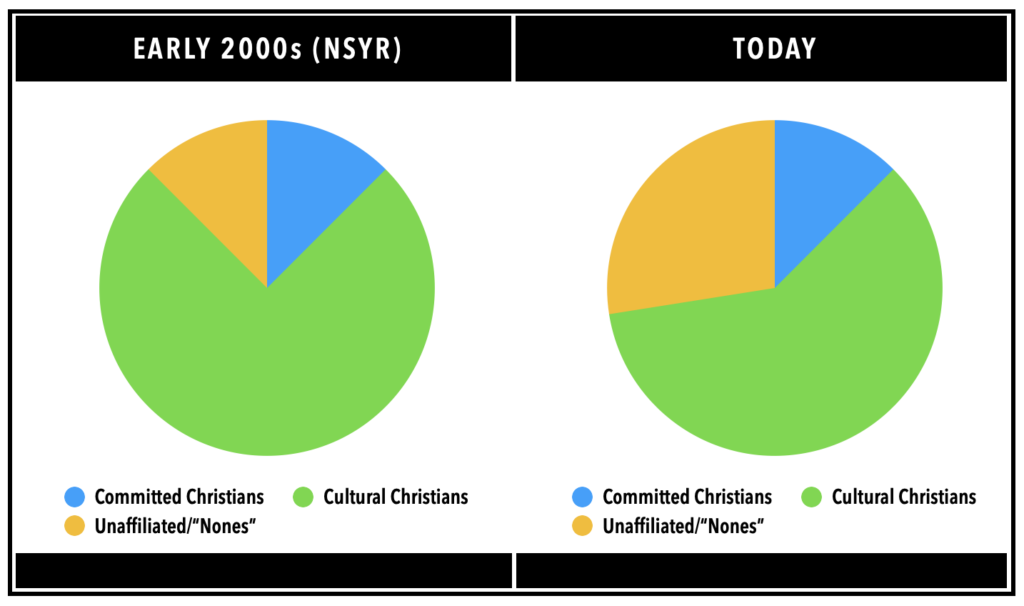
To summarize this differently, think in terms of a pie chart. At the time of the NSYR in the early 2000s, we might imagine that there was a large chunk of the pie that were cultural Christians, a small piece that professed no faith affiliation, and another small piece that represented committed Christians. Updated to today, the pie pieces would be apportioned differently: committed Christians still represent a similarly small piece, while the cultural Christian slice has shrunk in size, and the unaffiliated slice has grown.[8]
Nevertheless, the fact remains that, despite its decline, Cultural Christianity is still the belief system of a significant number of teenagers (and adults) in the United States.


Biblical Christianity: The Demands of Jesus

Let’s consider a different perspective.

We call ourselves Christians, and the word Christian simply means “follower of Christ,” someone who follows Jesus. If Jesus is our Lord, if He is our King, then we have to be loyal subjects of our King, and that means He gets to define what it means to follow Him.

If Jesus is Lord, that means He gets to define what it looks like to follow Him. Share on X

So, let’s look at what Jesus says, and then compare Biblical Christianity to Cultural Christianity:

24 Then Jesus told his disciples, “If anyone would come after me, let him deny himself and take up his cross and follow me. 25 For whoever would save his life will lose it, but whoever loses his life for my sake will find it. 26 For what will it profit a man if he gains the whole world and forfeits his soul? Or what shall a man give in return for his soul? 27 For the Son of Man is going to come with his angels in the glory of his Father, and then he will repay each person according to what he has done. 

(Matthew 16.24-27) 

Jesus says that if we want to be His followers, we have to deny ourselves, take up our crosses, and follow Him. In the ancient world, crosses were not used for jewelry, tattoos, or t-shirt designs; they were used for death. People were executed on crosses, and as we see in the crucifixion of Jesus, they were forced to carry their crosses to the place where they were hung on them to die. So Jesus is saying that would-be disciples must be ready to die. They have to die to self. That’s not an expression we use a lot—what does it mean to die to self? It means that we crucify—put to death—our own wishes, wants, and desires. We deny ourselves and what we want to do and instead seek to do the things God calls us to do.

Now, that is completely different from the cultural Christianity we’ve been discussing. Cultural Christianity is watered-down which makes it easy to swallow. It doesn’t offend anyone, it doesn’t demand sacrifice. It says that God wants you to be happy, and that He will bail you out of trouble and let you live with Him in heaven someday.

That is not what Jesus said, though. Jesus didn’t say following Him would be easy. He said it would be death. 

Jesus didn’t say following Him would be easy. He said it would be death. Share on X

Let’s go back and look at the core beliefs of Cultural Christianity and compare them to what Biblical Christianity says.

(1) A god exists who created and orders the world and watches over life on earth.

Of the five central beliefs of Cultural Christianity, this one is probably the most on target. It is true that God created the world and ordered it, and watches over life on earth. Beyond that, Scripture teaches that Jesus was intricately involved in creation, and it is through Him that our world holds together (Colossians 1.15-20).

But God is not some distant, disinterested Creator. God cares so much about what is going on in the world that through Jesus, He stepped into the world in order to fix what was broken and save us when we were lost.

(2) God wants people to be good, nice, and fair to each other, as taught in the Bible and by most world religions.

Does God want us to be good and nice and fair? Of course He does! That is a watered-down idea, though, because God wants us to be so much more than that.

In parables like the story of the Good Samaritan, we see that Jesus demands that His followers be hospitable and compassionate. We can be nice and polite without actually lifting a finger to help someone in need. We can say “please” and “thank you” and smile and go to church, but if we ignore those who are in need of food or clothing or companionship, God will reject us on the day of judgment (Matthew 25.41-46).

And another thing about being polite: a lot of people in our culture consider it to be rude or impolite to talk about religion in most social settings. But Jesus doesn’t want His disciples to observe social niceties if it means keeping their mouths shut about their faith. As Christians, we know that the world is sick and Jesus is the cure. Our job is to share the medicine with as many patients as possible! We are called to care enough about other people that we tell them about Jesus, even if our culture tells us to keep that to ourselves.

(3) The central goal of life is to be happy and to feel good about oneself.

This is, perhaps, the best example of all of these central beliefs of how much more Cultural Christianity is influenced by culture than by Christ.

In our culture, the most important goal in life is to be happy. We’re urged to “be true to ourselves” which is just another way of saying, “do what you want to do, do what feels good.” We are told to choose colleges, churches, and jobs based on what will make us happy. People divorce their spouses or walk out on their families because they aren’t happy as if somehow that justifies harming other people.

But God doesn’t think that our happiness is the most important thing. It’s not that God wants us to be miserable and unhappy; it’s just that He cares a lot more about our holiness than our happiness (1 Peter 1.14-16).

Jesus came and died on the cross to free us from sin and bring us salvation, not to enable us to selfishly go about in life doing whatever we can to be happy as often as we can. The central goal of life is to be faithful to God, rather than to feel good about ourselves. Because everything that exists, the whole arc of history, the eternal destiny of all things, is not about us; it’s about God.

We are commanded to rejoice (Philippians 4.4; 1 Thessalonians 5.16), and as Christians, we should be joyful people. But there is a stark difference between having joy in the knowledge that we are loved by our Heavenly Father, saved by the blood of Christ, indwelt by the Holy  Spirit, and joined to the family of God, and doing whatever we can to experience a self-centered and shallow feeling that our culture calls happiness.

(4) God is not involved in my life except when I need God to resolve a problem.

The idea that God is some sort of cosmic parachute that we pull out and use only when things get really bad is entirely foreign to the message of Scripture. God is not just sitting there twiddling His thumbs, waiting for us to ask Him to help us pass a chemistry test or to get us out of trouble for lying to our boss.

The basic truth of the Incarnation—the Son of God putting on flesh and living as the man Jesus—is that God cares enough about us that He enters into life alongside us. Jesus showed us how to live and died to save us, and even today, through His word and His Holy Spirit, God is always a part of the lives of Christians; He’s not just off to the side somewhere waiting for us to ask Him for help when we get really desperate.

I’m not saying we shouldn’t pray to God when we are in trouble and need His help; of course, we should do that. But we should also pray to Him when things are great and everything is going well in our lives. And more than that, God should always be involved in our lives because as followers of Christ, our primary marching orders in life are not determined by what we want to do, but rather by what God calls us to do (remember, being a disciple of Jesus means to deny yourself, take up your cross, and follow Jesus!).

(5) Good people go to heaven when they die.

This might not sound so bad at first; what’s wrong with it?

First, the Bible argues that there are no good people!

We were created good, in God’s image, but we are tainted by sin. All of us sin and fall short of God’s glory (Romans 3.23) and the wages of sin is death (Romans 6.23). I am not good, and you are not good. We are selfish and prideful and unkind. We do not deserve heaven, and there is nothing we can do to earn eternal life. In fact, the Bible says that all of the good deeds we do, all of our righteous acts, are like filthy rags (Isaiah 64.6). At our best, we have no hope of being “good enough” to earn eternal life.

The good news is, good people don’t receive eternal life; saved people do! And God, in His grace, is willing to save any of us, even though we’re not good. Good people don’t earn salvation; God graciously offers the gift of salvation to all people, no matter how bad they are. We are saved by grace through faith (Ephesians 2.8-9).

Good people don’t receive eternal life; saved people do. Share on X

Those who respond to God’s grace through faith in Christ and submission to Him in baptism are added to His Church, have their sins washed away, become a part of God’s people and God’s mission, and are also promised eternal life.

But “good people” as defined by society don’t go to heaven when they die. That’s not what the bible teaches.

These are two very different belief systems. No wonder they were called “misbegotten step-cousins”. They are barely related at all. It is very important that we make sure to teach the gospel that Jesus is Lord to our children and teens, rather than some sort of watered-down belief system based on doing good things and feeling good about ourselves.

Conclusion: We Must Do Better

I hope you can see how different Cultural Christianity and Biblical Christianity are. Really, they are two very different belief systems. No wonder they were called “misbegotten step-cousins”. They are barely related at all. 

This was a major wake-up call for me when I first read the research. These findings should cause us to think very carefully about our own faith, and also what we are teaching our young people. We need to make sure that we are teaching them real, Biblical Christianity rather than something that has been watered down by our culture. We need to make sure that what we teach them explicitly in Bible classes and sermons is not undermined by what we teach them implicitly in the way we live our lives and make daily decisions. And we need to make sure that we teach them in a way that equips them to be able to speak about what they believe and put it into words. 

Real, biblical Christianity is not as easy to swallow as the watered-down stuff—in fact, it can be really difficult. It requires that we die to ourselves. But it’s what Jesus demands, and it’s the only way to follow Him. This is what God wants our young people—and all people—to know, and this is what we must deliberately, intentionally teach.


[1]Kenda Creasy Dean, Almost Christian: What the Faith of Our Teenagers Is Telling the American Church (Oxford: Oxford University Press, 2010); Christian Smith with Melinda Lundquist Denton, Soul Searching: The Religious and Spiritual Lives of American Teenagers (Oxford: Oxford University Press, 2005).

Obviously, this data is not current, as the NSYR is almost 20 years old at this point. Indeed, today’s teenagers are from a different generational cohort than those studied in the NSYR (teens today are part of Generation Z, while those who were studied in the NSYR are Millennials). Nevertheless, there is no reason to think that the concerning patterns of belief that the NSYR uncovered have disappeared; if anything, they are worse now.

Having said that, there are some ways in which these findings may need to be nuanced or updated, and I will try to point those out as we go along.

[2]Kenda Creasy Dean, Almost Christian: What the Faith of Our Teenagers Is Telling the American Church (Oxford: Oxford University Press, 2010): 10; Christian Smith with Melinda Lundquist Denton, Soul Searching: The Religious and Spiritual Lives of American Teenagers (Oxford: Oxford University Press, 2005): 31.

Research on Gen Z students indicates that the percentage of teens who self-identify as Christian has fallen. While the NSYR revealed that roughly 3 out of 4 students identified as Christian, according to Barna, Gen Z: The Culture, Beliefs and Motivations Shaping the Next Generation (Barna Group and Impact 360 Institute, 2018): 26, that number is now more like 3 out of 5. The same research indicates that only 9% of Gen Z students are actively engaged in their faith, “with beliefs and practices that put faith front-and-center in their lives.”

[3]Smith and Denton, Soul Searching, 131.

[4]Ibid.

[5]Ibid., 171.

[6]Ibid.

[7]Dean, 14. By the way, “Moralistic Therapeutic Deism” is a descriptive term—no one actually self-identifies as a Moralistic Therapeutic Deist; it simply describes elements of this popular belief system.

[8]The chart here is inherently reductionistic and just used for the purpose of illustration. These wedges do not reflect precise percentages, and neither do they account for individuals belonging to other world religions.


Teaching Youth Ministry in College

It has been a dream of mine to teach at the college level for a long time, and this past semester, for the first time I had the privilege of teaching a youth ministry class at Harding University. It was a great experience! I have enough college professors in my life that I expected prepping a brand new course to be a lot of work and grading to not be much fun (both of these expectations were correct, by the way), but I was pleasantly surprised to enjoy teaching even more than I thought I would.


I learned a lot from my first semester as an adjunct college professor, but here were a few of the major takeaways:

College Students Are Awesome

My “first day of school” photo

I love teenagers. If I didn’t, I would be in a different line of work. I confess, though, that as a general rule, I tend to enjoy my students more as they get older, and I have lamented before that about the time my students get really interesting, they leave me and go on to college! I had about 35 students in class, most of them juniors and seniors, and they were such a joy to be around. As a group, they were talented, passionate, and engaged, but also vulnerable, open-minded, and desperate for Jesus. I really enjoyed getting to know them through class discussions and assignments.

College Students Are What the Research Says They Are

Over the last several years, I have read a ton of youth ministry-related research. I have taught on that research in churches and at lectureships and workshops, and have even written a book on it. That research touches on a lot of topics, including:

  • The high percentage of Christian teens who check out of the church and shelve their faith after high school
  • The fact that youth groups tend to isolate teens from the Body of Christ rather than integrating them into it
  • The way that teens largely feel abandoned and ignored by their youth groups and churches after high school
  • The sad reality that Christian families often neglect practicing faith in the home
  • The incongruence between what Christian teens believe and the historic beliefs of Christianity
  • The lengthening of the developmental stage of adolescence

My class of students served as a sort of focus group, and confirmed each of these findings. Since these findings are largely negative, this wasn’t exactly a happy discovery, but it is still helpful: problems have to be clearly identified before they can be fixed. Getting to see the spiritual development of students a few years down the road from my own youth ministry students and hearing about their hurts and struggles encourages me to do better (in very specific ways) with the kids in my youth group.[1]

College Students Are Hurting

At this point, it is fairly well established that Generation Z students (which would include college students and the students in my youth group) are physically safer than ever, but more at risk than ever in other ways as anxiety and depression are at unprecedented levels in teens and young adults. I witnessed this clearly with a lot of my students: they are concerned about so many things going on in the world, unbelievably stressed out, and entirely too busy. They are hurting. The root causes for all of this are beyond the scope of this post (although, you can check out two excellent books that address this problem from two different angles here and here), but being aware of this reality enables those of us who interact with this age cohort to offer support, encouragement, and love. It was a blessing for me to have the opportunity to do that with my students this past semester.

As you can perhaps discern from the points above, teaching was not all fun and games. We had some tough conversations last semester, and I was touched by many of the things students shared with me. The church has a lot of work to do in being better stewards of God’s children. It is my prayer to engage in that work in my efforts in youth ministry, and teaching at HU was a wonderful complement to that. I look forward to doing it again.

The church has a lot of work to do in being better stewards of God’s children. Share on X

Class photo with my youth ministry scholars before we took our final exam: a great group!


[1]As a side note, I should mention that, in many ways, I was teaching the cream of the crop, spiritually speaking: students who actually chose to attend a Christian university and stayed there long enough to be juniors or seniors. If these findings were true for them, you can only imagine the situation for those in less fortunate circumstances.

Reading in 2021

This post is always one of my favorites of the year, because it combines two things that I greatly enjoy: (1) reading and (2) obsessively keeping track of things. Basically, I like to keep track of what I read each year, and then offer some reflections about my favorite reads from the year.

Without further ado, here is my list from 2021:

  1. The Purity Principle, by Randy Alcorn
  2. The Blue Parakeet, 2nd Edition, by Scot McKnight
  3. Epic: An Around-the-World Journey through Christian History, by Tim Challies
  4. Natural Evangelism: An Everyday Approach to Sharing the Gospel, by Matthew W. Morine
  5. Don’t Miss It: Parent Every Week Like It Counts, by Reggie Joiner and Kristen Ivy
  6. I’m Still Here: Black Dignity in a World Made for Whiteness, by Austin Channing Brown
  7. Leaving Church: A Memoir of Faith, by Barbara Brown Taylor
  8. The Screwtape Letters, by C.S. Lewis
  9. The Prince of Life: The Story of Christ for Young People, Episcopal Church Fellowship Series
  10. Harry Potter and the Chamber of Secrets, by J.K. Rowling
  11. Harry Potter and the Prisoner of Azkaban, by J.K. Rowling
  12. The Problem of Pain, by C.S. Lewis
  13. Companion to Narnia: Revised and Expanded, by Paul E. Ford
  14. Said I Wasn’t Gonna Tell Nobody: The Making of a Black Theologian, by James. H. Cone
  15. The Gunfighters, by Lea F. McCarty
  16. A Gentleman in Moscow, by Amor Towles
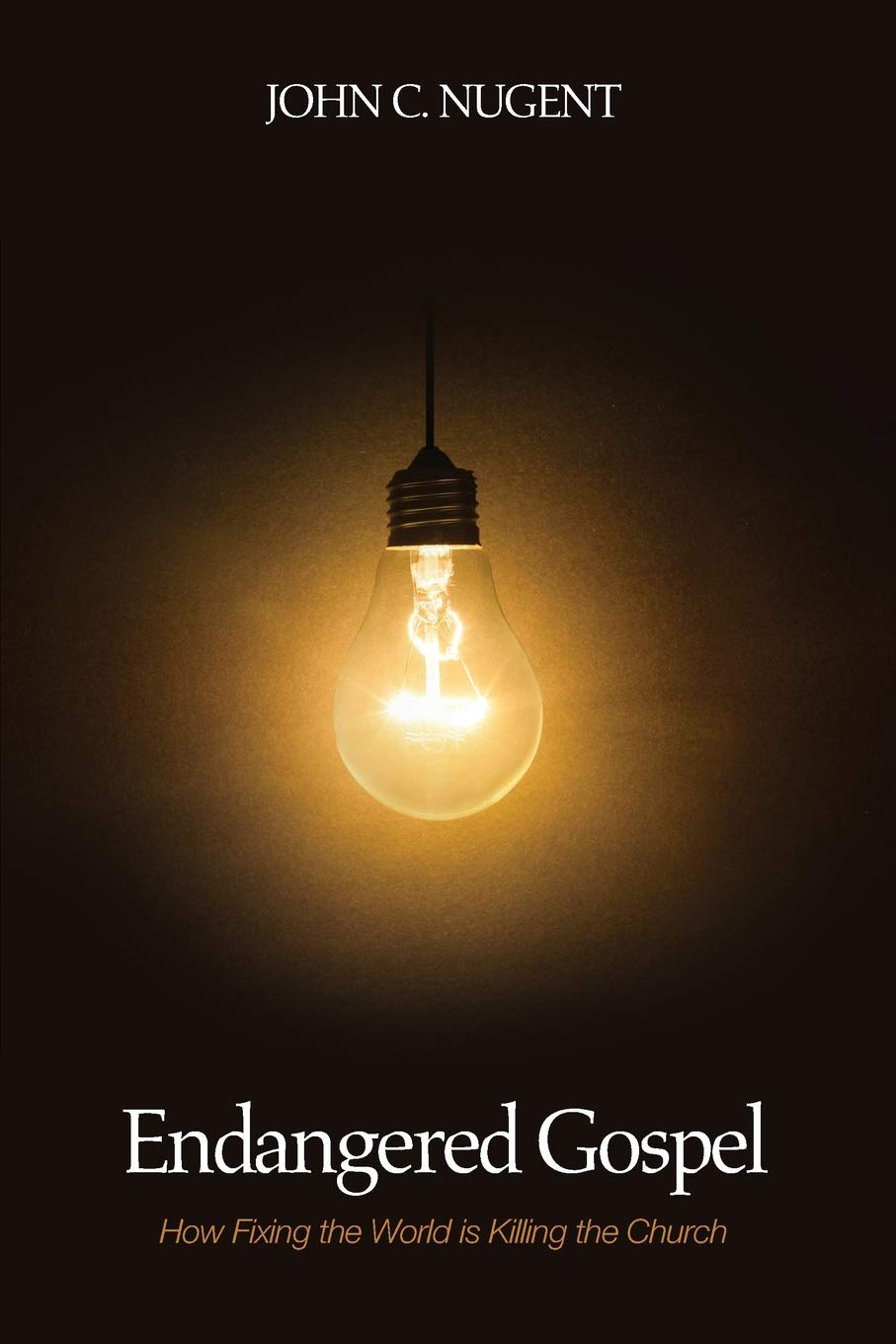
  17. Endangered Gospel: How Fixing the World is Killing the Church, by John C. Nugent
  18. Harry Potter and the Goblet of Fire, by J.K. Rowling
  19. Everyone Brave is Forgiven, by Chris Cleave
  20. The Wright Brothers, by David McCullough
  21. Harry Potter and the Order of the Phoenix, by J.K. Rowling
  22. What Paul Meant, by Garry Wills
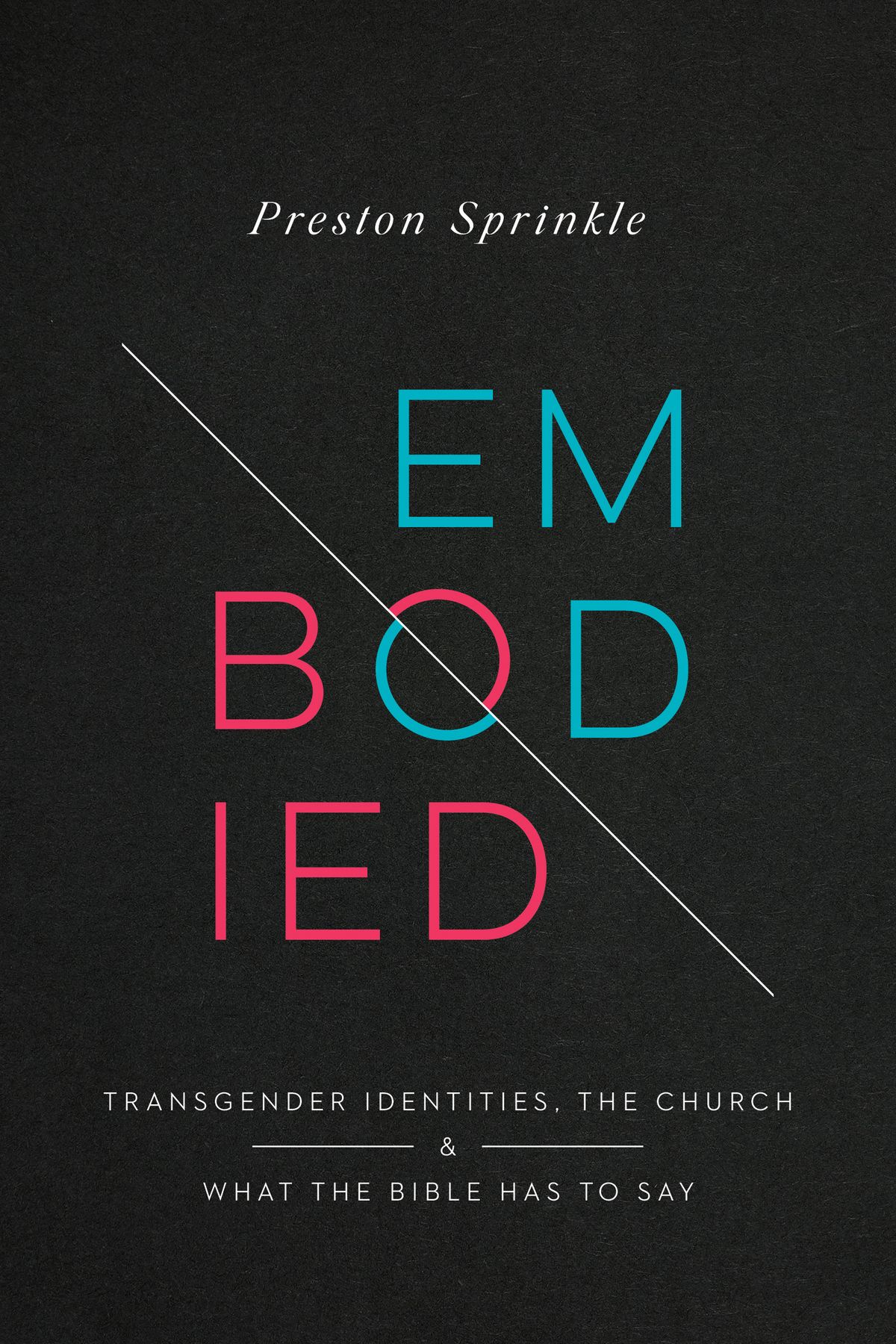
  23. Embodied: Transgender Identities, The Church, & What The Bible Has To Say, by Preston Sprinkle
  24. The Apostolic Fathers in English, by Michael W. Holmes
  25. Harry Potter and the Half-Blood Prince, by J.K. Rowling
  26. The Secrets We Kept, by Lara Prescott
  27. The King Jesus Gospel: The Original Good News Revisited, by Scot McKnight
  28. A Woman of No Importance: The Untold Story of the American Spy Who Helped Win World War II, by Sonia Purnell
  29. How To Win the West Again, by Timothy Keller
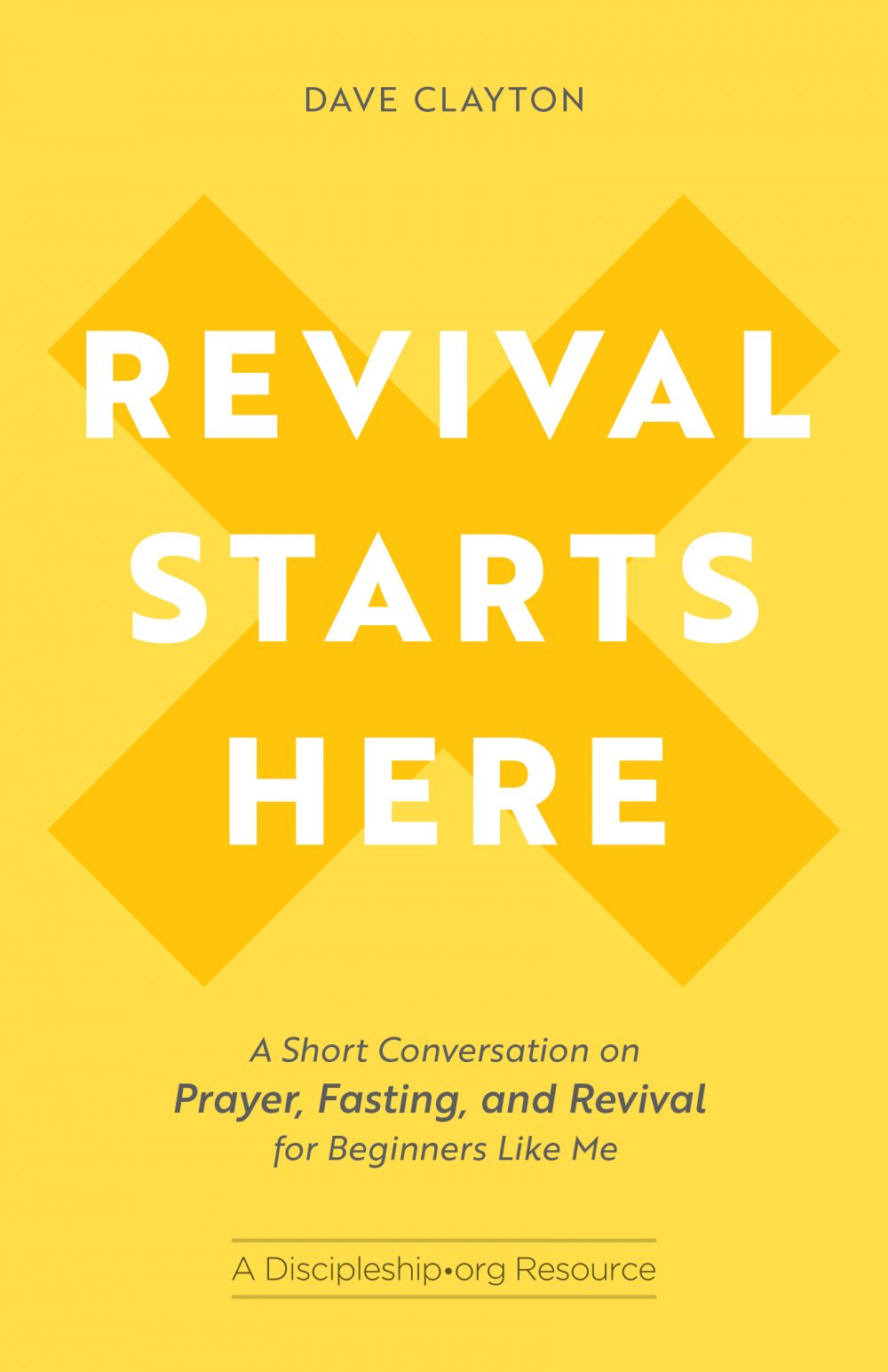
  30. Revival Starts Here: A Short Conversation on Prayer, Fasting, and Revival for Beginners Like Me, by Dave Clayton
  31. Harry Potter and the Deathly Hallows, by J.K. Rowling
  32. The Devil Inside, by Jimmy Hinton
  33. Growing Young: 6 Essential Strategies to Help Young People Discover and Love your Church, by Kara Powell, Jake Mulder, and Brad Griffin
  34. Thrawn Ascendancy: Chaos Rising, by Timothy Zahn
  35. Bonhoeffer: Pastor, Martyr, Prophet, Spy, by Eric Metaxas
  36. Thrawn Ascendancy: Greater Good, by Timothy Zahn
  37. Be the Bridge: Pursuing God’s Heart for Racial Reconciliation, by Latasha Morrison
  38. One By One, by Ruth Ware
  39. God Unseen: A Theological Introduction to Esther, by Nathan Ward
  40. December 6, by Martin Cruz Smith
  41. The Wolf Spear’s Task, by Scott Biddle
  42. The College Press NIV Commentary: Ecclesiastes, by Dave L. Bland*
  43. Beyond Order: 12 More Rules for Life, by Jordan B. Peterson
  44. Dark Sky Rising: Reconstruction and the Dawn of Jim Crow, by Henry Louis Gates
  45. The Passenger, by Ulrich Alexander Boschwitz
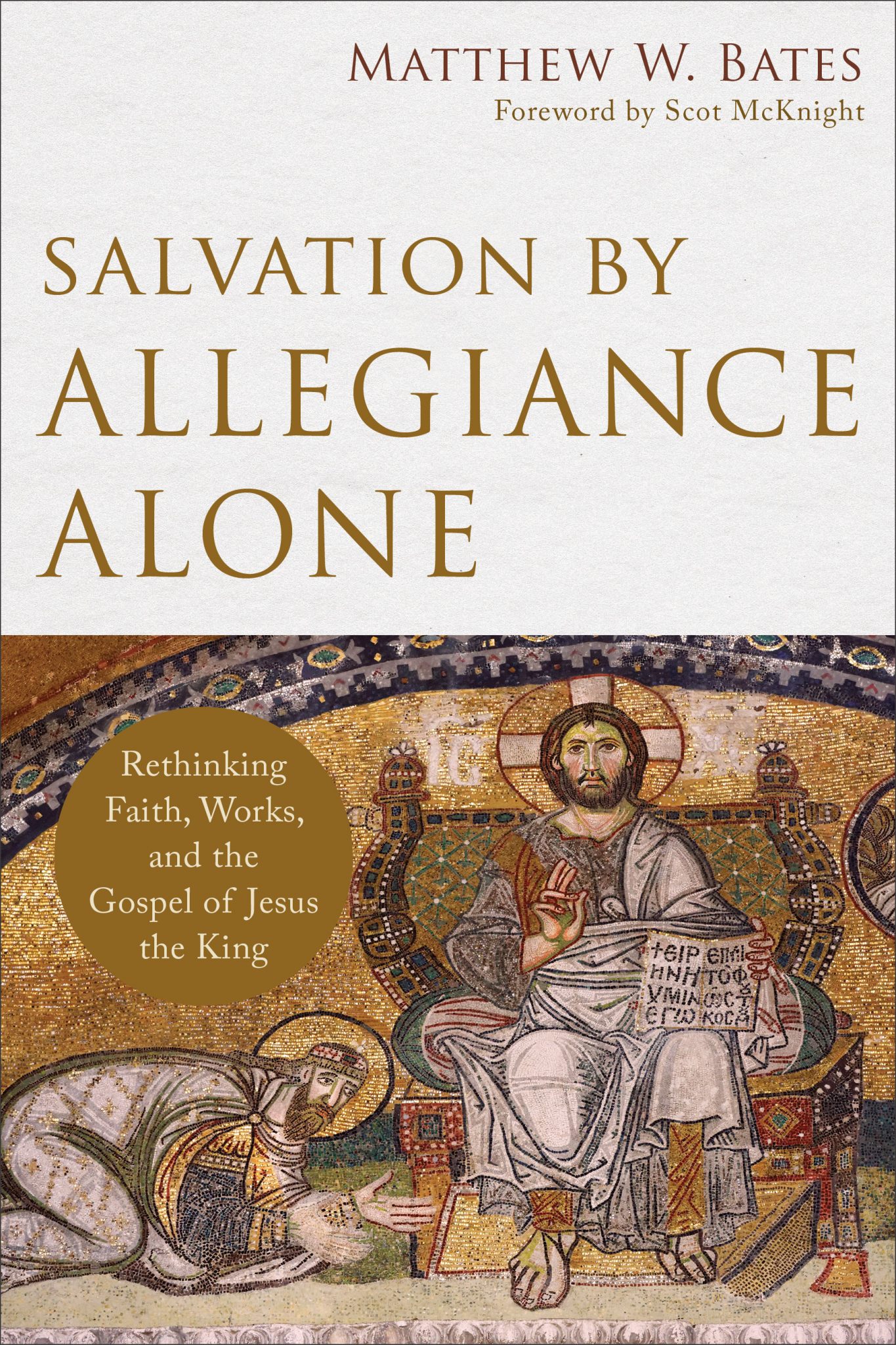
  46. Salvation By Allegiance Alone: Rethinking Faith, Works, and the Gospel of Jesus the King, by Matthew W. Bates
  47. Sticky Faith Youth Worker Edition, by Kara E Powell, Brad M. Griffin, and Cheryl A. Crawford
  48. White Trash: The 400-Year Untold History of Class in America, by Nancy Isenberg
  49. Robert E. Lee And Me: A Southerner’s Reckoning With the Myth of the Lost Cause, by Ty Seidule
  50. The Cathedral of Christianity: A Study of Romans, by Jared Pack
  51. Be Wise Small: A Lifetime of Distilled Wisdom, by Dee Bowman
  52. The Shallows: What the Internet is Doing to Our Brains, by Nicholas Carr
  53. The Coddling of the American Mind: How Good Intentions and Bad Ideas Are Setting Up a Generation for Failure, by Greg Lukianoff and Jonathan Haidt
  54. Gen Z: The Culture, Beliefs, and Motivations Shaping the Next Generation, by Barna Group
  55. The Torah: The Five Books of Moses, by Jewish Publication Society
  56. 42 Faith: The Rest of the Jackie Robinson Story, by Ed Henry
  57. The Hiding Place, by Corrie Ten Boom
  58. Gen Z Vol 2: Caring for Young Souls and Cultivating Resilience, by Barna Group
  59. The Pilgrim’s Progress, by John Bunyan
  60. Horseman: A Tale of Sleepy Hollow, by Christina Henry
  61. Miracles and Other Reasonable Things: A Story of Unlearning and Relearning God, by Sarah Bessey
  62. Radical: Taking Back Your Faith from the American Dream, by David Platt
  63. Holes, by Louis Sachar
  64. International English Bible New Testament, 
  65. Astrophysics for People in a Hurry, by Neil DeGrasse Tyson
  66. Reading While Black: African American Biblical Interpretation As An Exercise In Hope, by Esau McCaulley

*This was from a commentary on Ecclesiastes, Proverbs, and Song of Songs; I read the entirety of the Ecclesiastes portion.

A few observations before I talk about my favorite books of the year:

  • My reading total increased from 65 books in 2020 to 66 in 2021. My 2021 total represents a personal record for books read in a year. Listening to audiobooks while I work out has helped to keep this number as high as it is.
  • The best books I read this year were absolutely incredible, but on the whole, my reading this year was not quite as good as 2020.
  • I am currently working through some dense books and have plans to do quite a bit of this type of reading in 2022, so I expect my reading totals to decrease significantly next year.

Here are my Top 10 books for the year, here are some brief thoughts on those (presented in order of when I read them, not ranked 1-10):

Don’t Miss It: Parent Every Week Like It Counts, by Reggie Joiner and Kristen Ivy: This is a really short and simple book, but its message is so important and convicting. That message is this: if you are a parent, your responsibility to shape a child’s character and faith is really important, and you have a limited window of opportunity to do it. The average parent has less than 1,000 weeks between the time a child is born and the time that child leaves their house, and those weeks (and the opportunities for connection and influence with your kids) tick away relentlessly. Make the most of the time you have. This may be a read-every-year type of book for me.

The Screwtape Letters, by C.S. Lewis: I first read Screwtape about a dozen years ago, but reread it this past year. Told in Lewis’s brilliant style, it is a clever, imaginative portrayal of the ways in which the Evil One seeks to tempt us. The premise of the novel is that Screwtape, an older, more experienced demon of some authority, is giving advice to his nephew Wormwood on how best to “win over” a man he is working to tempt.

Companion to Narnia: Revised and Expanded, by Paul E. Ford: I loved this book. I love the Chronicles of Narnia and wrote extensively about them last year, and this wonderful book would have been a huge help during that process. It took a long time to read because it is essentially a reference book with encyclopedia-type entries on anything related to Narnia you can imagine. This gave me great insight into the process of the composition of the Narnia series, and also all sorts of theological insights into the books. It is well named; rather than reading it through as I did, it functions better as a “companion” that you have handy as your read through the Narnia books and wonder about other questions related to the world Lewis has created.

A Gentleman in Moscow, by Amor Towles: The summer after my senior year of high school I went on a mission trip to Russia, and I have been interested in aspects of Russian culture and history ever since. This novel focuses on the life of a young aristocrat who is “exiled” to a fashionable Moscow hotel when the Russian Revolution occurs and is forced to live there, never being allowed to leave the hotel premises for several decades. From within the walls of the hotel, he observes the changes in the country around him and seeks to find meaning in a life where his freedom is greatly curtailed, and even the country’s finest hotel quickly becomes a prison. It is a fascinating, well-written, and emotional story, and I really enjoyed it. I actually listened to this as an audiobook with an excellent narrator, which added to the enjoyment.

Endangered Gospel: How Fixing the World is Killing the Church, by John C. Nugent: I tend to not rank my Top 10 books of the year, but this was absolutely one of the two best books that I read in 2021. Nugent’s basic premise is that all sorts of Christians are dedicating their lives to the wrong task: trying to fix the problems of the world. However, this doesn’t work very well, in large part because it isn’t the task that God has given us. Instead, we are supposed to be the better place that God will make the world into. This is new creation theology. The old order of the world is passing away, and God is doing a new thing. Rather than try to prop up the old order, our task is to live into the new thing that God is doing. If that sounds like a heartless lack of concern for people or ignoring the problems of the world, it’s not; rather, God’s people—the church—is the way that we address the hurting people in our world. By modeling God’s beloved community and inviting people into that community, we actually do make a difference in the lives of people, we are obedient to the mission that God has laid out for us in Scripture, and we actively participate in the work that God is doing until the Day arrives that He comes and makes all things new. This was a paradigm-changing book, but so, so good.

Embodied: Transgender Identities, The Church, & What The Bible Has To Say, by Preston Sprinkle: Issues related to transgender identities have claimed a central place in our culture in recent years and, frankly, there has been a lot of muddled thinking from Christians as to how we should respond. Sprinkle offers a real gift to the church here, as he provides the reader with a helpful overview of the situation including definitions, scientific data, and biblical exegesis. Ultimately, Sprinkle affirms a high view of Scripture and a historic Christian sexual ethic, but does so with keen pastoral impulses: our first and overriding response to those who would place themselves on the trans* spectrum must be love. If we get the doctrine right but fail to love, then we haven’t gotten the doctrine right. Sprinkle stretched me with this book, and I think that will be true for almost all readers (regardless of your views on this) if you give him a fair and gracious reading.

Revival Starts Here: A Short Conversation on Prayer, Fasting, and Revival for Beginners Like Me, by Dave Clayton: This was another short-but-very-helpful book. In my experience, fasting is a topic that quickly makes American Christians (i.e. the group of Christians I know best) uncomfortable and seeking imaginative explanations of why they don’t need to do it. Instead of that approach, Clayton takes the biblical practice of fasting seriously. He looks at reasons why we should do it, barriers that may prevent us from doing it, and practical ways to go about doing it. This is another book that I expect to read multiple times as I seek to grow in this spiritual discipline.

Salvation By Allegiance Alone: Rethinking Faith, Works, and the Gospel of Jesus the King, by Matthew W. Bates: Along with Endangered Gospel, this was my other top book for the year. Bates argues that the Greek word pistis (πιστις) that is generally translated as faith in our New Testaments would be better translated as something like loyalty or fidelity or allegiance. Bates does a good job establishing his position lexically and contextually, but even more important is his biblical/theological argument that “faith” as “allegiance” makes a lot of sense in response to the content of the Gospel message which, properly understood, is not about how we get saved, but is rather that Jesus Christ is Lord, the King of the Universe. Certainly, Jesus being Lord includes ramifications for our salvation, but it is a much bigger story than that, and it is the story that Scripture is telling. In response to the Gospel message that Jesus is Lord, the appropriate response is pledging our lives in allegiance to Him. This is another paradigm-changing book—it is brilliant.

The Coddling of the American Mind: How Good Intentions and Bad Ideas Are Setting Up a Generation for Failure, by Greg Lukianoff and Jonathan Haidt: My friend Bob Turner has talked about this book for a few years, and I finally took the plunge and read it. It was a great read, and I highly recommend it for parents, teachers, and anyone interested generally with widespread trends in our society. The basic premise is that there are three unhelpful, untrue ideas that are prominent in our society today: (1) That children are fragile and need to be protected from everything, (2) That we should always trust our feelings in making judgments about the reality of the world, (3) That life is a battle between good people and evil people. These ideas have reached a fever pitch on a lot of college campuses and have resulted in very unhelpful environments, and Lukianoff and Haidt critique these bad ideas with research and multiple examples. This is not, in any sense, a biblical book, and yet, the main lessons contained inside cohere closely to biblical teaching; I actually used content from this book in the youth ministry class I taught in a university setting this past fall.

Reading While Black: African American Biblical Interpretation As An Exercise In Hope, by Esau McCaulley: McCaulley’s book is a great gift to the church at large as he seeks to explain the Black Ecclesial Tradition, which he describes as a “third way” approach to biblical interpretation that is distinct both from white progressives and evangelicals. McCaulley writes elegantly and with great clarity, and shows keen theological insight on a range of biblical topics ranging from submission to government and policing, slavery, Black anger, and the long history that people of African descent have in the story of God’s people. This book serves as a helpful reminder that the way we read Scripture is greatly influenced by our social location, and that our understanding of Scripture is broadened by reading from people who come from different backgrounds than our own.


That was my reading for 2021. For comparison’s sake if you are interested, you can see my reading lists from previous years:

What are some of the best books you read this past year?

« Older posts Newer posts »

© 2026 The Doc File

Theme by Anders Noren — Up ↑