I enjoy reading and also making lists, so this is always one of my favorite yearly posts because it involves both of those things. I will offer some thoughts on my favorite books of the year below, but first, here is the list of books I read in 2023:
- All Things Wise and Wonderful, by James Herriot
- I Must Betray You, by Ruth Sepetys
- Don’t Know Tough, by Eli Cranor
- Erasing Hell: What God Said about Eternity, and the Things We’ve Made Up, by Francis Chan and Preston Sprinkle
- Anxious for Nothing: Finding Calm in a Chaotic World, by Max Lucado
- Gentle and Lowly: The Heart of Christ for Sinners and Sufferers, by Dane Ortlund
- The Deeply Formed Life: Five Transformative Values to Root Us in the Way of Jesus, by Rich Villodas
- A Long Obedience in the Same Direction: Discipleship in an Instant Society, by Eugene Peterson
- What Happened to the Bennetts, by Lisa Scottoline
- The Woman in the Window, by A.J. Finn
- Where Men Win Glory: The Odyssey of Pat Tillman, by Jon Krakauer
- The Family Remains, by Lisa Jewell
- My Name is Lucy Barton, by Elizabeth Strout
- Lucy by the Sea, by Elizabeth Strout
- Oh William!, by Elizabeth Strout
- Anything is Possible, by Elizabeth Strout
- The Paris Apartment, by Lucy Foley
- The Ruthless Elimination of Hurry: How to Stay Emotionally Healthy and Spiritually Alive in the Chaos of the Modern World, by John Mark Comer
- A Tale of Two Cities, by Charles Dickens
- Counter Culture: A Study of the Sermon on the Mount, by Luke Dockery
- The Baseball 100, by Joe Posnanski
- The Revolutionary: Samuel Adams, by Stacy Schiff
- At the Blue Hole: Elegy for a Church on the Edge, by Jack Reese
- Mama Bear Apologetics: Empowering Your Kids to Challenge Cultural Lies, edited by Hillary Morgan Ferrer
- Under an Outlaw Moon: A Novel, by Dietrich Kalteis
- Harry Potter and the Sorcerer’s Stone, by J.K. Rowling
- The Guest List, by Lucy Foley
- Around the Bible in 80 Days: The Story of God from Creation to New Creation, by John Mark Hicks
- The Alice Network, by Kate Quinn
- War: A Handbook for Spiritual Warfare, by Robb Hadley
- The Reason for God: Belief in an Age of Skepticism, by Timothy Keller
- White Too Long: The Legacy of White Supremacy in American Christianity, by Robert P. Jones
- The Lord God Made Them All, by James Herriot
- Surprised by Joy, by C.S. Lewis
- Harry Potter and the Sorcerer’s Stone, by J.K. Rowling
- Hebrews: Grace and Gratitude, by David deSilva
- Waco: David Koresh, the Branch Davidians, and a Legacy of Rage, by Jeff Guinn
- Be Thou My Vision: A Liturgy for Daily Worship, by Jonathan Gibson
- 10 Questions Every Teen Should Ask (And Answer) about Christianity, by Rebecca McLaughlin
- Caste: The Origins of Our Discontents, by Isabel Wilkerson
- Everything I Never Told You, by Celeste Ng
- The Woman in Cabin 10, by Ruth Ware
- How (Not) To Be Secular: Reading Charles Taylor, by James K.A. Smith
- The Butchering Art: Joseph Lister’s Quest to Transform the Grisly World of Victorian Medicine, by Lindsey Fitzharris
- Seeking Allah, Finding Jesus: A Devout Muslim Encounters Christianity, by Nabeel Qureshi
- The Sound and the Fury, by William Faulkner
- Autopsy of a Deceased Church: 12 Ways to Keep Yours Alive, by Thom S. Rainer
- The Four Loves, by C.S. Lewis
- A Farewell to Mars: An Evangelical Pastor’s Journey Toward the Biblical Gospel of Peace, by Brian Zahnd
- Transforming Encounters: Baptism, Assembly, and the Lord’s Supper, by John Mark Hicks
- Why Are We Here? Ecclesiastes for Teens, by Luke Dockery
- Under the Banner of Heaven: A Story of Violent Faith, by Jon Krakauer
- Inspired: Slaying Giants, Walking on Water, and Loving the Bible Again, by Rachel Held Evans
- Forming Resilient Children: The Role of Spiritual Formation for Healthy Development, by Holly Catterton Allen
- Ozark Dogs, by Eli Cranor
- Learning to Walk in the Dark, by Barbara Brown Taylor
- Ty Cobb: A Terrible Beauty, by Charles Leerhsen
- The Road Back to You: An Enneagram Journey to Self-Discovery, by Ian Morgan Cron and Suzanne Stabile
- The Ruin of All Witches: Life and Death in the New World, by Malcolm Gaskill
- The Genesis of Gender: A Christian Theory, by Abigail Favale
- On the Edge of the Dark Sea of Darkness, by Andrew Peterson
- The Prestige, by Christopher Priest
- Force of Nature, by Jane Harper
- North! Or Be Eaten, by Andrew Peterson
- The Monster in the Hollows, by Andrew Peterson
- Baptism: Uniting Kids to Jesus, by Kathy R. Craig
- Kingdom Parables: A Study of the Stories of Jesus, by Jeremy Myers and Luke Dockery
- Strange New World: How Thinkers and Activists Redefined Identity and Sparked the Sexual Revolution, by Carl R. Trueman
A few observations before I talk about my favorite books of the year:
- My reading total increased from 63 books in 2022 to 68 in 2023. This is the most books I have read in a year since I started counting. I don’t have a clear explanation for why my reading numbers increased this year.
- I read some really good books in 2023, but I wish I had read more books on biblical studies and theology that I really enjoyed.
- I didn’t intentionally plan this, but I did quite a bit of reading that either focused on apologetics or trying to understand our current, increasingly-secular context (24, 31, 32, 39, 40, 43, 45, 60, 68). This was really good for me, as I think it has given me a better sense of “how we got here” and how to respond from a Christian perspective.
- My “Books to Read” list (of books that I already own) remains incredibly long. I read a few books from this list this past year (while adding other books to it), and I plan to continue to prioritize this for my reading in 2024 (though I always come across new books that I want to read, and I’m sure that will continue to happen).
Here are my Top 10 books for the year with some brief thoughts on each (presented in order of when I read them, not ranked 1-10):
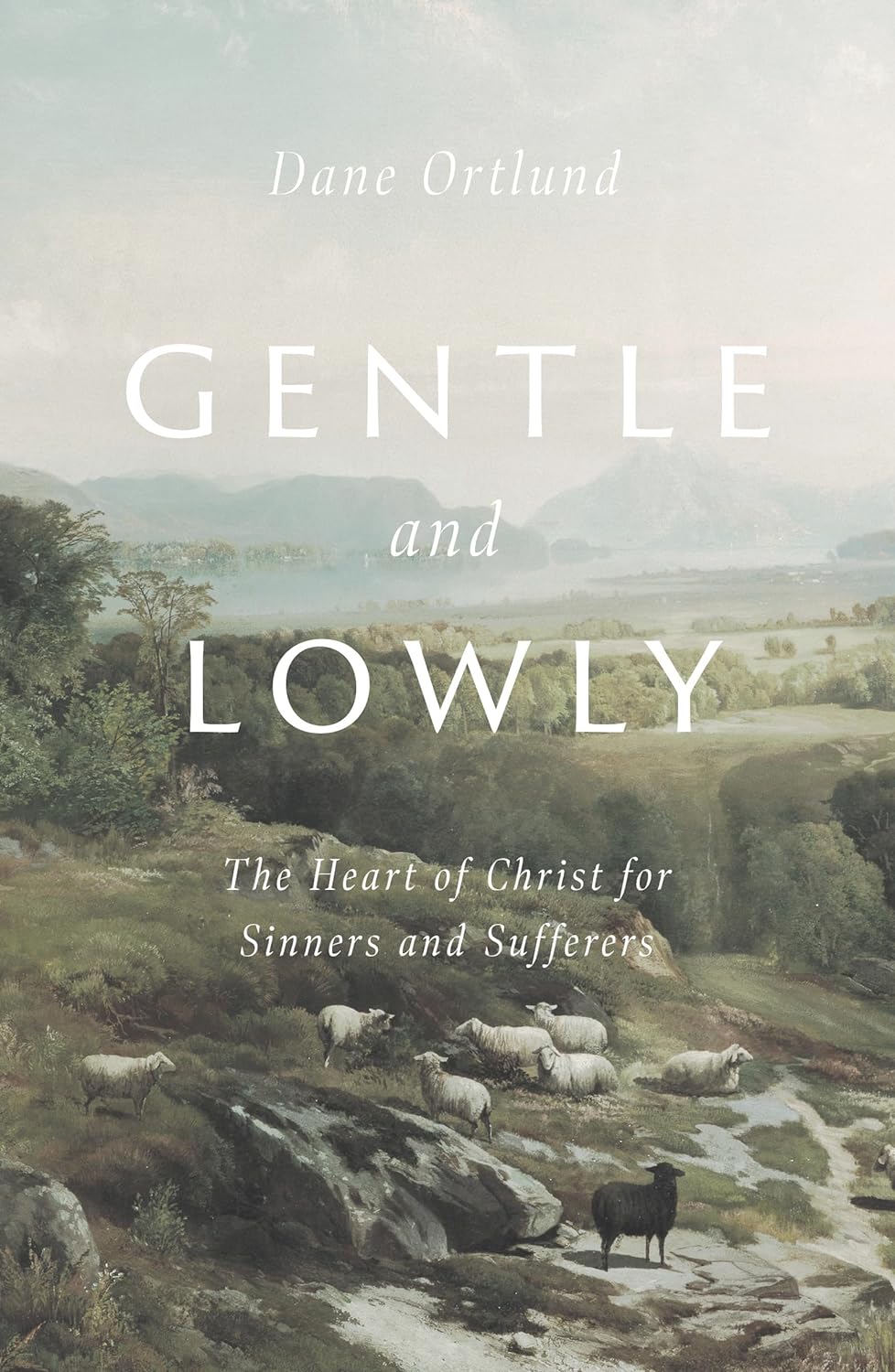
Gentle and Lowly: The Heart of Christ for Sinners and Sufferers, by Dane Ortlund: This book derives its title from Matthew 11, where Jesus describes Himself as “gentle and lowly in heart,” and a source of rest for His people. And yet, Christians—all too aware of our sins and shortcomings—can easily feel that God is constantly disappointed in us and perhaps fed up with us. This book is a needed reminder and comfort that God deeply loves us. Although there are aspects of reformed theology in this book that I disagreed with, the overall message is outstanding, and if you are someone who feels that your performance of the life of faith falls short of the standards of God’s love, this is a great and encouraging read.
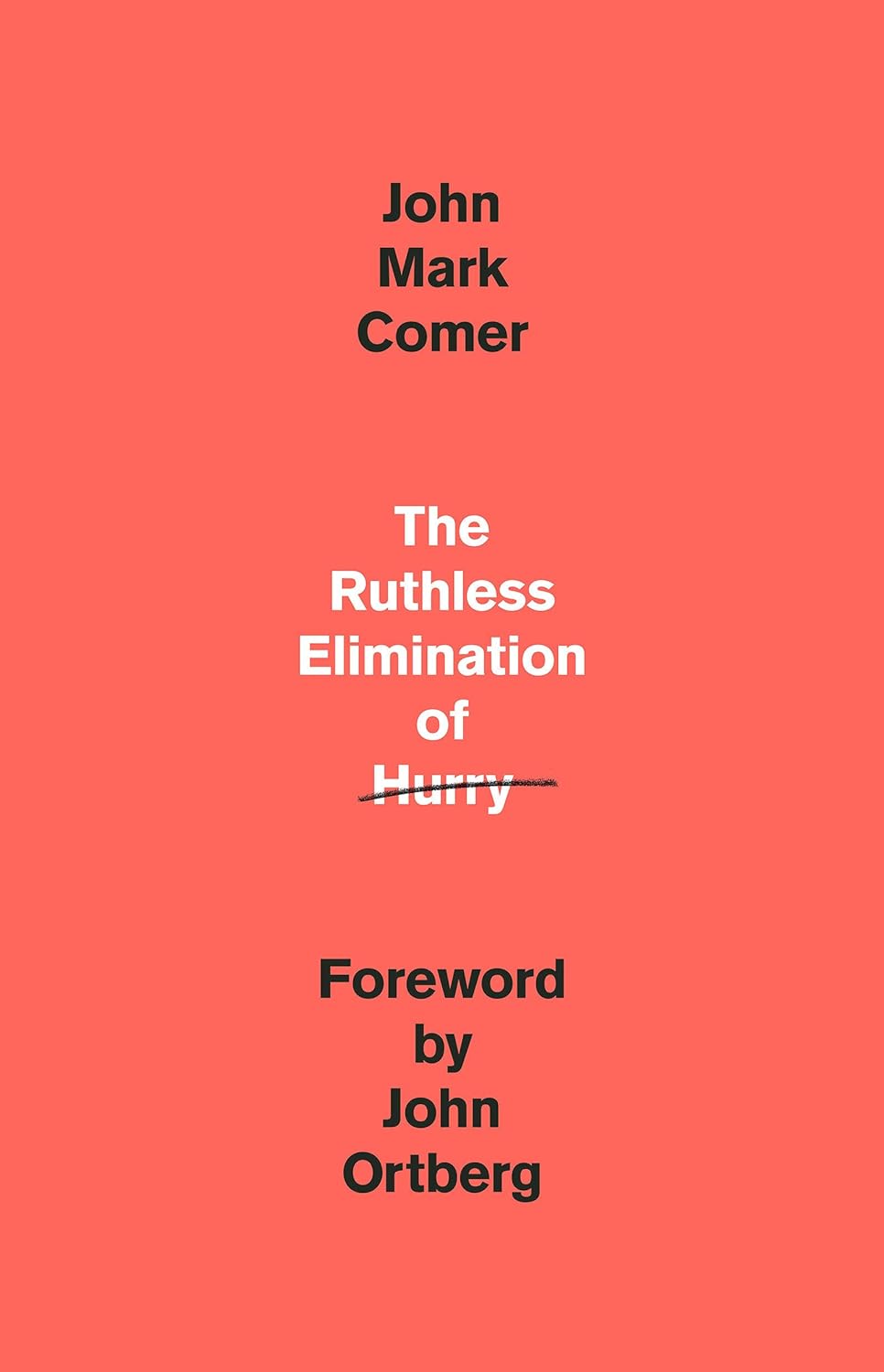
The Ruthless Elimination of Hurry: How to Stay Emotionally Healthy and Spiritually Alive in the Chaos of the Modern World, by John Mark Comer: This was a wonderful book, and one that I really needed to read. To be honest, it’s a book that I suspect I need to reread regularly before I can fully internalize the message. In short, Comer points out that we are so busy that we live hurried and harried lives, and these characteristics are barriers to following Jesus because, well, Jesus’s life didn’t look like this. In Comer’s words, “If you want to experience the life of Jesus, you have to adopt the lifestyle of Jesus.”
I don’t know if you can identify with this, but when people ask me how I am doing or how I have been, my consistent instinctive response is something like, “Good, but really busy.” There is too much hurry in my life, and it is a problem that requires ruthless elimination. If you have similar struggles, this is a great (and easy) read.
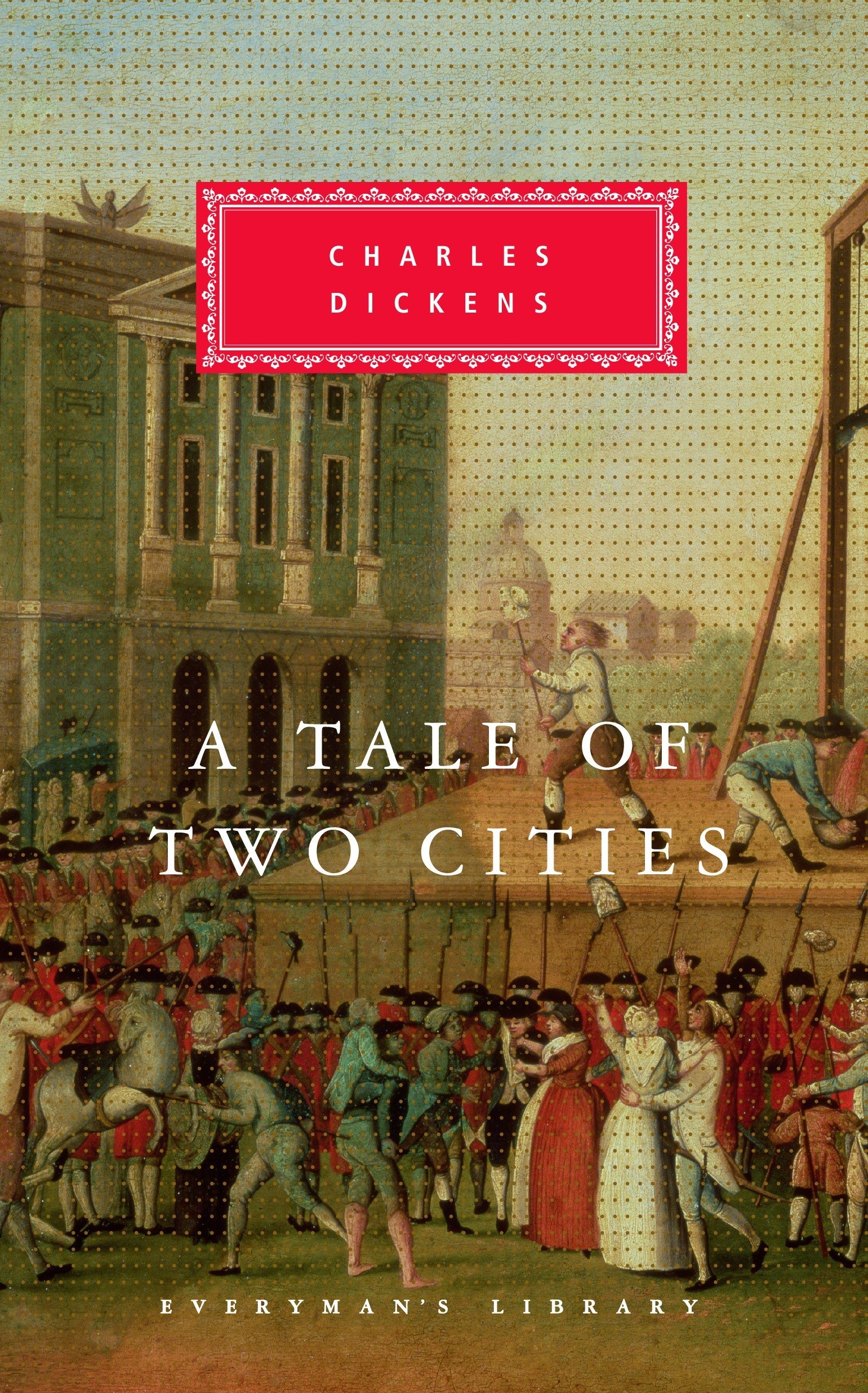
A Tale of Two Cities, by Charles Dickens: I try to read a variety of books, and I want to be more intentional about reading some classics. I am somewhat embarrassed to admit that, outside of children’s versions, the only Dickens I had read was A Christmas Carol, so I wanted to remedy that. Dickens can be frustratingly wordy at times, but he’s also hilarious. A Tale of Two Cities was a great book, and provides keen insight into the human condition. On the negative side, revenge is a destructive, vicious force, and it is so easy for those who have been oppressed to act like their oppressors when given the opportunity. On the positive side, love is a powerful force for good, and can drive the reformation of human character and lead to great personal sacrifice.
The Baseball 100, by Joe Posnanski: Posnanski is, perhaps, my favorite baseball writer, because he knows his stuff and shares it thoughtfully and poetically. This book is basically a series of essays on the 100 greatest baseball players of all time. You’ll disagree with some of his choices and rankings (I certainly did), but they essays are always interesting, and some of them are brilliant. In addition to emphasizing these players’ greatness, Posnanski also has a way of highlighting their humanity. I learned a lot that I didn’t know before, and was repeatedly struck by this poignant work. It is simply one of the best baseball books I have ever read.
The Reason for God: Belief in an Age of Skepticism, by Tim Keller: I haven’t written much about Tim Keller on The Doc File, which is too bad, because he has become a significant influence for me in recent years. I was profoundly saddened when he passed away in May, and felt like a giant of faith had left us. I read The Reason for God soon after his death, and was struck (as always) by Keller’s thoughtfulness, clarity, and grace.
Interestingly, I had read The Reason for God about 15 years ago when I was a very young minister, and from what I can remember, I wasn’t all that impressed. I was this time around. Keller’s words hadn’t changed in the last 15 years, but I have to a significant degree, and so has the world in which I live. Over the last 15 years, the skeptical, secular culture that Keller was addressing in Manhattan has permeated the Bible Belt in which I live, and his measured, reasoned approach is invaluable. Furthermore, in a context where so many Christian voices have been compromised by personal scandals, political partisanship, or jerkish behavior, Keller courageously engaged culture with grace and truth. His theology differs from mine, but his posture has been deeply influential, and there is a reason why The Reason for God is his best-known work.
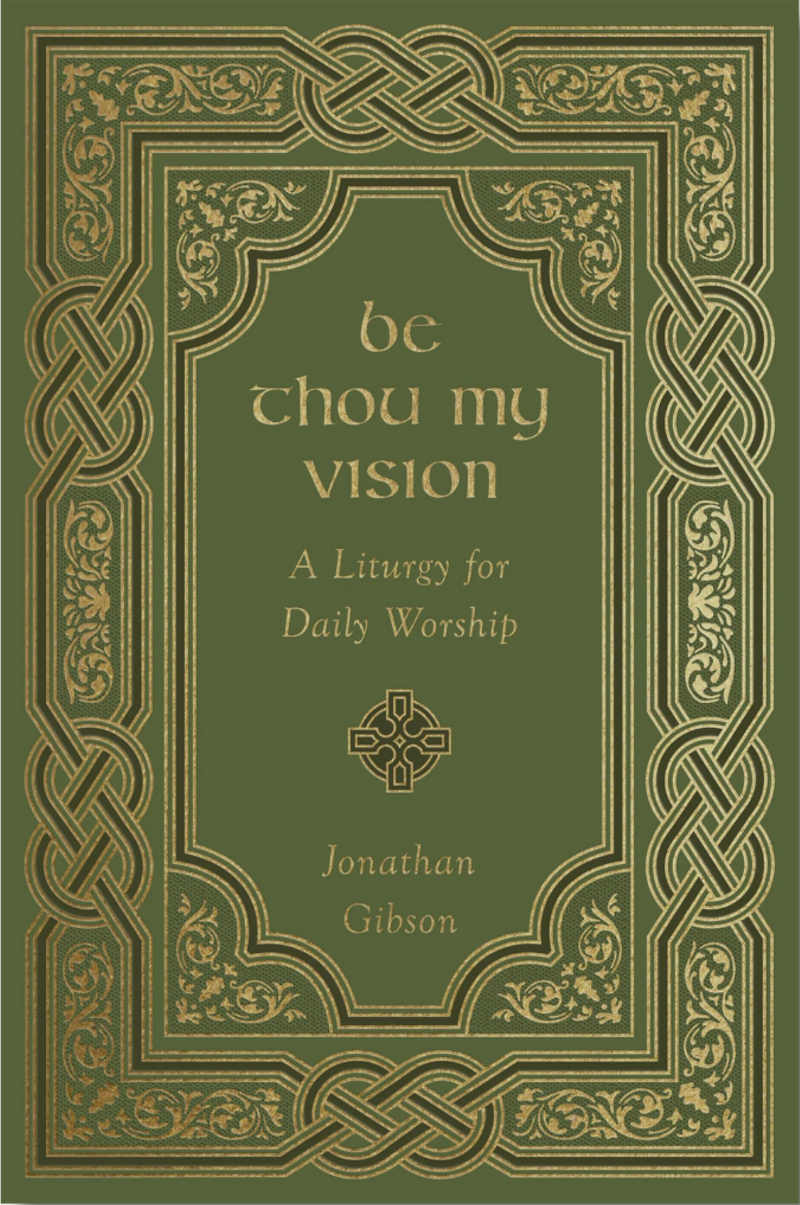
Be Thou My Vision: A Liturgy for Daily Worship, by Jonathan Gibson: I stumbled upon this book with an ad on my Facebook feed, and it might be the first and only time that the Facebook algorithm got it right! The book itself is beautiful (a cloth hardcover with high-quality paper, excellent typesetting, multiple marker ribbons, all in a cardboard slipcase), and remarkably useful. In short, Be Thou My Vision is a daily guide for personal or family worship/devotional time. Each day is a combination of several elements including prayers, songs, Bible reading, recitation of ancient creeds, catechism, and the Lord’s Prayer. The catechetical portions come from the Heidelberg Catechism (1563) and Westminster Shorter Catechism (1657) and there were some bones to spit out there (again—I’m not Reformed), but these sections were still interesting to me. Big picture: this is the best, deepest daily devotional book I have ever read. I will definitely be returning to it.
10 Questions Every Teen Should Ask (and Answer) about Christianity, by Rebecca McLaughlin: McLaughlin first came on my radar when I heard good reviews of her book, Confronting Christianity: 12 Hard Questions for the World’s Largest Religion. I had not read that book, but when I realized that she had essentially written a version for teens, I was especially interested and wanted to check it out. In short, I was really impressed. McLaughlin tackles all sorts of tough and relevant subjects for students growing up in today’s world—the notion of truth itself, the reliability of Scripture, gender and sexuality issues, and much more—and she does it in a way that connects to a younger audience with condescending to them. I think it is a really helpful resource; so much so that I plan to use it as the source for a teaching series with my students, and I think I will likely give graduating seniors a copy each year.
Also, I wrote a short post inspired by this book back in August.
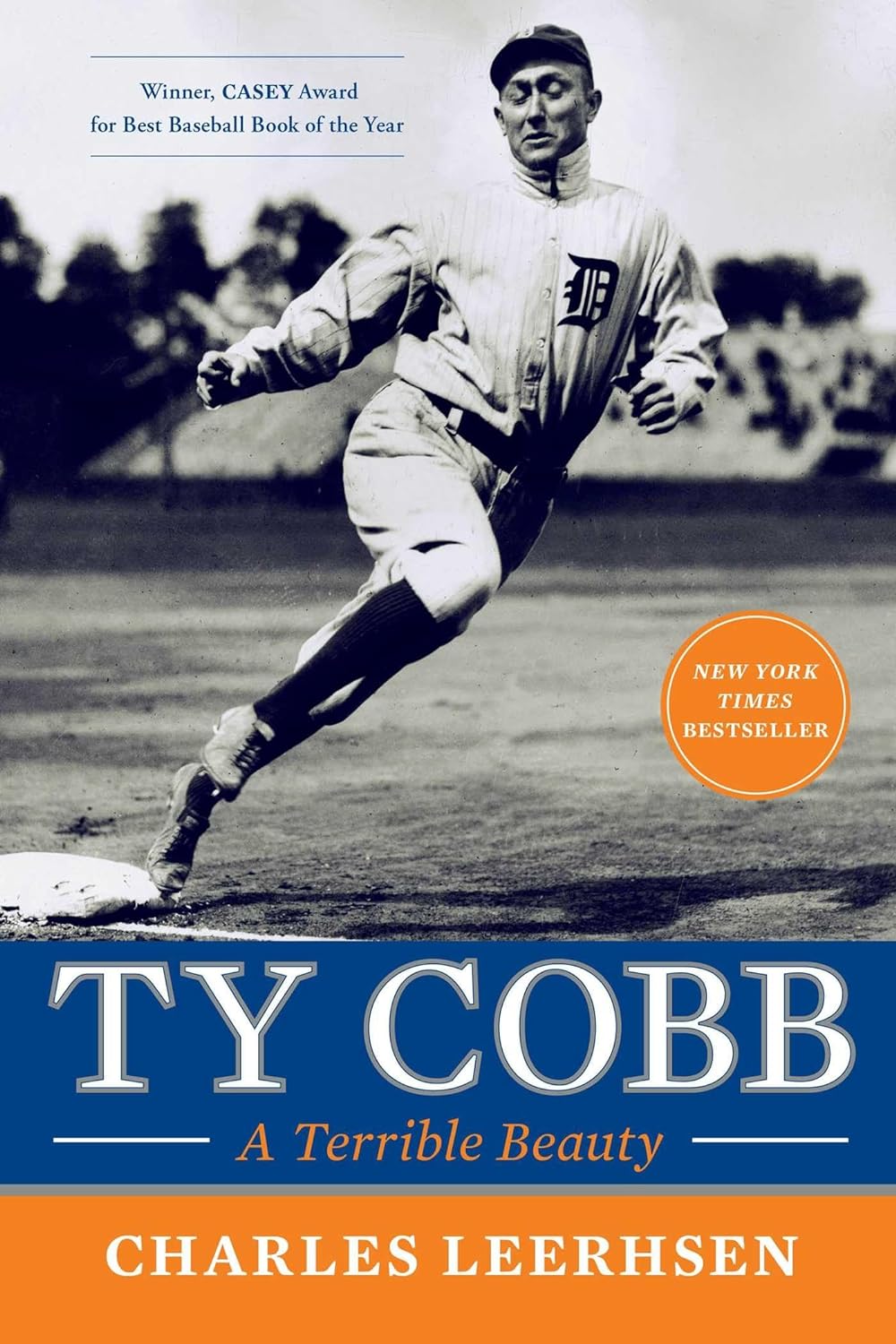
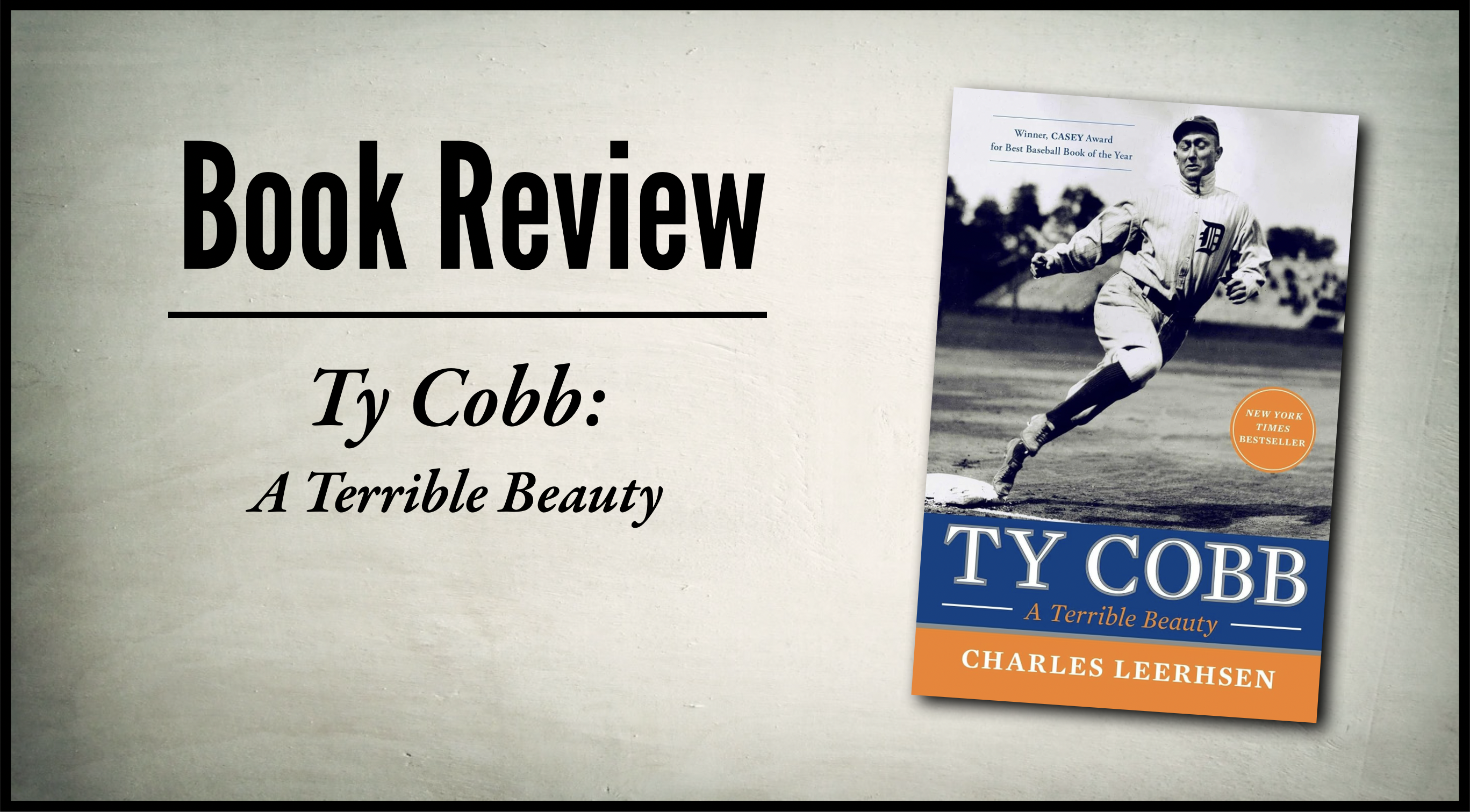
Ty Cobb: A Terrible Beauty, by Charles Leerhsen: My description of this book grew longer and longer, and I finally realized that I needed to write a separate review in order to say everything I wanted to say while keeping my comments here mercifully short. This was a helpful (and in some ways uncomfortable) book for me to read because it challenged the notion held almost universally by baseball fans that Ty Cobb was one the great villains—perhaps the greatest villain—in the history of baseball. Instead, in this well-researched and compellingly-told biography, Leerhsen argues that this popular narrative was a story spun by Cobb’s biographer Al Stump, who did shoddy research and played fast and loose with the truth. The real story is more complicated, and suggests that, rather than being a villain that we can easily write off, Cobb was like all of us—a mixture of good and bad.
As an amateur baseball historian and a Christian seeking to see the image of God in all people, this was an important book for me to read.
The Genesis of Gender: A Christian Theory, by Abigail Favale: I had never heard of this book or author before I was invited to read it as part of a book club, and found it enjoyable and challenging. Favale’s story is an interesting one: she was raised in an evangelical-ish home, before converting to Mormonism. From there, during her university years, she basically deconverted, and became a strong proponent of secular feminism and Critical Theory. She stayed in that perspective for a while before ultimately finding it incoherent; she is now a devout Catholic (if you’re feeling the whiplash, here’s a recap: evangelical-ish ⇾ Mormon ⇾ secular feminist ⇾ Catholic). As a Catholic, Favale’s views on sexuality and gender are critical of her former beliefs, but what makes her book unique is that she writes as an insider, someone who understood the gender paradigm that is currently en vogue and was a proponent of it before becoming convinced of its flaws. And her feminist perspective is still on display: part of her rejection of the gender paradigm is that she finds it to be deeply harmful to women.
This was a fascinating read. In addition to saying a lot of things that I already agreed with, Favale also helped give me a historical sense of the different “waves” of feminism and how the aims of those had changed over time, as well as really pushing against my (previously not very reflective) thoughts on birth control. Favale writes with grace and compassion, and from a unique perspective; The Genesis of Gender is a helpful voice in this pressing conversation.
Strange New World: How Thinkers and Activists Redefined Identity and Sparked the Sexual Revolution, by Carl R. Trueman: in a similar vein to The Genesis of Gender, Strange New World also is a helpful resource for those who are seeking to better understand “how we got here” in reference to the current cultural moment on gender and sexuality (I actually read these two books overlapping and found them to be really helpful in conversation with one another). Trueman is trained as a theologian and historian, and while Favale takes the reader through a personal journey of transformation highlighted by feminist thought, Trueman leads the reader through a train of philosophical thought (Rousseau, Nietzsche, Marx, Freud, etc.), showing how a series of thinkers and ideas after the Reformation created the necessary preconditions for us to get to where we are today.
That was my reading in 2023! For comparison’s sake, if you are interested, you can see my reading lists from previous years:
What are some of the best books you read this past year?