The online journal of Luke Dockery

Tag: Dietrich Bonhoeffer

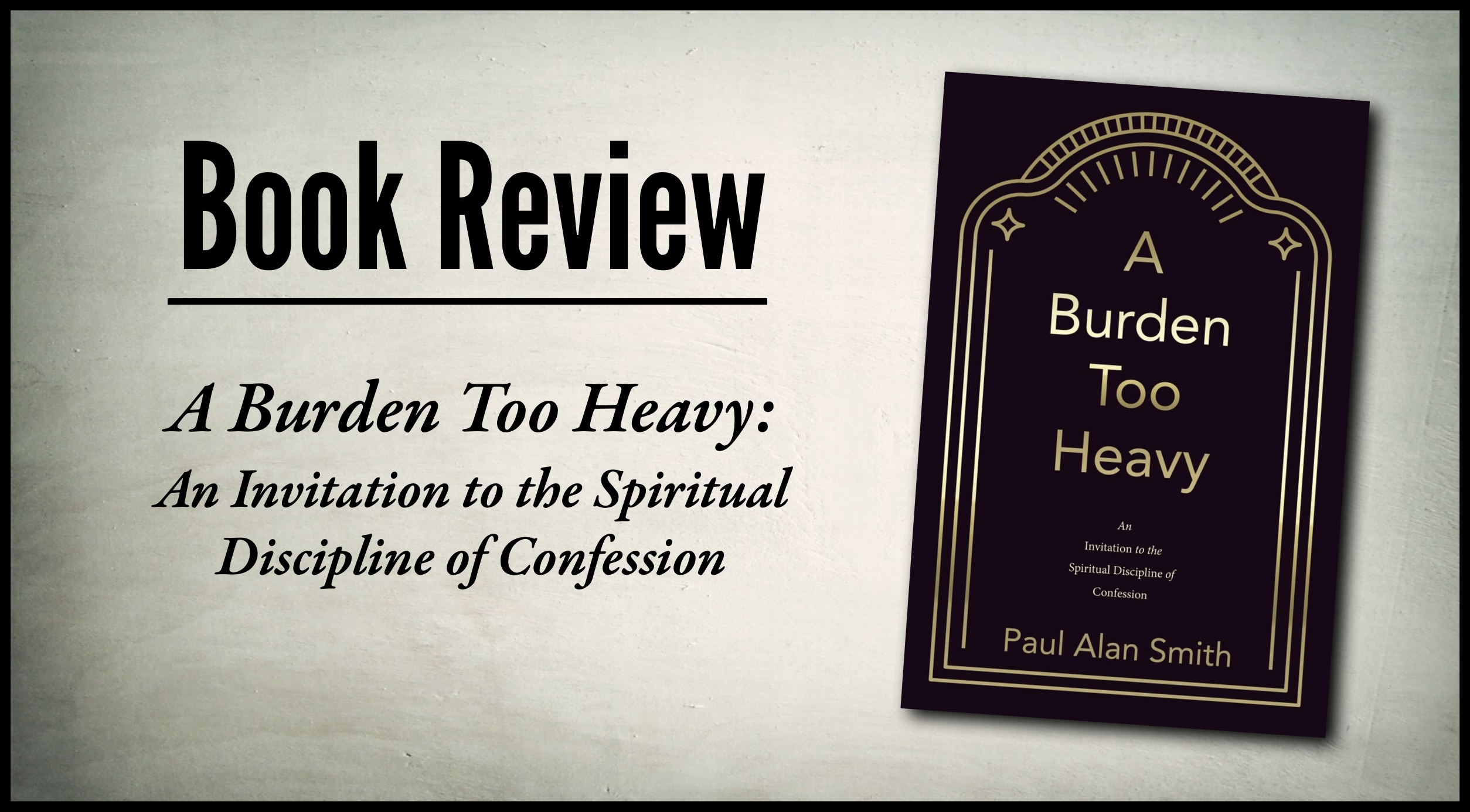
Book Review: A Burden Too Heavy

A while back, I was contacted by Paul Smith, who asked if I would be interested in reading and reviewing a book that he had recently written. I’ve never met Paul in person, but have interacted with him over the years on the web and have enjoyed his writing, so I was happy to agree. And I was not disappointed—his book, A Burden Too Heavy: An Invitation to the Spiritual Discipline of Confession, was an enjoyable read and offers needed corrective teaching to the church.

The word “confession” brings to mind different ideas, so Smith begins by helpfully defining what he means by the term:[1]

I believe the concept of “confession” has at least four applications found in Scripture.…First there are declarative confessions: adoration and praise to God, the declaration of faith in God, and the profession of the truth of a proposition. Second, there is the offering of thanksgiving and gratitude. Third, there is a recognition of physical and spiritual hardship, yet assertion of hopeful faith, through lamentation. Finally, there is a negative connotation of the acknowledgement of sin. In addition to these biblical usages of the word confession, there is another meaning of the word, that of a specific Confession of Faith, which serves to give identity to one assembly of Christians as distinct from others who observe a different confession of faith. (pp. xiv-xv)

Ultimately, what Smith hopes to impress upon the reader is the necessity of developing a confessional lifestyle, characterized by “a pervasive sense of the power of confession and an acceptance of the practices of confession” (xv). The book is structured in three parts.

Smith ministers and lives within the context of Churches of Christ, and those in Churches of Christ are the primary audience of the book, so in Part 1, he offers a brief (but excellent) history of the Stone-Campbell Restoration Movement (chapter 1) followed by an analysis of why the peculiarities that history made Churches of Christs resistant to the spiritual discipline of confession (chapter 2). To put it succinctly, a movement centered on the idea that we could perfectly restore God’s church through human effort led to a pride and arrogance that minimized the transcendence of God and made the admission of mistakes or errors very difficult—both elements of a confessional posture. This section of the book makes evident that the critiques offered by Smith throughout the book come from a place of deep affection for Churches of Christ and admiration for the spiritual ancestors of the Stone-Campbell Movement.[2]

Part 2 is comprised of three chapters. Chapter 3 provides a survey of the Bible, and examines how praise, thanksgiving, lament, and confession of sin are present in Scripture, particularly in the Psalms, but also in other places in the Old and New Testaments. Chapter 4 surveys confessional literature outside of Scripture, from the Early Church Fathers through the Medieval Period and Reformation and up through the Modern and Postmodern periods. Sadly, Churches of Christ have often been guilty of “neglecting the wisdom of the Christian centuries” (80), which means that strong historical emphasis on confessionalism has largely been missed. The historical record, however, is clear:

“The uniform message from many different theological perspectives promoting all forms of confession is an indication that confession has always been a critical component of any Christian theology.” (80)

Chapter 5 takes up the example of Dietrich Bonhoeffer as a case study. Although Bonhoeffer has no direct connection to the Stone-Campbell Movement, this chapter, in addition to being a fascinating survey study of Bonhoeffer in its own right,[3] serves to illustrate what a confessional lifestyle looks like “on the ground,” and how it would benefit Churches of Christ.

Part 3 is where things get practical: what is looks like for the principles emphasized in the book to be played out in life, and Paul addresses this by looking at confessionals in the life of the individual disciple (chapter 6) and the church (chapter 7). Chapter 6 reads much like a standard book on spiritual disciplines, with discussion of Lectio Divina, Meditation Prayer, Ignatius’s Spiritual Exercises, Fasting, and using a Spiritual Director.[4] Chapter 7 looks at how the “acts of worship” can shape a church confessionally, and helpfully examines the connection between confession and the Lord’s Supper, congregational prayer, singing, preaching, and giving.

A Burden Too Heavy ends with a conclusion summarizing the book’s key arguments, and especially why this matters for Churches of Christ:

“The twenty-first-century Churches of Christ share a unique opportunity and problem. The opportunity is to present the vision of men such as Elias Smith, Abner Jones, Barton W. Stone, and Thomas and Alexander Campbell to a culture where the reality of a divided Church is a stumbling block to accepting the gospel of Christ. The problem is that for over two centuries the vision of a restored and united Church has been distorted. It has been distorted by a number of issues, but primary among them has been the lack of a clear, focused and intentional theology of confession. A disposition toward arrogance, numbers acrimonious divisions, and a crippling identity crisis are all results of this lack of a confessional theology.” (146-47)

In addition to the quotations included above, there were several noteworthy quotations throughout the book that I thought were worth sharing (my own thoughts are added in bold):

“…This hermeneutic [command, example, necessary inference] elevated the human deductive reasoning that Thomas Campbell sought to minimize in the Declaration and Address. With the addition of “necessary implication” or “necessary inference” as a part of this restoration hermeneutic, Moses Lard negated the intent of Thomas Campbell to wean Christians off dependency on “the wisdom of men.” (12-13) This point might be a bit technical for some, but as a Restoration History hobbyist, I thought it was profound: basically, within 50 years, a key original tenet of the Restoration Movement was turned on its head.

“Praise is fundamentally an act of confession: a confession that someone or something is higher than the one offering the praise.” (44)

“…Confession is the antidote to the number one impediment of the life of faith—human pride.” (62)

“A church that has no sense of its history cannot own the positive features of its history nor can it confess the errors of its history.” (78) This is such a good point—when we don’t know our history, we truly do not know who we are. We can neither draw from our strengths or learn from our weaknesses.

“…If a preacher is unable to address his own joy and thanksgiving, as well as his doubts and fears, in the most intimate of worship settings, it will be impossible for his congregation to move toward a fully confessional lifestyle.” (131) This is an important reminder that leaders must actually lead. You cannot impart what you do not possess.

“A confessional theology is a theology that has the ability to admit its own failings. Confession praises God’s perfection and simultaneously acknowledges human weakness.” (142)

I really enjoyed A Burden Too Heavy. It was not a lengthy read (just under 150 pages), but Smith accomplished much in a short space: a penetrating analysis of the Stone-Campbell Movement, a survey of Biblical literature and the Christian tradition, a review of the life and theology of Dietrich Bonhoeffer, a summary of spiritual disciplines, and practical advice for congregational worship. And, most impressively of all, all of these seemingly disparate elements fit together as part of a coherent and forceful argument: the spiritual discipline of confession is a vital element that is largely missing in the ecclesiology of Churches of Christ and the individual lives of its members.

Smith’s work is a valiant attempt to reclaim that missing element. I fear—for the same reasons he mentions in his analysis of Churches of Christ—that many will be resistant to the sort of changes he proposes. But perhaps some will listen, and for that reason, I hope this book enjoys the widest possible readership.


[1] In this post, I will post page numbers in parentheses after quotations, and reserve footnotes for purposes of explanation. The italics in the following quotations are from the original.

[2] I point this out because it has been my experience that sometimes authors speak of the Restoration Movement with thinly veiled contempt, which I find to be off-putting. Smith is clearly writing this book out of a desire to help a fellowship that he loves and to which he is indebted.

[3] Bonhoeffer has long been a personal hero and area of study for Smith, so I was delighted (but not surprised!) to see this chapter in the book. Interestingly, I had just finished reading Bonhoeffer’s Life Together when I read this, and this summary helped emphasize some of the key ideas in Life Together.

[4] After talking about Spiritual Direction, Smith includes a section on “Redeeming the Role of Spiritual Director Within the Churches of Christ,” where he addresses the Boston Movement/International Churches of Christ, and issues of spiritual abuse in the past, and explains how different spiritual direction is from these abusive practices. This is a helpful section and I am glad it was included, but I fear it will be insufficient to soothe the concerns of those with direct experience with this movement.
Reading in 2025

Reading and making lists are both big parts of my life, and this yearly post involves both of those activities! I will offer some thoughts on my favorite books of the year below, but first, here is the list of books I read in 2025 (an asterisk* indicates that the book was on my “to-read” shelf/list):

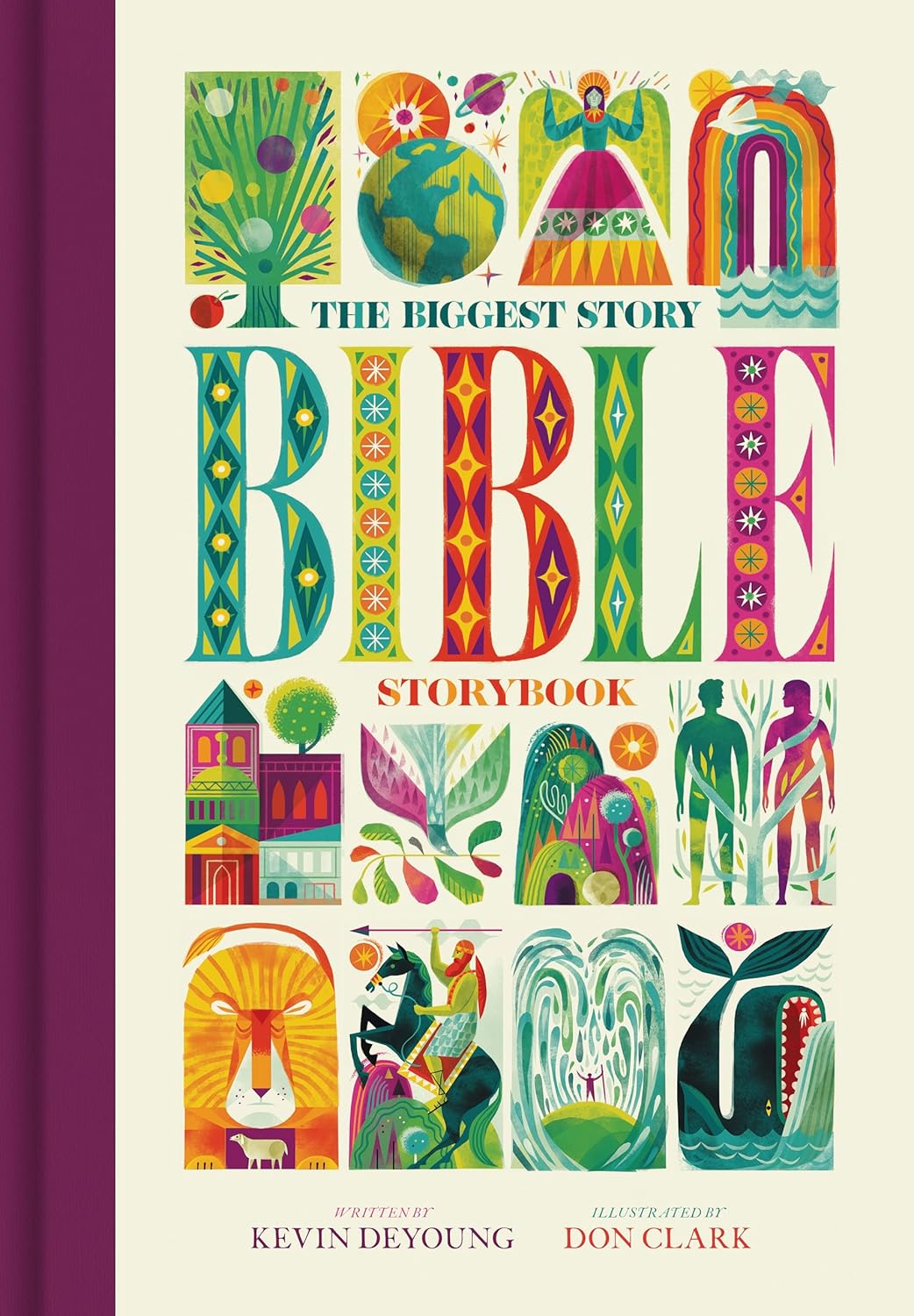
  1. The Biggest Story Bible Storybook, by Kevin DeYoung and Don Clark
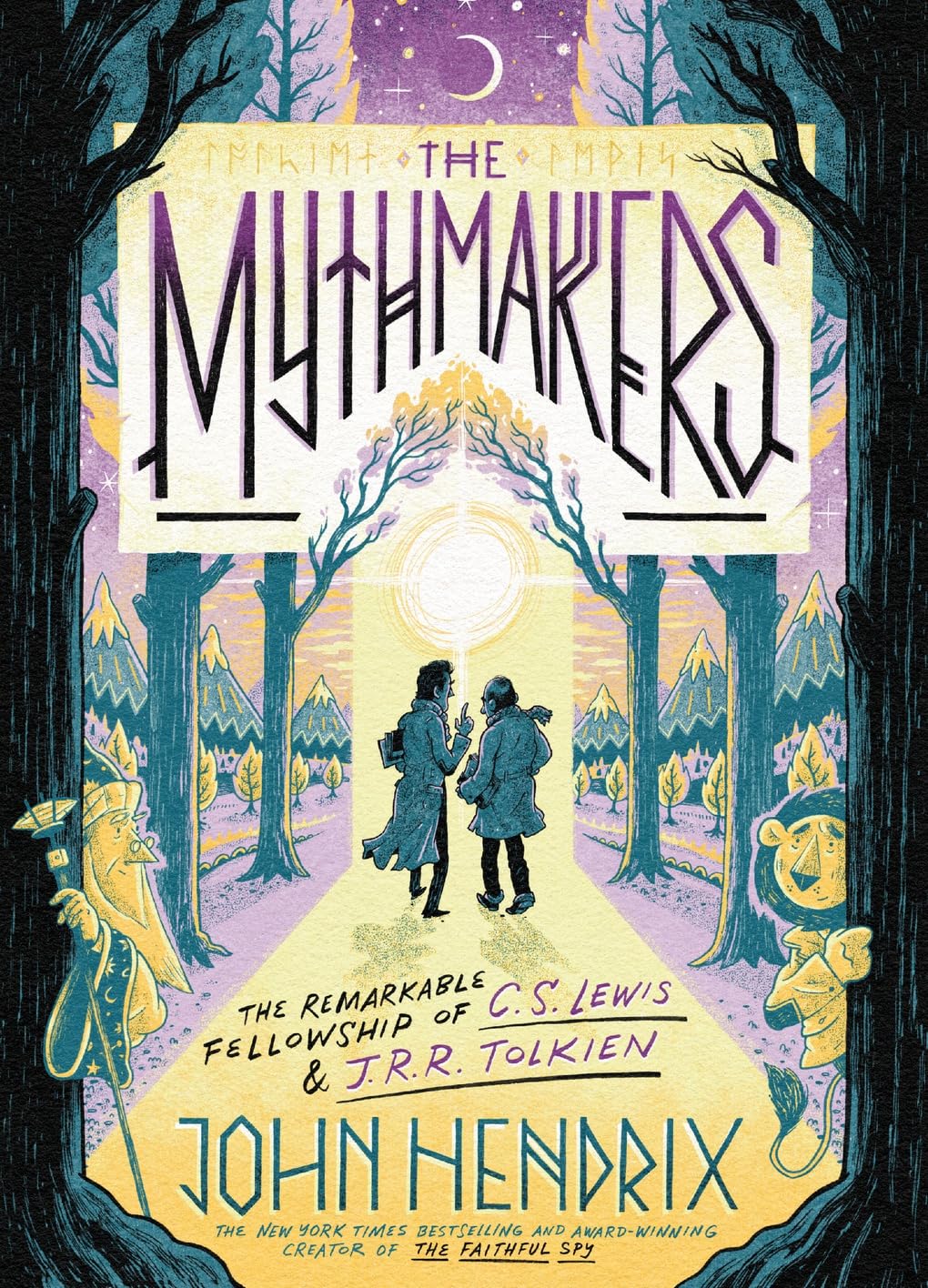
  2. The Mythmakers: The Remarkable Fellowship of C.S. Lewis and J.R.R. Tolkien, by John Hendrix
  3. The Little Liar, by Mitch Albom
  4. Seasons of Sorrow: the Pain of Loss and the Comfort of God, by Tim Challies
  5. Harry Potter and the Prisoner of Azkaban, by J.K. Rowling
  6. The Life We Bury, by Allen Eskens
  7. Living in a Gray World: A Christian Teen’s Guide to Understanding Homosexuality, by Preston Sprinkle
  8. The Demon of Unrest: A Saga of Hubris, Heartbreak, and Heroism at the Dawn of the Civil War, by Erik Larson
  9. 10 Hours to Go, by Keely Parrack
  10. The Guise of Another, by Allen Eskens
  11. Tell Her Story: How Women Led, Taught, and Ministered in the Early Church, by Nijay Gupta
  12. The Tattooist of Auschwitz, by Heather Morris
  13. The Last Green Valley, by Mark Sullivan
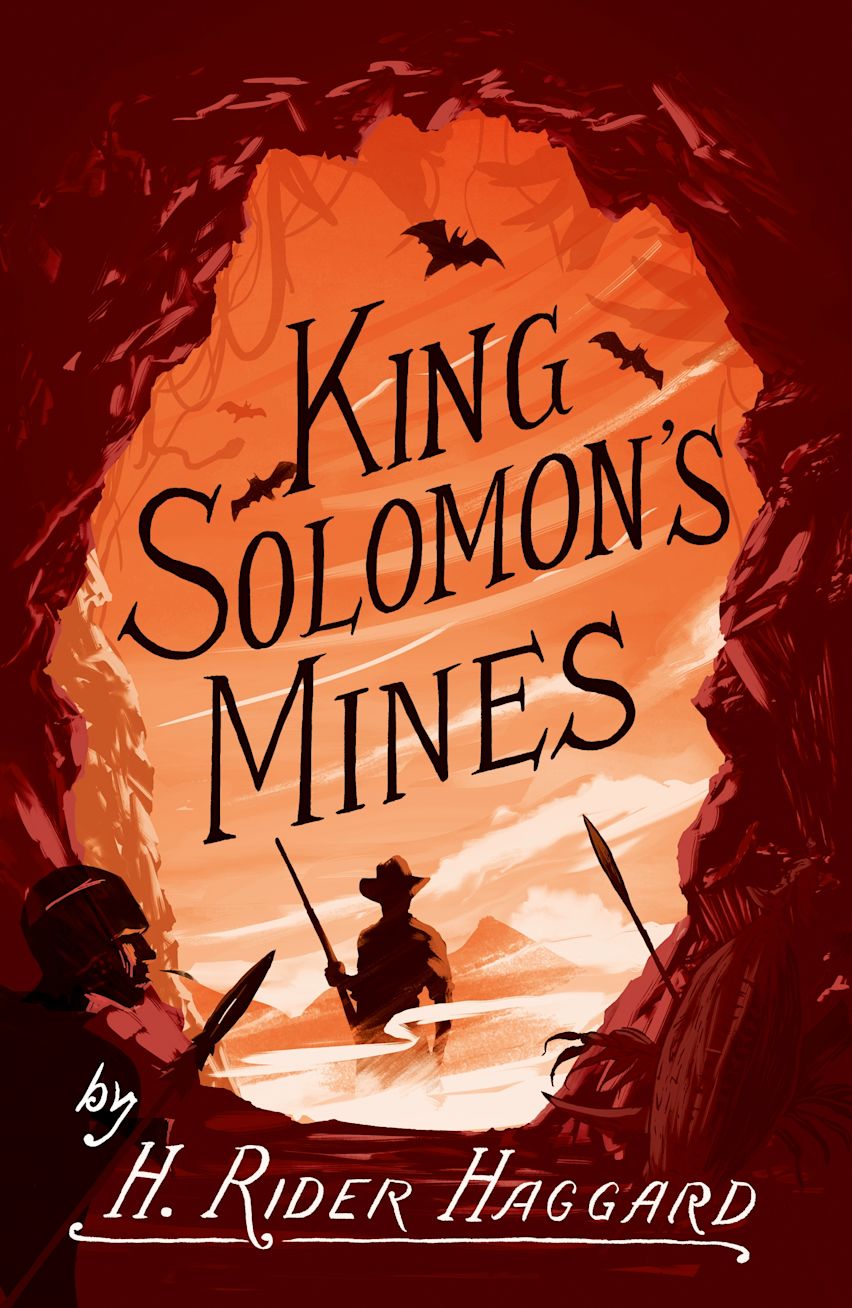
  14. King Solomon’s Mines, by H. Rider Haggard
  15. Fountains of Silence, by Ruta Sepetys
  16. Origin Story: Churches of Christ and the Restoration Movement, by Luke Dockery and Jared Pack
  17. The Bomber Mafia: A Dream, a Temptation, and the Longest Night of the Second World War, by Malcolm Gladwell
  18. Harry Potter and the Prisoner of Azkaban, by J.K. Rowling
  19. Hero of the Empire: The Boer War, a Daring Escape, and the Making of Winston Churchill, by Candice Millard
  20. Midnight in Chernobyl: The Untold Story of the World’s Greatest Nuclear Disaster, by Adam Higginbotham
  21. O Come, O Come, Emmanuel: A Liturgy for Daily Worship from Advent to Epiphany, by Jonathan Gibson
  22. The Whole Art of Detection: Lost Mysteries of Sherlock Holmes, by Lyndsay Faye
  23. Observations by Gaslight: Stories from the World of Sherlock Holmes, by Lyndsay Faye
  24. The Shadows We Hide, by Allen Eskens
  25. Reviving the Ancient Faith: The Story of Churches of Christ in America, Third Edition, by Richard T. Hughes and James L. Gorman*
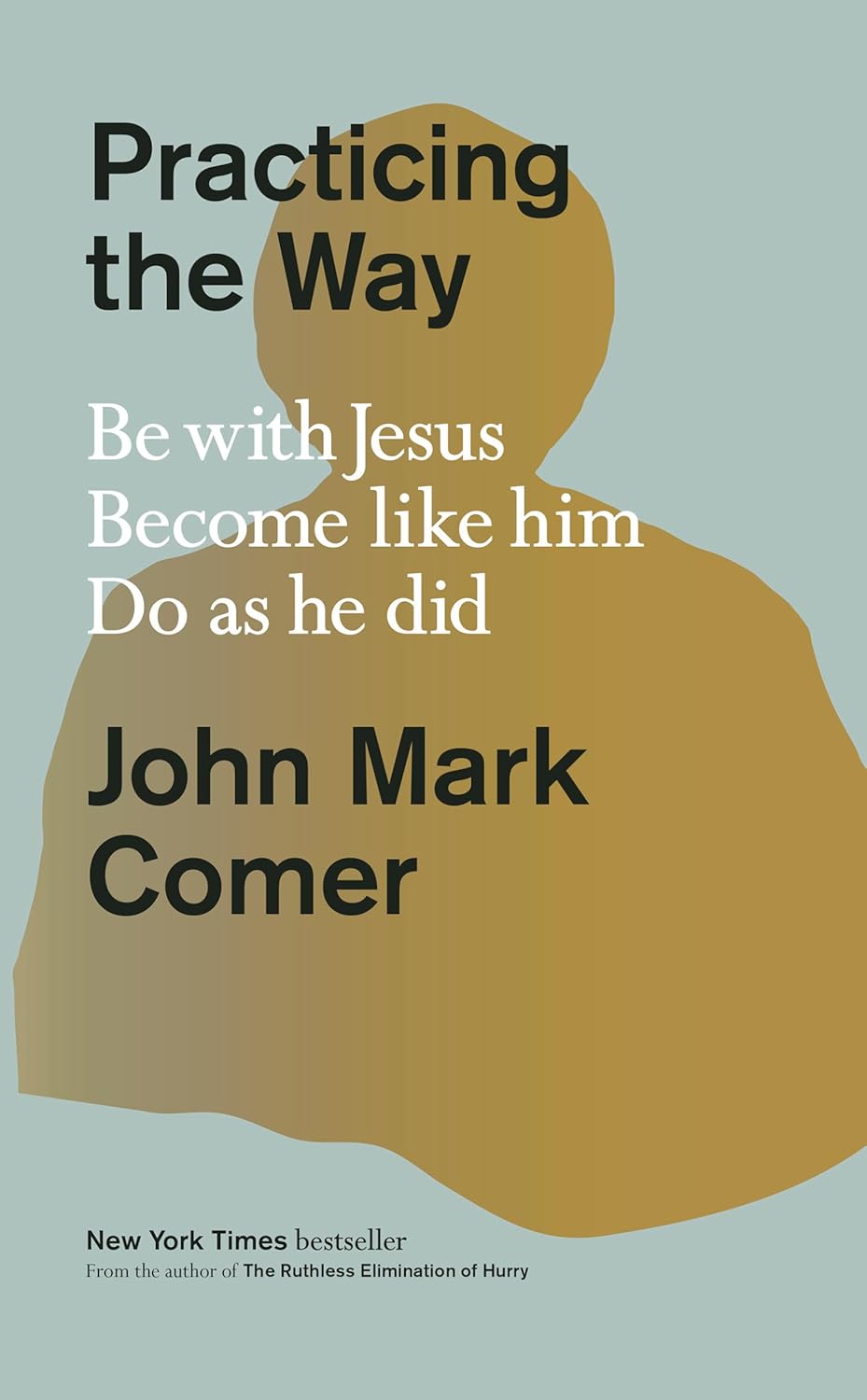
  26. Practicing the Way: Be with Jesus. Become like him. Do as he did. by John Mark Comer*
  27. Midnight, by Amy McCulloch
  28. On the Edge of the Dark Sea of Darkness, by Andrew Peterson
  29. Introducing Jesus: A Study of the Gospel of Mark, by Jeremy Myers
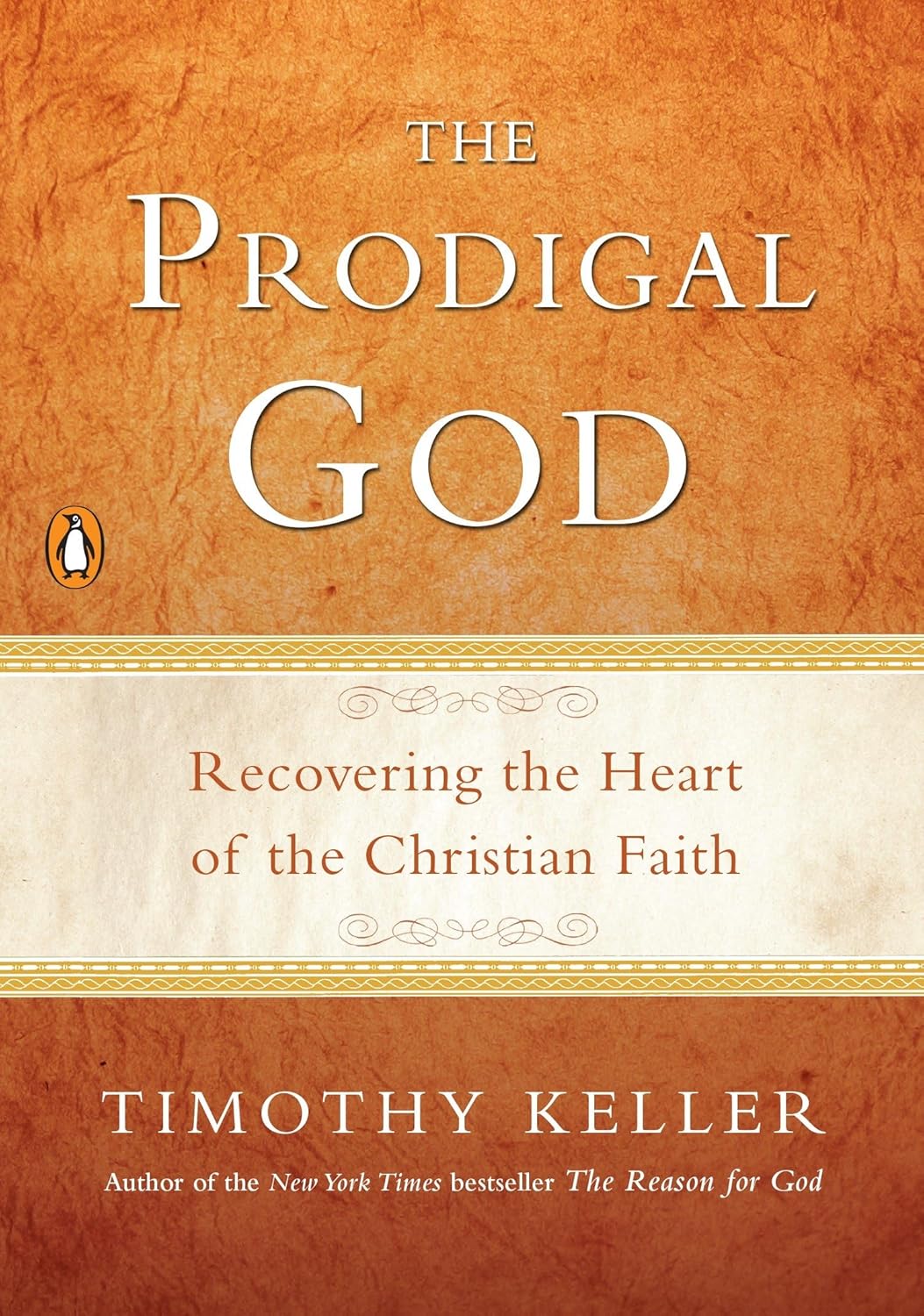
  30. The Prodigal God: Recovering the Heart of the Christian Faith, by Timothy Keller
  31. Star Wars: Brotherhood, by Mike Chen
  32. The Brightwood Code, by Monica Hesse
  33. River of the Gods: Genius, Courage, and Betrayal in the Search for the Source of the Nile, by Candice Millard
  34. The Anxious Generation; How the Great Rewiring of Childhood is Causing an Epidemic of Mental Illness, by Jonathan Haidt*
  35. Star Wars: Shadow of the Sith, by Adam Christopher
  36. On the Edge of the Dark Sea of Darkness, by Andrew Peterson
  37. The Templars: The Rise and Spectacular Fall of God’s Holy Warriors, by Dan Jones
  38. The Word on Fire Bible: Acts, Letters, and Revelation
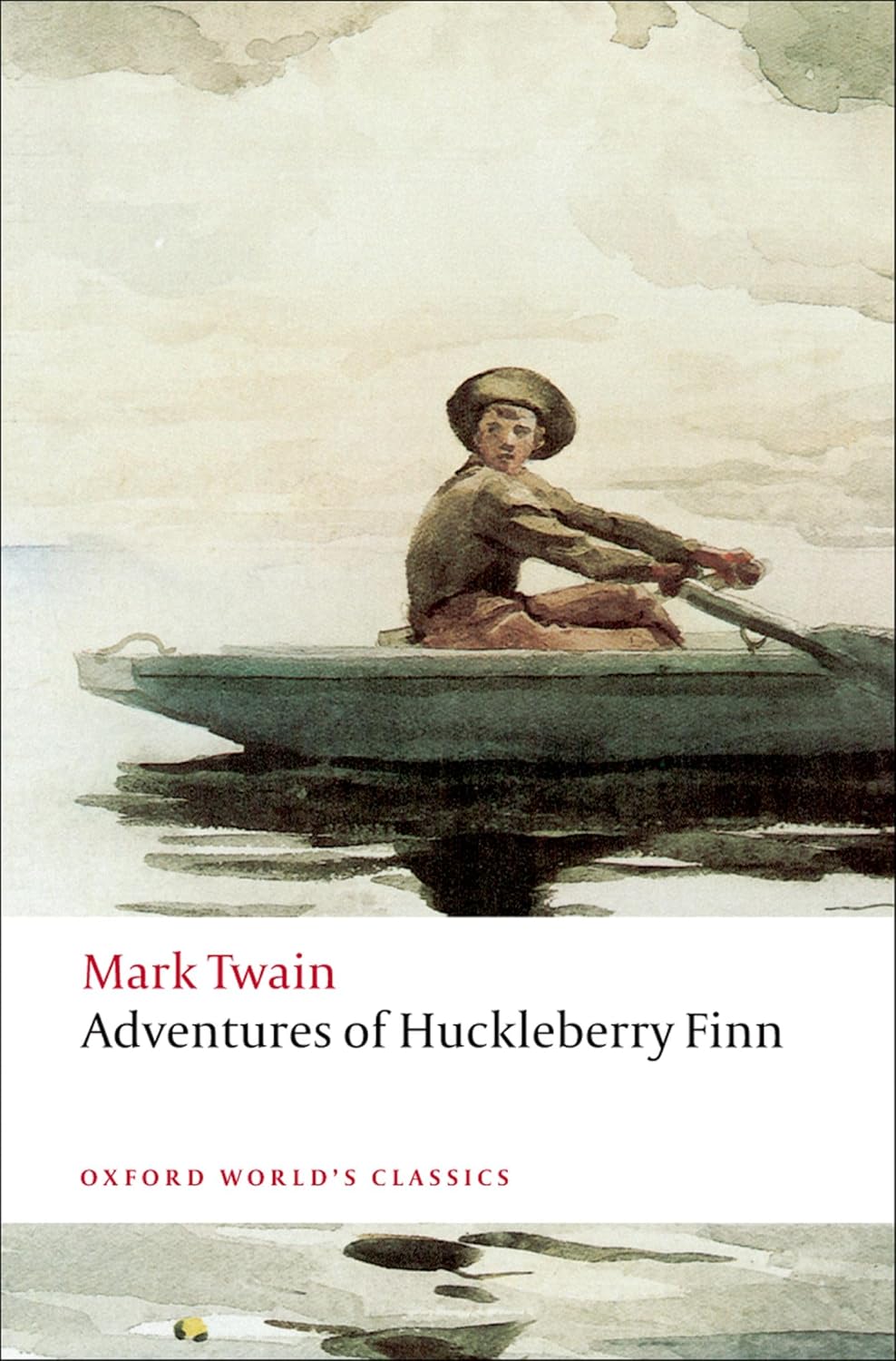
  39. The Adventures of Huckleberry Finn, by Mark Twain
  40. The Benedict Option: A Strategy for Christians in a Post-Christian Nation, by Rod Dreher*
  41. Travelers in the Third Reich: The Rise of Fascism, 1919-1945, by Julia Boyd
  42. James, by Percival Everett
  43. The Heavens May Fall, by Allen Eskens
  44. Live Not by Lies: A Manual for Christian Dissidents, by Rod Dreher
  45. The Indian in the Cupboard, by Lynne Reid Banks
  46. The Return of the Indian, by Lynne Reid Banks
  47. The Measure of a Man: A Spiritual Autobiography, by Sidney Poitier
  48. May the Wolf Die, by Elizabeth Heider
  49. Five Total Strangers, by Natalie D. Richards
  50. The Wild Robot, by Peter Brown
  51. The Secret of the Indian, by Lynne Reid Banks
  52. Water in Her Veins, by Shannon Schumer
  53. Exiles in Their Own Land: A Study of 1-2 Peter, by Gary Holloway
  54. The Mystery of the Cupboard, by Lynne Reid Banks
  55. Broiler, by Eli Cranor
  56. Just the Nicest Couple, by Mary Kubica
  57. The Nickel Boys, by Colson Whitehead
  58. Just Another Missing Person, by Gillian McAllister
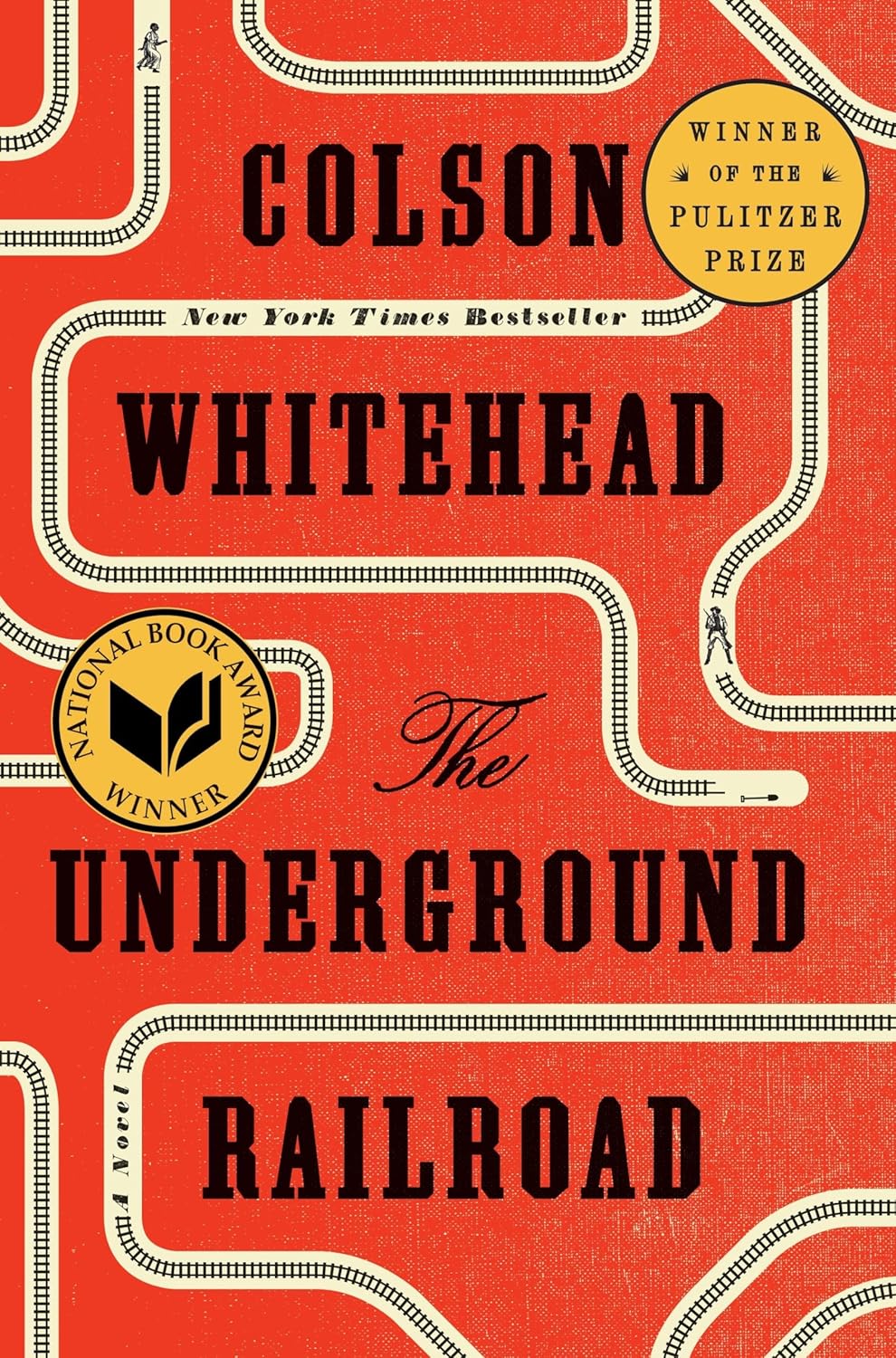
  59. The Underground Railroad, by Colson Whitehead
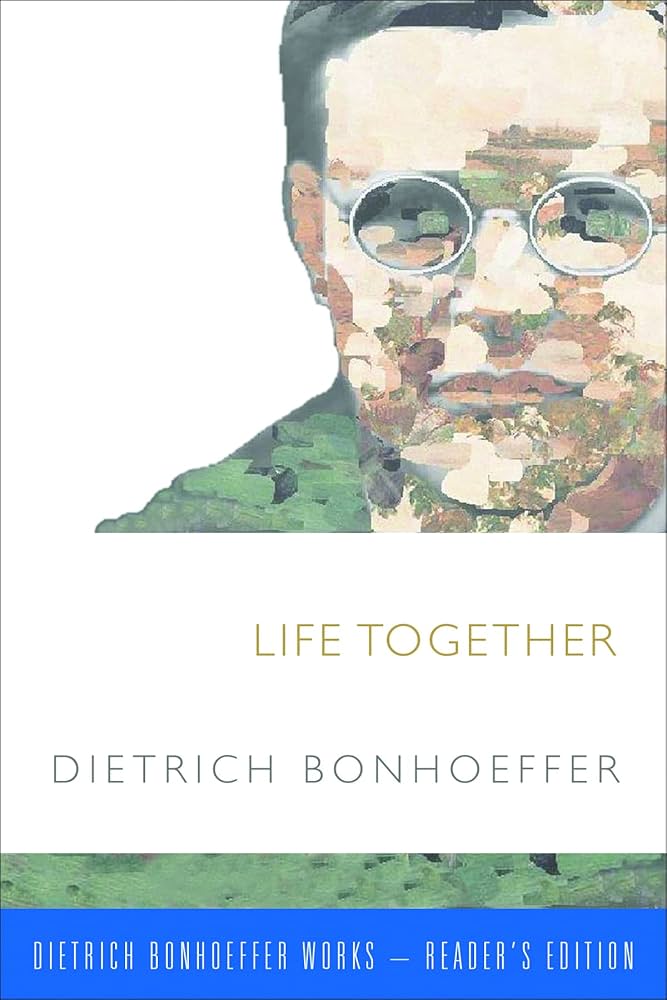
  60. Life Together, by Dietrich Bonhoeffer*
  61. North! Or Be Eaten, by Andrew Peterson
  62. A Slow Fire Burning, by Paula Hawkins
  63. Redwall, by Brian Jacques
  64. Famous Last Words, by Gillian McAllister
  65. Prey: Immigration, Islam, and the Erosion of Women’s Rights, by Ayaan Hirsi Ali
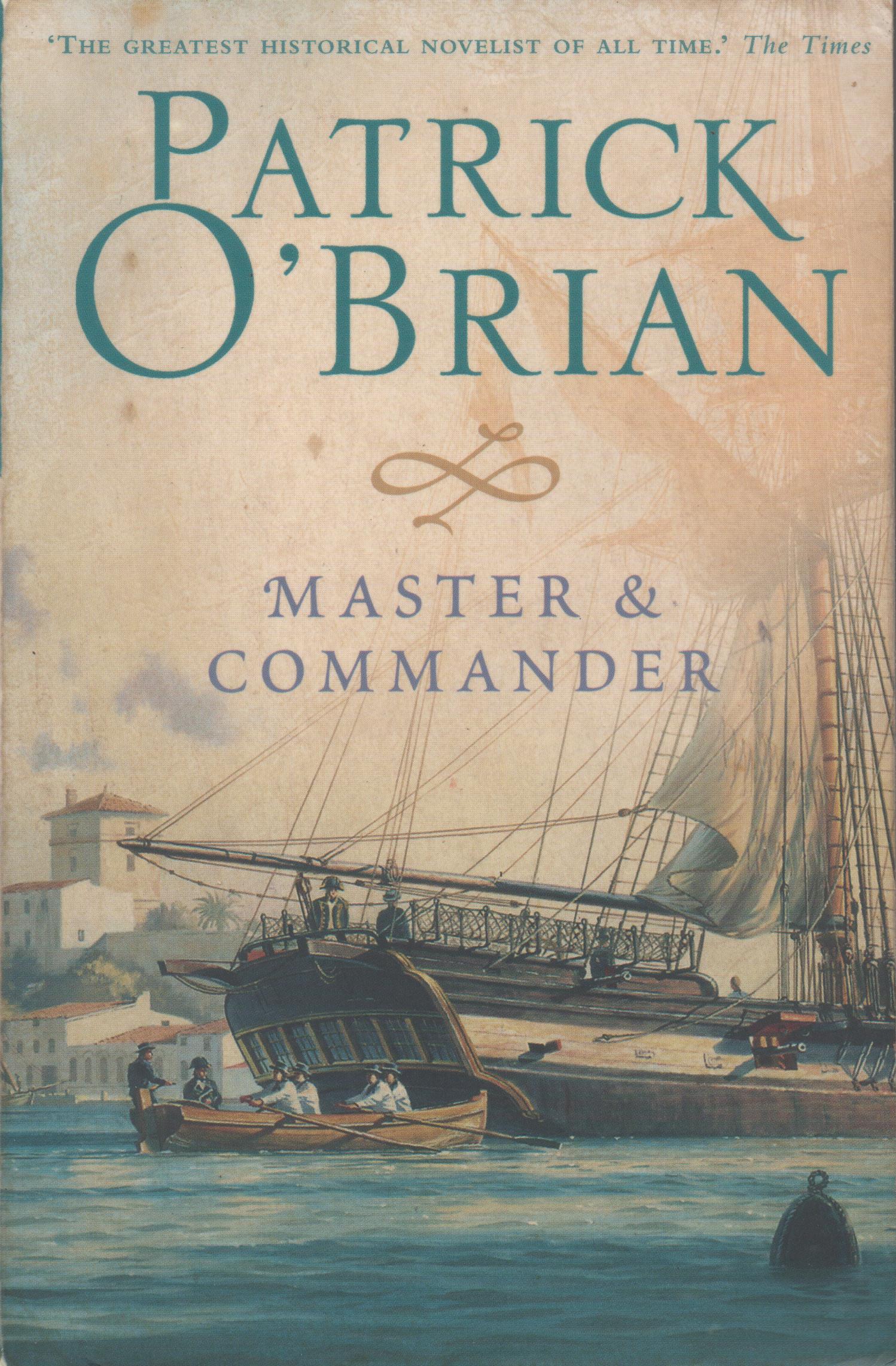
  66. Master and Commander, by Patrick O’Brian
  67. Story of Glory: Why Did Jesus Come to Save the World?, by Jason Hart
  68. Contemplative Youth Ministry: Practicing the Presence of Jesus, by Mark Yaconelli*
  69. A Burden Too Heavy: An Invitation to the Spiritual Discipline of Confession, by Paul Alan Smith*
  70. Post Captain, by Patrick O’Brian
  71. North! Or Be Eaten, by Andrew Peterson
  72. Yucatan 1512, by Alex Vede

A few observations before I talk about my favorite books of the year:

  • My reading total increased from 70 books in 2024 to 72 in 2025. This is the most books I have read in a year since I started counting.
  • Overall, my reading for the year was somewhat… “meh.” I’m reading too much entertainment that courts my attention rather than edification that stirs my soul. A big part of this is that much of my reading has shifted to audiobooks, all of which I get free via the Libby app. This tends to steer my selections in certain directions. For 2026, I plan to focus more on the reading of physical books, and am considering getting an Audible subscription to give me greater access to other types of books.
  • In the realm of fiction, I did discover two authors/series this year that I enjoyed and intend to continue reading from: Allen Eskens’s loosely connected Max Rupert/Joe Talbert series, and Patrick O’Brian’s naval series focused on Jack Aubrey and Stephen Maturin.
  • I have a long “Books to Read” list of books that I already own. I didn’t do as good of a job reading from that list as I would have liked—only seven of my books from the list above (marked with an *) came from that list. I hope to read more from this list in 2026.

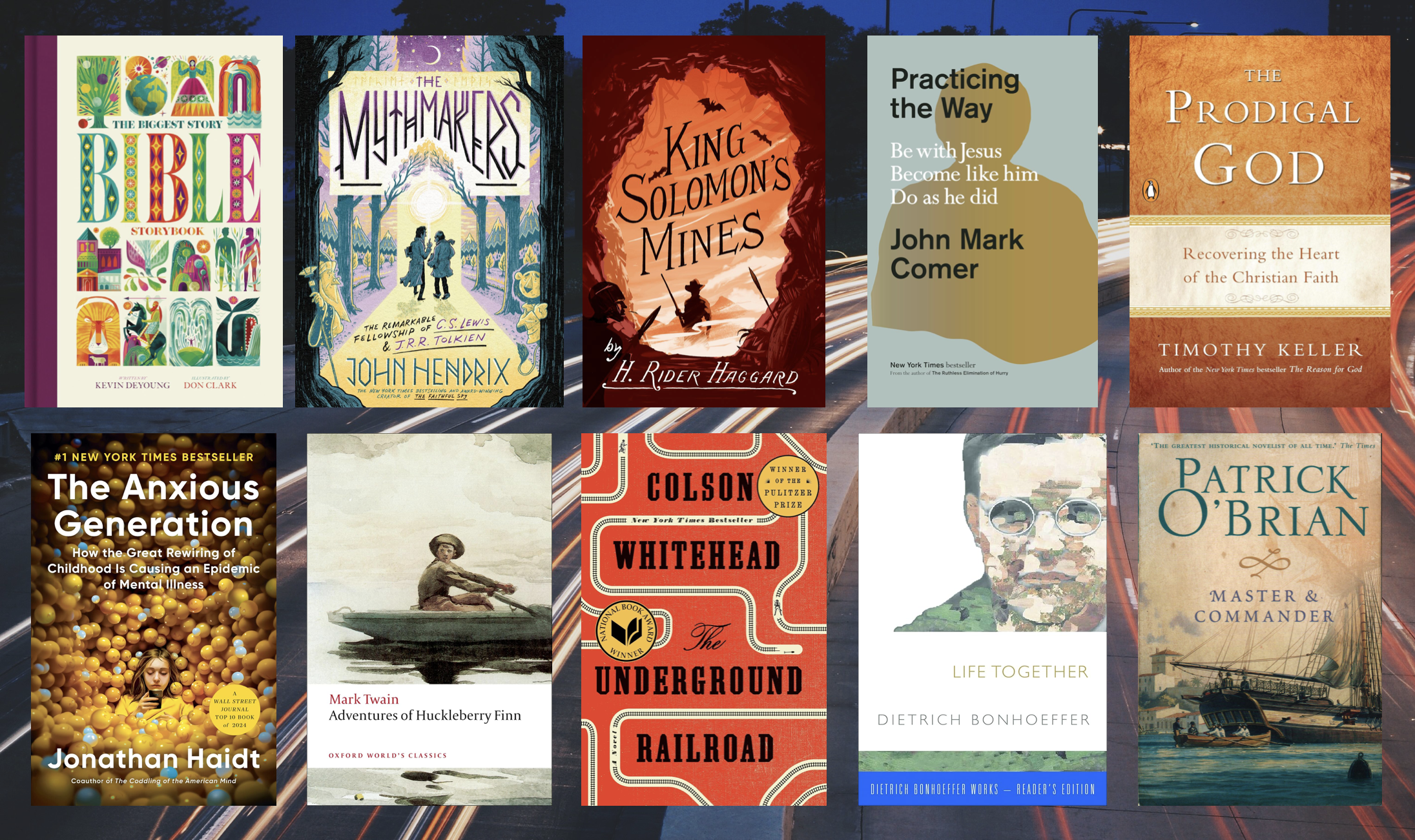
Here are my Top 10 books for the year with some brief thoughts on each (presented in order of when I read them, not ranked 1-10):

The Biggest Story Bible Storybook, by Kevin DeYoung: Family worship is a staple at our house, and as part of that, we have a Bible component. Sometimes that is reading directly from the Bible, but with kids aged 14, 9, and 3, sometimes we use Bible storybooks, which are not all created equal. Some significantly water down or distort the stories, and some that tell the stories faithfully still teach them in a disjointed, episodic fashion. DeYoung excels at presenting narratives throughout the Bible as part of a grander narrative focusing on how the Snake-Crusher will ultimately defeat sin and help us return to the Garden.

This is an excellent resource for families to use with their children at home, but would also work well as the basis for a children’s Bible class curriculum in a church setting.

The Mythmakers: The Remarkable Fellowship of C.S. Lewis and J.R.R. Tolkien, by John Hendrix: I knew nothing about this book before I received it as a Christmas gift from my sister-in-law, but it was my favorite book of the year. The Mythmakers is a beautifully illustrated graphic novel that reads like a biography of C.S. Lewis and J.R.R. Tolkien, with a special emphasis on their relationship together. Their friendship was a special one, but also suffered a falling out that was never fully reconciled this side of eternity. This was an incredibly poignant and moving read that I highly recommend for fans of Lewis and/or Tolkien.

King Solomon’s Mines, by H. Rider Haggard: This was a re-read for me, as I think I previously read it when I was a teenager (but that was a long time ago now!). Haggard’s book is a classic tale of adventure and treasure hunting, but was also ground breaking in its day, as the first of a genre of “Lost World” romances that were inspired by the exploits of British explorers in colonial Africa (and a precursor to modern science fiction).

King Solomon’s Mines was written in 1885, and thus, there are elements—especially relating to colonialism, race, and gender—that are awkward for modern sensibilities. Still, amidst a tale of adventure, danger, and discovery, the book actually reflects surprisingly forward social thinking, portraying some African characters as barbarians and others as heroes (it depends on their character, not their ethnicity), and even includes an interracial romance. On the whole, it is just a fun story: Haggard was inspired to write an entertaining story for boys after reading Robert Louis Stevenson’s Treasure Island, and he succeeds.

Practicing the Way: Be with Jesus. Become Like Him. Do As He Did, by John Mark Comer: Comer has made my Top 10 list for three years in a row (previously with The Ruthless Elimination of Hurry and Live No Lies), so clearly I appreciate him. I don’t actually love his writing style,[1] and the covers of his books are hideous,[2], but Comer continues to solidify his position as a trusted, historically orthodox Christian voice who is able to be conversant and relevant in our post-Christian context.[3] Practicing the Way is essentially a new look at very old Christian practices (spiritual disciplines), and Comer’s description of discipleship as being apprentices of Jesus is helpful.

The Prodigal God: Recovering the Heart of the Christian Faith, by Tim Keller: This is another re-read, as I first read it back in 2010. Keller has become a significant influence for me over the last decade or so, and this book hit me on a much deeper level than I remember from when I first read it. The Prodigal God examines the story of the Two Lost Sons from Luke 15, and emphasizes that this story represents the heart of the Christian message. The Christian faith isn’t ultimately about our goodness, religious devotion, or work ethic; it’s about a God who loves us recklessly (“prodigal” means “recklessly spendthrift”) as His children.

Ultimately, I was so struck by The Prodigal God this time around that I wrote a three-part series reflecting some of the ideas therein: “The Elder Brother We Need,” “Exiled from Home,” and “Jesus Cooked Breakfast: The Materialistic Nature of Christianity.”

The Anxious Generation; How the Great Rewiring of Childhood is Causing an Epidemic of Mental Illness, by Jonathan Haidt: If The Mythmakers was my favorite read in 2025, this was the most significant. This is a book that seemingly everyone has talked about over the last 18 months or so (I reviewed it myself), but in case you have missed it, the current generation of teens and young adults—Generation Z—is widely known to be the most mentally unwell of all generations with off-the-charts instances of anxiety, depression, and other mental health issues. Haidt’s basic contention in the book is that two factors, the decline of a “play-based childhood” (kids running around their neighborhoods exploring, creating games and entire worlds with friends and returning home for meal times or when it gets dark) coupled with the rise of a “phone-based childhood” (kids staying indoors and staring at screens especially on their smartphones and spending hours and hours on social media platforms) have led to the devastating mental health outcomes that we see in members of Gen Z.

I think this is a brilliant book, and I think it is essential reading for anyone living today who has any significant interaction with or influence over kids and teens, or has any interaction with a smartphone. (So yes, basically everyone needs to read this book!)

The Adventures of Huckleberry Finn, by Mark Twain: I had read this classic previously many years ago, but this year, I read it again in conjunction with Percival Everett’s James. James is a retelling of the Huckleberry Finn saga from the perspective of the enslaved Jim, and I wanted to be thoroughly familiar with the arc of the original narrative in order to compare the two. James is interesting and compelling in various ways, but ultimately, I disagreed with some of Everett’s creative license in departing from the storyline and preferred the original. The Adventures of Huckleberry Finn shines with the characteristic Twain wit, but also provides serious social commentary. In particular, the relationship between Huck and Jim provides the moral center for the tale, as Huck, driven by his love for Jim, decides to embrace the morally “evil” choice of helping him to freedom rather than do what society tells him is the “right thing” and turn Jim in as a runaway.

For what it’s worth, I highly recommend reading The Adventures of Huckleberry Finn and James back to back.

The Underground Railroad, by Colson Whitehead: This was a powerfully poignant and mournful book, which shouldn’t have been surprising considering that it won a Pulitzer Prize. Cora is enslaved on a cotton plantation in Georgia where she is an outcast even among her fellow slaves. With no future to look forward to, she takes the ultimate risk of running away on the Underground Railroad, which in Whitehead’s imaginative universe, is an actual network of tracks, tunnels, and stations underneath the slave states. Cora embarks on a treacherous journey where she encounters a different face to slavery and race relations at each stop.

It is an engaging story, but also a painful one, as it forces readers to reflect on the variety of ways that we, as a nation, have dealt with the problem of race in unacceptable ways. Lord, have mercy.

Life Together, by Dietrich Bonhoeffer: This is considered to be a Christian classic, and I can see why. Life Together is a collection of Bonhoeffer’s reflections on Christian community, and is based on the common life he shared with his students at the Finkenwalde Seminary from 1935-37. Many of the reflections and observations are made more poignant upon the realization that this experiment in Christian community was illegal—Finkenwalde was an Underground Seminary and was closed by the Gestapo in 1937:

“It is easily forgotten that the community of Christians is a gift of grace from the kingdom of God, a gift that can be taken from us any day—that the time still separating us from the most profound loneliness may be brief indeed.” (4)

Bonhoeffer would find himself in a situation where this gift was taken away from him, and would end his days in isolation in a Nazi prison.

I firmly believe that the church—the Christian community, the family of faith—is one of the greatest untapped sources of spiritual strength for most Christians, and Life Together shows why this is in penetrating fashion.

Master & Commander, by Patrick O’Brian: Years ago I watched and enjoyed the Russell Crowe film based on these books, but checked out an audiobook version from the library and greatly enjoyed it. The characters of Jack Aubrey and Stephen Maturin are complex and the depiction of their relationship is superb, and is a helpful corrective for our present time, when masculine affection is so culturally awkward.

As an author, O’Brian excels at subtlety, and the reader (or, in my case, listener) has to pay careful attention lest they miss important details or hilarious observations. I enjoyed Master & Commander enough that I have continued with the series; I read the first book in the series at the end of November, and am currently on the third.


That was my reading in 2025! For comparison’s sake, if you are interested, you can see my reading lists from previous years:

What are some of the best books you read this past year?


[1] He frequently writes in short sentences and one-sentence paragraphs in a way that reminds me of Max Lucado or Rob Bell. No, this is not a compliment.

[2] Yes, I do actually judge books by their covers.

[3] Some may want to quibble about the extent of the “post-Christian” nature of our society, especially in some regions of the country, and that is fine. Comer ministered in Portland for 20 years and now lives in L.A., so he is definitely engaging a post-Christian context.

© 2026 The Doc File

Theme by Anders Noren — Up ↑