The online journal of Luke Dockery

Tag: John Mark Comer

Reading in 2025

Reading and making lists are both big parts of my life, and this yearly post involves both of those activities! I will offer some thoughts on my favorite books of the year below, but first, here is the list of books I read in 2025 (an asterisk* indicates that the book was on my “to-read” shelf/list):

  1. The Biggest Story Bible Storybook, by Kevin DeYoung and Don Clark
  2. The Mythmakers: The Remarkable Fellowship of C.S. Lewis and J.R.R. Tolkien, by John Hendrix
  3. The Little Liar, by Mitch Albom
  4. Seasons of Sorrow: the Pain of Loss and the Comfort of God, by Tim Challies
  5. Harry Potter and the Prisoner of Azkaban, by J.K. Rowling
  6. The Life We Bury, by Allen Eskens
  7. Living in a Gray World: A Christian Teen’s Guide to Understanding Homosexuality, by Preston Sprinkle
  8. The Demon of Unrest: A Saga of Hubris, Heartbreak, and Heroism at the Dawn of the Civil War, by Erik Larson
  9. 10 Hours to Go, by Keely Parrack
  10. The Guise of Another, by Allen Eskens
  11. Tell Her Story: How Women Led, Taught, and Ministered in the Early Church, by Nijay Gupta
  12. The Tattooist of Auschwitz, by Heather Morris
  13. The Last Green Valley, by Mark Sullivan
  14. King Solomon’s Mines, by H. Rider Haggard
  15. Fountains of Silence, by Ruta Sepetys
  16. Origin Story: Churches of Christ and the Restoration Movement, by Luke Dockery and Jared Pack
  17. The Bomber Mafia: A Dream, a Temptation, and the Longest Night of the Second World War, by Malcolm Gladwell
  18. Harry Potter and the Prisoner of Azkaban, by J.K. Rowling
  19. Hero of the Empire: The Boer War, a Daring Escape, and the Making of Winston Churchill, by Candice Millard
  20. Midnight in Chernobyl: The Untold Story of the World’s Greatest Nuclear Disaster, by Adam Higginbotham
  21. O Come, O Come, Emmanuel: A Liturgy for Daily Worship from Advent to Epiphany, by Jonathan Gibson
  22. The Whole Art of Detection: Lost Mysteries of Sherlock Holmes, by Lyndsay Faye
  23. Observations by Gaslight: Stories from the World of Sherlock Holmes, by Lyndsay Faye
  24. The Shadows We Hide, by Allen Eskens
  25. Reviving the Ancient Faith: The Story of Churches of Christ in America, Third Edition, by Richard T. Hughes and James L. Gorman*
  26. Practicing the Way: Be with Jesus. Become like him. Do as he did. by John Mark Comer*
  27. Midnight, by Amy McCulloch
  28. On the Edge of the Dark Sea of Darkness, by Andrew Peterson
  29. Introducing Jesus: A Study of the Gospel of Mark, by Jeremy Myers
  30. The Prodigal God: Recovering the Heart of the Christian Faith, by Timothy Keller
  31. Star Wars: Brotherhood, by Mike Chen
  32. The Brightwood Code, by Monica Hesse
  33. River of the Gods: Genius, Courage, and Betrayal in the Search for the Source of the Nile, by Candice Millard
  34. The Anxious Generation; How the Great Rewiring of Childhood is Causing an Epidemic of Mental Illness, by Jonathan Haidt*
  35. Star Wars: Shadow of the Sith, by Adam Christopher
  36. On the Edge of the Dark Sea of Darkness, by Andrew Peterson
  37. The Templars: The Rise and Spectacular Fall of God’s Holy Warriors, by Dan Jones
  38. The Word on Fire Bible: Acts, Letters, and Revelation
  39. The Adventures of Huckleberry Finn, by Mark Twain
  40. The Benedict Option: A Strategy for Christians in a Post-Christian Nation, by Rod Dreher*
  41. Travelers in the Third Reich: The Rise of Fascism, 1919-1945, by Julia Boyd
  42. James, by Percival Everett
  43. The Heavens May Fall, by Allen Eskens
  44. Live Not by Lies: A Manual for Christian Dissidents, by Rod Dreher
  45. The Indian in the Cupboard, by Lynne Reid Banks
  46. The Return of the Indian, by Lynne Reid Banks
  47. The Measure of a Man: A Spiritual Autobiography, by Sidney Poitier
  48. May the Wolf Die, by Elizabeth Heider
  49. Five Total Strangers, by Natalie D. Richards
  50. The Wild Robot, by Peter Brown
  51. The Secret of the Indian, by Lynne Reid Banks
  52. Water in Her Veins, by Shannon Schumer
  53. Exiles in Their Own Land: A Study of 1-2 Peter, by Gary Holloway
  54. The Mystery of the Cupboard, by Lynne Reid Banks
  55. Broiler, by Eli Cranor
  56. Just the Nicest Couple, by Mary Kubica
  57. The Nickel Boys, by Colson Whitehead
  58. Just Another Missing Person, by Gillian McAllister
  59. The Underground Railroad, by Colson Whitehead
  60. Life Together, by Dietrich Bonhoeffer*
  61. North! Or Be Eaten, by Andrew Peterson
  62. A Slow Fire Burning, by Paula Hawkins
  63. Redwall, by Brian Jacques
  64. Famous Last Words, by Gillian McAllister
  65. Prey: Immigration, Islam, and the Erosion of Women’s Rights, by Ayaan Hirsi Ali
  66. Master and Commander, by Patrick O’Brian
  67. Story of Glory: Why Did Jesus Come to Save the World?, by Jason Hart
  68. Contemplative Youth Ministry: Practicing the Presence of Jesus, by Mark Yaconelli*
  69. A Burden Too Heavy: An Invitation to the Spiritual Discipline of Confession, by Paul Alan Smith*
  70. Post Captain, by Patrick O’Brian
  71. North! Or Be Eaten, by Andrew Peterson
  72. Yucatan 1512, by Alex Vede

A few observations before I talk about my favorite books of the year:

  • My reading total increased from 70 books in 2024 to 72 in 2025. This is the most books I have read in a year since I started counting.
  • Overall, my reading for the year was somewhat… “meh.” I’m reading too much entertainment that courts my attention rather than edification that stirs my soul. A big part of this is that much of my reading has shifted to audiobooks, all of which I get free via the Libby app. This tends to steer my selections in certain directions. For 2026, I plan to focus more on the reading of physical books, and am considering getting an Audible subscription to give me greater access to other types of books.
  • In the realm of fiction, I did discover two authors/series this year that I enjoyed and intend to continue reading from: Allen Eskens’s loosely connected Max Rupert/Joe Talbert series, and Patrick O’Brian’s naval series focused on Jack Aubrey and Stephen Maturin.
  • I have a long “Books to Read” list of books that I already own. I didn’t do as good of a job reading from that list as I would have liked—only seven of my books from the list above (marked with an *) came from that list. I hope to read more from this list in 2026.

Here are my Top 10 books for the year with some brief thoughts on each (presented in order of when I read them, not ranked 1-10):
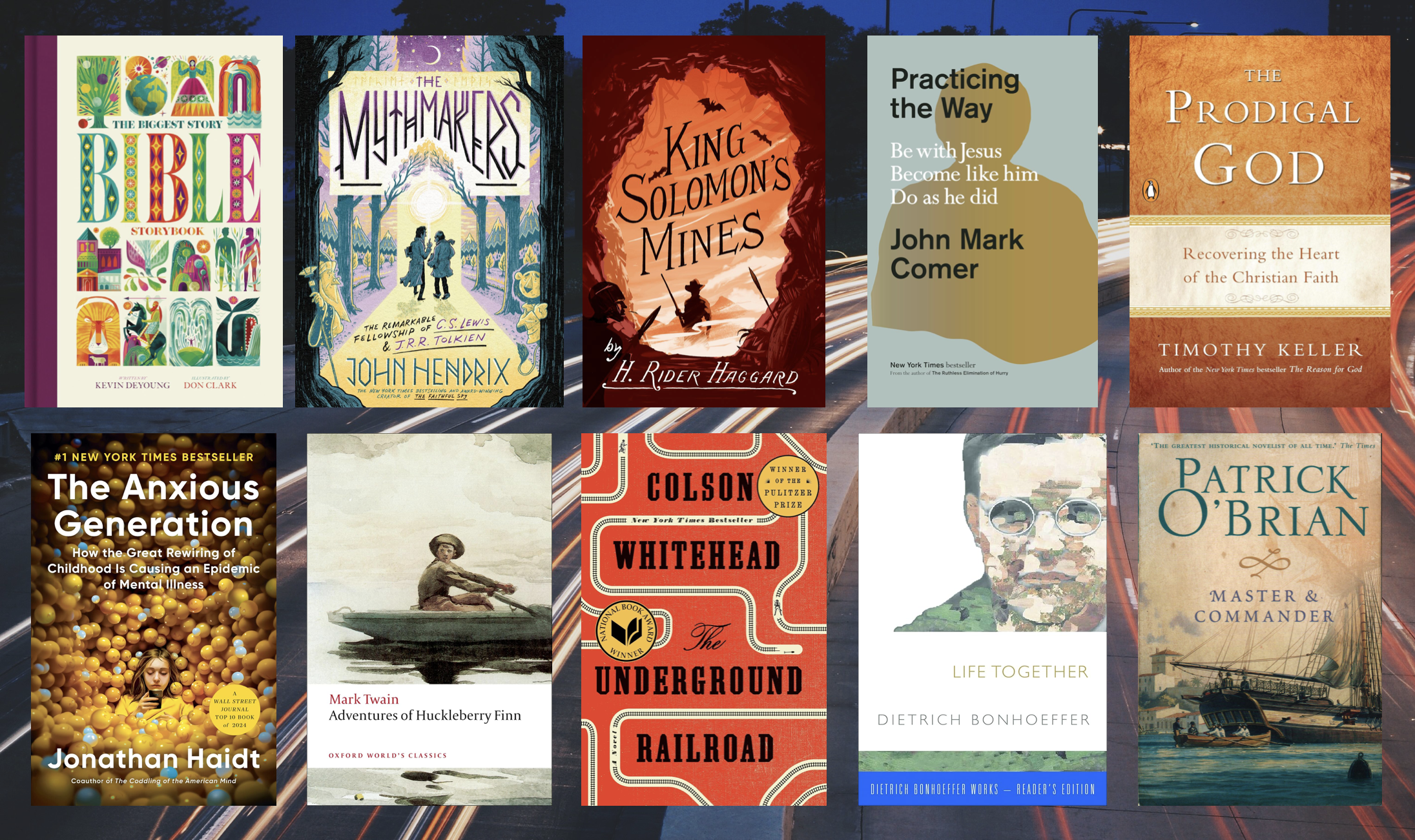
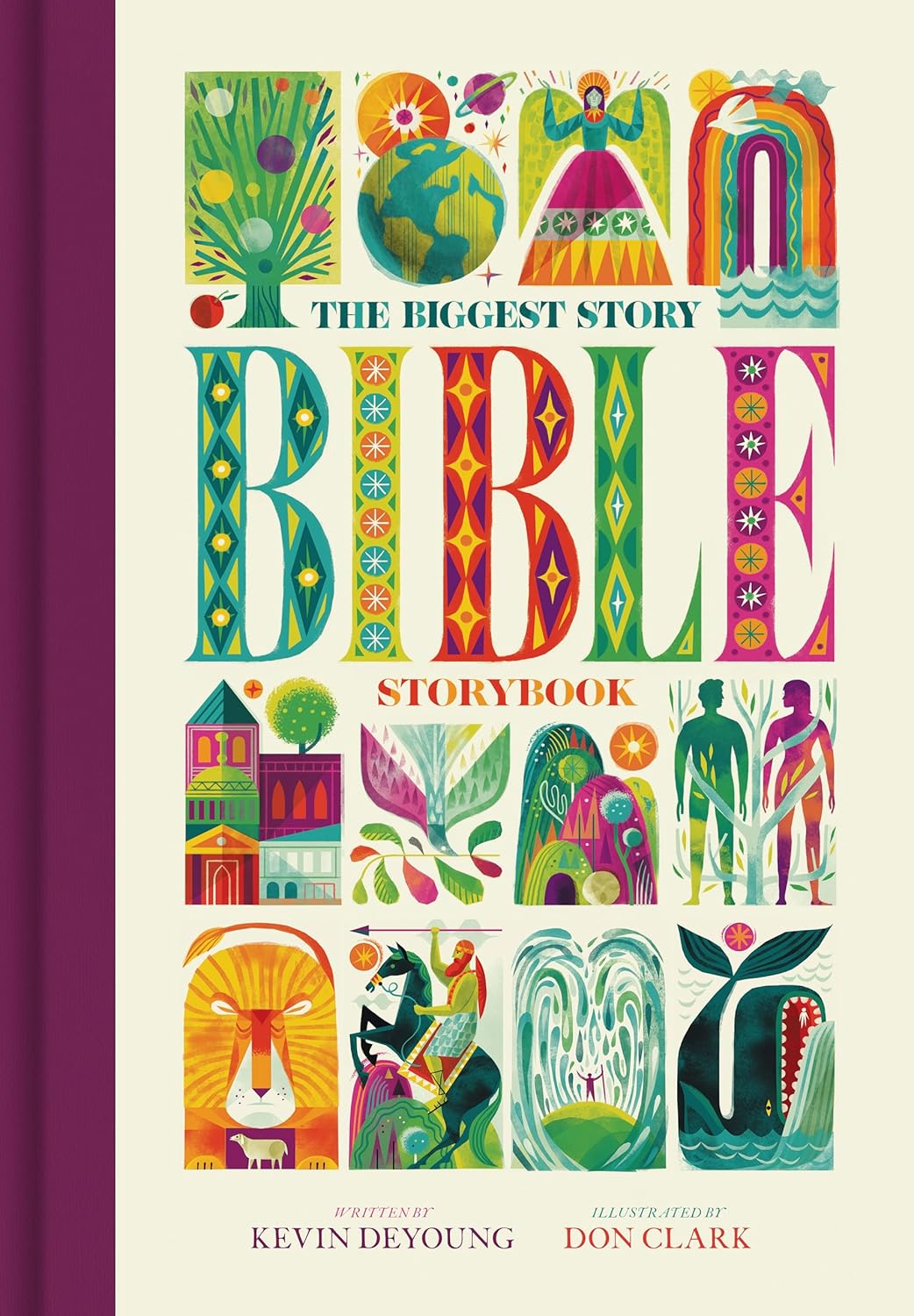
The Biggest Story Bible Storybook, by Kevin DeYoung: Family worship is a staple at our house, and as part of that, we have a Bible component. Sometimes that is reading directly from the Bible, but with kids aged 14, 9, and 3, sometimes we use Bible storybooks, which are not all created equal. Some significantly water down or distort the stories, and some that tell the stories faithfully still teach them in a disjointed, episodic fashion. DeYoung excels at presenting narratives throughout the Bible as part of a grander narrative focusing on how the Snake-Crusher will ultimately defeat sin and help us return to the Garden.

This is an excellent resource for families to use with their children at home, but would also work well as the basis for a children’s Bible class curriculum in a church setting.
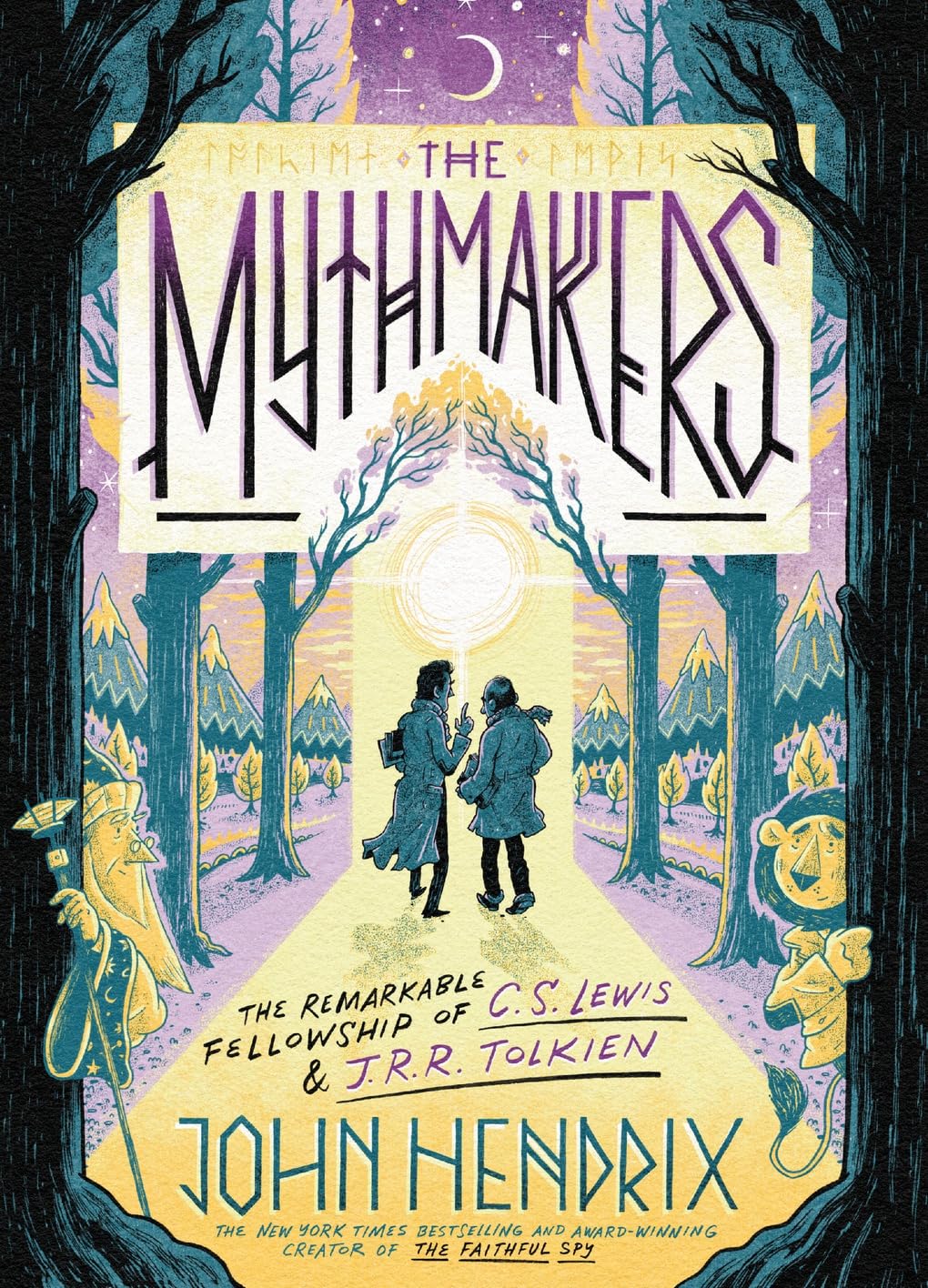
The Mythmakers: The Remarkable Fellowship of C.S. Lewis and J.R.R. Tolkien, by John Hendrix: I knew nothing about this book before I received it as a Christmas gift from my sister-in-law, but it was my favorite book of the year. The Mythmakers is a beautifully illustrated graphic novel that reads like a biography of C.S. Lewis and J.R.R. Tolkien, with a special emphasis on their relationship together. Their friendship was a special one, but also suffered a falling out that was never fully reconciled this side of eternity. This was an incredibly poignant and moving read that I highly recommend for fans of Lewis and/or Tolkien.
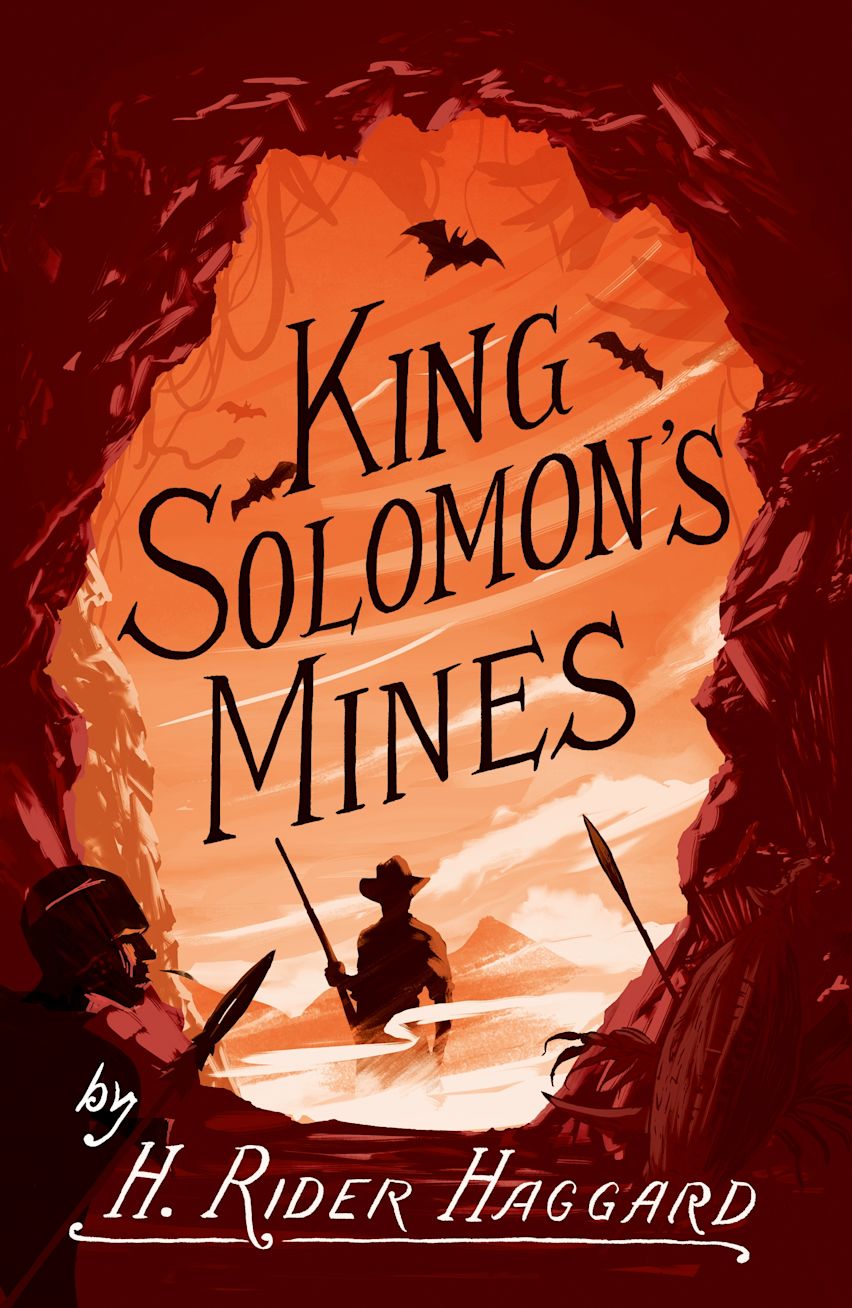
King Solomon’s Mines, by H. Rider Haggard: This was a re-read for me, as I think I previously read it when I was a teenager (but that was a long time ago now!). Haggard’s book is a classic tale of adventure and treasure hunting, but was also ground breaking in its day, as the first of a genre of “Lost World” romances that were inspired by the exploits of British explorers in colonial Africa (and a precursor to modern science fiction).

King Solomon’s Mines was written in 1885, and thus, there are elements—especially relating to colonialism, race, and gender—that are awkward for modern sensibilities. Still, amidst a tale of adventure, danger, and discovery, the book actually reflects surprisingly forward social thinking, portraying some African characters as barbarians and others as heroes (it depends on their character, not their ethnicity), and even includes an interracial romance. On the whole, it is just a fun story: Haggard was inspired to write an entertaining story for boys after reading Robert Louis Stevenson’s Treasure Island, and he succeeds.
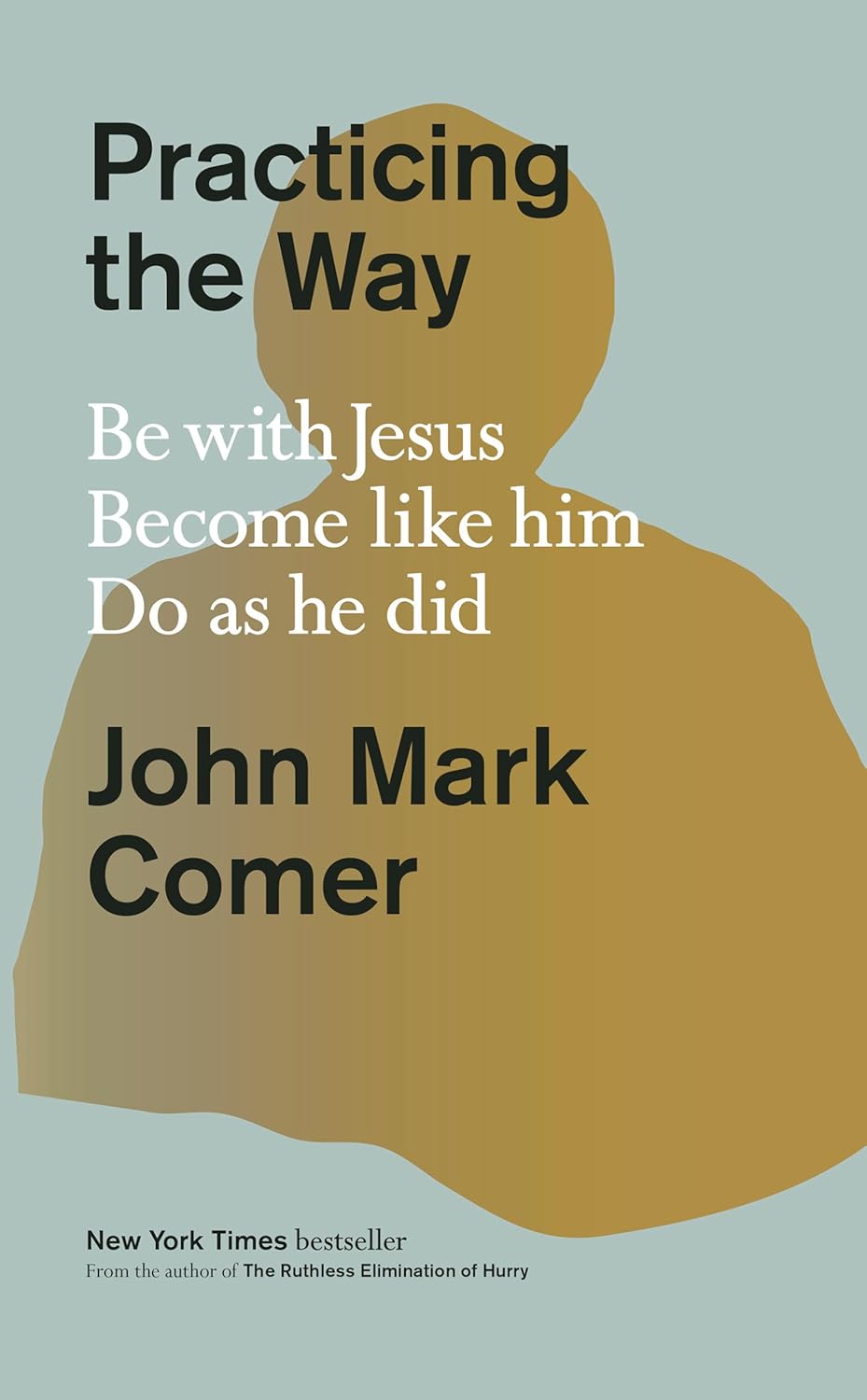
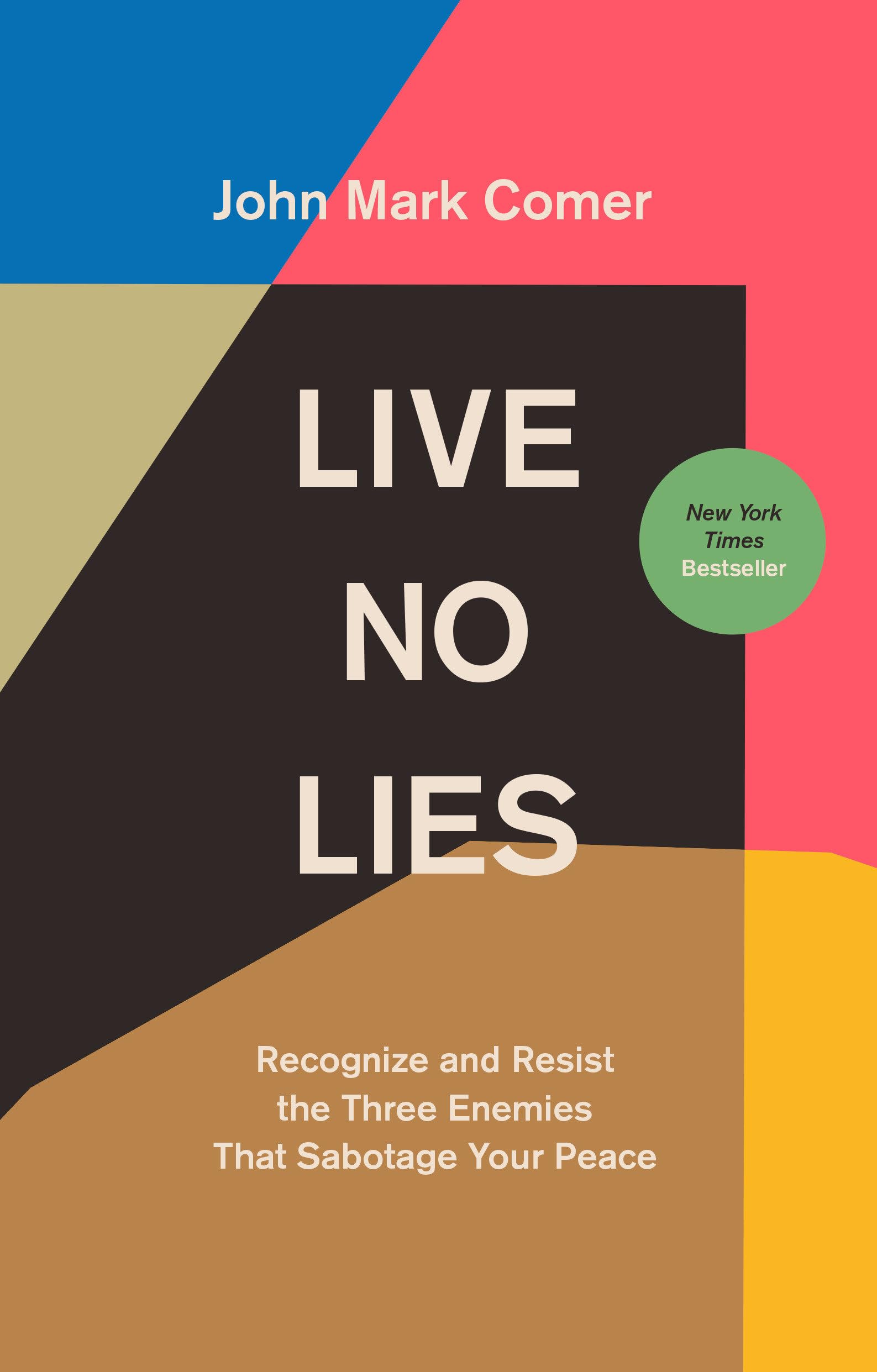
Practicing the Way: Be with Jesus. Become Like Him. Do As He Did, by John Mark Comer: Comer has made my Top 10 list for three years in a row (previously with The Ruthless Elimination of Hurry and Live No Lies), so clearly I appreciate him. I don’t actually love his writing style,[1] and the covers of his books are hideous,[2], but Comer continues to solidify his position as a trusted, historically orthodox Christian voice who is able to be conversant and relevant in our post-Christian context.[3] Practicing the Way is essentially a new look at very old Christian practices (spiritual disciplines), and Comer’s description of discipleship as being apprentices of Jesus is helpful.
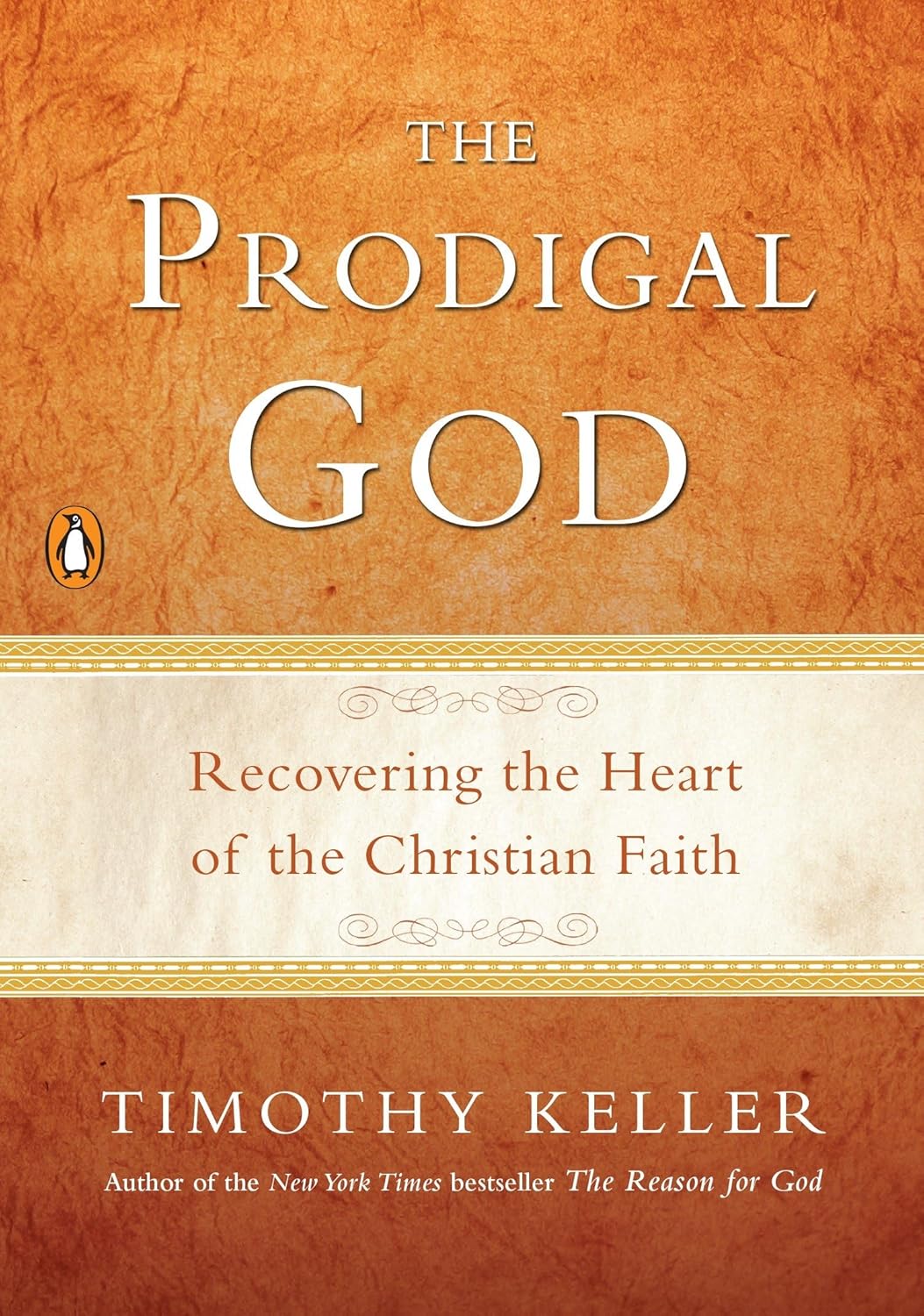
The Prodigal God: Recovering the Heart of the Christian Faith, by Tim Keller: This is another re-read, as I first read it back in 2010. Keller has become a significant influence for me over the last decade or so, and this book hit me on a much deeper level than I remember from when I first read it. The Prodigal God examines the story of the Two Lost Sons from Luke 15, and emphasizes that this story represents the heart of the Christian message. The Christian faith isn’t ultimately about our goodness, religious devotion, or work ethic; it’s about a God who loves us recklessly (“prodigal” means “recklessly spendthrift”) as His children.

Ultimately, I was so struck by The Prodigal God this time around that I wrote a three-part series reflecting some of the ideas therein: “The Elder Brother We Need,” “Exiled from Home,” and “Jesus Cooked Breakfast: The Materialistic Nature of Christianity.”
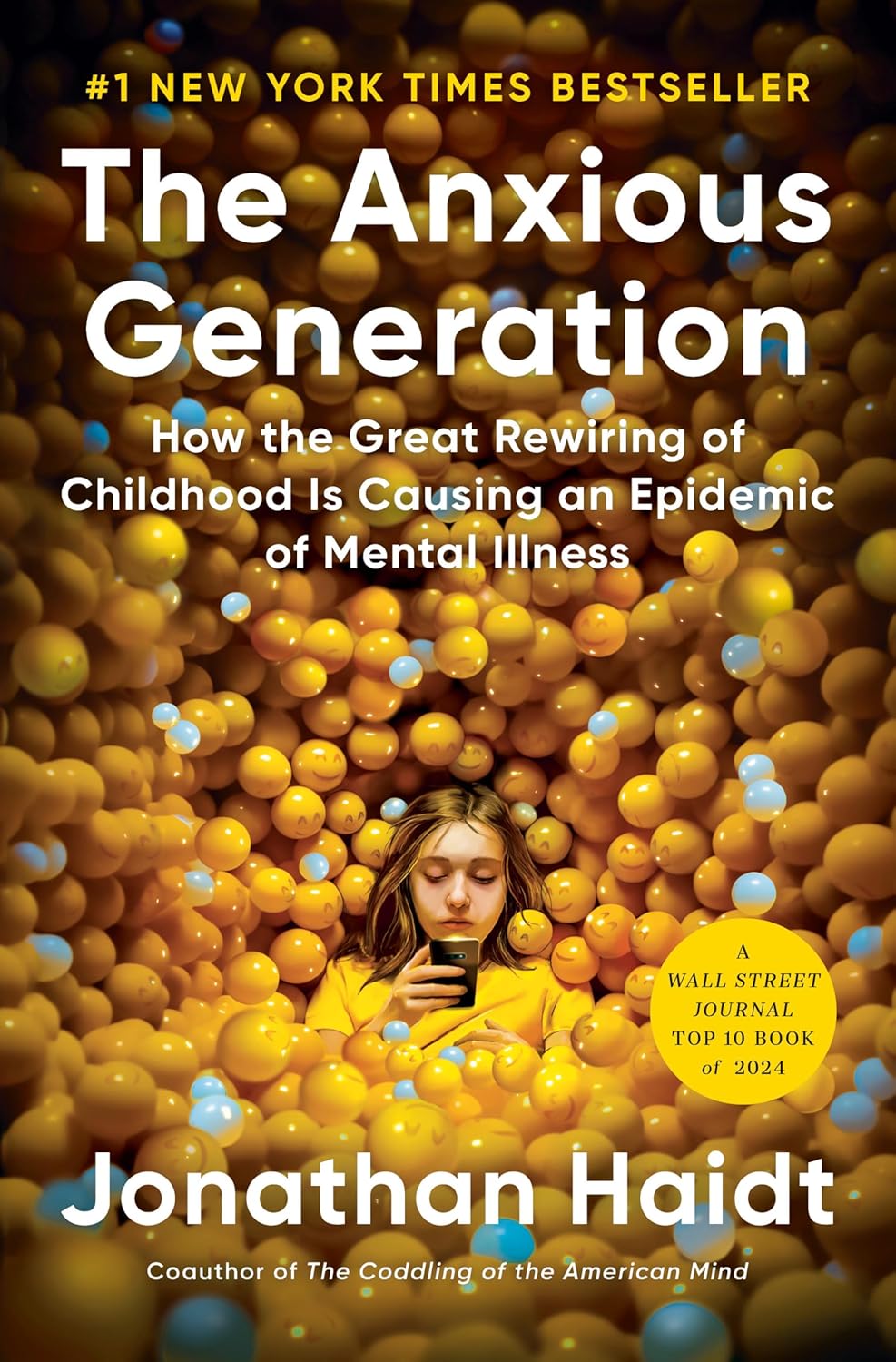
The Anxious Generation; How the Great Rewiring of Childhood is Causing an Epidemic of Mental Illness, by Jonathan Haidt: If The Mythmakers was my favorite read in 2025, this was the most significant. This is a book that seemingly everyone has talked about over the last 18 months or so (I reviewed it myself), but in case you have missed it, the current generation of teens and young adults—Generation Z—is widely known to be the most mentally unwell of all generations with off-the-charts instances of anxiety, depression, and other mental health issues. Haidt’s basic contention in the book is that two factors, the decline of a “play-based childhood” (kids running around their neighborhoods exploring, creating games and entire worlds with friends and returning home for meal times or when it gets dark) coupled with the rise of a “phone-based childhood” (kids staying indoors and staring at screens especially on their smartphones and spending hours and hours on social media platforms) have led to the devastating mental health outcomes that we see in members of Gen Z.

I think this is a brilliant book, and I think it is essential reading for anyone living today who has any significant interaction with or influence over kids and teens, or has any interaction with a smartphone. (So yes, basically everyone needs to read this book!)
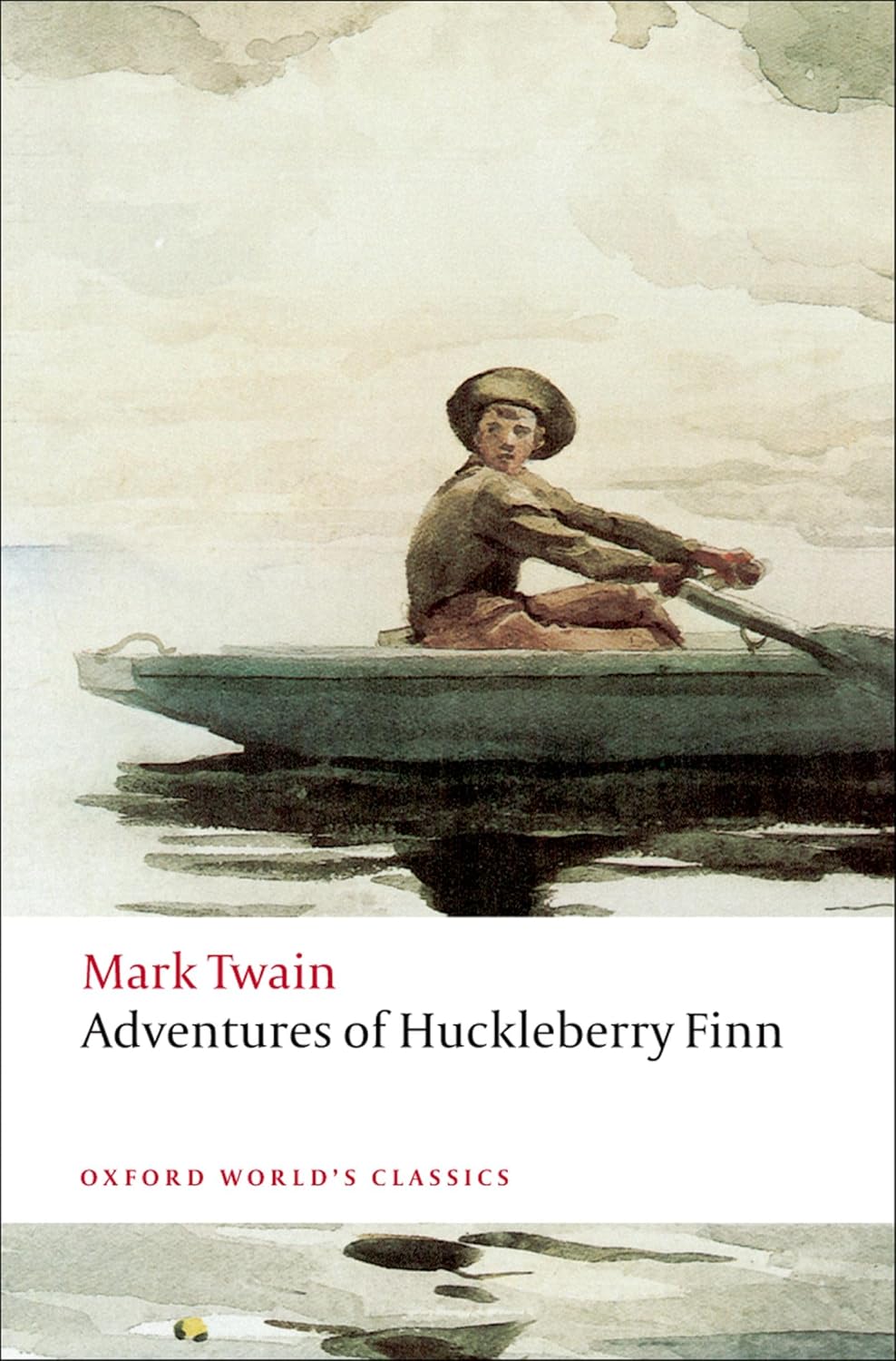
The Adventures of Huckleberry Finn, by Mark Twain: I had read this classic previously many years ago, but this year, I read it again in conjunction with Percival Everett’s James. James is a retelling of the Huckleberry Finn saga from the perspective of the enslaved Jim, and I wanted to be thoroughly familiar with the arc of the original narrative in order to compare the two. James is interesting and compelling in various ways, but ultimately, I disagreed with some of Everett’s creative license in departing from the storyline and preferred the original. The Adventures of Huckleberry Finn shines with the characteristic Twain wit, but also provides serious social commentary. In particular, the relationship between Huck and Jim provides the moral center for the tale, as Huck, driven by his love for Jim, decides to embrace the morally “evil” choice of helping him to freedom rather than do what society tells him is the “right thing” and turn Jim in as a runaway.

For what it’s worth, I highly recommend reading The Adventures of Huckleberry Finn and James back to back.
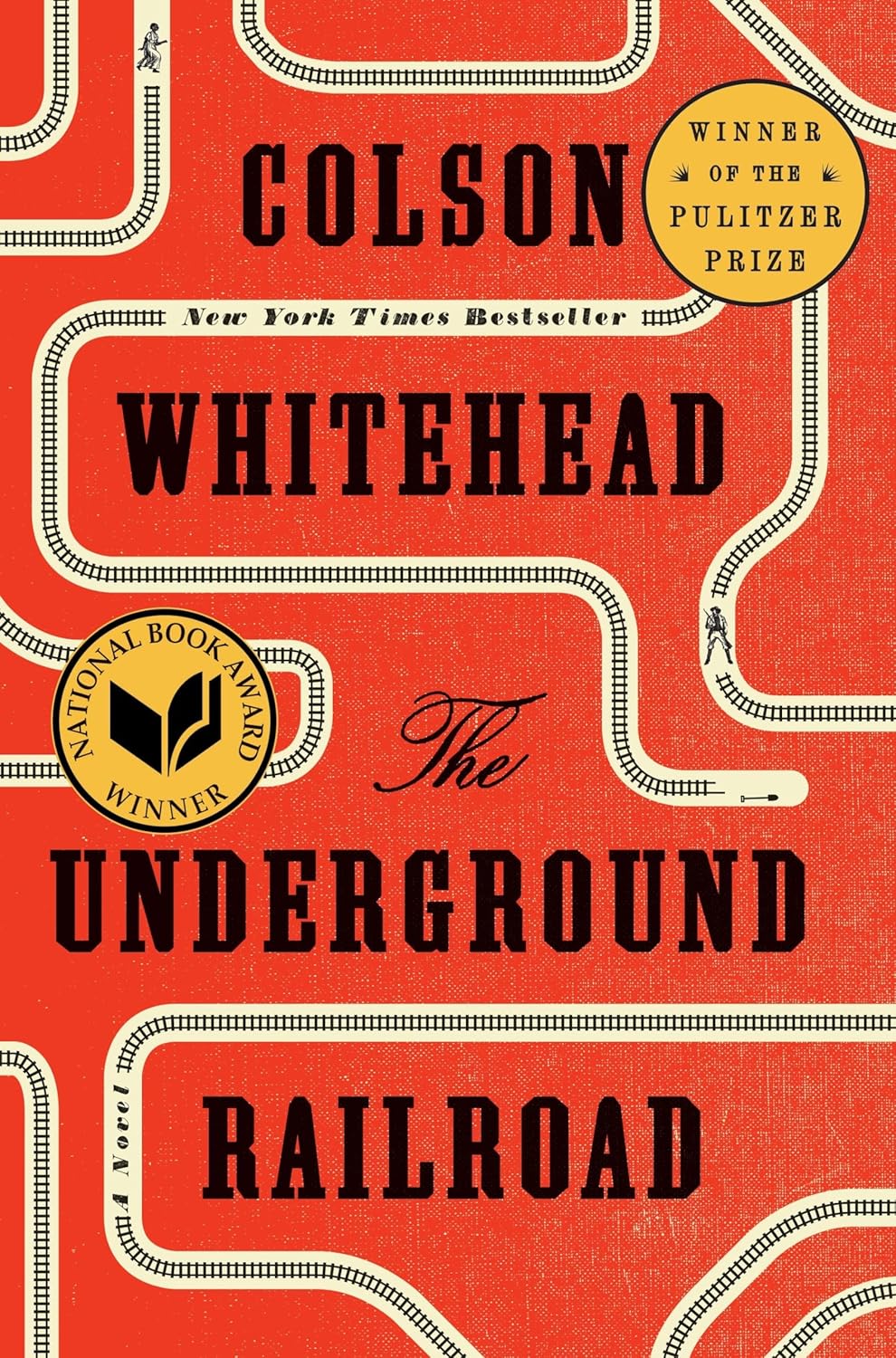
The Underground Railroad, by Colson Whitehead: This was a powerfully poignant and mournful book, which shouldn’t have been surprising considering that it won a Pulitzer Prize. Cora is enslaved on a cotton plantation in Georgia where she is an outcast even among her fellow slaves. With no future to look forward to, she takes the ultimate risk of running away on the Underground Railroad, which in Whitehead’s imaginative universe, is an actual network of tracks, tunnels, and stations underneath the slave states. Cora embarks on a treacherous journey where she encounters a different face to slavery and race relations at each stop.

It is an engaging story, but also a painful one, as it forces readers to reflect on the variety of ways that we, as a nation, have dealt with the problem of race in unacceptable ways. Lord, have mercy.
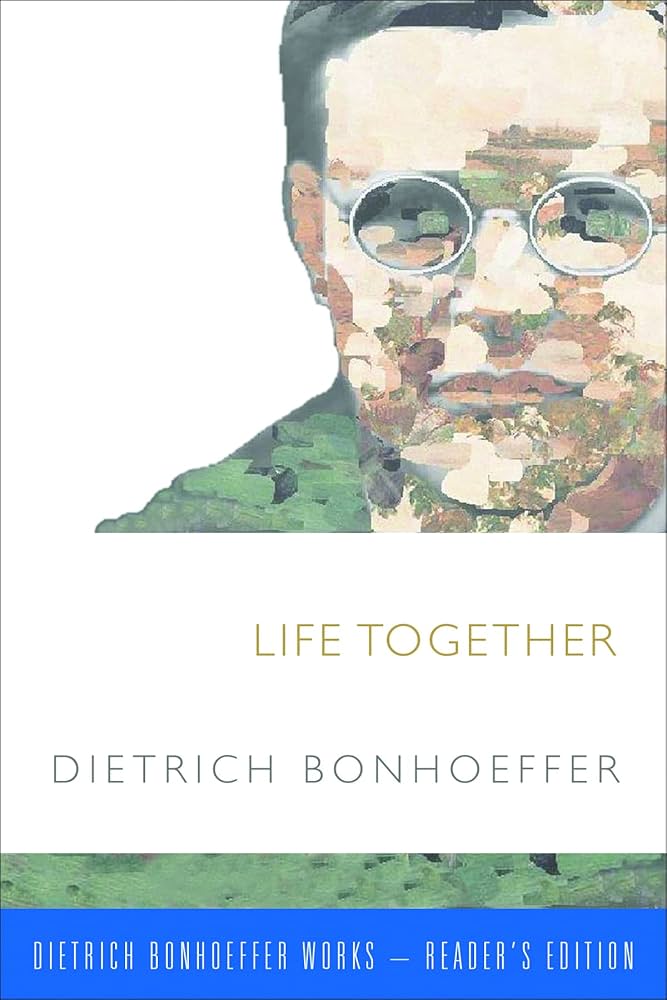
Life Together, by Dietrich Bonhoeffer: This is considered to be a Christian classic, and I can see why. Life Together is a collection of Bonhoeffer’s reflections on Christian community, and is based on the common life he shared with his students at the Finkenwalde Seminary from 1935-37. Many of the reflections and observations are made more poignant upon the realization that this experiment in Christian community was illegal—Finkenwalde was an Underground Seminary and was closed by the Gestapo in 1937:

“It is easily forgotten that the community of Christians is a gift of grace from the kingdom of God, a gift that can be taken from us any day—that the time still separating us from the most profound loneliness may be brief indeed.” (4)

Bonhoeffer would find himself in a situation where this gift was taken away from him, and would end his days in isolation in a Nazi prison.

I firmly believe that the church—the Christian community, the family of faith—is one of the greatest untapped sources of spiritual strength for most Christians, and Life Together shows why this is in penetrating fashion.
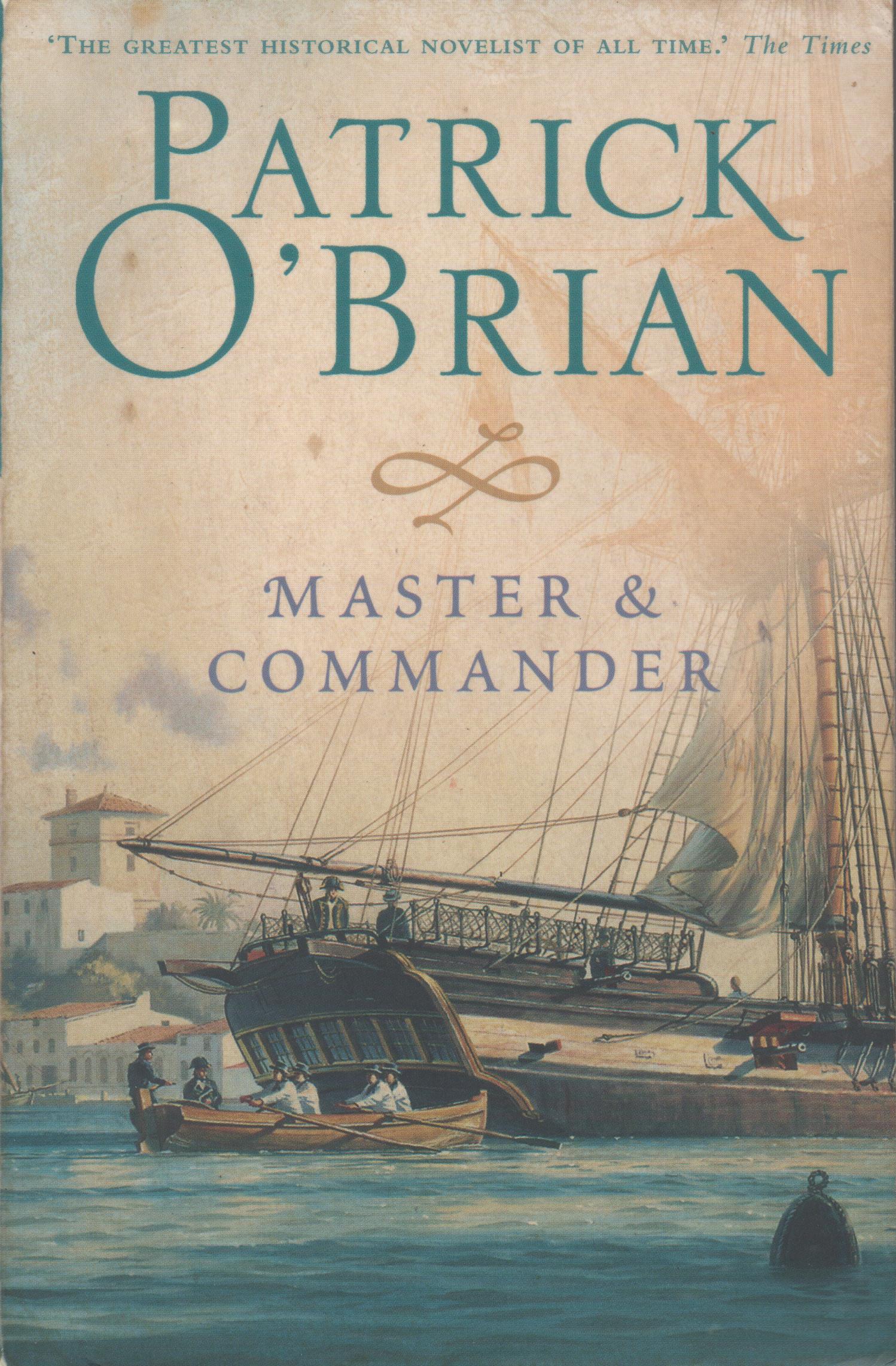
Master & Commander, by Patrick O’Brian: Years ago I watched and enjoyed the Russell Crowe film based on these books, but checked out an audiobook version from the library and greatly enjoyed it. The characters of Jack Aubrey and Stephen Maturin are complex and the depiction of their relationship is superb, and is a helpful corrective for our present time, when masculine affection is so culturally awkward.

As an author, O’Brian excels at subtlety, and the reader (or, in my case, listener) has to pay careful attention lest they miss important details or hilarious observations. I enjoyed Master & Commander enough that I have continued with the series; I read the first book in the series at the end of November, and am currently on the third.


That was my reading in 2025! For comparison’s sake, if you are interested, you can see my reading lists from previous years:

What are some of the best books you read this past year?


[1] He frequently writes in short sentences and one-sentence paragraphs in a way that reminds me of Max Lucado or Rob Bell. No, this is not a compliment.

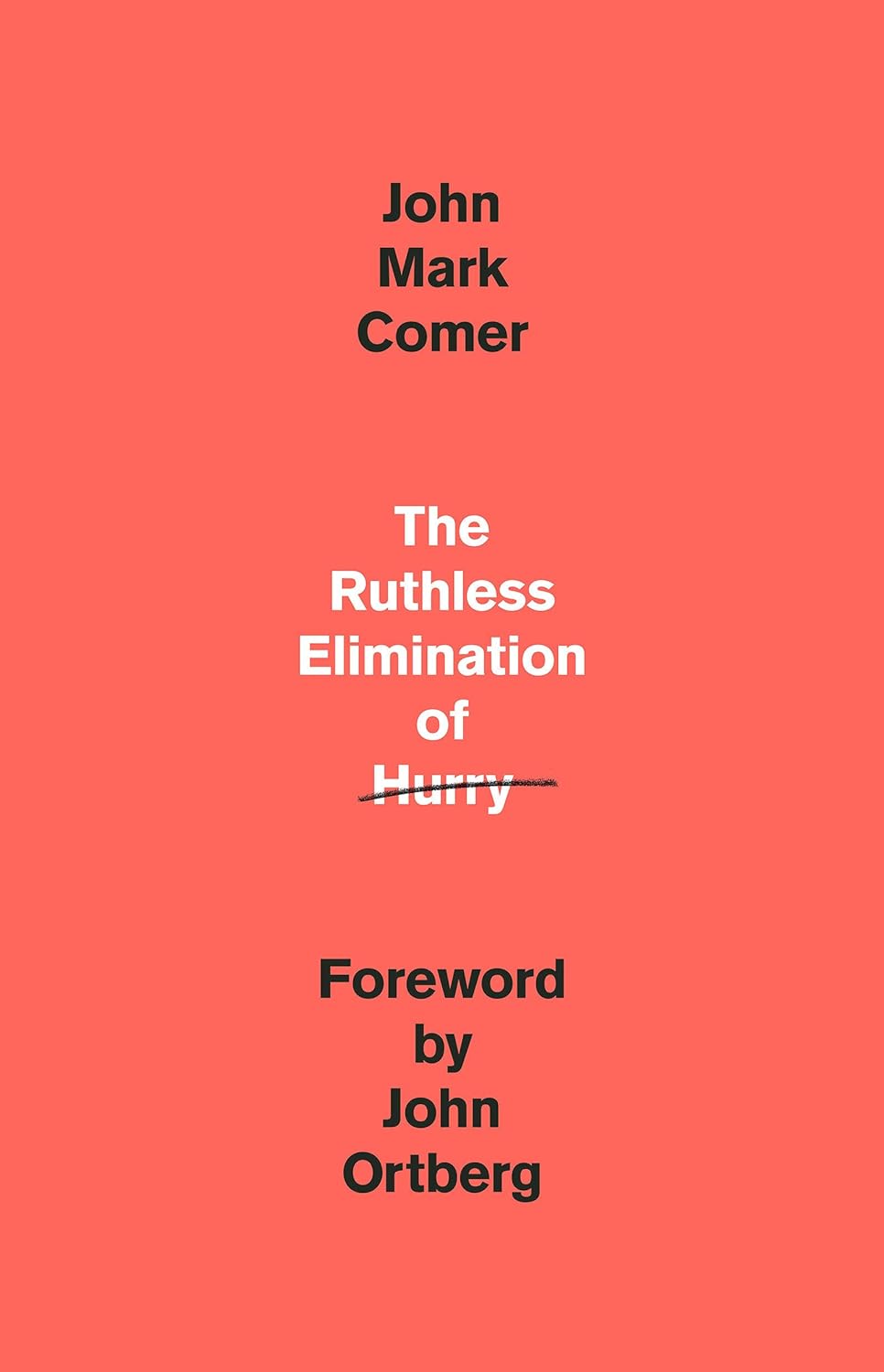
[2] Yes, I do actually judge books by their covers.

[3] Some may want to quibble about the extent of the “post-Christian” nature of our society, especially in some regions of the country, and that is fine. Comer ministered in Portland for 20 years and now lives in L.A., so he is definitely engaging a post-Christian context.

Crusaders, Incomplete Baptisms, and the Parts We Keep from God

There is a legend that before going into battle, Crusaders would be baptized, pledging their lives to Jesus. But, as the legend goes, as they marched through the baptismal waters, they would hold their swords above their heads as they plunged into the water. It’s as if they were keeping that part of themselves from God—their weapon hands needed to be kept free from divine interference so they could do their killing properly.

I’m not sure if the legend is true. It can be easy to pick on those involved in the Crusades, which are often condemned as a sort of Christian holocaust. Actual historical study of the Crusades paint a more nuanced and complex picture, but the fact remains that the Crusades don’t represent a highpoint in Christian history. Furthermore, I’ve read another version of the legend that has Charlemagne doing this with his troops before battle, and he lived a few hundred years before the First Crusade. Perhaps the multiple attestation gives credence to some Christian soldiers doing this at their baptisms at some point in time. It seems quite possible to me, because it is just the sort of thing that people would do.

As John Mark Comer says in reference to this legend in his book, Live No Lies:

Legend or history, the imagery is piercing. We all do this. We might not hold up a sword; for us it could be a debit card, a relationship, a sexual ethic, a wound, an entertainment habit, a political or even a theological position. It could be anything. But how often do we say, if not in a word, then by our actions, Not this Jesus. Not this.[1]

I don’t know how that strikes you, but for me, it was a punch in the gut. It’s easy to look at the story of someone holding a sword hand out of the baptismal waters and see the clear hypocrisy, the deficient discipleship, but what about our own lives? As Comer points out, there are a lot of parts of ourselves that we can be tempted to try to keep from God and hold onto ourselves. That’s the problem, though: Christ must be Lord of all, or He is Lord of nothing. Following Jesus only when it is convenient isn’t really following Him at all.

Christ must be Lord of all, or He is Lord of nothing. Following Jesus only when it is convenient isn’t really following Him at all. Share on X

Lord, let me keep nothing back from You. Help me to give it all.


[1] John Mark Comer, Live No Lies (USA: WaterBrook, 2021), 250. This was one of my Top 10 books from this past year.

Reading in 2024

Reading and making lists are both big parts of my life, and this yearly post involves both of those activities! I will offer some thoughts on my favorite books of the year below, but first, here is the list of books I read in 2024:

  1. The Warden and the Wolf King, by Andrew Peterson
  2. The Freedom of Self-Forgetfulness: The Path to True Christian Joy, by Timothy Keller
  3. Harry Potter and the Chamber of Secrets, by J.K. Rowling
  4. Exiles, by Jane Harper
  5. The Fire Next Time, by James Baldwin
  6. Ephesians: 11 Studies for Individuals and Groups, by N.T. Wright
  7. You Lost Me: Why Young Christians Are Leaving Church…And Rethinking Faith, by David Kinnaman*
  8. Losing Our Religion: An Altar Call for Evangelical America, by Russell Moore
  9. Wingfeather Tales, edited by Andrew Peterson
  10. Miracles, by C.S. Lewis*
  11. All My Knotted-Up Life: A Memoir, by Beth Moore
  12. Orthodoxy, by G.K. Chesteron*
  13. Timothy Keller: His Spiritual and Intellectual Formation, by Collin Hansen
  14. Generous Justice: How God’s Grace Makes Us Just, by Timothy Keller
  15. The $100 Startup: Reinvent the Way You Make a Living, Do What You Love, and Creat a new Future, by Chris Guillebeau
  16. The Weight of Glory, by C.S. Lewis*
  17. A Flicker in the Dark, by Stacy Willingham
  18. Near the Banks of the River: Celebrating Harding School of Theology in Memphis, ed. by Mark E. Powell and Steve Cloer
  19. All the Light We Cannot See, by Anthony Doerr
  20. Gilead, by Marilynne Robinson
  21. All the Dangerous Things, by Stacy Willingham
  22. Berlin Diary: The Journal of a Foreign Correspondent, 1934-1941, by William L. Shirer
  23. How Far to the Promised Land: One Black Family’s Story of Hope and Survival in the American South, by Esau McCaulley
  24. Harry Potter and the Chamber of Secrets, by J.K. Rowling
  25. A Grief Observed, by C.S. Lewis
  26. The Action Bible, by Sergio Cariello
  27. iGen: Why Today’s Super-Connected Kids Are Growing Up Less Rebellious, More Tolerant, Less Happy—and Completely Unprepared for Adulthood—and What That Means for the Rest of Us, by Jean M. Twenge*
  28. The Audacity of Hope: Thoughts on Reclaiming the American Dream, by Barack Obama
  29. When Money Grew on Trees: The True Tale of a Marijuana Moonshiner and the Outlaw Sheriff of Madison County, Arkansas, by David Mac
  30. The Aquariums of Pyongyang: Ten Years in the North Korean Gulag, by Kang Chol-Hwan and Pierre Rigoulot
  31. The Door in the Wall, by Marguerite de Angeli
  32. Praying Circles around Your Children, by Mark Batterson
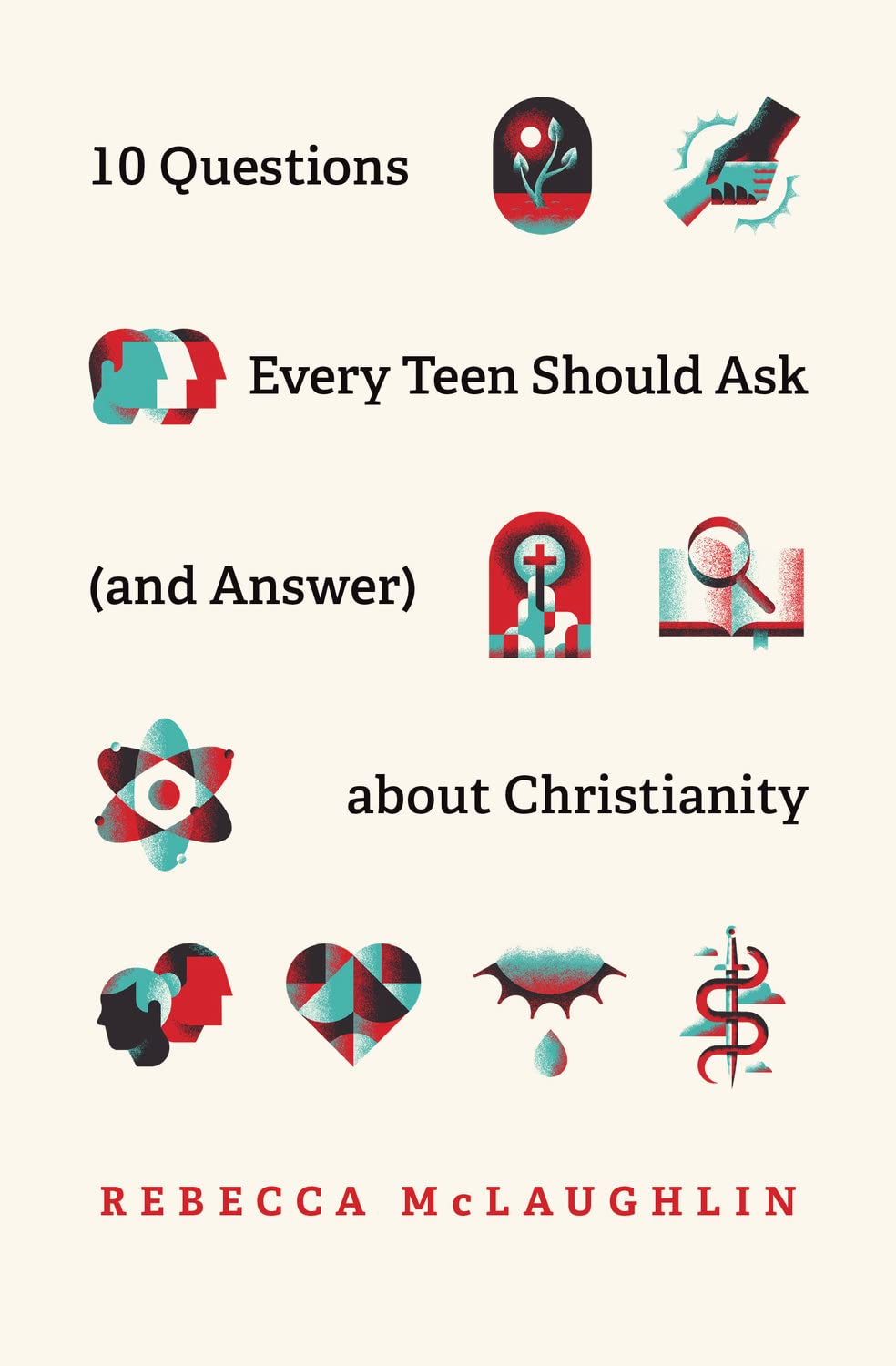
  33. 10 Questions Every Teen Should Ask (and Answer) about Christianity, by Rebecca McLaughlin
  34. Jerusalem: The Biography, by Simon Sebag Montefiore
  35. Where the Red Fern Grows, by Wilson Rawls
  36. The Great Divorce, by C.S. Lewis
  37. Zero Days, by Ruth Ware
  38. The Boxcar Children, by Gertrude Chandler Warner
  39. Basic Christianity, by John R. W. Stott*
  40. The It Girl, by Ruth Ware
  41. Unoffendable: How Just One Change Can Make All of Life Better, by Brant Hansen
  42. Midnight in the Garden of Good and Evil, by John Berendt
  43. Simply Christian: Why Christianity Makes Sense, by N.T. Wright
  44. Walking With Wisdom: A Study of Proverbs, by Lance Hawley
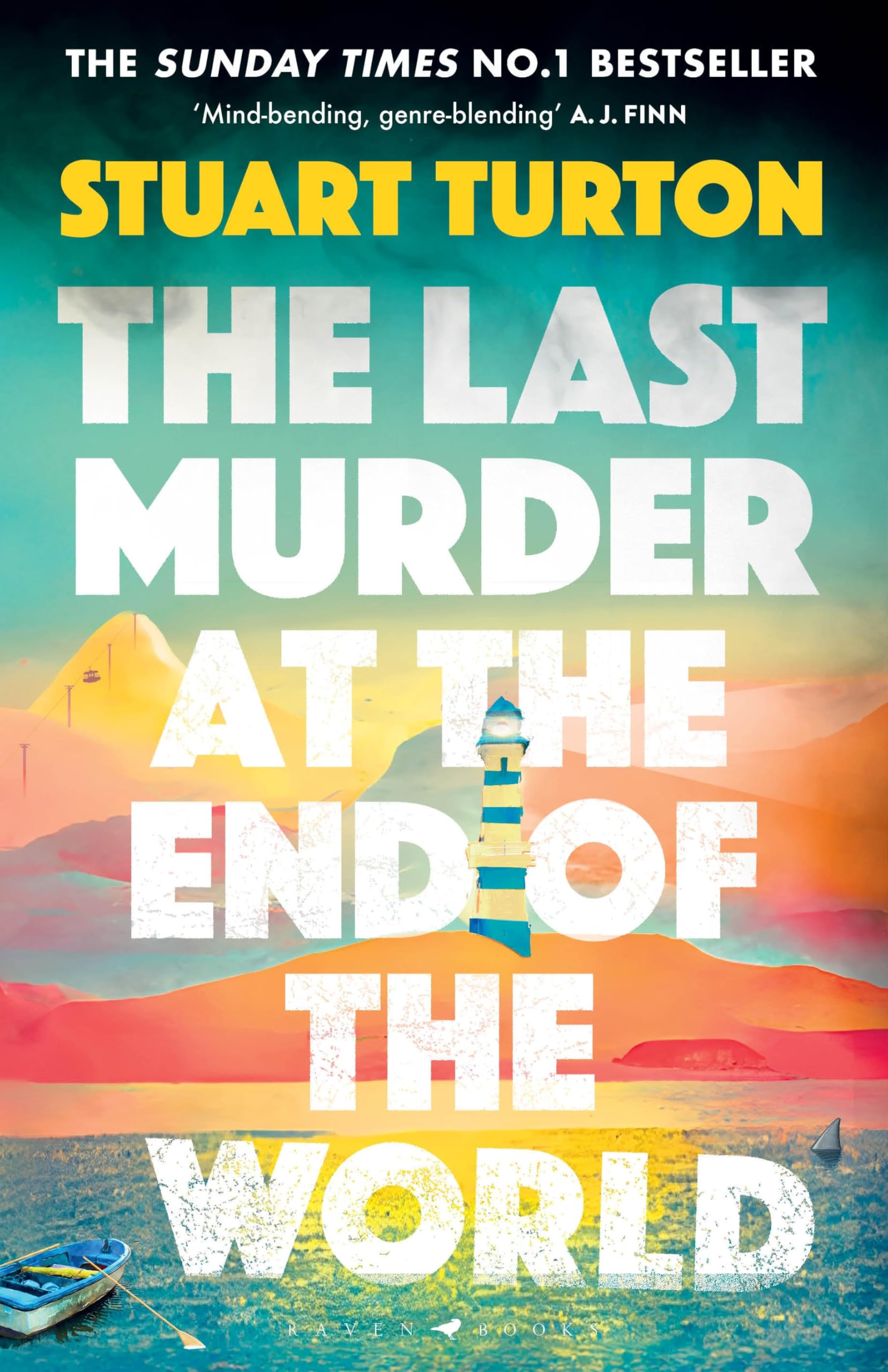
  45. The Last Murder at the End of the World: A Novel, by Stuart Tarton
  46. The Israeli-Palestinian Conflict: What Everyone Needs to Know, by Dov Waxman
  47. Thunderstruck, by Erik Larson
  48. Last Girl Breathing, by Court Stevens
  49. The Hunting Party, by Lucy Foley
  50. Adam of the Road, by Elizabeth Gray
  51. Stony the Road: Reconstruction, White Supremacy, and the Rise of Jim Crow, by Henry Louis Gates, Jr.
  52. Gorky Park, by Martin Cruz Smith
  53. Reflections on the Psalms, by C.S. Lewis*
  54. Burn, by Peter Heller
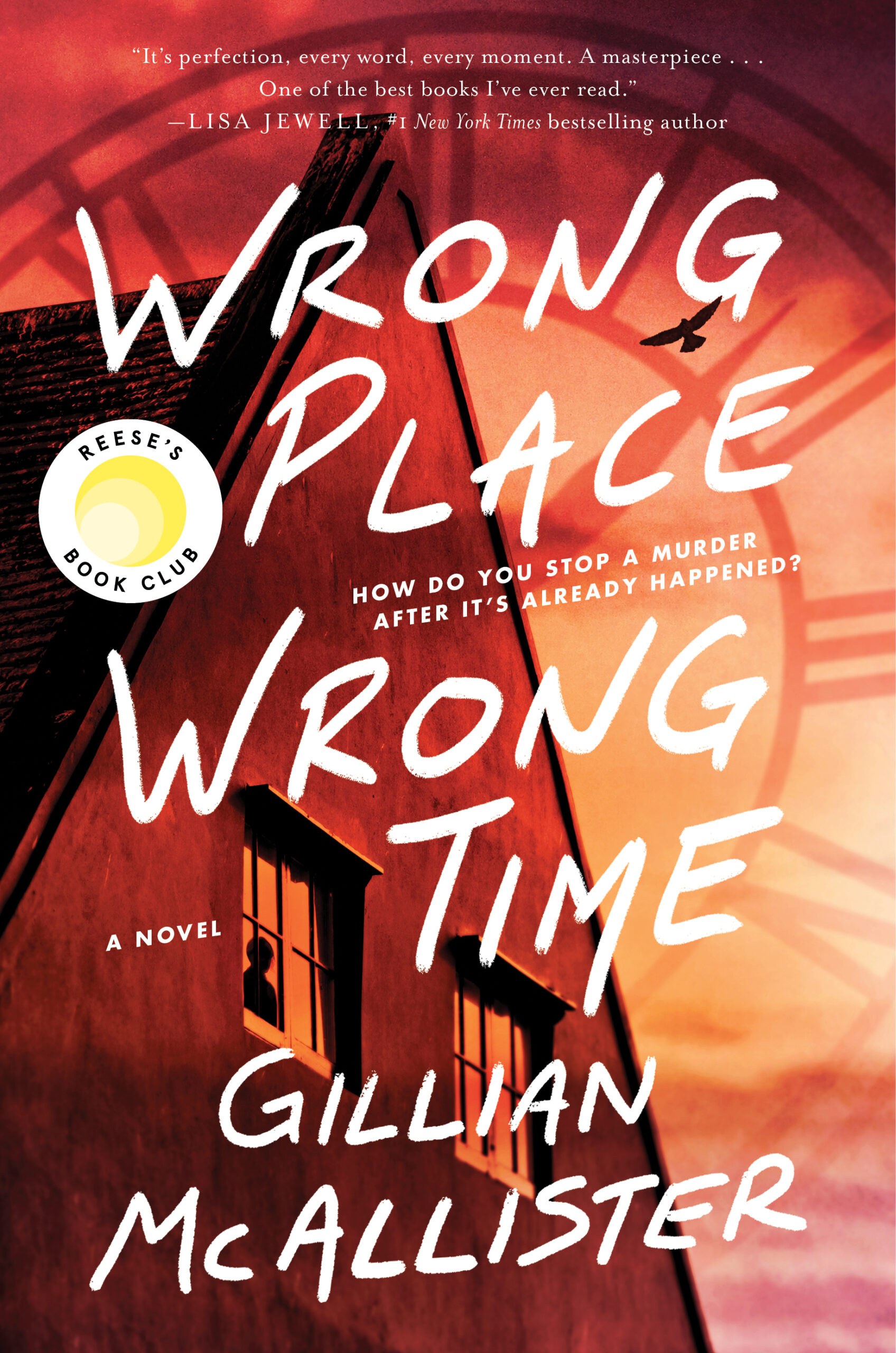
  55. Wrong Place Wrong Time, by Gillian McAllister
  56. “Captives of the Word”: The Restoration Movement in Northwest Arkansas, by Bobby Dockery
  57. American Dirt, by Jeanine Cummings
  58. The Last One at the Wedding, by Jason Rekulak
  59. My Name Was Eden, by Eleanor Barker-White
  60. The Nones: Where They Came From, Who They Are, and Where They Are Going, by Ryan P. Burge
  61. Live No Lies: Recognize and Resist the Three Enemies That Sabotage Your Peace, by John Mark Comer*
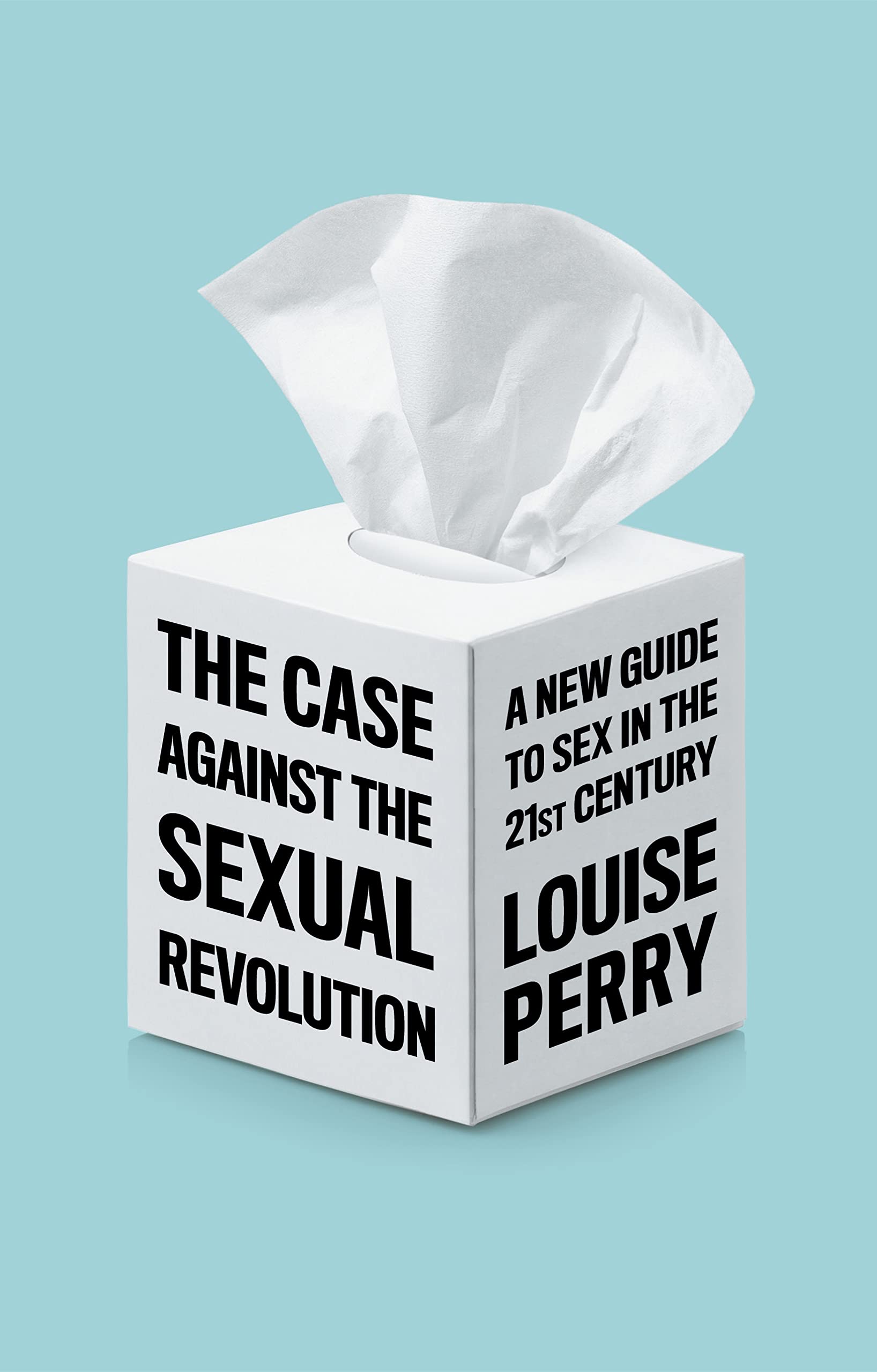
  62. The Case against the Sexual Revolution, by Louise Perry
  63. Ilium, by Lea Carpenter
  64. Light From Above: The Life of Alexander Campbell, by Bill J. Humble*
  65. The Hobbit, by J.R.R. Tolkien
  66. New International Version Bible
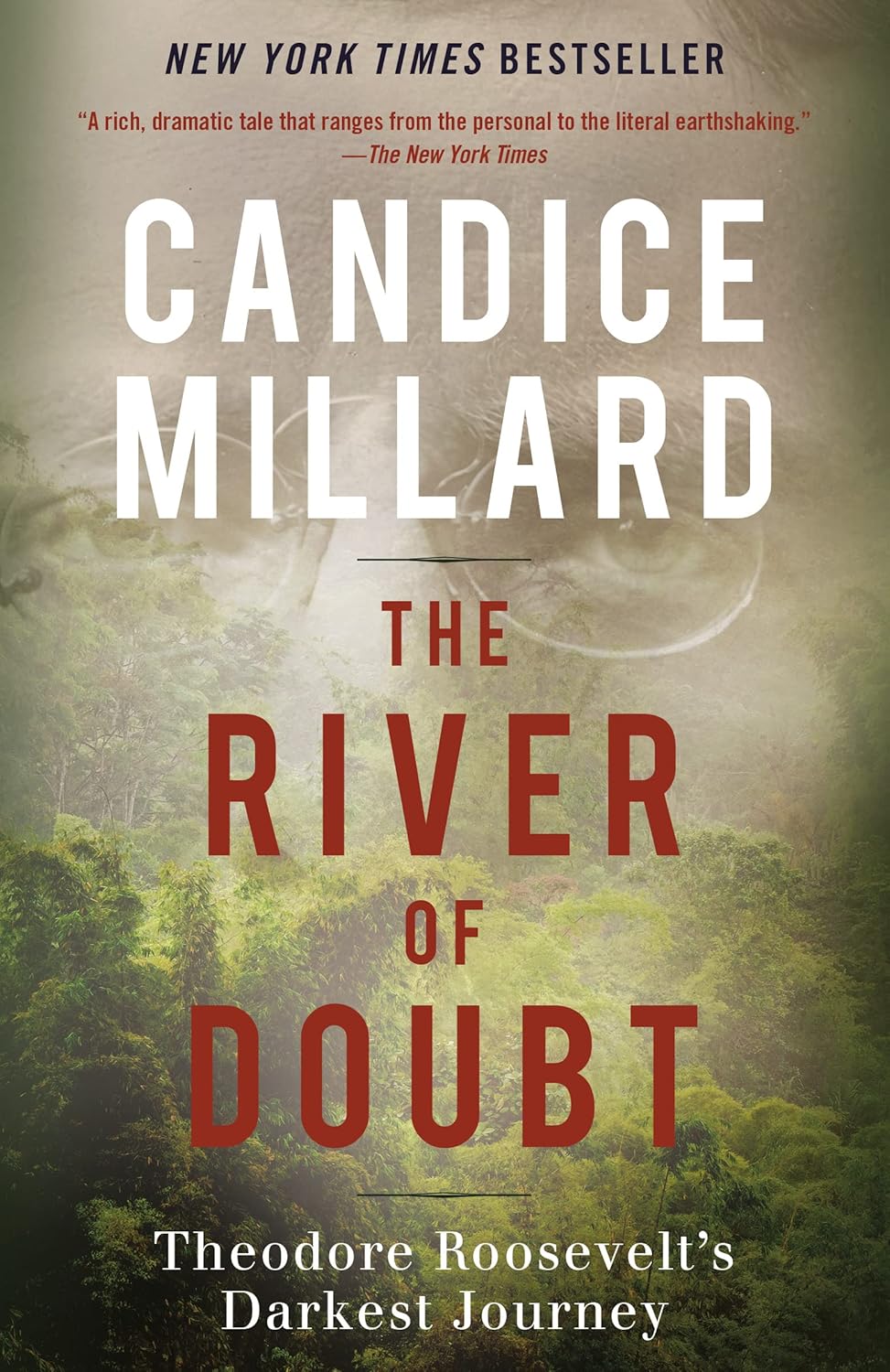
  67. The River of Doubt: Theodore Roosevelt’s Darkest Journey, by Candice Millard
  68. Abner Jones: A Collection, by Bradley S. Cobb*
  69. The Tower Treasure, by Franklin W. Dixon
  70. One Perfect Couple, by Ruth Ware

A few observations before I talk about my favorite books of the year:

  • My reading total increased from 68 books in 2023 to 70 in 2024. This is the most books I have read in a year since I started counting.
  • On the whole, I felt mildly disappointed with my reading this year. There were a lot of books that I enjoyed, but I’m not sure there were any new reads that I found to be particularly profound.
  • I have a long “Books to Read” list of books that I already own. I tried to intentionally read books from this list in 2024, and while I would have liked to have read more, I did finish ten books from that list this year (marked with an * above). I hope to read more from this list in 2025.
  • Unintentionally, I did quite a bit of reading that would qualify as memoir or biography (5, 8, 11, 13, 23, 28, 29, 30, 64, 68).
  • I read about 15 books this year from the mystery/thriller genre: too many from a “guilty pleasure” category.
  • Book #69, The Tower Treasure, was especially fun. I started reading Hardy Boys Mysteries when I was in second grade, and I have been trying to get my own second grader to read them for a while. He was determined that he had no interest in doing so, so I read this one with him and he absolutely loved it!

Here are my Top 10 books for the year with some brief thoughts on each (presented in order of when I read them, not ranked 1-10):

The Weight of Glory, by C.S. Lewis: This is a collection of sermons and speeches by Lewis and, as such, is a little more uneven than some of his best unified works (Mere Christianity, The Great Divorce, The Screwtape Letters). But it is still excellent. Rather than summarize such a varied volume, I thought I’d share a few quotations instead:

“To please God…to be a real ingredient in the divine happiness…to be loved by God, not merely pitied, but delighted in as an artist delights in his work or a father in a son—it seems impossible, a weight or burden of glory which our thoughts can hardly sustain. But so it is.” (39)

“The only people who achieve much are those who want knowledge so badly that they seek it while the conditions are still unfavorable. Favorable conditions never come.” (60)

“It is our daily bread that we are encouraged to ask for. The present is the only time in which any duty can be done or any grace received.” (61)

“What God does for us, He does in us. The process of doing it will appear to me (and not falsely) to be the daily or hourly repeated exercises of my own will in renouncing this attitude, especially each morning, for it grows all over me like a new shell each night. Failures will be forgiven; it is acquiescence that is fatal, the permitted, regularized presence of an area in ourselves which we still claim for our own. We may never, this side of death, drive the invader out of our territory, but we must be in the Resistance, not in the Vichy government.” (192)

All the Light We Cannot See, by Anthony Doerr: I read this book back in 2017 and I liked it, but I didn’t love the ending and overall, I found it a little disappointing (it had won the Pulitzer Prize after all). Then it came out as a series on Netflix which I watched and enjoyed, and it made me want to go back and read the book again. This time I loved it. The novel is set in World War II, and follows the story of Marie-Laure, a blind French girl trying to survive German occupation in the town of Saint-Melo while working with the Resistance and trying to keep a priceless diamond hidden from a Nazi gemologist. The description of the narrow, multi-storied house is so detailed that you can picture yourself there, and the characterization of Marie-Laure is exquisite. My reading of this and its narration of the fall of France was heightened by reading about similar events in Berlin Diary at the same time (see below), and all in all, I found it to be a poignant story of love, loss, bravery, and sacrifice in difficult circumstances.

Gilead, by Marilynne Robinson: This novel won a Pulitzer Prize a couple of decades ago, but I only became aware of it quite recently. Gilead tells the story of John Ames, an aging Congregationalist pastor who is slowly dying of a heart condition. Realizing he doesn’t have much time left, Ames has a keen appreciation for the value of life and wants to share his memories and experiences of his father and grandfather with his seven-year-old son before he dies. It is a story of faith and doubt, love and loss, transgression and forgiveness, and a good man who feels wholly ill-equipped to carry out his important vocation (as a Pulitzer Prize-winning novel, obviously Gilead resonated with a lot of people, but I suspect it has a special poignancy for those engaged in congregational ministry).

Berlin Diary: The Journal of a Foreign Correspondent, 1934-1941, by William L. Shirer: I randomly found this on a shelf at home and because I enjoy learning about World War II, decided to check it out. It is a fascinating account of the diary of Shirer, an American journalist who chronicles the rise of Hitler and the Nazis from within Germany. This was a fascinating read to me, as Shirer begins with almost a sense of admiration for Hitler and the way he rapidly consolidates power and changes national sentiment within Germany, but then becomes increasingly horrified as he witnesses what transpires. For me, as someone reading decades after the fact, I felt a growing sense of foreboding as the diary approached key events in the WWII timeline, and also the palpable shock felt by Shirer as Hitler unbelievably removes one nation after another from the map of Europe.

The Last Murder at the End of the World, by Stuart Turton: I hadn’t heard anything about this book and just found it randomly on my audiobook library app. This is a book that kind of defies and overlaps several different genres: dystopian, science fiction, murder mystery. I found it fascinating with several unexpected twists and turns, a satisfying ending, and a helpful, honest look at the seemingly inescapable dark side of humanity.

The Israeli-Palestinian Conflict: What Everyone Needs to Know, by Don Waxman: The Israeli-Palestinian Conflict flared up yet again in late 2023 and I was struck by the sharp rhetoric of terrorism on one side and genocide on the other, and the way that, in the US, these differing perspectives seemed to fall so closely along political lines (as everything does). Discontent with my understanding of the conflict, I wanted to learn more about it, so I read Simon Sebag Montefiore’s Jerusalem: A Biography (#34 above) and this one. Jerusalem was good, but this book was far shorter, and more useful for what I was looking for. Waxman also takes pains in trying to be as fair and objective as possible. In short, the Israeli-Palestinian Conflict is a mess, with decades of bad blood and hurt feelings caused by both sides. It seems like an intractable problem until both Israel and Palestine find themselves with leaders willing to seek peace and make concessions at great personal risk while simultaneously having a US leader who is determined to support a peace process without favoring either side.

Wrong Place Wrong Time, by Gillian McAllister: Over the last few years I started reading more thriller/mystery books, generally as something entertaining to listen to while I drive or work out. Usually these aren’t particularly well written, and tend to fall into predictable patterns. Wrong Place Wrong Time was different, however, largely because of its very different premise: a woman watches her teenage son murder someone who is a complete stranger to her. After a long night at the police station, the mother falls asleep in despair, only to wake up the previous day, before the murder has occurred. So begins her travel backwards through time, as she seeks to unravel the chain of events leading up to the murder, and do what she can to prevent it from happening and saving her son’s life.

Live No Lies: Recognize and Resist the Three Enemies That Sabotage Your Peace, by John Mark Comer: Comer’s The Ruthless Elimination of Hurry made my Top 10 list last year, and while I didn’t enjoy Live No Lies quite as much, it was still really good. Basically, Live No Lies is a book on spiritual warfare, and follows a simple premise. Followers of Jesus are at war with the world, the flesh, and the devil and the way that plays out is that the devil, the father of lies, suggests deceptive ideas that play to our disordered desires (the flesh) that are then normalized in a sinful society (the world). The devil is real, Comer insists, not some sort of fictional boogeyman, but the prince of this world who wants to spread death, and his means for doing this is through lies and deception. These are not just lies that we tell, but lies that we live; they are part of the cultural air we breathe, often accepted without critical reflection: be true to yourself, give in to your desires, freedom means doing whatever we want. And the net result is that good and evil are constantly redefined and all sorts of evil, aberrant behaviors are normalized and even made into virtues (e.g., recasting abortion as “reproductive justice”).

What is the Christian response to these spiritual enemies? How do we engage in this spiritual struggle? With the call to discipleship: deny yourself and follow Jesus. We crucify the desires of our flesh (spiritual disciplines are a key part of this) and tap into our deeper desires for God Himself.

I find Comer to be particularly helpful not because he says new, brilliant things, but because he says very ancient, orthodox things in ways that connect with the current context.

The Case against the Sexual Revolution, by Louise Perry: I read this as part of a book club, and while it was not actually an enjoyable read (I often felt I needed to take a shower after reading a chapter), it is an important book. Perry writes from a secular, liberal perspective, but basically makes the argument that the sexual revolution has been harmful to women. The book might be summarized as follows: both Marilyn Monroe and Hugh Hefner were products of the sexual revolution, but only one of them enjoyed it.

As a Christian, I believe that Perry’s analysis ultimately falls short because she is missing a key part of the equation, but she raises a host of important questions that our sexually “liberated” society doesn’t have answers for.

The River of Doubt: Theodore Roosevelt’s Darkest Journey, by Candice Millard: I read this book over a decade ago and loved it, and enjoyed it equally the second time (I only allow books to make my Top 10 list once, but I wasn’t making these lists when I read The River of Doubt the first time, so it was still eligible). The book begins by focusing on Theodore Roosevelt and the aftermath of the 1912 Presidential Election. Throughout his life, TR responded to personal setbacks by launching himself into challenging physical tasks, and after he was devastated by how badly he lost the 1912 election, he traveled to South America to explore a previously unmapped tributary of the Amazon—Rio da Dúvida, or the River of Doubt. It was a harrowing journey of hundreds of miles with risks of starvation, drowning, disease, and dangerous indigenous animals and tribes, and Roosevelt barely made it out with his life. The narrative is exquisitely recounted, and the character of Roosevelt is larger than life. A great, true-life adventure tale.


That was my reading in 2024! For comparison’s sake, if you are interested, you can see my reading lists from previous years:

What are some of the best books you read this past year?

Reading in 2023

I enjoy reading and also making lists, so this is always one of my favorite yearly posts because it involves both of those things. I will offer some thoughts on my favorite books of the year below, but first, here is the list of books I read in 2023:

  1. All Things Wise and Wonderful, by James Herriot
  2. I Must Betray You, by Ruth Sepetys
  3. Don’t Know Tough, by Eli Cranor
  4. Erasing Hell: What God Said about Eternity, and the Things We’ve Made Up, by Francis Chan and Preston Sprinkle
  5. Anxious for Nothing: Finding Calm in a Chaotic World, by Max Lucado
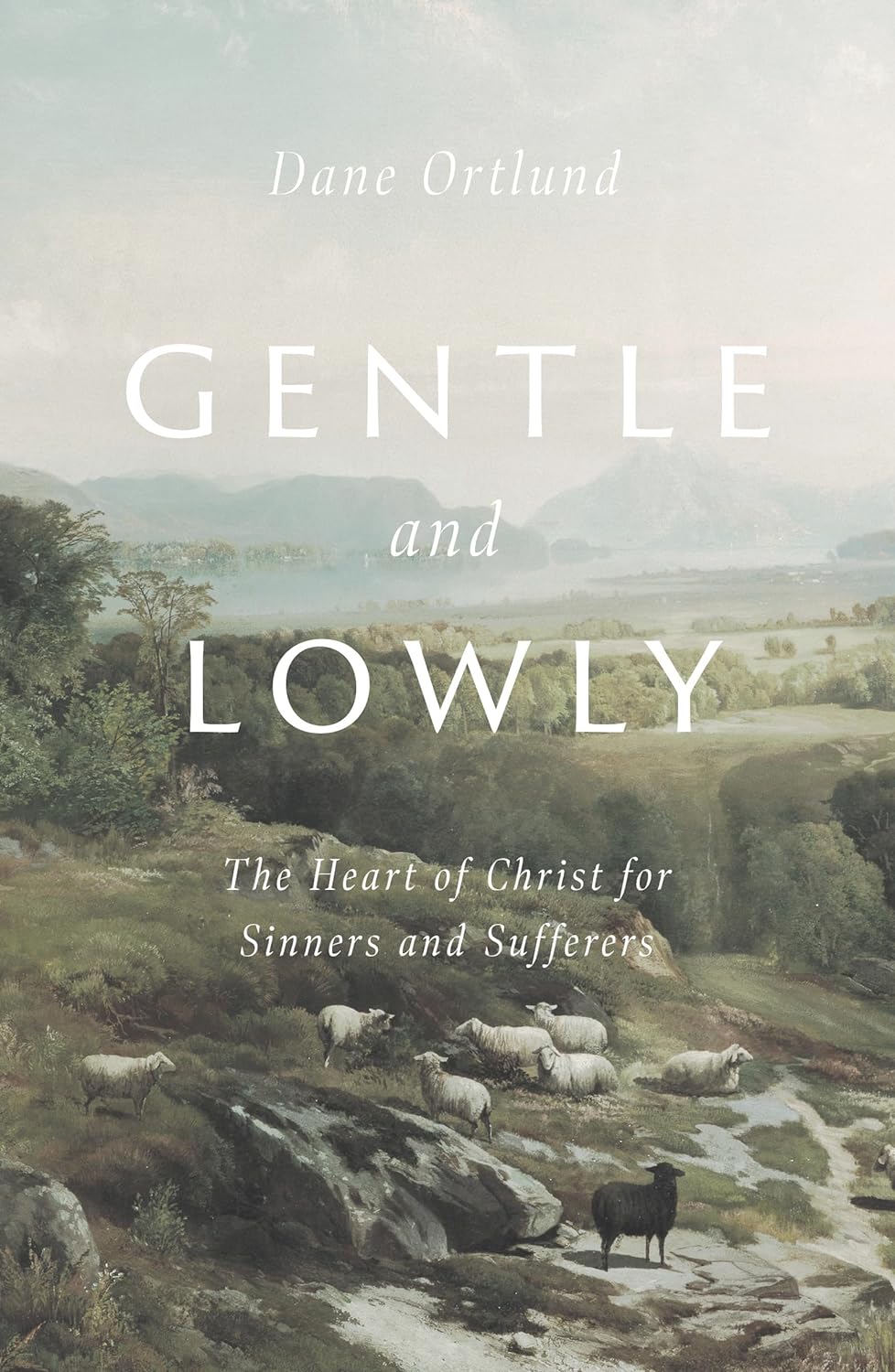
  6. Gentle and Lowly: The Heart of Christ for Sinners and Sufferers, by Dane Ortlund
  7. The Deeply Formed Life: Five Transformative Values to Root Us in the Way of Jesus, by Rich Villodas
  8. A Long Obedience in the Same Direction: Discipleship in an Instant Society, by Eugene Peterson
  9. What Happened to the Bennetts, by Lisa Scottoline
  10. The Woman in the Window, by A.J. Finn
  11. Where Men Win Glory: The Odyssey of Pat Tillman, by Jon Krakauer
  12. The Family Remains, by Lisa Jewell
  13. My Name is Lucy Barton, by Elizabeth Strout
  14. Lucy by the Sea, by Elizabeth Strout
  15. Oh William!, by Elizabeth Strout
  16. Anything is Possible, by Elizabeth Strout
  17. The Paris Apartment, by Lucy Foley
  18. The Ruthless Elimination of Hurry: How to Stay Emotionally Healthy and Spiritually Alive in the Chaos of the Modern World, by John Mark Comer
  19. A Tale of Two Cities, by Charles Dickens
  20. Counter Culture: A Study of the Sermon on the Mount, by Luke Dockery
  21. The Baseball 100, by Joe Posnanski
  22. The Revolutionary: Samuel Adams, by Stacy Schiff
  23. At the Blue Hole: Elegy for a Church on the Edge, by Jack Reese
  24. Mama Bear Apologetics: Empowering Your Kids to Challenge Cultural Lies, edited by Hillary Morgan Ferrer
  25. Under an Outlaw Moon: A Novel, by Dietrich Kalteis
  26. Harry Potter and the Sorcerer’s Stone, by J.K. Rowling
  27. The Guest List, by Lucy Foley
  28. Around the Bible in 80 Days: The Story of God from Creation to New Creation, by John Mark Hicks
  29. The Alice Network, by Kate Quinn
  30. War: A Handbook for Spiritual Warfare, by Robb Hadley
  31. The Reason for God: Belief in an Age of Skepticism, by Timothy Keller
  32. White Too Long: The Legacy of White Supremacy in American Christianity, by Robert P. Jones
  33. The Lord God Made Them All, by James Herriot
  34. Surprised by Joy, by C.S. Lewis
  35. Harry Potter and the Sorcerer’s Stone, by J.K. Rowling
  36. Hebrews: Grace and Gratitude, by David deSilva
  37. Waco: David Koresh, the Branch Davidians, and a Legacy of Rage, by Jeff Guinn
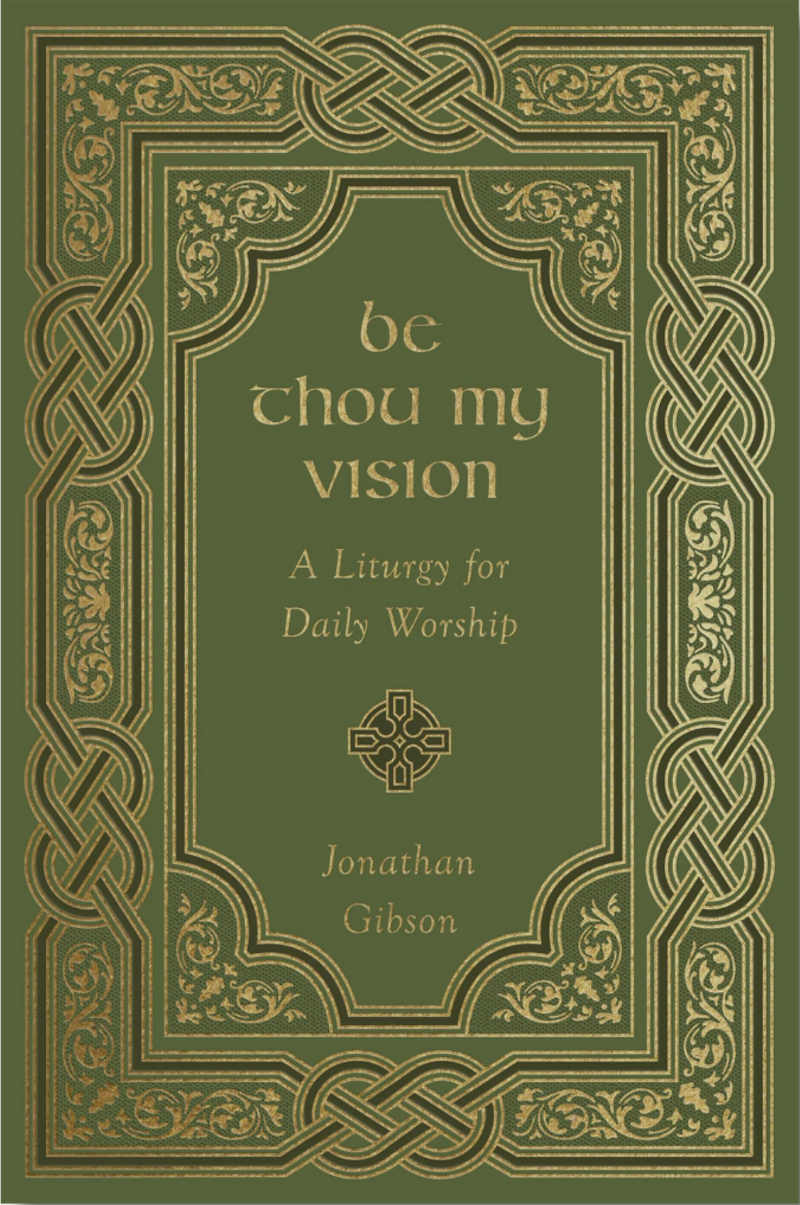
  38. Be Thou My Vision: A Liturgy for Daily Worship, by Jonathan Gibson
  39. 10 Questions Every Teen Should Ask (And Answer) about Christianity, by Rebecca McLaughlin
  40. Caste: The Origins of Our Discontents, by Isabel Wilkerson
  41. Everything I Never Told You, by Celeste Ng
  42. The Woman in Cabin 10, by Ruth Ware
  43. How (Not) To Be Secular: Reading Charles Taylor, by James K.A. Smith
  44. The Butchering Art: Joseph Lister’s Quest to Transform the Grisly World of Victorian Medicine, by Lindsey Fitzharris
  45. Seeking Allah, Finding Jesus: A Devout Muslim Encounters Christianity, by Nabeel Qureshi
  46. The Sound and the Fury, by William Faulkner
  47. Autopsy of a Deceased Church: 12 Ways to Keep Yours Alive, by Thom S. Rainer
  48. The Four Loves, by C.S. Lewis
  49. A Farewell to Mars: An Evangelical Pastor’s Journey Toward the Biblical Gospel of Peace, by Brian Zahnd
  50. Transforming Encounters: Baptism, Assembly, and the Lord’s Supper, by John Mark Hicks
  51. Why Are We Here? Ecclesiastes for Teens, by Luke Dockery
  52. Under the Banner of Heaven: A Story of Violent Faith, by Jon Krakauer
  53. Inspired: Slaying Giants, Walking on Water, and Loving the Bible Again, by Rachel Held Evans
  54. Forming Resilient Children: The Role of Spiritual Formation for Healthy Development, by Holly Catterton Allen
  55. Ozark Dogs, by Eli Cranor
  56. Learning to Walk in the Dark, by Barbara Brown Taylor
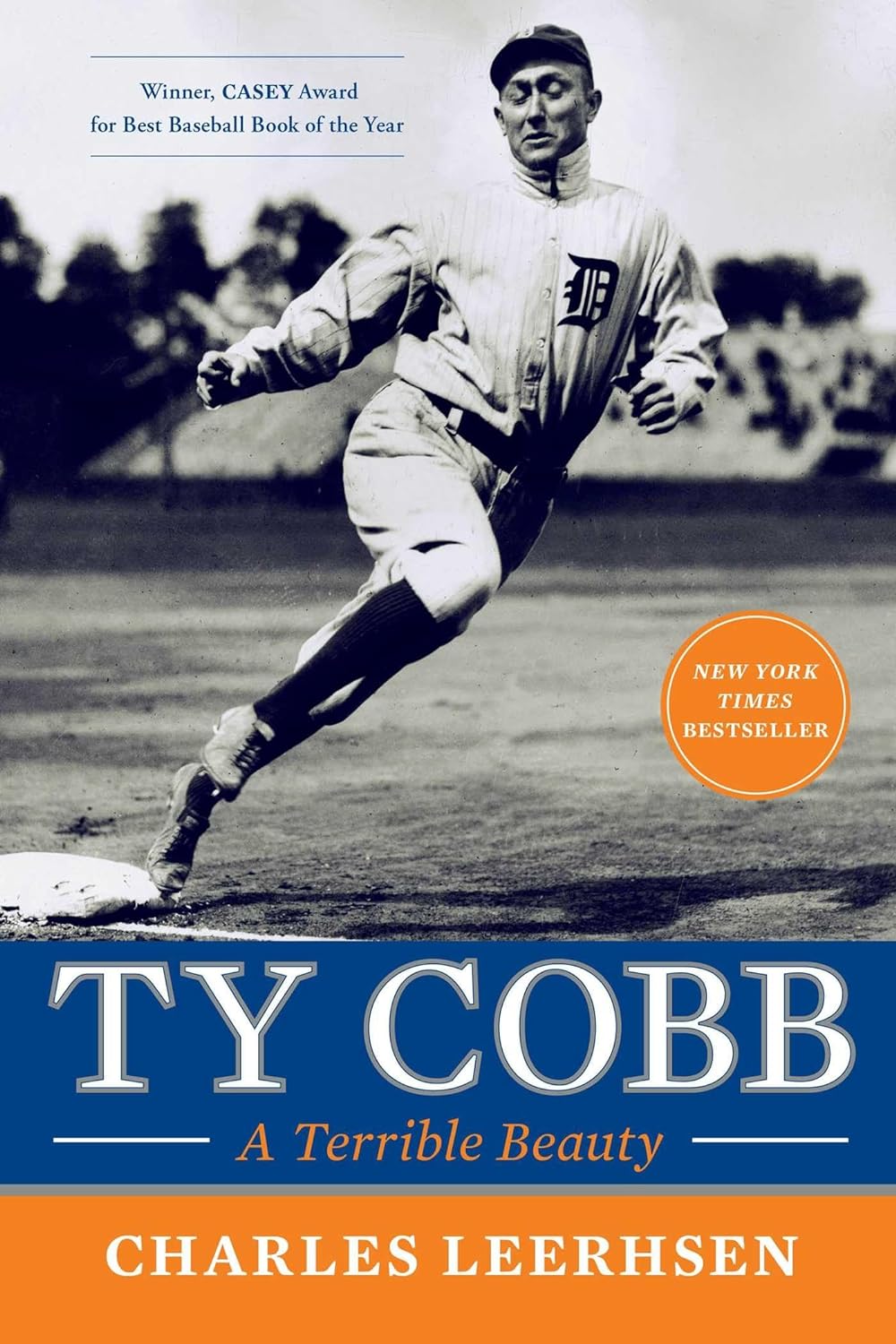
  57. Ty Cobb: A Terrible Beauty, by Charles Leerhsen
  58. The Road Back to You: An Enneagram Journey to Self-Discovery, by Ian Morgan Cron and Suzanne Stabile
  59. The Ruin of All Witches: Life and Death in the New World, by Malcolm Gaskill
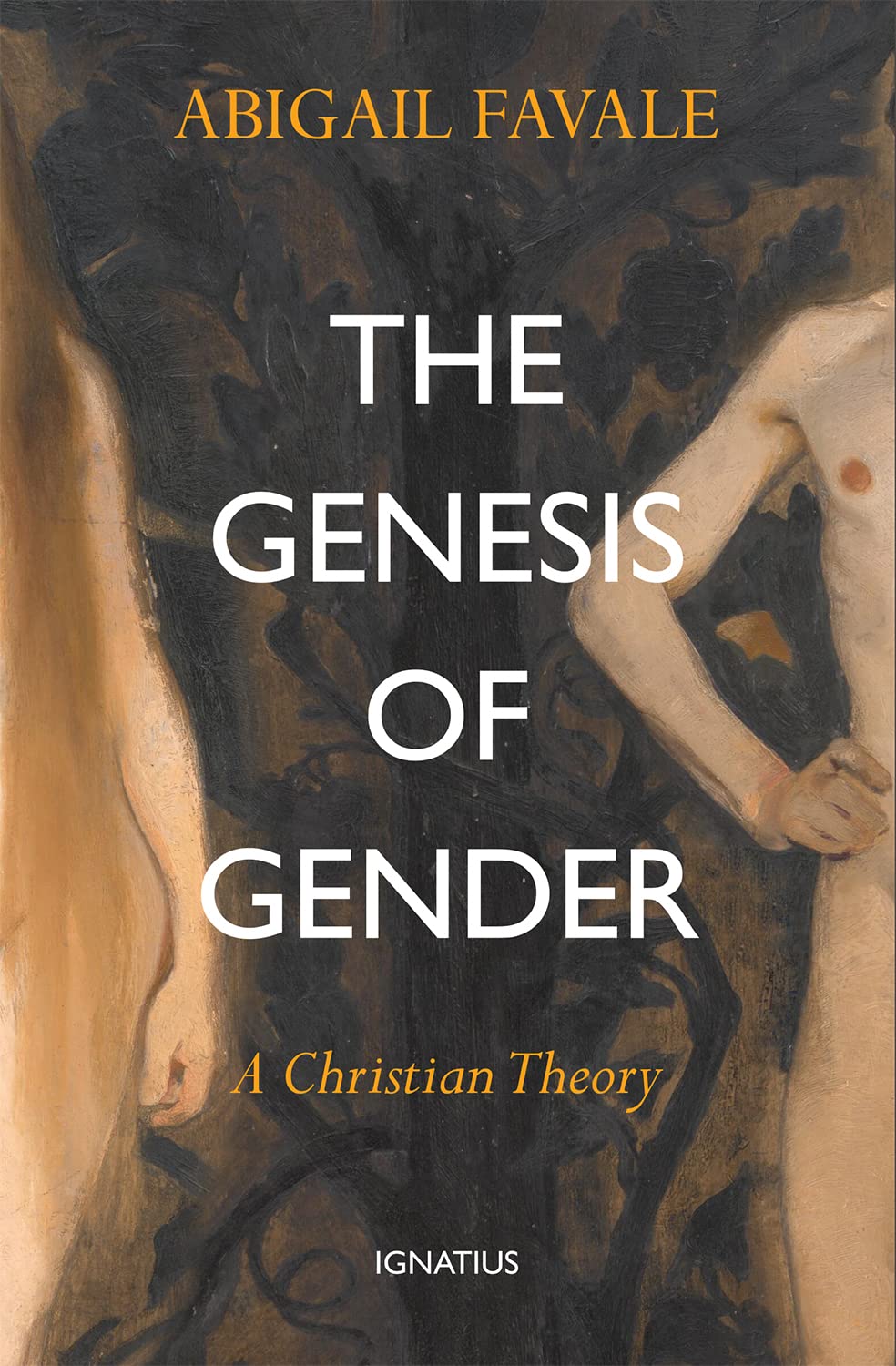
  60. The Genesis of Gender: A Christian Theory, by Abigail Favale
  61. On the Edge of the Dark Sea of Darkness, by Andrew Peterson
  62. The Prestige, by Christopher Priest
  63. Force of Nature, by Jane Harper
  64. North! Or Be Eaten, by Andrew Peterson
  65. The Monster in the Hollows, by Andrew Peterson
  66. Baptism: Uniting Kids to Jesus, by Kathy R. Craig
  67. Kingdom Parables: A Study of the Stories of Jesus, by Jeremy Myers and Luke Dockery
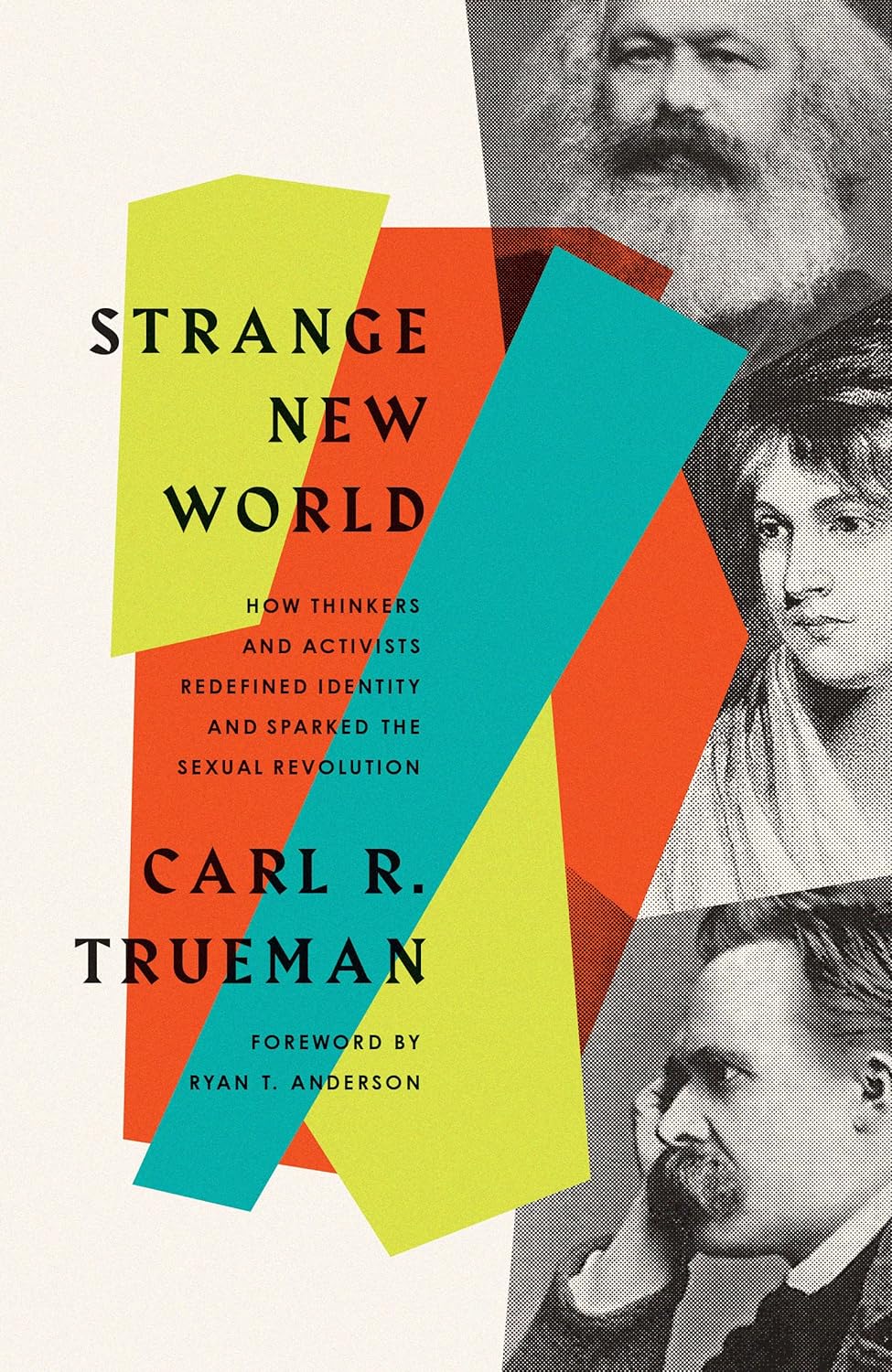
  68. Strange New World: How Thinkers and Activists Redefined Identity and Sparked the Sexual Revolution, by Carl R. Trueman

A few observations before I talk about my favorite books of the year:

  • My reading total increased from 63 books in 2022 to 68 in 2023. This is the most books I have read in a year since I started counting. I don’t have a clear explanation for why my reading numbers increased this year.
  • I read some really good books in 2023, but I wish I had read more books on biblical studies and theology that I really enjoyed.
  • I didn’t intentionally plan this, but I did quite a bit of reading that either focused on apologetics or trying to understand our current, increasingly-secular context (24, 31, 32, 39, 40, 43, 45, 60, 68). This was really good for me, as I think it has given me a better sense of “how we got here” and how to respond from a Christian perspective.
  • My “Books to Read” list (of books that I already own) remains incredibly long. I read a few books from this list this past year (while adding other books to it), and I plan to continue to prioritize this for my reading in 2024 (though I always come across new books that I want to read, and I’m sure that will continue to happen).

Here are my Top 10 books for the year with some brief thoughts on each (presented in order of when I read them, not ranked 1-10):

Gentle and Lowly: The Heart of Christ for Sinners and Sufferers, by Dane Ortlund: This book derives its title from Matthew 11, where Jesus describes Himself as “gentle and lowly in heart,” and a source of rest for His people. And yet, Christians—all too aware of our sins and shortcomings—can easily feel that God is constantly disappointed in us and perhaps fed up with us. This book is a needed reminder and comfort that God deeply loves us. Although there are aspects of reformed theology in this book that I disagreed with, the overall message is outstanding, and if you are someone who feels that your performance of the life of faith falls short of the standards of God’s love, this is a great and encouraging read.

The Ruthless Elimination of Hurry: How to Stay Emotionally Healthy and Spiritually Alive in the Chaos of the Modern World, by John Mark Comer: This was a wonderful book, and one that I really needed to read. To be honest, it’s a book that I suspect I need to reread regularly before I can fully internalize the message. In short, Comer points out that we are so busy that we live hurried and harried lives, and these characteristics are barriers to following Jesus because, well, Jesus’s life didn’t look like this. In Comer’s words, “If you want to experience the life of Jesus, you have to adopt the lifestyle of Jesus.”

I don’t know if you can identify with this, but when people ask me how I am doing or how I have been, my consistent instinctive response is something like, “Good, but really busy.” There is too much hurry in my life, and it is a problem that requires ruthless elimination. If you have similar struggles, this is a great (and easy) read.

A Tale of Two Cities, by Charles Dickens: I try to read a variety of books, and I want to be more intentional about reading some classics. I am somewhat embarrassed to admit that, outside of children’s versions, the only Dickens I had read was A Christmas Carol, so I wanted to remedy that. Dickens can be frustratingly wordy at times, but he’s also hilarious. A Tale of Two Cities was a great book, and provides keen insight into the human condition. On the negative side, revenge is a destructive, vicious force, and it is so easy for those who have been oppressed to act like their oppressors when given the opportunity. On the positive side, love is a powerful force for good, and can drive the reformation of human character and lead to great personal sacrifice.

The Baseball 100, by Joe Posnanski: Posnanski is, perhaps, my favorite baseball writer, because he knows his stuff and shares it thoughtfully and poetically. This book is basically a series of essays on the 100 greatest baseball players of all time. You’ll disagree with some of his choices and rankings (I certainly did), but they essays are always interesting, and some of them are brilliant. In addition to emphasizing these players’ greatness, Posnanski also has a way of highlighting their humanity. I learned a lot that I didn’t know before, and was repeatedly struck by this poignant work. It is simply one of the best baseball books I have ever read.

The Reason for God: Belief in an Age of Skepticism, by Tim Keller: I haven’t written much about Tim Keller on The Doc File, which is too bad, because he has become a significant influence for me in recent years. I was profoundly saddened when he passed away in May, and felt like a giant of faith had left us. I read The Reason for God soon after his death, and was struck (as always) by Keller’s thoughtfulness, clarity, and grace.

Interestingly, I had read The Reason for God about 15 years ago when I was a very young minister, and from what I can remember, I wasn’t all that impressed. I was this time around. Keller’s words hadn’t changed in the last 15 years, but I have to a significant degree, and so has the world in which I live. Over the last 15 years, the skeptical, secular culture that Keller was addressing in Manhattan has permeated the Bible Belt in which I live, and his measured, reasoned approach is invaluable. Furthermore, in a context where so many Christian voices have been compromised by personal scandals, political partisanship, or jerkish behavior, Keller courageously engaged culture with grace and truth. His theology differs from mine, but his posture has been deeply influential, and there is a reason why The Reason for God is his best-known work.

Be Thou My Vision: A Liturgy for Daily Worship, by Jonathan Gibson: I stumbled upon this book with an ad on my Facebook feed, and it might be the first and only time that the Facebook algorithm got it right! The book itself is beautiful (a cloth hardcover with high-quality paper, excellent typesetting, multiple marker ribbons, all in a cardboard slipcase), and remarkably useful. In short, Be Thou My Vision is a daily guide for personal or family worship/devotional time. Each day is a combination of several elements including prayers, songs, Bible reading, recitation of ancient creeds, catechism, and the Lord’s Prayer. The catechetical portions come from the Heidelberg Catechism (1563) and Westminster Shorter Catechism (1657) and there were some bones to spit out there (again—I’m not Reformed), but these sections were still interesting to me. Big picture: this is the best, deepest daily devotional book I have ever read. I will definitely be returning to it.

10 Questions Every Teen Should Ask (and Answer) about Christianity, by Rebecca McLaughlin: McLaughlin first came on my radar when I heard good reviews of her book, Confronting Christianity: 12 Hard Questions for the World’s Largest Religion. I had not read that book, but when I realized that she had essentially written a version for teens, I was especially interested and wanted to check it out. In short, I was really impressed. McLaughlin tackles all sorts of tough and relevant subjects for students growing up in today’s world—the notion of truth itself, the reliability of Scripture, gender and sexuality issues, and much more—and she does it in a way that connects to a younger audience with condescending to them. I think it is a really helpful resource; so much so that I plan to use it as the source for a teaching series with my students, and I think I will likely give graduating seniors a copy each year.

Also, I wrote a short post inspired by this book back in August.

Ty Cobb: A Terrible Beauty, by Charles Leerhsen: My description of this book grew longer and longer, and I finally realized that I needed to write a separate review in order to say everything I wanted to say while keeping my comments here mercifully short. This was a helpful (and in some ways uncomfortable) book for me to read because it challenged the notion held almost universally by baseball fans that Ty Cobb was one the great villains—perhaps the greatest villain—in the history of baseball. Instead, in this well-researched and compellingly-told biography, Leerhsen argues that this popular narrative was a story spun by Cobb’s biographer Al Stump, who did shoddy research and played fast and loose with the truth. The real story is more complicated, and suggests that, rather than being a villain that we can easily write off, Cobb was like all of us—a mixture of good and bad.

As an amateur baseball historian and a Christian seeking to see the image of God in all people, this was an important book for me to read.

The Genesis of Gender: A Christian Theory, by Abigail Favale: I had never heard of this book or author before I was invited to read it as part of a book club, and found it enjoyable and challenging. Favale’s story is an interesting one: she was raised in an evangelical-ish home, before converting to Mormonism. From there, during her university years, she basically deconverted, and became a strong proponent of secular feminism and Critical Theory. She stayed in that perspective for a while before ultimately finding it incoherent; she is now a devout Catholic (if you’re feeling the whiplash, here’s a recap: evangelical-ish ⇾ Mormon ⇾ secular feminist ⇾ Catholic). As a Catholic, Favale’s views on sexuality and gender are critical of her former beliefs, but what makes her book unique is that she writes as an insider, someone who understood the gender paradigm that is currently en vogue and was a proponent of it before becoming convinced of its flaws. And her feminist perspective is still on display: part of her rejection of the gender paradigm is that she finds it to be deeply harmful to women.

This was a fascinating read. In addition to saying a lot of things that I already agreed with, Favale also helped give me a historical sense of the different “waves” of feminism and how the aims of those had changed over time, as well as really pushing against my (previously not very reflective) thoughts on birth control. Favale writes with grace and compassion, and from a unique perspective; The Genesis of Gender is a helpful voice in this pressing conversation.

Strange New World: How Thinkers and Activists Redefined Identity and Sparked the Sexual Revolution, by Carl R. Trueman: in a similar vein to The Genesis of Gender, Strange New World also is a helpful resource for those who are seeking to better understand “how we got here” in reference to the current cultural moment on gender and sexuality (I actually read these two books overlapping and found them to be really helpful in conversation with one another). Trueman is trained as a theologian and historian, and while Favale takes the reader through a personal journey of transformation highlighted by feminist thought, Trueman leads the reader through a train of philosophical thought (Rousseau, Nietzsche, Marx, Freud, etc.), showing how a series of thinkers and ideas after the Reformation created the necessary preconditions for us to get to where we are today.


That was my reading in 2023! For comparison’s sake, if you are interested, you can see my reading lists from previous years:

What are some of the best books you read this past year?

© 2026 The Doc File

Theme by Anders Noren — Up ↑