The online journal of Luke Dockery

Category: Christianity (Page 17 of 64)

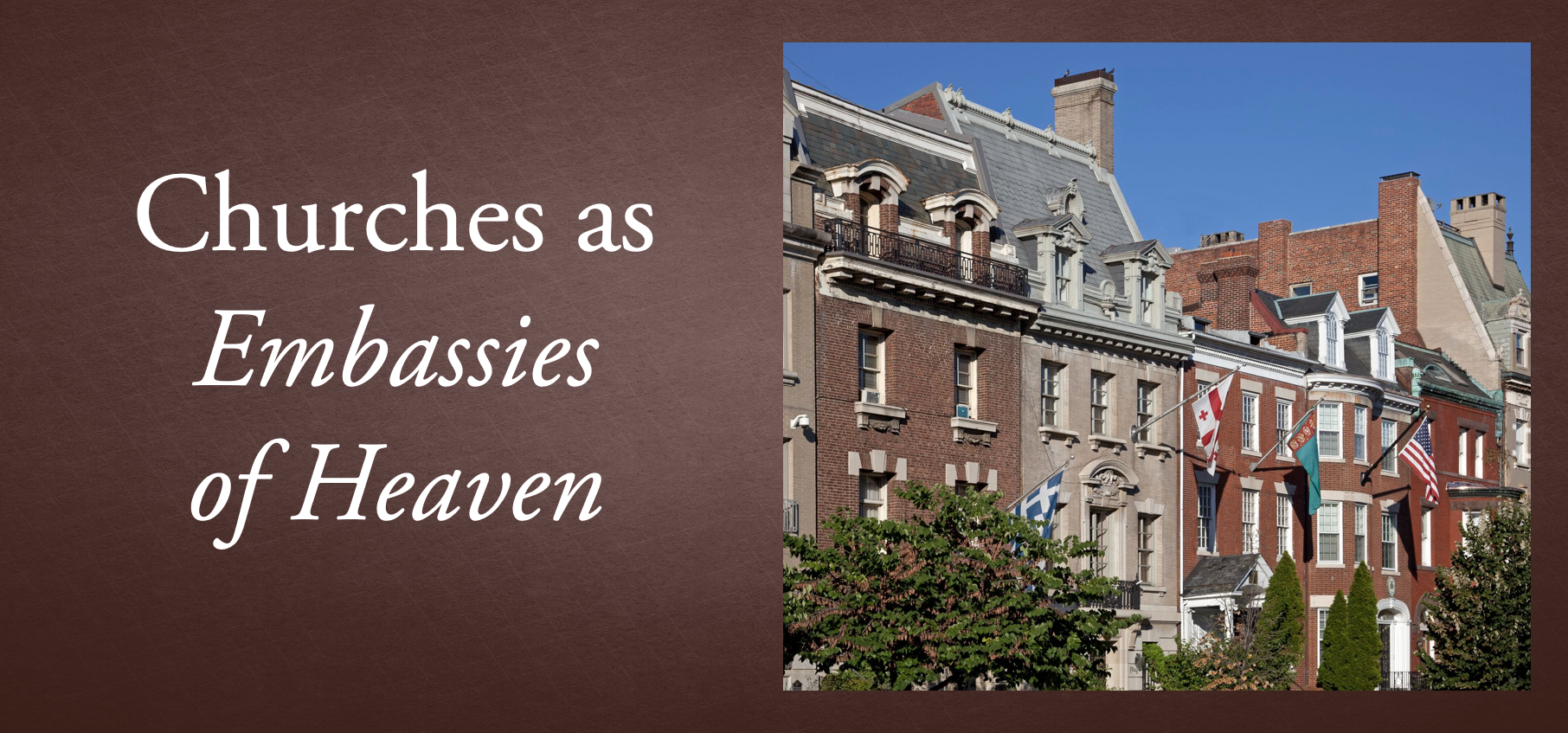
Churches as “Embassies of Heaven”

I am currently reading through Rediscover Church: Why the Body of Christ Is Essential by Collin Hansen and Jonathan Leeman; it is basically an examination of the church and why it is important, especially in light of nearly two years of COVID-related policies that have led many to largely check out on involvement with a local congregation. It has been a solid read so far, and I really liked the extended metaphor they used, saying that gathered churches are embassies of heaven (bolded emphasis below is mine):

An embassy is an officially sanctioned outpost of one nation inside the borders of another nation. It represents and speaks for that foreign nation. It represents its government. For instance, if you ever visit Washington, DC, you can walk down Embassy Row, where embassy after embassy from around the world is lined up. You’ll see the Japanese flag and embassy, then the United Kingdom’s, then Italy’s, then Finland’s. Each embassy represents a nation of the world and its government. Were you to enter one of these embassies, you would hear the language of the nation it represents. Among its staff, you would experience its culture. If you attended an embassy dinner, you’d taste its delicacies. And if you sneaked into the back offices—we assume—you’d learn about its diplomatic business.

What’s a gathered church? It’s an embassy of heaven. Step inside your church or ours, and what should you find? A whole different nation—sojourners, exiles, citizens of Christ’s kingdom. Inside such churches, you’ll hear the King of heaven’s words declared. You’ll hear heaven’s language of faith, hope, and love. You’lll get a taste of the end-time heavenly banquet through the Lord’s Supper. And you’ll be charged with its diplomatic business as you’re called to bring the gospel to your nation and every other nation.

(Hansen & Leeman, Rediscover Church, 54)

I like this metaphor, as it emphasizes the way that, as Christians, we are in the world but not of it. We are fully present but remain distinct. This is a different picture than C.S. Lewis’s metaphor of Christianity as an Invasion into enemy-occupied territory; both metaphors point to different aspects of biblical teaching.

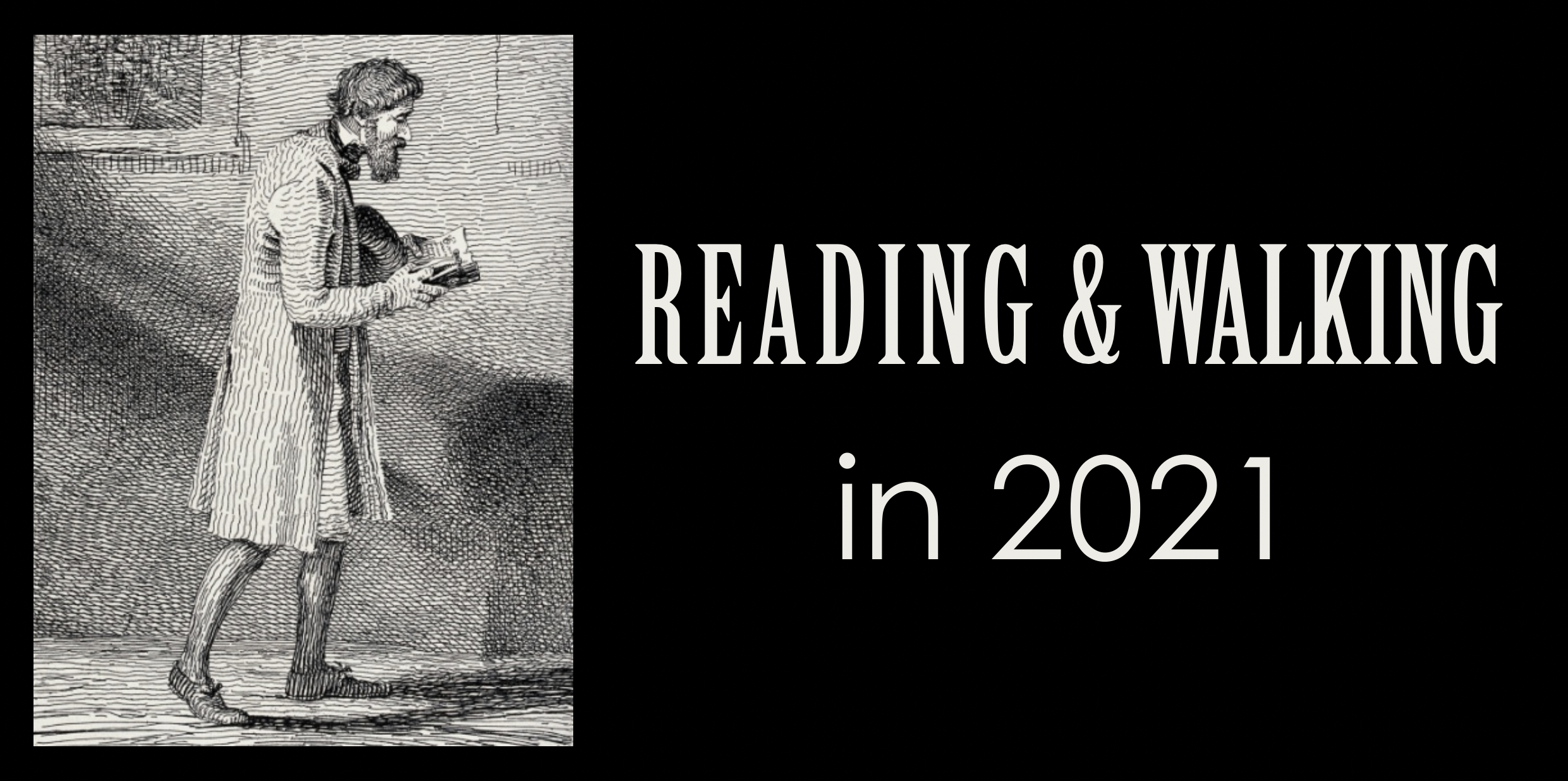
Reading and Walking in 2021

In April 2013, I started walking laps around the church auditorium while studying or reading. I found this helped me to focus better, and also it was a good way to be a little less sedentary while at work.

Each lap around the auditorium was approximately 74 yards:

In 2019, I moved to a new city and began working at a new church with a different-sized auditorium (each lap is now 118 yards).

In 2021, I was back in the office, and I did a lot of walking, but I was honestly floored when I added up the totals for the year:

Total Laps in 2021: 12,031 (approximately 118 yards per lap)

Total Distance in 2021: 806.6 miles

Total Distance to date: 4,226 miles

In 2021, my totals were the equivalent of walking from Louisville, Kentucky through three (and nearly four!) state capitals: over to Lexington, Kentucky, then Charleston, West Virginia, then on to Richmond, Virginia, continuing to Virginia Beach to see the ocean again, and then heading southwest toward Raleigh, North Carolina before stopping just outside of Rocky Mount.

My goal for the year was to hit 500 miles again, something I had done previously in 2017 and 2018. Clearly, I obliterated that goal and with a total of 806.6 miles, passed my previous record by over 200 miles. I thought I had had a good mileage year, but I didn’t add up the numbers until this past week and I was shocked by the total.

Here’s to another year of reading and walking in 2022!


An Invitation

I’ve never done this before, and I apologize if it comes across as pushy or preachy, but…I think you should give Reading and Walking a try yourself.

When I started Reading and Walking eight years ago, it was a random thing I tried to help me stay awake while reading grad school textbooks, and I never could have guessed that it would become such an ingrained practice. Neither could I have guessed that it would become such a formative practice for me.

As humans, we are embodied creatures, with physical, mental, spiritual, and emotional components working together to form an integrated whole. This practice of Reading and Walking speaks to that, as over the past eight years I have studied Scripture and poured over theology, challenged myself with languages, science, and psychology, laughed and cried with novels and books on lament and injustice, all while walking over 4,000 miles. All of that to say, I remain a person with all sorts of flaws, but my health—physically, mentally, spiritually, and emotionally—is so much better than it would be without adopting this practice. It has been such a gift and has helped to form me into a better version of myself.

I invite you to give it a try yourself. Not everyone has ready access to a church auditorium to walk around, and people tell me frequently that they could never be coordinated enough to walk and read without bumping into things (though you would be surprised at how good your body gets at doing this!), but indoor walking tracks, outdoor trails, and GPS trackers are plentiful, and audiobooks are freely available at the local library that you can check out and listen to on your phone.

Read a couple dozen books while you walk a couple hundred miles. Make sure to include a healthy dose of Scripture and other authors that point you to Christ the King. Then see how you feel at the end of the year. I suspect it won’t seem like such a weird practice anymore.

Reading in 2021

This post is always one of my favorites of the year, because it combines two things that I greatly enjoy: (1) reading and (2) obsessively keeping track of things. Basically, I like to keep track of what I read each year, and then offer some reflections about my favorite reads from the year.

Without further ado, here is my list from 2021:

  1. The Purity Principle, by Randy Alcorn
  2. The Blue Parakeet, 2nd Edition, by Scot McKnight
  3. Epic: An Around-the-World Journey through Christian History, by Tim Challies
  4. Natural Evangelism: An Everyday Approach to Sharing the Gospel, by Matthew W. Morine
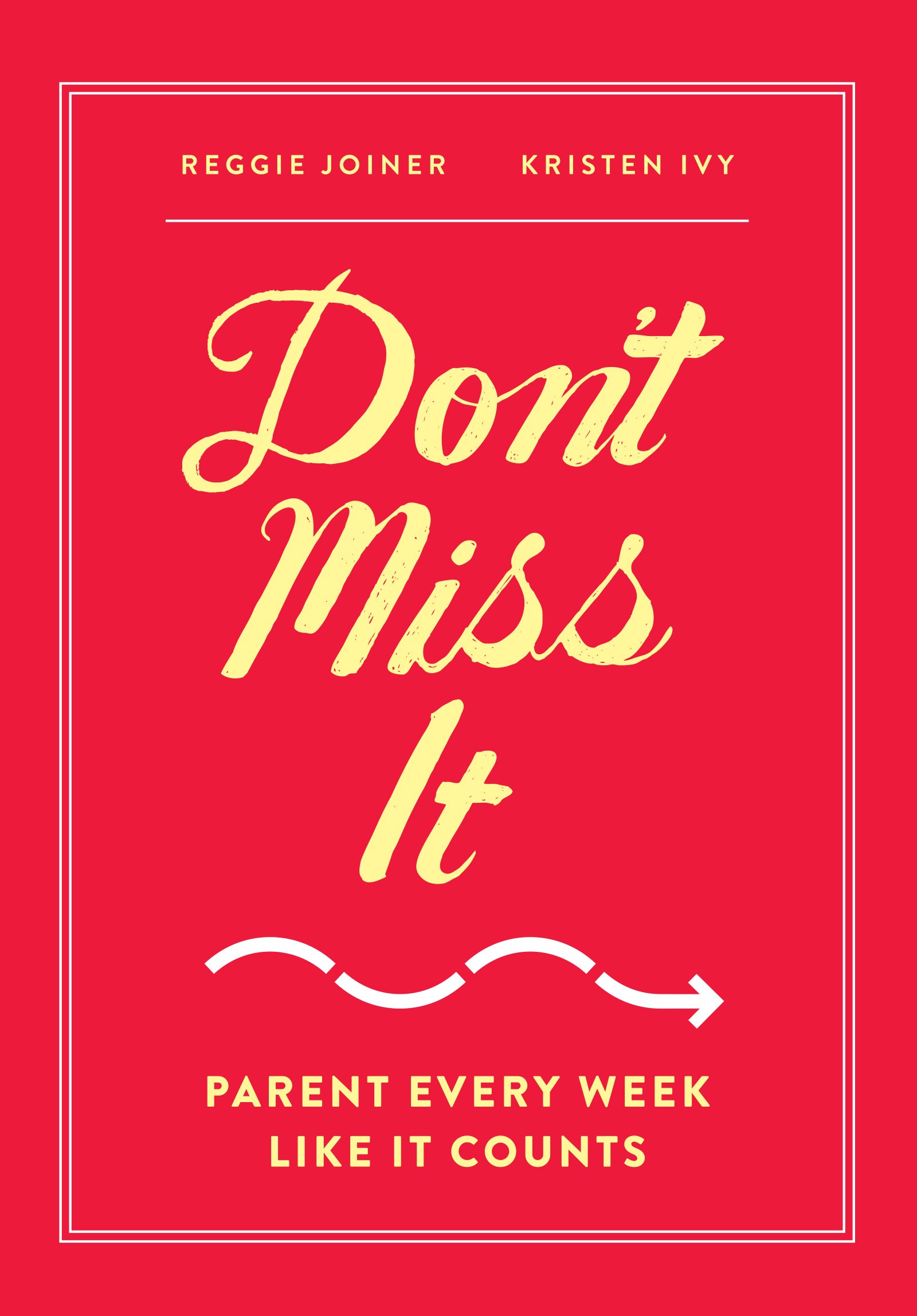
  5. Don’t Miss It: Parent Every Week Like It Counts, by Reggie Joiner and Kristen Ivy
  6. I’m Still Here: Black Dignity in a World Made for Whiteness, by Austin Channing Brown
  7. Leaving Church: A Memoir of Faith, by Barbara Brown Taylor
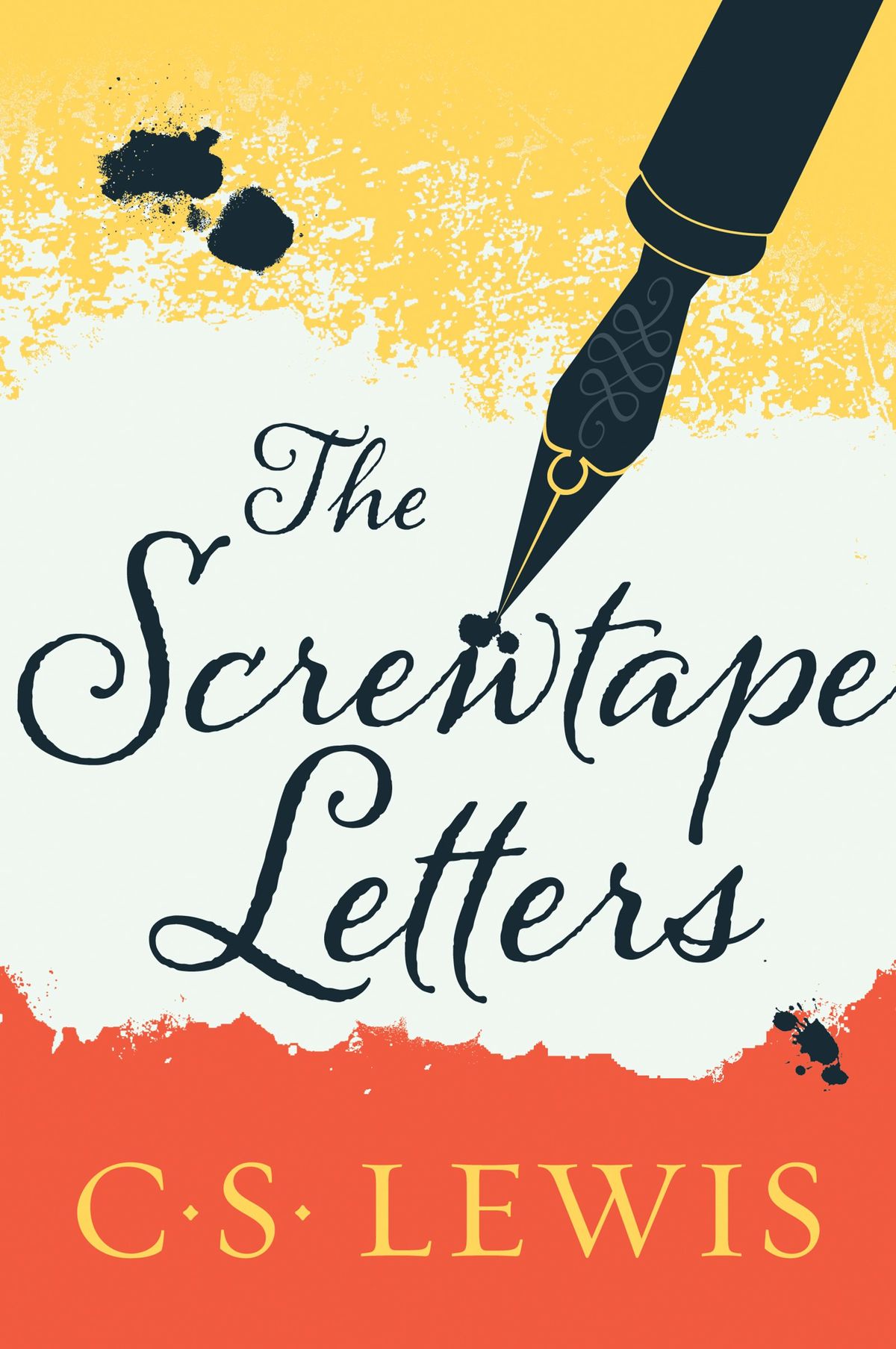
  8. The Screwtape Letters, by C.S. Lewis
  9. The Prince of Life: The Story of Christ for Young People, Episcopal Church Fellowship Series
  10. Harry Potter and the Chamber of Secrets, by J.K. Rowling
  11. Harry Potter and the Prisoner of Azkaban, by J.K. Rowling
  12. The Problem of Pain, by C.S. Lewis
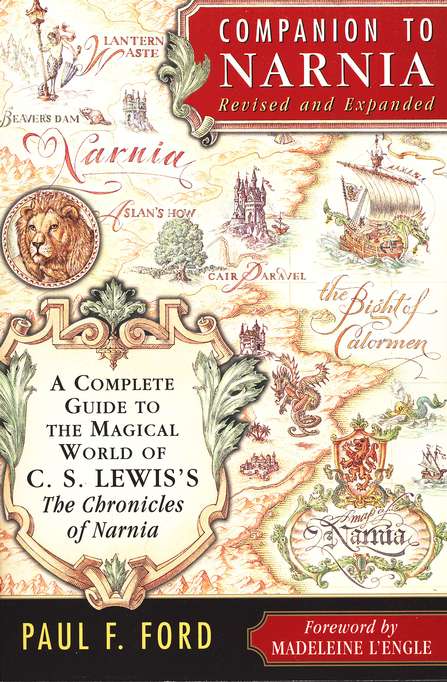
  13. Companion to Narnia: Revised and Expanded, by Paul E. Ford
  14. Said I Wasn’t Gonna Tell Nobody: The Making of a Black Theologian, by James. H. Cone
  15. The Gunfighters, by Lea F. McCarty
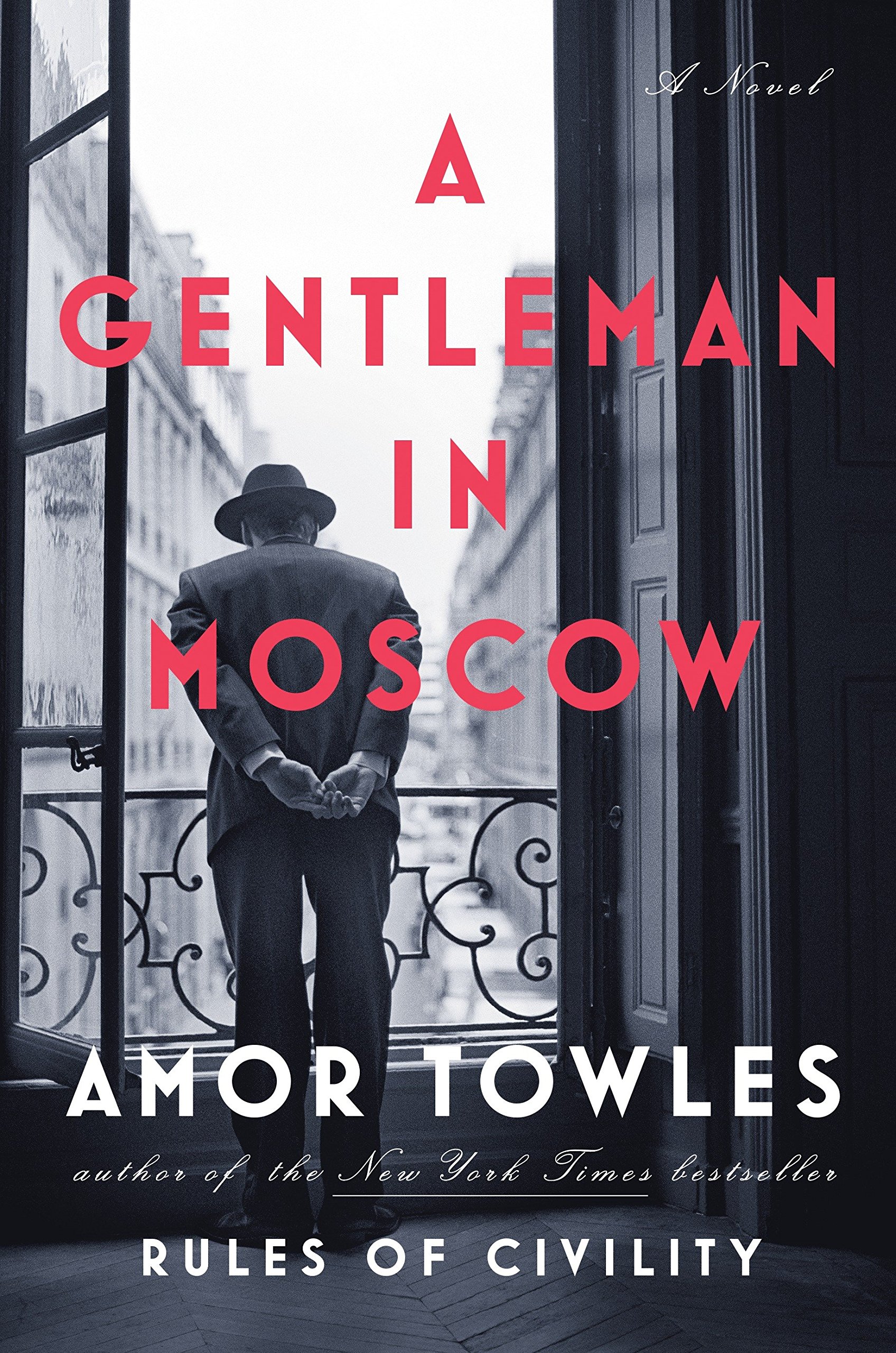
  16. A Gentleman in Moscow, by Amor Towles
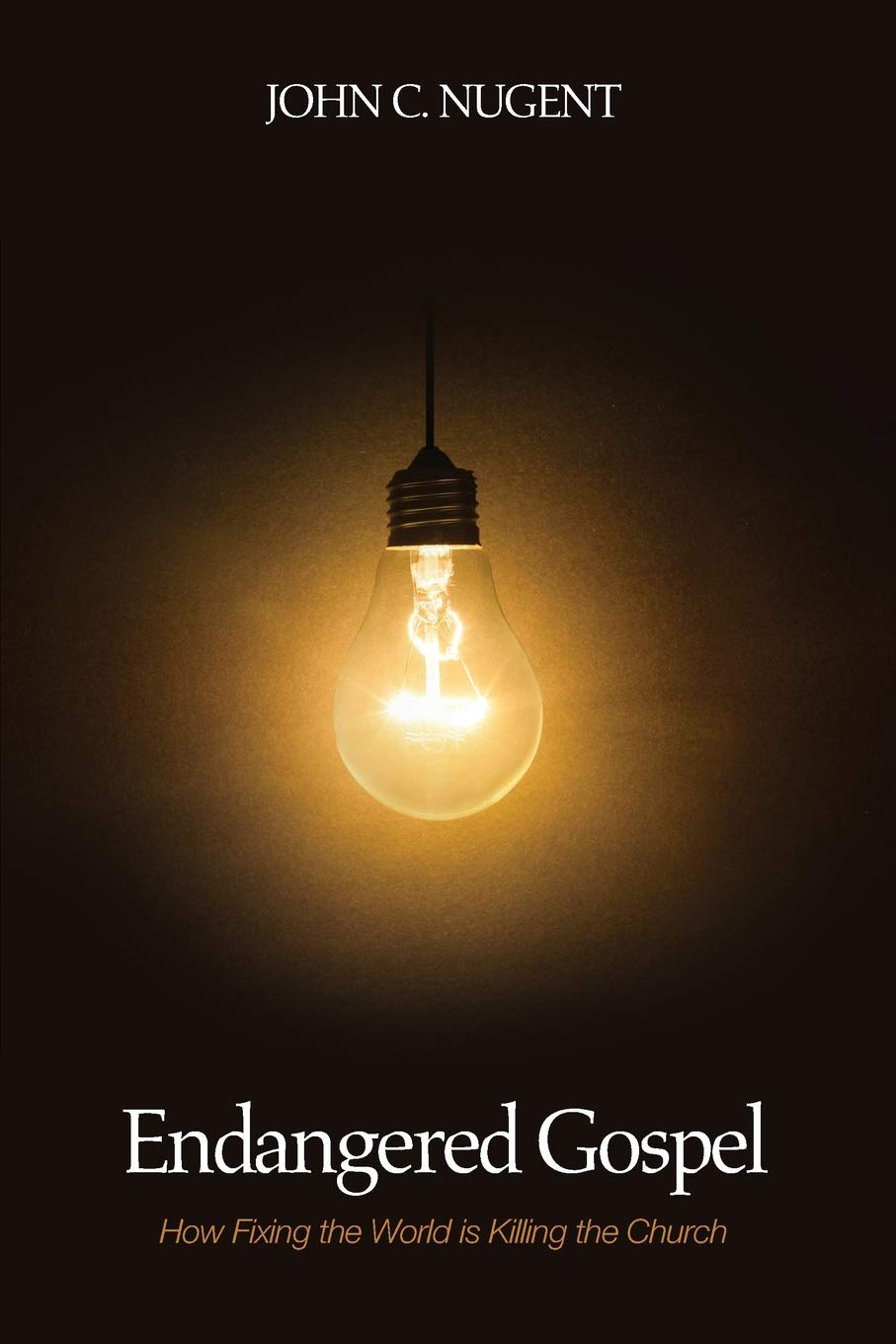
  17. Endangered Gospel: How Fixing the World is Killing the Church, by John C. Nugent
  18. Harry Potter and the Goblet of Fire, by J.K. Rowling
  19. Everyone Brave is Forgiven, by Chris Cleave
  20. The Wright Brothers, by David McCullough
  21. Harry Potter and the Order of the Phoenix, by J.K. Rowling
  22. What Paul Meant, by Garry Wills
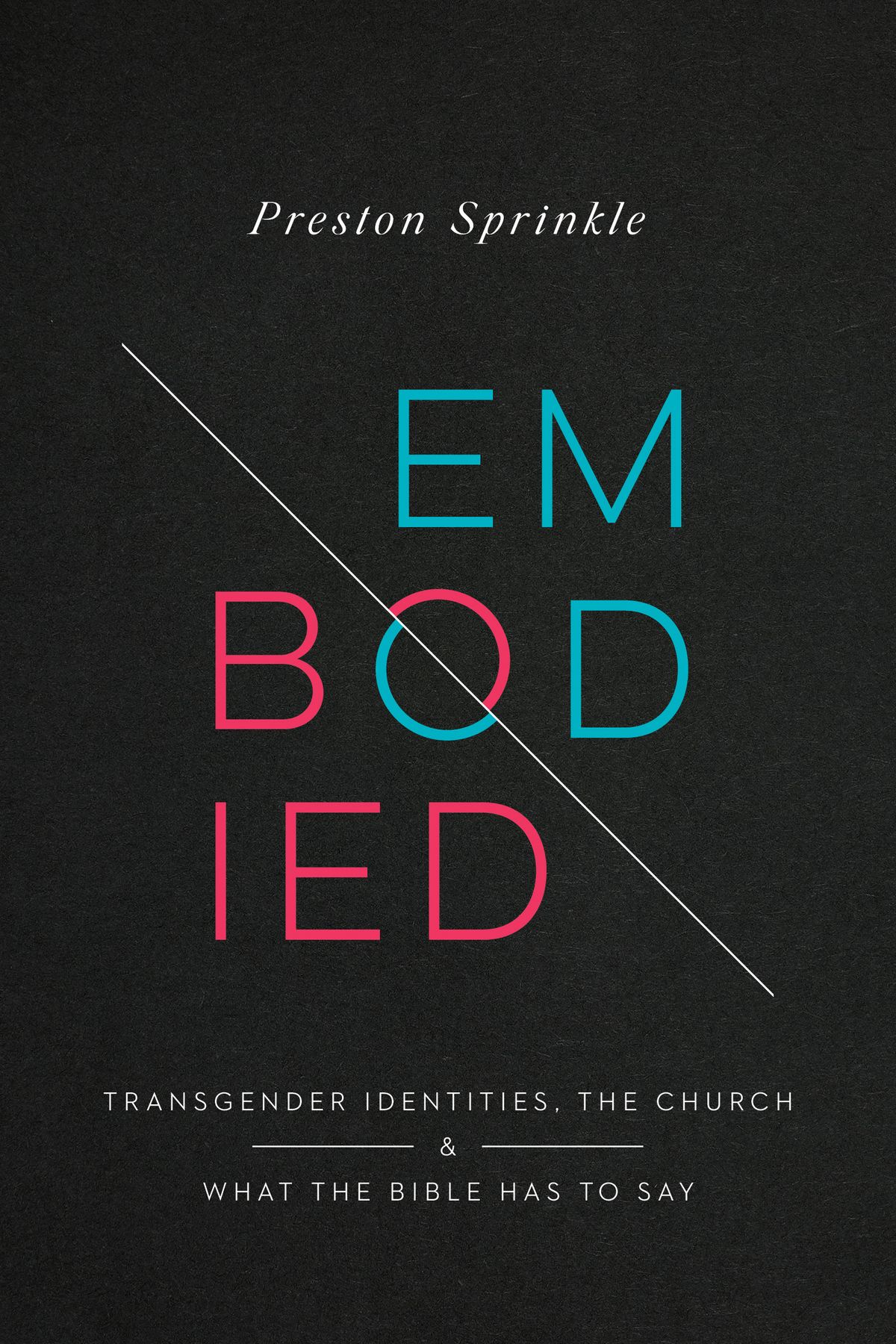
  23. Embodied: Transgender Identities, The Church, & What The Bible Has To Say, by Preston Sprinkle
  24. The Apostolic Fathers in English, by Michael W. Holmes
  25. Harry Potter and the Half-Blood Prince, by J.K. Rowling
  26. The Secrets We Kept, by Lara Prescott
  27. The King Jesus Gospel: The Original Good News Revisited, by Scot McKnight
  28. A Woman of No Importance: The Untold Story of the American Spy Who Helped Win World War II, by Sonia Purnell
  29. How To Win the West Again, by Timothy Keller
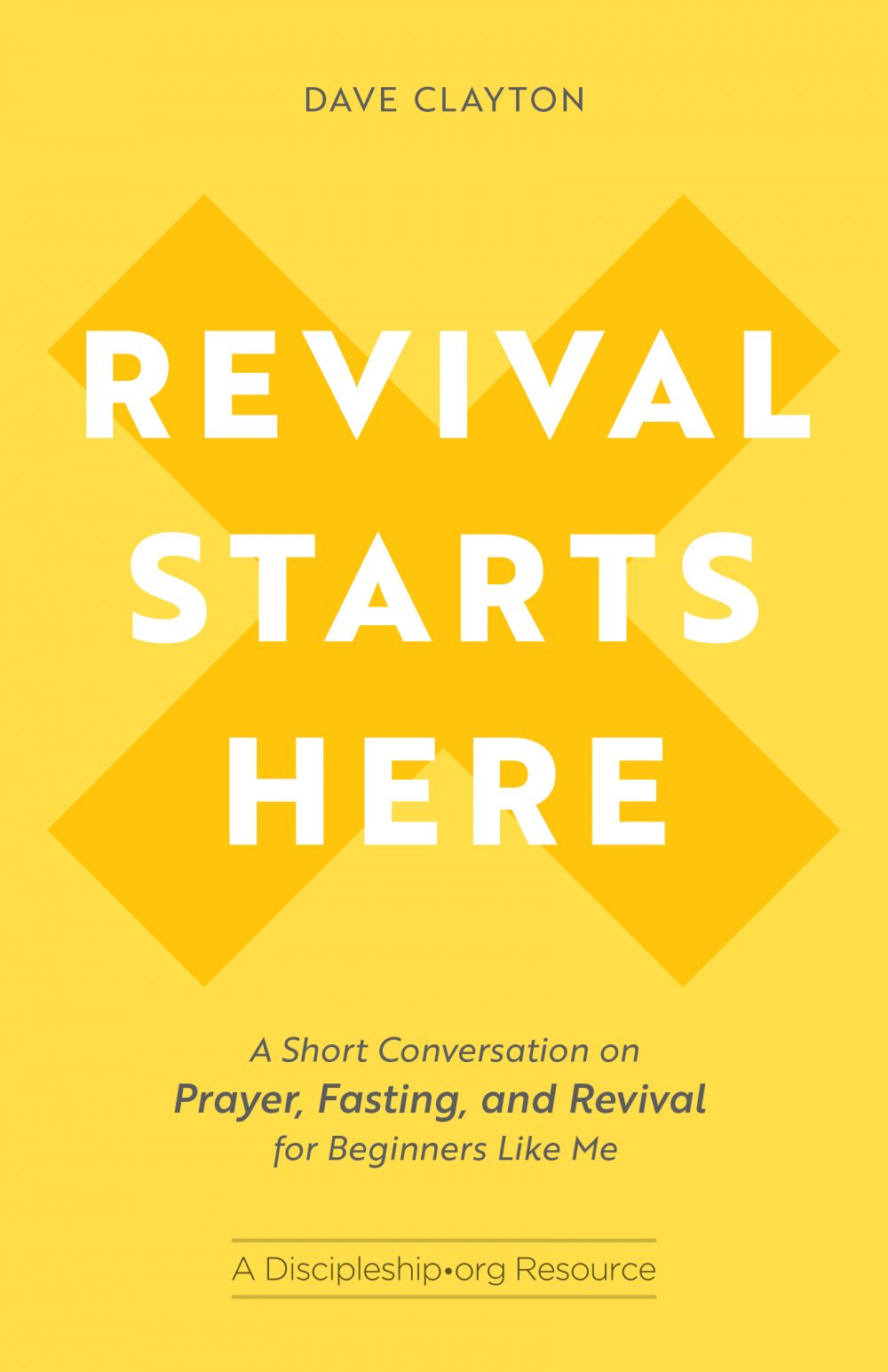
  30. Revival Starts Here: A Short Conversation on Prayer, Fasting, and Revival for Beginners Like Me, by Dave Clayton
  31. Harry Potter and the Deathly Hallows, by J.K. Rowling
  32. The Devil Inside, by Jimmy Hinton
  33. Growing Young: 6 Essential Strategies to Help Young People Discover and Love your Church, by Kara Powell, Jake Mulder, and Brad Griffin
  34. Thrawn Ascendancy: Chaos Rising, by Timothy Zahn
  35. Bonhoeffer: Pastor, Martyr, Prophet, Spy, by Eric Metaxas
  36. Thrawn Ascendancy: Greater Good, by Timothy Zahn
  37. Be the Bridge: Pursuing God’s Heart for Racial Reconciliation, by Latasha Morrison
  38. One By One, by Ruth Ware
  39. God Unseen: A Theological Introduction to Esther, by Nathan Ward
  40. December 6, by Martin Cruz Smith
  41. The Wolf Spear’s Task, by Scott Biddle
  42. The College Press NIV Commentary: Ecclesiastes, by Dave L. Bland*
  43. Beyond Order: 12 More Rules for Life, by Jordan B. Peterson
  44. Dark Sky Rising: Reconstruction and the Dawn of Jim Crow, by Henry Louis Gates
  45. The Passenger, by Ulrich Alexander Boschwitz
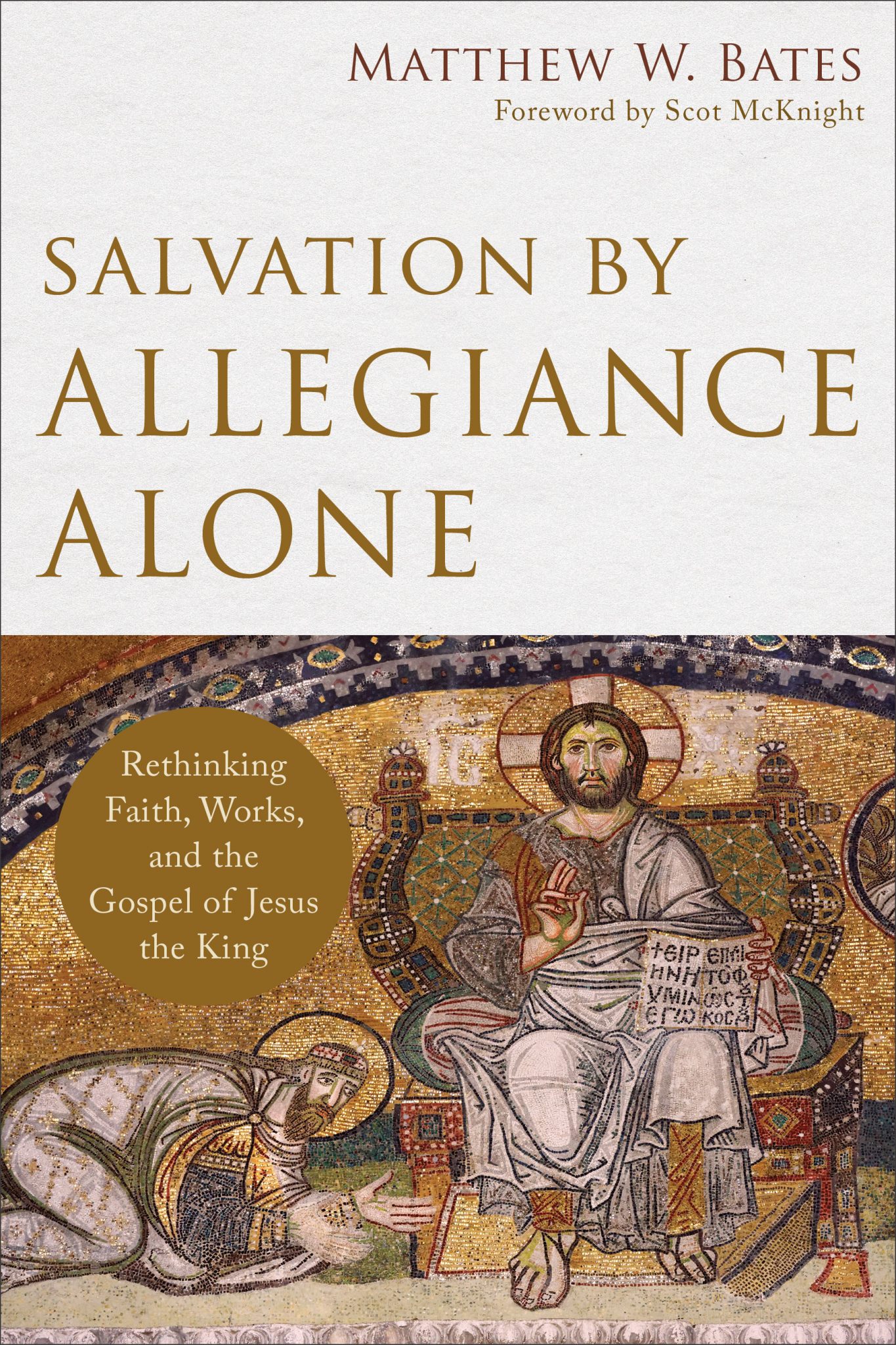
  46. Salvation By Allegiance Alone: Rethinking Faith, Works, and the Gospel of Jesus the King, by Matthew W. Bates
  47. Sticky Faith Youth Worker Edition, by Kara E Powell, Brad M. Griffin, and Cheryl A. Crawford
  48. White Trash: The 400-Year Untold History of Class in America, by Nancy Isenberg
  49. Robert E. Lee And Me: A Southerner’s Reckoning With the Myth of the Lost Cause, by Ty Seidule
  50. The Cathedral of Christianity: A Study of Romans, by Jared Pack
  51. Be Wise Small: A Lifetime of Distilled Wisdom, by Dee Bowman
  52. The Shallows: What the Internet is Doing to Our Brains, by Nicholas Carr
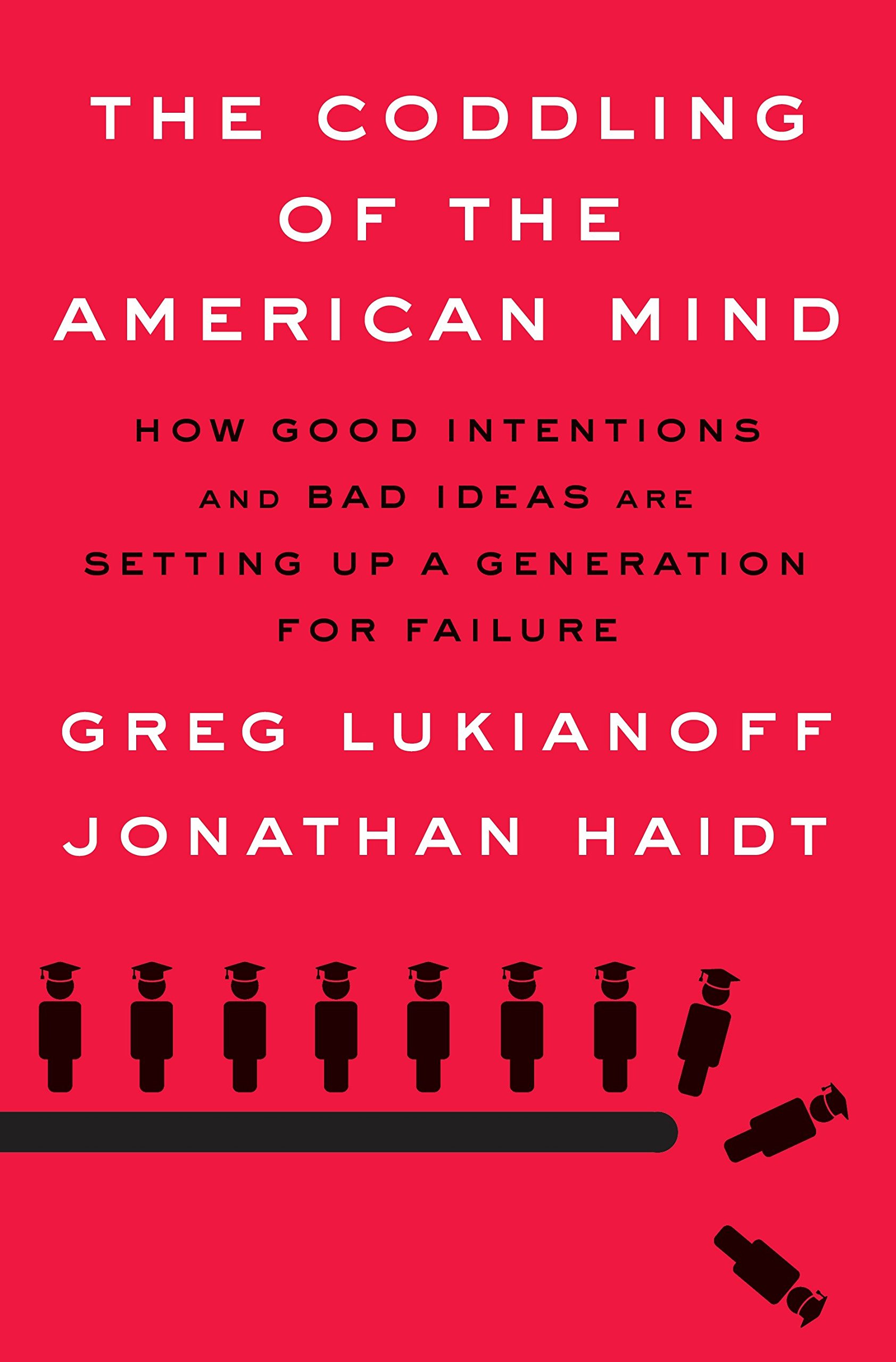
  53. The Coddling of the American Mind: How Good Intentions and Bad Ideas Are Setting Up a Generation for Failure, by Greg Lukianoff and Jonathan Haidt
  54. Gen Z: The Culture, Beliefs, and Motivations Shaping the Next Generation, by Barna Group
  55. The Torah: The Five Books of Moses, by Jewish Publication Society
  56. 42 Faith: The Rest of the Jackie Robinson Story, by Ed Henry
  57. The Hiding Place, by Corrie Ten Boom
  58. Gen Z Vol 2: Caring for Young Souls and Cultivating Resilience, by Barna Group
  59. The Pilgrim’s Progress, by John Bunyan
  60. Horseman: A Tale of Sleepy Hollow, by Christina Henry
  61. Miracles and Other Reasonable Things: A Story of Unlearning and Relearning God, by Sarah Bessey
  62. Radical: Taking Back Your Faith from the American Dream, by David Platt
  63. Holes, by Louis Sachar
  64. International English Bible New Testament, 
  65. Astrophysics for People in a Hurry, by Neil DeGrasse Tyson
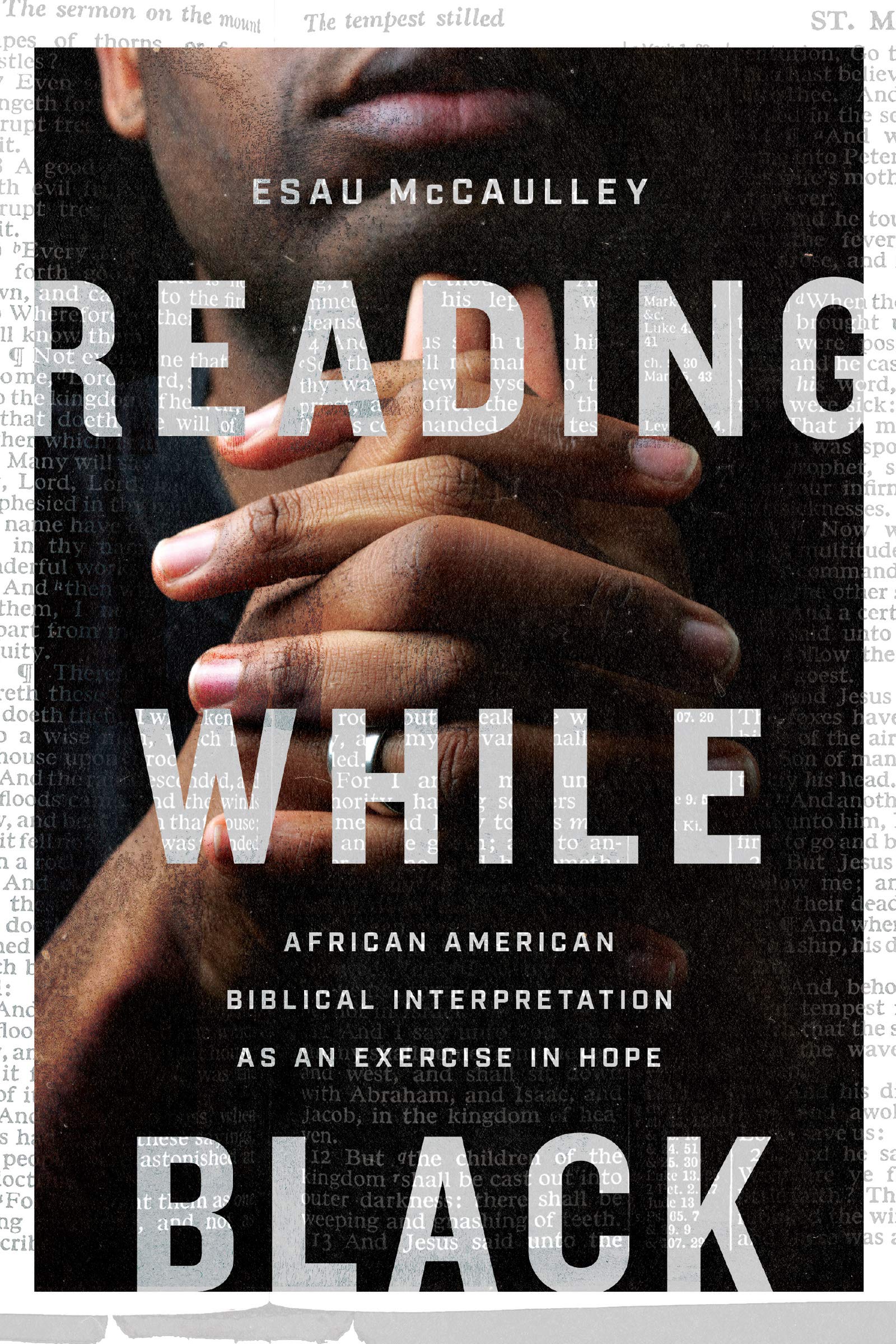
  66. Reading While Black: African American Biblical Interpretation As An Exercise In Hope, by Esau McCaulley

*This was from a commentary on Ecclesiastes, Proverbs, and Song of Songs; I read the entirety of the Ecclesiastes portion.

A few observations before I talk about my favorite books of the year:

  • My reading total increased from 65 books in 2020 to 66 in 2021. My 2021 total represents a personal record for books read in a year. Listening to audiobooks while I work out has helped to keep this number as high as it is.
  • The best books I read this year were absolutely incredible, but on the whole, my reading this year was not quite as good as 2020.
  • I am currently working through some dense books and have plans to do quite a bit of this type of reading in 2022, so I expect my reading totals to decrease significantly next year.

Here are my Top 10 books for the year, here are some brief thoughts on those (presented in order of when I read them, not ranked 1-10):

Don’t Miss It: Parent Every Week Like It Counts, by Reggie Joiner and Kristen Ivy: This is a really short and simple book, but its message is so important and convicting. That message is this: if you are a parent, your responsibility to shape a child’s character and faith is really important, and you have a limited window of opportunity to do it. The average parent has less than 1,000 weeks between the time a child is born and the time that child leaves their house, and those weeks (and the opportunities for connection and influence with your kids) tick away relentlessly. Make the most of the time you have. This may be a read-every-year type of book for me.

The Screwtape Letters, by C.S. Lewis: I first read Screwtape about a dozen years ago, but reread it this past year. Told in Lewis’s brilliant style, it is a clever, imaginative portrayal of the ways in which the Evil One seeks to tempt us. The premise of the novel is that Screwtape, an older, more experienced demon of some authority, is giving advice to his nephew Wormwood on how best to “win over” a man he is working to tempt.

Companion to Narnia: Revised and Expanded, by Paul E. Ford: I loved this book. I love the Chronicles of Narnia and wrote extensively about them last year, and this wonderful book would have been a huge help during that process. It took a long time to read because it is essentially a reference book with encyclopedia-type entries on anything related to Narnia you can imagine. This gave me great insight into the process of the composition of the Narnia series, and also all sorts of theological insights into the books. It is well named; rather than reading it through as I did, it functions better as a “companion” that you have handy as your read through the Narnia books and wonder about other questions related to the world Lewis has created.

A Gentleman in Moscow, by Amor Towles: The summer after my senior year of high school I went on a mission trip to Russia, and I have been interested in aspects of Russian culture and history ever since. This novel focuses on the life of a young aristocrat who is “exiled” to a fashionable Moscow hotel when the Russian Revolution occurs and is forced to live there, never being allowed to leave the hotel premises for several decades. From within the walls of the hotel, he observes the changes in the country around him and seeks to find meaning in a life where his freedom is greatly curtailed, and even the country’s finest hotel quickly becomes a prison. It is a fascinating, well-written, and emotional story, and I really enjoyed it. I actually listened to this as an audiobook with an excellent narrator, which added to the enjoyment.

Endangered Gospel: How Fixing the World is Killing the Church, by John C. Nugent: I tend to not rank my Top 10 books of the year, but this was absolutely one of the two best books that I read in 2021. Nugent’s basic premise is that all sorts of Christians are dedicating their lives to the wrong task: trying to fix the problems of the world. However, this doesn’t work very well, in large part because it isn’t the task that God has given us. Instead, we are supposed to be the better place that God will make the world into. This is new creation theology. The old order of the world is passing away, and God is doing a new thing. Rather than try to prop up the old order, our task is to live into the new thing that God is doing. If that sounds like a heartless lack of concern for people or ignoring the problems of the world, it’s not; rather, God’s people—the church—is the way that we address the hurting people in our world. By modeling God’s beloved community and inviting people into that community, we actually do make a difference in the lives of people, we are obedient to the mission that God has laid out for us in Scripture, and we actively participate in the work that God is doing until the Day arrives that He comes and makes all things new. This was a paradigm-changing book, but so, so good.

Embodied: Transgender Identities, The Church, & What The Bible Has To Say, by Preston Sprinkle: Issues related to transgender identities have claimed a central place in our culture in recent years and, frankly, there has been a lot of muddled thinking from Christians as to how we should respond. Sprinkle offers a real gift to the church here, as he provides the reader with a helpful overview of the situation including definitions, scientific data, and biblical exegesis. Ultimately, Sprinkle affirms a high view of Scripture and a historic Christian sexual ethic, but does so with keen pastoral impulses: our first and overriding response to those who would place themselves on the trans* spectrum must be love. If we get the doctrine right but fail to love, then we haven’t gotten the doctrine right. Sprinkle stretched me with this book, and I think that will be true for almost all readers (regardless of your views on this) if you give him a fair and gracious reading.

Revival Starts Here: A Short Conversation on Prayer, Fasting, and Revival for Beginners Like Me, by Dave Clayton: This was another short-but-very-helpful book. In my experience, fasting is a topic that quickly makes American Christians (i.e. the group of Christians I know best) uncomfortable and seeking imaginative explanations of why they don’t need to do it. Instead of that approach, Clayton takes the biblical practice of fasting seriously. He looks at reasons why we should do it, barriers that may prevent us from doing it, and practical ways to go about doing it. This is another book that I expect to read multiple times as I seek to grow in this spiritual discipline.

Salvation By Allegiance Alone: Rethinking Faith, Works, and the Gospel of Jesus the King, by Matthew W. Bates: Along with Endangered Gospel, this was my other top book for the year. Bates argues that the Greek word pistis (πιστις) that is generally translated as faith in our New Testaments would be better translated as something like loyalty or fidelity or allegiance. Bates does a good job establishing his position lexically and contextually, but even more important is his biblical/theological argument that “faith” as “allegiance” makes a lot of sense in response to the content of the Gospel message which, properly understood, is not about how we get saved, but is rather that Jesus Christ is Lord, the King of the Universe. Certainly, Jesus being Lord includes ramifications for our salvation, but it is a much bigger story than that, and it is the story that Scripture is telling. In response to the Gospel message that Jesus is Lord, the appropriate response is pledging our lives in allegiance to Him. This is another paradigm-changing book—it is brilliant.

The Coddling of the American Mind: How Good Intentions and Bad Ideas Are Setting Up a Generation for Failure, by Greg Lukianoff and Jonathan Haidt: My friend Bob Turner has talked about this book for a few years, and I finally took the plunge and read it. It was a great read, and I highly recommend it for parents, teachers, and anyone interested generally with widespread trends in our society. The basic premise is that there are three unhelpful, untrue ideas that are prominent in our society today: (1) That children are fragile and need to be protected from everything, (2) That we should always trust our feelings in making judgments about the reality of the world, (3) That life is a battle between good people and evil people. These ideas have reached a fever pitch on a lot of college campuses and have resulted in very unhelpful environments, and Lukianoff and Haidt critique these bad ideas with research and multiple examples. This is not, in any sense, a biblical book, and yet, the main lessons contained inside cohere closely to biblical teaching; I actually used content from this book in the youth ministry class I taught in a university setting this past fall.

Reading While Black: African American Biblical Interpretation As An Exercise In Hope, by Esau McCaulley: McCaulley’s book is a great gift to the church at large as he seeks to explain the Black Ecclesial Tradition, which he describes as a “third way” approach to biblical interpretation that is distinct both from white progressives and evangelicals. McCaulley writes elegantly and with great clarity, and shows keen theological insight on a range of biblical topics ranging from submission to government and policing, slavery, Black anger, and the long history that people of African descent have in the story of God’s people. This book serves as a helpful reminder that the way we read Scripture is greatly influenced by our social location, and that our understanding of Scripture is broadened by reading from people who come from different backgrounds than our own.


That was my reading for 2021. For comparison’s sake if you are interested, you can see my reading lists from previous years:

What are some of the best books you read this past year?

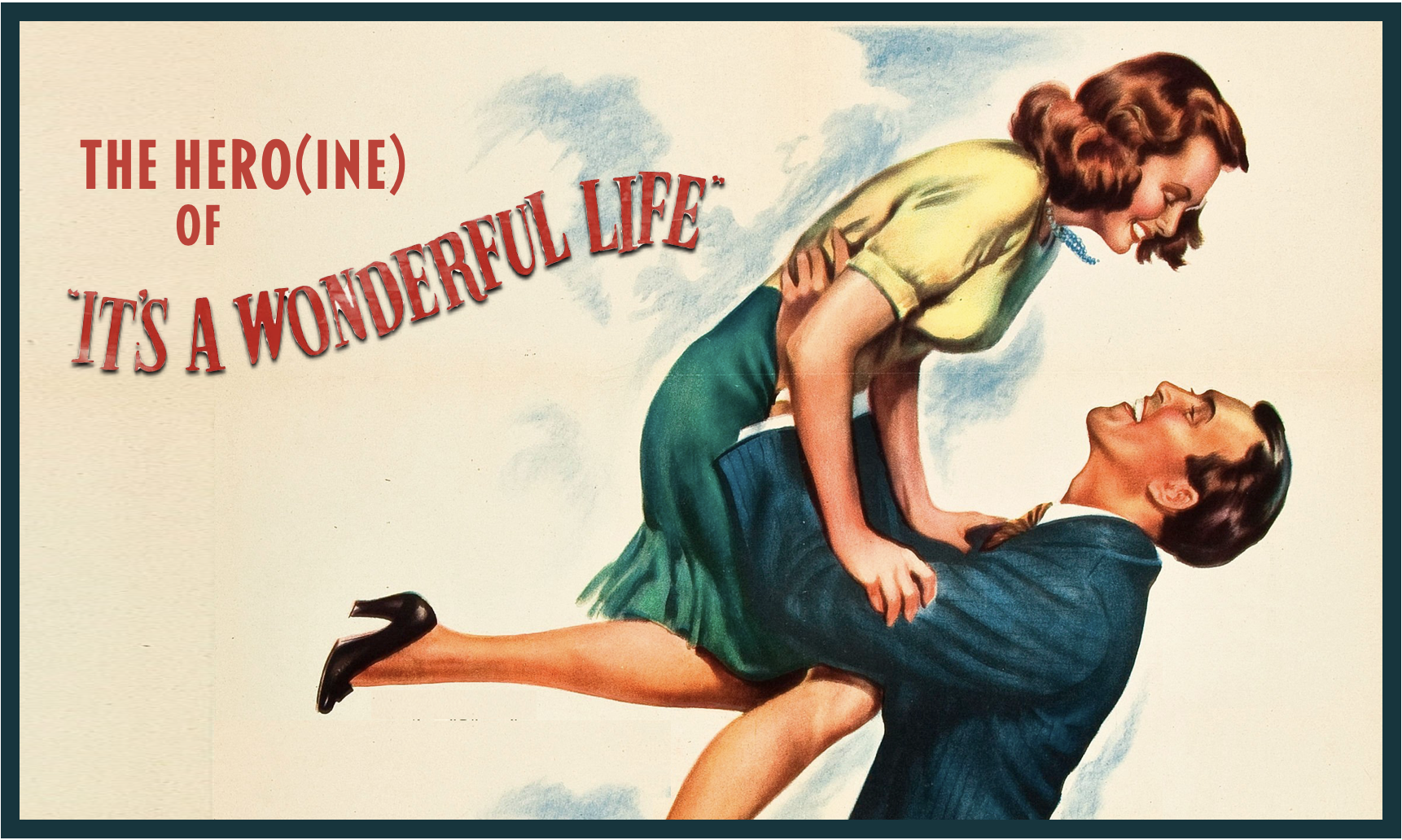
The Hero(ine) of It’s A Wonderful Life

Every year at this time, I make sure to watch It’s A Wonderful Life. In addition to being (easily) the best Christmas movie of all time, it is also in my Top 5 of all movies.

Last year after viewing the film, I wrote a series of tweets that I am now compiling into this short post.

Here is my hot take (or, absolutely obvious observation). While George Bailey, the self-sacrificing Everyman that we root for and admire, is the main character of It’s A Wonderful Life, the hero of the film is actually a heroine: his wife Mary.

  • It is Mary who gives George the courage to give up his dreams (doing big exciting things all over the world) and instead accept his calling (a grueling, grinding life of service to his community).
  • It is Mary who gives George the idea of how to save the Building & Loan during the Depression (foregoing a honeymoon to meet the financial needs of a frantic mob).
  • It is Mary who creatively turns an old abandoned house into a well-kept home for her family (where George, the forward-thinking, would-be engineer could see nothing but a ruin).
  • It is Mary who mobilizes the massive prayer effort that drives the plot of the movie, bringing Clarence Odbody onto the scene and helping George to see how meaningful his life has been.
  • It is Mary who raises the necessary funds to solve the financial crisis that had driven George to the brink of suicide.

In the end, George had a Wonderful Life and was a blessing to so many people, but it was the quiet support of Mary in the background that empowered him to be so. This, I believe, is one of life’s great realities and a central truth of Christianity as well: the most heroic people in life are not necessarily those with wealth, fame, or influence, but those who quietly spend their lives in sacrificial service to others. Isn’t that truly the meaning of Christmas?

The most heroic people in life are not necessarily those with wealth, fame, or influence, but those who quietly spend their lives in sacrificial service to others. Isn’t that truly the meaning of Christmas? Share on X

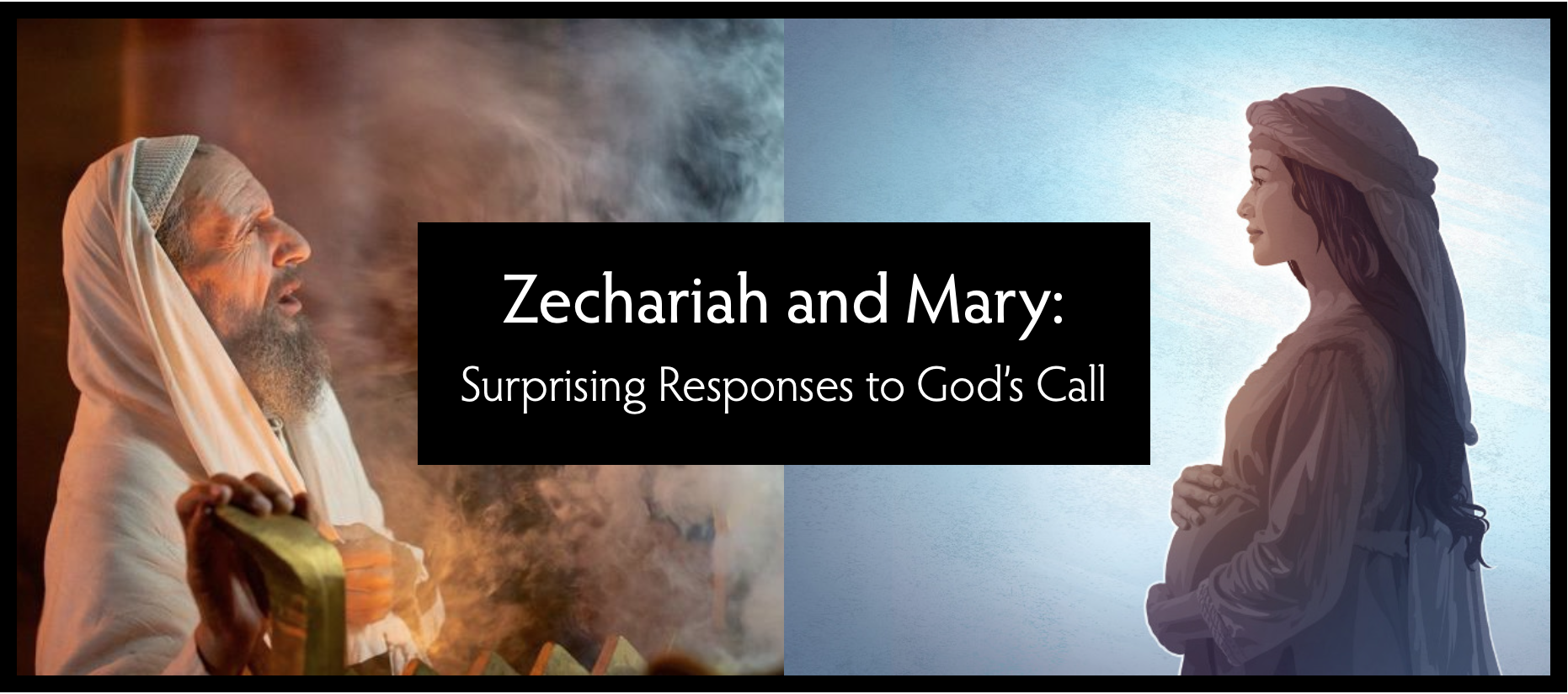
Zechariah and Mary: Surprising Responses to God’s Call

As is likely true for many, at this time of year my thoughts naturally turn to the early chapters of Matthew and Luke and the narratives surrounding the birth of Jesus. This year, I found myself reflecting on the way that Luke portrays the revelations of Gabriel the angel to Zechariah and Mary about the surprising births of their respective sons.

As I have written before, Scripture comes to us as brilliant literature, and we read Scripture better and more faithfully when we are attentive to the literary designs of its authors. In Luke 1, Luke intentionally sets the stories of Zechariah and Mary alongside each other as parallel accounts, and wants his readers to draw conclusions by comparing the two. A quick Google search will reveal that I am hardly the only person to point this out, and you can likely find much better and more detailed analyses than what I offer below. Nevertheless, here are my own brief thoughts.


Zechariah

We are introduced to Zechariah in Luke 1.5. Both he and his wife Elizabeth are from the tribe of Levi, and Zechariah serves as a priest. Both of them are “righteous before God, walking blamelessly in all the commandments and statues of the Lord” (Luke 1.6). Priests and especially chief priests will not always be portrayed positively in Luke’s gospel, but Zechariah is certainly introduced in positive terms. However, he and Elizabeth have lived a life characterized by wanting and heartache: they have no children because Elizabeth is barren, and it is now too late, because they are very old.

While serving in the temple as a priest, an angel appears to him: “Zechariah was troubled when he saw him, and fear fell upon him” (Luke 1.12). The angel tells him not to be afraid, that his prayer had been heard, and that Elizabeth would bear a son who would be named John, who would be great before the Lord, and who, in the spirit of Elijah, would help prepare people to make ready for the Lord.

Zechariah responds in disbelief: “How shall I know this? For I am an old man, and my wife is advanced in years?”[1] To be sure, this is surprising news, but a Priest of Israel could perhaps be expected to be better prepared to accept it, considering that Father Abraham, the progenitor of the Israelite people, experienced a very similar situation. Gabriel at least seemed to expect so, and he tells Zechariah that, as a result of his lack of belief, he will be unable to speak until the day of his son’s birth.[2]

Luke’s narrative diverges at this point to introduce us to Mary (see below). Zechariah’s story resumes later: just as Gabriel had predicted, Elizabeth became pregnant, and Zechariah remains mute until baby John is born. At that point, Zechariah’s tongue is loosened and he blesses God. He then goes on to prophesy about the salvation of God, His faithfulness to the descendants of Abraham, and the special role that John will play in God’s salvific plan.

Mary

We are introduced to Mary in Luke 1.26. She is described as a virgin betrothed to a man named Joseph from the house of David. Gabriel appears to her: “Greetings, O favored one, the Lord is with you!” (Luke 1.28.) She, like Zechariah, is greatly troubled, and is similarly reassured by Gabriel, who tells her not to be afraid, and then lets her know that she will bear a son named Jesus who will be called the Son of the Most High, and who will sit on the throne of David.

Mary responds with confusion: “How will this be, since I am a virgin?” It is likely that Mary is not very old at this point (probably still a teenager), but she is old enough to know that there is no natural way that she can be pregnant. Unlike Zechariah, Gabriel does not respond to Mary with any sort of punishment; rather, he gives her an explanation: it is by the power of the Holy Spirit that she will conceive, the child she bears will be called holy, and as evidence that God is capable of bringing all of this about, her own relative Elizabeth is pregnant as well, despite her age and barrenness. “For nothing will be impossible with God” (Luke 1.37).

Mary responds with humility: “Behold, I am the servant of the Lord; let it be to me according to your word” (Luke 1.37).

Mary then goes to visit her cousin Elizabeth, and stays with her for about three months. When Elizabeth hears Mary’s initial greeting, the baby leaps within her womb,[3] and Elizabeth talks about how blessed she is to be hosting the “mother of my Lord.” She then praises Mary: “blessed is she who believed that there would be fulfillment of what was spoken to her from the Lord” (Luke 1.45). This seems to underscore a fundamental difference in Mary’s response to Gabriel compared to Zechariah despite the superficial similarities: Zechariah was disbelieving; Mary was confused, but faithful.

Zechariah was disbelieving; Mary was confused, but faithful. Share on X

Mary then goes on to speak the beautiful words of the Magnificat, praising the God who looks down on the humble to raise them up, and who shows faithfulness to the descendants of Abraham.

Similarities and Differences

Luke has written these narratives in parallel fashion, and we are meant to compare them. Notice some of the following similarities and dissimilarities:

  • Zechariah is old; the indication is that Mary, unwed and still a virgin, is quite young.
  • Zechariah and Mary are both faithful believers in YHWH, the God of Abraham, Isaac, and Jacob.
  • Zechariah may or may not have been wealthy, but as an aged priest, he would have been a respected member of Jewish society and a religious expert. We have multiple indications that Mary was decidedly not wealthy, and that, combined with her age, marital status, and gender, would indicate that she certainly would not have been a highly respected member of Jewish society.
  • Gabriel the angel appears to both to give them surprising news about impending miraculous pregnancies.[4]
  • Zechariah and Mary are both greatly troubled by Gabriel’s appearance, and have to be reassured to not be afraid.
  • Although both pregnancies are unnatural and miraculous, that of Elizabeth (and Zechariah) has been heard of before: the famous ancestors of the Israelite people, Abraham and Sarah, had a similar story. Mary’s pregnancy is unprecedented.
  • In both of his announcements to Zechariah and Mary, Gabriel mentions the special role that both promised sons will grow up to play: John will prepare people for Jesus (indeed, just as in some ways, Elizabeth’s pregnancy will prepare for Mary’s pregnancy), and Jesus will sit upon the throne of David as the Son of God and promised Messiah.
  • The respected religious leader balks at the message; he seeks proof, is rebuked, and receives the sign of silence for his disbelief. The lowly teenage girl is confused by the message; she humbly submits to what she is told and is praised for her faithfulness…by the wife of the doubting religious leader!
  • Both Mary and Zechariah offer words of praise and prophecy, centering on the God who works in surprising ways in faithfulness to His promises to Abraham.

I’m confident that much more could be said, but these are immediate points of comparison that came to my attention.


So what are we to make of this? Again, I am sure much could be said, but I think that perhaps one of the main points is simply this: often, God does not work as we might expect. The incarnation of Jesus is a multi-faceted, many-layered example of shattered expectations:

  • The basic idea that the omnipotent God of the universe would become mortal and limited flesh at all is shocking.
  • That God would choose to become flesh among an oppressed and disempowered people group is shocking.
  • That God would choose to become flesh not in the circles of the religious elite, but through an unwed teenage girl is shocking.

I do not believe we should be too hard on Zechariah. Remember, he is praised as a righteous man, and despite his hesitating belief, God honors the faithfulness of this aged priest, and gives Zechariah and Elizabeth the honor of birthing and raising the Forerunner of the Messiah. But the greatest honor is reserved for the unwed, pregnant teenager who humbly offers her life in service to the Lord. Mary’s soul “magnified the Lord” (Luke 1.46), but, indeed, He has magnified her as well.

May we follow Mary’s example and say, “Behold, I am the servant of the Lord; let it be to me according to your word.”

May we, like Mary, say, “Behold, I am the servant of the Lord; let it be to me according to your word.” Share on X

[1]In Greek, Zechariah’s question is something like, “By what [thing? sign?] shall I know this?”—there is an implied object that is left unspecified, but Zechariah may be asking Gabriel for proof that what he has said will actually come to be.

[2]It seems that Zechariah gets the sign he is asking for, though it is unlikely that it is the sign that he would have preferred!

[3]John’s prenatal recognition of Jesus (or the mother of Jesus) seems to me to have striking theological significance in current debates regarding the personhood of infants prior to birth.

[4]Let this serve as your periodic reminder that biblical angels are not cute or cuddly; they are terrifying to behold.
« Older posts Newer posts »

© 2026 The Doc File

Theme by Anders Noren — Up ↑