The online journal of Luke Dockery

Category: Culture (Page 3 of 14)

Church is Good for Your Kids

I recently finished reading Rebecca McLaughlin’s 10 Questions Every Teen Should Ask (and Answer) about Christianity. I thought it was a great book, an I plan to use it in our youth ministry moving forward. I may write a review at a later date.

For now though, I just wanted to briefly discuss a provocative point that McLaughlin makes early in the book. In our increasingly secular society, it has become popular in some circles to argue that religion is actually bad for us. Parents who take their kids to church are brainwashing their kids, encouraging them to be bigots, and setting them up for a lifetime of therapy (or so the argument goes). This would be a compelling argument for any loving parent to consider…except that it isn’t true. As McLaughlin points out:

“There is a growing body of evidence that regular religious practice is measurably good for the health, happiness, and pro-social behavior of our kids.”[1]


Here is some of the specific evidence:[2]

  • Children raised in religious environments were better protected from depression, drugs, and risky sexual behaviors.
  • Those who attended religious services regularly were 12% less likely to have high depressive symptoms and 33% less likely to use illegal drugs.
  • Those who prayed or meditated frequently were 30% less likely to be sexually active at a young age and 40% less likely to have an STD.
  • Children with a religious upbringing were also more likely to go on to have higher levels of happiness, a sense of purpose, volunteering, and forgiveness of others.

Now, none of this proves that belief in God is correct or that Christianity is true, but it should give us serious pause about buying into popular cultural narratives about the harmfulness of religion. McLaughlin quotes therapist Erika Komisar as follows:

“As a therapist, I’m often asked to explain why depression and anxiety are so common among children and adolescents. One of the most important explanations—and perhaps the most neglected—is declining interest in religion.”[3]

Komisar evens goes further, provocatively advising parents that if they don’t believe in God, they should fake it for the sake of their children! I certainly wouldn’t encourage parents to lie to their kids, but for those parents who are believers but question the value of regular religious practice, or perhaps are wondering about the whispers (or sometimes, loud shouts) they hear from culture at large, take courage: church is good for your kids![4]


[1] Rebecca McLaughlin, 10 Questions Every Teen Should Ask (and Answer) about Christianity (Wheaton, IL: Crossway, 2021), 14. To be clear, the research supports the benefits of religious practice for kids. This includes kids who grow up going to mosque or synagogue, not just those who grow up in Christian homes and attend church. But the research certainly applies to church as well, and that is obviously my context, as well as being the target for most of the disdain in our current cultural moment.

[2] McLaughlin, 14.

[3] McLaughlin, 15. Of course, that’s not to say that there are not many faithful religious people who still struggle with depression and anxiety. Religion is not a cure-all. McLaughlin’s point, and what the research states, is that it helps.

[4] It would be prudent to point out here that not just any church is good for your kids. The infamous Westboro Baptist Church, for example, isn’t good for anyone. So, yes, generally speaking, church is good for your kids! But find a church that seeks to teach what Scripture teaches and encourages you to love God and other people.

Youth Ministry & Gen Z

I have been working in youth ministry for quite a while now (over 20 years if we include summer internships in college). All of those years “in the trenches” bring a certain amount of experience and expertise, but the reality is that I am always learning. That is partially true because there are always areas in which I can improve (I can teach better, I can plan better, I can recruit and train volunteers better, etc.), but it is also true because, in some significant ways, teens today are quite a bit different than they were back when I started in the early 2000s.

In fact, the students I work with now are actually from a different generational cohort (Generation Z) than those I first worked with (Millennials). Now, I think generational studies can be somewhat overstated:

  • It is important to remember that generational research points to general findings, not universal truths.
  • Furthermore, the dividing lines between generations tend not to be neat, clean breaks: those born near the end of one generation or the start of another tend to bear characteristics of both.
  • Finally, the dynamics of individual families are also important: what if a Gen Z kid grows up in a family with two older siblings who are Millennials? Likely the Gen Z kid will look more millennial-ish than he would otherwise.

Still, there are trends that develop with different generations, and studying these can help us to better understand the challenges and opportunities that come with working with today’s students. The Barna Research Group has done extensive research on this generational cohort and released its findings in two volumes.[1] First, it might be helpful to begin with some quick generational definitions. Barna breaks down generations as follows (other, common generational definitions are included in parentheses).

  • Gen Z: 1999-2015 (1997-2012)
  • Millennials: 1984-1998 (1981-1996)
  • Gen X: 1965-1983 (1965-1980)
  • Boomers: 1946-1964
  • Elders: Before 1946


Major Characteristics of Gen Z Students

Again, what follows are general characteristics, not universal truths, but here are some of the major trends among Generation Z students, according to the Barna research:

(1) They are Screenagers.

Members of Generation Z cannot remember a time before the Internet; they are digital natives (Another common name for this generation is “iGen”). There is significant research on the effects of this: Gen Z teens are physically safer than ever, but they are psychologically more vulnerable:

  • Teens today are less likely to leave their homes, drink alcohol, or get pregnant.
  • On the other hand, rates of teen suicide and depression have skyrocketed.
  • Research shows that more time with screen activities is consistently linked to less happiness, but Gen Z students spend more time on screens than anyone despite the fact that half (51%) strongly agree that “happiness is my ultimate goal in life.”[2] 
  • Generally speaking, the higher a teen or young adult’s screen time, the more likely he or she is to report feelings of isolation, insecurity, and self-criticism.[3] This increases for young adults (18-21) over teens (13-17), and especially so for girls. Thus, young women are most likely to have negative feelings associated with screen time (and especially social media).[4]
Generally speaking, the higher a teen or young adult’s screen time, the more likely he or she is to report feelings of isolation, insecurity, and self-criticism. Share on X

There is evidence that both the amount of time spent viewing screens and the thoughtfulness about what we are viewing are both related to digital health.[5] Generally speaking, it is better to spend less time on screens rather than more, and to use screens for specific reasons (like to check in with a friend or “like” someone’s baby picture) rather than doom-scrolling through a social media feed or mindlessly watching a string of videos fed to you by YouTube’s algorithms).

This pervasive use of screens from a young age is also having cognitive effects on this generation, as Gen Z’s “capacity for linear thinking has been replaced by a new mode of thinking, in which they need to take in and dish out information in a fast, disjointed, overlapping manner.”[6] This has significant implications for a world that is still significantly based on linear thinking: research papers, logical argumentation, business plans, algebra, computer coding, legal briefs, etc.

(2) Their Worldview is Post-Christian.[7]

This is an example of how some of this generational research can get frustrating because Barna makes a big deal about this: only 4% of Gen Z have a “biblical worldview.” But two things to keep in mind about this alarming statistic:

  • First, Barna has a list of factors that they collectively define as a “biblical worldview” and if you disagree with one of those factors, then you don’t have a biblical worldview according to the Barna research. The list is pretty good, but there are a couple of items on there that make me pause and say, “What do you mean by that?” And in a survey where you can’t ask follow-up questions and simply have to check yes/no boxes, that is problematic. I am confident that there are a lot of people who deeply believe that they have a biblical worldview who would struggle with some of these questions.
  • Also, it’s not like this is suddenly a problem with Gen Z, where previous generations were all deeply biblical in their views and perspectives until that suddenly shifted with the current generation. Boomers (10%), Gen X (7%), and Millennials (6%) all had very low numbers that passed the Barna test. So it’s not that Gen Z is so significantly different from the generations that have come before them. Rather, it’s that we live in a post-Christian culture where the influence and practice of Christianity has diminished over the last 70 years, and Gen Z students are growing up further down the path than the generations before them.

Nevertheless, it is worth pointing out that there is a shift going on here:

  • If you remember a previous post about the Faith of American Teenagers according to the National Study of Youth and Religion, it suggested that 3/4 of American teens identified as Christian. But that research was done with Millennials; now, with Gen Z, it’s about 3/5 (58%). That is a significant drop of over 15% in one generation. The 58% of Gen Z students who identify as Christian can be further categorized:
    • 9% are Engaged Christians, which means they are actively involved in their churches, know what their churches believe and teach, and are in alignment with those beliefs.
    • 33% are Church Christians, which means they regularly attend their churches.
    • 16% are Unchurched Christians, which means they claim the descriptor “Christian”, but don’t really belong to a church community and may not attend at all beyond special holidays (Christmas and Easter, etc.).
  • A full third of Gen Z teens have no religious affiliation at all.
  • The percentage of Gen Z that identifies as atheist is double that of US adults.
  • The values of the average Gen Z student in all sorts of areas—life priorities, sexuality, truth, morality—represent a departure from historic Christian teaching (But it does depends on whether or not we are speaking of Engaged, Churched, or Unchurched Christians as described above.

(3) “Safe Spaces” Are Normal[8]

Gen Z teens do not like to make people feel bad, which, of course, is not a problem in and of itself. “Their collective aversion to causing offense is the natural product of a pluralistic, inclusive culture that frowns on passing judgment that might provoke negative feelings in the judged.”[9]

Two examples of this aversion to causing offense are trigger warnings, written notices that content could provoke negative emotions, and safe spaces, designated areas where such content is banned. The problem is that, while the intention behind these things—not wanting people to feel bad—may be noble, these initiatives ultimately do more harm than good. After all, we don’t learn if we never listen to something we disagree with. We don’t develop the ability to weigh an argument or learn how to disagree graciously. Environments like this also lead to self-censorship and anxiety, as teens don’t want to say anything that could cause offense and they struggle with anxiety and indecision when it’s time to give an answer or make a choice.[10]

(4) Real Safety Is a Myth[11]

This generation possesses a collective suspicion that true security is unattainable or outside of our control. Of course, this makes sense when you consider that they have been aware of war for their entire lives (9/11 occurred before they can remember), they grew up in the shadow of the Great Recession of 2008, and more recently, have navigated the turbulent times of the COVID-19 pandemic.

As the research points out, “Teens have never personally experienced a time when the norm was a dependable job with a livable wage and a reliable social safety net.”[12]

Ultimately, from a biblical perspective, I’m not sure this is a bad thing, as Scripture emphasizes that there is, indeed, much in life that is out of our control. Of course, the biblical response to this reality is reliance upon God, rather than despair or the creation of artificial “safe spaces.”

(5) They Are Diverse[13]

Diversity is a major trait of Generation Z:

  • 56% of Gen Z college students are women.
  • Acceptance and even elevation of non-male and non-white individuals is a generational marker.
  • The fastest-growing demographic within Gen Z is multi-racial.

(6) Their Parents Are Double-Minded[14]

The parents of Gen Z students are usually Gen Xers, who tend to be both over- and under-protective at the same time:

  • A preoccupation with safety has stripped childhood of much of its independence. It’s not that the world today is more dangerous—on the contrary, statistically, children are safer today than ever—but the world is perceived to be more dangerous. As a result, children don’t get to play and explore in their own chosen ways as much, and have become “less emotionally expressive, less energetic, less talkative and verbally expressive, less humorous, less imaginative, less unconventional, less lively and passionate, less perceptive…less synthesizing, and less likely to see things from a  different angle.”[15]
  • At the same time, digital technology is everywhere, and not supervised as it should be, leaving students vulnerable to an environment of social media, widespread pornography, self-harm, cyberbullying, and sexting.

Generation Z & Christianity: Pros and Cons[16]

Clashes with Christianity:

  • Truth: Reflective of the postmodern values of moral relativism and pluralism, there is a deep ambivalence within Gen Z on how to know what is true, and even on whether or not objective truth exists. On the other hand, Christians believe that we can know what is true because God reveals Himself to us in creation, the Scriptures, and most fully in Jesus Christ. Many Gen Z teens express confusion and uncertainty about truth and their grasp of it.
  • Sexuality: Gen Z members have largely clashed with historic Christian understandings of sexual ethics. This is probably not because Gen Z members have carefully studied and considered traditional Christian sexual ethics (unfortunately, many churches and Christian parents fail to teach this to their children) and then rejected it, but rather reflects an unthinking acceptance of consent as the ultimate ethical standard. This is one reason why pornography is so widespread amongst Millennials and Gen Z—not only is it easily accessible, but it also doesn’t seem to violate “consent”, so what could be wrong with it? Of course, consent should always be a necessary prerequisite for sexual activity, but it is not a sufficient prerequisite on its own.
  • Money: Gen Z members are heavily focused on personal happiness and financial success and order their lives accordingly. The New Testament writers are clear, however, that pursuing wealth as a primary goal is spiritually destructive. Honestly, though, this is a problem for American Christianity as a whole, rather than a particular weakness of Gen Z.
  • Technology: One of the key implications of the incarnation of Jesus is that Christianity is an embodied faith that values God’s creation and actual physical presence matters. Mobile devices and social media can be useful tools that add value to our lives, but they are no substitute for actual, real relationships.

Resonance with Christianity:

  • Diversity: Gen Z members have basic assumptions about the goodness of diversity that naturally resonate with Christian faith and priorities. The Bible is clear that people of all races, ethnicities, nationalities, and both sexes, belong in God’s family. In a church context that, historically, has witnessed great tension between different types and colors of people, Gen Z has something to offer the church in this area.
  • Empathy: Gen Z members are tolerant and greatly want to avoid being antagonistic, which coincides well with what Christians are told in 1 Peter 3.15-16, “If someone asks about your hope as a believer, always be ready to explain it. But do this in a gentle and respectful way.” Teens likely need some help being ready to explain their faith; older adults likely need some help learning how to do this gently and respectfully.
Teens likely need some help being ready to explain their faith; older adults likely need some help learning how to do this gently and respectfully. Share on X
  • Openness: Teens tend to be pretty ignorant about the Bible and a basic Christian worldview. That is obviously not ideal, but the silver lining is that means there is not a ton of bad spiritual baggage to undo or reteach. That, combined with a general openness about spirituality provides opportunities for sharing faith.
  • Emptiness: Moralistic Therapeutic Deism cannot save people, and it is not fulfilling. The failure of Moralistic Therapeutic Deism to provide meaning or purpose in life opens the door for God’s people to introduce Gen Z students to the only One who can—the God who is Father, Son, and Spirit.
The failure of Moralistic Therapeutic Deism to provide meaning or purpose in life opens the door for God’s people to introduce Gen Z students to the only One who can—the God who is Father, Son, and Spirit. Share on X

Today’s generation of students has its weaknesses and blind spots, but so does every other generation. Knowing some of the struggles and challenges that teens and young adults face today (as well as some of their strengths) can help those of us who work with individuals from this age group to better connect with them, help them, and learn from them.


[1] Barna Group, Gen Z: The Culture, Beliefs and Motivations Shaping the Next Generation (Ventura, CA: Barna, 2018); Barna Group, Gen Z Vol 2: Caring for Young Souls and Cultivating Resilience (Ventura, CA: Barna, 2020).

[2] Gen Z: The Culture, Beliefs and Motivations Shaping the Next Generation, 19.

[3] Gen Z Vol 2: Caring for Young Souls and Cultivating Resilience, 39.

[4] For more on the profound negative effects that Instagram, Facebook, and Snapchat can have on teenage and young adult women, see Jonathan Haidt’s poignant and devastating essay, “The Dangerous Experiment on Teen Girls.”

[5] Gen Z Vol 2, 35-37.

[6] Gen Z, 17. It is worth pointing out that this evolution (devolution?) in thinking patterns is happening to everyone, not just Gen Z members. It is based on screen time, not age.

[7] Ibid., 24-26.

[8] Ibid., 27-28.

[9] Ibid., 27.

[10] This research coheres closely with one of the main points of The Coddling of the American Mind, by Greg Lukianoff and Jonathan Haidt.

[11] Gen Z, 28-29.

[12] Ibid., 29.

[13] Ibid., 29-34.

[14] Ibid., 34-35.

[15] Ibid., 35.

[16] Ibid., 103-06.

Faith & Deconstruction

It’s likely that you’ve heard the term deconstruction quite a bit lately, as it has been used quite a bit in discussions surrounding the Christian faith, especially (though not exclusively) among young adults. As Christians, how should we respond to this phenomenon? How should the reality of deconstruction affect our ministry practices, especially with young people?

Which Deconstruction Are We Talking About?

Depending on who is using the term, deconstruction is variously held up as a virtuous act, dismissed as a fad, or condemned as faithlessness. Part of this range in response stems from the sad reality that we live in a polarized society where people tend to have extreme actions toward everything, but in this case, I think a big part of the issue is that deconstruction is a very nebulous term that reflects several different ideas.

I do not claim to be an expert on this topic, but I have tried to listen well to many who have deconstructed in some sense, and am convinced that we can actually identify at least four distinct processes or developments:

(1) Losing Faith: When some people talk about having deconstructed their faith, what they actually mean is that they have lost faith—at one point, they believed in God and were followers of Jesus, but now they are not. This process may have occurred for a variety of reasons and may have happened quickly or over a long period of time, but the end result is that their faith is gone.

(2) Leaving One “Kind” of Christianity for Another: The reality is that there are many different varieties or flavors of Christianity in the world. Many of the people who I have heard or read talking about deconstruction are actually talking about leaving a particular brand or denomination that they grew up in and now identifying with something else. Often, this is tied to the search for a different worship experience, sense of church history, or better alignment on theological perspectives.

(3) Extricating Essential Elements of Christianity from Cultural Trappings: The last few years have been quite revealing of the degree to which Christianity in the US is susceptible to the influence of unhealthy cultural influences. These influences are far-ranging, from racism and white supremacy, to political partisanship, to Christian nationalism, to sexual abuse in the church and related ideas about gender and sexuality. Although there is some overlap between this category and the previous one, the focus here is on trying to reclaim and preserve some core aspect of Christianity that is free of unhealthy (or even sinful) cultural baggage.

(4) Owning Faith: It is important to not overlook the fact that many (certainly not all) of those who are in the process of deconstruction are those in their late teens or early to mid-twenties. Until now, the faith they have had has largely been received from their parents, and now they are at a place where they are developing a faith of their own. That process involves examining and weighing the beliefs they have been taught and, ultimately, deciding what they will hang onto and what will be discarded.


How Should We Respond To Deconstruction?

Part of the reason that I wanted to delineate different expressions of deconstruction above is that I think how we respond should depend somewhat on which process we are actually witnessing. All of these processes do have at least a couple of elements in common, however:

  • Each is generally very difficult for the person going through it. It is not fun to lose your faith, leave your church, or feel the disorientation that comes from significantly changing your beliefs.
  • It is often not a process that the person going through it has actually chosen. Usually, a person doesn’t set out to deconstruct; they are responding to some sort of experience that has caused them to doubt or become unsatisfied with the faith they had previously.

Having established those commonalities, it is safe to say that, as Christians, we should approach such persons with compassion and understanding, in a non-adversarial sort of way (Jude 22: “Be merciful to those who doubt.”). These are not our enemies (though, they may act with anger or aggression), and even if they were, we owe them our love rather than our mockery or dismissiveness.

But, as I mentioned above, I do think that we should respond differently to people depending on which form of deconstruction they are wading through. Let’s start with the first and fourth categories, because I think those are the most straightforward.

Losing Faith: There are many reasons that lead to people losing their faith. Some are more understandable than others, and I have heard people who lost faith talk before and resonated strongly with some of what they say. But from a Christian perspective, losing faith is nothing sort of a tragedy. God loves all people, but a covenant relationship with God is based upon faith, and those who walk away from that faith are turning their backs on that covenant relationship. This grieves God, and obviously leaves the person without faith spiritually imperiled.[1] This sort of deconstruction is to be lamented.

Owning Faith: I have written and spoken at length of the importance of parents having faith and passing that faith onto their children. This is a crucial aspect of the spiritual formation as young people, and yet, we shouldn’t expect the spiritual lives of young adults to be carbon copies of their parents. In fact, if their spiritual lives are carbon copies of those of their parents, it likely means that they haven’t thought about faith much and are still fairly immature. I have immense respect for my parents and am deeply grateful for the faith they passed onto me, but my views are not identical in every detail to what they were when I was 18. The process of developing your own faith is challenging and risky[2], but it is essential: an inherited faith is an immature faith. If we are to grow in Christ, we have to reflect on what we have been taught, compare that with our understanding of God’s character and teachings as revealed in Scripture,[3] and, in that process, begin to build a faith of our own. This sort of deconstruction is to be praised (and guided, and prayed for).

Leaving One “Kind” of Christianity for Another: It is not my place or task to judge the faith of others, and I have no intention of doing that here. However, part of the reality of owning your faith is making determinations about what is right and pleasing to God and what is not, and it is obviously true that our views will more closely align with some Christian groups than others. I was raised and have spent my life in Churches of Christ, and am very grateful for many aspects of that heritage.[4] I am also quite aware of our many problems, historically and currently. Nevertheless, I continue to minister in the context of Churches of Christ not just out of comfort, but conviction: I think we get some really important things essentially right, and I would rather deal with our problems than trade them for the problems of some other group. I say all that in order to explain that how we feel about someone leaving one kind of Christianity for another will depend significantly on our own theological views: sometimes it may be a wonderful development, while at other times it may be very disappointing.[5]

Extricating Essential Elements of Christianity from Cultural Trappings: In my experience, this particular form of deconstruction is sometimes the messiest and most complicated, and thus, the most difficult to know how to respond to. I think this stems from the fact that this form of deconstruction occurs in reaction to something negative and, generally speaking, humans are really bad at reacting to something without overreacting. For example:

  • It is true that many Christians have allowed their faith to be overly tied to conservative (Republican) politics. But surely the answer to this is not to respond by tying our faith to liberal (Democratic) politics? And yet, I have observed some who have “deconstructed” from the former settle comfortably into the latter.
  • It is certainly true that racism and white supremacy have had strong and pernicious influence in the history of American Christianity, but does that mean that American churches are irredeemably racist or white supremacist? Does it mean that God has not and cannot work through such churches?
  • If some have overreached in their teaching about gender roles, is the proper response to teach that there are no gender roles?
  • If teaching on sexuality has been unhealthy, is the proper response to just allow culture to dictate sexual ethics instead?

It is a worthy endeavor to distinguish between teachings of Jesus and the Apostles and cultural trappings; I would argue that it’s something that all mature disciples should seek to do. It is also difficult. Ideally, this is the sort of thing that Christian community is for: as we individually seek to be faithful to the teachings of Scripture while living in a cultural setting that is often confusing, our fellow pilgrims help to sharpen and nuance our thinking on a variety of issues.

How Should The Phenomenon Of Deconstruction Affect Ministry With Young People?

This, for me, is the million dollar question, and I confess that I have not worked out a comprehensive answer. Here are some initial thoughts, though:

  • We should leave space for the expression of doubts and questions. Research shows that students who actually talk about their doubts are more likely to develop long-term faith than those who ignore them.
  • We should emphasize core doctrines of Christianity. There are essential, foundational beliefs that the vast majority of Christians have held for 2,000 years. We see them emphasized in Scripture and taught by the apostles. Extricating Christianity from unhelpful cultural baggage is easier for students who know what real Christianity looks like.
  • Be prepared to speak a prophetic word against cultural values that do not reflect Jesus. Especially do so across party lines, reinforcing the fact that all human ideologies fall short of the ways of God’s Kingdom.
  • Address difficult topics (sexuality, race, etc.).
  • Seek to connect students to the intergenerational community of faith. Real, authentic relationships with older, mature Christians give students conversation partners when they are wrestling with doubts, a voice if they have identified something harmful at church that needs to be changed, and resources and support as they work to develop their own faith.
  • Do some work with apologetics (especially, in my opinion, apologetics centered on Jesus).
  • Affirm the parents of students and the faith they have passed on, while acknowledging that, as they grow, developing a faith of their own will become a necessity.

If we aren’t doing these things, then I think we are probably contributing to unhealthy rather than healthy and necessary forms of “deconstruction”.


[1] This brings me to one of the worst phenomena I have witnessed as part of this larger conversation: seeing people rejoice at the loss of faith of Person X. Sometimes, this rejoicing even comes from someone who ostensibly still has faith themselves, but they are so wrapped up in celebrating some shallow victory (like Person X abandoning some specific doctrinal or political position as a part of their deconstruction) that they fail to appreciate the tragedy of Person X losing faith.

[2] How do we know that young people won’t develop a faith that looks very different from that of their parents, maybe even to an unhealthy degree? Ultimately, we don’t. There are no guarantees that this process will turn out well, but that doesn’t change the fact that it is a necessary process.

[3] More accurately, we could say, “as revealed in Jesus”, but the presentation of the Word made flesh occurs in the words of the Bible, so this is still accurate.

[4] Including the notion that we are not trying to be a Christian group or denomination to begin with. We don’t want to be a “kind” of Christianity, but just Christians. But, I digress.

[5] A few examples to help illustrate this point: if a friend from church were to suddenly leave our church and join the Roman Catholic Church, I would be saddened by this. I have friends who are Catholic and greatly appreciate certain aspects of the Catholic tradition, but that doesn’t change the fact that I perceive them to be in significant error on certain issues. In light of this, a step into Catholicism would be, from my perspective, unfortunate (though still a very different sort of development than walking away from faith!). On the other hand, if I had a friend at an LDS (Mormon) church who decided to become Catholic, I would actually view this as a positive development! It doesn’t change my (many) reservations about Catholic doctrine, but it would in my view represent a significant step in the right direction toward truth.

Furthermore, I should probably add that this doesn’t neatly fall along “conservative” or “liberal” lines. I would lament someone who took a “step to the right” if it meant that they had begun to read Scripture in overly literal ways that failed to honor what the text was trying to say, become sectarian in their outlook, and joined a church that was rigid and hateful. I would lament someone who took a “step to the left” if it meant that they had compromised on historic doctrines of the Christian faith.

Churches as “Embassies of Heaven”

I am currently reading through Rediscover Church: Why the Body of Christ Is Essential by Collin Hansen and Jonathan Leeman; it is basically an examination of the church and why it is important, especially in light of nearly two years of COVID-related policies that have led many to largely check out on involvement with a local congregation. It has been a solid read so far, and I really liked the extended metaphor they used, saying that gathered churches are embassies of heaven (bolded emphasis below is mine):

An embassy is an officially sanctioned outpost of one nation inside the borders of another nation. It represents and speaks for that foreign nation. It represents its government. For instance, if you ever visit Washington, DC, you can walk down Embassy Row, where embassy after embassy from around the world is lined up. You’ll see the Japanese flag and embassy, then the United Kingdom’s, then Italy’s, then Finland’s. Each embassy represents a nation of the world and its government. Were you to enter one of these embassies, you would hear the language of the nation it represents. Among its staff, you would experience its culture. If you attended an embassy dinner, you’d taste its delicacies. And if you sneaked into the back offices—we assume—you’d learn about its diplomatic business.

What’s a gathered church? It’s an embassy of heaven. Step inside your church or ours, and what should you find? A whole different nation—sojourners, exiles, citizens of Christ’s kingdom. Inside such churches, you’ll hear the King of heaven’s words declared. You’ll hear heaven’s language of faith, hope, and love. You’lll get a taste of the end-time heavenly banquet through the Lord’s Supper. And you’ll be charged with its diplomatic business as you’re called to bring the gospel to your nation and every other nation.

(Hansen & Leeman, Rediscover Church, 54)

I like this metaphor, as it emphasizes the way that, as Christians, we are in the world but not of it. We are fully present but remain distinct. This is a different picture than C.S. Lewis’s metaphor of Christianity as an Invasion into enemy-occupied territory; both metaphors point to different aspects of biblical teaching.

Reading in 2021

This post is always one of my favorites of the year, because it combines two things that I greatly enjoy: (1) reading and (2) obsessively keeping track of things. Basically, I like to keep track of what I read each year, and then offer some reflections about my favorite reads from the year.

Without further ado, here is my list from 2021:

  1. The Purity Principle, by Randy Alcorn
  2. The Blue Parakeet, 2nd Edition, by Scot McKnight
  3. Epic: An Around-the-World Journey through Christian History, by Tim Challies
  4. Natural Evangelism: An Everyday Approach to Sharing the Gospel, by Matthew W. Morine
  5. Don’t Miss It: Parent Every Week Like It Counts, by Reggie Joiner and Kristen Ivy
  6. I’m Still Here: Black Dignity in a World Made for Whiteness, by Austin Channing Brown
  7. Leaving Church: A Memoir of Faith, by Barbara Brown Taylor
  8. The Screwtape Letters, by C.S. Lewis
  9. The Prince of Life: The Story of Christ for Young People, Episcopal Church Fellowship Series
  10. Harry Potter and the Chamber of Secrets, by J.K. Rowling
  11. Harry Potter and the Prisoner of Azkaban, by J.K. Rowling
  12. The Problem of Pain, by C.S. Lewis
  13. Companion to Narnia: Revised and Expanded, by Paul E. Ford
  14. Said I Wasn’t Gonna Tell Nobody: The Making of a Black Theologian, by James. H. Cone
  15. The Gunfighters, by Lea F. McCarty
  16. A Gentleman in Moscow, by Amor Towles
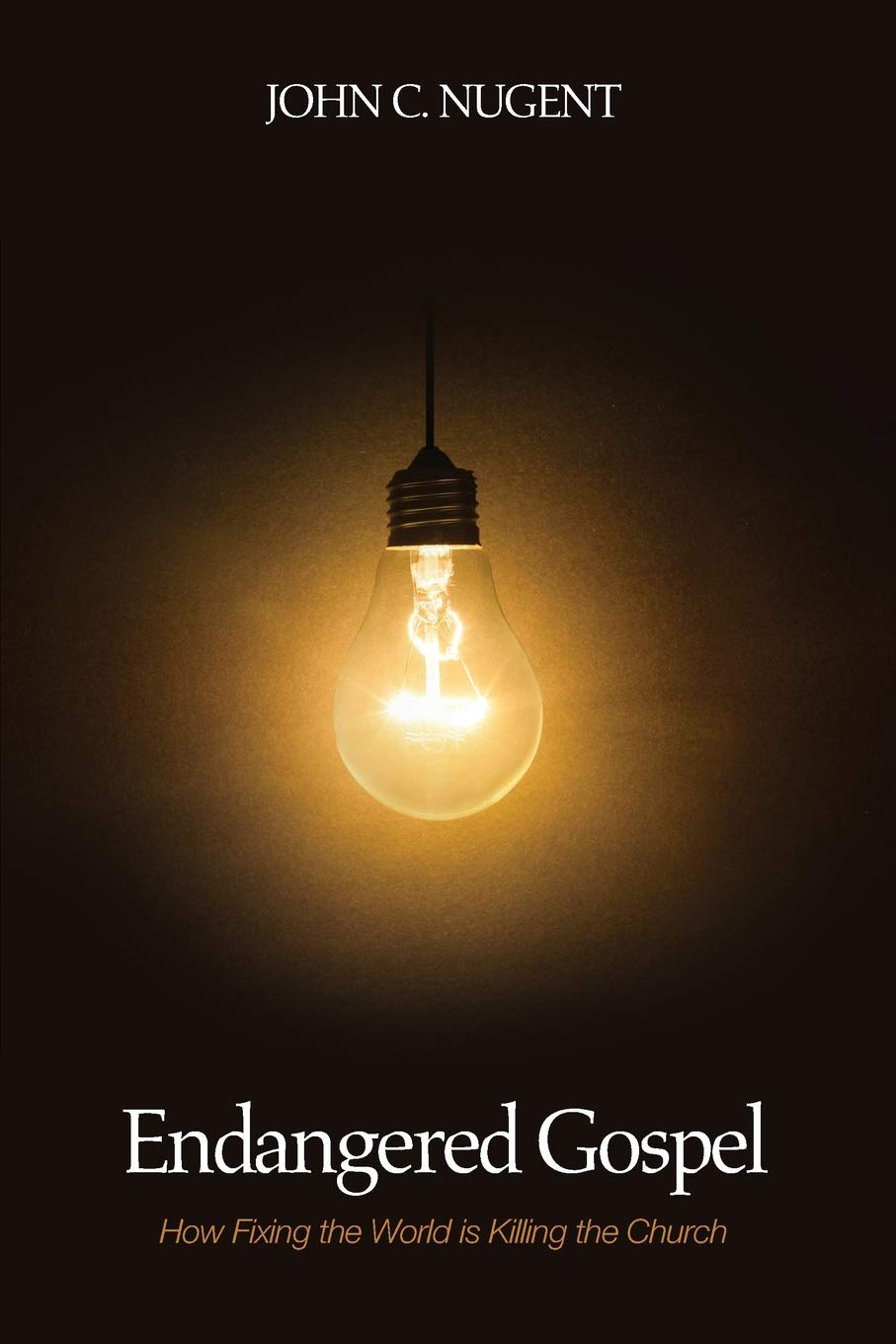
  17. Endangered Gospel: How Fixing the World is Killing the Church, by John C. Nugent
  18. Harry Potter and the Goblet of Fire, by J.K. Rowling
  19. Everyone Brave is Forgiven, by Chris Cleave
  20. The Wright Brothers, by David McCullough
  21. Harry Potter and the Order of the Phoenix, by J.K. Rowling
  22. What Paul Meant, by Garry Wills
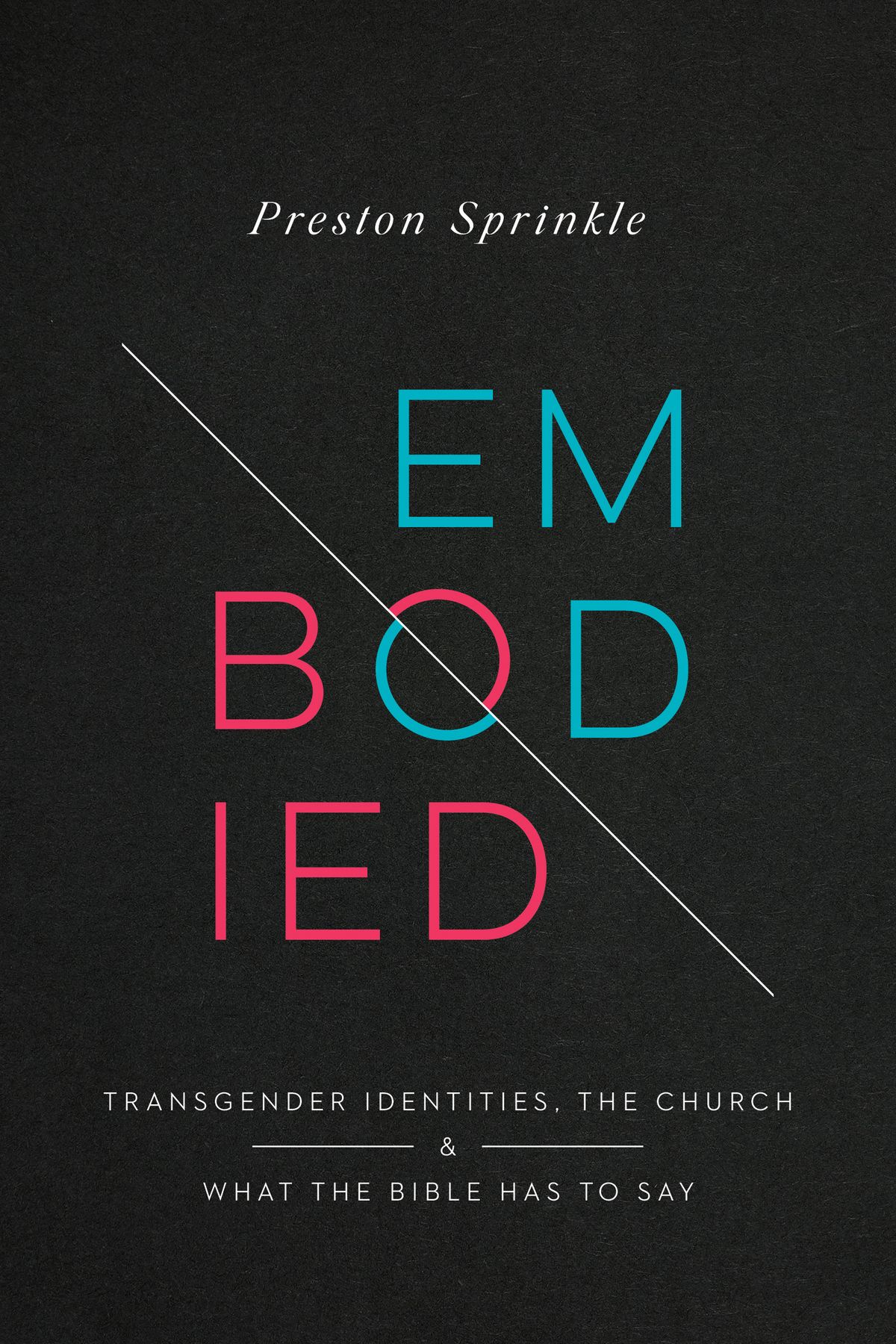
  23. Embodied: Transgender Identities, The Church, & What The Bible Has To Say, by Preston Sprinkle
  24. The Apostolic Fathers in English, by Michael W. Holmes
  25. Harry Potter and the Half-Blood Prince, by J.K. Rowling
  26. The Secrets We Kept, by Lara Prescott
  27. The King Jesus Gospel: The Original Good News Revisited, by Scot McKnight
  28. A Woman of No Importance: The Untold Story of the American Spy Who Helped Win World War II, by Sonia Purnell
  29. How To Win the West Again, by Timothy Keller
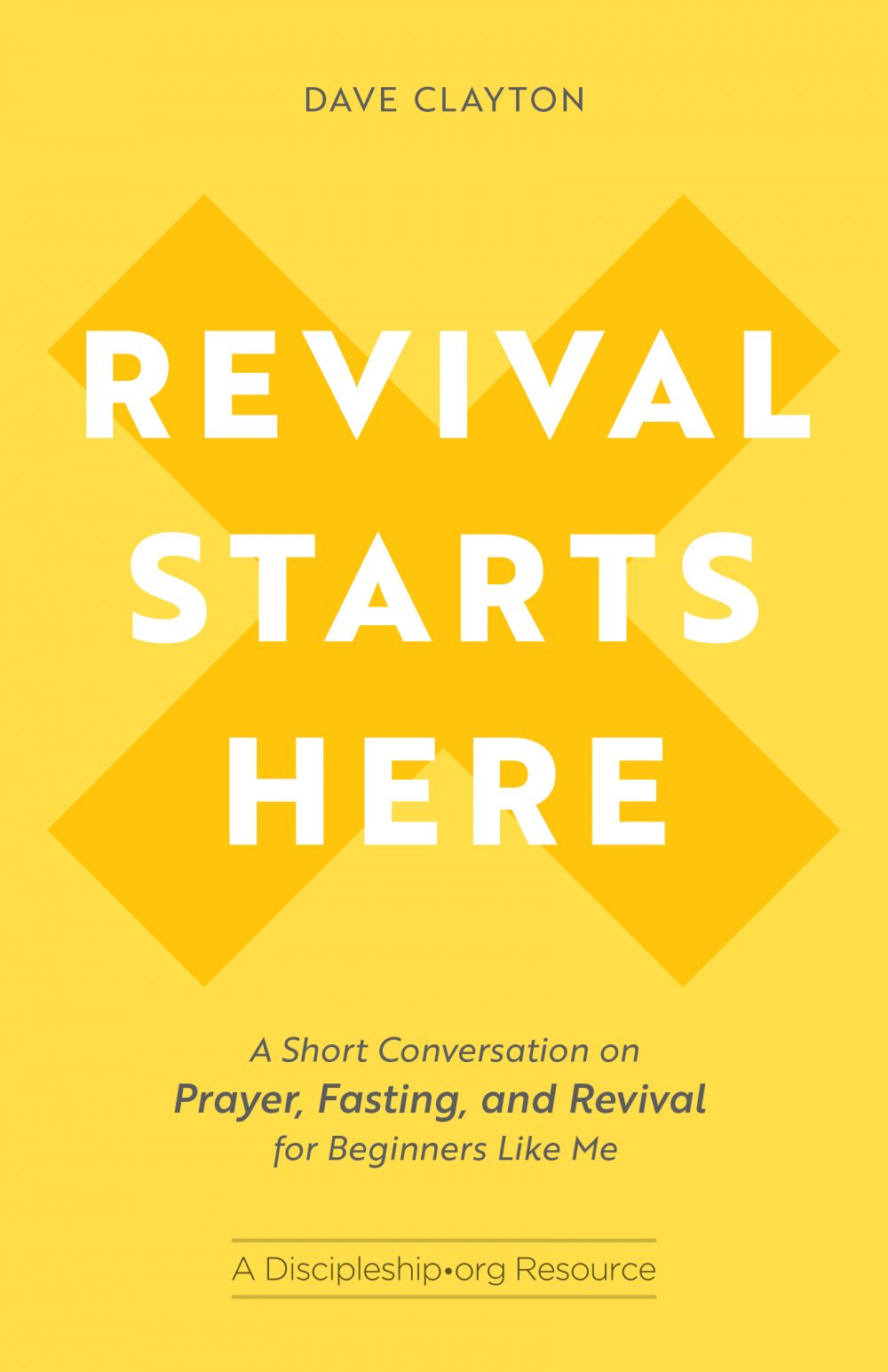
  30. Revival Starts Here: A Short Conversation on Prayer, Fasting, and Revival for Beginners Like Me, by Dave Clayton
  31. Harry Potter and the Deathly Hallows, by J.K. Rowling
  32. The Devil Inside, by Jimmy Hinton
  33. Growing Young: 6 Essential Strategies to Help Young People Discover and Love your Church, by Kara Powell, Jake Mulder, and Brad Griffin
  34. Thrawn Ascendancy: Chaos Rising, by Timothy Zahn
  35. Bonhoeffer: Pastor, Martyr, Prophet, Spy, by Eric Metaxas
  36. Thrawn Ascendancy: Greater Good, by Timothy Zahn
  37. Be the Bridge: Pursuing God’s Heart for Racial Reconciliation, by Latasha Morrison
  38. One By One, by Ruth Ware
  39. God Unseen: A Theological Introduction to Esther, by Nathan Ward
  40. December 6, by Martin Cruz Smith
  41. The Wolf Spear’s Task, by Scott Biddle
  42. The College Press NIV Commentary: Ecclesiastes, by Dave L. Bland*
  43. Beyond Order: 12 More Rules for Life, by Jordan B. Peterson
  44. Dark Sky Rising: Reconstruction and the Dawn of Jim Crow, by Henry Louis Gates
  45. The Passenger, by Ulrich Alexander Boschwitz
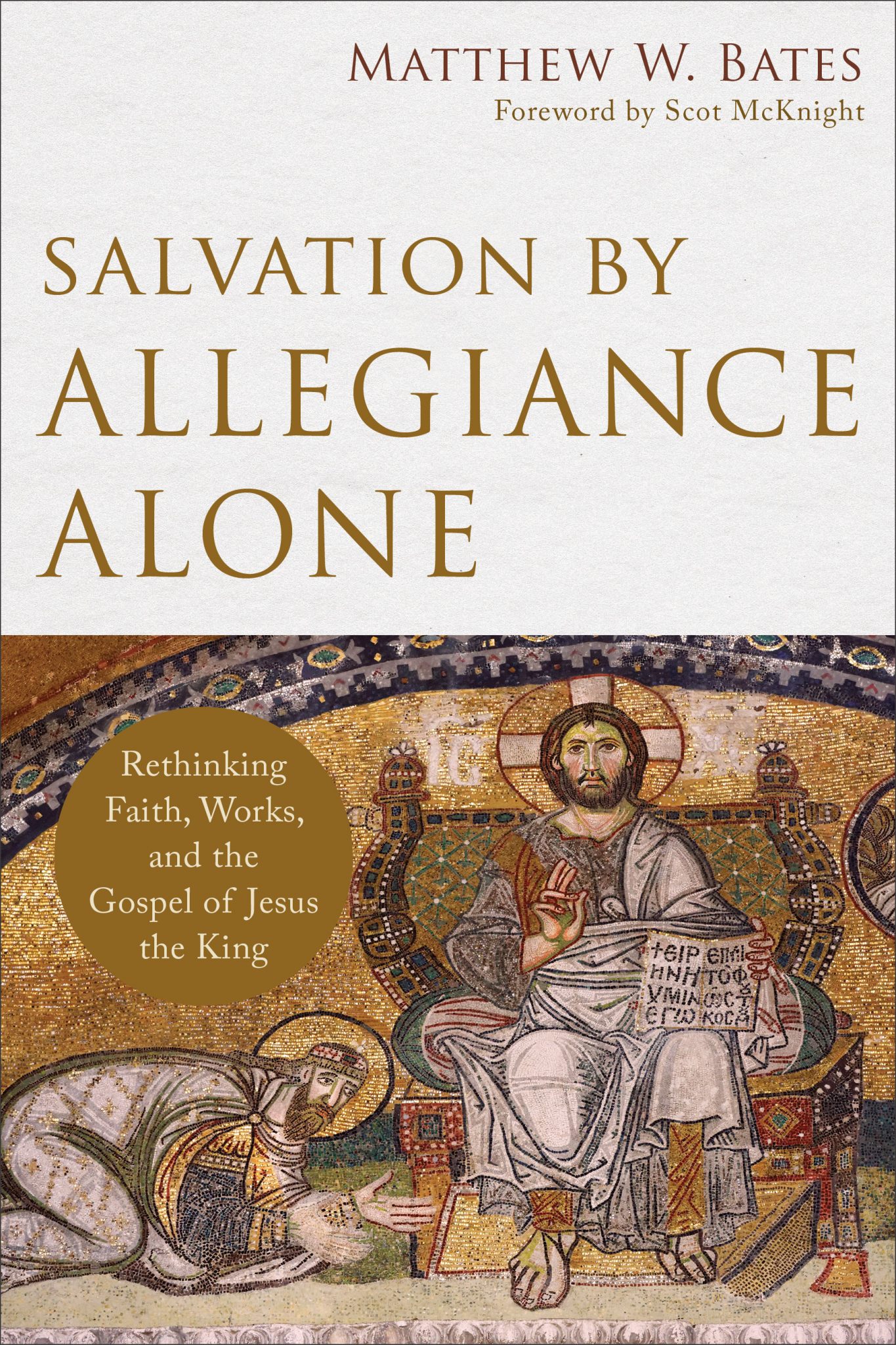
  46. Salvation By Allegiance Alone: Rethinking Faith, Works, and the Gospel of Jesus the King, by Matthew W. Bates
  47. Sticky Faith Youth Worker Edition, by Kara E Powell, Brad M. Griffin, and Cheryl A. Crawford
  48. White Trash: The 400-Year Untold History of Class in America, by Nancy Isenberg
  49. Robert E. Lee And Me: A Southerner’s Reckoning With the Myth of the Lost Cause, by Ty Seidule
  50. The Cathedral of Christianity: A Study of Romans, by Jared Pack
  51. Be Wise Small: A Lifetime of Distilled Wisdom, by Dee Bowman
  52. The Shallows: What the Internet is Doing to Our Brains, by Nicholas Carr
  53. The Coddling of the American Mind: How Good Intentions and Bad Ideas Are Setting Up a Generation for Failure, by Greg Lukianoff and Jonathan Haidt
  54. Gen Z: The Culture, Beliefs, and Motivations Shaping the Next Generation, by Barna Group
  55. The Torah: The Five Books of Moses, by Jewish Publication Society
  56. 42 Faith: The Rest of the Jackie Robinson Story, by Ed Henry
  57. The Hiding Place, by Corrie Ten Boom
  58. Gen Z Vol 2: Caring for Young Souls and Cultivating Resilience, by Barna Group
  59. The Pilgrim’s Progress, by John Bunyan
  60. Horseman: A Tale of Sleepy Hollow, by Christina Henry
  61. Miracles and Other Reasonable Things: A Story of Unlearning and Relearning God, by Sarah Bessey
  62. Radical: Taking Back Your Faith from the American Dream, by David Platt
  63. Holes, by Louis Sachar
  64. International English Bible New Testament, 
  65. Astrophysics for People in a Hurry, by Neil DeGrasse Tyson
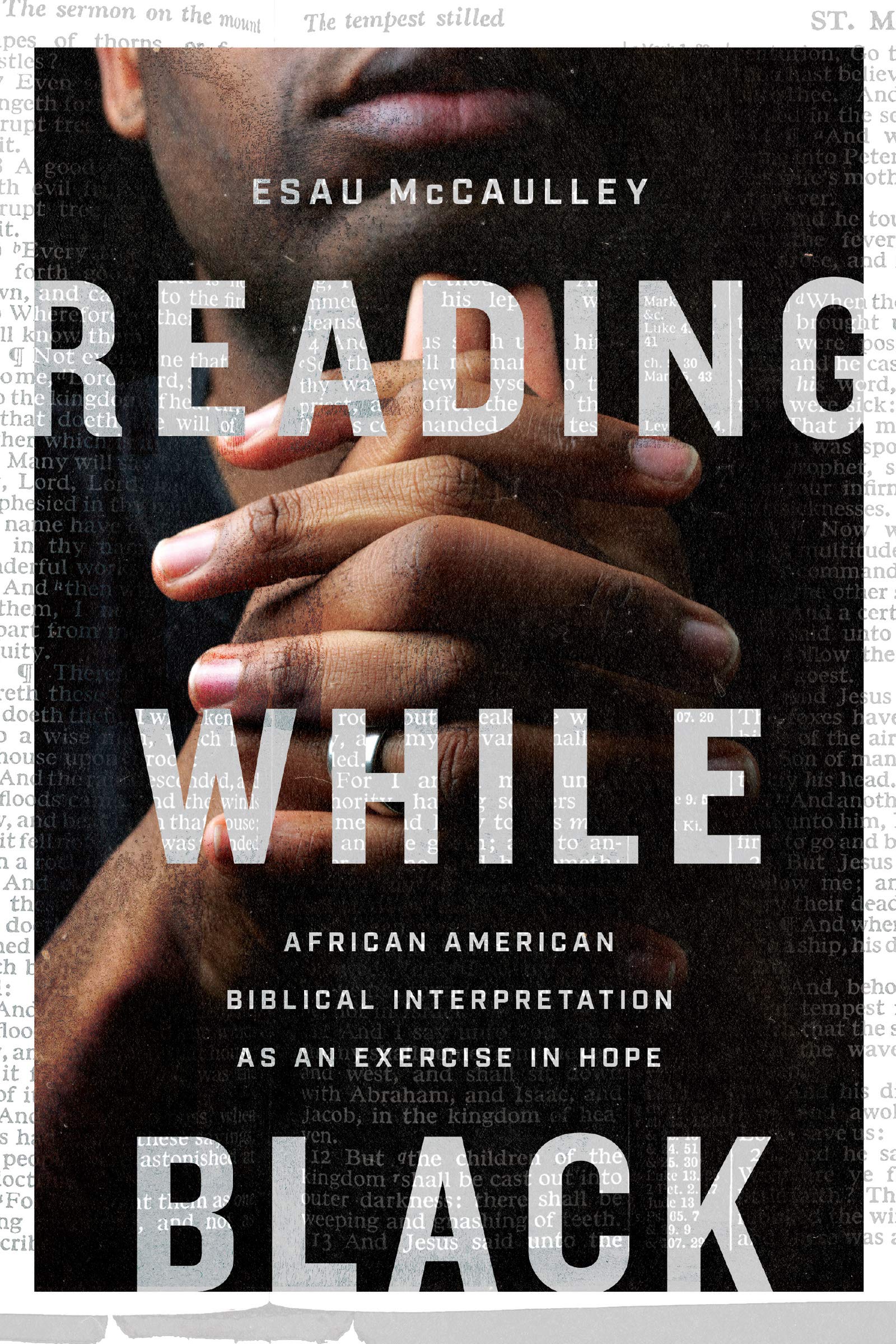
  66. Reading While Black: African American Biblical Interpretation As An Exercise In Hope, by Esau McCaulley

*This was from a commentary on Ecclesiastes, Proverbs, and Song of Songs; I read the entirety of the Ecclesiastes portion.

A few observations before I talk about my favorite books of the year:

  • My reading total increased from 65 books in 2020 to 66 in 2021. My 2021 total represents a personal record for books read in a year. Listening to audiobooks while I work out has helped to keep this number as high as it is.
  • The best books I read this year were absolutely incredible, but on the whole, my reading this year was not quite as good as 2020.
  • I am currently working through some dense books and have plans to do quite a bit of this type of reading in 2022, so I expect my reading totals to decrease significantly next year.

Here are my Top 10 books for the year, here are some brief thoughts on those (presented in order of when I read them, not ranked 1-10):

Don’t Miss It: Parent Every Week Like It Counts, by Reggie Joiner and Kristen Ivy: This is a really short and simple book, but its message is so important and convicting. That message is this: if you are a parent, your responsibility to shape a child’s character and faith is really important, and you have a limited window of opportunity to do it. The average parent has less than 1,000 weeks between the time a child is born and the time that child leaves their house, and those weeks (and the opportunities for connection and influence with your kids) tick away relentlessly. Make the most of the time you have. This may be a read-every-year type of book for me.

The Screwtape Letters, by C.S. Lewis: I first read Screwtape about a dozen years ago, but reread it this past year. Told in Lewis’s brilliant style, it is a clever, imaginative portrayal of the ways in which the Evil One seeks to tempt us. The premise of the novel is that Screwtape, an older, more experienced demon of some authority, is giving advice to his nephew Wormwood on how best to “win over” a man he is working to tempt.

Companion to Narnia: Revised and Expanded, by Paul E. Ford: I loved this book. I love the Chronicles of Narnia and wrote extensively about them last year, and this wonderful book would have been a huge help during that process. It took a long time to read because it is essentially a reference book with encyclopedia-type entries on anything related to Narnia you can imagine. This gave me great insight into the process of the composition of the Narnia series, and also all sorts of theological insights into the books. It is well named; rather than reading it through as I did, it functions better as a “companion” that you have handy as your read through the Narnia books and wonder about other questions related to the world Lewis has created.

A Gentleman in Moscow, by Amor Towles: The summer after my senior year of high school I went on a mission trip to Russia, and I have been interested in aspects of Russian culture and history ever since. This novel focuses on the life of a young aristocrat who is “exiled” to a fashionable Moscow hotel when the Russian Revolution occurs and is forced to live there, never being allowed to leave the hotel premises for several decades. From within the walls of the hotel, he observes the changes in the country around him and seeks to find meaning in a life where his freedom is greatly curtailed, and even the country’s finest hotel quickly becomes a prison. It is a fascinating, well-written, and emotional story, and I really enjoyed it. I actually listened to this as an audiobook with an excellent narrator, which added to the enjoyment.

Endangered Gospel: How Fixing the World is Killing the Church, by John C. Nugent: I tend to not rank my Top 10 books of the year, but this was absolutely one of the two best books that I read in 2021. Nugent’s basic premise is that all sorts of Christians are dedicating their lives to the wrong task: trying to fix the problems of the world. However, this doesn’t work very well, in large part because it isn’t the task that God has given us. Instead, we are supposed to be the better place that God will make the world into. This is new creation theology. The old order of the world is passing away, and God is doing a new thing. Rather than try to prop up the old order, our task is to live into the new thing that God is doing. If that sounds like a heartless lack of concern for people or ignoring the problems of the world, it’s not; rather, God’s people—the church—is the way that we address the hurting people in our world. By modeling God’s beloved community and inviting people into that community, we actually do make a difference in the lives of people, we are obedient to the mission that God has laid out for us in Scripture, and we actively participate in the work that God is doing until the Day arrives that He comes and makes all things new. This was a paradigm-changing book, but so, so good.

Embodied: Transgender Identities, The Church, & What The Bible Has To Say, by Preston Sprinkle: Issues related to transgender identities have claimed a central place in our culture in recent years and, frankly, there has been a lot of muddled thinking from Christians as to how we should respond. Sprinkle offers a real gift to the church here, as he provides the reader with a helpful overview of the situation including definitions, scientific data, and biblical exegesis. Ultimately, Sprinkle affirms a high view of Scripture and a historic Christian sexual ethic, but does so with keen pastoral impulses: our first and overriding response to those who would place themselves on the trans* spectrum must be love. If we get the doctrine right but fail to love, then we haven’t gotten the doctrine right. Sprinkle stretched me with this book, and I think that will be true for almost all readers (regardless of your views on this) if you give him a fair and gracious reading.

Revival Starts Here: A Short Conversation on Prayer, Fasting, and Revival for Beginners Like Me, by Dave Clayton: This was another short-but-very-helpful book. In my experience, fasting is a topic that quickly makes American Christians (i.e. the group of Christians I know best) uncomfortable and seeking imaginative explanations of why they don’t need to do it. Instead of that approach, Clayton takes the biblical practice of fasting seriously. He looks at reasons why we should do it, barriers that may prevent us from doing it, and practical ways to go about doing it. This is another book that I expect to read multiple times as I seek to grow in this spiritual discipline.

Salvation By Allegiance Alone: Rethinking Faith, Works, and the Gospel of Jesus the King, by Matthew W. Bates: Along with Endangered Gospel, this was my other top book for the year. Bates argues that the Greek word pistis (πιστις) that is generally translated as faith in our New Testaments would be better translated as something like loyalty or fidelity or allegiance. Bates does a good job establishing his position lexically and contextually, but even more important is his biblical/theological argument that “faith” as “allegiance” makes a lot of sense in response to the content of the Gospel message which, properly understood, is not about how we get saved, but is rather that Jesus Christ is Lord, the King of the Universe. Certainly, Jesus being Lord includes ramifications for our salvation, but it is a much bigger story than that, and it is the story that Scripture is telling. In response to the Gospel message that Jesus is Lord, the appropriate response is pledging our lives in allegiance to Him. This is another paradigm-changing book—it is brilliant.

The Coddling of the American Mind: How Good Intentions and Bad Ideas Are Setting Up a Generation for Failure, by Greg Lukianoff and Jonathan Haidt: My friend Bob Turner has talked about this book for a few years, and I finally took the plunge and read it. It was a great read, and I highly recommend it for parents, teachers, and anyone interested generally with widespread trends in our society. The basic premise is that there are three unhelpful, untrue ideas that are prominent in our society today: (1) That children are fragile and need to be protected from everything, (2) That we should always trust our feelings in making judgments about the reality of the world, (3) That life is a battle between good people and evil people. These ideas have reached a fever pitch on a lot of college campuses and have resulted in very unhelpful environments, and Lukianoff and Haidt critique these bad ideas with research and multiple examples. This is not, in any sense, a biblical book, and yet, the main lessons contained inside cohere closely to biblical teaching; I actually used content from this book in the youth ministry class I taught in a university setting this past fall.

Reading While Black: African American Biblical Interpretation As An Exercise In Hope, by Esau McCaulley: McCaulley’s book is a great gift to the church at large as he seeks to explain the Black Ecclesial Tradition, which he describes as a “third way” approach to biblical interpretation that is distinct both from white progressives and evangelicals. McCaulley writes elegantly and with great clarity, and shows keen theological insight on a range of biblical topics ranging from submission to government and policing, slavery, Black anger, and the long history that people of African descent have in the story of God’s people. This book serves as a helpful reminder that the way we read Scripture is greatly influenced by our social location, and that our understanding of Scripture is broadened by reading from people who come from different backgrounds than our own.


That was my reading for 2021. For comparison’s sake if you are interested, you can see my reading lists from previous years:

What are some of the best books you read this past year?

« Older posts Newer posts »

© 2026 The Doc File

Theme by Anders Noren — Up ↑