The online journal of Luke Dockery

Category: Books (Page 6 of 27)

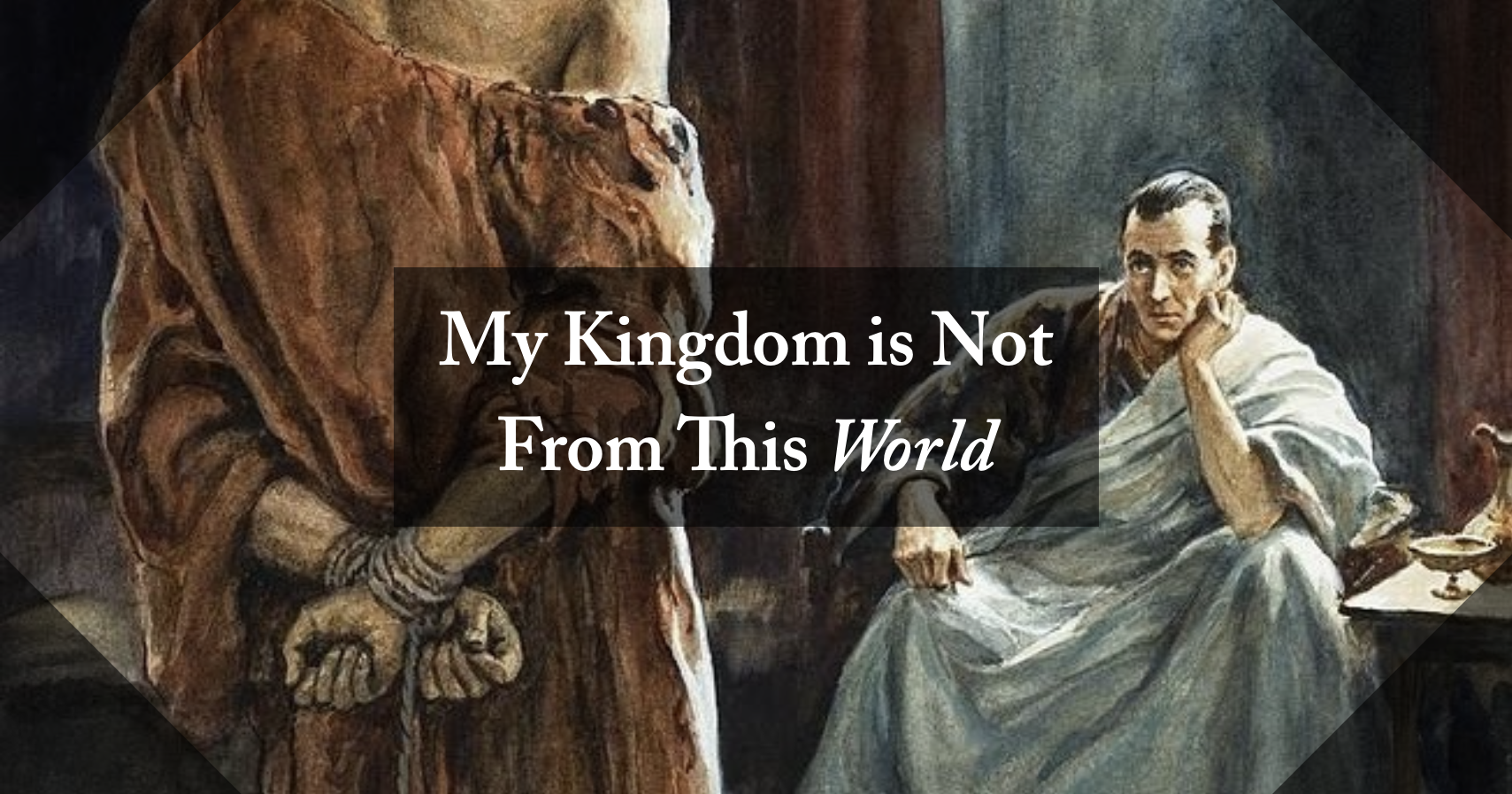
My Kingdom is Not From This World

I have been doing my daily Bible reading out of The Word on Fire Bible; it has been a novel experience that I have enjoyed. It is a project from Catholic Bishop Robert Barron, who pens articles throughout the volume. Here are some features that I have appreciated so far:

  • It is an NRSV, which, though a well-known and widely-read translation, is one I have not used significantly before, so I have enjoyed working through a new translation.
  • It contains beautiful artwork from Christian history along with theological reflections.
  • It contains several excerpts and articles from Catholic thinkers throughout history (including Bishop Barron). I am not a Roman Catholic and some of the interpretations I read seem, frankly, bizarre to me, but others have been very insightful, and even those that seem strange to me still help me to better understand the Catholic perspective.

Today, as I read John 18, I really appreciated Barron’s commentary on Jesus’ statement, “My kingdom is not from this world”:

We have to be careful in interpreting this observation, because there is always a double meaning to the term “world” in the Gospel of John. On the one hand, “world” designates the universe that God has created and that he sustains in love. This is the world that God loved enough to send his only Son as its Savior. On the other hand, “world” means that manner of ordering things which is out of step with God’s intentions; it indicates a political and cultural realm in which selfishness, hatred, division, and violence hold sway.

What Jesus implies, therefore, is not that his kingdom is irrelevant to ordinary experience, but that his way of ordering is radically out of step with the way practiced by Caesar, Pilate, Herod, and all the other usual suspects. In short, Jesus’ kingdom has everything to do with “this world” in the first sense of the term and nothing to do with it in the second.[1]

This is really helpful. I observe many Christians who emphasize the “spiritual” nature of God’s kingdom in a way that suggests we should be less interested in things that happen in this “world” and almost renders faith to be irrelevant to daily life, aloof from the goings-on in the world around us. Others, while claiming allegiance to Jesus, find themselves totally wrapped up in the “world’s” manner of ordering things, obsessed with the political machinations and societal influences of the day, and largely viewing things through the lens of power.

Properly understanding the different ways that John (and, indeed, the New Testament in general) uses the word “world” helps us to avoid either of these traps. God loves the world—it is His creation, filled with humans who bear His image—and showed this by His Son stepping into mundane human existence and living among us. What could be more practical or relevant than that? He lived among everyday people, attended weddings and funerals (doing some really surprising things at both), healed people who were sick, enjoyed children, criticized religious and political leaders, and taught about God. And in that teaching, He made very clear that God’s ways of doing things and the ideals He values were very different from the ways the “world” does things and the ideals it values (perhaps most clearly seen in the upside-down nature of the Beatitudes).

By all means, let us affirm that God’s kingdom is not from this world—but let’s make sure we know what Jesus meant when He said that.


[1] Bishop Robert Barron, “Christ the King,” in The Word on Fire Bible: The Gospels (Park Ridge, IL: Word on Fire Catholic Ministries, 2020), 562.

Reading in 2021

This post is always one of my favorites of the year, because it combines two things that I greatly enjoy: (1) reading and (2) obsessively keeping track of things. Basically, I like to keep track of what I read each year, and then offer some reflections about my favorite reads from the year.

Without further ado, here is my list from 2021:

  1. The Purity Principle, by Randy Alcorn
  2. The Blue Parakeet, 2nd Edition, by Scot McKnight
  3. Epic: An Around-the-World Journey through Christian History, by Tim Challies
  4. Natural Evangelism: An Everyday Approach to Sharing the Gospel, by Matthew W. Morine
  5. Don’t Miss It: Parent Every Week Like It Counts, by Reggie Joiner and Kristen Ivy
  6. I’m Still Here: Black Dignity in a World Made for Whiteness, by Austin Channing Brown
  7. Leaving Church: A Memoir of Faith, by Barbara Brown Taylor
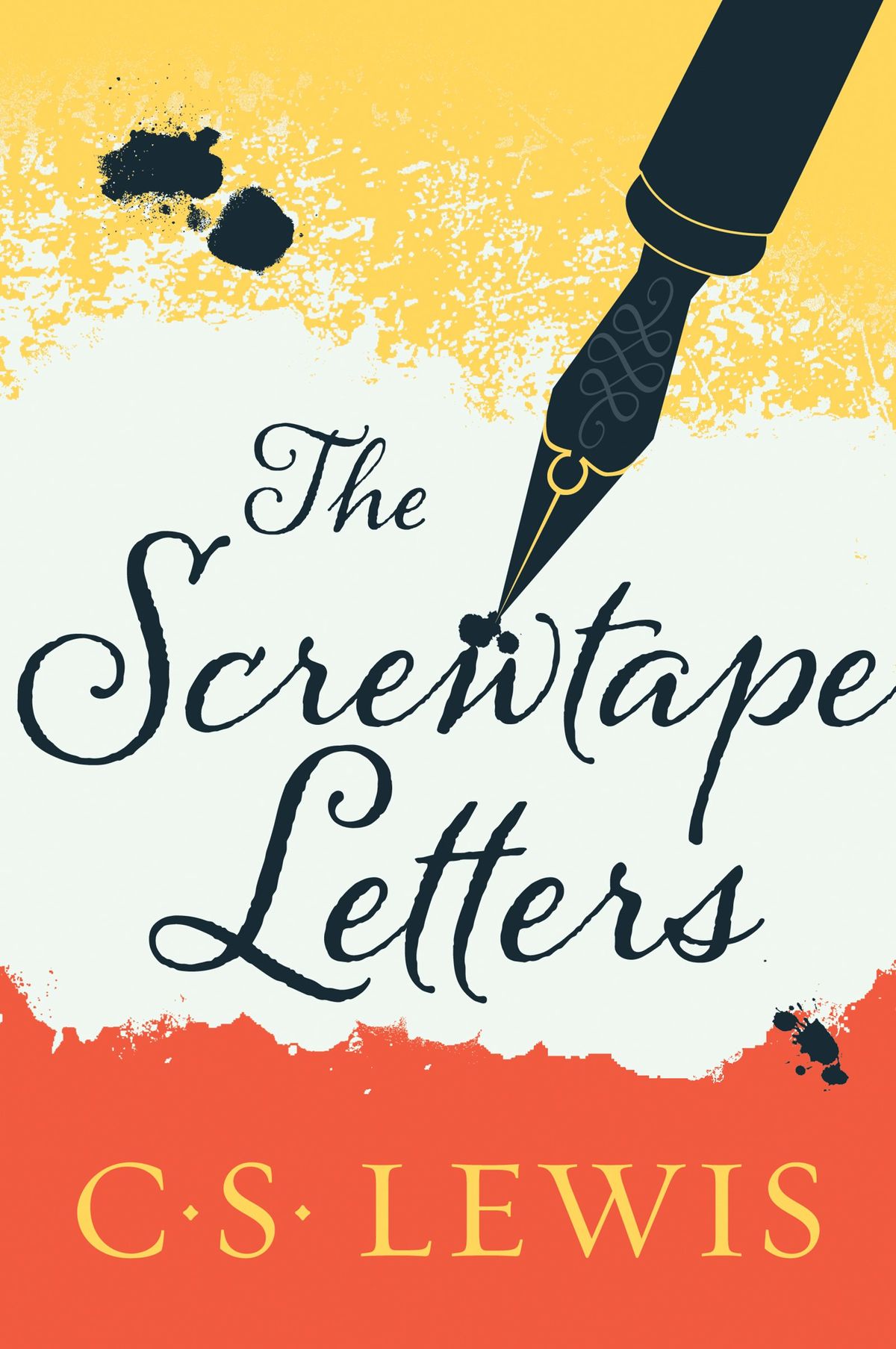
  8. The Screwtape Letters, by C.S. Lewis
  9. The Prince of Life: The Story of Christ for Young People, Episcopal Church Fellowship Series
  10. Harry Potter and the Chamber of Secrets, by J.K. Rowling
  11. Harry Potter and the Prisoner of Azkaban, by J.K. Rowling
  12. The Problem of Pain, by C.S. Lewis
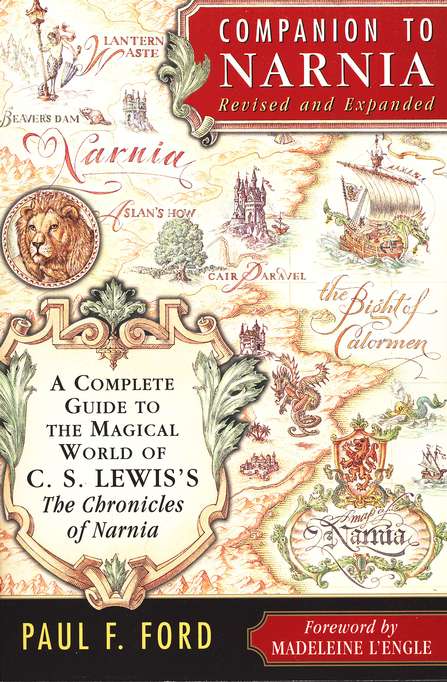
  13. Companion to Narnia: Revised and Expanded, by Paul E. Ford
  14. Said I Wasn’t Gonna Tell Nobody: The Making of a Black Theologian, by James. H. Cone
  15. The Gunfighters, by Lea F. McCarty
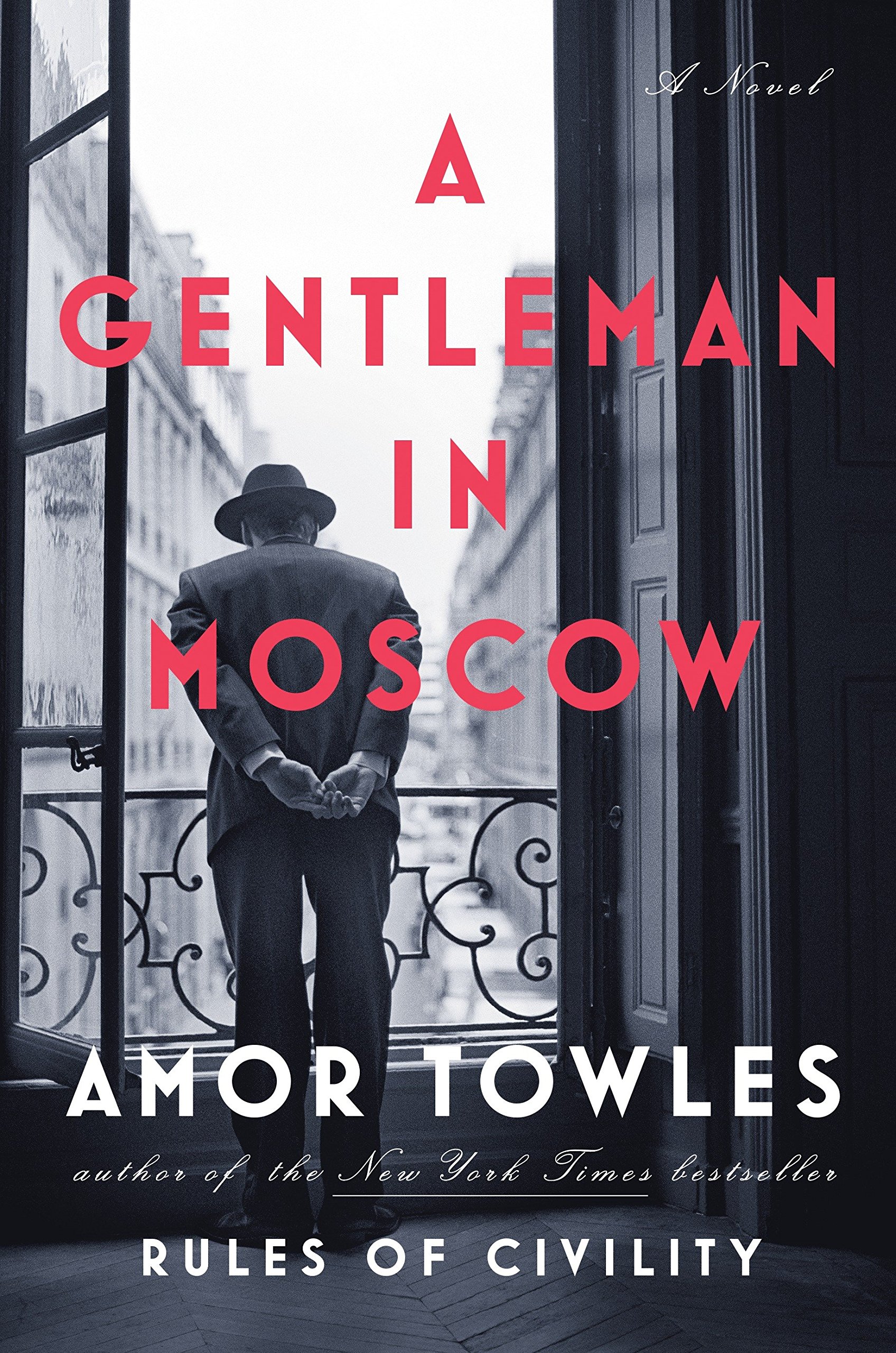
  16. A Gentleman in Moscow, by Amor Towles
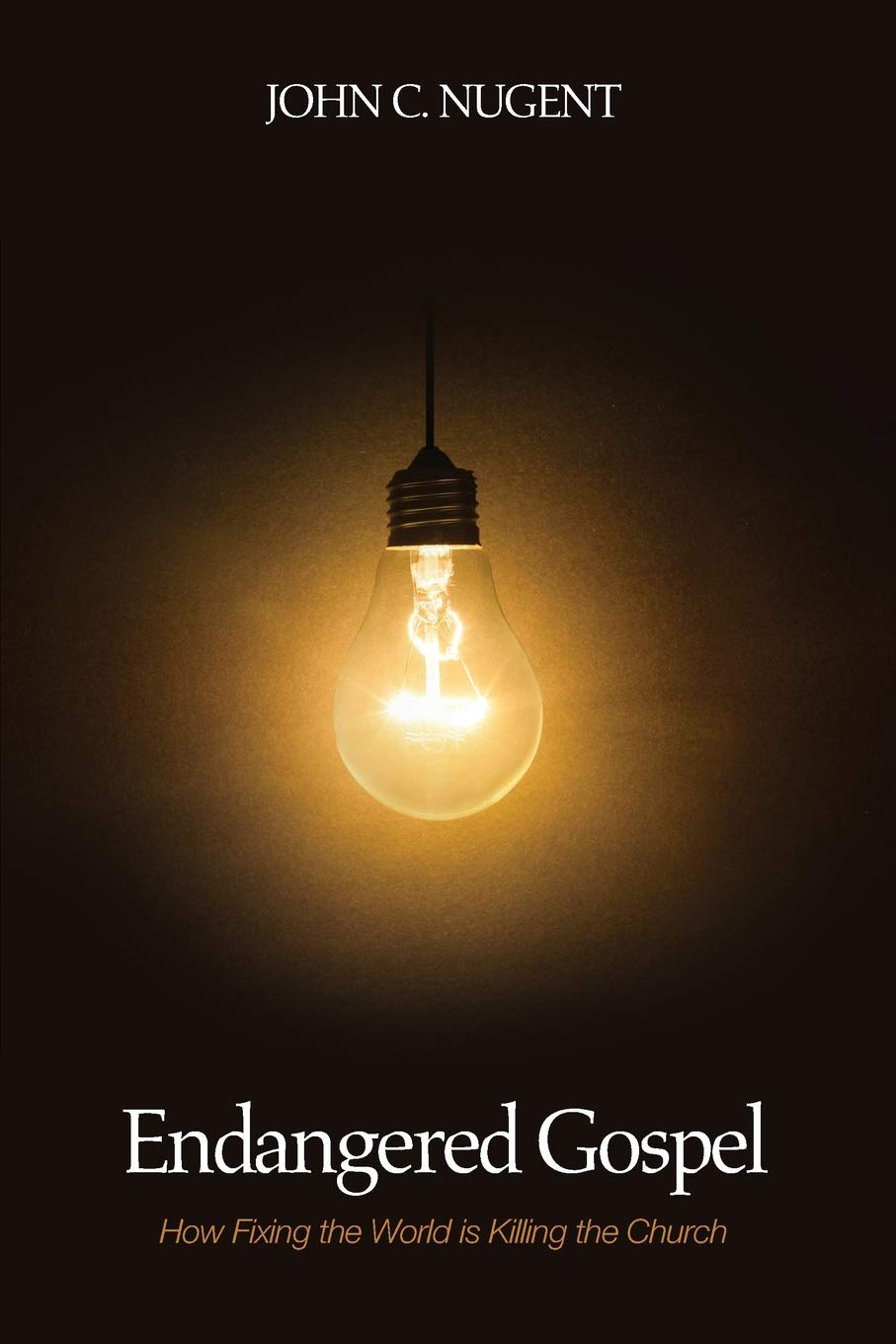
  17. Endangered Gospel: How Fixing the World is Killing the Church, by John C. Nugent
  18. Harry Potter and the Goblet of Fire, by J.K. Rowling
  19. Everyone Brave is Forgiven, by Chris Cleave
  20. The Wright Brothers, by David McCullough
  21. Harry Potter and the Order of the Phoenix, by J.K. Rowling
  22. What Paul Meant, by Garry Wills
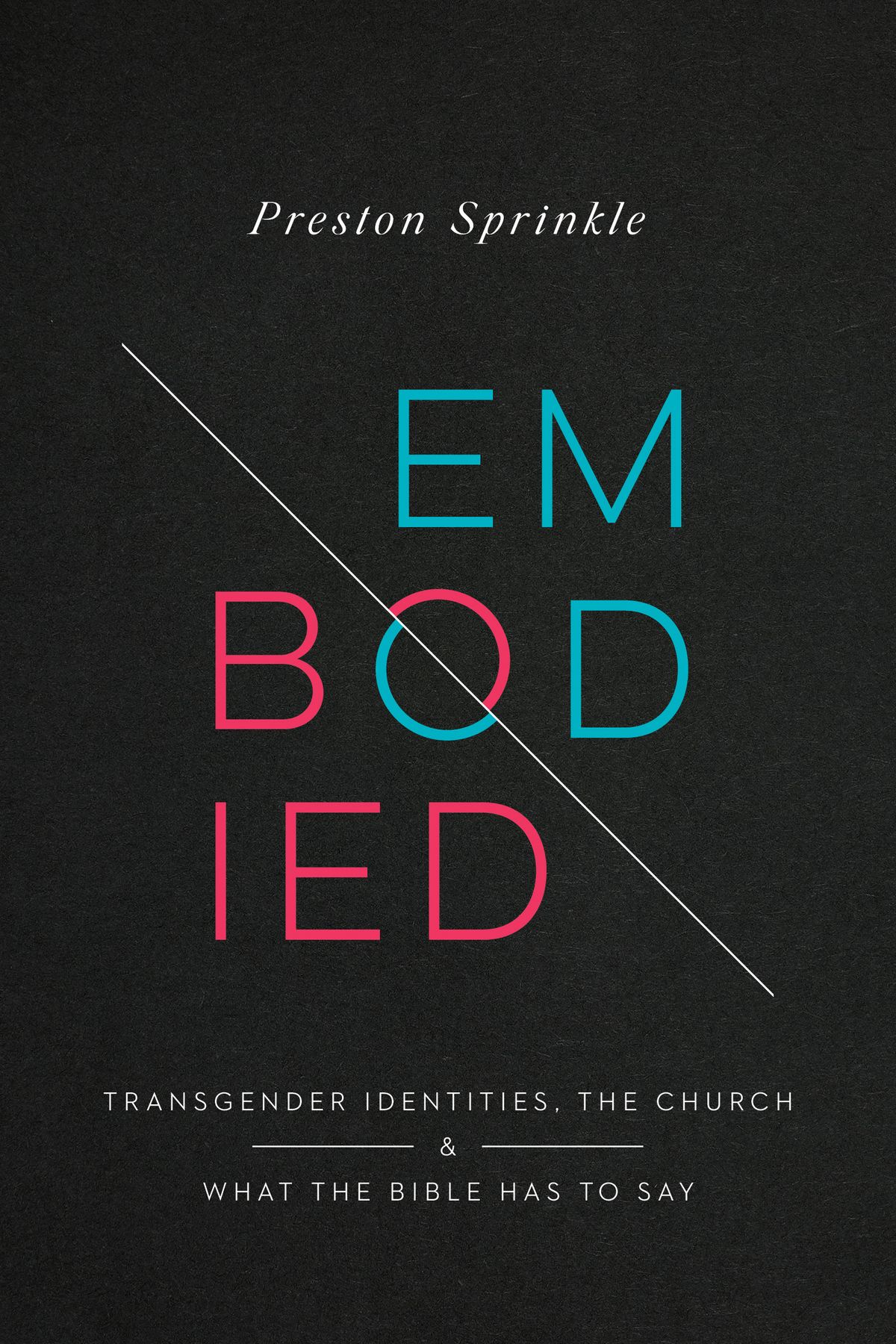
  23. Embodied: Transgender Identities, The Church, & What The Bible Has To Say, by Preston Sprinkle
  24. The Apostolic Fathers in English, by Michael W. Holmes
  25. Harry Potter and the Half-Blood Prince, by J.K. Rowling
  26. The Secrets We Kept, by Lara Prescott
  27. The King Jesus Gospel: The Original Good News Revisited, by Scot McKnight
  28. A Woman of No Importance: The Untold Story of the American Spy Who Helped Win World War II, by Sonia Purnell
  29. How To Win the West Again, by Timothy Keller
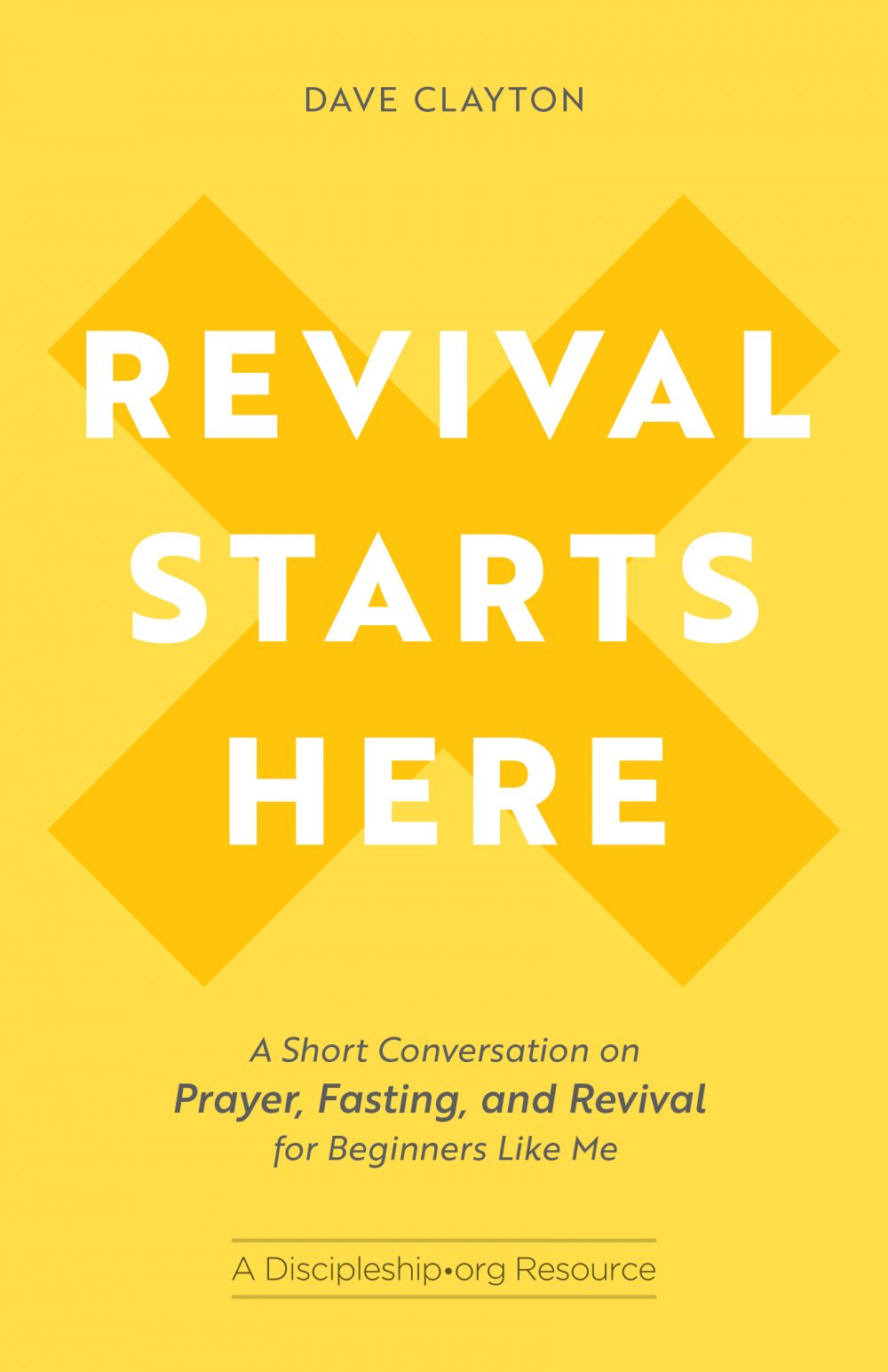
  30. Revival Starts Here: A Short Conversation on Prayer, Fasting, and Revival for Beginners Like Me, by Dave Clayton
  31. Harry Potter and the Deathly Hallows, by J.K. Rowling
  32. The Devil Inside, by Jimmy Hinton
  33. Growing Young: 6 Essential Strategies to Help Young People Discover and Love your Church, by Kara Powell, Jake Mulder, and Brad Griffin
  34. Thrawn Ascendancy: Chaos Rising, by Timothy Zahn
  35. Bonhoeffer: Pastor, Martyr, Prophet, Spy, by Eric Metaxas
  36. Thrawn Ascendancy: Greater Good, by Timothy Zahn
  37. Be the Bridge: Pursuing God’s Heart for Racial Reconciliation, by Latasha Morrison
  38. One By One, by Ruth Ware
  39. God Unseen: A Theological Introduction to Esther, by Nathan Ward
  40. December 6, by Martin Cruz Smith
  41. The Wolf Spear’s Task, by Scott Biddle
  42. The College Press NIV Commentary: Ecclesiastes, by Dave L. Bland*
  43. Beyond Order: 12 More Rules for Life, by Jordan B. Peterson
  44. Dark Sky Rising: Reconstruction and the Dawn of Jim Crow, by Henry Louis Gates
  45. The Passenger, by Ulrich Alexander Boschwitz
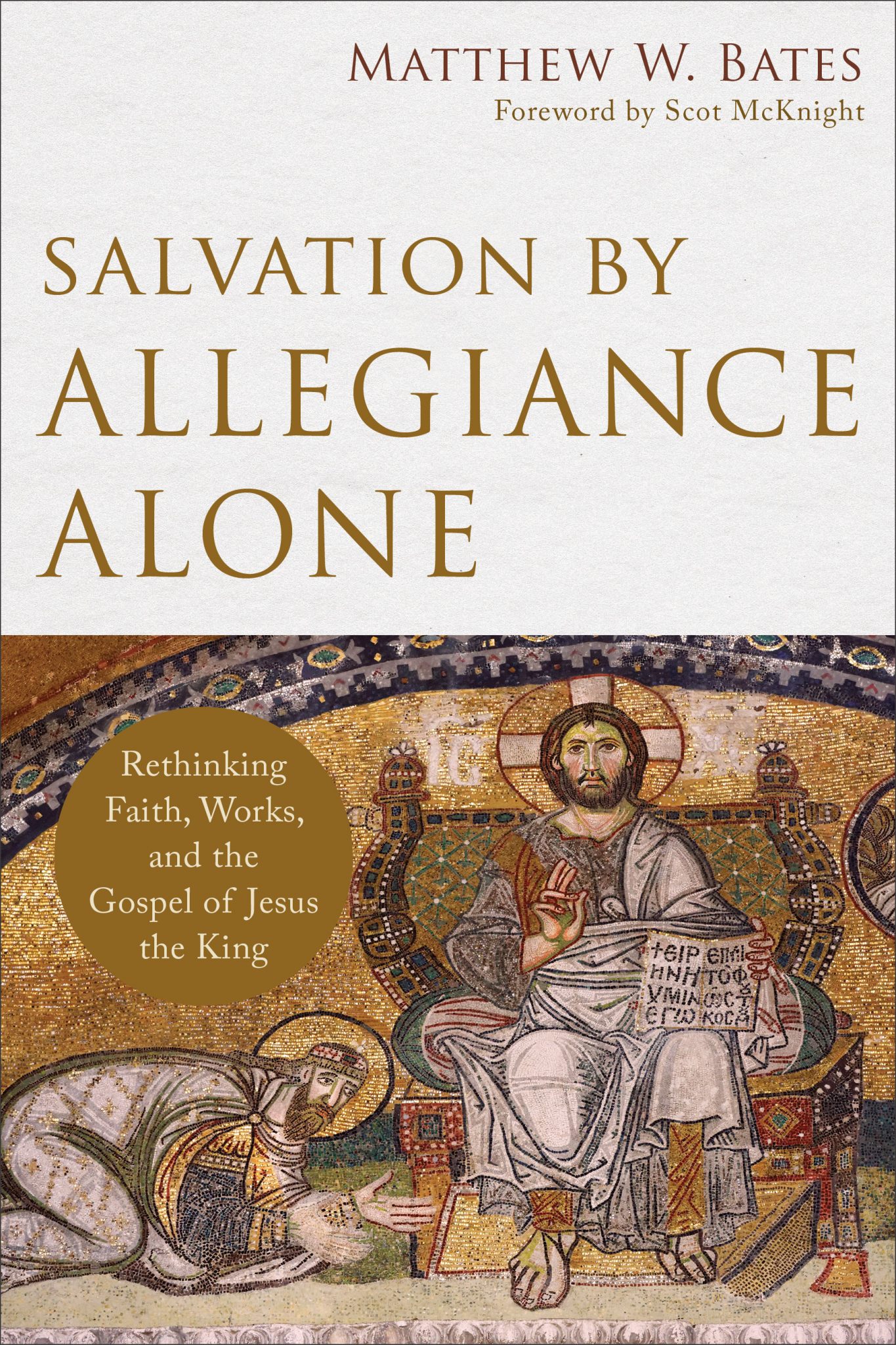
  46. Salvation By Allegiance Alone: Rethinking Faith, Works, and the Gospel of Jesus the King, by Matthew W. Bates
  47. Sticky Faith Youth Worker Edition, by Kara E Powell, Brad M. Griffin, and Cheryl A. Crawford
  48. White Trash: The 400-Year Untold History of Class in America, by Nancy Isenberg
  49. Robert E. Lee And Me: A Southerner’s Reckoning With the Myth of the Lost Cause, by Ty Seidule
  50. The Cathedral of Christianity: A Study of Romans, by Jared Pack
  51. Be Wise Small: A Lifetime of Distilled Wisdom, by Dee Bowman
  52. The Shallows: What the Internet is Doing to Our Brains, by Nicholas Carr
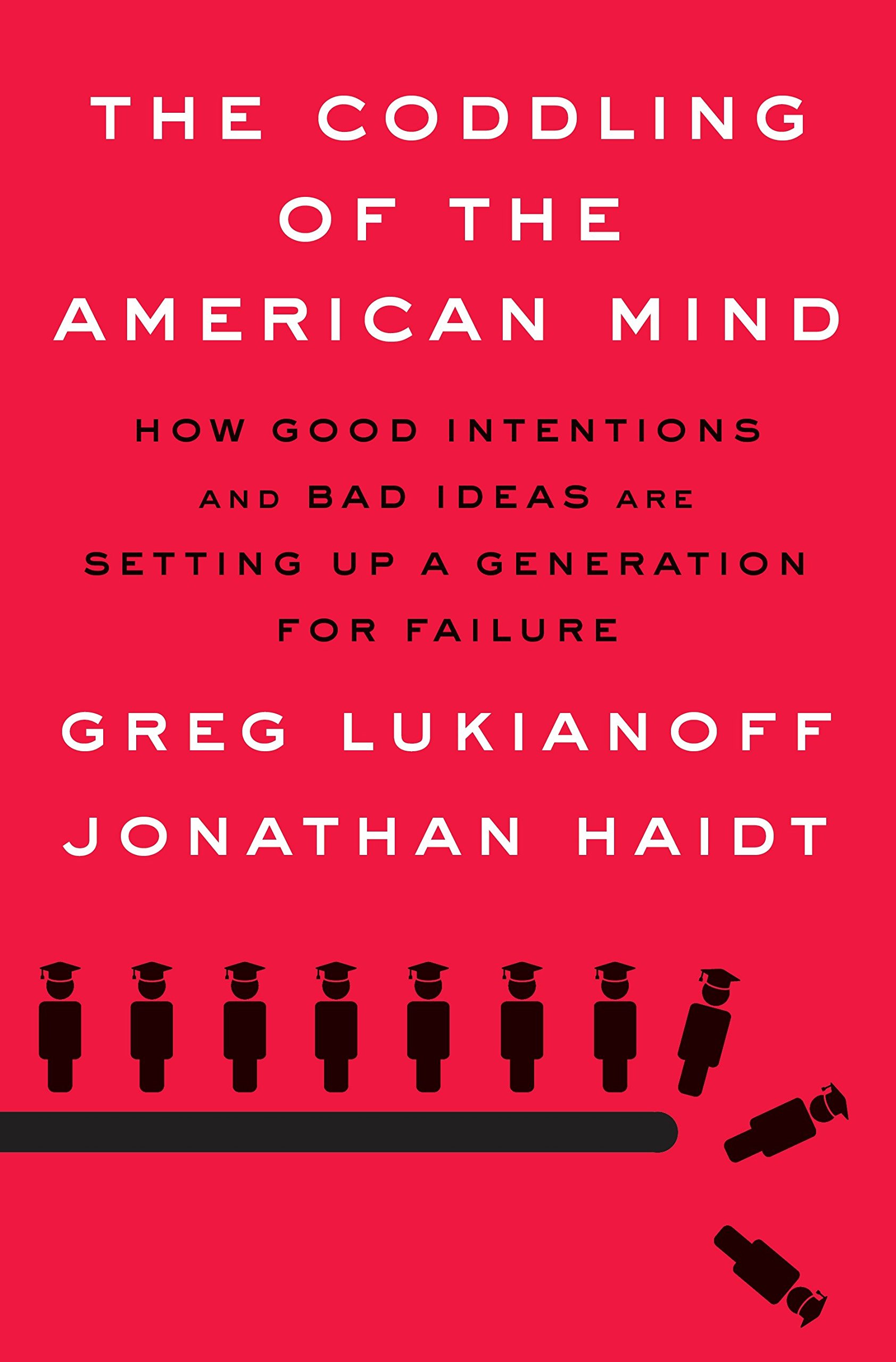
  53. The Coddling of the American Mind: How Good Intentions and Bad Ideas Are Setting Up a Generation for Failure, by Greg Lukianoff and Jonathan Haidt
  54. Gen Z: The Culture, Beliefs, and Motivations Shaping the Next Generation, by Barna Group
  55. The Torah: The Five Books of Moses, by Jewish Publication Society
  56. 42 Faith: The Rest of the Jackie Robinson Story, by Ed Henry
  57. The Hiding Place, by Corrie Ten Boom
  58. Gen Z Vol 2: Caring for Young Souls and Cultivating Resilience, by Barna Group
  59. The Pilgrim’s Progress, by John Bunyan
  60. Horseman: A Tale of Sleepy Hollow, by Christina Henry
  61. Miracles and Other Reasonable Things: A Story of Unlearning and Relearning God, by Sarah Bessey
  62. Radical: Taking Back Your Faith from the American Dream, by David Platt
  63. Holes, by Louis Sachar
  64. International English Bible New Testament, 
  65. Astrophysics for People in a Hurry, by Neil DeGrasse Tyson
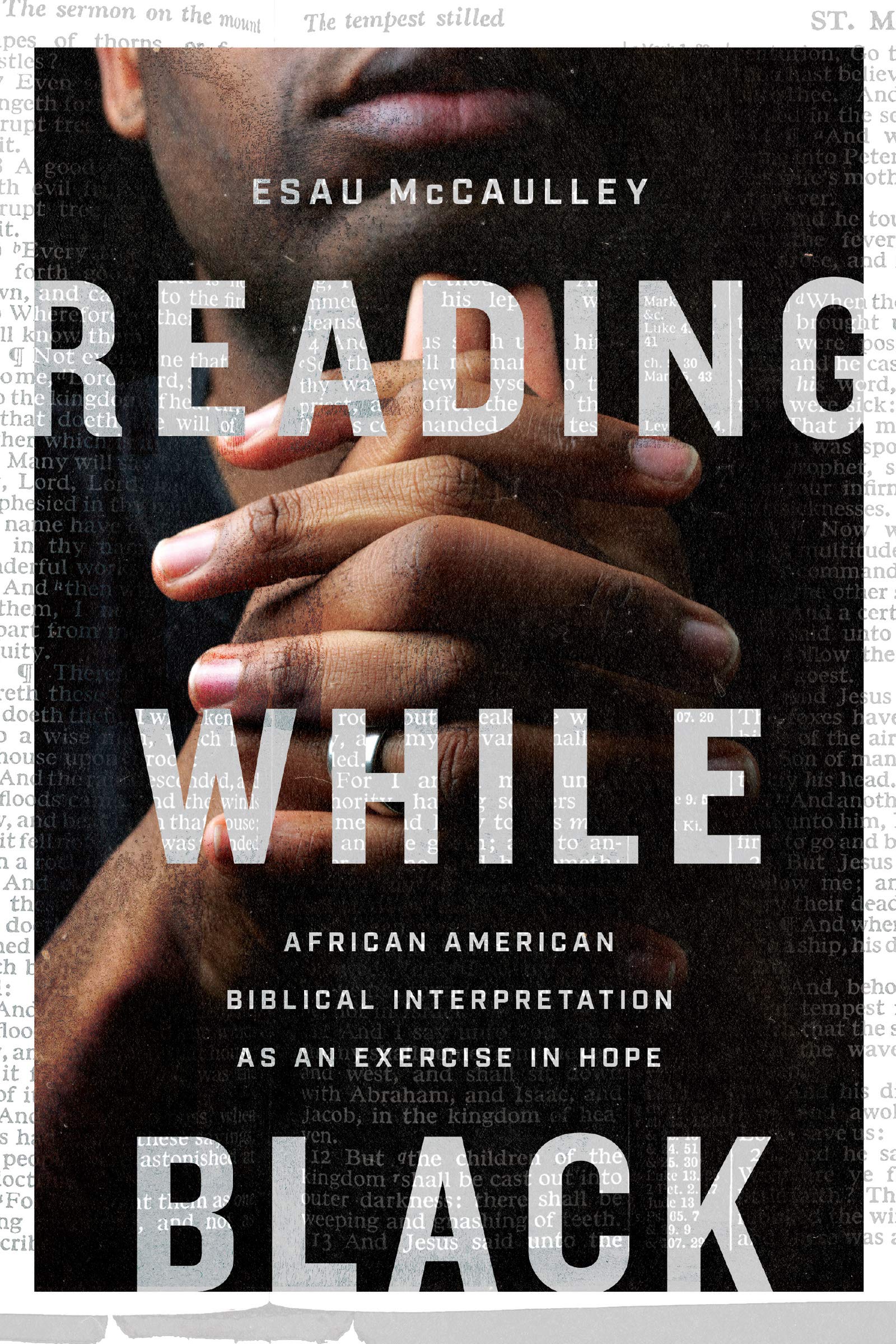
  66. Reading While Black: African American Biblical Interpretation As An Exercise In Hope, by Esau McCaulley

*This was from a commentary on Ecclesiastes, Proverbs, and Song of Songs; I read the entirety of the Ecclesiastes portion.

A few observations before I talk about my favorite books of the year:

  • My reading total increased from 65 books in 2020 to 66 in 2021. My 2021 total represents a personal record for books read in a year. Listening to audiobooks while I work out has helped to keep this number as high as it is.
  • The best books I read this year were absolutely incredible, but on the whole, my reading this year was not quite as good as 2020.
  • I am currently working through some dense books and have plans to do quite a bit of this type of reading in 2022, so I expect my reading totals to decrease significantly next year.

Here are my Top 10 books for the year, here are some brief thoughts on those (presented in order of when I read them, not ranked 1-10):

Don’t Miss It: Parent Every Week Like It Counts, by Reggie Joiner and Kristen Ivy: This is a really short and simple book, but its message is so important and convicting. That message is this: if you are a parent, your responsibility to shape a child’s character and faith is really important, and you have a limited window of opportunity to do it. The average parent has less than 1,000 weeks between the time a child is born and the time that child leaves their house, and those weeks (and the opportunities for connection and influence with your kids) tick away relentlessly. Make the most of the time you have. This may be a read-every-year type of book for me.

The Screwtape Letters, by C.S. Lewis: I first read Screwtape about a dozen years ago, but reread it this past year. Told in Lewis’s brilliant style, it is a clever, imaginative portrayal of the ways in which the Evil One seeks to tempt us. The premise of the novel is that Screwtape, an older, more experienced demon of some authority, is giving advice to his nephew Wormwood on how best to “win over” a man he is working to tempt.

Companion to Narnia: Revised and Expanded, by Paul E. Ford: I loved this book. I love the Chronicles of Narnia and wrote extensively about them last year, and this wonderful book would have been a huge help during that process. It took a long time to read because it is essentially a reference book with encyclopedia-type entries on anything related to Narnia you can imagine. This gave me great insight into the process of the composition of the Narnia series, and also all sorts of theological insights into the books. It is well named; rather than reading it through as I did, it functions better as a “companion” that you have handy as your read through the Narnia books and wonder about other questions related to the world Lewis has created.

A Gentleman in Moscow, by Amor Towles: The summer after my senior year of high school I went on a mission trip to Russia, and I have been interested in aspects of Russian culture and history ever since. This novel focuses on the life of a young aristocrat who is “exiled” to a fashionable Moscow hotel when the Russian Revolution occurs and is forced to live there, never being allowed to leave the hotel premises for several decades. From within the walls of the hotel, he observes the changes in the country around him and seeks to find meaning in a life where his freedom is greatly curtailed, and even the country’s finest hotel quickly becomes a prison. It is a fascinating, well-written, and emotional story, and I really enjoyed it. I actually listened to this as an audiobook with an excellent narrator, which added to the enjoyment.

Endangered Gospel: How Fixing the World is Killing the Church, by John C. Nugent: I tend to not rank my Top 10 books of the year, but this was absolutely one of the two best books that I read in 2021. Nugent’s basic premise is that all sorts of Christians are dedicating their lives to the wrong task: trying to fix the problems of the world. However, this doesn’t work very well, in large part because it isn’t the task that God has given us. Instead, we are supposed to be the better place that God will make the world into. This is new creation theology. The old order of the world is passing away, and God is doing a new thing. Rather than try to prop up the old order, our task is to live into the new thing that God is doing. If that sounds like a heartless lack of concern for people or ignoring the problems of the world, it’s not; rather, God’s people—the church—is the way that we address the hurting people in our world. By modeling God’s beloved community and inviting people into that community, we actually do make a difference in the lives of people, we are obedient to the mission that God has laid out for us in Scripture, and we actively participate in the work that God is doing until the Day arrives that He comes and makes all things new. This was a paradigm-changing book, but so, so good.

Embodied: Transgender Identities, The Church, & What The Bible Has To Say, by Preston Sprinkle: Issues related to transgender identities have claimed a central place in our culture in recent years and, frankly, there has been a lot of muddled thinking from Christians as to how we should respond. Sprinkle offers a real gift to the church here, as he provides the reader with a helpful overview of the situation including definitions, scientific data, and biblical exegesis. Ultimately, Sprinkle affirms a high view of Scripture and a historic Christian sexual ethic, but does so with keen pastoral impulses: our first and overriding response to those who would place themselves on the trans* spectrum must be love. If we get the doctrine right but fail to love, then we haven’t gotten the doctrine right. Sprinkle stretched me with this book, and I think that will be true for almost all readers (regardless of your views on this) if you give him a fair and gracious reading.

Revival Starts Here: A Short Conversation on Prayer, Fasting, and Revival for Beginners Like Me, by Dave Clayton: This was another short-but-very-helpful book. In my experience, fasting is a topic that quickly makes American Christians (i.e. the group of Christians I know best) uncomfortable and seeking imaginative explanations of why they don’t need to do it. Instead of that approach, Clayton takes the biblical practice of fasting seriously. He looks at reasons why we should do it, barriers that may prevent us from doing it, and practical ways to go about doing it. This is another book that I expect to read multiple times as I seek to grow in this spiritual discipline.

Salvation By Allegiance Alone: Rethinking Faith, Works, and the Gospel of Jesus the King, by Matthew W. Bates: Along with Endangered Gospel, this was my other top book for the year. Bates argues that the Greek word pistis (πιστις) that is generally translated as faith in our New Testaments would be better translated as something like loyalty or fidelity or allegiance. Bates does a good job establishing his position lexically and contextually, but even more important is his biblical/theological argument that “faith” as “allegiance” makes a lot of sense in response to the content of the Gospel message which, properly understood, is not about how we get saved, but is rather that Jesus Christ is Lord, the King of the Universe. Certainly, Jesus being Lord includes ramifications for our salvation, but it is a much bigger story than that, and it is the story that Scripture is telling. In response to the Gospel message that Jesus is Lord, the appropriate response is pledging our lives in allegiance to Him. This is another paradigm-changing book—it is brilliant.

The Coddling of the American Mind: How Good Intentions and Bad Ideas Are Setting Up a Generation for Failure, by Greg Lukianoff and Jonathan Haidt: My friend Bob Turner has talked about this book for a few years, and I finally took the plunge and read it. It was a great read, and I highly recommend it for parents, teachers, and anyone interested generally with widespread trends in our society. The basic premise is that there are three unhelpful, untrue ideas that are prominent in our society today: (1) That children are fragile and need to be protected from everything, (2) That we should always trust our feelings in making judgments about the reality of the world, (3) That life is a battle between good people and evil people. These ideas have reached a fever pitch on a lot of college campuses and have resulted in very unhelpful environments, and Lukianoff and Haidt critique these bad ideas with research and multiple examples. This is not, in any sense, a biblical book, and yet, the main lessons contained inside cohere closely to biblical teaching; I actually used content from this book in the youth ministry class I taught in a university setting this past fall.

Reading While Black: African American Biblical Interpretation As An Exercise In Hope, by Esau McCaulley: McCaulley’s book is a great gift to the church at large as he seeks to explain the Black Ecclesial Tradition, which he describes as a “third way” approach to biblical interpretation that is distinct both from white progressives and evangelicals. McCaulley writes elegantly and with great clarity, and shows keen theological insight on a range of biblical topics ranging from submission to government and policing, slavery, Black anger, and the long history that people of African descent have in the story of God’s people. This book serves as a helpful reminder that the way we read Scripture is greatly influenced by our social location, and that our understanding of Scripture is broadened by reading from people who come from different backgrounds than our own.


That was my reading for 2021. For comparison’s sake if you are interested, you can see my reading lists from previous years:

What are some of the best books you read this past year?

The Poison of Revenge and The Count of Monte Cristo

Alexandre Dumas’s The Count of Monte Cristo is one of my favorite books. Dumas, a French author, is better known for writing The Three Musketeers, which, although more famous and perhaps more exciting than Monte Cristo, isn’t, in my opinion, written as well and isn’t nearly as thoughtful of a book.

The plot of The Count of Monte Cristo is incredibly intricate, but in short, it is about how the life of a young sailor named Edmond Dantes is ruined by a conspiracy of four men who each have something against him (one man is jealous of his position on the ship, another is jealous because he likes Dantes’ girlfriend, another is threatened by the knowledge that Dantes possesses, etc.). Dantes is sent to prison, where, through extraordinary measures, he manages to figure out the plot that had brought about his downfall and also discovers the secret location of a treasure of unimaginable value. Ultimately, Dantes escapes from prison, claims the treasure, and now, with untold wealth at his disposal and taking on the mysterious persona of the Count of Monte Cristo, vows to bring vengeance upon those who wronged him.


The Count possesses a near godlike ability to bring his schemes and plans to fruition, and he begins to take down his enemies one by one. However, despite his success, the Count gradually realizes that he takes no real pleasure in the downfall of his enemies and that no amount of vengeance can bring back the life he once had. Ultimately, he realizes that the best course of action is to let go of his obsession for revenge and move on with his life.

Many of us struggle to learn the same lesson—as tempting as revenge seems to be, it doesn’t deliver what it promises and ultimately leaves us worse off than before.

We live in a world of revenge; it’s something we see all the time. We’ve seen the stories of road rage on the news where drivers get upset because another car cuts them off and so they respond by ramming into the car. In the midst of a political season, we see politicians constantly escalate the level of personal attacks they make against one another, each determined to have the last (and most vicious) word. The phenomenon of “cancel culture” that has become so prevalent in society is, ultimately, a posture of revenge. Even in church, you’ll find one Christian who is offended by another, and in response, refuses to ever work with that person again or gossips about them behind their back.

Here’s the problem with all of that, though: the Bible repeatedly affirms that vengeance should have no place in the Christian’s life and that vengeance, instead, belongs to God. First, some famous words from Jesus on vengeance from Matthew 5.38-42:

“You have heard that it was said, ‘An eye for an eye and a tooth for a tooth.’ But I say to you, Do not resist the one who is evil. But if anyone slaps you on the right cheek, turn to him the other also. And if anyone would sue you and take your tunic, let him have your cloak as well. And if anyone forces you to go one mile, go with him two miles. Give to the one who begs from you, and do not refuse the one who would borrow from you.”

Not surprisingly, the Apostle Paul has a very similar take in Romans 12.17-21:

“Repay no one evil for evil, but give thought to do what is honorable in the sight of all. If possible, so far as it depends on you, live peaceably with all. Beloved, never avenge yourselves, but leave it to the wrath of God, for it is written, ‘Vengeance is mine, I will repay, says the Lord.’ To the contrary, ‘if your enemy is hungry, feed him; if he is thirsty, give him something to drink; for by so doing you will heap burning coals on his head.’ Do not be overcome by evil, but overcome evil with good.”

It has been said that holding a grudge is like drinking poison yourself and hoping that the other person gets sick. It’s also true for revenge (which is an outgrowth of holding a grudge against someone). If you have a grudge against someone and are tempted to look for vengeance, let it go. Revenge won’t make your life better, and it won’t make you happy, but it will damage you spiritually. In the words of Paul, “Do not be overcome by evil, but overcome evil with good.”

If you have a grudge against someone and are tempted to look for vengeance, let it go. Revenge won’t make your life better, and it won’t make you happy, but it will damage you spiritually. Share on X

2021 Harding University Lectureship Recap

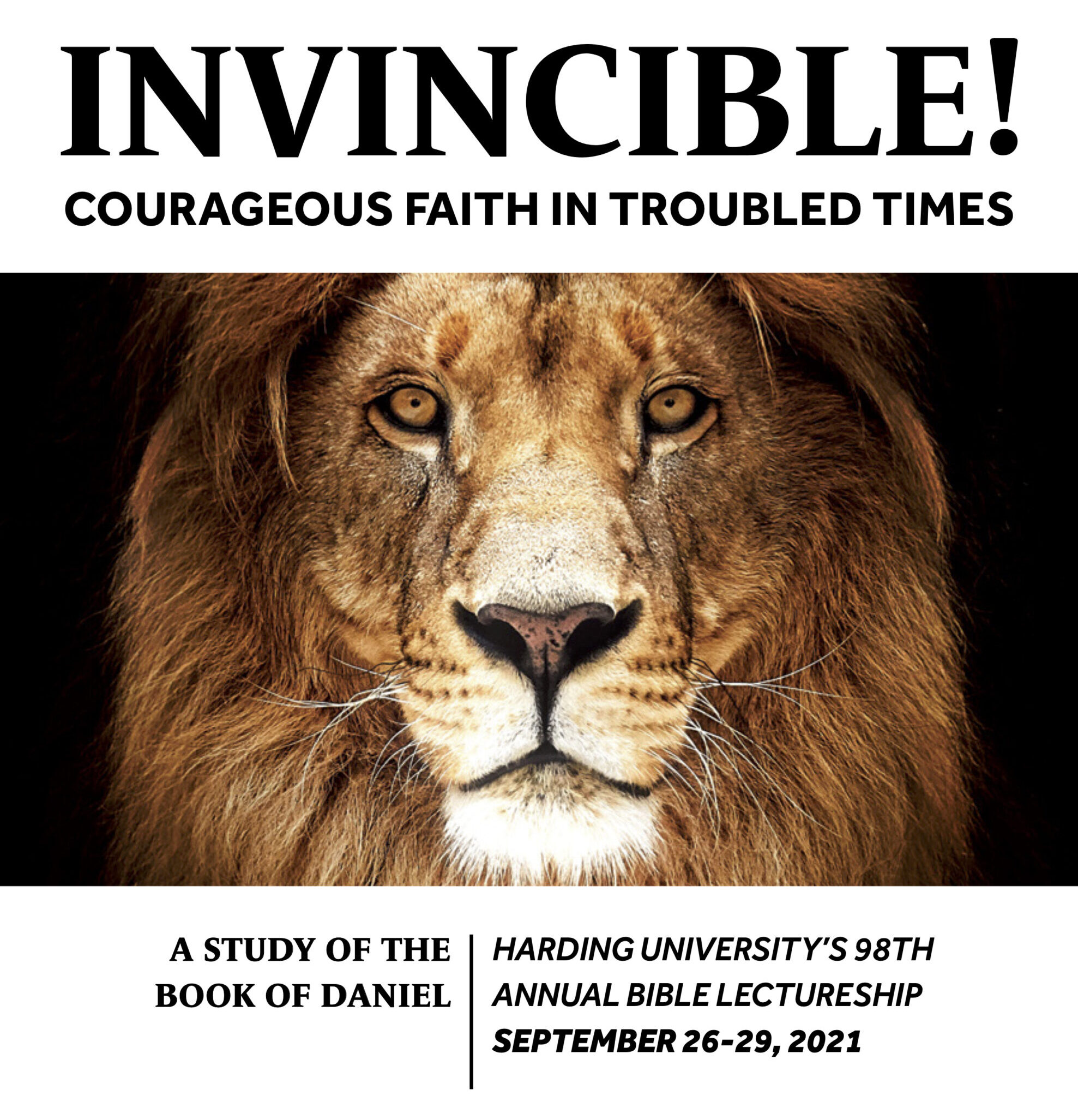
Harding University’s 98th annual Bible Lectureship was a couple of weeks ago, at the end of September. I always enjoy going to Lectureship and was bummed when it had to be canceled in 2020 due to COVID-19*. I have also developed the practice of providing a quick recap of Lectureship and the different presentations I got to attend. The theme for this year was Invincible! Courageous Faith in Troubled Times, with Daniel being the theme book.

I was privileged to attend several good lectures and classes, and here is a brief recap of what I went to, along with some takeaway quotes:

Invincible: God’s Eternal Kingdom, David Shannon: David is the President of Freed-Hardeman University, and kicked off Lectureship with this keynote on Sunday night. His emphasis was on Daniel 7, the depravity of earthly kingdoms, and the superiority of the kingdom of the Son of Man.

“The only way to overcome Satan is to belong to a kingdom with power greater than his.”

In Your Dreams, Nebuchadnezzar: There Is A God in Heaven!, Sammie Berry: Sammie is a long-time preacher at Dallas West Church of Christ, and focused on Daniel 2 and the interpretation of Nebuchadnezzar’s dream. Daniel and his friends had received the very best Babylonian training, but that had proven insufficient to decipher Nebuchadnezzar’s dream. Instead, Daniel went to his friends and asked them to pray that the God of Heaven would reveal the interpretation.

“God is in control and His children can thrive in a toxic culture.”

T.B. Larimore and Christian Identity: Respecting Conscience, United By Love, Nathan Guy: Nathan is an alumnus and the current headmaster of Mars Hill Bible School, which has historical ties to Larimore, the popular and influential second-generation Restoration Movement teacher and preacher. Larimore was known for his devotion to peace and unity, and Guy described him as a man of the Book, a man of peace, and a man who left minor matters alone.

“No word of bitterness shall ever fall from my lips, even in self-defense. I shall certainly never retaliate.”

(Larimore)

A Supernatural Cast of Characters, Dan Oden: Dr. Oden teaches Old Testament at Harding, and was one of my professors at Harding School of Theology. His lecture focused on some of the supernatural figures in the book of Daniel and tracked points of comparison with Divine Council motifs from the Ancient Near East. I thought he did an excellent job in making a challenging and scholarly topic accessible and compelling for his audience.

“When we put our faith in God, the Cloud-Rider, we become Sons of God.”

In the University of Babylon: Daring to Be Different, David Hunzicker: David serves as one of the ministers at the North Boulevard Church of Christ in Murfreesboro, TN. I had never heard him before, but his was perhaps my favorite of all the lectures I heard. He focused on the clash between the kingdom of Babylon and the kingdom of God, and for those of us who belong to the latter, offered the following encouragements: (1) If you have been stunned silent by Babylon, speak up; (2) If you have developed bitterness toward Babylon, look up; (3) If you have compromised to Babylon, stand up.

 “Seize every opportunity to show where your true loyalty lies.”

History in His Story: Biography and Archaeology of the Life of Jesus, Kevin Burr: This lecture was technically off-schedule, but was another of my favorite presentations. Kevin is the Minister of Discipleship at the Kings Crossing Church of Christ in Corpus Christi and also received his Ph.D. from Asbury Seminary where he wrote a dissertation combining the fields of historiography and Jesus studies. This presentation reflected on the gospels as Greco-Roman biographies and applied some of the historian’s tools of the trade to the New Testament.

“If an author is generally reliable in areas we can check them, it is reasonable to infer they are generally reliable where we can’t.”

In the Fiery Furnace: Demonstrating Courage Under Fire, Phil Brookman: Phil preaches for the Memorial Road Church of Christ in OKC, and I always enjoy hearing him. He focused on the story of Shadrach, Meshach, and Abednego, and the idea of resistance: this is not a story of how to avoid death, but how to live life: when we practice resistance, we are fully alive.

“For Christians, resistance is vital; without it, we become weak and ineffective.”

Courageous Faith in the Face of Persecution (Parts 1-2), Mani Pagidipalli: Mani was a classmate of mine at HST, and is a remarkable individual, who serves as both a medical surgeon and preacher. He gave a moving presentation of the persecution of Christians in India.

“If you feel like you are living under Nebuchadnezzar, be like Daniel. No whining, no complaining, no “woe is me”, no “it’s not fair”. Just a willingness to be God’s servant wherever and whenever to whomever.”

Pledging Allegiance: Unpacking Images of Authority in the Books of Daniel and Revelation, Part 1, Alan Howell and Garrett Best: Alan is the Missionary in Residence at Harding, and Garrett preaches for the Oliver Creek Church of Christ in the Memphis area and just recently wrote his dissertation on the book of Revelation. This was a really neat presentation that combined biblical studies with missiology. The basic thesis was that proper interpretation of symbols of authority is important for navigating both our cultural settings and the contours of Scripture. Garrett examined symbols of power in the book of Revelation, and Alan talked about symbols of power in Mozambique and interpreting Revelation for that context.

“Revelation takes imperial propaganda, subverts it, and reorients it to Jesus.”

Arkansas College: “A Sacrifice to the Fierce Spirit of War and Destruction”, Allen Diles: Allen teaches church history at Harding, and did a really fine job with this presentation. I have done research on Robert Graham and the creation of Arkansas College, so this was of special interest to me. Diles provided a helpful review of things I had studied a few years ago, but also taught me a good bit of new information about the college (my focus was more on Graham than the school itself). Ultimately, the story of Arkansas College is a tale of tragedy, as a really promising and prestigious school was destroyed in the flames of the Civil War.

“Winds of secession began to swirl, and Arkansas College was not exempt from the storm.”

The Handwriting on the Wall: God is Not Mocked!, Jason Darden: Jason teaches Bible at Harding, preaches at the West Pleasure Church of Christ, and is someone I always enjoy hearing. He focused on the story of Belshazzar, who mocks God by using sacred vessels taken from the Jerusalem temple by Nebuchadnezzar (likely his grandfather) for a wild party. But God is not mocked, and will not have His vessels misused.

“Belshazzar had to have known [the story of Nebuchadnezzar’s humbling]. But he learned nothing!”

Written in the Book: God Gives a Hope Beyond the Grave, Jeff Jenkins: I have known of Jeff for several years in his work as the preacher of the Lewisville Church of Christ in the Dallas area as well as The Jenkins Institute, but this was my first opportunity to hear him preach. This keynote didn’t interact with the text from Daniel as much as I would have hoped, but it was an excellent message on the importance of biblical hope in difficult times. Jeff emphasized that biblical hope is tied to the appearing of Christ: His first appearing brought grace, and His second appearing will bring glory (Titus 2.11-14).

“Biblical hope is not wishful thinking.”

The Coddling of the Christian Mind, Bob Turner: Bob preaches for the Church of Christ at White Station in Memphis, and formerly worked in the library at Harding School of Theology. I always love to listen to Bob; he is a great thinker, and an outstanding cultural exegete. In this lecture, Bob talked about the well-known The Coddling of the American Mind, and applied the lessons therein to Christian faith by refuting three popular myths: (1) What doesn’t kill you makes you weaker, (2) Always trust your feelings, (3) Life is a battle between good people and evil people.

“If you demonize people who are just like you, what are you going to do with people who are different?”

The Biggies: Teaching the Essentials of the Christian Faith, Scott Adair: Scott teaches in the Bible department at Harding, and this class was a representation of the major project that he has been working on for the last few years. Scott shows how the practice of baptism encapsulates the core doctrines of the Christian faith: (1) Jesus Christ is Lord, Son of God; (2) A Belief in One God, who is Father, Son, and Spirit; (3) The Death and Resurrection of Jesus; (4) The Church as the Assembly of the Saints; (5) Forgiveness of Sins; (6) The Gift of the Holy Spirit; (7) Resurrection of the Dead. I love Scott’s work in this area, teach it regularly to my teenagers, and believe it can be an invaluable tool to help us discern whether or not a church conflict is related to a foundational matter.

“The New Testament is a compilation of apostolic documents written primarily to remind churches or individuals of the gospel they received, to establish them further in the gospel, and to hold them accountable to the ethical demands of the gospel.”

As He Had Done Before: Persisting in Prayer, Bruce McLarty: Lectureship ended with a bang, as Dr. McLarty returned to Harding for the first time since he was retired as Harding’s President last fall. He received a standing ovation and predictably did a wonderful job emphasizing Daniel’s long life of persistent faithfulness while living in exile. Daniel’s story gives us a wider perspective that reveals God’s faithfulness to the Hebrew exiles, and Bruce finished with a stirring declaration of God’s faithfulness to us today, despite whatever difficulties and challenges we may face.

“Daniel’s strategy was not to change Babylon or Persia; it was to not let Babylon or Persia change him.”

As always, Lectureship was a blessing for me, and it was especially nice to be able to attend again after the necessary cancellation last year. I would highly recommend taking part in this next year if you are able!


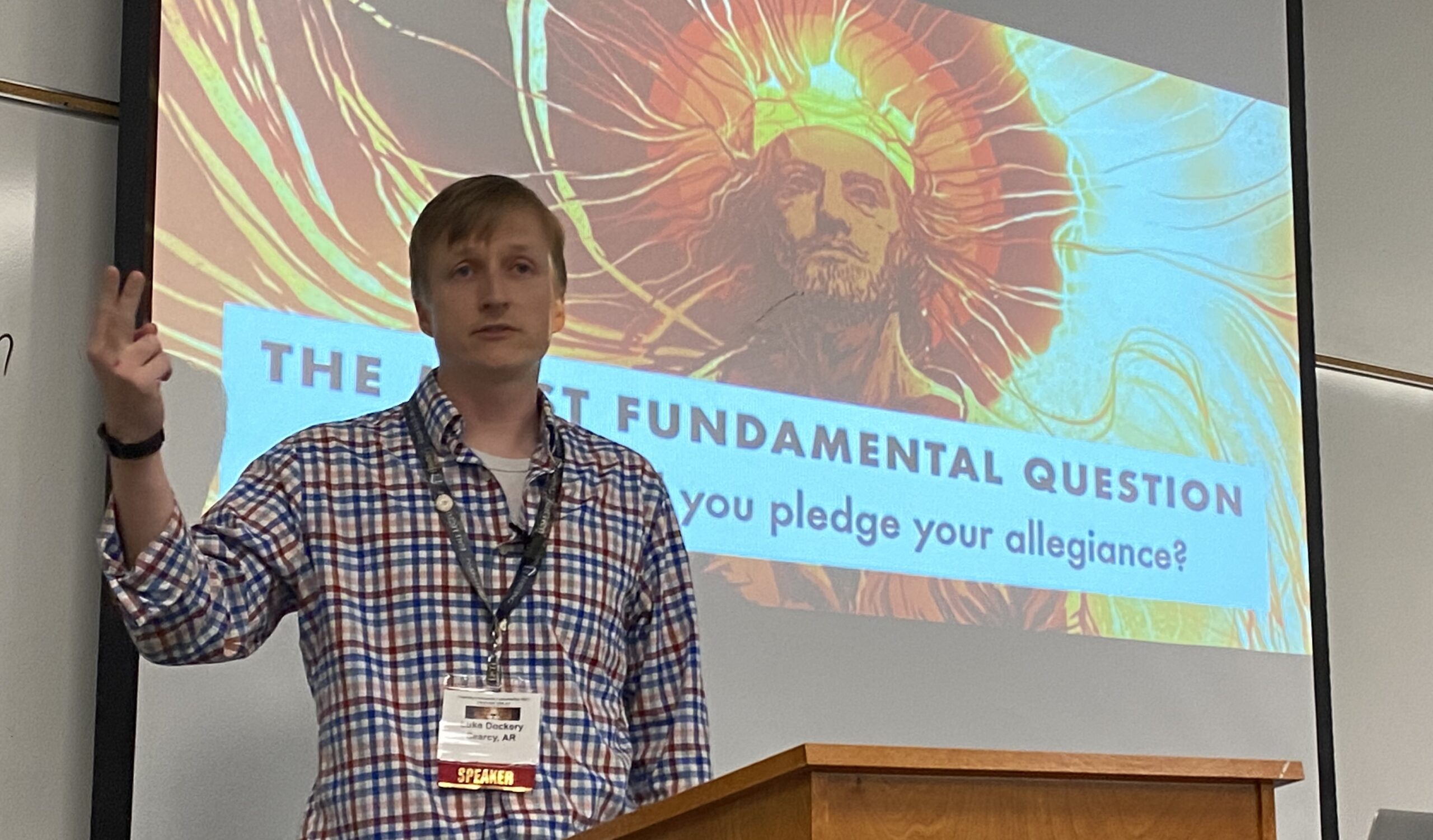
I was honored to have the opportunity to present this year as well, as part of the youth ministry track. My lecture was entitled, Allegiance to the King: Single-minded Devotion in a World of Divided Loyalties, and focused on the faith of American teenagers (and adults), Hananiah, Mishael, and Azariah, and some important ideas from Matthew Bates’s Salvation By Allegiance Alone. I will likely share more of that content at some later time, but it was studying for this year’s presentation was a great blessing to me, and I am glad to have done it.

*Technically, it wasn’t canceled and was still offered online in a scaled-back, modified fashion. But really, it was canceled.

C.S. Lewis on Dogs and the Love of God

As regular readers of The Doc File have probably surmised, I am a big fan of C.S. Lewis. I reread Mere Christianity and The Chronicles of Narnia in 2020, and so far in 2021, I have reread The Screwtape Letters and am currently in the middle of The Problem of Pain.

I think there is a lot to like about Lewis’s writing, but one helpful quality is his ability to use helpful analogies to illustrate theological points. In The Problem of Pain, Lewis describes different ways in which it can be said that God “loves” humanity:

Another type is the love of a man for a beast—a relation constantly used in Scripture to symbolise the relation between God and men: ‘we are his people and the sheep of his pasture.’ This is in some ways a better analogy than the preceding, because the inferior party is sentient, and yet unmistakably inferior: but it is less good in so far as man has not made the beast and does not fully understand it.

Its great merit lies in the fact that the association of (say) man and dog is primarily for the man’s sake: he tames the dog primarily that he may love it, not that it may love him, and that it may serve him, not that he may serve it. Yet at the same time, the dog’s interests are not sacrificed to the man’s. The one end (that he may love it) cannot be fully attained unless it also, in its fashion, loves him, not can it serve him unless he, in a different fashion, serves it.

Now just because the dog is by human standards one of the ‘best’ of irrational creatures, and a proper object for man to love—of course, with that degree and kind of love which is proper to such an object, and not with silly anthropomorphic exaggerations—man interferes with the dog and makes it more lovable than it was in mere nature. In its state of nature it has a smell, and habits, which frustrate man’s love: he washes it, house-trains it, teaches it not to steal, and is so enabled to love it completely.

To the puppy the whole proceeding would seem, if it were a theologian, to cast grave doubts on the ‘goodness’ of man: but the full-grown and full-trained dog, larger, healthier, and longer-lived than the wild dog, and admitted, as it were by Grace, to a whole world of affections, loyalties, interests, and comforts entirely beyond its animal destiny, would have no such doubts. It will be noted that the man (I am speaking throughout of the good man) takes all these pains with the dog, and gives all these pains to the dog, only because it is an animal high in the scale—because it is so nearly lovable that it is worth his while to make it fully lovable. He does not house-train the earwig or give baths to centipedes. We may wish, indeed, that we were of so little account to God that He left us alone to follow our natural impulses—that He would give over trying to train us into something so unlike our natural selves: but once again, we are asking not for more love, but for less.”

The Problem of Pain, 35-36


Lewis’s analogy is astute:

(1) Indeed, God does interfere in the lives of those who would be His followers. He does not leave us alone to follow our natural impulses and, instead, makes all sorts of demands upon us and calls us to live in ways that are decidedly unnatural (what can be more unnatural than voluntarily laying power aside to instead serve others, or foregoing the opportunity for retaliation when it is presented?) This can certainly be frustrating.

(2) However, as we mature beyond being spiritual “puppies” and begin to grow and be trained through the sanctification of God’s Spirit, it becomes easier to see the grace that was present, all along, in God’s demands. We are so much better off than if we had been left to our own devices.

Praise God for His interference, a great manifestation of His abundant love!

« Older posts Newer posts »

© 2026 The Doc File

Theme by Anders Noren — Up ↑