The online journal of Luke Dockery

Category: Books (Page 5 of 27)

The Doc File Updates

I haven’t been able to write as much in this space over the last few weeks as I’d like to (summer youth ministry grind), but I have been working to update content here on The Doc File in other, less obvious, ways:

  • There is now a Books page in the navigation bar at the top of the site, where you easily read short descriptions of the books I have written in one place, along with links to purchase them.
  • If you are a podcast person, there is also an Interviews page where you can listen to some guest appearances I have made on several podcasts, talking about biblical interpretation, youth ministry, and other projects.
  • I’ve also updated the Free Resources page with several Lord’s Supper meditations that can be used for leading the congregation in preparation for taking communion, or for private reflection. I hope to add more of these as time goes on.

As always, thanks for your reading and support!

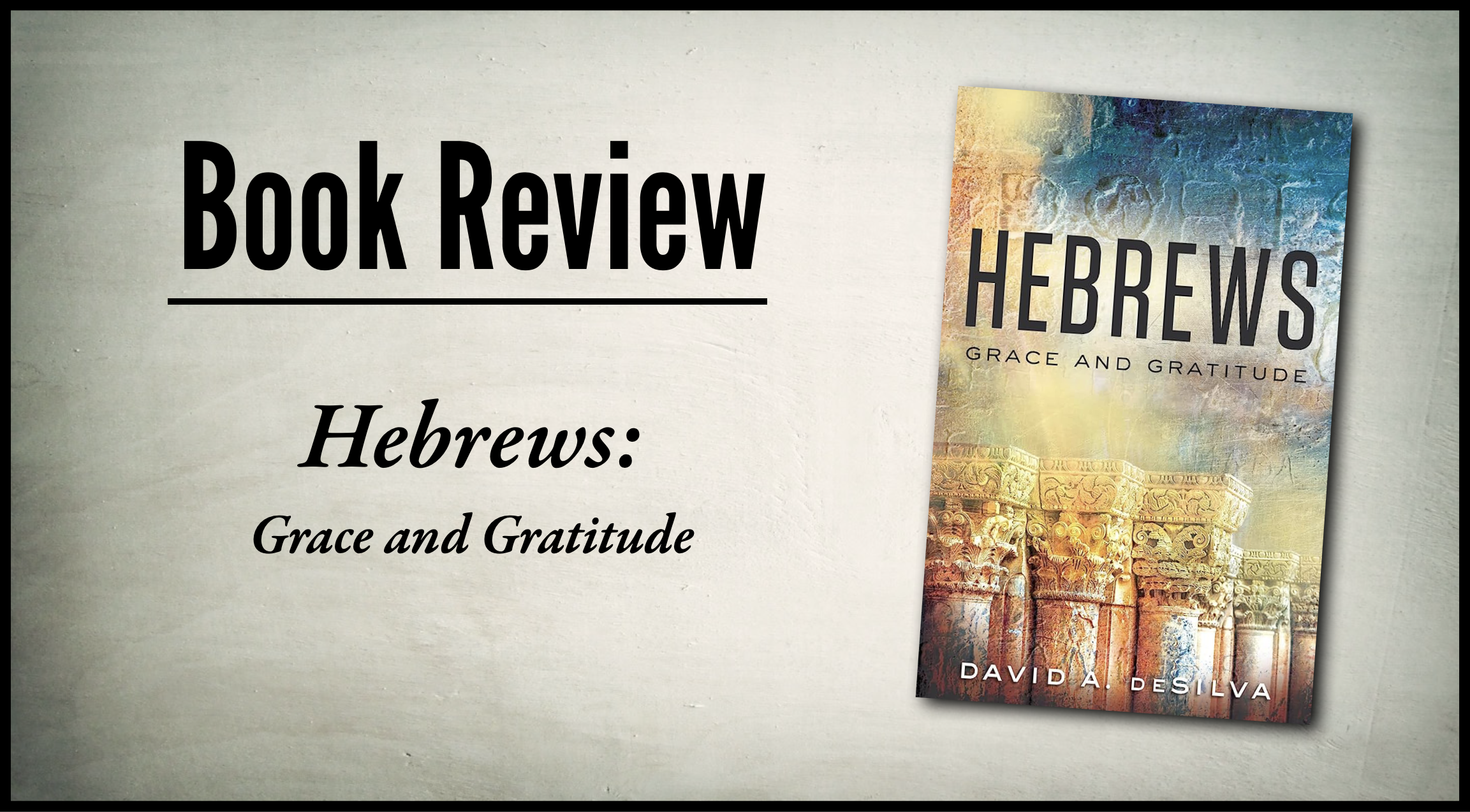
Book Review: Hebrews: Grace and Gratitude

I recently finished David DeSilva’s Hebrews: Grace and Gratitude; I was using it as a resource to aid in teaching the book of Hebrews to my high school students. DeSilva is an impressive biblical scholar and prolific author, and I was intrigued to see how his work would translate to a popular-level, shorter work (136 pages). On the whole, I was very impressed—Hebrews: Grace and Gratitude hits the key points of the dense and sometimes hard-to-access theology of Hebrews, while still being accessible for the average Christian (though I did have to re-contextualize it somewhat for my teens).

DeSilva works his way broadly through the text of Hebrews, but does so through the lenses of Grace and Gratitude (which, obviously, serve as the subtitle of the book). Basically, DeSilva argues that the audience of Hebrews (likely made up of Jews and Gentiles) found themselves in a situation where they were being pressured by their friends and neighbors to give up on their faith in Jesus. The author of Hebrews wants to assure his readers that whatever ostracism they risk for their faith, it is absolutely worth it. Through Jesus, God has lavished blessings upon His people, but this grace of God initiates a relationship with His people that requires a life of gratitude in response.

This situation is remarkably relevant for Christians in the West, DeSilva argues, who are rarely persecuted for their faith, but are often subtly pressured to make less of Jesus, to downplay our faith in some way, or simply to focus on other things.

“Following Jesus means committing yourself to him completely. Does Jesus really offer you enough to make it worth investing that much—your whole life? Do you find yourself pulling back from serving Christ and bearing witness to Christ as fully as you feel called because you’re concerned that your neighbors and associates might start viewing you less favorably? Do you tend to give God what is left over from your time and energy after giving the lion’s share to everything else? Do you ever wonder if perhaps God desires and deserves more from you, given what God has done and promises to do for you according to our faith?” (9)

DeSilva repeatedly emphasized (because the Hebrews writer emphasizes) the value of the gifts that his audience has received; these are worth whatever trials or sufferings we have to do in order to cling to them!

“How could it ever be a good investment, therefore, to acquire a larger share of what is temporary at the cost of relinquishing a share of what is eternal—or of alienating the one who is eternal?” (26)

DeSilva is well-versed in the historical backgrounds of the New Testament world, which shines through in various places in the book. Understanding the ancient context gives us a much better understanding of the implications of grace/gifts as described in Hebrews:

“It was common knowledge in the first century that to accept such a gift was also to accept an obligation to the giver. The greater the gift or assistance given (the “grace” shown), the greater was the obligation to show gratitude. Between two people, the giving and receiving of a gift involved more than the transfer of a commodity. It initiated a relationship that would continue to be refreshed as the recipient made a return of some kind, prompting future gifts or assistance, which would then be reciprocated, and so on. These relationships tended to form long-lasting alliances. When one party in the relationship was significantly inferior to the other in terms of resources, political influence, and the like, he or she could still make an appropriate return toward the giver, and looking for opportunities to perform services for the giver. The two parties might not exchange gifts of anything approaching equal value, but they should each show equal commitment to the relationship.” (62)

“Grace was well received only when it produced a grateful spirit and nurtured a relationship of loyalty and mutual assistance. For someone to accept favor and gifts and later insult the giver, break faith with him or her, or refuse him or her a service would be unthinkable.” (63)

Hebrews talks about the inferiority of the Old Covenant compared with the New, because of its inability to make people “perfect” (Hebrews 7.11, 18; 10.1). But this “perfection” is not a reference to moral flawlessness; rather, it is talking about maturity or completion. While the Old Covenant brought people no closer to the presence of God, the New Covenant, mediated through the blood of the perfect High Priest, does exactly that.

“The term [perfection] has connotations in English that the corresponding Greek family of words lacks. For example, there is no sense in Greek that perfection means doing everything correctly all the time or lining up flawlessly with an elevated standard.…Rather, the Greek words translated as “perfection” or related terms tend t speak of something arriving at its ultimate goal or being fully-realized. Thus for the child, “perfection” means to become a full-fledged adult.…For the child of God, perfection means to be gathered into God’s everlasting house and homeland.” (78-79)

Realizing the great value of God’s gifts helps to give believers motivation for a life of gratitude, and a framework for how we move through life:

“The preacher challenges all Christians to decide for whose approval they will live. If we look for God’s approval in everything we do, asking what will lead God to say, “Well done,” we will enjoy the peace of single-mindedness and integrity of life. When faced with a decision, which choice would God applaud? When faced with temptation, what will lead to God’s affirmation rather than self-condemnation? When reviewing our choice of career, our living and spending habits, our use of time—where does God affirm us, and where have we been living to please ourselves or to find affirmation by living up to the standards promoted by media?” (110-11)

And finally, a conclusion that summarizes Hebrews through the lens that DeSilva employs throughout:

“The underlying message of the Letter to the Hebrews is ultimately one of grace. It is not, however, about grace merely as something that benefits us, but about grace as something that, having benefited us, shapes the whole of our lives into a consistent walk and witness of gratitude to God and to the Savior who reconnected us with God. The preacher focuses our hearts and minds on the magnitude of  the favors we have received and are yet to receive from God so that we might fathom  and feel more fully the magnitude of the gratitude that is God’s due and give ourselves just as fully to God and God’s cause in our world. It is a call to remain in grace by persevering in gratitude.”(135-36)

Confession: despite my years as a Bible student and minister, I had not studied Hebrews in any significant way (though I had read it many times), and I had certainly not taught through it. Hebrews is a dense book, relying significantly on a deep knowledge of the Hebrew Bible that most Christians just do not have. I simply did not have time in my teaching schedule to teach through it chapter by chapter, so I was intrigued when I saw this accessible study by a respected scholar who broke down this masterpiece into six lessons.

I was blessed by reading it! I came to a better understanding and appreciation of Hebrews, and enjoyed teaching it to my students. If you are looking for a brief, readable book that will help you study through Hebrews (on your own or as a resource to teach from), I recommend Hebrews: Grace and Gratitude.

The Search for Significance: A Study of Ecclesiastes

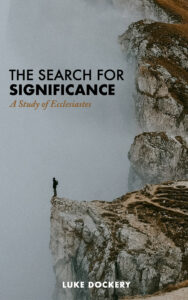
I am excited to announce the release of a new book, The Search for Significance: A Study of Ecclesiastes, published by Regnum Media and available both in print and on Kindle (I previously wrote a book on Ecclesiastes for teens, but this edition is specifically for adults).

This is the first offering in Regnum Media’s new Biblia Series, and possesses several features to help with meaningful Bible study:

  • Inclusion of the relevant biblical text for each chapter
  • Discussion questions (or reflection questions if you are reading the book yourself) spread throughout the chapters
  • “A Closer Look” sections that provide deeper insights related to the original languages, historical backgrounds, or intertextual connections
  • “Discipleship Prompts” at the end of each lesson that provide a way to connect the lesson content to real life

From the back of the book:

Why are we here? What is life all about? Why is life filled with so much frustration and futility? These are the sorts of questions that the Teacher of Ecclesiastes examines as he tries to set forth what is truly significant in life. Set within the wisdom tradition of ancient Israel, Ecclesiastes is an important and challenging book that deserves close examination.

Written both for Bible class settings and personal study, The Search for Significance looks at Ecclesiastes in detail, and shows how this ancient text remains incredibly relevant for God’s people today, and has much to teach us about wisdom, priorities, and what really matters in life.

I have been humbled by the kind words of endorsement I have received:

“Qoheleth says, “Of the making of books, there is no end” (Ecclesiastes 12:12). In this case, we are grateful because Luke Dockery has produced for the church a resource that is exegetically sound and theologically rigorous with a strong emphasis on the text’s contemporary significance and applicability. Studying the book of Ecclesiastes forces us to ask the big questions about the ultimate meaning of life. This resource will be a blessing to your church class, small group Bible study, or individual devotional time.”

—Garrett Best, Ph.D, Associate Professor of Bible, Chair of the Bible Department, York University

“Luke Dockery has put together a very fine resource that makes the message of Ecclesiastes accessible for Bible class teachers and church members. Dockery highlights how Ecclesiastes faces the harsh realities of life with a call to enjoy God’s everyday gifts and to fear God. In a world searching for significance, these are things that matter. This book is well organized with discussion questions along the way and “discipleship prompts” that challenge readers to implement the spiritual insights.”

—Dave Bland, Ph.D, D.Min, Professor Emeritus, Harding School of Theology

“Luke does a masterful job of laying out the framework and heart of an oft-overlooked book such as Ecclesiastes. The manner in which he masterfully provides sound exegesis and explains in terms to be understood by teen to adult, seasoned believer to unbeliever, and all in between makes this a needed resource. I especially appreciate the “A Closer Look” and “Discipleship Prompt” sections included in the resource. I highly recommend churches and/or small groups add this to their curriculum.”

—Antwan D. Brown, Senior Minister, Chapel Hill church of Christ, Macon, Georgia

“In The Search for Significance, Luke Dockery provides an accessible study of the book of Ecclesiastes while offering penetrating insights. Dockery pays attention to the text, opening a window to the ancient world for a contemporary audience. At the same time, he remains aware of the contemporary scene, bridging the gap between the two horizons with grace and skill. Complete with “closer looks” and “discipleship prompts,” this project is designed for personal study as well as the Sunday school curriculum. I highly recommend this book for anyone wishing to deepen their faith, widen their understanding of Scripture, and challenge the idols that constantly seek first place in our lives.”

—Nathan Guy, Ph.D., Preaching Minister, West Side Church of Christ, Searcy, Arkansas

“The book of Ecclesiastes offers so much relevant wisdom for today. It is a book of the Bible everyone needs to study and understand. Unfortunately, it’s also a book many are hesitant to read. Luke has done a masterful job of writing a curriculum that will help Bible class teachers introduce people to this life-changing wisdom. I can’t wait to share it with the teachers in my congregation.”

—Wes McAdams, Preaching Minister, the church of Christ on McDermott Road, Plano, Texas; Host of the Radically Christian Bible Study Podcast

If you are interested in a personal study of Ecclesiastes, or as part of a Bible class or book club, I hope you’ll check out The Search for Significance!

Purchase the Book

Paperback: $11.99

Kindle: $9.99

Reading in 2022

I enjoy reading and also making lists of things, so this is always one of my favorite yearly posts because it involves both of those things. I will offer some thoughts on my favorite books of the year below, but first, here is the list of books I read in 2022:

  1. Dare to Lead, by Brené Brown
  2. Rediscover Church: Why the Body of Christ is Essential, by Collin Hansen & Jonathan Leeman
  3. People to Be Loved: Why Homosexuality Is Not Just An Issue, by Preston Sprinkle
  4. The Black Count: Glory, Revolution, Betrayal, and the Real Count of Monte Cristo, by Tom Reiss
  5. Heir to the Jedi, by Kevin Hearne
  6. A Battle of Nerves, by Georges Simenon
  7. A Face for a Clue, by Georges Simenon
  8. Days of Rage: America’s Radical Underground, the FBI, and the Forgotten Age of Revolutionary Violence, by Bryan Burrough
  9. Star Wars: Tarkin, by James Luceno
  10. Strong As Death Is Love: The Song of Songs, Ruth, Esther, Jonah, Daniel, by Robert Alter
  11. Thrawn Ascendancy: Lesser Evil, by Timothy Zahn
  12. The Whole Art of Detection: Lost Mysteries of Sherlock Holmes, by Lindsay Faye
  13. Very Cold People, by Sarah Manguso
  14. Isaac’s Storm: A Man, a Time, and the Deadliest Hurricane in History, by Erik Larson
  15. Hatchet, by Gary Paulsen
  16. A Day in the Bleachers, by Arnold Hano
  17. Brave New World, Aldous Huxley
  18. The Four Winds, Kristin Hannah
  19. Every Moment Holy, Volume 1, Douglas McKelvey
  20. The Last Slave Ship: The True Story of How Clotilda Was Found, Her Descendants, and an Extraordinary Reckoning, by Ben Raines
  21. The Lincoln Highway, by Amor Towles
  22. The Things We Cannot Say, by Kelly Rimmer
  23. The Destroyers, by Scott Biddle
  24. Journal of Christian Studies: The Church and the Pandemic, ed. by Keith Stanglin
  25. Jesus and John Wayne: How White Evangelicals Corrupted a Faith and Fractured a Nation, by Kristin Kobes Du Mez
  26. The Lion, The Witch and the Wardrobe, by C.S. Lewis
  27. So The Next Generation Will Know: Preparing Young Christians for a Challenging World, by Sean McDowell and J. Warner Wallace
  28. The Last Thing He Told Me, by Laura Dave
  29. Behind Closed Doors, by B. A. Parris
  30. Irreversible Damage: The Transgender Craze Seducing Our Daughters, by Abigail Shrier
  31. A Week in the Life Of Rome, by James L. Papandrea
  32. Something in the Water, by Catherine Steadman
  33. Sea of Tranquility, by Emily St. John Mandel
  34. The Girl on the Train, by Paula Hawkins
  35. Biography of Thomas Campbell: Advocate of Christian Union, by William Herbert Hanna
  36. Everything Happens For A Reason: And Other Lies I’ve Loved, by Kate Bowler
  37. Lost in the Valley of Death: a Story of Obsession and Danger in the Himalayas, by Harley Rustad
  38. The Word on Fire Bible: The Gospels
  39. The Splendid and the Vile: A Saga of Churchill, Family, and Defiance During the Blitz, by Erik Larson
  40. The Pioneers: The Heroic Story of the Settlers Who Brought the American Ideal West, by David McCullough
  41. Scribbles and Sketches, No. 3, by Ruby Tobey
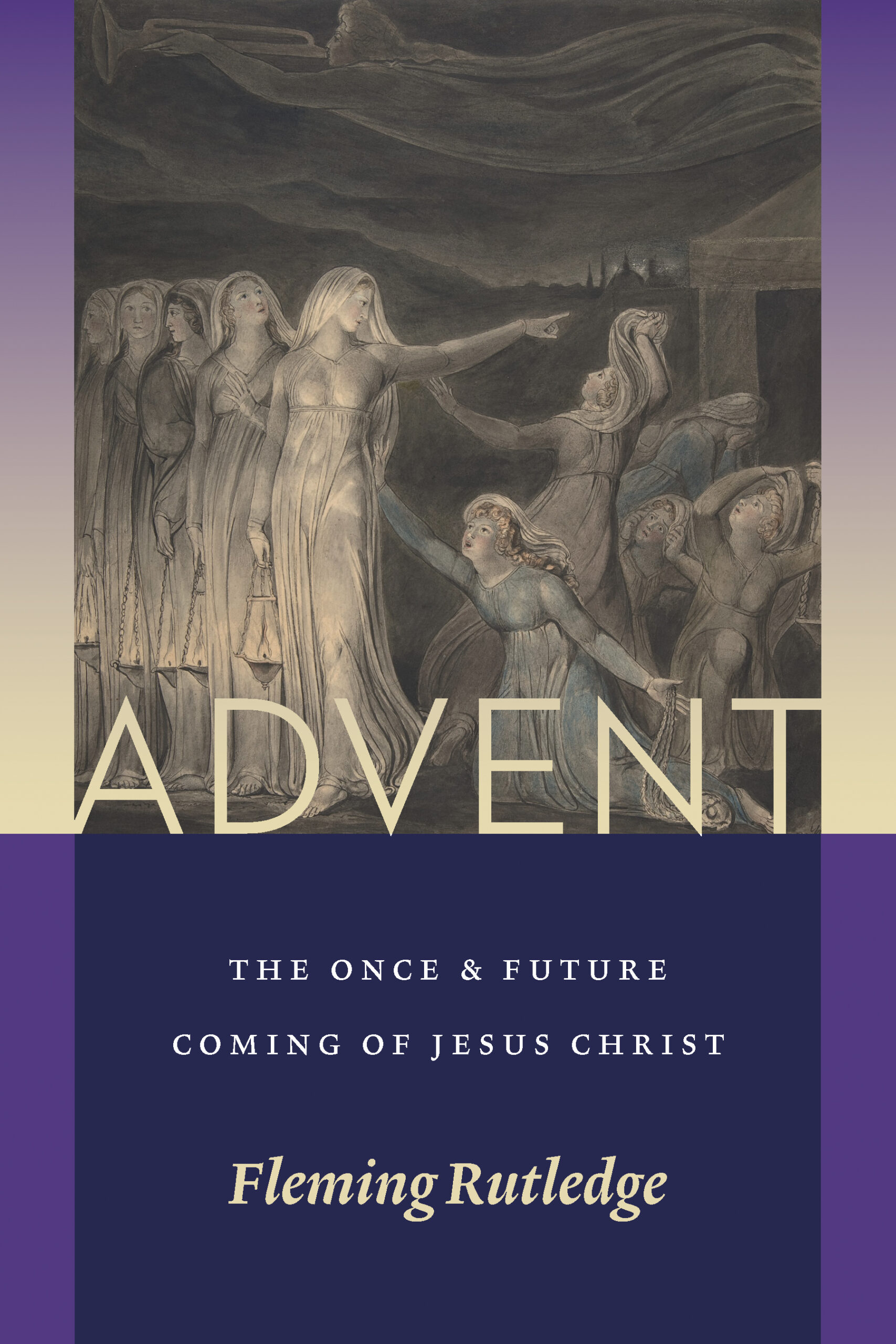
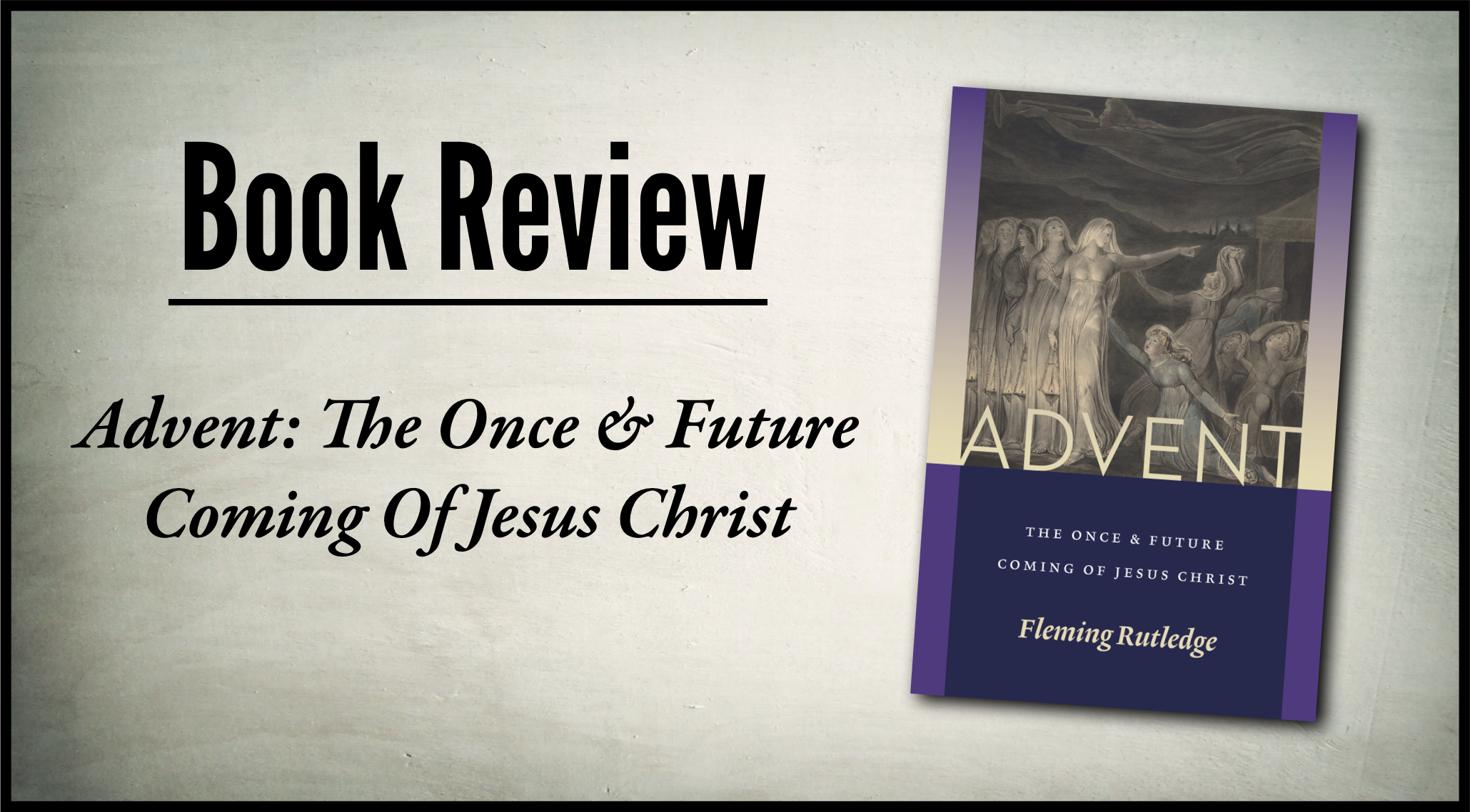
  42. Advent: The Once and Future Coming of Jesus Christ, by Fleming Rutledge
  43. The Girl with the Dragon Tattoo, by Stieg Larsson
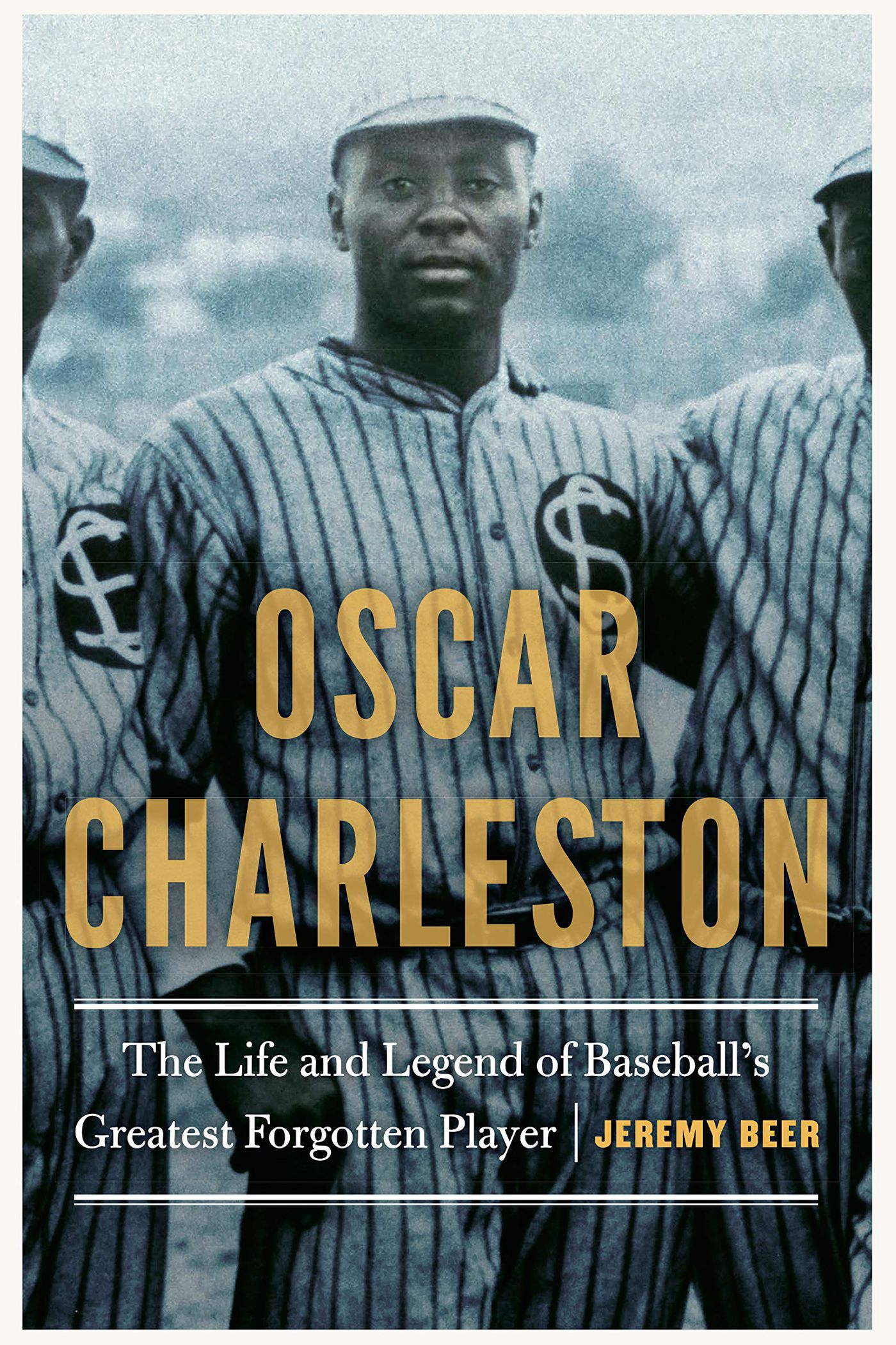
  44. Oscar Charleston: The Life and Legend of Baseball’s Greatest Forgotten Player, by Jeremy Beer
  45. Turtles All the Way Down, by John Green
  46. A Murder in Searcy, by Deana Hamby Nall and Mike S. Allen
  47. Into the Wild, by Jon Krakauer
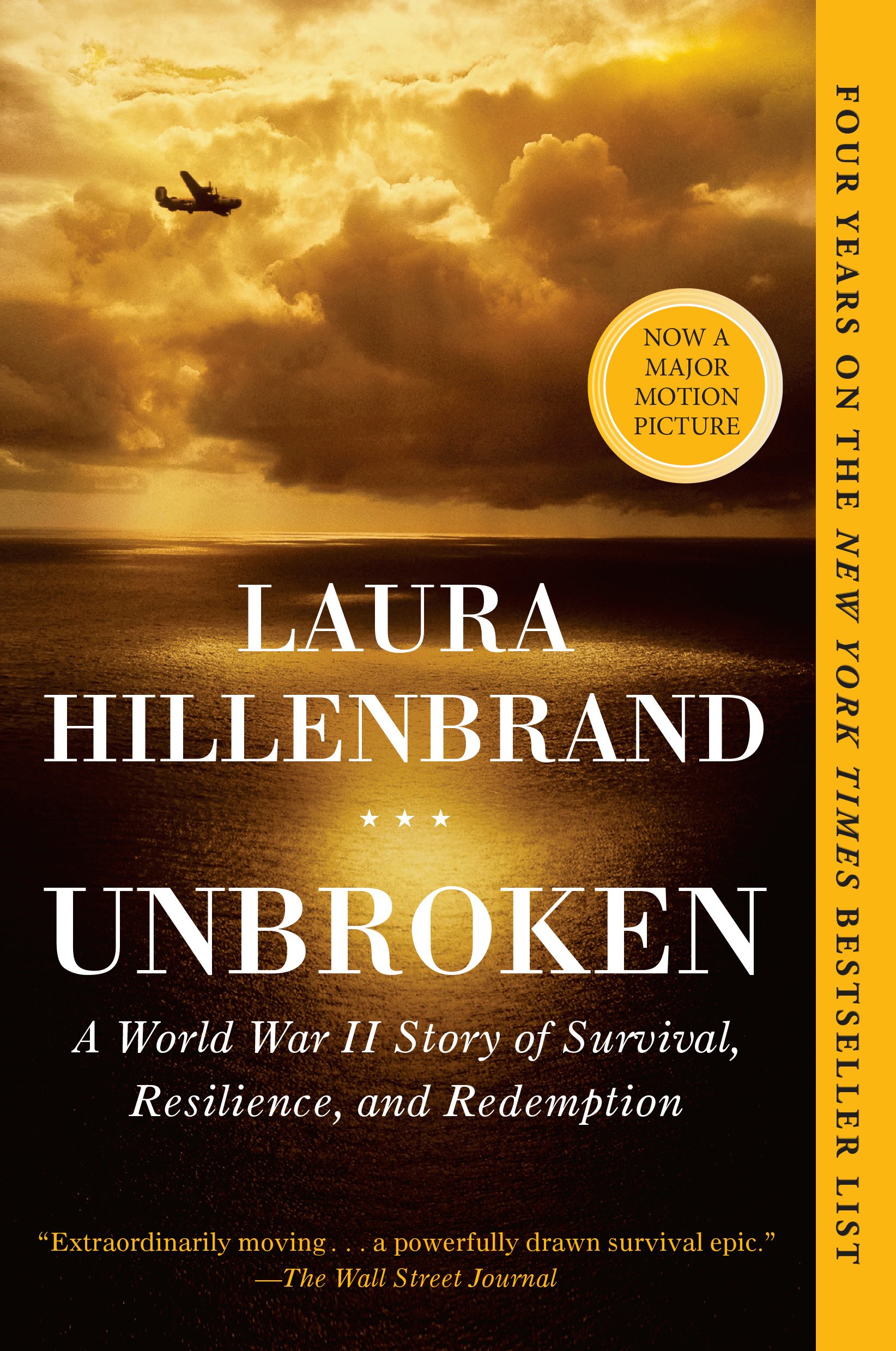
  48. Unbroken: An Extraordinary True Story of Courage and Survival, by Laura Hillenbrand
  49. Every Moment Holy, Volume 2, Douglas McKelvey
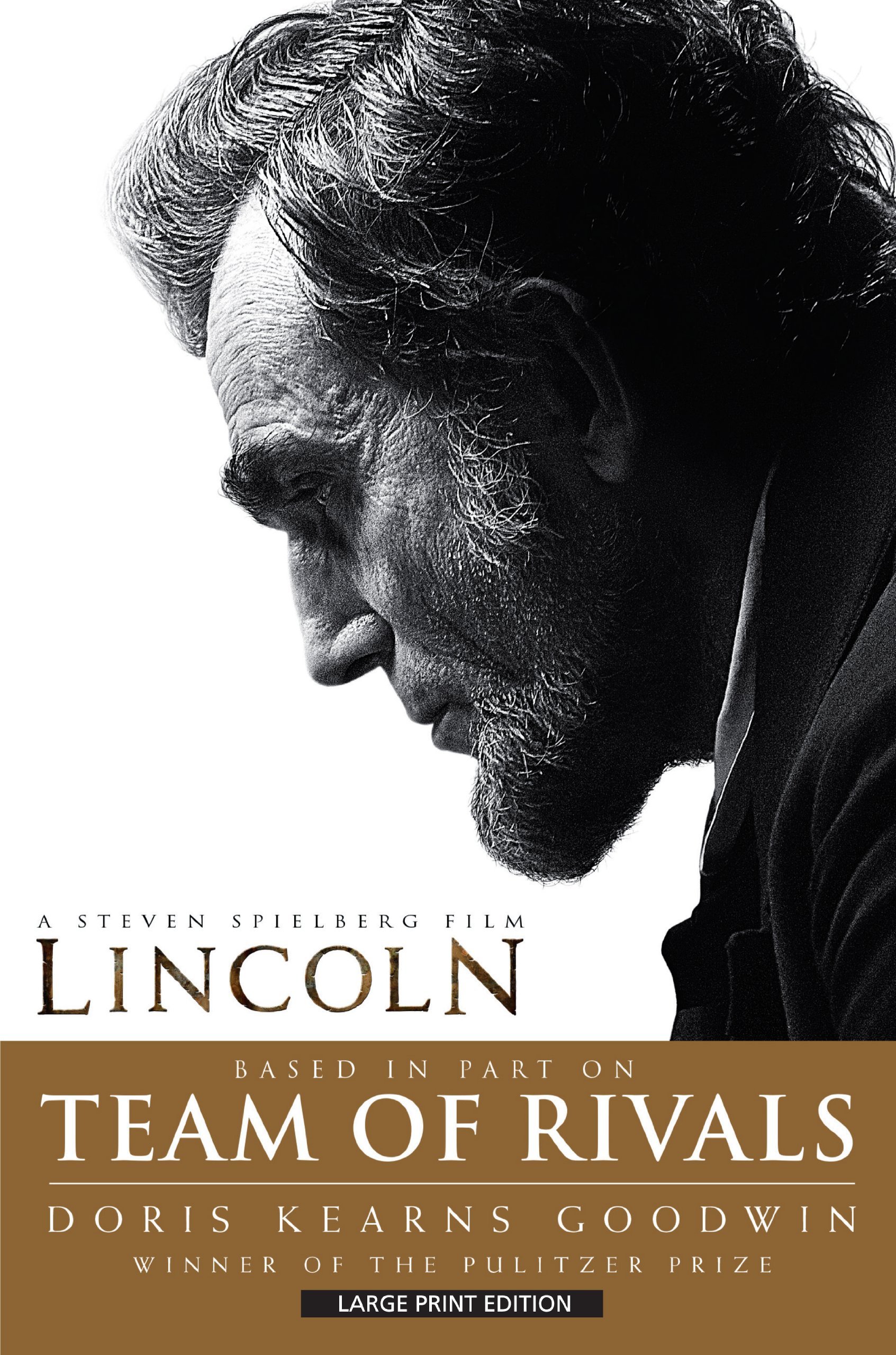
  50. Team of Rivals, Doris Kearns Goodwin
  51. The Woman in the Library, by Sulari Gentill
  52. On The Road, by Jack Kerouac
  53. Praying the Bible, by Donald S. Whitney
  54. Man’s Search for Meaning, by Viktor E. Frankl
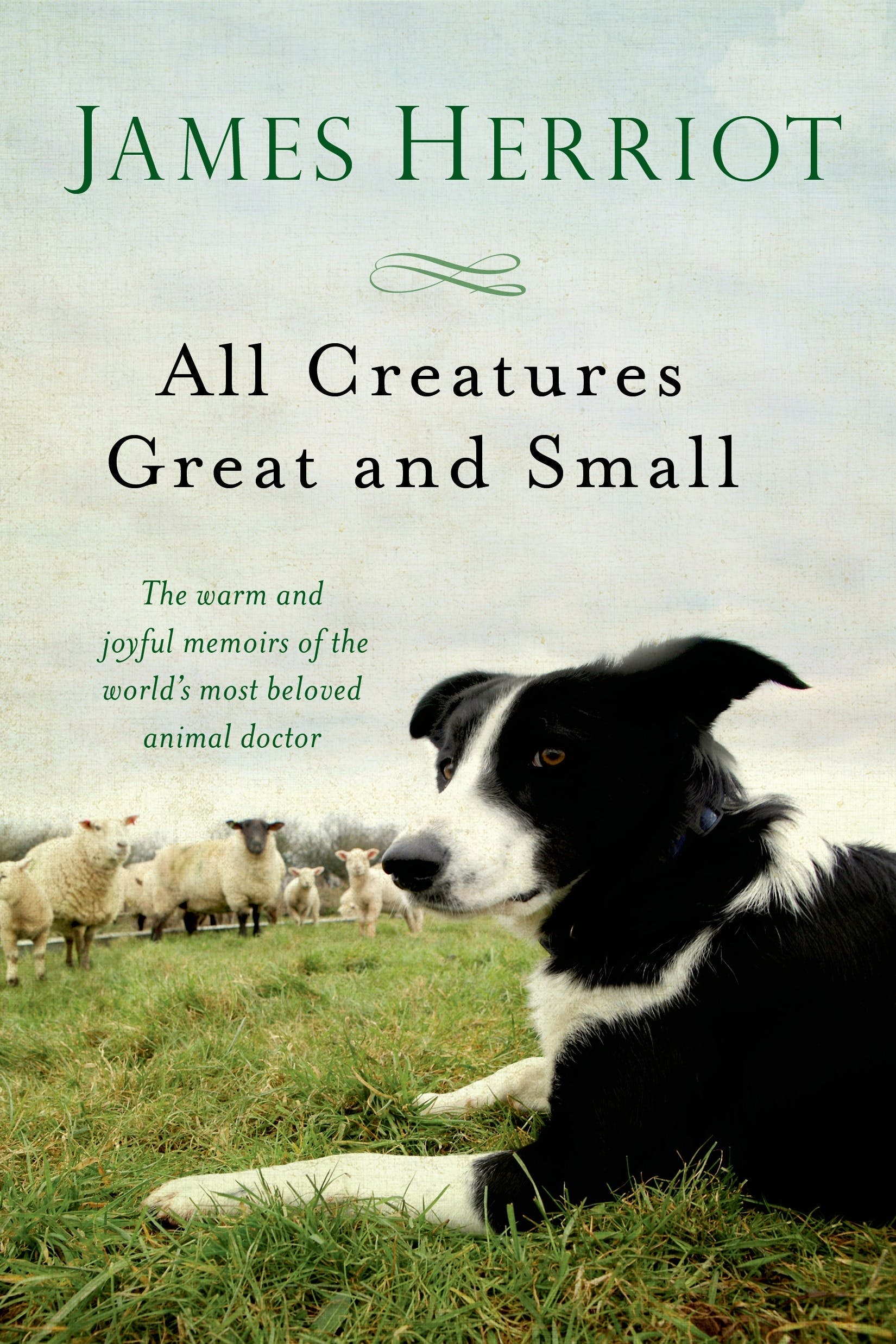
  55. All Creatures Great and Small, by James Herriot
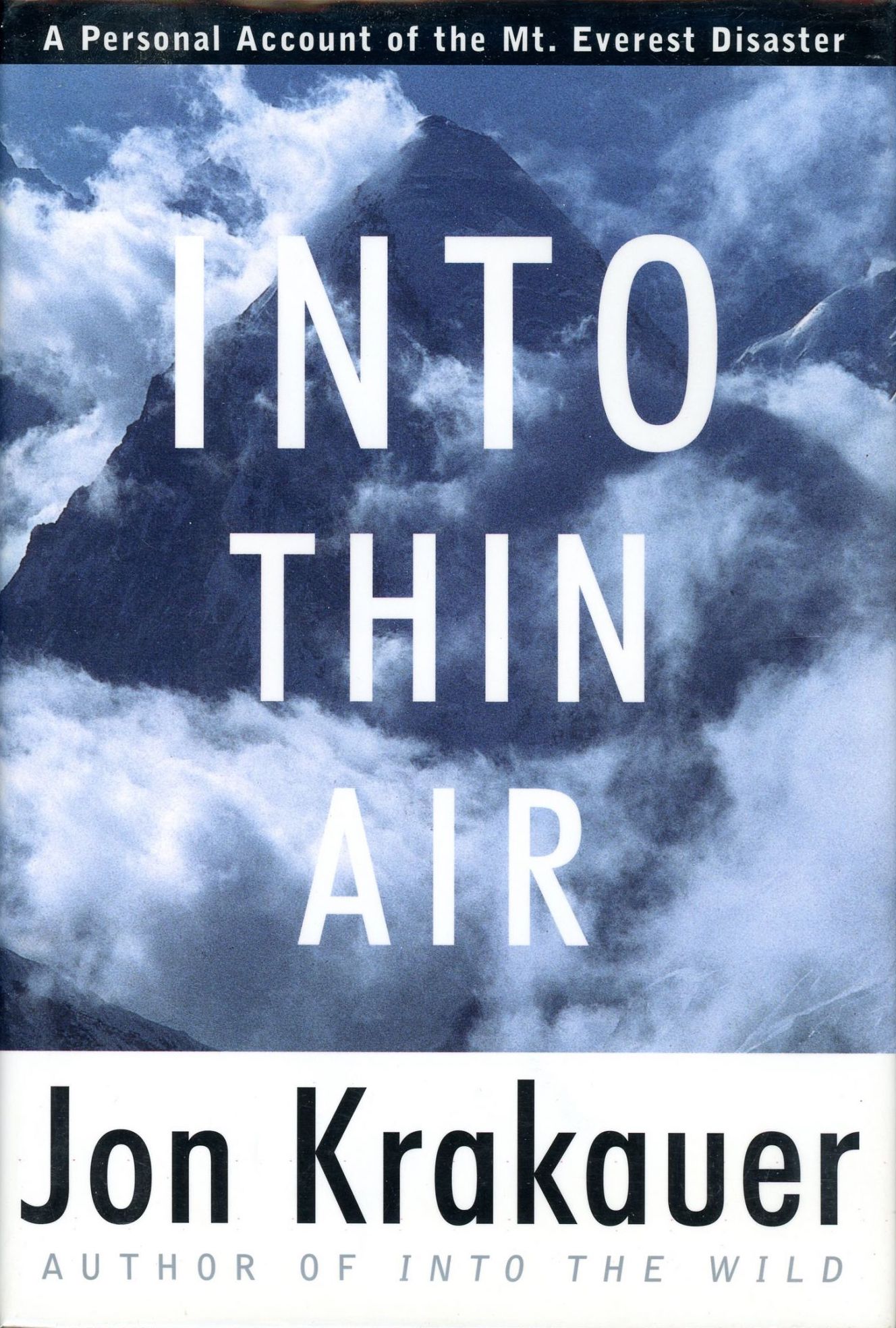
  56. Into Thin Air: A Personal Account of the Mt. Everest Disaster, by Jon Krakauer
  57. The Return of the Prodigal Son: A Story of Homecoming, by Henri Nouwen
  58. All Things Bright and Beautiful, by James Herriot
  59. Killers of the Flower Moon: The Osage Murders and the Birth of the FBI, by David Grann
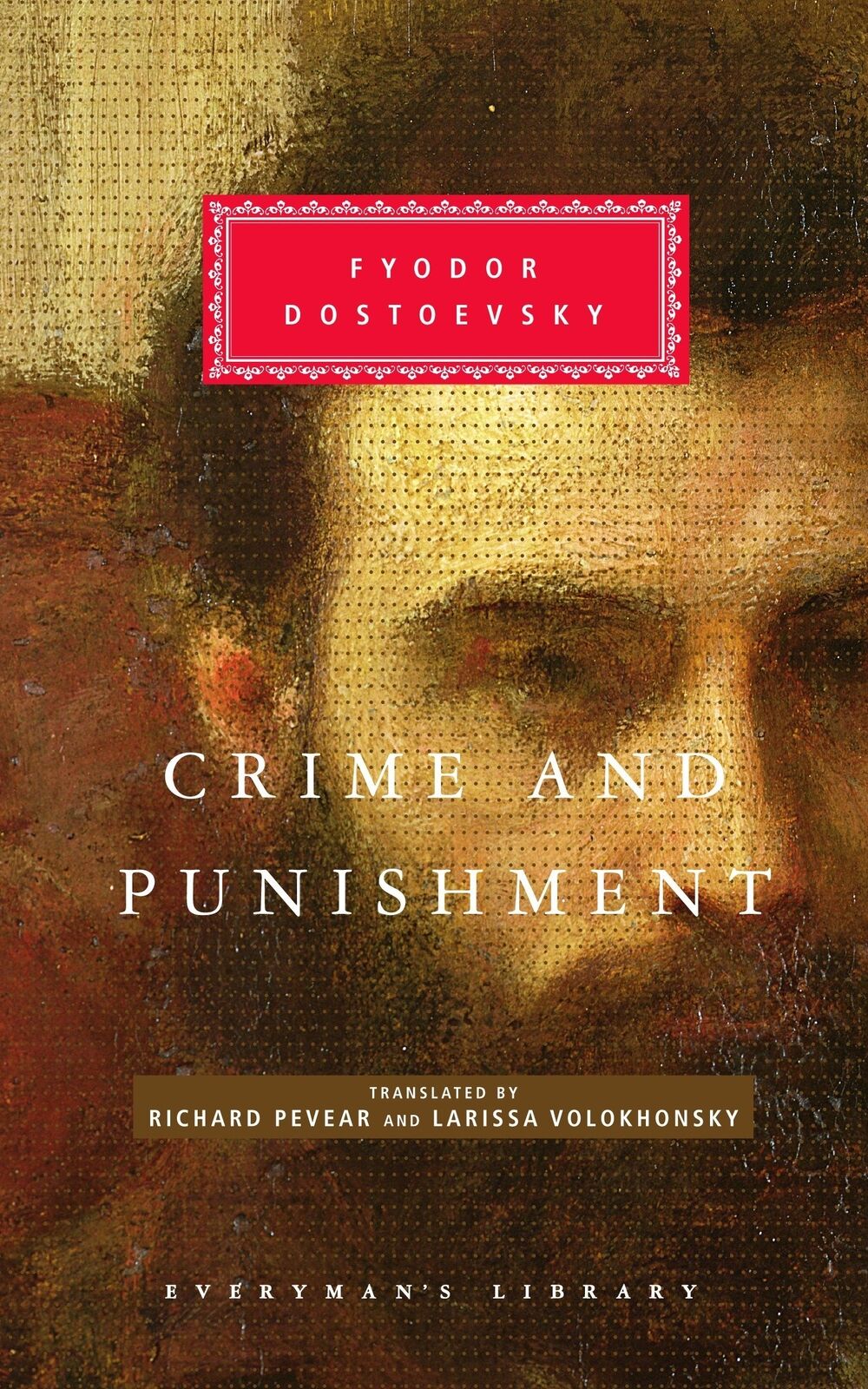
  60. Crime and Punishment, by Fyodor Dostoevsky
  61. The Dry, by Jane Harper
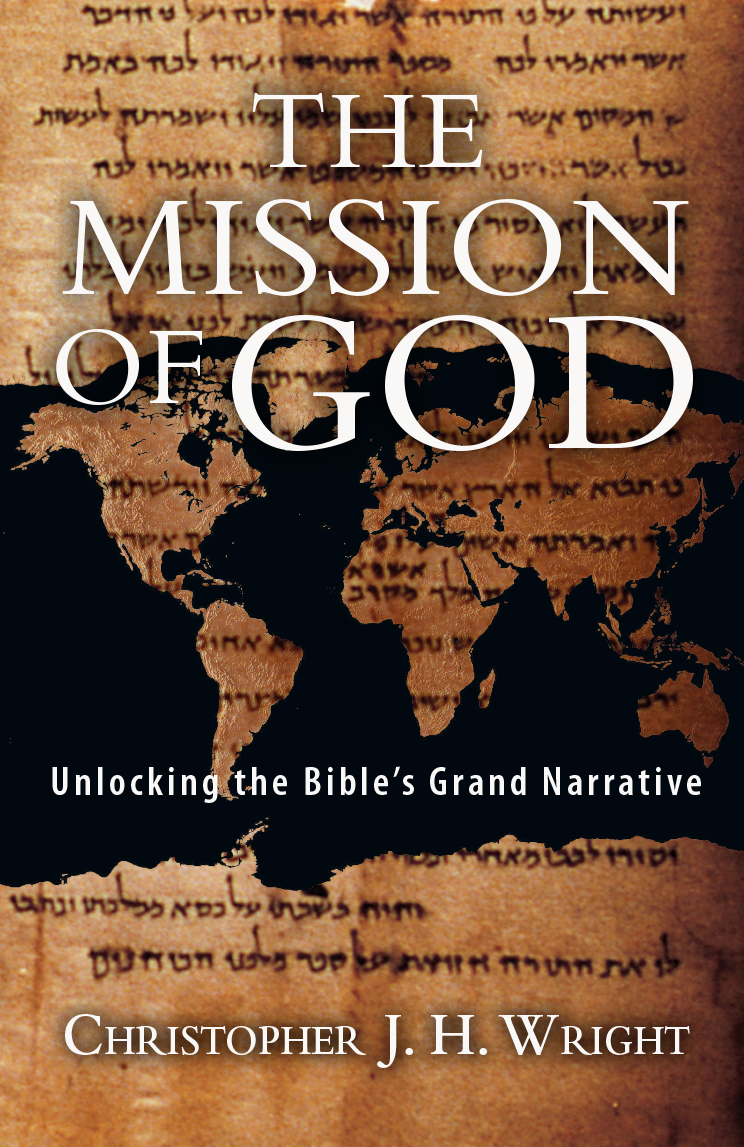
  62. The Mission of God: Unlocking the Bible’s Grand Narrative, by Christopher J.H. Wright
  63. Soul Fuel, by Bear Grylls

A few observations before I talk about my favorite books of the year:

  • My reading total decreased from 66 books in 2021 to 63 in 2022. A combination of some longer, denser books this year, combined with other responsibilities and an infant daughter whose sleeping patterns carved into some of my reading time all contributed to the decrease.
  • I read a bunch of good books in 2022, and actually had about 15 top books that I had to narrow down to 10.
  • I have a “Books to Read” list that has over 100 books on it (these are books that I already own!), and I plan to prioritize this for my reading in 2023 (though I always come across new books that I want to read, and I’m sure that will continue to happen).

Here are my Top 10 books for the year, here are some brief thoughts on those (presented in order of when I read them, not ranked 1-10):

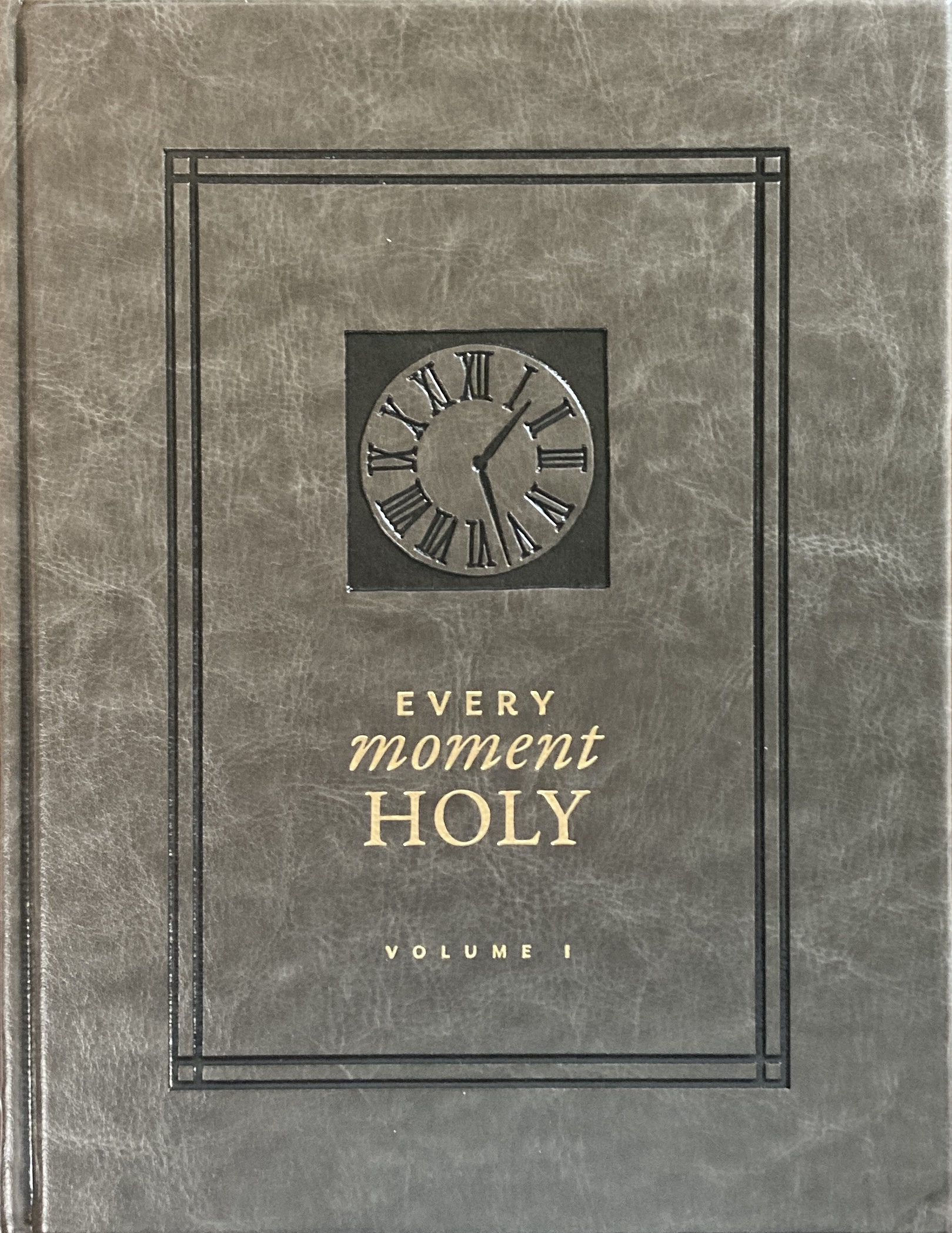
Every Moment Holy, Volume 1, by Douglas McKelvey: This is a book of prayer liturgies for all sorts of different occasions, and for the first several months of the year, was part of my daily devotional time. I loved this book—the prayers are beautiful and thoughtful, and the book itself is a work of art. This is a resource I have gone back to time and time again, and plan to continue to do so. There is a second volume on death, grief, and hope that I also read and appreciated, but I thought the variety of Volume 1 made it the better of the two.

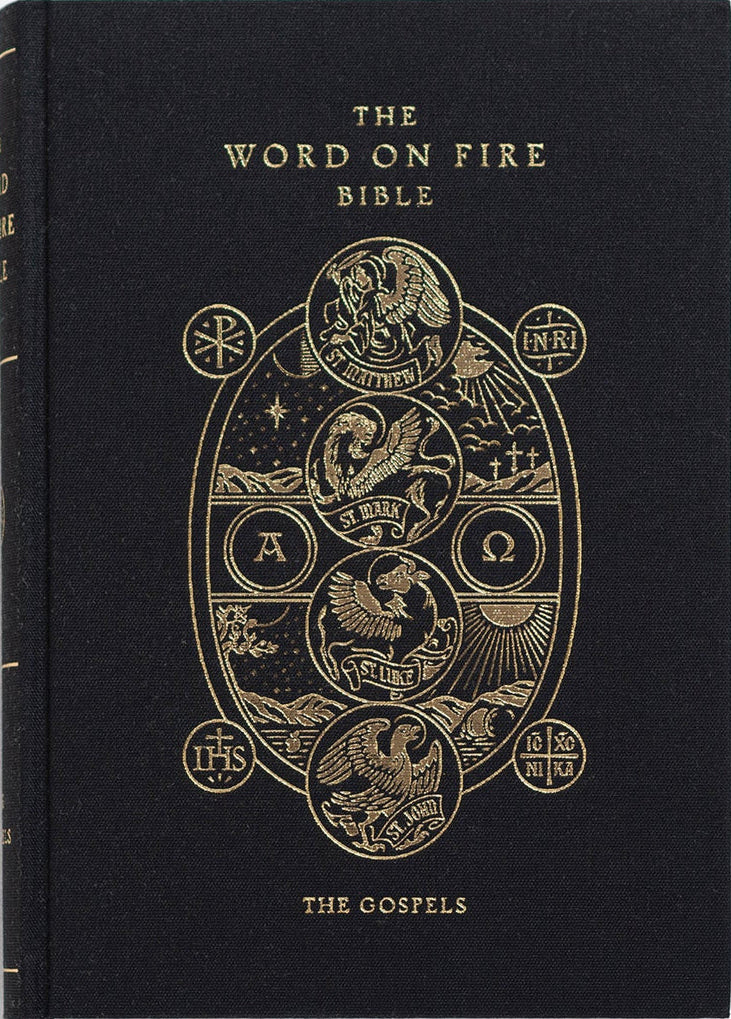
The Word on Fire Bible: the Gospels. The Word on Fire Bible is a project from Catholic Bishop Robert Barron, and I did some of my daily Bible readings from it this year. In a similar vein to Every Moment Holy, this was a beautiful product, and reading from it was an enjoyable experience. It is an NRSV translation, contains beautiful artwork from Christian history along with theological reflections, and also dozens of excerpts and articles from Catholic thinkers throughout history (including Bishop Barron). I resonated with some of these more than others, but they were all interesting to read and helped me to better understand the Catholic perspective (and occasionally they made their way into blog posts). I plan to read the second volume on Acts, the Letters, and Revelation in 2023.

Advent: the Once & Future Coming of Jesus Christ, by Fleming Rutledge: I wrote a review of this book a couple of weeks ago, so you can see my fuller reflection there, but in short, I thought this was a wonderful book. It provides a theological introduction to Advent combined with a large compilation of Advent sermons and writings. For those who observe Advent but would like to root that observance on more theological foundations, this is an excellent resource. But I would also recommend it for those who don’t observe Advent at all, but who are wanting to think more clearly about what it means to live in the in-between time of the inauguration of the reign of Jesus, and the consummation of that reign when He returns—in other words, all Christians.

Oscar Charleston: The Life and Legend of Baseball’s Greatest Forgotten Player, by Jeremy Beer: This is a baseball biography, but also reads like a piece of investigative journalism due to the fact that the records of Charleston’s life are so fragmentary. Oscar Charleston was a star center fielder in the Negro Leagues of the 20s and 30s and holds a legitimate claim to being a top-five player of all time, and yet only the most passionate of baseball fans even know who he is. This book does a good job of reconstructing the historical data on Charleston that exists and gives the reader an impression of his brilliance on the field, the inherent instability of the leagues in which he was forced to play, and the racial injustice that lay behind it all.

Unbroken, by Laura Hillenbrand: this was a massively popular book a few years ago that was also adapted into a successful film, so I may be one of the last people to have read it, but I was blown away by how compelling the story was. Unbroken tells the tale of Louis Zamperini, the Olympic track star who became an airman in WWII, had his plane shot down, and survived for weeks in a raft, only to end up in a series of Japanese prison camps. It was a remarkable story of survival, and also a remarkable story of faith, as Zamperini came to devout faith in Jesus after the momentous events of his life.

Team of Rivals: The Political Genius of Abraham Lincoln, by Doris Kearns Goodwin: I listened to this as an audiobook, and I think what I got was an abridged version of the original. Nevertheless, I loved it. I had seen the film Lincoln several years ago and was familiar with the book’s basic premise—Abraham Lincoln constructed his cabinet largely out of men who had sought the presidency he won—and then turned almost every one of them into allies and friends. Reading this book gave me an increased appreciation for Lincoln, and one thing I really wasn’t prepared for was how moved I would be by his assassination (something I have known about for as long as I can remember).

All Creatures Great and Small, by James Herriot: This was a quaint and delightful book recounting the adventures of a country vet in Yorkshire back in the 1930s. Herriot’s reminiscences are both humorous and meaningful, and I generally just found the book comforting to read. It also made me feel connected to my dad, who has loved the Herriot books for years as well as the original PBS series.

Into Thin Air: A Personal Account of the Mt. Everest Disaster, by Jon Krakauer: This was a gripping narrative that recounted Krakauer’s own part in an expedition that unwittingly became part of the 1996 Mount Everest disaster, when eight people (from multiple expeditions) were killed when caught in a storm on top of the world’s highest mountain. It is a tale of survival, tragedy, what-ifs, and unanswered questions, that was really compelling to read.

Crime and Punishment, by Fyodor Dostoevsky: I read Crime and Punishment for the first time in high school, and I think I read it again during college or shortly thereafter. This time, I read the acclaimed translation by Richard Pevear and Larissa Volokhonsky in the Everyman’s Library series (I loved this translation and series—so much so that I asked for two more volumes from this series for Christmas). This is such a brilliant book; it is funny, clever, psychological, and suspenseful, and delivers Dostoevsky’s sustained critique of the new intellectual ideas (utilitarianism and nihilism especially) that were invading St. Petersburg and Europe in the latter half of the 19th century and, by contrast, his support of traditional religious values. This was a timely read.

The Mission of God: Unlocking the Bible’s Grand Narrative, by Christopher J. H. Wright: I have read stuff from Chris Wright for years, and was generally aware of the main ideas in this, his magnum opus. Nevertheless, I thought it was finally time for me to tackle it, and it is a brilliant book. Many of the conclusions that Wright reaches I had already come to over the last decade or more through other readings from Wright as well as other sources like N.T. Wright and The Bible Project, but I wish I would have read this years ago, because it would have helped me with a lot theological processing. The basic idea is that the story of Scripture is the story of a God who is on a mission to reconcile His creation back to Himself, and as God’s people, we are invited to join in that mission. When Scripture is viewed through this lens, it has significant ramifications. This was a massive and dense book, but so good.


That was my reading for 2021. For comparison’s sake, if you are interested, you can see my reading lists from previous years:

What are some of the best books you read this past year?

Book Review: Advent: The Once & Future Coming Of Jesus Christ

We are a couple of weeks away from my annual post in which I discuss my favorite books of the year, but I wanted to go ahead and highlight one of those books with a brief review.

Fleming Rutledge’s Advent: The Once & Future Coming of Jesus Christ is a collection of writings and sermons from her decades as an Episcopal priest. I had heard good things about the book and was hopeful that it would give me a better understanding Advent. It did not disappoint; growing up in a church context where we did not observe the liturgical calendar, my knowledge of Advent was gleaned mainly from culture, which is rarely a good way to learn about something accurately!

Advent is not about extending a commercialized and sentimental Christmas holiday. Indeed, in many ways, celebration of Advent postpones the celebration of Christmas by instead emphasizing the waiting that is central to the lives of God’s people, both in the sense of waiting for the arrival of the Messiah, but also, now, waiting for Him to return. In that sense, Advent is essentially eschatological. Also, far from being sappy and sentimental, Advent looks unblinkingly at the brokenness of our world and acknowledges our need for the coming of a Judge who will stamp out sin, evil, and death.

Of all the seasons of the church year, Advent most closely mirrors the daily lives of Christians and of the church, asks the most important ethical questions, presents the most accurate picture of the human condition, and above all, orients us to the future of the God who will come again. (1)

A key emphasis of Rutledge’s book, however, is that much of the eschatological focus of Advent has been lost and needs to be reclaimed. Advent cannot be pressed into the service of Christmas, but must instead be about what it is supposed to be about:

During much of the twentieth century, the second coming of Christ was considered in the mainline churches to be an obsolete if not downright embarrassing topic for preaching, and the subject of the divine judgment that was so familiar to medieval and Reformation-era congregations fell into disfavor with the ascendancy of liberal theology. (6).[1]

Rutledge is a keen theological thinker and an excellent communicator. She was one of the first women to be ordained to the priesthood of the Episcopal Church,[2] and is now in her 80s. This means that she draws from a remarkable well of experience, and also that she at times exhibits a delightful sort of crankiness that comes with age and many years of ministry. She is also a Southerner (born in Virginia), which comes out in endearing ways as well.

The book is comprised of a sort of theological introduction to the practice of Advent, followed by a section of Writings, articles written by Rutledge on Advent over the years, and Sermons, divided according to where they fall in the church calendar. In the section of sermons, in particular, there is, at times, a good deal of overlap, as you can imagine that 40 years of sermons on the same topic will re-tread some of the same ground. I can imagine that this would be one of the main critiques of the book, but in my case, I read it slowly over a period of several weeks (usually reading one or two sermons per day), so it did not seem as repetitive as it may have otherwise.

Now, on to some of my favorite quotations (bolded text reflects my own emphasis):

We live not according to the reign of Satan, but as those who know that “the ruler of this kosmos” is already doomed—in spite of all appearances to the contrary. …The church lives, therefore, without fear, in faith that the cosmic change of regime has already been accomplished. (12-13)

Nothing short of divine intervention can arrest the ever-recurring cycle of human misery. (13)

…Far from escaping the world, the Christian disciple finds his or her vocation precisely here: at the collision of the ages where the struggle of the Enemy against God continues, making a space for the conquering love of God for the world. (16)

The concept of justice is indeed central to the biblical portrait of the God who has revealed himself in his written Word and in the incarnate Word who is his Son. However, the current use of “justice” as a rallying cry for the church is reductive, because it is limited to particular political and economic issues without reference to the righteousness of God. A key biblical meaning of justice is found in the fact that the world translated “justice” and “righteousness” is the same word in Hebrew and in Greek. …All the references to judgment in the Bible should be understood in the context of God’s righteousness—not just his being righteous (noun) but his “making right” (verb) all that has been wrong. Clearly, human justice is a very limited enterprise compared to the ultimate making-right of God in the promised day of judgment. (21-22)

The way of Christian community is not, however, to retreat from horror into the solace of personal religion, but to proclaim Christ’s hope to the world. (53)

In Advent, we don’t pretend, as I once thought, that we are in the darkness before the birth of Christ. Rather, we take a good hard look at the darkness we are in now, facing and defining it honestly, so that we will understand with utmost clarity that our great and only hope is in Jesus’s final victorious coming. (58)

Even our smallest lights will be signs in the world, lights to show the way, beachheads to hold against the Enemy until the day when the great Conqueror lands with Michael the archangel at the head of his troops. (81)

We need to understand the difference between optimism and hope. Optimism often arises out of denial of the real facts; hope, however, persists in spite of the clearly recognized facts because it is anchored in something beyond.…Mere optimism cannot survive the brutal facts; but Christian hope is something else. Christian hope does not build a foundation on a new millennium. Christian hope builds its foundation on the promise of the living God that the random chaos of the world will be revealed one day to have been led and shaped by the same hand that reached out to heal the sick and make the blind to see, to raise the dead and “to call into existence the things that do not exist” (Rom. 4:17). (92,94)

Power is most dangerous in the hands of the strong and well-meaning, those who are sure that they can use it for good purposes. Evil is loose in the world and can take over anyone, anywhere, at any time—but the proud and the self-righteous are especially vulnerable. (124)

In the New Testament, the basic imagery of this world is that of a country occupied by the enemy forces—like most of Europe occupied by the Nazis. It is not that the world itself is bad, for as we know, the world is God’s good creation; but since the fall of Adam and Eve, the world is occupied by Satan. …If you live in occupied territory, you can be a collaborator or you can be in the underground resistance, but you can’t just be neutral. (143-44)

The human being is in the grip of impulses that are more powerful than our wish to do good. (151)

One of the idols of our own time is the idol we have made of a God who never judges anyone or anything. We have created a God who accepts everyone “just as they are” and never says anything against us, because that would be “judgmental.” (179)

The season was not intended to be the run-up to Christmas in the sense that we think of today. I t was designed to be the season to look forward, not to the birth of the baby Jesus in Bethlehem, but to the second coming of Christ. Advent locates the church properly, in between the times, the time of waiting through the night for the Bridegroom to come. (180)

We bear witness to our allegiance to the kingdom of God by giving away a lot of our money. (197)

For the Christian, the time is always getting late; the situation is always grave; ultimate matters press in upon us. (238)

More often than not, the Bible isn’t taught today as if it were about God. It’s taught as a repository of human religious thinking. It’s presented as an interesting and important document about human spiritual development. It’s treated as a collection of human imaginings about God. But this is precisely what the Bible is not. The Bible demands to be understood as the revelation of the one true God who is really God. This doesn’t have to be believed, of course, but it requires that we hear it in the way it means to be heard, whether we believe it or not. (318)

The idea of a resurrection is preposterous enough, but not as preposterous as the idea of a crucified Messiah. To believe that it is all illusory, you have to believe that resurrection was a tidy idea invented by the disciples of a crucified man so that they could go out and meet their deaths proclaiming him to the entire world. People who believe that will believe anything; they will even believe that mankind is inherently good and progressing nearer and nearer to perfection every day. (335)

We humans try to create artificial worlds of light at Christmas, hoping to stave off the darkness. Advent summons us to do exactly the opposite; to renounce the easy consolations of artificial light in order to recognize the Coming One, who said, “I am the Light of the world” (John 8:12). (340)

I thought this was a wonderful book—it was one of my favorite reads 0f 2022. For those who observe Advent but would like to root that observance on more theological foundations, this is an excellent resource. But I would also recommend it for those who don’t observe Advent at all, but who are wanting to think more clearly about what it means to live in the in-between time of the inauguration of the reign of Jesus, and the consummation of that reign when He returns—in other words, all Christians.


[1]This quotation reveals one of my favorite characteristics of this book. Considering that Rutledge is a priest in the Episcopal Church, I had assumed that she would be operating from the perspective of liberal theology, but I was far from the mark. To be sure, Rutledge and I come from very different places religiously, but her theology was delightfully orthodox, and in many places, she offered critiques of liberal theology and her own context.

[2]Anticipating some potential pushback here, I will mention that I am not advocating for women priests or, indeed, the ordination of any sort of priesthood at all. I am merely providing a biographical sketch.

« Older posts Newer posts »

© 2026 The Doc File

Theme by Anders Noren — Up ↑