The online journal of Luke Dockery

Category: Reading (Page 2 of 33)

Reading in 2025

Reading and making lists are both big parts of my life, and this yearly post involves both of those activities! I will offer some thoughts on my favorite books of the year below, but first, here is the list of books I read in 2025 (an asterisk* indicates that the book was on my “to-read” shelf/list):

  1. The Biggest Story Bible Storybook, by Kevin DeYoung and Don Clark
  2. The Mythmakers: The Remarkable Fellowship of C.S. Lewis and J.R.R. Tolkien, by John Hendrix
  3. The Little Liar, by Mitch Albom
  4. Seasons of Sorrow: the Pain of Loss and the Comfort of God, by Tim Challies
  5. Harry Potter and the Prisoner of Azkaban, by J.K. Rowling
  6. The Life We Bury, by Allen Eskens
  7. Living in a Gray World: A Christian Teen’s Guide to Understanding Homosexuality, by Preston Sprinkle
  8. The Demon of Unrest: A Saga of Hubris, Heartbreak, and Heroism at the Dawn of the Civil War, by Erik Larson
  9. 10 Hours to Go, by Keely Parrack
  10. The Guise of Another, by Allen Eskens
  11. Tell Her Story: How Women Led, Taught, and Ministered in the Early Church, by Nijay Gupta
  12. The Tattooist of Auschwitz, by Heather Morris
  13. The Last Green Valley, by Mark Sullivan
  14. King Solomon’s Mines, by H. Rider Haggard
  15. Fountains of Silence, by Ruta Sepetys
  16. Origin Story: Churches of Christ and the Restoration Movement, by Luke Dockery and Jared Pack
  17. The Bomber Mafia: A Dream, a Temptation, and the Longest Night of the Second World War, by Malcolm Gladwell
  18. Harry Potter and the Prisoner of Azkaban, by J.K. Rowling
  19. Hero of the Empire: The Boer War, a Daring Escape, and the Making of Winston Churchill, by Candice Millard
  20. Midnight in Chernobyl: The Untold Story of the World’s Greatest Nuclear Disaster, by Adam Higginbotham
  21. O Come, O Come, Emmanuel: A Liturgy for Daily Worship from Advent to Epiphany, by Jonathan Gibson
  22. The Whole Art of Detection: Lost Mysteries of Sherlock Holmes, by Lyndsay Faye
  23. Observations by Gaslight: Stories from the World of Sherlock Holmes, by Lyndsay Faye
  24. The Shadows We Hide, by Allen Eskens
  25. Reviving the Ancient Faith: The Story of Churches of Christ in America, Third Edition, by Richard T. Hughes and James L. Gorman*
  26. Practicing the Way: Be with Jesus. Become like him. Do as he did. by John Mark Comer*
  27. Midnight, by Amy McCulloch
  28. On the Edge of the Dark Sea of Darkness, by Andrew Peterson
  29. Introducing Jesus: A Study of the Gospel of Mark, by Jeremy Myers
  30. The Prodigal God: Recovering the Heart of the Christian Faith, by Timothy Keller
  31. Star Wars: Brotherhood, by Mike Chen
  32. The Brightwood Code, by Monica Hesse
  33. River of the Gods: Genius, Courage, and Betrayal in the Search for the Source of the Nile, by Candice Millard
  34. The Anxious Generation; How the Great Rewiring of Childhood is Causing an Epidemic of Mental Illness, by Jonathan Haidt*
  35. Star Wars: Shadow of the Sith, by Adam Christopher
  36. On the Edge of the Dark Sea of Darkness, by Andrew Peterson
  37. The Templars: The Rise and Spectacular Fall of God’s Holy Warriors, by Dan Jones
  38. The Word on Fire Bible: Acts, Letters, and Revelation
  39. The Adventures of Huckleberry Finn, by Mark Twain
  40. The Benedict Option: A Strategy for Christians in a Post-Christian Nation, by Rod Dreher*
  41. Travelers in the Third Reich: The Rise of Fascism, 1919-1945, by Julia Boyd
  42. James, by Percival Everett
  43. The Heavens May Fall, by Allen Eskens
  44. Live Not by Lies: A Manual for Christian Dissidents, by Rod Dreher
  45. The Indian in the Cupboard, by Lynne Reid Banks
  46. The Return of the Indian, by Lynne Reid Banks
  47. The Measure of a Man: A Spiritual Autobiography, by Sidney Poitier
  48. May the Wolf Die, by Elizabeth Heider
  49. Five Total Strangers, by Natalie D. Richards
  50. The Wild Robot, by Peter Brown
  51. The Secret of the Indian, by Lynne Reid Banks
  52. Water in Her Veins, by Shannon Schumer
  53. Exiles in Their Own Land: A Study of 1-2 Peter, by Gary Holloway
  54. The Mystery of the Cupboard, by Lynne Reid Banks
  55. Broiler, by Eli Cranor
  56. Just the Nicest Couple, by Mary Kubica
  57. The Nickel Boys, by Colson Whitehead
  58. Just Another Missing Person, by Gillian McAllister
  59. The Underground Railroad, by Colson Whitehead
  60. Life Together, by Dietrich Bonhoeffer*
  61. North! Or Be Eaten, by Andrew Peterson
  62. A Slow Fire Burning, by Paula Hawkins
  63. Redwall, by Brian Jacques
  64. Famous Last Words, by Gillian McAllister
  65. Prey: Immigration, Islam, and the Erosion of Women’s Rights, by Ayaan Hirsi Ali
  66. Master and Commander, by Patrick O’Brian
  67. Story of Glory: Why Did Jesus Come to Save the World?, by Jason Hart
  68. Contemplative Youth Ministry: Practicing the Presence of Jesus, by Mark Yaconelli*
  69. A Burden Too Heavy: An Invitation to the Spiritual Discipline of Confession, by Paul Alan Smith*
  70. Post Captain, by Patrick O’Brian
  71. North! Or Be Eaten, by Andrew Peterson
  72. Yucatan 1512, by Alex Vede

A few observations before I talk about my favorite books of the year:

  • My reading total increased from 70 books in 2024 to 72 in 2025. This is the most books I have read in a year since I started counting.
  • Overall, my reading for the year was somewhat… “meh.” I’m reading too much entertainment that courts my attention rather than edification that stirs my soul. A big part of this is that much of my reading has shifted to audiobooks, all of which I get free via the Libby app. This tends to steer my selections in certain directions. For 2026, I plan to focus more on the reading of physical books, and am considering getting an Audible subscription to give me greater access to other types of books.
  • In the realm of fiction, I did discover two authors/series this year that I enjoyed and intend to continue reading from: Allen Eskens’s loosely connected Max Rupert/Joe Talbert series, and Patrick O’Brian’s naval series focused on Jack Aubrey and Stephen Maturin.
  • I have a long “Books to Read” list of books that I already own. I didn’t do as good of a job reading from that list as I would have liked—only seven of my books from the list above (marked with an *) came from that list. I hope to read more from this list in 2026.

Here are my Top 10 books for the year with some brief thoughts on each (presented in order of when I read them, not ranked 1-10):
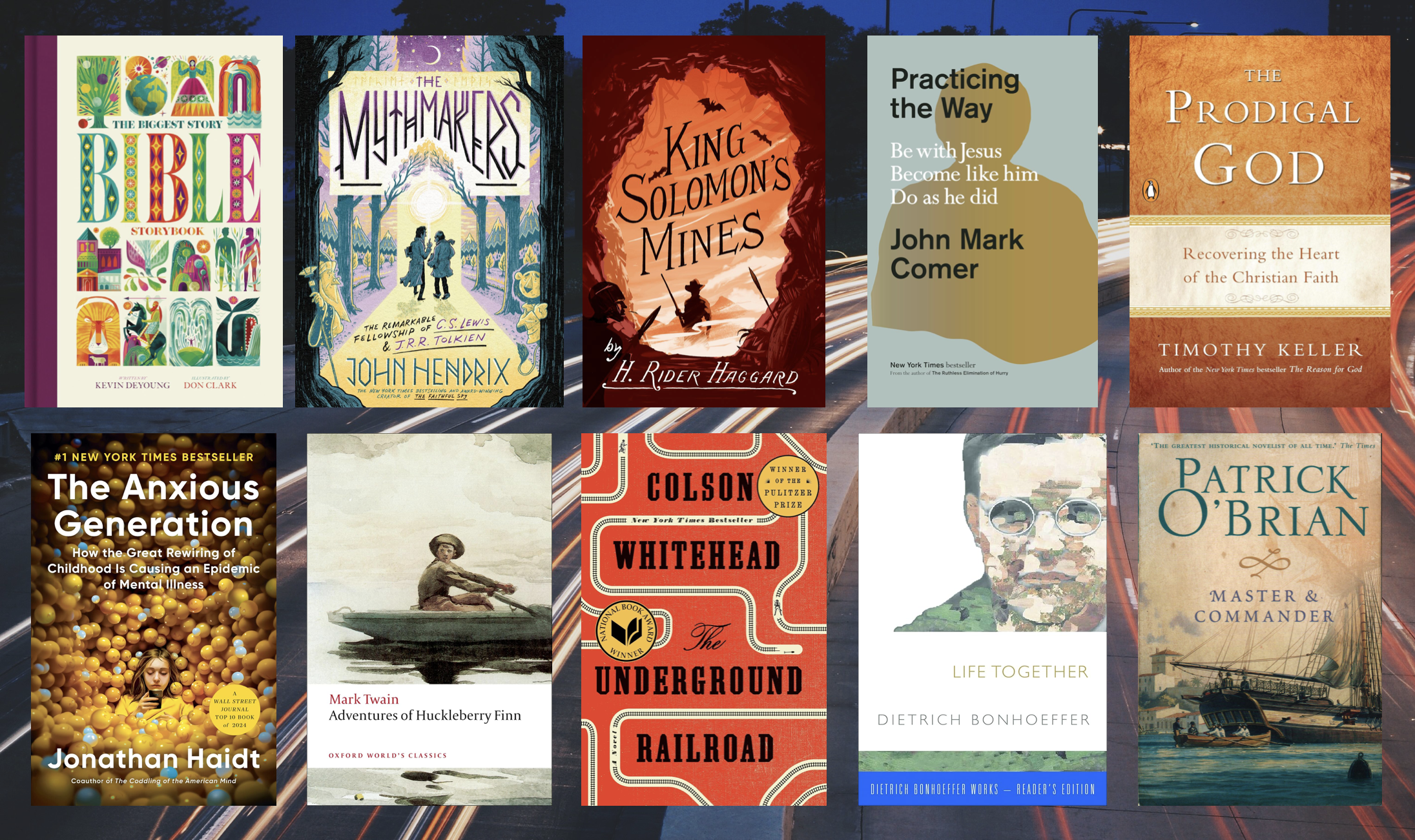
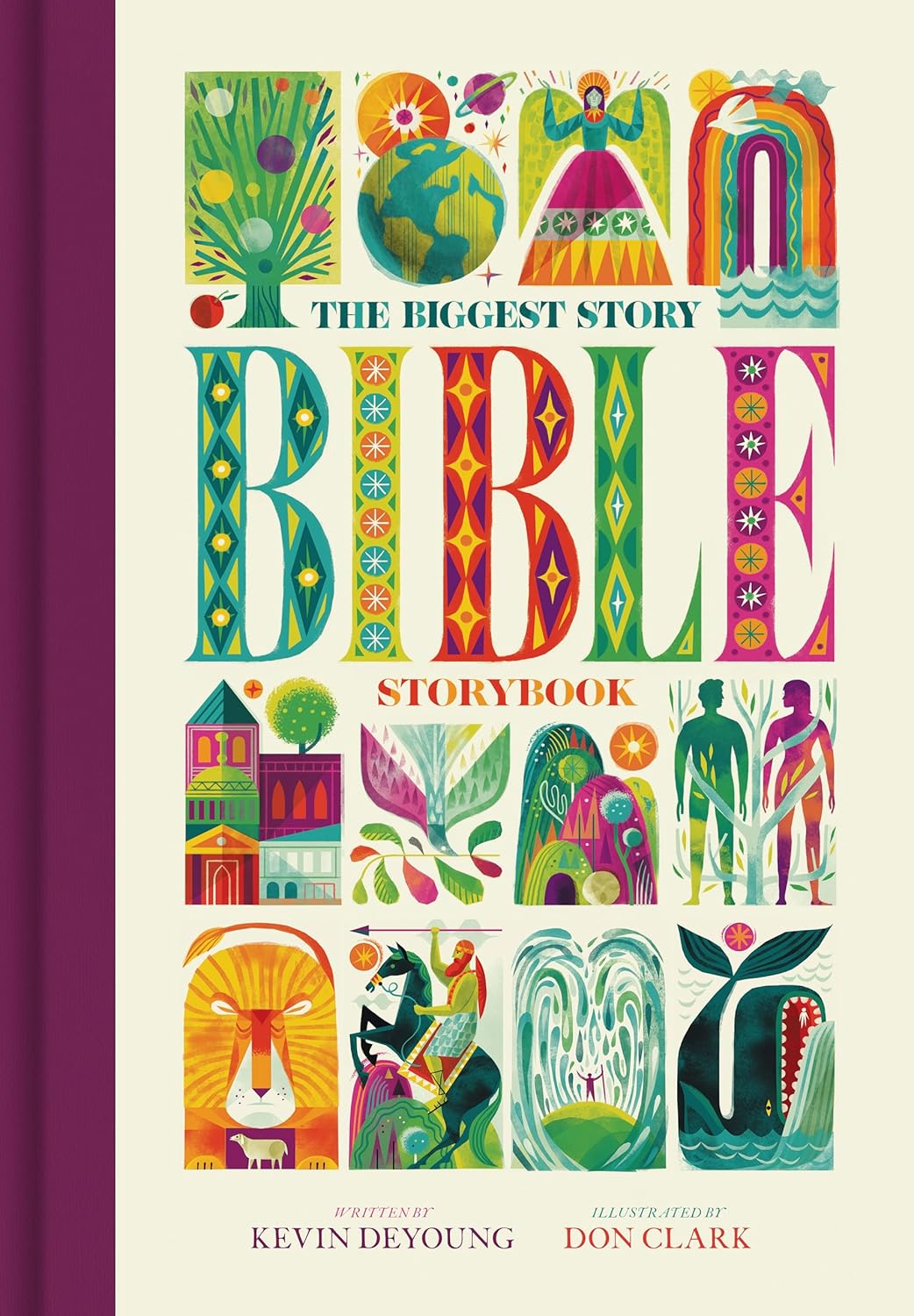
The Biggest Story Bible Storybook, by Kevin DeYoung: Family worship is a staple at our house, and as part of that, we have a Bible component. Sometimes that is reading directly from the Bible, but with kids aged 14, 9, and 3, sometimes we use Bible storybooks, which are not all created equal. Some significantly water down or distort the stories, and some that tell the stories faithfully still teach them in a disjointed, episodic fashion. DeYoung excels at presenting narratives throughout the Bible as part of a grander narrative focusing on how the Snake-Crusher will ultimately defeat sin and help us return to the Garden.

This is an excellent resource for families to use with their children at home, but would also work well as the basis for a children’s Bible class curriculum in a church setting.
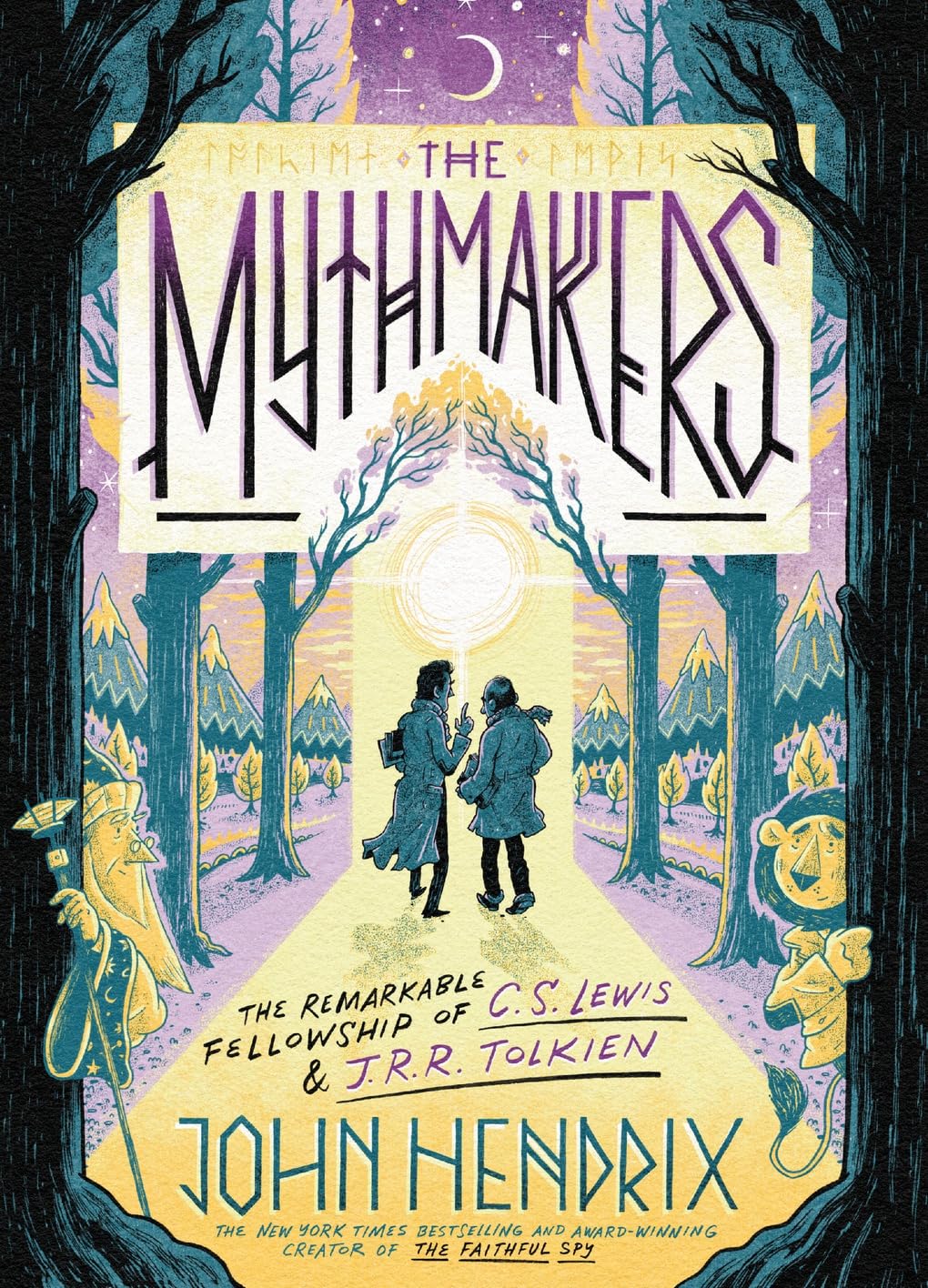
The Mythmakers: The Remarkable Fellowship of C.S. Lewis and J.R.R. Tolkien, by John Hendrix: I knew nothing about this book before I received it as a Christmas gift from my sister-in-law, but it was my favorite book of the year. The Mythmakers is a beautifully illustrated graphic novel that reads like a biography of C.S. Lewis and J.R.R. Tolkien, with a special emphasis on their relationship together. Their friendship was a special one, but also suffered a falling out that was never fully reconciled this side of eternity. This was an incredibly poignant and moving read that I highly recommend for fans of Lewis and/or Tolkien.
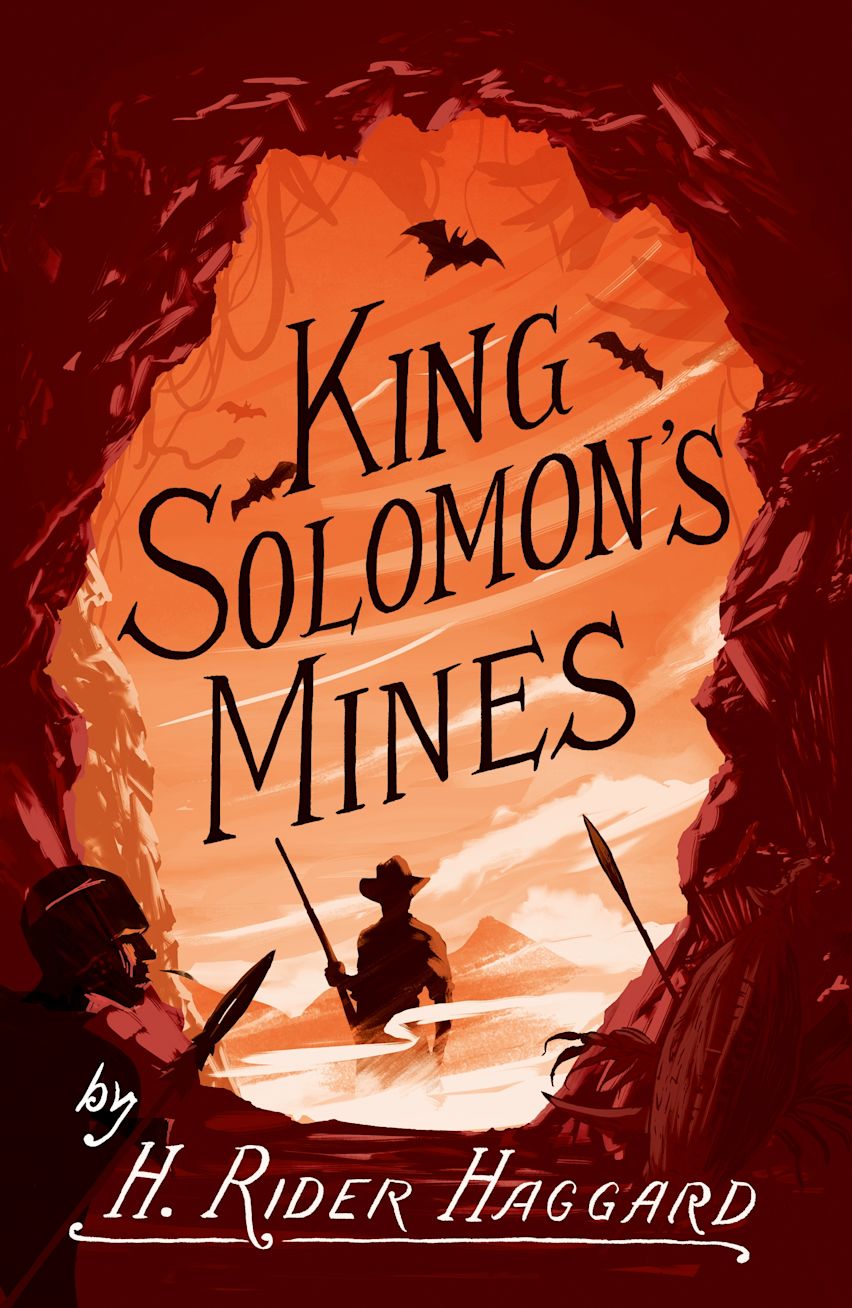
King Solomon’s Mines, by H. Rider Haggard: This was a re-read for me, as I think I previously read it when I was a teenager (but that was a long time ago now!). Haggard’s book is a classic tale of adventure and treasure hunting, but was also ground breaking in its day, as the first of a genre of “Lost World” romances that were inspired by the exploits of British explorers in colonial Africa (and a precursor to modern science fiction).

King Solomon’s Mines was written in 1885, and thus, there are elements—especially relating to colonialism, race, and gender—that are awkward for modern sensibilities. Still, amidst a tale of adventure, danger, and discovery, the book actually reflects surprisingly forward social thinking, portraying some African characters as barbarians and others as heroes (it depends on their character, not their ethnicity), and even includes an interracial romance. On the whole, it is just a fun story: Haggard was inspired to write an entertaining story for boys after reading Robert Louis Stevenson’s Treasure Island, and he succeeds.
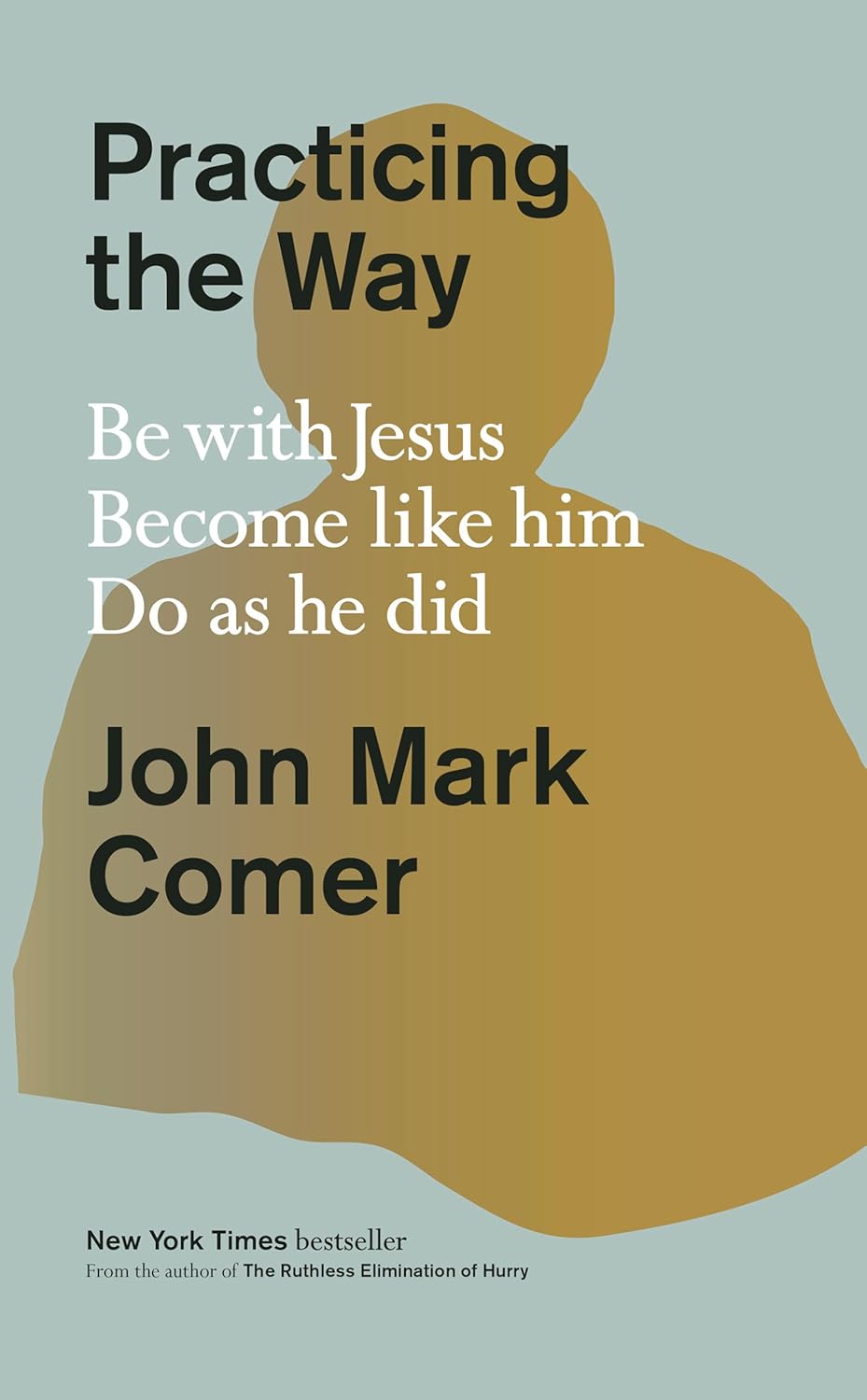
Practicing the Way: Be with Jesus. Become Like Him. Do As He Did, by John Mark Comer: Comer has made my Top 10 list for three years in a row (previously with The Ruthless Elimination of Hurry and Live No Lies), so clearly I appreciate him. I don’t actually love his writing style,[1] and the covers of his books are hideous,[2], but Comer continues to solidify his position as a trusted, historically orthodox Christian voice who is able to be conversant and relevant in our post-Christian context.[3] Practicing the Way is essentially a new look at very old Christian practices (spiritual disciplines), and Comer’s description of discipleship as being apprentices of Jesus is helpful.
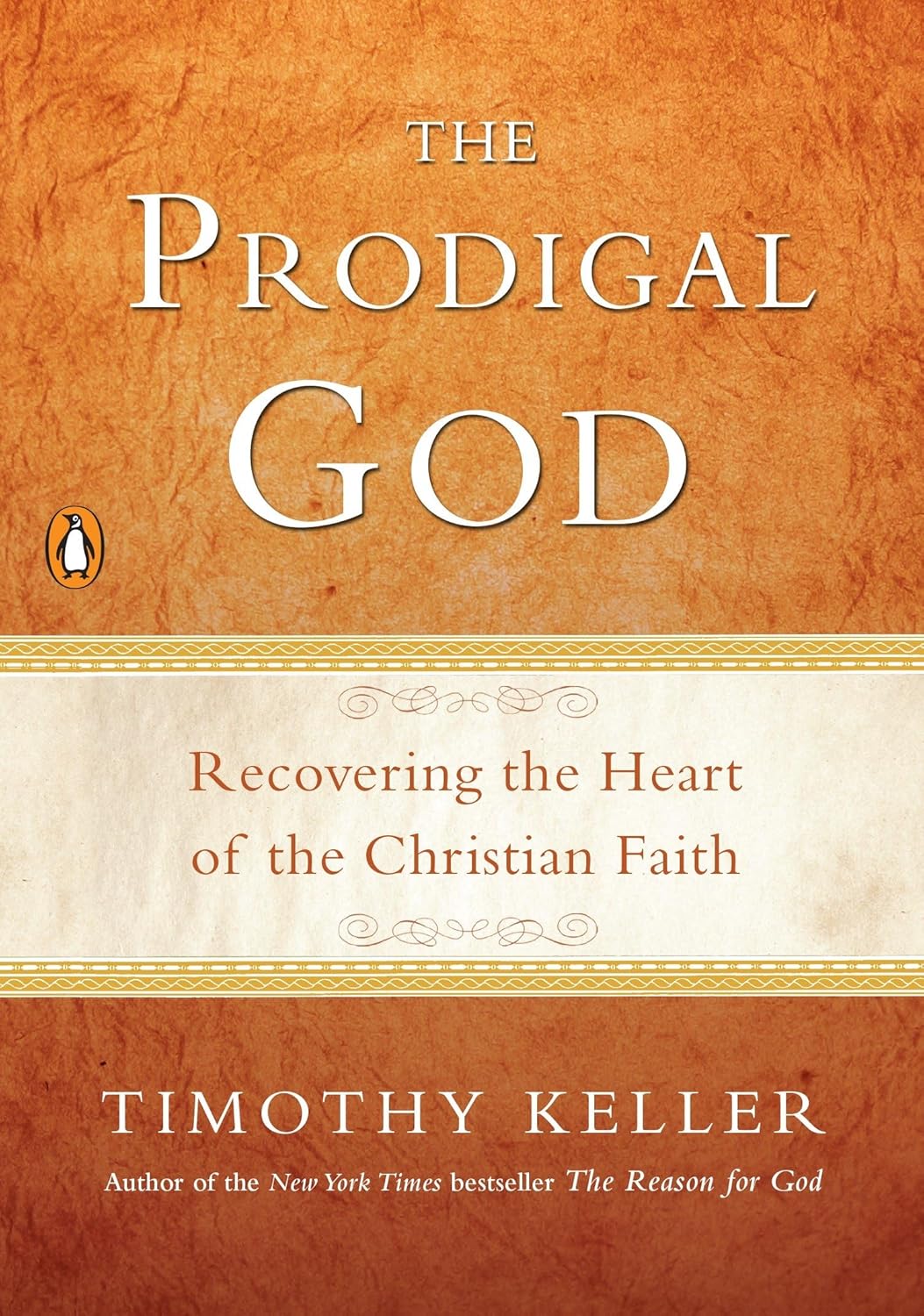
The Prodigal God: Recovering the Heart of the Christian Faith, by Tim Keller: This is another re-read, as I first read it back in 2010. Keller has become a significant influence for me over the last decade or so, and this book hit me on a much deeper level than I remember from when I first read it. The Prodigal God examines the story of the Two Lost Sons from Luke 15, and emphasizes that this story represents the heart of the Christian message. The Christian faith isn’t ultimately about our goodness, religious devotion, or work ethic; it’s about a God who loves us recklessly (“prodigal” means “recklessly spendthrift”) as His children.

Ultimately, I was so struck by The Prodigal God this time around that I wrote a three-part series reflecting some of the ideas therein: “The Elder Brother We Need,” “Exiled from Home,” and “Jesus Cooked Breakfast: The Materialistic Nature of Christianity.”

The Anxious Generation; How the Great Rewiring of Childhood is Causing an Epidemic of Mental Illness, by Jonathan Haidt: If The Mythmakers was my favorite read in 2025, this was the most significant. This is a book that seemingly everyone has talked about over the last 18 months or so (I reviewed it myself), but in case you have missed it, the current generation of teens and young adults—Generation Z—is widely known to be the most mentally unwell of all generations with off-the-charts instances of anxiety, depression, and other mental health issues. Haidt’s basic contention in the book is that two factors, the decline of a “play-based childhood” (kids running around their neighborhoods exploring, creating games and entire worlds with friends and returning home for meal times or when it gets dark) coupled with the rise of a “phone-based childhood” (kids staying indoors and staring at screens especially on their smartphones and spending hours and hours on social media platforms) have led to the devastating mental health outcomes that we see in members of Gen Z.

I think this is a brilliant book, and I think it is essential reading for anyone living today who has any significant interaction with or influence over kids and teens, or has any interaction with a smartphone. (So yes, basically everyone needs to read this book!)
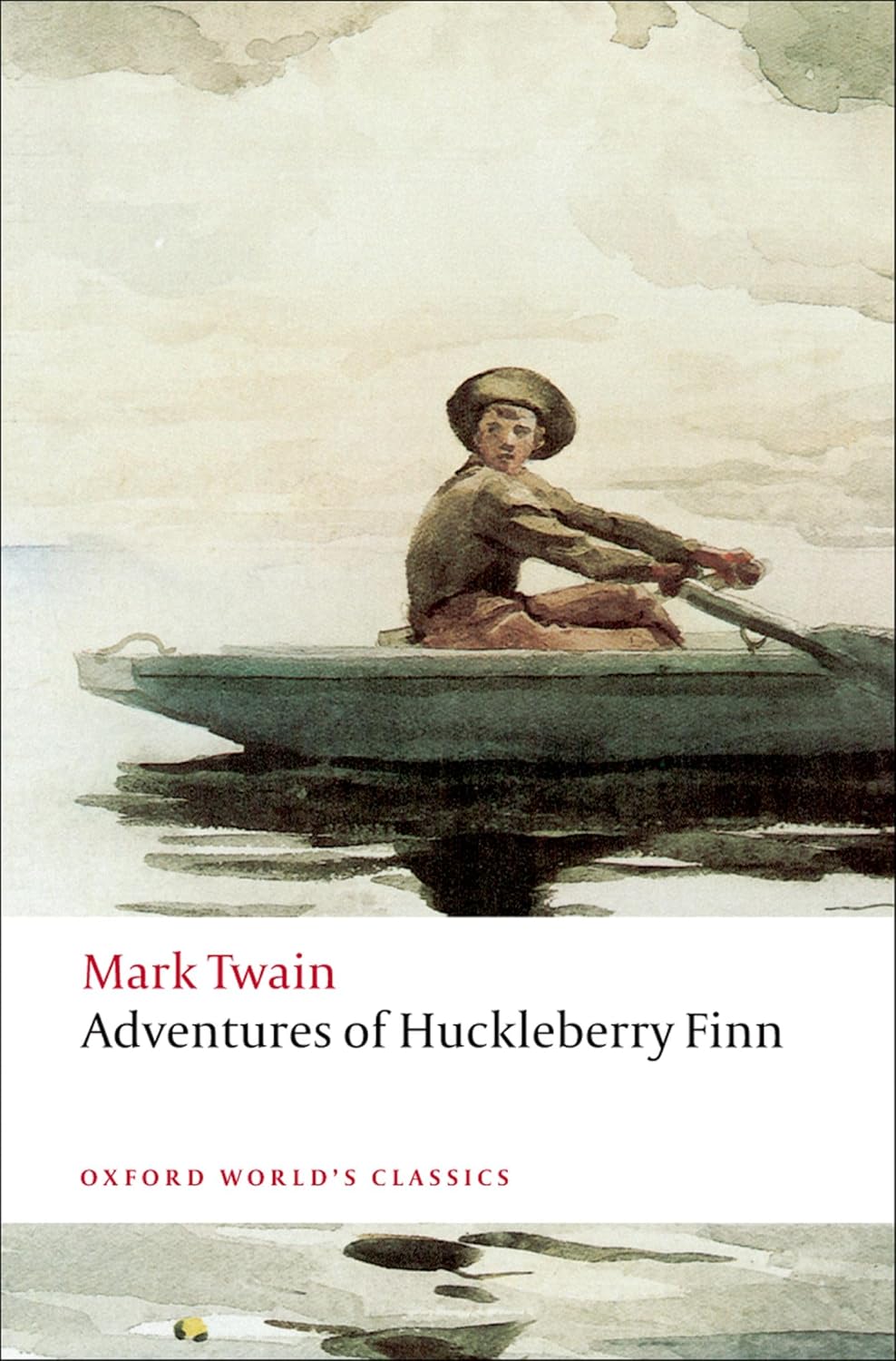
The Adventures of Huckleberry Finn, by Mark Twain: I had read this classic previously many years ago, but this year, I read it again in conjunction with Percival Everett’s James. James is a retelling of the Huckleberry Finn saga from the perspective of the enslaved Jim, and I wanted to be thoroughly familiar with the arc of the original narrative in order to compare the two. James is interesting and compelling in various ways, but ultimately, I disagreed with some of Everett’s creative license in departing from the storyline and preferred the original. The Adventures of Huckleberry Finn shines with the characteristic Twain wit, but also provides serious social commentary. In particular, the relationship between Huck and Jim provides the moral center for the tale, as Huck, driven by his love for Jim, decides to embrace the morally “evil” choice of helping him to freedom rather than do what society tells him is the “right thing” and turn Jim in as a runaway.

For what it’s worth, I highly recommend reading The Adventures of Huckleberry Finn and James back to back.
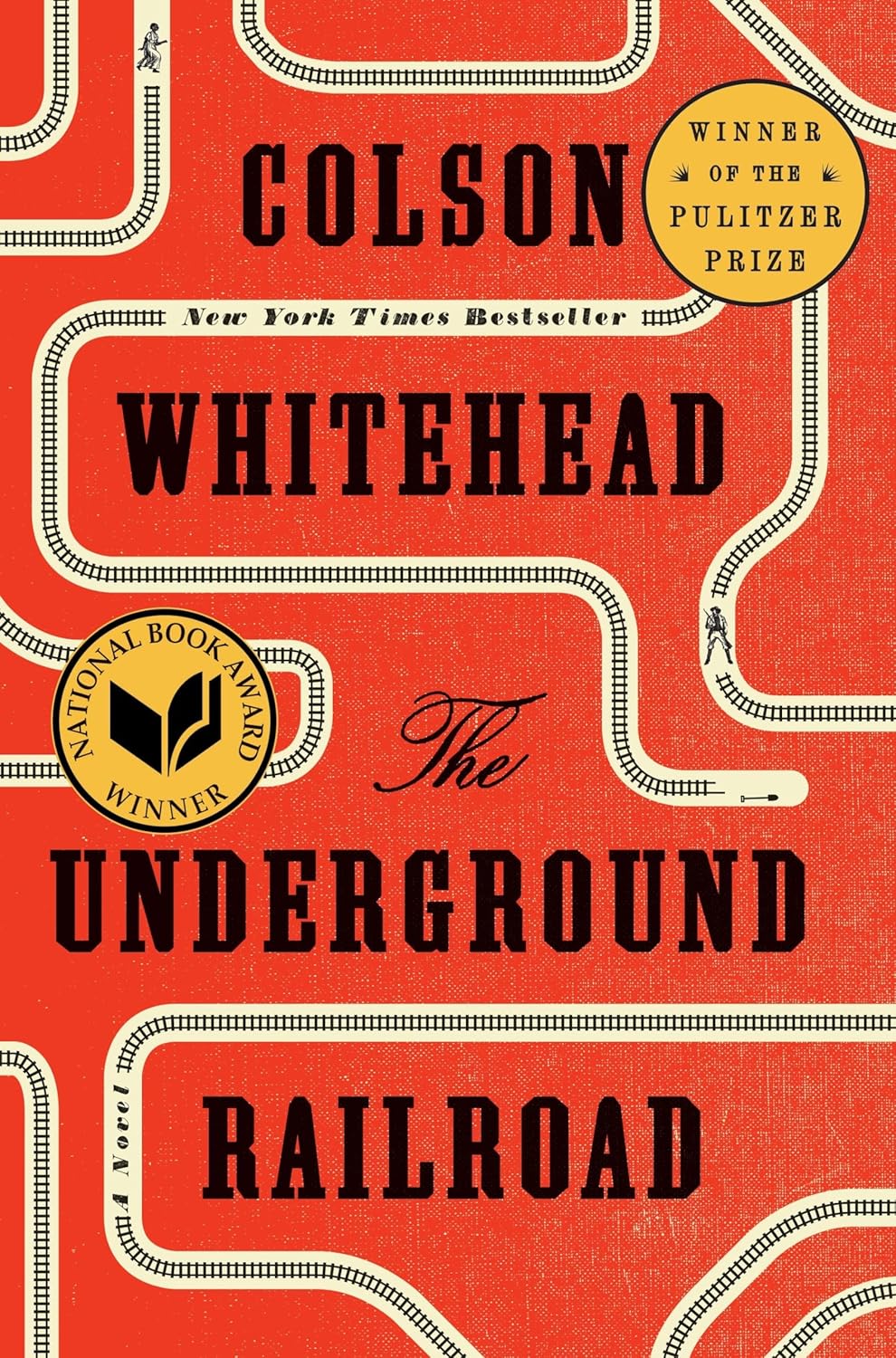
The Underground Railroad, by Colson Whitehead: This was a powerfully poignant and mournful book, which shouldn’t have been surprising considering that it won a Pulitzer Prize. Cora is enslaved on a cotton plantation in Georgia where she is an outcast even among her fellow slaves. With no future to look forward to, she takes the ultimate risk of running away on the Underground Railroad, which in Whitehead’s imaginative universe, is an actual network of tracks, tunnels, and stations underneath the slave states. Cora embarks on a treacherous journey where she encounters a different face to slavery and race relations at each stop.

It is an engaging story, but also a painful one, as it forces readers to reflect on the variety of ways that we, as a nation, have dealt with the problem of race in unacceptable ways. Lord, have mercy.
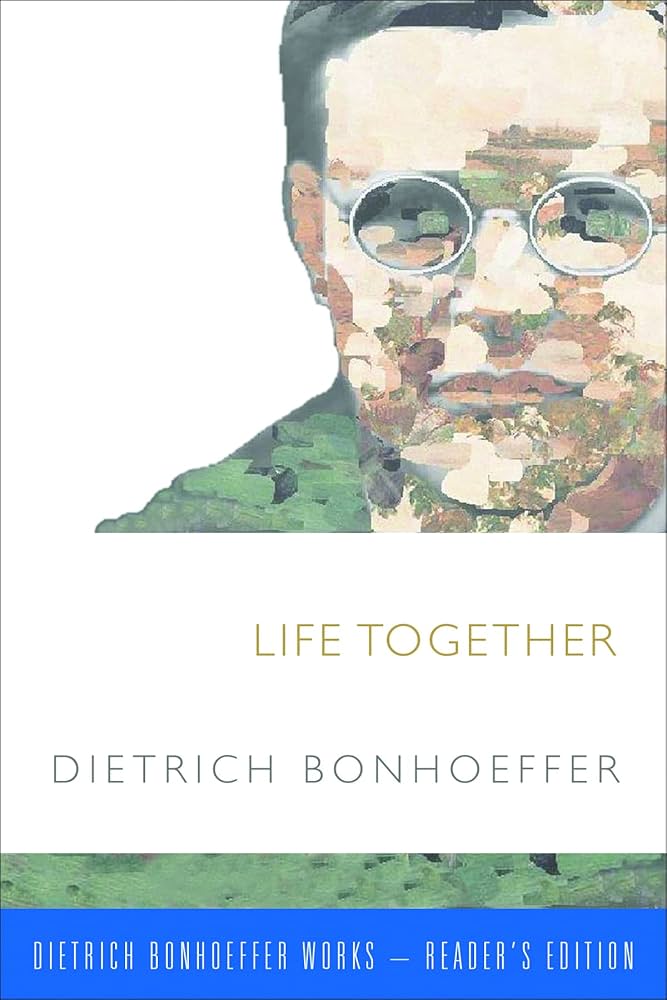
Life Together, by Dietrich Bonhoeffer: This is considered to be a Christian classic, and I can see why. Life Together is a collection of Bonhoeffer’s reflections on Christian community, and is based on the common life he shared with his students at the Finkenwalde Seminary from 1935-37. Many of the reflections and observations are made more poignant upon the realization that this experiment in Christian community was illegal—Finkenwalde was an Underground Seminary and was closed by the Gestapo in 1937:

“It is easily forgotten that the community of Christians is a gift of grace from the kingdom of God, a gift that can be taken from us any day—that the time still separating us from the most profound loneliness may be brief indeed.” (4)

Bonhoeffer would find himself in a situation where this gift was taken away from him, and would end his days in isolation in a Nazi prison.

I firmly believe that the church—the Christian community, the family of faith—is one of the greatest untapped sources of spiritual strength for most Christians, and Life Together shows why this is in penetrating fashion.
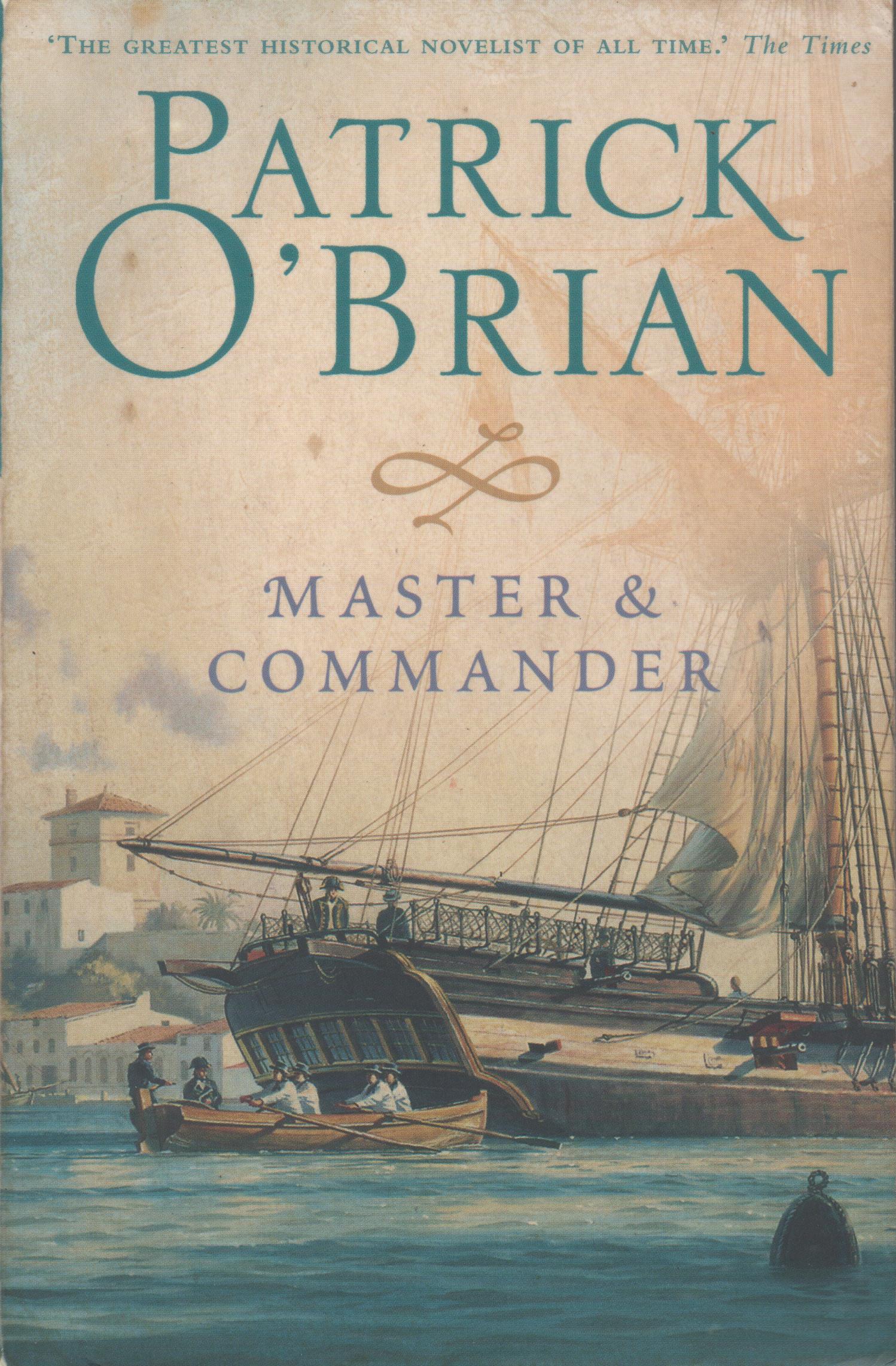
Master & Commander, by Patrick O’Brian: Years ago I watched and enjoyed the Russell Crowe film based on these books, but checked out an audiobook version from the library and greatly enjoyed it. The characters of Jack Aubrey and Stephen Maturin are complex and the depiction of their relationship is superb, and is a helpful corrective for our present time, when masculine affection is so culturally awkward.

As an author, O’Brian excels at subtlety, and the reader (or, in my case, listener) has to pay careful attention lest they miss important details or hilarious observations. I enjoyed Master & Commander enough that I have continued with the series; I read the first book in the series at the end of November, and am currently on the third.


That was my reading in 2025! For comparison’s sake, if you are interested, you can see my reading lists from previous years:

What are some of the best books you read this past year?


[1] He frequently writes in short sentences and one-sentence paragraphs in a way that reminds me of Max Lucado or Rob Bell. No, this is not a compliment.

[2] Yes, I do actually judge books by their covers.

[3] Some may want to quibble about the extent of the “post-Christian” nature of our society, especially in some regions of the country, and that is fine. Comer ministered in Portland for 20 years and now lives in L.A., so he is definitely engaging a post-Christian context.

2025 Blog Review

I think reflection is a healthy practice, and I like to end each year by looking back and reviewing my year of blogging here at The Doc File (Here are some previous reviews from 2024, 2023, 2022, 2021, 2020, 2019, 2018, 2016, 2015, and 2012).

Overview

In 2024 I only wrote 19 times, and a goal for this past year was to write more frequently. I will end 2025 with 29 posts, which is hardly setting any sort of world records, but it does reflect an increase of over 50% from last year.

Top Posts

By traffic totals, here are my most-read posts during 2025 (posts in bold were actually written this year):

  1. So You Want to Hire a Youth Minister, August 18, 2025
  2. Where Do Churches of Christ Come From? Teaching Restoration Movement History…to Teenagers, February 11, 2025
  3. A New Heaven & A New Earth Series, April 29, 2020
  4. 2025 Harding University Lectureship Recap, December 1, 2025
  5. The Department of Government Efficiency…and The Parable of the Weeds, February 26, 2025
  6. Ecclesiastes on Independence Day, July 4, 2023
  7. A New Heaven & A New Earth: What the Bible Teaches about Eternity, April 9, 2020
  8. Reading in 2024, January 3, 2025
  9. The Mutual Admiration of Alexander Campbell and Barton W. Stone, February 14, 2017
  10. “He Loved Them to the End”, August 6, 2021

Five of the top posts from 2025 were actually written this year, and it is always good to see new content get some traction:

At the same time, part of the reason for preserving almost 20 years of posts on this site is for people to be able to go back and read things they missed, and I am always gratified when older posts are read by new people. The series I wrote in 2020 on renewed eschatology continues to get a lot of views (taking two of the top ten spots). I also shared a couple of old posts around Valentine’s Day (The Mutual Admiration of Alexander Campbell and Barton W. Stone) and the 4th of July (Ecclesiastes on Independence Day) that attracted a lot of readers.

Blog Series

In 2025, I contributed to one ongoing Blog Series, completed a new mini-series, and began a new ongoing project. I added four more posts to the Scripture Reflections series:

This brings the series to a total to 30 posts. I plan to continue adding to this indefinitely, and suspect that it will eventually turn into a book project.

This past year I re-read Tim Keller’s modern classic, The Prodigal God. Though it wasn’t my intention to do so before reading the book, I was so struck by aspects of it that I ended up writing a brief, three-part series to emphasize some key ideas:

Finally, just this month I embarked on a new series that I anticipate continuing in future years. Christmas Carol Theology takes a closer look at some seasonal favorites and examines how they can help us to better understand the nature of God and/or what it means to follow Him. This year I wrote three posts for that series:


So, that was The Doc File in 2025! I always enjoy writing in this space, and it has become a formative spiritual discipline for me to process my thoughts here over the years. Lord willing, I hope to continue to do so for a long time. As always, I am thankful for your readership and support!

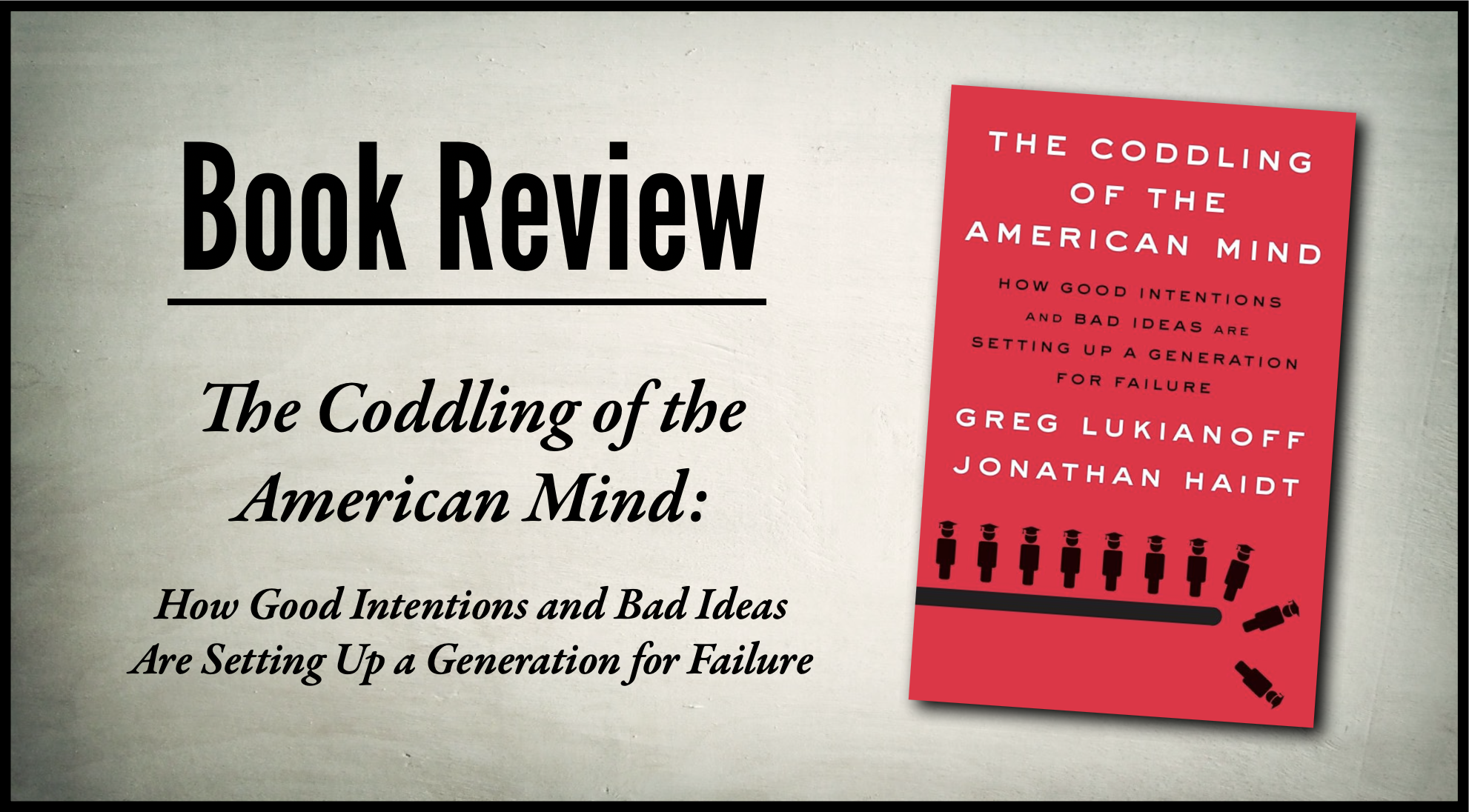
Book Review: The Coddling of the American Mind

Recently in my college youth ministry class, I was sharing research on current teenagers and college students, and while sharing some main ideas from The Coddling of the American Mind by Greg Lukianoff and Jonathan Haidt, I realized that I had never reviewed the book here on The Doc File. Earlier this year, I wrote a review of Haidt’s The Anxious Generation, and I shared how much I have benefitted from Haidt’s work, and how The Coddling of the American Mind was one of my top books in 2021.

But I want to share more about it, here. The Coddling of the American Mind is, I believe, a really helpful book. It is based on extensive research of the two authors, who come from different professional backgrounds (Lukianoff is an attorney and Haidt is a social psychologist). Politically, they would likely be described as moderate liberals, or centrists or something like that, and they do not write from a religious perspective (I am unsure about Lukianoff, but Haidt is an atheist). I mention that, because some of the central claims of their book resonate with conservative Christians like myself, but they are distinctly not writing from that perspective.

Their research is focused particularly on the culture of college campuses and the characteristics of Gen Z students. The basic premise of the book is that there are three widely-held false beliefs—Lukianoff and Haidt call them untruths—among this generation. To be clear, they are not blaming this generation for holding these beliefs; rather, they are “proposing that today’s college students were raised by parents and teachers who had children’s best interests at heart” but who ultimately raised them in some unhelpful ways.[1]

Part I, which I consider to be the best part of the book, examines these three untruths in great detail:

(1) The Untruth of Fragility: What Doesn’t Kill You Makes You Weaker

This is the basic idea that people are fragile and need to be protected from things that harm them. Not just actual, physical dangers, but also the perception of danger or ideas that they disagree with. Lukianoff and Haidt have major issues with this, however.[2]

First, children are antifragile. Their brains require a wide range of inputs from their environments in order to configure themselves for those environments. Similar to an immune system, children must be exposed to challenges and stressors (within limits, in age-appropriate ways), or they will fail to mature into strong and capable adults, able to productively engage with people and ideas that challenge their beliefs and moral convictions.

Second, concepts like “trauma” and “safety” have expanded so far since the 1980s that they are often employed in ways that are no longer grounded in legitimate psychological research. Grossly expanded conceptions of trauma and safety are now used to justify the overprotection of children of all ages—even college students, who are sometimes said to need safe spaces and trigger warnings lest words and ideas put them in danger. 

Finally, L&H discuss safetyism, or the cult of safety, an obsession with eliminating threats (both real and imagined) to the point where people become unwilling to make reasonable trade-offs demanded by other practical and moral concerns. Safetyism deprives young people of the experiences that their antifragile minds need, thereby making them more fragile, anxious and prone to seeing themselves as victims.[3]

To be clear, the three untruths discussed in Coddling of the American Mind are based on research from the social sciences rather than biblical teaching or some sort of Christian worldview. However, part of the reason this resonates with me so deeply and I teach this material in a college Bible class is because it coheres so well with biblical teaching:

[1] Therefore, since we have been justified by faith, we have peace with God through our Lord Jesus Christ. [2] Through him we have also obtained access by faith into this grace in which we stand, and we rejoice in hope of the glory of God. [3] Not only that, but we rejoice in our sufferings, knowing that suffering produces endurance, [4] and endurance produces character, and character produces hope, [5] and hope does not put us to shame, because God’s love has been poured into our hearts through the Holy Spirit who has been given to us.

(Romans 5.1-5)

Scripture doesn’t teach that hard times in life are tragedies to be avoided at all costs; on the contrary, God works through the suffering in our life to help us grow and mature.

(2) The Untruth of Emotional Reasoning: Always Trust Your Feelings

The basic idea here is that we that we often allow our emotions to be the ultimate interpreter of reality for us. This is problematic for several reasons, though:[4]

One of the most universal insights in the world’s wisdom traditions across time and culture is that what really frightens and dismays us is not external events themselves as much as the way in which we think about them. Put in other words, the things that we worry about tend to be less damaging than the fact that we worry about them!

L&H discuss Cognitive Behavior Therapy at some length, which is a very effective form of therapy that basically involves identifying common cognitive distortions (inaccurate, unhealthy thoughts) and then changing patterns of thinking. I am not a psychologist and this is not a book primarily about psychology, but the point here is that there is an entire branch of psychotherapy based on the understand that our thoughts and emotions can mislead us.

Finally, they discuss the practice of disinviting speakers from giving talks on college campuses due to the claim that these speakers will cause harm to students with their words. The Coddling of the American Mind was written back in 2018 when this practice was increasingly spreading to ridiculous proportions. In some of the fallout and cultural reaction to overreach from the left in the last few years, this practice of disinviting speakers is probably less than it was, but it is still a reality. Here’s the problem, though: feeling a negative emotional response because you disagree with someone is not the same as being harmed by them, and it actually diminishes and disregards real, actual harm when we pretend like it does (this also goes back to fragility).

Of course, none of this means that our emotions are bad or that we should ignore them. Indeed, our emotions are a gift from God. At the same time, our own emotional perceptions of things should not be final judge of reality. Again, this is a very biblical idea:

[12] There is a way that seems right to a man, but its end is the way to death.

(Proverbs 14.12)

[26] Whoever trusts in his own mind is a fool, but he who walks in wisdom will be delivered.

(Proverbs 28.26)

We should be skeptical of our emotions, and it is foolish to base our understanding of the world solely on our own thoughts and feelings.

(3) The Untruth of Us Versus Them: Life Is a Battle Between Good People and Evil People

The basic idea here is that our current cultural context emphasizes Common-Enemy Identity Politics: we identify a person or group that we classify as “evil” and then unite with others in opposition to that “evil” person or group. This should be readily apparent to anyone who pays any attention to public discourse—just think of the labels we use to vilify groups of people with whom we disagree: Trump-supporters, Marxists, Racists, Leftists, Anti-Vaxxers, etc. Again, this is problematic.[5]

It does seem to be true that the human mind functions in such a way that it readily divides the world into us/them categories. Haidt’s earlier work, The Righteous Mind, delves into this more, but if you spend much time with kids, you know how easily and naturally they divide into groups and teams to compete with each other (boys vs. girls, cops and robbers, etc.). L&H are not championing this reality and are not saying it’s something we should seek to amplify, but are simply acknowledging that it is a reality.

It becomes concerning, though, when it naturally leads to Common-Enemy Identity Politics (used both by those on the far right and the far left), which tries to unite a coalition against the “other” group. We determine our identity by what distinguishes us from those other people, who are, of course, inferior to us and quite likely evil to the core. This idea is quite different from Common-Humanity Identity Politics, which was used by people like Dr. Martin Luther King, Jr. MLK humanized his opponents and appealed to their common humanity, rather than demonizing them and emphasizing their differences as enemies.

Common-Enemy Identity Politics produces a call-out culture where almost anything can result in public shaming, which causes people to engage in self-censorship because they are afraid of what will happen if they say what they think (think: cancel culture). In a college context, call-out cultures are detrimental to students’ education and bad for their mental health. Additionally, call-out cultures and us-versus-them thinking are incompatible with the educational and research missions of universities, which require free inquiry, dissent, evidence-based argument, and intellectual honesty. 

And, again, this notion that life is a battle between good people and evil people is not a biblical idea, either. The Bible teaches that all humans are created good, in God’s image, but that all of us are tainted by sin and susceptible to its influence:

[10] Finally, be strong in the Lord and in the strength of his might. [11] Put on the whole armor of God, that you may be able to stand against the schemes of the devil. [12] For we do not wrestle against flesh and blood, but against the rulers, against the authorities, against the cosmic powers over this present darkness, against the spiritual forces of evil in the heavenly places.

(Ephesians 6.10-12)

It’s not that I am good and you are evil, or vice versa—it’s that the battle between good and evil is being waged within our own hearts, as we seek to resist evil spiritual influences

To be clear, what I have shared so far is not the entire book—it’s just Part I! This is the part that I found most helpful in terms of its cultural analysis and bringing clarity to some of what seems to have gone so wrong in our current context, but there are three other sections:

  • Part II looks at what these bad ideas actually look like in action, detailing various recent examples and case studies of events that show the negative effects of living out these ideas in the real world. This is very helpful in establishing that the untruths from Part I truly are widespread and damaging.
  • Part III provides an historical overview of how we go to this point, touching on topics of polarization, anxiety and depression, paranoid parenting, decline of free play, the problems of safetyism, and the quest for justice. Readers of Haidt’s The Anxious Generation and The Righteous Mind will find a lot of familiar territory here. This section is really helpful from an orientation perspective, especially for those who look at the untruths and how they are impacting our society and are scratching their heads: “How did we get here?”
  • Part IV seeks to offer some suggestions for a better way forward, and focuses those suggestions in three areas, helping to form Wiser Kids, Wiser Universities, and Wiser Societies. This section is practical, and provides some ideas for improvement for pretty much anyone, regardless of your context or influence.

I think this is a really helpful book, and I strongly recommend it. It has been overshadowed by the overwhelming popularity of The Anxious Generation (which is great and a must-read), but if you enjoyed that book, there’s likely a lot here for you as well.


[1] Greg Lukianoff and Jonathan Haidt, The Coddling of the American Mind: How Good Intentions and Bad Ideas Are Setting Up a Generation for Failure (New York: Penguin Press, 2018), 31.

[2] Lukianoff and Haidt, 19-32.

[3] Haidt further develops this idea significantly in The Anxious Generation.

[4] Lukianoff and Haidt, 33-51.

[5] Ibid., 53-77.

Origin Story featured in The Christian Chronicle

Back in March, I wrote about the release of Origin Story: Churches of Christ and the Restoration Movement. This book, which I co-authored with my good friend Jared Pack, is, as far as I know unique in that is seeks to present a history of Churches of Christ specifically geared towards teenagers. Published by Deeper Youth Ministry, the book has sold pretty well and received some good reviews, but I was pleasantly surprised when The Christian Chronicle reviewed it in a recent issue.

The reviewer, Zack Martin, is an instructor of historical theology and dean of students at Heritage Christian University in Florence, Alabama, and had several kind things to say:

[Dockery and Pack] are honest about how unity and restoration are in tension with one another in the life of a Christian; however, that should never stop one from seeking to live in balance with these two biblical ideas.

Due to the struggle between the two ideas, the Restoration Movement has consistently favored one over the other throughout its history. The results have not always been pretty, but the authors do not shy away from the unpleasant aspects of the movement, such as the presence of controversial figures or issues like segregation.

Also important is the book’s examination of the Restoration Movement within the broader context of church history. Churches of Christ will often start in the first century and then skip to 19th century America. But this book reminds the reader that historical events and movements do not happen in a vacuum.

This book is written and designed with young people in mind. But it can also be used for an adult Bible class or personal study for adults who want to learn more about their spiritual heritage and identity.

I am very thankful for Dockery and Pack and for this project. I hope that our fellowship supports this work not only because it is presented in an entertaining format, but also because it will help reshape Churches of Christ in the way of the true restoration plea.

I am thankful for the kind review, and the broader exposure given to the book. For the record, I don’t make a penny off any of these book sales; my motivation is simply to see more churches and students within Churches of Christ learn something about our history in the Restoration Movement, and appreciate the value of the restoration plea: the desire to bring about unity among God’s people by adhering to the clear teachings of Jesus and the apostles and the practices of the early church.

You can order the book from Amazon here, or read the full review at The Christian Chronicle here.

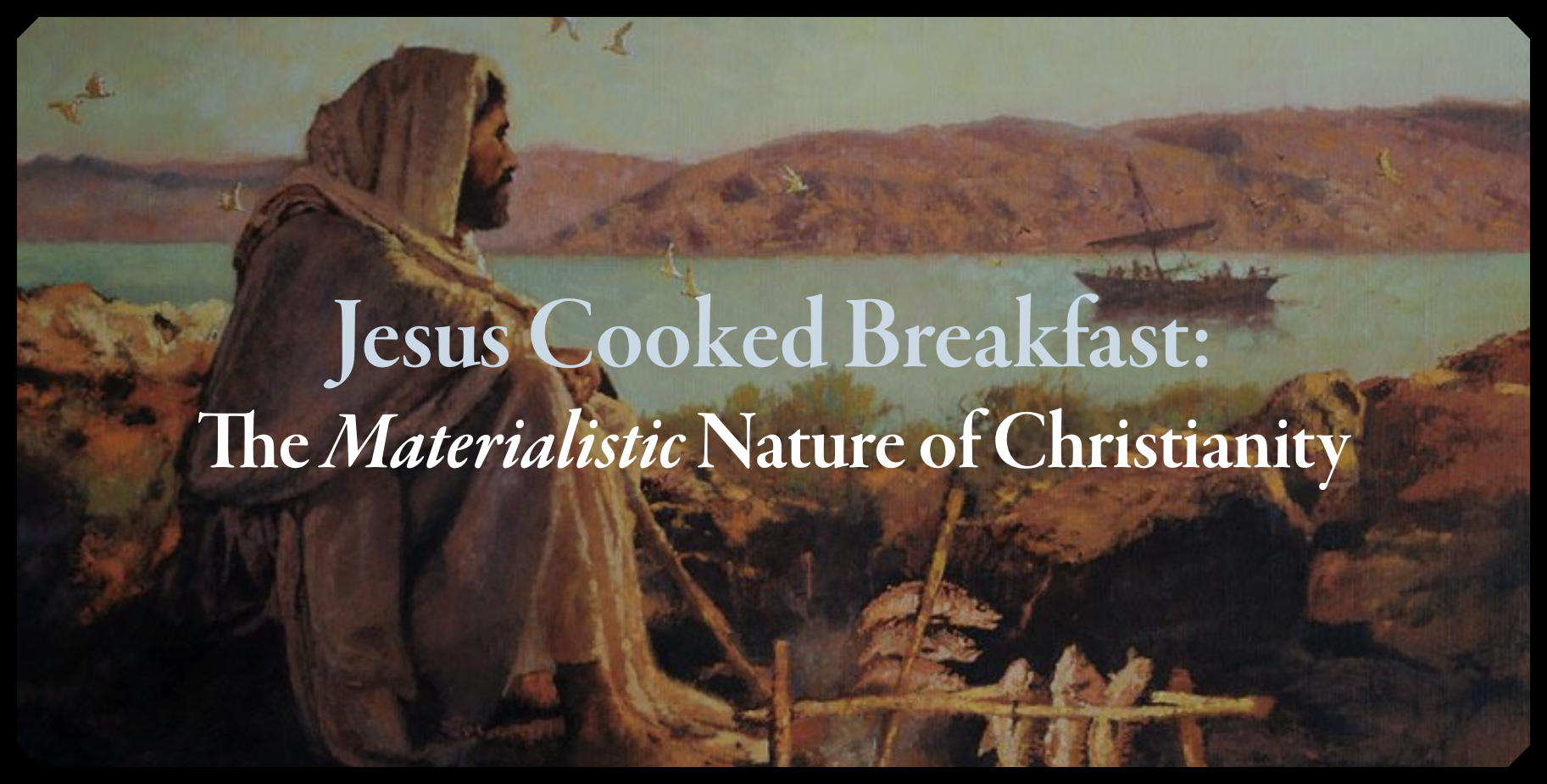
Jesus Cooked Breakfast: The Materialistic Nature of Christianity

This is the third and final post in a short series based on a rereading of Tim Keller’s The Prodigal God. Although I liked the book well enough the first time, I found it to be particularly insightful the second time I read it; you can read the previous posts, “The Elder Brother We Need” and “Exiled from Home.”


Something that I have observed frequently in my life as a Christian is the elevation of “spiritual” things in a way that trivializes things that are material. This seemed normal and right to me for a long time, until I became a better student of theology and Christian history and realized that attempts to downplay “physical” and “material” things as unimportant are actually echoes of ancient Christian heresies like gnosticism or reflect influence from Greek platonism rather than being a genuine representation of the historic Christian faith, which emphasizes the goodness of creation and God’s intention to redeem it.

One of the things I loved about The Prodigal God was Keller’s section, “Salvation Is Material.”[1] In this section, he makes a brief but strong case for the material nature of Christianity. In fact, Keller claims that Christianity is perhaps the most materialistic of the world’s faiths. Here he does not mean materialism in the sense of being focused on wealth and possessions, but rather that the Christian faith values what is created and tangible.

Keller begins with the significance of meals in the Christian faith, and then traces God’s love for the material world through the biblical narrative (words in bold reflect my own emphasis):

A meal is a very physical experience. Jesus left a meal, the Lord’s Supper, to be remembered by, and the final goal of history is a meal, the wedding supper of the Lamb (Revelation 19). The resurrected Christ ate with his disciples when he met with them (Luke 24:42–43; John 21:9). What does it all mean? It is a sign that, for Jesus, this material world matters.

The book of Genesis tells us that when God made this world he looked upon the physical creation and called it “good.” He loves and cares for the material world. The fact of Jesus’s resurrection and the promise of a new heavens and new earth show clearly that he still cares for it. This world is not simply a theater for individual conversion narratives, to be discarded at the end when we all go to heaven. No, the ultimate purpose of Jesus is not only individual salvation and pardon for sins but also the renewal of this world, the end of disease, poverty, injustice, violence, suffering, and death. The climax of history is not a higher form of disembodied consciousness but a feast. God made the world with all its colors, tastes, lights, sounds, with all its life-forms living in interdependent systems. It is now marred, stained, and broken, and he will not rest until he has put it right.

Distinct from other world religions and philosophies, ministry of Jesus emphasized his care and concern for what happened to people in this material existence:

If the material world were only an allusion, as Eastern philosophy says, or only a temporary copy of the real, ideal world, as Plato says, then what happens in this world or in this life would be unimportant. All that would matter would be issues of soul or spirit. However, Jesus was not simply saved “in spirit” but was resurrected in body. God has made both soul and body and is going to redeem both soul and body. Everything about the ministry of Jesus demonstrated this fact. Jesus not only preached the world, but also healed the sick, fed the hungry, and cared for the needs of the poor.

In Matthew 25, Jesus describes Judgment Day. Many will stand there and call him “Lord,” but Jesus says, stunningly, that if they had not been serving the hungry, the refugee, the sick, and the prisoner, then they hadn’t been serving him (Matthew 25:34–40). This is no contradiction to what we have heard from Jesus in the Parable of the Prodigal Son. He is not saying that only the social workers get into heaven. Rather, he is saying that the inevitable sign that yo know you are a sinner saved by sheer, costly grace is a sensitive social conscience and a life poured out in deeds of service to the poor. Younger brothers are too selfish and elder brothers too self-righteous to care for the poor. 

I love what Keller says about the miracles of Jesus: rather than somehow overwhelming natural law and the way things are supposed to work, they were actually revelations of the way things are supposed to work—a restoration of the way God designed things from the beginning. And indeed, Jesus reveals a determination to deal with the broken aspects of life on earth, and his followers should have a similar determination:

Christianity, therefore, is perhaps the most materialistic of the world’s faiths. Jesus’s miracles were not so much violations of the natural order, but a restoration of the natural order. God did not create a world with blindness, leprosy, hunger, and death in it. Jesus’s miracles were signs that someday all these corruptions of his creation would be abolished. Christians therefore can talk of saving the soul and of building social systems that deliver safe streets and warm homes in the same sentence. With integrity.

Jesus hates suffering, injustice, evil, and death so much, he came and experienced it to defeat it and, someday, to wipe the world clean of it. Knowing all this, Christians cannot be passive about hunger, sickness, and injustice. Karl Marx and others have charged that religion is “the opiate of the masses.” That is, it is a sedative that makes people passive toward injustice, because there will be “pie in the sky bye and bye.” That may be true of some religions that teach people that this material world is unimportant or illusory. Christianity, however, teaches that God hates the suffering and oppression  of this material world so much, he was willing to get involved in it and to fight against it. Properly understood, Christianity is by no means the opiate of the people. It’s more like the smelling salts. 

The Christian faith, as revealed and embodied in Jesus of Nazareth, doesn’t pretend that suffering doesn’t matter or that it doesn’t exist. Rather, it helps wake us up to the reality of the brokenness of the world in which we live, and stirs us to action as representatives of a different sort of world where evil will be defeated and suffering will be no more.[2]

Tim Keller: Properly understood, Christianity is by no means the opiate of the people. It’s more like the smelling salts. Share on X

[1] The quoted portions are from Timothy Keller, The Prodigal God: Recovering the Heart of the Christian Faith (New York: Dutton, 2008), 110-13.

[2] In The Silver Chair in the Chronicles of Narnia, Puddleglum sticks his foot into the fire, and the suffering he experiences breaks the enchantment of evil that has overshadowed he and his companions. I believe C.S. Lewis was making a similar point to Keller, that suffering through a Christian lens “wakes us up” to the reality of the brokenness of our world.

« Older posts Newer posts »

© 2026 The Doc File

Theme by Anders Noren — Up ↑