The online journal of Luke Dockery

Tag: Racism (Page 1 of 4)

Reading in 2025

Reading and making lists are both big parts of my life, and this yearly post involves both of those activities! I will offer some thoughts on my favorite books of the year below, but first, here is the list of books I read in 2025 (an asterisk* indicates that the book was on my “to-read” shelf/list):

  1. The Biggest Story Bible Storybook, by Kevin DeYoung and Don Clark
  2. The Mythmakers: The Remarkable Fellowship of C.S. Lewis and J.R.R. Tolkien, by John Hendrix
  3. The Little Liar, by Mitch Albom
  4. Seasons of Sorrow: the Pain of Loss and the Comfort of God, by Tim Challies
  5. Harry Potter and the Prisoner of Azkaban, by J.K. Rowling
  6. The Life We Bury, by Allen Eskens
  7. Living in a Gray World: A Christian Teen’s Guide to Understanding Homosexuality, by Preston Sprinkle
  8. The Demon of Unrest: A Saga of Hubris, Heartbreak, and Heroism at the Dawn of the Civil War, by Erik Larson
  9. 10 Hours to Go, by Keely Parrack
  10. The Guise of Another, by Allen Eskens
  11. Tell Her Story: How Women Led, Taught, and Ministered in the Early Church, by Nijay Gupta
  12. The Tattooist of Auschwitz, by Heather Morris
  13. The Last Green Valley, by Mark Sullivan
  14. King Solomon’s Mines, by H. Rider Haggard
  15. Fountains of Silence, by Ruta Sepetys
  16. Origin Story: Churches of Christ and the Restoration Movement, by Luke Dockery and Jared Pack
  17. The Bomber Mafia: A Dream, a Temptation, and the Longest Night of the Second World War, by Malcolm Gladwell
  18. Harry Potter and the Prisoner of Azkaban, by J.K. Rowling
  19. Hero of the Empire: The Boer War, a Daring Escape, and the Making of Winston Churchill, by Candice Millard
  20. Midnight in Chernobyl: The Untold Story of the World’s Greatest Nuclear Disaster, by Adam Higginbotham
  21. O Come, O Come, Emmanuel: A Liturgy for Daily Worship from Advent to Epiphany, by Jonathan Gibson
  22. The Whole Art of Detection: Lost Mysteries of Sherlock Holmes, by Lyndsay Faye
  23. Observations by Gaslight: Stories from the World of Sherlock Holmes, by Lyndsay Faye
  24. The Shadows We Hide, by Allen Eskens
  25. Reviving the Ancient Faith: The Story of Churches of Christ in America, Third Edition, by Richard T. Hughes and James L. Gorman*
  26. Practicing the Way: Be with Jesus. Become like him. Do as he did. by John Mark Comer*
  27. Midnight, by Amy McCulloch
  28. On the Edge of the Dark Sea of Darkness, by Andrew Peterson
  29. Introducing Jesus: A Study of the Gospel of Mark, by Jeremy Myers
  30. The Prodigal God: Recovering the Heart of the Christian Faith, by Timothy Keller
  31. Star Wars: Brotherhood, by Mike Chen
  32. The Brightwood Code, by Monica Hesse
  33. River of the Gods: Genius, Courage, and Betrayal in the Search for the Source of the Nile, by Candice Millard
  34. The Anxious Generation; How the Great Rewiring of Childhood is Causing an Epidemic of Mental Illness, by Jonathan Haidt*
  35. Star Wars: Shadow of the Sith, by Adam Christopher
  36. On the Edge of the Dark Sea of Darkness, by Andrew Peterson
  37. The Templars: The Rise and Spectacular Fall of God’s Holy Warriors, by Dan Jones
  38. The Word on Fire Bible: Acts, Letters, and Revelation
  39. The Adventures of Huckleberry Finn, by Mark Twain
  40. The Benedict Option: A Strategy for Christians in a Post-Christian Nation, by Rod Dreher*
  41. Travelers in the Third Reich: The Rise of Fascism, 1919-1945, by Julia Boyd
  42. James, by Percival Everett
  43. The Heavens May Fall, by Allen Eskens
  44. Live Not by Lies: A Manual for Christian Dissidents, by Rod Dreher
  45. The Indian in the Cupboard, by Lynne Reid Banks
  46. The Return of the Indian, by Lynne Reid Banks
  47. The Measure of a Man: A Spiritual Autobiography, by Sidney Poitier
  48. May the Wolf Die, by Elizabeth Heider
  49. Five Total Strangers, by Natalie D. Richards
  50. The Wild Robot, by Peter Brown
  51. The Secret of the Indian, by Lynne Reid Banks
  52. Water in Her Veins, by Shannon Schumer
  53. Exiles in Their Own Land: A Study of 1-2 Peter, by Gary Holloway
  54. The Mystery of the Cupboard, by Lynne Reid Banks
  55. Broiler, by Eli Cranor
  56. Just the Nicest Couple, by Mary Kubica
  57. The Nickel Boys, by Colson Whitehead
  58. Just Another Missing Person, by Gillian McAllister
  59. The Underground Railroad, by Colson Whitehead
  60. Life Together, by Dietrich Bonhoeffer*
  61. North! Or Be Eaten, by Andrew Peterson
  62. A Slow Fire Burning, by Paula Hawkins
  63. Redwall, by Brian Jacques
  64. Famous Last Words, by Gillian McAllister
  65. Prey: Immigration, Islam, and the Erosion of Women’s Rights, by Ayaan Hirsi Ali
  66. Master and Commander, by Patrick O’Brian
  67. Story of Glory: Why Did Jesus Come to Save the World?, by Jason Hart
  68. Contemplative Youth Ministry: Practicing the Presence of Jesus, by Mark Yaconelli*
  69. A Burden Too Heavy: An Invitation to the Spiritual Discipline of Confession, by Paul Alan Smith*
  70. Post Captain, by Patrick O’Brian
  71. North! Or Be Eaten, by Andrew Peterson
  72. Yucatan 1512, by Alex Vede

A few observations before I talk about my favorite books of the year:

  • My reading total increased from 70 books in 2024 to 72 in 2025. This is the most books I have read in a year since I started counting.
  • Overall, my reading for the year was somewhat… “meh.” I’m reading too much entertainment that courts my attention rather than edification that stirs my soul. A big part of this is that much of my reading has shifted to audiobooks, all of which I get free via the Libby app. This tends to steer my selections in certain directions. For 2026, I plan to focus more on the reading of physical books, and am considering getting an Audible subscription to give me greater access to other types of books.
  • In the realm of fiction, I did discover two authors/series this year that I enjoyed and intend to continue reading from: Allen Eskens’s loosely connected Max Rupert/Joe Talbert series, and Patrick O’Brian’s naval series focused on Jack Aubrey and Stephen Maturin.
  • I have a long “Books to Read” list of books that I already own. I didn’t do as good of a job reading from that list as I would have liked—only seven of my books from the list above (marked with an *) came from that list. I hope to read more from this list in 2026.

Here are my Top 10 books for the year with some brief thoughts on each (presented in order of when I read them, not ranked 1-10):
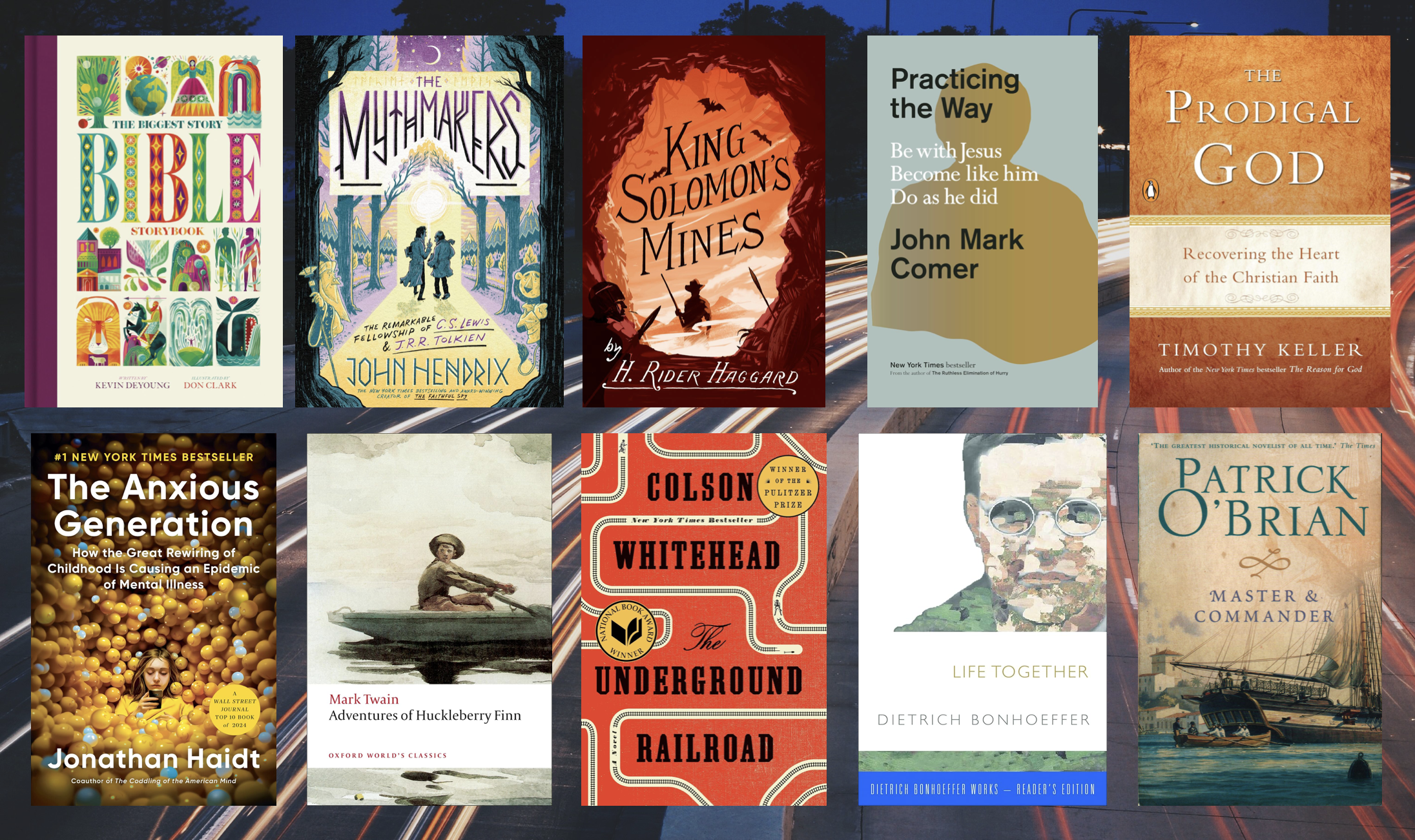
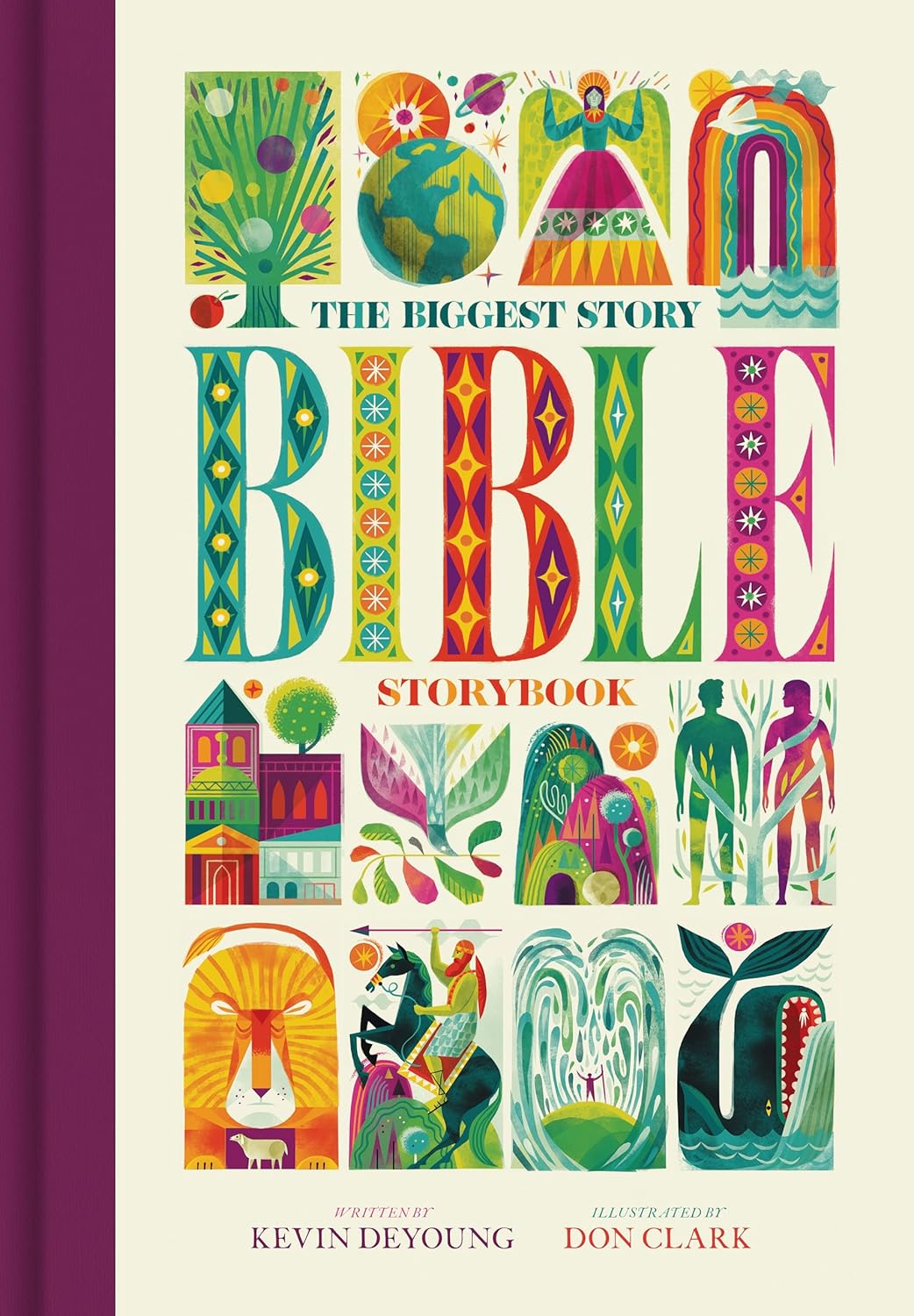
The Biggest Story Bible Storybook, by Kevin DeYoung: Family worship is a staple at our house, and as part of that, we have a Bible component. Sometimes that is reading directly from the Bible, but with kids aged 14, 9, and 3, sometimes we use Bible storybooks, which are not all created equal. Some significantly water down or distort the stories, and some that tell the stories faithfully still teach them in a disjointed, episodic fashion. DeYoung excels at presenting narratives throughout the Bible as part of a grander narrative focusing on how the Snake-Crusher will ultimately defeat sin and help us return to the Garden.

This is an excellent resource for families to use with their children at home, but would also work well as the basis for a children’s Bible class curriculum in a church setting.
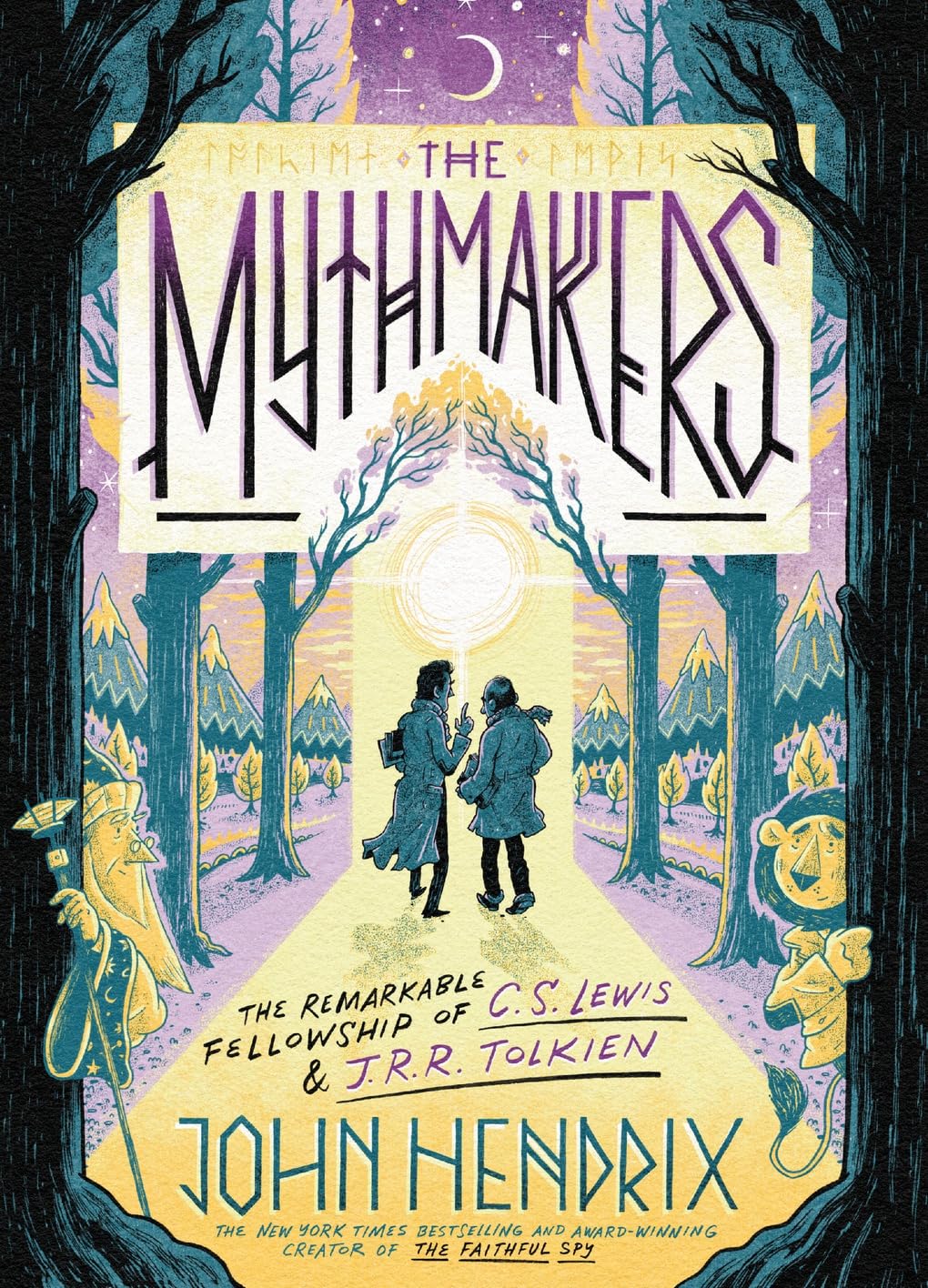
The Mythmakers: The Remarkable Fellowship of C.S. Lewis and J.R.R. Tolkien, by John Hendrix: I knew nothing about this book before I received it as a Christmas gift from my sister-in-law, but it was my favorite book of the year. The Mythmakers is a beautifully illustrated graphic novel that reads like a biography of C.S. Lewis and J.R.R. Tolkien, with a special emphasis on their relationship together. Their friendship was a special one, but also suffered a falling out that was never fully reconciled this side of eternity. This was an incredibly poignant and moving read that I highly recommend for fans of Lewis and/or Tolkien.
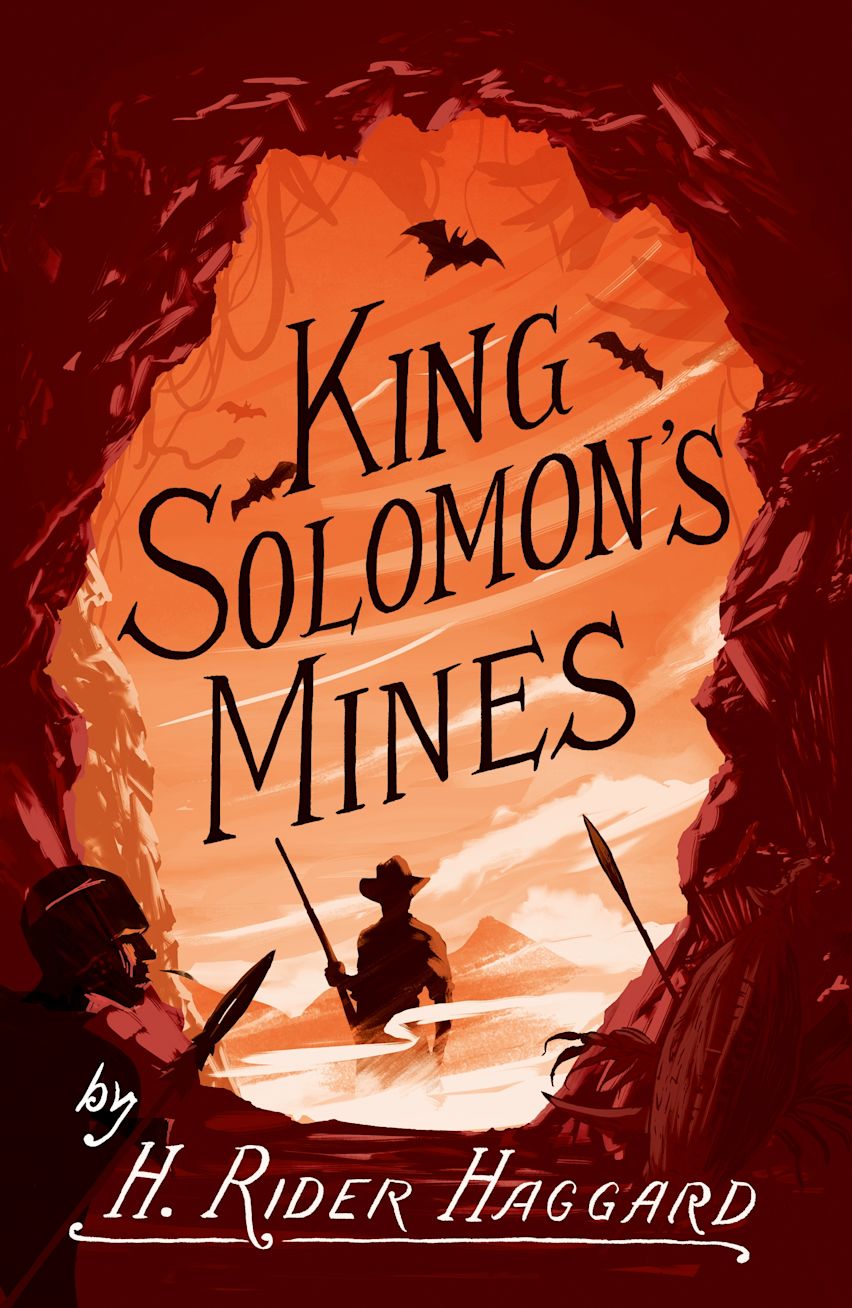
King Solomon’s Mines, by H. Rider Haggard: This was a re-read for me, as I think I previously read it when I was a teenager (but that was a long time ago now!). Haggard’s book is a classic tale of adventure and treasure hunting, but was also ground breaking in its day, as the first of a genre of “Lost World” romances that were inspired by the exploits of British explorers in colonial Africa (and a precursor to modern science fiction).

King Solomon’s Mines was written in 1885, and thus, there are elements—especially relating to colonialism, race, and gender—that are awkward for modern sensibilities. Still, amidst a tale of adventure, danger, and discovery, the book actually reflects surprisingly forward social thinking, portraying some African characters as barbarians and others as heroes (it depends on their character, not their ethnicity), and even includes an interracial romance. On the whole, it is just a fun story: Haggard was inspired to write an entertaining story for boys after reading Robert Louis Stevenson’s Treasure Island, and he succeeds.
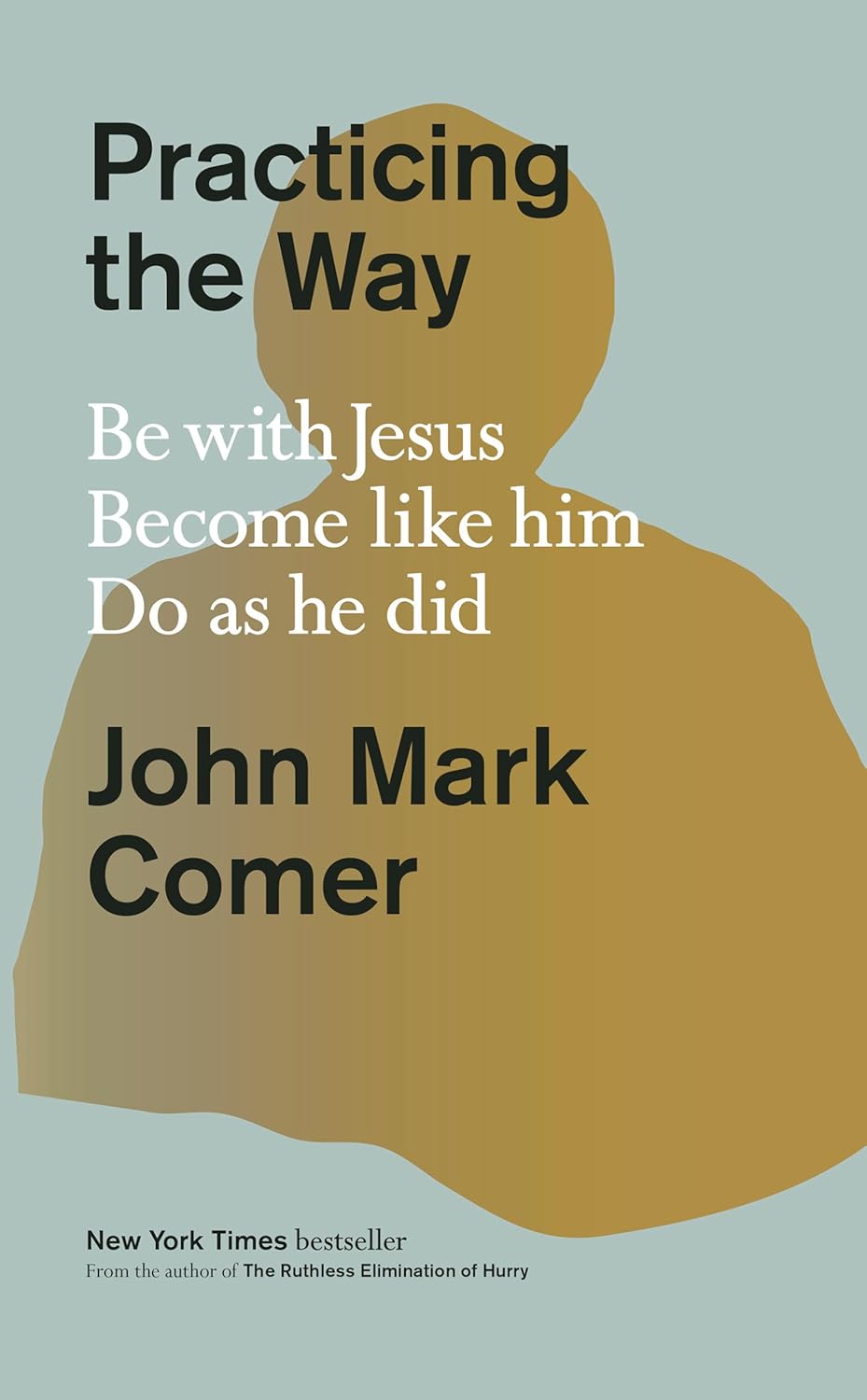
Practicing the Way: Be with Jesus. Become Like Him. Do As He Did, by John Mark Comer: Comer has made my Top 10 list for three years in a row (previously with The Ruthless Elimination of Hurry and Live No Lies), so clearly I appreciate him. I don’t actually love his writing style,[1] and the covers of his books are hideous,[2], but Comer continues to solidify his position as a trusted, historically orthodox Christian voice who is able to be conversant and relevant in our post-Christian context.[3] Practicing the Way is essentially a new look at very old Christian practices (spiritual disciplines), and Comer’s description of discipleship as being apprentices of Jesus is helpful.
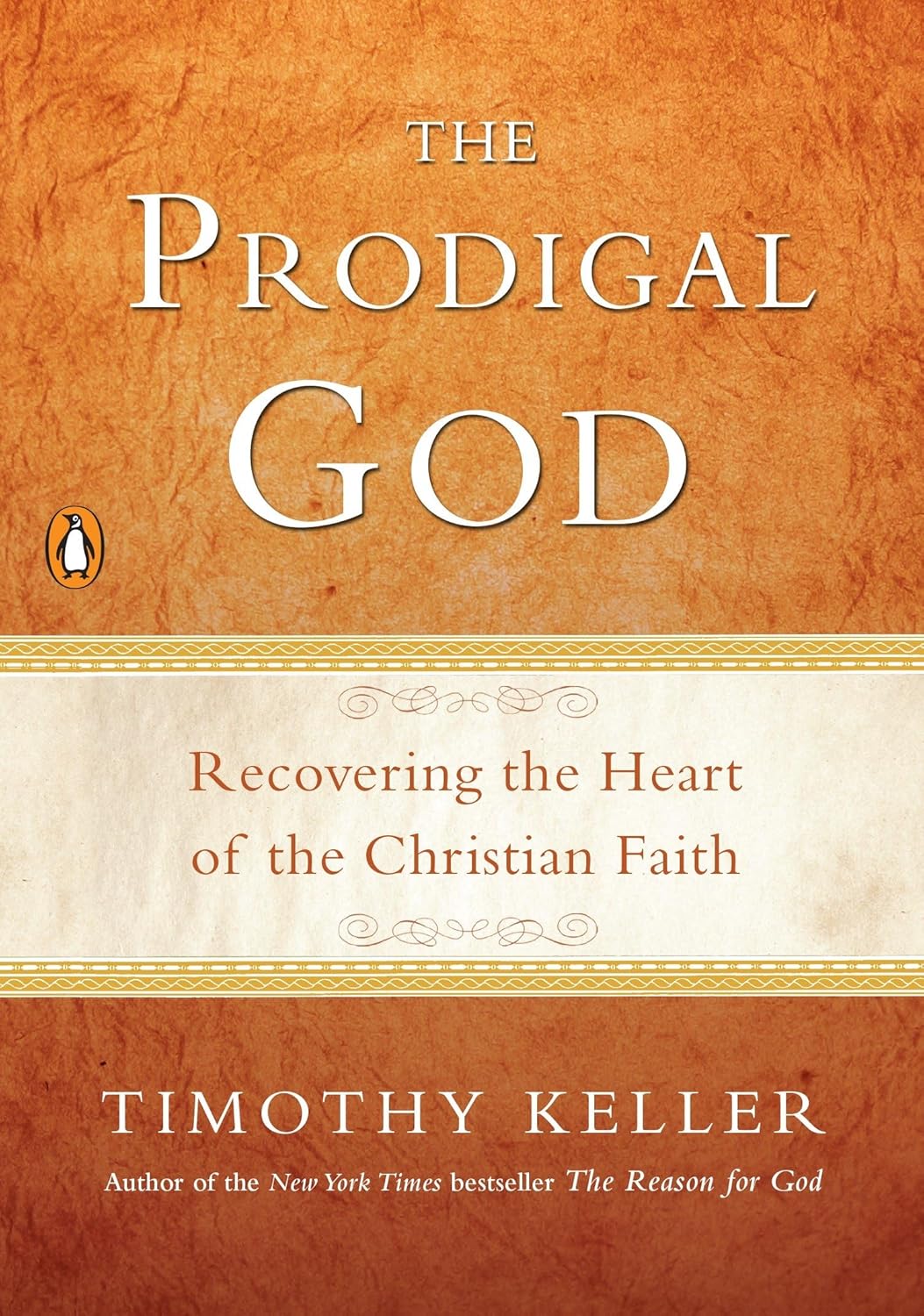
The Prodigal God: Recovering the Heart of the Christian Faith, by Tim Keller: This is another re-read, as I first read it back in 2010. Keller has become a significant influence for me over the last decade or so, and this book hit me on a much deeper level than I remember from when I first read it. The Prodigal God examines the story of the Two Lost Sons from Luke 15, and emphasizes that this story represents the heart of the Christian message. The Christian faith isn’t ultimately about our goodness, religious devotion, or work ethic; it’s about a God who loves us recklessly (“prodigal” means “recklessly spendthrift”) as His children.

Ultimately, I was so struck by The Prodigal God this time around that I wrote a three-part series reflecting some of the ideas therein: “The Elder Brother We Need,” “Exiled from Home,” and “Jesus Cooked Breakfast: The Materialistic Nature of Christianity.”

The Anxious Generation; How the Great Rewiring of Childhood is Causing an Epidemic of Mental Illness, by Jonathan Haidt: If The Mythmakers was my favorite read in 2025, this was the most significant. This is a book that seemingly everyone has talked about over the last 18 months or so (I reviewed it myself), but in case you have missed it, the current generation of teens and young adults—Generation Z—is widely known to be the most mentally unwell of all generations with off-the-charts instances of anxiety, depression, and other mental health issues. Haidt’s basic contention in the book is that two factors, the decline of a “play-based childhood” (kids running around their neighborhoods exploring, creating games and entire worlds with friends and returning home for meal times or when it gets dark) coupled with the rise of a “phone-based childhood” (kids staying indoors and staring at screens especially on their smartphones and spending hours and hours on social media platforms) have led to the devastating mental health outcomes that we see in members of Gen Z.

I think this is a brilliant book, and I think it is essential reading for anyone living today who has any significant interaction with or influence over kids and teens, or has any interaction with a smartphone. (So yes, basically everyone needs to read this book!)
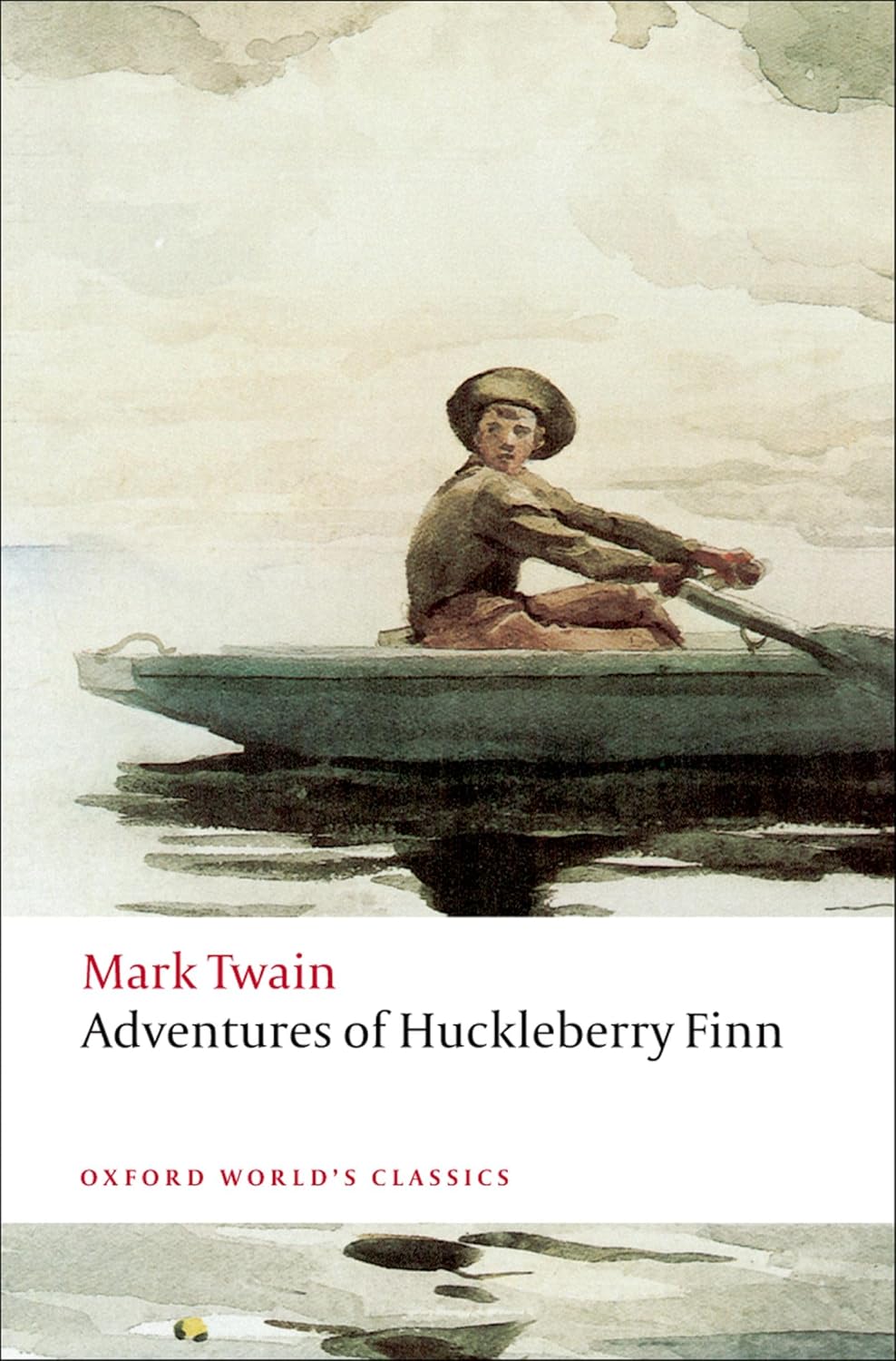
The Adventures of Huckleberry Finn, by Mark Twain: I had read this classic previously many years ago, but this year, I read it again in conjunction with Percival Everett’s James. James is a retelling of the Huckleberry Finn saga from the perspective of the enslaved Jim, and I wanted to be thoroughly familiar with the arc of the original narrative in order to compare the two. James is interesting and compelling in various ways, but ultimately, I disagreed with some of Everett’s creative license in departing from the storyline and preferred the original. The Adventures of Huckleberry Finn shines with the characteristic Twain wit, but also provides serious social commentary. In particular, the relationship between Huck and Jim provides the moral center for the tale, as Huck, driven by his love for Jim, decides to embrace the morally “evil” choice of helping him to freedom rather than do what society tells him is the “right thing” and turn Jim in as a runaway.

For what it’s worth, I highly recommend reading The Adventures of Huckleberry Finn and James back to back.
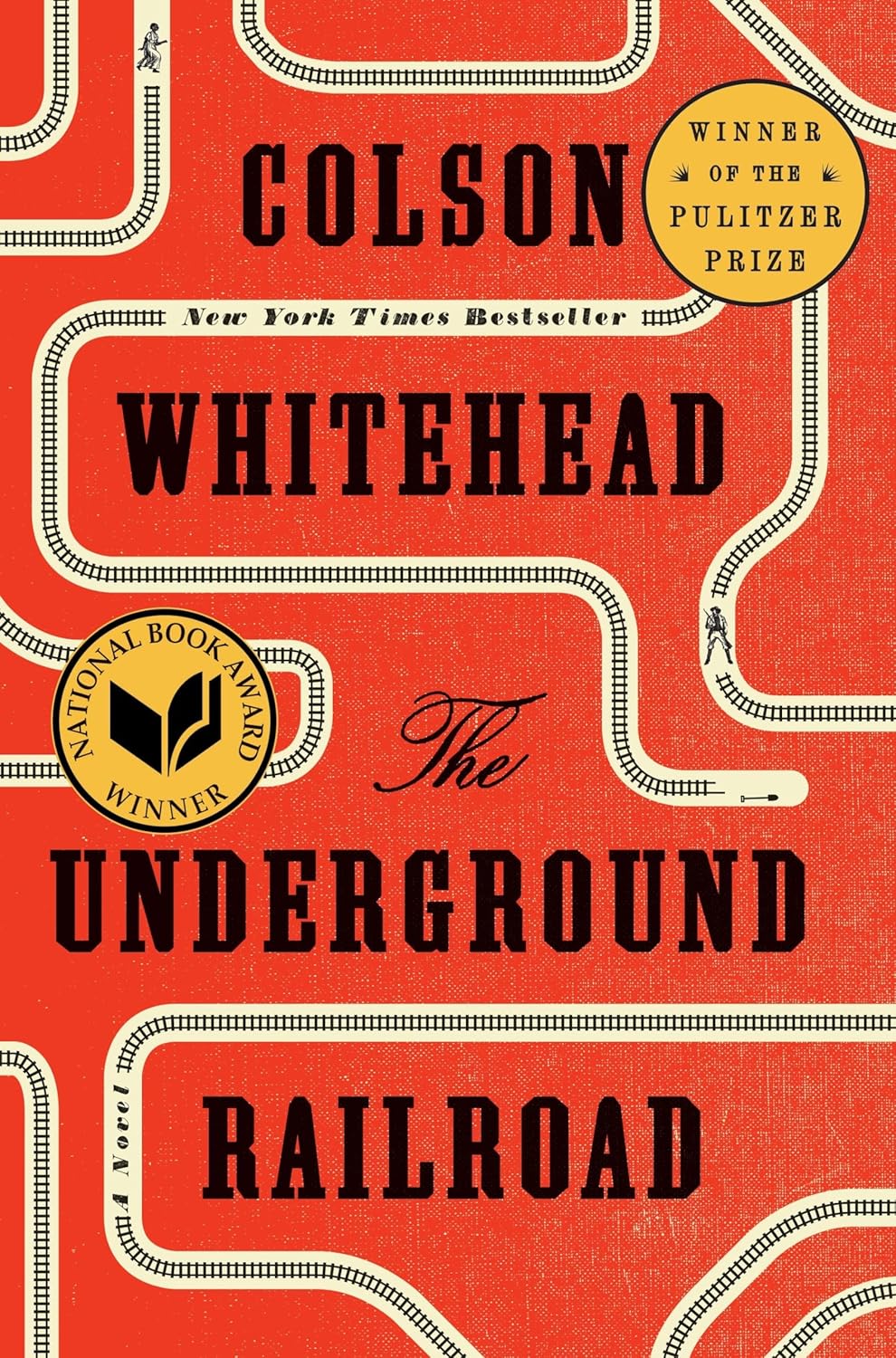
The Underground Railroad, by Colson Whitehead: This was a powerfully poignant and mournful book, which shouldn’t have been surprising considering that it won a Pulitzer Prize. Cora is enslaved on a cotton plantation in Georgia where she is an outcast even among her fellow slaves. With no future to look forward to, she takes the ultimate risk of running away on the Underground Railroad, which in Whitehead’s imaginative universe, is an actual network of tracks, tunnels, and stations underneath the slave states. Cora embarks on a treacherous journey where she encounters a different face to slavery and race relations at each stop.

It is an engaging story, but also a painful one, as it forces readers to reflect on the variety of ways that we, as a nation, have dealt with the problem of race in unacceptable ways. Lord, have mercy.
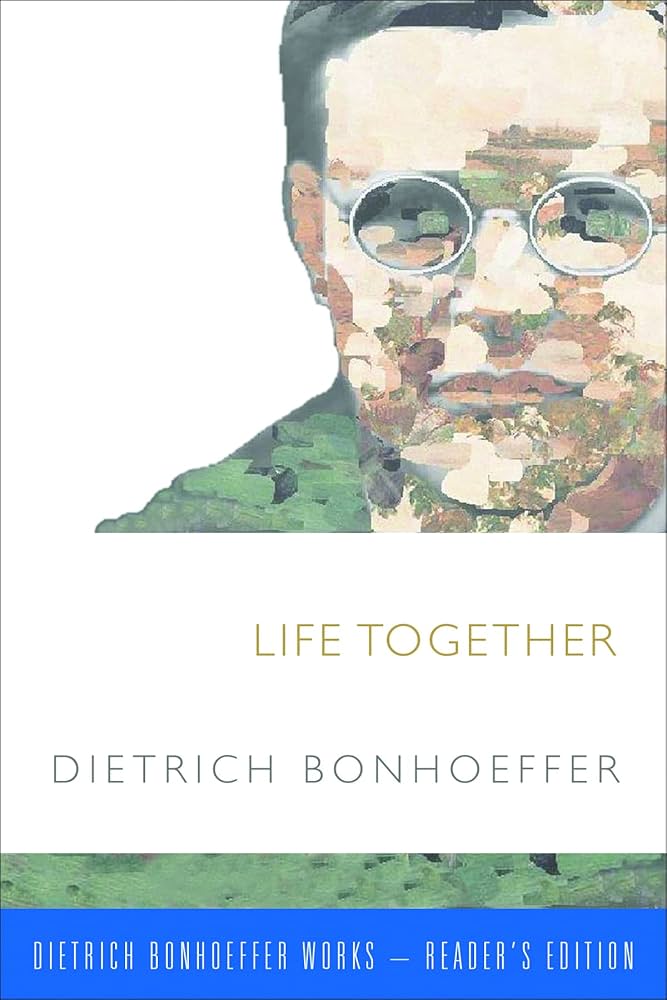
Life Together, by Dietrich Bonhoeffer: This is considered to be a Christian classic, and I can see why. Life Together is a collection of Bonhoeffer’s reflections on Christian community, and is based on the common life he shared with his students at the Finkenwalde Seminary from 1935-37. Many of the reflections and observations are made more poignant upon the realization that this experiment in Christian community was illegal—Finkenwalde was an Underground Seminary and was closed by the Gestapo in 1937:

“It is easily forgotten that the community of Christians is a gift of grace from the kingdom of God, a gift that can be taken from us any day—that the time still separating us from the most profound loneliness may be brief indeed.” (4)

Bonhoeffer would find himself in a situation where this gift was taken away from him, and would end his days in isolation in a Nazi prison.

I firmly believe that the church—the Christian community, the family of faith—is one of the greatest untapped sources of spiritual strength for most Christians, and Life Together shows why this is in penetrating fashion.
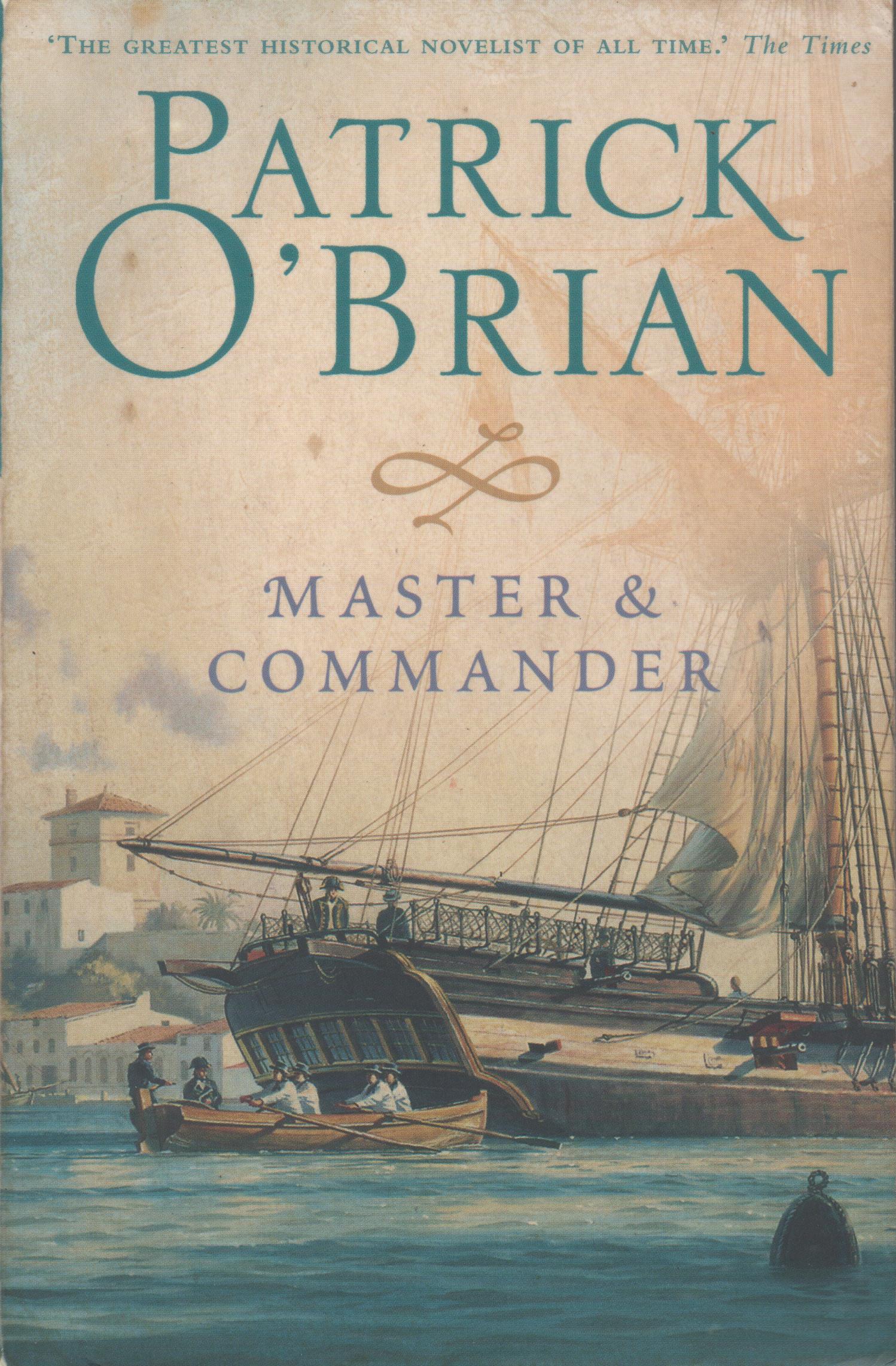
Master & Commander, by Patrick O’Brian: Years ago I watched and enjoyed the Russell Crowe film based on these books, but checked out an audiobook version from the library and greatly enjoyed it. The characters of Jack Aubrey and Stephen Maturin are complex and the depiction of their relationship is superb, and is a helpful corrective for our present time, when masculine affection is so culturally awkward.

As an author, O’Brian excels at subtlety, and the reader (or, in my case, listener) has to pay careful attention lest they miss important details or hilarious observations. I enjoyed Master & Commander enough that I have continued with the series; I read the first book in the series at the end of November, and am currently on the third.


That was my reading in 2025! For comparison’s sake, if you are interested, you can see my reading lists from previous years:

What are some of the best books you read this past year?


[1] He frequently writes in short sentences and one-sentence paragraphs in a way that reminds me of Max Lucado or Rob Bell. No, this is not a compliment.

[2] Yes, I do actually judge books by their covers.

[3] Some may want to quibble about the extent of the “post-Christian” nature of our society, especially in some regions of the country, and that is fine. Comer ministered in Portland for 20 years and now lives in L.A., so he is definitely engaging a post-Christian context.
Reading in 2020

Regular readers of The Doc File know that I keep track of what I read each year, and that I enjoy chronicling that here on the blog and offering some reflections about my favorite reads from the previous year. As we all know, 2020 was a strange and challenging year, and I was reminded of what a blessing books are! Reading brought a lot of peace to my life in a hectic time.

Without further ado, here is my list from 2020:

  1. North Boulevard Church of Christ 2020 Vision: Final Reflections, by David Young
  2. David and Goliath: Underdogs, Misfits, and the Art of Battling Giants, by Malcolm Gladwell
  3. Swallowed Up, by J.L. Gerhardt
  4. Between the World and Me, by Ta-Nehisi Coates
  5. Under Occupation, by Alan Furst
  6. Who Moved My Pulpit? Leading Change In The Church, by Thom Ranier
  7. Grit: The Power of Passion and Perseverance, by Angela Duckworth
  8. The Sticky Faith Guide For Your Family, by Kara Powell
  9. 12 Rules For Life: An Antidote to Chaos, by Jordan B. Peterson
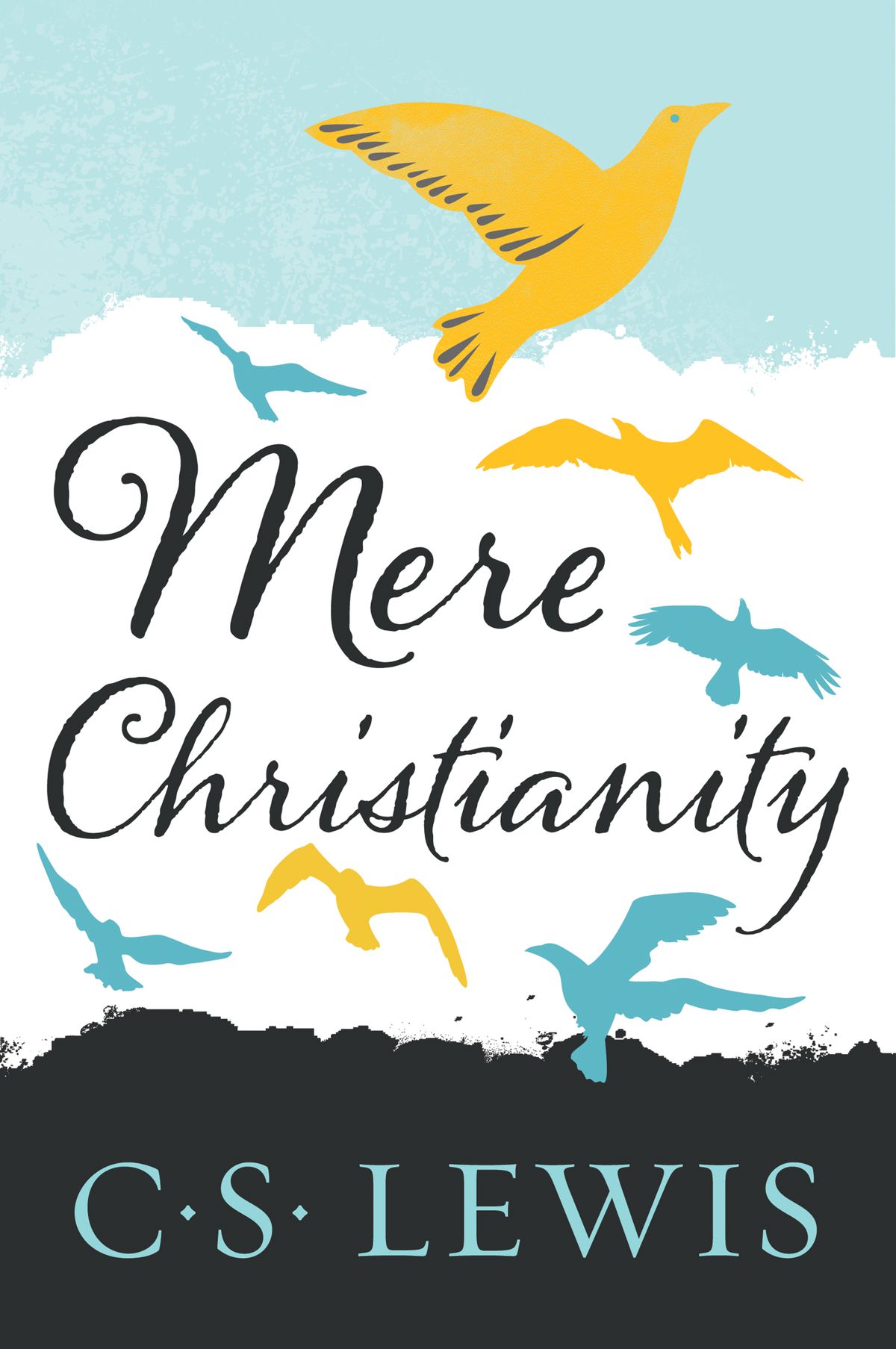
  10. Mere Christianity, by C.S. Lewis
  11. The Swiss Family Robinson, by Johann David Wyss
  12. A Third Testament, by Malcolm Muggeridge
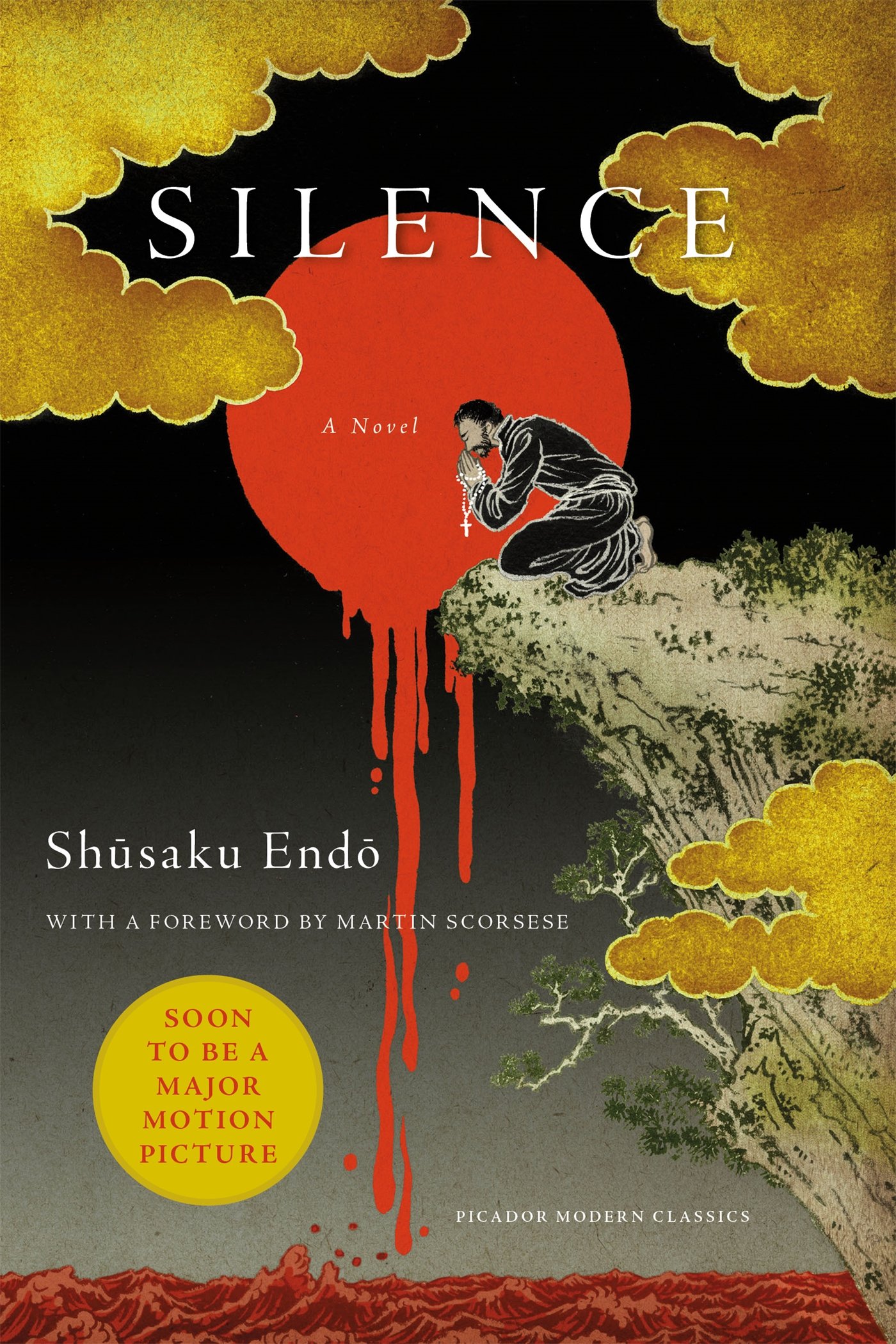
  13. Silence, by Shūsaku Endō
  14. Talking to Strangers: What We Should Know About The People We Don’t Know, by Malcolm Gladwell
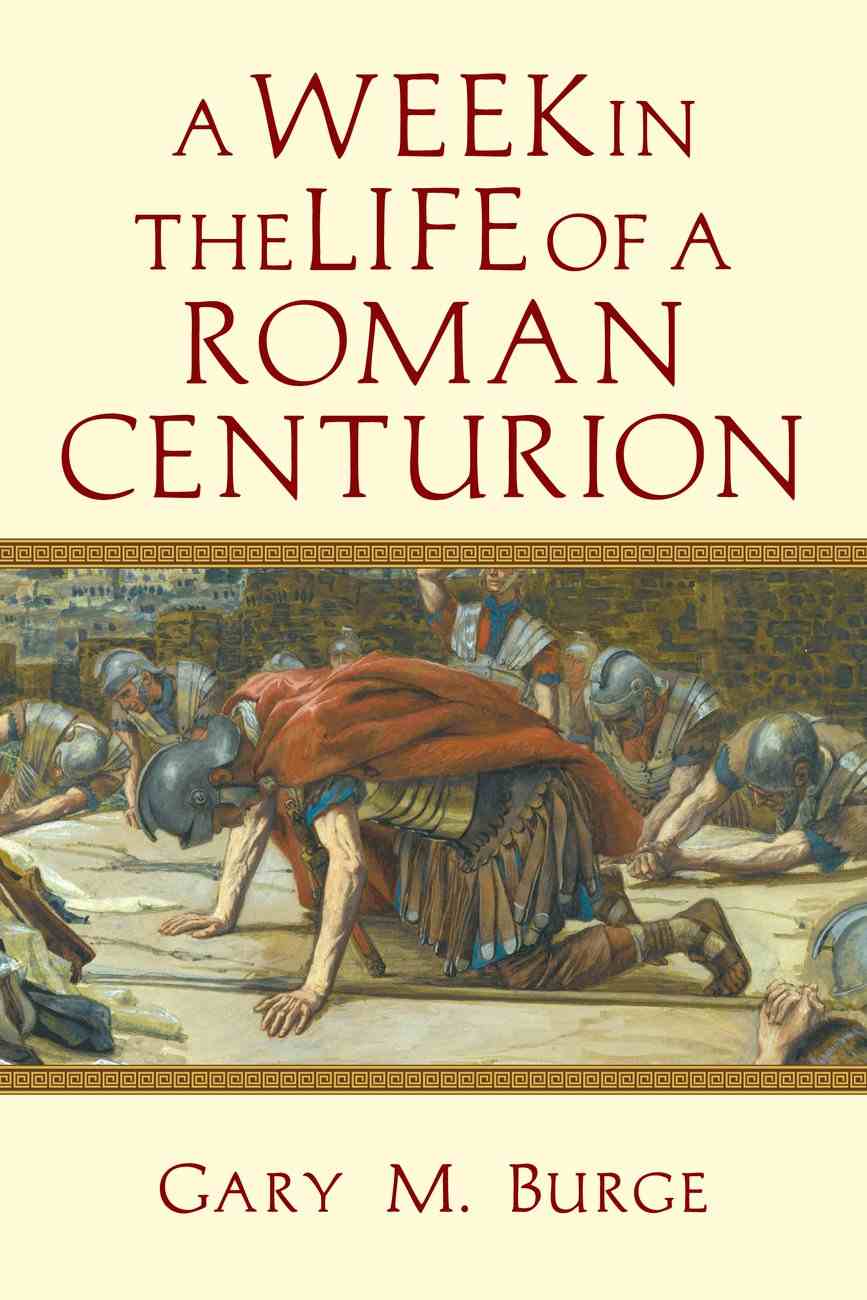
  15. A Week in the Life of a Roman Centurion, by Gary M. Burge
  16. The Lion, The Witch and the Wardrobe, by C.S. Lewis
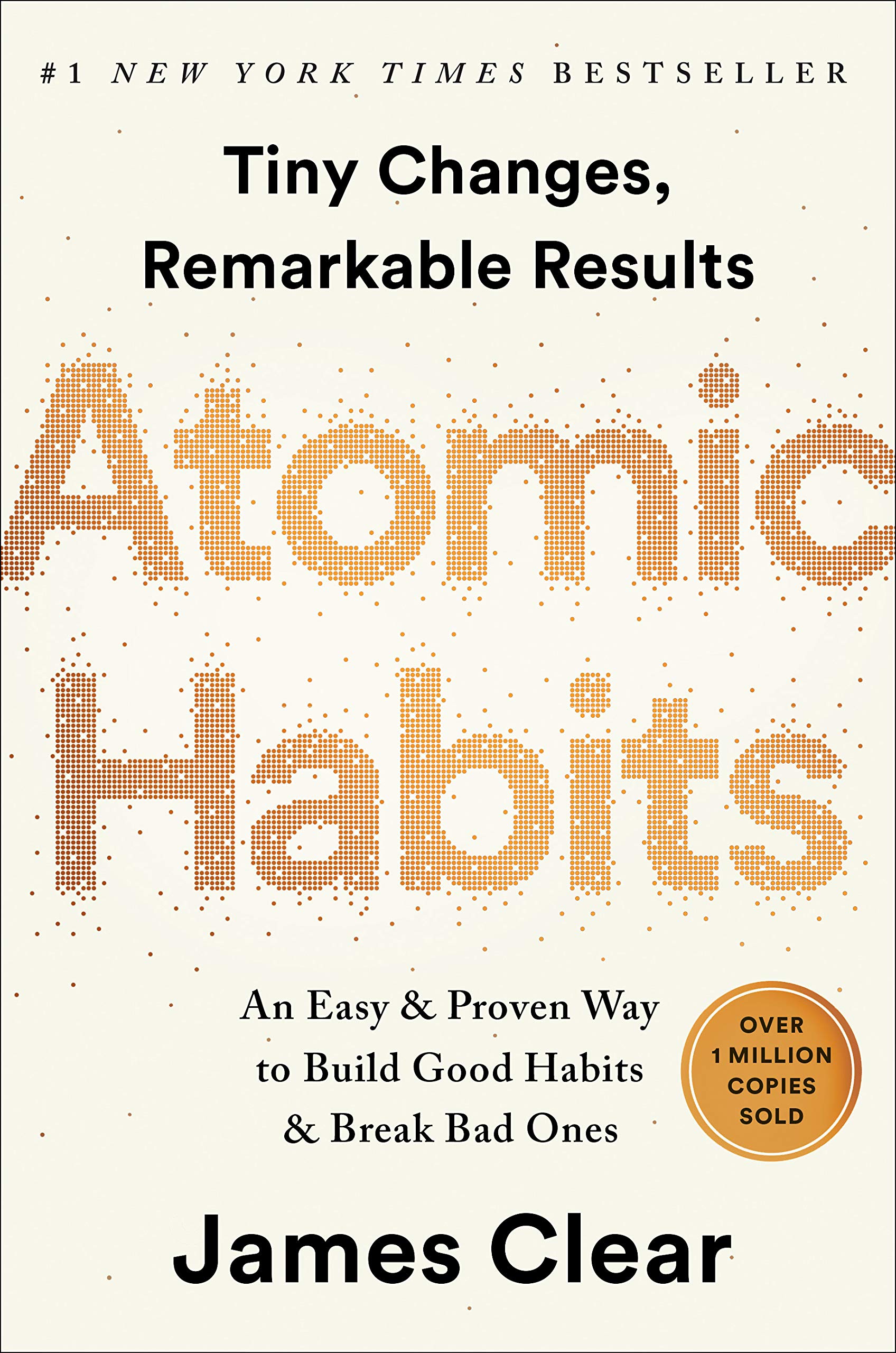
  17. Atomic Habits: An Easy & Proved Way to Build Good Habits & Break Bad Ones, by James Clear
  18. Prince Caspian, by C.S. Lewis
  19. The Voyage of the Dawn Treader, by C.S. Lewis
  20. Harry Potter and the Sorcerer’s Stone, by J.K. Rowling
  21. The Silver Chair, by C.S. Lewis
  22. Images of America: Searcy, by Carolyn Boyles and Patsy Pipkin
  23. T.R.I.A.L.S. A Journey from Anxiety to Peace, by Chase Turner
  24. Alexander Hamilton: Revolutionary, by Martha Brockenbrough
  25. The Horse and His Boy, by C.S. Lewis
  26. Gone Girl, by Gillian Flynn
  27. The Magician’s Nephew, by C.S. Lewis
  28. Star Wars Aftermath, by Chuck Wendig
  29. The Last Battle, by C.S. Lewis
  30. Star Wars: Bloodline, by Claudia Gray
  31. Star Wars Aftermath: Life Debt, by Chuck Wendig
  32. Sinners in the Hands of a Loving God: The Scandalous Truth of the Very Good News, by Brian Zahnd
  33. Star Wars Aftermath: Empire’s End, by Chuck Wendig
  34. The Great Alone, by Kristin Hannah
  35. Jackaby, by William Ritter
  36. A Wrinkle In Time, by Madeline L’Engle
  37. So You Want to Talk about Race, by Ijeoma Oluo
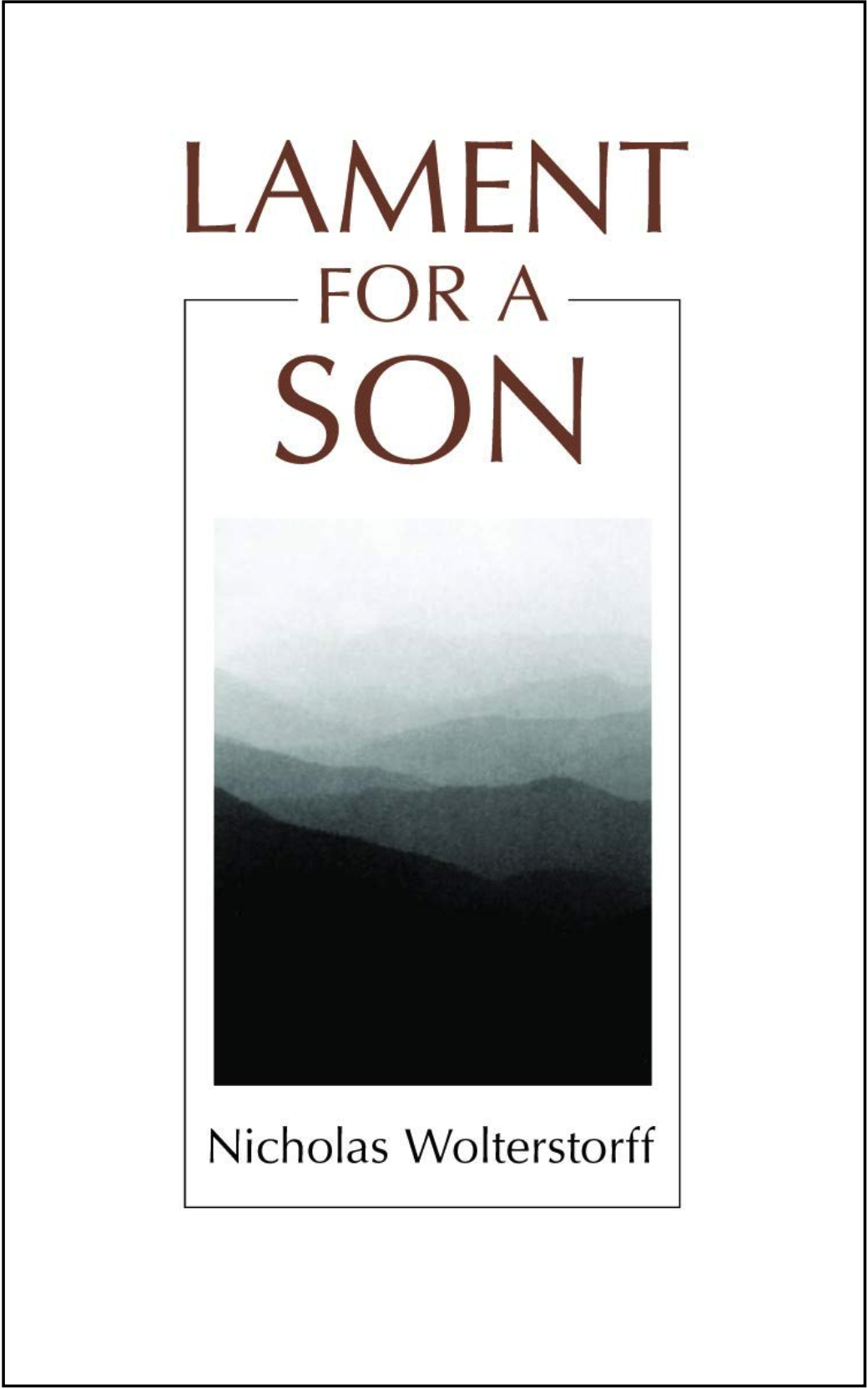
  38. Lament For A Son, by Nicholas Wolterstorff
  39. Understanding Gender Dysphoria: Navigating Transgender Issues in a Changing Culture, by Mark A. Yarhouse
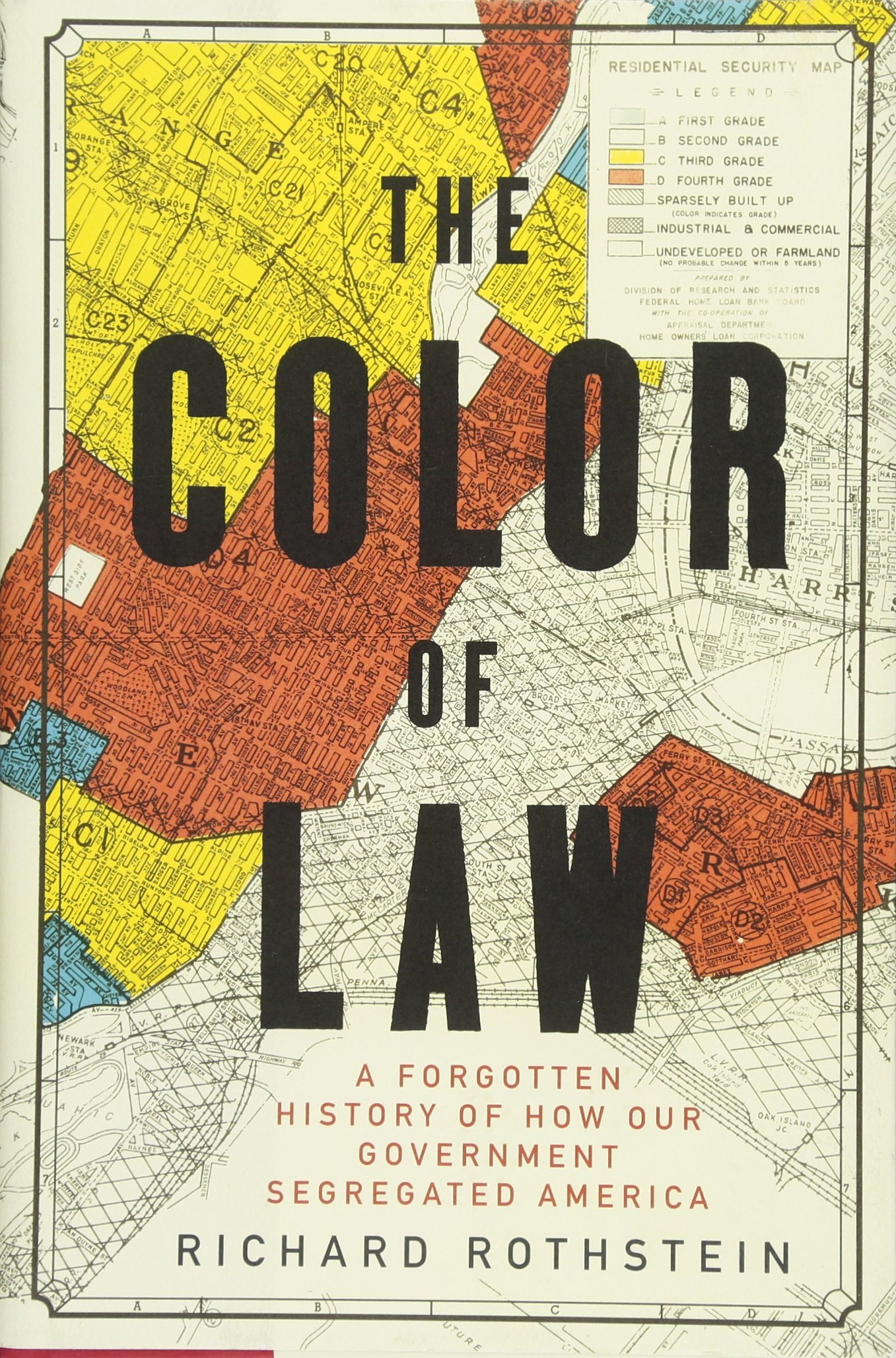
  40. The Color of Law: A Forgotten History of How Our Government Segregated America, by Richard Rothstein
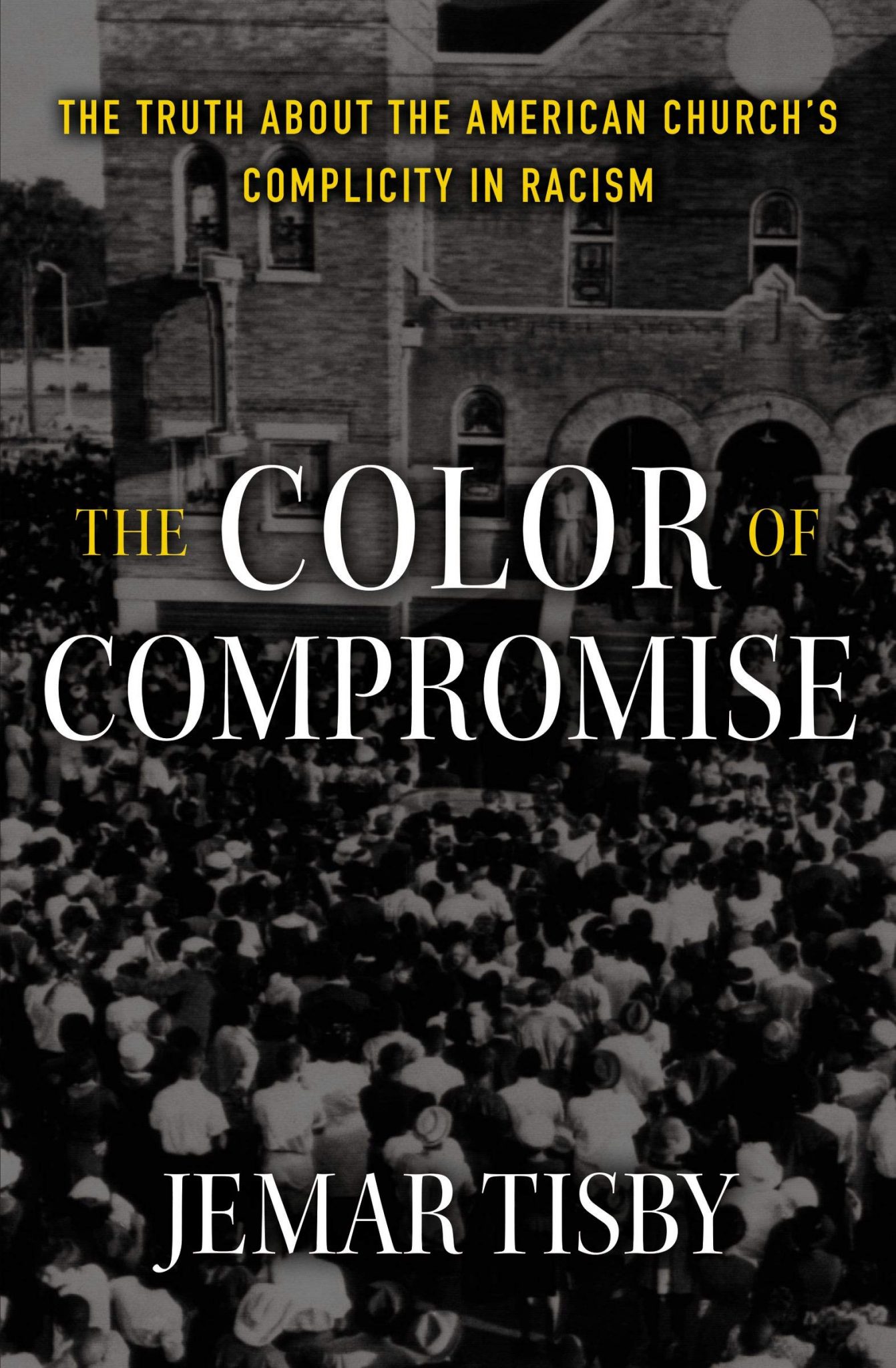
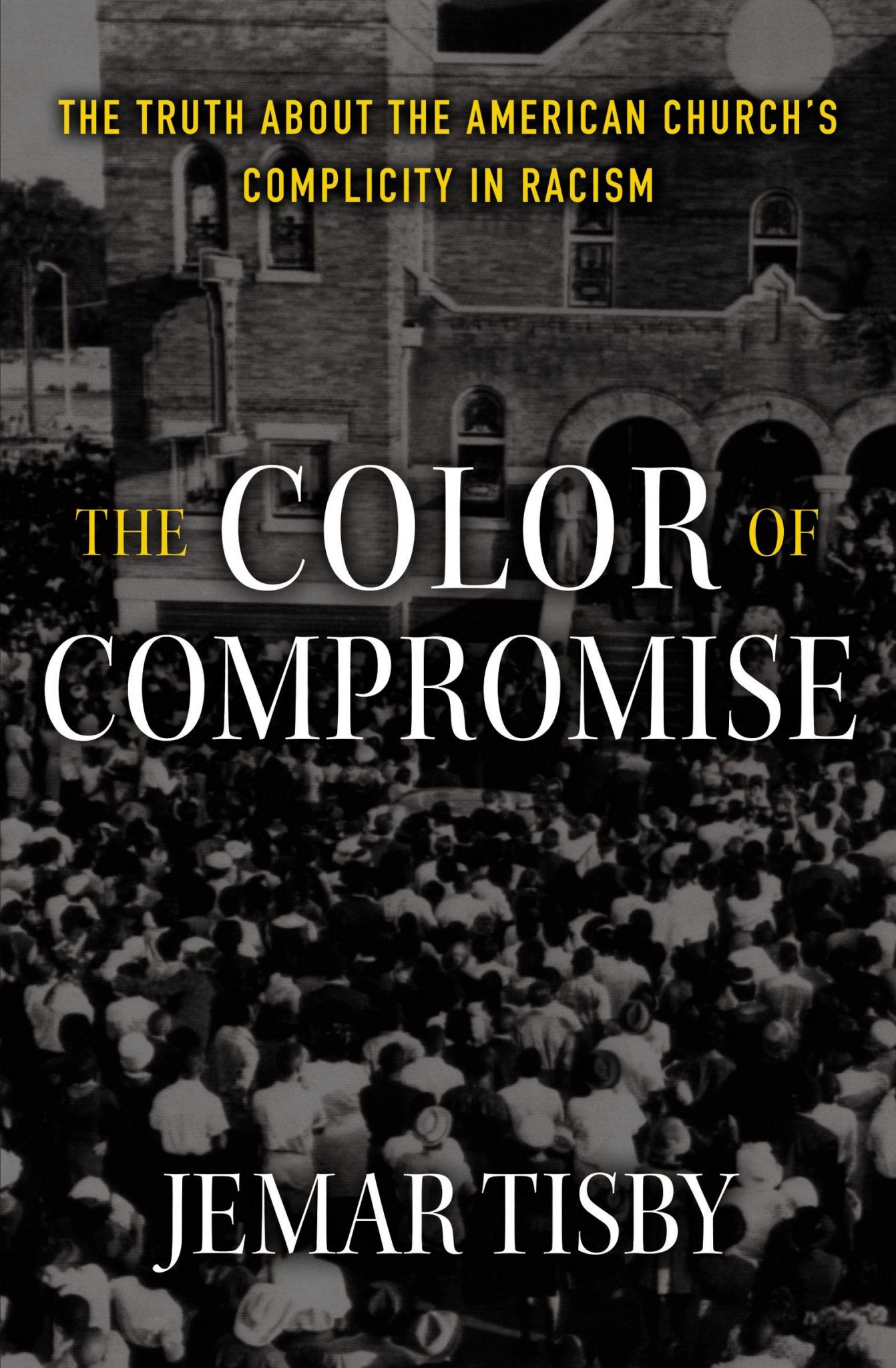
  41. The Color of Compromise: The Truth About the American Church’s Complicity in Racism, by Jemar Tisby
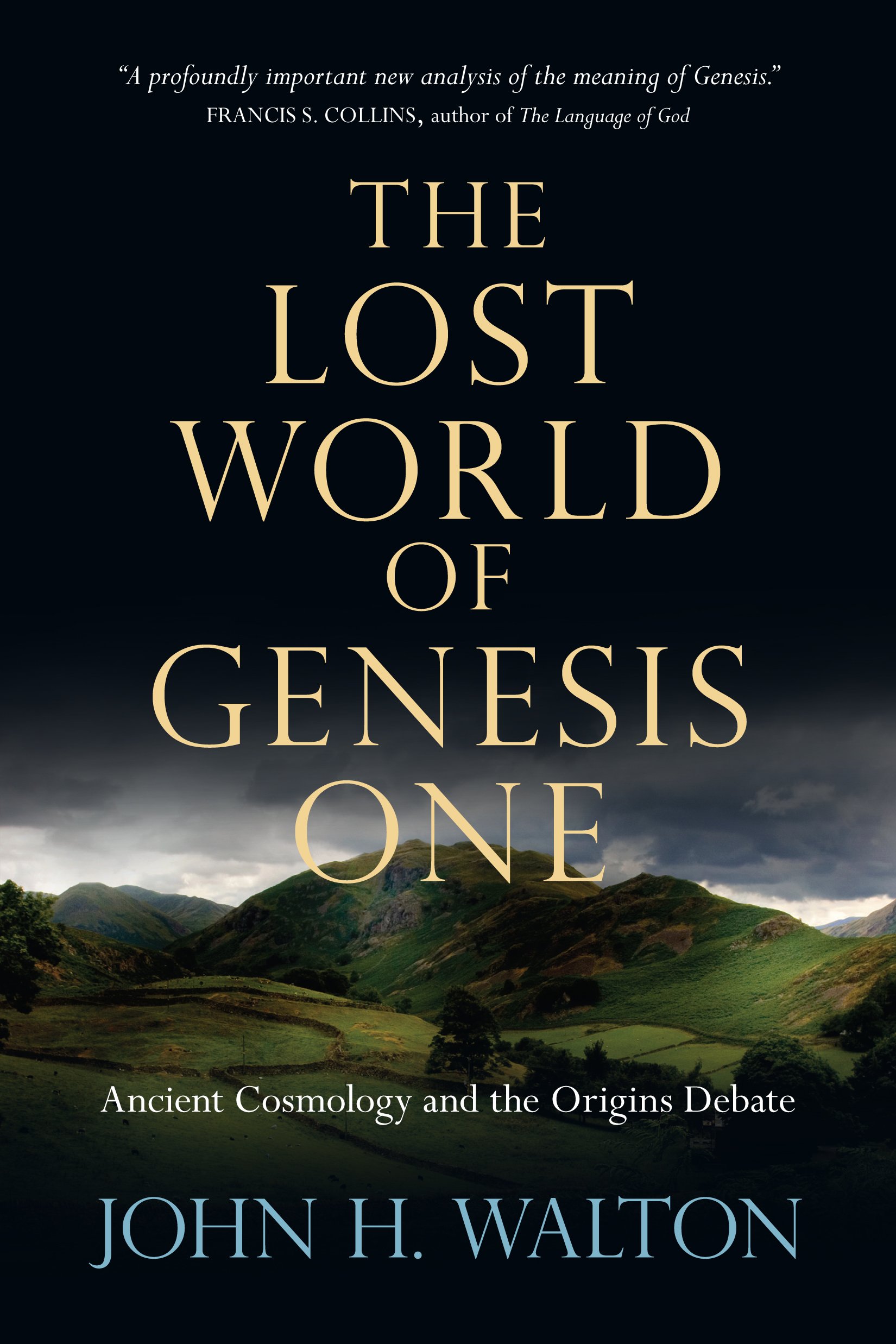
  42. The Lost World of Genesis One: Ancient Cosmology and the Origins Debate, by John H. Walton
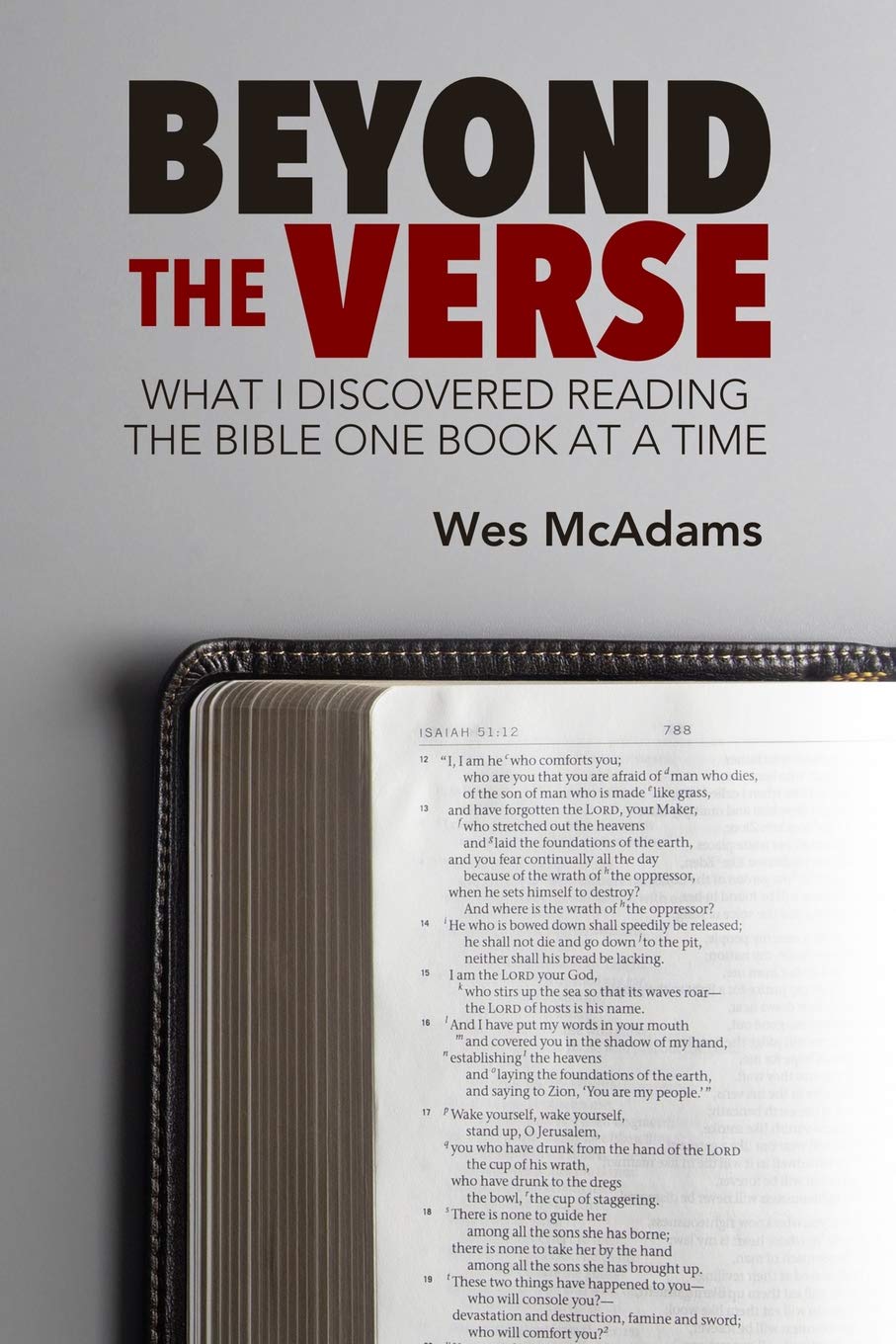
  43. Beyond The Verse: What I Discovered Reading the Bible One Book at a Time, by Wes McAdams
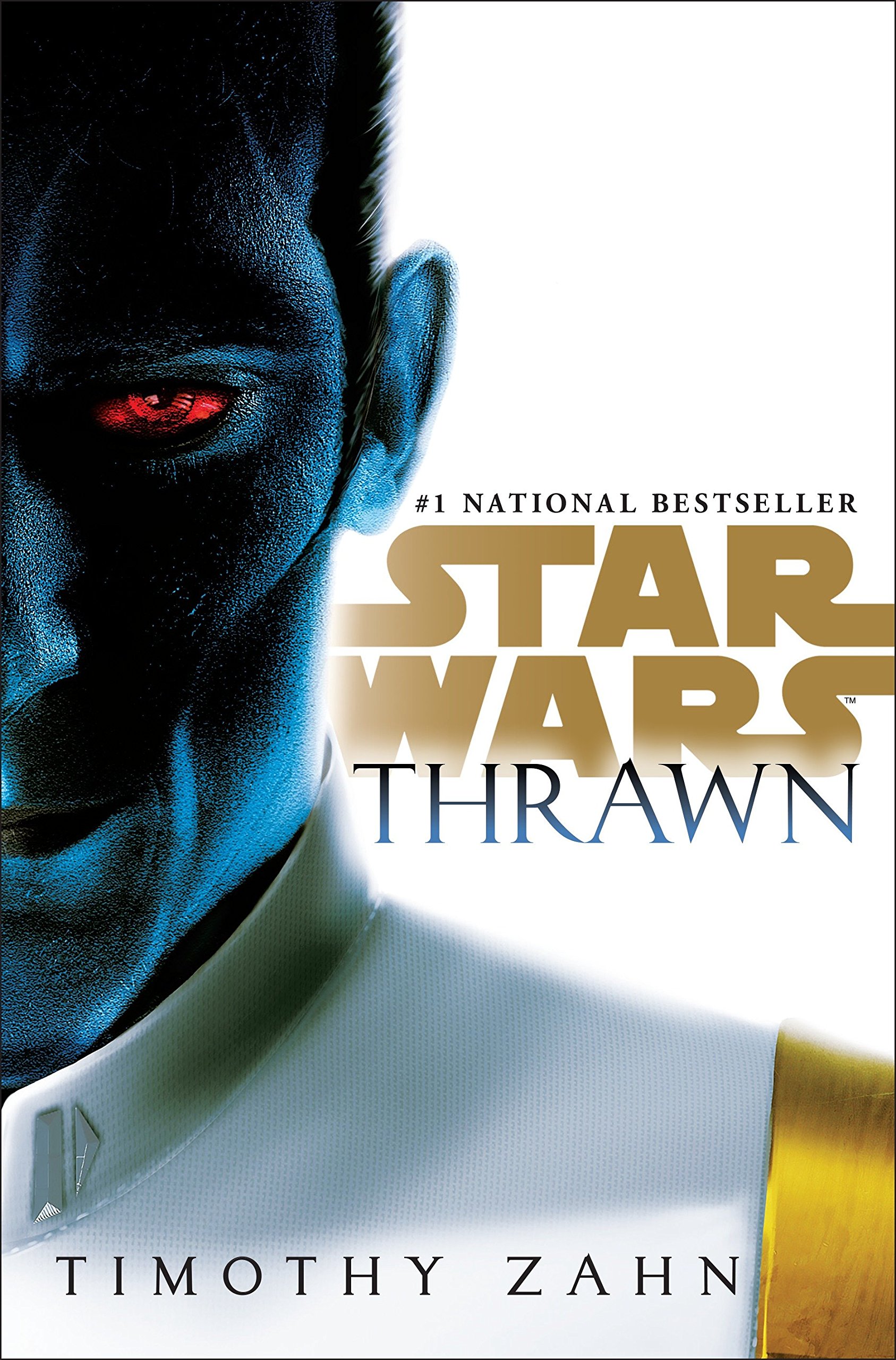
  44. Star Wars: Thrawn, by Timothy Zahn
  45. The End of Youth Ministry?, by Andrew Root
  46. Thrawn: Alliances, by Timothy Zahn
  47. Thrawn: Treason, by Timothy Zahn
  48. Searching For Sunday: Loving, Leaving, and Finding the Church, by Rachel Held Evans
  49. God And The Pandemic: A Christian Reflection on the Coronavirus and its Aftermath, by N.T. Wright
  50. Seeing Jesus from the East: A Fresh Look at History’s Most Influential Figure, by Ravi Zacharias and Abdu Murray
  51. The Righteous Mind: Why Good People Are Divided By Politics and Religion, by Jonathan Haidt
  52. Adoptive Youth Ministry: Integrating Emerging Generations into the Family of Faith, edited by Chap Clark
  53. The Family Upstairs, by Lisa Jewell
  54. How To Think: A Survival Guide for a World at Odds, by Alan Jacobs
  55. Race & Justice, by Tim Keller
  56. Race Against Time: A Reporter Reopens the Unsolved Murder Cases of the Civil Rights Era, by Jerry Mitchell
  57. Dominion: How the Christian Revolution Remade the World, by Tom Holland
  58. The Ragged Edge of Night, by Olivia Hawker
  59. Where The Crawdads Sing, by Delia Owens
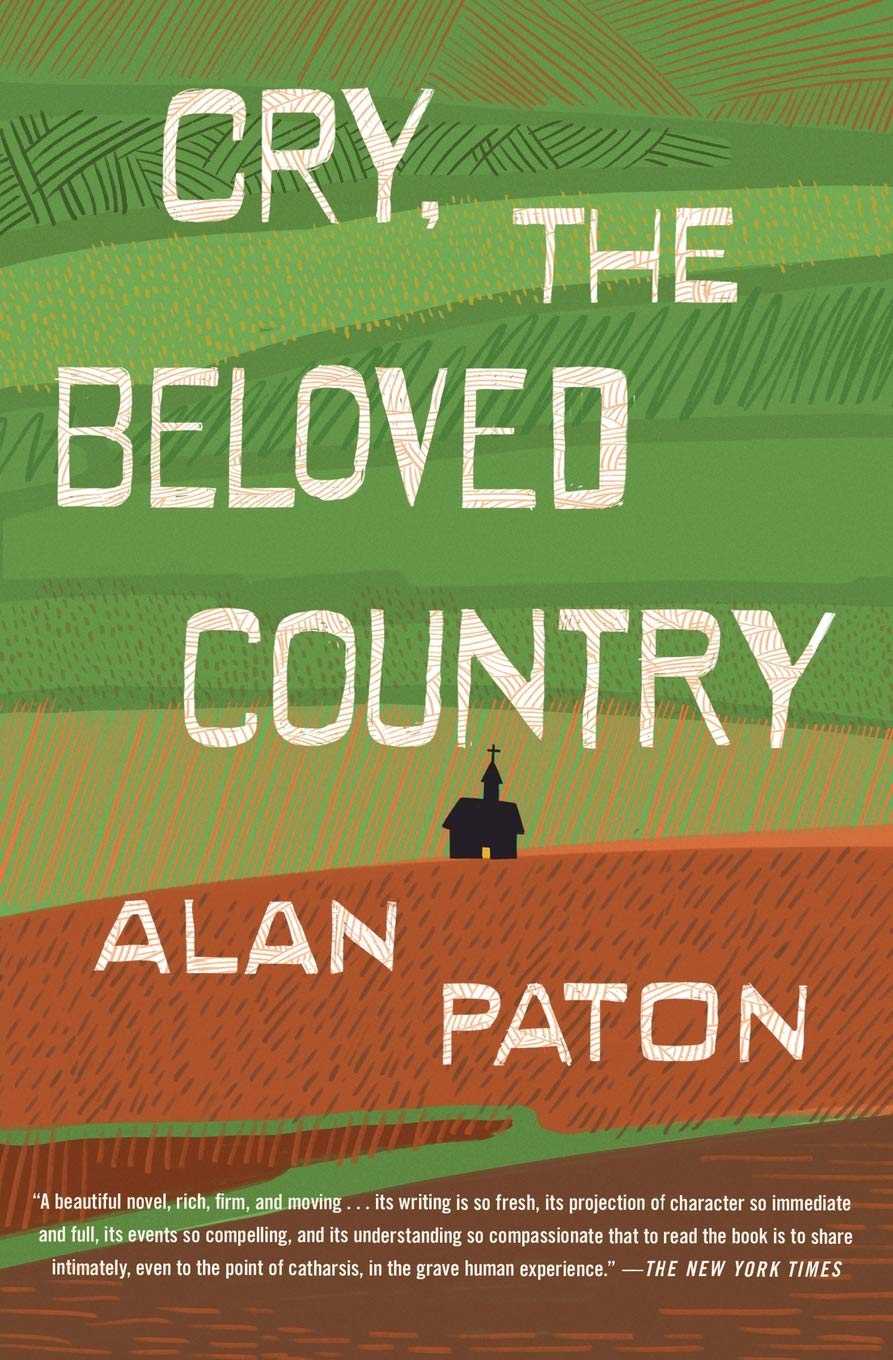
  60. Cry, the Beloved Country, by Alan Paton
  61. King Jesus and the Beauty of Obedience-Based Discipleship, by David Young
  62. The Risen Spear, by Scott Biddle
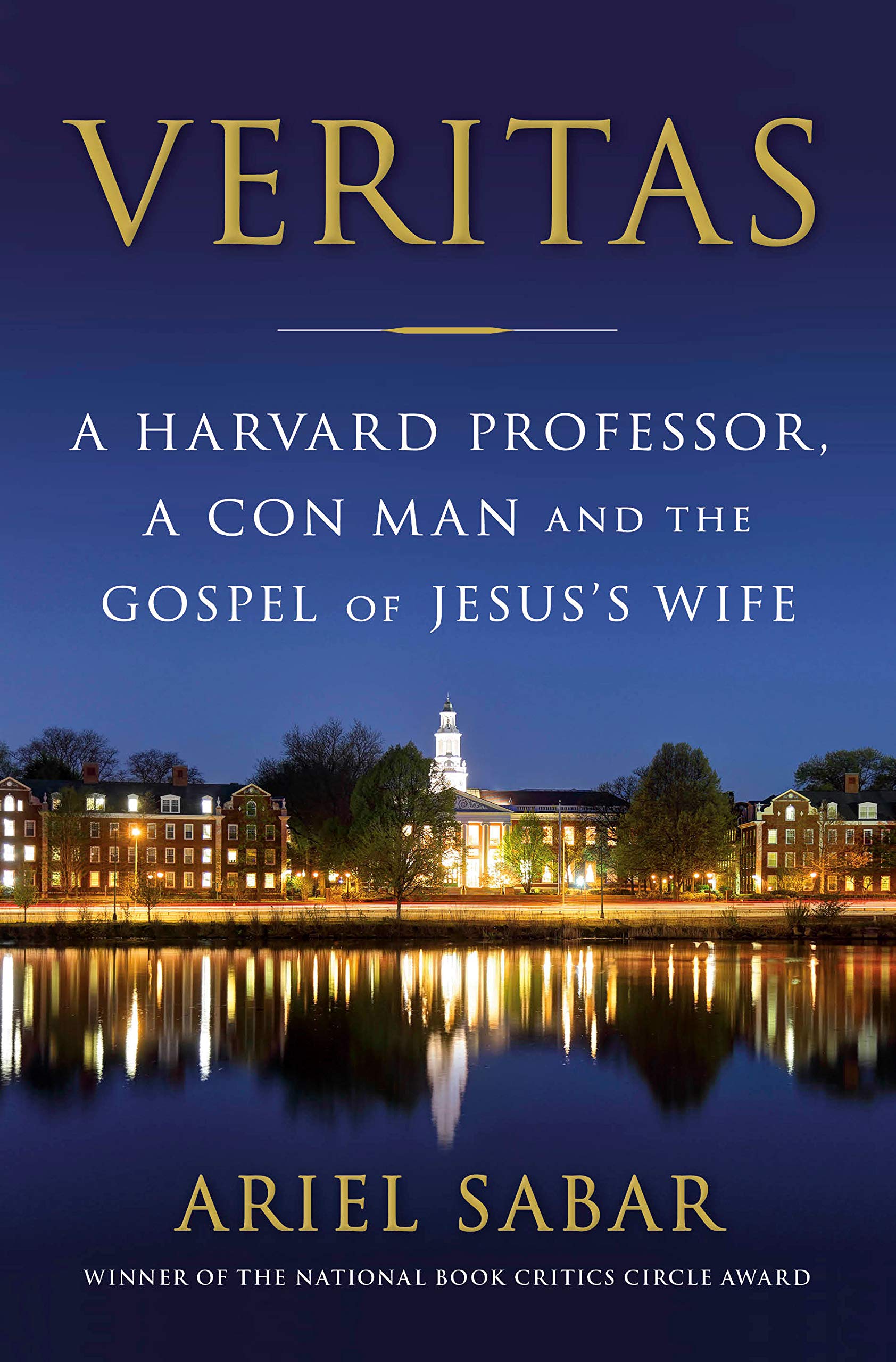
  63. Veritas: A Harvard Professor, A Con Man, and the Gospel of Jesus’s Wife, by Ariel Sabar
  64. McCord’s New Testament Translation of the Everlasting Gospel
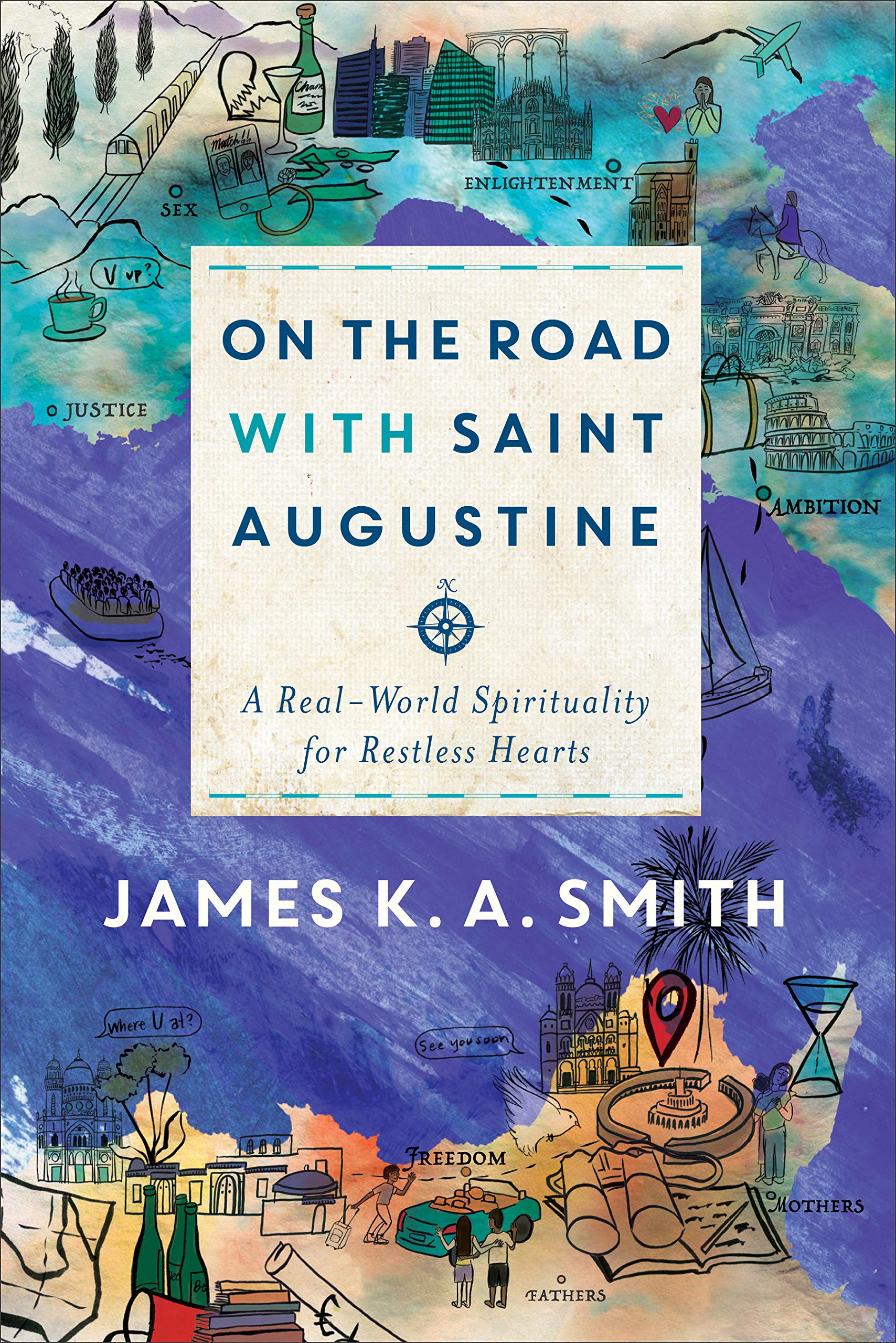
  65. On the Road with Saint Augustine: A Real-World Spirituality for Restless Hearts, by James K. A. Smith

A few observations before I talk about my favorite books of the year:

  • My reading total increased from 52 books in 2019 to 65 in 2020. My 2020 total represents a personal record for books read in a year. This is largely related to the life rhythms brought about by COVID-19: especially during the early days of lockdown (but extending beyond), I did a lot of walking around my neighborhood, and frequently listened to audiobooks while doing that. My reading decreased somewhat as the year went on.
  • I read a lot of fiction this year. This is partially because there were more fiction audiobooks available at my local library than, say, theology books, and partially because 2020 was a year where I was seeking distraction from circumstances and looking to “travel” through reading.
  • In addition to reading more this year, I read so many really good books. It was a great year of reading.
  • I fully expect my reading totals to decrease significantly next year. In addition to circumstances related to COVID hopefully improving over time, I am planning to start working through some long and dense books on theology and biblical studies (I am really excited about this, in case you were curious about how much of a nerd I am).

I normally share my Top 10 books for the year, but I was having a hard time narrowing it down to just 10 this year. This was stressing me out until I remembered that I make the rules around here, so I just decided to do a Top 15 list instead. Before I do so, I wanted to offer some brief thoughts on a few books that didn’t make my Top 15, but I still wanted to comment on.

  • Two great books that didn’t make my Top 15 because they had previously been Top 10 choices from previous years were The Sticky Faith Guide For Your Family, by Kara Powell (2017) and 12 Rules For Life: An Antidote to Chaos, by Jordan B. Peterson (2019).
  • The Righteous Mind: Why Good People Are Divided By Politics and Religion, by Jonathan Haidt: This is a good book that is a really important read for our times, I believe. It is not one of my top books of the year because it delves heavily into evolutionary biology and moral psychology, which are not areas of great interest for me, and I frequently got bogged down in those parts. But I found some really good ideas to take away from this book.
  • The Risen Spear, by Scott Biddle: Scott is one of my youth group dads, and I was delighted to learn that he has authored a series of fantasy books for children. The Risen Spear was a short read with a compact, exciting story, and vaguely reminded me of the Narnia books in some ways (which is high praise from me!). I look forward to reading the next books in the series.

I want to take a moment to highlight Race & Justice by Tim Keller. Technically, this is a series of articles rather than a book, but they are so long that combined they essentially represent a book-length treatment on the subject. I read and listened to a lot about race in 2020 (books, articles, podcasts, etc.), and this is, without question, the best biblical theology I have read related to race, racism, and justice.

I decided that Keller’s Race & Justice series was bookish enough to include in my list above, but since it wasn’t technically a book, I left it out of my Top 15. But that is in no way to diminish how good the material is (I bet it comes out as a book sometime in the future).


Regarding my Top 15 books for the year, here are some brief thoughts on those (presented in order of when I read them, not ranked 1-15):

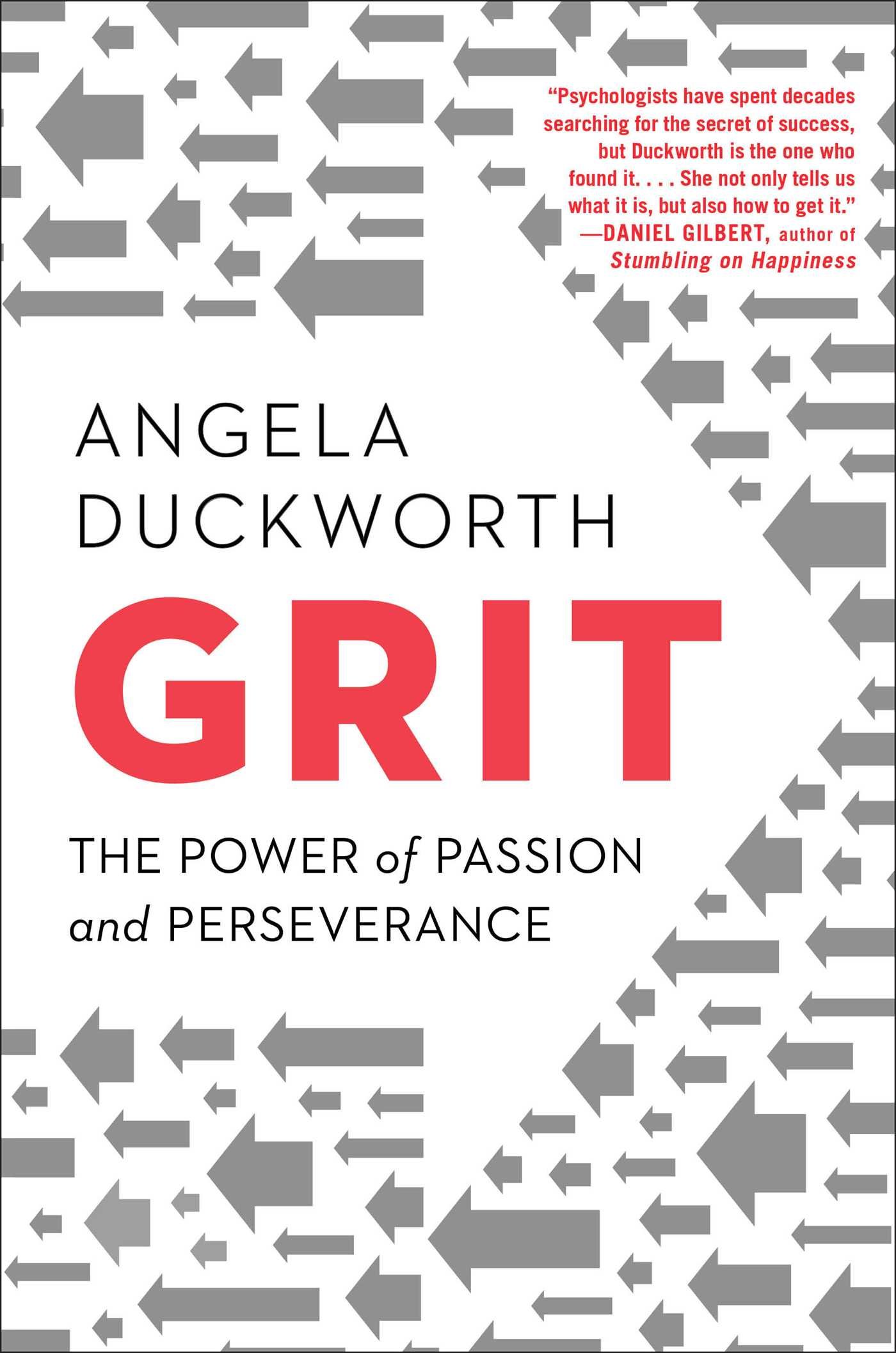
Grit: The Power of Passion and Perseverance, by Angela Duckworth: I read this book back in February, which now seems about eight years ago, so I confess that I don’t remember it as well as I’d like to. Duckworth shares a lot of research and examples to flesh out her thesis, which is basically given by the title of the book. In short, the characteristic that best predicts success is not intelligence or personality or a host of other things, but grit, which Duckworth defines as a combination of passion and perseverance. In other words, a major part of being successful in life is finding something you really care about and sticking with it, regardless of setbacks or obstacles. I read this as an audiobook, but it is one that I will probably pick up at some point so I can keep coming back to it.

Mere Christianity, by C.S. Lewis: I read Lewis’s classic a dozen years ago, but I have never featured it as one of my top books of the year, so it makes its appearance on this list after I re-read it this year. I appreciated it even more this time; Lewis is such a penetrating thinker, and has an excellent way of getting at the heart of what Christianity is about.

Silence, by Shūsaku Endō: This novel is the poignant tale of Jesuit missionaries suffering persecution in 17th-century Japan. The story itself is gripping, but also raises important questions about the nature of cross-cultural missions, the place of martyrdom in Christian faith, and the plight of the believer when God is silent.

A Week in the Life of a Roman Centurion, by Gary M. Burge: This is the second book I’ve read from the “Week in the Life” series, and I continue to be a big fan. Basically, these are short historical novels set in the first century that seek to inform the reader about the world of the New Testament by plausibly expanding the stories of minor New Testament characters. Burge’s volume focuses on a Roman centurion whose life was changed by a meeting with King Jesus. The story is compelling, and the historical background is helpful for readers of the New Testament who are interested in a better understanding of the world of Jesus and the apostles.

The Chronicles of Narnia, by C.S. Lewis: Okay, so I am cheating here by listing a series of books as one book, and this certainly wasn’t my first time to read the Narnia books, but collectively, this was definitely one of my favorite reads of 2020. Because I also blogged about the series at length, Lewis’s classic series was on my mind a lot this year. It was perfect pandemic reading for me.

Atomic Habits: An Easy & Proven Way to Build Good Habits & Break Bad Ones, by James Clear: This was another entry in the category of books that I “read” as an audiobook but enjoyed so much that I was tempted to go back and purchase a physical copy so I would have it for reference. I reviewed this book after I read it, so you can get a fuller overview there, but I will repeat my basic summary: Atoms are very small things. They are the building blocks of the world around us, but they are invisible to the naked eye. They are also very powerful—the power of the atom can provide electricity to an entire region in the form of a power plant, or untold devastation in the form of a nuclear bomb. This is the premise of Atomic Habits: habits are little, sometimes nearly invisible things that can bring about powerful change—for good or ill—in our lives.

Lament For A Son, by Nicholas Wolterstorff: This is a series of short essays written after the author’s 25 year-old son was tragically killed in a climbing accident; I was so moved by this book that I wrote a series of posts on it. As a Professor Emeritus of Philosophical Theology, Wolterstorff certainly writes from a theological perspective, but overwhelmingly, he is writing as a grief-stricken dad. It is possibly the best book on suffering that I have read, and I think that, perhaps, is because Wolterstorff’s disjointed essays are the perfect way to reflect on grief and suffering. Well-organized books on theodicy that seek to explain the problem of evil and suffering have their place, but those are the sorts of books you need to read when the sun is shining and the world makes sense. On the other hand, when grief has come unexpectedly rushing into your life with the force of a tsunami, Lament For A Son—with its chaos and raw emotion and grasping faith—is the sort of book you need.

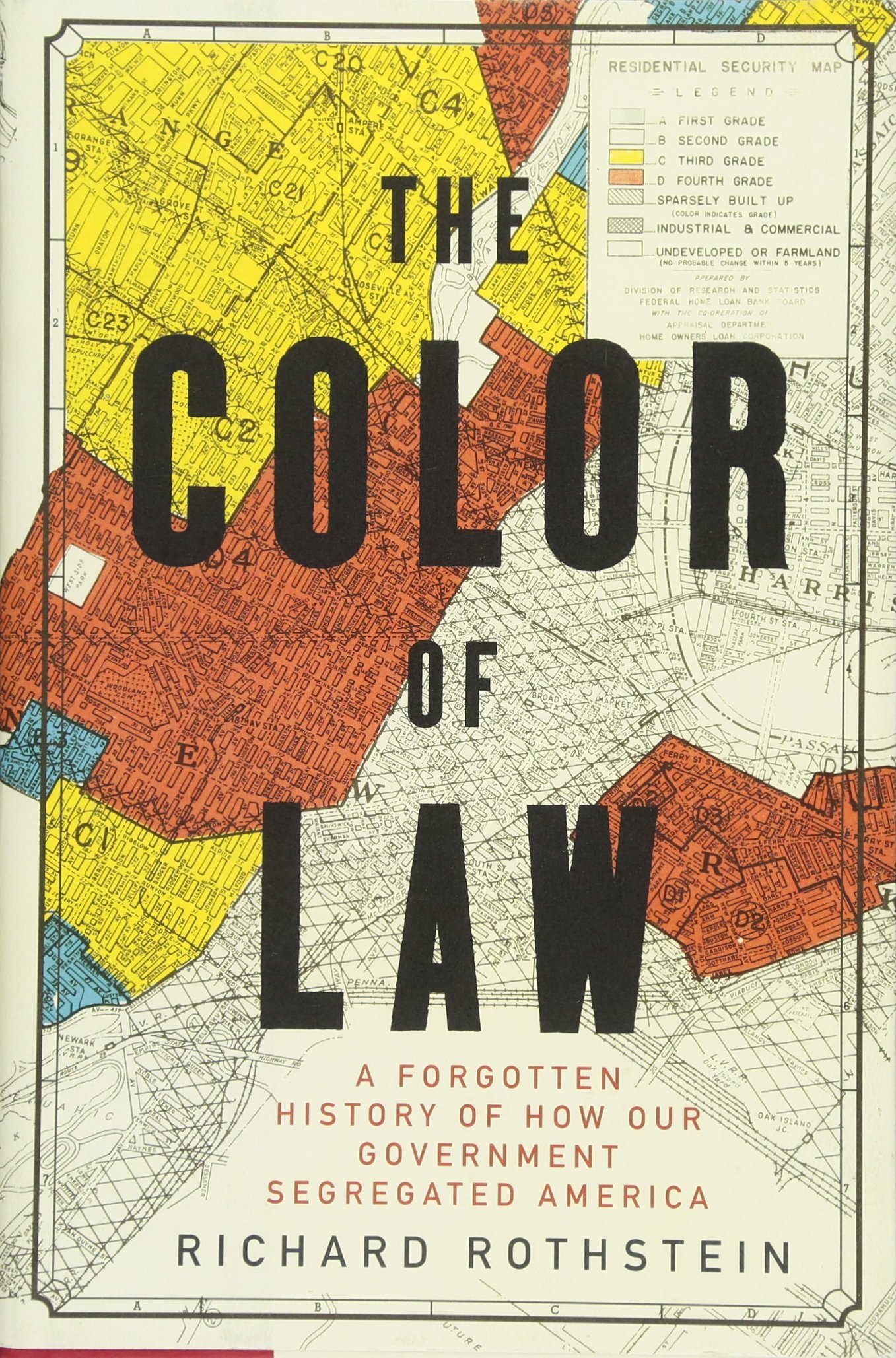
The Color of Law: A Forgotten History of How Our Government Segregated America, by Richard Rothstein: in many ways, I felt this was The New Jim Crow applied to the housing industry in the United States. It talks about all sorts of creative ways in which government officials—at the federal, state, and local levels—orchestrated the largely-segregated society that still exists today in our country (zoning ordinances, neighborhood covenants, blockbusting, white flight, the establishment of ghettos, construction of interstates, and more). The Color of Law shares tons of data and statistics, but is written in a narrative style that is easy to follow and understand.

The Color of Compromise: the Truth About the American Church’s Complicity in Racism, by Jemar Tisby: this book specifically addresses the American Church, and confronts the reader with the uncomfortable reality that throughout American history, white Christians have largely (though not entirely) turned a blind eye toward racism, and many times have actively supported and furthered racist agendas. Tisby does not shy away from hard truths, but he writes with clear affection for the church, and offers helpful suggestions moving forward.

The Lost World of Genesis One: Ancient Cosmology and the Origins Debate, by John H. Walton: Genesis 1 is a famously controversial text, and takes a prominent position in discussions about the seeming tension between faith and science. Walton, a conservative Old Testament scholar, removes some of the fuel from the fires of controversy by suggesting that we should receive Genesis 1 the way that ancient Israelites would have received it: as ancient cosmology, it is function oriented rather than being concerned about material origins. If you are someone who has ever been bothered by Genesis 1 and how that fits with scientific claims (and especially if this has been a barrier to faith for you), The Lost World of Genesis One is an excellent read.

Beyond The Verse: What I Discovered Reading the Bible One Book at a Time, by Wes McAdams: Wes is one of my favorite bloggers and I think he is such a helpful voice in the church right now. A couple of  years ago, he completed reading through the entire Bible, but rather than doing it by reading a few chapters each day, he read entire books of the Bible in one sitting each day. This enabled him to get a much clearer picture of the broad story the Bible tells, and it is a story that we are often guilty of distorting significantly. I absolutely loved this book. I recommended it to several people after I read it, and I intend to incorporate it into my ministry moving forward.

Star Wars: Thrawn, by Timothy Zahn: In many ways, 2020 was the year that I rediscovered Star Wars novels. I used to read Star Wars novels a lot, but back when Disney took over the franchise, they decanonized all the books I had read and I lost interest. Out of the loop, I discovered that a bunch of new Star Wars novels had been authorized by Disney and written in recent years, and I read several in 2020. Some of them were hot garbage, but Timothy Zahn’s Thrawn trilogy was good: my favorite Star Wars author reintroducing one of my favorite decanonized characters back into the canon. Thrawn is the first book in the trilogy, and was, in my opinion, the best.

Cry, the Beloved Country, by Alan Paton: I read this book back in 2009 and loved it, but had not read it since then, and it was even better than I remembered. This book touches on so many heavy themes—racism, theology, politics, the breakdown of the native village, crime, poverty, environmental concerns, and more—and tells the story of the shared tragedy of two older men in 1940s South Africa: a poor, black Anglican priest, and a wealthy, white farmer. This is such a beautiful book, and it was even more poignant to me reading it in 2020, a year of significant racial tension in my own country. Simply put, this is among the best books I have ever read.

Veritas: A Harvard Professor, A Con Man, and the Gospel of Jesus’s Wife, by Ariel Sabar: The subtitle of this book summarizes the plot well. In 2012, Harvard Divinity School professor Dr. Karen King published the discovery of a papyrus fragment from a supposed early Christian text that she sensationally dubbed, “The Gospel of Jesus’s Wife,” that would later turn out to be a forgery. This book is an impressive chronicle of investigative journalism, and also serves as a warning of the problems of confirmation bias and the murky places to which extreme forms of postmodern thinking can deliver us.

On the Road with Saint Augustine: A Real-World Spirituality for Restless Hearts, by James K. A. Smith: Saint Augustine of Hippo is likely the single most influential Christian thinker since the Apostle Paul, and as Smith points out in this superb book, his story is quite likely very much like your own. Based significantly on Augustine’s Confessions, Smith looks at the journey of his life and the issues and questions that drove it—issues and questions that continue to drive our lives today. This makes Augustine a wonderful travel companion as we journey through life: someone who has already made a similar journey, asked similar questions, and, if we have ears to hear, has helpful directions for the road. Bonus: the cover design for this book is outstanding. They say you can’t judge a book by its cover, but in this case…

That was my reading for 2020. For comparison’s sake if you are interested, you can see my reading lists from previous years:

What are some of the best books you read this past year?

Readings on Racism

Over the last year and a half, I have done quite a bit of reading to help me better understand our current racial situation in the United States and some of the history that lies behind it. Of course, I have not read everything and, indeed, there are a few specific books that I still have intentions of reading, but I have read enough that: (1) I feel like my grasp of the situation is far better than it was previously, and (2) I feel confident making a few recommendations.

Though I hope these recommendations are beneficial for anyone, they are intended for a specific group: Christians who believe in the equality of all people and thus, deplore racism, but who also are uncertain or skeptical of the existence of “systemic” or “structural” racism. I suspect that many of my readers fall into this category, and so I am specifically recommending the three books below, because I used to fit into that category myself, and these books were very helpful in shaping my own views.[1]

Rather than write a full-on review, I will simply introduce each book and share why I found it to be helpful.

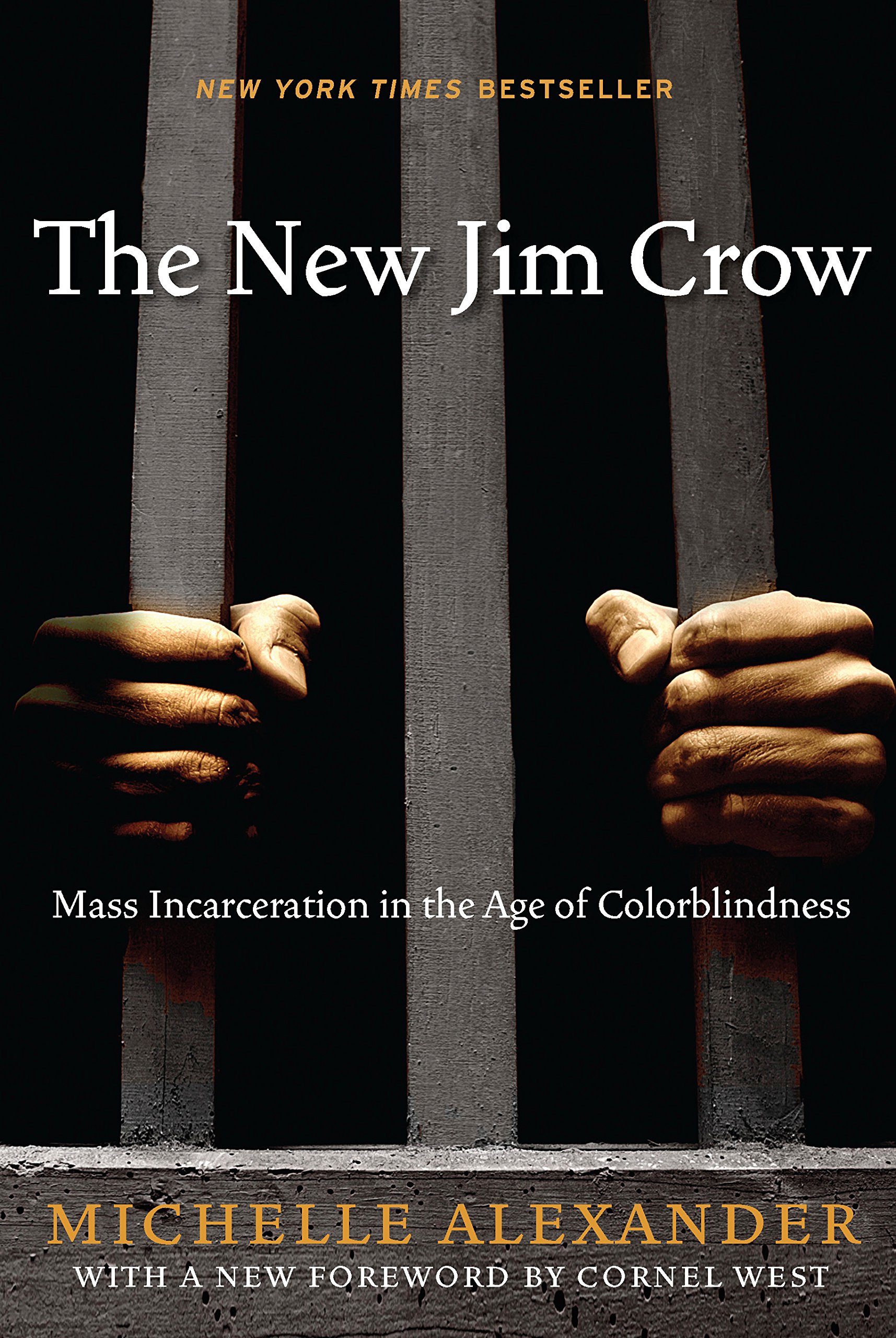
The New Jim Crow: Mass Incarceration in the Age of Colorblindness, by Michelle Alexander: This is not a fun read. On the contrary, it was devastating. Alexander lays out, in detail, how the American criminal justice system disproportionately punishes people of color in a variety of ways (ways that are certainly tied to socio-economic status, but which cannot be completely explained by social class). This is a helpful book to begin to understand a particular aspect of systemic racism and the way that it has creatively adapted throughout our nation’s history: when slavery was abolished, Jim Crow segregation took its place. When segregation was outlawed, mass incarceration took its place.

The Color of Law: A Forgotten History of How Our Government Segregated America, by Richard Rothstein: in many ways, I felt this was The New Jim Crow applied to the housing industry in the United States. It talks about all sorts of creative ways in which government officials—at the federal, state, and local levels—orchestrated the largely segregated society that still exists today in our country (zoning ordinances, neighborhood covenants, blockbusting, white flight, establishment of ghettos, construction of interstates, and more). The Color of Law shares tons of data and statistics, but is written in a narrative style that is easy to follow and understand.

The Color of Compromise: the Truth About the American Church’s Complicity in Racism, by Jemar Tisby: this book specifically addresses the American Church, and confronts the reader with the uncomfortable reality that throughout American history, white Christians have largely (though not entirely) turned a blind eye toward racism, and many times have actively supported and furthered racist agendas. Tisby does not shy away from hard truths, but he writes with clear affection for the church, and offers helpful suggestions moving forward.


This is an admittedly short list, and certainly there are a host of other helpful resources out there. I wanted to keep the list short, because I always find it overwhelming when someone suggests a list of a dozen must-read books. Most people simply do not have the time to do so. Three books is a much more manageable number. But also, I specifically include these books for a few reasons:

  • They tend to be more objective than subjective, based on historical data, research studies, and specific policies than personal perception or anecdotes (there is nothing wrong with the latter, but I think the former tends to be more convincing to a skeptical crowd).
  • They are not based on white guilt, but they do suggest a collective responsibility. It does not make sense for people to feel guilty about things entirely out of their control, but it certainly makes sense to take stock of the situation we all find ourselves in and do the best we can to improve it.
  • They do not promote the sense of paternalistic white saviorism that I have sensed from some who are seeking to respond to racial inequities.[2]

These books were really helpful for me; I hope they are for you!


[1]  When I say that I “used to” fit into that category, I am not suggesting that my devotion to Christ or my rejection of racism has changed (far from it!), but merely indicating that where I was once somewhat ambivalent about the reality of systemic racism in contemporary times, I am now firmly convinced of it.

How to go about addressing that reality is an issue for another time, but until we acknowledge the existence of a problem, we can’t do anything to address it.

[2] I am hardly the first one to pick up on this tone. I think it comes from a sincere desire to help (“we (white people) made this mess, and it is up to us to fix it!”), but it easily becomes patronizing (“we know what is best for you; step aside and let us come make your lives better”) and denies people of color of agency and dignity.

Scattered Reflections on Race-related Issues

Like many people, I have been distressed by so many aspects of the race-related incidents that have been erupting all over the nation:

  • The tragic and unjust deaths of African Americans, whether at the hands of overreaching and brutal law enforcement officers or racist vigilantes
  • The protests in response to these outrageous acts that have, at times, turned violent  (and seemingly, at times have been coopted and corrupted by outside influences)
  • In some places, the brutal and violent responses by police officers to even peaceful protests
  • The very poor handling of the entire situation by President Trump whose rhetoric only escalates the tensions
  • The negative attention received by countless law enforcement officers across the country who seek to serve and protect and want to be a part of the solution rather than the problem

Though I am deeply convicted by what I have seen and heard, I am always uncertain about how to respond, at least, in a public proclamatory way such as this. On the one hand, as a middle-class white guy in a largely-white context, I don’t presume to be an expert in such matters, and I have been doing my best to listen rather than to speak. Furthermore, I am not interested in virtue signaling, which can seem like an easy practice that doesn’t actually accomplish or help anything.

On the other hand, I have seen and heard from many black friends and acquaintances about how painful it is when white people (especially Christians) maintain silence, and how supported and loved they feel when people such as myself speak out in solidarity instead. So, that’s what this post is, in a disorganized sort of way.

Foundational Issues

As a Christian, there are two fundamental ideas that guide my thoughts on race before anything else:

  1. All humans are created in the image of God. This conveys the notion of being God’s representatives on earth, tasked with carrying out His will (we see this in Genesis 1-2). Unfortunately, due to sin, humans fail to properly reflect the image of God, but that doesn’t change the God-appointed identity given to each and every human. We are equal. This is antithetical to the notion and practice of racism.
  2. Jesus said that the greatest commandment is to love God with everything we have, and the second is to love our neighbors as ourselves. Loving my neighbor is also antithetical to the notion and practice of racism. Beyond that, loving my neighbor compels me to try to see things from my neighbor’s perspective, and appreciate that his/her experiences may be different from my own.

Personal Repentance

My position is a fairly simple one: I think we have massive racial issues in our country. I think we come by those issues honestly because they are an original part of our national DNA, and I think that the solution to the problem is challenging and will never fully be realized until Jesus returns (more on that below). But the solution must start with me. Here is a statement made by a (white) minister friend of mine, which exactly echoes my own sentiments:

I don’t like the phrase “there’s not a racist bone in my body.” Because if I’m being honest with myself, I am inclined to judge a man by the color of his skin. Just because I don’t like that part of me doesn’t mean it’s not in there. The recent unjust killings of black folks in our country shouldn’t only cause us to point fingers at the perpetrators, though we should demand justice. These killings should also cause us to lift the hoods of our hearts to see the racism that might be lurking there. My goal as a Christian is not to deny my prejudice but to repent of it. The God I worship seeks to bring people of all colors into His kingdom, to make us all children of Abraham through faith in Christ. So I must turn my racist bone over to God so He can renovate my heart. True change in our churches and systems and nation starts with my willingness to say, “Lord, change this wicked way in me.”

Personal repentance must be my first response.

Systemic Racism

Here is a definition of systemic (or, institutional) racism from an excellent article by David French (I will discuss this article further below):

A system in which public policies, institutional practices, cultural representations, and other norms work in various, often reinforcing ways to perpetuate racial group inequity. It identifies dimensions of our history and culture that have allowed privileges associated with “whiteness” and disadvantages associated with “color” to endure and adapt over time. Structural racism is not something that a few people or institutions choose to practice. Instead it has been a feature of the social, economic and political systems in which we all exist.

This is a hotly-debated topic (along with the corresponding idea of white privilege), and I don’t really intend to get into it in this post, but based on my reading and listening to the perspectives of black friends and acquaintances, it seems clear to me that this sort of racism exists in this country. We could debate how and where we see it and how intentional it is in its various manifestations, but it exists.

If that statement upsets you or makes you defensive, but you are open to having your perspective changed, I would recommend Michelle Alexander’s, The New Jim Crow: Mass Incarceration in the Age of Colorblindness. I read this book last year, and it was one of my top books of 2019, but let’s be clear: I did not enjoy reading it at all. It was a punch in the gut. But it was meticulously researched and footnoted, and it clearly established (to my mind, at least) one aspect of systemic racism.

I also recommend David French’s wonderful article that I referenced above: “American Racism: We’ve Got So Very Far To Go”. French is a thoughtful, conservative commentator, and shares his own journey in coming to terms with the immensity of the racial problem in the US. This is a calm, even-handed, and reflective piece, and I like the simple way he handles systemic racism as a logical progression (emphasis added by me):

  1. Slavery was legal and defended morally and (ultimately) militarily from 1619 to 1865.

  2. After slavery, racial discrimination was lawful and defended morally (and often violently) from 1865 to 1964.
  3. The Civil Rights Act of 1964 did not end illegal discrimination or racism, it mainly gave black Americans the legal tools to fight back against legal injustices.
  4. It is unreasonable to believe that social structures and cultural attitudes that were constructed over a period of 345 years will disappear in 56.
  5. Moreover, the consequences of 345 years of legal and cultural discrimination, are going to be dire, deep-seated, complex, and extraordinarily difficult to comprehensively ameliorate.

Black Lives Matter

There are specific groups that use the “Black Lives Matter” slogan that have detailed ideologies, portions of which I disagree with (I am decidedly not a Marxist, for example). But “Black Lives Matter” as a slogan is completely true and I have no issues with it. Frankly, I have a hard time understanding those who do. From the beginning, to anyone who is listening, it is clear that the slogan means “Black Lives Matter too” rather than “only Black Lives Matter.”

“Black Lives Matter” is a true statement. It doesn’t need qualification (Here is a thoughtful article, written from a Christian perspective,  on that very idea.)

Colorblind

I was raised at a time when I think it was a popular idea to promote “colorblindness” as the solution to racism, and you hear these notions a lot today: “I don’t see people in color! We are all the same! There’s only one race; the human race.”

I think these statements generally come from very well-meaning people who truly wish that racism wasn’t a problem, but I think they are problematic. From a theological perspective, God clearly appreciates diversity, because it is what He created! The story of the Old Testament is the promise of God to save all peoples of the earth through Abraham and his descendants, and in the New Testament, we see this become a reality as people from all points of the globe become part of God’s multi-ethnic family. So much of the New Testament writings reflect the tension between Jews and Gentiles, and the answer isn’t a colorblind approach that pretends no differences exists or that forces one group to become just like the other, but for different parts of the body to learn to live in unity with one another! This same idea is what is portrayed in beautiful and vivid language in the Book of Revelation:

After this I looked, and behold, a great multitude that no one could number, from every nation, from all tribes and peoples and languages, standing before the throne and before the Lamb, clothed in white robes, with palm branches in their hands, and crying out with a loud voice, “Salvation belongs to our God who sits on the throne, and to the Lamb!”

(Revelation 7.9-10)

Furthermore, I think “colorblind” perspectives are also problematic because they fall short of loving our neighbors. Part of loving our neighbors is trying to understand them and what it is like to walk in their shoes. It is to sympathize with their struggles and support them in those struggles. I don’t see how we can do that while doggedly insisting that we don’t see color and failing to appreciate the way in which color shapes who we are and what we experience.

On this topic, I found a comment from another friend to be particularly helpful:

As a Native American man, I get nervous when I hear people say they don’t see color. In essence you are saying you don’t see the beauty and diversity of God’s creation. The Psalmist says that “we are fearfully and wonderfully made” (Psalm 139.14). The problem is not that we see differences—for God made us all intentionally and unique from one another. The problem arises when we conclude others are lesser because of those differences.

Notice different skin colors.

Observe the beauty of other cultures.

Admire different languages.

Then praise God for His creativity and love.

“…Brown and yellow, black and white – they are precious in His sight. Jesus loves the little children of the world.”

Calls For Patience

Sometimes, well-meaning but truly oblivious people wonder why there is such an urgency to deal with this now. Why all the protests? Why the frustration? Why the violence? Instead, the suggestion is made, wouldn’t it be preferable to be patient and work for the change that you want to see?

Well, I certainly don’t approve of violence, but I wonder, just how patient can you expect people to be?

At times, it seems to me that we (as a society) ask African Americans to have superhuman amounts of forgiveness and patience: forgiveness for the inhumane ways they have been treated in the past (and continue to be treated), and patience as they wait for things to get better. Not only is this unfair, it is also highly ironic, considering the fact that, historically in the US, African Americans have been treated as subhuman. This is an undeniable fact, from the practice of slavery, to the 3/5 Compromise, to the practice of segregation, and more.

The following words from Langston Hughes touch on this, and are both prophetic and haunting:

Negroes
Sweet and docile,
Meek, humble, and kind:
Beware the day
They change their minds!

Wind
In the cotton fields,
Gentle breeze:
Beware the hour
It uproots trees!

The reality is that it has been far too long, and we are reaping the consequences of that reality.

The Solution to the Problem

I don’t actually think that the problem of racism will be solved until Jesus returns, because ultimately, it is one of the many consequences of sin that plagues the broken world in which we live. That does not mean that I think we should do nothing about it and just wait until Jesus returns to sort it all out. On the contrary, I think the sin in my own life will continue to be a problem until I die or until Jesus returns, but identifying that sin and repenting of it is a major concern of mine!

So, to be clear, I am in favor of efforts to root out racism and bring about reconciliation and equality in our society. It is my hope that recents events will lead to change in that direction.

Having said that, as a Christian,  I don’t believe that the primary way in which I am called to change the world is through the political process. Rather, it is being salt and light, living as a citizen of God’s kingdom, and being an agent of new creation in an old and dying world. This may sound naive (“Christians have excused and supported racism in all sorts of ways over the years!”), but I don’t think this is naive at all: if each and every person in the world who names Jesus as Lord actually lived according to the kingdom principles Jesus established, then the world would be radically different.

Ultimately, this will be the solution to racism. When Jesus returns, and God’s will is done on earth as it is in heaven, then racism and every other form of sin will be a thing of the past. In the meantime, the best thing I can do is to allow God’s Spirit to transform my life and bring it in line with the character of Christ.

If all Christians, by God’s grace, were to do that, imagine the leavening influence that could have in our families…and our churches…and our communities…and our world.

Lord, have mercy. And come quickly.


Additional Resources to Consider:

“Racial Turmoil in America: A Biblical Response”

“A Christian Response to George Floyd’s Death in Minnesota”

Strife and Contention: A Message from Habakkuk

O Lord, how long shall I cry for help, and you will not hear?

Or cry to you “Violence!” and you will not save?

Why do you make me see iniquity, and why do you idly look at wrong?

Destruction and violence are before me; strife and contention arise.

So the law is paralyzed, and justice never goes forth.

For the wicked surround the righteous; so justice goes forth perverted.”

(Habakkuk 1.2-4, ESV)

Tucked away near the end of the Old Testament is the Book of Habakkuk. Habakkuk appears as a prophet who speaks to God for the people, rather than a prophet who speaks for God to the people. Habakkuk voices his lament—his call of frustration and despair—to God, on behalf of his people.

We don’t know much about Habakkuk. We know he lived and worked during the reign of the wicked King Jehoiakim in the last days of the kingdom of Judah. Judah had prospered during the reign of the righteous King Josiah, but Josiah was killed in battle, and his son Jehoiakim did not follow in his footsteps.

Instead, Jehoiakim was one of the most godless, selfish, and tyrannical kings ever to rule over Judah. We can actually learn quite a bit about Jehoiakim’s reign from the Book of Jeremiah, as Jeremiah also prophesied in Judah at this time. From that book, we know that Jehoiakim’s reign was characterized by violence and injustice (Jeremiah 22.13-17). People were not treated fairly and the wealthy took advantage of those who were less fortunate. We also know that Jehoiakim was antagonistic toward God’s prophets who tried to direct him to a better path. Jehoiakim ordered the death of the prophet Uriah (Jeremiah 20.20-24) and refused to listen to the warnings of Jeremiah, even burning one of his scrolls (Jeremiah 36).

The Book of Habakkuk dates to approximately 610-605 B.C. Around this time, Nebuchadnezzar had defeated the combined forces of Egypt and Assyria at the Battle of Carchemesh and asserted Babylon as the dominant world power. The threat of Babylon lay like a shadow over the land of Palestine.

And it is in this context that the prophet Habakkuk speaks out. In agony, Habakkuk looked around at a struggling and imperfect world filled with heartbreak and suffering and violence and injustice and he cried out, “Don’t you care, Lord? Why do You let this go on?”

Yahweh was the God who made a covenant with Abraham and his descendants and who taught them what justice and righteousness was, and it is to Him who Habakkuk cries out because of the injustice and unrighteousness he saw surrounding him. As he struggled to make sense of it all, he lamented to God.


With a little reflection, I think we can see how Habakkuk’s ancient questions are also modern questions which are very relevant to us.

The stories on the news unsettle us. They remind us not of how far we have come, but of how far we still have to go. They remind us of a great racial divide that exists in our country between black and white.

The stories are not the same, but they have similarities: black men dying at the hands of white police officers following some sort of run-in with the law. Sometimes those officers are not indicted for their actions, and unhappy citizens take to the streets and protests and riots occur. We have heard the names of Michael Brown, Eric Garner, Walter Scott, and Freddie Gray. We have seen the footage of protests in places like New York City and South Carolina, and riots in Ferguson and Baltimore.

I claim neither the knowledge of the facts of these specific cases nor the sufficient wisdom to know whose fault it was in each case, or where or how much blame should be placed. It is hard for me to know if justice has been served or not.

It is a delicate situation:

  • I don’t want to condemn police officers. Law enforcement officials fulfill a vital role in our society, and the vast majority of them selflessly do a good job. That doesn’t change the fact, however, that we clearly have some officers who exercise very poor judgment with tragic results.
  • I don’t want to excuse the behavior of those who, when confronted by an officer, resist arrest or run away or attempt to fight back. Neither do I believe, though, that such behavior should merit an immediate death sentence.
  • I don’t want to excuse violent protests and rioting in the streets. Neither do I want to suggest that there is nothing to protest and be upset about.

Regardless of whether or not justice was served in these individual cases, I do know that injustice exists in our country. I know that African Americans are incarcerated in this country at a much higher rate than Caucasians. I know that African Americans are more likely to experience poverty, and that there is a high correlation between poverty and crime. Thus, African Americans are also more likely to be involved in and to be victims of violent crime than are their white counterparts. That is unjust.

Further, I know that many black people have no trust in this nation’s justice system, nor in the officers who are supposed to uphold the laws of this country and protect its citizens. The statistics suggest that there is some reason to be concerned about this, and yet, I also know that there are many white people who refuse to even consider that there might be some validity to these concerns and conclusions.

And I know that in many environments, whether on talk shows, or social media, or in churches, or amongst friends, we are unable to even discuss these issues in a productive fashion because the divide is so great.

And in the midst of it all, I don’t know what to do other than to cry out to God, with language similar to Habakkuk’s…

Violence abounds in our society, in our world. It seems that destruction and violence are ever before us. When we cry “Violence!”, God, why do you not save?

The very systems we put in place to uphold order and limit violence seem to fail us. At times, it seems that the law is, in fact, paralyzed, and that justice never goes forth. Instead, justice is perverted.


God responds to Habbakuk. He doesn’t rebuke Habakkuk for his questions or frustrations. God is bigger than our emotions or our questions; He desires that we bring these before Him.

But God does respond (Habakkuk 1.5-11). Indeed, God is aware of all that is going on. He has seen the injustice and oppression, and He is going to act: He will use the Babylonians to punish Judah for their wickedness.

This revelation prompts additional lament from Habakkuk, who doesn’t understand why God would punish evil Judah with the even-more-evil Babylonians (Habakkuk 1.12-2.1). Those who were to be punished were more righteous than the ones who were to do the punishing!

God assures Habakkuk that He is in control of these events, and that the Babylonians will also be punished in time (Habakkuk 2.2-20).

The Book of Habakkuk concludes with a prayer of Habakkuk’s confident trust in God (Habakkuk 3.1-19). He has unburdened his heart and turned his doubts and fears over to God, he has heard God’s response, and now he expresses confidence that God will act, and bring about what is best.


While there are no easy answers, the Book of Habakkuk helps us to think more clearly about the problems and injustices in our own society.

(1) As we look around and see these heartbreaking tragedies and we are reminded of the inequities of our society, we cannot claim specific knowledge for why God allows these things to continue. But Habakkuk reminds us that God sees these things, and that He is sovereign over them. As people of faith, we trust in that sovereignty. We know that God is in control of the world, and that He works in all situations—even terrible ones—to bring about His good purposes.

(2) Also, Habakkuk and the other Old Testament prophets remind us to consider our own place in society: If destruction and violence are all around us, to what degree do we allow those things to continue? If the law is paralyzed and justice never goes forth, to what degree are we responsible for that paralysis and injustice? In the words of Dietrich Bonhoeffer, “Silence in the face of evil is itself evil: God will not hold us guiltless. Not to speak is to speak. Not to act is to act.” If the evidence suggests that an entire subset of our population is suffering injustice and we, in our privilege, refuse to work to address the problem or even acknowledge that there is a problem, we become complicit in it.

(3) And finally, Habakkuk reminds us of the appropriateness of lament. It is right for us to be distressed, and to bring that distress before God. In His sovereignty, He is the one who can do something about it. And while we lament, we yearn for a day when justice will roll down like waters, righteousness like an ever-flowing stream, and when God shall wipe every tear from our eyes.

« Older posts

© 2026 The Doc File

Theme by Anders Noren — Up ↑