The online journal of Luke Dockery

Category: Discipleship (Page 6 of 23)

Lord’s Supper Meditations

The Lord’s Supper is a central act of Christian worship, calling to mind the redemptive death of Christ on the cross, and also anticipating His return, when believers will feast with Him again. One of my favorite things about the worship of Churches of Christ is that the Lord’s Supper is observed weekly, which was a practice of the early church.

While it is good to observe the Lord’s Supper regularly, doing so with such frequency can also make it formulaic, and many congregations employ the practice of having a short reading from Scripture or biblical message to help focus the minds of those who are about to partake.

On the Free Resources page of this site, I have now added a series of Lord’s Supper Meditations that I have offered in the past. Feel free to use these in your setting (whether publicly or privately) if they can be helpful to you. I hope to add more to this list as time goes on:

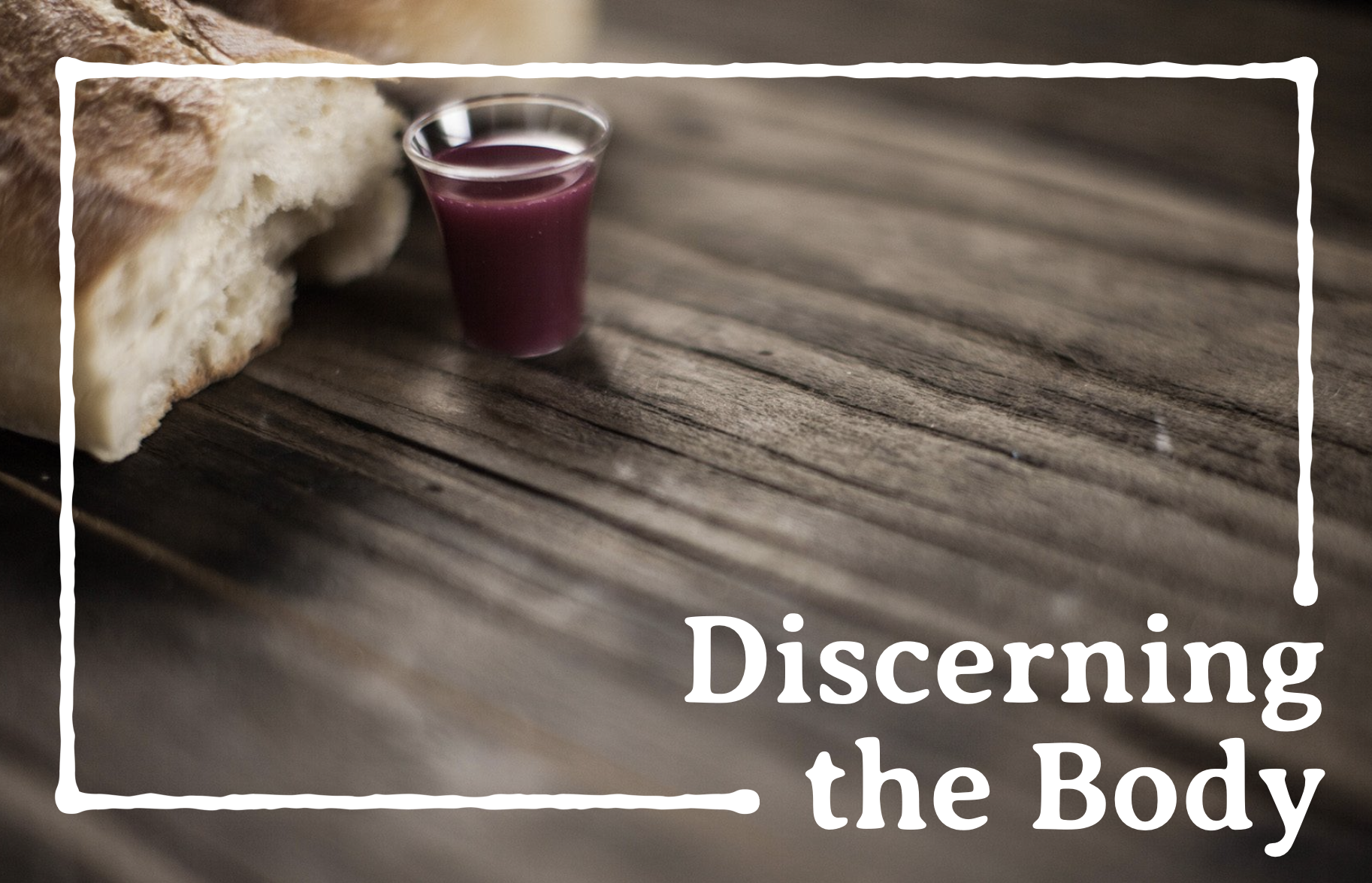
Discerning the Body (PDF): In 1 Corinthians 11, Paul seeks to correct the selfish way in which some of the Christians in Corinth are observing the Lord’s Supper by reminding them of its vertical and horizontal dimensions.


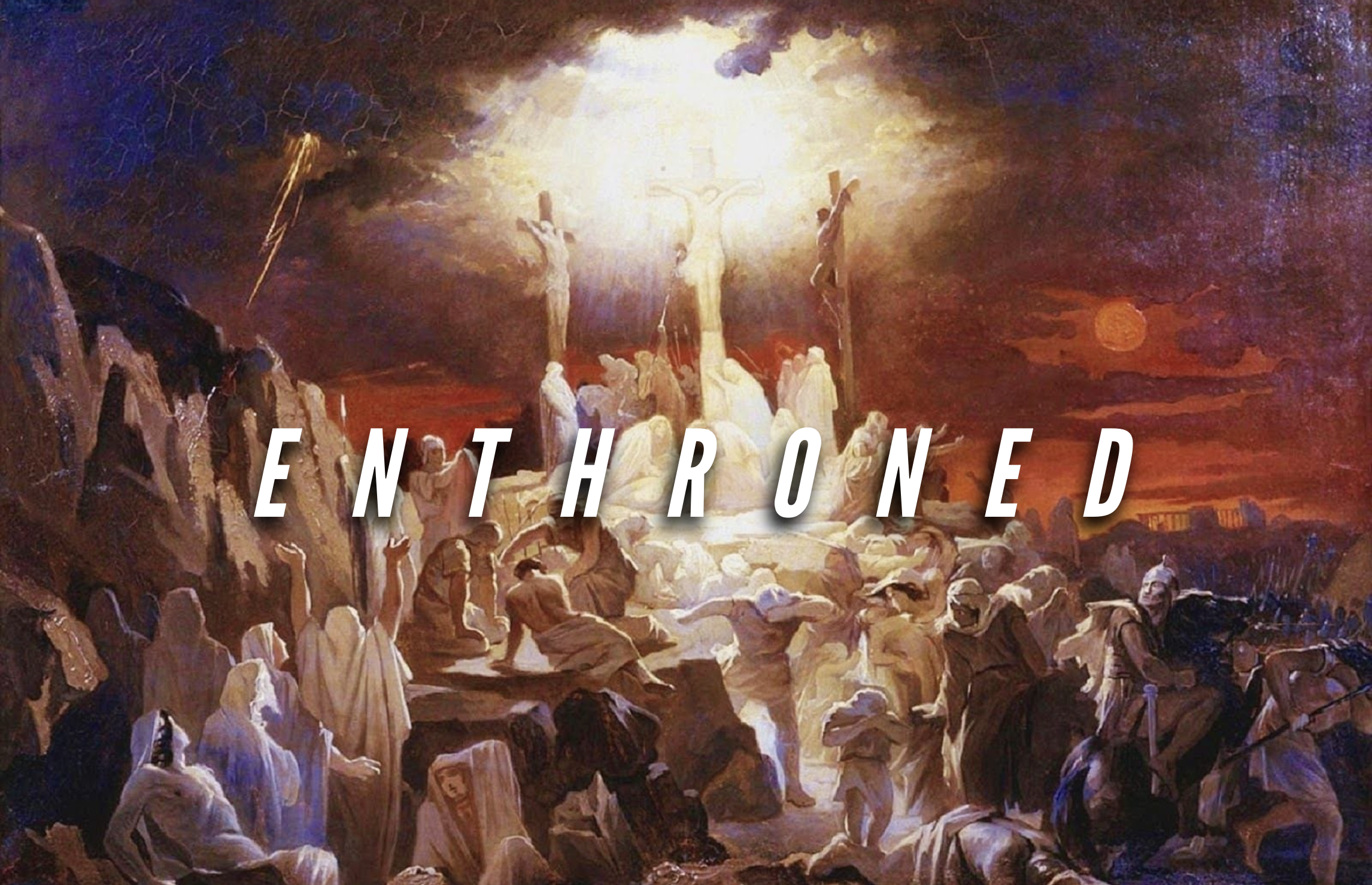
Enthroned (PDF): The crucifixion of Jesus was a subversive exaltation. The enthronement of the King of the Jews casts doubt upon the ways in which the world elevates and seeks to accumulate power.


God Provides the Sacrifice (PDF): The Binding of Isaac in Genesis 22 foreshadows another sort of offering, on another sort of altar. In both instances, it is God who provides the sacrifice, but the Son is not always spared.


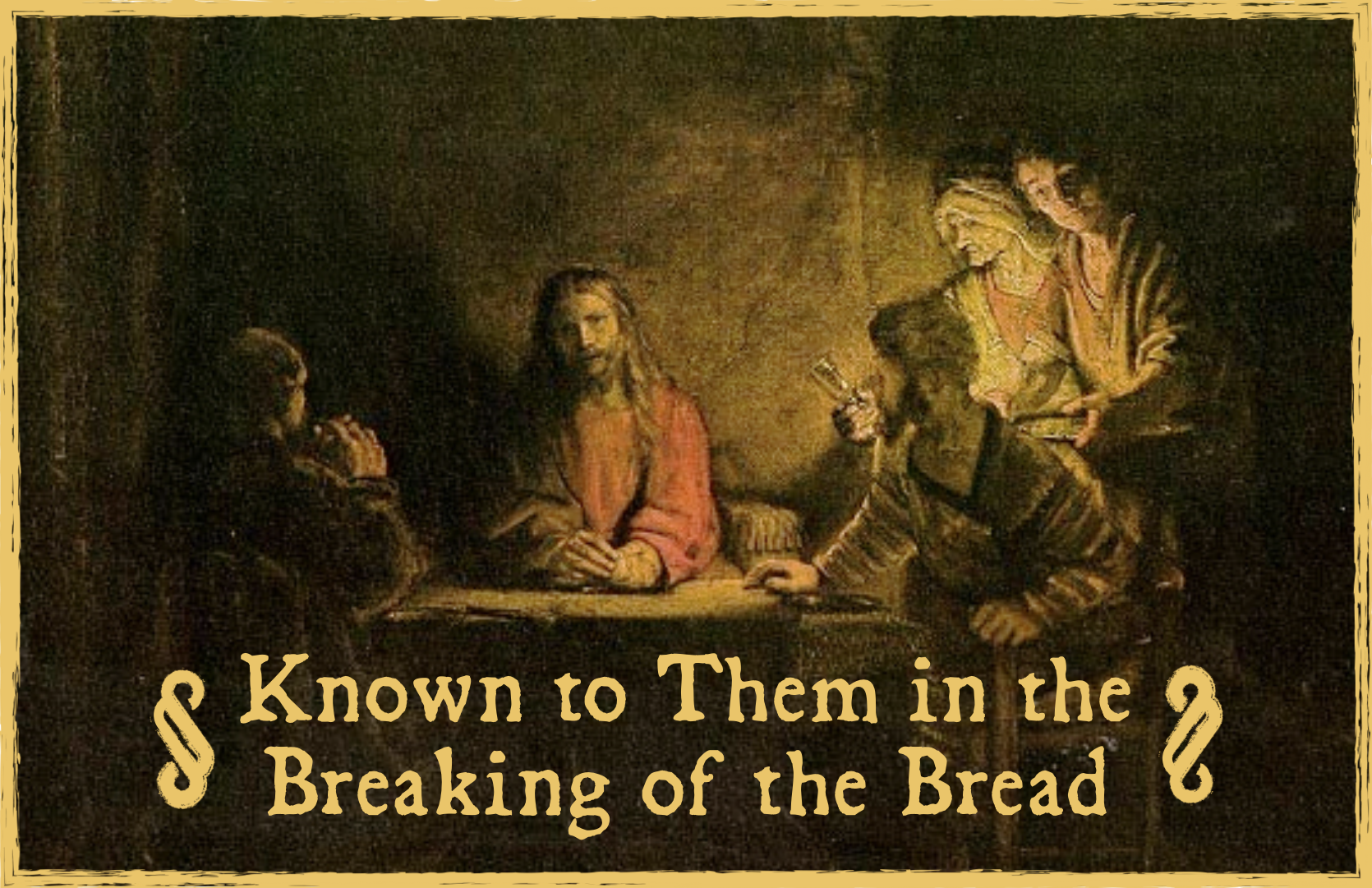
Known to Them in the Breaking of the Bread (PDF): For the disciples that Jesus met on the road to Emmaus following His resurrection, it was at the table that Jesus was made known to them. It is the same for us.


Reconciliation through the Cross (PDF): In a bitterly-divided world, the observance of the Lord’s Supper can seem impractical and disconnected. Really, though, nothing could be more needed or relevant.

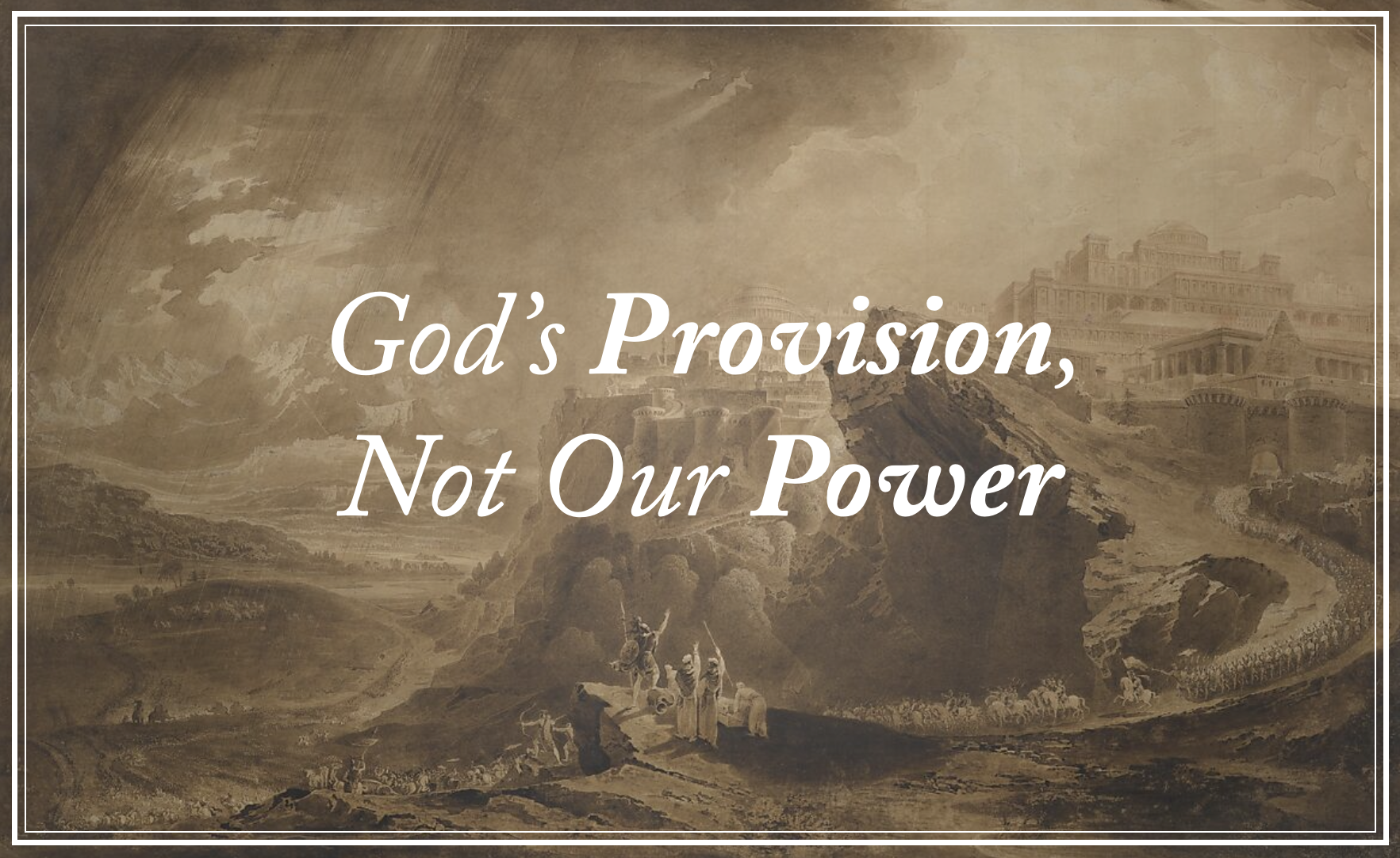
God’s Provision, Not Our Power

At the end of the book of Joshua, the people of Israel find themselves in the promised land of Canaan, and their mission has been largely successful. Joshua, knowing that his time as Israel’s leader is growing short, renews the covenant with the people:

1 Joshua gathered all the tribes of Israel to Shechem and summoned the elders, the heads, the judges, and the officers of Israel. And they presented themselves before God. 2 And Joshua said to all the people, “Thus says the LORD, the God of Israel, ‘Long ago, your fathers lived beyond the Euphrates, Terah, the father of Abraham and of Nahor; and they served other gods. 3 Then I took your father Abraham from beyond the River and led him through all the land of Canaan, and made his offspring many. I gave him Isaac. 4 And to Isaac I gave Jacob and Esau. And I gave Esau the hill country of Seir to possess, but Jacob and his children went down to Egypt. 5 And I sent Moses and Aaron, and I plagued Egypt with what I did in the midst of it, and afterward I brought you out.

6 “‘Then I brought your fathers out of Egypt, and you came to the sea. And the Egyptians pursued your fathers with chariots and horsemen to the Red Sea. 7 And when they cried to the LORD, he put darkness between you and the Egyptians and made the sea come upon them and cover them; and your eyes saw what I did in Egypt. And you lived in the wilderness a long time. 8 Then I brought you to the land of the Amorites, who lived on the other side of the Jordan. They fought with you, and I gave them into your hand, and you took possession of their land, and I destroyed them before you. 9 Then Balak the son of Zippor, king of Moab, arose and fought against Israel. And he sent and invited Balaam the son of Beor to curse you, 10 but I would not listen to Balaam. Indeed, he blessed you. So I delivered you out of his hand. 11 And you went over the Jordan and came to Jericho, and the leaders of Jericho fought against you, and also the Amorites, the Perizzites, the Canaanites, the Hittites, the Girgashites, the Hivites, and the Jebusites. And I gave them into your hand. 12 And I sent the hornet before you, which drove them out before you, the two kings of the Amorites; it was not by your sword or by your bow. 13 I gave you a land on which you had not labored and cities that you had not built, and you dwell in them. You eat the fruit of vineyards and olive orchards that you did not plant.’

(Joshua 24.1-13)

Joshua recounts for the people their story since God had called their ancestor Abraham, a pagan, and guided him to Canaan where He blessed him with land and offspring. Abraham begets Isaac, and Isaac begets Jacob. Jacob and his children end up down in Egypt where they are eventually oppressed, but God provides for them by raising up Moses and Aaron, bringing plagues upon Egypt and freeing His people. He parts the Red Sea and saves them from the Egyptian army. The people live in the wilderness for a long time, where God takes care of them and helps them overcome their enemies. Then, God leads them into the promised land, and God drives out their enemies before them—it is not by their sword or bow that they have success, but God’s provision for them.

Joshua rehearses this story to remind the people that it is God’s provision, not their power, that has led them to the blessings they currently enjoy. It was not something they did; it was not based on some remarkable quality within the people of Israel themselves.

Joshua knows that his time as their leader is drawing to a close, and he wants to motivate them to faithfulness after he is gone. It is essential that the people realize their dependence on God—their welfare as a nation depends on their faithfulness to a God who provides for them.

This idea—that it is not our power, but God’s provision, that leads to our well-being—is not unique to Joshua or this particular time period. Rather, it is a consistent theme of Scripture that comes to its fulfillment in Jesus. As Paul famously states:

8 For by grace you have been saved through faith. And this is not your own doing; it is the gift of God, 9 not a result of works, so that no one may boast.

(Ephesians 2.8-9)

Our salvation is God’s gift, made possible by the work of Jesus Christ. It is not our own doing. There is no cause for us to boast, because we have done nothing. It is all about God’s provision; not our own power.


In this loose series of Scripture Reflections, I am sharing brief thoughts spurred on by my Bible reading. By way of reminder, my goal for these brief posts is two-fold:

(1) To remark on aspects of the biblical text that I find to be of interest that the reader may or may not have thought about previously.

(2) When possible, to point to the work and person of Jesus Christ. I believe the Bible is a unified story that points to Jesus, which means that He is frequently alluded to or foreshadowed in some way throughout the biblical canon.

A Final Week at Harding School of Theology

Back in October, I was blessed to be able to spend a week on the campus of Harding School of Theology in Memphis, where I audited a week-long intensive course, “Christian Formation of Children.” This was a great blessing to me for multiple reasons.

First, I was a student there from 2010-2018 (yes, I know it was a long time) before receiving my MDiv, and it was an incredibly formative place for me (more on that below). Second, I got to spend the week with my wife Caroline, who was enrolled in the same class as a credit student. In all my time as a student at HST, I always left my wife at home with the kids while I would go to Memphis for intensive course weeks, and I felt like I finally got to share this part of my life with her. We sat next to each other in class during the day, ate at all my favorite Memphis restaurants, did homework in the library, and walked through the neighborhoods around campus together. Third, it seems quite possible that this will be my last opportunity to spend any significant time on the HST campus in Memphis, with the announcement that HST will be moving to Searcy in Fall 2024. Finally, it was a great class!

Much has been written and said about HST moving from Memphis to Searcy, and I’m not sure I have anything of significance to add to that conversation. I remain personally unconvinced that this move is what is best for the school, but I also acknowledge that I am not an insider in this discussion and that there are many factors and variables of which I am probably unaware. I do know that, in a climate where seminaries associated with Churches of Christ are closing (see Austin Graduate Seminary and Oklahoma Christian Graduate School of Theology), I am grateful that HST is not closing its doors, and I am confident that God will continue to use the school to bless churches and train ministers in its new location.


As I mentioned above, HST was a deeply formative place for me. I went to Harding University for undergrad and had a wonderful experience there. I met Caroline there as many lifelong friends. It was at Harding that I developed my deep love for ultimate frisbee, and also where I began to make my faith my own. I learned a lot of things in various classes, but I would also say that I didn’t make deep connections with faculty members or older mentors (largely my own fault). I entered and graduated HU with very little idea of what I wanted to do in life.

Harding School of Theology was different. I began there later in life (I was 27), and had already been in youth ministry for a few years. Honestly, I began my degree because I was seeking credentials so I could teach at the college level someday. My plan was to get in and get out as soon as possible and move on to the next thing. That is not at all what happened, but I got so much more in the bargain:

  • I have very fond memories of my intensive course weeks in Memphis, which were some of the most challenging weeks of my life, but also some of the best weeks of my life. There I met a new set of lifelong friends, and many of these were friends who were similarly “in the trenches” of ministry and knew about its challenges, but also its value. Somewhere along the way, I largely forgot about the dream of teaching, and developed my love for congregational ministry. More specifically, it was work for classes at HST that led to the youth ministry-related research that would ultimately change my life in profound ways.
  • There, I met a set of mentors who would pour into me both in and out of the classroom. They would push me academically, spiritually, and theologically, but always in ways that were respectful and affirming to my faith. I have written before about the idea of “deconstruction,” which is a very slippery concept, but it would be fair to say that HST significantly contributed to the deconstruction of my faith in the healthiest sense: it became my own, mature faith.
  • When I began at HST, Caroline and I were still relatively newlyweds and weren’t parents yet. Life would get real for us soon after, though. My HST community would mourn a miscarriage with us, celebrate the birth of our first daughter, and then pray faithfully for her and us as we learned that she had a rare genetic condition and began the life-altering journey of being parents to a precious daughter with special needs.

As I was reflecting on my time at Harding School of Theology, I realized that, through all of what I mentioned above, HST gave me the twin gifts of humility and confidence. That may seem like a strange pair, but they actually fit together quite well. Regarding humility, my graduate school training helped me to understand how little I really knew and convinced me of the need to be a lifelong learner. Regarding confidence, my time at HST helped me to develop a really solid foundation of biblical, theological, and ministerial skills. I didn’t know everything, but there were some things I did know, really important things that I could build my life around. And even though I’m never going to master Scripture or ministry, I developed skills to study Scripture well and do ministry faithfully. Humility and confidence are wonderful gifts that I received and which I have tried to use faithfully in service of God’s Kingdom, and I can confidently say that I wouldn’t still be in ministry without my training at HST.

For all these reasons and more, the HST campus in Memphis is hallowed grounds for me. It was a great blessing, albeit a bittersweet one, to spend a week there with my wife whose sacrifices made it possible for me to attend graduate school in the first place, and who has been my partner in ministry and in all things.


The HST Mansion serves as the administration building of the school and is also where chapel is held. I took this photo after one of my early morning walks before class. October was a beautiful time to be in Memphis.

My very favorite person in one of my very favorite places!

Blessed Are Those Who Are Persecuted

As discussed in the introductory post of this series, Jesus’s Beatitudes in the Sermon on the Mount are basically a description of what a good life really looks like from God’s perspective. Jesus redefines what blessedness is, and provides an alternative set of values for His followers, those who desire to be a part of His alternative community. Here are the Beatitudes we have discussed thus far:


Blessed Are Those Who Are Persecuted

“Blessed are those who are persecuted for righteousness’ sake, for theirs is the kingdom of heaven. Blessed are you when others revile you and persecute you and utter all kinds of evil against you falsely on My account. Rejoice and be glad, for your reward is great in heaven, for so they persecuted the prophets who were before you.”

(Matthew 5.10-12)

The last two beatitudes are closely related, so we will discuss them together, and this will conclude our study of the Beatitudes. Both say that God’s favor rests upon those who are persecuted on account of Jesus.

These verses do not indicate that disciples of Jesus are to have a persecution complex, always imagining that people are mistreating us. Neither are we to go looking for persecution by behaving in ways that are over the top or offensive.[1] However, if in the course of living as disciples of Jesus (by exhibiting the characteristics we have been talking about) we are persecuted or mistreated, Jesus says that we are blessed in this.

It might seem strange for us to think that simply by living the way Jesus calls us to, we could face persecution. But it is important to remember that the values of Jesus’s kingdom are completely at odds with the values of the world, and when we seek to live according to kingdom values, it threatens the way the world works. This was true for Jesus, who was ultimately killed by the collaboration of Jewish and Roman leaders who were in power and were threatened by Him, and also for His disciples, many of whom were martyred for their faith.[2]

Honestly, for those of us who are Americans, we don’t have a very good understanding of what it means to be persecuted for our faith because we live in a country that provides us with a great deal of religious freedom—you have likely heard someone pray before, “God, we thank You that we are able to worship without fear of persecution.” However, in the early days of Christianity, Christians were often cast out of society, beaten, imprisoned, and even killed because of their faith, and this is still the reality for many Christians in the world today.

One of the most famous of the early Christian martyrs was Polycarp, who was an elder of the church in Smyrna. Because of his faith, he was taken before the Roman authorities and given the choice to make a sacrifice to Caesar as a god or to die. Polycarp’s response is famous:

“Eighty and six years have I served Christ, and He has done me no wrong. How can I blaspheme my King who saved me?”

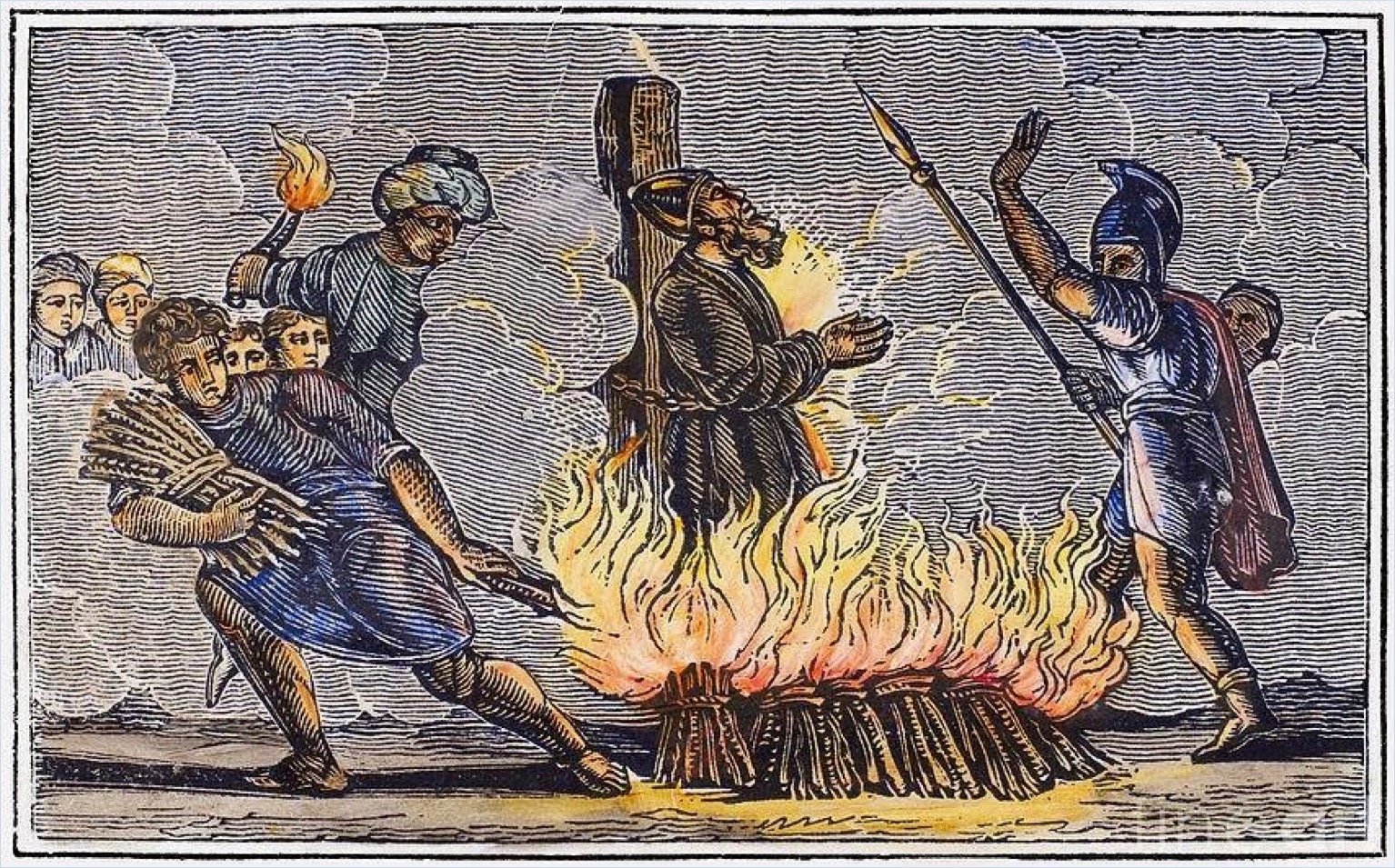
Based on his refusal to worship the emperor, Polycarp was brought to be burned at the stake. In his last words, he said,

“O Lord God Almighty, the Father of Thy well-beloved and ever-blessed Son, by whom we have received the knowledge of Thee…I thank Thee that Thou hast graciously thought me worthy of this day and of this hour.”

Polycarp is an example of someone living as a citizen of God’s kingdom.[3]

The Martyrdom of Polycarp

Of course, that is not our experience in the United States, and sometimes, I think we have become too attached to our persecution-free environment. To be clear, I enjoy the religious freedom that I have as a U.S. citizen and am not eager for a day when I am persecuted for my faith, but sometimes I feel that Christians are overly concerned and fearful about the possibility of us losing our religious freedoms and facing persecution. We need to remember that Jesus calls those who suffer for His sake “blessed” because they will be rewarded in eternity, and that eternal reward empowers us to endure suffering in the present.[4]

Sometimes Christians are overly concerned about the possibility of losing religious freedom and facing persecution. We need to remember that Jesus calls those who suffer for His sake “blessed”. Share on X

A Final Word

The characteristics that Jesus describes as blessed in the Beatitudes are shocking to us because these values are so misaligned with the values of our own society. They would have been shocking to Jesus’s original audience as well. Often, people will describe Jesus’s kingdom as being “Upside-Down”, because it is so at odds with the kingdoms of this world. But really, from the proper perspective, it is our world as it is that is truly Upside-Down; Jesus came to set it to rights, to turn what is Upside-Down, Rightside-Up.

When disciples of Jesus are characterized by the values described in the Beatitudes, we join Jesus in setting the world to rights.

When disciples of Jesus are characterized by the values described in the Beatitudes, we join Jesus in setting the world to rights. Share on X

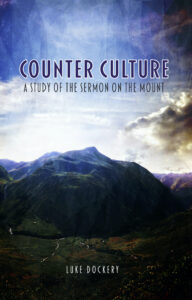
If you enjoyed this post, you might enjoy my book on the Sermon on the Mount, Counter Culture: A Study of the Sermon on the Mount. 

Although this book was written specifically as an aid to teaching the Sermon on the Mount to junior high and high school students, it is also useful for personal Bible study, and the depth of the material makes it a great resource for adult Bible classes.


[1] Albert Barnes, Matthew and Mark, Notes on the New Testament (Grand Rapids, MI: Baker Book House, 1949), 46.

[2] Warren Carter, “Power and Identities: The Contexts of Matthew’s Sermon on the Mount,” in Preaching the Sermon on the Mount: The World It Imagines, ed. David Fleer and Dave Bland (St. Louis: Chalice Press, 2007), 20.

[3] William Barclay, The Gospel of Matthew Volume 1, The Daily Study Bible (Philadelphia, Westminster Press, 1956), 111.

[4] Larry Chouinard, Matthew, The College Press NIV Commentary (Joplin, MO, College Press, 1997), 100.

2023 Harding University Lectureship Recap

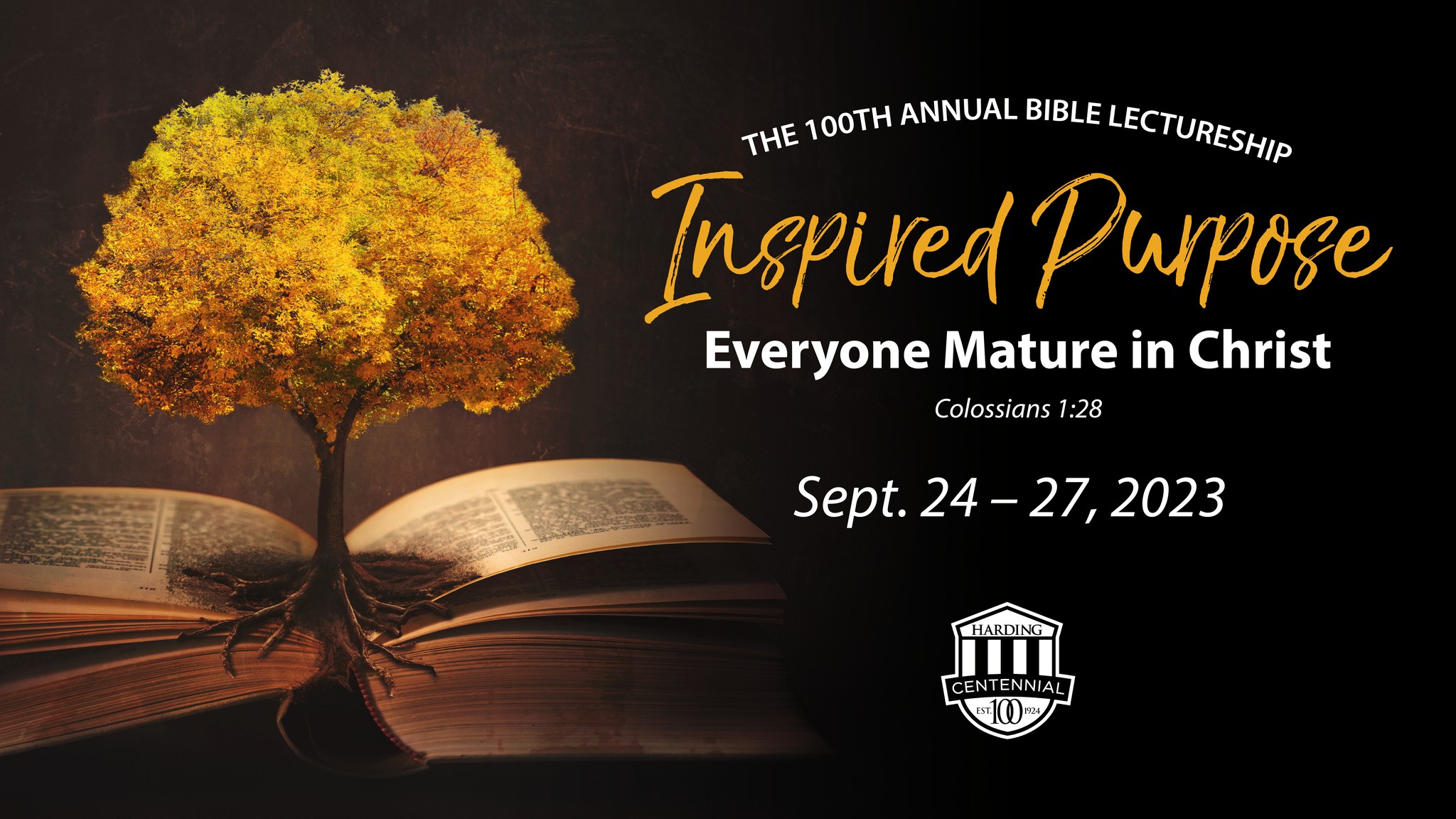
Harding University’s 100th annual Bible Lectureship was a couple of weeks ago, at the end of September. I always enjoy going to Lectureship, and have developed the practice of providing a quick recap of Lectureship and the different presentations I got to attend. The theme for this year was Inspired Purpose: Everyone Mature in Christ, and Colossians was the biblical book under study.

I was privileged to attend several good lectures and classes, and here is a brief recap of what I went to, along with some takeaway quotes:

Inspiration of our Purpose (Colossians 1.15-20), Jason Darden: Jason teaches Bible at Harding, and kicked off Lectureship with this Sunday night keynote. He focused on the Christ poem/hymn in Colossians 1 and talked about the “Jesus +” heresy of the Colossians Christians: the idea that Jesus Himself wasn’t enough, and that some additional element(s) was/were needed. Darden’s key takeaways were: (1) Imitate the faith of those you admire, (2) Cultivate your unique gifts through practice, (3) Duplicate your faith in Christ through mentorship.

Neller Preaching Workshop, Kevin Burr and Matt Love: I don’t normally go to the preaching workshop, but this year, the two speakers were two of my friends, so I caught four of the six sessions. Kevin (who has a PhD in New Testament) did a great job basically giving a verbal commentary on the book of Colossians, from which I took a ton of notes. Matt (who is getting his PhD in Preaching) spoke on the craft of preaching, and spoke about the preacher as Bard/Poet, Sage, and Tutor. Kevin and Matt were both excellent.

“We’re losing our churches at the expense of cool sermons.”

A Freed African to Free Africa: Alexander Cross and the Liberian Mission, Shawn Daggett: Shawn teaches missions at Harding, and shared the story of Alexander Cross, the first missionary from Churches of Christ to Africa. He himself was a freed slave, and had his freedom purchased by a southern congregation in order to enable mission work to the African nation of Liberia (Daggett was clear that this wasn’t done from entirely pure motives, but nevertheless: “These were people of the time who were seeking to change the times.”). Cross actually contracted malaria after reaching Africa and died soon after, but that doesn’t change the value of a sacrificial life offered in service to God.

“God counts success by faithfulness; not by numbers.”

Practicality in Youth Ministry, Garison Money and Erin Faurie: Garison and Erin are two of the associate youth ministers at the College Church of Christ here in Searcy. Garison shared some practical tips for youth ministry. I have been a youth minister for a long time, but these were still helpful reminders for me: (1) Get your parents on board, (2) Be involved, (3) Go deeper, (4) Get connected with the church and (5) Have fun. Erin spoke about why we need women involved in youth ministry (whether in official, paid roles or not), and offered three important reasons for this: (1) Women need women, (2) It’s empowering for students to see women in ministry, and (3) It promotes a Titus 2 mentality (where older women are instructed to teach those who are younger). I appreciate both Garison and Erin and enjoy working with them, and found these to be valuable reminders.

J.N. Armstrong: First Take Hold of My Heart, Monte Cox: With this being Harding’s 100th Lectureship, Dr. Monte Cox, the Dean of the College of Bible and Ministry, did a series of lectures on some important figures from Harding’s history. I went to his Monday presentation on J.N. Armstrong, Harding’s first president. Armstrong is a figure for whom I have a great deal of respect, and Monte shared eight striking characteristics about him: (1) He displayed a deep trust in God, (2) He deeply valued God’s grace, (3) He was a man of humble generosity, (4) His commitment to undenominational Christianity, (5)The pursuit of truth that leave room for honest disagreement, (6) The priesthood of all believers, (7) His conviction about kingdom-first priorities, and (8) His focus on the heart. I really enjoyed this presentation, and my admiration for Armstrong only increased!

Inspired by the Cross (Colossians 2.13-15), Steve Cloer: Steve teaches at Harding School of Theology and directs the Doctor of Ministry program there, and is one of my favorite preachers. His Monday night keynote was amazing, and focused on how the Colossian Christians felt weak, fearful, and overwhelmed, which led them to look for something in addition to Jesus to deal with their circumstances. Steve did a particularly good job of explaining the ideas of the “certificate of debt” and “triumphed in power” in Colossians 2 and expertly applied the Colossian situation to our context.

“Sin is not just a verb we need forgiveness for; it is a dominion we need freedom from.”

“Christ is everything and He can handle whatever makes us week, what we are fearful about, and whatever overwhelms us.”

Captive through Philosophy and Empty Deception—Spiritual Not Religious (Colossians 2.8), Steve Cloer: In this class, Steve addressed the mysterious “Colossian Heresy”, and applied that to the current context and the growing number of people who are interested in spirituality, but who want to do so outside of the institution of the church. He shared helpful (and hopeful!) data that breaks down the not religious crowd into four groups: (1) “I love Jesus, but not the church” people, (2) “Nothing in particulars”, (3) Atheists, and (4) Agnostics. What’s interesting is that atheists and agnostics, while very resistant to evangelism/faith, also only comprise 12% of the population, and that percentage isn’t growing. In an increasingly post-Christian society, it is the first two groups that are growing, and these folks are much more open to conversations about Jesus.

Why Disciple-Making Matters, Why Disciple-Making Now?, Eight Principles That Are Working There…and Will Work Here As Well, Paul Huyghbaert: This was a three-part disciple-making seminar that was excellent. I learned a lot and took a ton of notes. Huyghbaert presented a convicting and devastating critique of the current state of the American church, which is almost exclusively attractional, and is, overall, not growing either in terms of numbers or maturity. He then shared common characteristics of disciple-making movements, which are currently happening only in the Global South. These presentations left me with much to consider.

“The model embraced by the majority of North American churches produces shallow, surface-level believers.”

“The North American church spends, on average, $1.5 million per baptism.”

“What you celebrate is what is replicated.”

Multicultural Ministry—No Distinction between Greek and Jew (Colossians 3.11), Bob Turner and Juan Meza: Bob and Juan work at the Church of Christ at White Station in Memphis, which is making very intentional efforts to be a multicultural church. I didn’t take a lot of notes in this session because they largely shared stories, but it was encouraging to hear about their efforts to very seriously follow the “Gospel-centered mandate to be a multicultural church.”

Unmistakable Marks of Christlike Maturity (Colossians 4.2-6), Brian Mashburn: Mashburn wrapped up the lectureship with this Wednesday night keynote, providing somewhat of a summary of the whole lectureship and book of Colossians, and talking about what Christian maturity looks like. He also offered a pointed critique of some expressions of the Restoration plea, emphasizing that the goal is not to look like some mythically perfect first-century church, but to look like Jesus. Although I thought this was presented in somewhat of a strawman fashion, this is still a good reminder.


In addition to attending all of the lectures described above, I also had the opportunity to speak at the Harding School of Theology Luncheon on Wednesday. It was an honor to get to speak to such a large audience filled with so many of my mentors, former professors, fellow colleagues, and good friends. It was also a poignant event, as the gathering came on the heels of the announcement that HST will be moving from Memphis to Harding’s main campus in Searcy next fall.

I was blessed to attend Lectureship this year, to see so many old friends, and to sit at the feet of so many great teachers (indeed, I have been blessed again going over my notes and typing up these short summaries). I would highly recommend taking part in this next year if you are able!

« Older posts Newer posts »

© 2026 The Doc File

Theme by Anders Noren — Up ↑