The online journal of Luke Dockery

Category: Reading (Page 7 of 33)

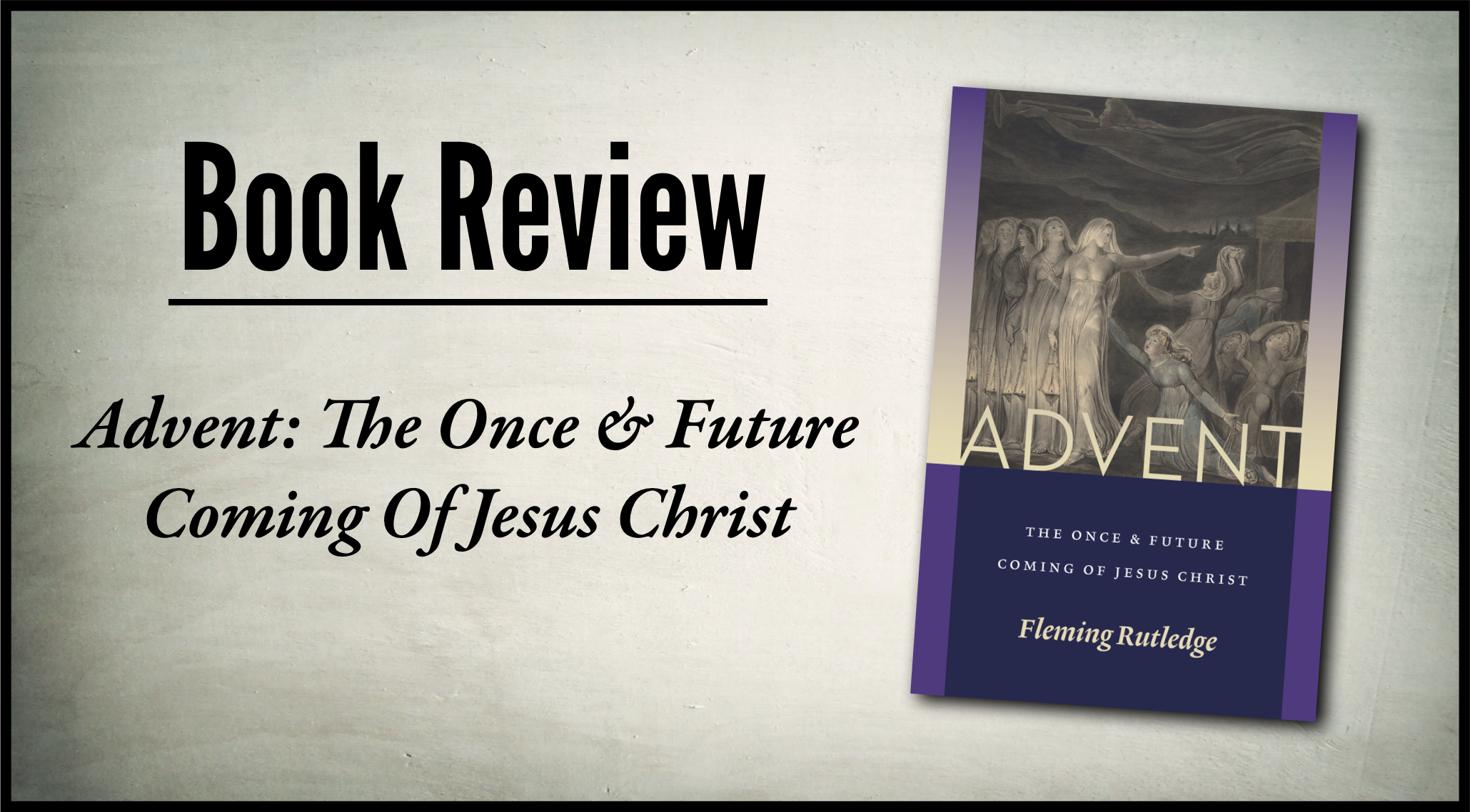
Book Review: Advent: The Once & Future Coming Of Jesus Christ

We are a couple of weeks away from my annual post in which I discuss my favorite books of the year, but I wanted to go ahead and highlight one of those books with a brief review.

Fleming Rutledge’s Advent: The Once & Future Coming of Jesus Christ is a collection of writings and sermons from her decades as an Episcopal priest. I had heard good things about the book and was hopeful that it would give me a better understanding Advent. It did not disappoint; growing up in a church context where we did not observe the liturgical calendar, my knowledge of Advent was gleaned mainly from culture, which is rarely a good way to learn about something accurately!

Advent is not about extending a commercialized and sentimental Christmas holiday. Indeed, in many ways, celebration of Advent postpones the celebration of Christmas by instead emphasizing the waiting that is central to the lives of God’s people, both in the sense of waiting for the arrival of the Messiah, but also, now, waiting for Him to return. In that sense, Advent is essentially eschatological. Also, far from being sappy and sentimental, Advent looks unblinkingly at the brokenness of our world and acknowledges our need for the coming of a Judge who will stamp out sin, evil, and death.

Of all the seasons of the church year, Advent most closely mirrors the daily lives of Christians and of the church, asks the most important ethical questions, presents the most accurate picture of the human condition, and above all, orients us to the future of the God who will come again. (1)

A key emphasis of Rutledge’s book, however, is that much of the eschatological focus of Advent has been lost and needs to be reclaimed. Advent cannot be pressed into the service of Christmas, but must instead be about what it is supposed to be about:

During much of the twentieth century, the second coming of Christ was considered in the mainline churches to be an obsolete if not downright embarrassing topic for preaching, and the subject of the divine judgment that was so familiar to medieval and Reformation-era congregations fell into disfavor with the ascendancy of liberal theology. (6).[1]

Rutledge is a keen theological thinker and an excellent communicator. She was one of the first women to be ordained to the priesthood of the Episcopal Church,[2] and is now in her 80s. This means that she draws from a remarkable well of experience, and also that she at times exhibits a delightful sort of crankiness that comes with age and many years of ministry. She is also a Southerner (born in Virginia), which comes out in endearing ways as well.

The book is comprised of a sort of theological introduction to the practice of Advent, followed by a section of Writings, articles written by Rutledge on Advent over the years, and Sermons, divided according to where they fall in the church calendar. In the section of sermons, in particular, there is, at times, a good deal of overlap, as you can imagine that 40 years of sermons on the same topic will re-tread some of the same ground. I can imagine that this would be one of the main critiques of the book, but in my case, I read it slowly over a period of several weeks (usually reading one or two sermons per day), so it did not seem as repetitive as it may have otherwise.

Now, on to some of my favorite quotations (bolded text reflects my own emphasis):

We live not according to the reign of Satan, but as those who know that “the ruler of this kosmos” is already doomed—in spite of all appearances to the contrary. …The church lives, therefore, without fear, in faith that the cosmic change of regime has already been accomplished. (12-13)

Nothing short of divine intervention can arrest the ever-recurring cycle of human misery. (13)

…Far from escaping the world, the Christian disciple finds his or her vocation precisely here: at the collision of the ages where the struggle of the Enemy against God continues, making a space for the conquering love of God for the world. (16)

The concept of justice is indeed central to the biblical portrait of the God who has revealed himself in his written Word and in the incarnate Word who is his Son. However, the current use of “justice” as a rallying cry for the church is reductive, because it is limited to particular political and economic issues without reference to the righteousness of God. A key biblical meaning of justice is found in the fact that the world translated “justice” and “righteousness” is the same word in Hebrew and in Greek. …All the references to judgment in the Bible should be understood in the context of God’s righteousness—not just his being righteous (noun) but his “making right” (verb) all that has been wrong. Clearly, human justice is a very limited enterprise compared to the ultimate making-right of God in the promised day of judgment. (21-22)

The way of Christian community is not, however, to retreat from horror into the solace of personal religion, but to proclaim Christ’s hope to the world. (53)

In Advent, we don’t pretend, as I once thought, that we are in the darkness before the birth of Christ. Rather, we take a good hard look at the darkness we are in now, facing and defining it honestly, so that we will understand with utmost clarity that our great and only hope is in Jesus’s final victorious coming. (58)

Even our smallest lights will be signs in the world, lights to show the way, beachheads to hold against the Enemy until the day when the great Conqueror lands with Michael the archangel at the head of his troops. (81)

We need to understand the difference between optimism and hope. Optimism often arises out of denial of the real facts; hope, however, persists in spite of the clearly recognized facts because it is anchored in something beyond.…Mere optimism cannot survive the brutal facts; but Christian hope is something else. Christian hope does not build a foundation on a new millennium. Christian hope builds its foundation on the promise of the living God that the random chaos of the world will be revealed one day to have been led and shaped by the same hand that reached out to heal the sick and make the blind to see, to raise the dead and “to call into existence the things that do not exist” (Rom. 4:17). (92,94)

Power is most dangerous in the hands of the strong and well-meaning, those who are sure that they can use it for good purposes. Evil is loose in the world and can take over anyone, anywhere, at any time—but the proud and the self-righteous are especially vulnerable. (124)

In the New Testament, the basic imagery of this world is that of a country occupied by the enemy forces—like most of Europe occupied by the Nazis. It is not that the world itself is bad, for as we know, the world is God’s good creation; but since the fall of Adam and Eve, the world is occupied by Satan. …If you live in occupied territory, you can be a collaborator or you can be in the underground resistance, but you can’t just be neutral. (143-44)

The human being is in the grip of impulses that are more powerful than our wish to do good. (151)

One of the idols of our own time is the idol we have made of a God who never judges anyone or anything. We have created a God who accepts everyone “just as they are” and never says anything against us, because that would be “judgmental.” (179)

The season was not intended to be the run-up to Christmas in the sense that we think of today. I t was designed to be the season to look forward, not to the birth of the baby Jesus in Bethlehem, but to the second coming of Christ. Advent locates the church properly, in between the times, the time of waiting through the night for the Bridegroom to come. (180)

We bear witness to our allegiance to the kingdom of God by giving away a lot of our money. (197)

For the Christian, the time is always getting late; the situation is always grave; ultimate matters press in upon us. (238)

More often than not, the Bible isn’t taught today as if it were about God. It’s taught as a repository of human religious thinking. It’s presented as an interesting and important document about human spiritual development. It’s treated as a collection of human imaginings about God. But this is precisely what the Bible is not. The Bible demands to be understood as the revelation of the one true God who is really God. This doesn’t have to be believed, of course, but it requires that we hear it in the way it means to be heard, whether we believe it or not. (318)

The idea of a resurrection is preposterous enough, but not as preposterous as the idea of a crucified Messiah. To believe that it is all illusory, you have to believe that resurrection was a tidy idea invented by the disciples of a crucified man so that they could go out and meet their deaths proclaiming him to the entire world. People who believe that will believe anything; they will even believe that mankind is inherently good and progressing nearer and nearer to perfection every day. (335)

We humans try to create artificial worlds of light at Christmas, hoping to stave off the darkness. Advent summons us to do exactly the opposite; to renounce the easy consolations of artificial light in order to recognize the Coming One, who said, “I am the Light of the world” (John 8:12). (340)

I thought this was a wonderful book—it was one of my favorite reads 0f 2022. For those who observe Advent but would like to root that observance on more theological foundations, this is an excellent resource. But I would also recommend it for those who don’t observe Advent at all, but who are wanting to think more clearly about what it means to live in the in-between time of the inauguration of the reign of Jesus, and the consummation of that reign when He returns—in other words, all Christians.


[1]This quotation reveals one of my favorite characteristics of this book. Considering that Rutledge is a priest in the Episcopal Church, I had assumed that she would be operating from the perspective of liberal theology, but I was far from the mark. To be sure, Rutledge and I come from very different places religiously, but her theology was delightfully orthodox, and in many places, she offered critiques of liberal theology and her own context.

[2]Anticipating some potential pushback here, I will mention that I am not advocating for women priests or, indeed, the ordination of any sort of priesthood at all. I am merely providing a biographical sketch.
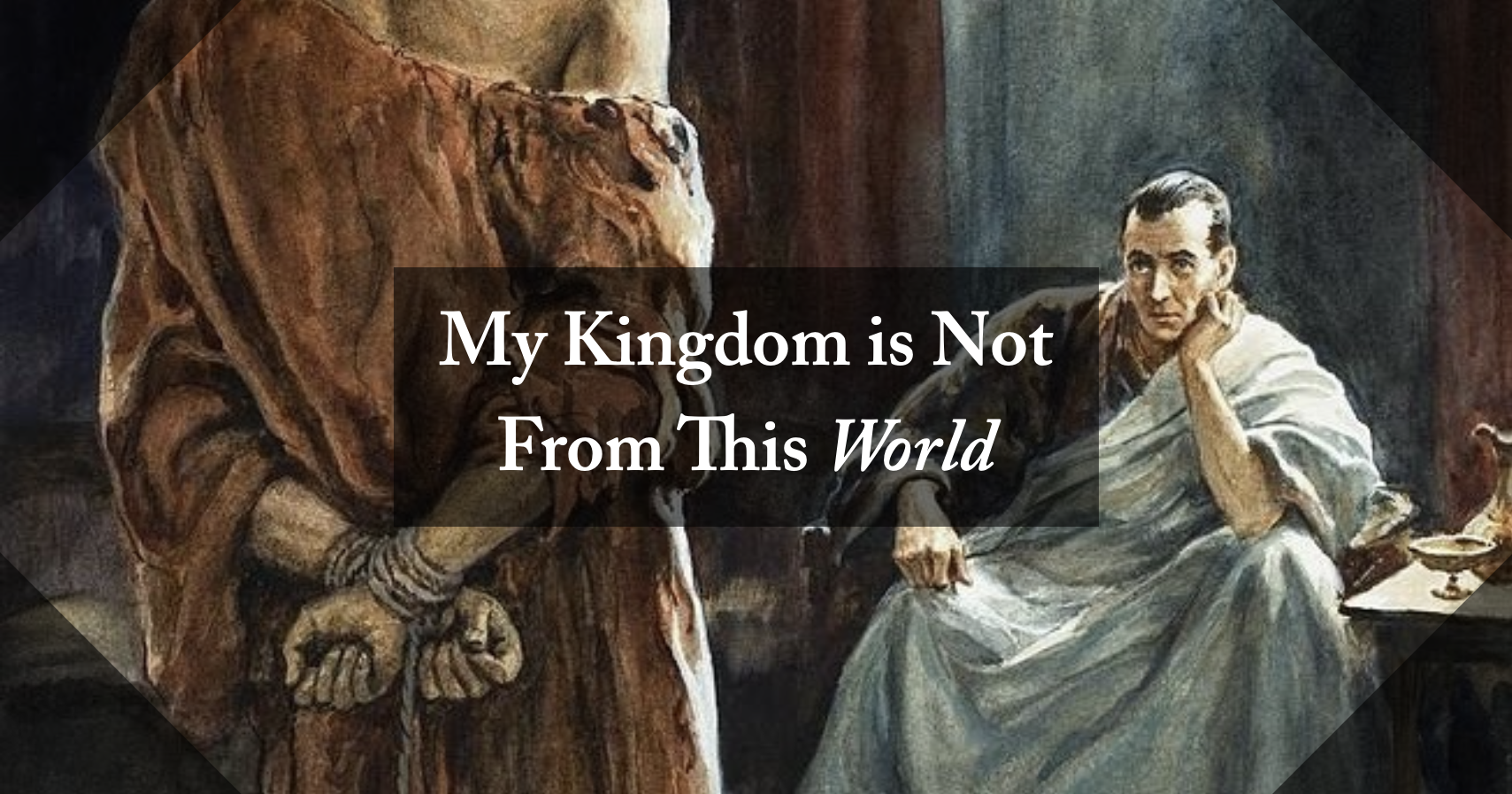
My Kingdom is Not From This World

I have been doing my daily Bible reading out of The Word on Fire Bible; it has been a novel experience that I have enjoyed. It is a project from Catholic Bishop Robert Barron, who pens articles throughout the volume. Here are some features that I have appreciated so far:

  • It is an NRSV, which, though a well-known and widely-read translation, is one I have not used significantly before, so I have enjoyed working through a new translation.
  • It contains beautiful artwork from Christian history along with theological reflections.
  • It contains several excerpts and articles from Catholic thinkers throughout history (including Bishop Barron). I am not a Roman Catholic and some of the interpretations I read seem, frankly, bizarre to me, but others have been very insightful, and even those that seem strange to me still help me to better understand the Catholic perspective.

Today, as I read John 18, I really appreciated Barron’s commentary on Jesus’ statement, “My kingdom is not from this world”:

We have to be careful in interpreting this observation, because there is always a double meaning to the term “world” in the Gospel of John. On the one hand, “world” designates the universe that God has created and that he sustains in love. This is the world that God loved enough to send his only Son as its Savior. On the other hand, “world” means that manner of ordering things which is out of step with God’s intentions; it indicates a political and cultural realm in which selfishness, hatred, division, and violence hold sway.

What Jesus implies, therefore, is not that his kingdom is irrelevant to ordinary experience, but that his way of ordering is radically out of step with the way practiced by Caesar, Pilate, Herod, and all the other usual suspects. In short, Jesus’ kingdom has everything to do with “this world” in the first sense of the term and nothing to do with it in the second.[1]

This is really helpful. I observe many Christians who emphasize the “spiritual” nature of God’s kingdom in a way that suggests we should be less interested in things that happen in this “world” and almost renders faith to be irrelevant to daily life, aloof from the goings-on in the world around us. Others, while claiming allegiance to Jesus, find themselves totally wrapped up in the “world’s” manner of ordering things, obsessed with the political machinations and societal influences of the day, and largely viewing things through the lens of power.

Properly understanding the different ways that John (and, indeed, the New Testament in general) uses the word “world” helps us to avoid either of these traps. God loves the world—it is His creation, filled with humans who bear His image—and showed this by His Son stepping into mundane human existence and living among us. What could be more practical or relevant than that? He lived among everyday people, attended weddings and funerals (doing some really surprising things at both), healed people who were sick, enjoyed children, criticized religious and political leaders, and taught about God. And in that teaching, He made very clear that God’s ways of doing things and the ideals He values were very different from the ways the “world” does things and the ideals it values (perhaps most clearly seen in the upside-down nature of the Beatitudes).

By all means, let us affirm that God’s kingdom is not from this world—but let’s make sure we know what Jesus meant when He said that.


[1] Bishop Robert Barron, “Christ the King,” in The Word on Fire Bible: The Gospels (Park Ridge, IL: Word on Fire Catholic Ministries, 2020), 562.

Learning from the Apostolic Fathers: The Didache

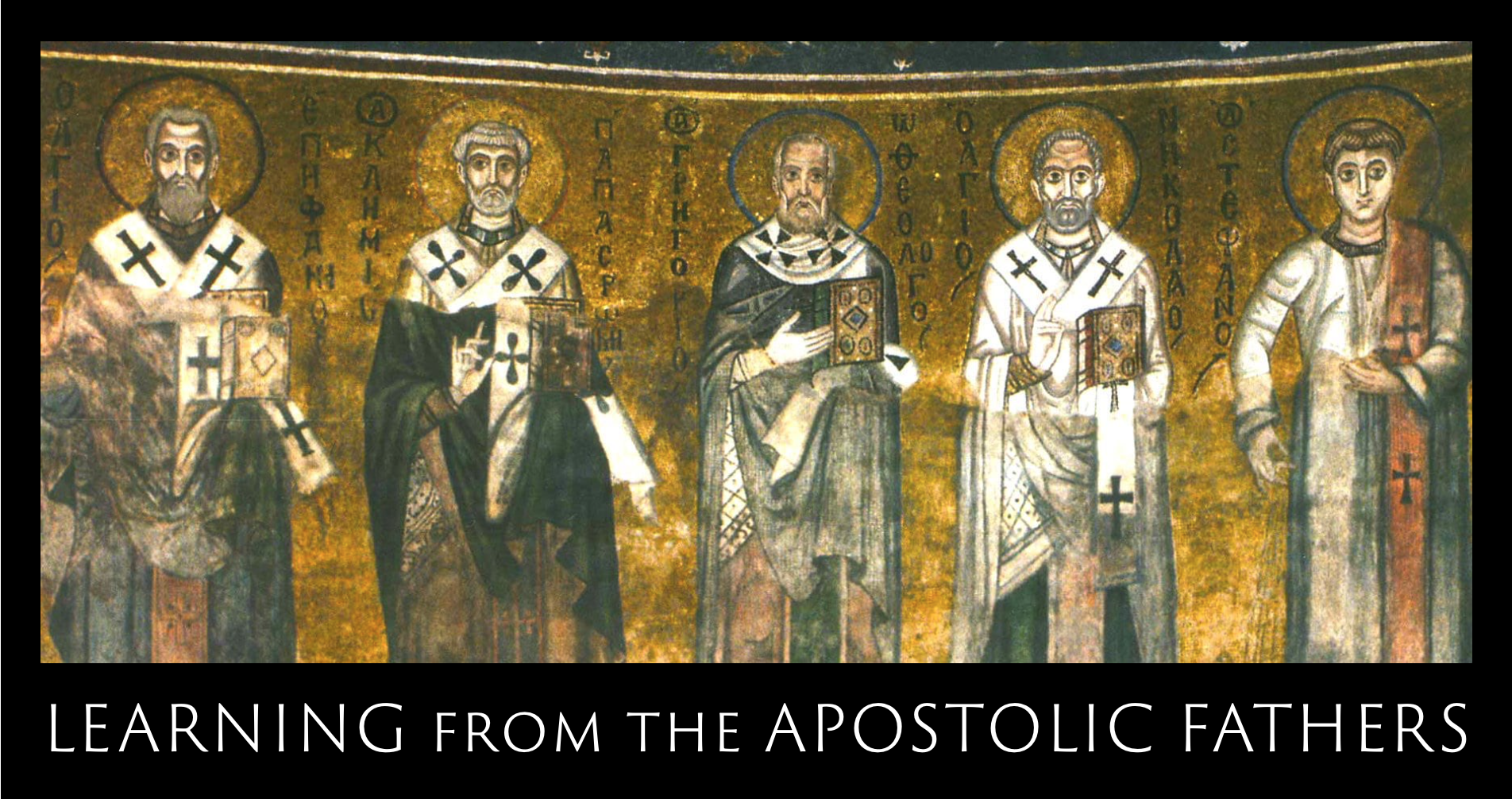
Last year, I read through Michael W. Holmes’s edition of The Apostolic Fathers in English as part of my daily devotional readings. Generally speaking, the term “Apostolic Fathers” refers to early Christian theologians from the 1st and 2nd centuries AD, some of whom would have known some of the apostles personally and sought to pass on their teachings. Related to those readings, I began a short series of blog posts where I wrote about Clement of Rome, Ignatius of Antioch, and Polycarp of Smyrna. I had intended to include one final post in that series on The Didache but, sadly, never got around to it. So, this represents the very tardy conclusion to that series.


The Background of The Didache

The Didache simply means “The Teaching”, and is the shorter, common title of The Teaching of the Lord to the Gentiles by the Twelve Apostles as it was known in ancient times. This work was known because it was referenced by various ancient writers, but the first known copy wasn’t discovered until 1873, with the full text being published in 1883.[1]

This short work—100 verses altogether—has received a great deal of scholarly treatment, but much about it remains quite mysterious. It is unknown who wrote it, when it was written, or where it was written. Regarding the date, The Didache in its current form may have come about as late as AD 150, but it is more likely that it came about near the end of the first century. As Michael Holmes points out:

“The materials from which it was composes reflect the state of the church at an even earlier time. The relative simplicity of th prayers, the continuing concern to differentiate Christian practice from Jewish rituals (8.1), and in particular the form of church structure—note the twofold structure of bishops and deacons (cf. Phil. 1:1) and the continued existence of traveling poses and prophets alongside a resident ministry—reflect a time closer to that of Paul and James (who died in the 60s) than Ignatius (who died sometime after 110).”[2]

The Didache contains three main sections: (1) Teaching on “the Two Ways” that resonates closely with portions of the Gospels of Matthew and Luke, (2) a sort of how-to manual related to church practices, and (3) a brief apocalyptic section.

Themes and Insights from The Didache

Specific Instructions for Church Practice: The New Testament gives much teaching about the gospel of Jesus Christ and the way that reality should transform disciples of Jesus as participants in new creation. Furthermore, at times—usually in response to a situational question or crisis—practical instruction will be given to believers to tell them how they should behave in a given situation. On the whole, though, this practical instruction is limited, and there are many questions left unanswered.

The Didache steps into this void with all sorts of practical recommendations and commands. Personally, I found these instructions to be all over the place, variously striking me as wise, quirky, surprising, and questionable:

  • Concerning baptism, it is best to baptize in the name of the Father, Son, and Holy Spirit in running water. If there is no running water, other water will work. If there is no cold water, then use warm water. If you have neither, pour water on the head three times in the name of the Father, Son, and Spirit (7.1-3).[3]
  • Fasting should be done on Wednesday and Friday, to avoid Monday and Thursday, which is when the “hypocrites” fast (8.1).
  • The Lord’s Prayer should be recited three times per day (8.2-3).
  • A specific prayer to be said prior to the taking of the Lord’s Supper (9.1-4).
  • A prohibition against sharing Communion with anyone who has not been baptized into the name of the Lord (9.5).
  • Instructions on how to treat itinerant apostles and prophets (11.3-13.7).

Condemnation of Abortion: In a list of prohibitions against various sins that hearken back closely to Exodus 20 and Matthew 5, there is an interesting bit that arrests the attention of our modern ears:

“The second commandment of the teaching is: You shall not murder; you shall not commit adultery; you shall not corrupt children; you shall not be sexually immoral; you shall not steal; you shall not practice magic; you shall not engage in sorcery; you shall not abort a child or commit infanticide. You shall not covet your neighbor’s possessions.”

(The Didache 2.1-2)

It has become a common argument, especially in more politically progressive circles, to claim that Christian opposition to the practice of abortion is only a recent historical occurrence, and came about through the shrewd maneuvering of the conservative political movement rather than historic Christian teaching.

It may very well be the case that conservative political strategists constructed a loyal voting block by tapping into sentiments about abortion (indeed, I am fairly cynical toward the motives behind much Pro-Life posturing), but clearly, Christian opposition to abortion is not a recent phenomenon. As we see in The Didache, the practice was explicitly condemned likely in the first century, and there are similar prohibitions in other ancient texts. If there was a time, prior to the rise of the Religious Right, where most Christians in America were supportive of the practice of abortion, those Christians were out of step with the ancient teaching of the Christian church.

Concluding Thoughts

The Didache is a fascinating text. It is short, and absolutely worth reading. There is much about it that we simply do not know—who wrote it? Is it possible that it actually stretches all the way back to some of the apostles? What level of authority would have been given to this collection of teachings in the early church? These questions remained unanswered.

What is clear, however, is that The Didache preserves the efforts of early Christians who were attempting to apply the teachings of Scripture to the circumstances of their time in order to address questions that needed to be answered. This is a faithful practice that is still desperately needed today.

The Didache preserves the efforts of early Christians who were attempting to apply the teachings of Scripture to address the circumstances of their time. This is a faithful practice that is still desperately needed today. Share on X

[1] Michael W. Holmes, ed., The Apostolic Fathers in English (Grand Rapids: Baker Academic, 2006): 157.

[2] Holmes, 159.

[3] This is, I believe, the first record of some sort of baptism other than immersion. It should be noted, however, that this is not held up as the ideal or permitted as a standard practice, but as an acceptable substitute in the absence of preferable conditions.

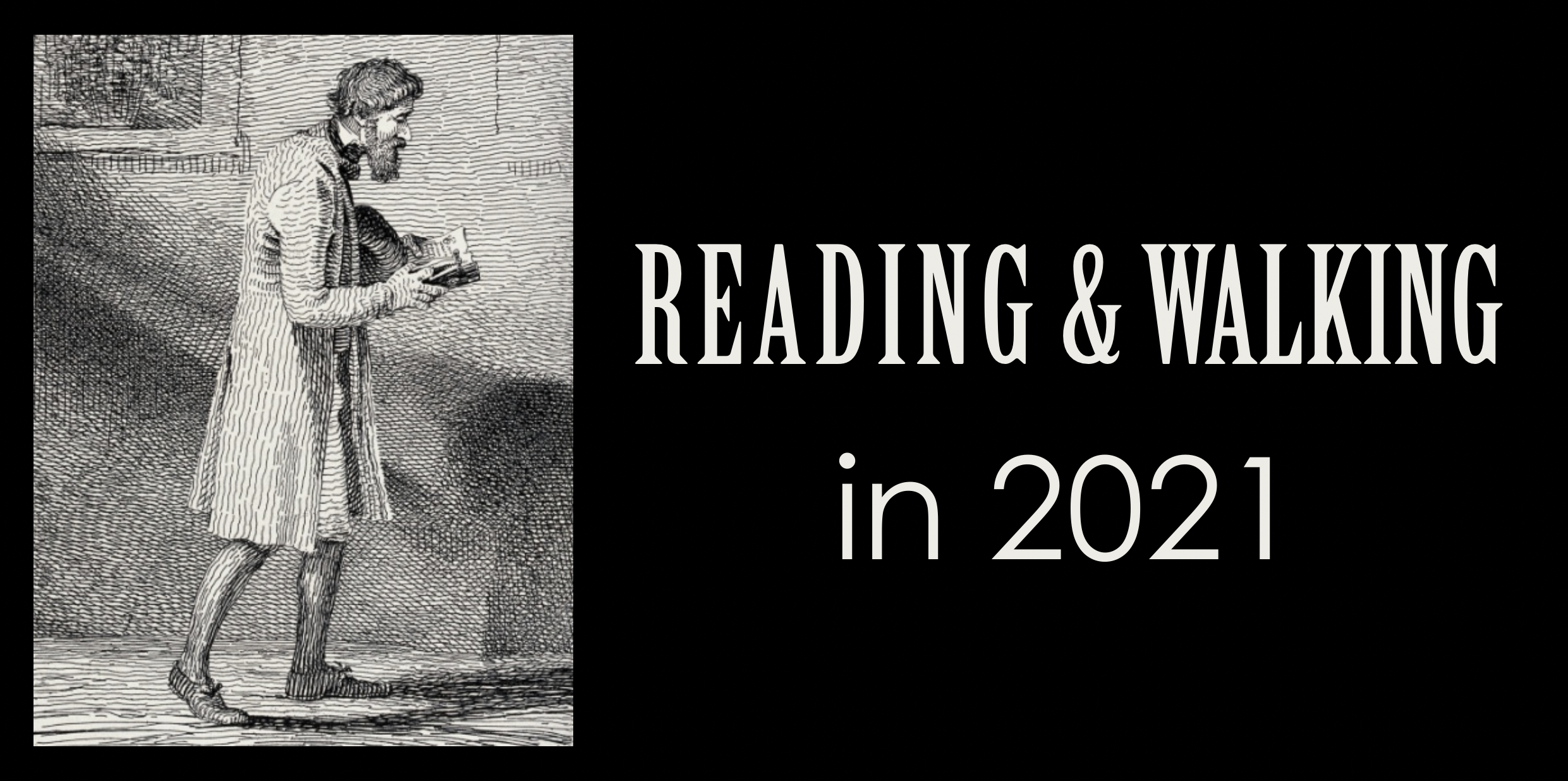
Reading and Walking in 2021

In April 2013, I started walking laps around the church auditorium while studying or reading. I found this helped me to focus better, and also it was a good way to be a little less sedentary while at work.

Each lap around the auditorium was approximately 74 yards:

In 2019, I moved to a new city and began working at a new church with a different-sized auditorium (each lap is now 118 yards).

In 2021, I was back in the office, and I did a lot of walking, but I was honestly floored when I added up the totals for the year:

Total Laps in 2021: 12,031 (approximately 118 yards per lap)

Total Distance in 2021: 806.6 miles

Total Distance to date: 4,226 miles

In 2021, my totals were the equivalent of walking from Louisville, Kentucky through three (and nearly four!) state capitals: over to Lexington, Kentucky, then Charleston, West Virginia, then on to Richmond, Virginia, continuing to Virginia Beach to see the ocean again, and then heading southwest toward Raleigh, North Carolina before stopping just outside of Rocky Mount.

My goal for the year was to hit 500 miles again, something I had done previously in 2017 and 2018. Clearly, I obliterated that goal and with a total of 806.6 miles, passed my previous record by over 200 miles. I thought I had had a good mileage year, but I didn’t add up the numbers until this past week and I was shocked by the total.

Here’s to another year of reading and walking in 2022!


An Invitation

I’ve never done this before, and I apologize if it comes across as pushy or preachy, but…I think you should give Reading and Walking a try yourself.

When I started Reading and Walking eight years ago, it was a random thing I tried to help me stay awake while reading grad school textbooks, and I never could have guessed that it would become such an ingrained practice. Neither could I have guessed that it would become such a formative practice for me.

As humans, we are embodied creatures, with physical, mental, spiritual, and emotional components working together to form an integrated whole. This practice of Reading and Walking speaks to that, as over the past eight years I have studied Scripture and poured over theology, challenged myself with languages, science, and psychology, laughed and cried with novels and books on lament and injustice, all while walking over 4,000 miles. All of that to say, I remain a person with all sorts of flaws, but my health—physically, mentally, spiritually, and emotionally—is so much better than it would be without adopting this practice. It has been such a gift and has helped to form me into a better version of myself.

I invite you to give it a try yourself. Not everyone has ready access to a church auditorium to walk around, and people tell me frequently that they could never be coordinated enough to walk and read without bumping into things (though you would be surprised at how good your body gets at doing this!), but indoor walking tracks, outdoor trails, and GPS trackers are plentiful, and audiobooks are freely available at the local library that you can check out and listen to on your phone.

Read a couple dozen books while you walk a couple hundred miles. Make sure to include a healthy dose of Scripture and other authors that point you to Christ the King. Then see how you feel at the end of the year. I suspect it won’t seem like such a weird practice anymore.

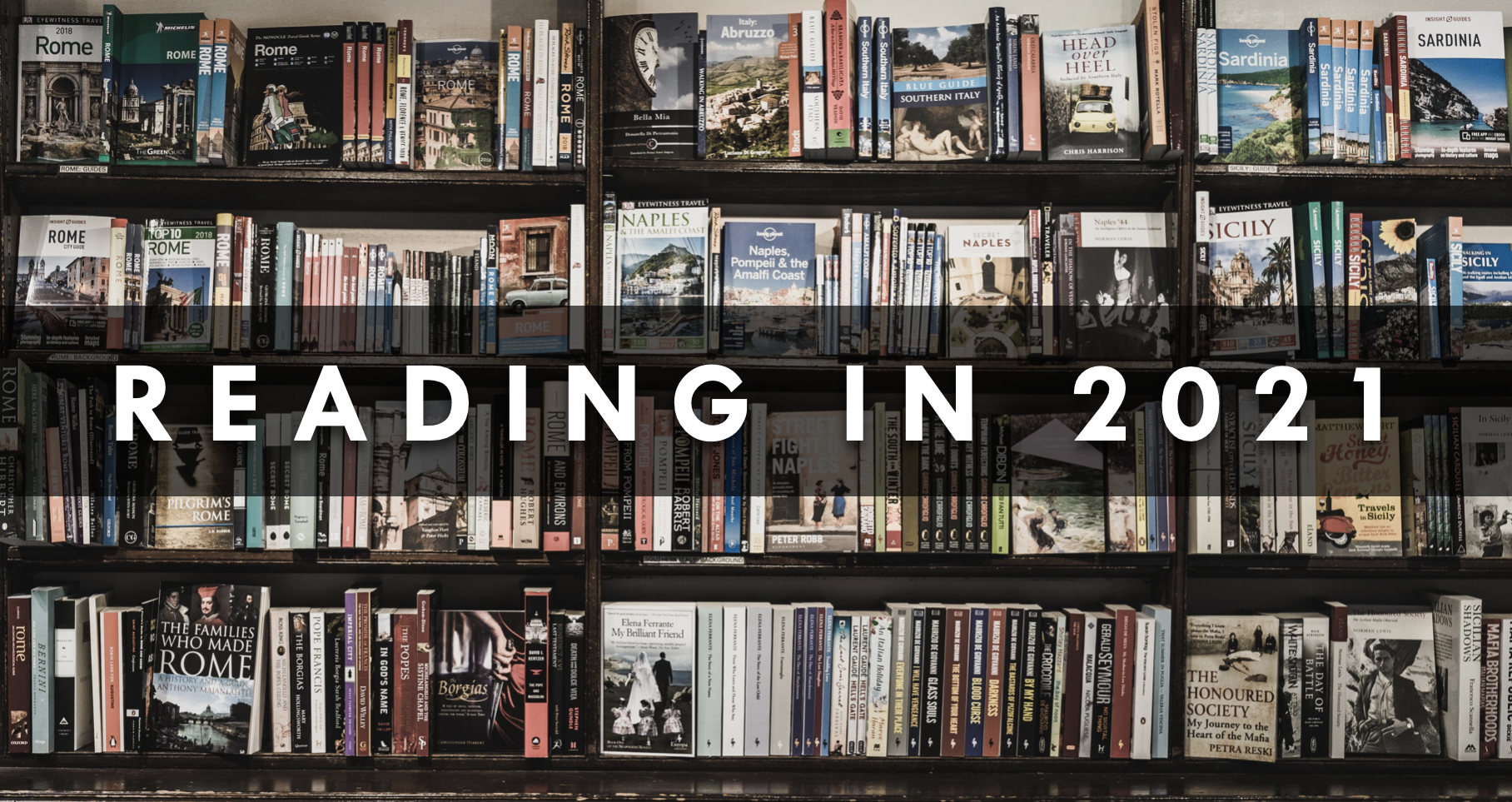
Reading in 2021

This post is always one of my favorites of the year, because it combines two things that I greatly enjoy: (1) reading and (2) obsessively keeping track of things. Basically, I like to keep track of what I read each year, and then offer some reflections about my favorite reads from the year.

Without further ado, here is my list from 2021:

  1. The Purity Principle, by Randy Alcorn
  2. The Blue Parakeet, 2nd Edition, by Scot McKnight
  3. Epic: An Around-the-World Journey through Christian History, by Tim Challies
  4. Natural Evangelism: An Everyday Approach to Sharing the Gospel, by Matthew W. Morine
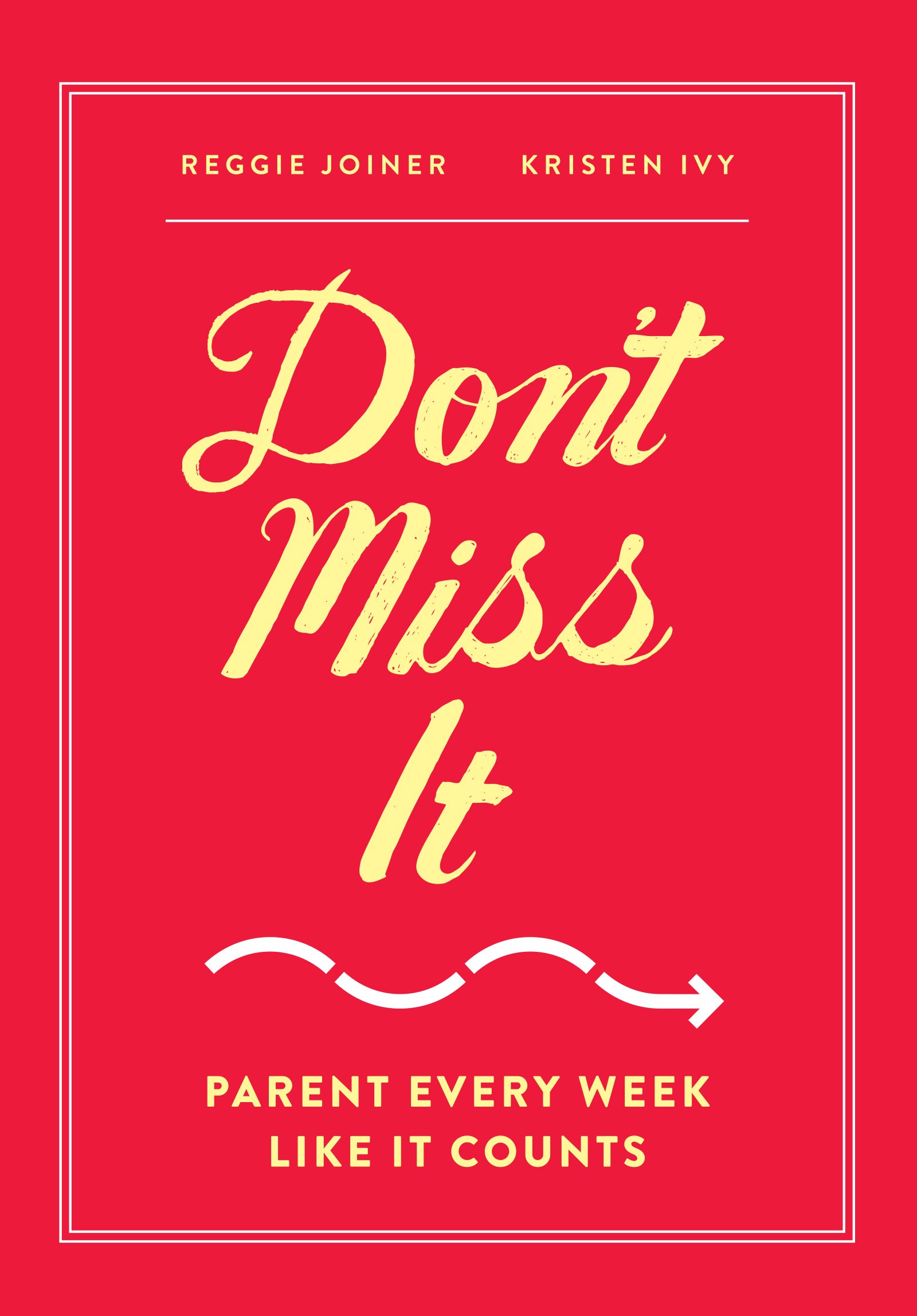
  5. Don’t Miss It: Parent Every Week Like It Counts, by Reggie Joiner and Kristen Ivy
  6. I’m Still Here: Black Dignity in a World Made for Whiteness, by Austin Channing Brown
  7. Leaving Church: A Memoir of Faith, by Barbara Brown Taylor
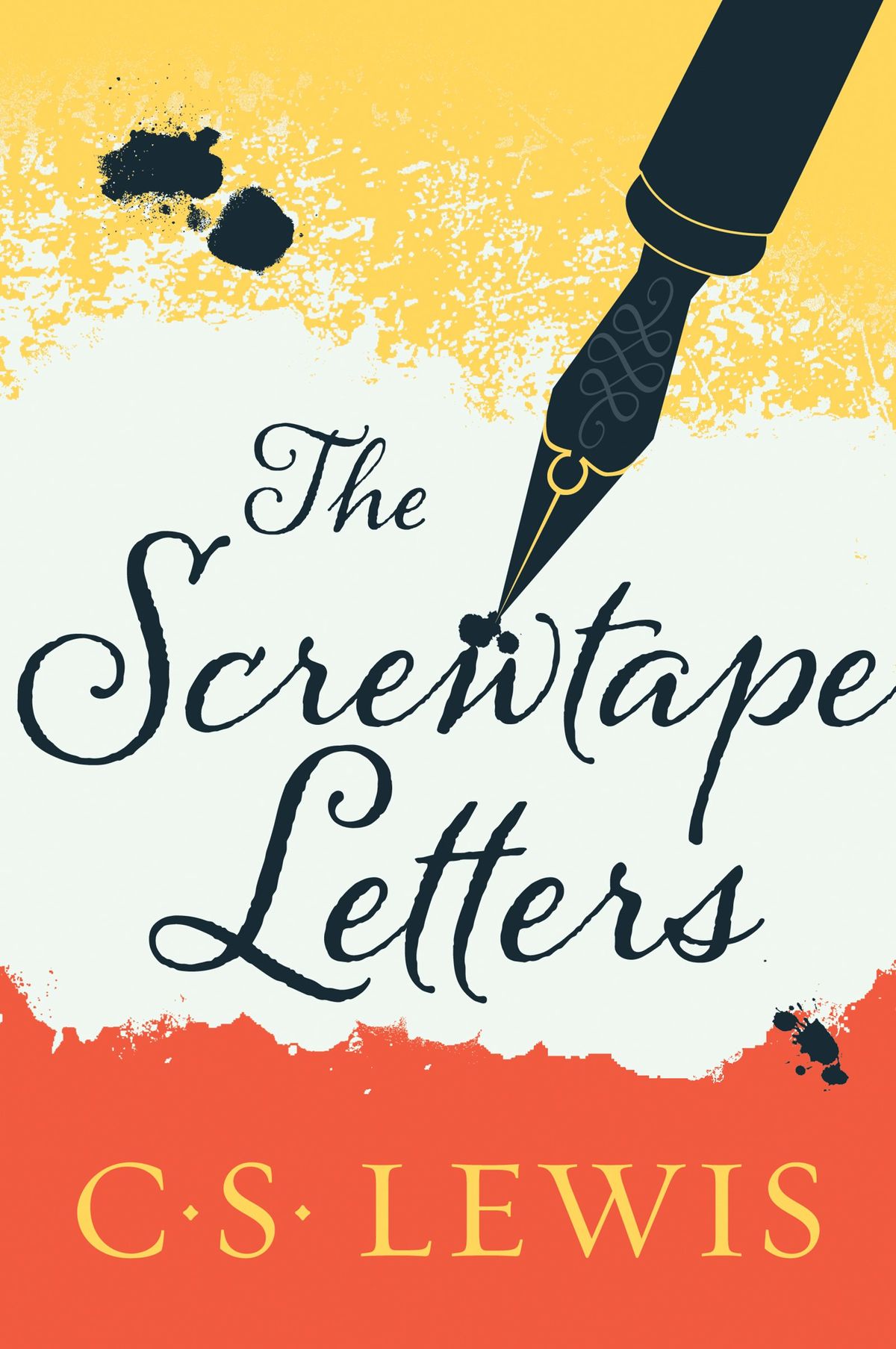
  8. The Screwtape Letters, by C.S. Lewis
  9. The Prince of Life: The Story of Christ for Young People, Episcopal Church Fellowship Series
  10. Harry Potter and the Chamber of Secrets, by J.K. Rowling
  11. Harry Potter and the Prisoner of Azkaban, by J.K. Rowling
  12. The Problem of Pain, by C.S. Lewis
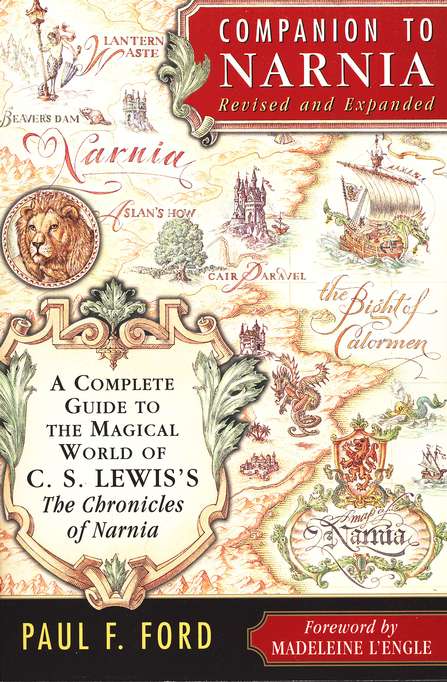
  13. Companion to Narnia: Revised and Expanded, by Paul E. Ford
  14. Said I Wasn’t Gonna Tell Nobody: The Making of a Black Theologian, by James. H. Cone
  15. The Gunfighters, by Lea F. McCarty
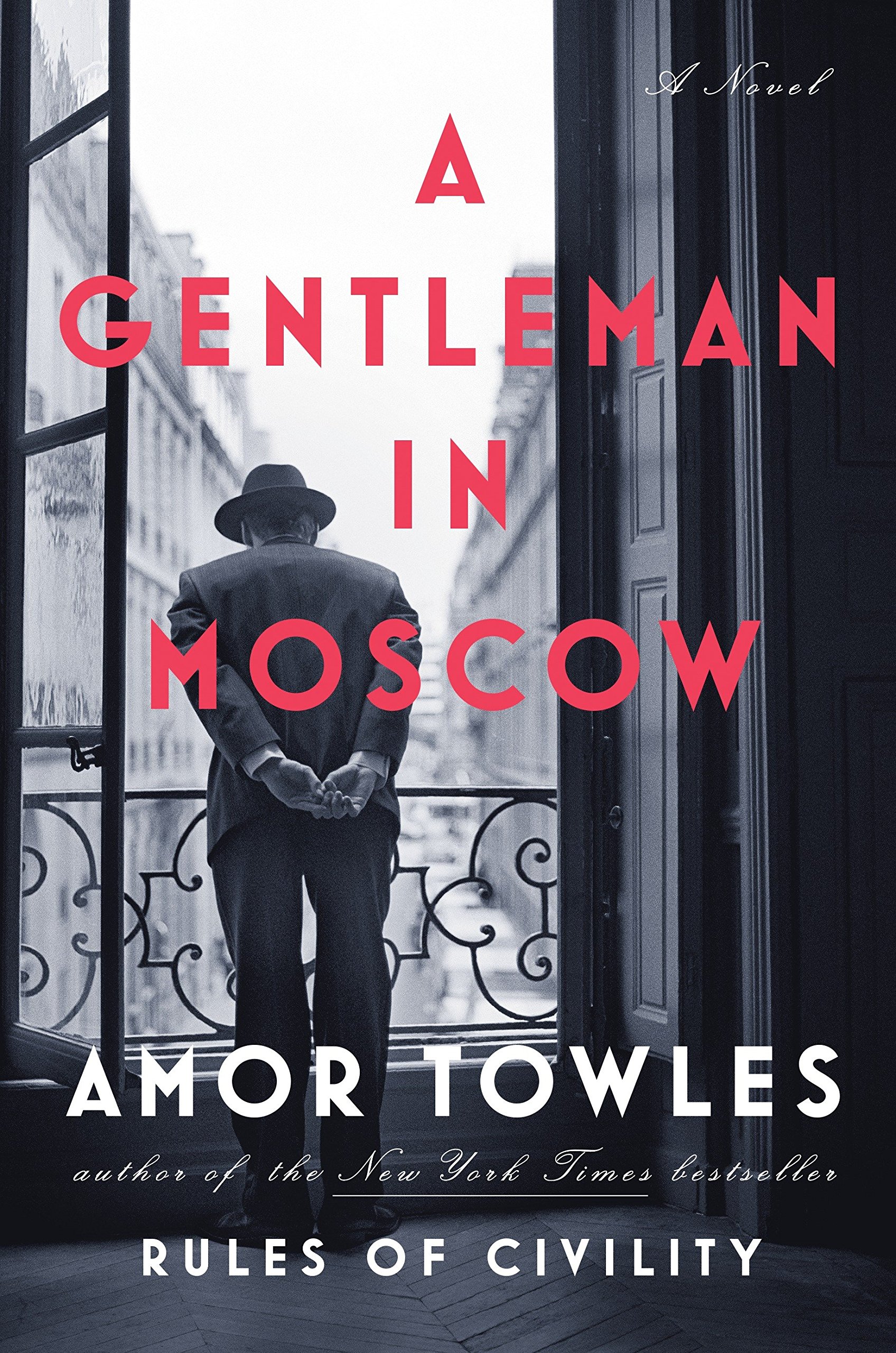
  16. A Gentleman in Moscow, by Amor Towles
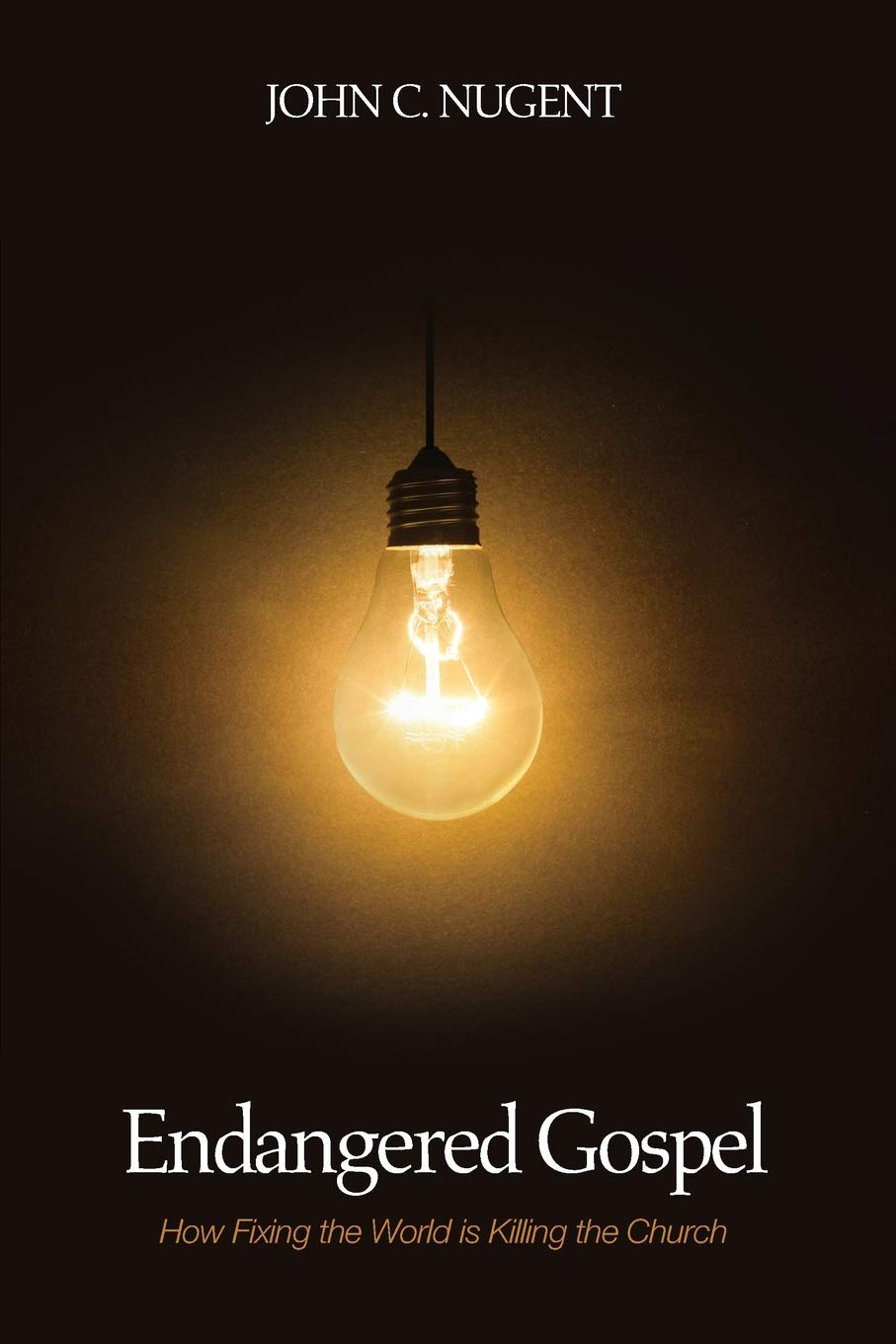
  17. Endangered Gospel: How Fixing the World is Killing the Church, by John C. Nugent
  18. Harry Potter and the Goblet of Fire, by J.K. Rowling
  19. Everyone Brave is Forgiven, by Chris Cleave
  20. The Wright Brothers, by David McCullough
  21. Harry Potter and the Order of the Phoenix, by J.K. Rowling
  22. What Paul Meant, by Garry Wills
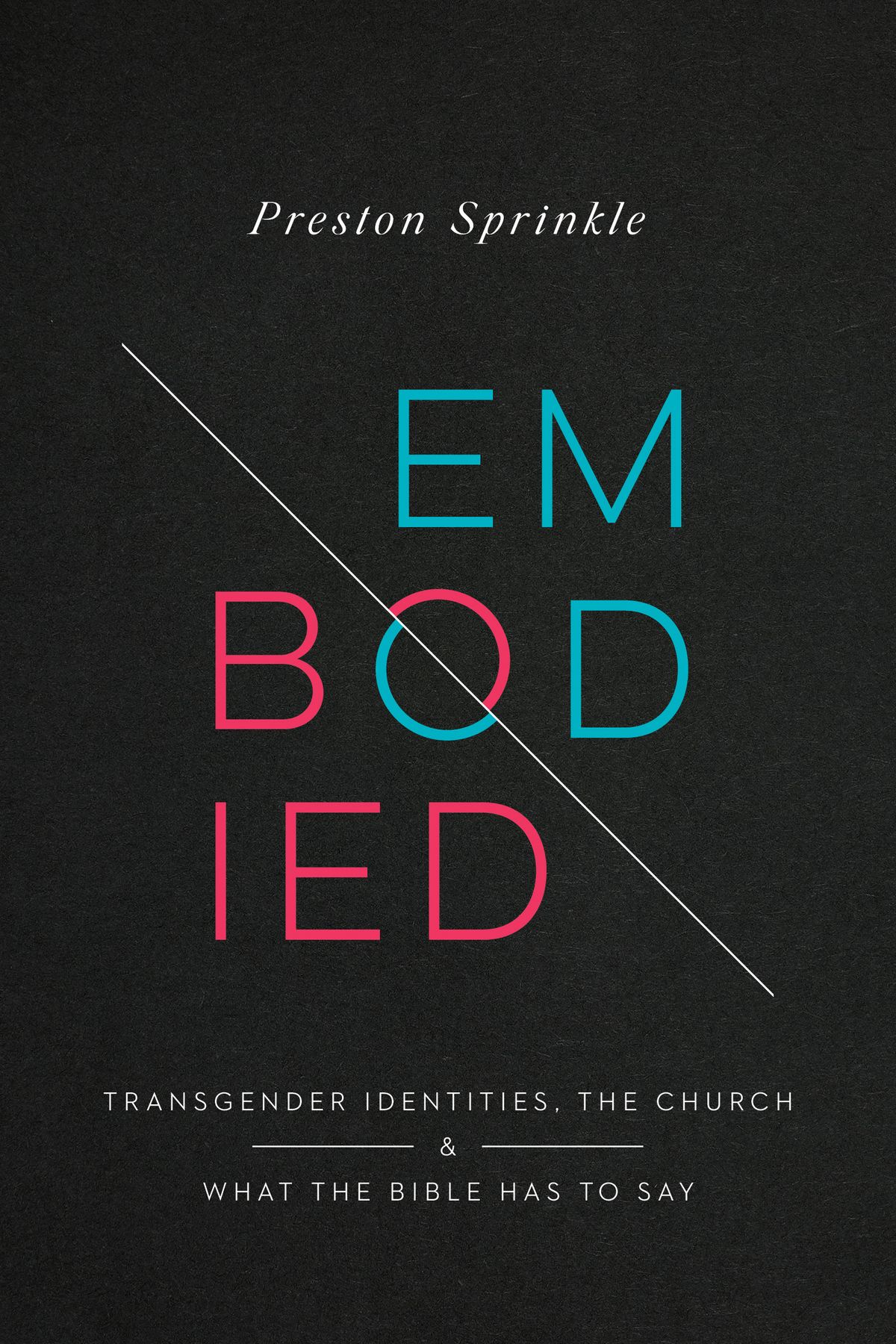
  23. Embodied: Transgender Identities, The Church, & What The Bible Has To Say, by Preston Sprinkle
  24. The Apostolic Fathers in English, by Michael W. Holmes
  25. Harry Potter and the Half-Blood Prince, by J.K. Rowling
  26. The Secrets We Kept, by Lara Prescott
  27. The King Jesus Gospel: The Original Good News Revisited, by Scot McKnight
  28. A Woman of No Importance: The Untold Story of the American Spy Who Helped Win World War II, by Sonia Purnell
  29. How To Win the West Again, by Timothy Keller
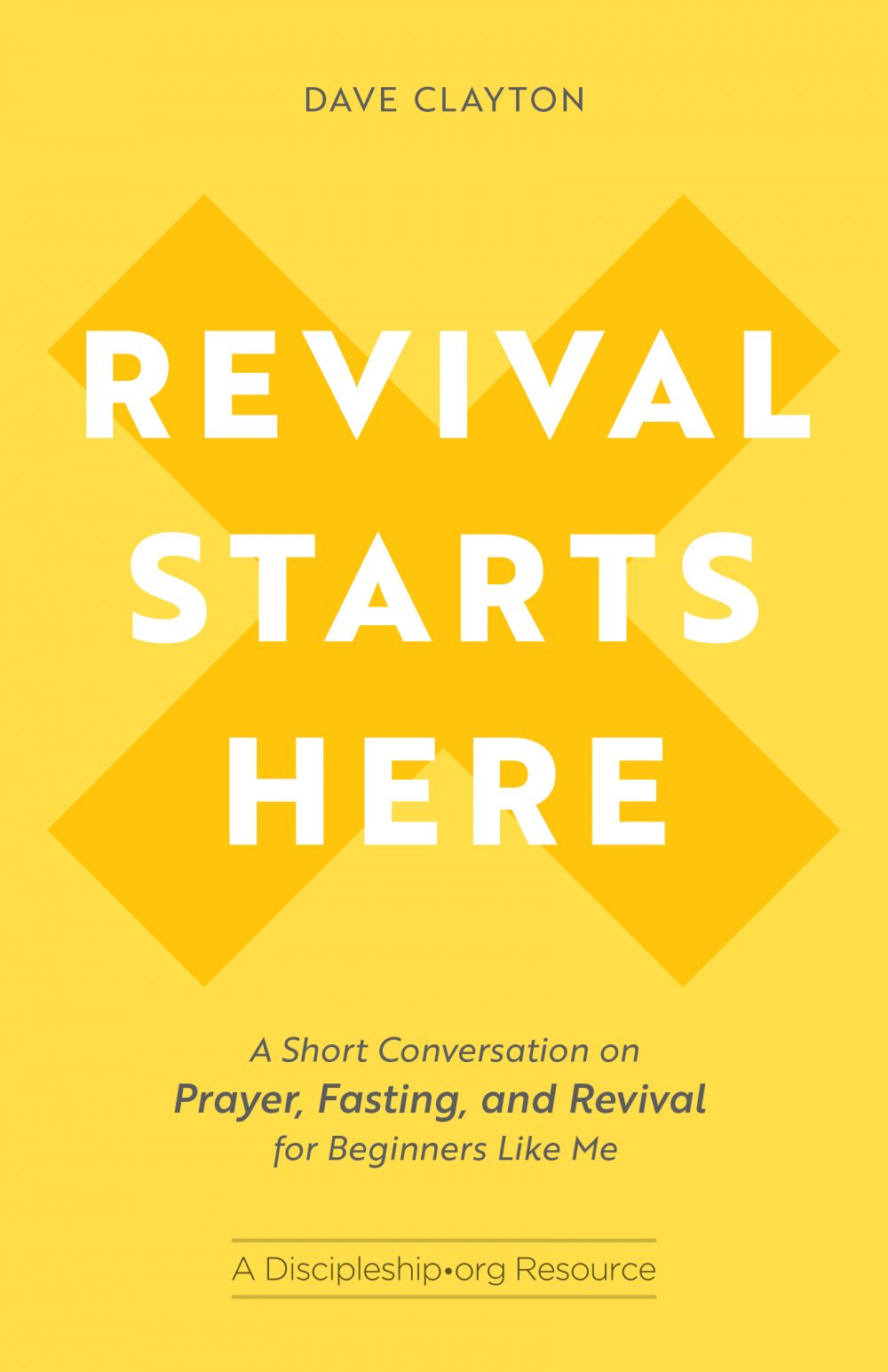
  30. Revival Starts Here: A Short Conversation on Prayer, Fasting, and Revival for Beginners Like Me, by Dave Clayton
  31. Harry Potter and the Deathly Hallows, by J.K. Rowling
  32. The Devil Inside, by Jimmy Hinton
  33. Growing Young: 6 Essential Strategies to Help Young People Discover and Love your Church, by Kara Powell, Jake Mulder, and Brad Griffin
  34. Thrawn Ascendancy: Chaos Rising, by Timothy Zahn
  35. Bonhoeffer: Pastor, Martyr, Prophet, Spy, by Eric Metaxas
  36. Thrawn Ascendancy: Greater Good, by Timothy Zahn
  37. Be the Bridge: Pursuing God’s Heart for Racial Reconciliation, by Latasha Morrison
  38. One By One, by Ruth Ware
  39. God Unseen: A Theological Introduction to Esther, by Nathan Ward
  40. December 6, by Martin Cruz Smith
  41. The Wolf Spear’s Task, by Scott Biddle
  42. The College Press NIV Commentary: Ecclesiastes, by Dave L. Bland*
  43. Beyond Order: 12 More Rules for Life, by Jordan B. Peterson
  44. Dark Sky Rising: Reconstruction and the Dawn of Jim Crow, by Henry Louis Gates
  45. The Passenger, by Ulrich Alexander Boschwitz
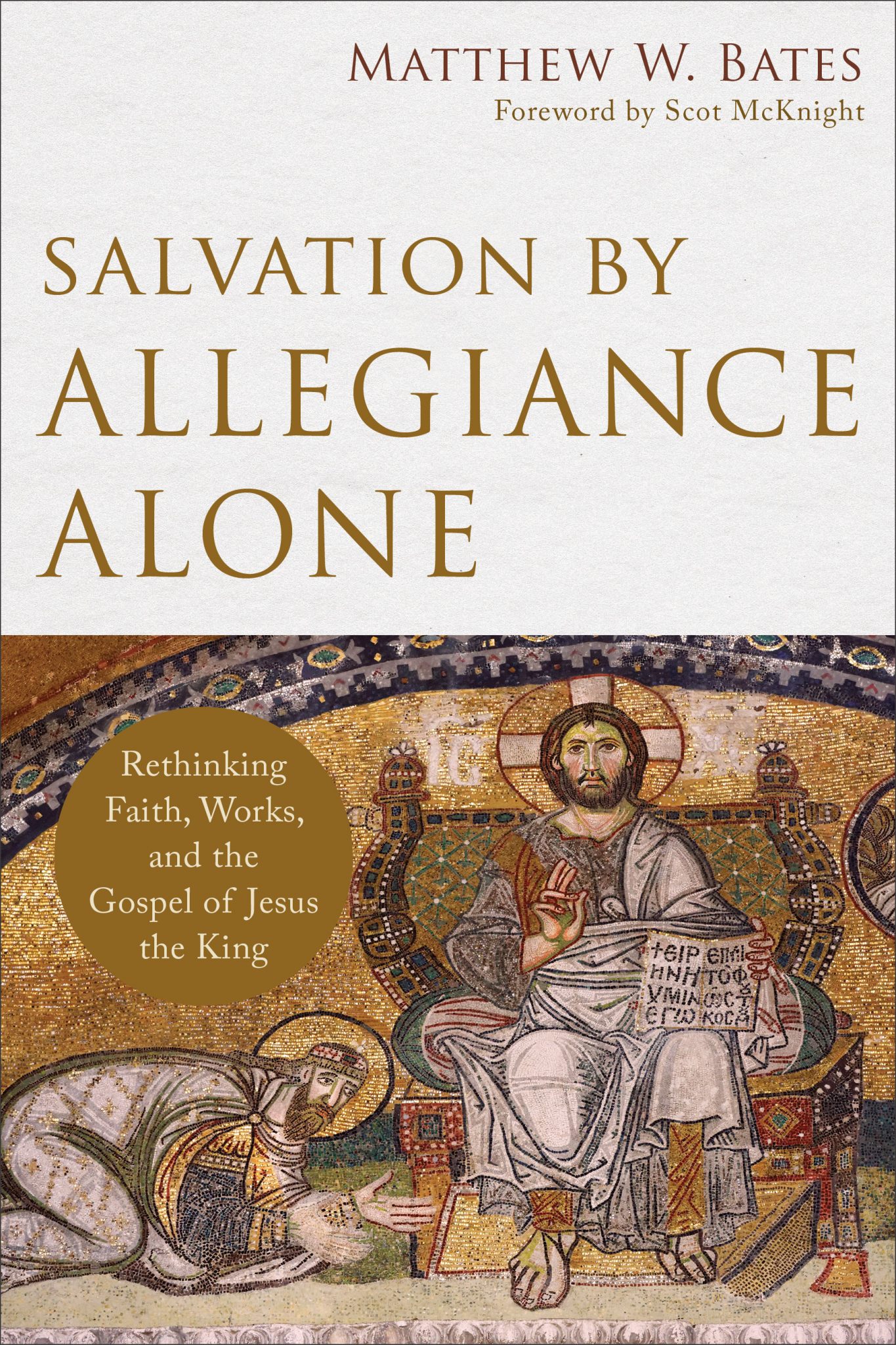
  46. Salvation By Allegiance Alone: Rethinking Faith, Works, and the Gospel of Jesus the King, by Matthew W. Bates
  47. Sticky Faith Youth Worker Edition, by Kara E Powell, Brad M. Griffin, and Cheryl A. Crawford
  48. White Trash: The 400-Year Untold History of Class in America, by Nancy Isenberg
  49. Robert E. Lee And Me: A Southerner’s Reckoning With the Myth of the Lost Cause, by Ty Seidule
  50. The Cathedral of Christianity: A Study of Romans, by Jared Pack
  51. Be Wise Small: A Lifetime of Distilled Wisdom, by Dee Bowman
  52. The Shallows: What the Internet is Doing to Our Brains, by Nicholas Carr
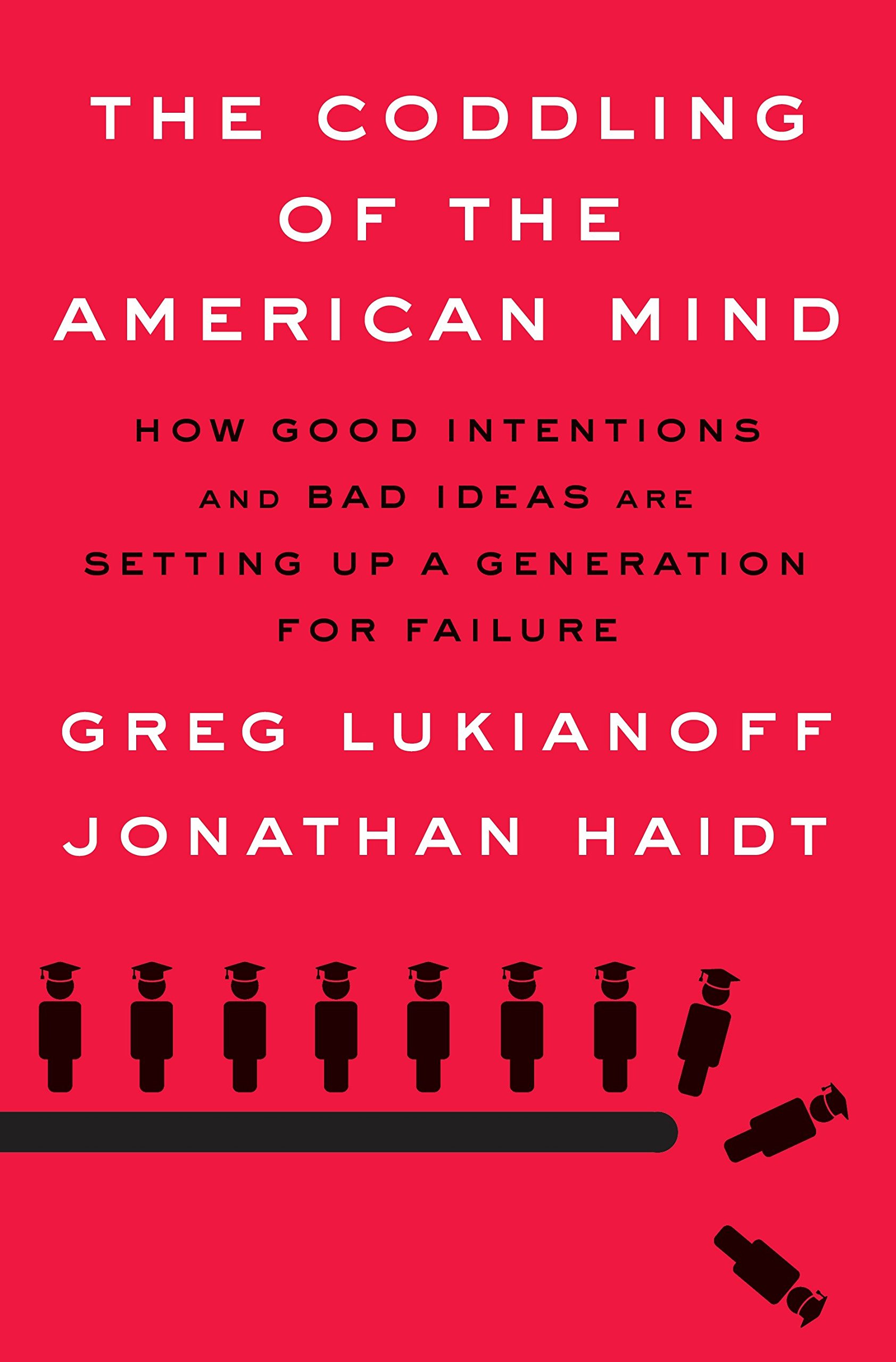
  53. The Coddling of the American Mind: How Good Intentions and Bad Ideas Are Setting Up a Generation for Failure, by Greg Lukianoff and Jonathan Haidt
  54. Gen Z: The Culture, Beliefs, and Motivations Shaping the Next Generation, by Barna Group
  55. The Torah: The Five Books of Moses, by Jewish Publication Society
  56. 42 Faith: The Rest of the Jackie Robinson Story, by Ed Henry
  57. The Hiding Place, by Corrie Ten Boom
  58. Gen Z Vol 2: Caring for Young Souls and Cultivating Resilience, by Barna Group
  59. The Pilgrim’s Progress, by John Bunyan
  60. Horseman: A Tale of Sleepy Hollow, by Christina Henry
  61. Miracles and Other Reasonable Things: A Story of Unlearning and Relearning God, by Sarah Bessey
  62. Radical: Taking Back Your Faith from the American Dream, by David Platt
  63. Holes, by Louis Sachar
  64. International English Bible New Testament, 
  65. Astrophysics for People in a Hurry, by Neil DeGrasse Tyson
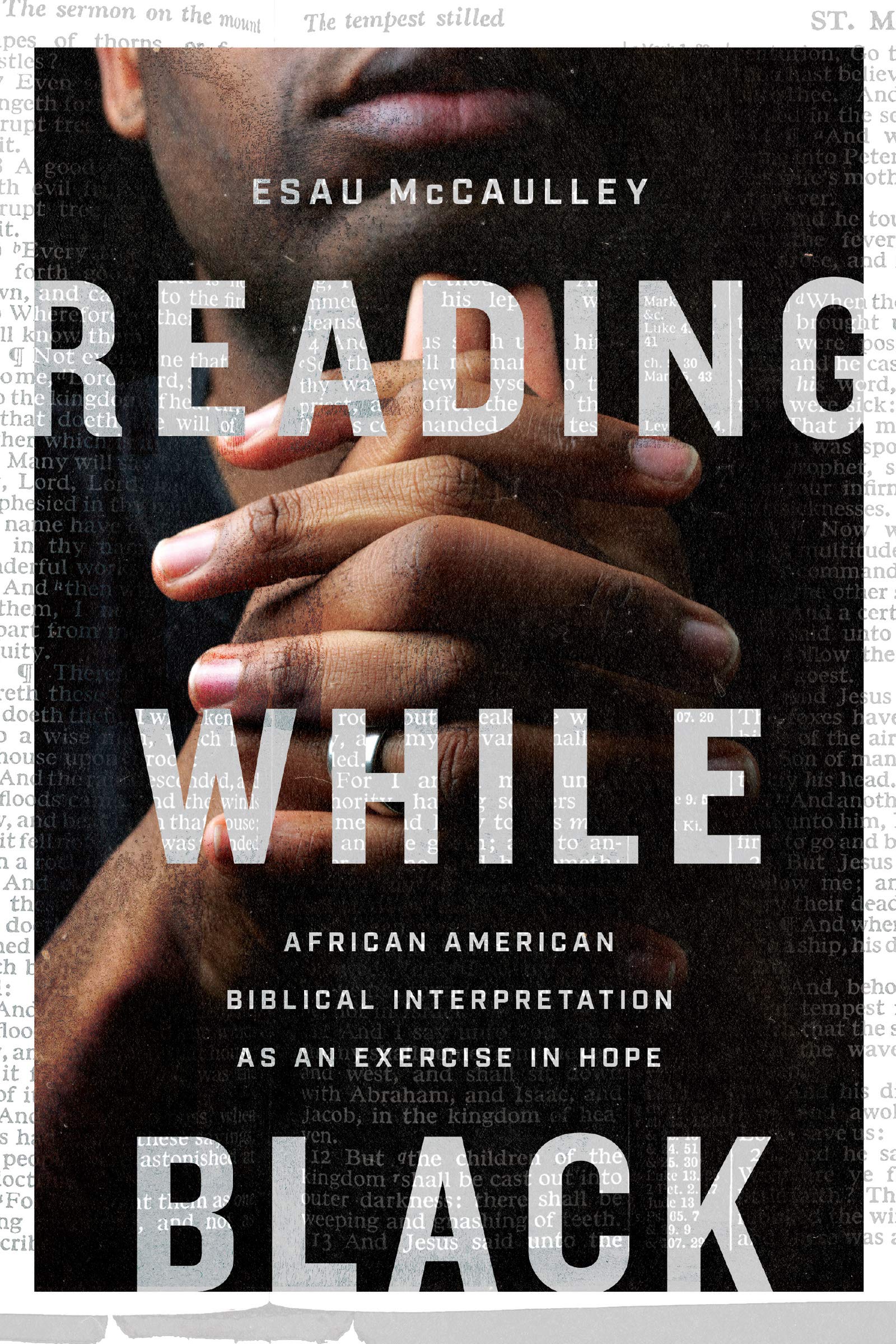
  66. Reading While Black: African American Biblical Interpretation As An Exercise In Hope, by Esau McCaulley

*This was from a commentary on Ecclesiastes, Proverbs, and Song of Songs; I read the entirety of the Ecclesiastes portion.

A few observations before I talk about my favorite books of the year:

  • My reading total increased from 65 books in 2020 to 66 in 2021. My 2021 total represents a personal record for books read in a year. Listening to audiobooks while I work out has helped to keep this number as high as it is.
  • The best books I read this year were absolutely incredible, but on the whole, my reading this year was not quite as good as 2020.
  • I am currently working through some dense books and have plans to do quite a bit of this type of reading in 2022, so I expect my reading totals to decrease significantly next year.

Here are my Top 10 books for the year, here are some brief thoughts on those (presented in order of when I read them, not ranked 1-10):

Don’t Miss It: Parent Every Week Like It Counts, by Reggie Joiner and Kristen Ivy: This is a really short and simple book, but its message is so important and convicting. That message is this: if you are a parent, your responsibility to shape a child’s character and faith is really important, and you have a limited window of opportunity to do it. The average parent has less than 1,000 weeks between the time a child is born and the time that child leaves their house, and those weeks (and the opportunities for connection and influence with your kids) tick away relentlessly. Make the most of the time you have. This may be a read-every-year type of book for me.

The Screwtape Letters, by C.S. Lewis: I first read Screwtape about a dozen years ago, but reread it this past year. Told in Lewis’s brilliant style, it is a clever, imaginative portrayal of the ways in which the Evil One seeks to tempt us. The premise of the novel is that Screwtape, an older, more experienced demon of some authority, is giving advice to his nephew Wormwood on how best to “win over” a man he is working to tempt.

Companion to Narnia: Revised and Expanded, by Paul E. Ford: I loved this book. I love the Chronicles of Narnia and wrote extensively about them last year, and this wonderful book would have been a huge help during that process. It took a long time to read because it is essentially a reference book with encyclopedia-type entries on anything related to Narnia you can imagine. This gave me great insight into the process of the composition of the Narnia series, and also all sorts of theological insights into the books. It is well named; rather than reading it through as I did, it functions better as a “companion” that you have handy as your read through the Narnia books and wonder about other questions related to the world Lewis has created.

A Gentleman in Moscow, by Amor Towles: The summer after my senior year of high school I went on a mission trip to Russia, and I have been interested in aspects of Russian culture and history ever since. This novel focuses on the life of a young aristocrat who is “exiled” to a fashionable Moscow hotel when the Russian Revolution occurs and is forced to live there, never being allowed to leave the hotel premises for several decades. From within the walls of the hotel, he observes the changes in the country around him and seeks to find meaning in a life where his freedom is greatly curtailed, and even the country’s finest hotel quickly becomes a prison. It is a fascinating, well-written, and emotional story, and I really enjoyed it. I actually listened to this as an audiobook with an excellent narrator, which added to the enjoyment.

Endangered Gospel: How Fixing the World is Killing the Church, by John C. Nugent: I tend to not rank my Top 10 books of the year, but this was absolutely one of the two best books that I read in 2021. Nugent’s basic premise is that all sorts of Christians are dedicating their lives to the wrong task: trying to fix the problems of the world. However, this doesn’t work very well, in large part because it isn’t the task that God has given us. Instead, we are supposed to be the better place that God will make the world into. This is new creation theology. The old order of the world is passing away, and God is doing a new thing. Rather than try to prop up the old order, our task is to live into the new thing that God is doing. If that sounds like a heartless lack of concern for people or ignoring the problems of the world, it’s not; rather, God’s people—the church—is the way that we address the hurting people in our world. By modeling God’s beloved community and inviting people into that community, we actually do make a difference in the lives of people, we are obedient to the mission that God has laid out for us in Scripture, and we actively participate in the work that God is doing until the Day arrives that He comes and makes all things new. This was a paradigm-changing book, but so, so good.

Embodied: Transgender Identities, The Church, & What The Bible Has To Say, by Preston Sprinkle: Issues related to transgender identities have claimed a central place in our culture in recent years and, frankly, there has been a lot of muddled thinking from Christians as to how we should respond. Sprinkle offers a real gift to the church here, as he provides the reader with a helpful overview of the situation including definitions, scientific data, and biblical exegesis. Ultimately, Sprinkle affirms a high view of Scripture and a historic Christian sexual ethic, but does so with keen pastoral impulses: our first and overriding response to those who would place themselves on the trans* spectrum must be love. If we get the doctrine right but fail to love, then we haven’t gotten the doctrine right. Sprinkle stretched me with this book, and I think that will be true for almost all readers (regardless of your views on this) if you give him a fair and gracious reading.

Revival Starts Here: A Short Conversation on Prayer, Fasting, and Revival for Beginners Like Me, by Dave Clayton: This was another short-but-very-helpful book. In my experience, fasting is a topic that quickly makes American Christians (i.e. the group of Christians I know best) uncomfortable and seeking imaginative explanations of why they don’t need to do it. Instead of that approach, Clayton takes the biblical practice of fasting seriously. He looks at reasons why we should do it, barriers that may prevent us from doing it, and practical ways to go about doing it. This is another book that I expect to read multiple times as I seek to grow in this spiritual discipline.

Salvation By Allegiance Alone: Rethinking Faith, Works, and the Gospel of Jesus the King, by Matthew W. Bates: Along with Endangered Gospel, this was my other top book for the year. Bates argues that the Greek word pistis (πιστις) that is generally translated as faith in our New Testaments would be better translated as something like loyalty or fidelity or allegiance. Bates does a good job establishing his position lexically and contextually, but even more important is his biblical/theological argument that “faith” as “allegiance” makes a lot of sense in response to the content of the Gospel message which, properly understood, is not about how we get saved, but is rather that Jesus Christ is Lord, the King of the Universe. Certainly, Jesus being Lord includes ramifications for our salvation, but it is a much bigger story than that, and it is the story that Scripture is telling. In response to the Gospel message that Jesus is Lord, the appropriate response is pledging our lives in allegiance to Him. This is another paradigm-changing book—it is brilliant.

The Coddling of the American Mind: How Good Intentions and Bad Ideas Are Setting Up a Generation for Failure, by Greg Lukianoff and Jonathan Haidt: My friend Bob Turner has talked about this book for a few years, and I finally took the plunge and read it. It was a great read, and I highly recommend it for parents, teachers, and anyone interested generally with widespread trends in our society. The basic premise is that there are three unhelpful, untrue ideas that are prominent in our society today: (1) That children are fragile and need to be protected from everything, (2) That we should always trust our feelings in making judgments about the reality of the world, (3) That life is a battle between good people and evil people. These ideas have reached a fever pitch on a lot of college campuses and have resulted in very unhelpful environments, and Lukianoff and Haidt critique these bad ideas with research and multiple examples. This is not, in any sense, a biblical book, and yet, the main lessons contained inside cohere closely to biblical teaching; I actually used content from this book in the youth ministry class I taught in a university setting this past fall.

Reading While Black: African American Biblical Interpretation As An Exercise In Hope, by Esau McCaulley: McCaulley’s book is a great gift to the church at large as he seeks to explain the Black Ecclesial Tradition, which he describes as a “third way” approach to biblical interpretation that is distinct both from white progressives and evangelicals. McCaulley writes elegantly and with great clarity, and shows keen theological insight on a range of biblical topics ranging from submission to government and policing, slavery, Black anger, and the long history that people of African descent have in the story of God’s people. This book serves as a helpful reminder that the way we read Scripture is greatly influenced by our social location, and that our understanding of Scripture is broadened by reading from people who come from different backgrounds than our own.


That was my reading for 2021. For comparison’s sake if you are interested, you can see my reading lists from previous years:

What are some of the best books you read this past year?

« Older posts Newer posts »

© 2026 The Doc File

Theme by Anders Noren — Up ↑