The online journal of Luke Dockery

Tag: Advent

Reading in 2022

I enjoy reading and also making lists of things, so this is always one of my favorite yearly posts because it involves both of those things. I will offer some thoughts on my favorite books of the year below, but first, here is the list of books I read in 2022:

  1. Dare to Lead, by Brené Brown
  2. Rediscover Church: Why the Body of Christ is Essential, by Collin Hansen & Jonathan Leeman
  3. People to Be Loved: Why Homosexuality Is Not Just An Issue, by Preston Sprinkle
  4. The Black Count: Glory, Revolution, Betrayal, and the Real Count of Monte Cristo, by Tom Reiss
  5. Heir to the Jedi, by Kevin Hearne
  6. A Battle of Nerves, by Georges Simenon
  7. A Face for a Clue, by Georges Simenon
  8. Days of Rage: America’s Radical Underground, the FBI, and the Forgotten Age of Revolutionary Violence, by Bryan Burrough
  9. Star Wars: Tarkin, by James Luceno
  10. Strong As Death Is Love: The Song of Songs, Ruth, Esther, Jonah, Daniel, by Robert Alter
  11. Thrawn Ascendancy: Lesser Evil, by Timothy Zahn
  12. The Whole Art of Detection: Lost Mysteries of Sherlock Holmes, by Lindsay Faye
  13. Very Cold People, by Sarah Manguso
  14. Isaac’s Storm: A Man, a Time, and the Deadliest Hurricane in History, by Erik Larson
  15. Hatchet, by Gary Paulsen
  16. A Day in the Bleachers, by Arnold Hano
  17. Brave New World, Aldous Huxley
  18. The Four Winds, Kristin Hannah
  19. Every Moment Holy, Volume 1, Douglas McKelvey
  20. The Last Slave Ship: The True Story of How Clotilda Was Found, Her Descendants, and an Extraordinary Reckoning, by Ben Raines
  21. The Lincoln Highway, by Amor Towles
  22. The Things We Cannot Say, by Kelly Rimmer
  23. The Destroyers, by Scott Biddle
  24. Journal of Christian Studies: The Church and the Pandemic, ed. by Keith Stanglin
  25. Jesus and John Wayne: How White Evangelicals Corrupted a Faith and Fractured a Nation, by Kristin Kobes Du Mez
  26. The Lion, The Witch and the Wardrobe, by C.S. Lewis
  27. So The Next Generation Will Know: Preparing Young Christians for a Challenging World, by Sean McDowell and J. Warner Wallace
  28. The Last Thing He Told Me, by Laura Dave
  29. Behind Closed Doors, by B. A. Parris
  30. Irreversible Damage: The Transgender Craze Seducing Our Daughters, by Abigail Shrier
  31. A Week in the Life Of Rome, by James L. Papandrea
  32. Something in the Water, by Catherine Steadman
  33. Sea of Tranquility, by Emily St. John Mandel
  34. The Girl on the Train, by Paula Hawkins
  35. Biography of Thomas Campbell: Advocate of Christian Union, by William Herbert Hanna
  36. Everything Happens For A Reason: And Other Lies I’ve Loved, by Kate Bowler
  37. Lost in the Valley of Death: a Story of Obsession and Danger in the Himalayas, by Harley Rustad
  38. The Word on Fire Bible: The Gospels
  39. The Splendid and the Vile: A Saga of Churchill, Family, and Defiance During the Blitz, by Erik Larson
  40. The Pioneers: The Heroic Story of the Settlers Who Brought the American Ideal West, by David McCullough
  41. Scribbles and Sketches, No. 3, by Ruby Tobey
  42. Advent: The Once and Future Coming of Jesus Christ, by Fleming Rutledge
  43. The Girl with the Dragon Tattoo, by Stieg Larsson
  44. Oscar Charleston: The Life and Legend of Baseball’s Greatest Forgotten Player, by Jeremy Beer
  45. Turtles All the Way Down, by John Green
  46. A Murder in Searcy, by Deana Hamby Nall and Mike S. Allen
  47. Into the Wild, by Jon Krakauer
  48. Unbroken: An Extraordinary True Story of Courage and Survival, by Laura Hillenbrand
  49. Every Moment Holy, Volume 2, Douglas McKelvey
  50. Team of Rivals, Doris Kearns Goodwin
  51. The Woman in the Library, by Sulari Gentill
  52. On The Road, by Jack Kerouac
  53. Praying the Bible, by Donald S. Whitney
  54. Man’s Search for Meaning, by Viktor E. Frankl
  55. All Creatures Great and Small, by James Herriot
  56. Into Thin Air: A Personal Account of the Mt. Everest Disaster, by Jon Krakauer
  57. The Return of the Prodigal Son: A Story of Homecoming, by Henri Nouwen
  58. All Things Bright and Beautiful, by James Herriot
  59. Killers of the Flower Moon: The Osage Murders and the Birth of the FBI, by David Grann
  60. Crime and Punishment, by Fyodor Dostoevsky
  61. The Dry, by Jane Harper
  62. The Mission of God: Unlocking the Bible’s Grand Narrative, by Christopher J.H. Wright
  63. Soul Fuel, by Bear Grylls

A few observations before I talk about my favorite books of the year:

  • My reading total decreased from 66 books in 2021 to 63 in 2022. A combination of some longer, denser books this year, combined with other responsibilities and an infant daughter whose sleeping patterns carved into some of my reading time all contributed to the decrease.
  • I read a bunch of good books in 2022, and actually had about 15 top books that I had to narrow down to 10.
  • I have a “Books to Read” list that has over 100 books on it (these are books that I already own!), and I plan to prioritize this for my reading in 2023 (though I always come across new books that I want to read, and I’m sure that will continue to happen).

Here are my Top 10 books for the year, here are some brief thoughts on those (presented in order of when I read them, not ranked 1-10):
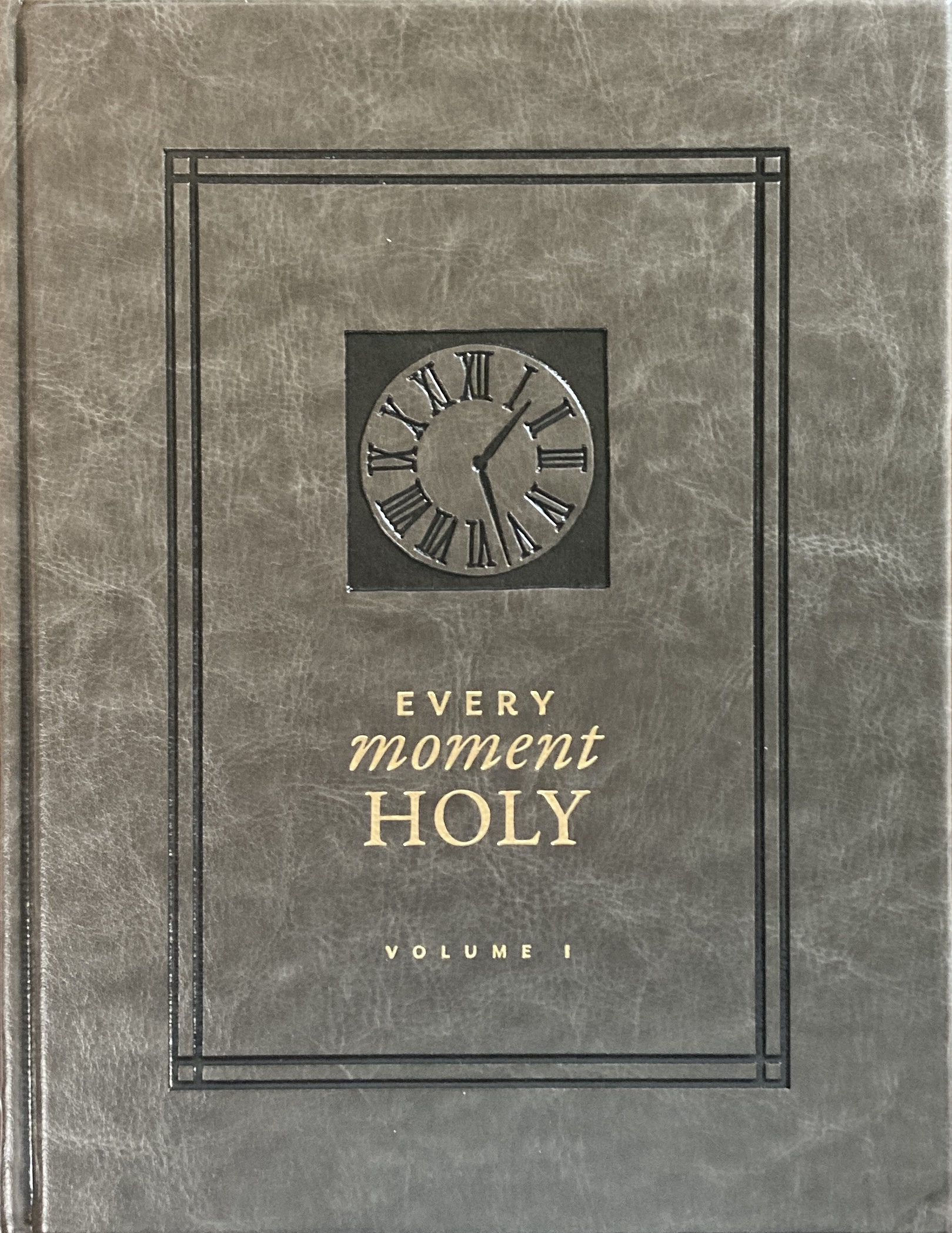
Every Moment Holy, Volume 1, by Douglas McKelvey: This is a book of prayer liturgies for all sorts of different occasions, and for the first several months of the year, was part of my daily devotional time. I loved this book—the prayers are beautiful and thoughtful, and the book itself is a work of art. This is a resource I have gone back to time and time again, and plan to continue to do so. There is a second volume on death, grief, and hope that I also read and appreciated, but I thought the variety of Volume 1 made it the better of the two.
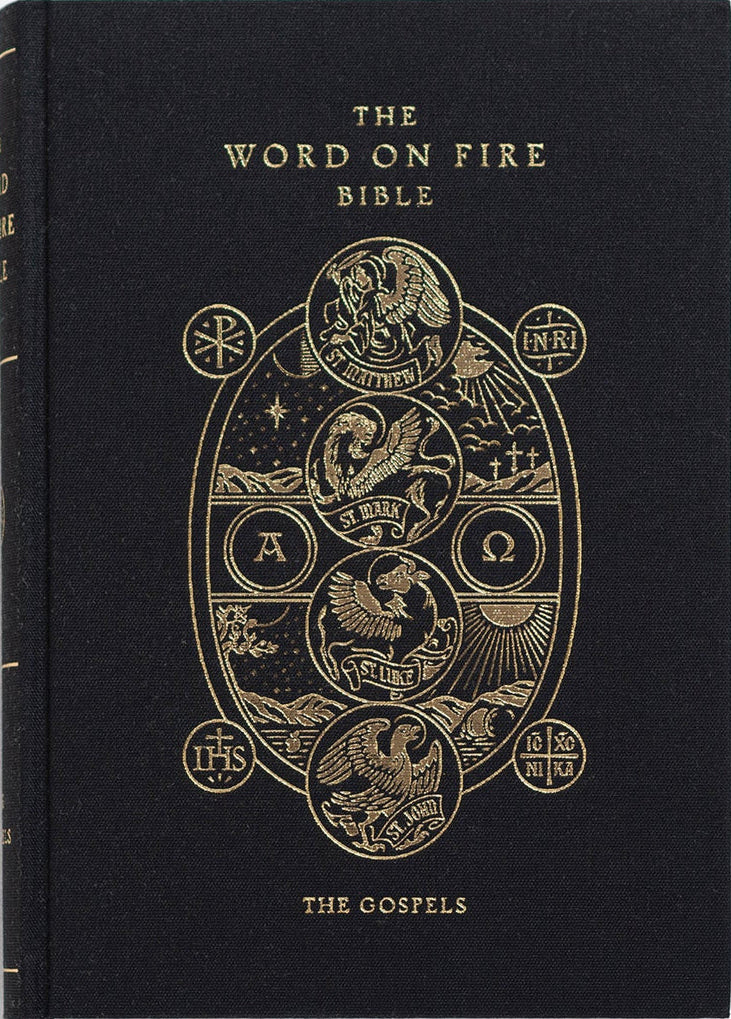
The Word on Fire Bible: the Gospels. The Word on Fire Bible is a project from Catholic Bishop Robert Barron, and I did some of my daily Bible readings from it this year. In a similar vein to Every Moment Holy, this was a beautiful product, and reading from it was an enjoyable experience. It is an NRSV translation, contains beautiful artwork from Christian history along with theological reflections, and also dozens of excerpts and articles from Catholic thinkers throughout history (including Bishop Barron). I resonated with some of these more than others, but they were all interesting to read and helped me to better understand the Catholic perspective (and occasionally they made their way into blog posts). I plan to read the second volume on Acts, the Letters, and Revelation in 2023.
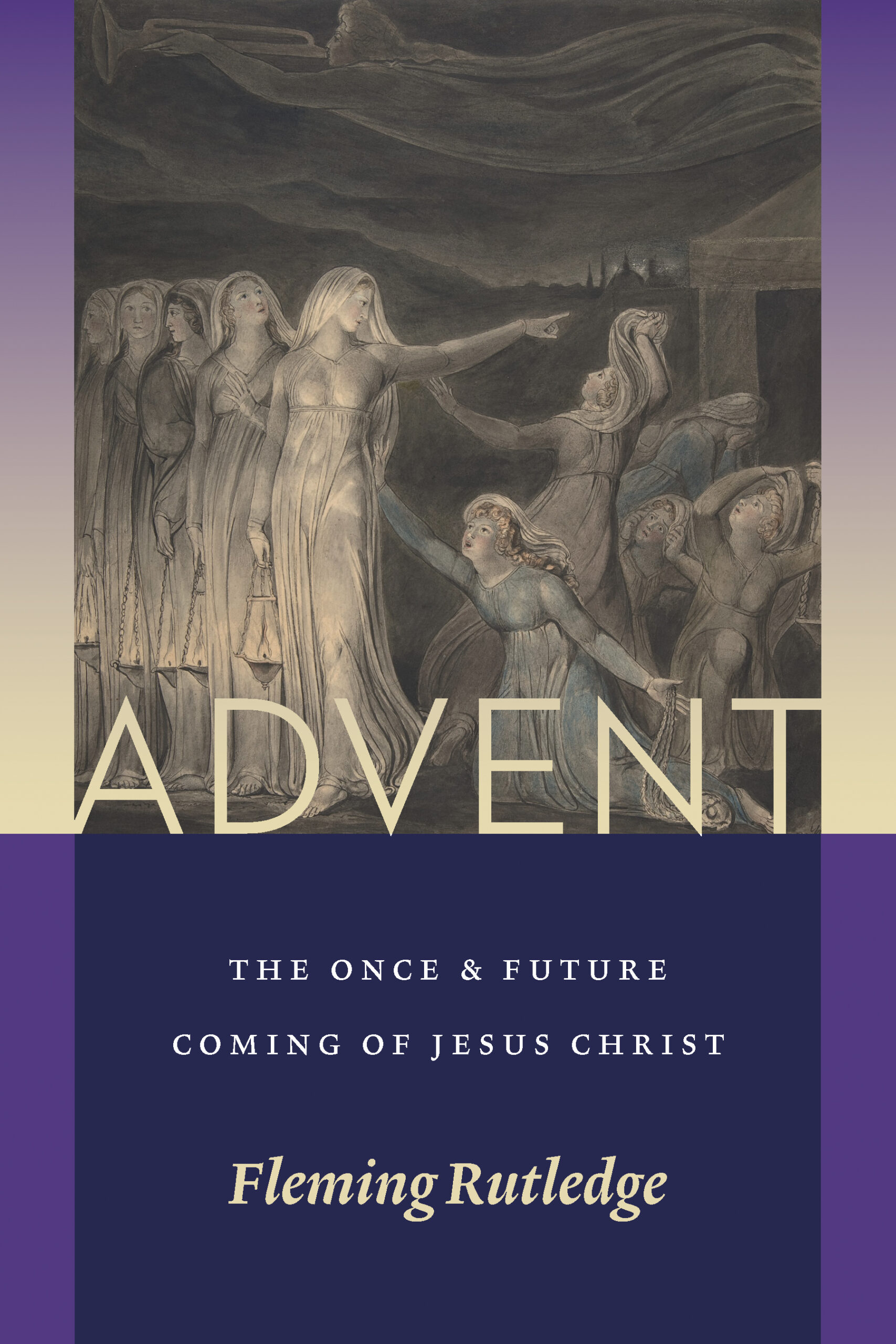
Advent: the Once & Future Coming of Jesus Christ, by Fleming Rutledge: I wrote a review of this book a couple of weeks ago, so you can see my fuller reflection there, but in short, I thought this was a wonderful book. It provides a theological introduction to Advent combined with a large compilation of Advent sermons and writings. For those who observe Advent but would like to root that observance on more theological foundations, this is an excellent resource. But I would also recommend it for those who don’t observe Advent at all, but who are wanting to think more clearly about what it means to live in the in-between time of the inauguration of the reign of Jesus, and the consummation of that reign when He returns—in other words, all Christians.
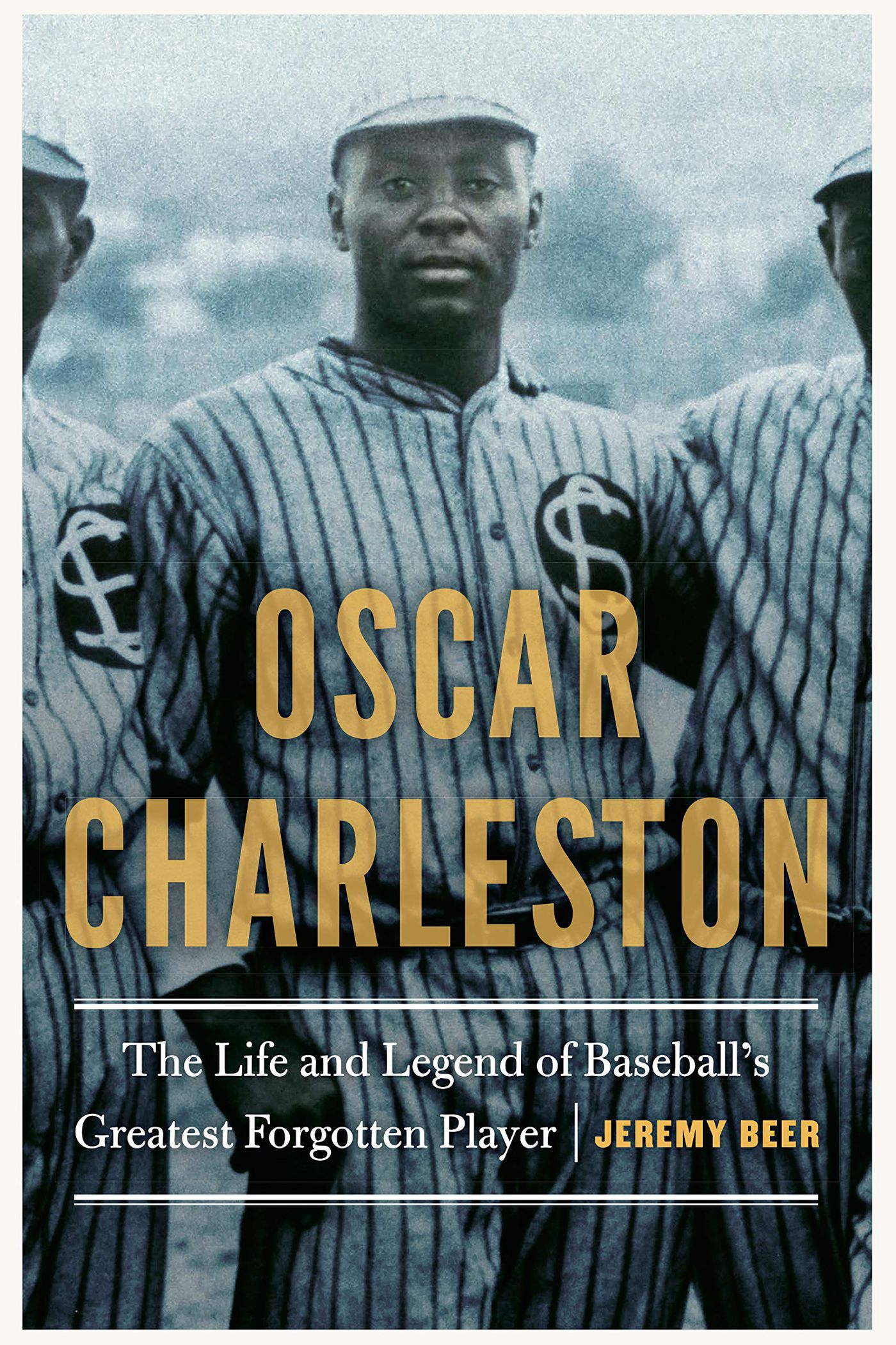
Oscar Charleston: The Life and Legend of Baseball’s Greatest Forgotten Player, by Jeremy Beer: This is a baseball biography, but also reads like a piece of investigative journalism due to the fact that the records of Charleston’s life are so fragmentary. Oscar Charleston was a star center fielder in the Negro Leagues of the 20s and 30s and holds a legitimate claim to being a top-five player of all time, and yet only the most passionate of baseball fans even know who he is. This book does a good job of reconstructing the historical data on Charleston that exists and gives the reader an impression of his brilliance on the field, the inherent instability of the leagues in which he was forced to play, and the racial injustice that lay behind it all.
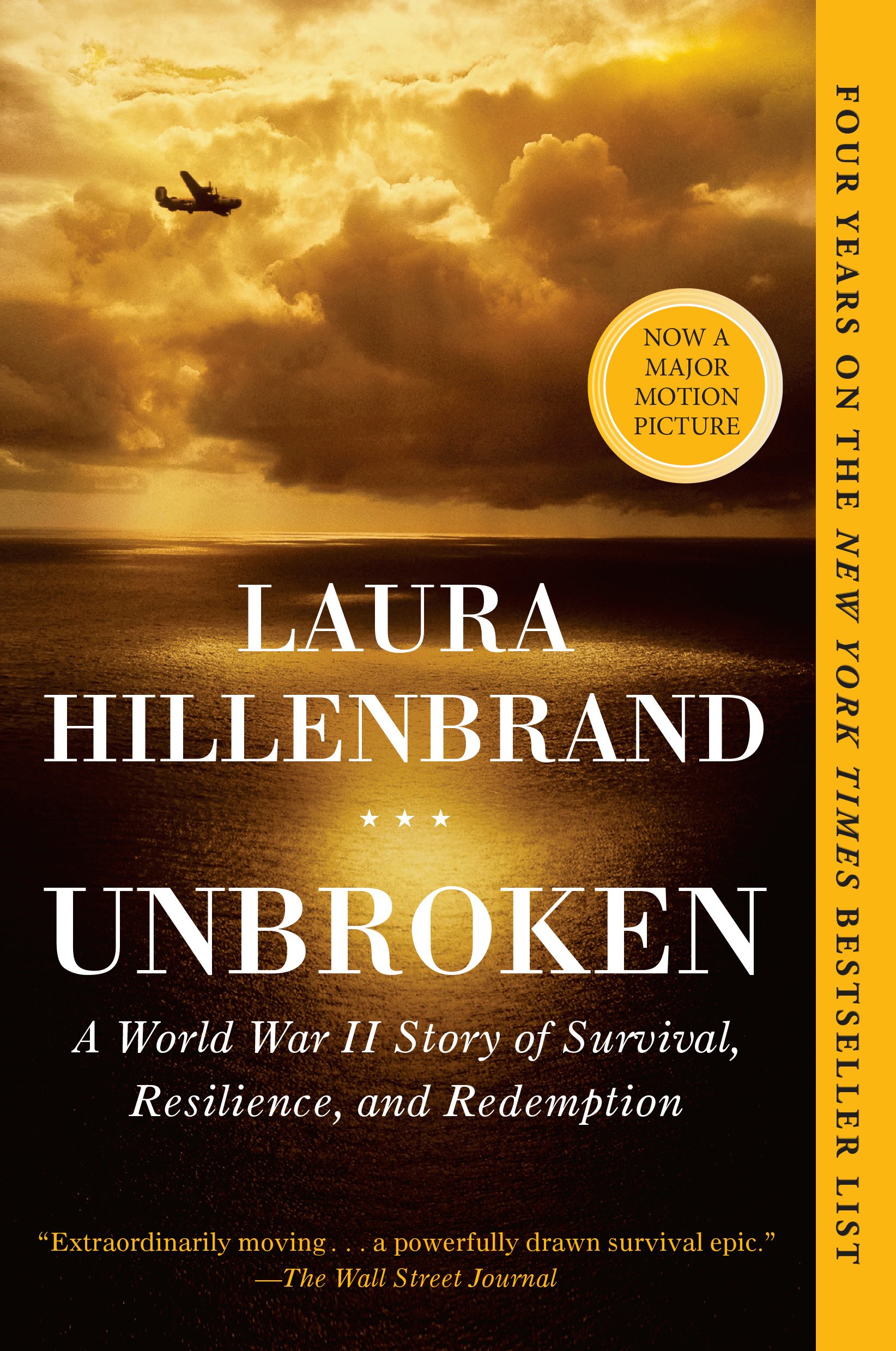
Unbroken, by Laura Hillenbrand: this was a massively popular book a few years ago that was also adapted into a successful film, so I may be one of the last people to have read it, but I was blown away by how compelling the story was. Unbroken tells the tale of Louis Zamperini, the Olympic track star who became an airman in WWII, had his plane shot down, and survived for weeks in a raft, only to end up in a series of Japanese prison camps. It was a remarkable story of survival, and also a remarkable story of faith, as Zamperini came to devout faith in Jesus after the momentous events of his life.
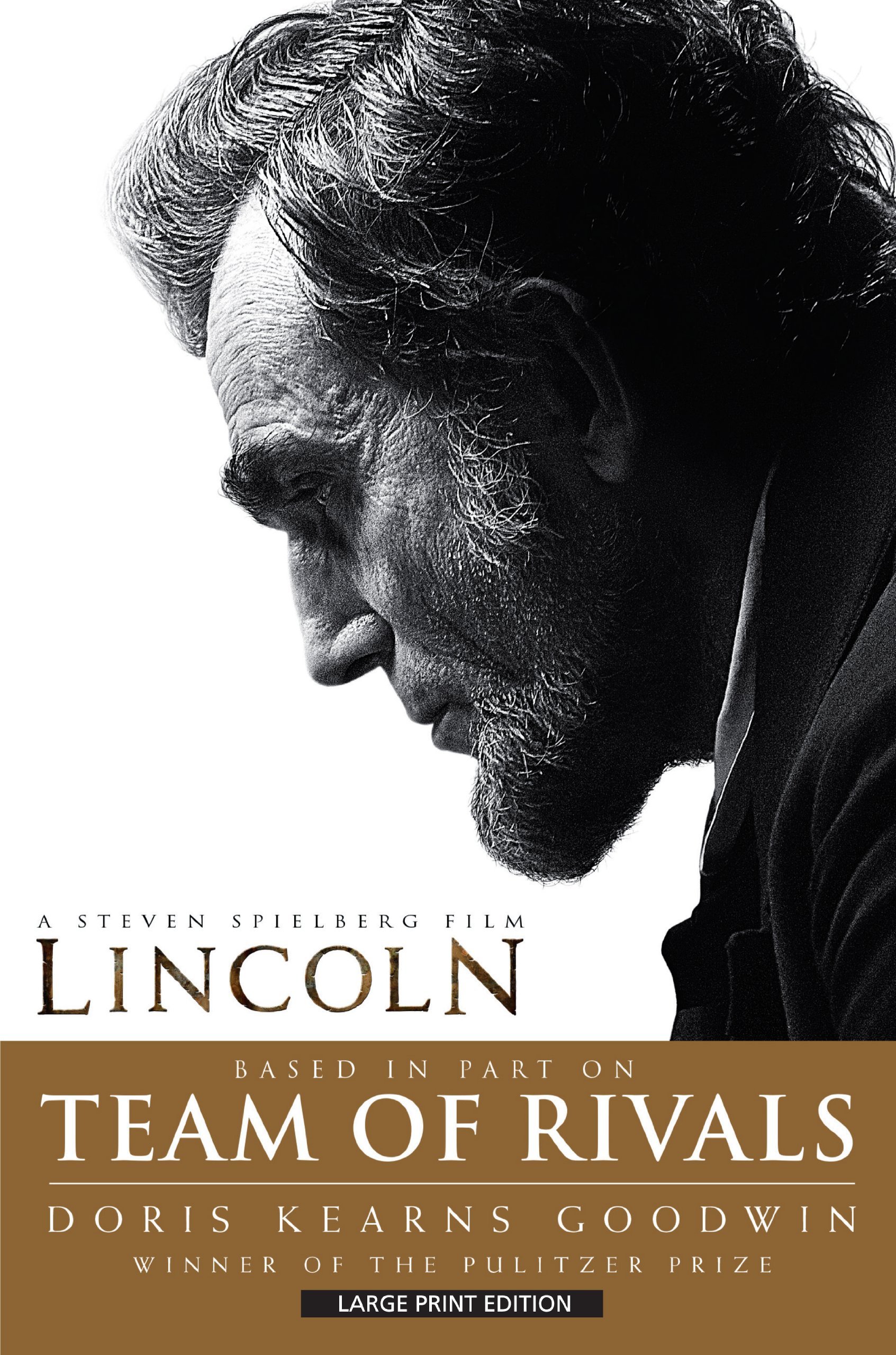
Team of Rivals: The Political Genius of Abraham Lincoln, by Doris Kearns Goodwin: I listened to this as an audiobook, and I think what I got was an abridged version of the original. Nevertheless, I loved it. I had seen the film Lincoln several years ago and was familiar with the book’s basic premise—Abraham Lincoln constructed his cabinet largely out of men who had sought the presidency he won—and then turned almost every one of them into allies and friends. Reading this book gave me an increased appreciation for Lincoln, and one thing I really wasn’t prepared for was how moved I would be by his assassination (something I have known about for as long as I can remember).
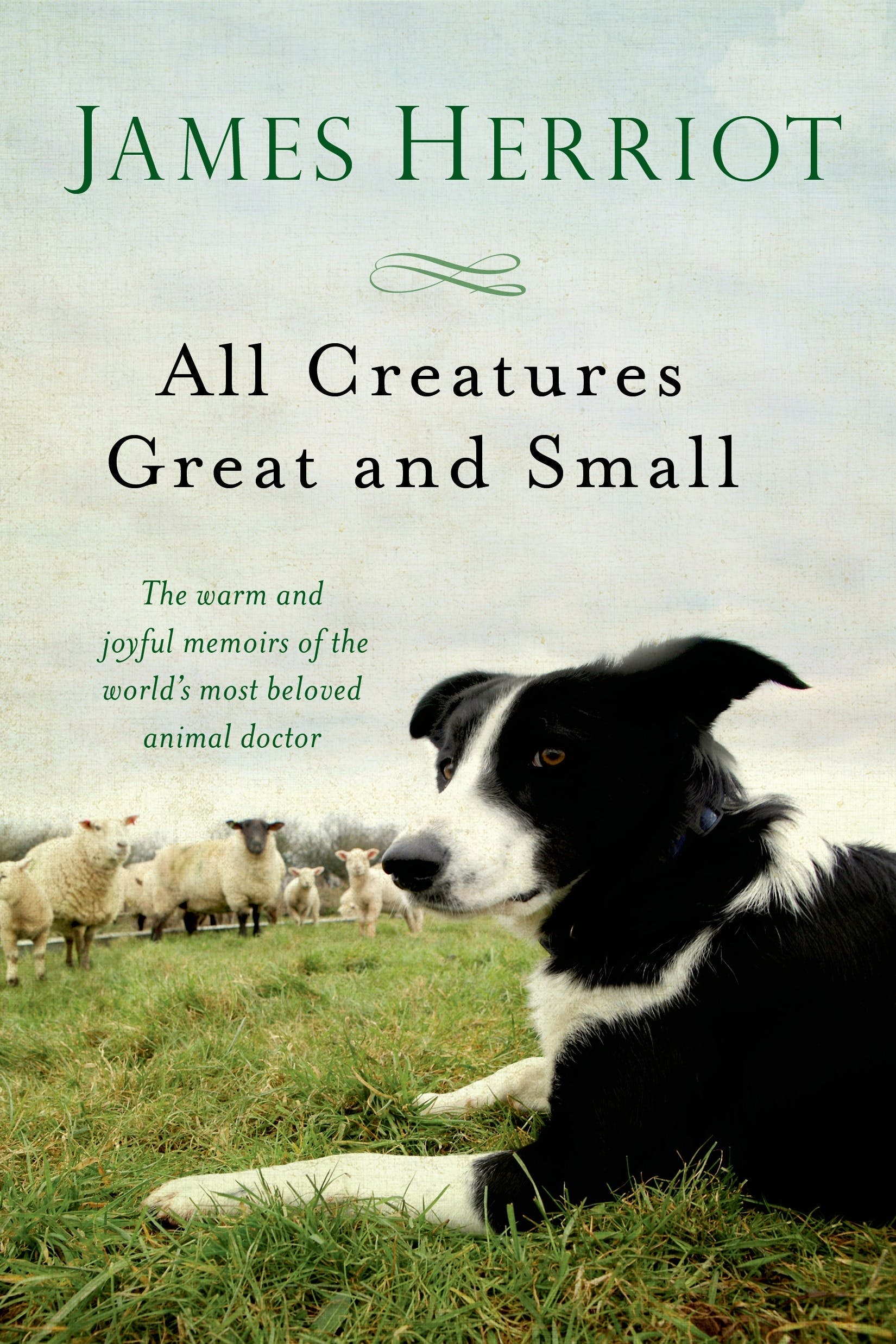
All Creatures Great and Small, by James Herriot: This was a quaint and delightful book recounting the adventures of a country vet in Yorkshire back in the 1930s. Herriot’s reminiscences are both humorous and meaningful, and I generally just found the book comforting to read. It also made me feel connected to my dad, who has loved the Herriot books for years as well as the original PBS series.
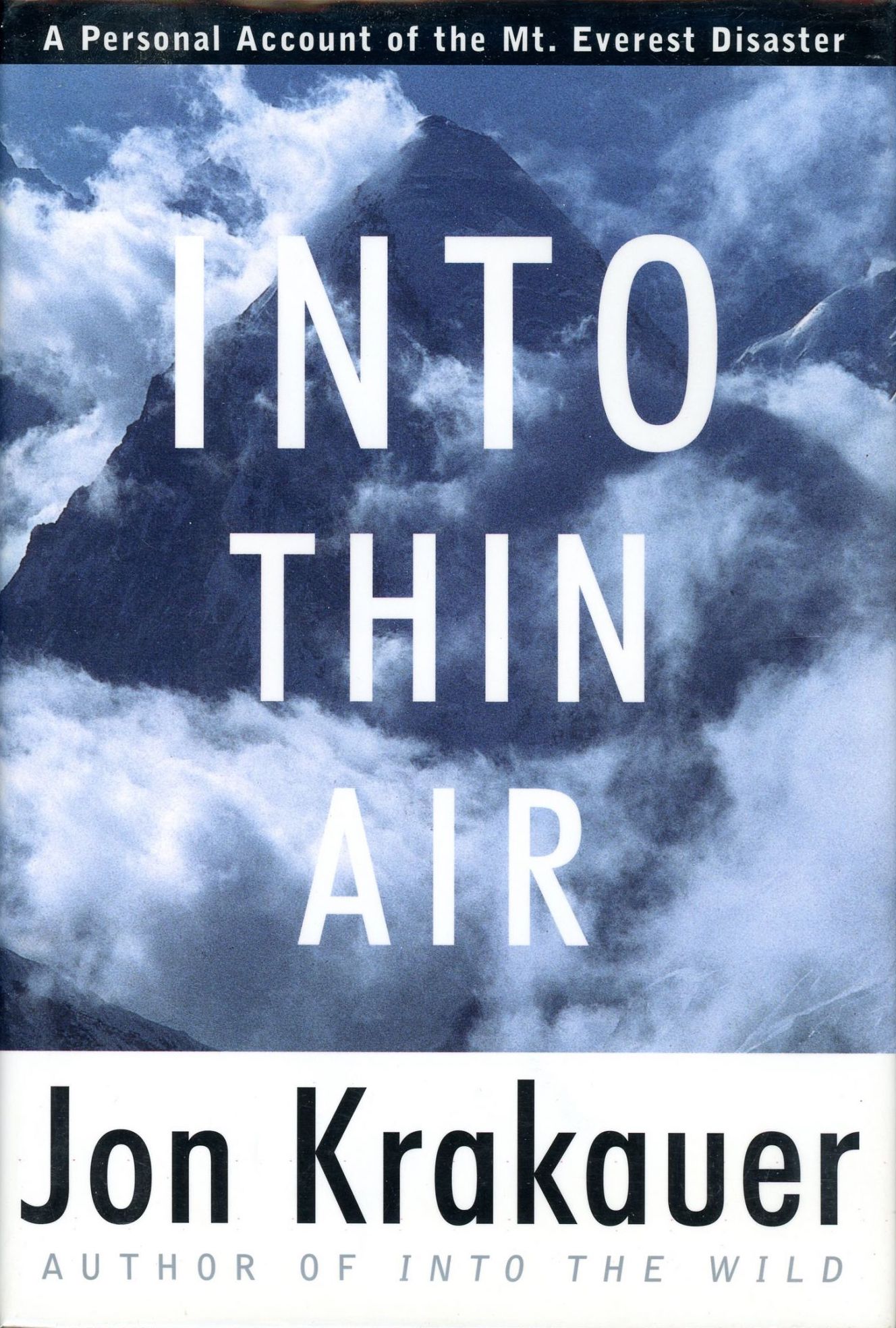
Into Thin Air: A Personal Account of the Mt. Everest Disaster, by Jon Krakauer: This was a gripping narrative that recounted Krakauer’s own part in an expedition that unwittingly became part of the 1996 Mount Everest disaster, when eight people (from multiple expeditions) were killed when caught in a storm on top of the world’s highest mountain. It is a tale of survival, tragedy, what-ifs, and unanswered questions, that was really compelling to read.
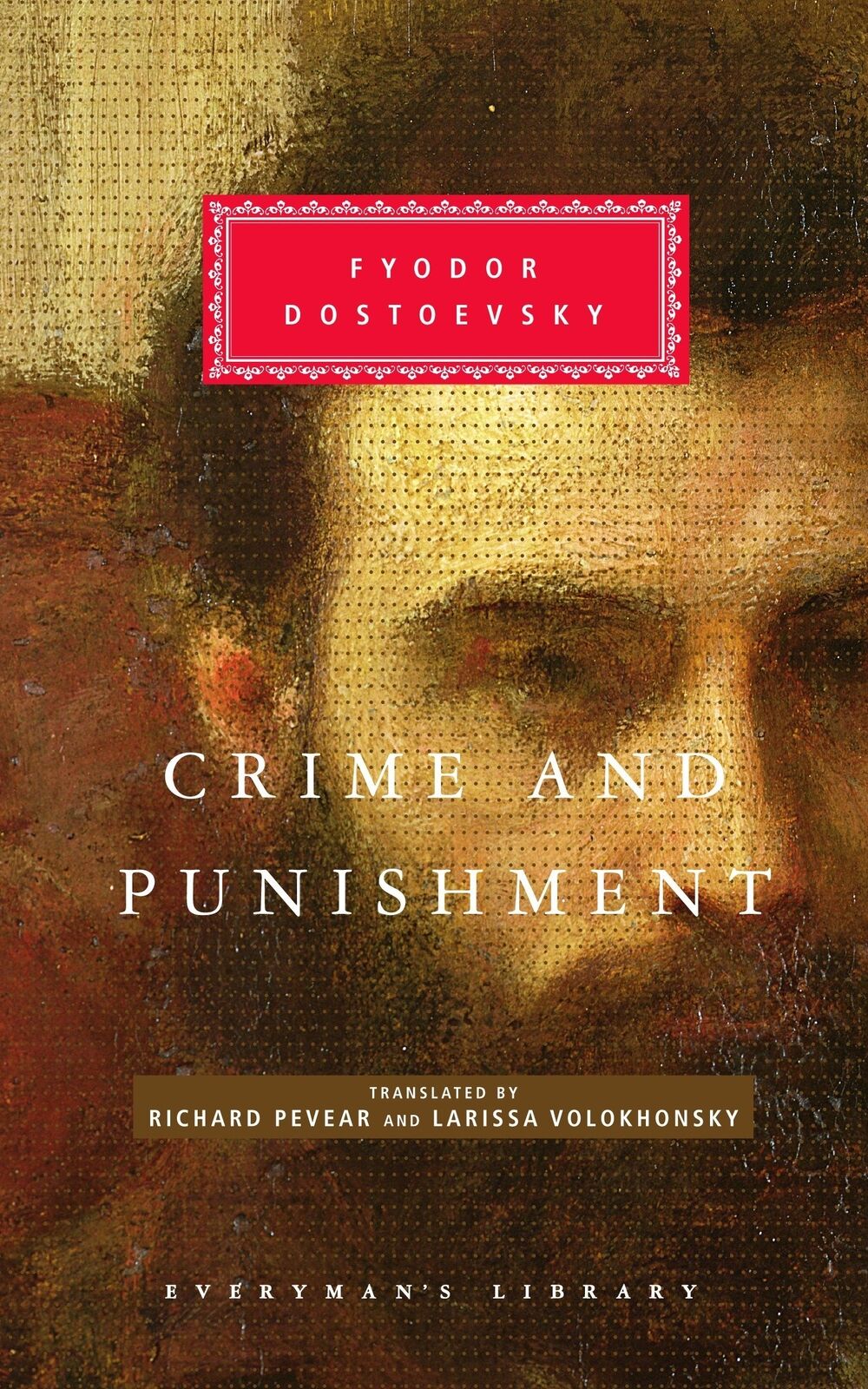
Crime and Punishment, by Fyodor Dostoevsky: I read Crime and Punishment for the first time in high school, and I think I read it again during college or shortly thereafter. This time, I read the acclaimed translation by Richard Pevear and Larissa Volokhonsky in the Everyman’s Library series (I loved this translation and series—so much so that I asked for two more volumes from this series for Christmas). This is such a brilliant book; it is funny, clever, psychological, and suspenseful, and delivers Dostoevsky’s sustained critique of the new intellectual ideas (utilitarianism and nihilism especially) that were invading St. Petersburg and Europe in the latter half of the 19th century and, by contrast, his support of traditional religious values. This was a timely read.
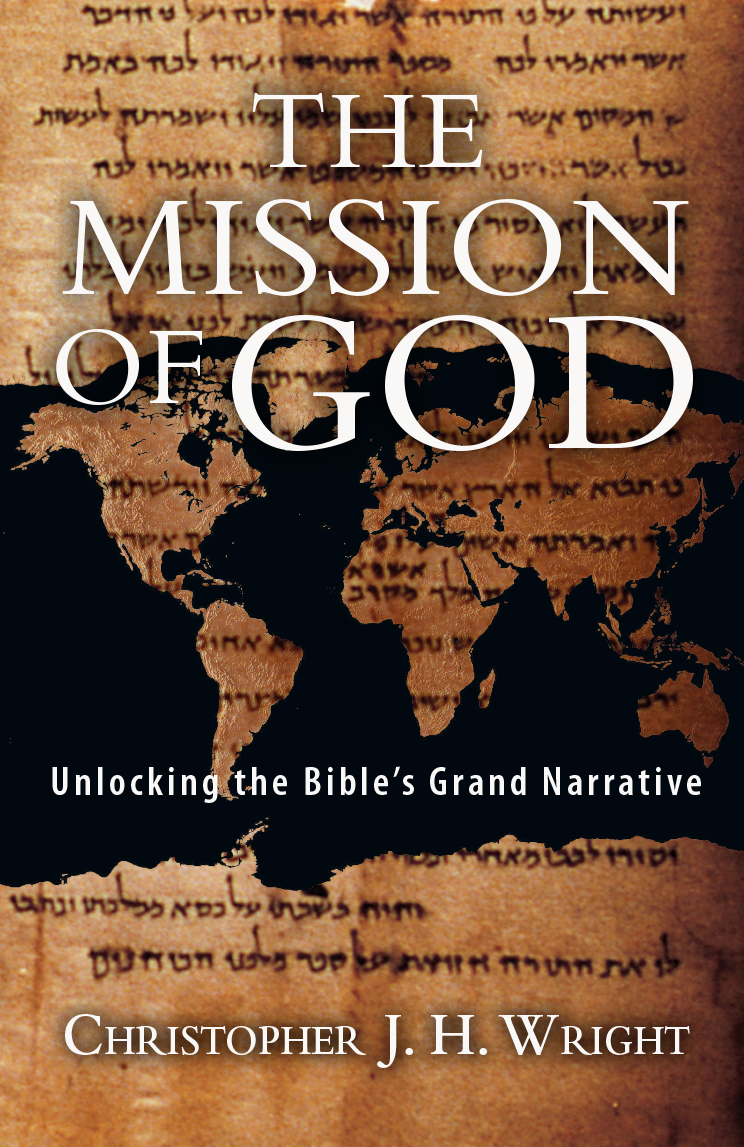
The Mission of God: Unlocking the Bible’s Grand Narrative, by Christopher J. H. Wright: I have read stuff from Chris Wright for years, and was generally aware of the main ideas in this, his magnum opus. Nevertheless, I thought it was finally time for me to tackle it, and it is a brilliant book. Many of the conclusions that Wright reaches I had already come to over the last decade or more through other readings from Wright as well as other sources like N.T. Wright and The Bible Project, but I wish I would have read this years ago, because it would have helped me with a lot theological processing. The basic idea is that the story of Scripture is the story of a God who is on a mission to reconcile His creation back to Himself, and as God’s people, we are invited to join in that mission. When Scripture is viewed through this lens, it has significant ramifications. This was a massive and dense book, but so good.


That was my reading for 2021. For comparison’s sake, if you are interested, you can see my reading lists from previous years:

What are some of the best books you read this past year?
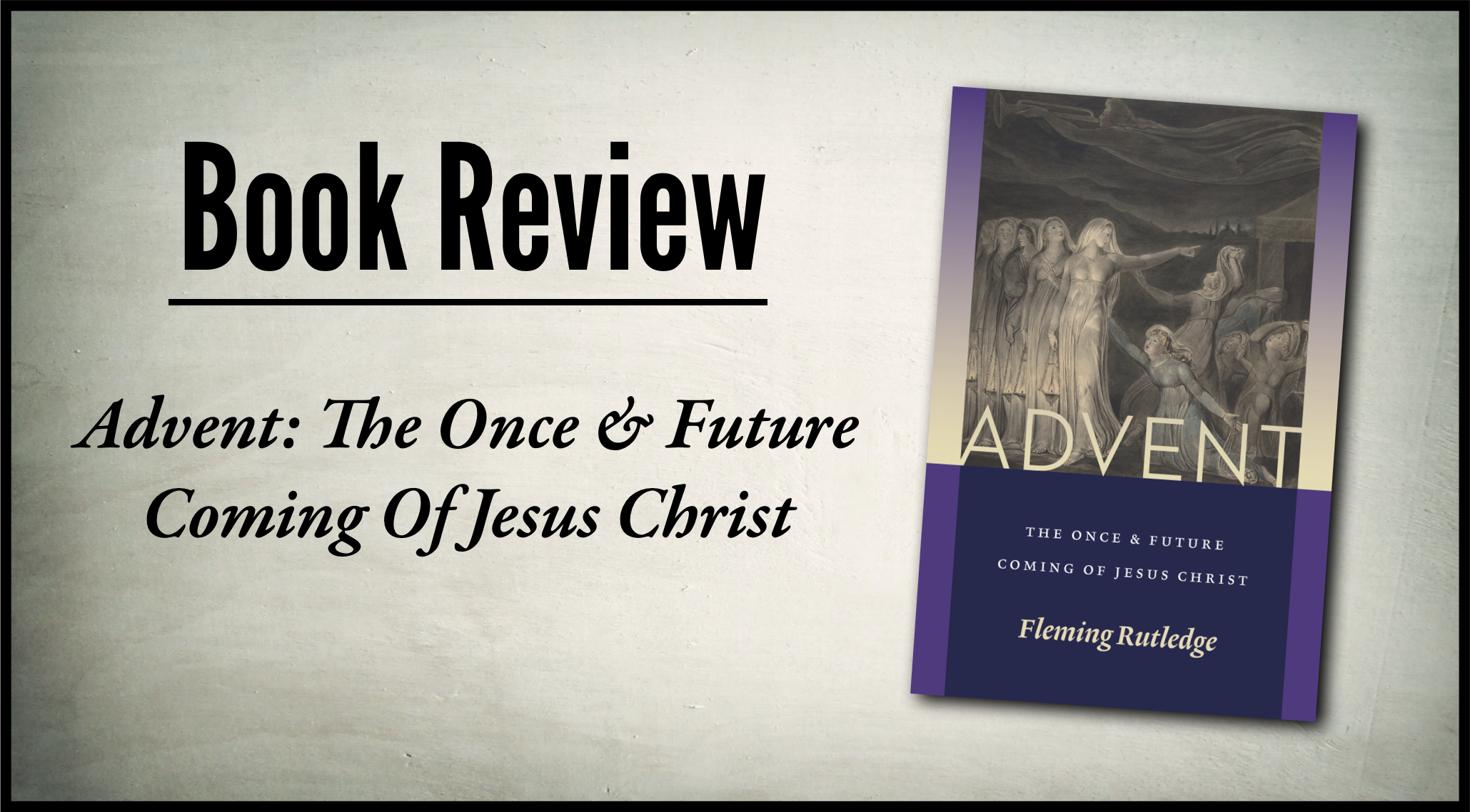
Book Review: Advent: The Once & Future Coming Of Jesus Christ

We are a couple of weeks away from my annual post in which I discuss my favorite books of the year, but I wanted to go ahead and highlight one of those books with a brief review.

Fleming Rutledge’s Advent: The Once & Future Coming of Jesus Christ is a collection of writings and sermons from her decades as an Episcopal priest. I had heard good things about the book and was hopeful that it would give me a better understanding Advent. It did not disappoint; growing up in a church context where we did not observe the liturgical calendar, my knowledge of Advent was gleaned mainly from culture, which is rarely a good way to learn about something accurately!

Advent is not about extending a commercialized and sentimental Christmas holiday. Indeed, in many ways, celebration of Advent postpones the celebration of Christmas by instead emphasizing the waiting that is central to the lives of God’s people, both in the sense of waiting for the arrival of the Messiah, but also, now, waiting for Him to return. In that sense, Advent is essentially eschatological. Also, far from being sappy and sentimental, Advent looks unblinkingly at the brokenness of our world and acknowledges our need for the coming of a Judge who will stamp out sin, evil, and death.

Of all the seasons of the church year, Advent most closely mirrors the daily lives of Christians and of the church, asks the most important ethical questions, presents the most accurate picture of the human condition, and above all, orients us to the future of the God who will come again. (1)

A key emphasis of Rutledge’s book, however, is that much of the eschatological focus of Advent has been lost and needs to be reclaimed. Advent cannot be pressed into the service of Christmas, but must instead be about what it is supposed to be about:

During much of the twentieth century, the second coming of Christ was considered in the mainline churches to be an obsolete if not downright embarrassing topic for preaching, and the subject of the divine judgment that was so familiar to medieval and Reformation-era congregations fell into disfavor with the ascendancy of liberal theology. (6).[1]

Rutledge is a keen theological thinker and an excellent communicator. She was one of the first women to be ordained to the priesthood of the Episcopal Church,[2] and is now in her 80s. This means that she draws from a remarkable well of experience, and also that she at times exhibits a delightful sort of crankiness that comes with age and many years of ministry. She is also a Southerner (born in Virginia), which comes out in endearing ways as well.

The book is comprised of a sort of theological introduction to the practice of Advent, followed by a section of Writings, articles written by Rutledge on Advent over the years, and Sermons, divided according to where they fall in the church calendar. In the section of sermons, in particular, there is, at times, a good deal of overlap, as you can imagine that 40 years of sermons on the same topic will re-tread some of the same ground. I can imagine that this would be one of the main critiques of the book, but in my case, I read it slowly over a period of several weeks (usually reading one or two sermons per day), so it did not seem as repetitive as it may have otherwise.

Now, on to some of my favorite quotations (bolded text reflects my own emphasis):

We live not according to the reign of Satan, but as those who know that “the ruler of this kosmos” is already doomed—in spite of all appearances to the contrary. …The church lives, therefore, without fear, in faith that the cosmic change of regime has already been accomplished. (12-13)

Nothing short of divine intervention can arrest the ever-recurring cycle of human misery. (13)

…Far from escaping the world, the Christian disciple finds his or her vocation precisely here: at the collision of the ages where the struggle of the Enemy against God continues, making a space for the conquering love of God for the world. (16)

The concept of justice is indeed central to the biblical portrait of the God who has revealed himself in his written Word and in the incarnate Word who is his Son. However, the current use of “justice” as a rallying cry for the church is reductive, because it is limited to particular political and economic issues without reference to the righteousness of God. A key biblical meaning of justice is found in the fact that the world translated “justice” and “righteousness” is the same word in Hebrew and in Greek. …All the references to judgment in the Bible should be understood in the context of God’s righteousness—not just his being righteous (noun) but his “making right” (verb) all that has been wrong. Clearly, human justice is a very limited enterprise compared to the ultimate making-right of God in the promised day of judgment. (21-22)

The way of Christian community is not, however, to retreat from horror into the solace of personal religion, but to proclaim Christ’s hope to the world. (53)

In Advent, we don’t pretend, as I once thought, that we are in the darkness before the birth of Christ. Rather, we take a good hard look at the darkness we are in now, facing and defining it honestly, so that we will understand with utmost clarity that our great and only hope is in Jesus’s final victorious coming. (58)

Even our smallest lights will be signs in the world, lights to show the way, beachheads to hold against the Enemy until the day when the great Conqueror lands with Michael the archangel at the head of his troops. (81)

We need to understand the difference between optimism and hope. Optimism often arises out of denial of the real facts; hope, however, persists in spite of the clearly recognized facts because it is anchored in something beyond.…Mere optimism cannot survive the brutal facts; but Christian hope is something else. Christian hope does not build a foundation on a new millennium. Christian hope builds its foundation on the promise of the living God that the random chaos of the world will be revealed one day to have been led and shaped by the same hand that reached out to heal the sick and make the blind to see, to raise the dead and “to call into existence the things that do not exist” (Rom. 4:17). (92,94)

Power is most dangerous in the hands of the strong and well-meaning, those who are sure that they can use it for good purposes. Evil is loose in the world and can take over anyone, anywhere, at any time—but the proud and the self-righteous are especially vulnerable. (124)

In the New Testament, the basic imagery of this world is that of a country occupied by the enemy forces—like most of Europe occupied by the Nazis. It is not that the world itself is bad, for as we know, the world is God’s good creation; but since the fall of Adam and Eve, the world is occupied by Satan. …If you live in occupied territory, you can be a collaborator or you can be in the underground resistance, but you can’t just be neutral. (143-44)

The human being is in the grip of impulses that are more powerful than our wish to do good. (151)

One of the idols of our own time is the idol we have made of a God who never judges anyone or anything. We have created a God who accepts everyone “just as they are” and never says anything against us, because that would be “judgmental.” (179)

The season was not intended to be the run-up to Christmas in the sense that we think of today. I t was designed to be the season to look forward, not to the birth of the baby Jesus in Bethlehem, but to the second coming of Christ. Advent locates the church properly, in between the times, the time of waiting through the night for the Bridegroom to come. (180)

We bear witness to our allegiance to the kingdom of God by giving away a lot of our money. (197)

For the Christian, the time is always getting late; the situation is always grave; ultimate matters press in upon us. (238)

More often than not, the Bible isn’t taught today as if it were about God. It’s taught as a repository of human religious thinking. It’s presented as an interesting and important document about human spiritual development. It’s treated as a collection of human imaginings about God. But this is precisely what the Bible is not. The Bible demands to be understood as the revelation of the one true God who is really God. This doesn’t have to be believed, of course, but it requires that we hear it in the way it means to be heard, whether we believe it or not. (318)

The idea of a resurrection is preposterous enough, but not as preposterous as the idea of a crucified Messiah. To believe that it is all illusory, you have to believe that resurrection was a tidy idea invented by the disciples of a crucified man so that they could go out and meet their deaths proclaiming him to the entire world. People who believe that will believe anything; they will even believe that mankind is inherently good and progressing nearer and nearer to perfection every day. (335)

We humans try to create artificial worlds of light at Christmas, hoping to stave off the darkness. Advent summons us to do exactly the opposite; to renounce the easy consolations of artificial light in order to recognize the Coming One, who said, “I am the Light of the world” (John 8:12). (340)

I thought this was a wonderful book—it was one of my favorite reads 0f 2022. For those who observe Advent but would like to root that observance on more theological foundations, this is an excellent resource. But I would also recommend it for those who don’t observe Advent at all, but who are wanting to think more clearly about what it means to live in the in-between time of the inauguration of the reign of Jesus, and the consummation of that reign when He returns—in other words, all Christians.


[1]This quotation reveals one of my favorite characteristics of this book. Considering that Rutledge is a priest in the Episcopal Church, I had assumed that she would be operating from the perspective of liberal theology, but I was far from the mark. To be sure, Rutledge and I come from very different places religiously, but her theology was delightfully orthodox, and in many places, she offered critiques of liberal theology and her own context.

[2]Anticipating some potential pushback here, I will mention that I am not advocating for women priests or, indeed, the ordination of any sort of priesthood at all. I am merely providing a biographical sketch.

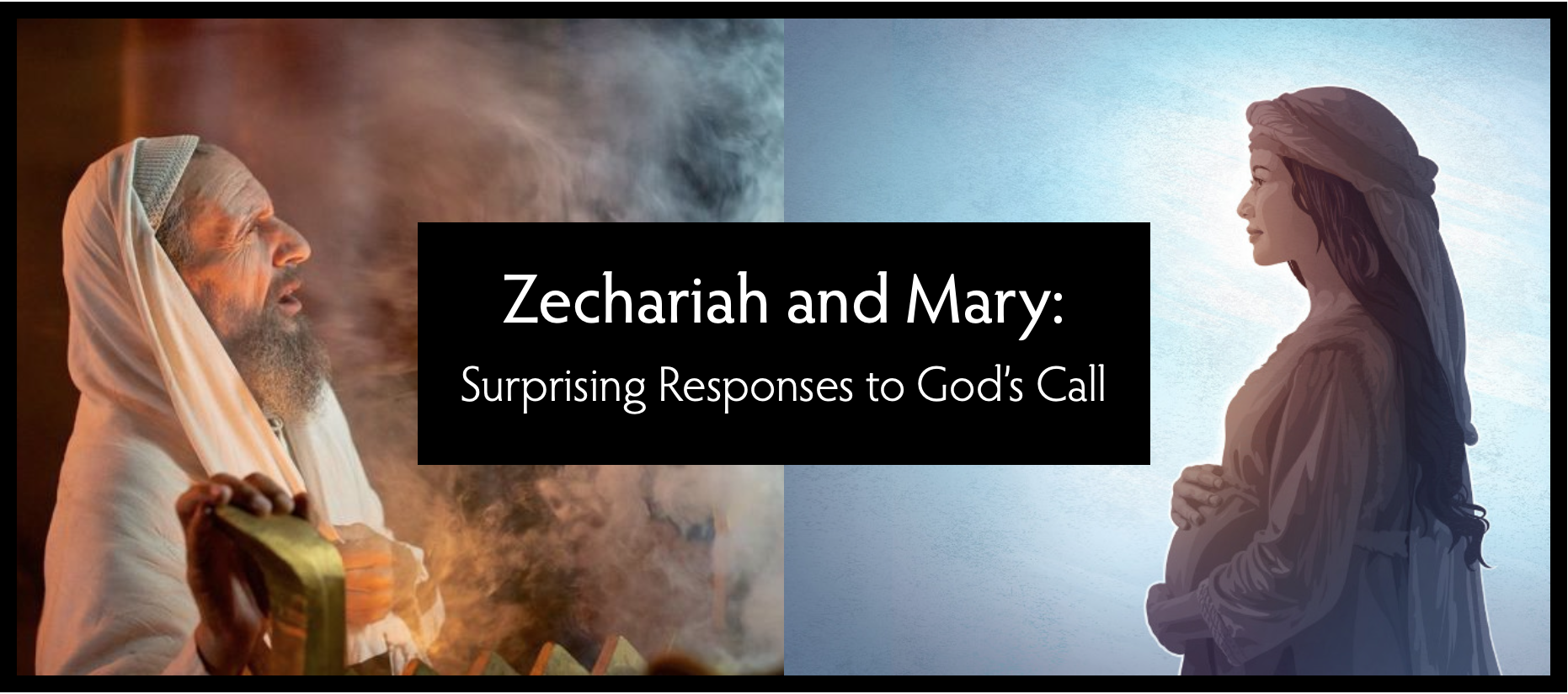
Zechariah and Mary: Surprising Responses to God’s Call

As is likely true for many, at this time of year my thoughts naturally turn to the early chapters of Matthew and Luke and the narratives surrounding the birth of Jesus. This year, I found myself reflecting on the way that Luke portrays the revelations of Gabriel the angel to Zechariah and Mary about the surprising births of their respective sons.

As I have written before, Scripture comes to us as brilliant literature, and we read Scripture better and more faithfully when we are attentive to the literary designs of its authors. In Luke 1, Luke intentionally sets the stories of Zechariah and Mary alongside each other as parallel accounts, and wants his readers to draw conclusions by comparing the two. A quick Google search will reveal that I am hardly the only person to point this out, and you can likely find much better and more detailed analyses than what I offer below. Nevertheless, here are my own brief thoughts.


Zechariah

We are introduced to Zechariah in Luke 1.5. Both he and his wife Elizabeth are from the tribe of Levi, and Zechariah serves as a priest. Both of them are “righteous before God, walking blamelessly in all the commandments and statues of the Lord” (Luke 1.6). Priests and especially chief priests will not always be portrayed positively in Luke’s gospel, but Zechariah is certainly introduced in positive terms. However, he and Elizabeth have lived a life characterized by wanting and heartache: they have no children because Elizabeth is barren, and it is now too late, because they are very old.

While serving in the temple as a priest, an angel appears to him: “Zechariah was troubled when he saw him, and fear fell upon him” (Luke 1.12). The angel tells him not to be afraid, that his prayer had been heard, and that Elizabeth would bear a son who would be named John, who would be great before the Lord, and who, in the spirit of Elijah, would help prepare people to make ready for the Lord.

Zechariah responds in disbelief: “How shall I know this? For I am an old man, and my wife is advanced in years?”[1] To be sure, this is surprising news, but a Priest of Israel could perhaps be expected to be better prepared to accept it, considering that Father Abraham, the progenitor of the Israelite people, experienced a very similar situation. Gabriel at least seemed to expect so, and he tells Zechariah that, as a result of his lack of belief, he will be unable to speak until the day of his son’s birth.[2]

Luke’s narrative diverges at this point to introduce us to Mary (see below). Zechariah’s story resumes later: just as Gabriel had predicted, Elizabeth became pregnant, and Zechariah remains mute until baby John is born. At that point, Zechariah’s tongue is loosened and he blesses God. He then goes on to prophesy about the salvation of God, His faithfulness to the descendants of Abraham, and the special role that John will play in God’s salvific plan.

Mary

We are introduced to Mary in Luke 1.26. She is described as a virgin betrothed to a man named Joseph from the house of David. Gabriel appears to her: “Greetings, O favored one, the Lord is with you!” (Luke 1.28.) She, like Zechariah, is greatly troubled, and is similarly reassured by Gabriel, who tells her not to be afraid, and then lets her know that she will bear a son named Jesus who will be called the Son of the Most High, and who will sit on the throne of David.

Mary responds with confusion: “How will this be, since I am a virgin?” It is likely that Mary is not very old at this point (probably still a teenager), but she is old enough to know that there is no natural way that she can be pregnant. Unlike Zechariah, Gabriel does not respond to Mary with any sort of punishment; rather, he gives her an explanation: it is by the power of the Holy Spirit that she will conceive, the child she bears will be called holy, and as evidence that God is capable of bringing all of this about, her own relative Elizabeth is pregnant as well, despite her age and barrenness. “For nothing will be impossible with God” (Luke 1.37).

Mary responds with humility: “Behold, I am the servant of the Lord; let it be to me according to your word” (Luke 1.37).

Mary then goes to visit her cousin Elizabeth, and stays with her for about three months. When Elizabeth hears Mary’s initial greeting, the baby leaps within her womb,[3] and Elizabeth talks about how blessed she is to be hosting the “mother of my Lord.” She then praises Mary: “blessed is she who believed that there would be fulfillment of what was spoken to her from the Lord” (Luke 1.45). This seems to underscore a fundamental difference in Mary’s response to Gabriel compared to Zechariah despite the superficial similarities: Zechariah was disbelieving; Mary was confused, but faithful.

Zechariah was disbelieving; Mary was confused, but faithful. Share on X

Mary then goes on to speak the beautiful words of the Magnificat, praising the God who looks down on the humble to raise them up, and who shows faithfulness to the descendants of Abraham.

Similarities and Differences

Luke has written these narratives in parallel fashion, and we are meant to compare them. Notice some of the following similarities and dissimilarities:

  • Zechariah is old; the indication is that Mary, unwed and still a virgin, is quite young.
  • Zechariah and Mary are both faithful believers in YHWH, the God of Abraham, Isaac, and Jacob.
  • Zechariah may or may not have been wealthy, but as an aged priest, he would have been a respected member of Jewish society and a religious expert. We have multiple indications that Mary was decidedly not wealthy, and that, combined with her age, marital status, and gender, would indicate that she certainly would not have been a highly respected member of Jewish society.
  • Gabriel the angel appears to both to give them surprising news about impending miraculous pregnancies.[4]
  • Zechariah and Mary are both greatly troubled by Gabriel’s appearance, and have to be reassured to not be afraid.
  • Although both pregnancies are unnatural and miraculous, that of Elizabeth (and Zechariah) has been heard of before: the famous ancestors of the Israelite people, Abraham and Sarah, had a similar story. Mary’s pregnancy is unprecedented.
  • In both of his announcements to Zechariah and Mary, Gabriel mentions the special role that both promised sons will grow up to play: John will prepare people for Jesus (indeed, just as in some ways, Elizabeth’s pregnancy will prepare for Mary’s pregnancy), and Jesus will sit upon the throne of David as the Son of God and promised Messiah.
  • The respected religious leader balks at the message; he seeks proof, is rebuked, and receives the sign of silence for his disbelief. The lowly teenage girl is confused by the message; she humbly submits to what she is told and is praised for her faithfulness…by the wife of the doubting religious leader!
  • Both Mary and Zechariah offer words of praise and prophecy, centering on the God who works in surprising ways in faithfulness to His promises to Abraham.

I’m confident that much more could be said, but these are immediate points of comparison that came to my attention.


So what are we to make of this? Again, I am sure much could be said, but I think that perhaps one of the main points is simply this: often, God does not work as we might expect. The incarnation of Jesus is a multi-faceted, many-layered example of shattered expectations:

  • The basic idea that the omnipotent God of the universe would become mortal and limited flesh at all is shocking.
  • That God would choose to become flesh among an oppressed and disempowered people group is shocking.
  • That God would choose to become flesh not in the circles of the religious elite, but through an unwed teenage girl is shocking.

I do not believe we should be too hard on Zechariah. Remember, he is praised as a righteous man, and despite his hesitating belief, God honors the faithfulness of this aged priest, and gives Zechariah and Elizabeth the honor of birthing and raising the Forerunner of the Messiah. But the greatest honor is reserved for the unwed, pregnant teenager who humbly offers her life in service to the Lord. Mary’s soul “magnified the Lord” (Luke 1.46), but, indeed, He has magnified her as well.

May we follow Mary’s example and say, “Behold, I am the servant of the Lord; let it be to me according to your word.”

May we, like Mary, say, “Behold, I am the servant of the Lord; let it be to me according to your word.” Share on X

[1]In Greek, Zechariah’s question is something like, “By what [thing? sign?] shall I know this?”—there is an implied object that is left unspecified, but Zechariah may be asking Gabriel for proof that what he has said will actually come to be.

[2]It seems that Zechariah gets the sign he is asking for, though it is unlikely that it is the sign that he would have preferred!

[3]John’s prenatal recognition of Jesus (or the mother of Jesus) seems to me to have striking theological significance in current debates regarding the personhood of infants prior to birth.

[4]Let this serve as your periodic reminder that biblical angels are not cute or cuddly; they are terrifying to behold.

© 2026 The Doc File

Theme by Anders Noren — Up ↑